





Adventure with a dog sounds exciting until the reality of muddy trails, long walks, changing weather, and endless energy becomes part of your weekend.
Some dogs are happy with a short outing and a quiet afternoon, while others seem ready for another mile the moment you get home. For people who spend their free time hiking, exploring parks, camping, swimming, or simply looking for more ways to stay active, choosing the right breed matters.
Physical stamina, confidence in unfamiliar surroundings, trainability, and a genuine interest in activity can make outdoor time far more enjoyable. The right companion can turn an ordinary Saturday into a day worth remembering, whether the plan involves a wooded trail or a game of fetch by the water.
Ready for a better match for you? The adventure ahead features breeds known for energy, athletic ability, and a serious appetite for fun and outdoor excitement every weekend.
Key Takeaways
What kind of dog can keep going when the trail gets longer, the weather changes, and everyone else is ready for a break?
The Vizsla needs around two hours of active exercise each day and can switch from hiking and swimming to search and rescue work with ease.
Then there is the Alaskan Malamute, a powerful sled dog once trusted to haul heavy loads across long distances and even join South Pole expeditions.
Border Collies, Australian Shepherds, and Golden Retrievers bring their own strengths to the mix, with plenty more waiting as you work your way through the list.
Top Dog Breeds Built for Adventure and Fun
1. Vizsla
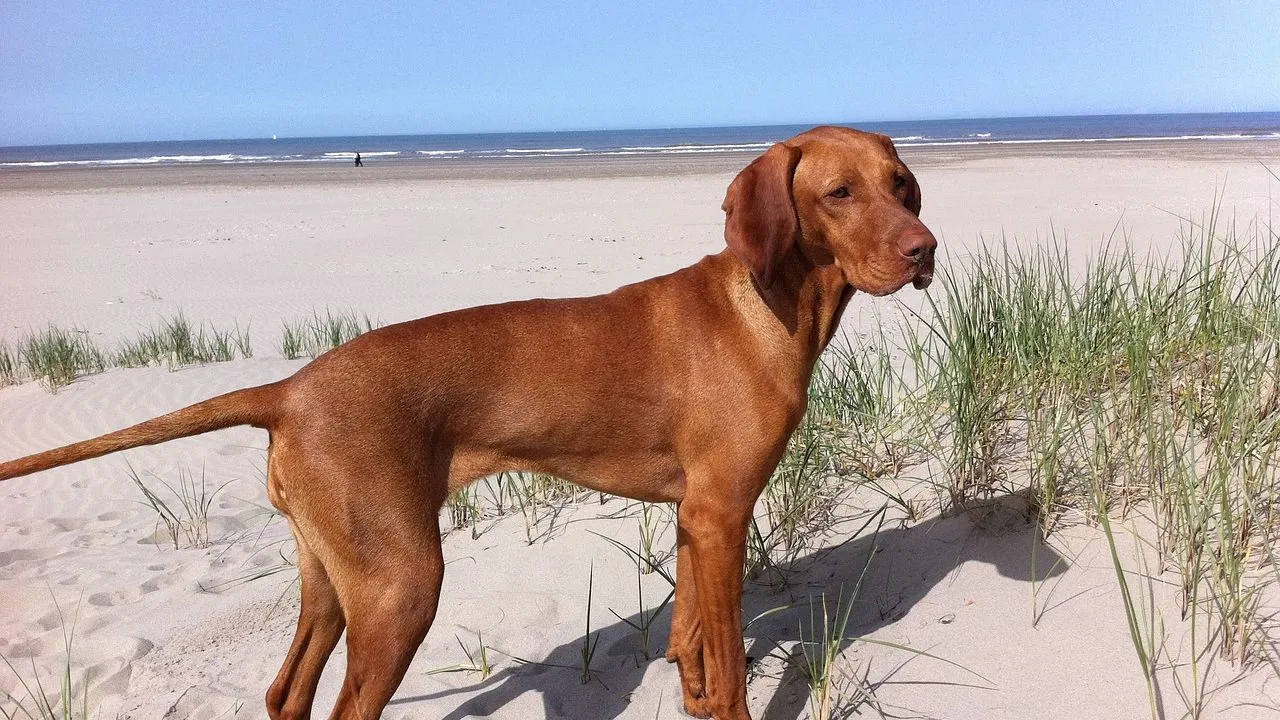
Vizsla is an old Hungarian gundog whose exact origins remain debated, with some theories linking it to Weimaraners and various pointing breeds. Its rust-colored coat and similar build have also fueled speculation about how closely the two breeds may be related.
Born for Action
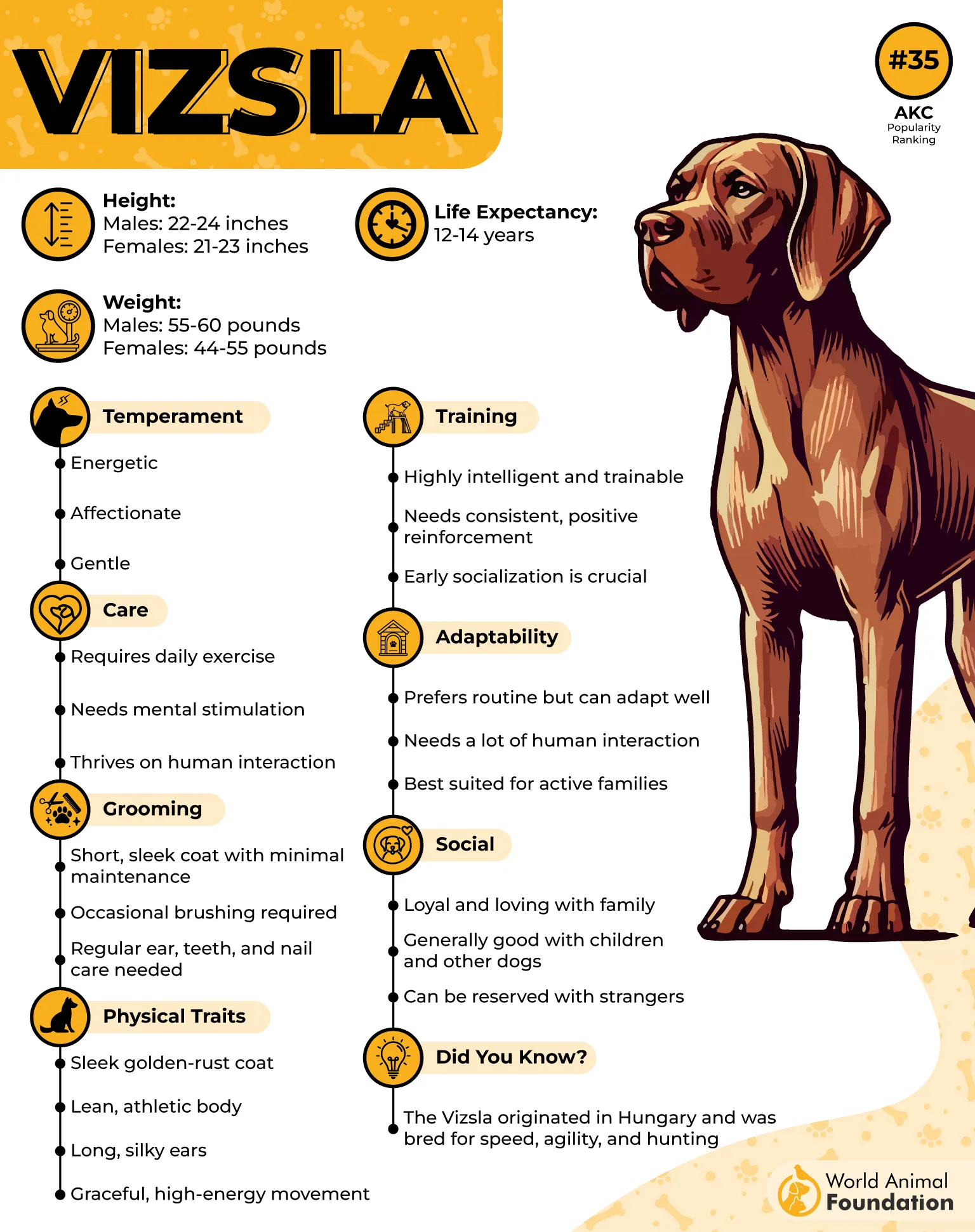
This adventurous dog breed needs at least two hours of active exercise each day, with plenty of opportunities to run freely and explore, as PDSA suggested. Retrieve games on land or in water, hiking, running, swimming, and agility fit naturally into its energetic routine.
Three details add another layer to its versatility:
Skilled in search and rescue work
Excels as both pointer and retriever
Naturally suited to dock diving
A Serious Sporting Dog
Vizsla has the athletic ability to work as a hunting companion while also taking part in demanding dog sports. Its intelligence calls for regular training and mental challenges, with activities such as Frisbee, tug-of-war, and structured agility work giving that focus a useful outlet.
2. Alaskan Malamute
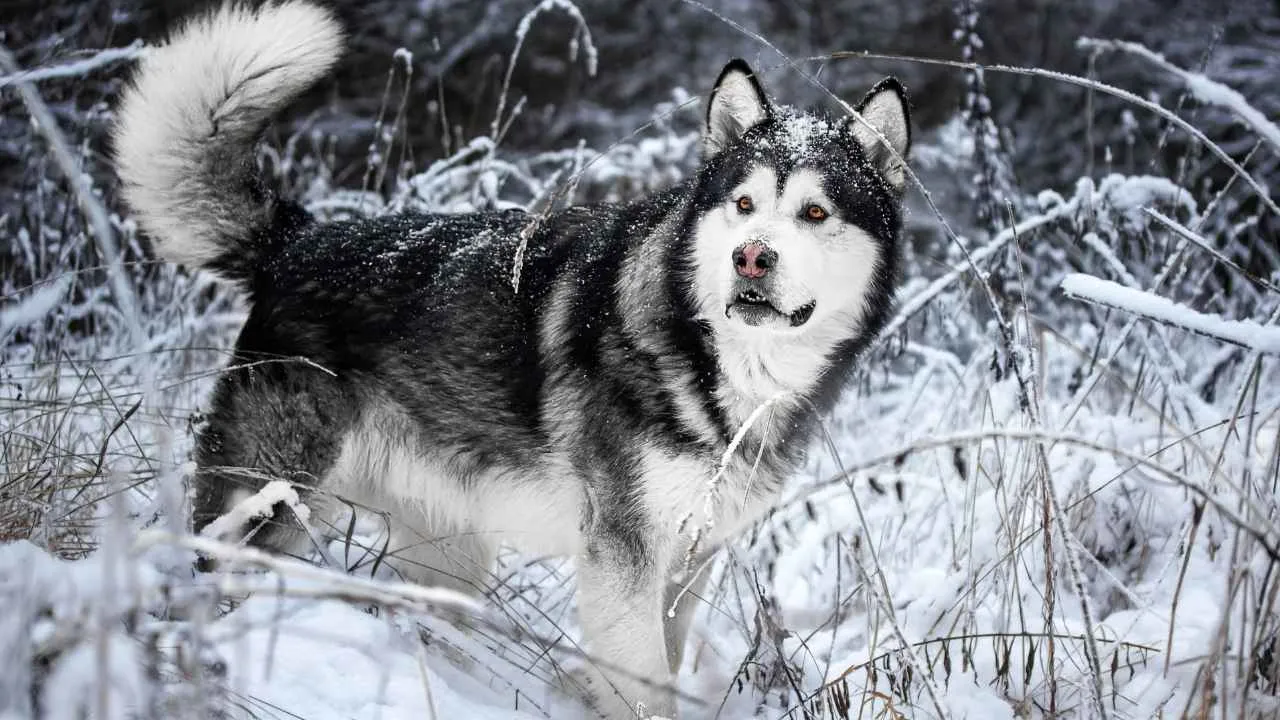
Alaskan Malamutes worked alongside Inuit communities, hauling heavy loads on sleds across long distances at a steady pace. During Alaska’s gold rush in the late 1890s, Malamutes also hauled supplies for miners and later joined South Pole expeditions and U.S. forces during World War II.
Always Ready to Go
This outdoor dog brings tremendous endurance to outdoor adventures, with hiking, running, swimming, and enclosed-yard play offering ways to use its athletic ability. Its working style also suits more specialized pursuits when a family wants to try something different.
Here’s where their talent is used:
Recreational sledding and skijoring
Weight-pulling competitions
Agility and obedience trials
Social by Nature
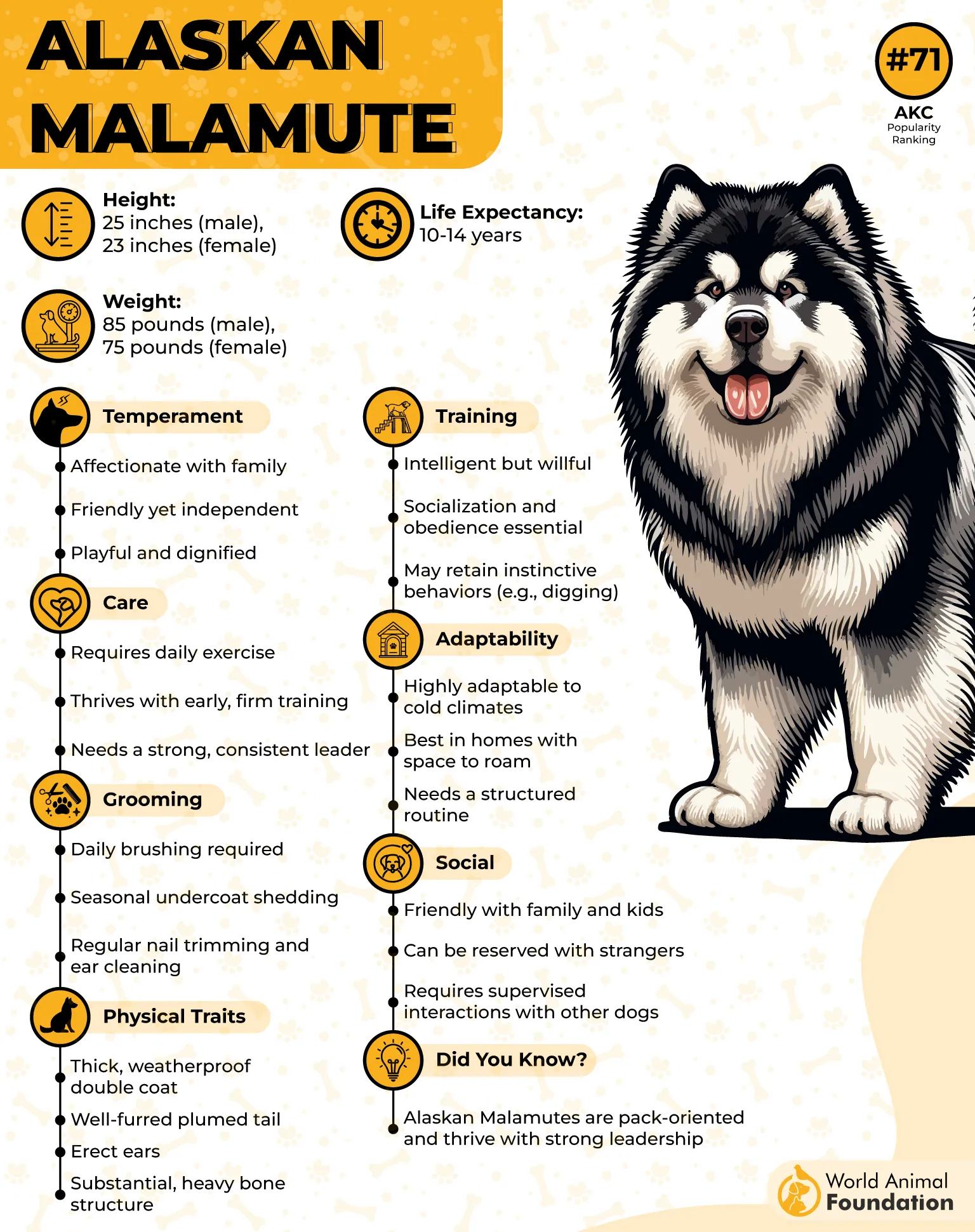
Alaskan Malamute enjoys being included in family life and can form friendly relationships with guests when socialized properly, as per Orvis. Its communication can be surprisingly expressive, with yelps, howls, and distinctive “woo woo” sounds replacing the constant barking associated with some other dogs.
3. Border Collie
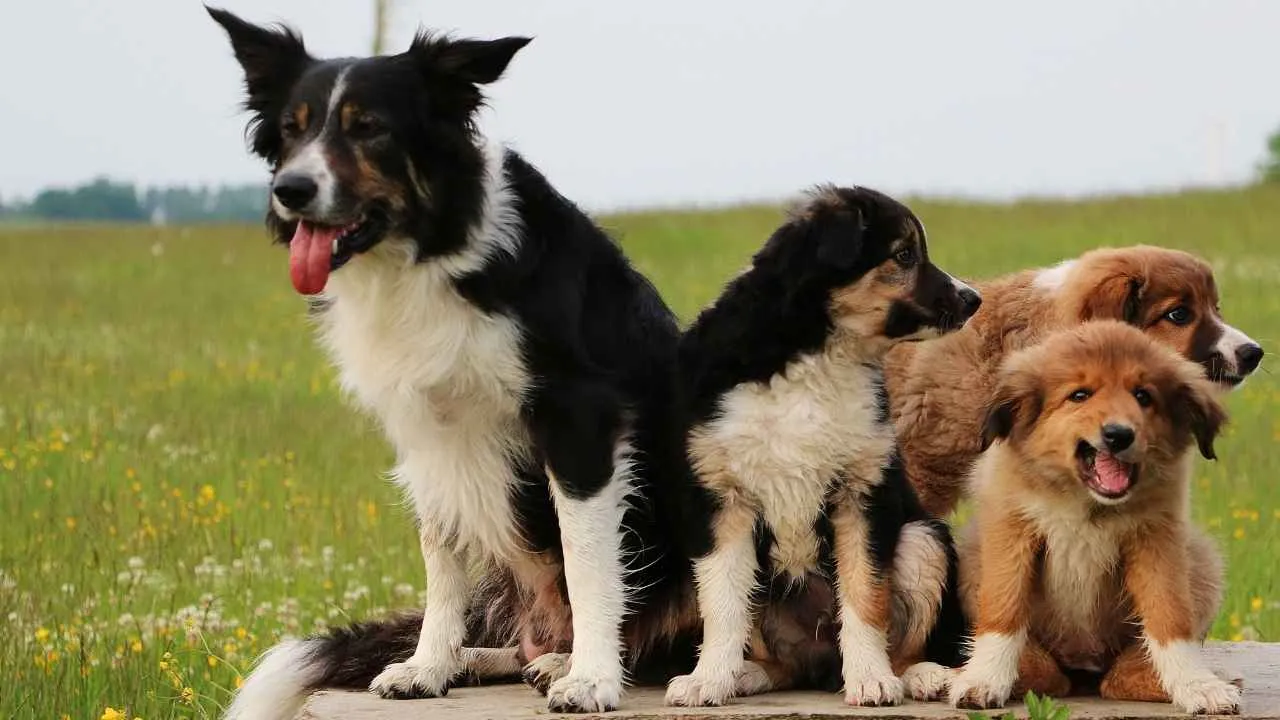
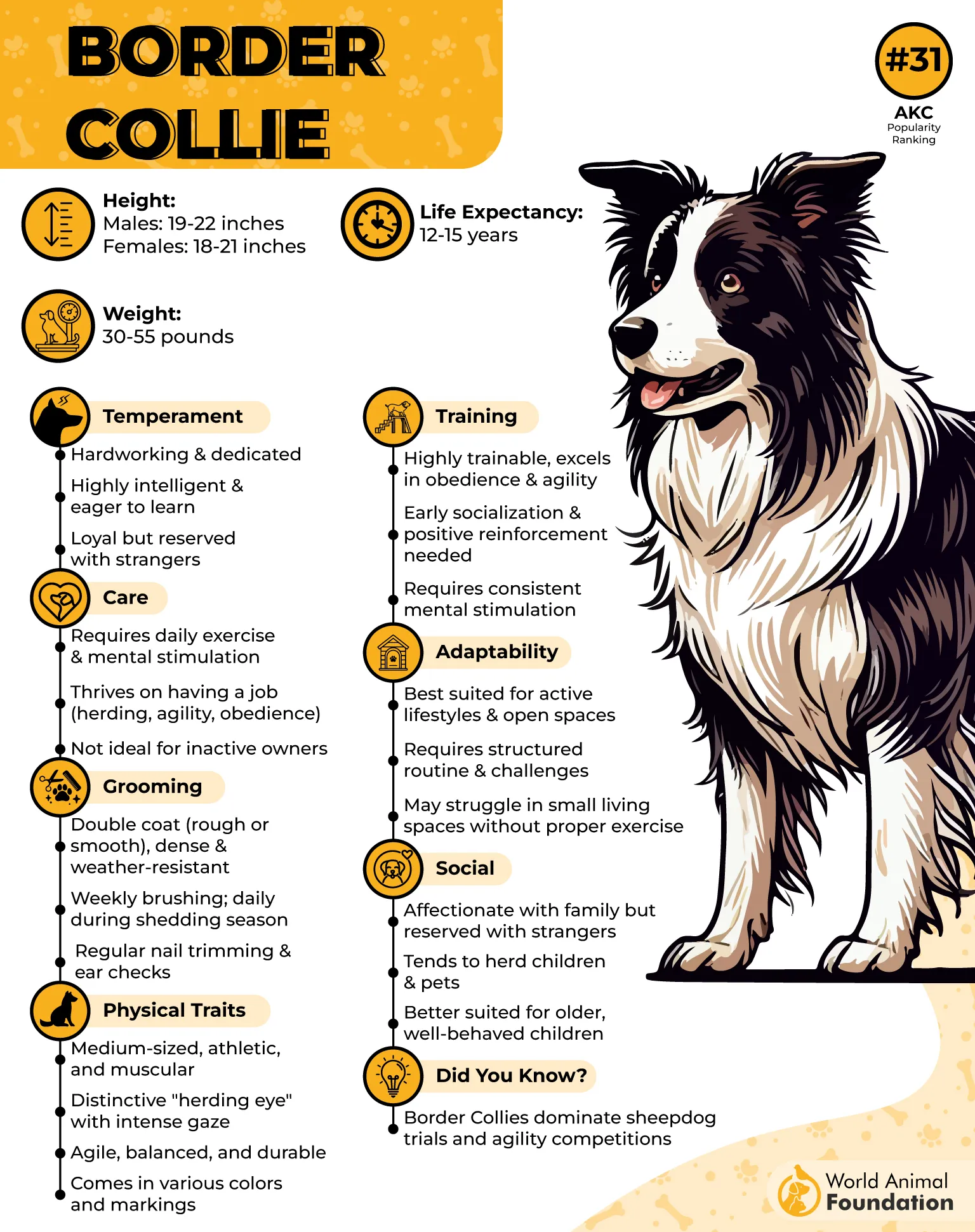
By around 1906, the Border Collie was being standardized for what it could do in the field rather than how it looked, and it was simply known as a Sheepdog at that time. The name adopted in 1915 later reflected its connection to the Scottish and English border region.
Loves Staying Busy
This highly intelligent dog needs far more than casual activity, with one to two hours of daily exercise fitting its demanding energy level. Agility courses, frisbee, flyball, running, scent walks, and fetch give this highly capable breed something meaningful to do, as PetMD claims.
These characteristics make daily life easier with this energetic dog:
Early socialization helps with other pets and people
Predictable schedules can reduce household stress
Interactive toys provide another outlet indoors
A Herding Mind
Border Collie can bring its herding habits into everyday home life, sometimes trying to gather children, dogs, or other animals into one place. Then there is that famously focused stare, which can make it look as though the dog is waiting for someone to give it another job.
Note: A Border Collie with too much unused energy may turn everyday objects and the backyard into entertainment, leaving behind chewed socks, freshly dug holes, or both.
4. Australian Shepherd
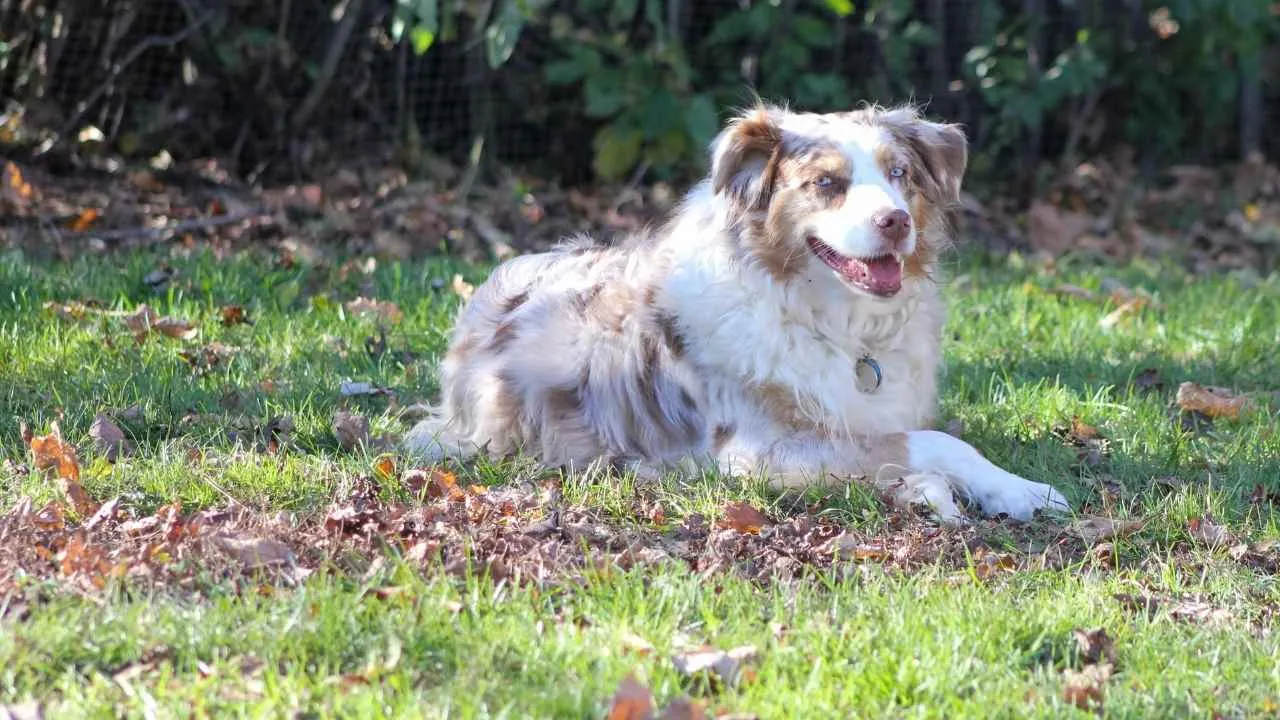
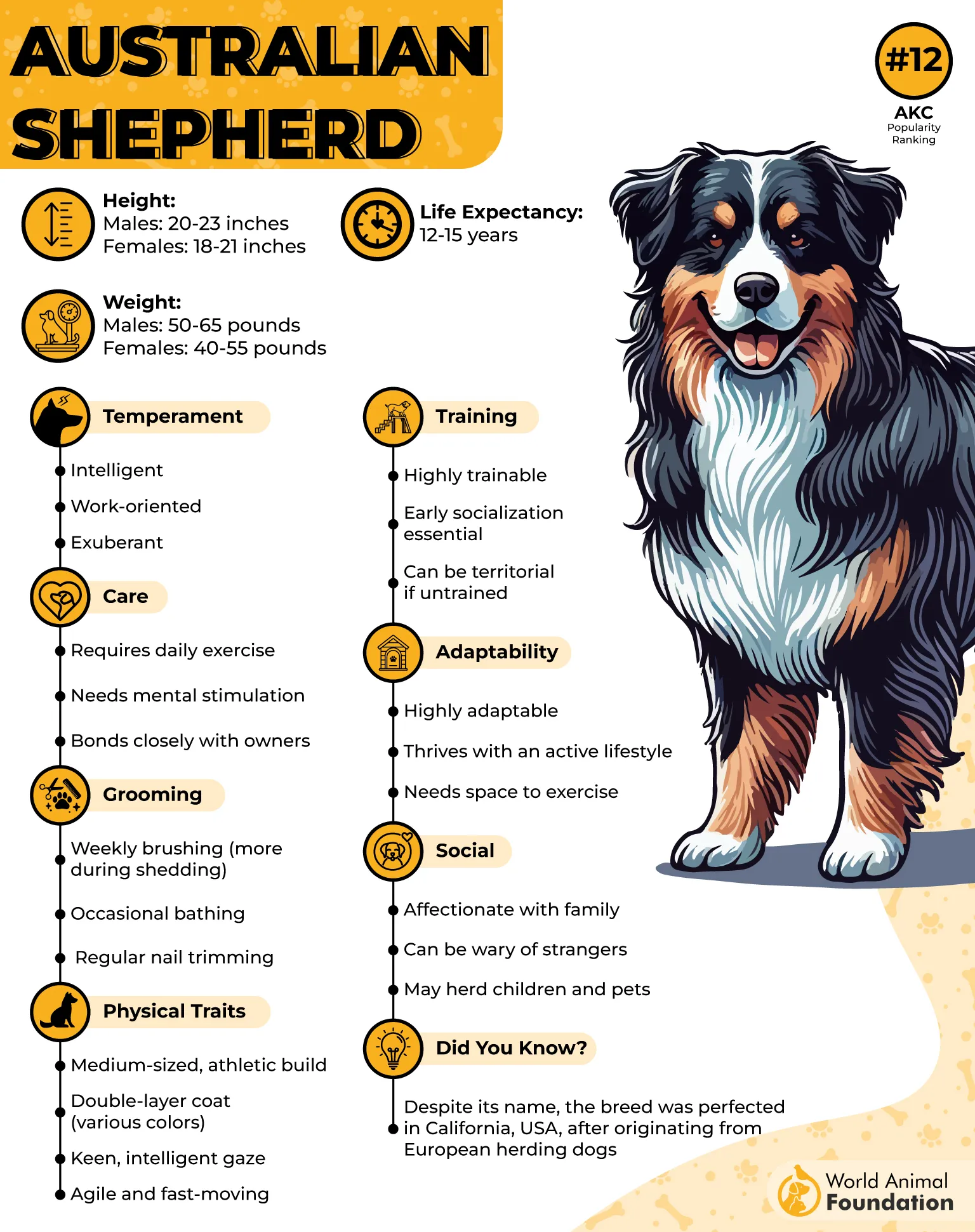
Australian Shepherd was originally bred in the United States during the 19th century, working with farmers and ranchers to herd livestock. Its name is linked to Shepherd and Collie dogs brought from Australia, while Western movies and rodeos later helped bring the breed to wider public attention.
Keeps Up with You
This herding dog breed is a natural fit for active outings, with long hikes, running, training sessions, and interactive games giving its energy somewhere useful to go. Competitive activities add even more variety for this busy breed.
These activities turn their ordinary day into something more engaging:
Agility trials
Canine disc games
Fetch with flying discs
Alert Around Strangers
Australian Shepherds can be playful with children and generally get along with other pets, while unfamiliar people may receive a more cautious reception.
Its herding instincts also contribute to a protective attitude toward its territory and family, with early socialization helping puppies become more comfortable in new settings.
5. Golden Retriever
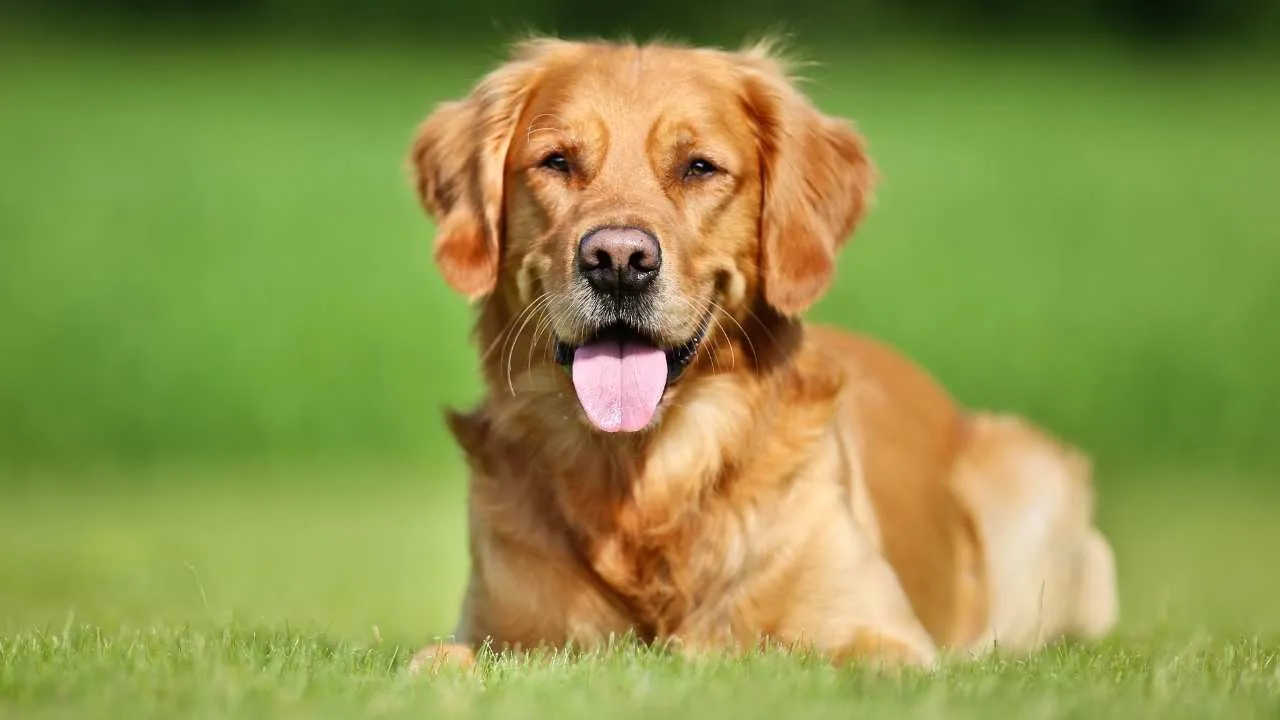
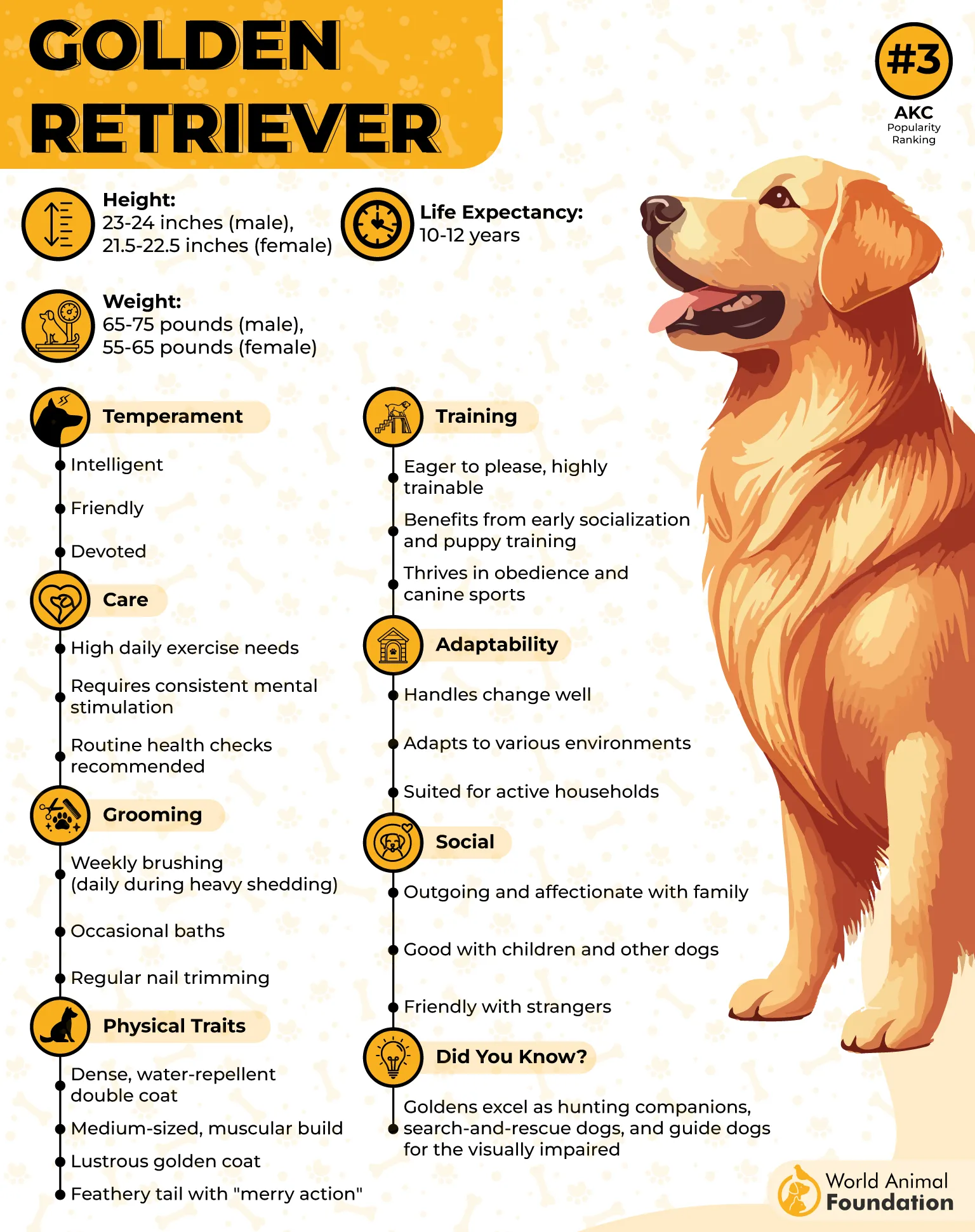
Golden Retriever originated in Scotland during the mid-19th century, when Lord Tweedmouth wanted a strong dog capable of retrieving game from dense undergrowth. He combined a Newfoundland with a Labrador/Water Spaniel cross and later added Setters, producing the breed known today.
Made for Adventure
This popular breed is at its happiest when an outing has something to do, whether that means following a trail, splashing into water, or joining a game of fetch. Its love of swimming pairs well with a thick coat that helps keep the dog warm and protected from water.
For active days, these canine sports fit them well:
Scent-based “find it” games
Interactive puzzle toys
Swimming sessions
A Nose for Work
Golden Retrievers have an excellent sense of smell and can put that ability to practical use in search-and-rescue work. Its gentle retrieval style also makes it useful for tasks requiring careful handling, while its quick learning supports work as a guide or therapy dog.
6. Dalmatian
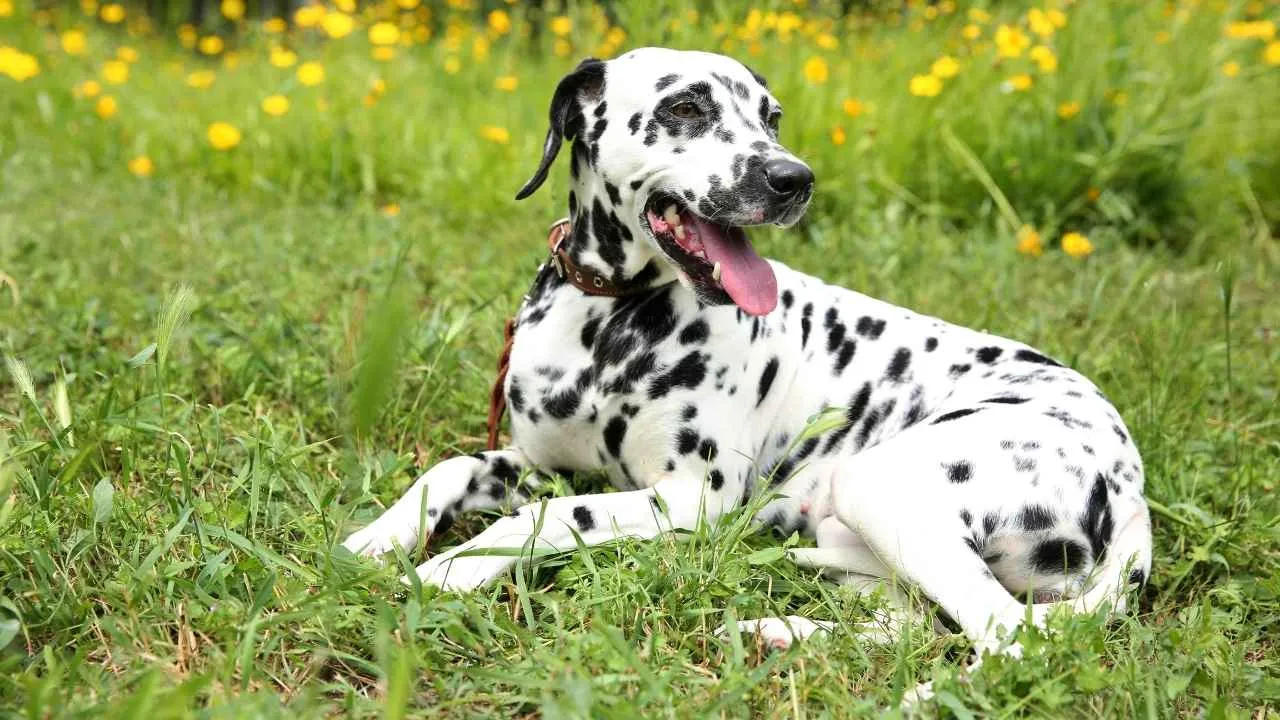
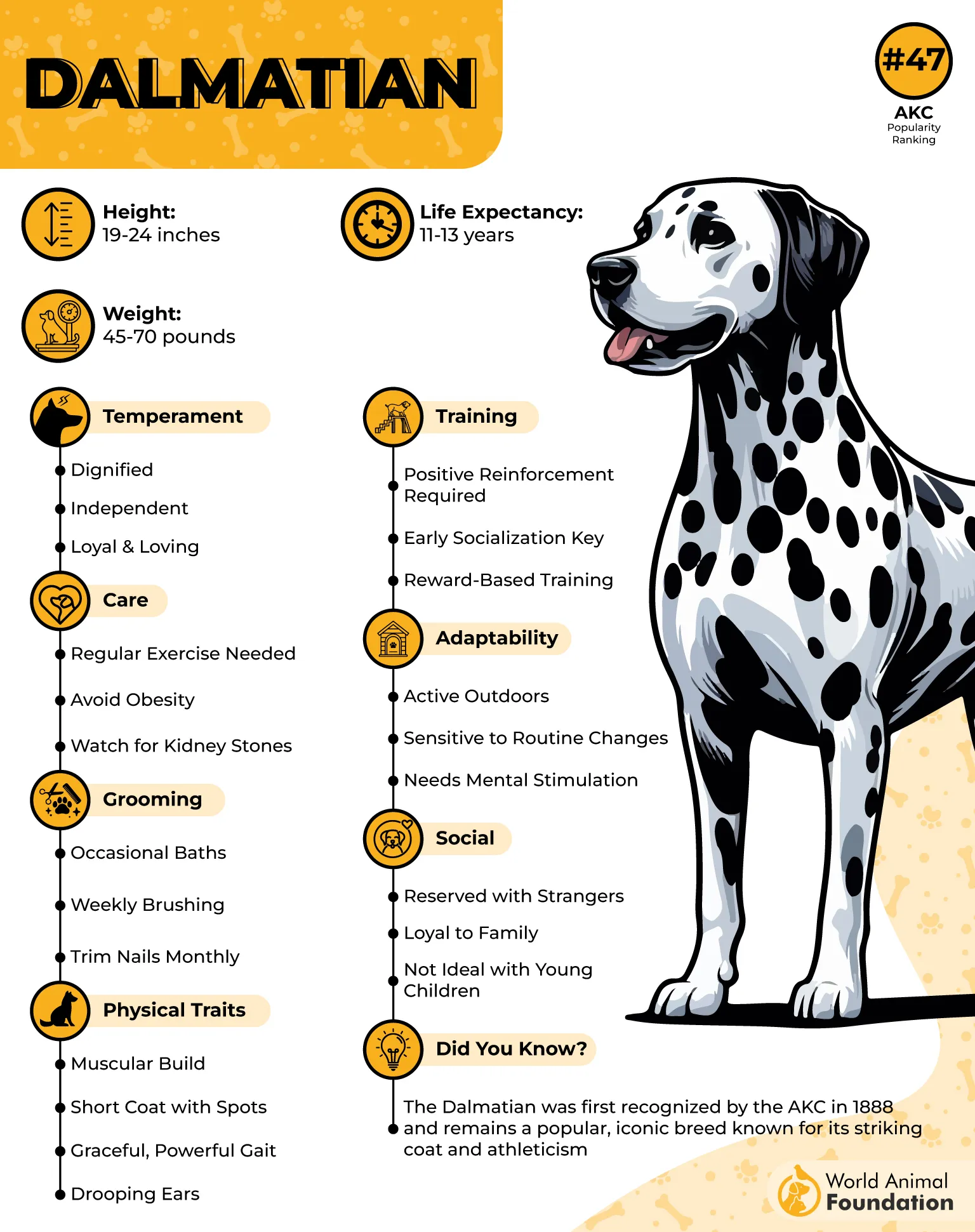
Dalmatians were closely associated with horse-drawn carriages, where they worked as coach dogs for nobles and firefighters. Running beside the horses was only part of the job, as they also guarded the animals and rigs, demanding stamina, alertness, and a powerful build.
Miles Come Naturally
These great hiking companions have the physical capacity for serious outdoor enthusiasts, with muscular hindquarters that drive their smooth, efficient stride. A healthy dog can handle five or more miles of running, while half-day or full-day hikes with rest breaks fit its high stamina.
That endurance opens up plenty of active pursuits:
Dock diving
Frisbee games
Swimming sessions
A Dog With Opinions
Dalmatians are highly intelligent and quick to learn, although an independent streak can send their attention toward whatever seems more interesting at the moment. Games such as fetch, tug-of-war, and agility work can make training more engaging while giving that busy mind something worthwhile to focus on.
7. Weimaraner
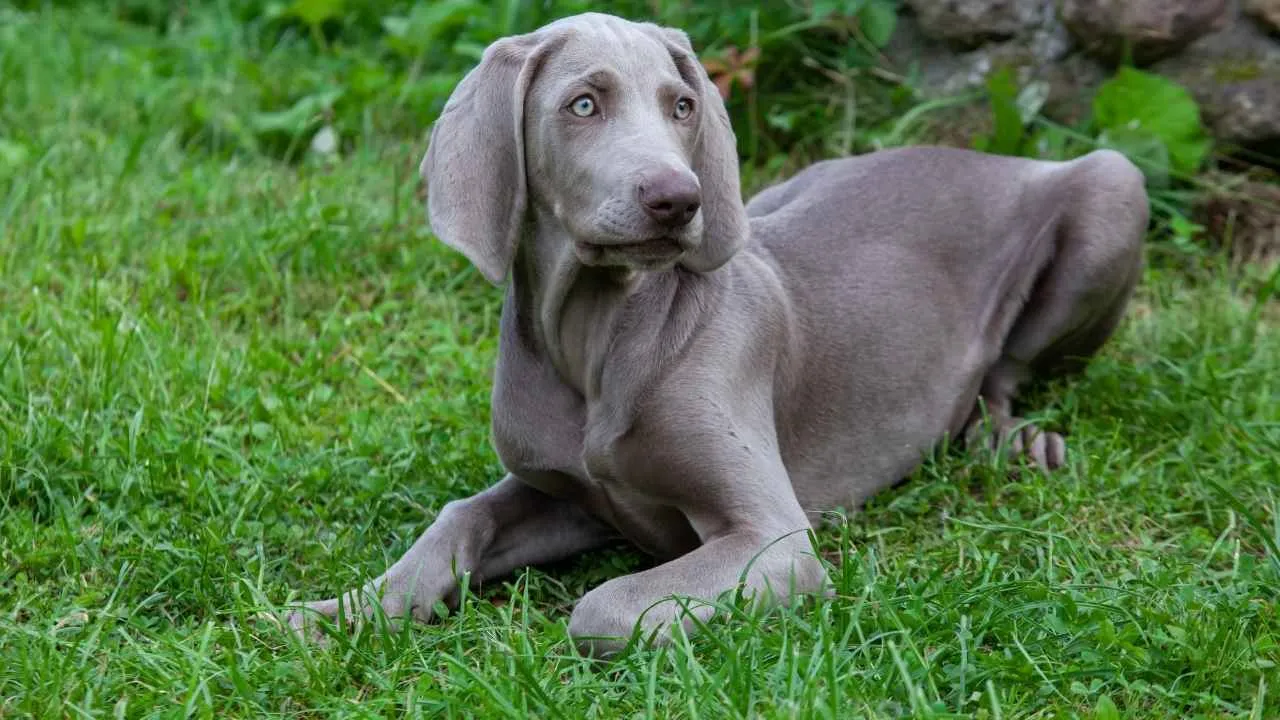
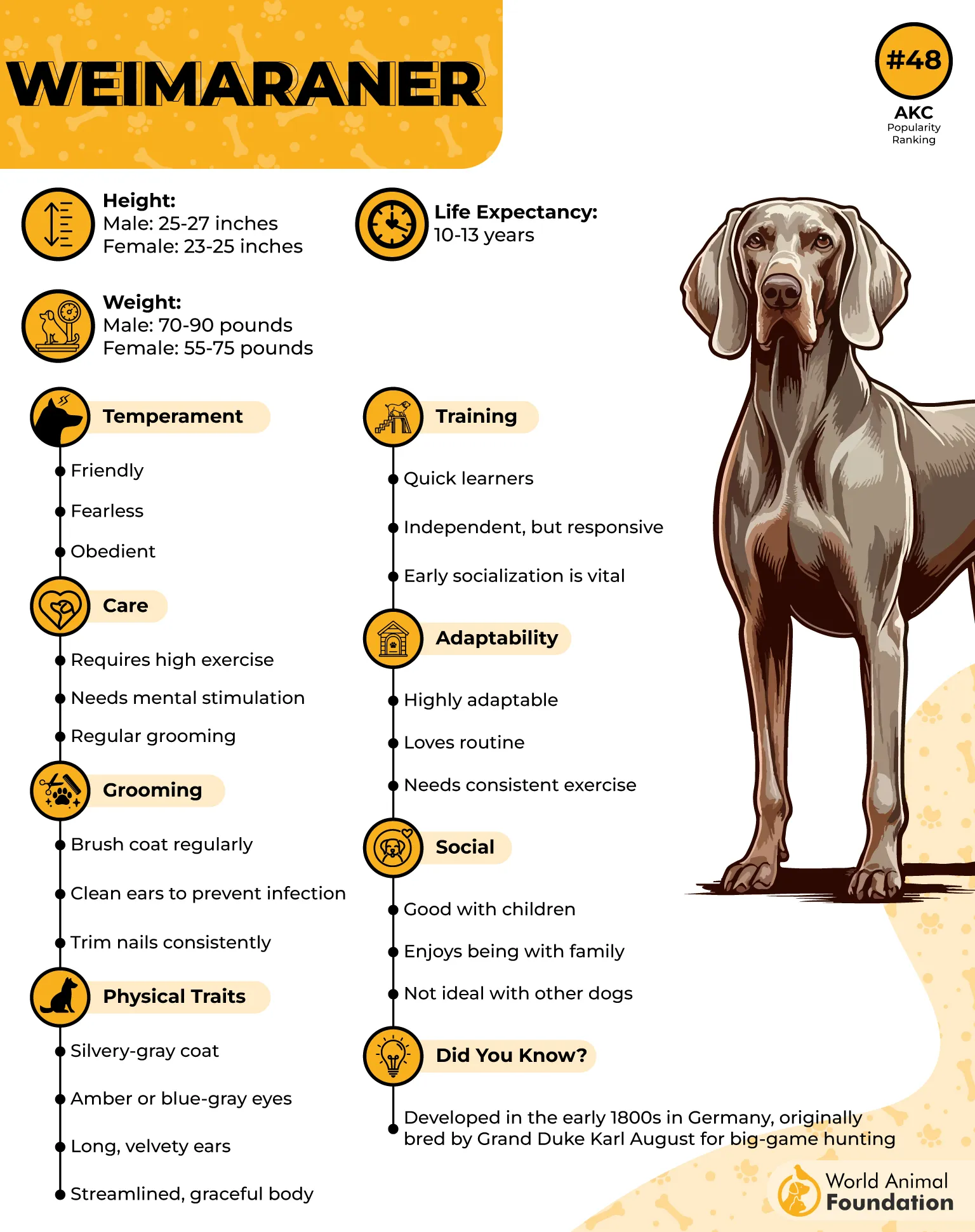
Weimaraner originated in Germany as a sporting companion for gentlemen who wanted a capable hunting dog with an easygoing presence. Known as the “Gray Ghost,” the breed remained difficult to find outside Germany until the 1920s before gaining wider popularity in America.
Ready for the Trail
These devoted companions were bred for active field work, and their large, athletic frame suits long outdoor pursuits such as hiking, swimming, and running. For a dog with this much drive, one to two hours of daily exercise gives its energy a clear direction.
That adventurous nature has plenty of outlets:
Enjoys flyball and agility trials
Likes interactive toys and problem-solving games
Can become destructive when bored
A Social Explorer
Weimaraner is friendly, inquisitive, and eager to investigate whatever catches its attention, which can make outdoor outings lively and unpredictable. Early training is important because its intelligence and headstrong nature can otherwise turn curiosity into unwanted behavior.
Conclusion
An active lifestyle can give the right dog plenty of opportunities to use its energy, curiosity, and natural abilities. Hiking, running, swimming, games, and camping trips can all turn ordinary weekends into more rewarding time outdoors. Still, even energetic dogs need preparation before taking on longer routes or demanding activities.
Building fitness gradually, carrying enough water, practicing recall, and allowing proper rest can make a real difference. Proper training is especially important when exploring the great outdoors, while a highly trainable companion can make new activities easier to manage.
Select from the best dog breeds for your pace, and dog owners can turn hiking trips into one of the most enjoyable parts of their routine.
