




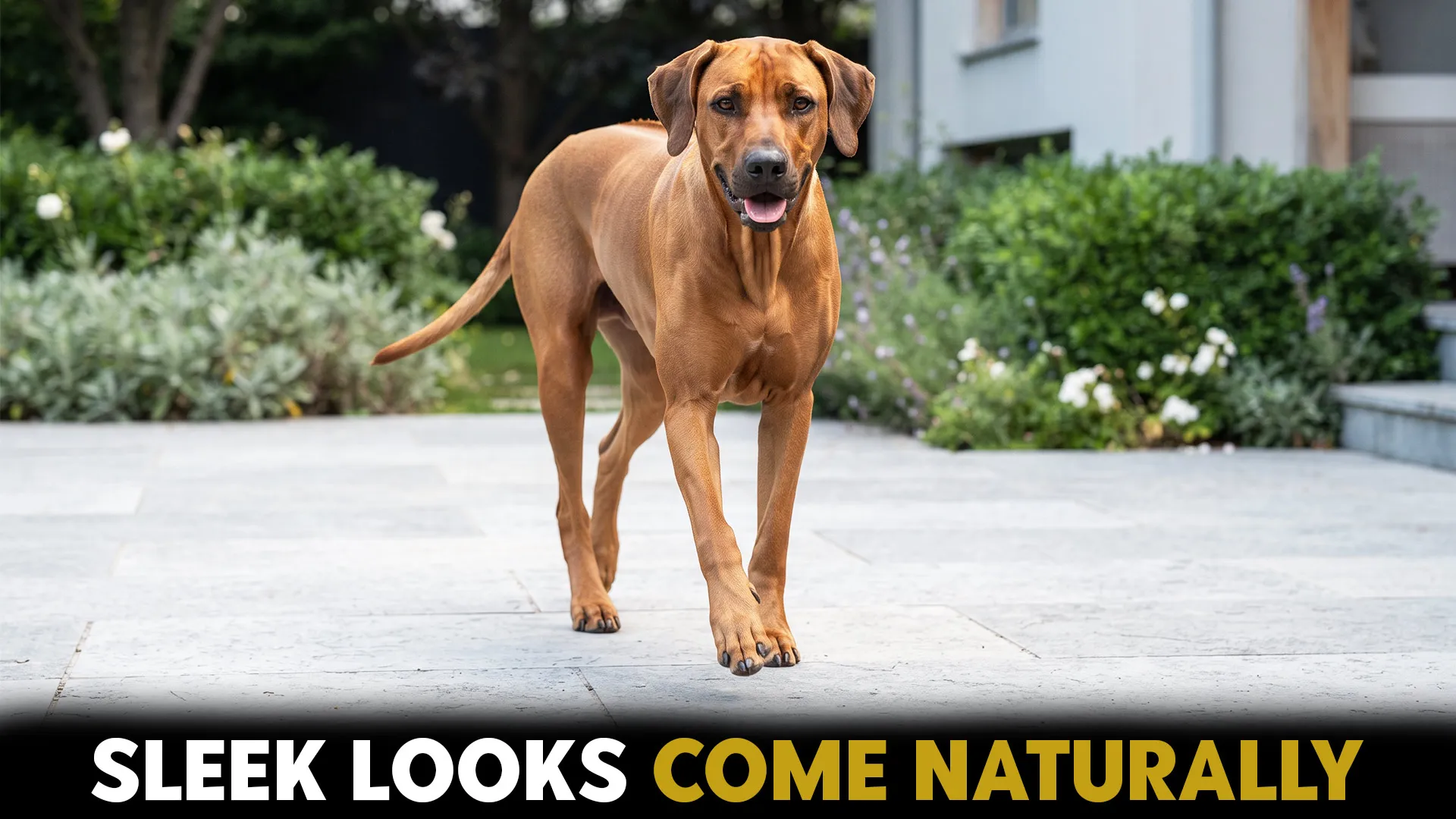
Imagine coming home after a muddy walk and finding that your dog’s coat needs only a quick wipe instead of a long session with a brush and comb.
That is one reason short, sleek fur appeals to so many dog owners. Close coats generally have fewer places for dirt, leaves, and small debris to become tangled, and bathing can be simpler when there is less hair to dry. Still, easy coat care does not remove every grooming task.
Regular brushing helps collect loose hairs and supports healthy skin, while nail care, ear checks, and dental care remain part of responsible ownership. Weather is another detail. A short coat offers less insulation than a thick double coat, so some dogs with sleek fur may need extra protection in cold conditions.
These everyday differences can shape the ownership experience more than appearance alone. The following article takes a closer look at them.
Key Takeaways
If easy grooming sounds appealing, these breeds have one useful thing in common. Their close coats leave fewer places for dirt and tangles to settle.
Greyhound keeps its coat care almost effortless, while the Bloodhound shows how a short coat can still offer useful protection during outdoor work.
The Rhodesian Ridgeback brings its unusual back ridge into the story, and the Weimaraner follows with the smooth gray coat behind its famous nickname.
There is still plenty to uncover, especially once the list reaches the Boston Terrier, Basenji, and the ever-attached Vizsla.
Dog Breeds Boasting Naturally Short and Sleek Fur
1. Greyhound
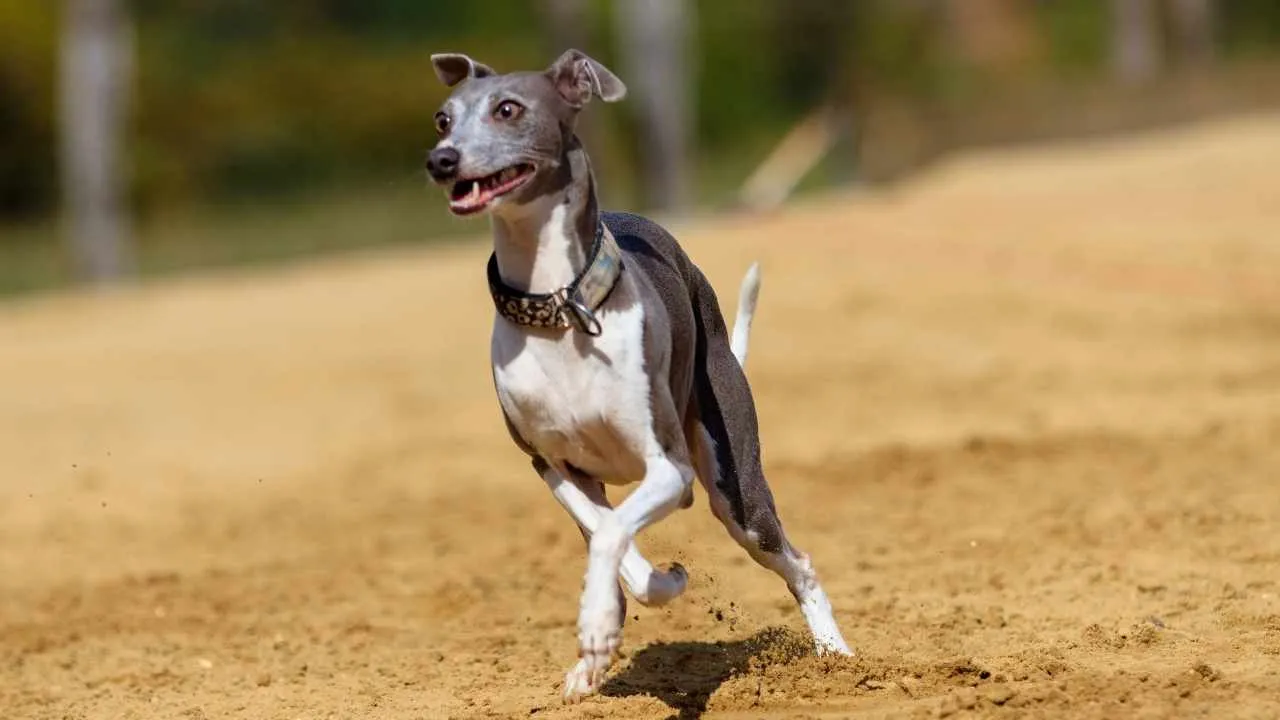
Greyhound has roots in ancient Egypt, where depictions of dogs resembling the breed appear in the Great Pyramids and other historical artwork. Pharaohs reportedly used these swift hounds to pursue wild game, giving the breed a place among some of the earliest known hunting dogs.
A Coat Made for Speed
Greyhound has a single layer of short, smooth fur that lies close against the skin, with no dense undercoat beneath it. This fine covering creates little drag around the body and also means there is limited natural insulation against cold or intense heat.
The following coat details are easy to miss:
Very little brushing required
Low tendency to hold dirt and oils
Skin can be prone to minor outdoor scrapes

A Different Side
This family pet belongs to the sighthound group, relying on vision rather than scent when pursuing quarry, and that background contributes to its independent nature.
At home, these dogs are gentle and affectionate, with bursts of intense running followed by a strong preference for relaxed companionship.
2. Bloodhound
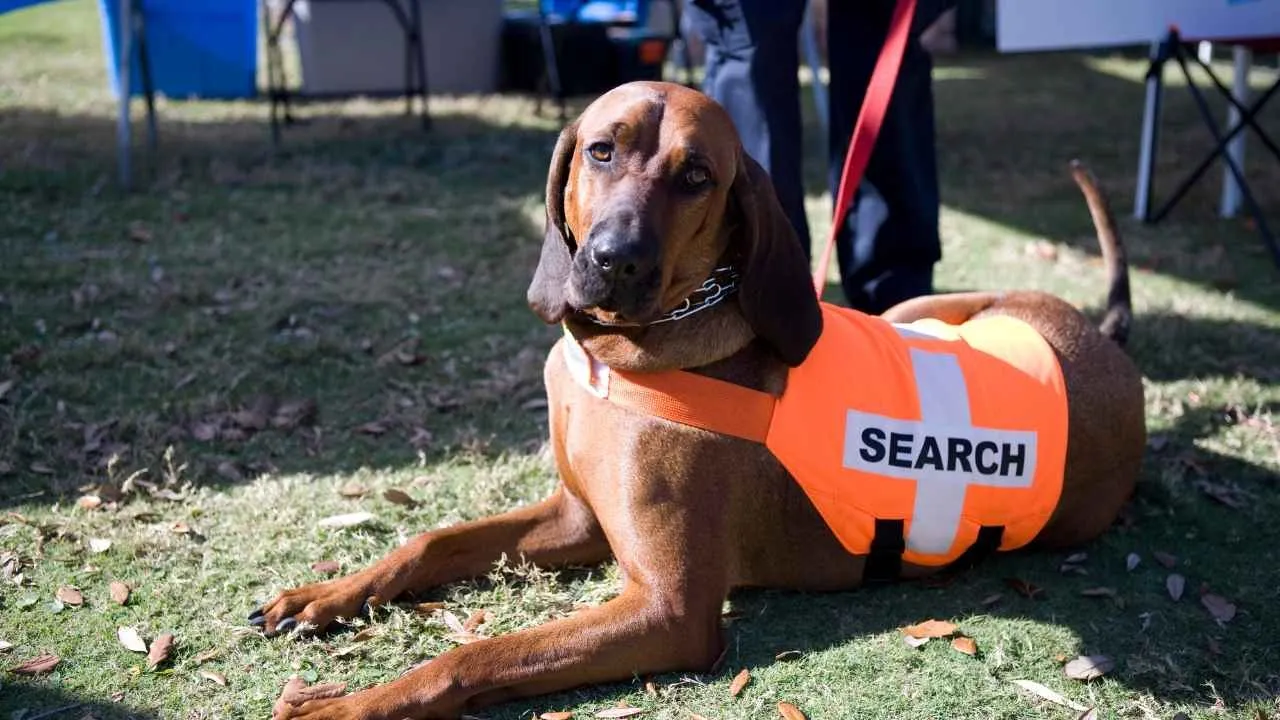
Bloodhound descends from hounds associated with St. Hubert Monastery in Belgium during the 8th and 9th centuries, where scent work was already central to their purpose.
These large hounds later accompanied hunters, law enforcement, and medieval nobility while tracking people across demanding terrain, as noted by the AKC.
A Coat Built for the Trail
Their naturally short coats have a dense, weatherproof structure that helps shield the skin from brush, briars, and changing conditions. The sleek fur feels firm to the touch across the body, while the longer ears and skull have an unusually soft, velvety texture.
A closer look reveals a few practical details:
Weekly brushing with a rubber grooming mitt
Loose hair is removed during routine grooming
Dense fur adds protection around rough vegetation

Goofy, Then More Reserved
Bloodhounds can be remarkably silly during puppyhood, with that playful energy continuing into adulthood in a somewhat calmer form.
Their determined nature also pairs with a laid-back attitude at home, where they tend to be friendly with familiar people and other well-socialized dogs.
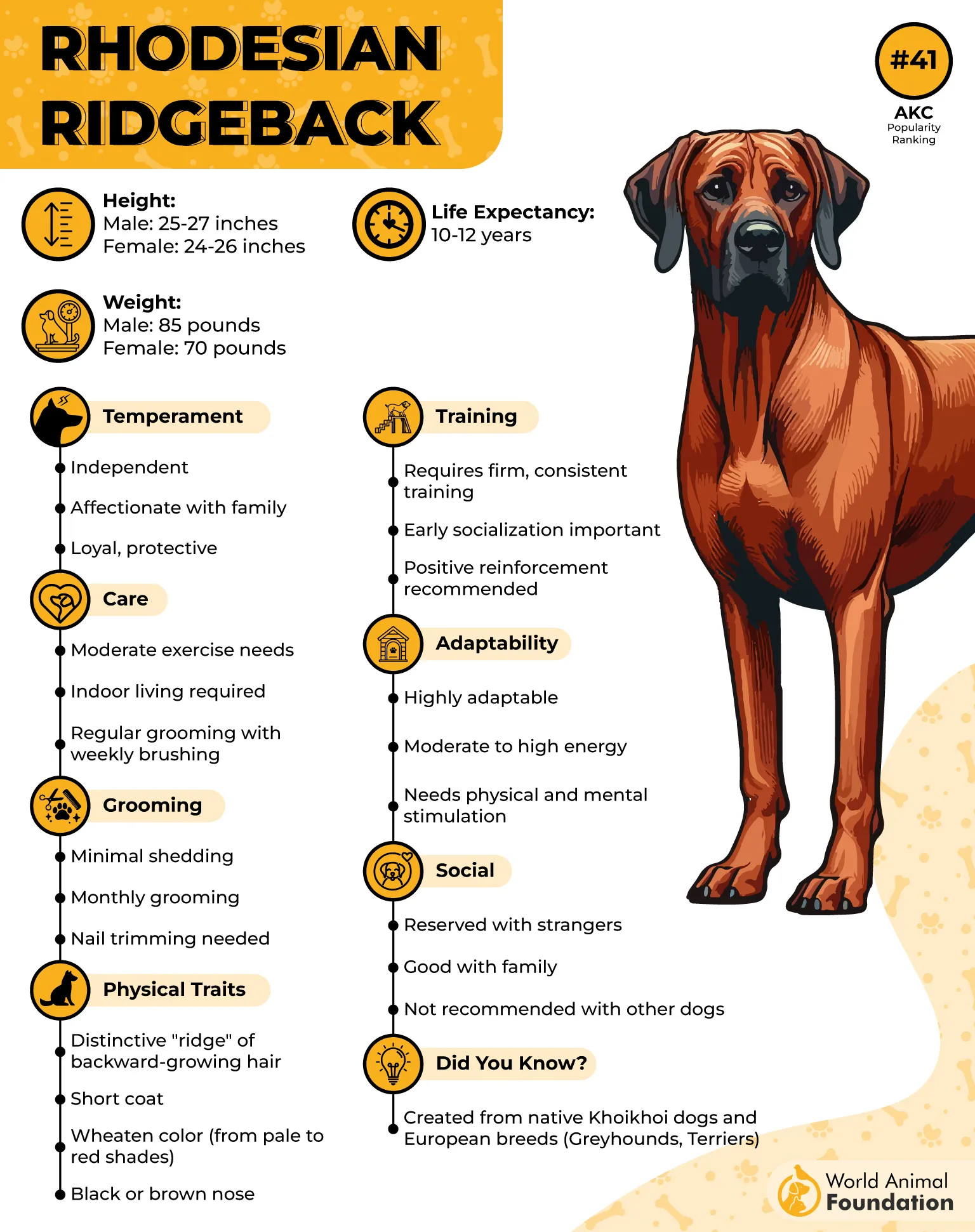
3. Rhodesian Ridgeback
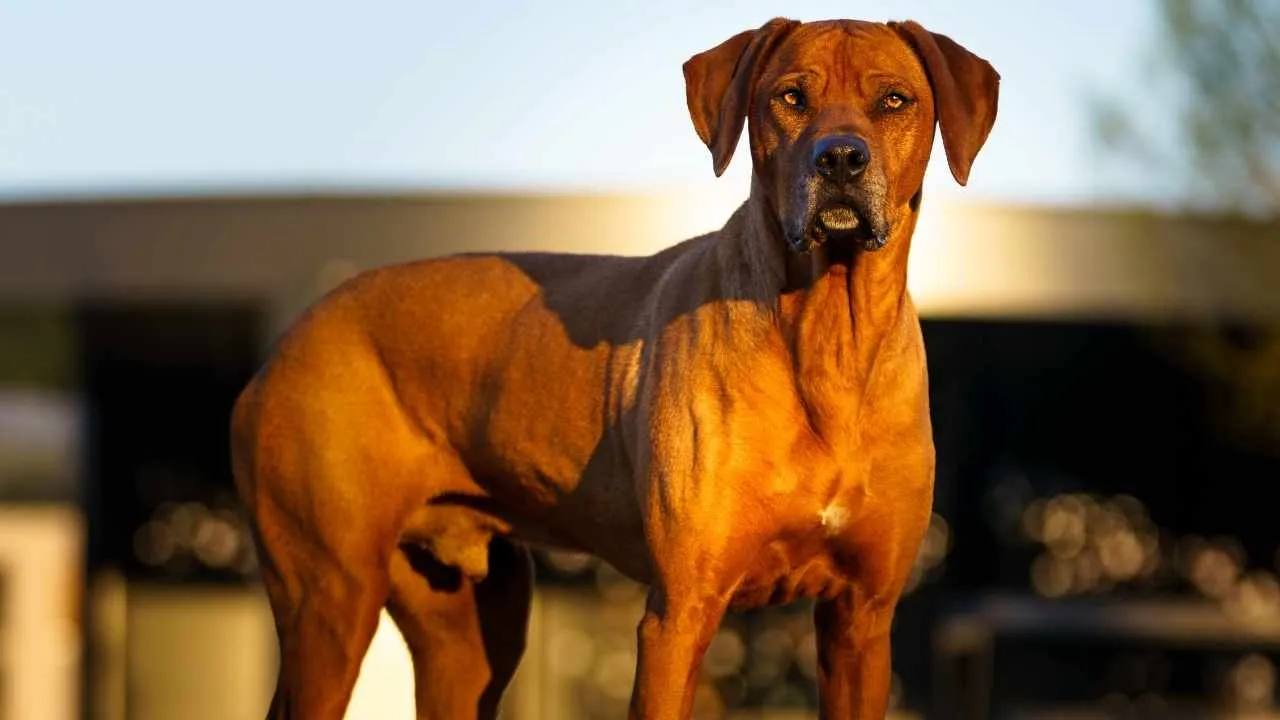
Rhodesian Ridgeback originated in Rhodesia, now Zimbabwe, from a mix that included a South African Khoikhoi hunting dog, Greyhounds, and terriers brought by Dutch colonists. The resulting dogs became adept at navigating the demanding African landscape.
A Coat Made for Heat
Rhodesian Ridgeback has a short, sleek, dense coat suited to hot African conditions, with a firm texture that resists brush and ticks. Its close-fitting fur needs little upkeep, while the famous ridge grows in the opposite direction along the spine.
Their coat maintenance is also quite manageable:
Regular brushing removes loose hairs
Bathing once a month is sufficient
Relatively lighter shedders than other big dog breeds
Reserved, Yet Affectionate
These wonderful companions have a playful nature and remain friendly with familiar people while taking a more reserved approach toward strangers.
Early socialization can help, while older children who play respectfully may be a better match given the breed’s size and strength, as per Purina.
4. Weimaraner
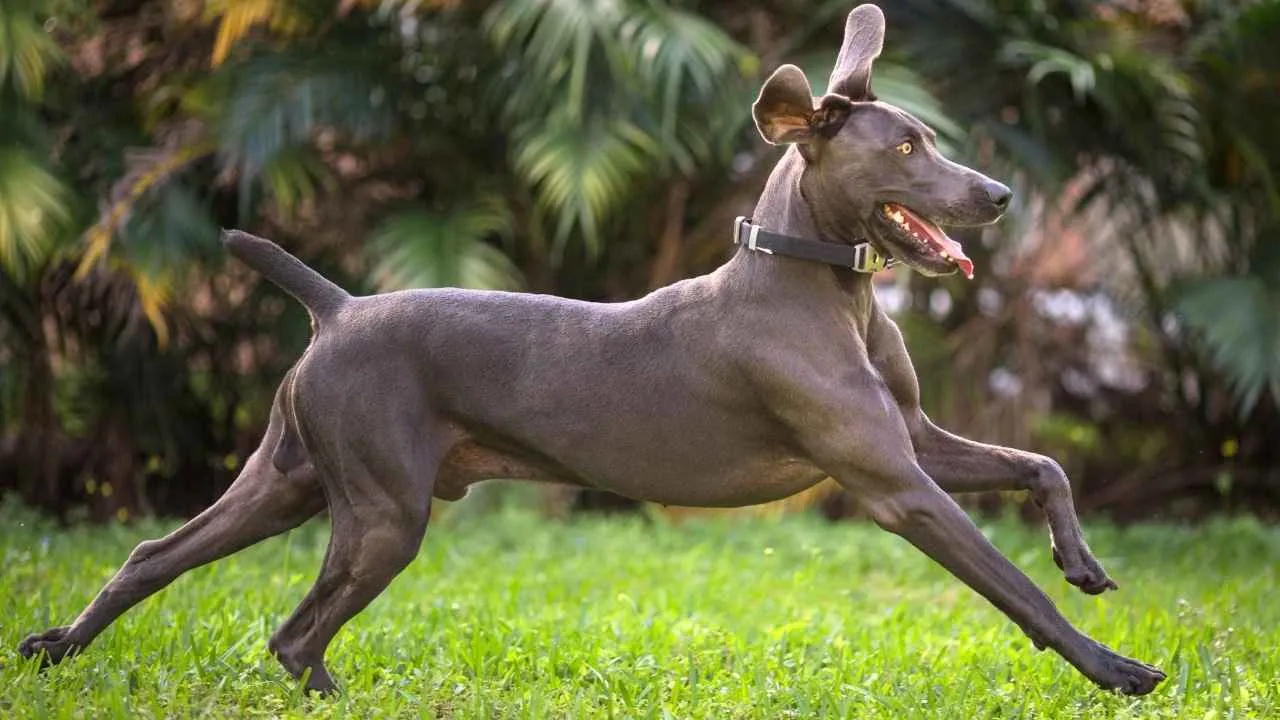
Weimaraner first appeared in 19th-century Germany, with Bloodhound plus French and German hunting dogs among the breeds behind its lineage. Its early sporting work included pursuing wolves, bears, and mountain lions, a striking contrast to its role as a family companion today.
That Famous Coat
Weimaraner has a short, smooth single coat that lies tightly against the body, giving the breed its sleek appearance. Its fur ranges from mouse-gray to silver-gray, while the lack of an undercoat means it can feel the cold more readily than dogs with heavier coats.
For day-to-day coat care, the details are refreshingly simple:
Firm, smooth texture
No typical undercoat
“Gray Ghost” nickname
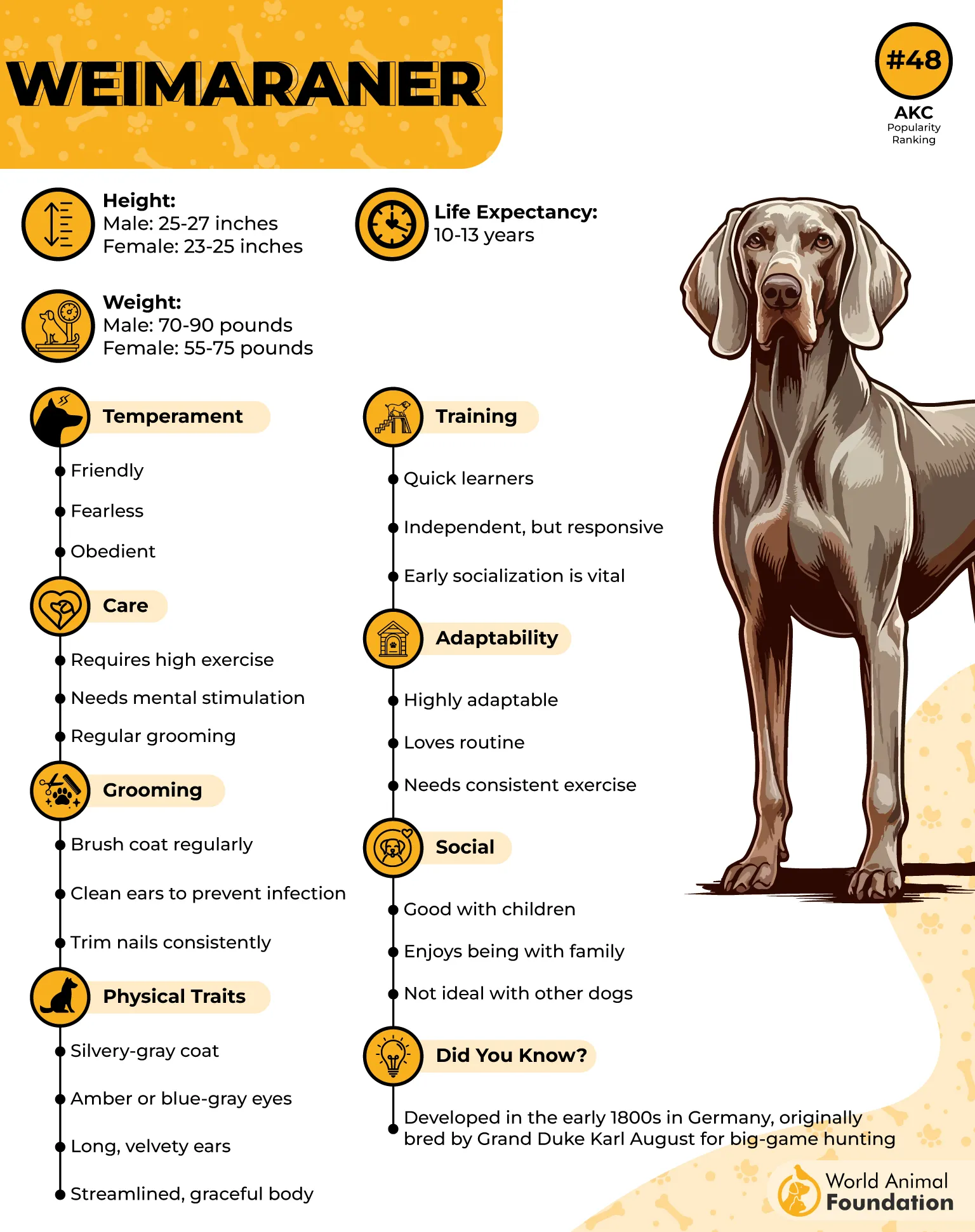
A Social Explorer
This beloved companion is friendly, curious, and eager to investigate whatever catches its attention, often racing toward an interesting sight or sound, as noted by Britannica. Early socialization helps puppies accompany people on vacations, camping trips, and other outings where dogs are welcome.
5. Boston Terrier
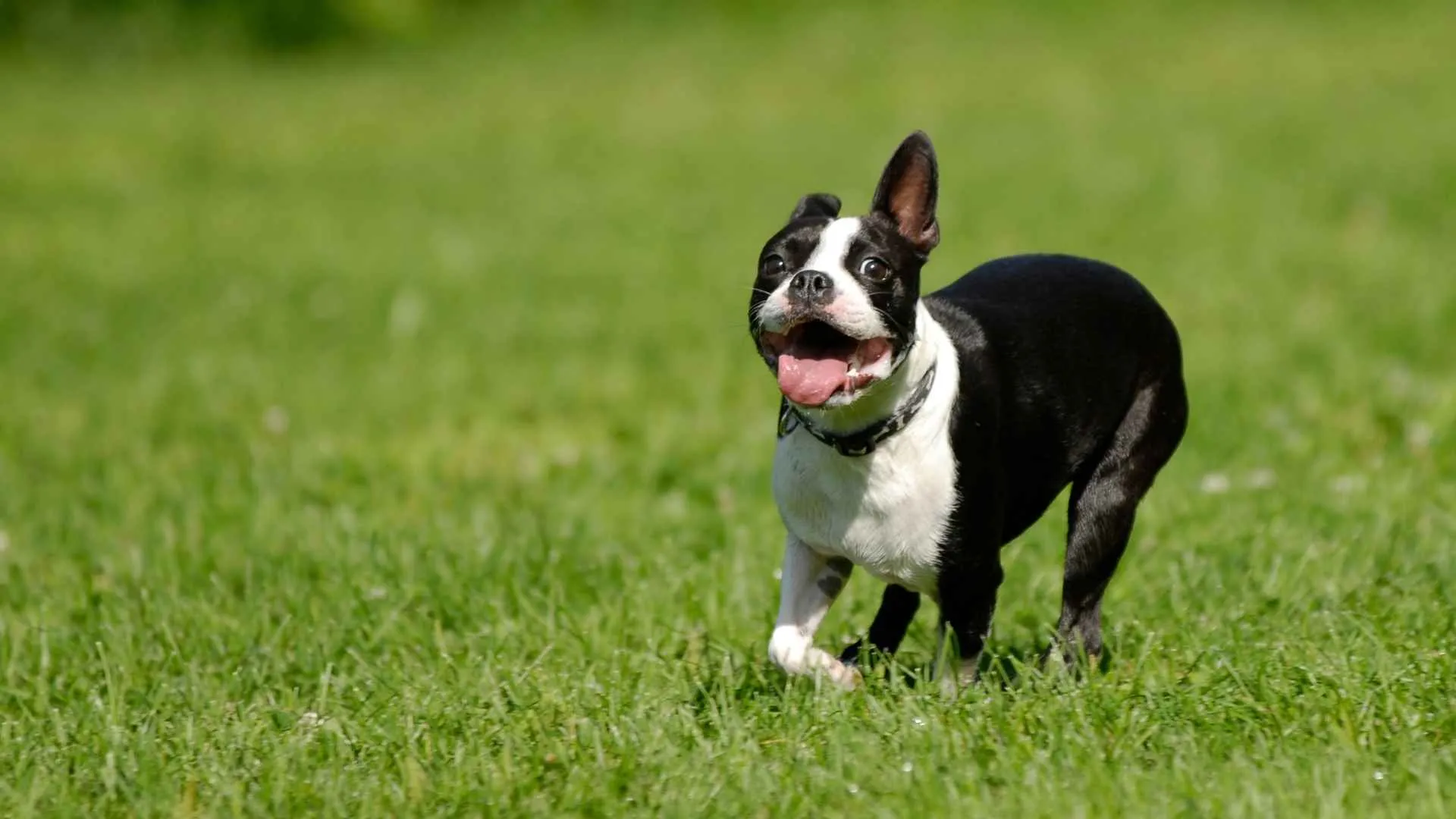
Boston Terrier began in America in the late 1800s through a Bull and Terrier type dog crossed with a French Bulldog. The breed gained AKC recognition in 1893 and later became one of the relatively few breeds originating in the United States, with a distinct identity of its own.
Sleek by Nature
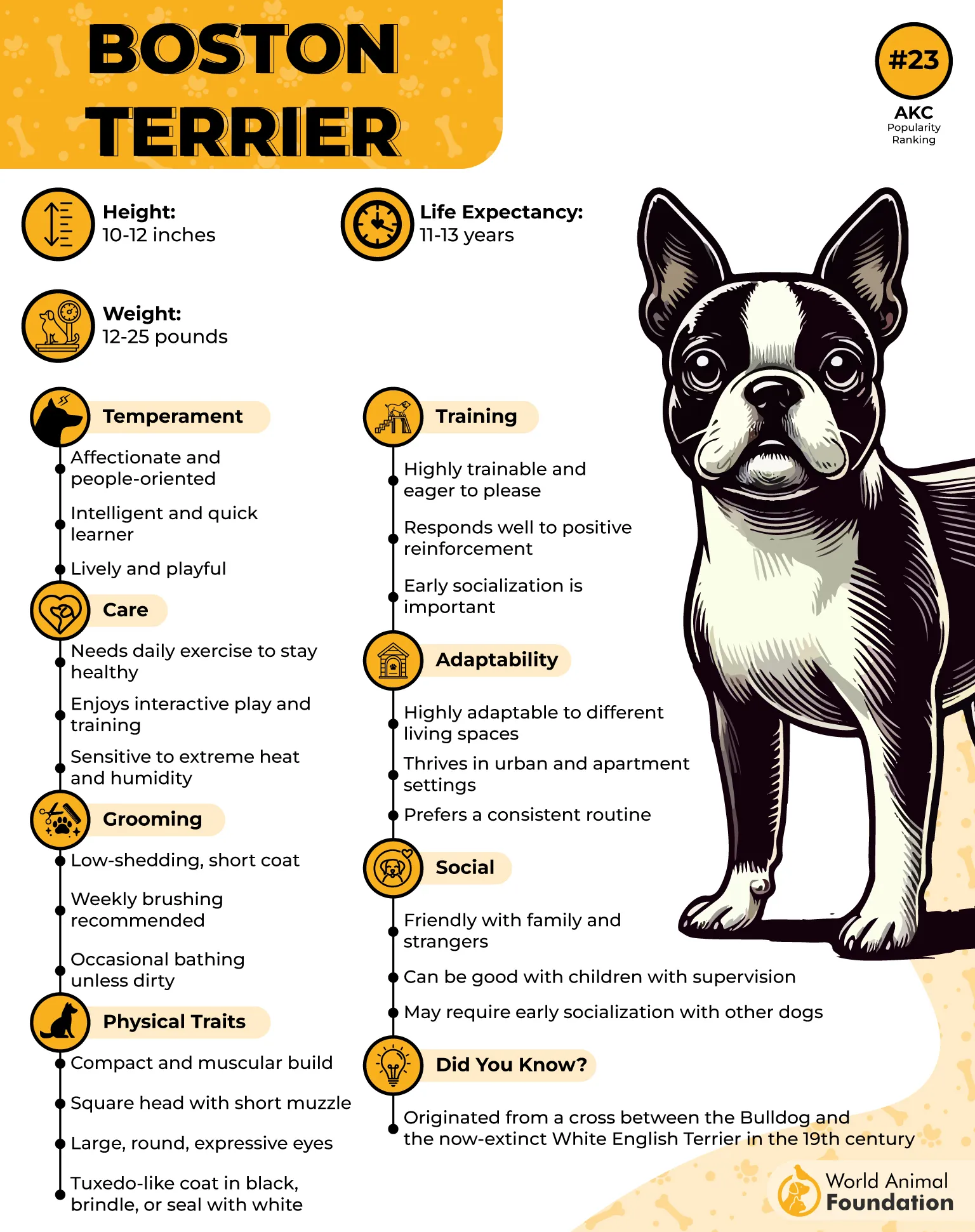
Boston Terrier has a fine, single-layer coat without a dense winter undercoat, giving the fur its smooth, streamlined appearance. Its signature coloring often pairs black, brindle, or seal with crisp white markings across the face and chest.
Its low-maintenance coat has a simple routine:
Weekly brushing with a soft brush
Occasional baths when dirty
Minimal shedding around the home
Sofa and Snore
Boston Terrier enjoys interactive play and can spend hours with toys before heading to its preferred sofa spot for a nap. Its short fur offers little insulation in cold weather, so chilly outings may call for extra warmth, while gentle companionship keeps this loving breed engaged and healthy and happy.
6. Basenji
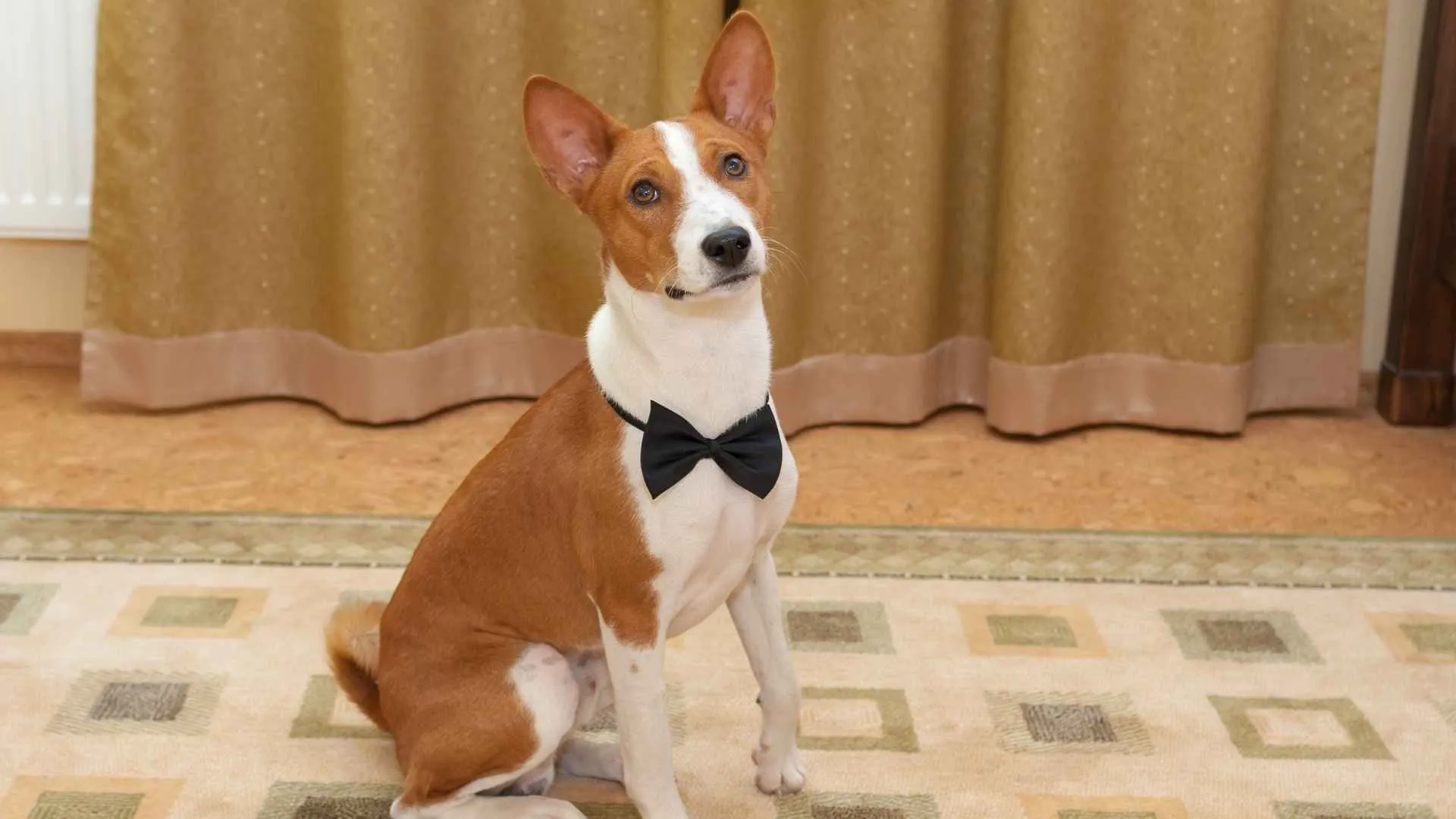
Basenji originates from the Congo region of Africa, where Pygmy hunters used these agile dogs in packs to help track and flush game. A small group reached England in 1930, forming the foundation of a breeding program before the breed gained wider popularity as a household companion in the 1950s.
A Quieter Coat
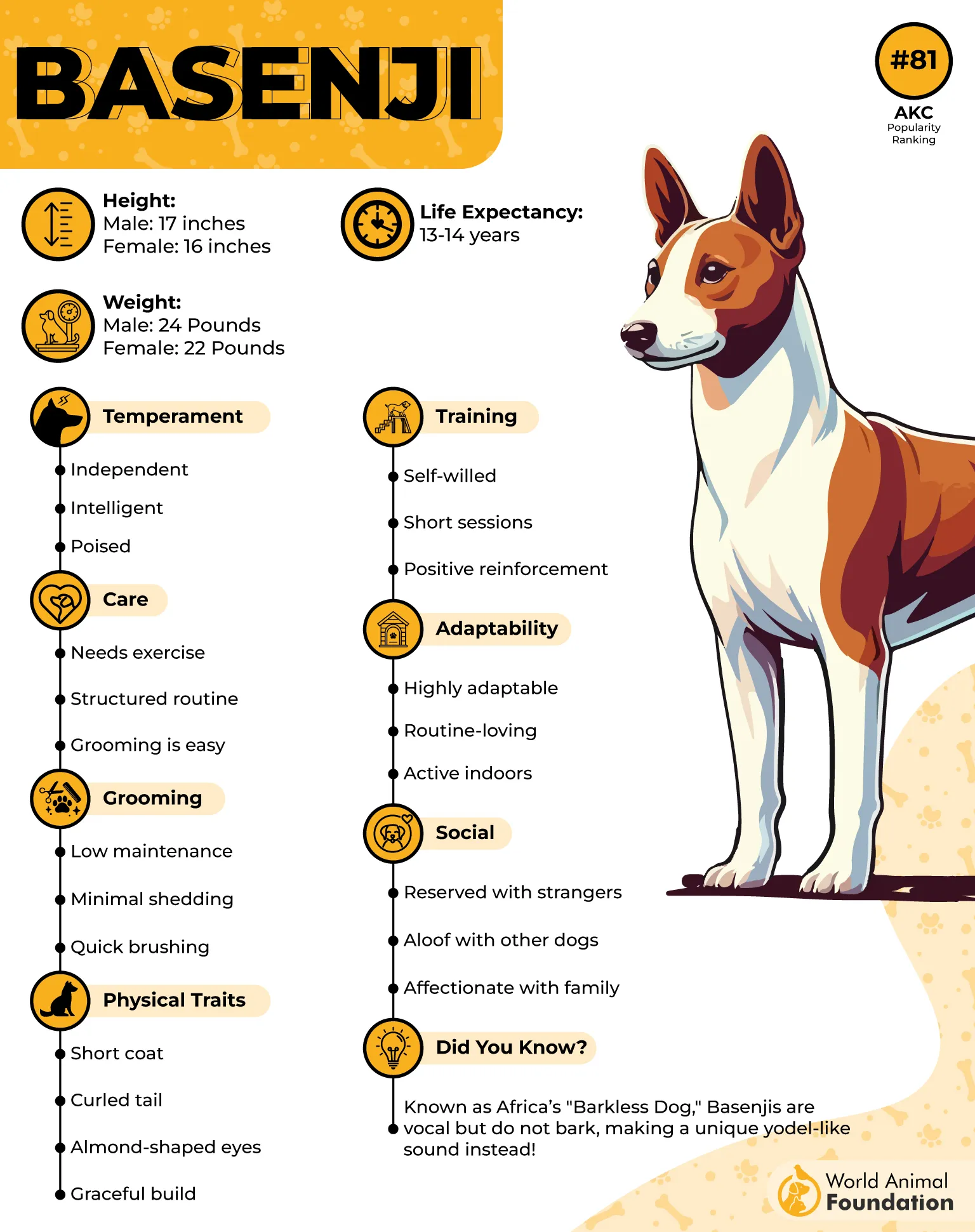
Basenji’s neat, short coat makes grooming fairly simple, with shedding generally staying light through spring and fall. Running a rubber curry brush or bristle brush over the coat once weekly can lift loose hairs, smooth the fur, and preserve its healthy-looking shine.
This tidy little dog has plenty of personality:
Forms strong bonds with its family
Playful, attention-loving temperament
Strong prey drive and climbing skills
A Feline Side
Basenji is bright, energetic, and naturally inclined to chase, so boredom can become an issue without enough physical and mental activity. Its aloof, cat-like nature can be selective too, with the breed often choosing one person as its favorite companion.
7. Vizsla
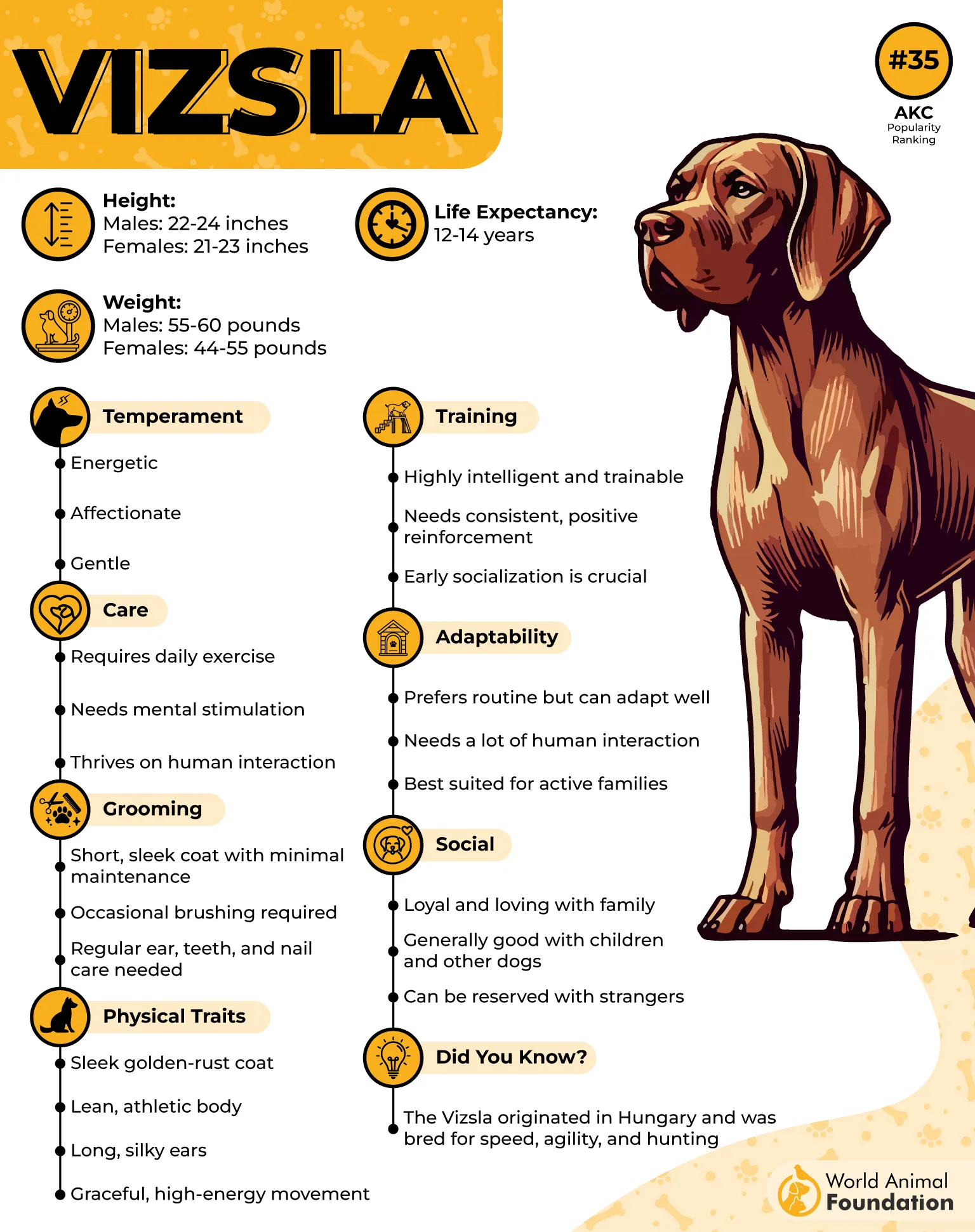
Vizsla traces its lineage to the Magyar people, whose fast-paced journeys across Asia and Europe eventually brought them to what is now Hungary. Their riders traveled with quick reddish-brown dogs, and those early companions became the ancestors of today’s Vizsla.
A Coat Close to Skin
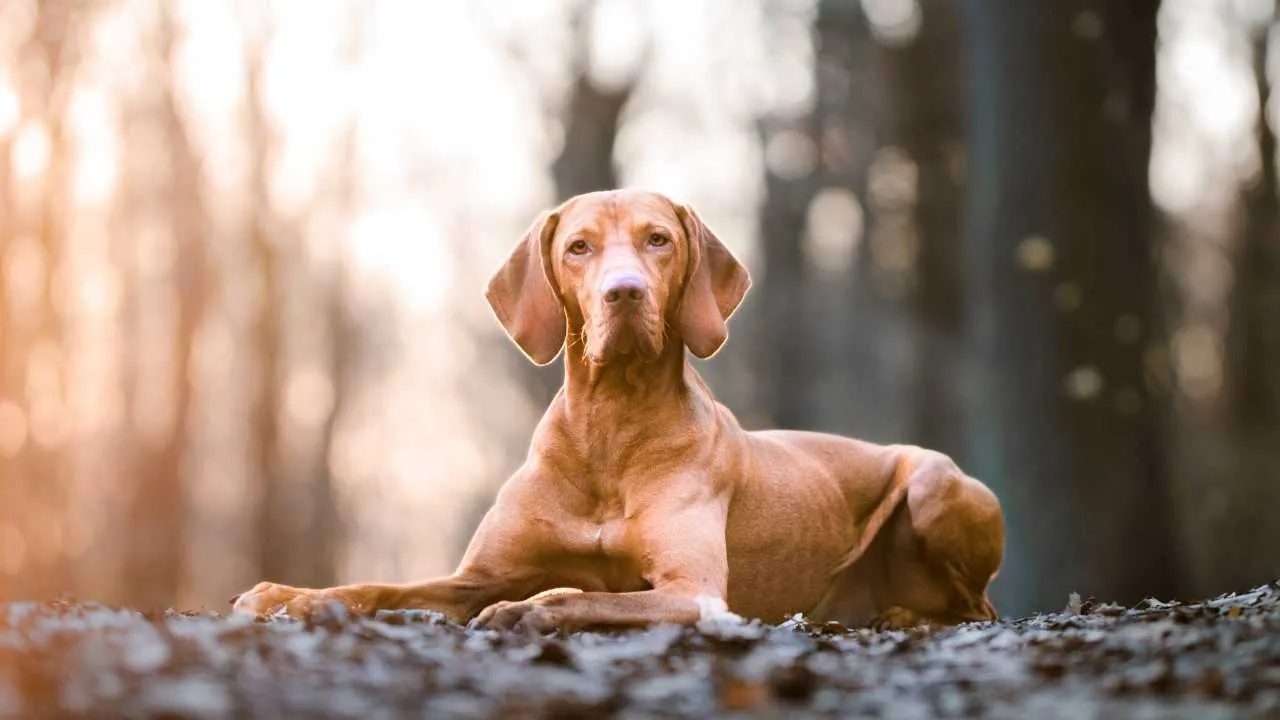
Vizsla wears a short, close-fitting coat in a rich golden-rust shade, with no undercoat to manage. Its low-maintenance fur needs very little grooming and naturally gives the breed a smooth, clean, and polished appearance.
Beyond coat, its nature makes it especially interesting:
Quick to learn new tasks
Proven skills in guide and rescue work
May chase household cats due to prey drive
Always With You
Vizsla is intensely people-focused and often follows its favorite person from room to room, earning the nickname “Velcro dog.” Its playful nature also fits active family life, with a gentle manner around children and an outgoing attitude toward unfamiliar people.
Conclusion
Short, sleek fur can make everyday grooming feel much simpler, especially after muddy walks or adventures. Less hair to brush and fewer tangles can save time, but these coats still need regular attention.
Brushing helps remove loose hairs, while nail care, ear checks, dental care, and occasional baths remain important.
Owners should also remember that a close coat provides limited protection from cold weather, so some dogs may need extra warmth outdoors. Activity level and temperament matter just as much as grooming needs when choosing a companion. The best match combines manageable coat care with a routine that suits your household.
