




Some dogs catch your eye before they even take their first step. A flash of merle, a sweep of brindle, or an unexpected blend of rich hues can transform an ordinary coat into something truly remarkable, giving certain breeds an unmistakable visual appeal.
Genetics shapes coat color and pattern, with some combinations closely associated with particular breeds. Beyond simple shades, dogs can display spots, stripes, patches, ticking, and layered tones that create distinctive appearances passed down through generations.
Whether you admire bold markings or subtle, sophisticated shades, these top dog breeds boasting magnificent coat colors showcase the incredible variety found in canine coats. Their striking appearances add another layer of charm to the loyalty and companionship they bring into everyday life.
FACT: A dog’s coat color and pattern are influenced by its genes, with some distinctive combinations being strongly linked to specific breeds.
Top Dog Breeds Boasting Magnificent Coat Colors
1. Australian Shepherd
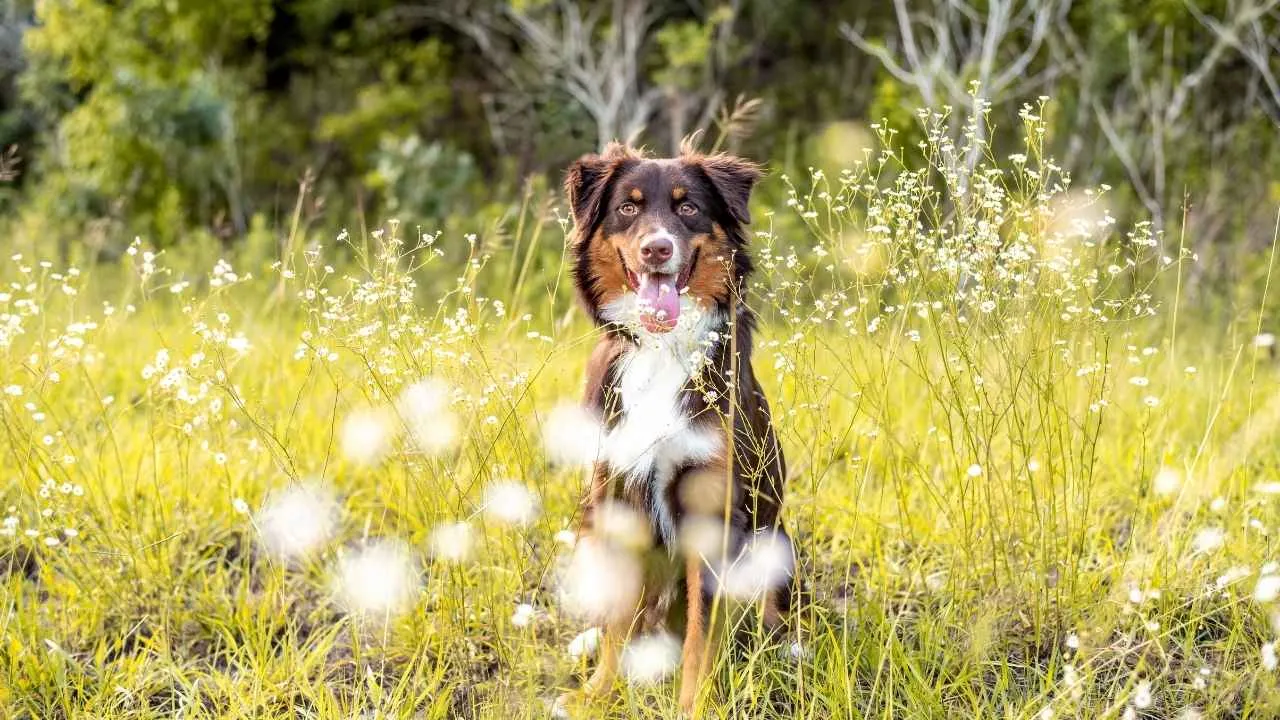
Australian Shepherds, often called Aussies, are especially admired for their remarkable range of coat colors and patterns. Their most recognizable looks include blue merle, red merle, solid black, and red, with white markings often adding contrast.
The merle pattern is where this breed truly stands out. Blue merle coats can combine gray, black, and blue-toned shades, while red merle introduces varying copper and reddish hues. Because these colors blend differently from dog to dog, each coat has its own visual character.
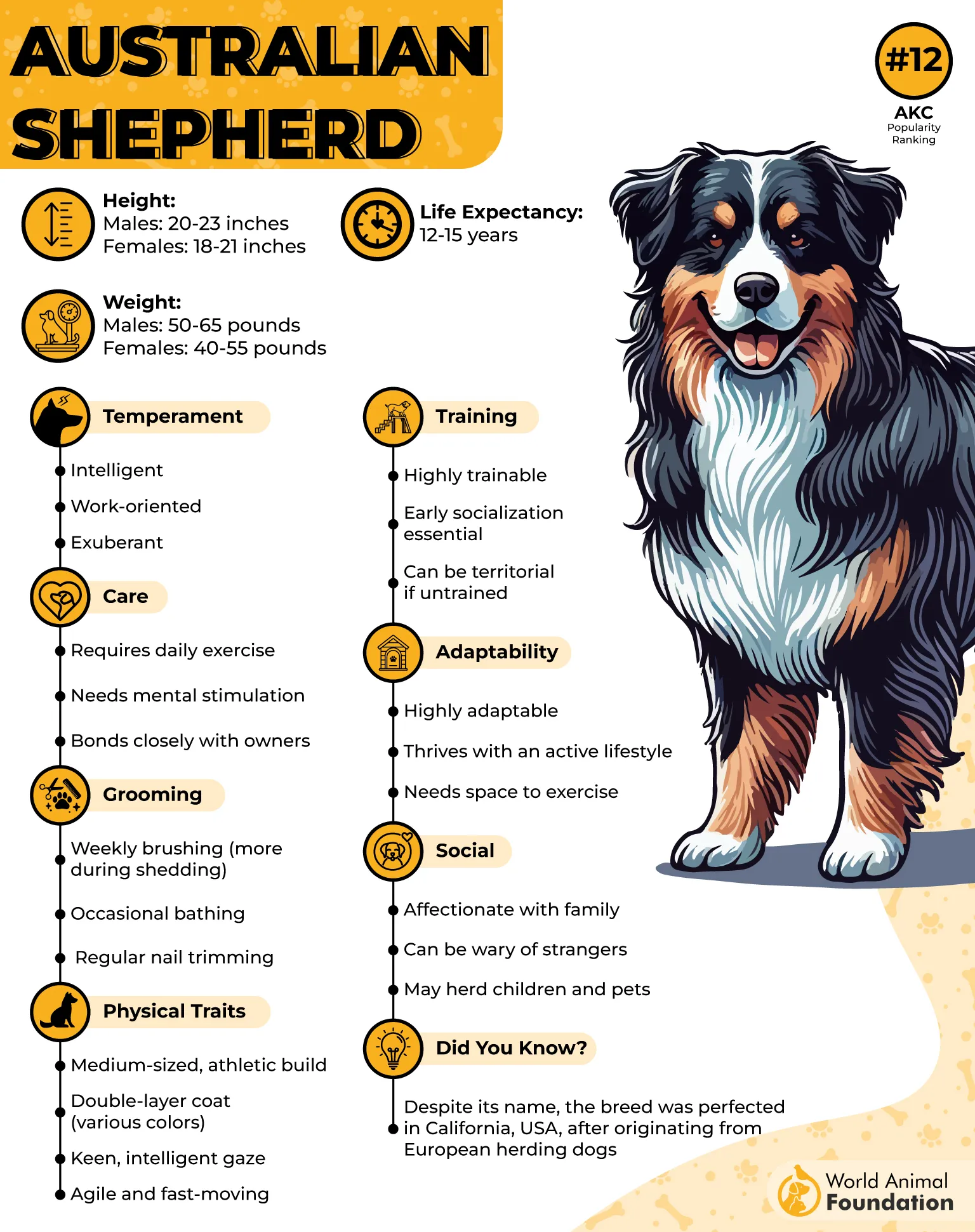
Adding to their appeal, Aussies have medium-length, thick double coats with feathering around the legs and tail. This extra texture gives their colorful coats a flowing, polished appearance while complementing their athletic build.
Their coat also requires regular attention. Weekly brushing helps keep it tidy, while more frequent grooming may be needed during seasonal shedding periods, particularly in spring and fall.
2. Catahoula Leopard Dog
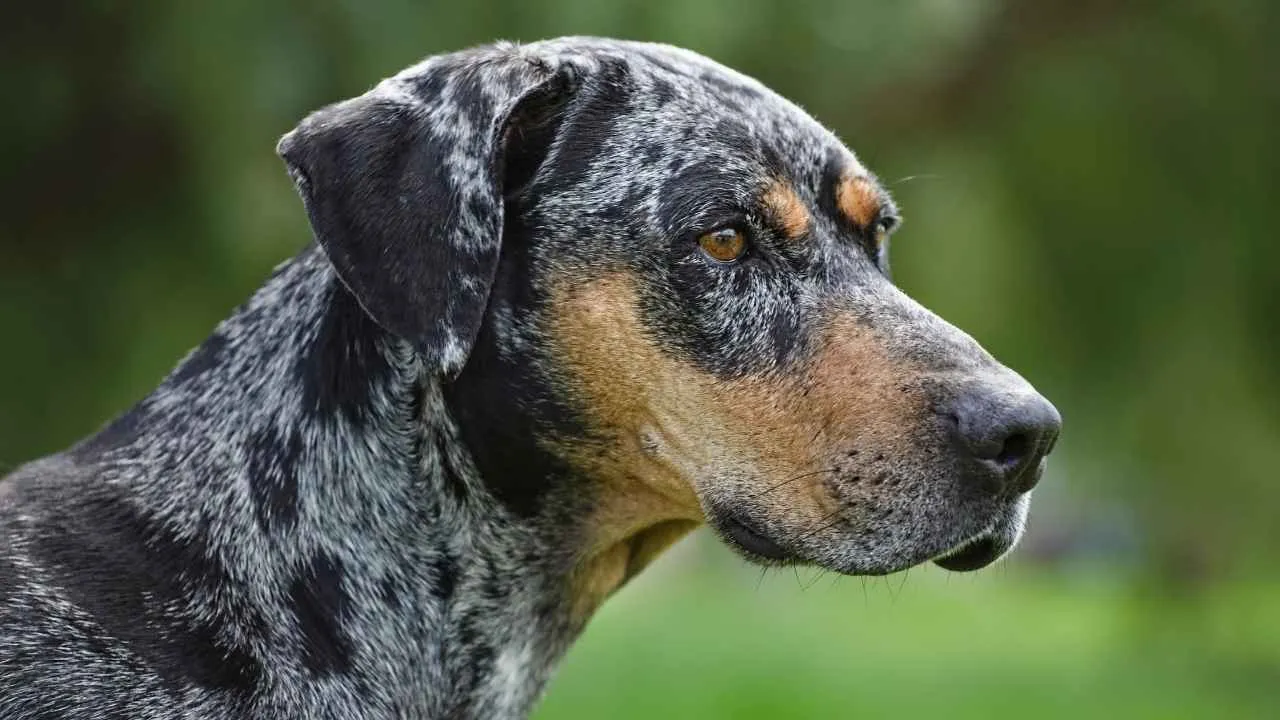
The Catahoula Leopard Dog can look as though an artist brushed its coat by hand. Its striking appearance comes from an extraordinary mix of colors and markings, giving each dog a pattern that feels distinctly its own.
Gray, black, red, and tan can flow across the coat, while merle patterns create the breed’s signature leopard-like effect. Some dogs display bold patches, while others have softer, more blended markings that make their coats resemble a painted canvas. According to the AKC, weekly coat care and occasional bathing help keep Catahoulas clean and well-groomed.
The visual drama does not stop at the fur. Their eyes can be vivid blue or mismatched in color, adding another unusual detail to an already eye-catching appearance.
Despite this almost artistic beauty, the Catahoula Leopard Dog was developed as a capable working breed. Its rugged nature and adventurous character complement a coat that looks anything but ordinary.
3. Irish Setter
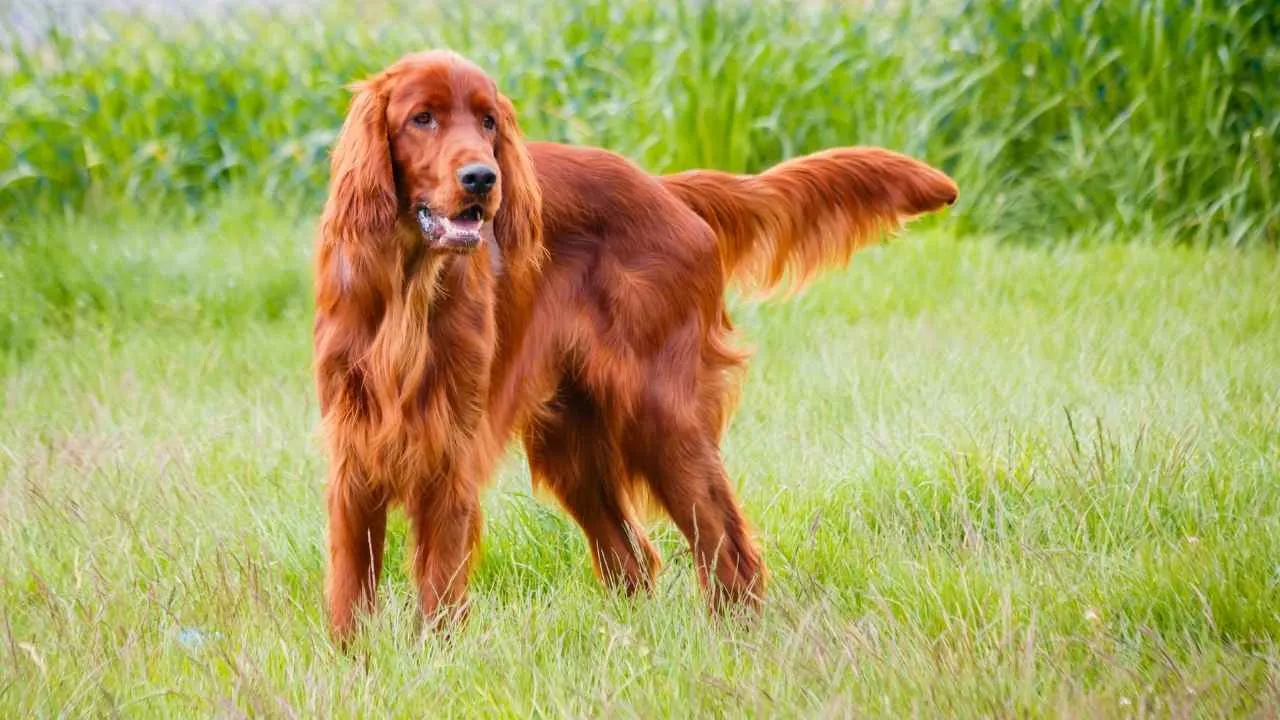
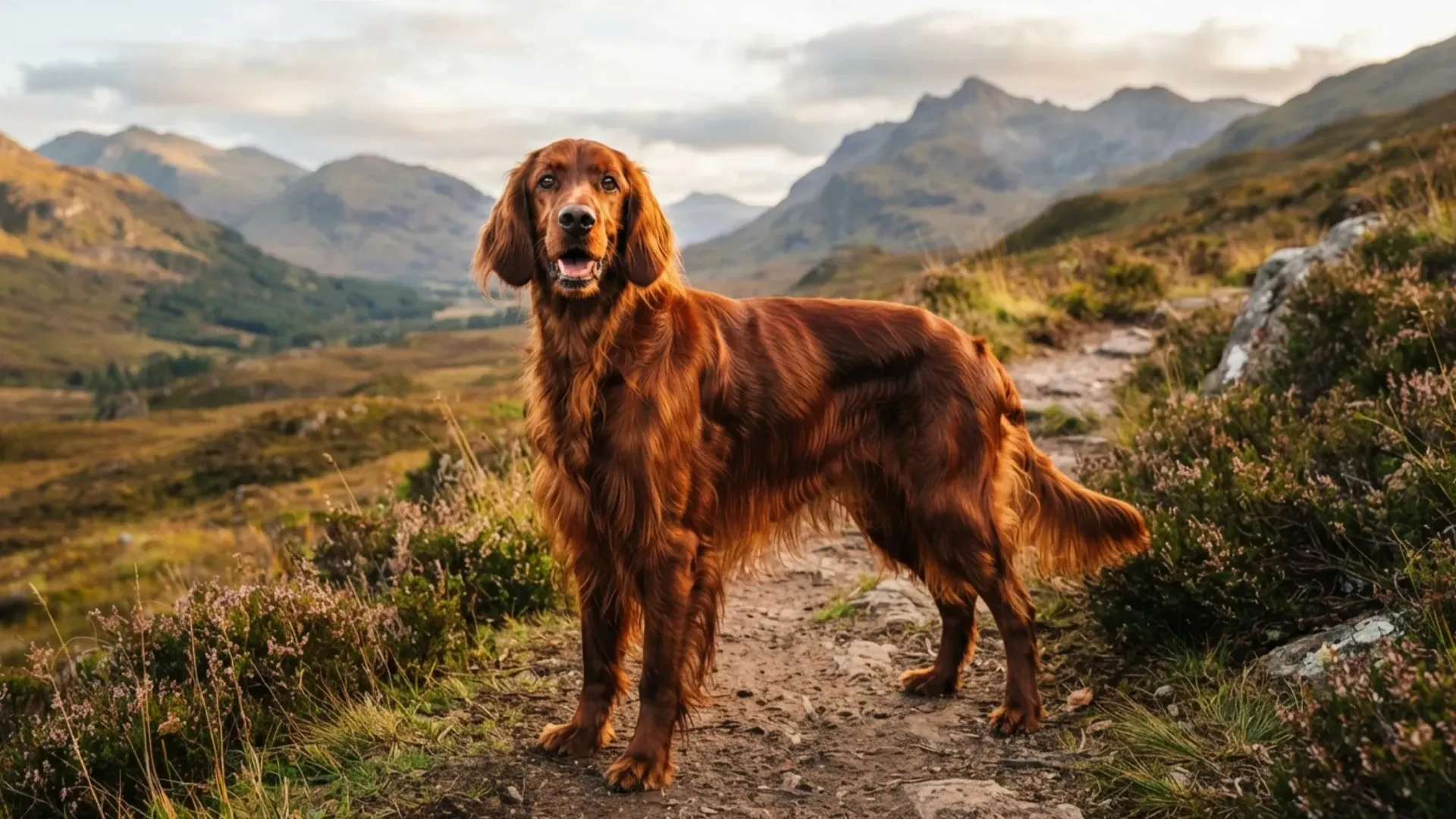
The Irish Setter is instantly recognizable for its luxurious red coat, a defining feature that gives this sporting breed an unmistakably polished appearance. Its rich chestnut-to-mahogany coloring catches the light beautifully, creating a warm, almost glowing effect.
That signature coat is sleek and glossy, with longer feathering adding movement around the ears, chest, legs, and tail. As the Irish Setter runs, its flowing hair accentuates the breed’s graceful, athletic silhouette.
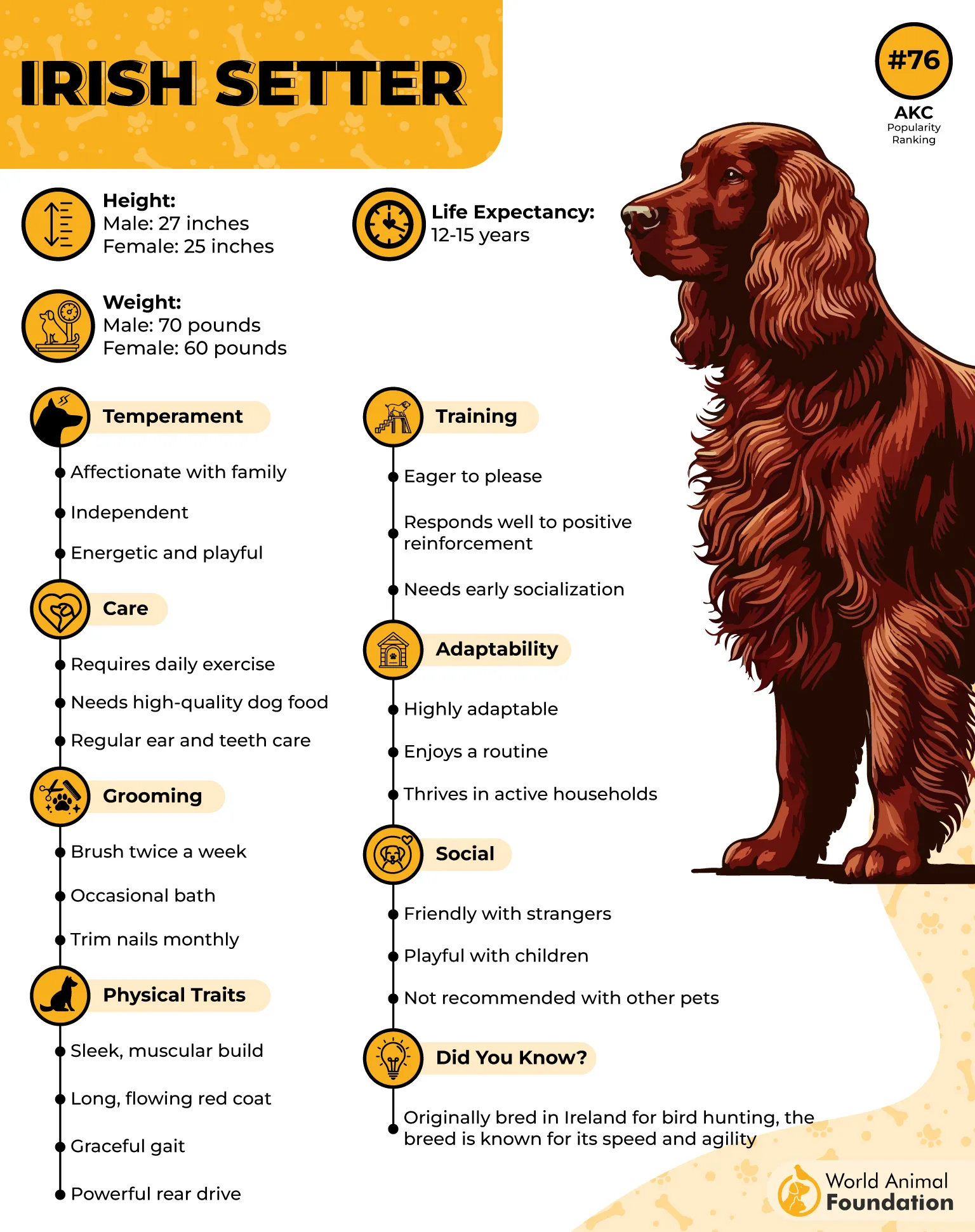
Beyond its striking appearance, the Irish Setter has a cheerful, affectionate temperament. These dogs are naturally sociable and enjoy being involved with their families, bringing plenty of enthusiasm into everyday life.
Maintaining their glamorous coat takes regular brushing to keep the feathered hair smooth and free of tangles. Their energetic nature also makes them particularly well suited to households that can provide plenty of activity and engagement.
4. Afghan Hound
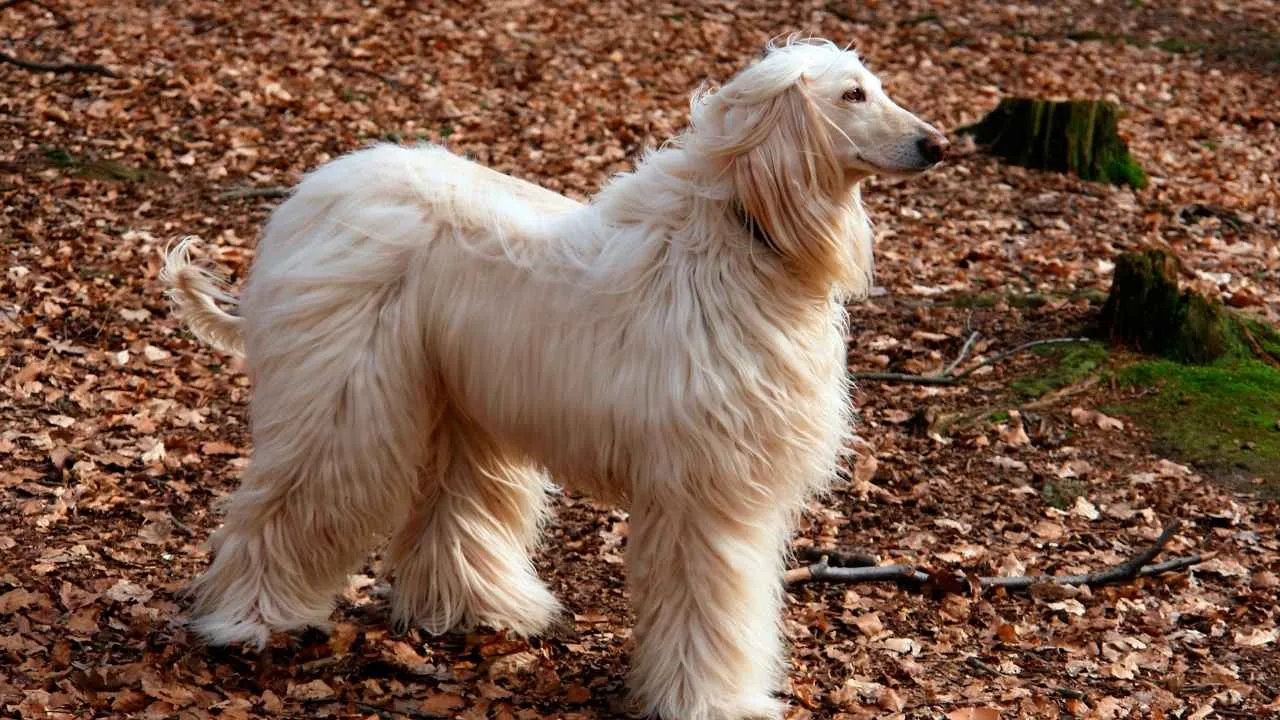
The Afghan Hound is instantly recognizable for its flowing, silky coat, a feature that gives this relatively uncommon breed an unmistakably elegant appearance. Its thick coat has a fine, glossy texture that can almost resemble human hair.
What makes its coat especially striking is the remarkable range of colors it can display. Shades can span from delicate cream and golden tones to rich black, with individual dogs showing distinctive combinations that enhance their regal look.
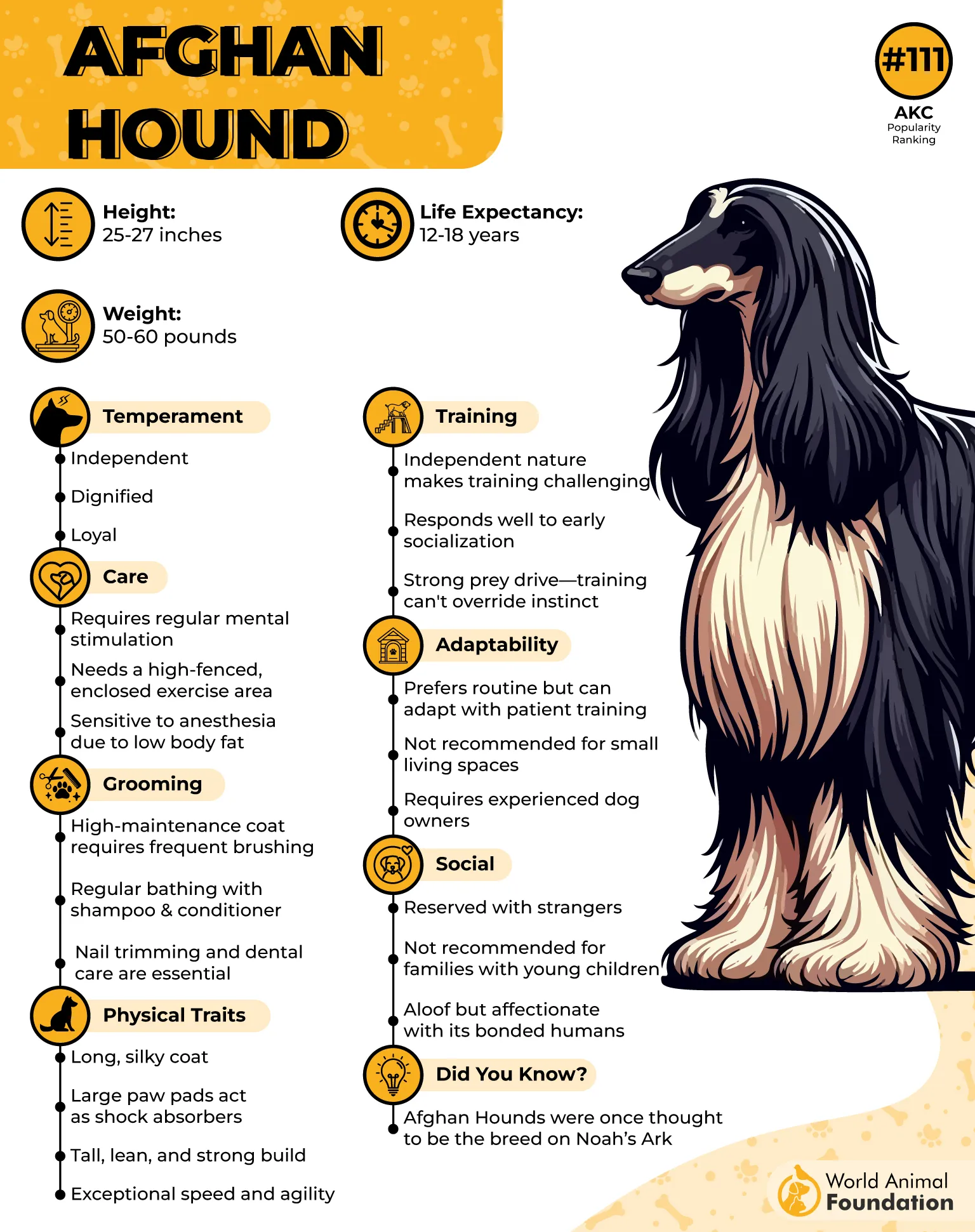
According to Hill’s Pet, the short, fluffy puppy coat begins to fall at around one year of age. As they mature, their hair gradually develops into the long, smooth covering associated with the breed.
Maintaining this impressive coat takes commitment. Regular brushing and bathing help prevent tangles and keep the hair looking healthy, while grooming should be done carefully to preserve its silky texture and natural beauty.
5. Border Collie
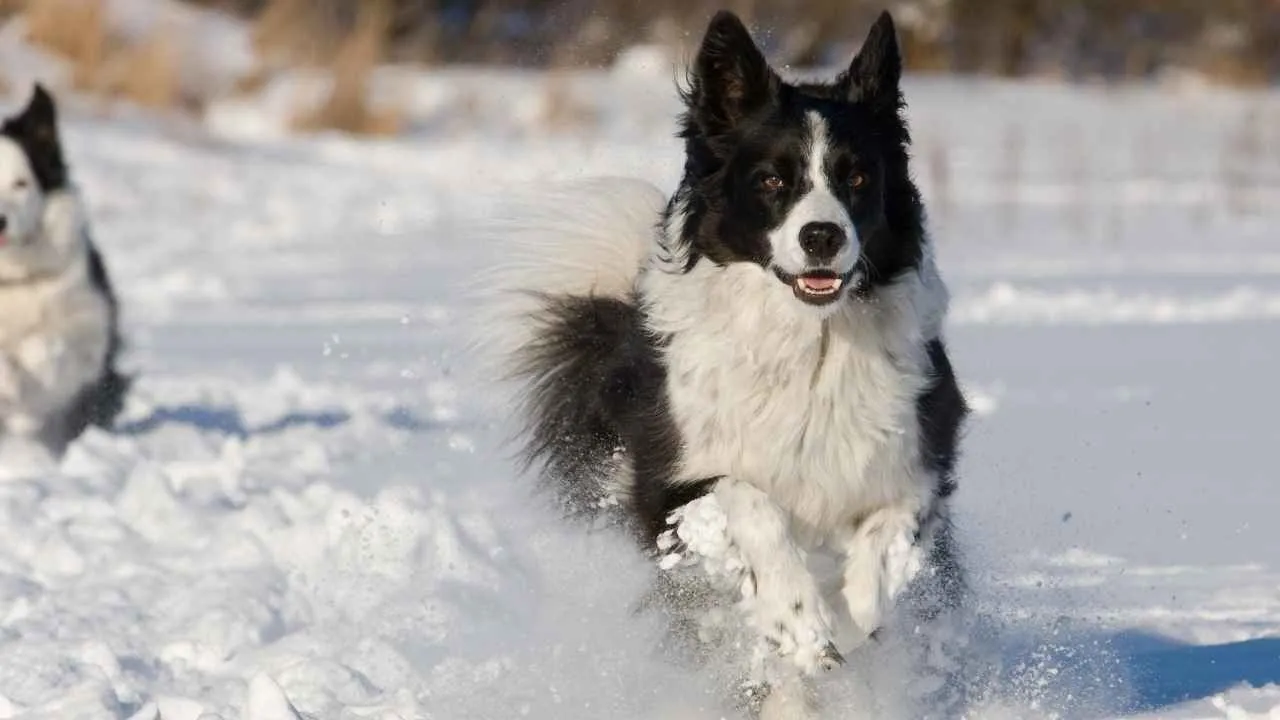
Border Collies are instantly recognizable in their classic black-and-white coats, but their color range extends far beyond this familiar combination. Red-and-white coats have also become increasingly common, while rarer variations can introduce striking shades and patterns.
Merle Border Collies are particularly eye-catching, with patches that create a marbled appearance across the coat. Depending on their genetics, these patterns may combine blue, gray, black, or red with areas of white, giving these herding dogs a distinctive look.
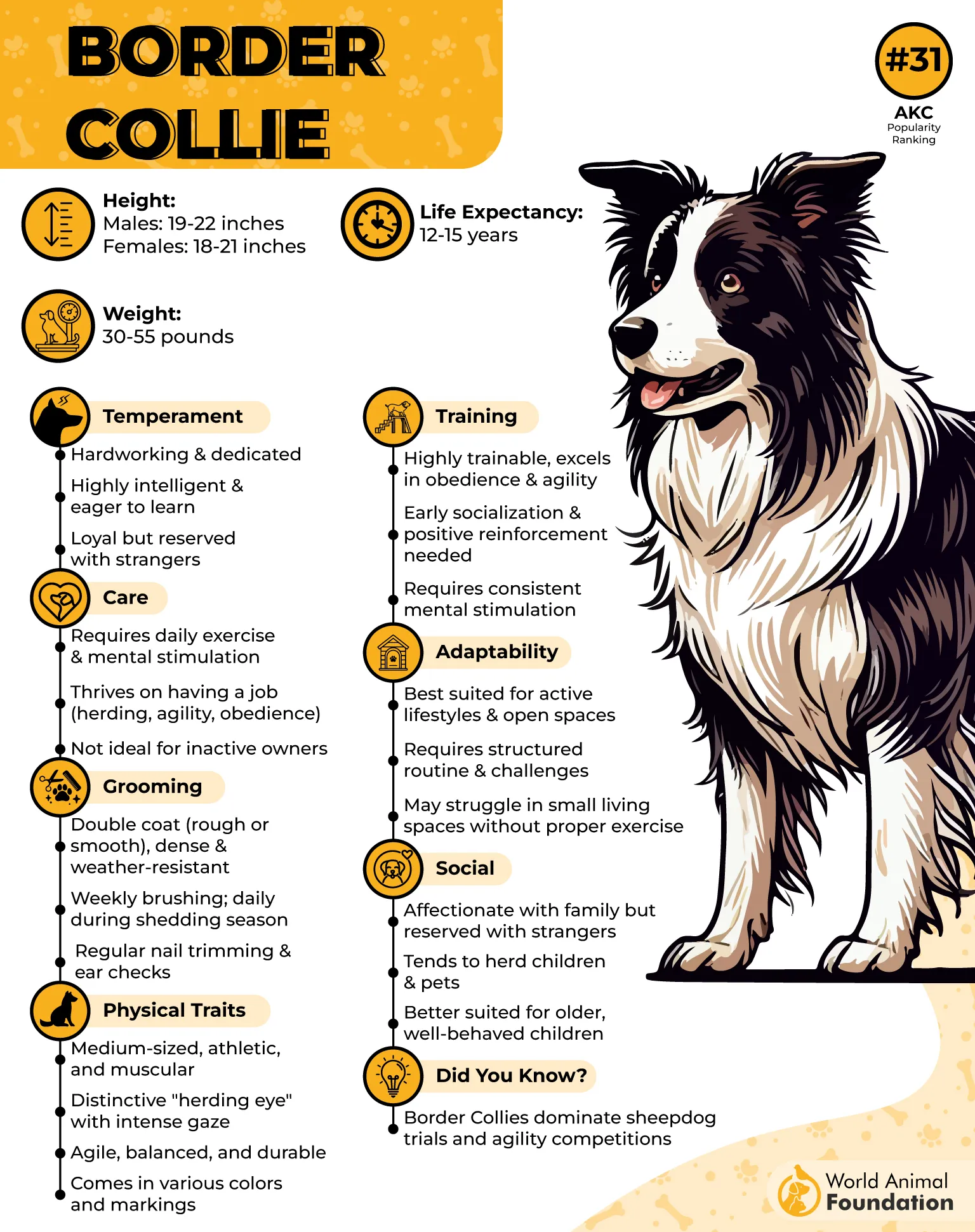
Their color diversity is closely linked to the genes influencing pigmentation. Recessive genes can produce red coats, while dilute genes soften the intensity of the base color. Pattern genes, including merle, further change how these shades appear across the body.
Beyond their visual appeal, Border Collies are celebrated for their exceptional intelligence and agility. Their quick minds and energetic nature make them highly responsive working dogs, whether they are managing livestock, learning commands, or enthusiastically chasing a frisbee.
6. Shetland Sheepdog
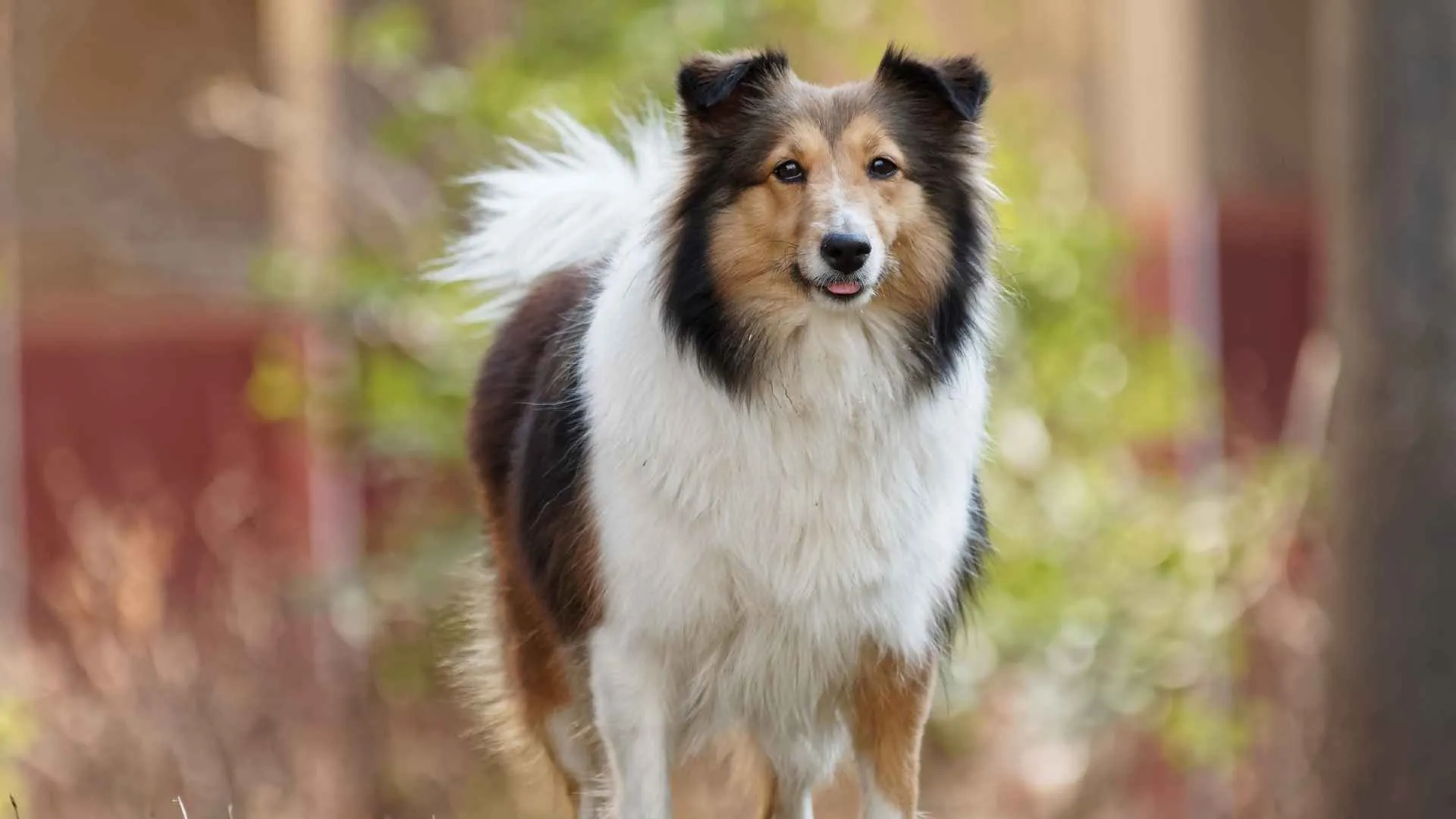
Few coats are as eye-catching as the Shetland Sheepdog’s flowing double coat, giving this affectionate breed a soft, fluffy appearance that naturally attracts attention.
Their outer coat is long and straight, while a dense, plush undercoat adds volume and warmth. Around the neck, a prominent ruff creates an especially graceful silhouette, complemented by feathering along the legs and tail.
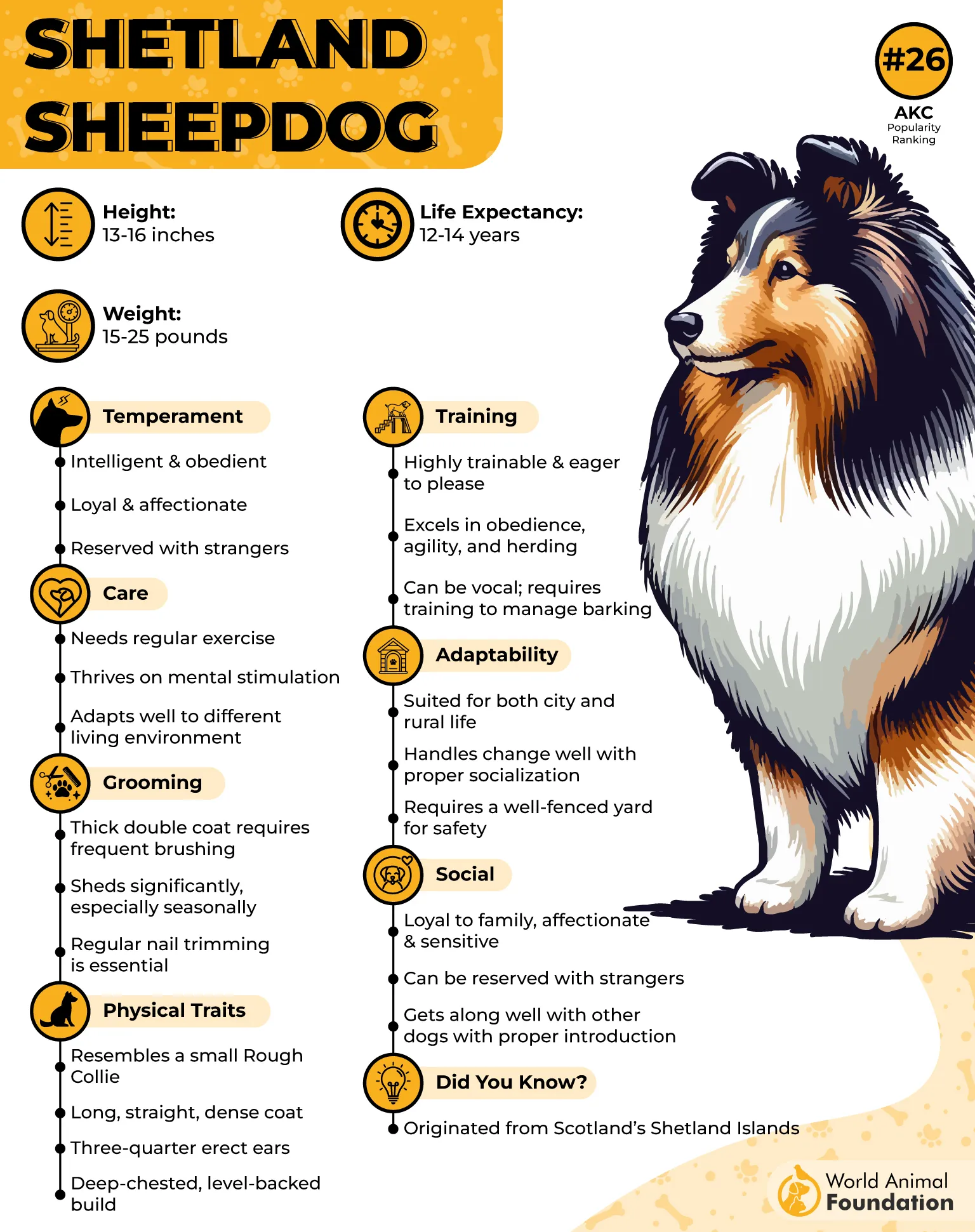
Color is where Shelties truly shine. Their coats can range from warm golden to deep mahogany sable, while black coats may feature crisp white and tan markings. Blue merle adds another striking option, with dark mottling that creates a dramatic pattern.
Beyond their beautiful appearance, Shelties are intelligent, loyal, playful companions that often form close bonds with their families. Their friendly and protective nature also makes them particularly appealing to households with children.
7. Dalmatian
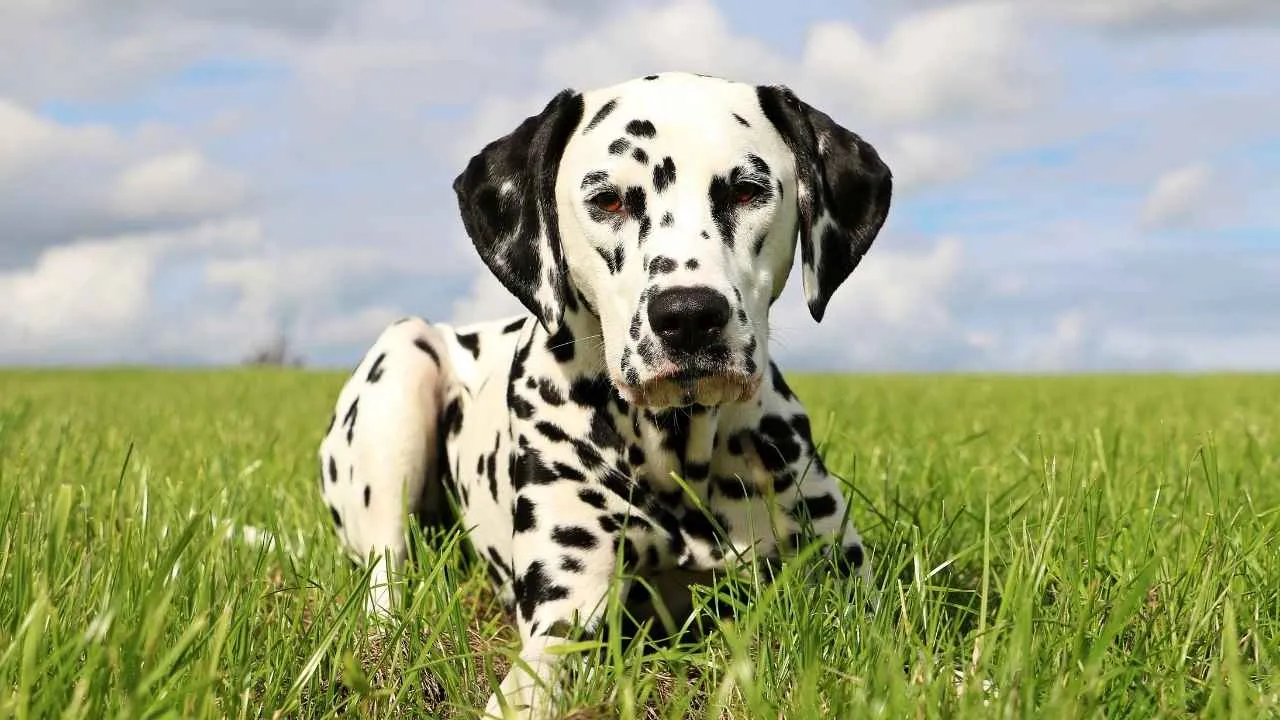
The Dalmatian is perhaps one of the easiest breeds to identify at a glance, thanks to its eye-catching spotted coat. Its crisp white background is scattered with sharply defined black or liver-colored markings, giving each dog a pattern that is distinctly its own.
The spots are typically round and clearly separated rather than forming large solid patches. They can appear across the body, with smaller markings often seen around the head, legs, and tail. Even the ears may carry spots, adding to the breed’s signature look.
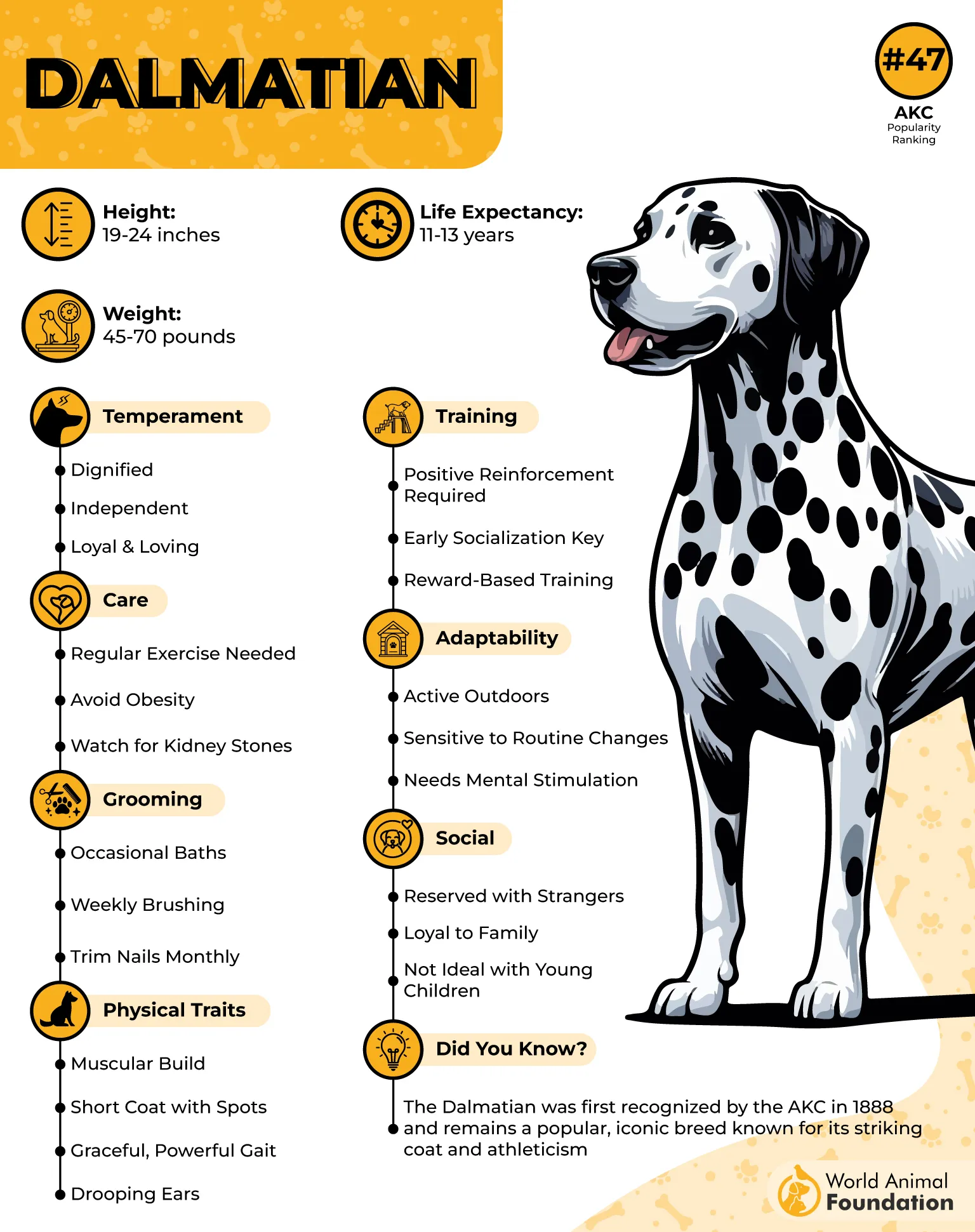
Beneath this striking pattern is a short, fine coat that sits close to the skin and gives the Dalmatian a smooth, polished appearance. Its sleek texture complements the breed’s athletic outline while keeping the overall look neat and streamlined.
The Dalmatian’s appearance also reflects its active nature. Historically associated with horse-drawn carriages, these coach dogs developed the stamina and endurance needed to keep pace for long periods. Today, their alert and outgoing character pairs naturally with their unmistakable appearance.
8. Bernese Mountain Dog
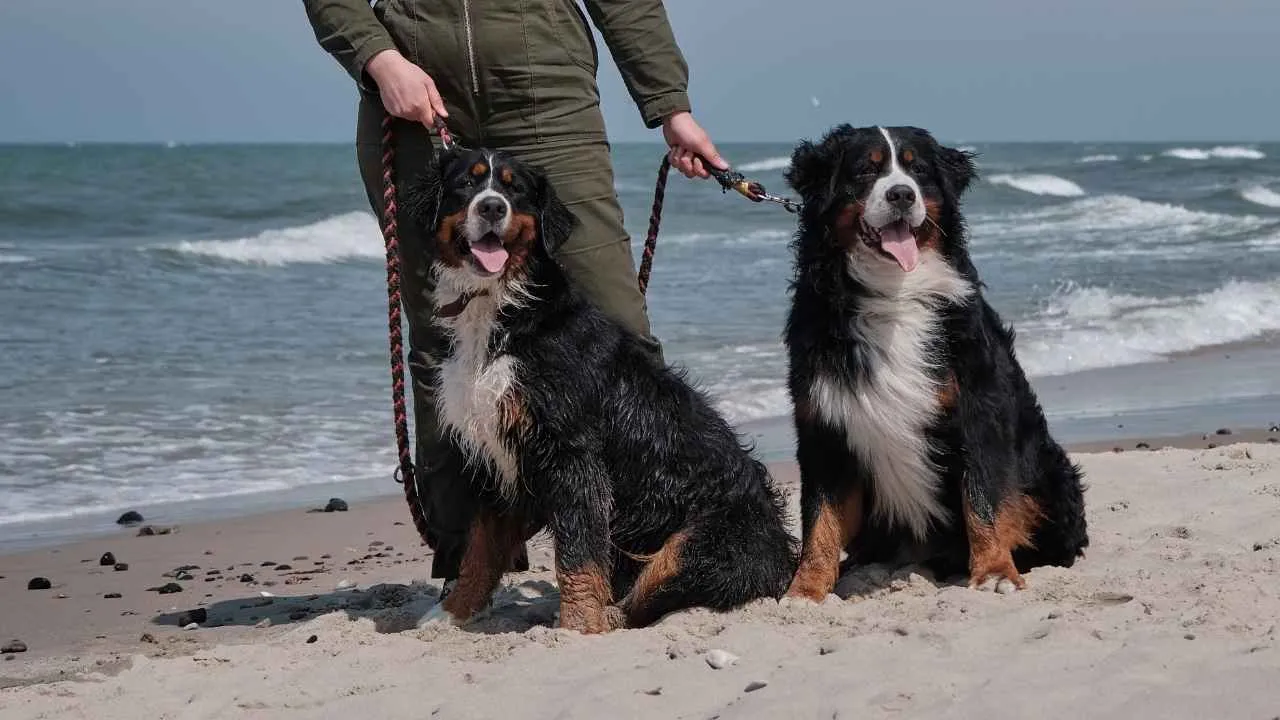
The Bernese Mountain Dog stands out with a classic tricolor coat arranged in a beautifully balanced pattern. Deep black forms the base, while crisp white markings and rich rust accents create a picture-perfect contrast across the body, face, and legs.
Originally developed as a hardworking Swiss farm dog, this gentle giant has retained a strong sense of loyalty. Berners often form deep connections with their families and may become especially devoted to one person.
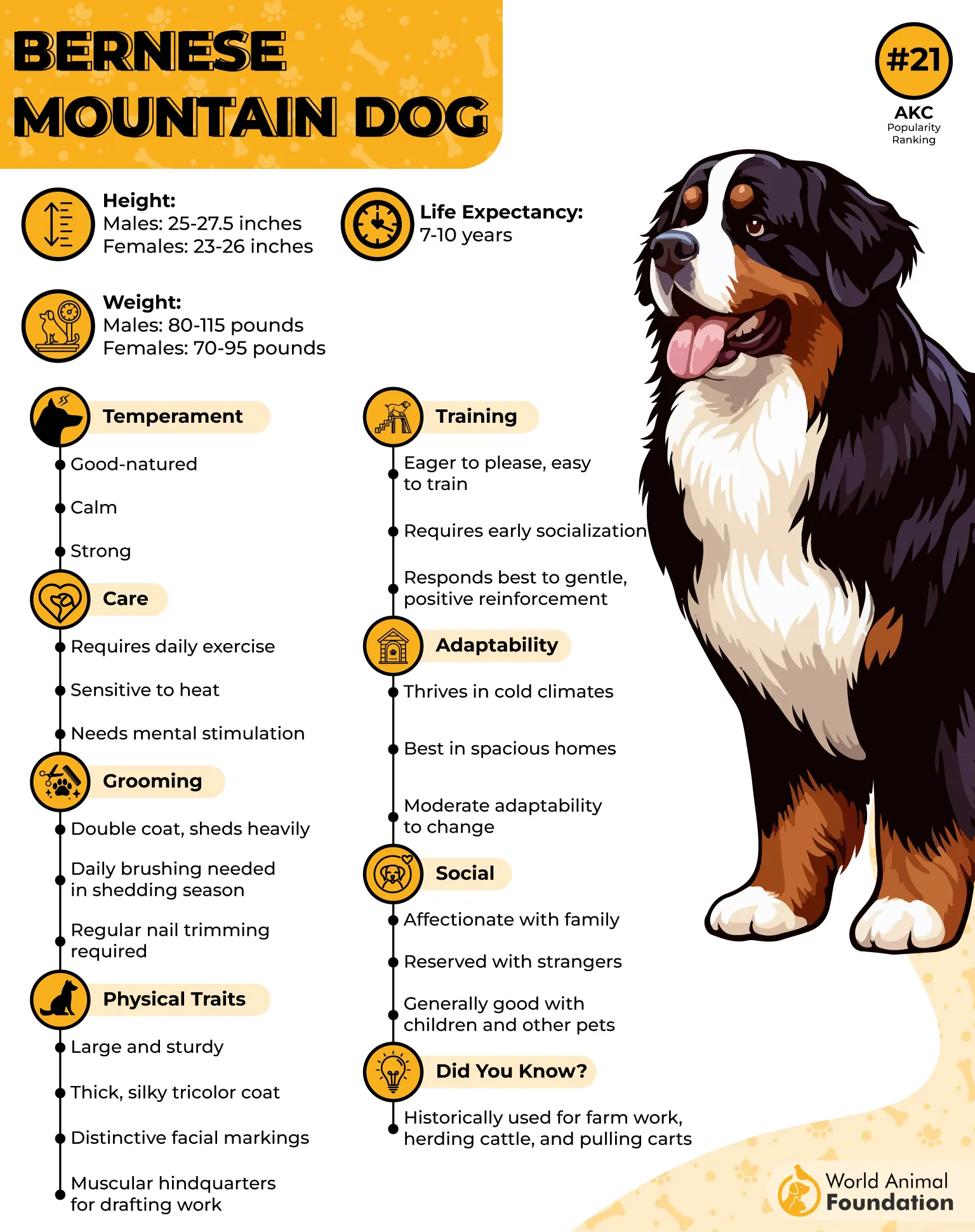
Despite their imposing size, they tend to have a calm, affectionate temperament. They enjoy relaxed walks, gentle games, and plenty of time with their people rather than demanding intense exercise.
Their medium-length double coat requires regular attention to preserve its smooth, attractive appearance. Brushing several times a week helps control loose hair, while daily brushing is particularly useful during their heavier seasonal shedding periods.
9. Alaskan Klee Kai
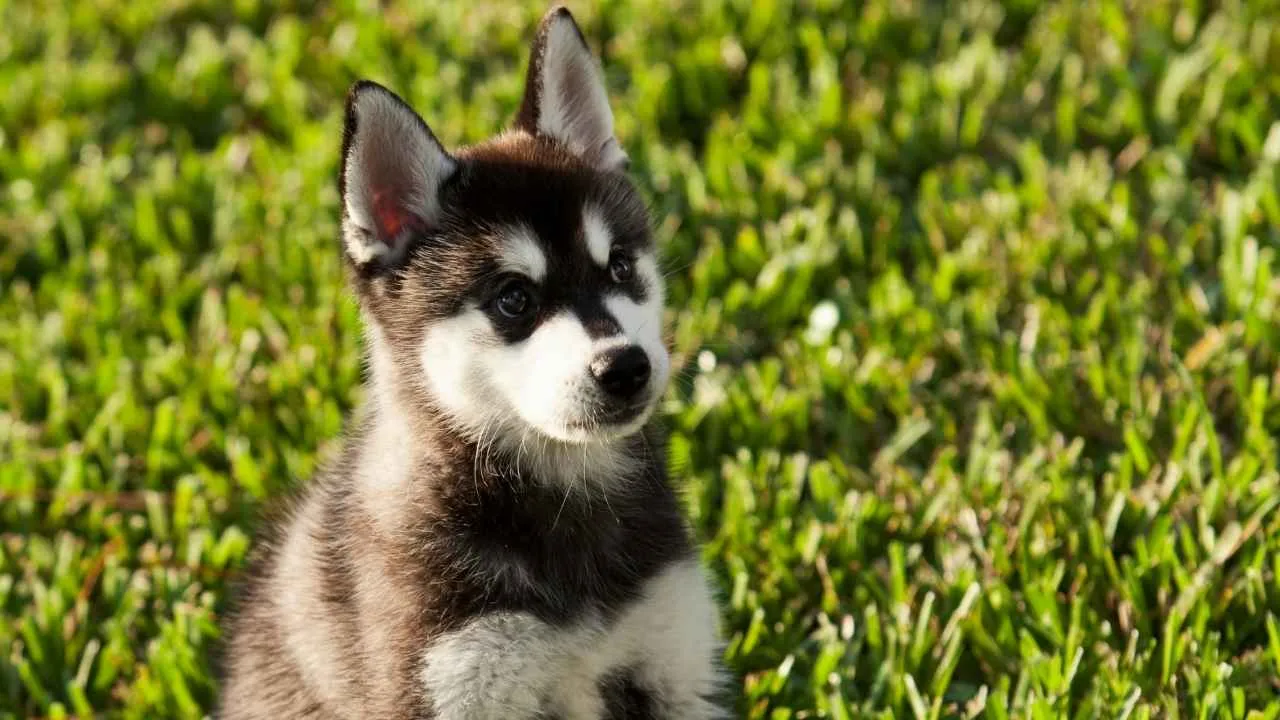
The Alaskan Klee Kai brings a miniature Northern look, combining Husky-like features with a smaller, family-friendly build. Developed in Alaska during the 1970s, this relatively rare breed has an expressive face and an alert, engaging presence.
Its double coat is especially eye-catching, pairing lighter areas with dramatic patches of black, gray, or red. The strong contrast between these shades and the white base gives the breed a distinctly patterned appearance.
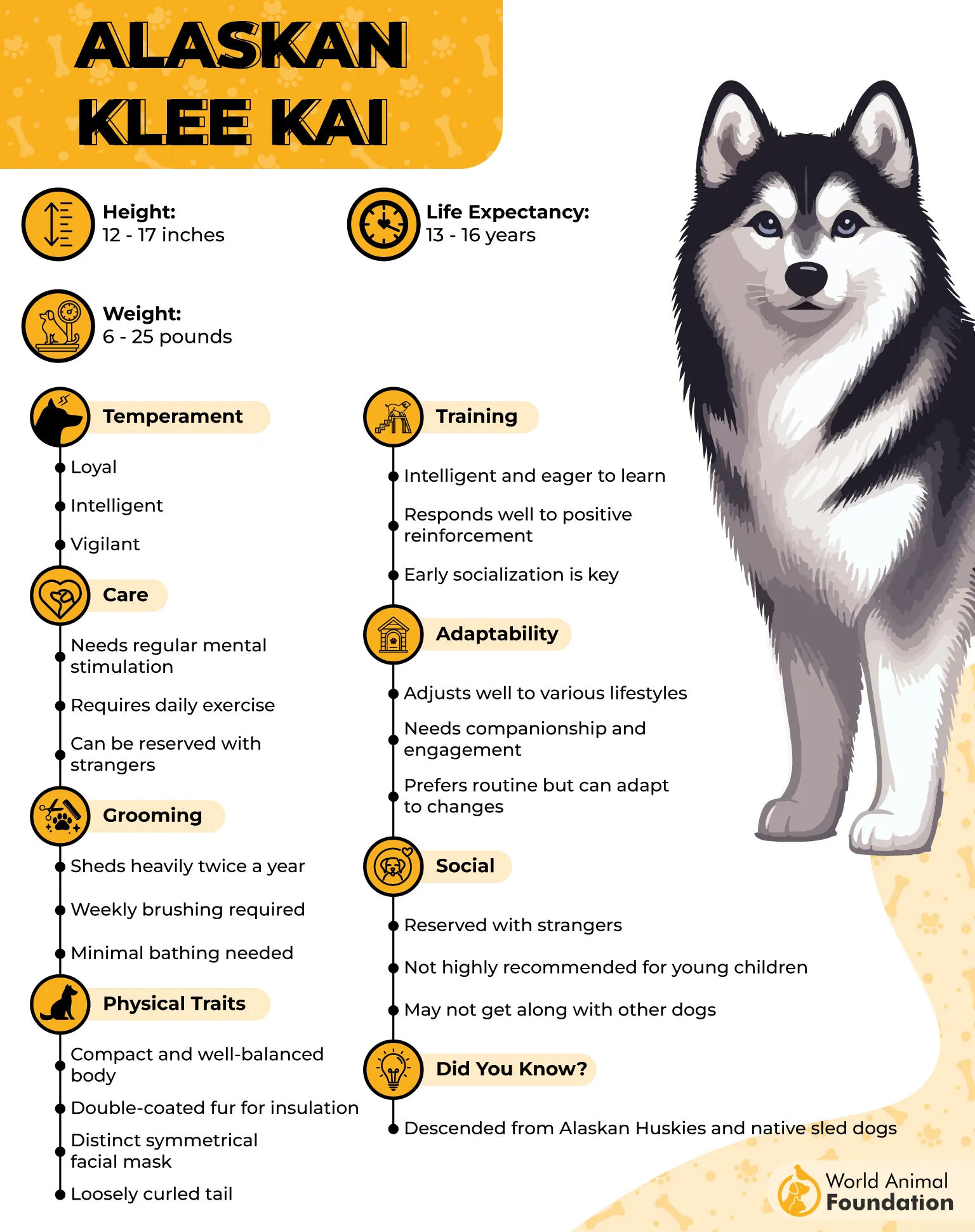
Although compact, the Alaskan Klee Kai is energetic and agile, enjoying activities that keep both its body and mind engaged. It is also intelligent and responsive, making obedience and agility training enjoyable ways to spend time together.
Klee Kais tend to form close bonds with their families and can be affectionate companions, though they may act reserved around unfamiliar people. Their dense coats shed heavily, particularly during seasonal coat changes, so weekly brushing is important, with more frequent grooming often needed during shedding periods.
10. American Foxhound
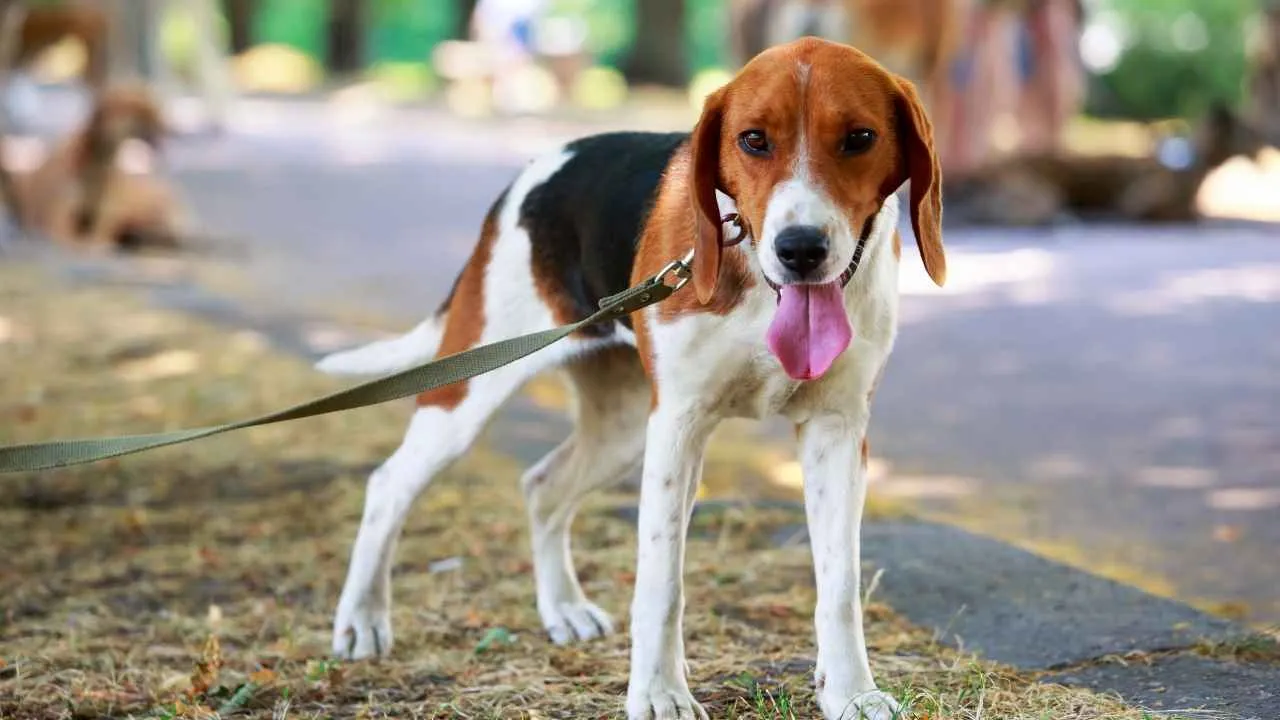
With its classic hound markings, the American Foxhound brings a timeless look to the dog world. Its medium-length coat has a firm, slightly harsh texture that complements its athletic build. According to WebMD, the coat is coarse and helps protect the dog from underbrush.
The breed is best known for its striking tricolor palette of black, white, and tan. Some dogs display a predominantly black coat accented with white and tan, while others reverse the balance with white as the main color.
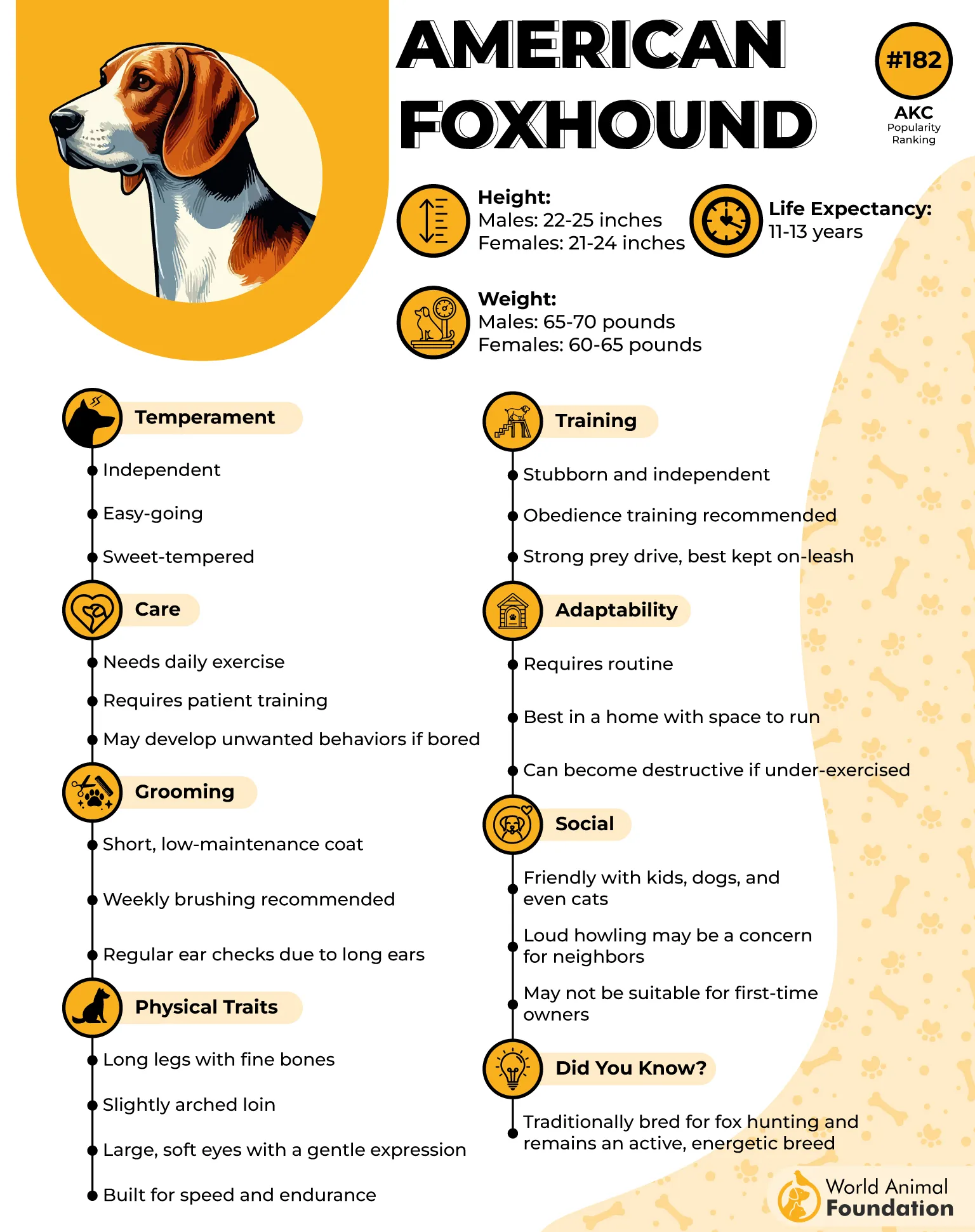
No two American Foxhounds look exactly alike. Their individual markings can vary across the body, giving each dog its own distinctive version of this traditional tricolor pattern.
Behind those elegant colors is a lively hound built for action. Its coat is also refreshingly easy to maintain, with weekly brushing helping remove loose hair and keep the sleek, practical covering looking neat.
Conclusion
From bold contrasts to soft, eye-catching patterns, magnificent coat colors can make certain dog breeds truly unforgettable. Each breed brings its own visual character, shaped by distinctive shades, markings, and textures. For dog lovers, these unique coats can be especially appealing.
Some dogs stand out with classic combinations, while others captivate with unusual tones or beautifully blended patterns. Their coats can add personality to an already striking appearance.
Beyond color, every breed has its own grooming needs, activity level, temperament, and care requirements. A beautiful coat is only one part of what makes a dog a suitable companion.
Whether you prefer elegant tricolor markings, rich solid shades, or intricate patterns, there is plenty of variety to admire. The best choice is one whose appearance, personality, and care needs fit naturally into your lifestyle.
