





Every dog breed comes with its own built-in “maintenance manual”, and trust me, the fine print matters. Some pups are quick brush, quick walk, done. Others need regular grooming sessions, extra exercise, and mental puzzles that make you wonder if you accidentally adopted a part-time life coach.
Some breeds often crave jobs to do, long-haired breeds usually need frequent coat care to avoid tangles, and certain instincts like prey drive can mean extra training to keep daily life smooth.
The best part is that once you know what your breed needs, caring for them feels less like guesswork and more like a routine you can actually enjoy. Let’s meet these wonderful breeds and the unique tips that keep them happy.
Did you know?
Dogs notice when you’re paying attention, and they often act differently depending on whether you’re looking at them or not. If your pup only “forgets” the rules when your back is turned, congratulations, you live with a tiny furry negotiator.
Dog Breeds and Their Unique Maintenance Tips
1. Border Collie
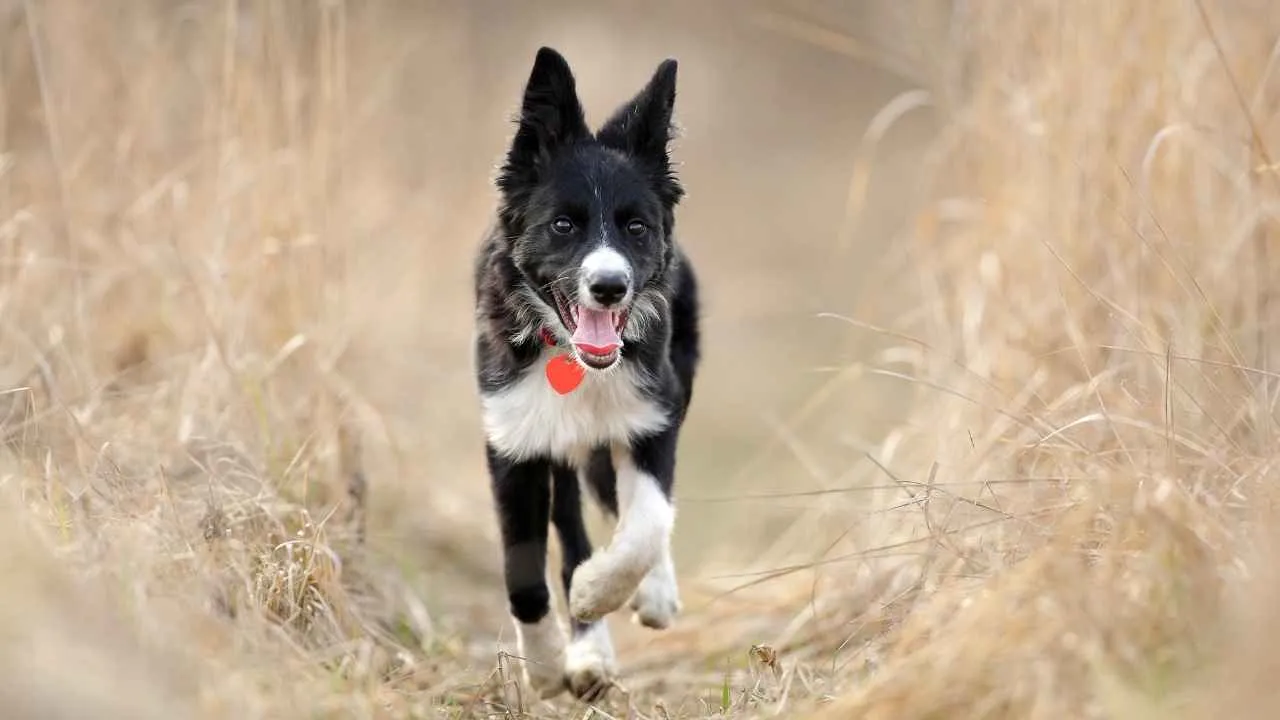
Back on the borderlands between Scotland and England, farmers shaped a dog that could outthink sheep and outwork just about anyone. The Border Collie still carries that legacy in every laser-focused stare. When discussing unique maintenance, you are really signing up for brains in constant motion.
Life with this high-maintenance breed feels like sharing space with a furry strategist. They are insanely intelligent, intensely alert, and sensitive to every shift in your posture or tone. Loyal and affectionate, yes, but also strong-minded, independent, and equipped with a serious herding instinct.

Keeping one content is not a casual hobby. They need hours of physical activity alongside challenging mental tasks, or boredom quickly turns into stress and destructive habits. Without steady outlets, compulsive behaviours can surface, so daily engagement is essential.
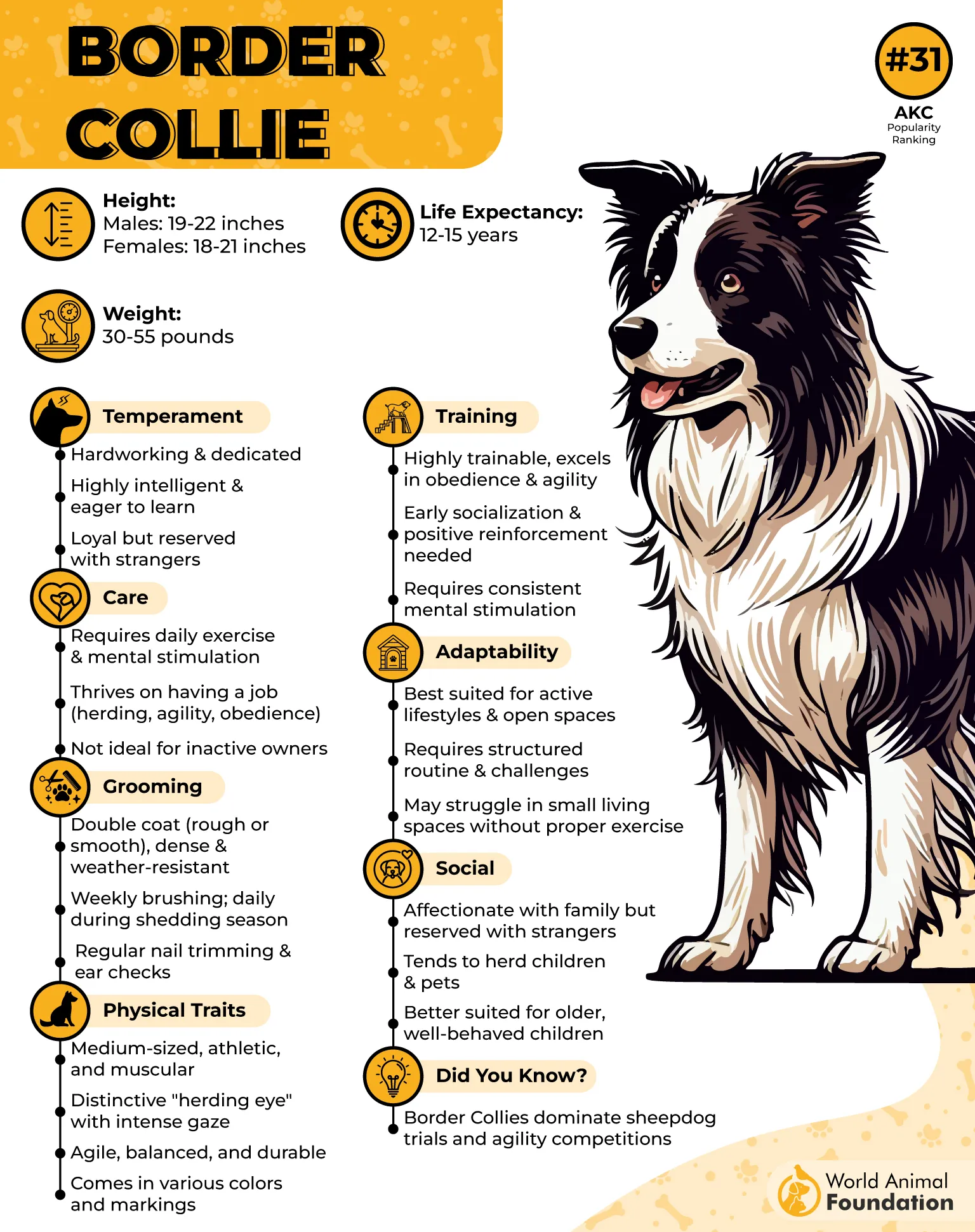
Maintenance Tips for this Breed
Regular brushing is encouraged to prevent mats in their fast-growing hair.
Practise controlled recall in secure spaces before granting any freedom outdoors.
2. Beagle

One minute they are gazing at you with those big brown or hazel eyes, the next they are nose down investigating a mystery crumb. The Beagle is cheerful, curious, and bred to hunt in packs, which explains why companionship is practically a daily requirement.
That smooth, dense double coat gets heavier when temperatures drop and sheds moderately throughout the year, with spring bringing extra fluff. Weekly brushing using a medium bristle brush or grooming mitt keeps loose hair under control and encourages healthy regrowth. Baths are only needed when adventures get messy.
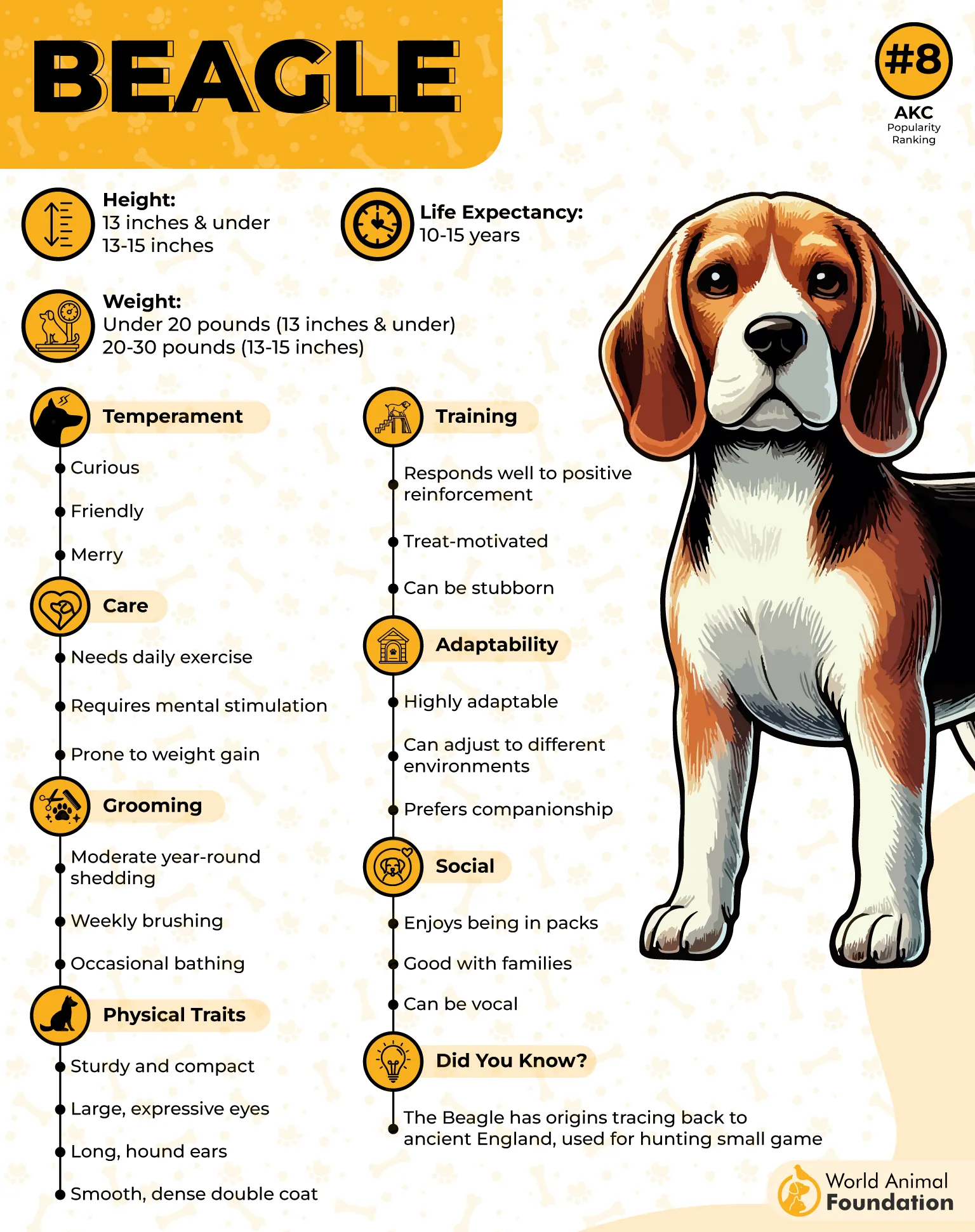
Daily life with a Beagle means planning for energy and appetite. They need at least an hour of real exercise, not just backyard wandering, and measured meals to prevent weight gain. Regular ear checks are crucial, as their floppy ears can trap moisture and invite infections.
Maintenance Tips for this Breed
Use a slow-feeder bowl if meals disappear too quickly to reduce choking or vomiting.
Clean ears consistently with a veterinarian-recommended cleanser to lower infection risk.
3. Australian Shepherd
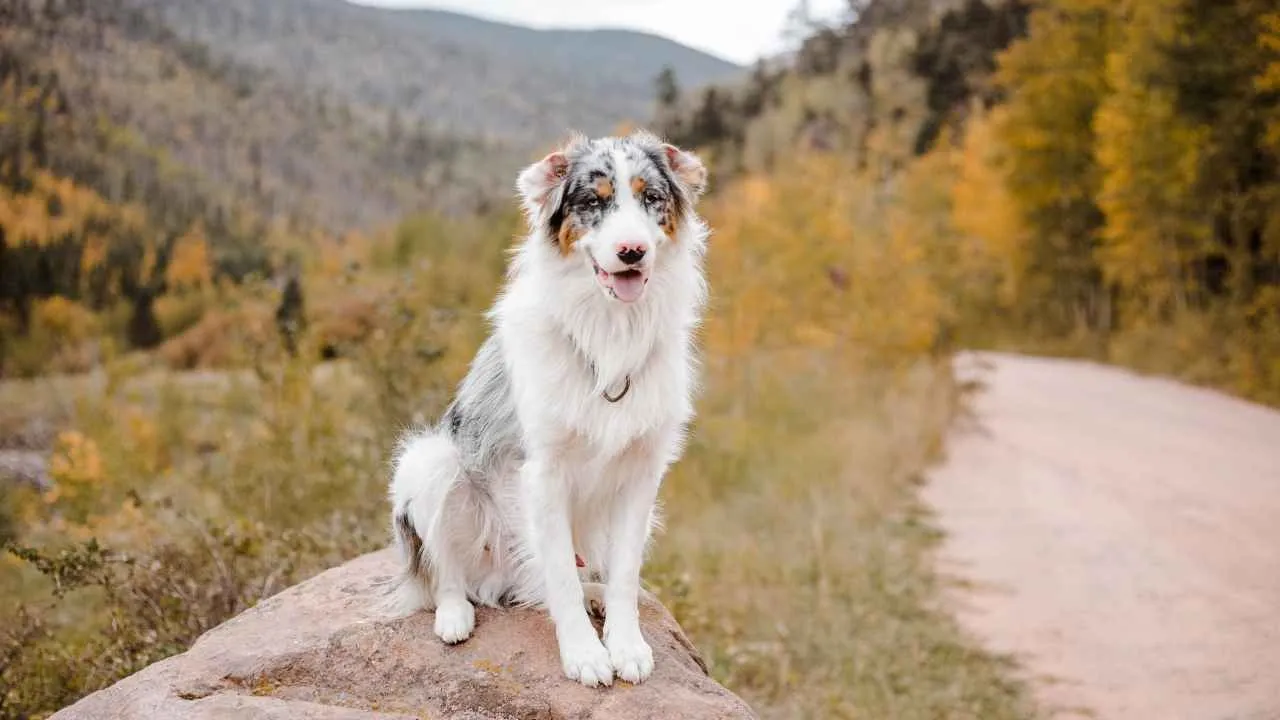
Rodeo arenas and wide open ranches helped shape the Australian Shepherd into the agile, confident mover we know today. Refined in America from European herding lines, this breed carries cowboy culture in its stride. That background sets the tone for hands-on, involved upkeep.
Around loved ones, Aussies are affectionate and deeply bonded, often happiest when included in every activity. They generally get along with children and other dogs, yet their strong attachment can lean into territorial or overprotective behaviour if not guided thoughtfully.
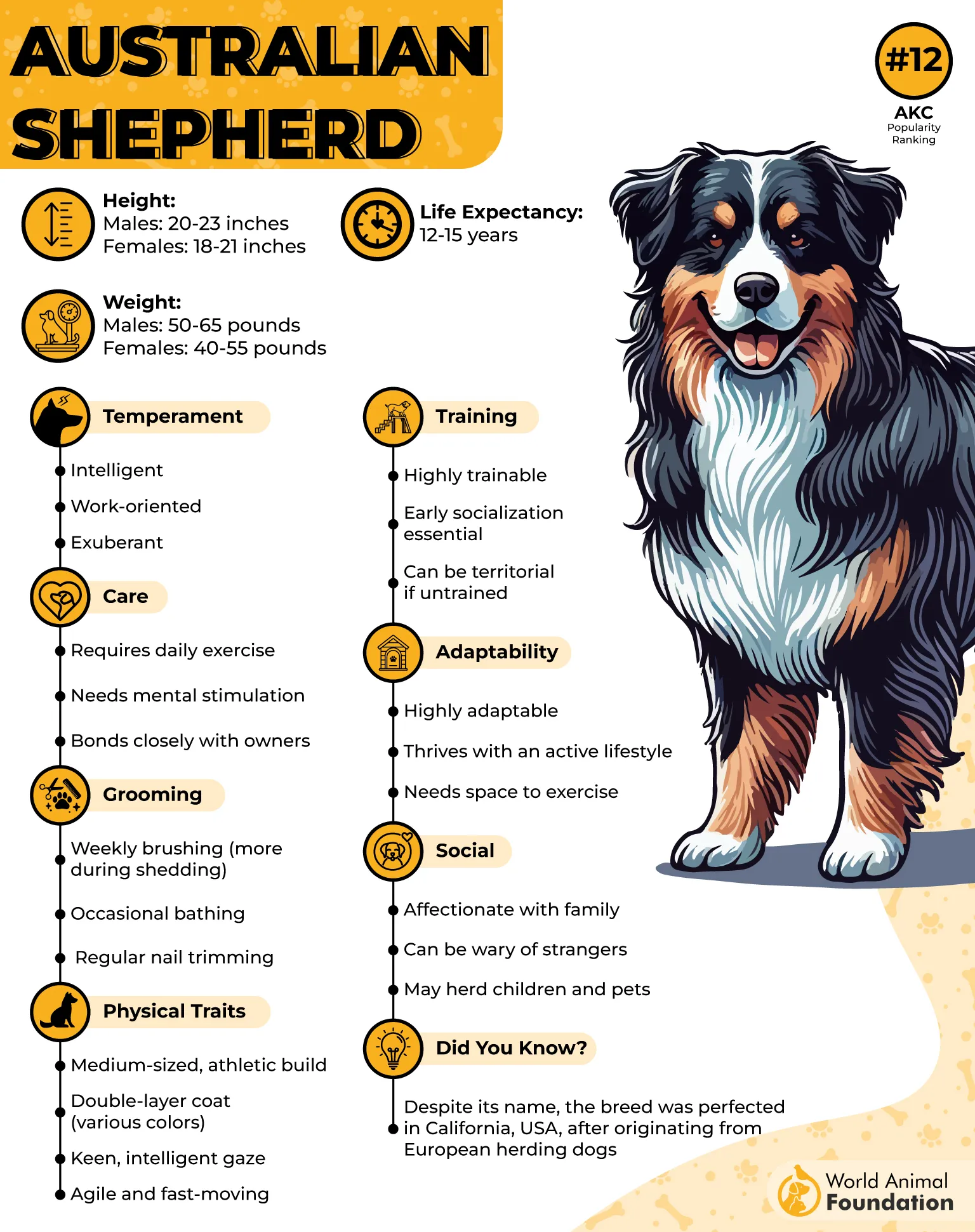
As noted by PetMD, Australian Shepherds are highly intelligent and motivated, which makes them quick to respond to positive reinforcement. It is best to hold off on intense, long-distance exercise until they are fully grown to protect their developing joints.
Maintenance Tips for this Breed
Frequent grooming during heavy shedding periods is recommended
Check ears regularly for debris and wax buildup after outdoor play.
4. Siberian Husky
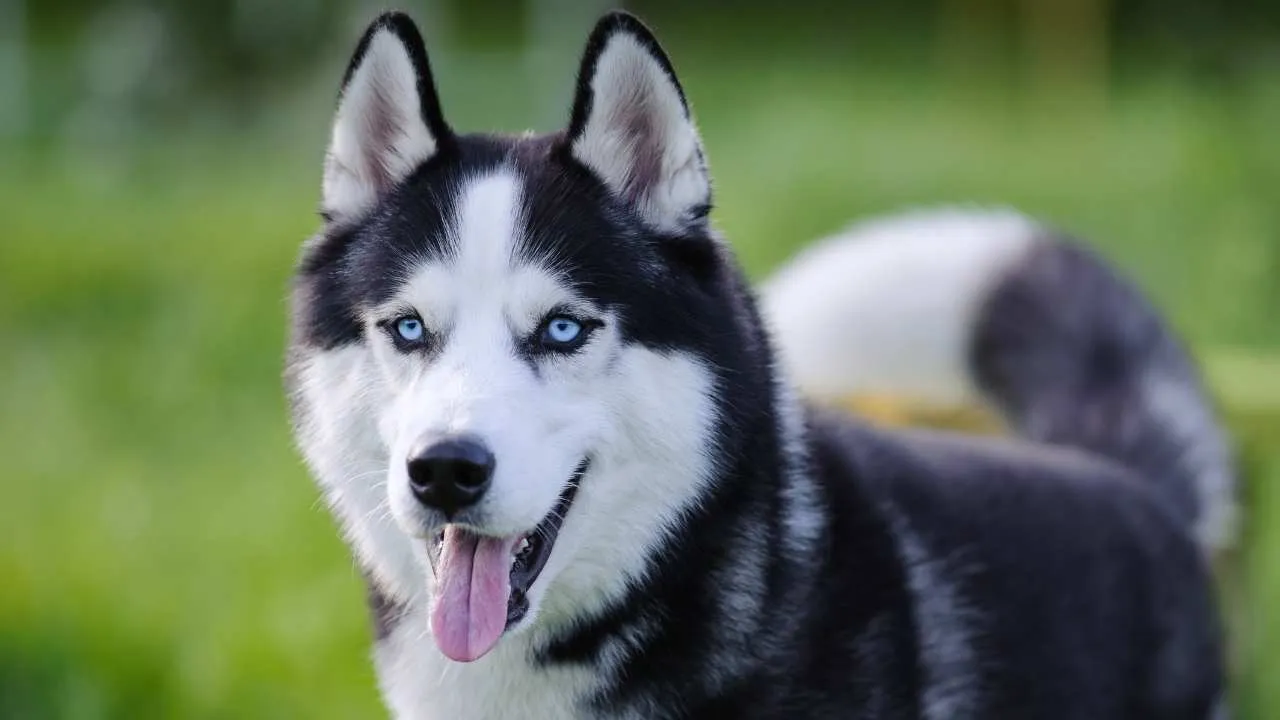
Snow, sleds, and wide frozen landscapes are stitched into the Siberian Husky’s story. Developed by the Chukchi people as endurance sled dogs and companions, they were built to pull light loads across vast terrain. That working heritage still shapes their daily care needs.
When shedding season hits, it arrives dramatically. The thick double coat drops its undercoat twice yearly, requiring regular raking with a pin brush and metal comb to remove old hair. Outside those periods, weekly brushing keeps skin and coat in good condition.
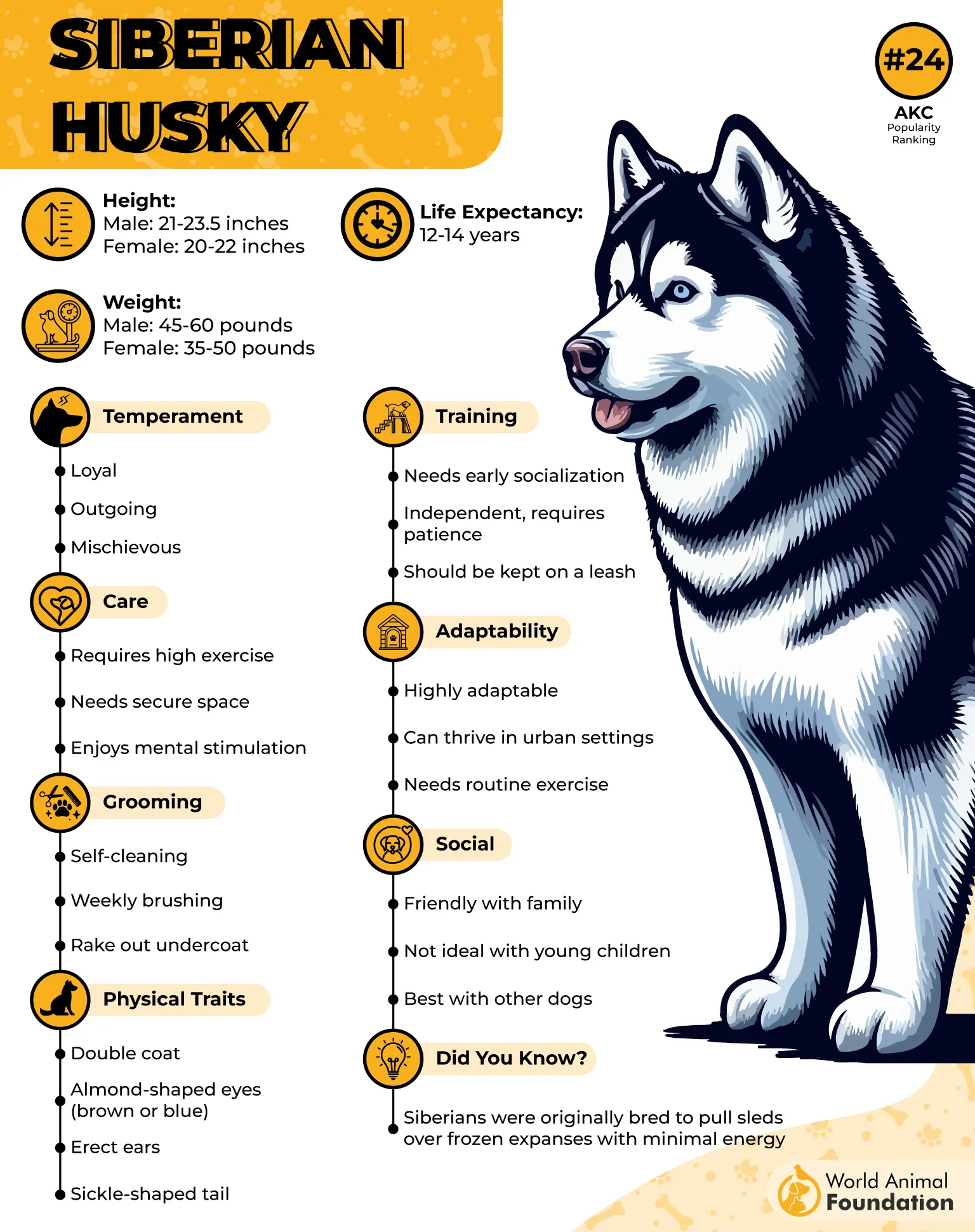
As mentioned by the AKC, Siberians are active, athletic working dogs who thrive when they have a real job to do. They were bred to run and will seize every opportunity, so secure spaces, leashes, and shared activities are essential for a balanced, happy companion.
Maintenance Tips for this Breed
Regular nail trimming prevents foot discomfort, especially for active runners.
Feed a high-quality protein-based diet and adjust portions to maintain a healthy weight.
5. Jack Russell Terrier
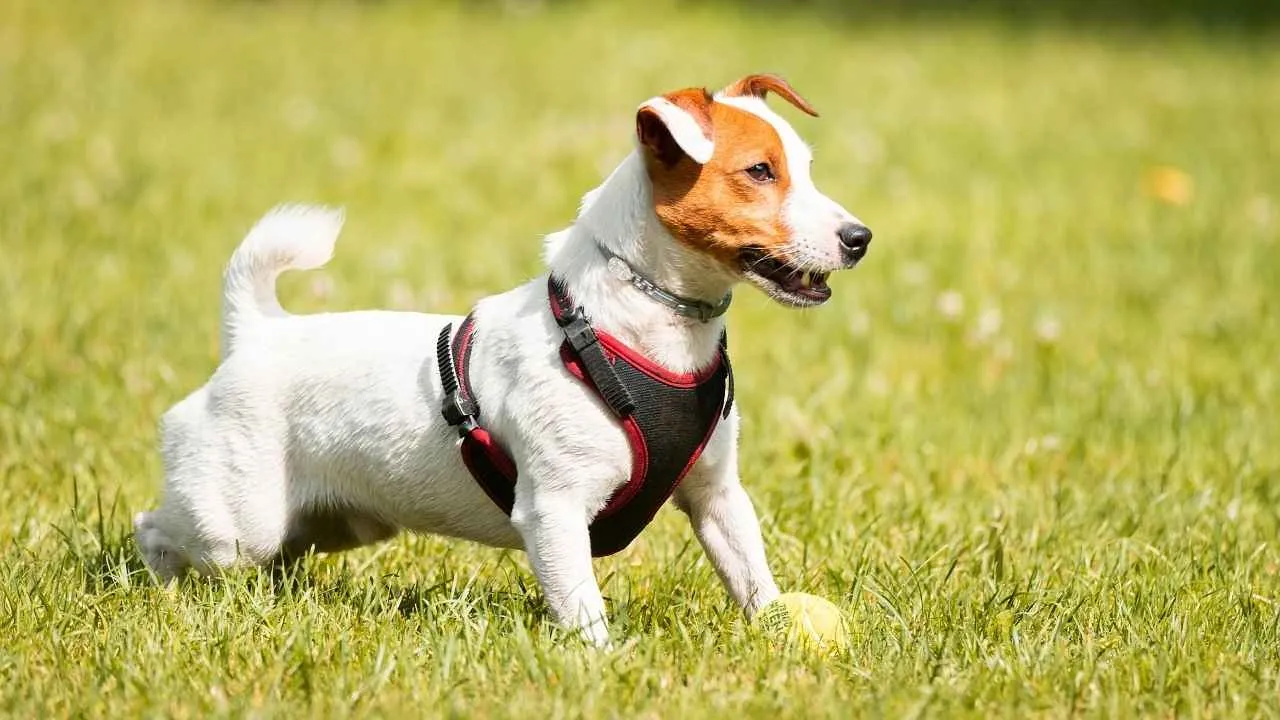
Small in size but absolutely bursting with personality, the jaunty Russell Terrier was developed in England for foxhunts by the Sporting Parson. Beneath that plush toy appearance lives a tireless working terrier with a confident, lively spirit that keeps maintenance interesting.
Shedding is not the main headline here, but coat type matters. Whether smooth, broken, or rough, all three varieties are mostly white with tan or black markings and are fairly simple to maintain. Weekly brushing keeps coats neat and natural, with only minimal grooming required.
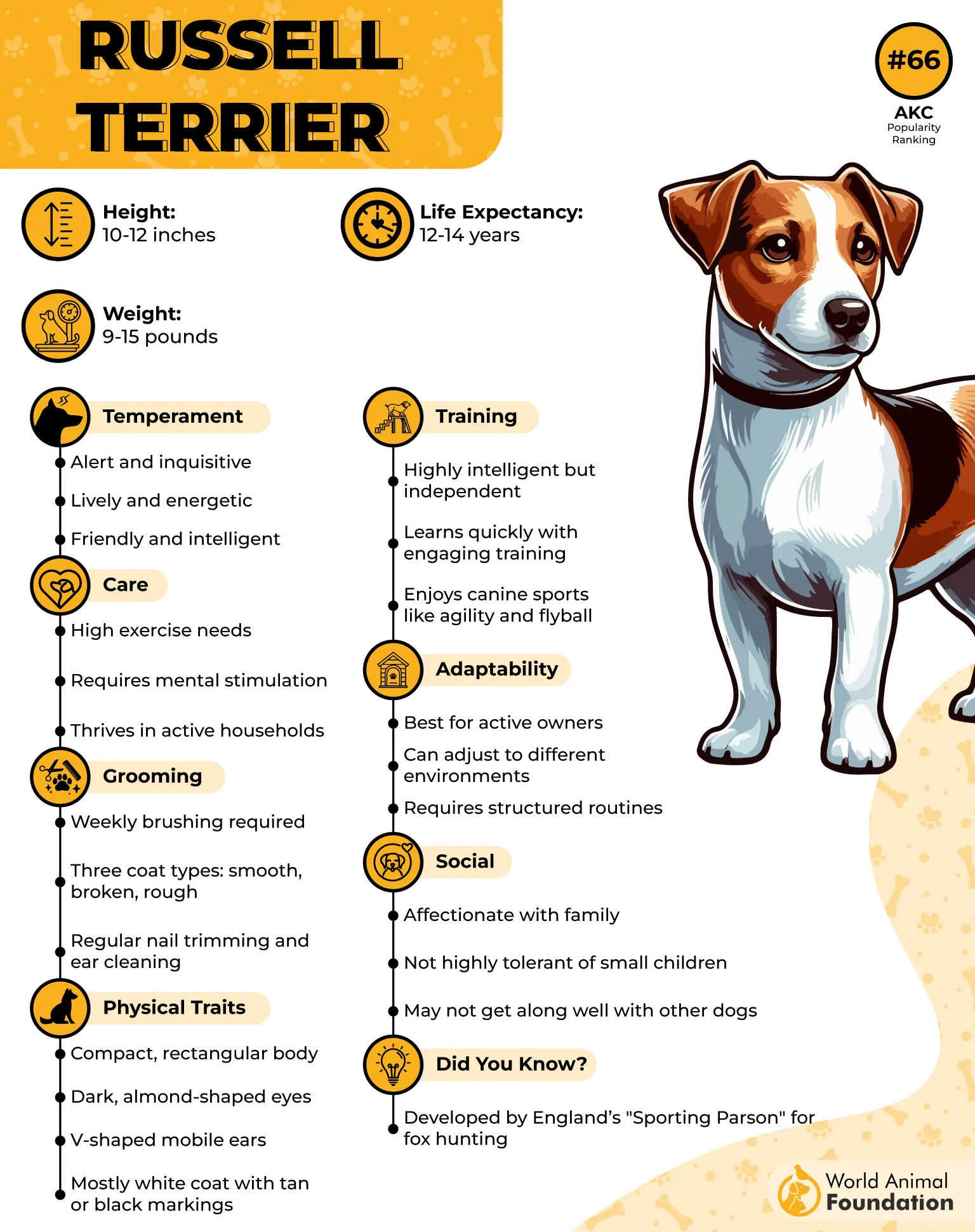
According to Purina, Jacks thrive on structured activity that matches their build and energy level. Smaller types may be content with about an hour of walking plus games, while sturdier ones can handle much more. Add training, puzzle solving, and outlets for digging and chasing.
Maintenance Tips for this Breed
Keep training sessions short, fun, and varied to prevent boredom.
Monitor calorie intake carefully to avoid unwanted weight gain.
6. Boxer
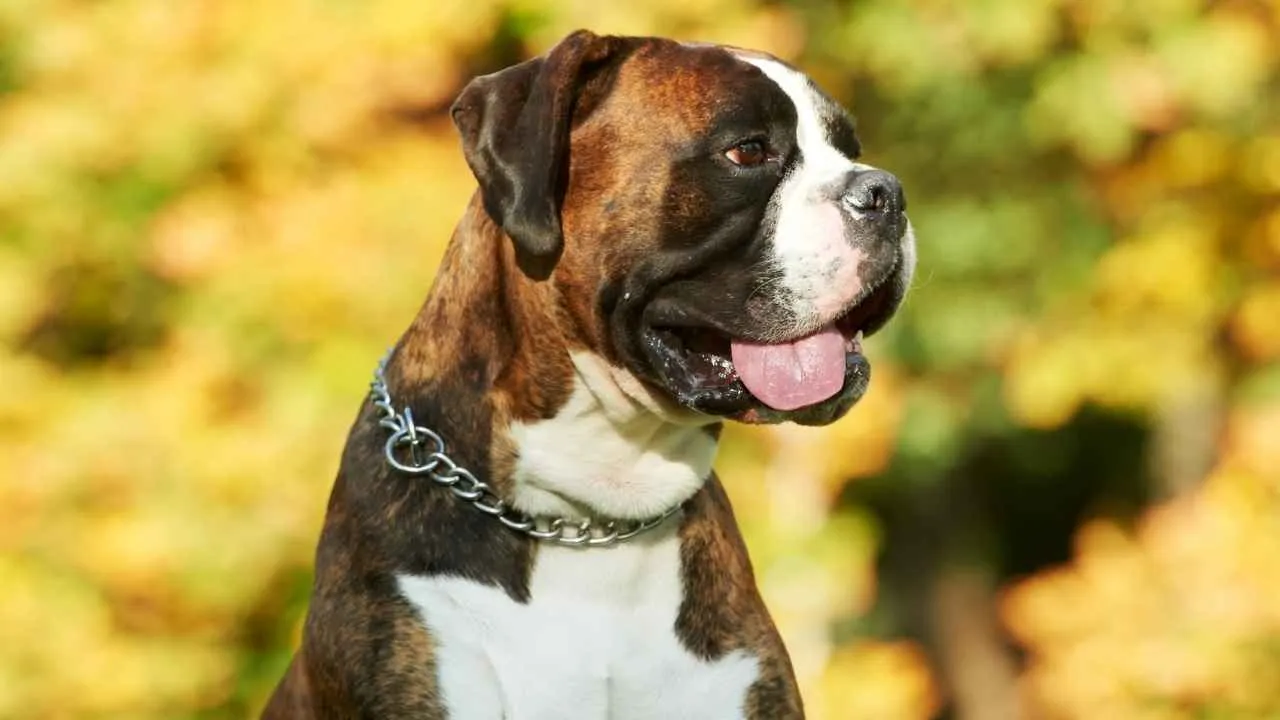
Long before suburban backyards, the Boxer’s ancestors worked as formidable big game hunters in Germany, later refined into the sleek, playful guardian we recognize today. That layered past shows up in their bold confidence, muscular build, and need for thoughtful, hands-on management.
Under that short coat lies a breed predisposed to several serious conditions, including heart diseases like dilated cardiomyopathy and Boxer arrhythmia, certain cancers, hypothyroidism, and cranial cruciate ligament disease. Routine veterinary evaluations and early detection are essential parts of responsible ownership.
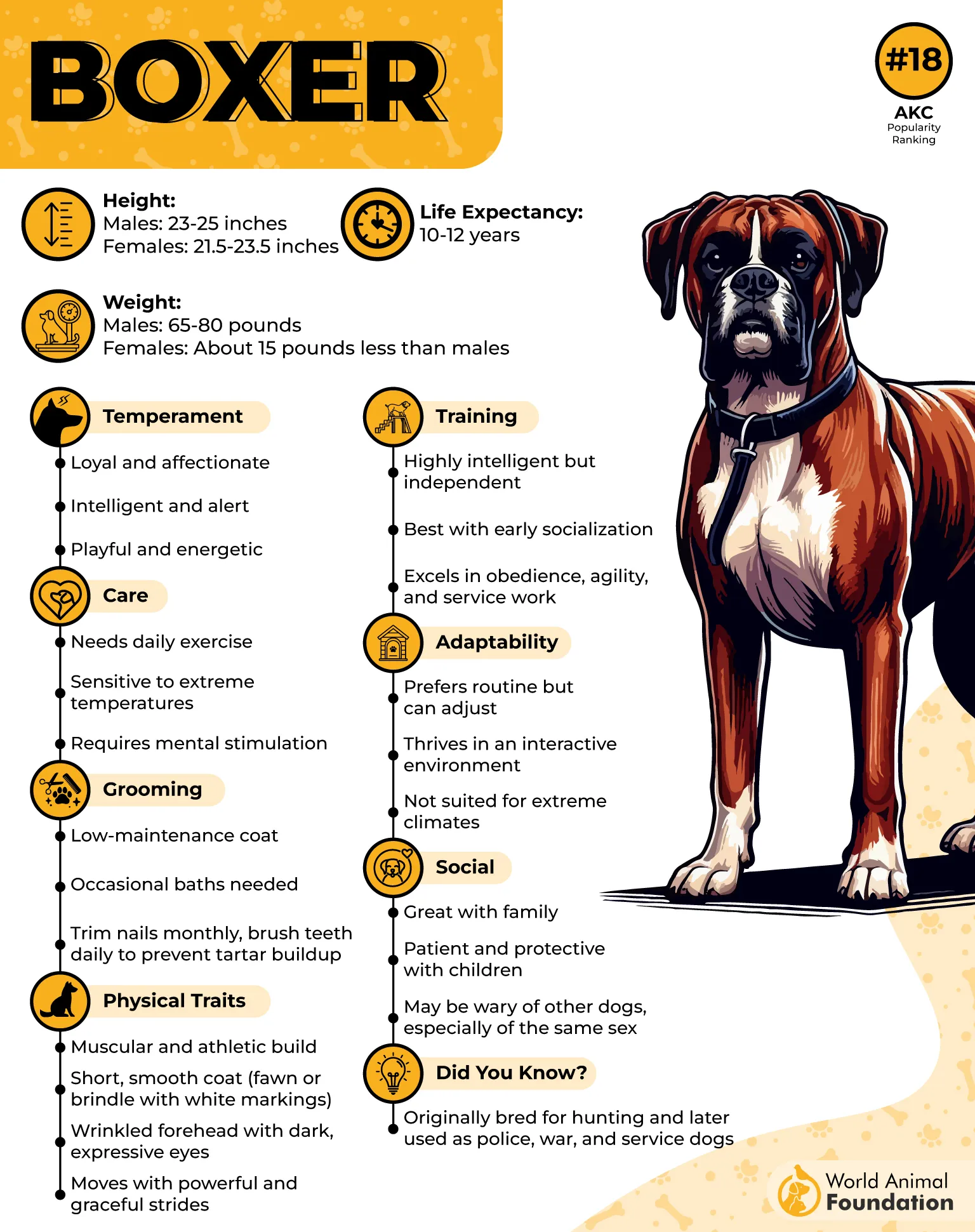
Those expressive wrinkles and flat facial structure require steady attention. Being brachycephalic means they are prone to overheating and breathing challenges, so keeping facial folds clean and dry matters. Monitoring for moisture buildup and irritation helps prevent discomfort and keeps them feeling their best.
Maintenance Tips for this Breed
Feed measured meals twice daily and avoid elevated bowls to reduce bloat risk.
Brush weekly with a rubber curry tool and maintain frequent dental care.
7. Dalmatian
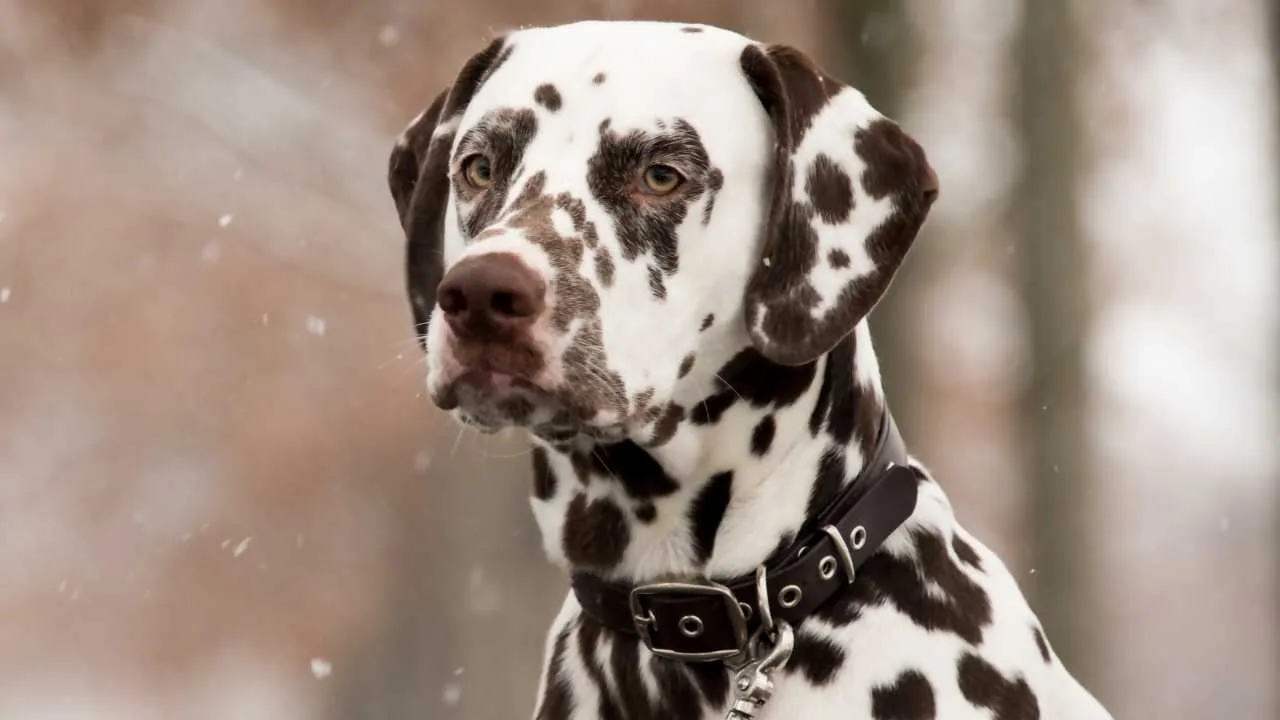
Spotted from nose to tail and impossible to ignore, the Dalmatian carries itself with quiet dignity and serious stamina. Beneath that striking coat is a muscular, elegantly proportioned dog built to go the distance and always ready for purposeful movement.
Bright and incredibly loyal with their chosen people, Dalmatians can be reserved and even aloof around strangers. A protective instinct lingers, making them dependable watchdogs. With proper early exposure to new places and situations, they grow into confident, well-mannered companions.
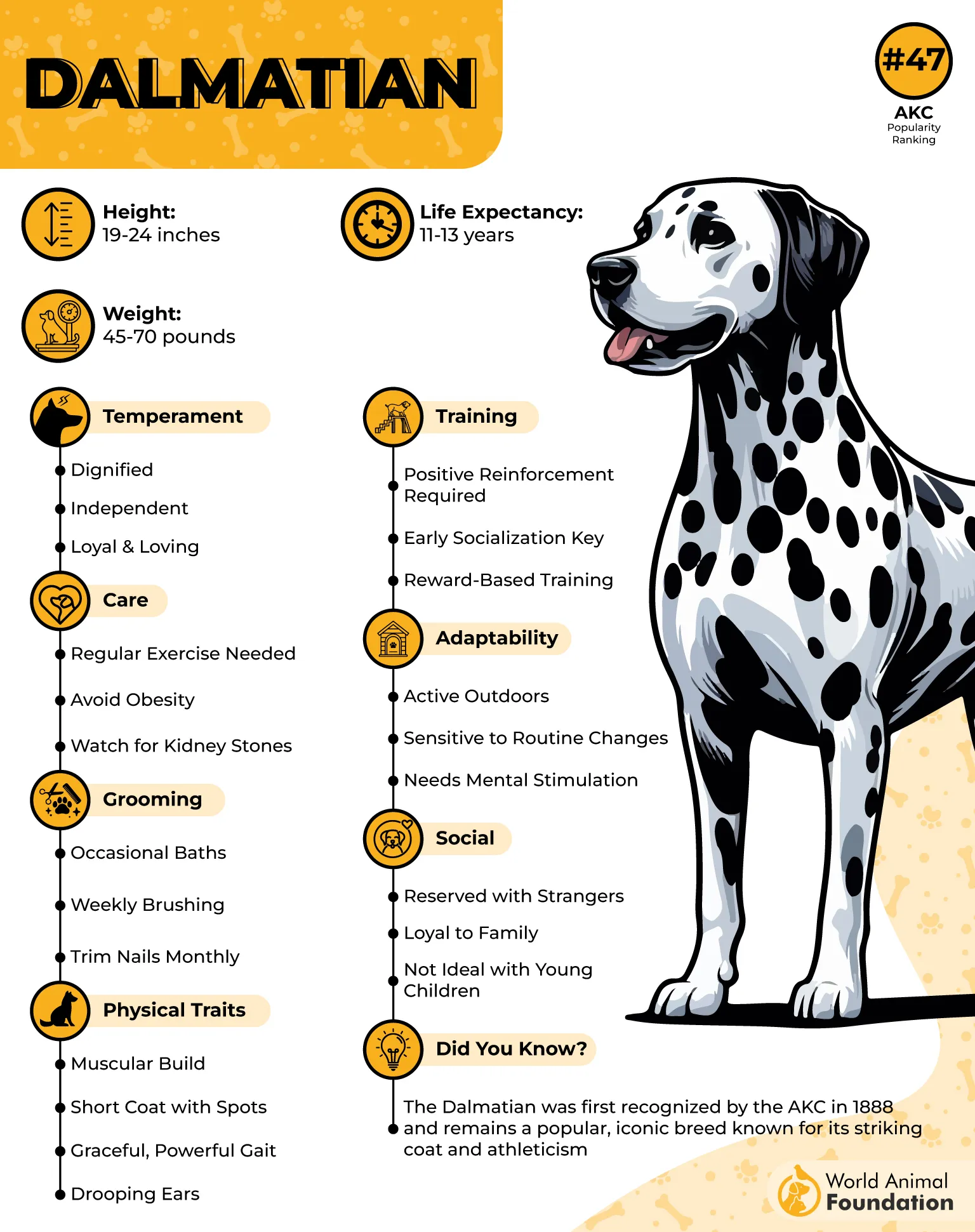
Their upkeep leans heavily on movement and mindful feeding. Regular exercise keeps mischief at bay, while awareness of breed concerns like deafness and kidney stones makes routine hearing checks and dietary guidance important. Sensitivity means positive, reward-training works best.
Maintenance Tips for this Breed
Develop a consistent ear cleaning routine
Monitor portion sizes and limit high-fat scraps to help maintain a healthy weight.
Conclusion
Every dog brings a different tempo to your life. Some thrive on constant activity and advanced training, while others need consistent grooming or careful health routines. When you understand what truly goes into caring for a specific breed, you set yourself up for a smoother, happier partnership from day one.
Be honest about your schedule, your energy, and the kind of companionship you want. Then lean into that choice with confidence. Do the research, ask questions, and commit fully. The right furry friend will reward you with loyalty, laughter, and a bond that makes every bit of maintenance completely worth it.
If you are further interested in such wonderful breeds, some other dogs you can look up include Cocker Spaniel, Shih Tzu, Poodle, Golden Retriever, and English Bulldog.
