




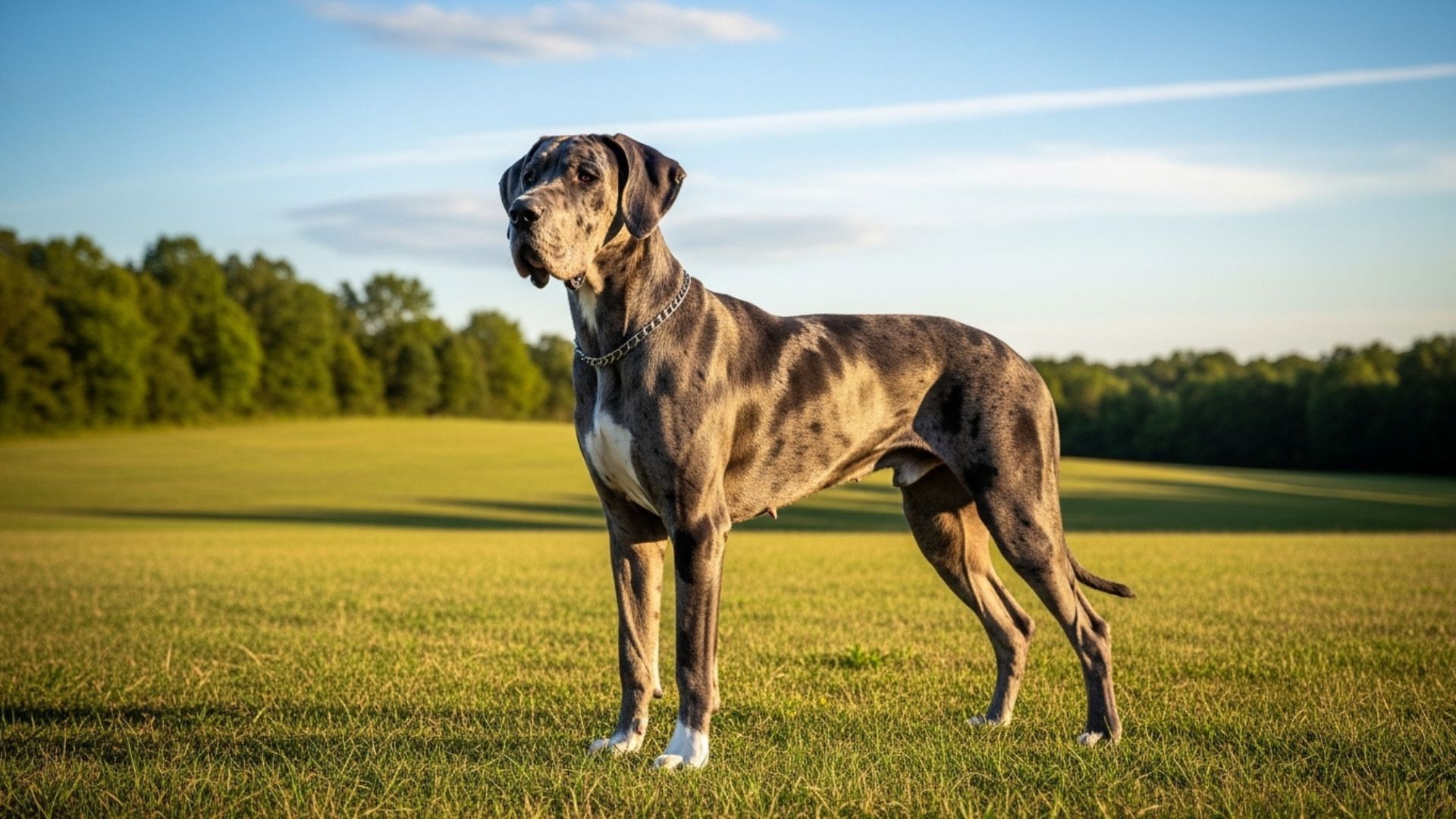
Big hearts can come with shorter years, so every day counts.
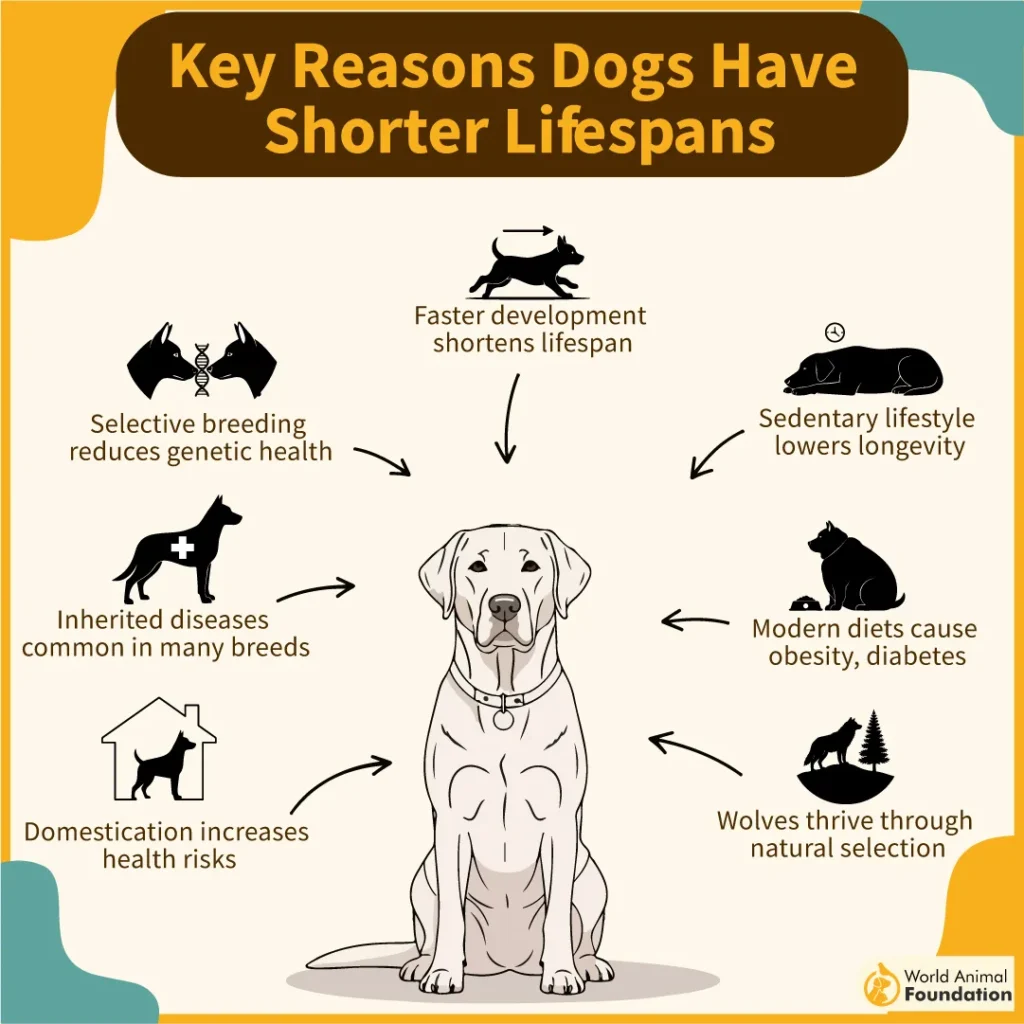
Some dogs feel like instant family. They bring laughs, noise, and comfort on rough days. But certain breeds also come with a shorter dog’s lifespan, often linked to a larger body size and inherited risks.
This blog will share limited lifespan facts about seven large breeds that typically live fewer years than many smaller breeds.
When pet owners know the average lifespan and the common trouble spots, their choices get smarter. Food gets simpler. Vet visits get more regular. Home life gets safer.
Mixed-breed dogs may sometimes have a longer average lifespan than some purebred dogs, but nothing is promised.
In this guide, we’ll explore top dog breeds with limited lifespans, share key facts about their longevity, and highlight what makes them so special. Because knowing the time we may have together helps us cherish every single day.
Top Dog Breeds and Their Limited Lifespan Facts
1. Bernese Mountain Dog
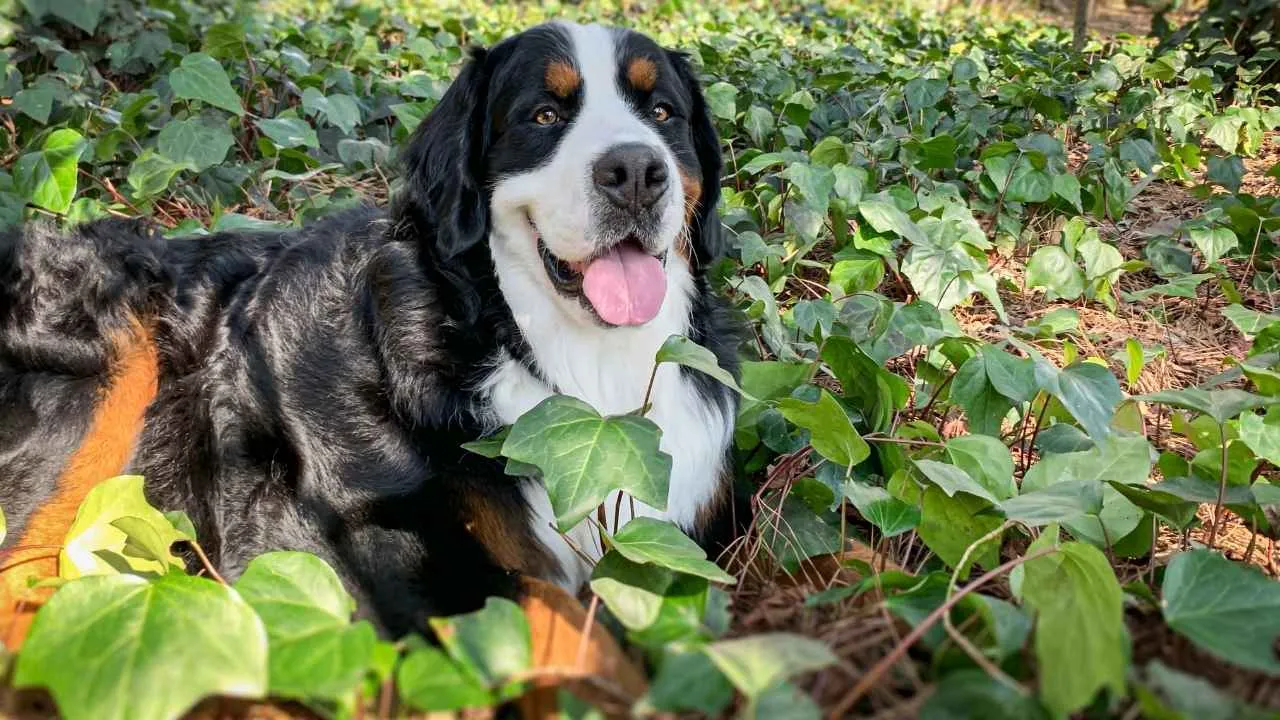
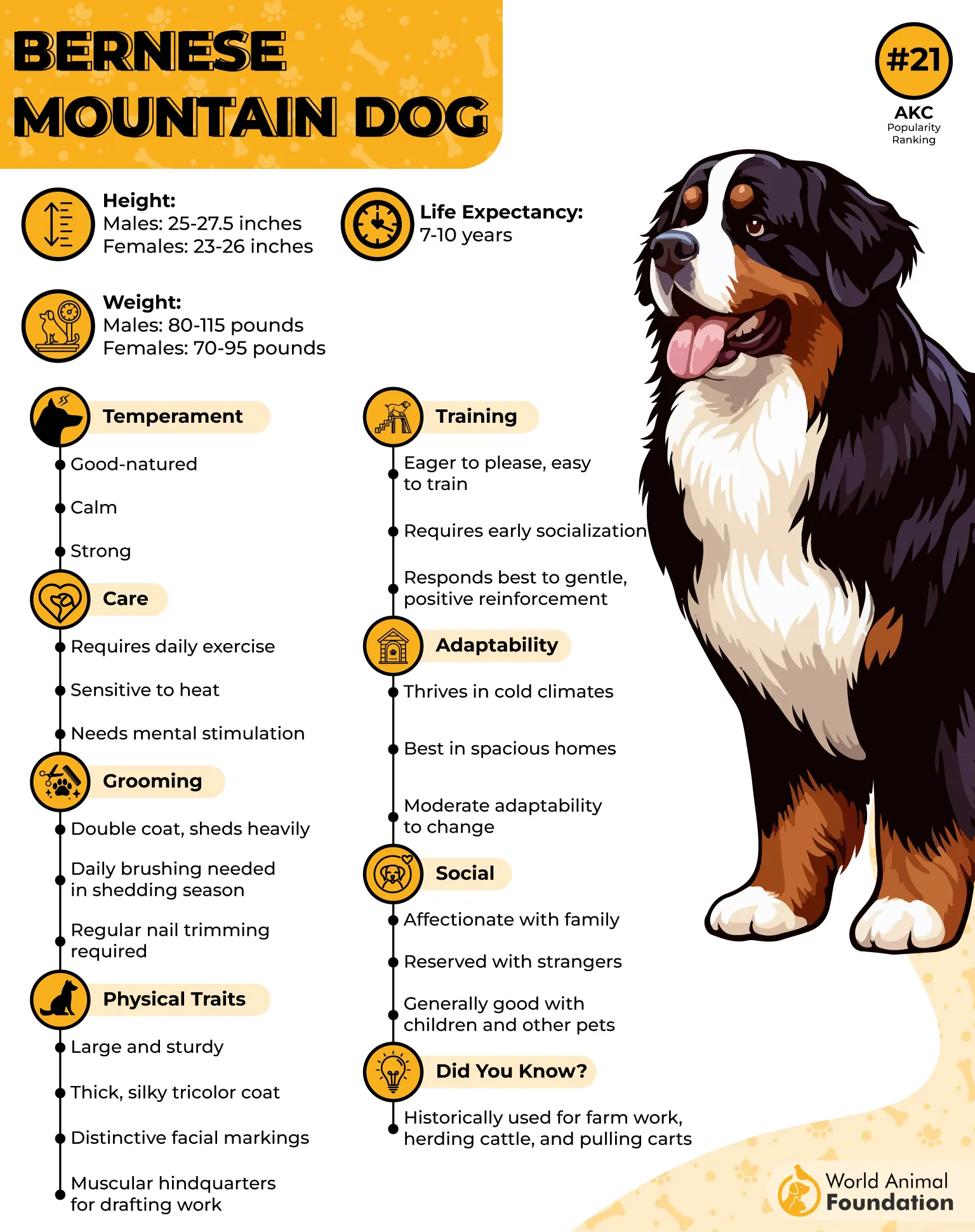
Life expectancy: 7 to 10 years.
The Bernese Mountain Dog is a fluffy sweetheart made for cold weather. According to AKC, this breed was originally bred for farm work in Switzerland, and that chilly history still matters. Hot climates are not a great match.
Even warm afternoons can feel like too much. In a temperate home, regular trimming helps comfort, but cool shade is still the real hero. Many dog parents notice this breed seems happiest when the air is crisp and the ground is cool.
This breed is usually calm and kind. Bernese Mountain Dogs are rarely aggressive and often get along well with other pets, even new ones. That steady nature can make daily care easier during a shorter average lifespan.
Still, big bodies can carry hidden risks. These dogs can be prone to joint strain as they grow. Hip dysplasia is a common worry for larger dogs, and it can show up as stiff steps, slower stairs, or less interest in play. Early support can protect comfort later.
And here’s the best part! This breed often likes slow routines. That makes it easier for pet owners to notice small changes early. Those tiny clues matter when a dog lives are limited.
A little adjustment today can bring a lot of comfort tomorrow. It is not about chasing extra years at any cost. It is about making the years feel good.
Why Is Routine Care So Important For Them?
Walk early or late to avoid heat stress.
Add rugs for grip to support joints.
Keep games low-impact but still fun for physical stimulation.
Track body shape and aim for a healthy weight.
2. Great Dane
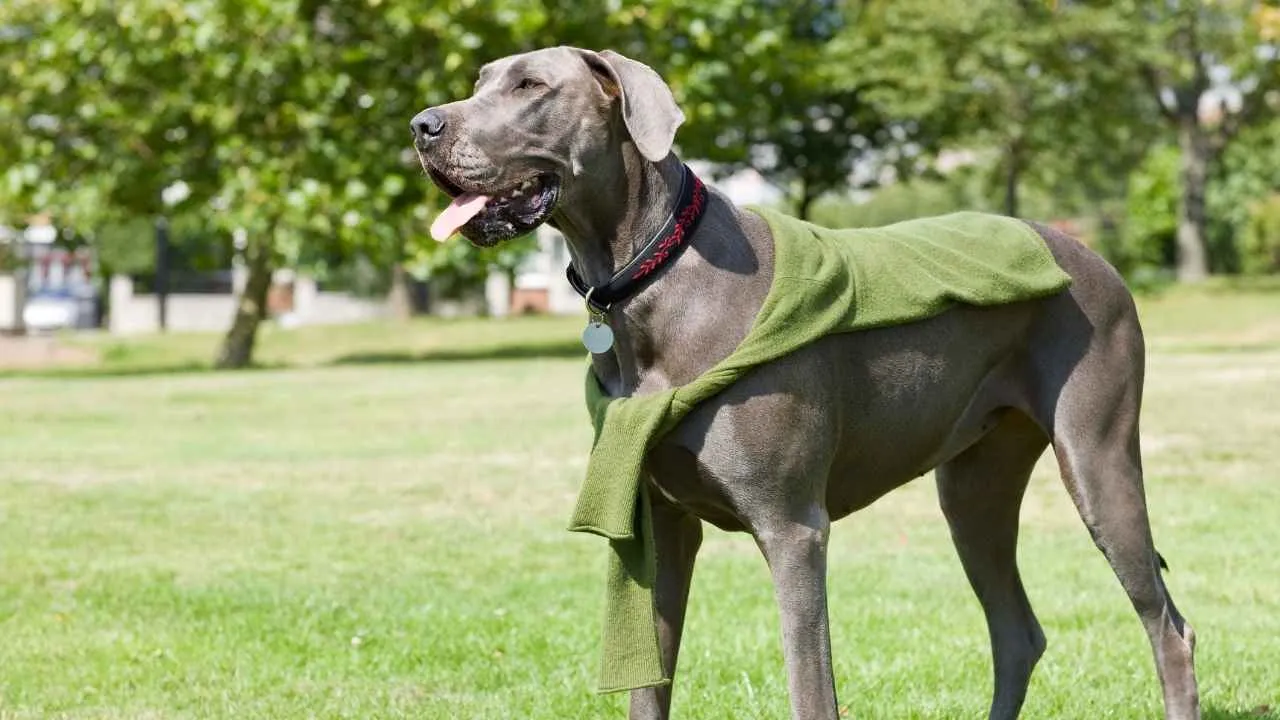
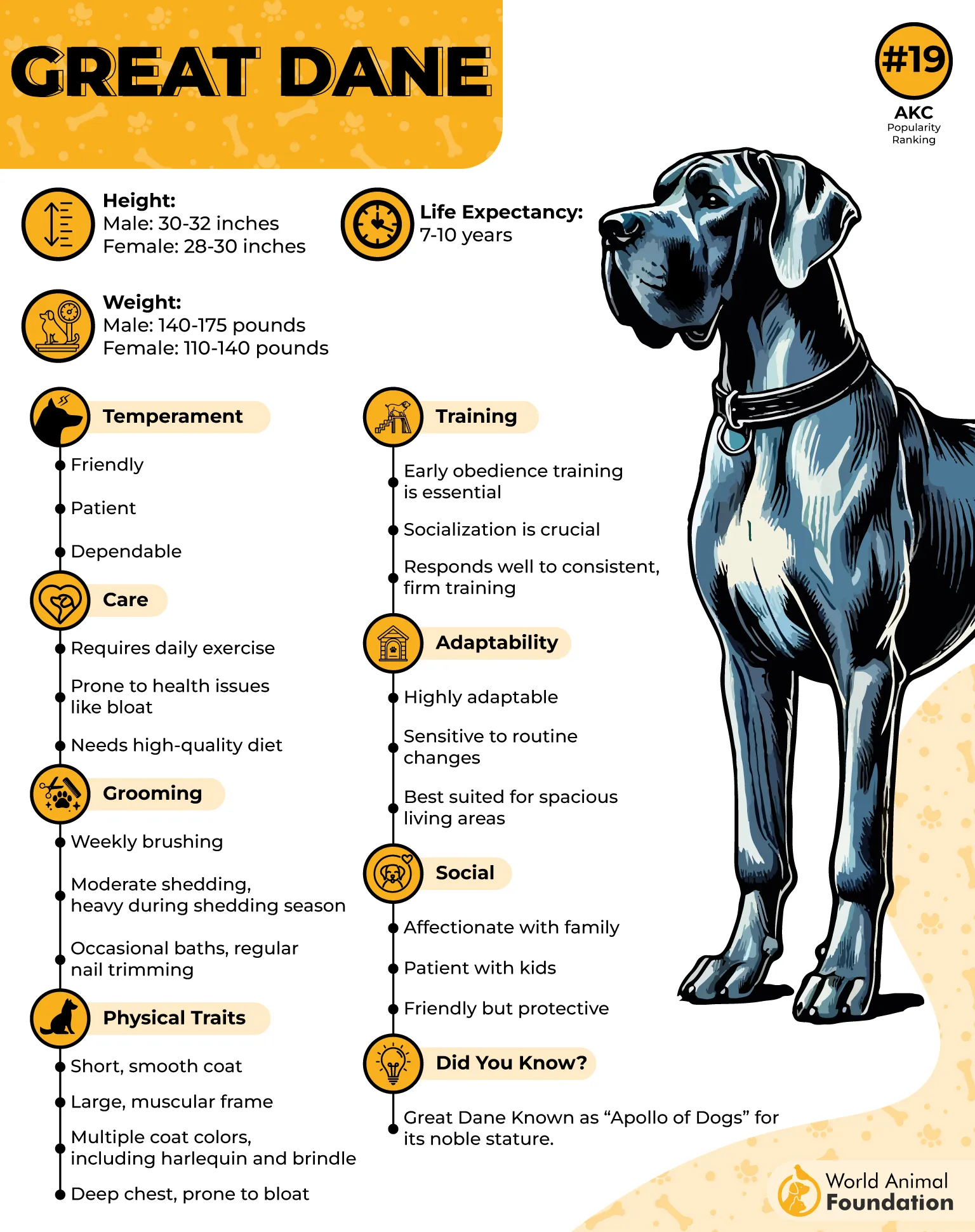
Life expectancy: 8 to 10 years, though some may live 6 or 7 years.
A Great Dane often looks like a small horse that decided to become a best friend. These huge dogs are typically gentle, loving, and low-key. Many are great with kids when kids stay respectful. They can protect the household, but most also love quiet time and soft spots to nap.
With a shorter typical lifespan, comfort planning matters. Soft bedding, safe flooring, and calm routines are not “extras.” They are basic love.
This breed can be stubborn. Not mean. Just stubborn. Basic training is a must because a giant body with messy manners can cause injuries by accident. A friendly leap can knock someone down. A strong pull can hurt a shoulder.
Great Danes also dislike being teased. They do not enjoy being made fun of by kids. It gets even worse, though, when teasing becomes fear. Fear can lead to avoidance, grumbling, or refusal to cooperate with care. A strong bond grows faster when the home stays gentle and clear.
Size is a big part of the lifespan story. Giant dogs often face joint stress, bloat risk, and heart disease as they age. Hip dysplasia can also happen, especially if puppies do too much high-impact movement during fast growth.
The goal is steady. Calm walks. Controlled play. Safe rest after meals. These habits help the dog live long within the breed’s normal range, and help pet parents feel less helpless about the clock.
Why Is Routine Care So Important For Them?
Feed on a steady schedule and avoid wild play right after meals.
Teach polite greetings early, before the dog is fully grown.
Use mats on slick floors to reduce slips.
Ask a vet about heart checks as the dog ages.
3. Bullmastiff
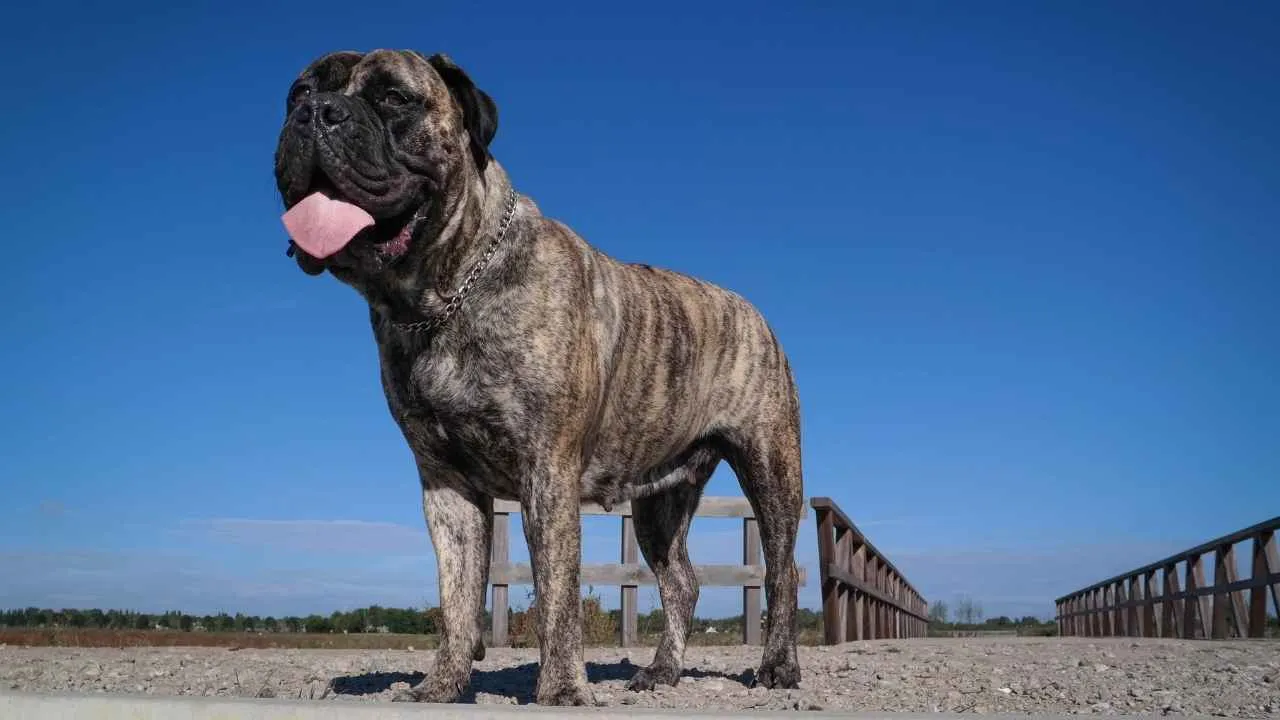
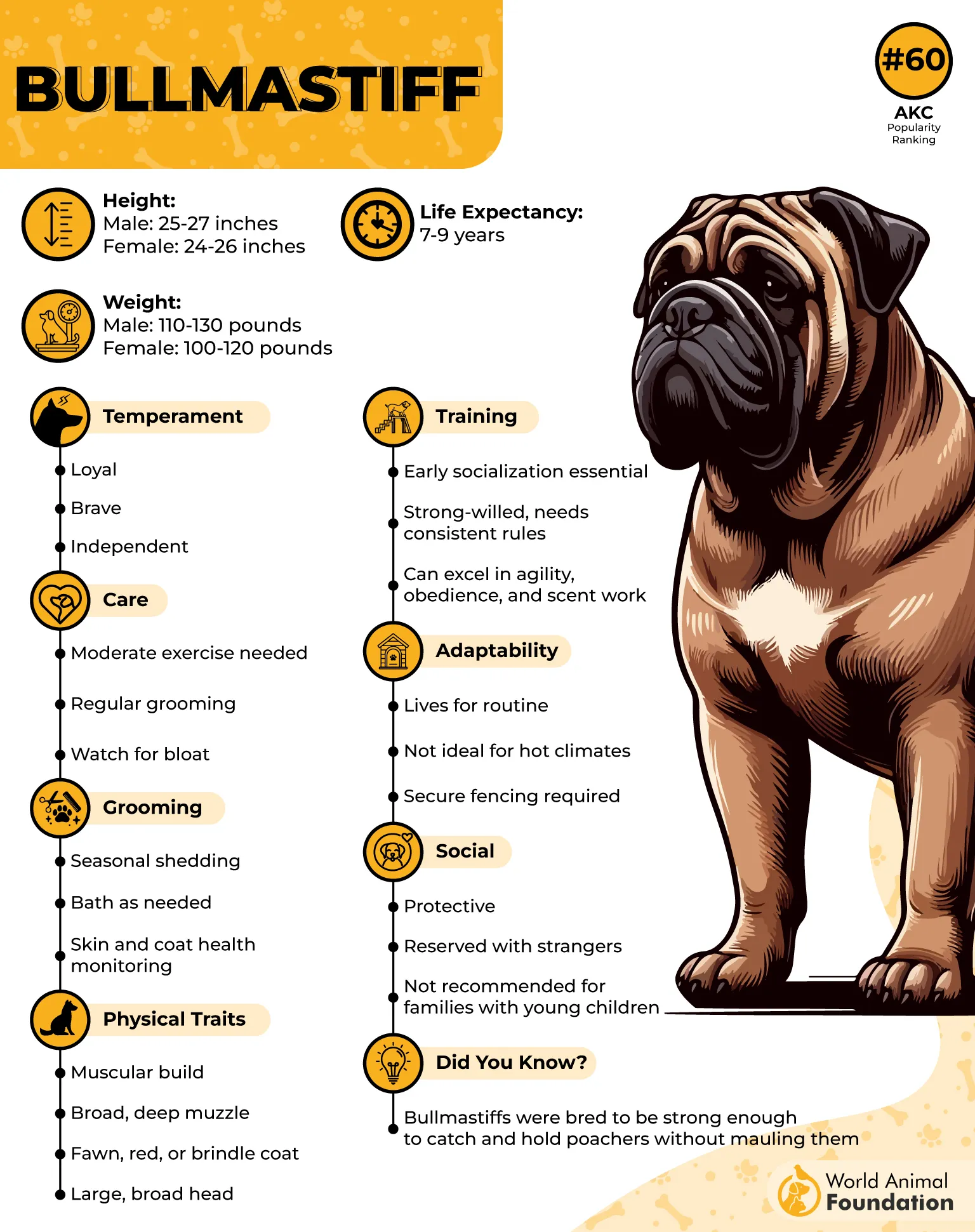
Life expectancy: 7 to 9 years.
The Bullmastiff is a powerful family protector with a soft center. Training can be tricky, though. This breed is not known for being the easiest learner, and a stubborn streak can show up at the worst time.
Still, many pet owners forgive a lot because love is big and the loyalty is real. Also, yes, the snorting and farting reputation is earned. Some families laugh. Some families light a candle and pretend everything is fine.
Shorter dog lives can feel unfair, so structure matters. Training should stay simple. Short sessions work best. Quick wins. Clear rewards. Calm praise. This is not about perfect tricks. It is about a safe daily life.
A Bullmastiff that can “wait,” “leave it,” and “come” is safer. That safety protects the dog’s lifespan too, because fewer accidents mean fewer injuries and less stress. But why bother with that? Because safety is love, and it keeps life calmer for everyone.
Purina states that Bullmastiffs are muscular dogs, and that strength can hide pain. Joint strain can creep in. Heat can be rough. Heart disease is another concern often discussed with large breeds. Dental disease matters too, because sore gums can change eating, sleep, and mood.
When pet owners treat brushing, gentle exercise, and vet checks as normal life, the years feel fuller. Even if the average lifespan is short, the quality can still be high.
Why Is Routine Care So Important For Them?
Keep sessions short and reward calm focus.
Offer shade and water in warm months.
Brush teeth often to reduce dental disease risk.
Choose steady walks to support joints and confidence.
4. Saint Bernard
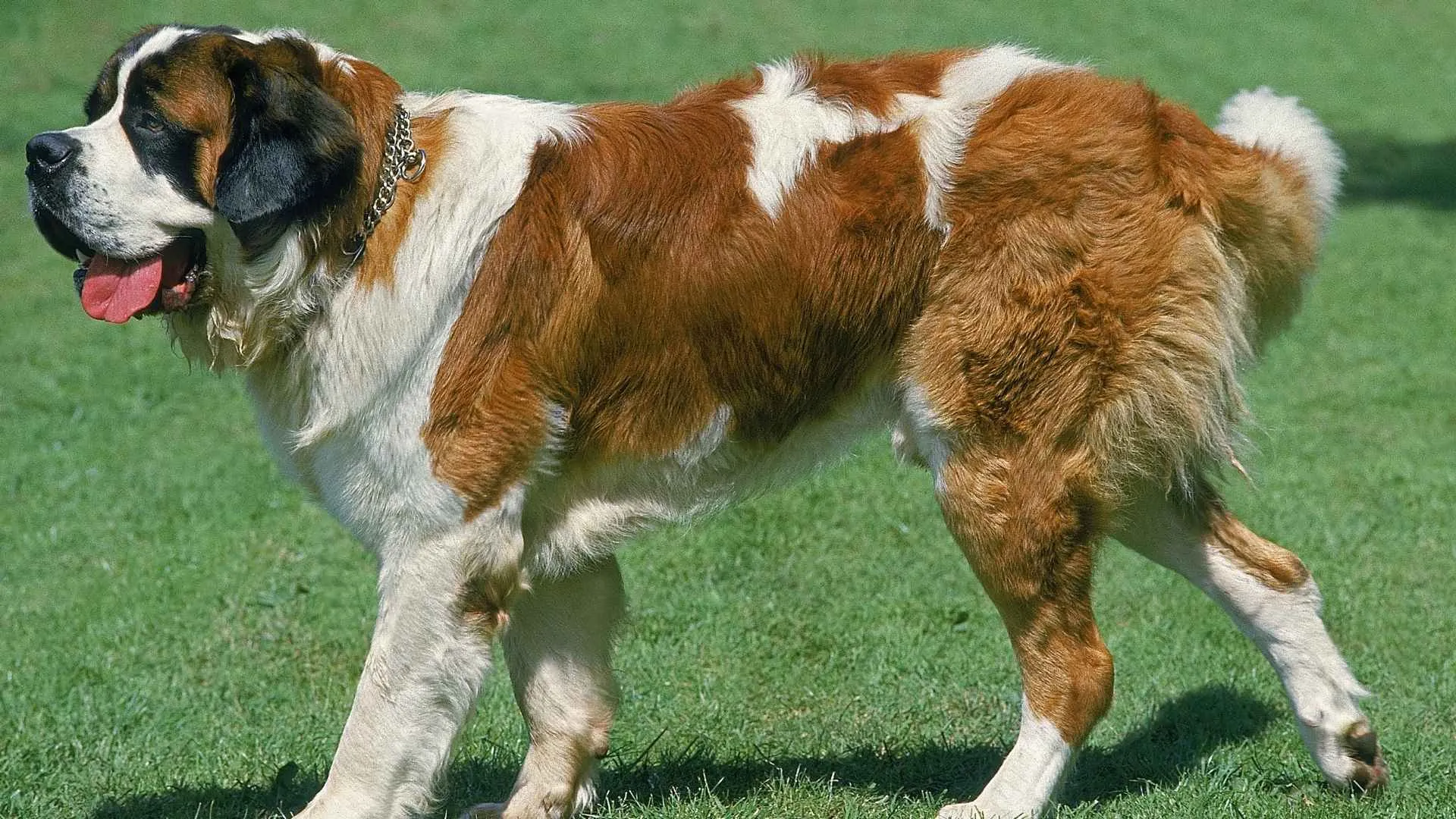
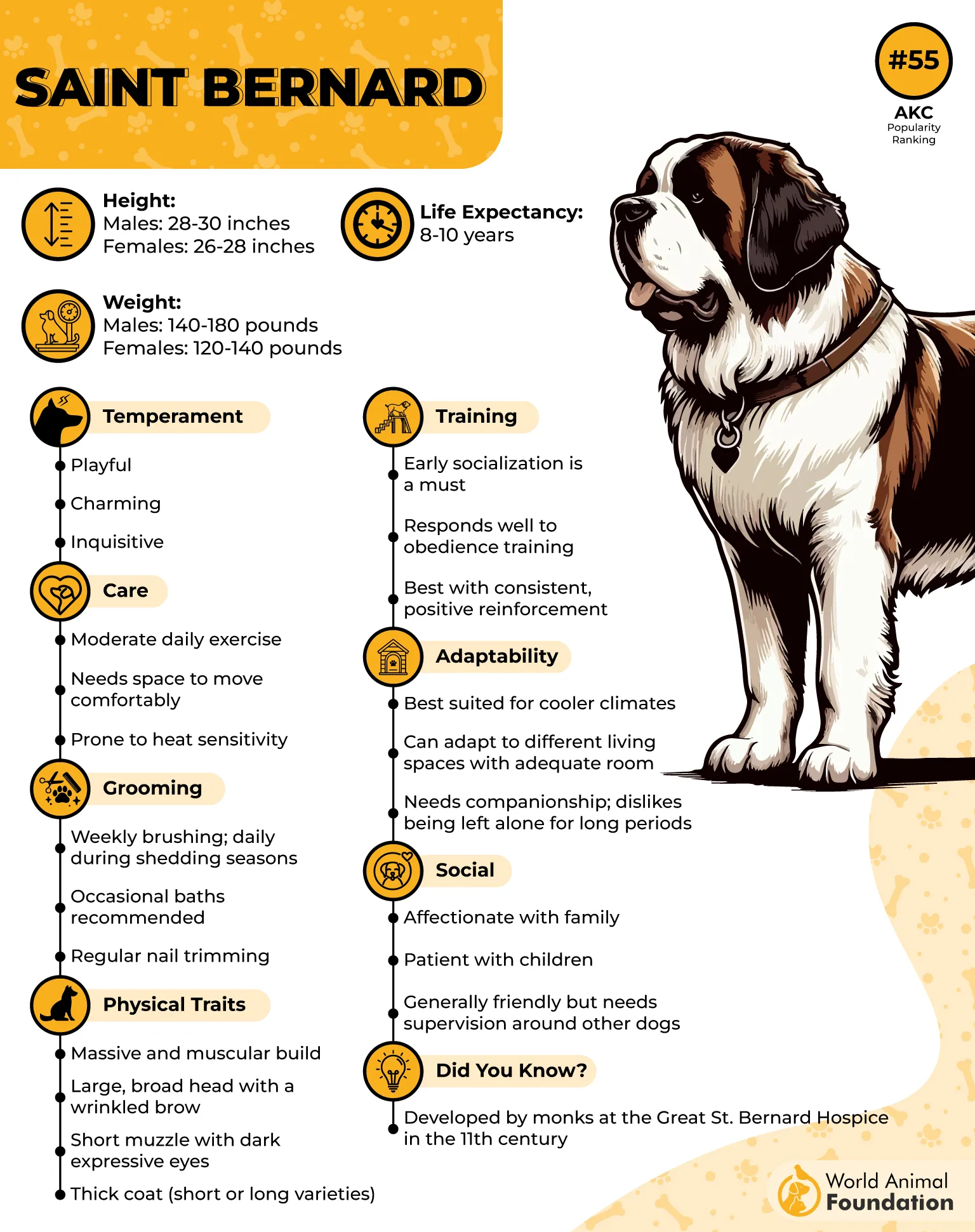
Life expectancy: 8 to 10 years.
PetMD notes that the Saint Bernard is one of the gentlest dog breeds, with a kind face and a calm vibe. Many do not need intense exercise. They are often happy with moderate movement and lots of family time. They usually do well with kids and can accept other animals when routines stay calm.
Many pet parents also love that these companion dogs can handle quiet time at home while humans work, as long as their needs are met.
Daily care still matters. Thick fur, big paws, and drool are part of the package. Grooming takes time, and training takes patience. Here’s the good part. Grooming can become bonding time. Slow brushing sessions help the dog relax.
They also help pet owners spot problems early, like skin irritation, sore spots, or lumps. Early noticing is a big deal when the average lifespan is limited. It gives more options and less panic.
Saint Bernards can be prone to joint strain, and hip dysplasia is one reason vets often stress weight control. Eye problems can also happen, and some are prone to eyelid issues that cause rubbing and irritation.
Heart disease is another concern that may be monitored in giant breeds. The best move is steady love that looks boring from the outside. Calm meals. Safe floors. Gentle movement. Regular vet care. That is how a shorter life can still feel complete.
Why Is Routine Care So Important For Them?
Use non-slip flooring to protect joints.
Keep grooming steady to reduce matting and skin stress.
Plan gentle play that matches energy levels.
Watch for eye redness, squinting, or heavy tearing
5. Leonberger
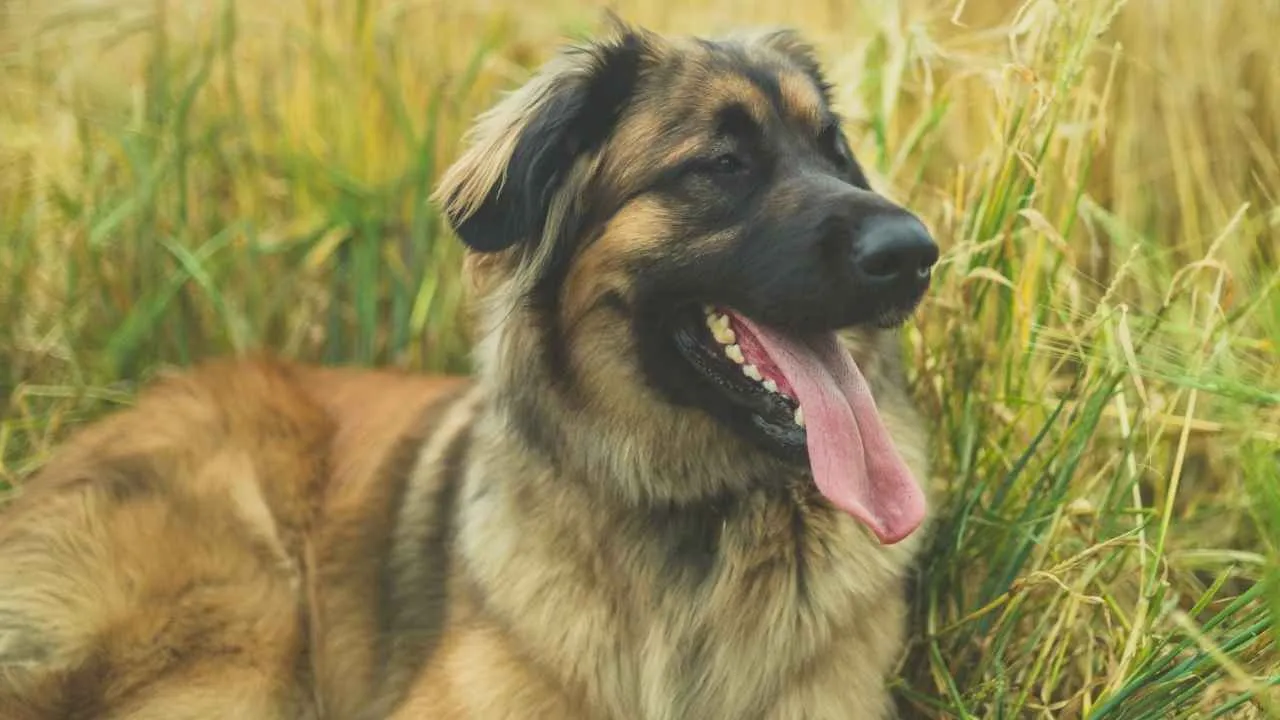
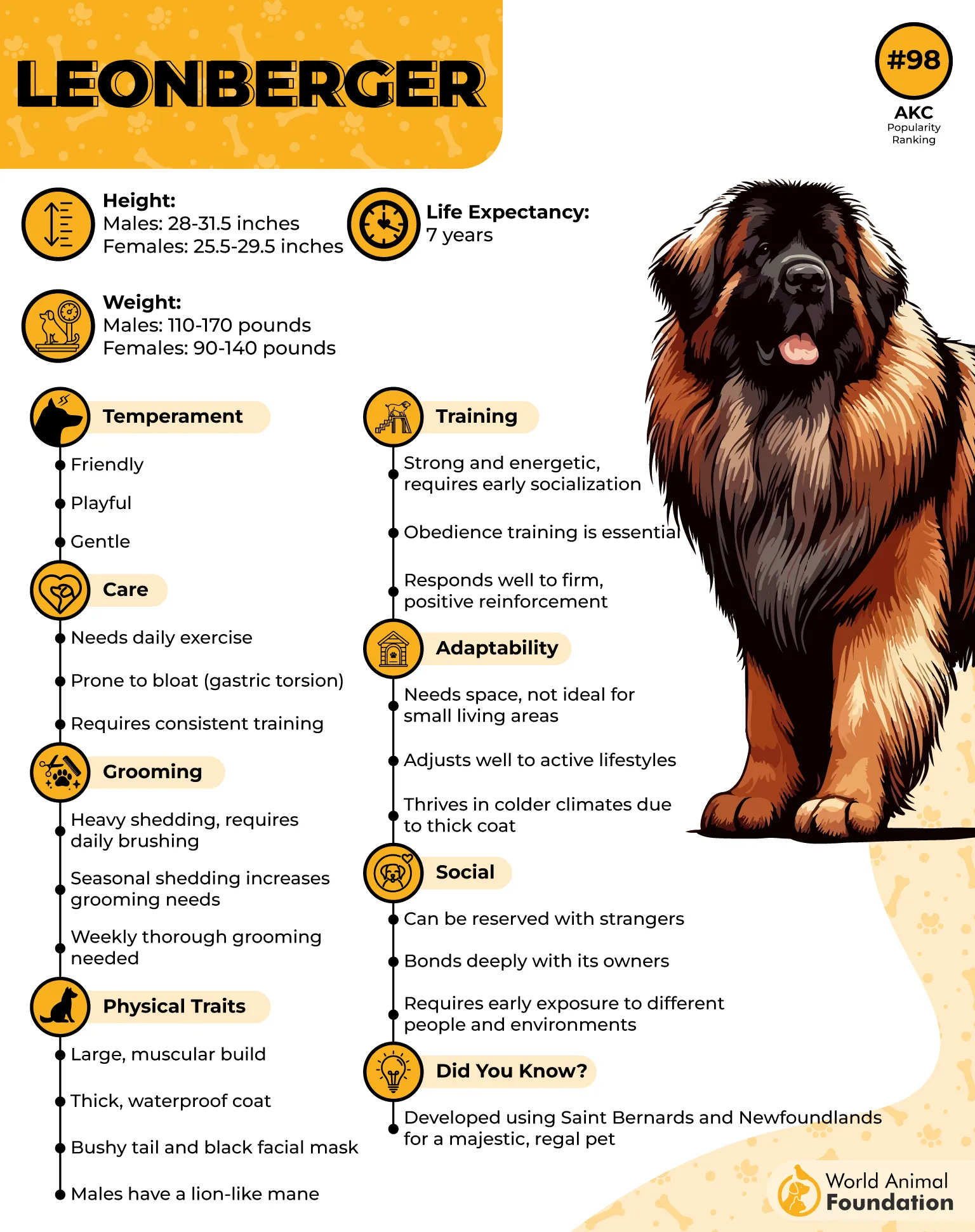
Life expectancy: about 7 years.
The Leonberger looks like a lion-themed hug, with a calm heart to match. This breed was originally bred in Germany with a focus on a grand look and a steady temperament. Many Leonbergers are calm, patient, and family-centered.
They often want to be near the action without demanding attention. That calm style can be a gift when the typical lifespan is short. It helps pet parents build slow days that still feel full.
Grooming is a big part of this breed’s life. The coat is thick, and mats can pull on the skin. Regular brushing is not just for looks. It is a comfort habit and a health habit. It also helps spot changes early, like lumps or hot spots.
Big bodies can hide discomfort, so watching movement matters too. A dog that pauses before standing, or avoids stairs, may be giving useful signals. Those signals help protect comfort during the limited life span window.
Heat can be hard on this breed. Cool air and cool rest spots matter. Steady meals matter. Calm handling matters. Dental disease is also worth attention, because tartar can build up out of sight in large mouths.
Crowded teeth can trap food, which can lead to sore gums and bad breath. Brushing helps. Vet checks help. This is how longevity is supported in a breed with a short average lifespan. Not magic. Just steady care that keeps the dog comfortable.
Why Is Routine Care So Important For Them?
Brush often and check skin under the coat.
Keep activity low-impact to support joints.
Offer cool resting spots in warm weather.
Ask a vet about heart screening as the dog ages.
6. Dogue de Bordeaux
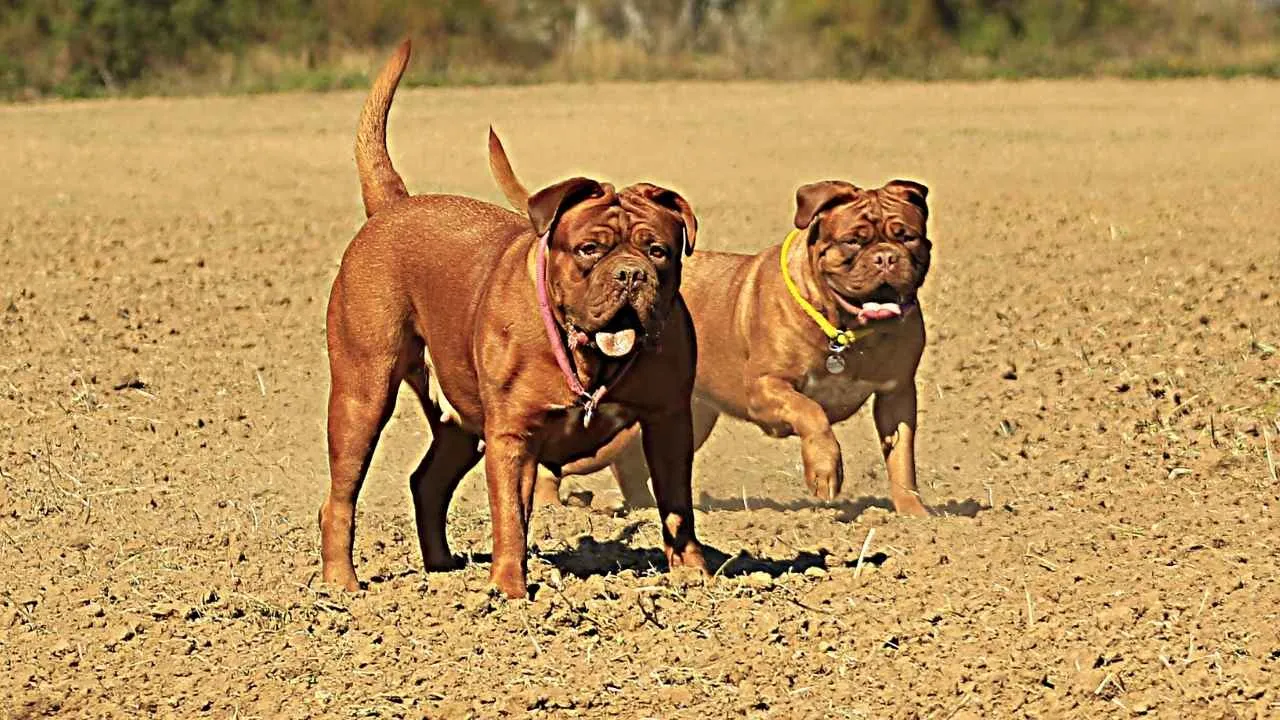
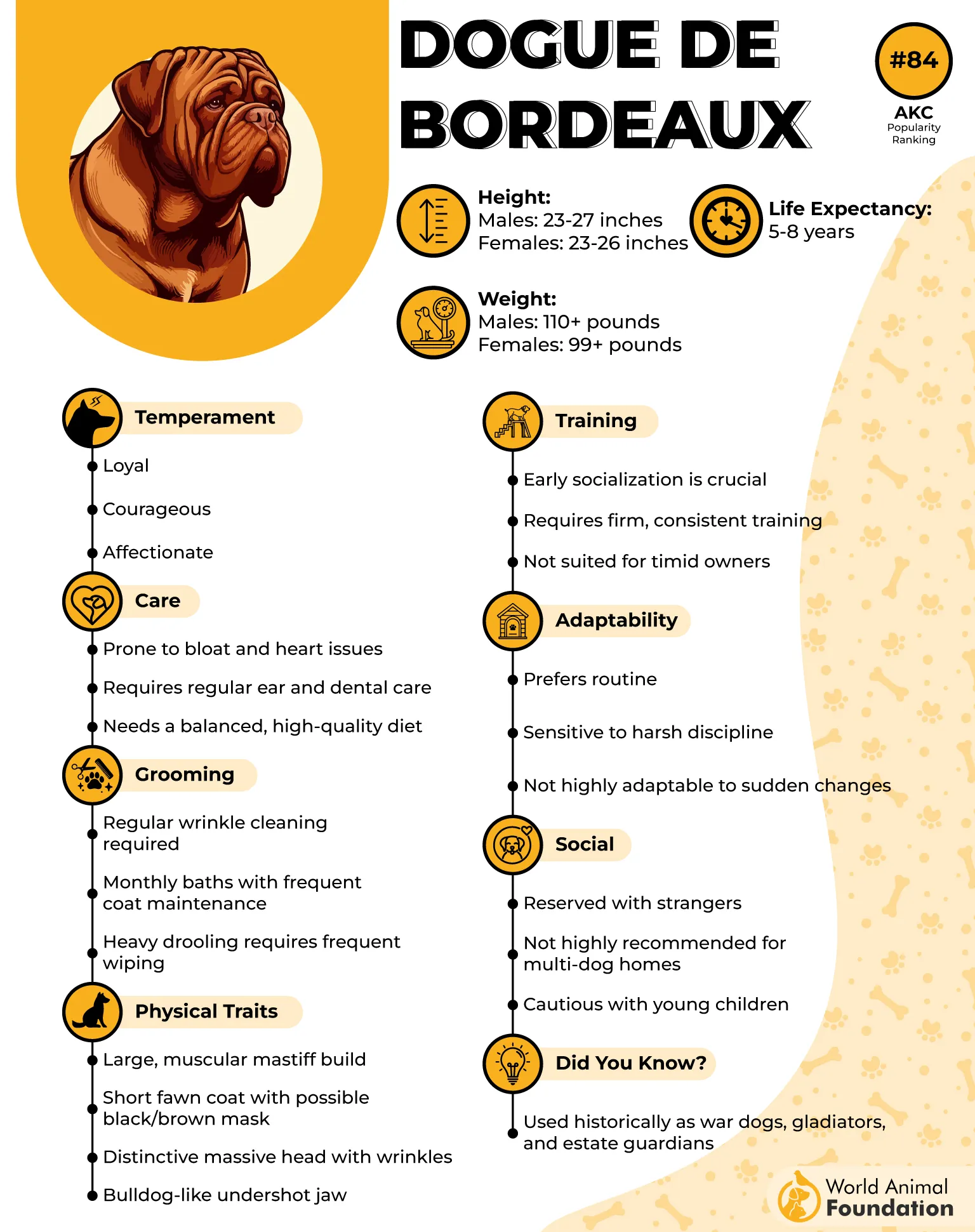
Life expectancy: 5 to 8 years.
The Dogue de Bordeaux has a serious face and a soft center. This is one of the shortest living dog breeds in many lists, and that can feel heavy. The love is big, but the clock can feel loud. These dogs often do not have tons of energy.
Many are happy indoors most of the time, especially when life is interactive. A few calm walks each week may be enough, plus gentle play and time close to the family.
This breed can be protective and loyal. Many pet parents love how devoted they are. But strong attachment can also mean stress when routines change. Stress can affect sleep and eating. That is rough in a breed with a limited dog’s lifespan.
So, calm structure matters. Same meal times. Same rest spots. Quiet reassurance. It can feel simple, but it supports comfort. It also helps pet owners notice changes, like less interest in food or less desire to move.
Breathing comfort matters for this breed, especially in heat. A short muzzle can make warm weather harder. Face folds can also irritate skin if kept damp or dirty. Eye problems can happen if the folds rub.
Joint strain can show up as stiffness or slower movement, especially in larger dogs. These dogs may not “live the longest,” but the goal is to help them live long enough to enjoy life fully. That is the heart of this blog.
Why Is Routine Care So Important For Them?
Wipe face folds to reduce irritation.
Keep indoor games gentle but engaging.
Avoid hot, humid walks and offer water often.
Watch for loud breathing, coughing, or fainting signs.
7. Rottweiler

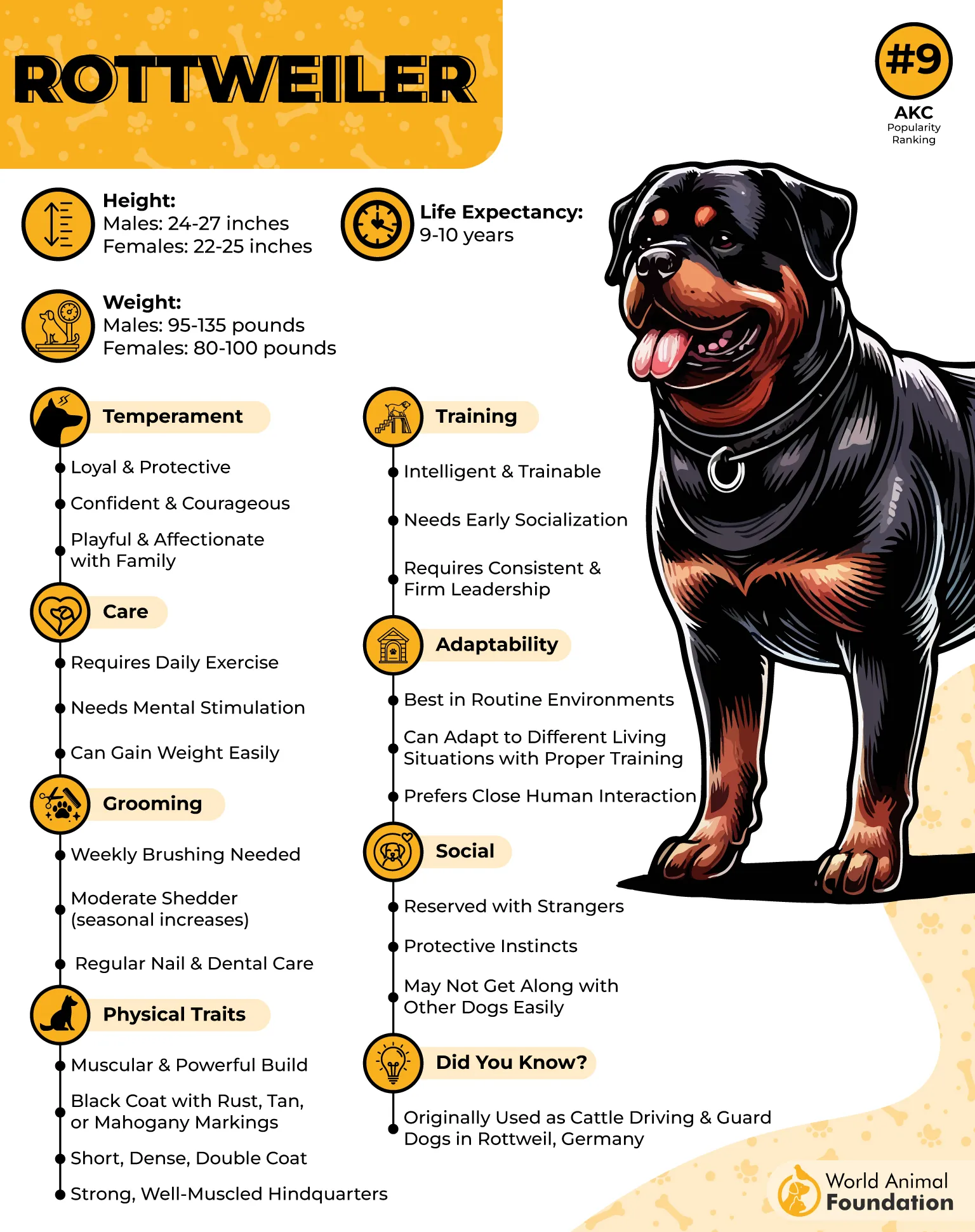
Life expectancy: 9 to 10 years.
Rottweilers have large, strong bodies that can look intimidating. At home, this dog breed is often loyal, loving, and eager to learn. They are hard-working dogs that enjoy structure. That love of learning can be a huge advantage when the average lifespan is limited.
Training reduces chaos. It lowers risk. It makes daily life safer for dogs and humans. It also helps pet parents handle hard moments, like vet visits or recovery time.
This breed tends to form a strong bond with its family. Many dog parents feel proud when a Rottweiler becomes steady and polite. But training must be responsible. It gets even worse, though, when a dog is trained to be aggressive or overly territorial.
That kind of life raises stress and raises conflict. It can also lead to isolation, which harms the dog’s life quality. Calm training, clear boundaries, and early social habits help the dog stay stable and confident.
Health concerns can include joint trouble, including hip dysplasia, so smart movement matters. Some lines are also prone to certain cancers, and heart disease is another concern vets may monitor in large breeds. Dental disease can sneak up too.
Tough chews do not replace brushing. A steady routine, safe exercise, and regular vet care can support the longest lifespan possible for this breed. That is how a dog can “live long” in a way that feels real, not wishful.
Why Is Routine Care So Important For Them?
Keep training fun and reward calm choices.
Choose joint-friendly exercise instead of constant jumping.
Brush teeth and watch for dental disease signs.
Book regular vet checks, even when things seem fine.
Conclusion
Limited lifespan facts can feel rough. But they also sharpen love. These seven dog breeds may not live the longest, yet they can still give a full, bright life. Life expectancy is not a countdown clock.
It is a planning tool. Keep meals simple. Keep a healthy weight. Keep routines calm. Take small changes seriously, especially eye problems, dental disease, and joint pain. Mixed-breed dogs can sometimes surprise people with longevity, but every dog deserves steady care either way.
And here’s the best part! When pet parents show up daily, even a shorter dog’s lifespan can feel rich, warm, and complete.
