




Having a dog in your life is a vow to love, to be with each other, to laugh, and to spend time together without any conditions. It is also a silent truth that time spent will never be long enough, either in dog years or human years.
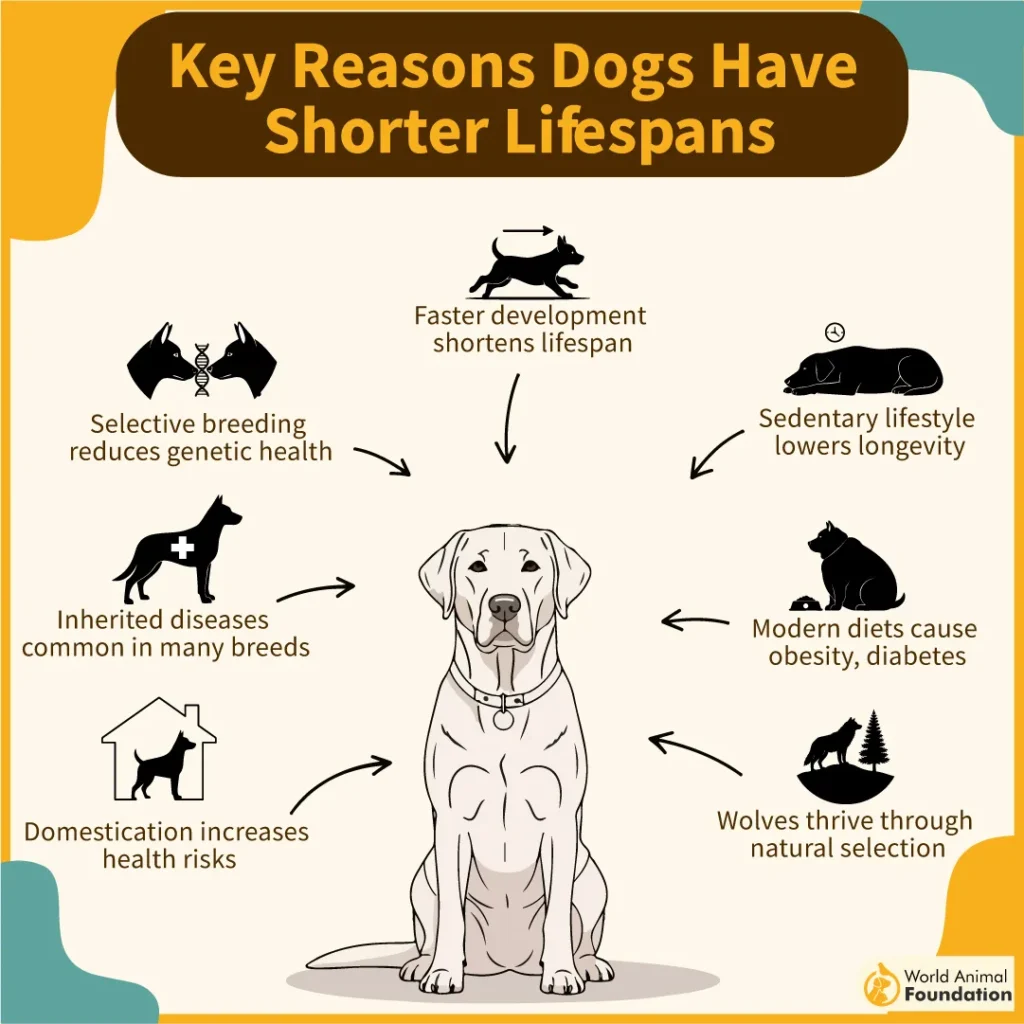
Although most dog breeds live 12-15 years of age or even longer, there are popular dog breeds that have to accept being restricted to much less time. In giant breeds in particular, the average lifespan is 6-10 years, frequently caused by genetics, high growth rates, or breed-specific health issues.
It is not about heartbreak to know what the life expectancy of a breed is like. It is about informed and caring decisions, emotional preparation, and providing your dog with the healthiest and happiest years of its life. Do not worry about whether your dog will live a long life; worry if you can provide a happy life instead.
Here we discuss dog breeds that have shorter lifespans, why this may be the case, and how to best address the serious health problems the breeds face, and what this implies to the families that adore them.
Dog Breeds and The Reality of Their Limited Lifespan That Owners Should Know
1. Dogue De Bordeaux
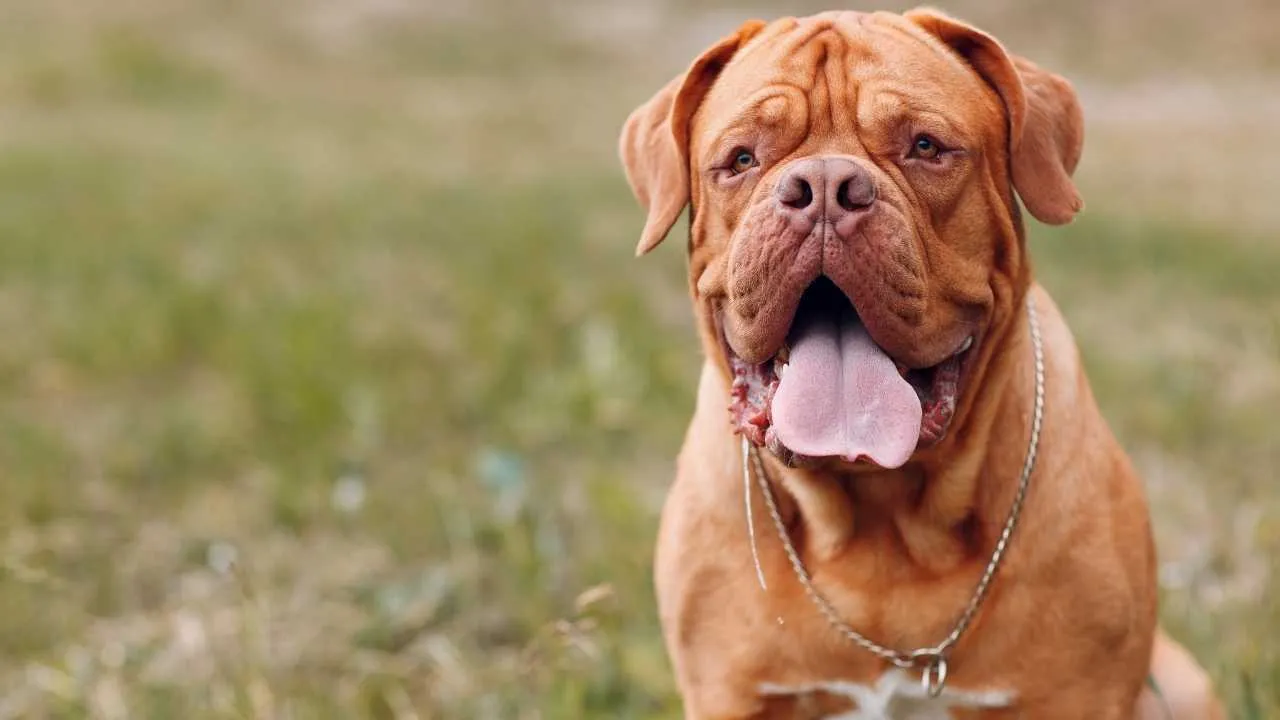
Average lifespan
Usually live: 5-8 years
Health Issues
Dogue de Bordeaux is one of the purebred dogs that lives the shortest. They have an enormous physique and an immensely loyal temper, which is why such guardians tend to have health issues associated with their mass.
PetMD notes that giant mastiff-type breeds are more likely to face:
Heart disease (dilation of the cardiomyopathy)
Orthopedic issues
Certain breeds will face specific cancers
Their high growth rate and high bone density cause great pressure on their internal organs. Nonetheless, these dogs are also known to be very loving and strongly attached to the members of their families.
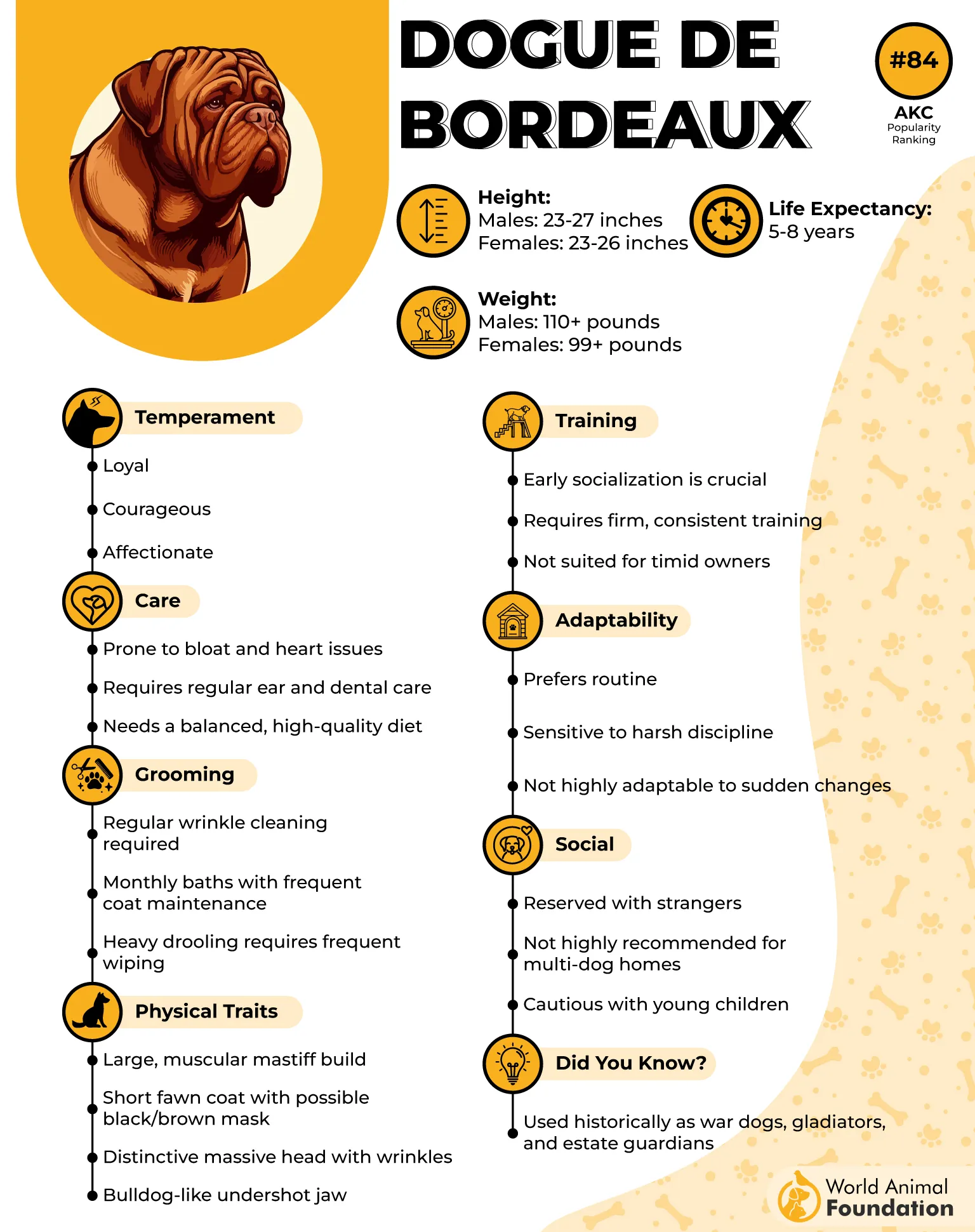
In addition to cardiac and orthopedic issues, these dogs also find breathing difficult, which is caused by brachycephaly as a result of having a short muzzle, which causes their respiratory issues. This may also cause additional stress when exposed to heat or heavy physical exercise, which affects long-term cardiovascular health.
These dogs live a short period, but their emotional effect is enormous for their pet owners.
2. Irish Wolfhound
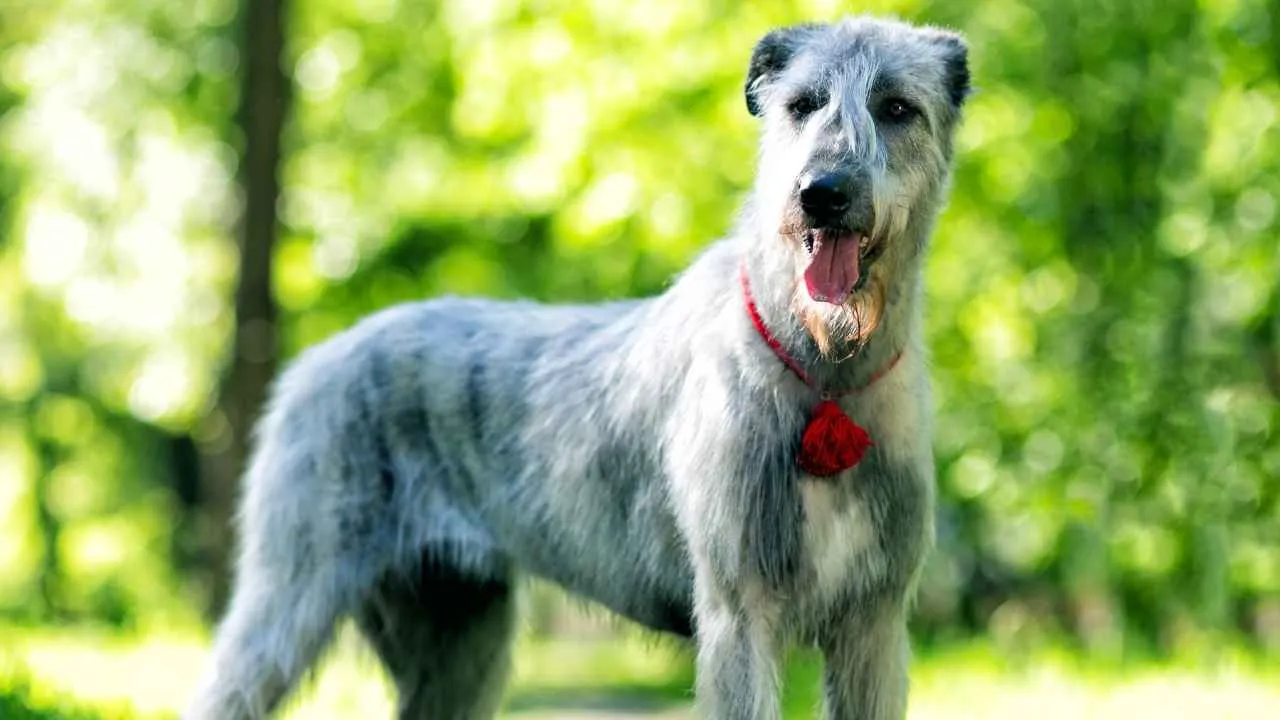
Life expectancy
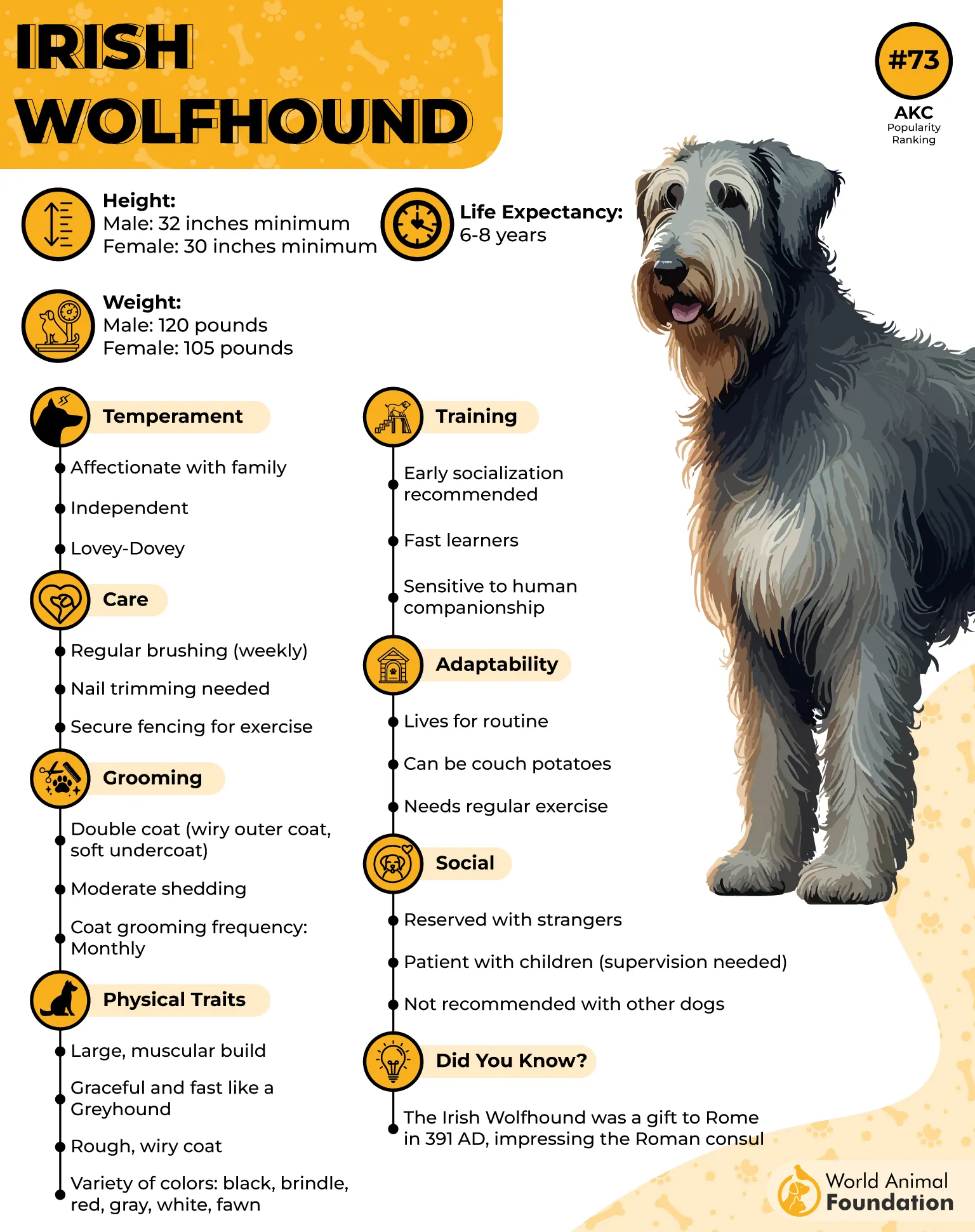
Usually live: 6-8 years
Health Issues
Irish Wolfhounds are one of the tallest breeds of dogs in the world. They are large, which is a biological cost since they were originally bred to hunt large game.
According to the AKC, large dog breeds age more quickly. Irish Wolfhounds tend to suffer from hip dysplasia as well as:
Dilated cardiomyopathy
Bone cancer (osteosarcoma)
Bloat (gastric torsion)
These dogs can have rapid cell growth, which can cause aging to accelerate, and they are also especially at risk of bloat, a fatal illness of deep-chested dogs. They can also face some skin-related issues, such as itchy skin.
Vets usually recommend preventative feeding protocols, including eating multiple smaller meals in a day, and not exercising intensively after meals.
Irish Wolfhounds, although having a short life expectancy, are calm, dignified, and extremely loving companions despite the medical conditions they face.
3. Bernese Mountain Dog
How Long Does the Dog Live
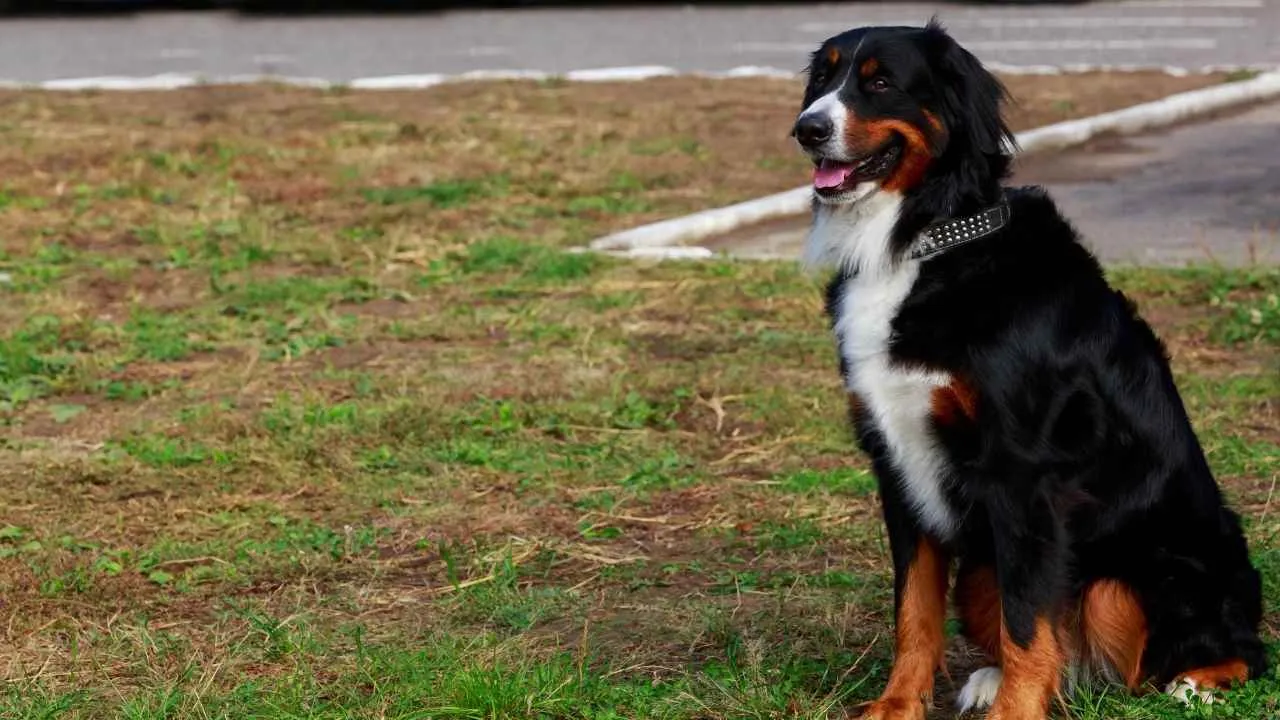
Usually live: 7-10 years
Health Issues
The Bernese Mountain Dogs are adored because of their docile nature and strong family attachments. Regrettably, alongside hip dysplasia, they also have a reputation for one of the highest cancer rates in purebred dogs.
Berners are often exposed to:
Histiocytic sarcoma
Lymphoma
Joint issues and disorders
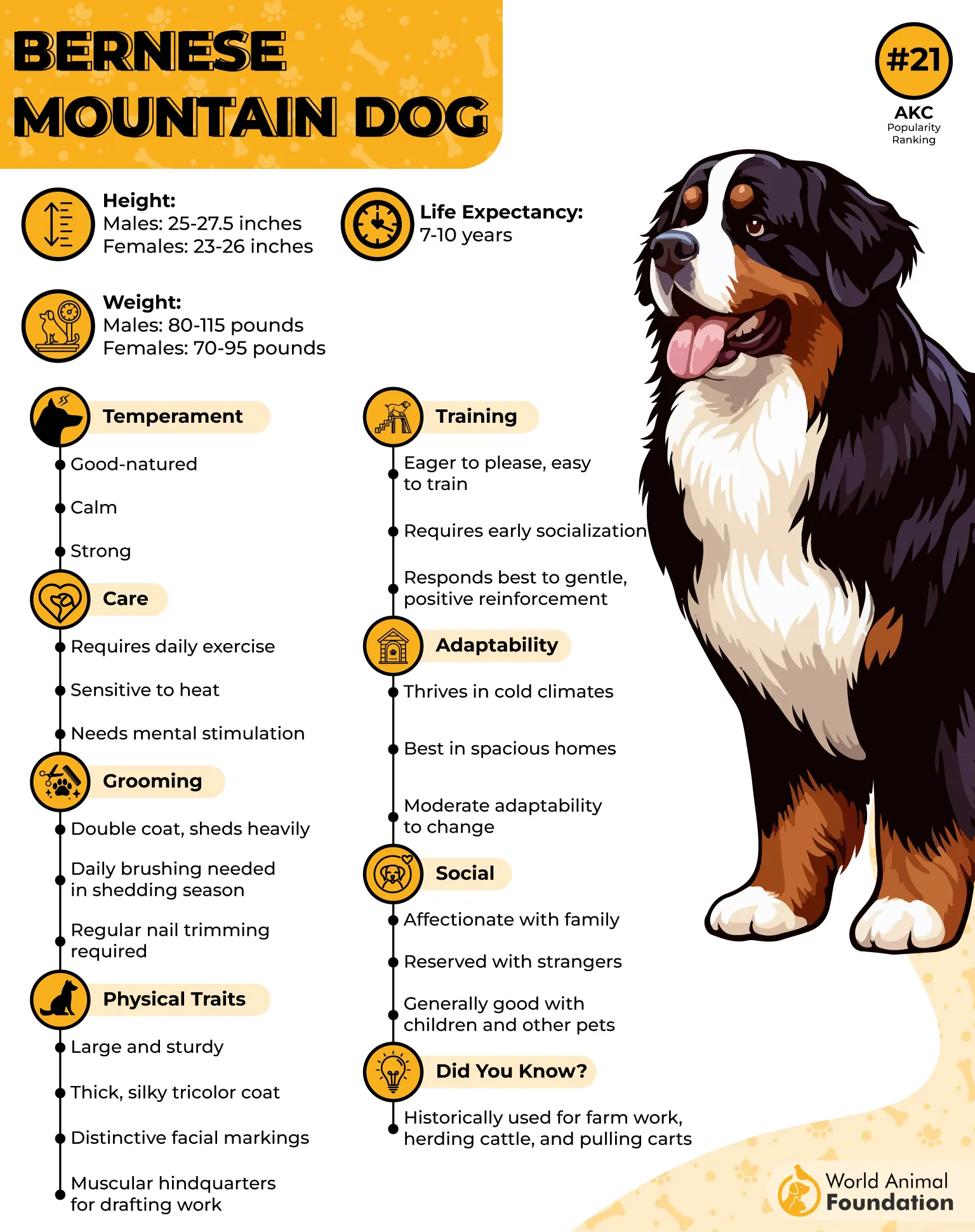
Their loyal and loving nature is what makes them good companions in the family, but potential owners must be ready, as the health conditions this dog faces won’t allow it to have a longer lifespan. Their large size and working-dog background also cause them to be affected by hip joint issues as well.
4. Great Dane
Life Expectancy
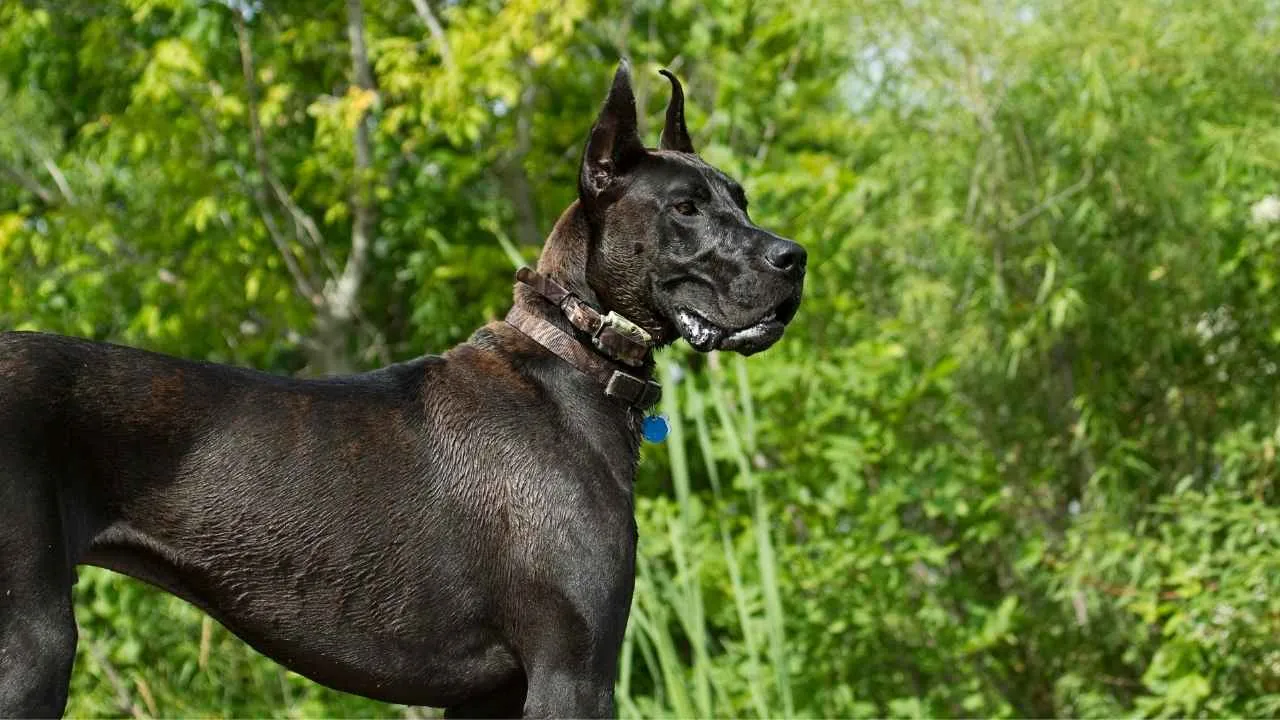
Usually live: 7-10 years
Common Health Problems
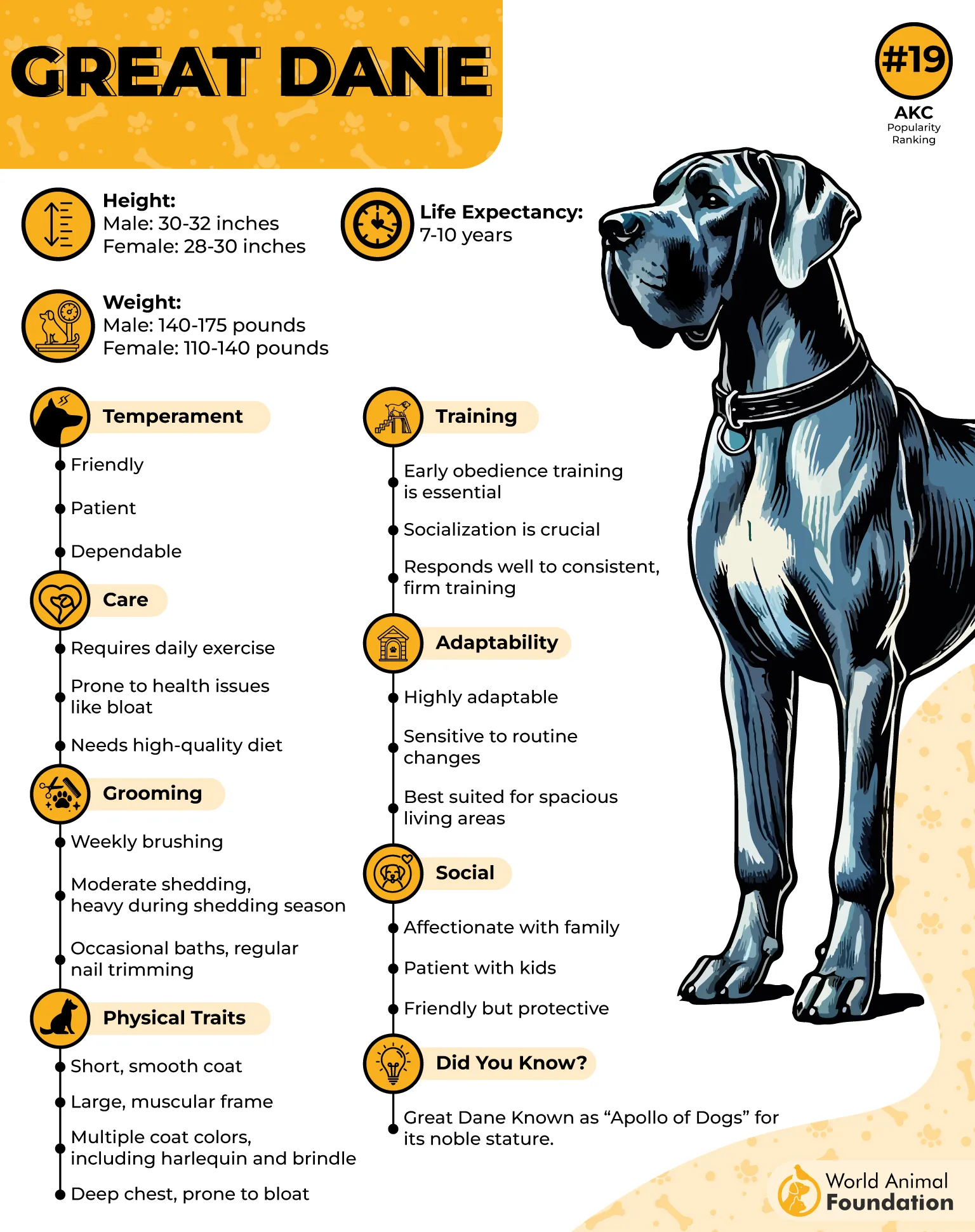
The Great Dane is commonly referred to as the Apollo of dogs owing to its grace and size. However, this dog does not age at the same rate as smaller breeds.
This dog is prone to gastric torsion (bloat), which is among the leading causes of emergency deaths in Great Danes. Preventive gastropexy surgery is occasionally considered with veterinarians in a bid to decrease the risk in this dog’s life.
Some other well-known facts are that:
Larger dogs grow more rapidly
Increased risk of cancer
Increased heart issues and bloat vulnerability
Great Danes are characterized by strong family attachment and surprisingly docile characters. This dog’s lifespan may be shorter than average, their loyalty cannot be measured.
5. Mastiff
Average Dog Years
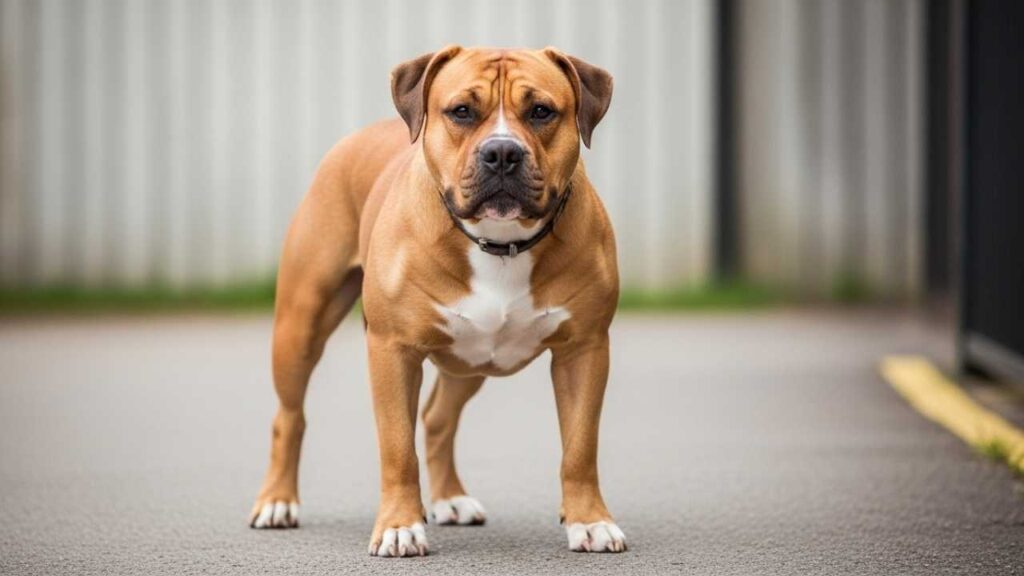
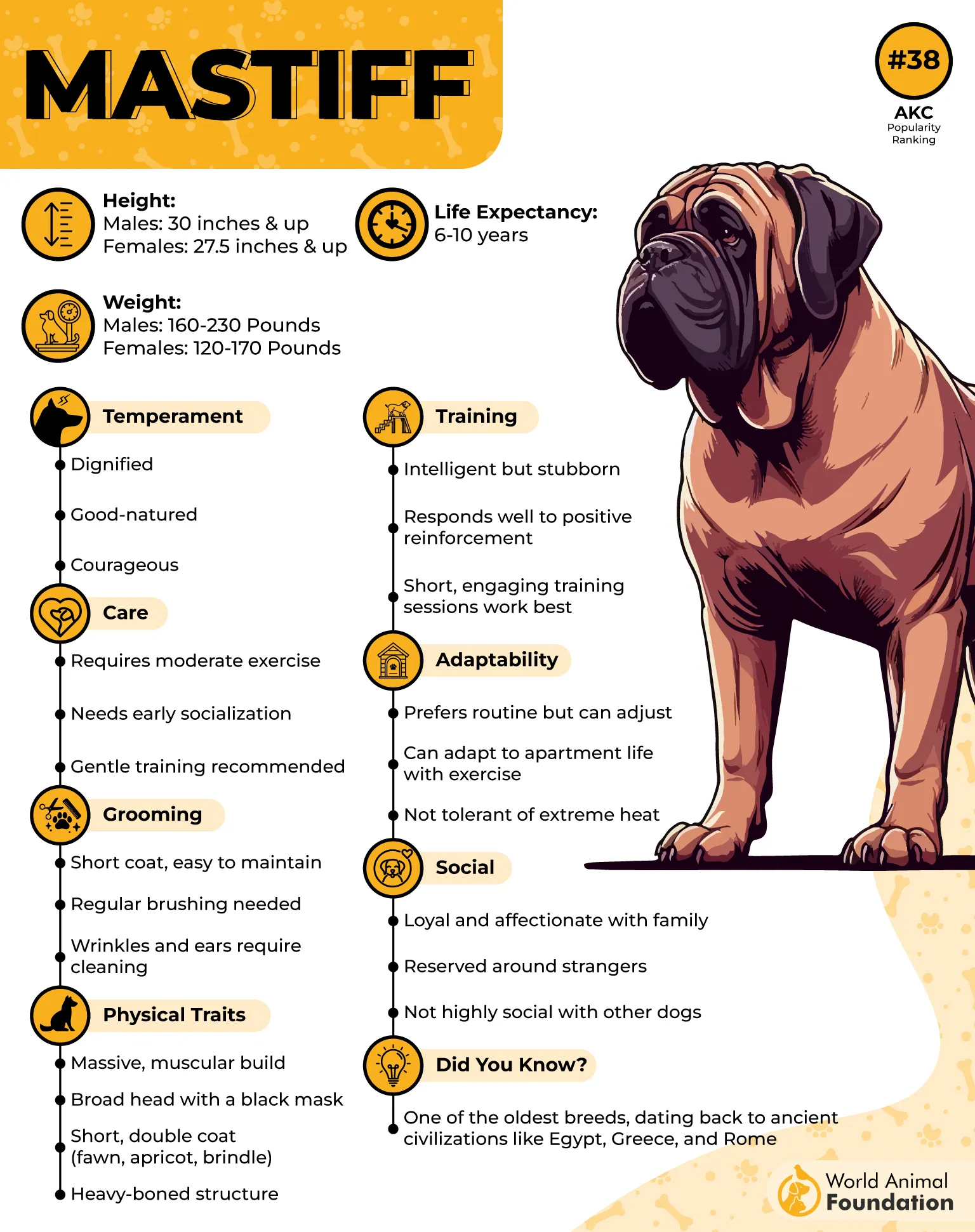
Usually live: 6-10 years
Common Health Conditions
Mastiffs are primitive guardians – peaceful, fearless, and loyal. They have a high mass, though, which leads to stress on joints and internal organs, making it difficult for this animal to live a generally healthy life.
Mastiffs have difficulty walking with age; they turn into senior dogs because they have become too heavy and their joints are straining. Keeping the muscles in a good tone, moderate and regular exercise is good for maintaining skeletal stability.
The most common health concerns are:
Hip and elbow dysplasia
Heart problems
Obesity-related complications
Optimal weight and frequent screenings at the veterinarian can have a positive influence on longevity, but the influence of genetics remains high.
Cardiac and orthopedic stress should be mentioned as obesity can drastically reduce lifespan in this dog because of adding extra weight. Proper nutrition is important in the long term for this dog’s health.
6. Leonberger
Dog Lifespan
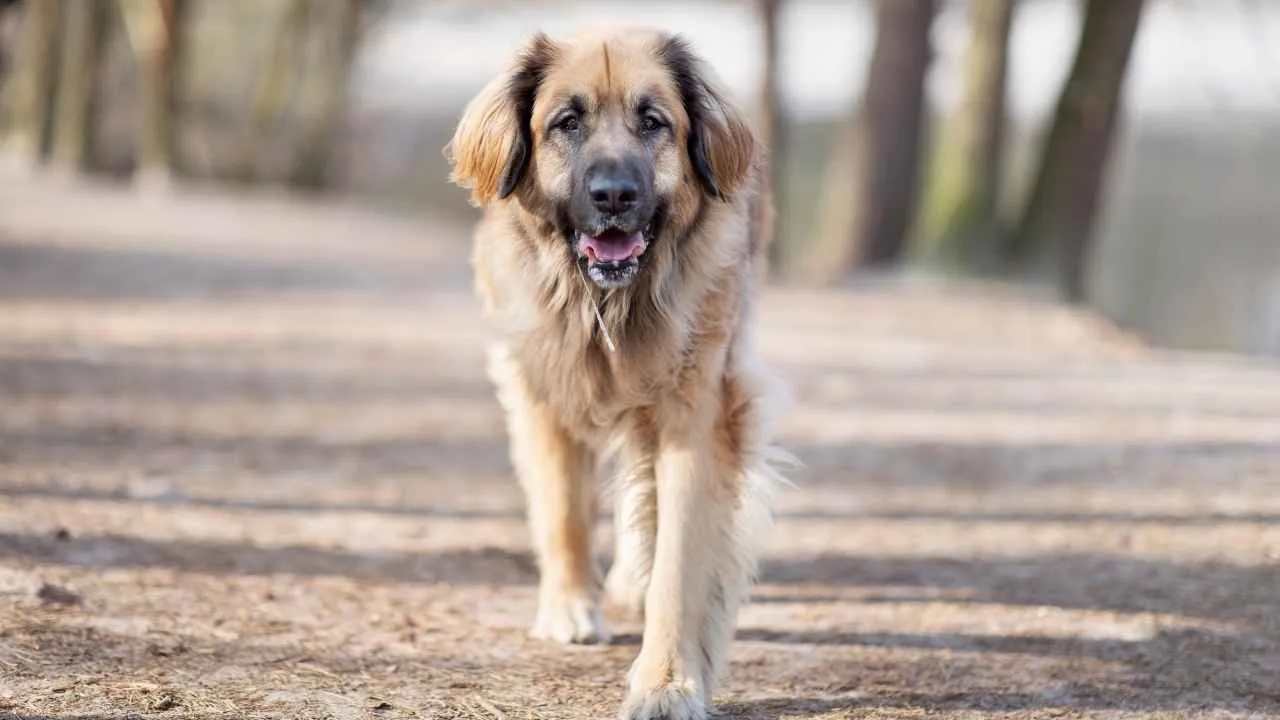
Average life expectancy: 7-9 years
Issues these Breeds Face
Leonbergers are very majestic and family-oriented giants whose calm strength and love of water make them prone to polyneuropathy, as per VCA Animal Hospitals. This is a rare but devastating condition that impairs their coordination and mobility. They might have difficulty walking, and the initial symptoms could be a weakened state of the hind limbs.
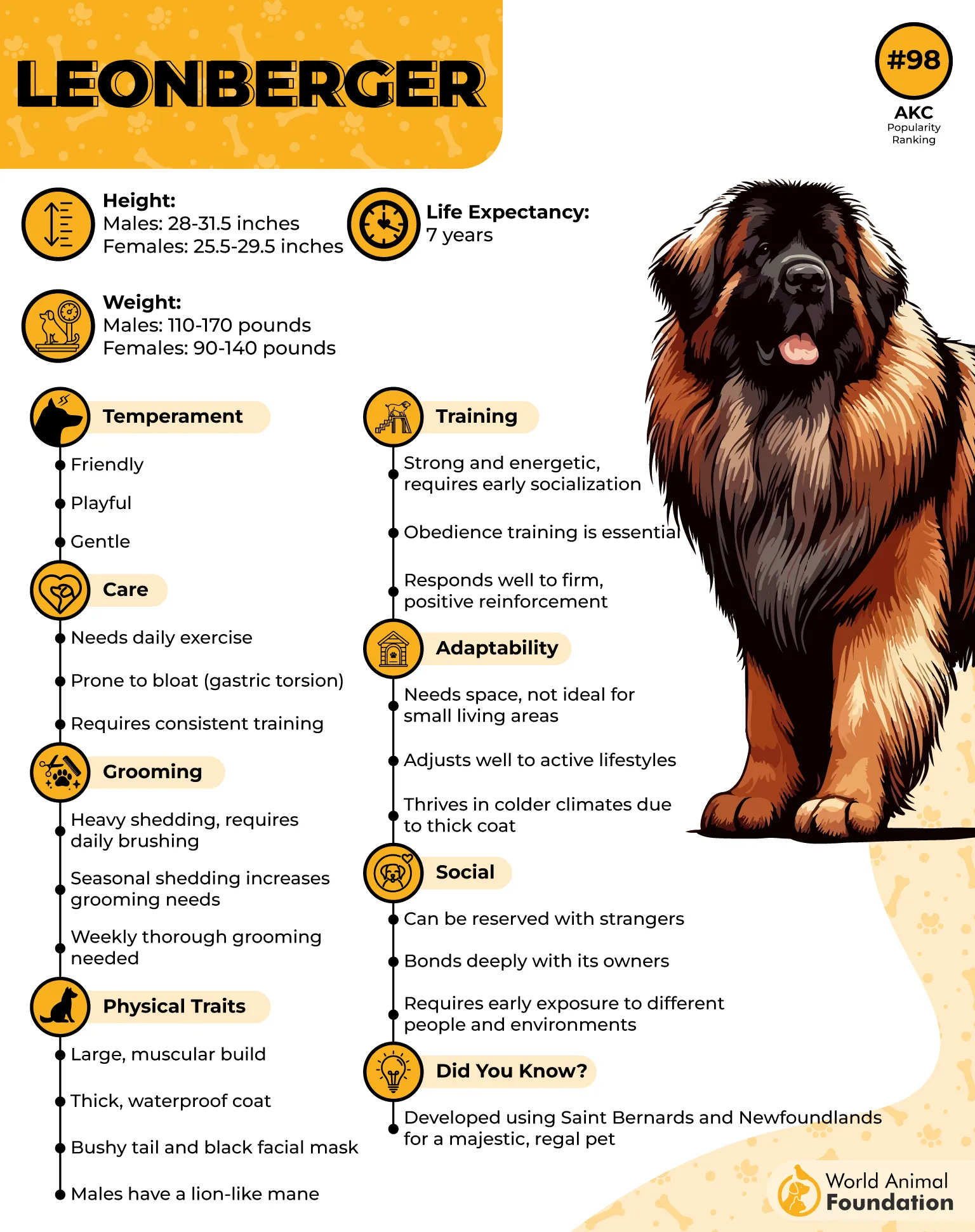
They are also predisposed to other health issues, such as entropion, that may need surgery.
Unlucky, they are prone to
Cancer
Orthopedic disorders
Heart problems
In veterinary conversations, the need to conduct early health tests and breeding responsibly in efforts to promote longevity is discussed.
The Leonberger is a beloved pet with a sweet and steady temper, which dog lovers might prefer despite the health conditions these animals face.
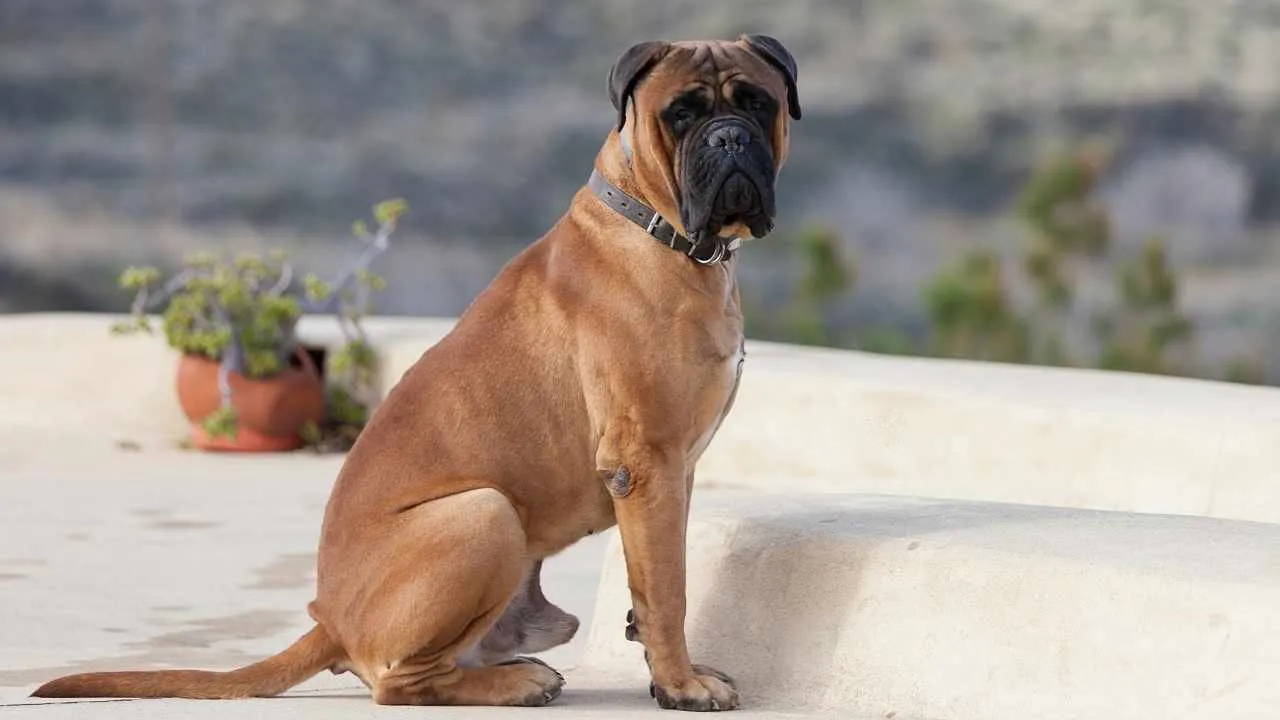
7. Bullmastiff
Average Lifespan
Average life expectancy: 7-9 years
Health Problems
Bullmastiffs can acquire progressive retinal atrophy (PRA), and this can affect vision as time goes on. Veterinary eye examinations should be done regularly.
Bullmastiffs are also naturally stoic, and any issues causing pain to them may not display easily. Even the slightest behavioral, movement, or appetite shifts must be noted.
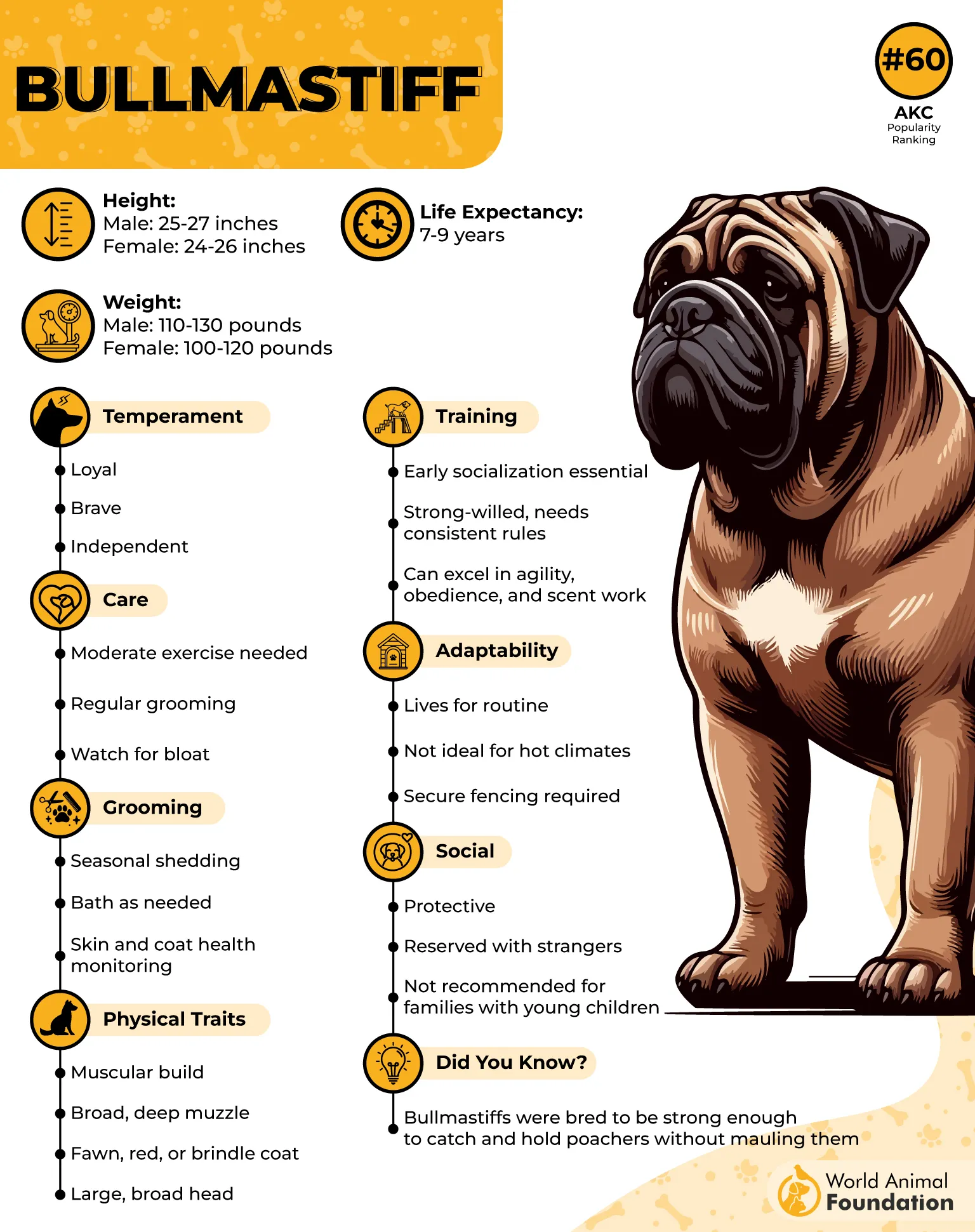
Mastiffs were developed as guardians of the estate and were a combination of both power and smarts.
Similar to other molosser types, they have a shorter life expectancy because of:
Cancer
Joint disorders
Heart complications
This big guardian might seem healthy for years before problems associated with old age develop rapidly. Their faithfulness and their peaceful, protective nature render every year countable.
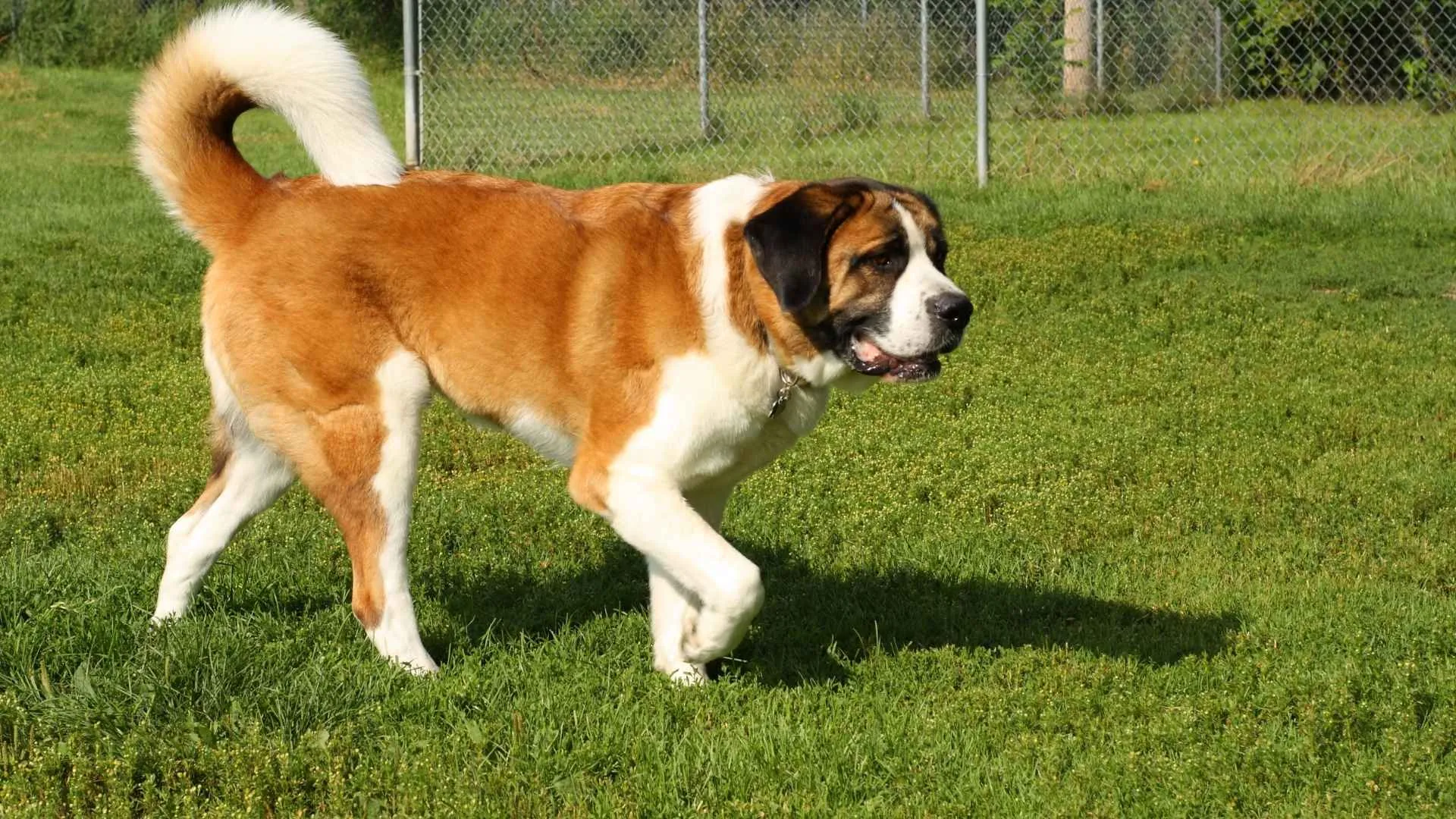
8. Saint Bernard
Average Lifespan
Average life expectancy: 8-10 years
Health Issues
Saint Bernards have been associated with courage and salvage. They are very vulnerable to hip dysplasia and elbow dysplasia because of their huge skeletal framework. Saint Bernards make good family dogs because of their gentle personality.
Another consideration is heat sensitivity; since they are bulky and have a dense coat, they are prone to overheating in hot regions.
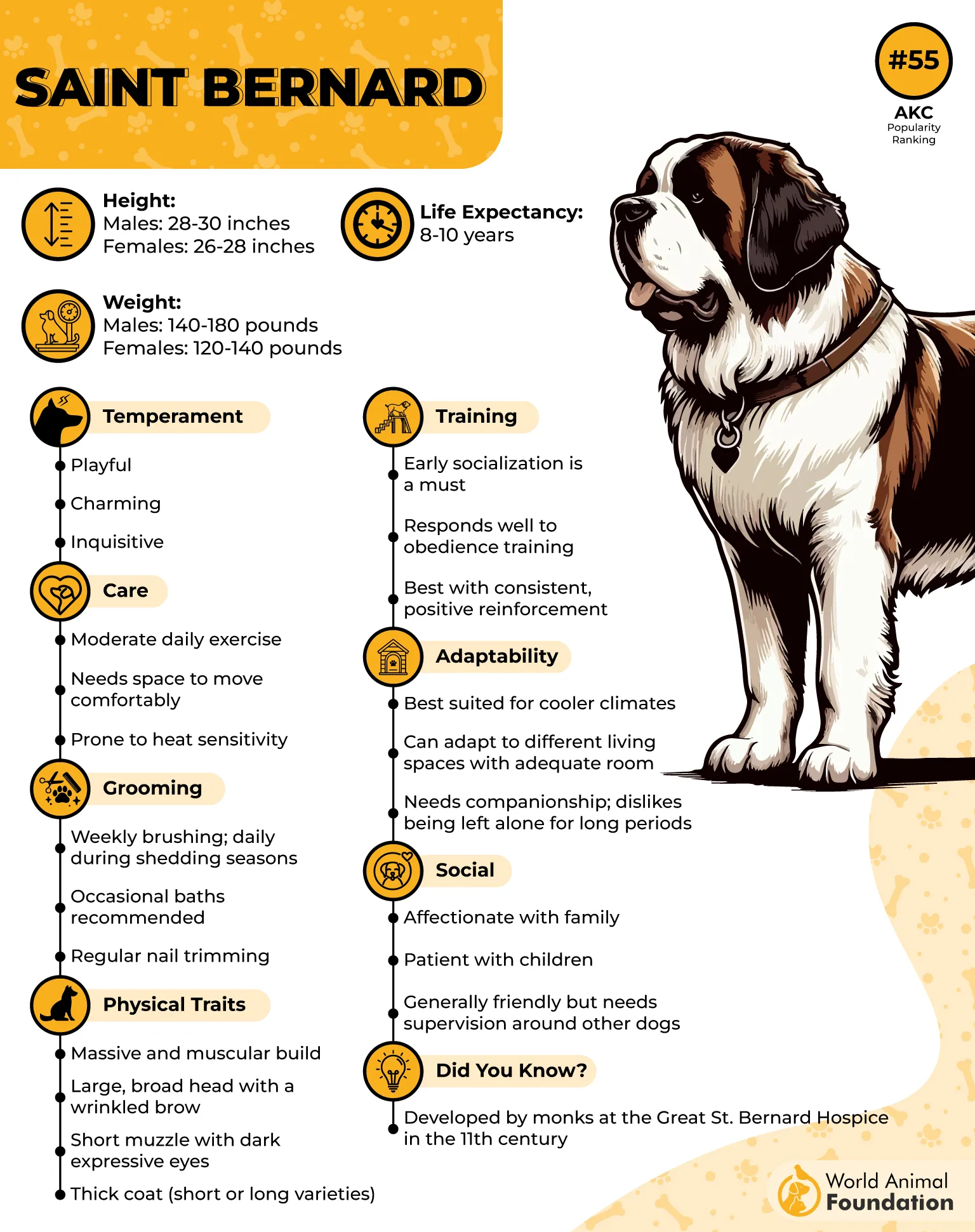
Their size, however, creates risks to certain health issues, such as:
Bloat
Bone cancer
Joint degeneration (Pet md)
Large dogs can have special dietary needs, which help maintain joint and cardiac health, preventing any further health issues. Saint Bernards are reputed to be extremely emotionally attached to their households despite their old age.
9. Rottweiler
Average Age
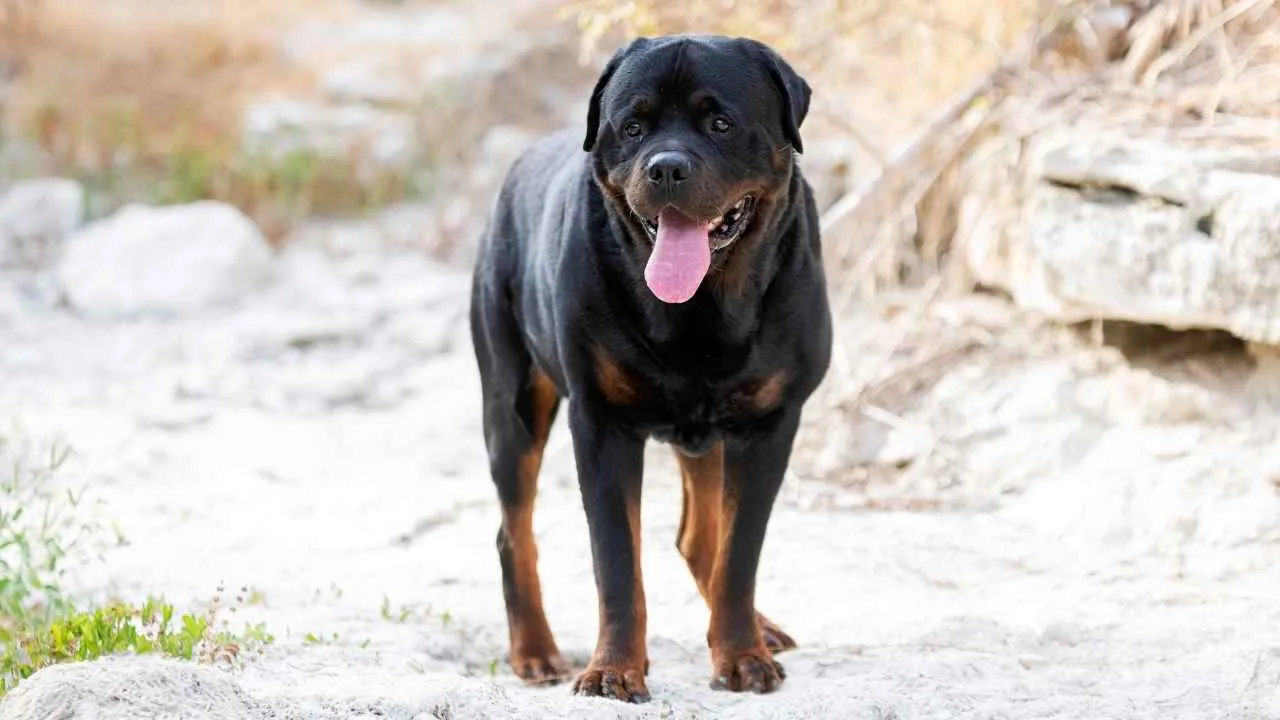
Average life expectancy: 8-10 years
Health Related Issues
Rottweilers are strong labor dogs that are characterized by loyalty and boldness. Although not as short-lived as larger breeds, they have short lifespans compared to many medium-sized dog breeds. Rottweilers are at an increased risk of osteosarcoma, especially in large males.
Early diagnosis has a great influence on the treatment choice. Structured physical exercise also serves their interest well to have lean muscle mass that keeps their joints and heart in good health.
Common concerns include:
Osteosarcoma
Intervertebral disc disease
Heart conditions
Obesity-related complications
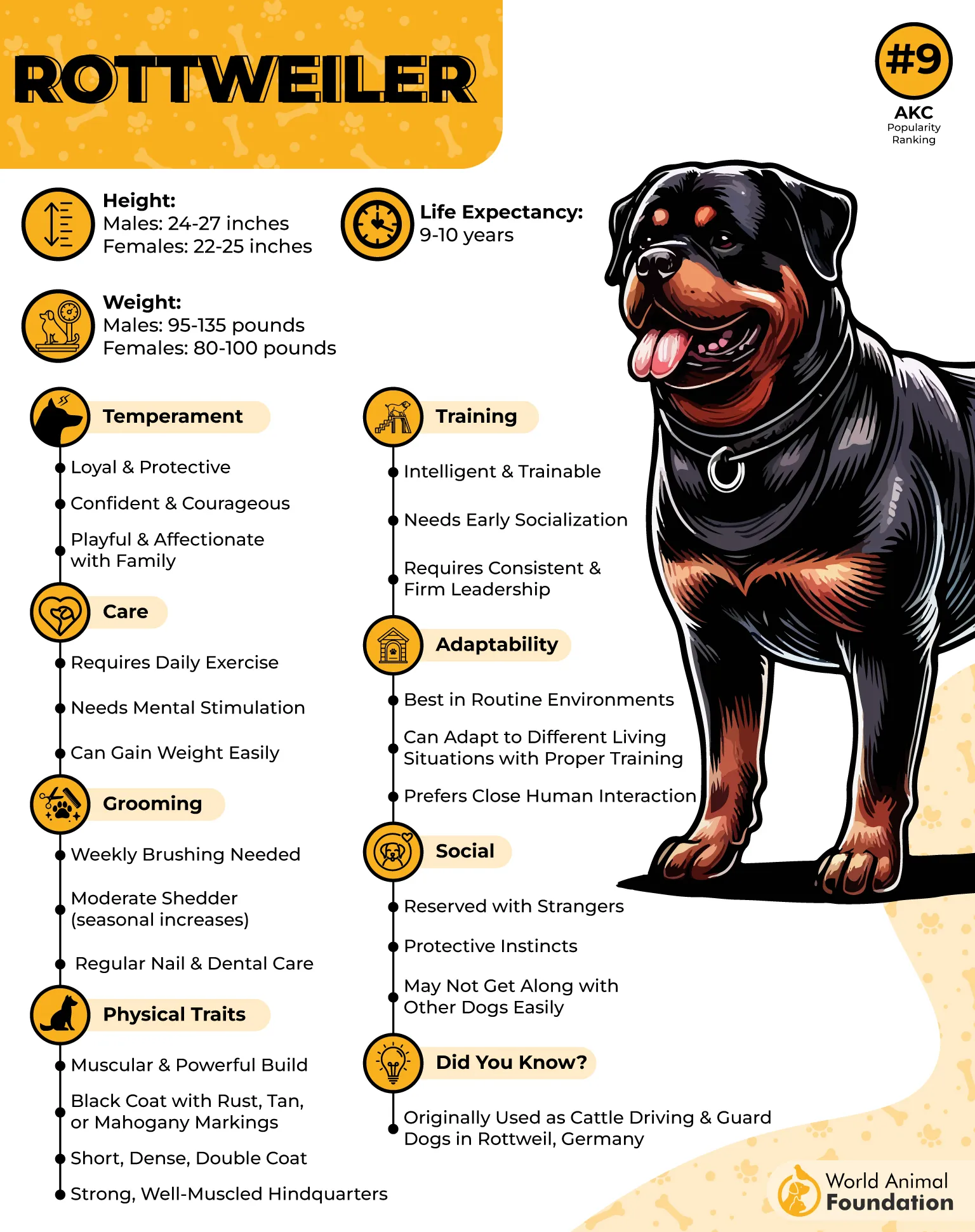
Responsible breeding and proactive veterinary care can maximize lifespan potential.
Rottweilers establish strong connections with their families, and each year is very significant.
10. Bulldog
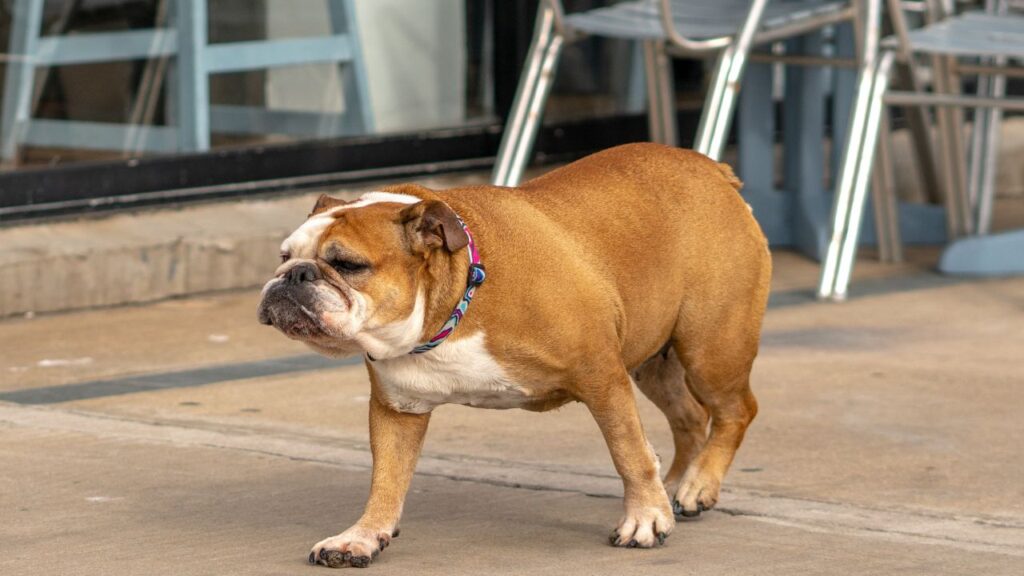
Number of Years they Live
Average life expectancy: 8-10 years
Medical Issues They Face
Bulldogs constitute some of the most popular dogs globally. Nevertheless, brachycephalic obstructive airway syndrome makes them prone to severe breathing problems due to their distinctive physical anatomy.
Bulldogs often develop the brachycephalic obstructive airway syndrome, which could reduce the exercise capacity and affect oxygen uptake. It is good to control the temperature as overheating may happen very fast.
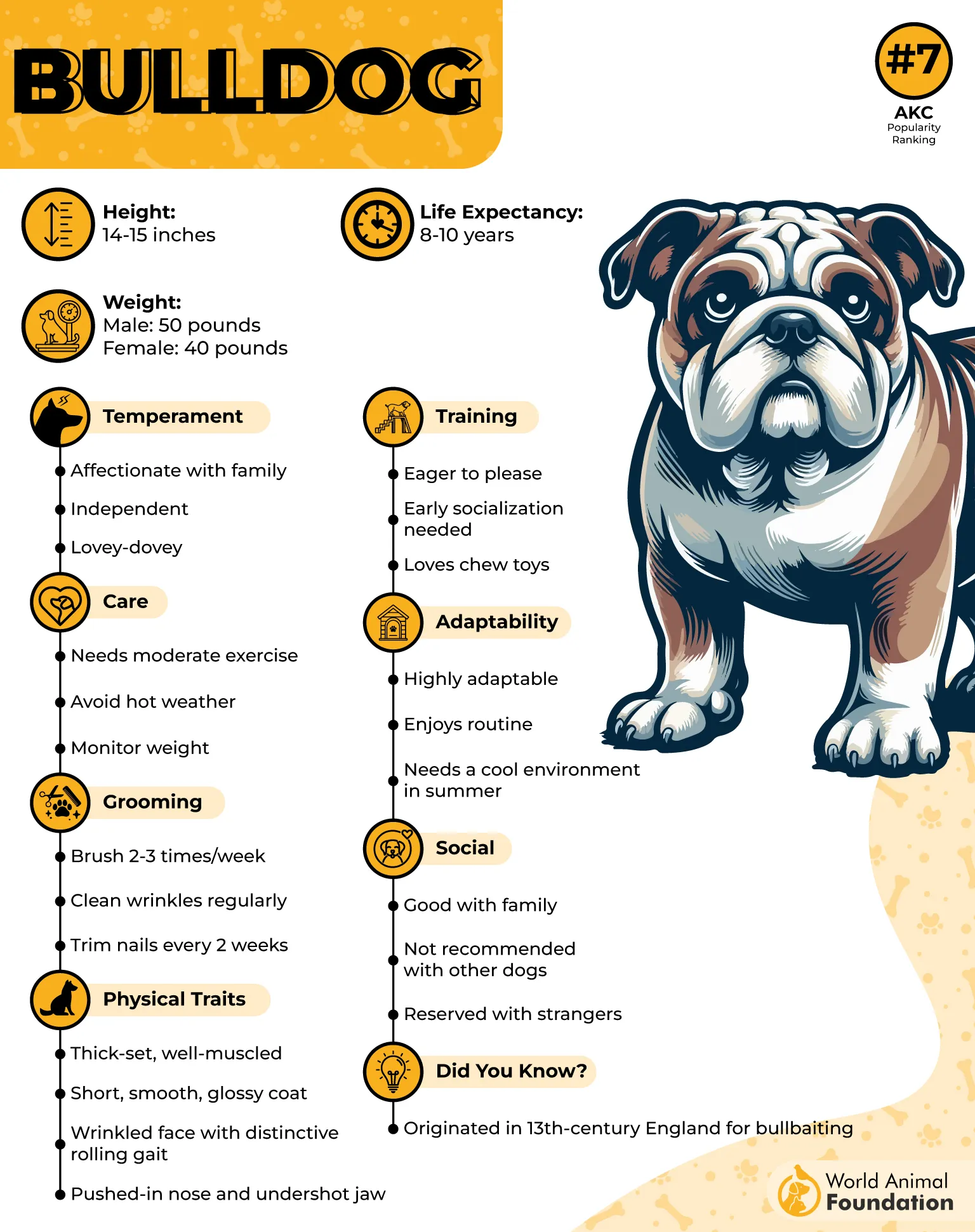
The other problem that is common is skin fold dermatitis because of its wrinkled appearance; the Bulldogs need regular cleaning and repair.
Common issues include:
Commonly experience skin problems such as skin fold dermatitis
Brachycephalic airway syndrome causes severe breathing problems
Skin infections
Joint and spinal cord problems
Brachycephalic dogs need special care due to their respiratory issues, to keep them comfortable, and to have these living dogs experience a healthy lifestyle.
Bulldogs make loving, strong, and loyal friends, but special care needs to be administered to avoid any skin problems and skin infections.
Conclusion
It is not discouraged to learn about dogs and the fact that they do not have a long time to live. It is about awareness – some of the health issues plaguing these dogs vary, but most can be conquered if properly cared for.
Big and oversized dogs tend to offer us fewer years compared to smaller dogs. Yet these furry companions make sure that those years are full of love, fearlessness, defense, and undying company.
By picking one of these dogs, you are picking a richness of connection, immense presence, and memories that cannot be forgotten, whether they are working dogs or herding dogs, a larger breed or a smaller dog breed, as what matters is the companionship they provide.
