




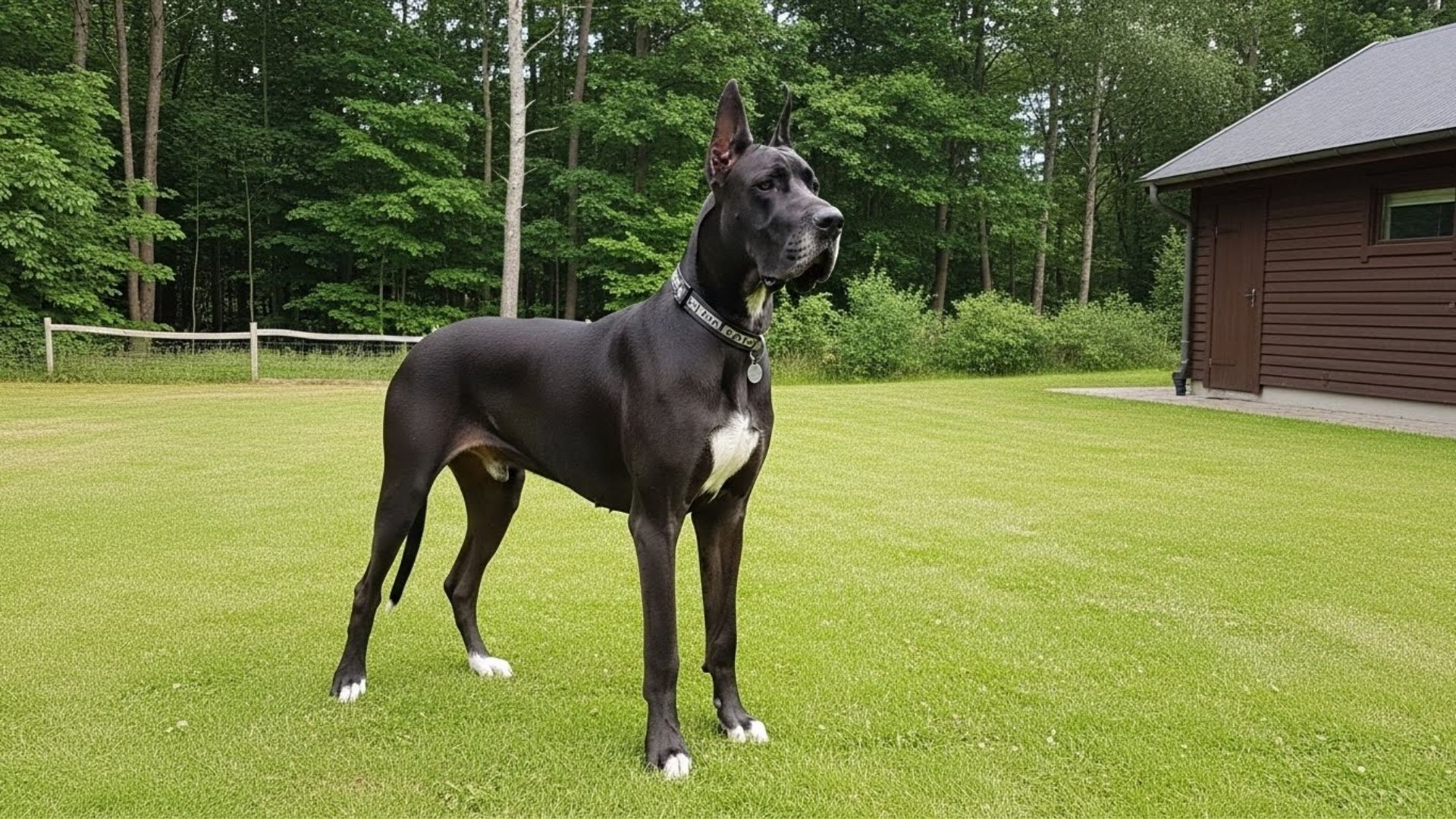
Life with a large, loyal companion is a bittersweet journey. Every wag, cuddle, and quiet moment feels priceless, yet there’s an unspoken shadow over their short time with us. Loving them means embracing joy and inevitable heartache, knowing every day counts more than we realize.
A dog’s lifespan depends heavily on size, breed, and head shape. Smaller dogs usually live longer, while larger ones age faster. These differences are tied to breeding and genetics, shaping growth, organ function, and longevity in ways we cannot control.
Health struggles and environmental factors quietly affect how long they remain part of our lives. Even with the best care, some challenges are unavoidable.
This blog explores the reality of shorter lives in larger breeds, the risks they face, and how love and daily care can make their time meaningful.
Dog Breeds and the Reality of a Shorter Life
1. Bernese Mountain Dog
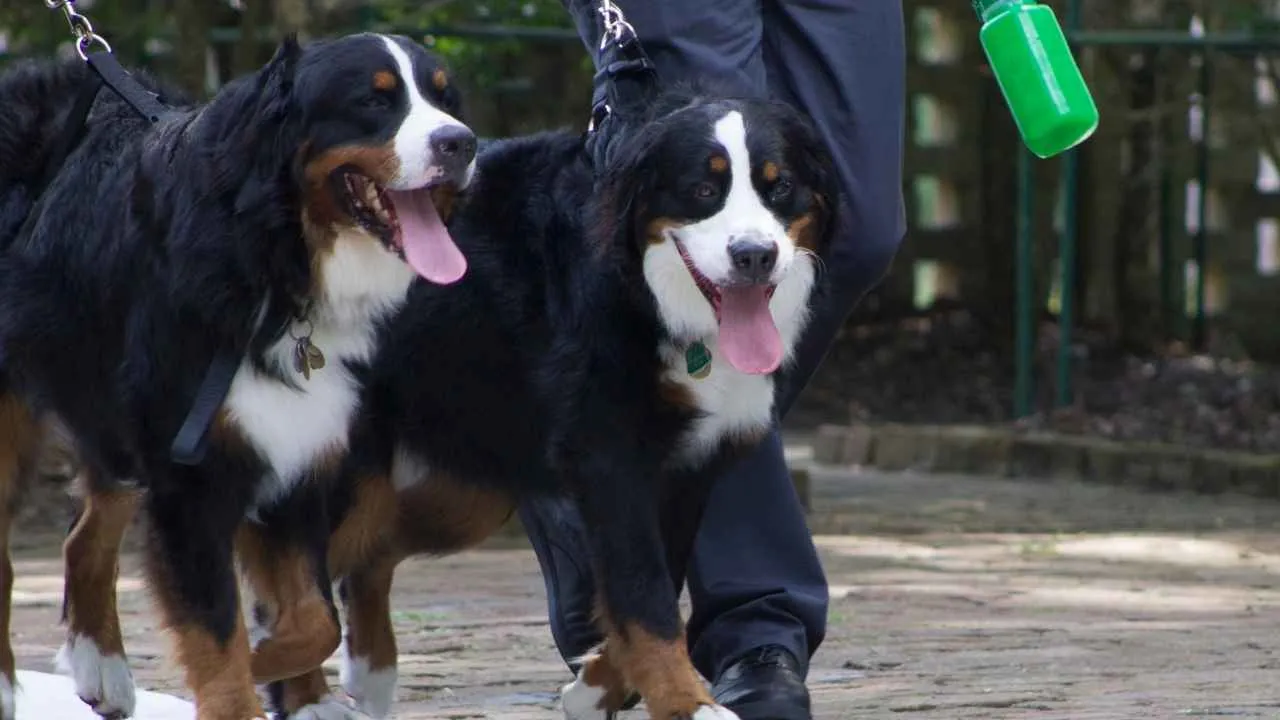
These loyal companions hold a special place in the hearts of dog lovers. If you ask dog owners, everyone would agree on one thing. They are very proud of their ideal and dedicated friend. Bernese Mountain Dog thrives on human connection and kindness.
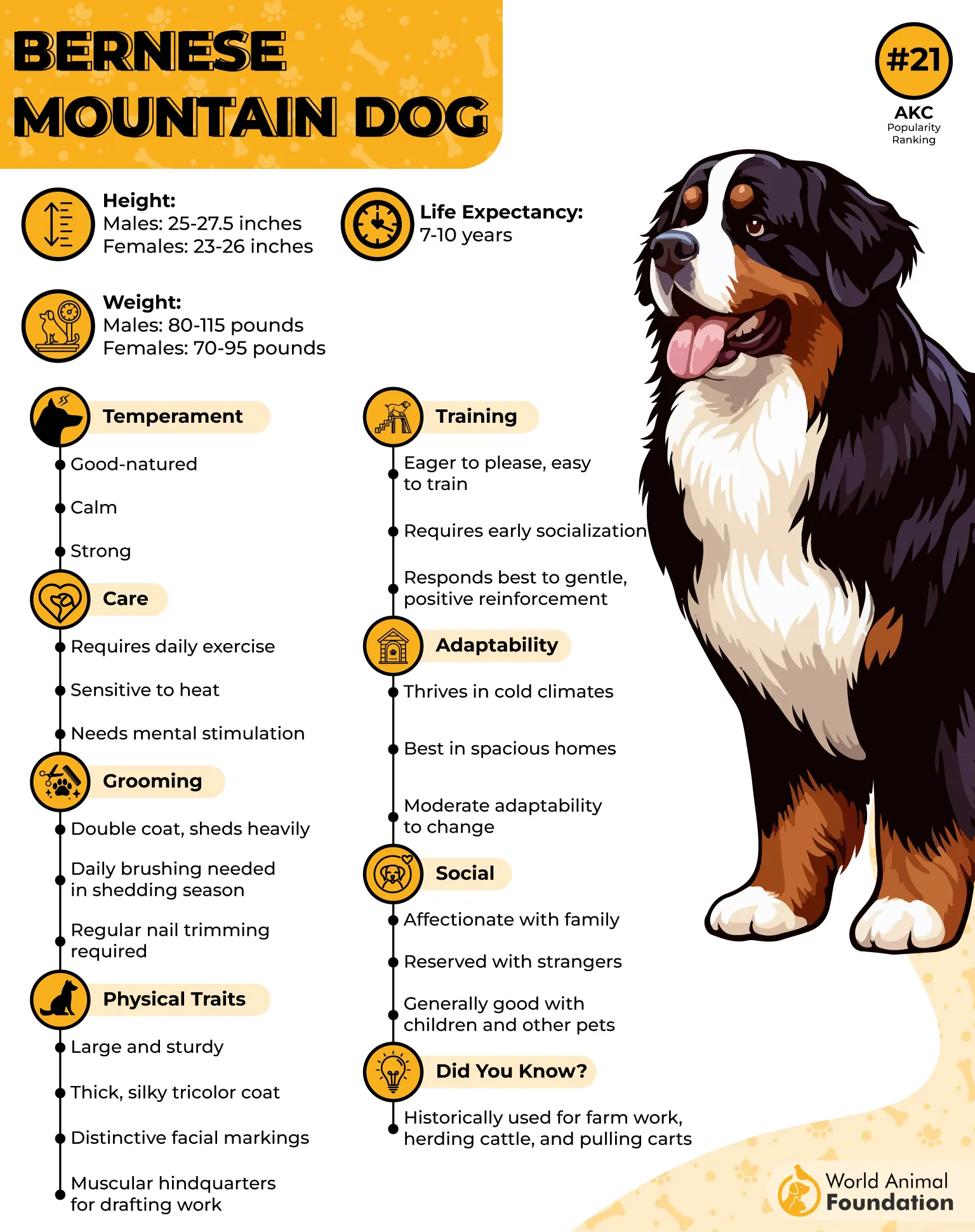
Sadly, the average lifespan is only six to eight years. Larger breeds tend to have shorter lives than smaller ones. Berner bodies grow rapidly, causing wear on hearts and organs. These systems start to deteriorate much faster in the long run.

The Bernese Mountain Dog is relatively rare in various parts of the world. As a result, their genetic pool remains quite limited. When breeds originate from small populations, health vulnerability increases. Limited diversity makes them more susceptible to inheriting serious conditions.
Hugging your friend is a way to show love without calories. Early testing and quick responses help keep them healthy and happy. Watch for symptoms early to ensure a better quality of life. Proactive care is truly vital for their survival.
Other Health Issues
Histiocytosis (rare, aggressive cancer)
Lymphoma
Mast cell tumors
2. Great Dane
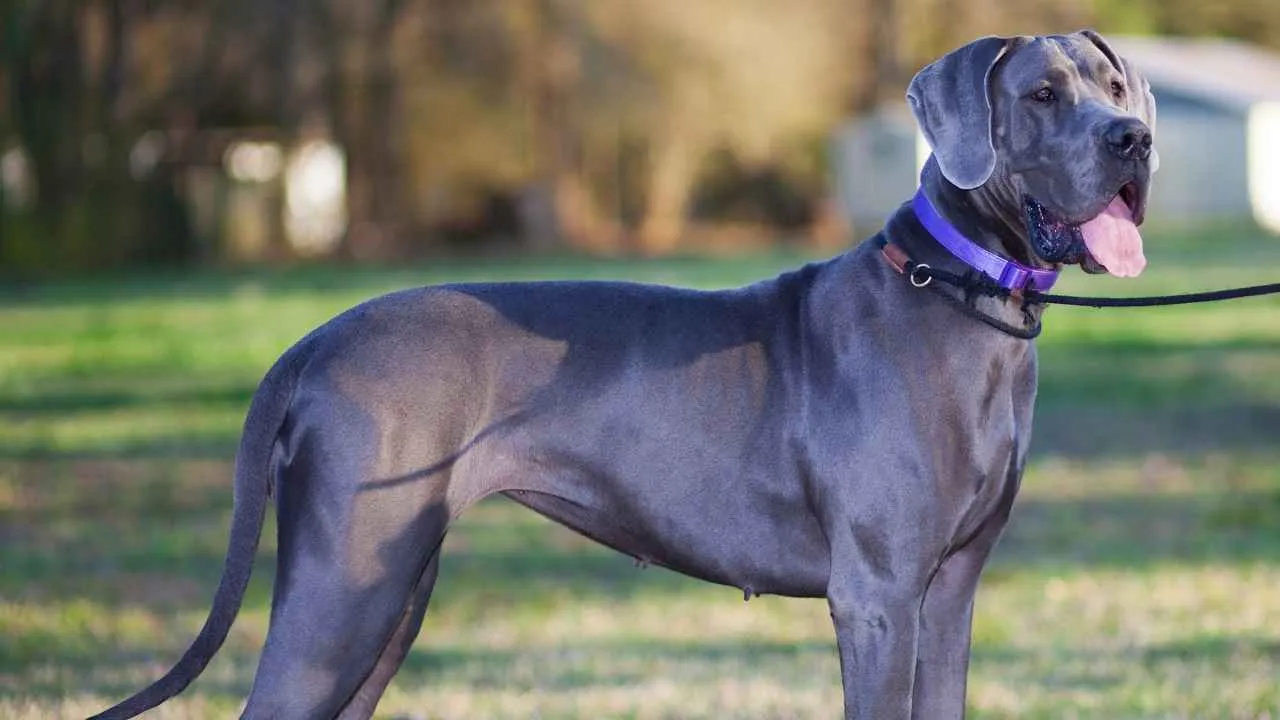
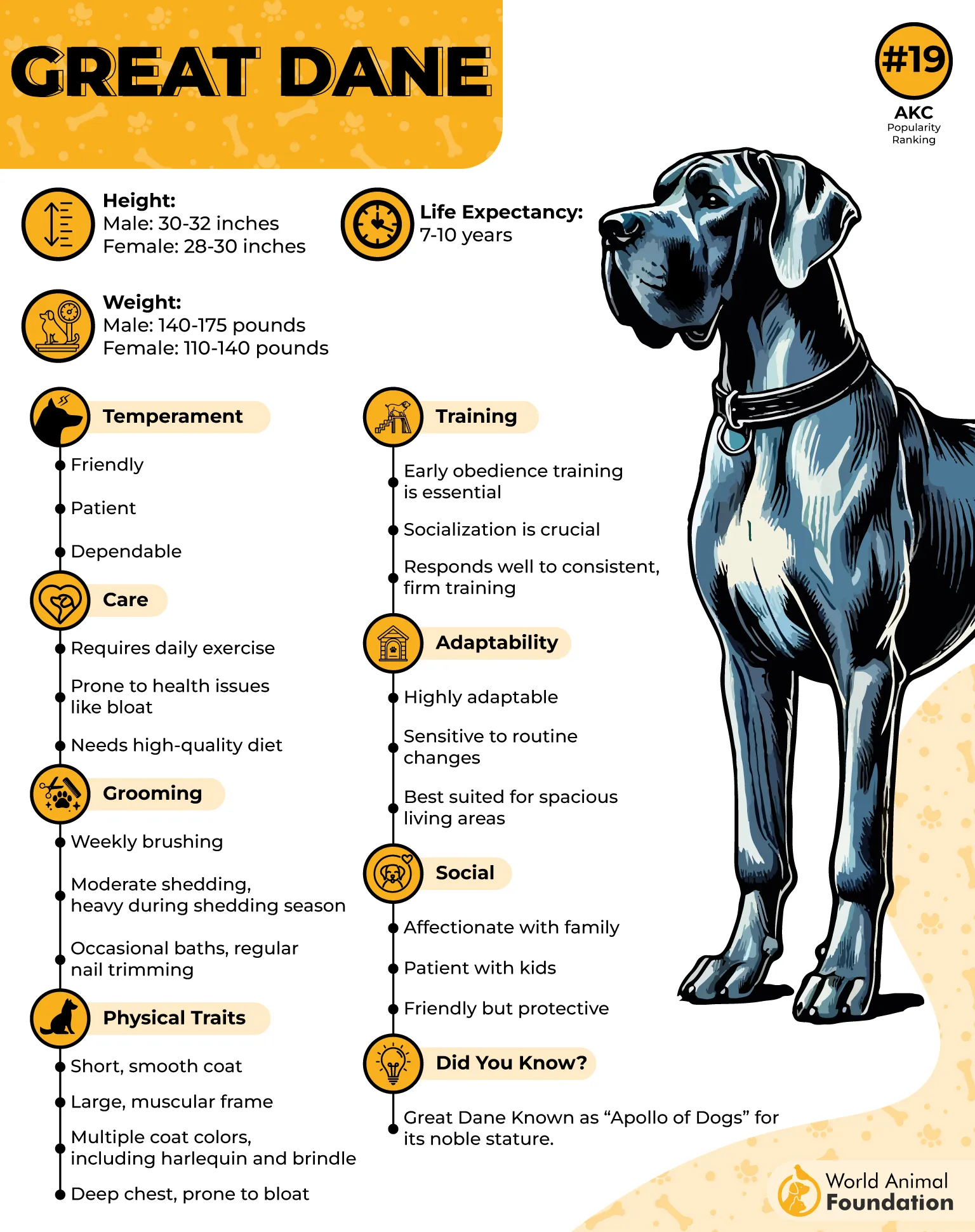
Great Danes have an average life expectancy of six to ten years. This is considerably shorter than many other popular breeds. You must cherish every moment with them. Their time with us is fleeting but truly wonderful.
Size plays a significant role in determining the lifespan of this breed. Their massive physical frames put immense strain on internal organs. The heart especially must work harder to support such a frame. This constant pressure limits the Great Dane in later years.
Choosing a responsible breeder is important for the health of your dog. This choice also protects the health of the entire breed. Pet parents should look for breeders who perform extensive genetic testing. Ethical practices help ensure a much stronger and healthier lineage.
Size is the major challenge for daily upkeep and comfort. These giant dogs require a large area to stretch out and sleep. Use soft bedding to help them avoid developing painful calluses. Keep in mind that proper rest is essential for their heavy joints and bones.
Common Health Issues
Hip dysplasia
Cardiomyopathy
Cataracts
3. Bullmastiff
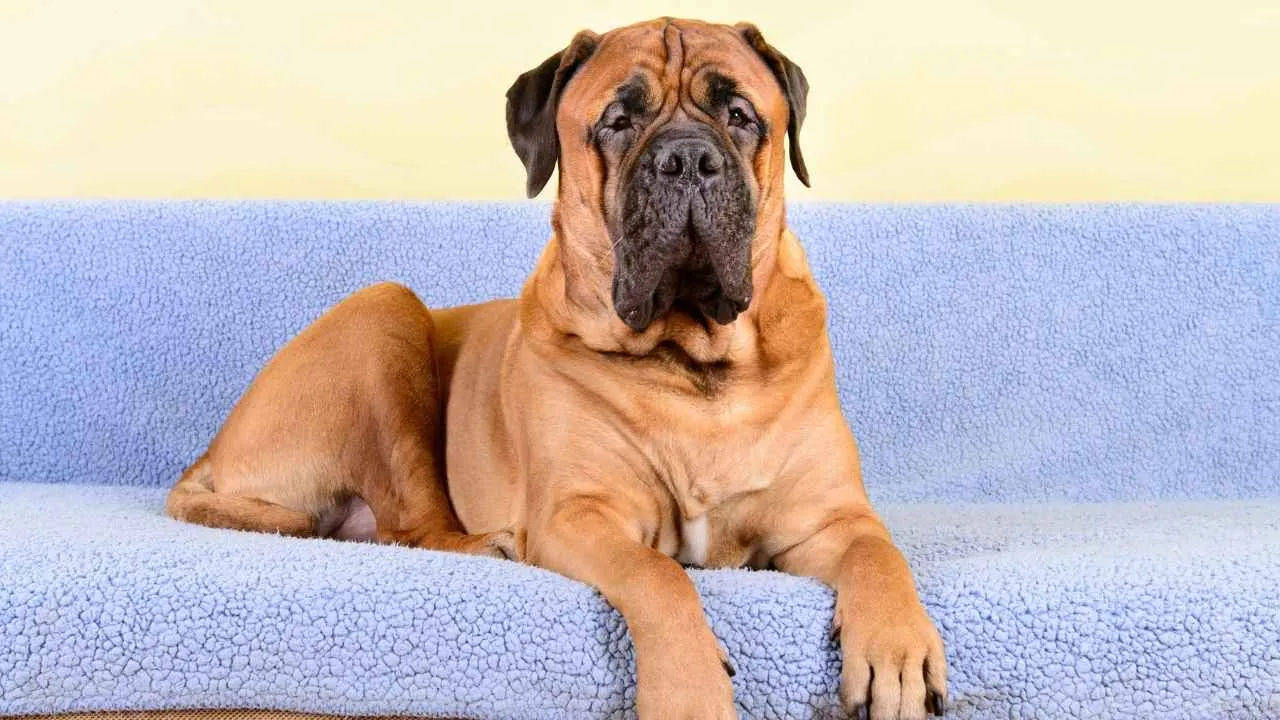
Fearless at work but docile at home, Bullmastiffs are muscular guardians. They pursued and held poachers in Merry Old England long ago. This history created a protector who is both brave and calm. Families love their steady and reliable nature.
Sadly, the lifespan of this large dog is only seven to nine years. The Bullmastiff ranks fourth among the ten breeds with the shortest lifespans. This reality is heartbreaking for many dedicated owners. Their impressive size plays a major role in why their lifespan tends to be shorter.
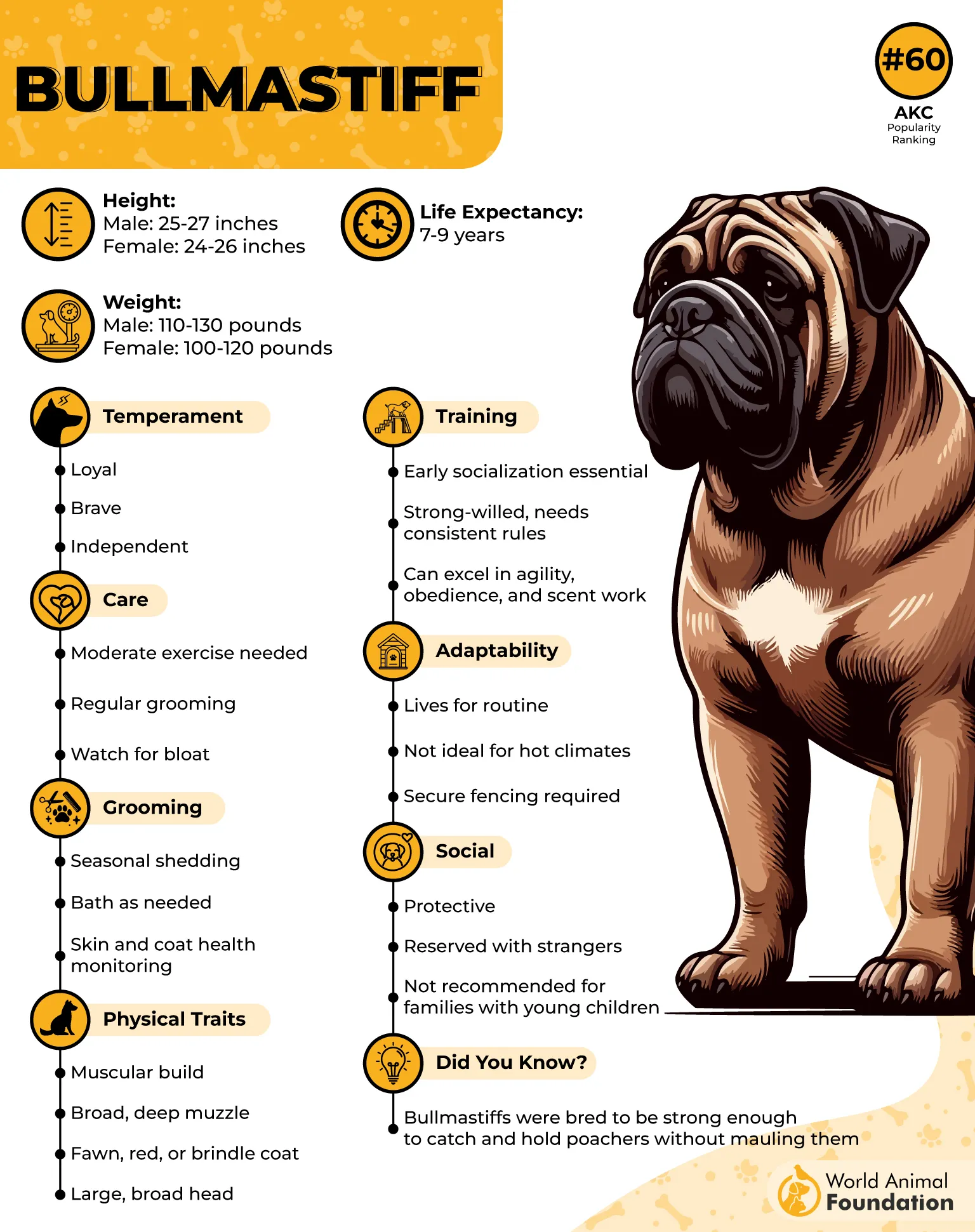
Short, broad snouts often cause breathing difficulties for these brachycephalic breeds, as mentioned by Purina. This physical trait puts extra strain on their other vital organs. It also makes them very susceptible to dangerous heat issues. You must keep them cool during the hot summer months.
Heredity and environment both play roles in overall health. Breeders and owners must work together to raise healthy dogs. Watch for symptoms of distress during exercise or hot weather. Managing weight is crucial for preventing unnecessary stress on their bodies.
Common Health Issues
Dental Disease
Bacterial and viral infections
Obesity
4. Saint Bernard
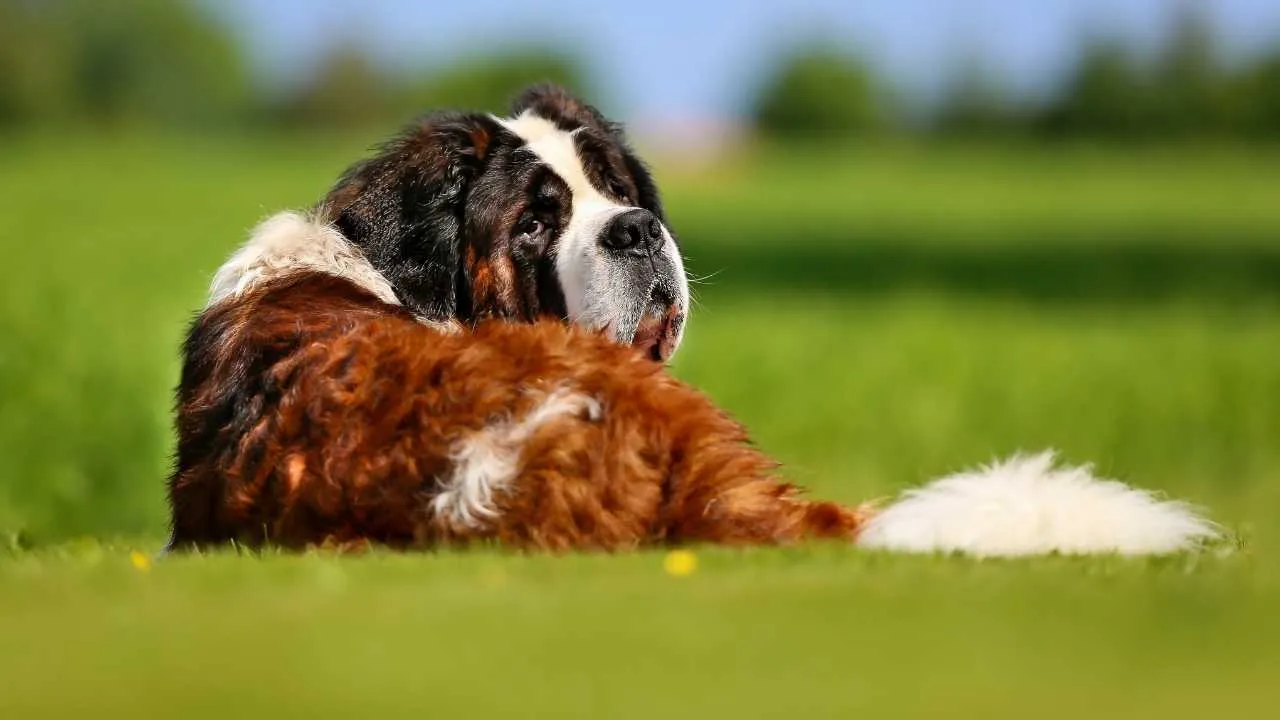
This genial giant of the Swiss Alps is a world-famous breed. Saint Bernards are watchful and patient companions for the whole family. Many people adore their affectionate nature and legendary rescue history. These furry friends are the ultimate loyal family guardians.
Deep-chested dogs with muscular builds, like the Saint Bernard, are prone to stomach twisting. PDSA warns that this condition, called GDV, is a painful and life-threatening emergency. It requires immediate veterinary care to save the dog’s life. Always watch for signs of bloating after they eat.
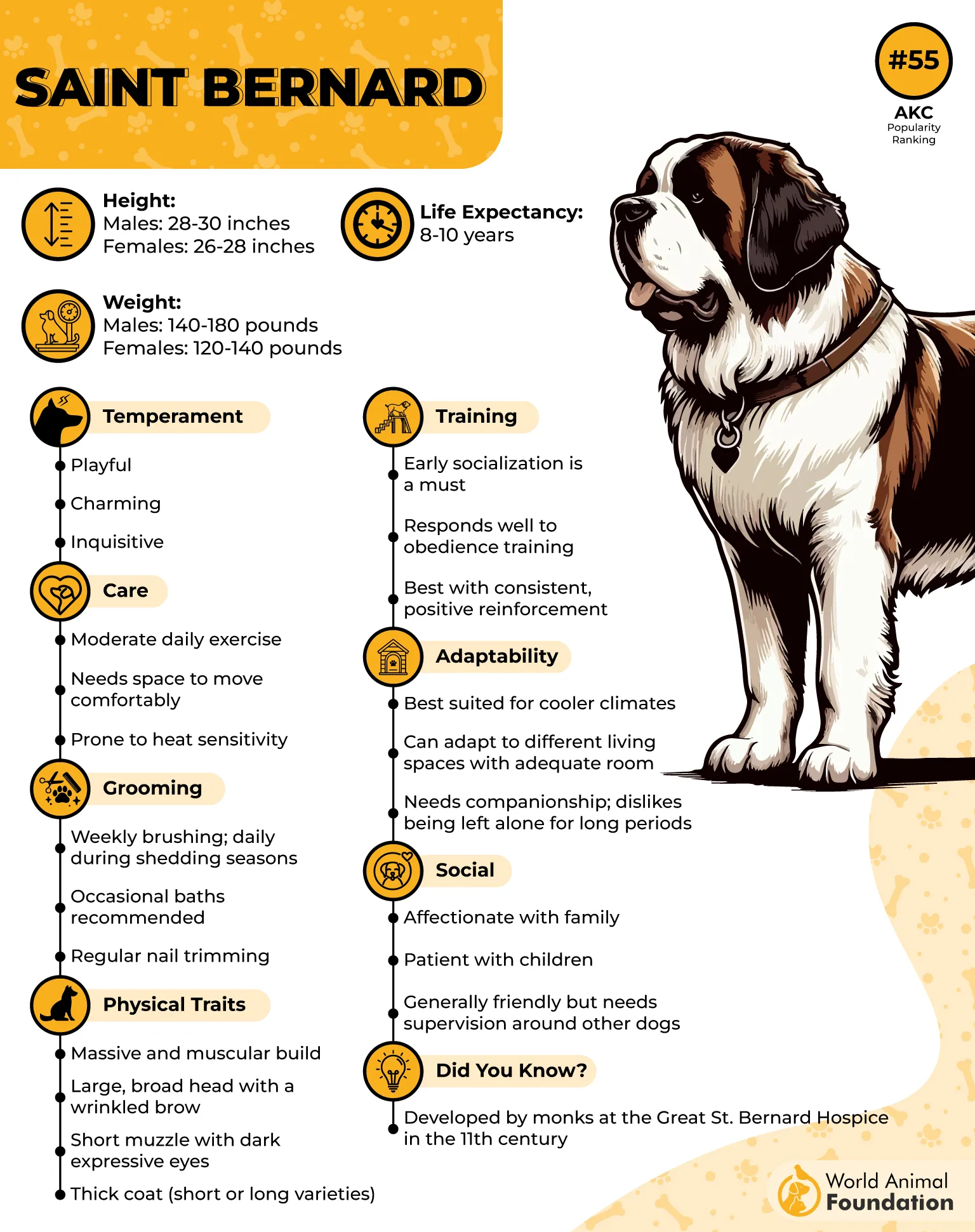
Dense coats make them prone to overheating in hot climates. This environmental factor puts significant stress on their internal systems. You must provide plenty of shade and water during the summer. Keeping them cool helps preserve their energy and health.
Research shows that an optimal body condition improves their lifespan. Feed a high-quality, balanced diet specially formulated for these massive giant breeds. Keeping them lean is the best way to ensure longevity. Proper nutrition supports their heavy joints and vital organ functions.
Common Health Concern
Orthopedic Issues
Heart disease
Wobbler Syndrome
5. Leonberger
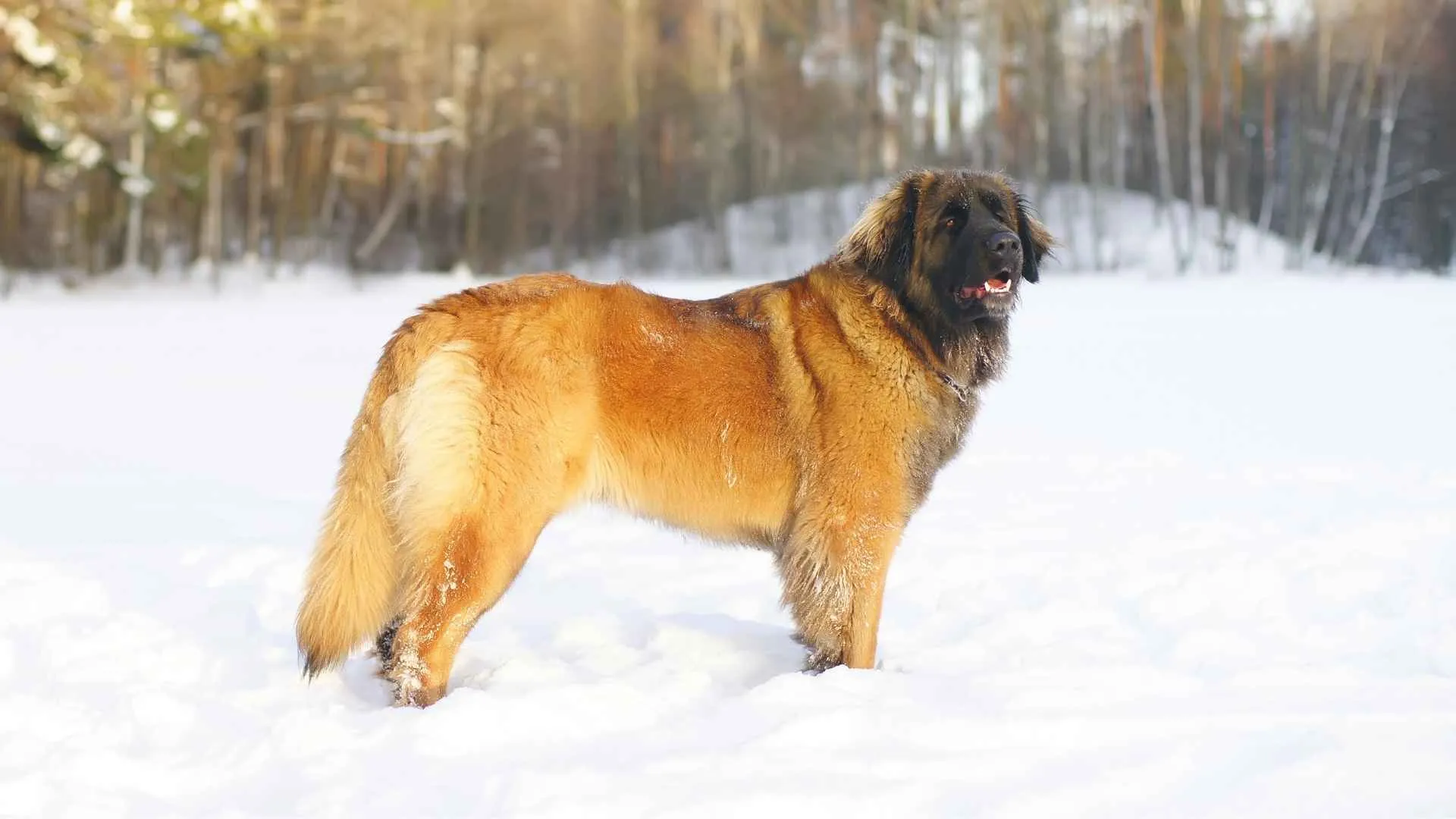
The Leonberger is a lush-coated giant of proud German origin. They have a gentle nature and show serene patience with everyone. These dogs relish the companionship of the whole family every day. They are known for their aristocratic grace and elegance.
Males and females have different appearances, known as sexual dimorphism. Males look powerful and masculine with a thick lion-like mane. Females are more slender and graceful in their overall build. This distinction is a unique trait of the breed.
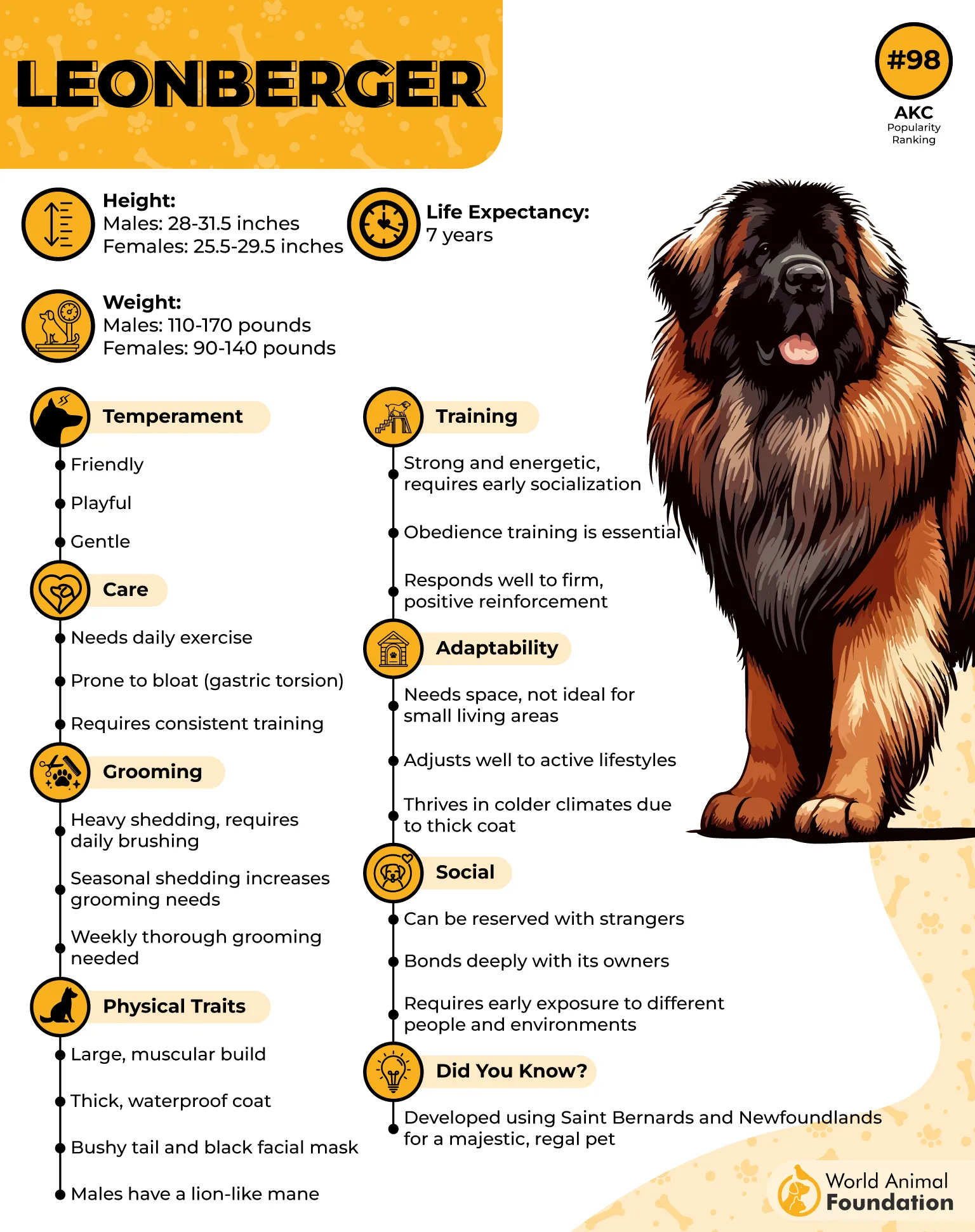
Leonbergers have health issues seen in most large breeds. It is smart to consider purchasing pet insurance for your puppy. Covering medical costs early helps manage their specific genetic risks. Being prepared allows for the best possible veterinary care.
Royal Canin notes that one concerning health condition they can develop is gastric bloat. The Leonberger can have a stomach that twists on itself. This leads to a very enlarged stomach and severe pain. Fast action is required to treat this dangerous medical emergency.
Other Health Issues
Inherited Polyneuropathy (LPN)
Dilated Cardiomyopathy (DCM)
Hip and Elbow Dysplasia
6. Dogue de Bordeaux
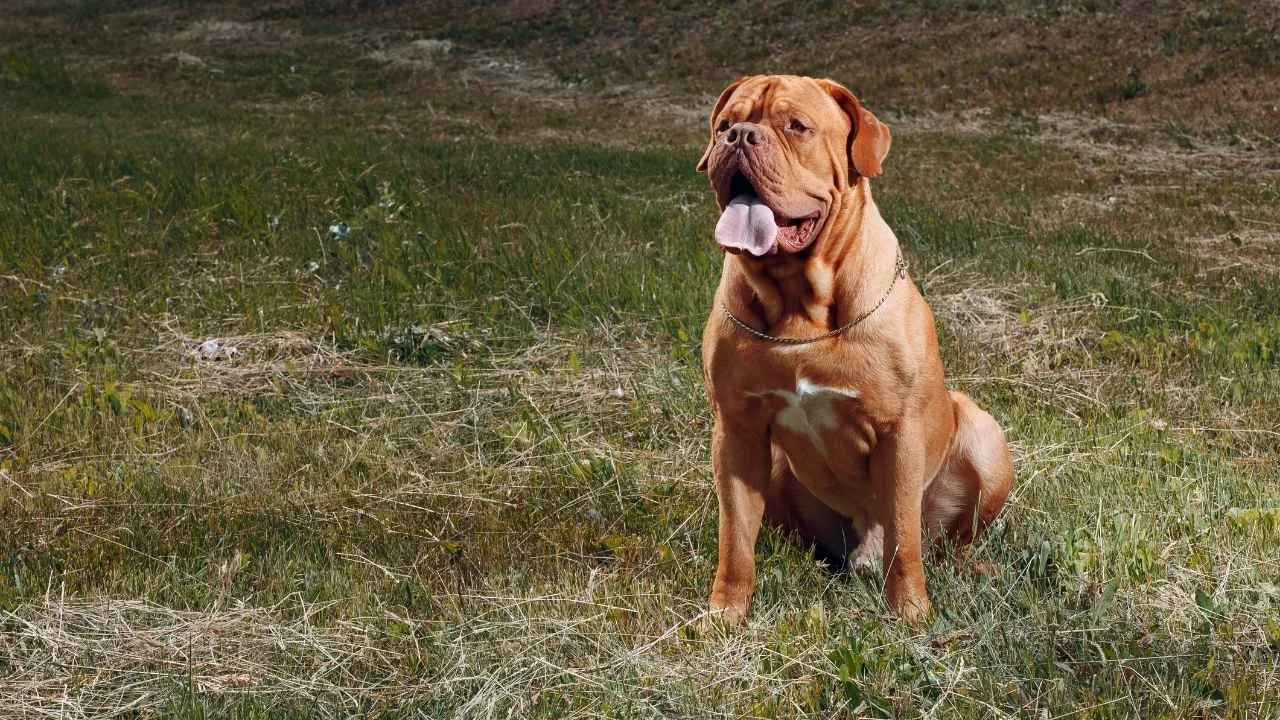
This immensely powerful guardian features the largest head in dogs. The Dogue de Bordeaux has an undershot jaw and expressive eyes. A deeply furrowed brow gives them a very distinct, serious look. They are truly impressive animals with a massive presence.
These handsome, wrinkly faces were unfortunately created through selective breeding. These folds can develop certain health conditions that require constant cleaning and care. Breed clubs provide advice on what tests your specific dog needs. Maintaining their skin is vital for their daily comfort.
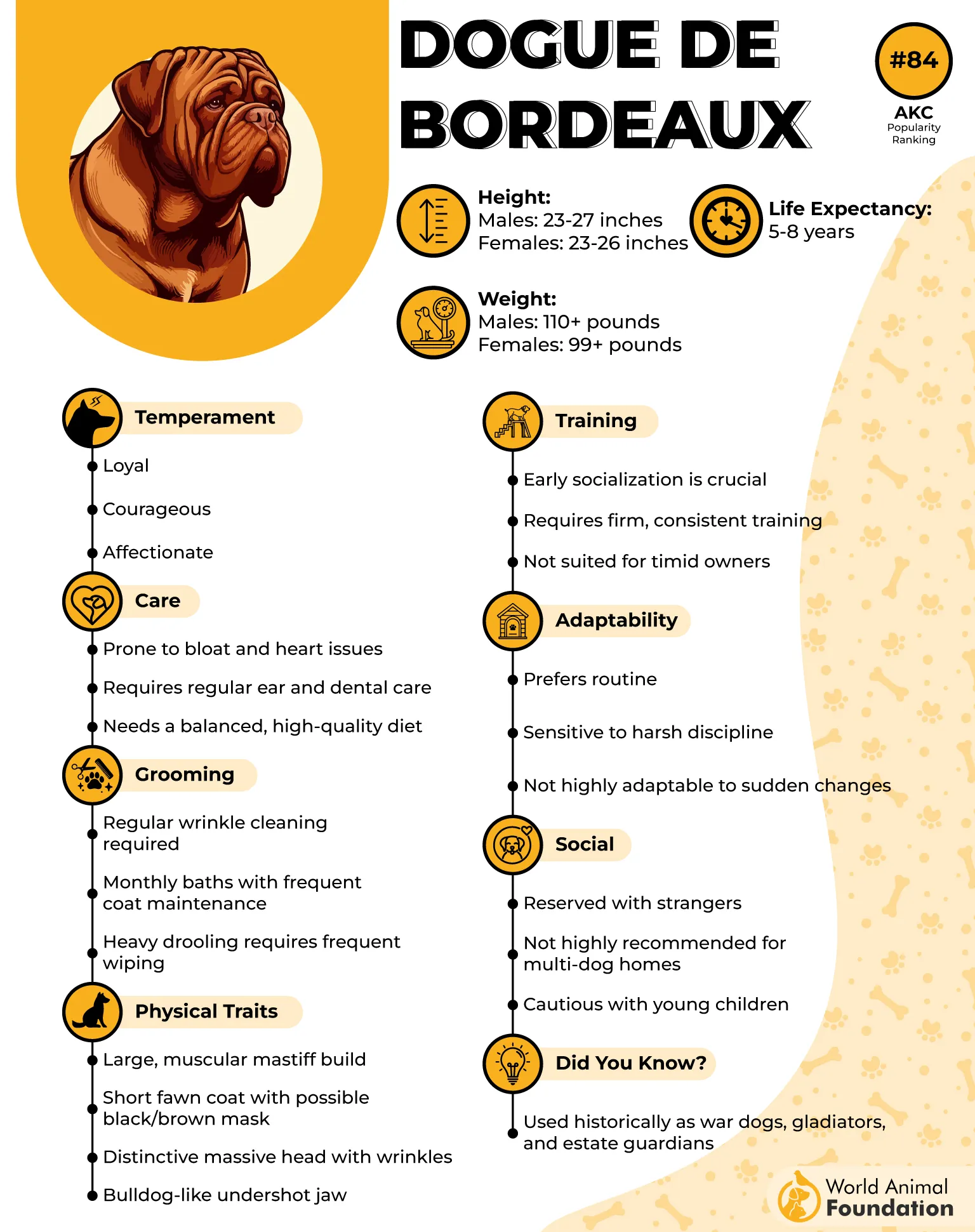
Dogue de Bordeaux is prone to bone development issues during youth. Try to avoid strenuous exercise until they reach eighteen months old. This allows their skeleton to mature without taking too much damage. Protecting them from joint problems early leads to better mobility later.
Buying from an ethical breeder gives them the best chance. Unethical puppy mills often skip genetic testing on their breeding dogs. This increases the risk of puppies inheriting various congenital diseases. Always do your research to find a responsible source.
Common Health Issues
Joint problems
Skin issues
Eye problems
7. Rottweiler
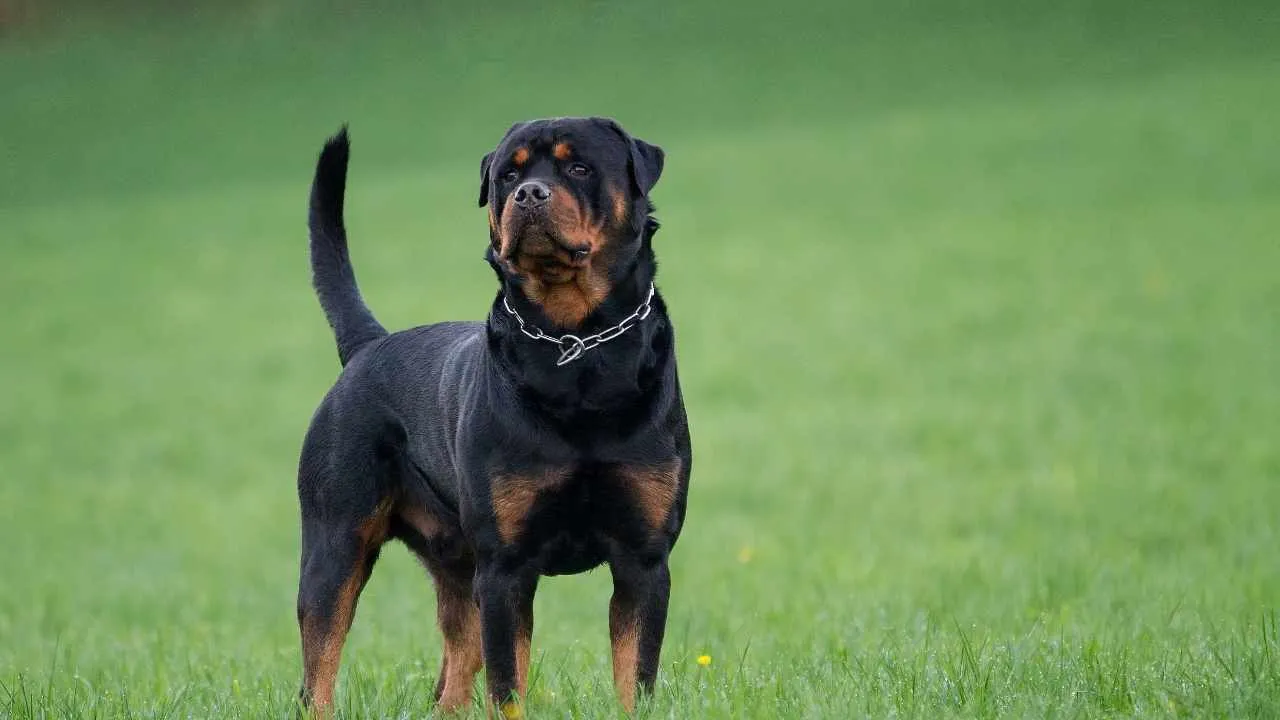
These large dogs are descendants of mastiffs from ancient Rome. A Rottweiler has a broad head, short fur, and wide-set eyes. They are strong members of the working group with many talents. People value them for their intelligence and protective instincts.
Rottweilers can be prone to many different health problems. Routine veterinary exams are essential for keeping this breed healthy. Pet insurance may be a good investment for a new puppy. Staying ahead of medical issues can extend their time.
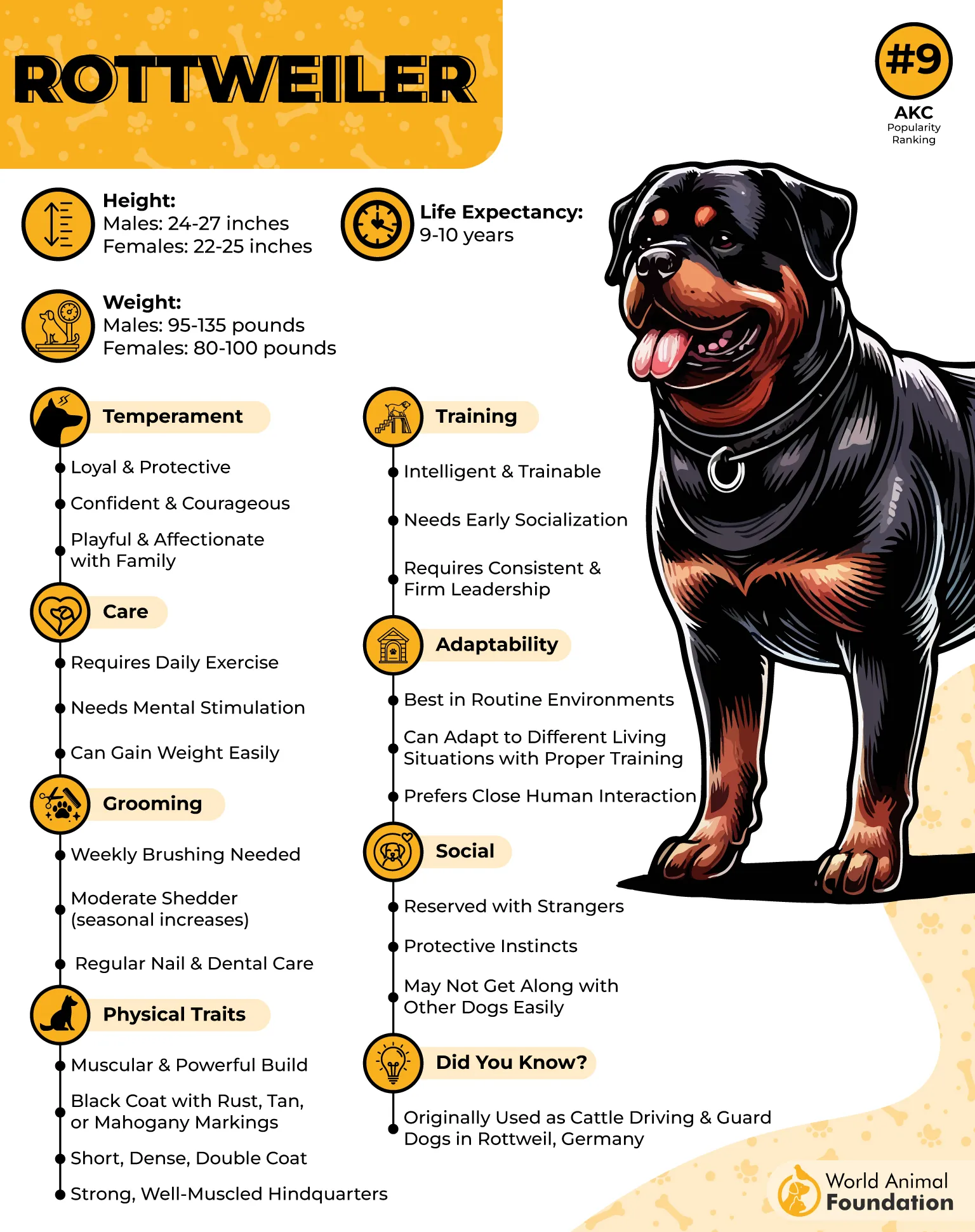
Their size puts more stress on joints and vital organs. This factor contributes to a shorter lifespan than smaller dog breeds. Interestingly, females tend to live slightly longer than males. They often gain an extra year or two of life.
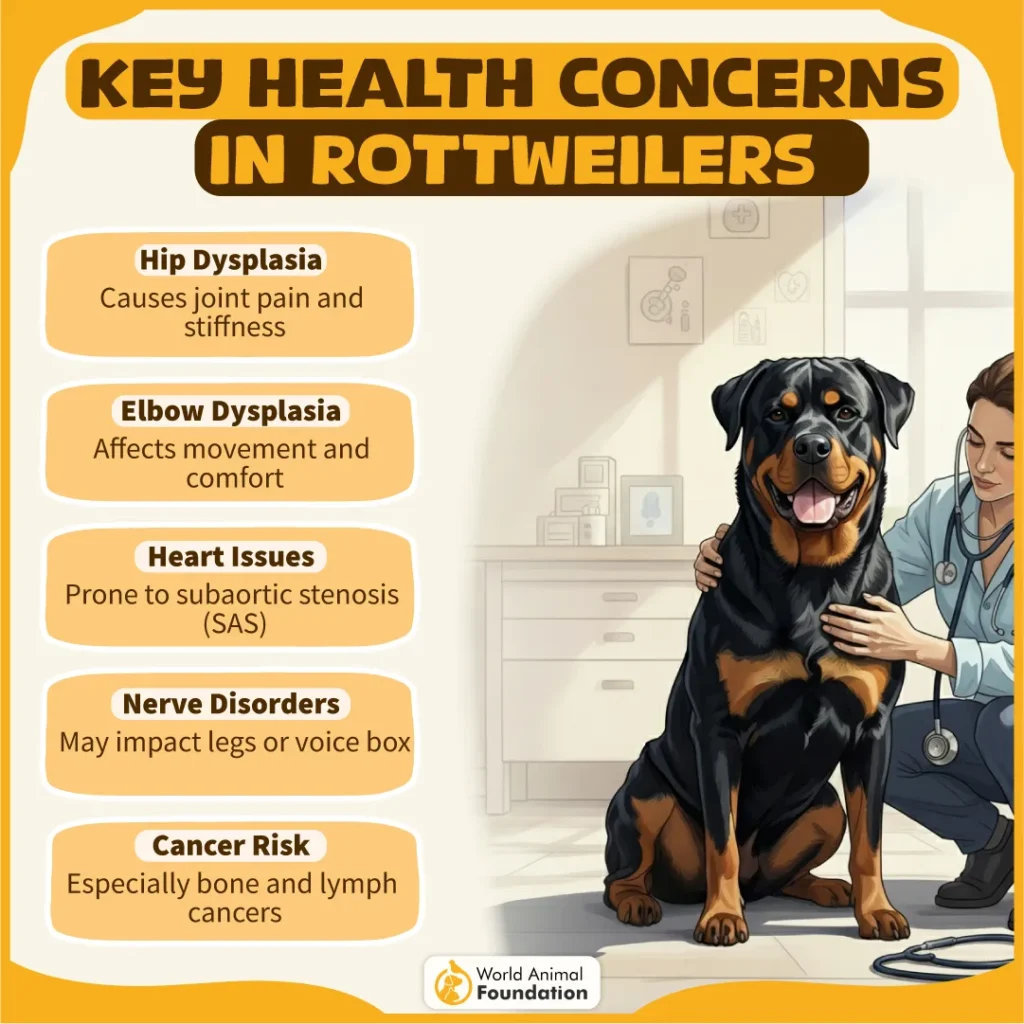
A responsible breeder will run screenings for the healthiest puppies. However, there is still a chance they inherit specific conditions. Watch for issues like the ones listed below as they age. Early detection is the key to managing these serious risks.
Common Health Issues
Osteochondritis
Osteosarcoma
Bone cancer
Conclusion
Loving a large companion often means accepting a painful truth. Their time feels shorter, no matter how full of loyalty and warmth it is. Every shared moment carries extra weight, because goodbye always comes sooner than expected.
Health challenges, genetics, and sheer physical demands quietly shape their lives. Even with the best care, some struggles cannot be avoided. This reality can feel unfair, especially when they give so much love without asking for anything back.
Still, their lives are not defined by length alone. What truly matters is comfort, kindness, and presence. Cherishing ordinary days, gentle routines, and simple affection can make their shorter journey deeply meaningful and unforgettable.
