




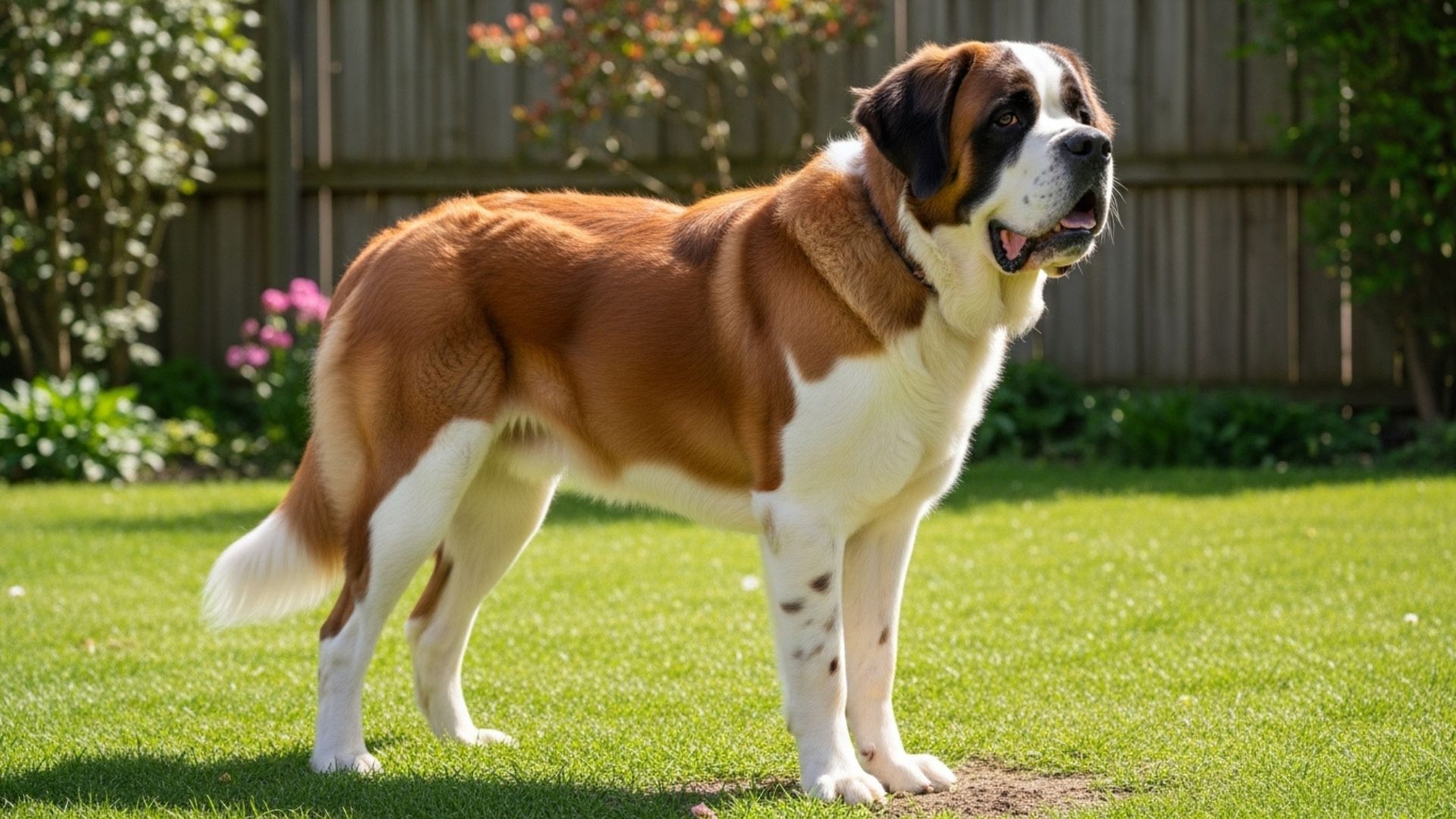
Owning a dog is more than a joy—it’s also a heartbreak waiting to happen. The love, the cuddles, the wagging tails… they fill our lives with happiness. But given their woefully short lifespans compared to ours, the hardest reality is that some dogs leave us far too soon.
On top of that, certain breeds have even shorter life expectancies than others, and that can be especially nerve-wracking for families and first-time owners.
Larger breeds often age faster and face more health complications, while smaller dogs tend to live longer. Still, even short-lived dogs are wonderful companions who leave lasting memories.
According to PetMD, factors such as obesity, lack of exercise, and delayed veterinary care can significantly shorten a dog’s life, making everyday choices critical to their well-being.
As noted by the American Kennel Club, average lifespan varies widely: small dogs can live 10–15 years, while large dog breeds often live only 8–10 years, largely due to their rapid growth and organ stress.
Despite these challenges, good care, early detection of health problems, and a balanced lifestyle can improve a dog’s quality of life. Understanding these realities allows owners to set realistic expectations and provide the best possible companionship.
With that in mind, let’s explore 7 dog breeds and the realities of their short lifespans.
Dog Breeds & the Realities of Their Short Lifespans
1. Bernese Mountain Dog

The Bernese Mountain Dog, also affectionately called the Berner, has a long history as a farm and working dog in the Swiss Alps. Originally bred for pulling carts and guarding livestock, this gentle giant has captivated families worldwide. But beyond their charming presence, Berners face serious health challenges tied to their genetics.
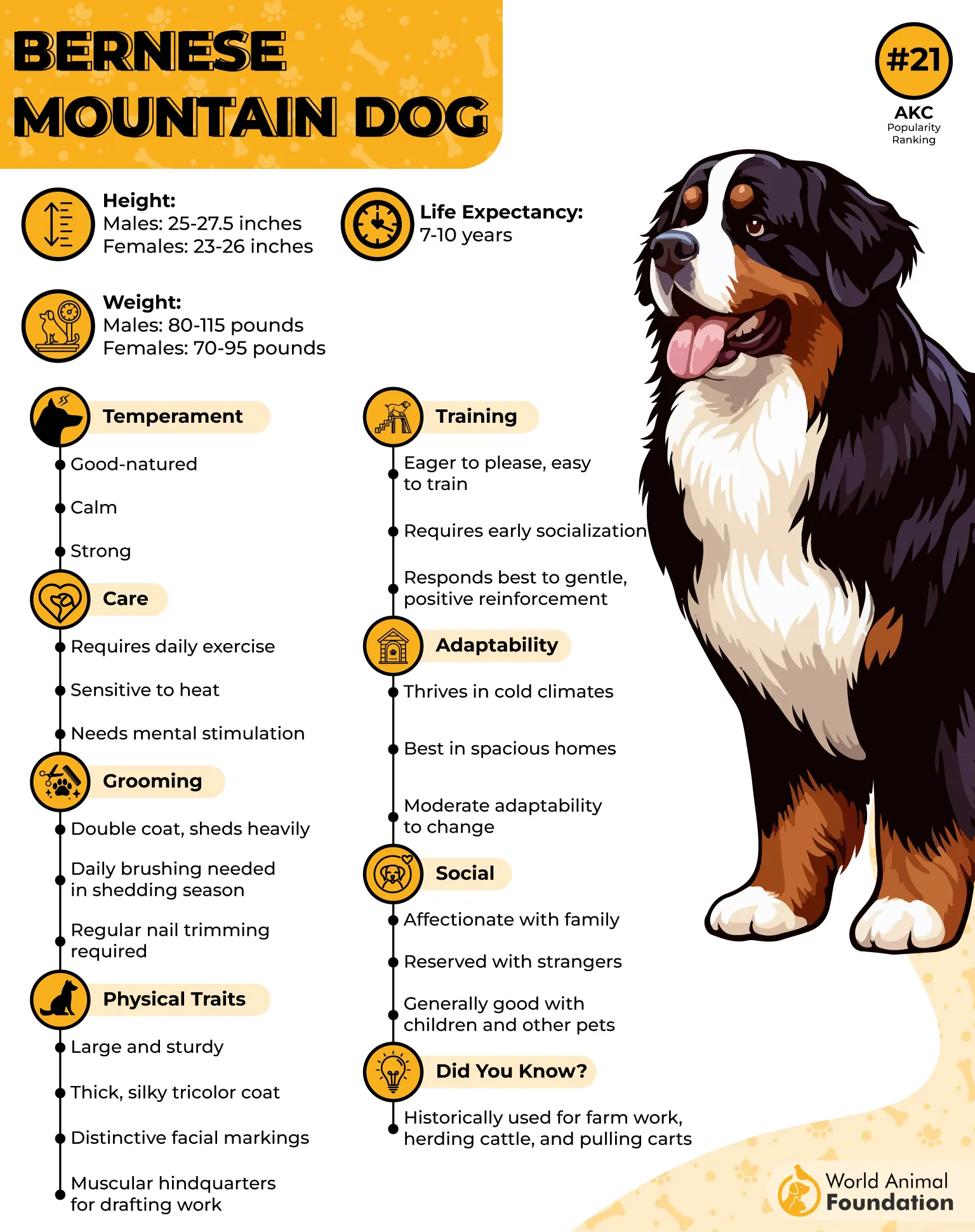
Health Issues
Strong family lines and limited gene pools: Inherited traits increase vulnerability to certain illnesses.
High risk of cancers and joint issues: Bone cancer and canine hip dysplasia are common at an early age.
Blood disorders: Some Berners develop blood-related health problems due to genetic predisposition.
Importance of responsible breeding: Choosing dogs from ethical breeders reduces the risk of passing down serious conditions.
Early vet visits matter: Regular screenings and checkups help detect life-threatening diseases sooner, improving outcomes.
Bernese Mountain Dogs are especially prone to certain cancers and other inherited disorders, making proactive veterinary care essential.
2. Saint Bernard
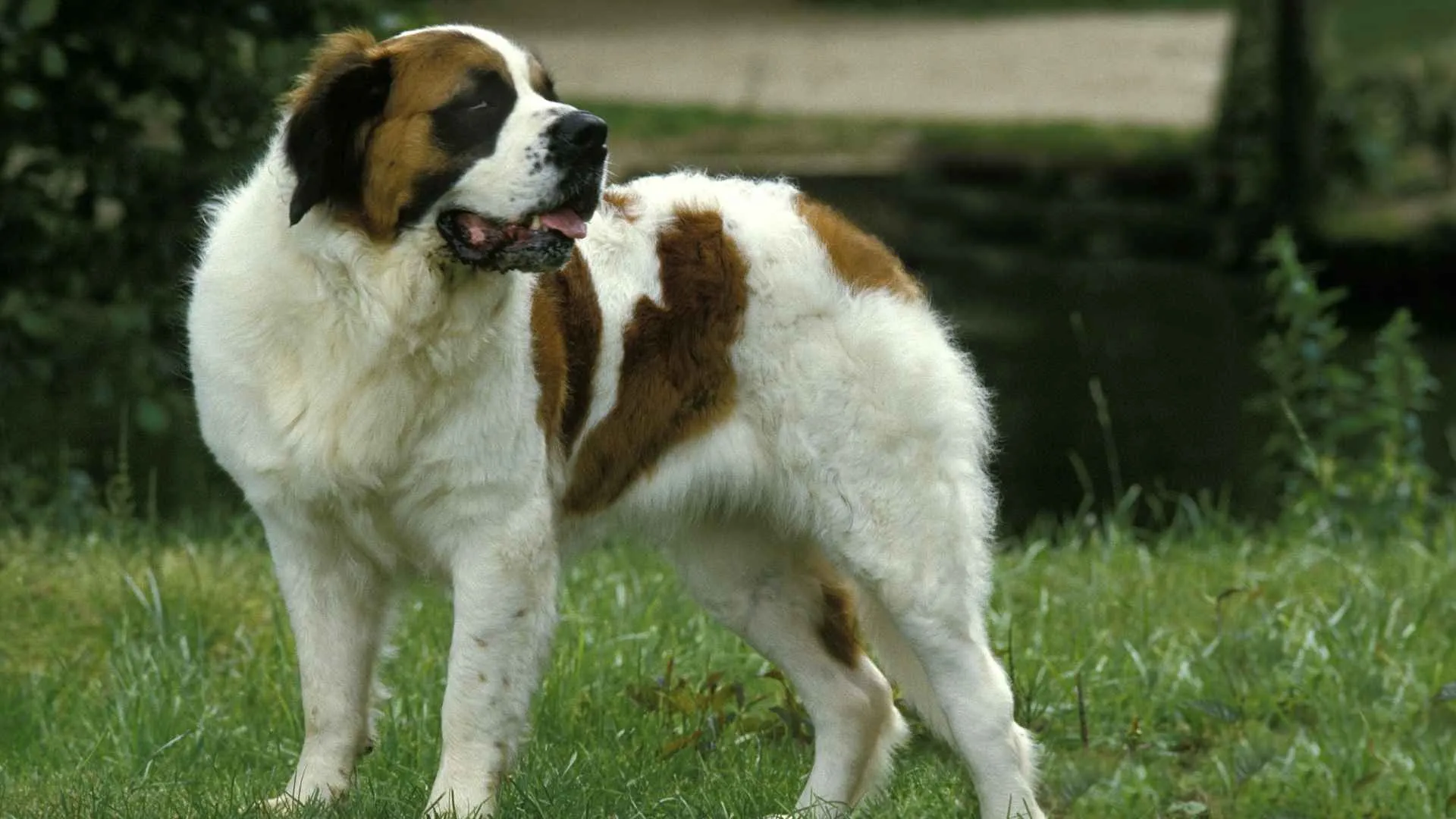
The Saint Bernard is famous for its calm and gentle temperament. These amazing dogs are incredibly patient, affectionate, and often form strong bonds with families.
Known for their reliability and loyalty, they are protective without being aggressive, making them wonderful family pets. Their easygoing personality, however, masks the physical challenges that come with being such a massive breed.
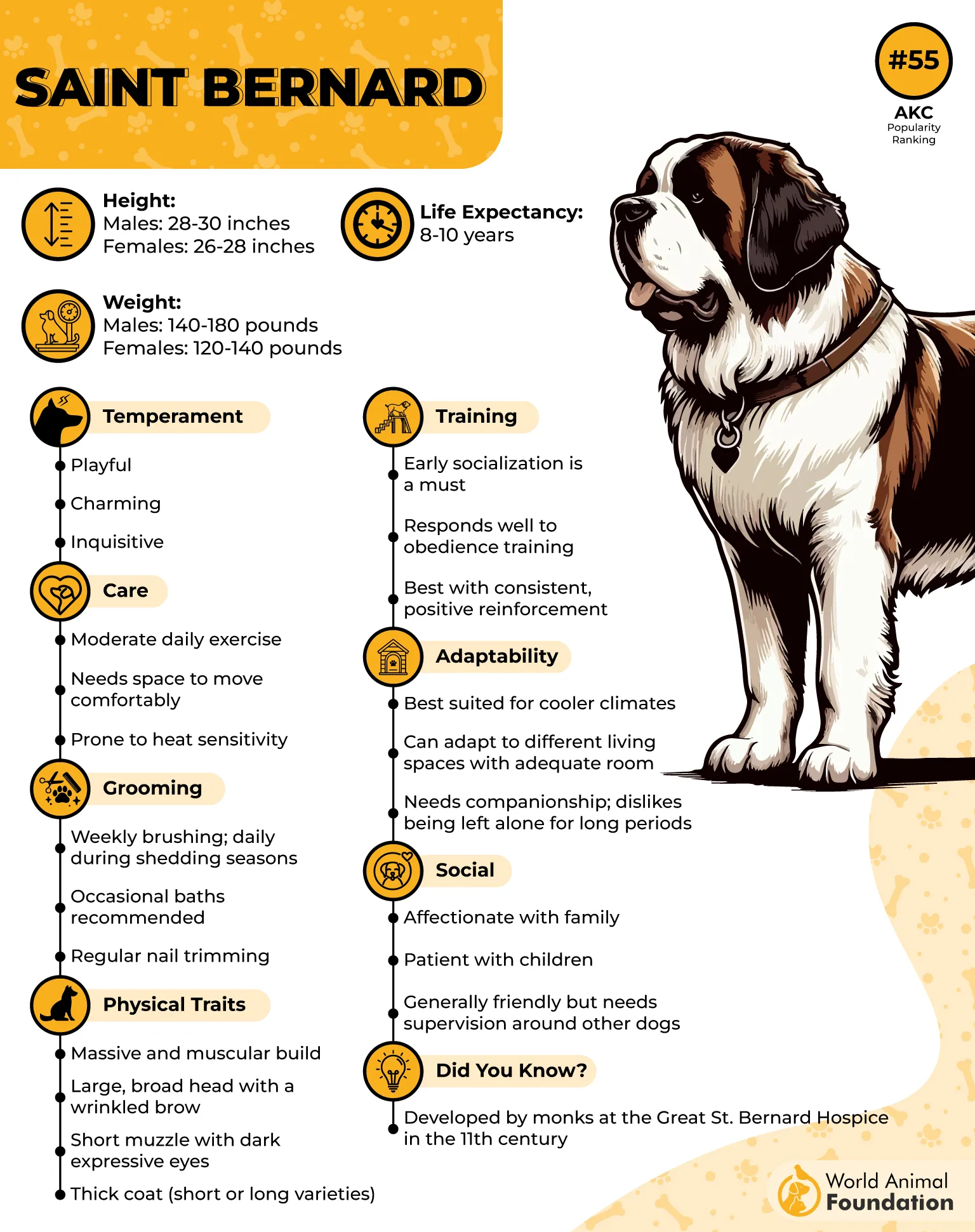
Health Issues
Accelerated growth and massive body structure: Saint Bernards grow fast and become very large, which puts extra stress on developing bones and joints.
Rapid puppy growth stresses bones: When giant breed puppies grow too quickly, their bones and cartilage can struggle to keep up, leading to future joint problems.
Hip and elbow dysplasia risk: These dogs are prone to hip and elbow dysplasia, a condition where joints form improperly, often causing pain and mobility issues later in life.
Joint strain and skeletal pressure: Carrying a heavy frame puts constant pressure on limbs, making weight control vital.
Weight control from a young age: Maintaining a healthy weight reduces extra stress on joints.
Long-term joint support strategies: Feeding a large-breed diet rich in glucosamine, chondroitin, and omega‑3 fatty acids helps protect cartilage and support mobility as they age.
With the right nutrition and careful weight management, Saint Bernards can enjoy their gentle nature while minimizing the strain of their massive bodies.
3. Great Dane
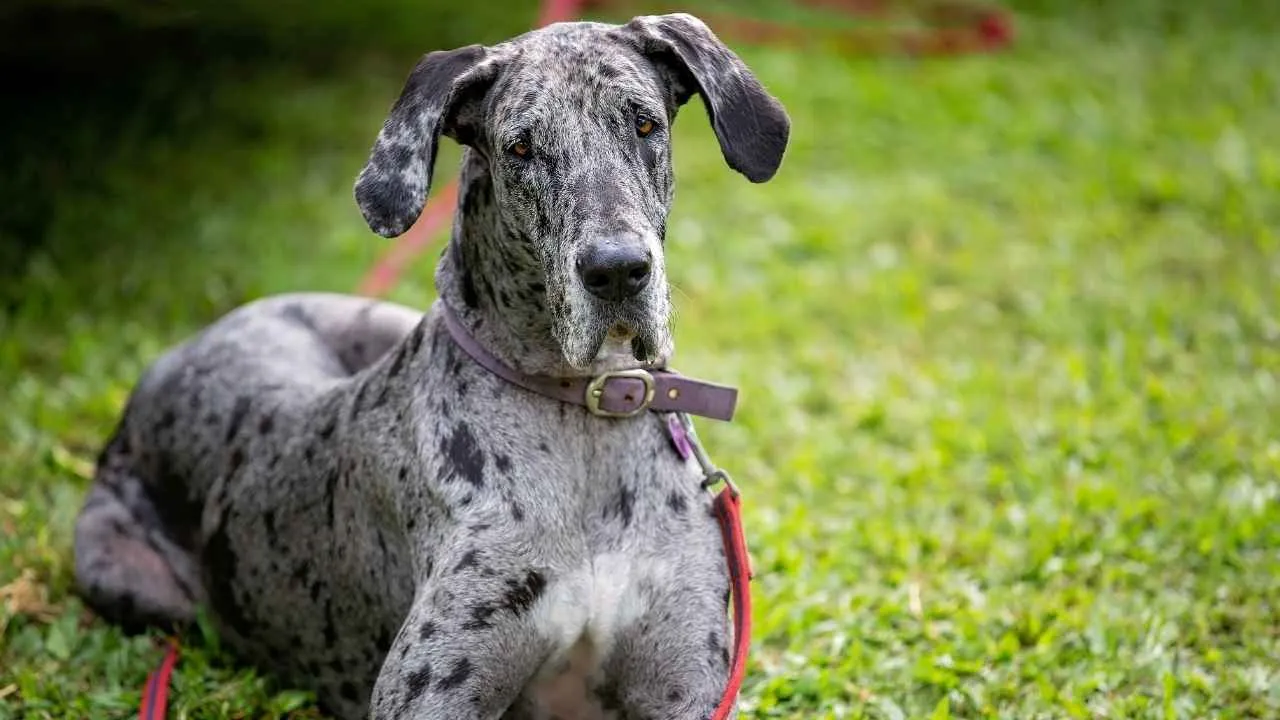
Often called “larger than life,” the Great Dane is a truly impressive dog with a commanding presence. These gentle giants stand tall, with long legs and deep chests that make them among the tallest dog breeds in the world.
According to Wikipedia, Great Danes are also prone to certain serious health problems, including dilated cardiomyopathy and congenital heart disease, which affect how their hearts work and can influence their life expectancy.
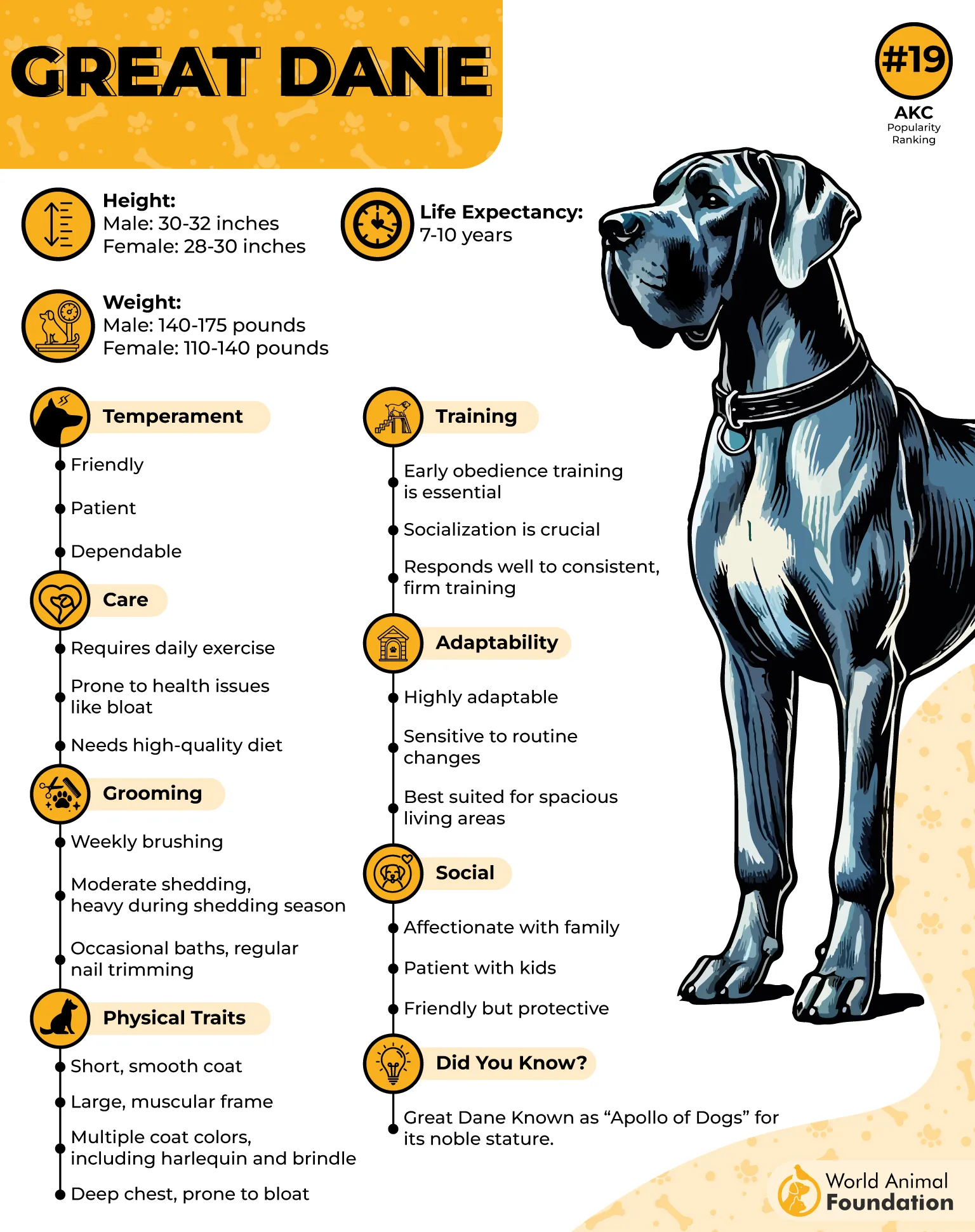
Health & Heart Risks
Cardiac disease and internal organ strain: Great Danes have large bodies that place extra demands on their internal organs, especially the heart, which must pump blood through a huge frame.
Dilated cardiomyopathy risks: This heart condition weakens the heart muscle and reduces its ability to circulate blood efficiently, making the dog more prone to weakness, fatigue, and sudden complications.
Wide, tall frames challenge circulation: Their tall, deep‑chested build requires a strong circulatory system, but this very design can strain the heart and joints, contributing to conditions like hip dysplasia in some cases.
Large hearts working harder: A Great Dane’s heart works much harder than that of smaller breeds, simply to keep up with the metabolic needs of its body.
Sudden cardiac complications: Without early detection, heart issues may escalate quickly, sometimes without clear warning signs.
Importance of heart screening: Annual veterinary heart screenings, such as echocardiograms, help catch early changes and guide healthier long‑term heart care.
Calm routines reduce stress: Gentle activity, low‑stress environments, and moderation in exercise all help reduce strain on the heart.
Great Danes are incredible dogs, but their internal challenges require thoughtful, proactive care to help them live their best lives.
4. Irish Wolfhound
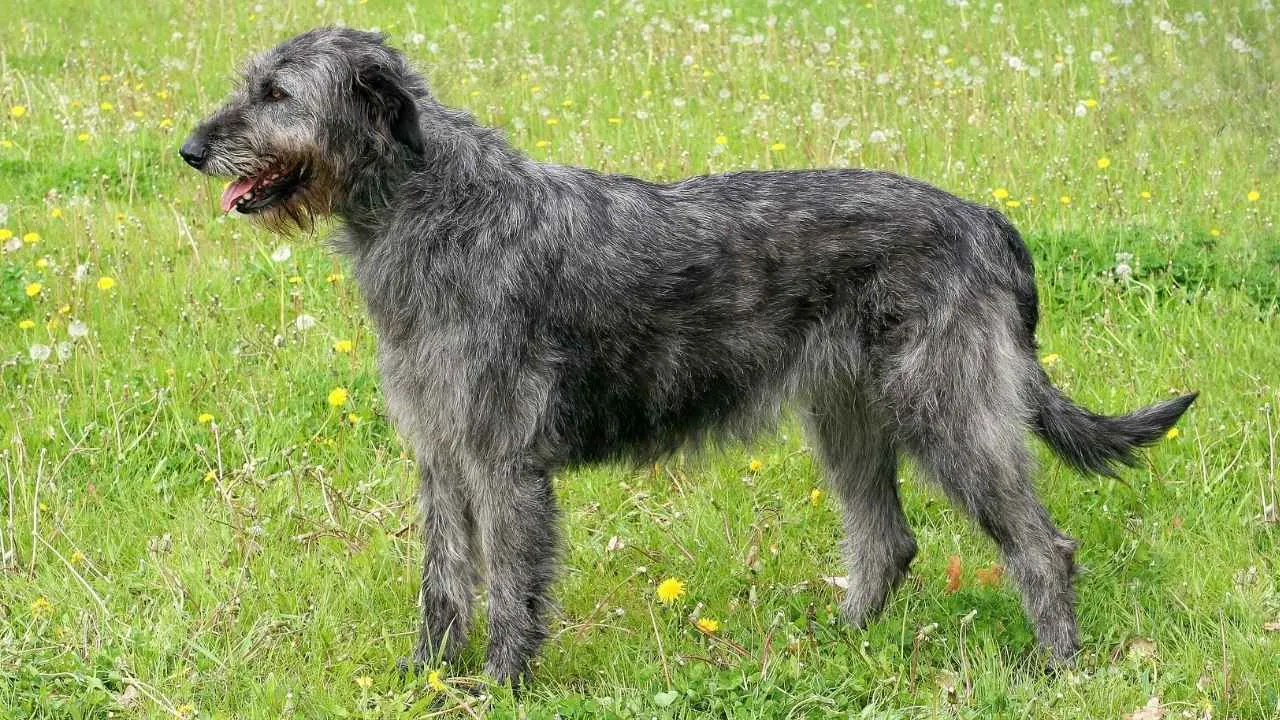
The Irish Wolfhound is one of the tallest dog breeds in the world. Originally bred to hunt wolves and protect land in Ireland, these dogs have a long history of strength and purpose.
Today, they are beloved family companions, known for their gentle nature and noble stature. But their massive size comes with a hard truth about aging and lifespan.
According to PDSA, Irish Wolfhounds have an average lifespan of under 10 years, which is short compared to many other dogs and even more so compared to smaller breeds.
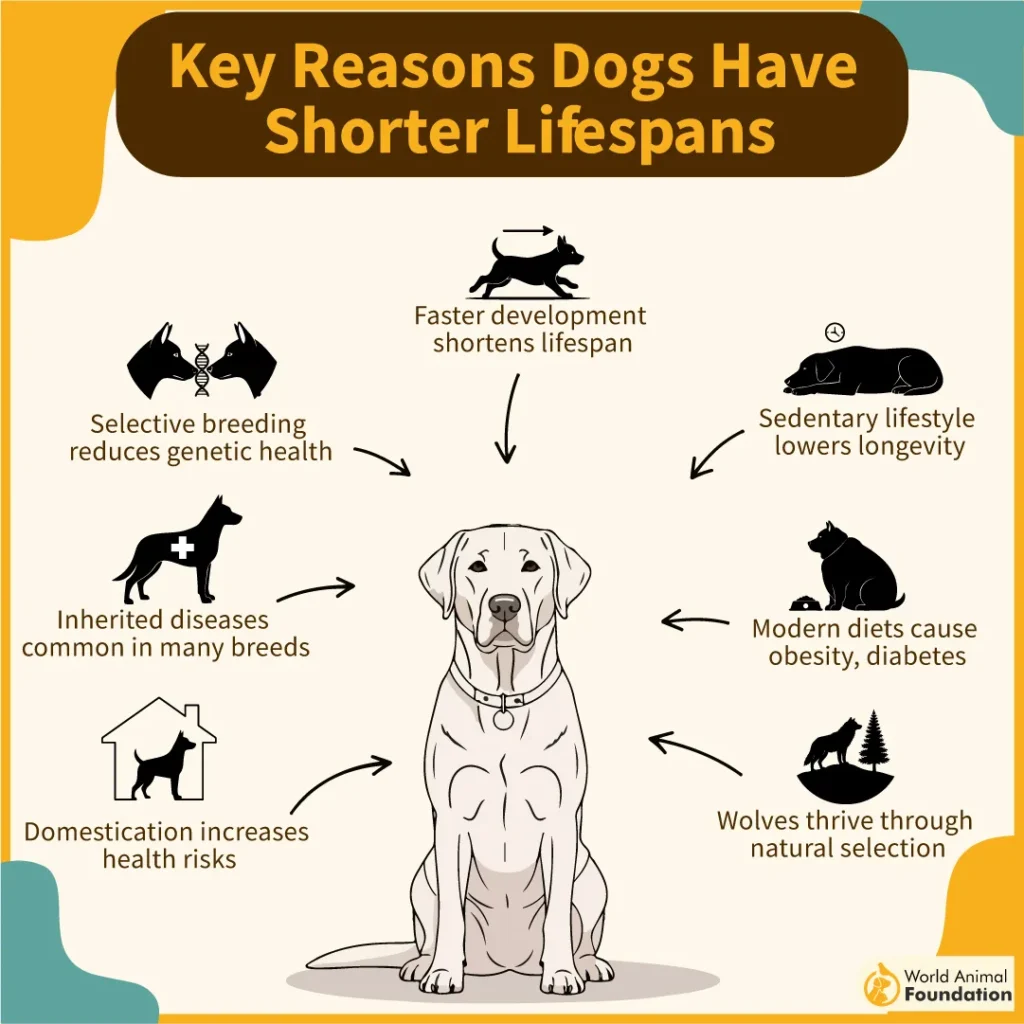
Health & Aging Challenges
Fast internal aging: Large dogs like Irish Wolfhounds age more quickly inside their bodies, which can lead to a shorter life even with good care.
Shortened lifespan despite care: Their immense size places stress on organs and cells, making health decline faster than in smaller dogs.
Cellular stress from extreme size: Carrying such a large frame increases internal wear and tear, contributing to the early onset of age‑related issues.
Dogs live fewer years but age faster: Most Irish Wolfhounds reach what is considered “senior” at a younger age than many breeds, meaning changes in health can appear sooner.
Early senior‑stage symptoms: Signs such as stiffness, reduced play, and changes in appetite may appear early and should prompt veterinary attention.
Importance of early detection: Regular checkups help detect problems early, improving comfort and quality of life.
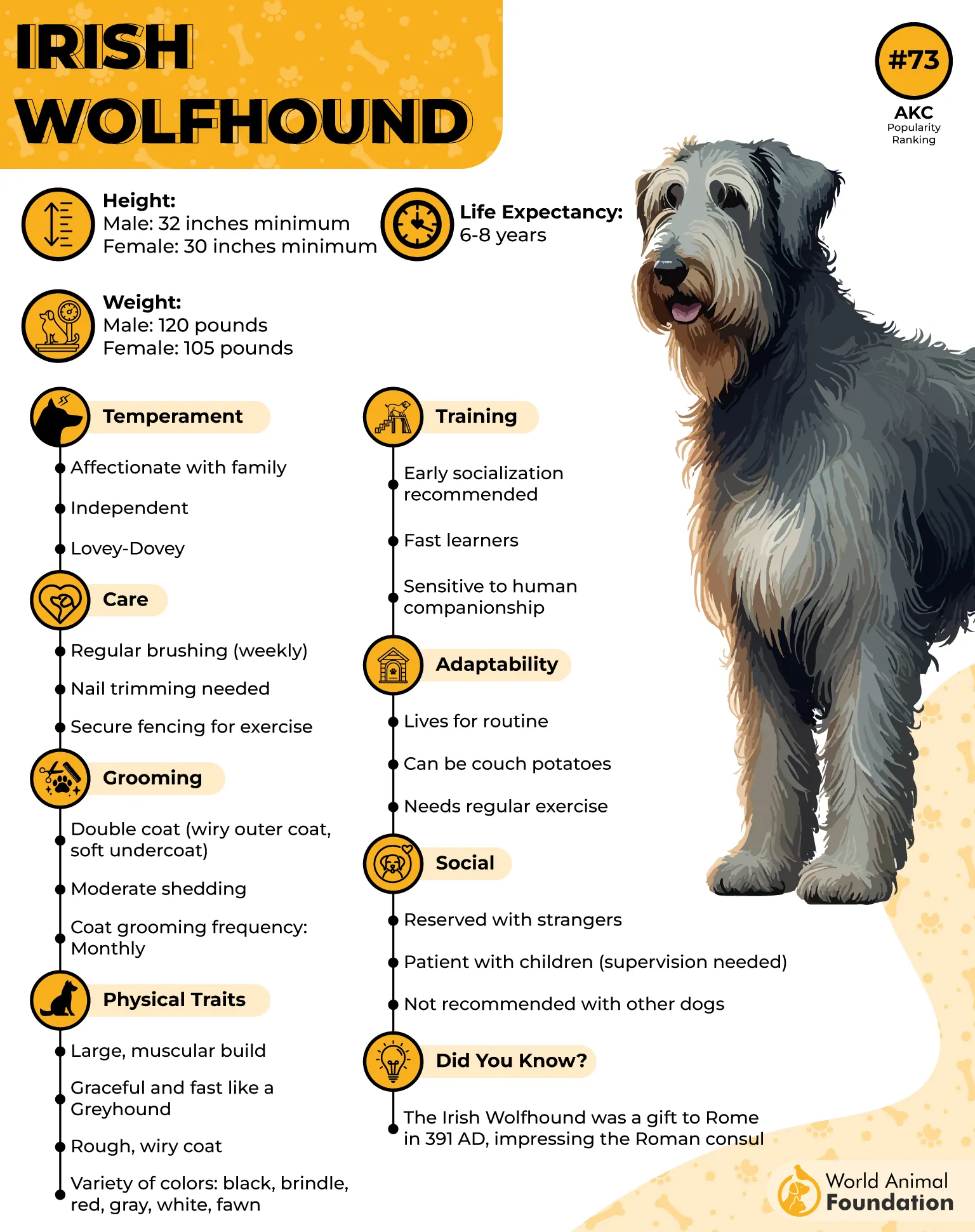
Irish Wolfhounds are magnificent, gentle giants, but understanding how quickly they age and why regular care matters will help you give them the best life possible in their short time with us.
5. Rottweiler
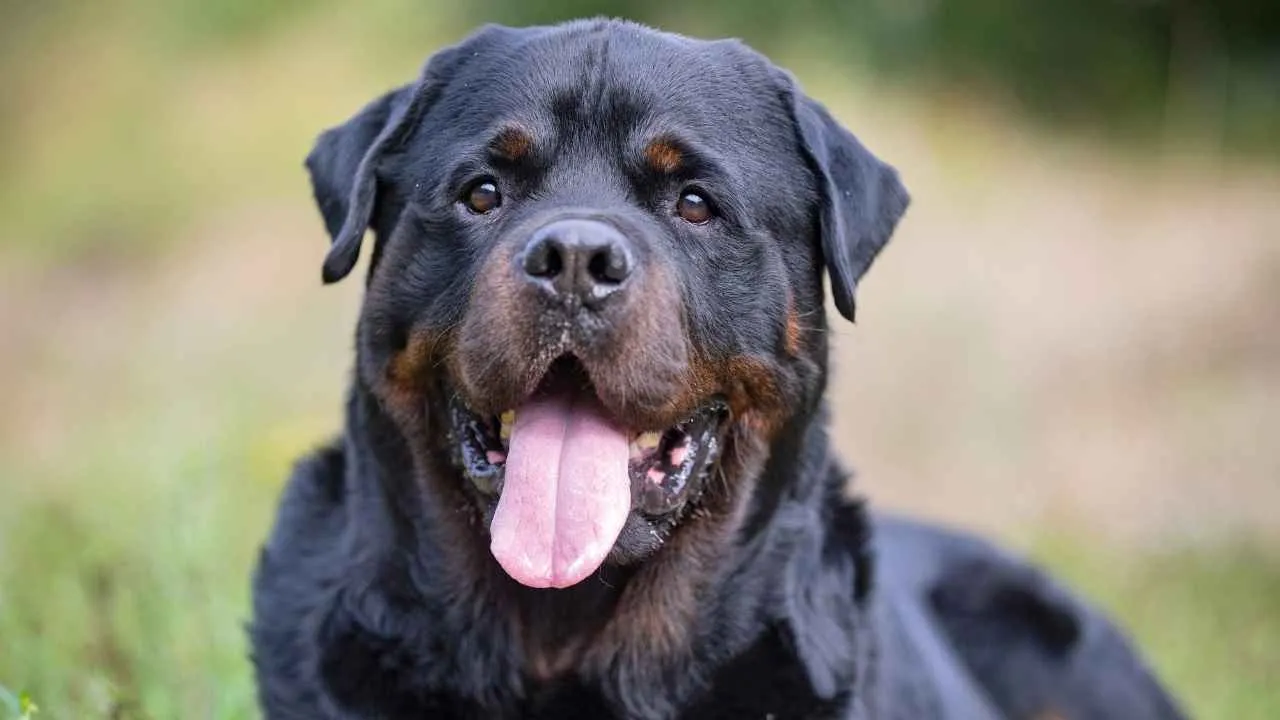
The Rottweiler is known for its natural protective instincts and loyalty. Historically bred to herd livestock and guard property, this confident dog takes its role seriously.
With the right training and early socialization, a Rottweiler can be a devoted breed and gentle companion who watches over family members with calm assurance.
But even strong dogs like Rottweilers face serious health risks that aren’t about temperament or training — they come from within their bodies.
According to Orvis, Rottweilers are generally sturdy and powerful, but they are also prone to common health concerns, including cancer and other serious conditions that impact lifespan.
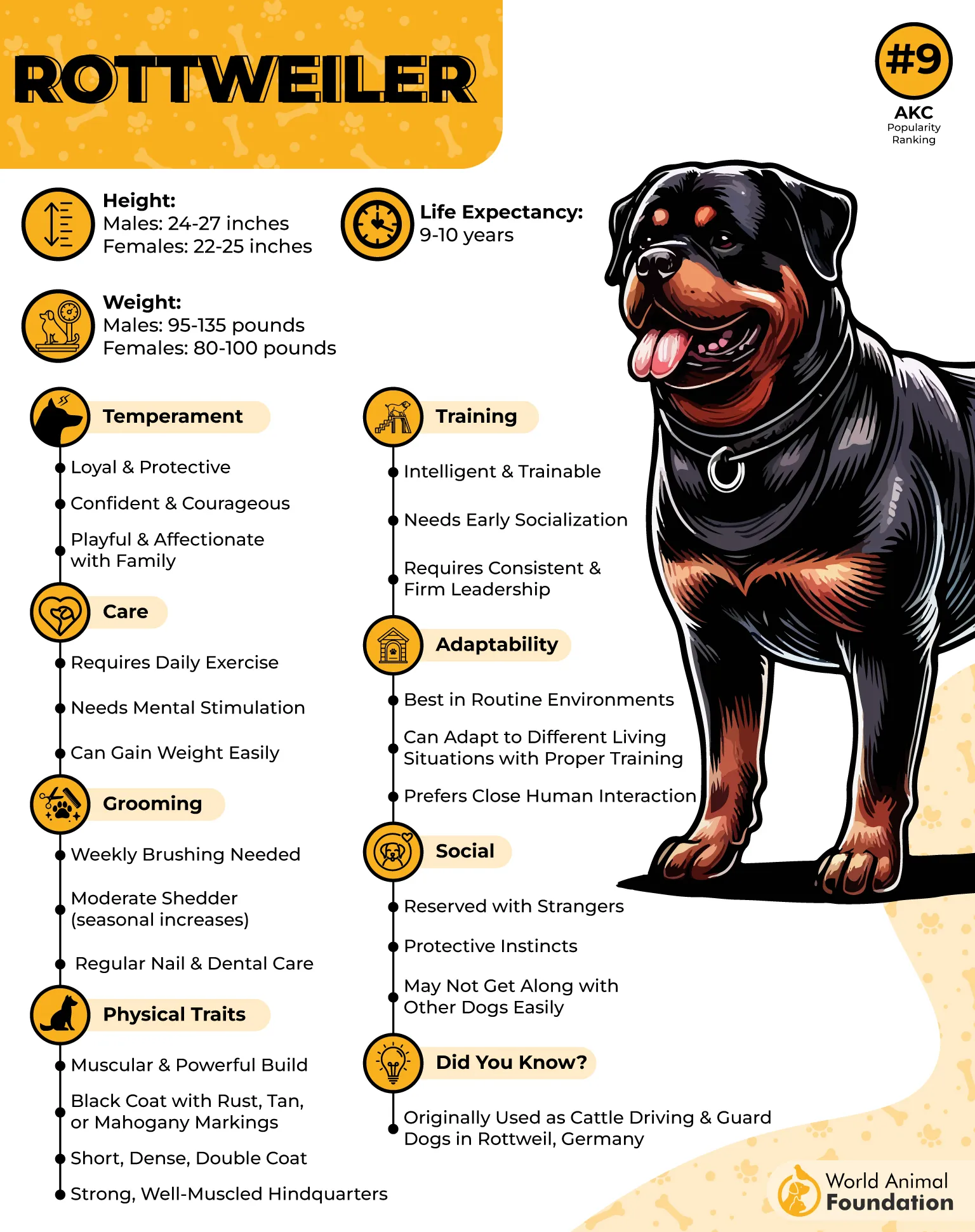
Health & Cancer Concerns
Bone cancer prevalence: Osteosarcoma, a malignant bone tumor, is a well‑recognized risk in Rottweilers and affects many dogs in the breed.
Immune system pressure: Rottweilers also show higher rates of blood‑related cancers like lymphoma, suggesting their immune systems face heavy genetic burdens.
Role of genetics and environment: A dog’s genetic makeup plays a major part in cancer risk, and studies show this breed’s lineage can influence how likely health problems are to occur.
Why strong dogs still face serious risks: Despite muscle and strength, the Rottweiler’s size and inherited traits make them vulnerable to serious illnesses that require close monitoring.
Preventive care importance: Regular veterinary exams, early tumor screening, and routine blood work help catch problems sooner, giving dogs a better chance at treatment.
Preventive care importance: Regular veterinary exams, early tumor screening, and routine blood work help catch problems sooner, giving dogs a better chance at treatment.
Maintaining a healthy weight: Keeping a Rottweiler fit and at the right weight helps reduce stress on the body and supports overall health.
Understanding these breed‑specific health trends helps owners make informed decisions about care and early detection — key steps in helping these protective dogs live healthier lives.
6. Bullmastiff

The Bullmastiff is a wonderful family dog with a calm, devoted temperament. Bred in England as a working guard dog, these gentle giants bond deeply with their people and are often patient and affectionate with children and adults alike.
Their protective nature makes them loyal companions who enjoy being part of the home and family life. The Bullmastiff was developed in England in the 19th century by crossing the Mastiff with the Bulldog to create a powerful, steady guardian dog with a reliable temperament.
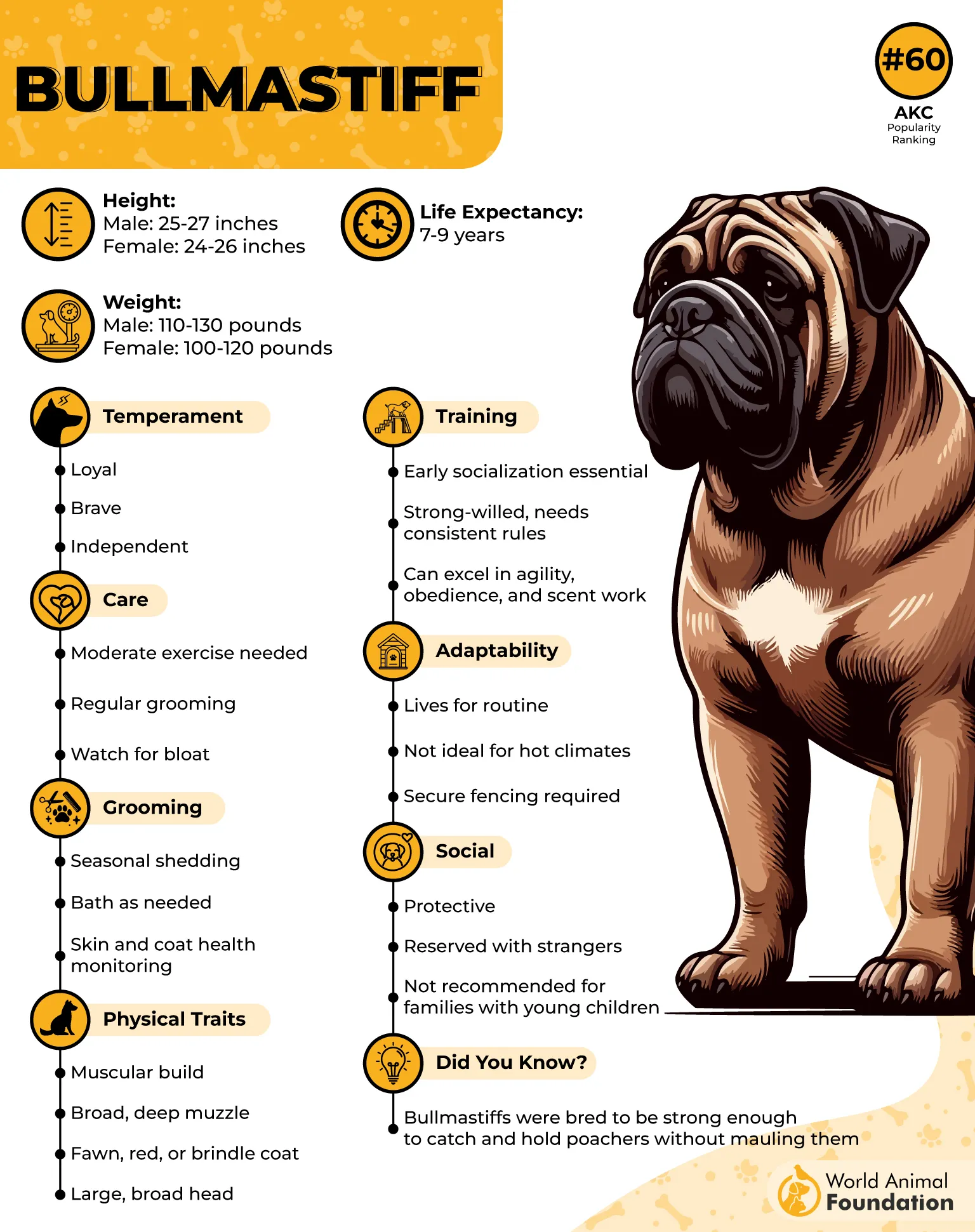
Health & Breathing Challenges
Brachycephalic traits: Bullmastiffs have a short, broad muzzle and a flattened face, both classic brachycephalic breed features.
Respiratory difficulties: These shortened airways can make breathing harder, especially when the dog is excited or trying to cool down.
Heat intolerance: Bullmastiffs are less tolerant of warm weather because they don’t pant as efficiently as long‑nosed breeds.
Oxygen stress: With reduced airflow, they can struggle to get enough oxygen when it’s hot or humid.
Higher risk during warm weather: On hot days, these dogs can overheat faster than many other breeds, so careful temperature monitoring is essential.
Calm indoor lifestyles: Cool, shaded spaces and air‑conditioned rooms help keep these dogs safe and comfortable.
Cooling and monitoring strategies: Providing water, shaded rest areas, cooling vests, and short, gentle walks during cooler parts of the day can help reduce breathing stress.
Understanding these unique health needs helps ensure that Bullmastiffs enjoy a safe, loving life with their families — even when temperatures rise.
7. Dogue de Bordeaux
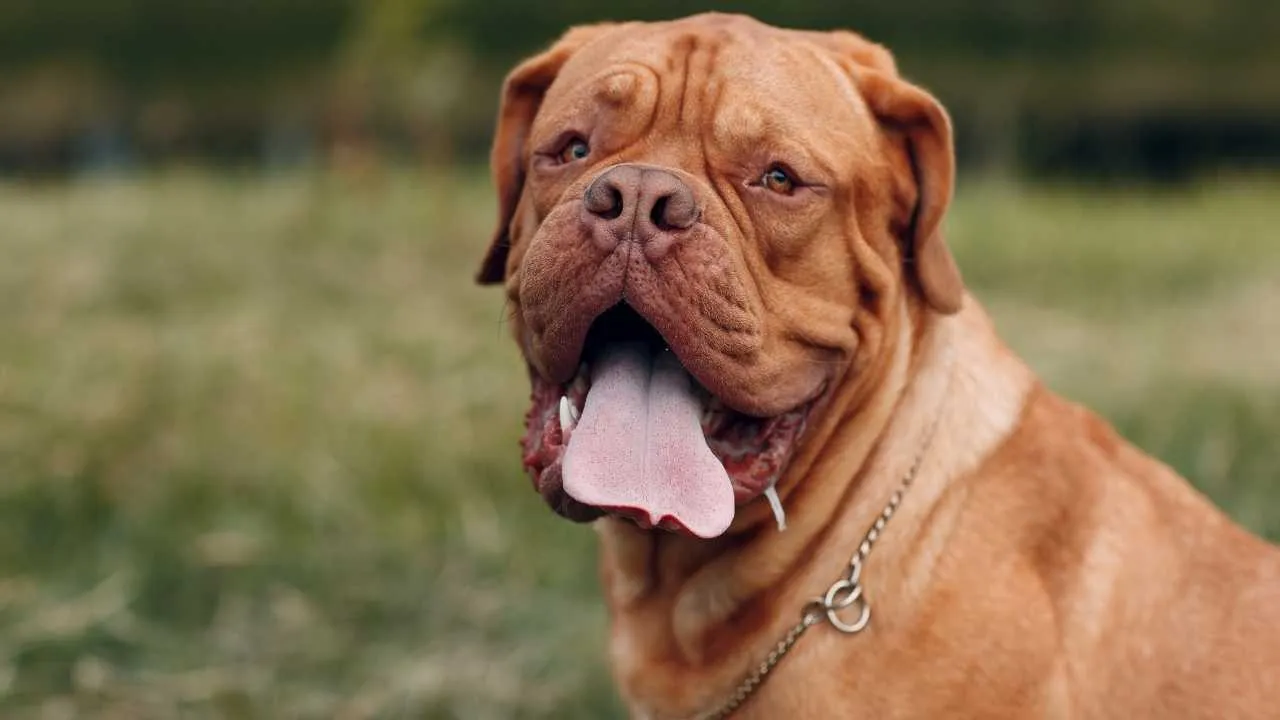
The Dogue de Bordeaux is a popular and powerful breed known for its massive head, broad chest, and impressive presence on walks and in backyard photos. Many families are drawn to its loyal nature and striking looks.
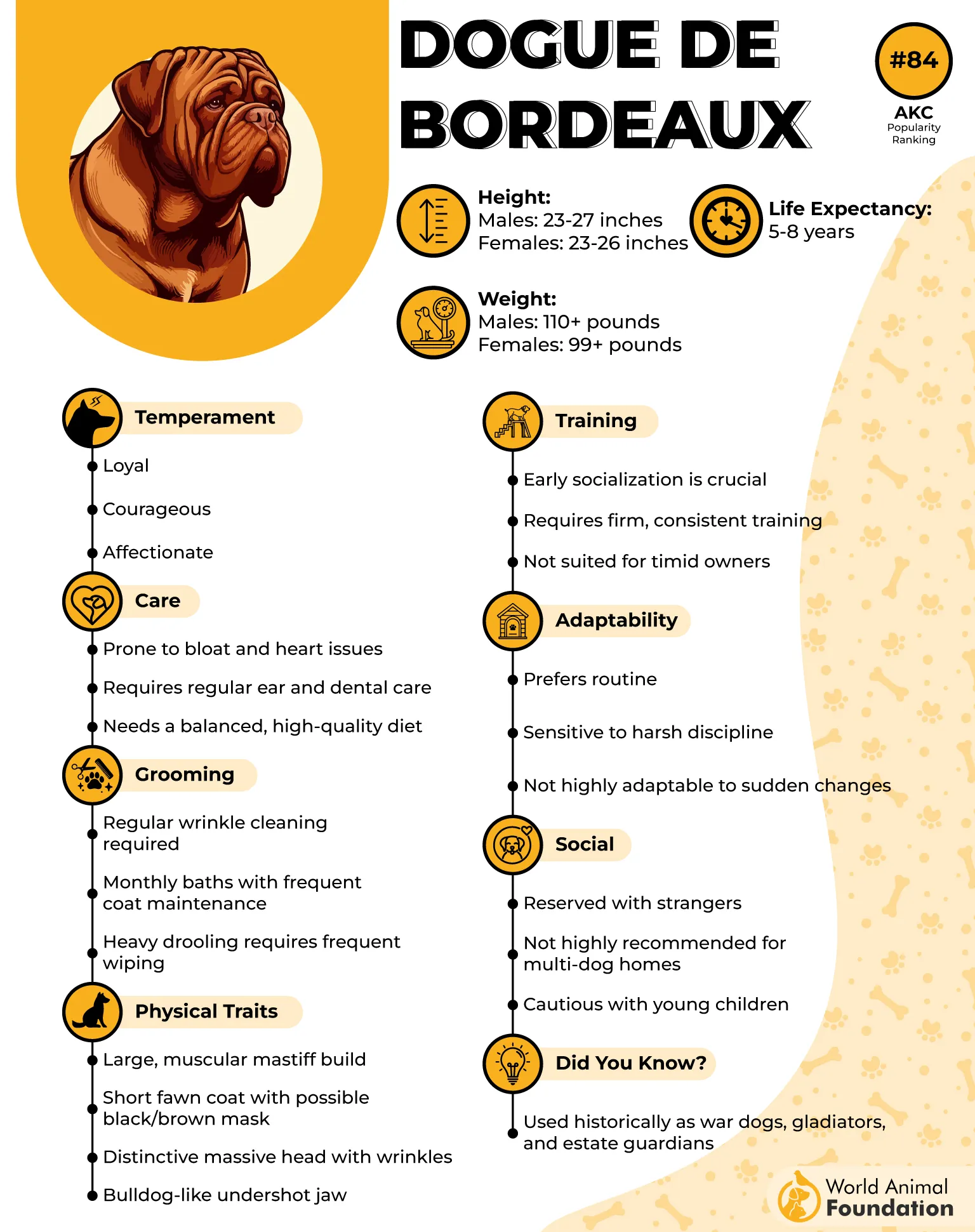
But beneath that solid frame lies a digestive system that needs careful attention, especially because of the breed’s unique body shape and internal risks. The Dogue de Bordeaux breed has a deep chest, which increases its risk of gastric torsion (bloat) and other digestive emergencies.
Proper feeding routines and close monitoring are essential for their well‑being.
Digestive Challenges & Safety
Gastric torsion and digestive risks: A deep, wide chest makes the stomach more likely to twist, cutting off blood flow and trapping gas — a life‑threatening emergency.
Loose skin and internal pressure: The folds and structure around the abdomen can contribute to internal pressure that stresses digestion.
Risk of bloat in massive chests: Bloat can occur suddenly and progress fast, especially after large meals or vigorous activity.
Feeding routines to reduce danger: Smaller, frequent meals and slow feeders help reduce the chance of rapid stomach expansion.
Signs owners should never ignore: Restlessness, unproductive retching, a bloated belly, or discomfort are all red flags needing immediate vet attention.
Preventive vet guidance: Regular vet checkups and personalized feeding plans help reduce emergency calls and support long‑term health.
Understanding these digestive risks helps owners act quickly and keep their Dogue de Bordeaux healthy and safe.
Conclusion
Shorter lives do not mean less love. While some dog breeds face shorter lifespans, the quality of years matters far more than the quantity.
Families and first-time owners can make informed, compassionate decisions by understanding breed-specific risks, prioritizing preventive care, and choosing dogs from responsible breeders.
Every dog, no matter their size or health challenges, deserves a full, happy life filled with love, attention, and comfort.
For those ready to welcome a dog into their lives, remember that even a few years of devoted companionship can leave lasting memories. With awareness, care, and heart, you can make every moment meaningful — creating bonds that truly endure.
