




Dogs bring joy, companionship, and unconditional love into our lives. Yet, behind their adorable faces lies a truth that every pet owner must consider: not all breeds live the same length of time. Understanding the factors that influence a canine’s lifespan can help owners make informed decisions about their furry friends.
Breed plays a significant role in longevity. According to research, mixed breeds have been reported to live 1.2 years longer than size-matched purebred dogs. Genetics, health predispositions, and lifestyle all intersect to determine how long a dog may live, making some breeds more prone to early canine health challenges.
Being aware of these realities allows owners to prepare emotionally and medically for their pets’ journey. Choosing the longest-living breed responsibly, coupled with proper care, can maximize the time spent with these beloved companions.
Dog Breeds & The Realities Of Their Longevity
Lifespan varies by breed, reminding us that love and care are as crucial as genetics.
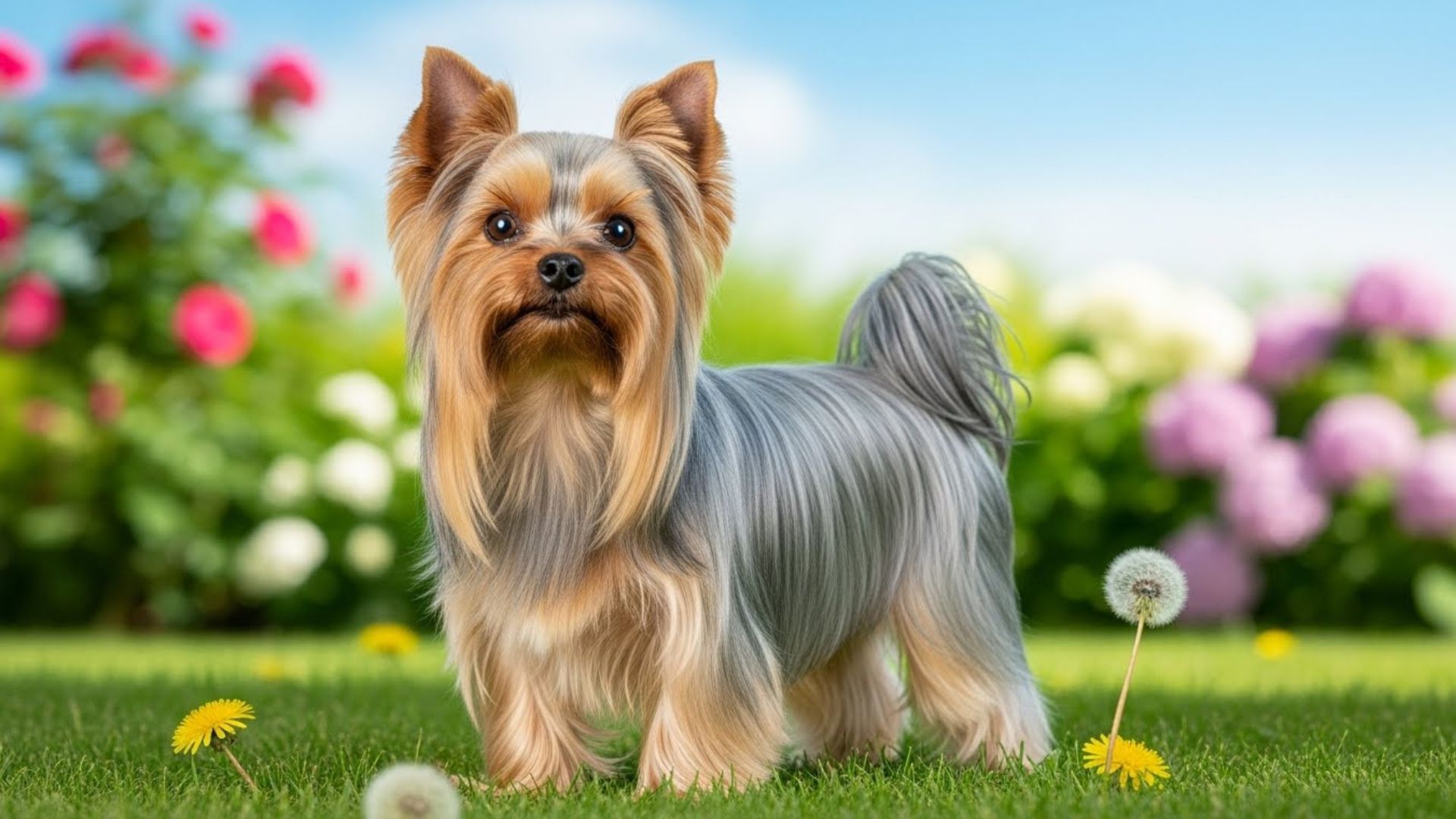
1. Yorkshire Terrier

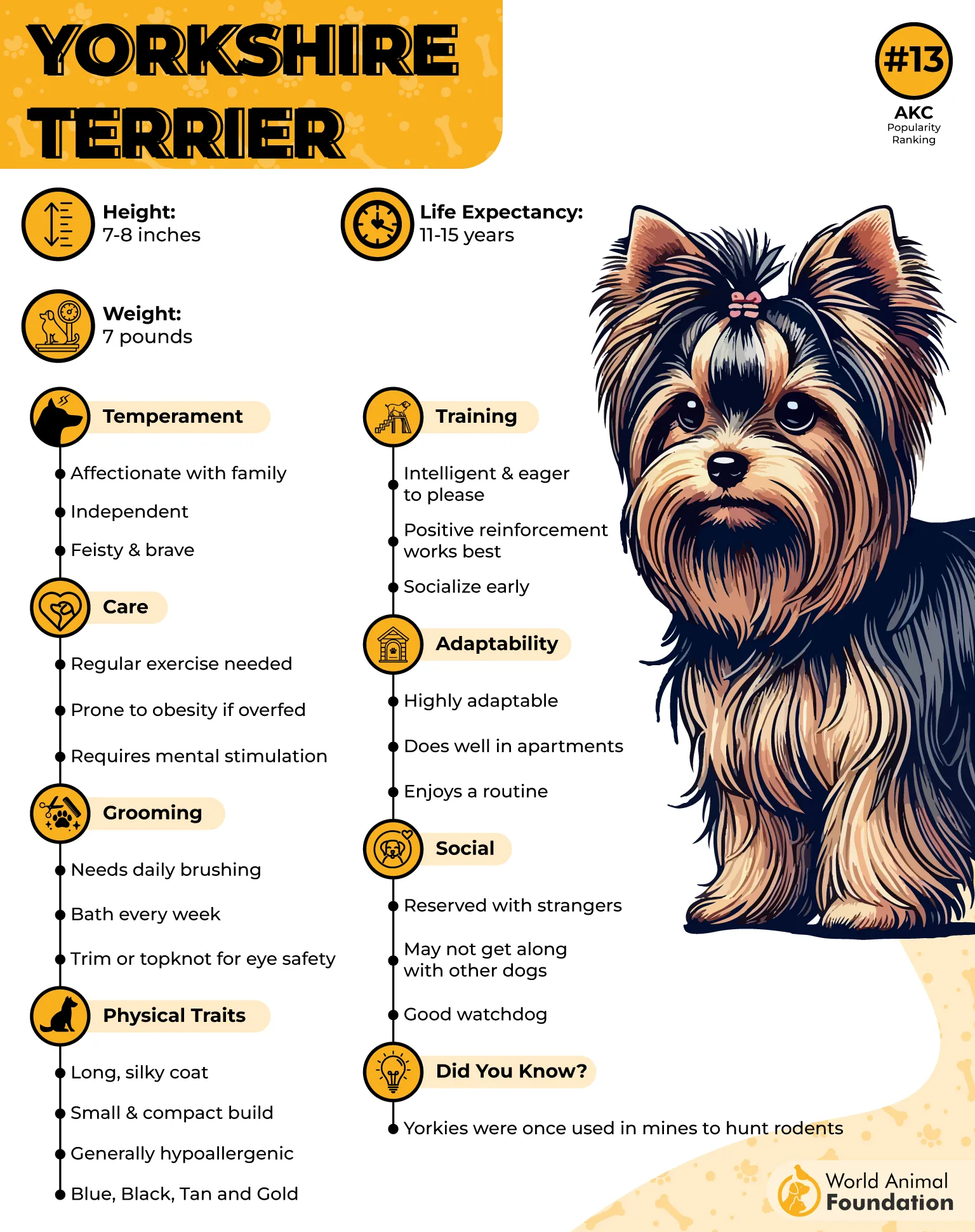
Beneath the Yorkie’s glossy, floor-length coat lies the spirit of a fearless little terrier. Once hunters of rodents in textile mills, these tiny companions now charm urban homes as lapdogs full of personality. Despite their seven-pound frame, Yorkies are bold, spirited, and full of attitude, making them unforgettable companions for years.
From Weavers’ Mills to Victorian Lapdogs
Originating in the mid-1800s in northern England, Yorkies were bred specifically by Scottish weavers to hunt vermin in tight spaces, according to PDSA. Over time, they became fashionable among Victorian ladies, shrinking in size to fit perfectly on laps.
Small Size, Big Personality
Their long blue-and-tan coats require daily grooming, and their delicate bodies need warmth in colder weather. Moderate exercise, socialization, and a nutrient-rich diet, sometimes supplemented with omega-3s, keep Yorkies healthy and lively.
Lifespan and Longevity Insights
Yorkies are long-lived, often reaching 12–16 years.
Their small size contributes to fewer age-related joint issues than larger breeds.
Hypoallergenic coats reduce allergy-related stress for both dog and owner.
Regular grooming and dental care are crucial to prevent long-term health problems.
Proper nutrition and mental stimulation enhance overall longevity and quality of life.
2. Finnish Lapphund
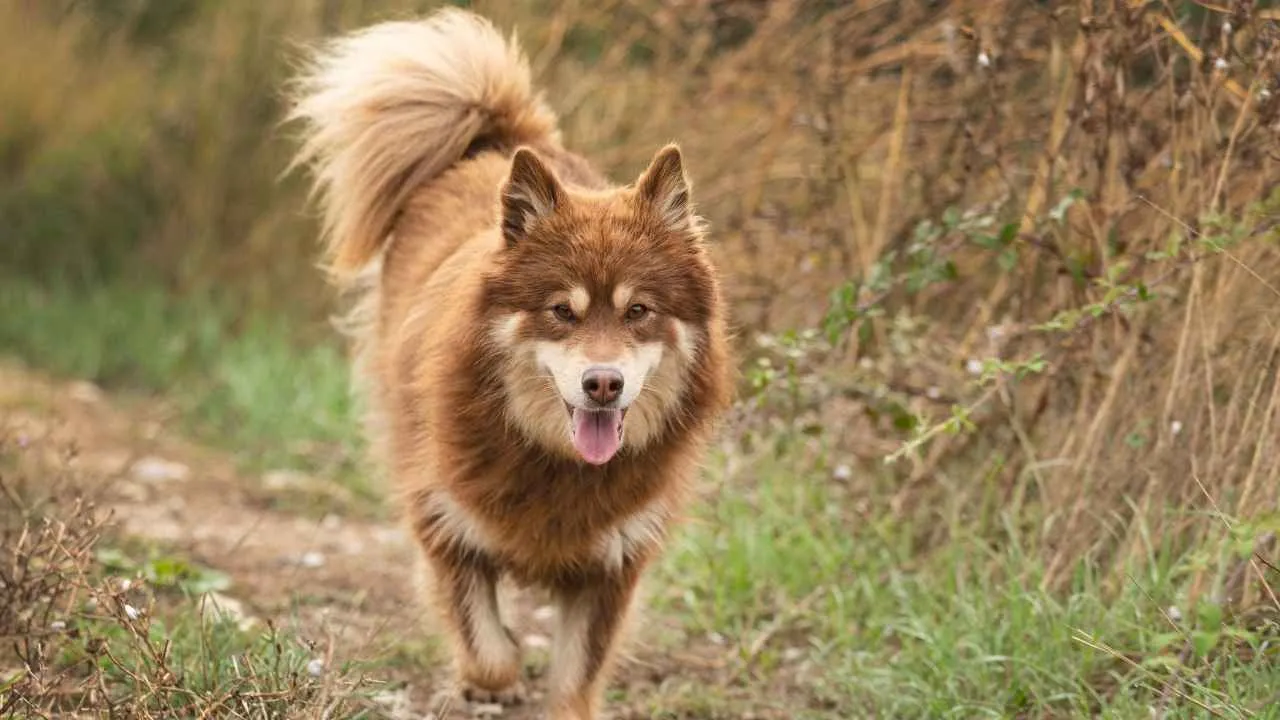
The Finnish Lapphund is a medium-sized, muscular dog built for the icy extremes of Lapland. With pricked ears, a curled plush tail, and a muscular frame hidden beneath a dense, fluffy coat, this spitz-type breed is as striking as it is resilient.
Smart, Loyal, and Alert
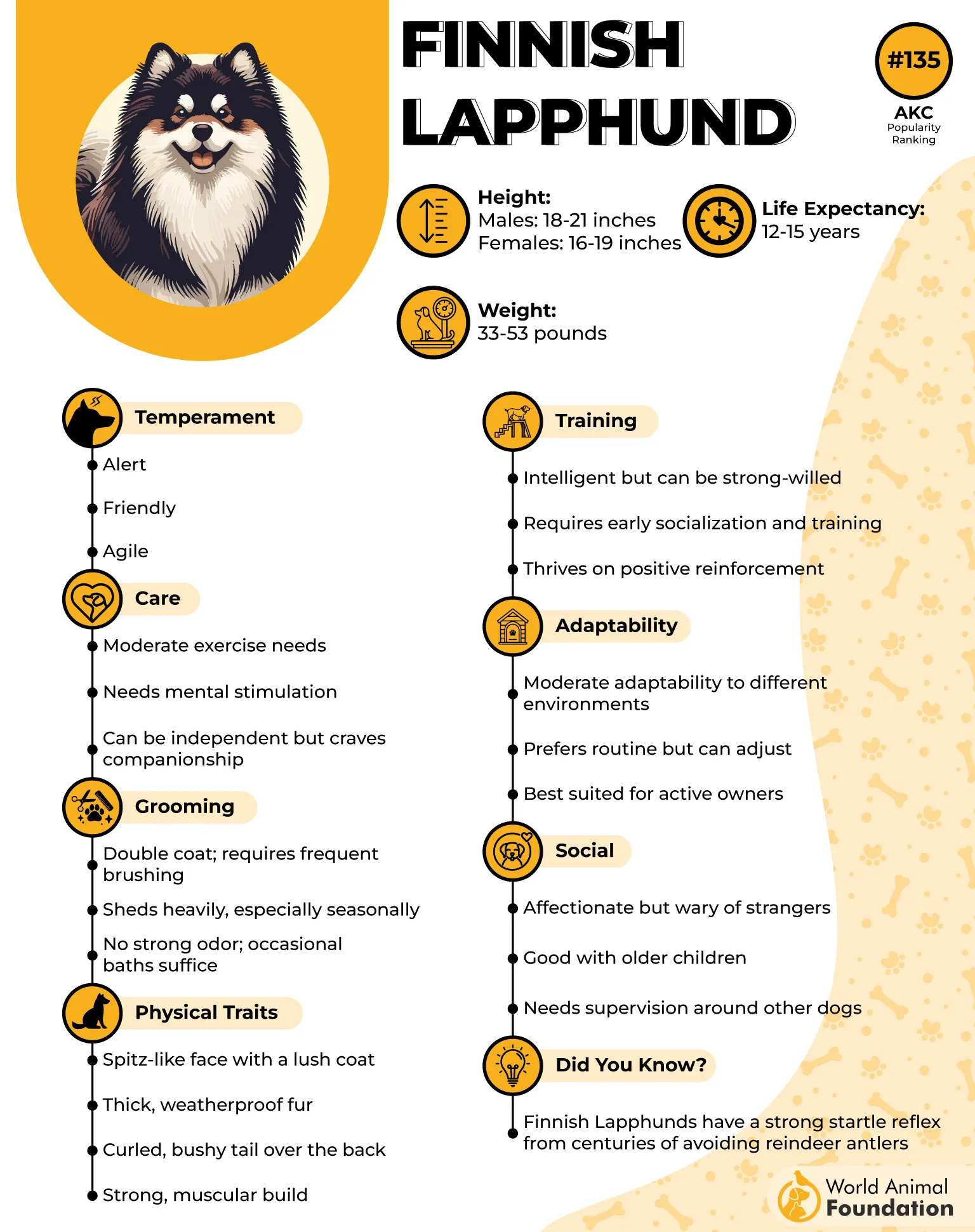
Lappies are clever, trainable, and eager to work alongside their humans. Originally bred by the Sami people for hunting and herding reindeer, they retain strong instincts for outdoor work. At home, they’re calm, affectionate, and attentive, though their active nature may require gentle training to curb excessive barking.
Family-Oriented Athletes
Finnish Lapphunds thrive on companionship and moderate exercise, enjoying long walks, playtime, and dog sports. Their fluffy coats, spreading toes, and snow-ready paws make them perfect for both fun and function. With consistent care, they remain loyal, healthy, and loving for many years.
Longevity and Lifespan Highlights
Finnish Lapphunds often live 12–15 years.
Moderate exercise and mental stimulation support long-term health.
Dense coats protect them from cold but require regular grooming.
Strong social bonds reduce stress and promote emotional well-being.
Smart and active minds contribute to a longer, more fulfilling life.
3. Shiba Inu

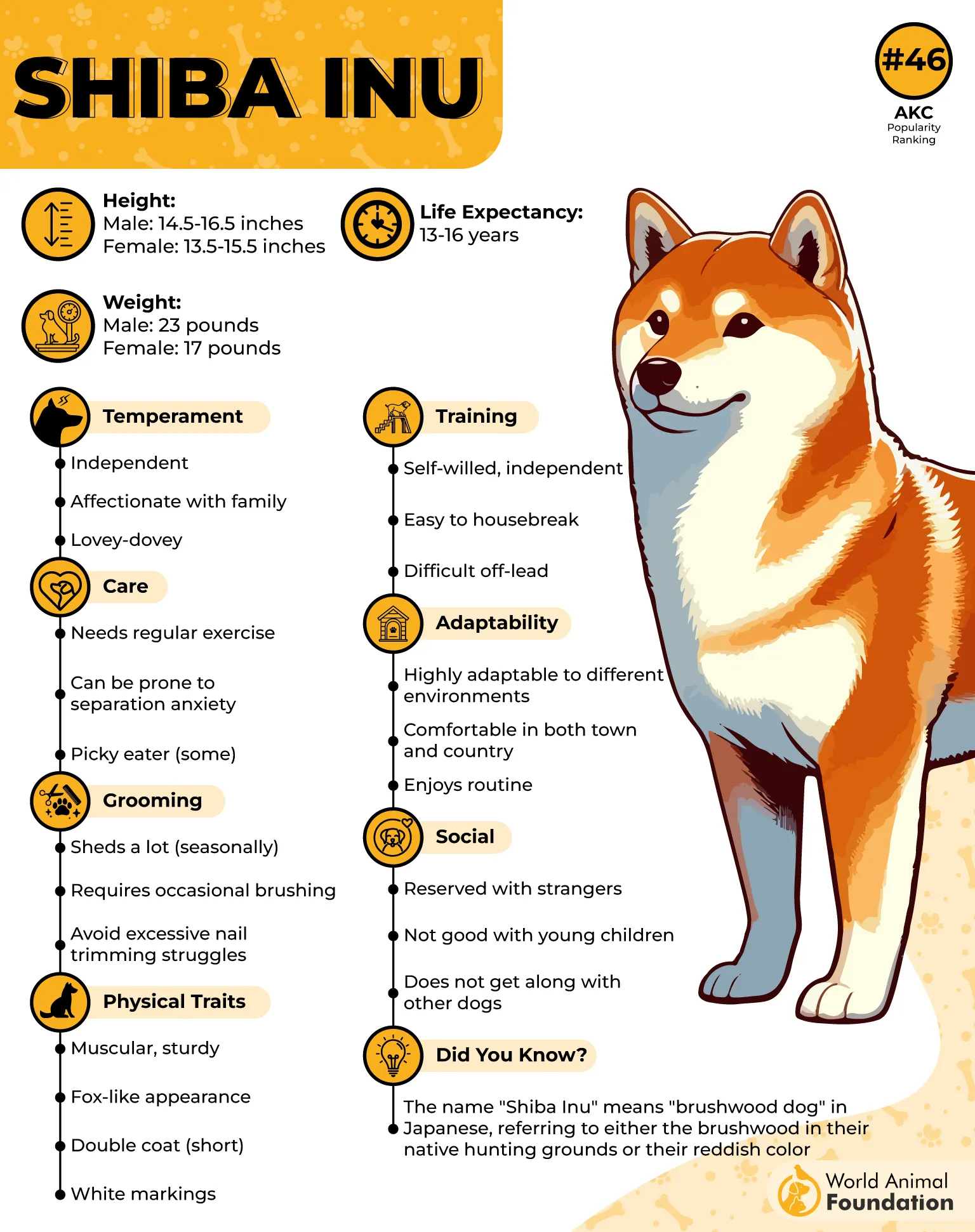
The Shiba Inu captures attention with its curled tail, pricked ears, and striking coat. While independent and sometimes aloof, Shibas form strong bonds with their families, offering companionship and protection in equal measure.
From Ancient Hunters to Modern Companions
Shibas trace their roots back to 300 B.C. in Japan, originally bred to flush out small game. Despite near extinction after World War II, dedicated breeders preserved three main bloodlines, giving rise to today’s confident and alert dogs, as per Britannica.
Energetic Minds and Bodies
Shibas require daily exercise, mental stimulation, and consistent training to stay happy and well-behaved. Weekly grooming keeps their short double coat clean, while socialization from an early age ensures a friendly and balanced temperament.
Lifespan and Longevity Insights
Shiba Inus typically live 12–15 years.
Their small-to-medium size contributes to overall longevity.
Regular exercise and mental challenges reduce stress and behavioral issues.
Consistent grooming and healthcare prevent age-related skin and coat problems.
Strong family bonds and proper socialization support emotional and physical health throughout life.
4. Shih Tzu
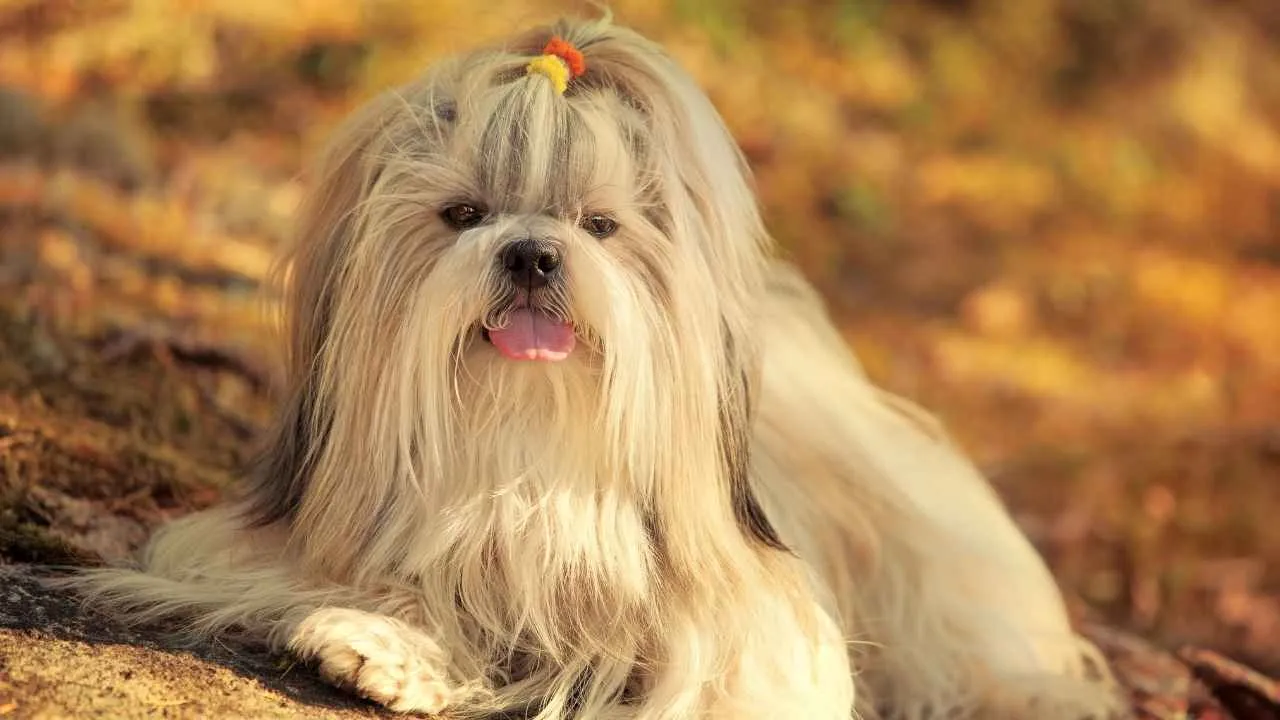
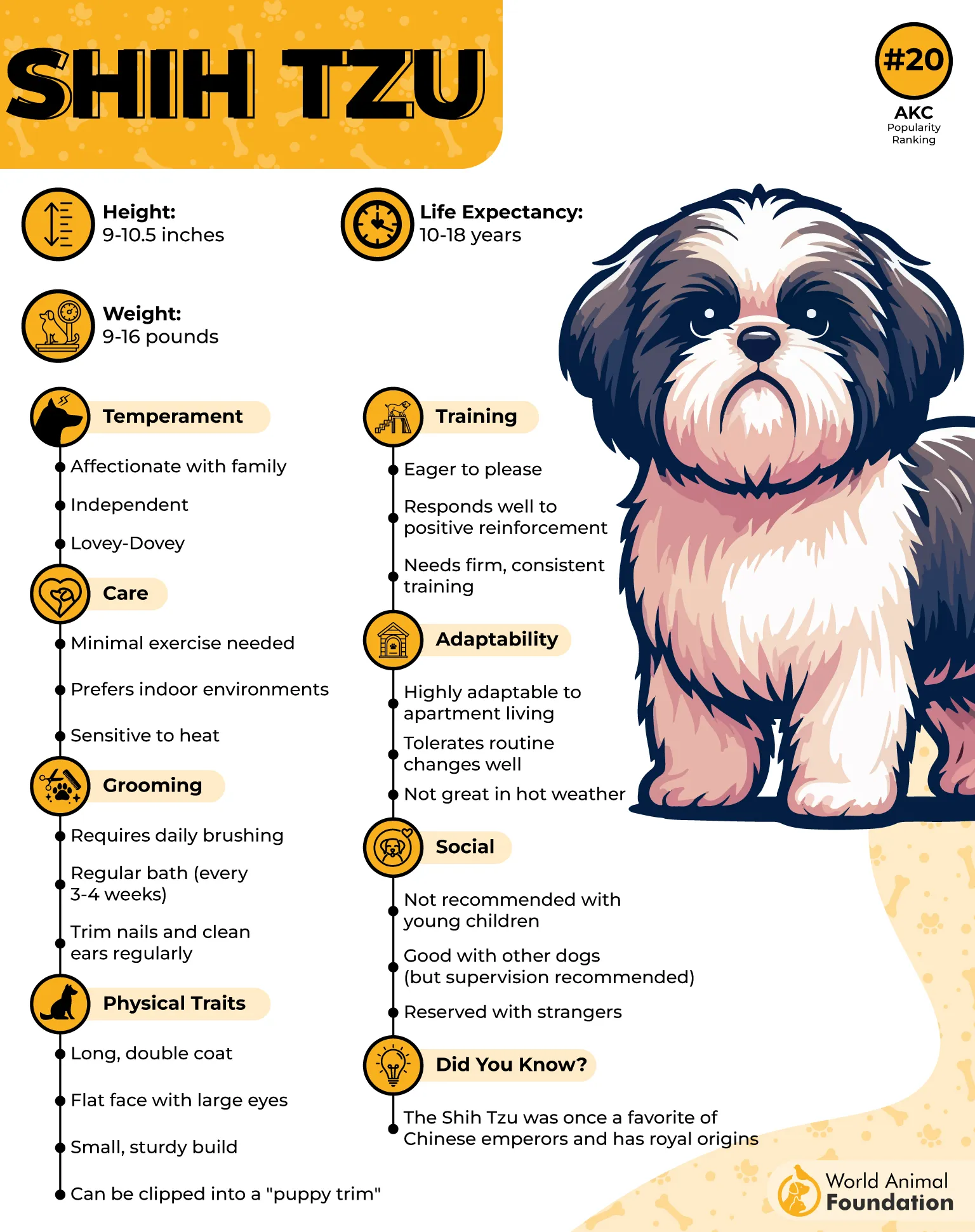
With its expressive eyes, squished muzzle, and flowing coat, the Shih Tzu captures hearts instantly. This small “lion dog,” weighing 9–16 pounds, combines charm with affection, making it an ideal companion for families, apartment dwellers, or anyone who loves a lapdog.
A Living Piece of History
Shih Tzus trace their roots to imperial Chinese palaces, bred from Tibetan dogs like the Lhasa Apso and the Pekingese. Introduced to the West in the 1930s, they gained AKC recognition in 1969, retaining their historical allure and affectionate temperament.

Luxurious Coats, Big Personalities
Shih Tzus require regular grooming to maintain their long, silky double coat, which can be styled short or left flowing. Smart, playful, and loyal, they thrive on attention, treats, and training with positive reinforcement. With proper care, they remain healthy, happy, and devoted for many years.
Lifespan and Longevity Insights
Shih Tzus typically live 10–16 years.
Small size contributes to fewer age-related joint and mobility issues.
Regular grooming prevents skin problems and keeps coats healthy.
Balanced nutrition with omega fatty acids supports heart, brain, and joint health.
Consistent social interaction and mental stimulation enhance emotional well-being and longevity.
5. Dachshund

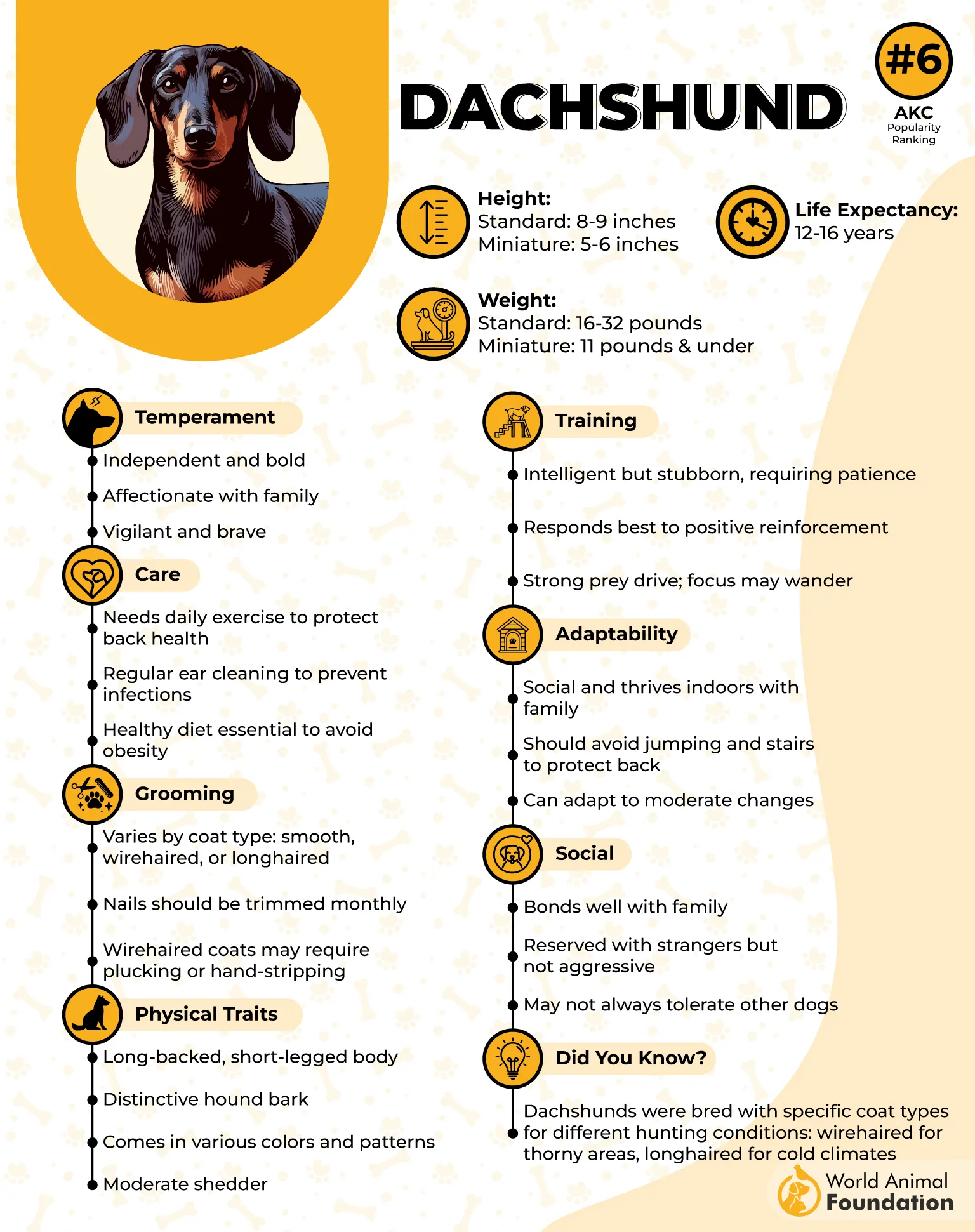
The Dachshund’s long body, short legs, and keen nose reflect its origins as a fearless badger hunter in Germany, as per PetMD. With deep chests, long ears, and lively personalities, these dogs combine hound persistence with terrier tenacity.
Independent Minds and Playful Hearts
Dachshunds are curious, clever, and sometimes stubborn, requiring patient, reward-based training. Their strong prey drive and love for scent games make them excellent companions for active families. With proper socialization, they thrive with children and other pets, though they may remain aloof toward strangers.
Careful Exercise and Grooming
Daily walks, playtime, and safe off-leash activity in a secure yard keep Dachshunds healthy and happy. Coat care varies by type—smooth coats need minimal brushing, longhairs require regular combing, and wirehairs benefit from occasional professional grooming.
Lifespan and Longevity Insights
Dachshunds typically live 12–16 years.
Smaller size contributes to longer lifespans compared with larger hounds.
Proper exercise and weight management reduce stress on their backs and joints.
Regular grooming and dental care prevent health issues.
Mental stimulation and social interaction enhance quality of life and overall longevity.
6. Rat Terrier
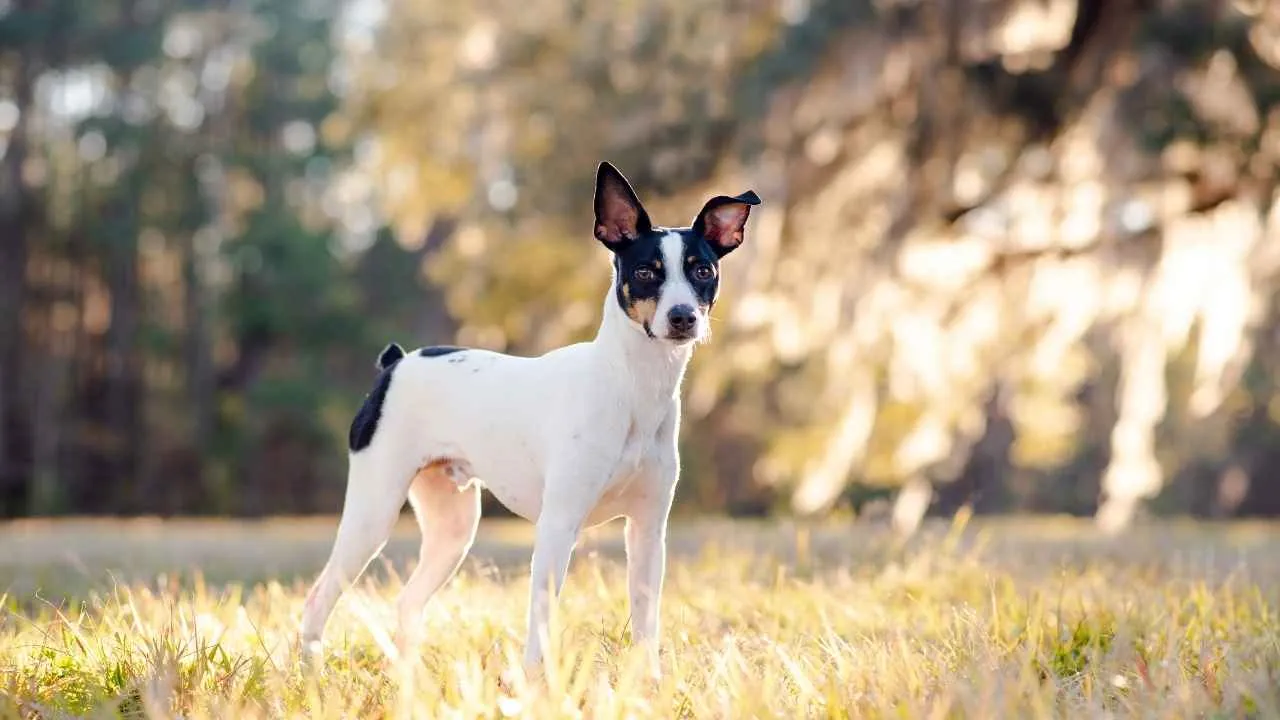
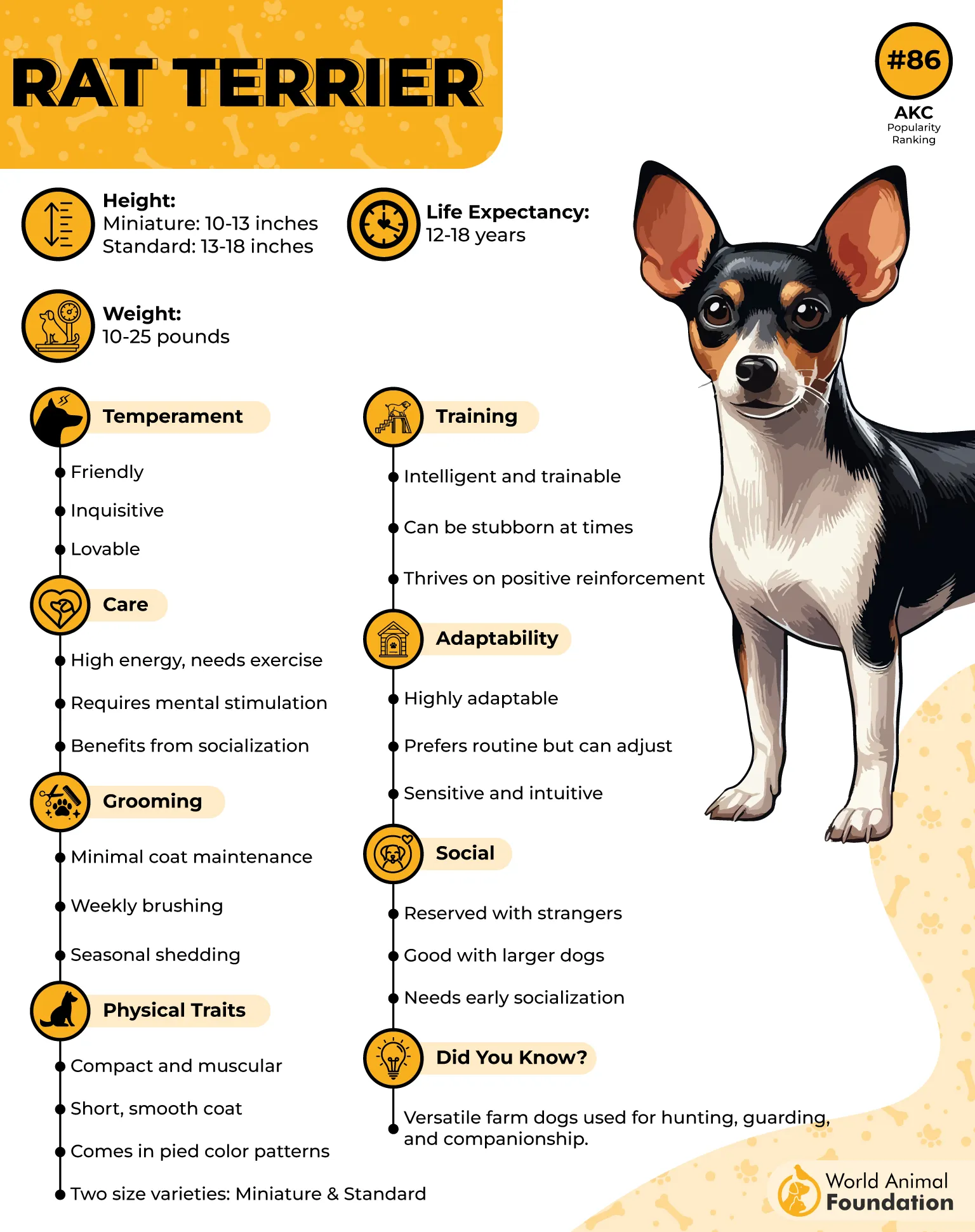
The Rat Terrier is a compact, smooth-coated breed with a proud history as a farm ratter and all-around helper. Smaller dog but sturdy, these dogs combine athleticism with charm, making them energetic, entertaining companions for families ready to match their vivacious personalities.
Tenacious, Intelligent, and Family-Oriented
Bred to hunt rats and guard homesteads, Rat Terriers are clever problem-solvers with a strong work ethic. Early socialization ensures Rat Terriers get along with children, other pets, and strangers, while consistent, reward-based training channels their determination positively.
Active Minds and Low-Maintenance Coats
Their short, dense coat is low-maintenance, requiring only occasional brushing, while routine dental care and nail trims help prevent common health issues. These intelligent, affectionate dogs flourish with attention, love, and structured activities.
Lifespan and Longevity Insights
Rat Terriers often live 12–18 years.
A smaller dog with a muscular build contributes to long-term health and mobility.
Regular exercise and mental stimulation prevent boredom-related behaviors.
Joint-friendly supplements can support aging bones and prevent issues.
Early socialization and consistent care promote a longer, happier life.
7. Poodle
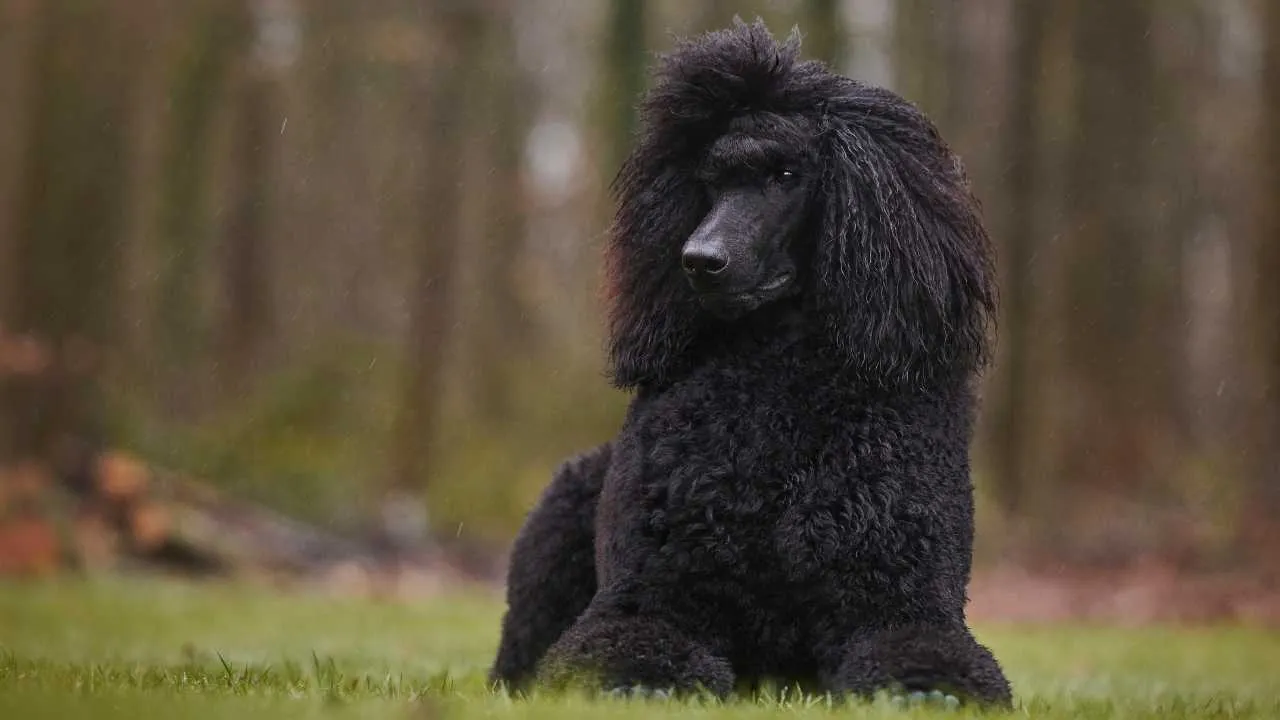
Poodles trace their roots to Germany over 400 years ago, originally bred as skilled water dogs. Known for their elegance, adaptability, and curly coat, they quickly transitioned from working dogs to prized companions of European nobility.
Minds That Sparkle and Personalities That Shine
Poodles are highly intelligent, lively, and playful, thriving on attention and mental stimulation. While the smaller varieties may display assertiveness, all Poodles share a loyal, protective nature and require both physical exercise and mental challenges to stay happy.
Grooming, Care, and Daily Life
A Poodle’s coat is both their crown and their responsibility, requiring frequent grooming or clipping to prevent painful mats. They are prone to weight gain if overfed, but are generally healthy and long-lived, with Miniatures and Toys sometimes reaching 17 years.

Longevity Insights for Poodles
Smaller Poodles often live 15–17 years, while Standards usually reach 12–14 years.
Regular grooming is crucial to prevent matting and skin issues, which can affect overall health.
Mental stimulation and exercise contribute to a longer, happier life.
Obesity can shorten lifespan, so diet control is important.
Genetic predispositions, such as hip dysplasia or certain heart conditions, may influence longevity.
Conclusion
Understanding dog breeds and the realities of their longevity helps dog owners make informed choices for their furry companions. Smaller breeds tend to live longer, while large dogs and giant breeds often face health problems that can shorten a dog’s lifespan.
Both purebred dogs and mixed-breed dogs have unique challenges and benefits related to canine longevity. Inherited diseases, such as hip dysplasia, heart disease, and other life-threatening diseases, can affecta breed’s lifespan, but genetic diversity in mixed-breed dogs often contributes to a longer lifespan.
Dog lovers and veterinary science continue to explore canine longevity through research on popular breeds, companion dogs, and smaller breeds like the Shih Tzu, Cavalier King Charles, and Yorkshire Terrier. Understanding average lifespan, breed lifespan, and dog years charts can guide pet parents in extending their dog’s life expectancy.
