





Grooming is more than just making your dog look good—it’s about keeping them healthy and comfortable every day. Dogs have different coat types, and each type brings its own grooming needs, especially for dog breeds that require consistent trimming and brushing.
Some dogs have hair that grows continuously, while others shed heavily in certain seasons, which makes regular trims and brushing essential.
According to PetMD, regular grooming helps remove dirt, shed hair, and debris that can build up in a dog’s coat. When these are removed, dogs feel more comfortable, and brushing becomes much easier, which helps keep the dog healthy.
Royal Canin notes that consistent trims and brushing allow pet parents to catch potential skin issues early. For dogs with longer or thicker coats, this is especially important because mats and debris can hide infections or irritations. In this way, grooming directly connects to a dog’s comfort and hygiene.
Purina explains that brushing and trimming also help manage the continuous hair growth in some breeds. By keeping the coat well-maintained, grooming supports not only a healthy coat but also the dog’s overall well-being.
For dogs with demanding coats, regular grooming is essential. It’s a way to keep them clean, prevent health problems, and make sure they feel comfortable, no matter their hair type or length.
Dog Breeds And The Importance of Regular Trims
1. Komondor
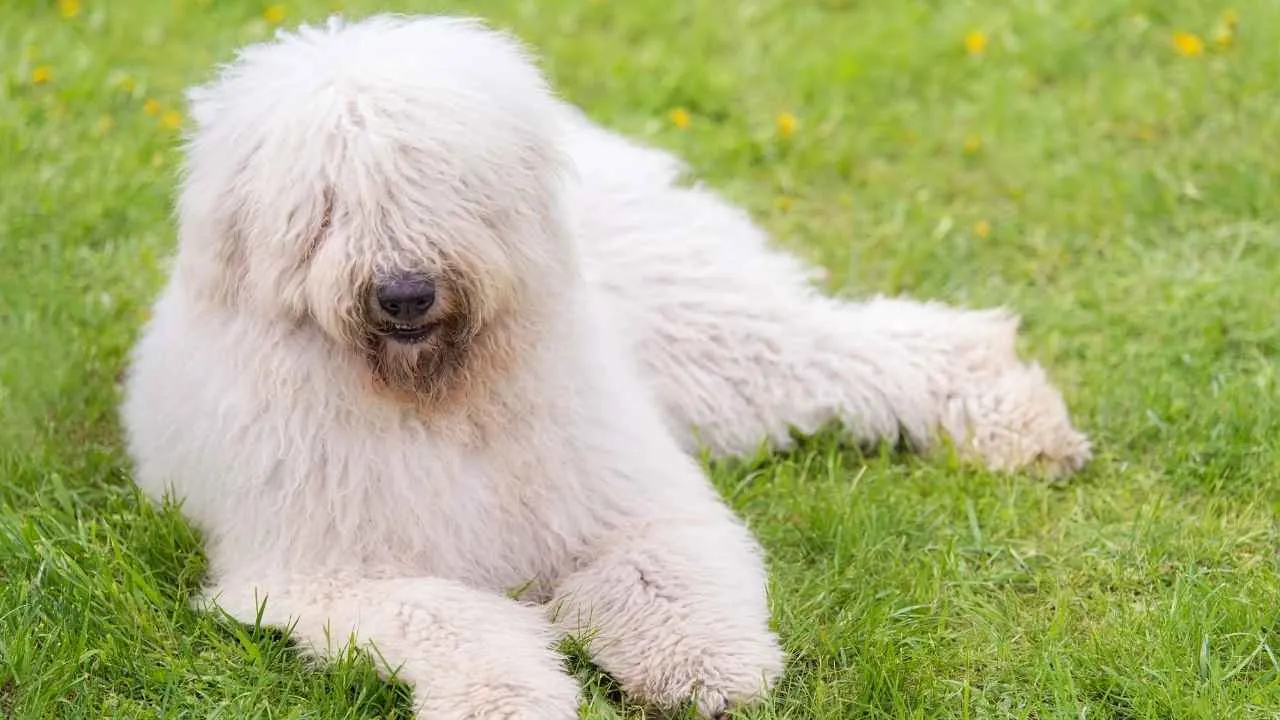
The Komondor is famous for its unique corded coat, which forms long, rope-like strands. While striking, these cords need special attention to stay healthy. Trims play a crucial role in managing this coat, helping prevent debris buildup and reducing the risk of skin irritation.
Why grooming matters for Komondors
Prevent matting: Regular trims keep cords separated and stop tangles from forming.
Reduce moisture risks: Debris and moisture trapped in cords can lead to infections if left unchecked.
Maintain coat length: Trimming ensures the coat’s length remains manageable and comfortable for the dog.
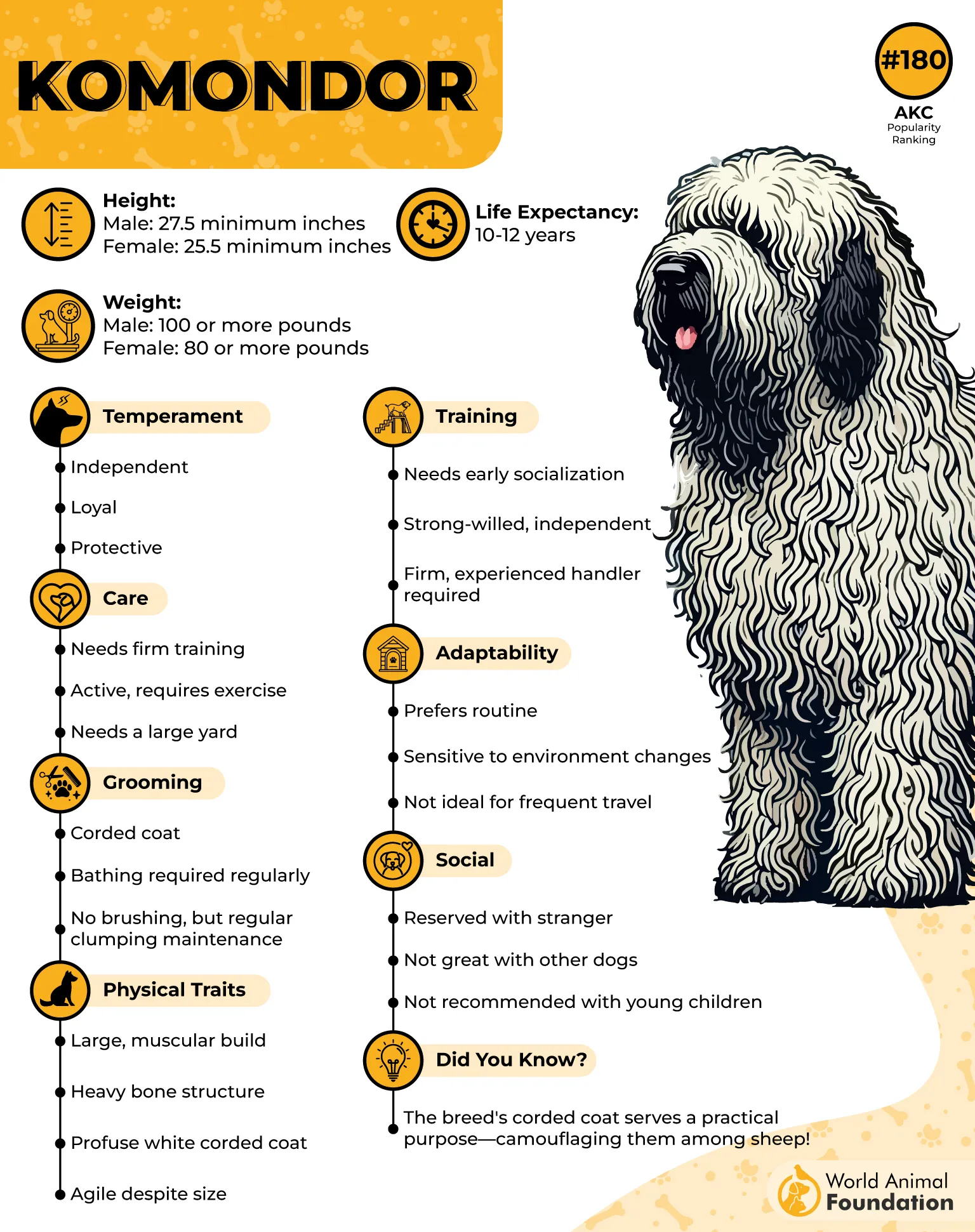
Grooming sessions differ from simple brushing. While brushing can remove some loose hair, Komondor cords require regular grooming appointments to be detangled and maintained. Many pet parents rely on a professional groomer to handle this specialized grooming process safely and effectively.
Regular professional trims are essential to preserve the cords’ integrity, keep the dog comfortable, and prevent health issues. For coated breeds like the Komondor, consistent care is the key to a clean, healthy, and debris-free coat.
2. Shih Tzu
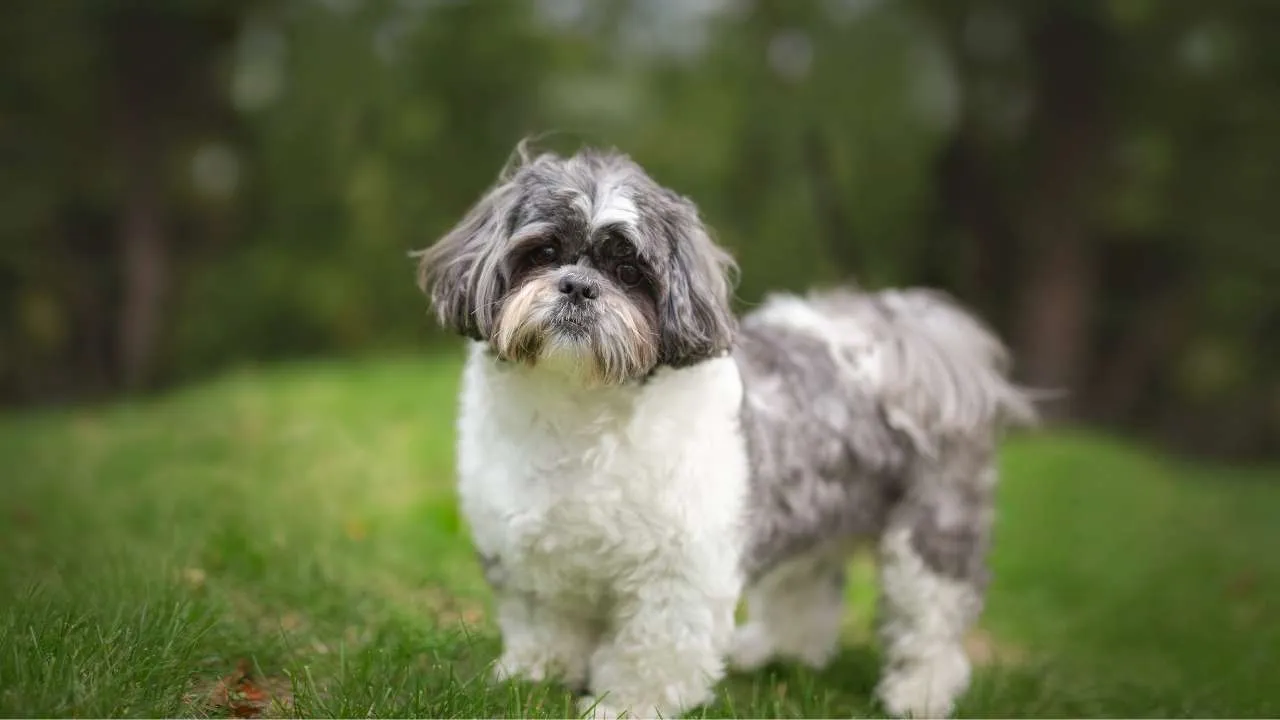
The Shih Tzu is a beloved family pet with a soft, long coat that grows much like human hair. Because of this, their hair can cover their eyes and face if not trimmed regularly, which may make it hard for them to see and lead to irritation around the eyes.
According to Orvis, the Shih Tzu’s long, flowing double coat makes it a double-coated breed that requires consistent grooming to stay healthy and clean. Their fur doesn’t stop growing on its own, so pet parents must take action. One of the best ways to manage this is by choosing a puppy cut.
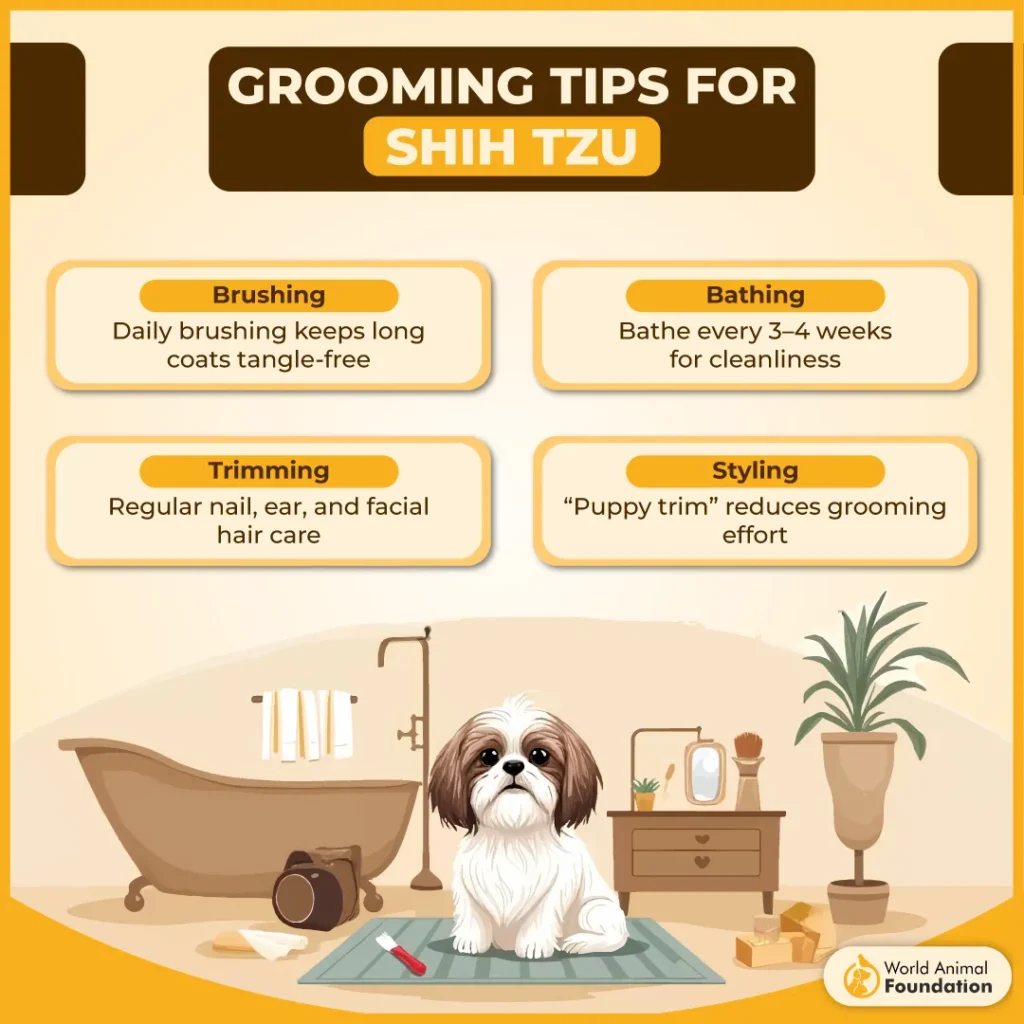
A puppy cut keeps the fur shorter and easier to maintain while still looking adorable. Regular trims help prevent hair from getting into the eyes and reduce the risk of infections caused by trapped tear stains or debris. Regular brushing is also important to prevent mats and tangles from becoming painful.
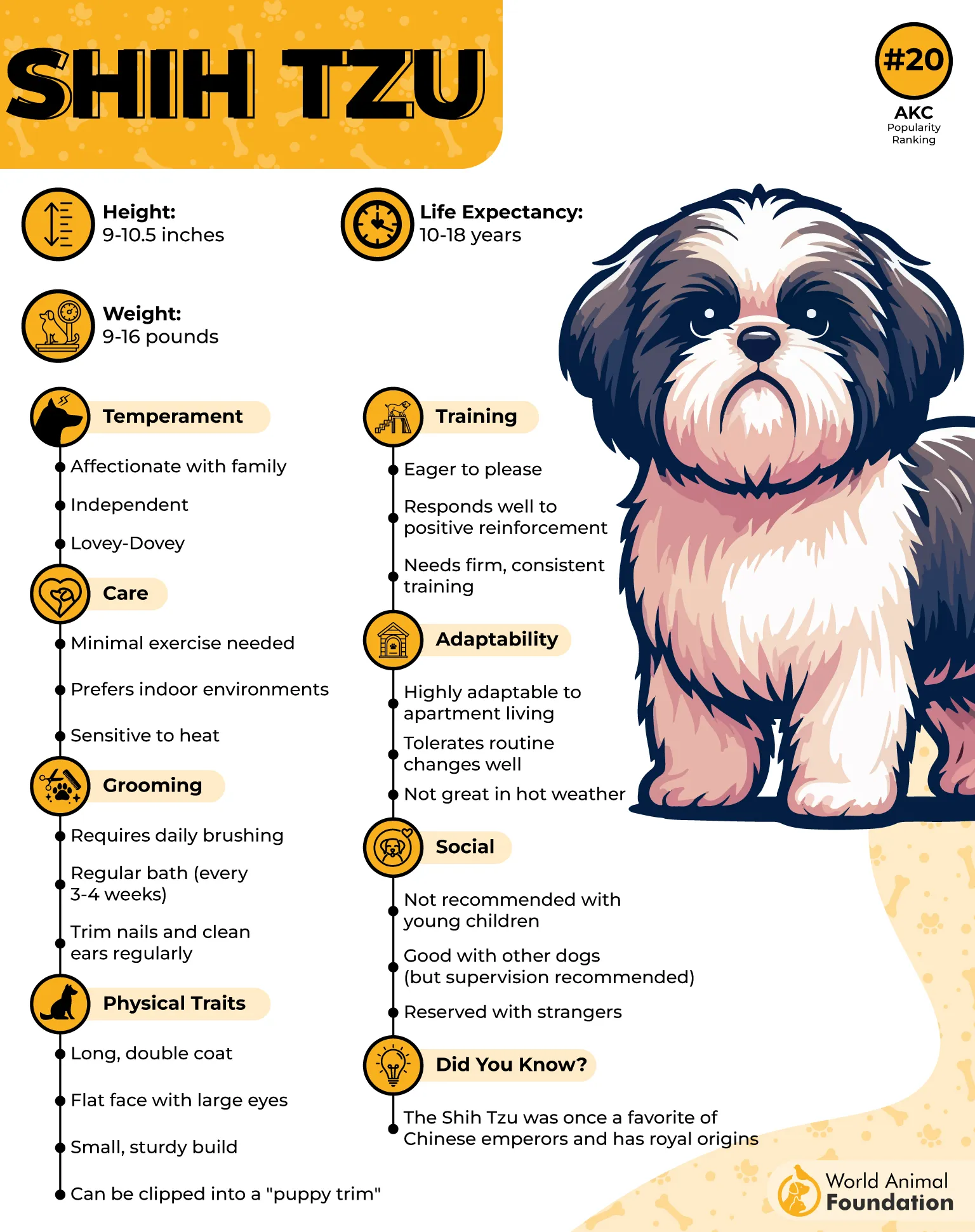
Here’s how grooming helps keep your Shih Tzu comfortable and healthy:
Hair grows continuously: Needs frequent trims to avoid covering the eyes.
Face trims for vision: Clear sight reduces irritation and eye rubbing.
Puppy cut benefits: Easier maintenance for busy families.
Daily brushing vs trims: Brushing between trims prevents mats and keeps the fur clean.
Shih Tzus are known for their sweet temperaments and make wonderful companions for children and other dogs when their grooming needs are met. Regular care ensures their coat looks great and helps them feel great, too.
3. Cocker Spaniel
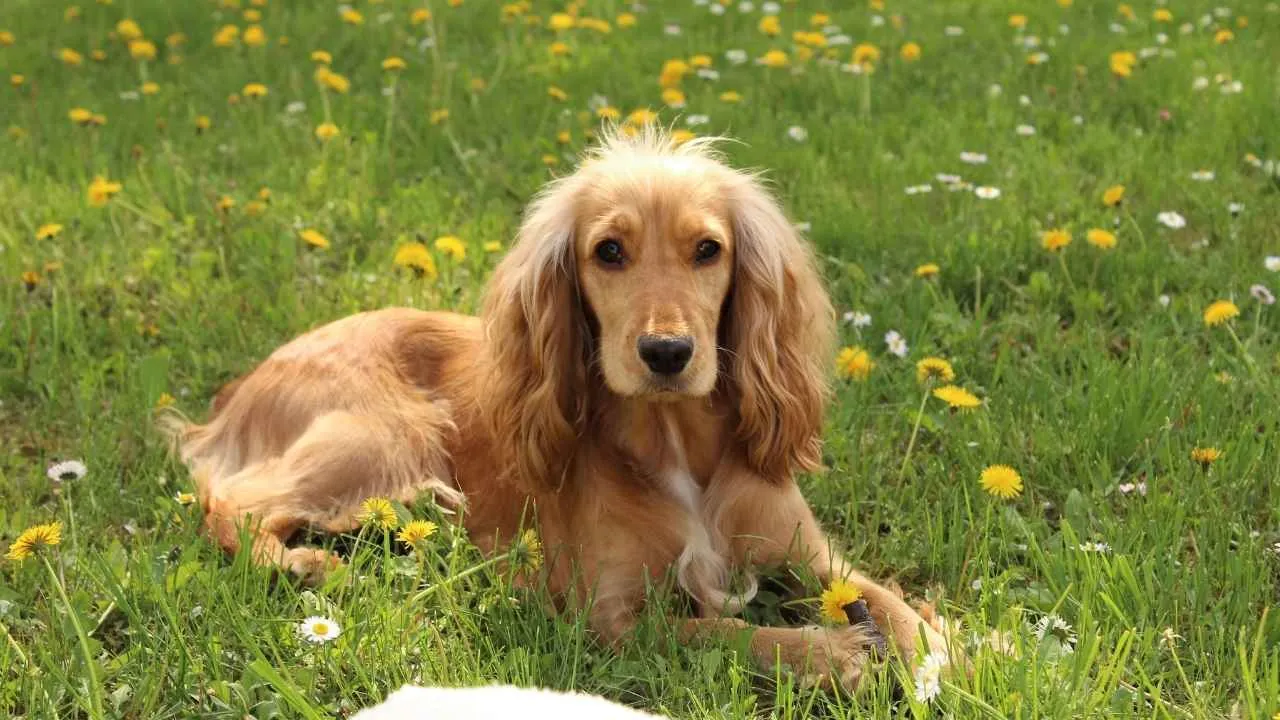
The Cocker Spaniel has roots that go back centuries. This sporting breed was originally developed in Europe as a bird dog before becoming a beloved family companion over time. Its medium‑length, silky coat and long, floppy ears set it apart, but they also bring extra care needs for healthy grooming.
Because of their long hair, especially around the ears and chest, Cocker Spaniels are prone to moisture buildup, mats, and trapped dirt. If left untrimmed, this can lead to irritation and even infection.
Their soft, wavy double coat and pendulous ears require careful attention to stay clean and healthy. Good grooming helps air circulate and reduces the risk of skin and ear infections.
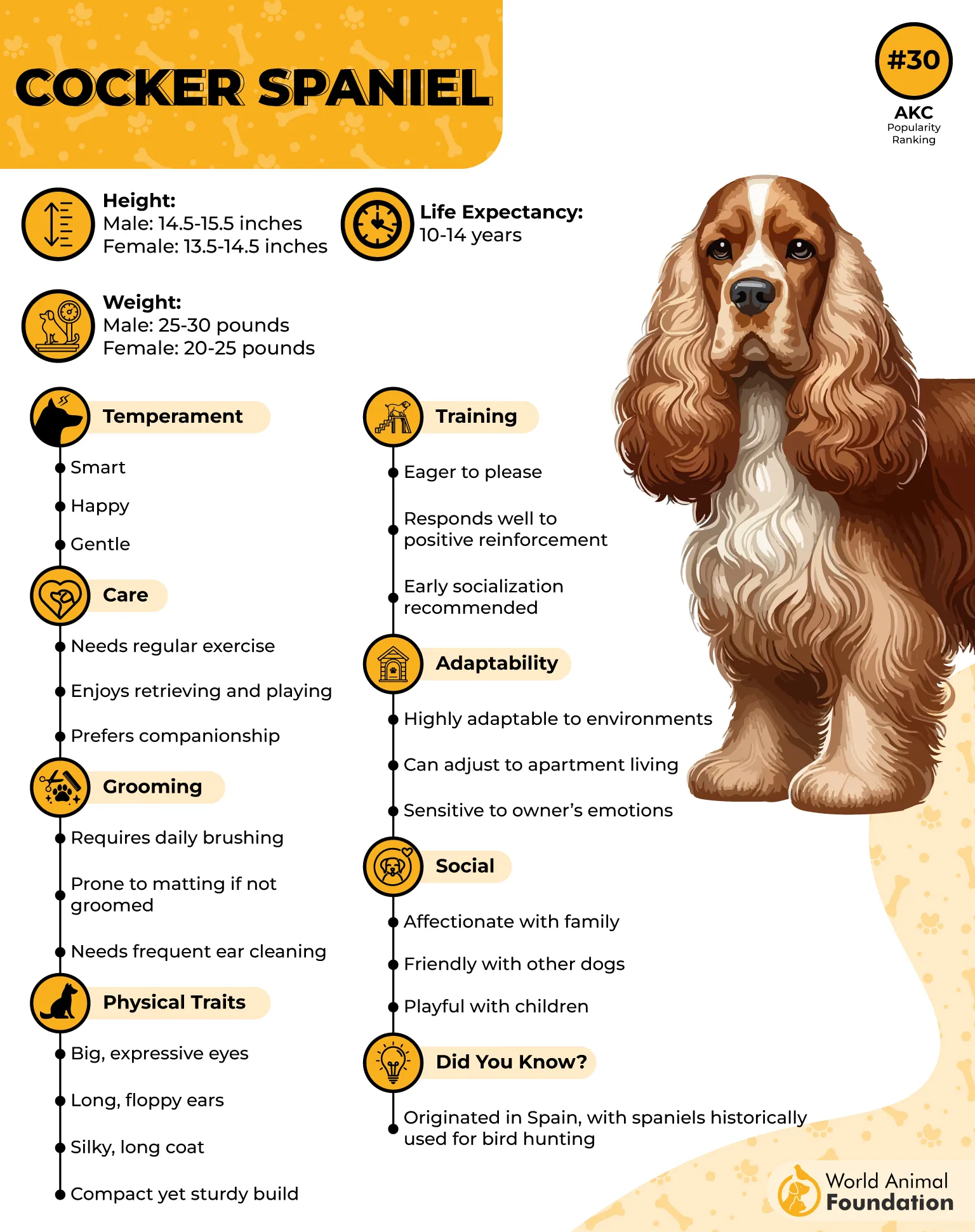
Long hair near the ears and other areas can trap bacteria and moisture, which bacteria thrive in if not groomed properly. Regular trims improve airflow and make it easier to check for skin issues early. Deep brushing during grooming sessions also helps prevent tangles and keeps the coat in good condition. An undercoat rake can help remove loose hair from dense areas safely.
Here’s why trimming and grooming matter for Cocker Spaniels:
Long hair risks: Floppy ears and silky fur can hide dirt and moisture.
Trims improve hair flow: Better air circulation reduces infection risk.
Prevent infections: Clean, well‑groomed ears and fur help prevent yeast and bacterial growth.
Support a healthy lifestyle: Consistent grooming keeps the fur clean and comfortable.
For this classic breed, regular grooming is not just about looks—it’s essential for hygiene and overall well-being.
4. Poodle
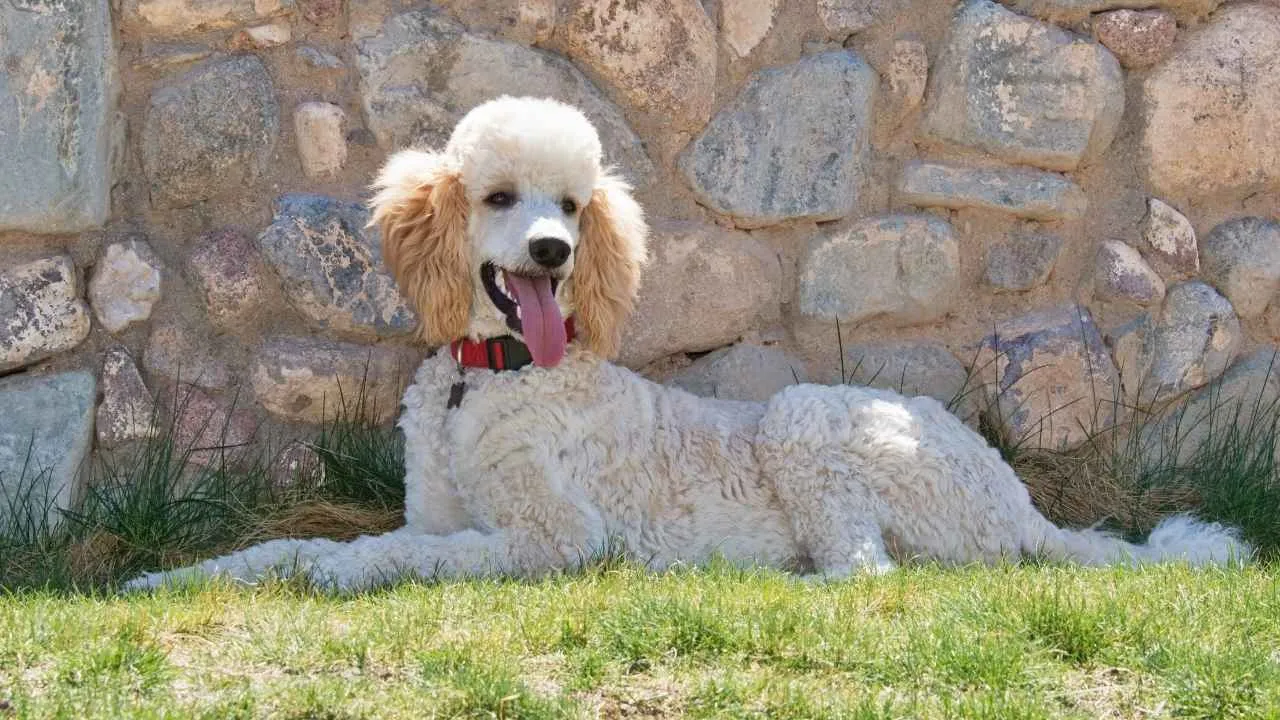
Poodles are highly intelligent dogs known for their quick learning and playful nature. Their curly fur makes them a high-maintenance breed, requiring proper care to stay healthy and stylish.
This curly-coated breed thrives on human interaction and enjoys activities that challenge both their minds and bodies, so regular exercise is essential.
Poodles need frequent professional grooming to maintain shape and coat balance. A trim not only keeps their curls looking neat but also prevents mats and tangles. Many pet parents choose a professional groomer to handle this process, as it can be tricky to manage at home.
Poodles are often considered expensive by appearance, and this is partly due to the effort required to keep them looking cute and elegant. Consistent trims, regular brushing, and careful styling help them maintain their signature look while supporting overall health.
Grooming Tips for Poodles
Curly coats: Need regular brushing to prevent tangles.
Professional grooming: Essential for maintaining coat shape.
Exercise and interaction: Keep these smart dogs happy and well-behaved.
High maintenance: Their coat care needs dedication from owners.
According to the American Kennel Club, professional grooming is crucial to keeping Poodles looking their best while keeping their fur healthy and mat-free.
5. Yorkshire Terrier
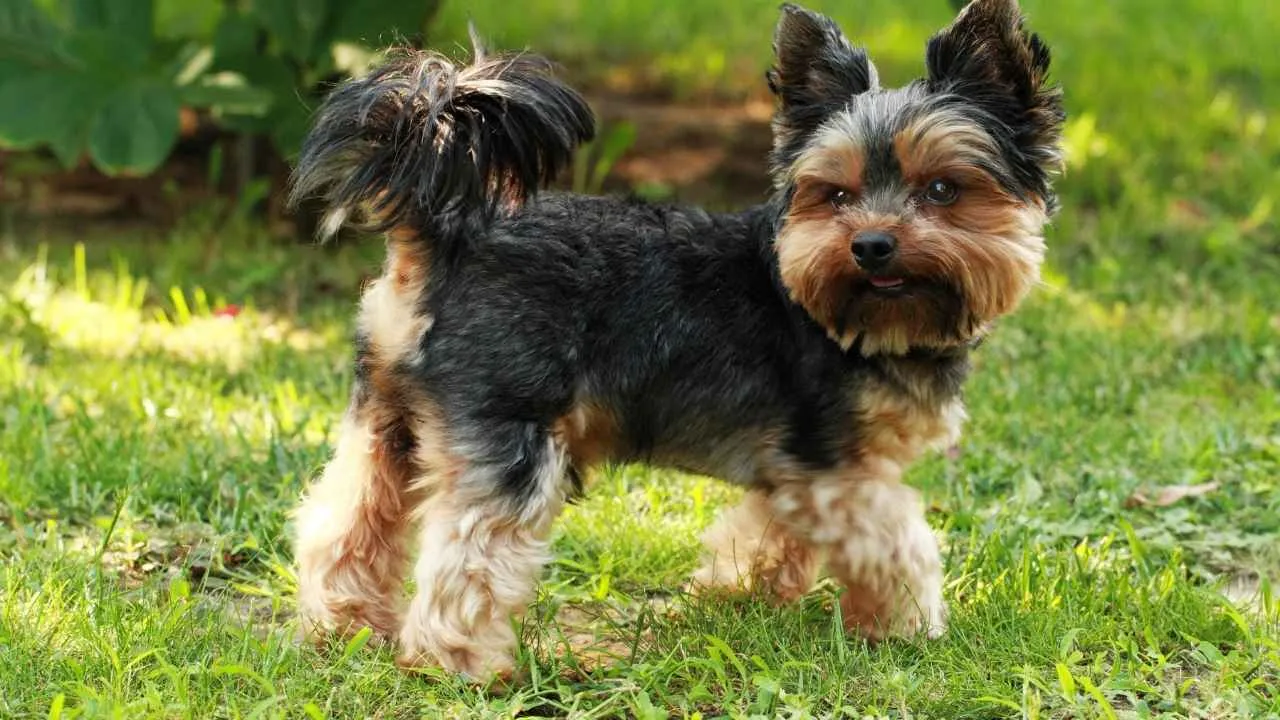
The Yorkshire Terrier may look like a small dog with a low-maintenance coat, but their long, silky fur requires regular attention to stay healthy and bright. Their fine, lightweight hair can easily tangle and lose its shine without care.
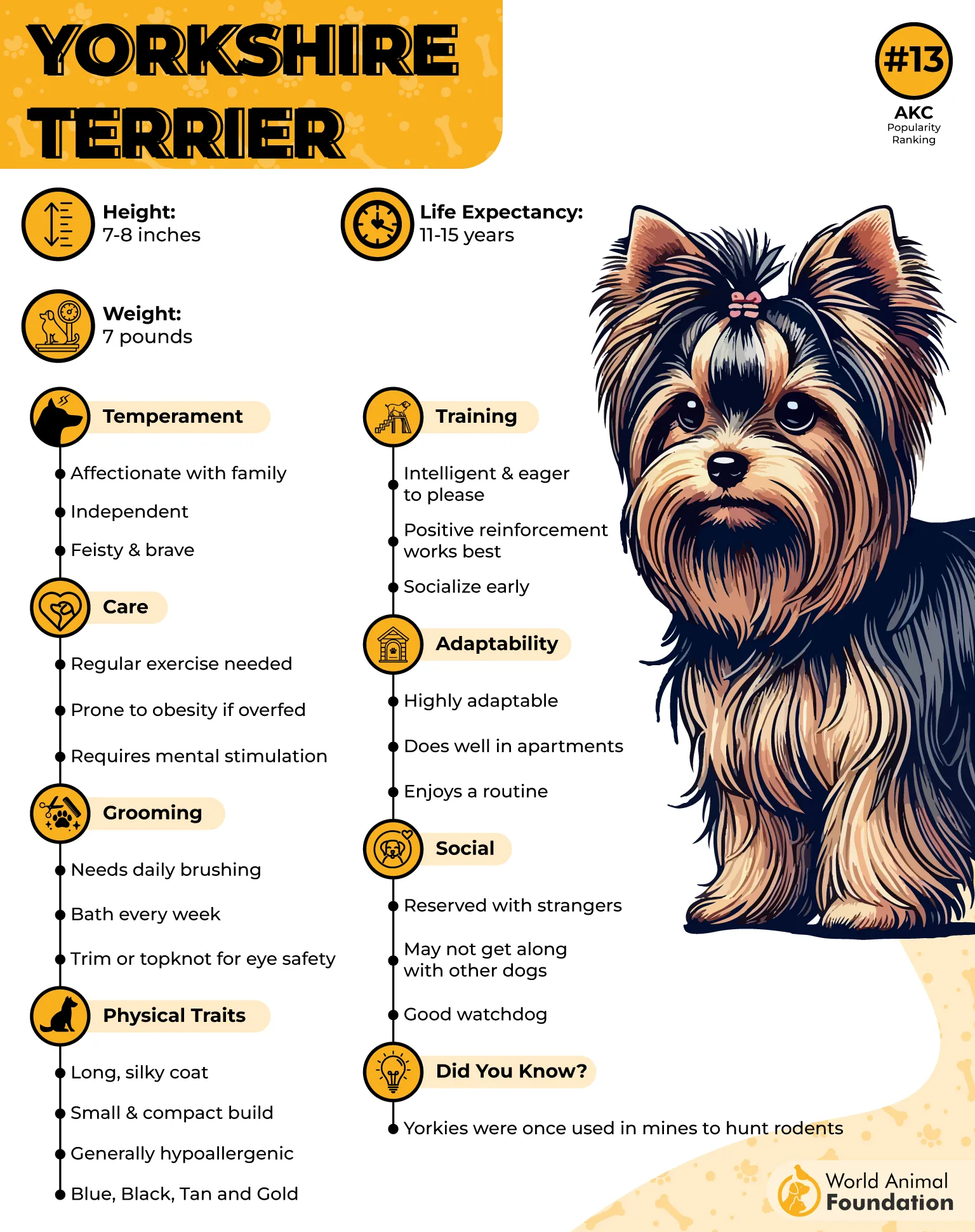
Regular grooming not only keeps the coat bright and shiny but also keeps the fur soft and healthy. Brushing is essential, ideally done daily or several times a week, to prevent mats and breakage.
Using a slicker brush helps remove tangles while protecting the fine, silky hair. Well-maintained fur enhances a dog’s visual health, making them look vibrant and elegant.
Here’s how to keep a Yorkie’s coat in top shape
Brush regularly: Prevents tangles and keeps hair soft.
Maintain coat shine: Regular trims and brushing distribute oils.
Prevent breakage: Gentle brushing protects fine hair from damage.
Consistent grooming is key to keeping Yorkies comfortable, healthy, and looking their best.
6. Puli
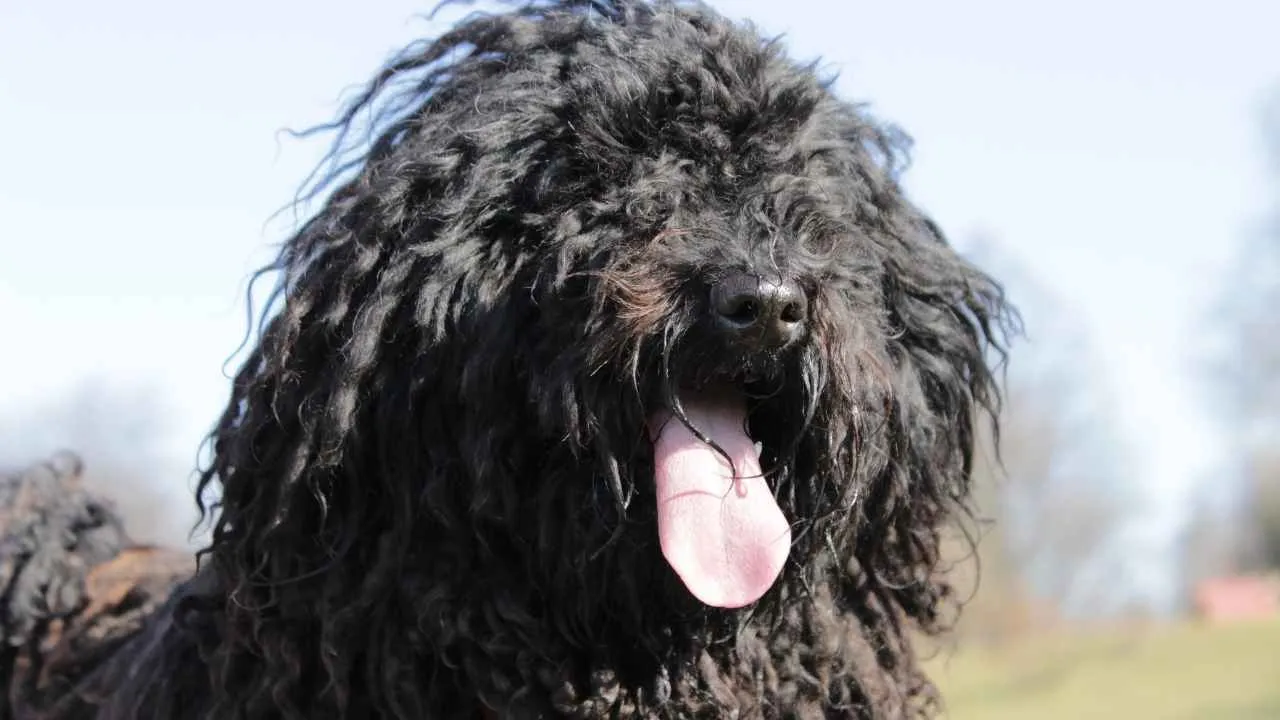
The Puli is a small to medium-sized Hungarian herding dog known for its unique corded coat and high grooming demands. This breed was bred to work hard, move fast, and stay with livestock all day long.
Their corded hair not only looks striking, but it also requires special care to stay healthy and comfortable. This structure places the Puli among double-coated breeds, where a dense undercoat supports insulation beneath the cords.
Pulis have very thick double coats that can cause them to overheat, so owners need to pay close attention to grooming and body temperature control.
Pulis are active dogs with lots of energy and need regular exercise to stay happy and well‑balanced. Their movement helps keep their muscles strong and supports a healthy weight, which is important because their dense coat can make warm weather more challenging.
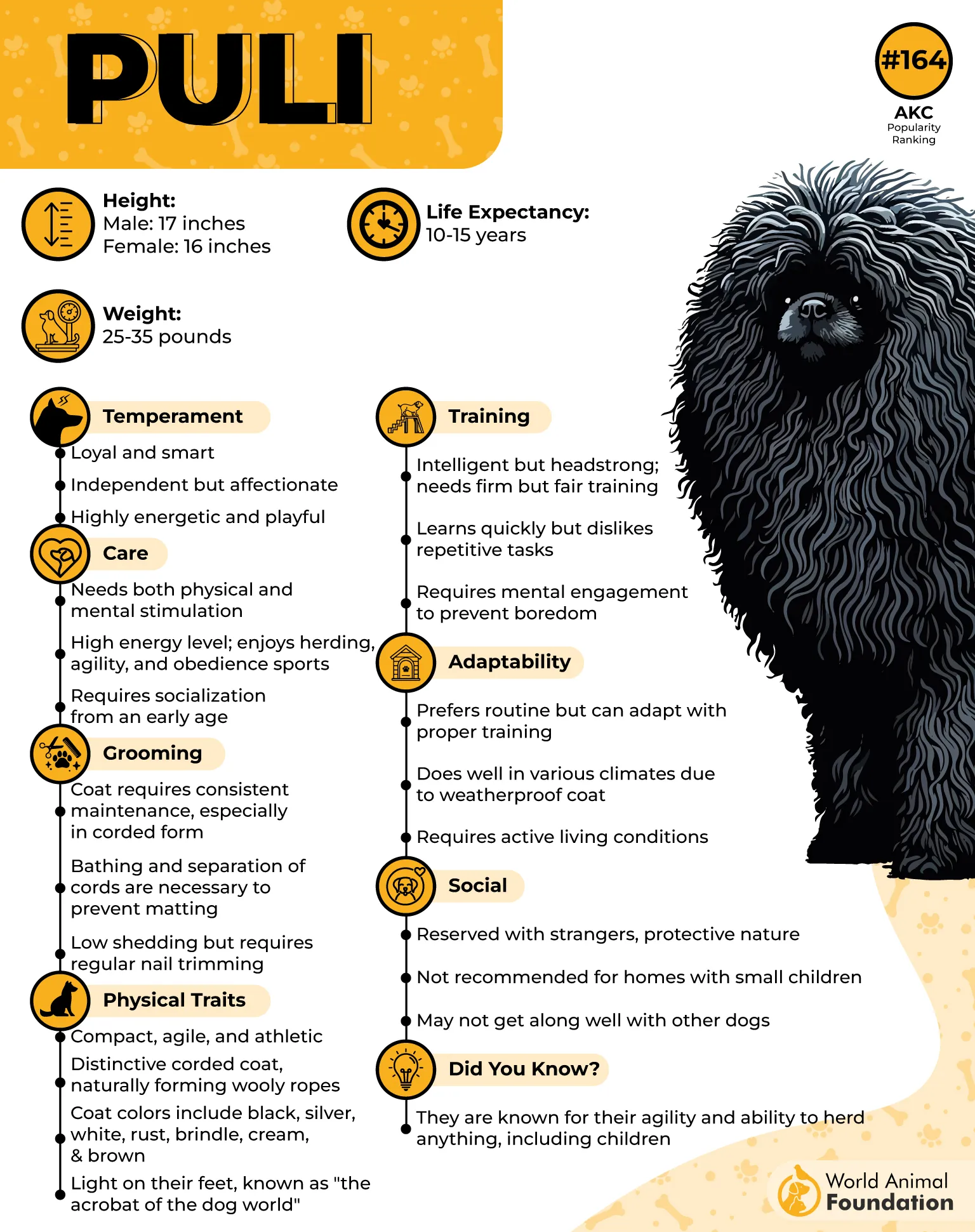
Because they were once used to herd sheep, many Pulik also serve as natural guardians, alert and aware of their surroundings. Managing a Puli’s corded coat is part of daily life for owners. These dogs may not suffer from excessive shedding, but their thick cords can trap dirt, debris, and moisture if not cared for properly.
To keep a Puli comfortable and hygienic, professional grooming or expert at‑home care is essential:
Control coat weight: Separate cords to avoid heavy, tangled hair.
Body temperature support: Dense cords can contribute to overheating in warm weather, so shade and hydration are key.
Routine grooming: Frequent checks and cord separation keep dirt and debris from building up.
Professional help: Experienced groomers can make cord maintenance easier and safer.
Although a high‑grooming dog, the Puli’s active nature and loyal personality make it a rewarding companion for families who are ready to invest time in care and connection.
7. Afghan Hound
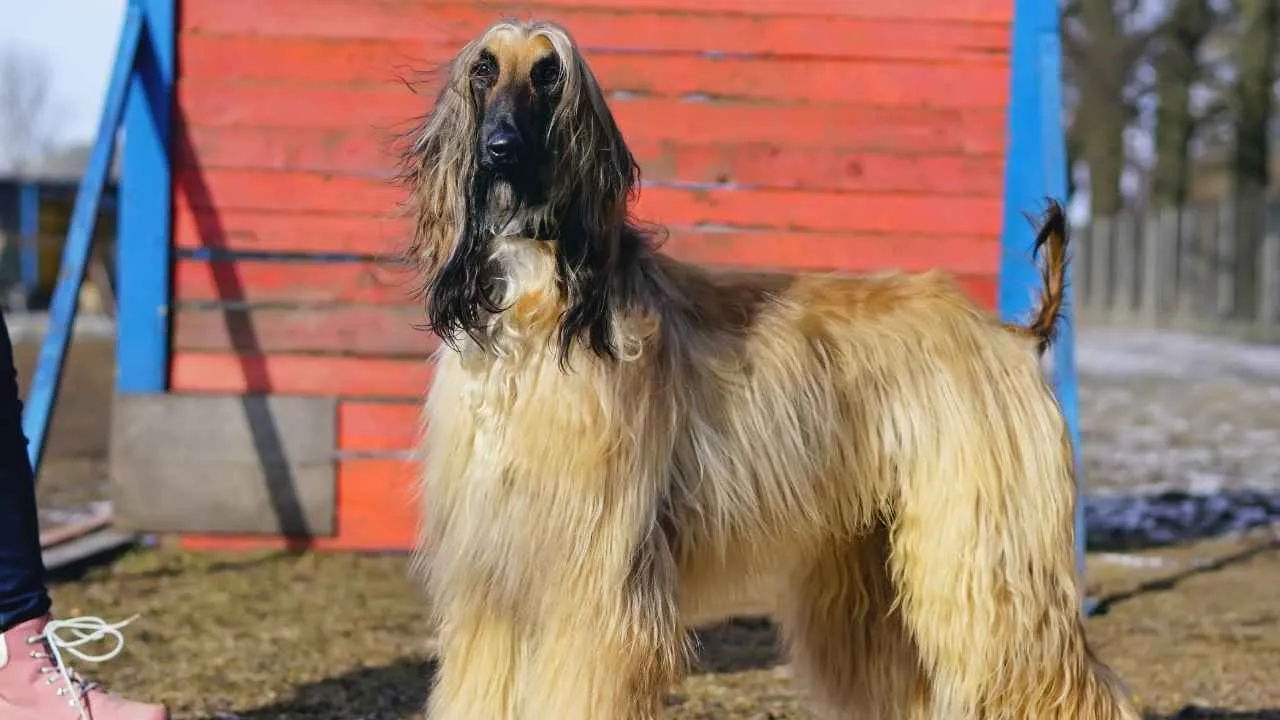
The Afghan Hound is a picture of elegance with its long, flowing coat that moves beautifully as it runs. Known as one of the high-maintenance long-haired breeds, Afghan Hounds require a dedicated grooming routine to keep their coats free of tangles and looking sleek.
Their hair can easily snag or mat without frequent brushing, making regular trims and professional care essential to maintain their signature show-style appearance.
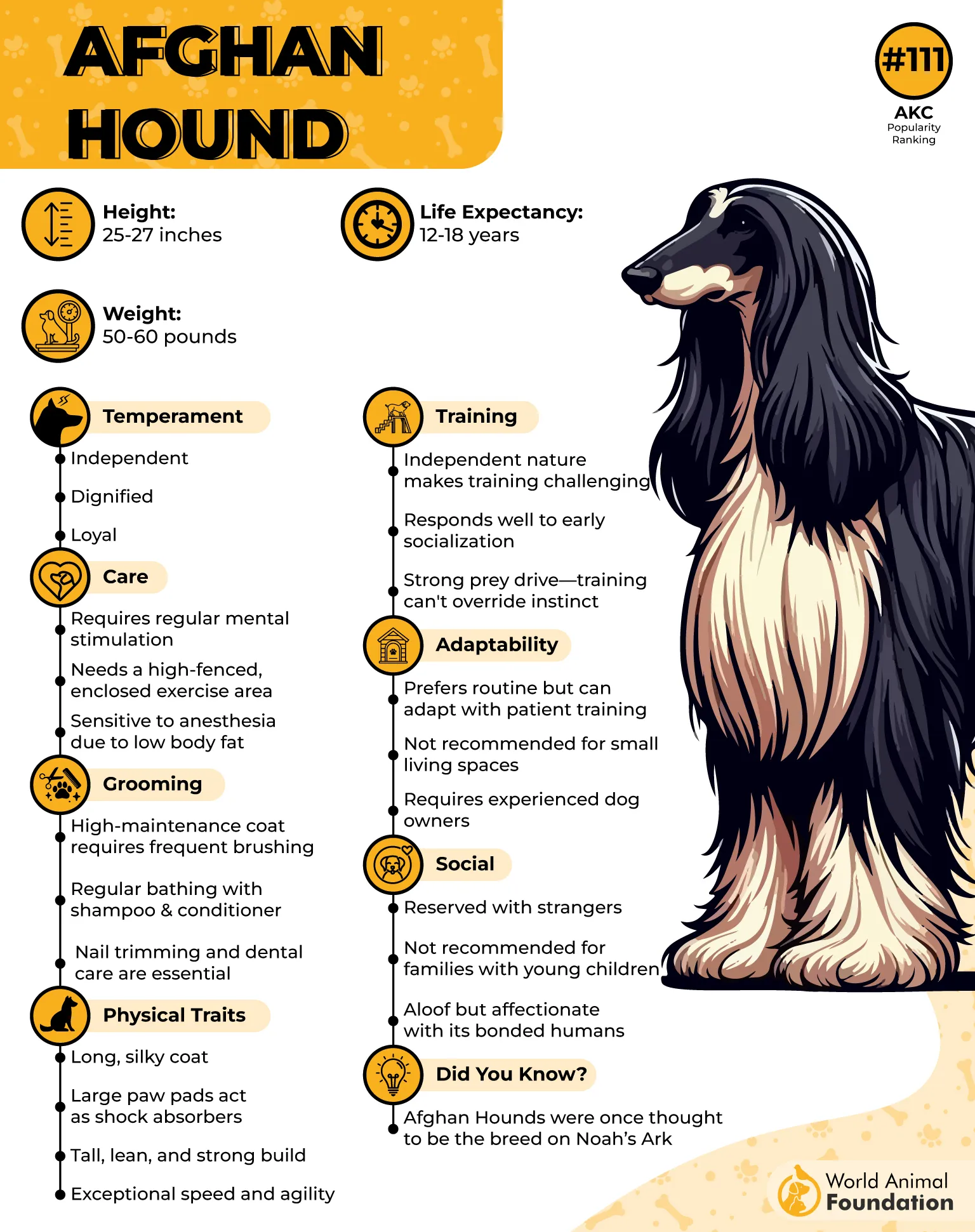
These dogs are not just about beauty—they are natural athletes. Afghan Hounds were originally bred for hunting in open terrain, which means they need plenty of exercise and the freedom to run fast over long distances. Maintaining their fitness helps support their muscular frame and keeps them happy and healthy.
Grooming and care tips for Afghan Hounds:
Flowing furs: Regular brushing prevents tangles and keeps hair flowing elegantly.
Trim shaping: Occasional trims maintain clean lines and highlight the breed’s graceful form.
Prevent tangles during shedding seasons: Extra care is needed when seasonal shedding occurs.
Grooming routine: Consistent professional or at-home grooming supports the dog’s health and show-ready appearance.
Afghan Hounds require frequent grooming and exercise to stay in top condition, reflecting both their beauty and athleticism.
Conclusion
Consistent care is essential for every dog. Regular grooming to prevent mats, tangles, and debris not only keeps your furry friend looking great but also supports overall comfort and health. For many dogs, weekly brushing is enough to maintain comfort and coat health.
A proper grooming routine helps remove loose hair, distribute natural oils, and prevent infections, ensuring your dog stays happy and pain-free.
Pet parents should match trims and brushing to each type and the dog’s specific breed, whether it’s long, curly, corded, or silky.
Doing so makes daily care easier and protects the dog’s skin, fur, and body temperature. When grooming is consistent, it strengthens the bond between dog owner and pet while promoting long-term well-being.
Taking the time to maintain your pup’s fur isn’t just about looks—it’s an investment in their health, comfort, and happiness for years to come.
