




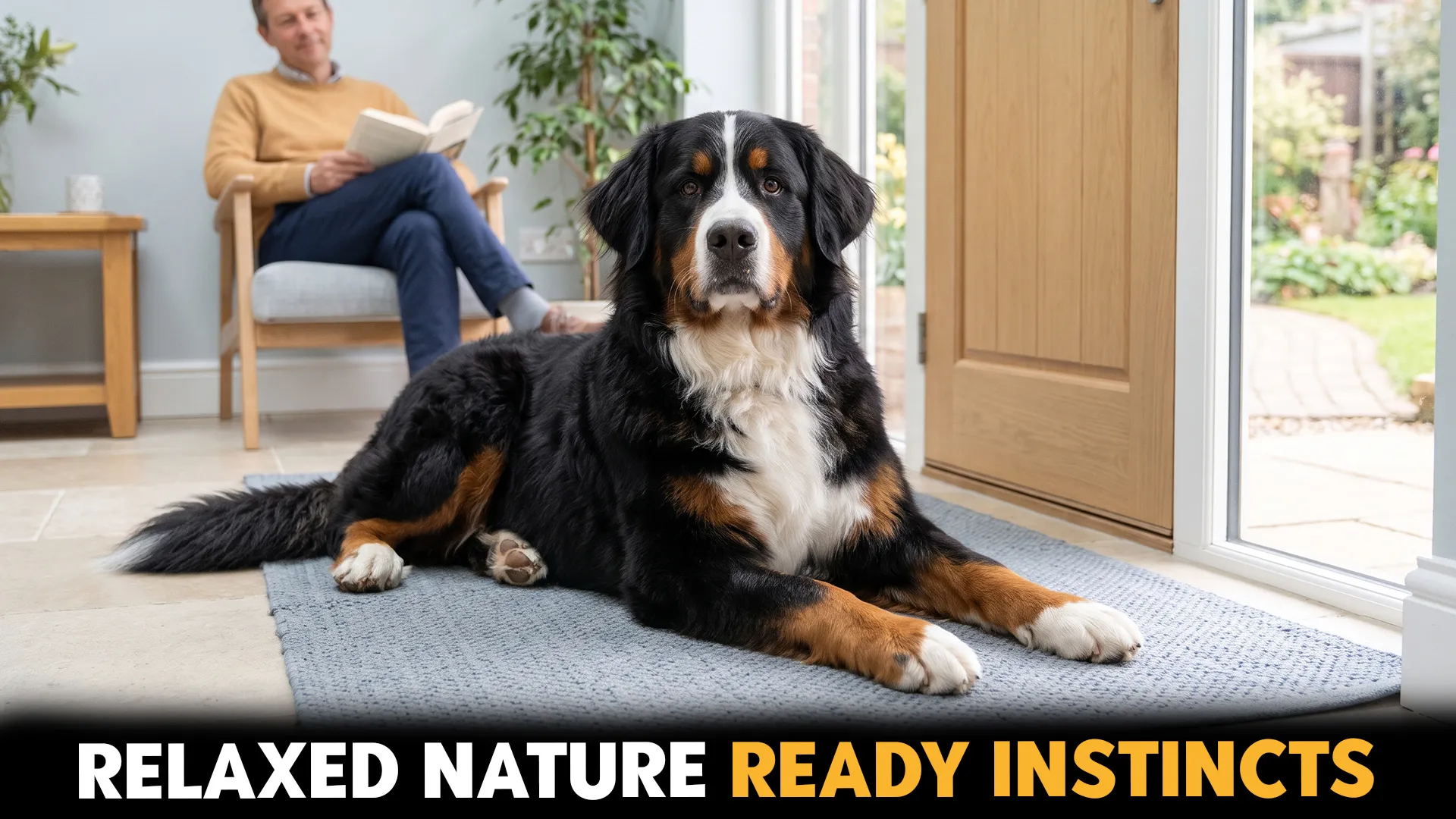
A good guard dog should make your home feel safer, not make every visitor feel unwelcome. While some dogs are quick to bark at unfamiliar sounds, others have stronger protective instincts and are naturally inclined to look out for their families.
And not all protective dogs are intimidating! Many are calm, affectionate companions who know when to be watchful and when to enjoy some quiet time with their loved ones.
Docile guard dogs combine loyalty, alertness, and protective instincts with a gentle, steady temperament. They can be naturally watchful without being unnecessarily aggressive, making them appealing companions for peaceful households.
The key is finding a dog whose temperament suits your lifestyle. If you want reliable family protection without giving up a calm household, these breeds are worth considering.
Docile Guard Dog Breeds for Serene Home Protection
1. Doberman Pinscher
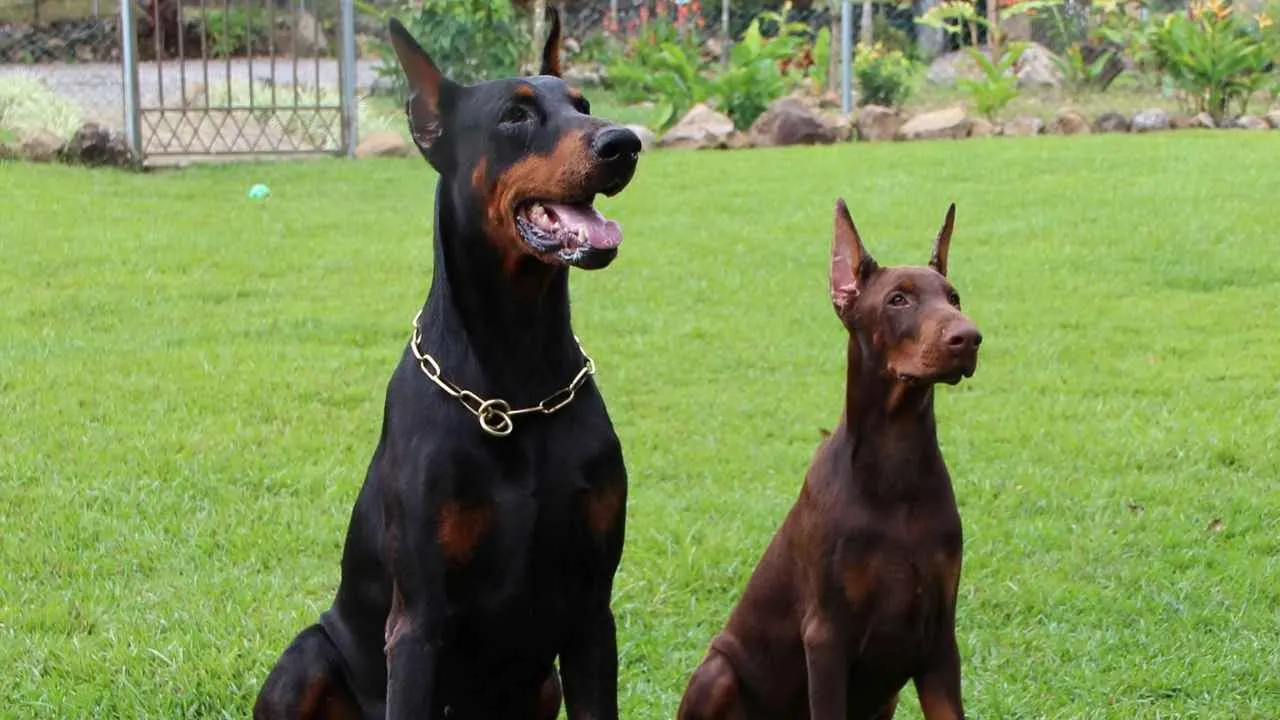
Sleek, muscular, and highly intelligent, Doberman Pinschers are among the most respected guard dogs. Originally bred by German tax collector Louis Dobermann in the late 1800s, these watchful dogs were developed for protection.
Their fearless nature, alertness, and powerful appearance make them natural guardians. Today, they also serve in police, military, and search-and-rescue work.
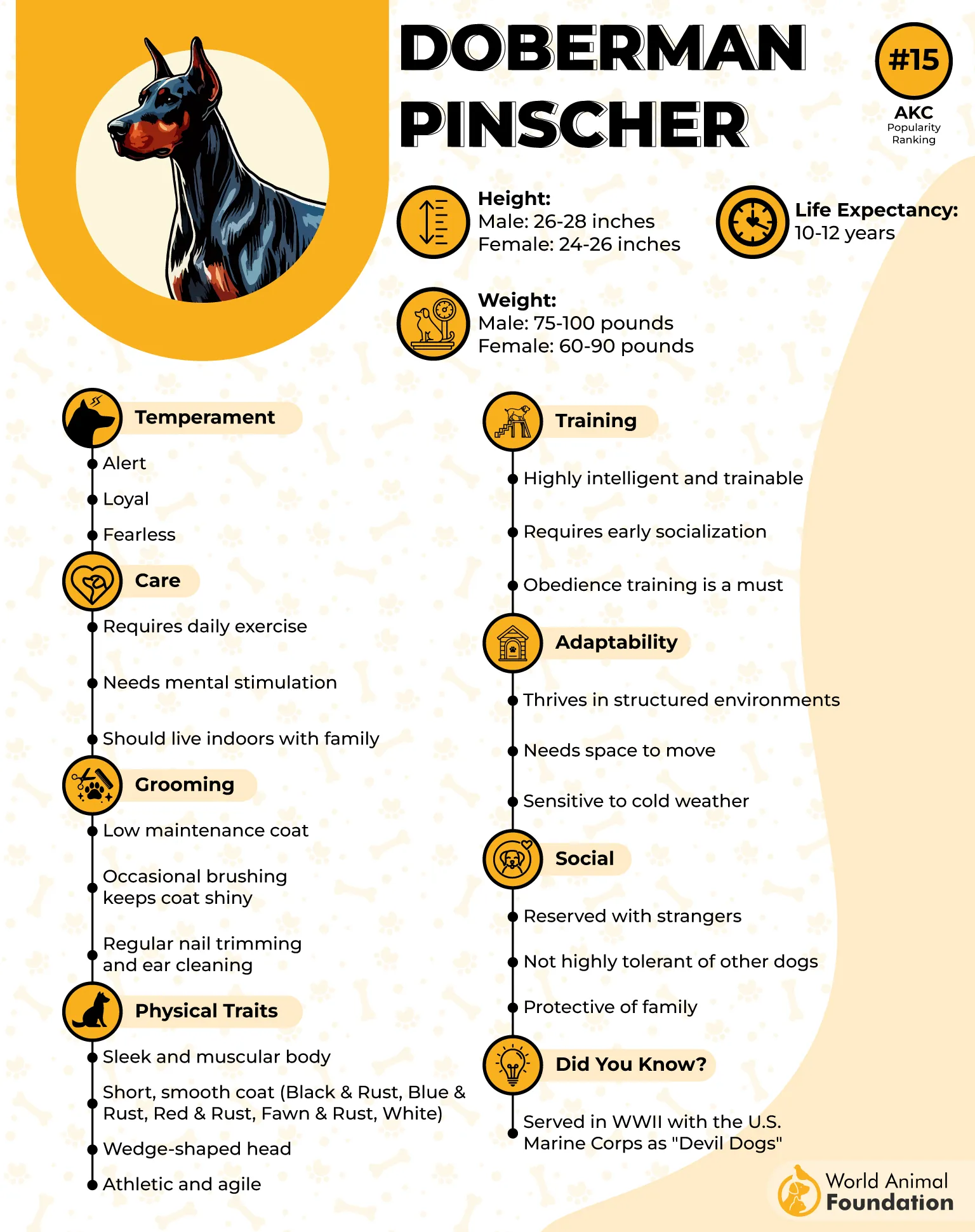
Despite their intimidating looks, Dobermans can be loving and affectionate family companions. They form deep bonds with their owners and are often called Velcro dogs because they love staying close to their people.
They are also sensitive dogs that respond to the emotions around them. However, their high energy levels and strong minds mean they need experienced owners who can provide regular exercise, obedience training, and mental stimulation.
Important Care Considerations:
Early and consistent training helps them become confident and well-mannered around unfamiliar people and dogs.
Agility work, obedience training, and other activities help keep their active minds and bodies engaged.
They can be wary of strangers and may not suit homes with very young children or small pets due to their strong prey drive.
They thrive on companionship and may develop separation anxiety when left alone for long periods.
2. German Shepherd
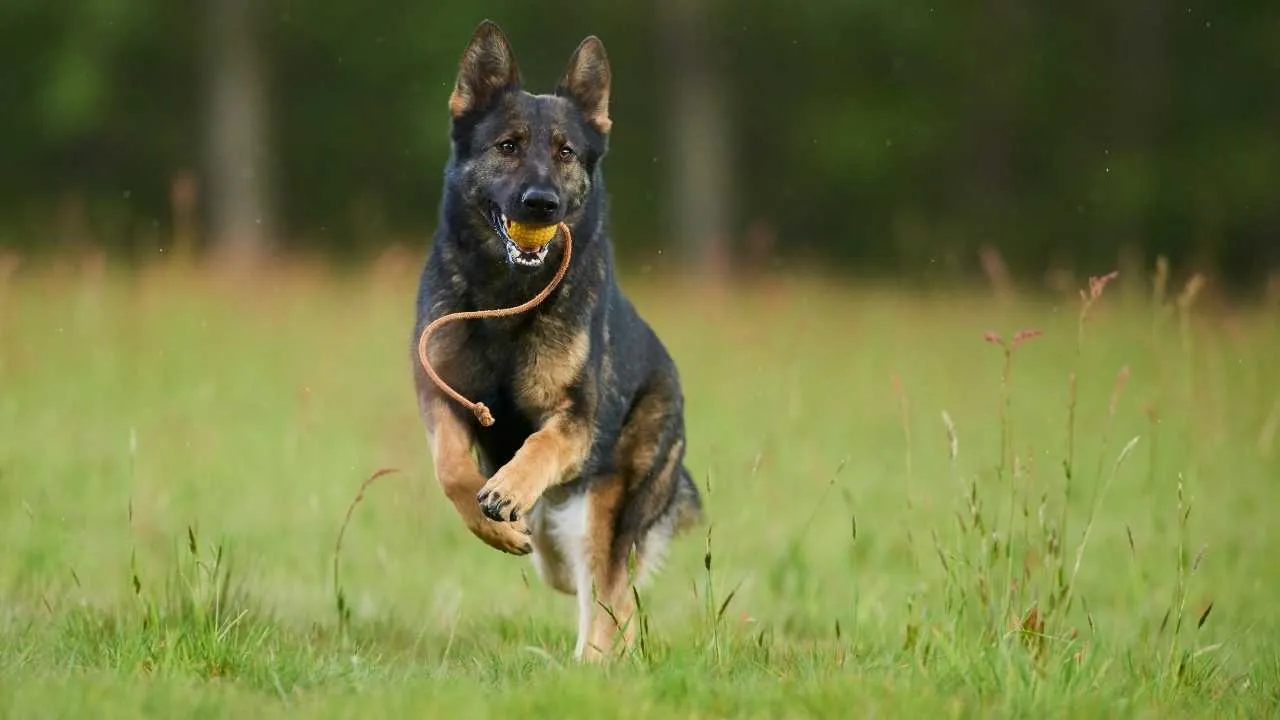
German Shepherds are known for their intelligence, courage, and unwavering loyalty. Originally valued for their working abilities, they are now widely used in police, military, search-and-rescue, and service work.
Their strong protective instincts and confidence make them excellent guardians. Although they can be reserved around strangers, they are devoted family companions who enjoy spending time with their loved ones.
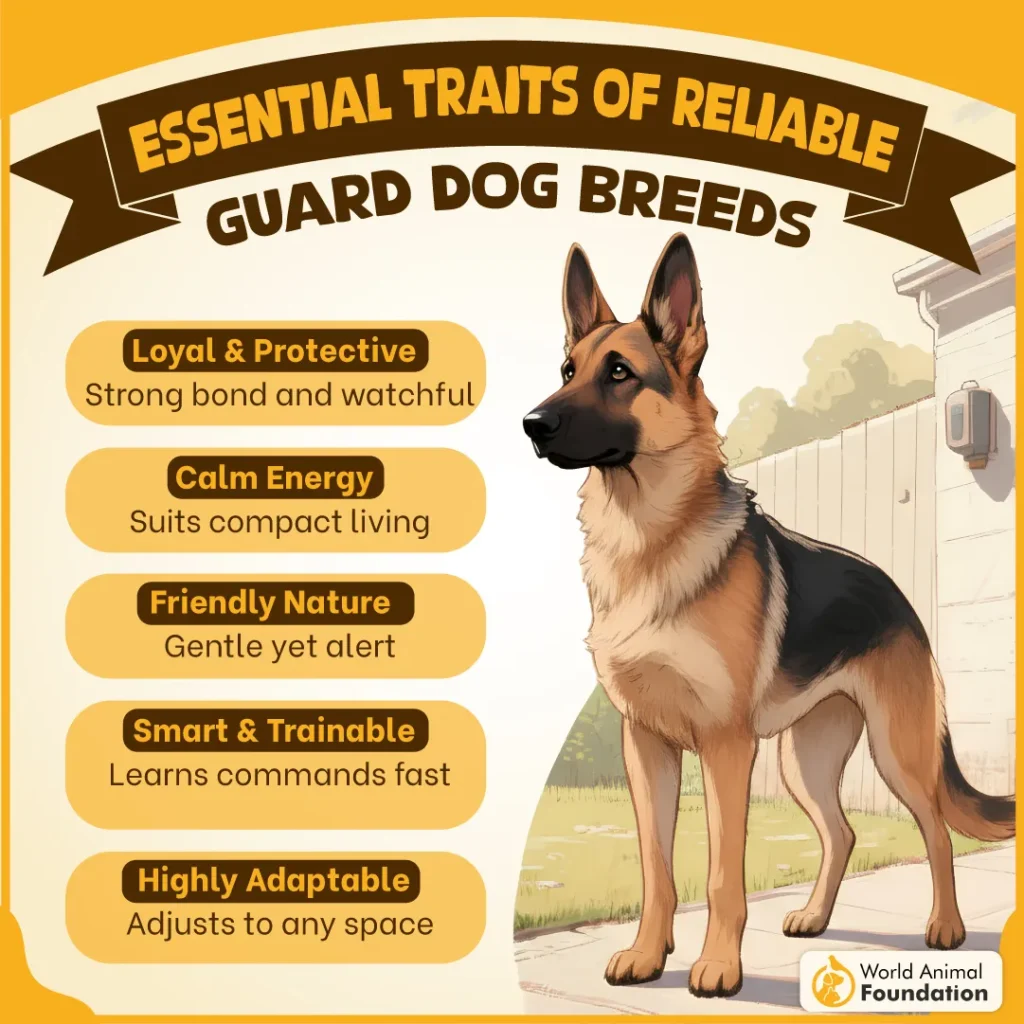
Despite their serious working-dog reputation, German Shepherds have a playful side. They can be gentle with children and other family members and enjoy games and activities.
They learn commands quickly but need clear guidance and consistent training. Without proper direction, their protective instincts can become difficult to manage.
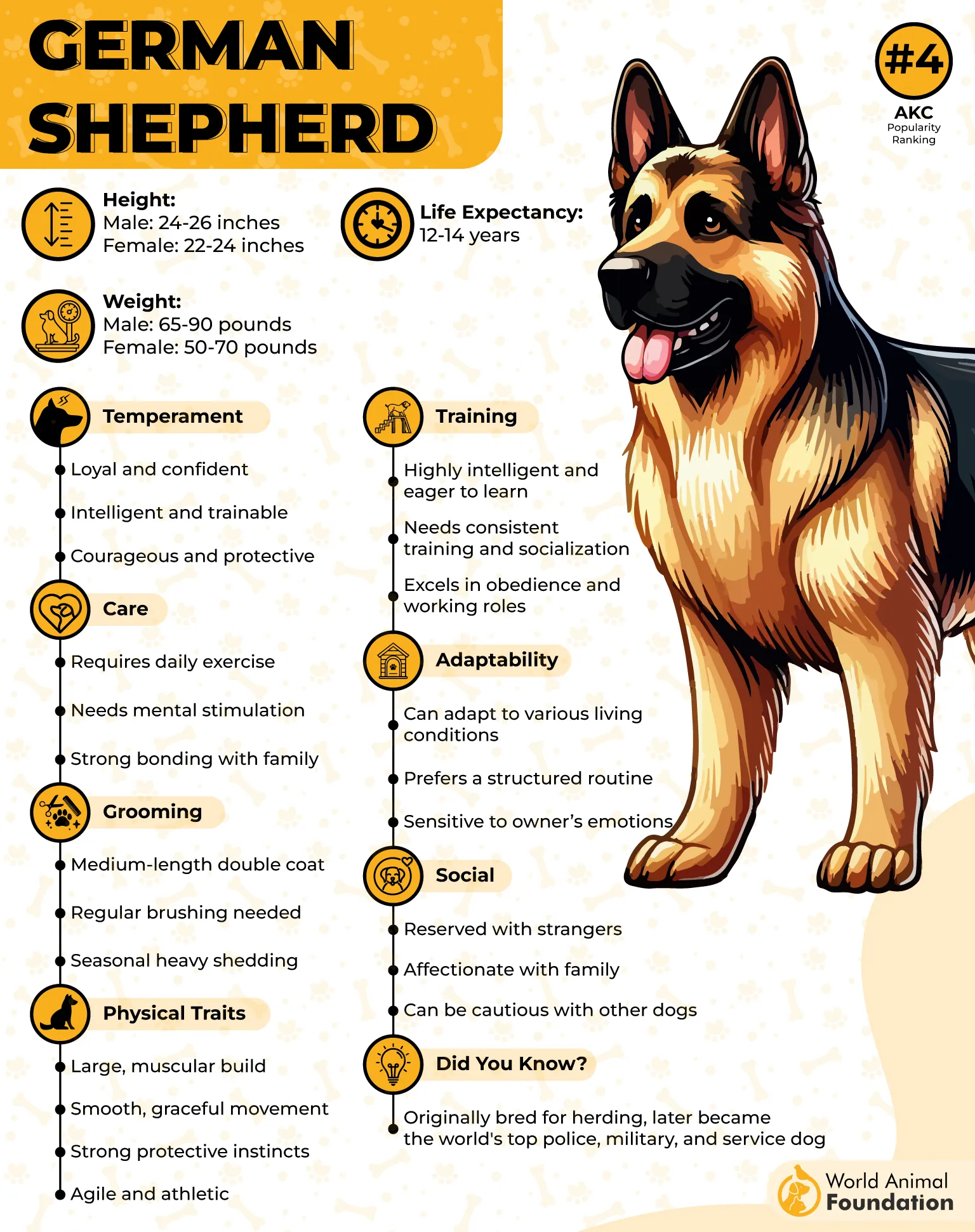
Important Care Considerations:
Early training helps manage their protective instincts and encourages good behaviour around strangers and other pets.
Regular activities and mental challenges keep them engaged and prevent boredom.
They can make affectionate companions for children and seniors when properly raised and socialized.
They enjoy being around their families and may develop separation anxiety if left alone for extended periods. They can also become more vocal without proper training.
3. Boxer
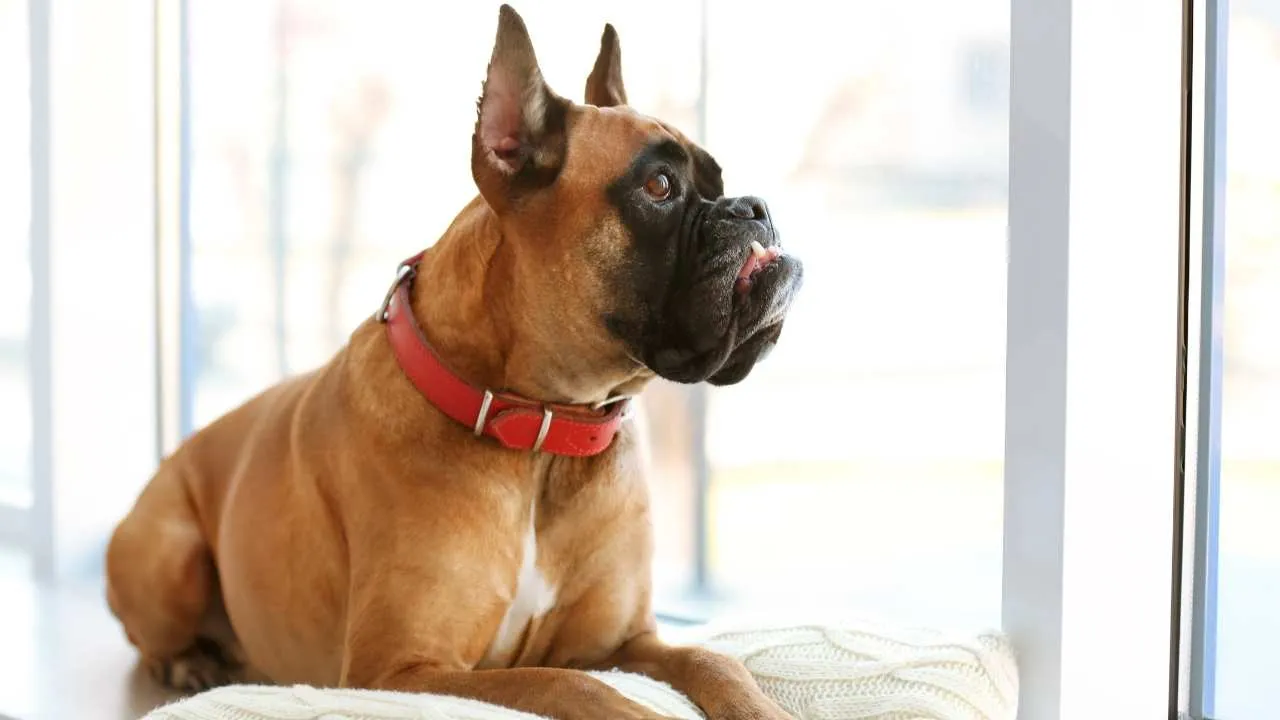
Boxers may look serious, but their playful personalities tell a different story. Originally imported to the United States from Germany in the 1930s, they were used for hunting. Today, they are loved for their courage, intelligence, and strong protective instincts.
Their muscular build and alert nature make them excellent watchdogs, while their loyalty makes them devoted family companions. They are especially known for being patient and naturally protective around children.
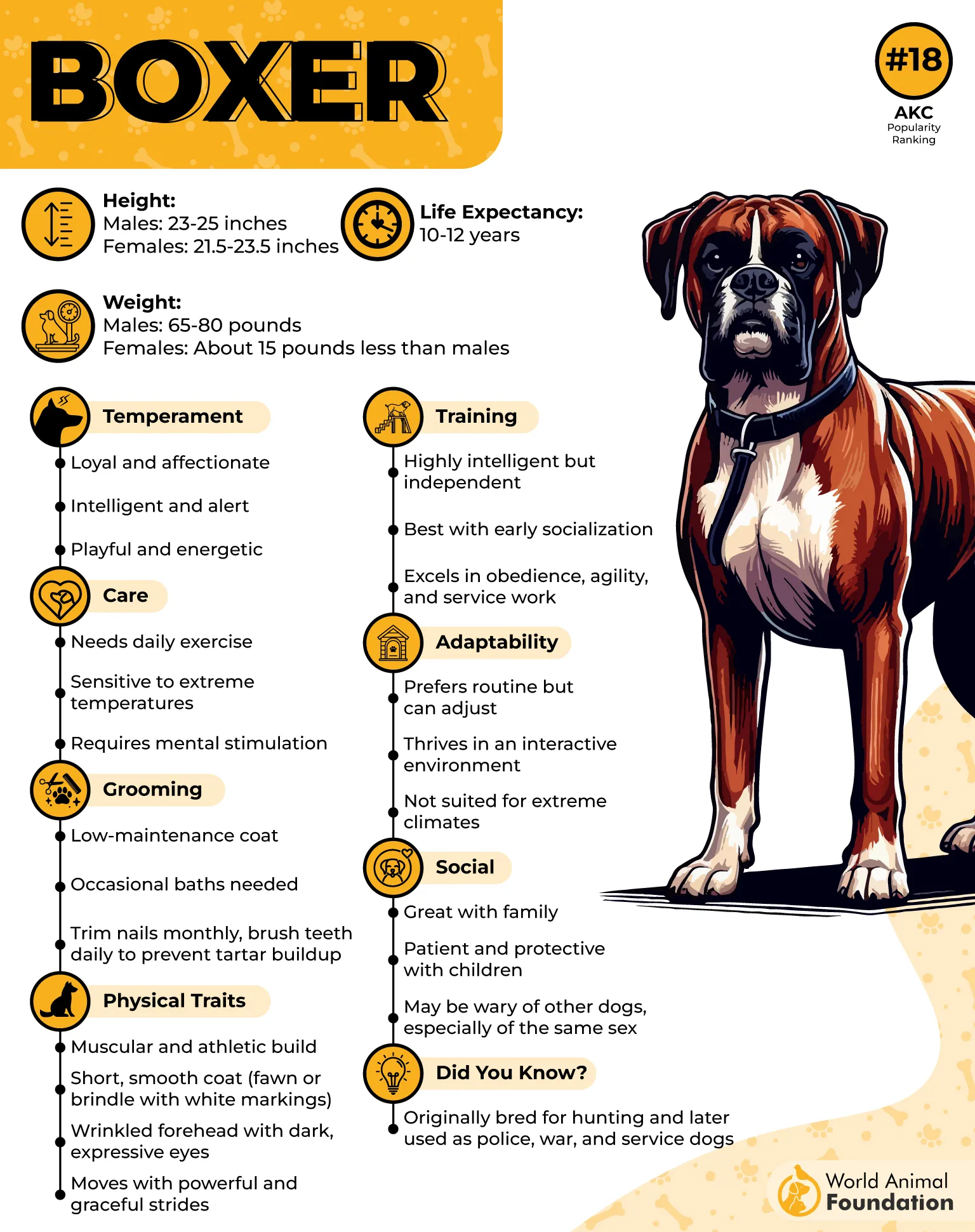
Boxers are energetic, affectionate, and often full of silly antics. They love spending time with their families and enjoy activities that keep them busy.
Their intelligence makes them quick learners, although they can be stubborn at times, as Britannica notes. They may be cautious around strangers and need early socialization to develop good behaviour around other dogs.
Important Care Considerations:
Early training helps manage their stubbornness and protective instincts.
They need around 30 minutes to two hours of daily exercise, along with mental stimulation.
Their short, smooth coats require very little grooming.
They thrive on family attention and may develop separation anxiety when left alone for too long. Their energetic nature may also be overwhelming for very young children or older individuals.
4. Cane Corso
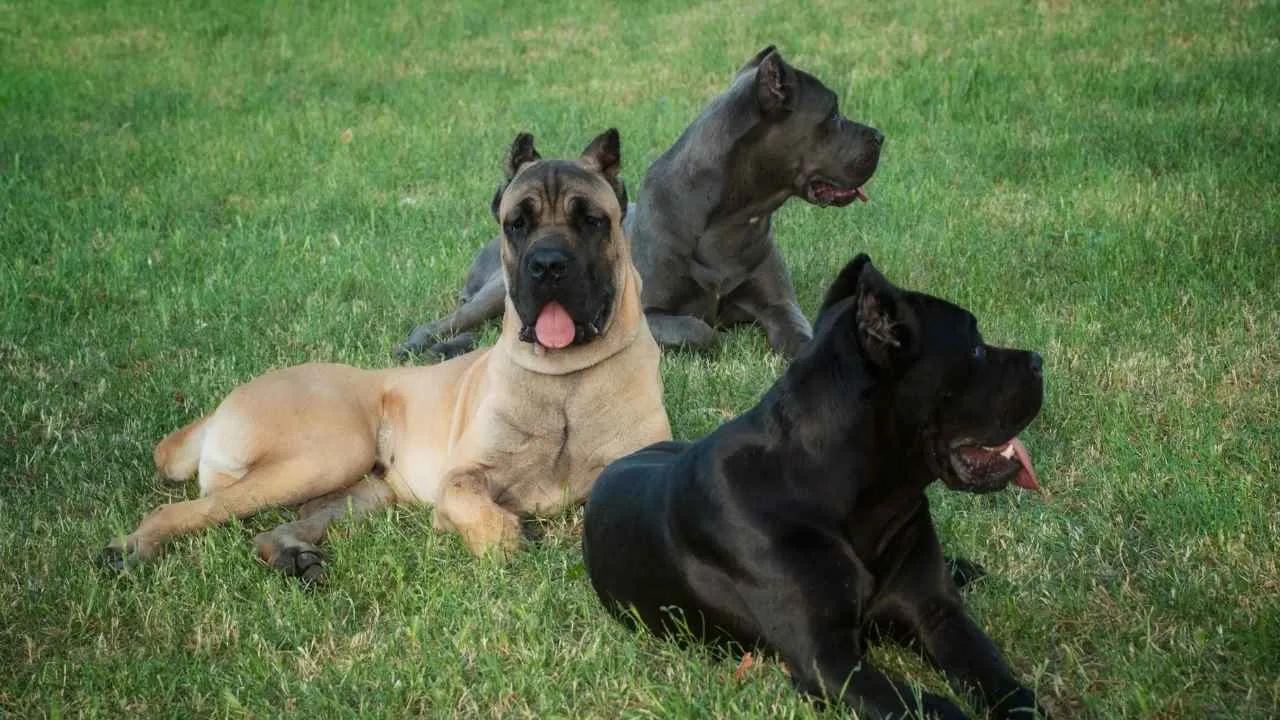
Cane Corsos, also known as Italian Mastiffs, are powerful and confident guardians with a history dating back to ancient Roman times. Their name roughly translates to “bodyguard dog,” which reflects their original role as protectors.
Historically, they worked as watchdogs, farm dogs, and even canine soldiers. Their muscular build and alert expression can be intimidating, but beneath that appearance is a deeply loyal and affectionate companion.
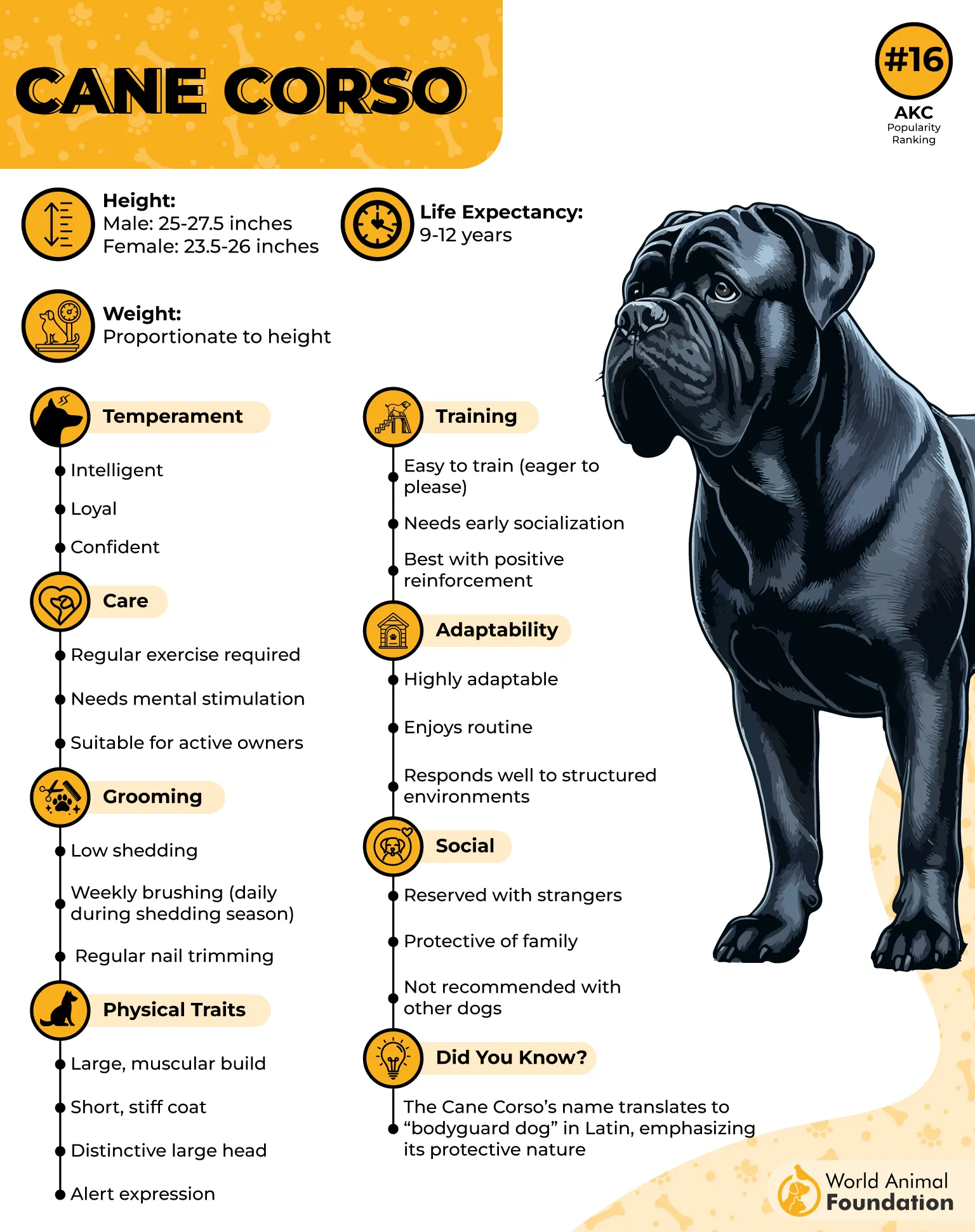
Cane Corsos are intelligent, eager to please, and devoted to their families. They are often calm indoors but remain alert to unfamiliar people and situations.
However, their strong protective instincts and independent nature require confident leadership. They are best suited to experienced owners who can provide consistent training and early socialization.
Important Care Considerations:
Early, consistent training helps prevent excessive protectiveness and unwanted aggression toward strangers or other pets.
Daily walks, structured activities, and training sessions keep them physically and mentally engaged.
Their short, smooth coats require minimal grooming, although moderate shedding occurs throughout the year.
They bond closely with their families but may take time to warm up to unfamiliar people.
5. Bullmastiff
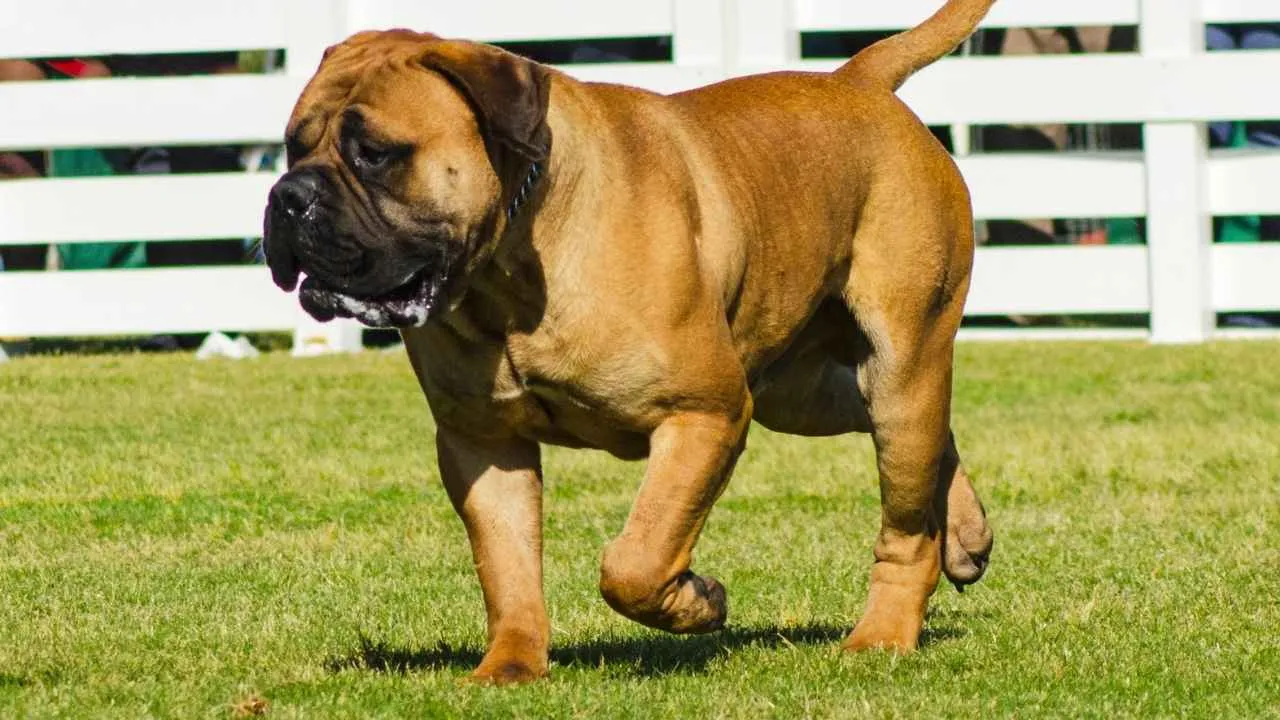
Bullmastiffs were developed in 19th-century England by crossing Bulldogs and Mastiffs. Originally bred to guard large estates and catch poachers, these dogs became known for their courage and protective instincts.
Despite their powerful appearance, Bullmastiffs are surprisingly docile at home. Their broad heads, alert expressions, and confident nature make them impressive guardians, while their affectionate personalities make them devoted family companions.
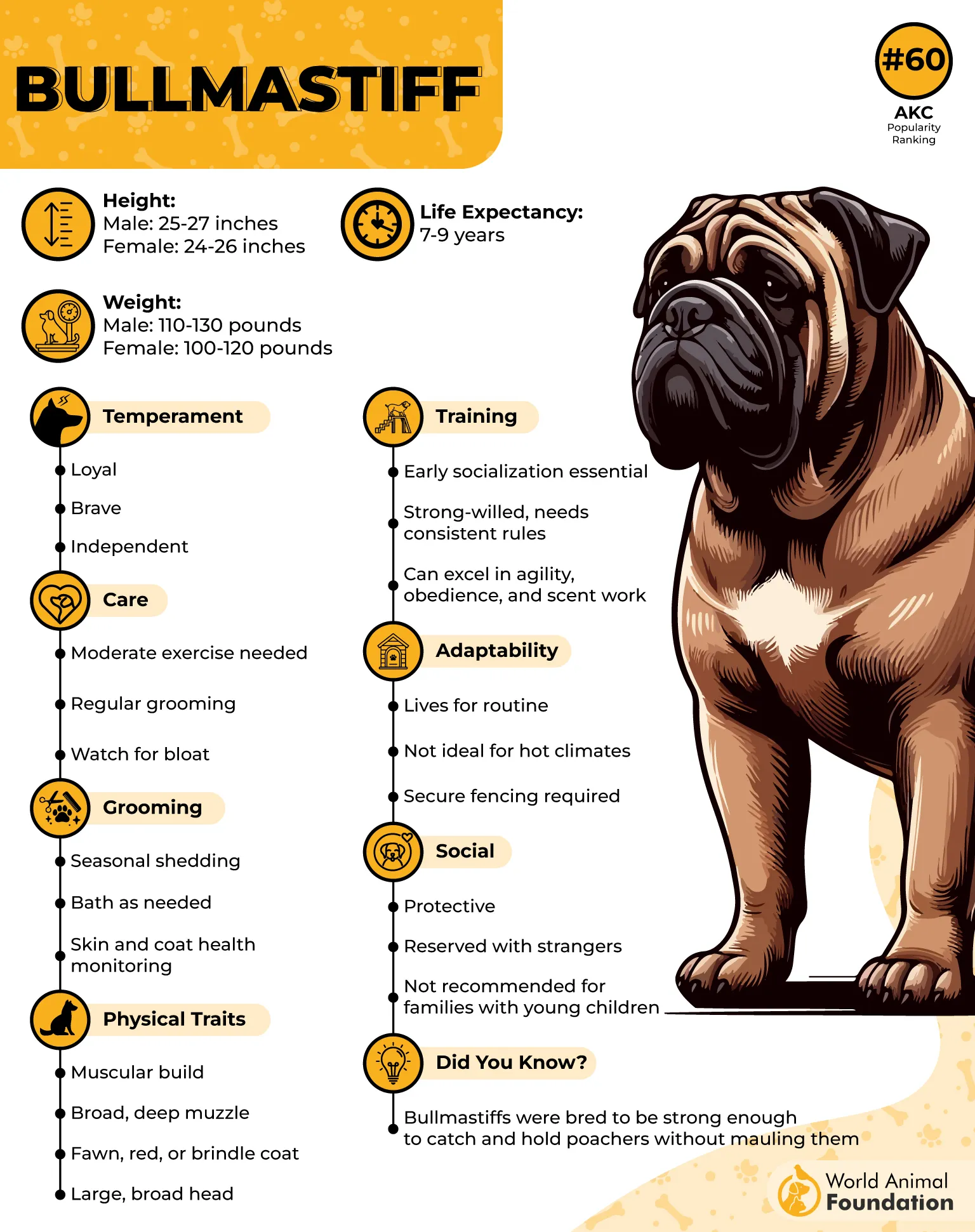
They are not excessive barkers and often show affection by staying close to their owners. Although generally relaxed, they remain watchful and can react quickly to potential threats.
They may be reserved around strangers, so early socialization is important. Their independent nature also calls for consistent training and confident handling.
Important Care Considerations:
Early training helps establish good manners and encourages balanced behaviour around unfamiliar people.
Moderate daily exercise, including regular walks, helps maintain their health and mobility. Avoid overexertion, especially in hot weather.
They can be affectionate family dogs, but their large size means they may accidentally knock over small children or pets.
Their shortened muzzle can make them prone to breathing problems.
6. Great Dane
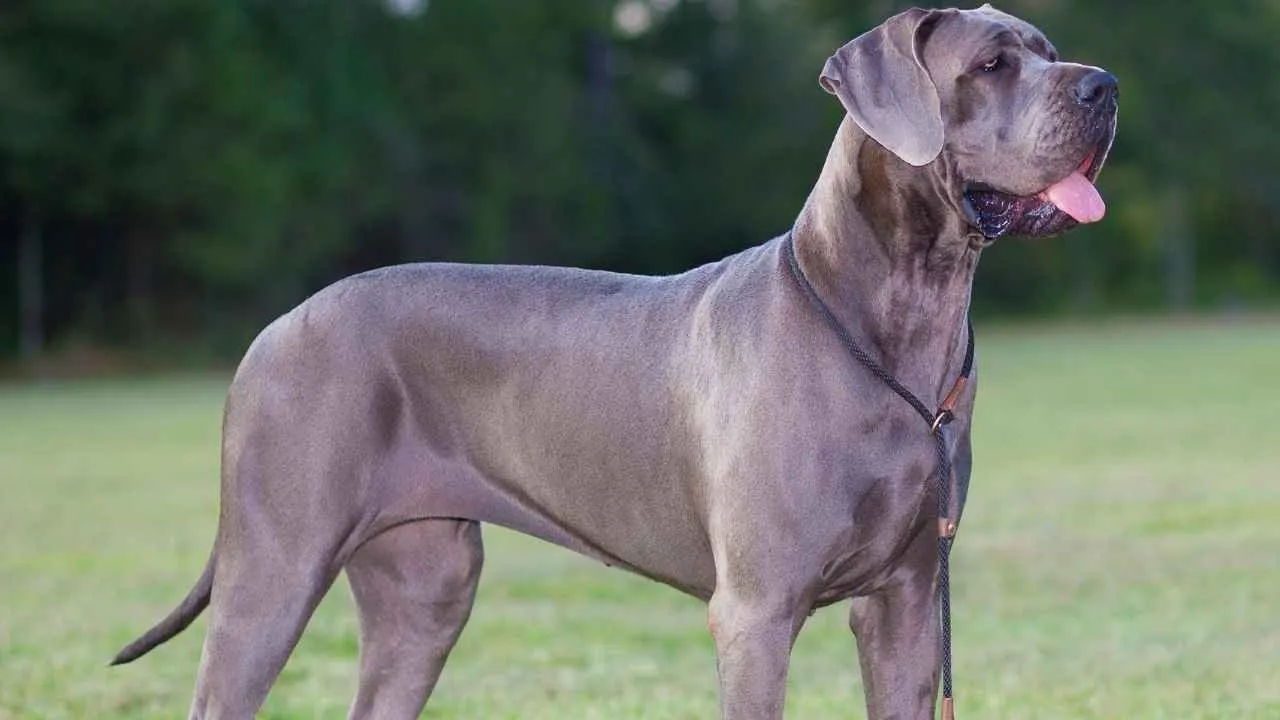
Known as the “Apollo of Dogs,” Great Danes are gentle giants with an impressive presence. Originally bred in Germany during the 1800s for hunting wild boar and guarding estates, they still have strong protective instincts, as noted by the AKC.
Their sheer size can discourage intruders, but their sweet and patient nature makes them wonderful family companions. Despite their imposing appearance, they are generally friendly, affectionate, and eager to please.
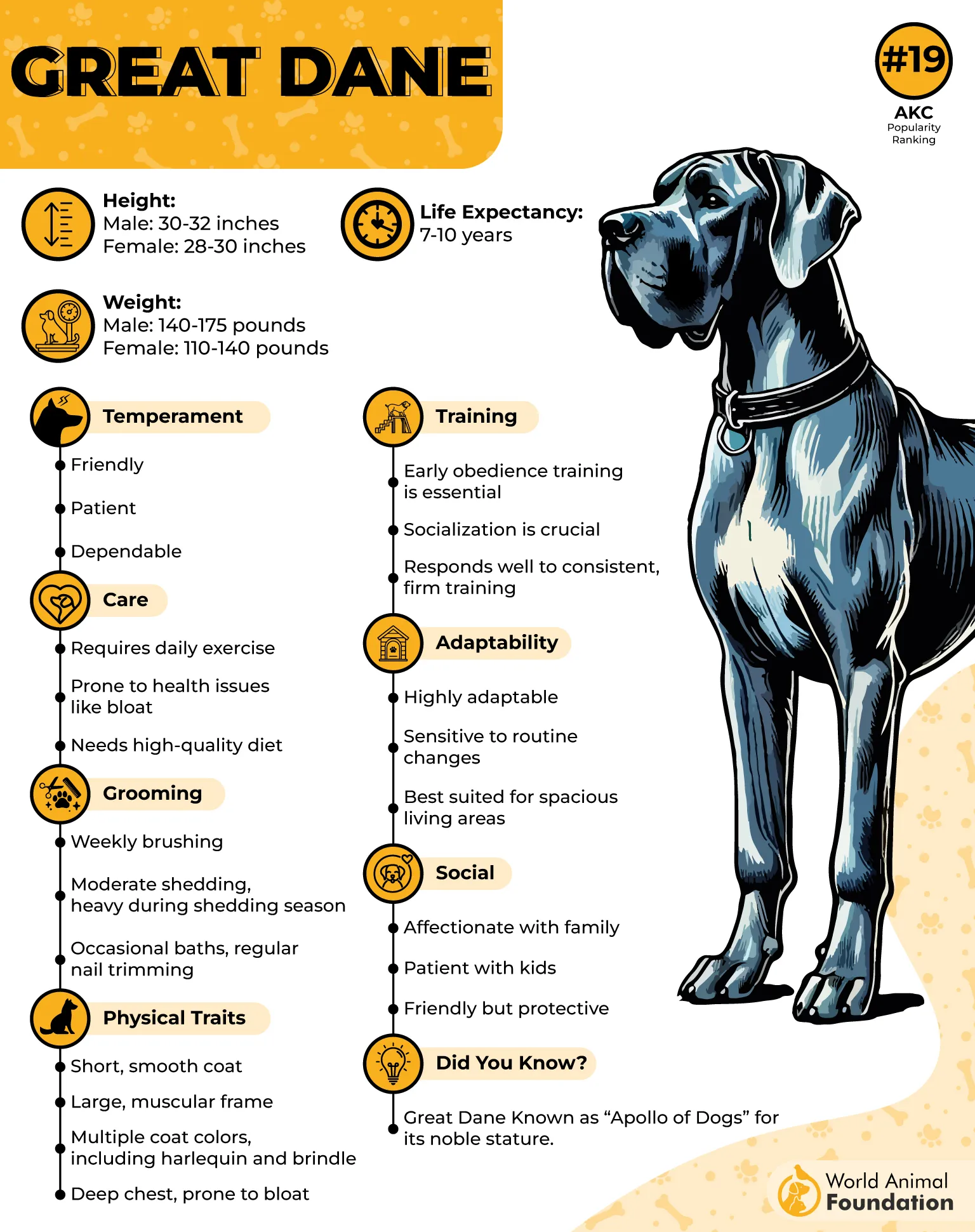
Great Danes enjoy being around people and love spending time with their families. They are usually gentle with children, get along with other animals when properly introduced, and often welcome visitors warmly.
However, they can become protective when they sense a threat. Their size makes early obedience training and socialization especially important. They also need enough room to move around and regular walks to stay active.
Important Care Considerations:
Early obedience training helps manage their strength and prevent unwanted territorial behaviour.
Daily walks and enough space to move around are important, especially while they are young.
Their short coats need weekly brushing
They require larger food portions and more supplies. They can also be prone to hip dysplasia, heart disease, and bloat.
7. Great Pyrenees
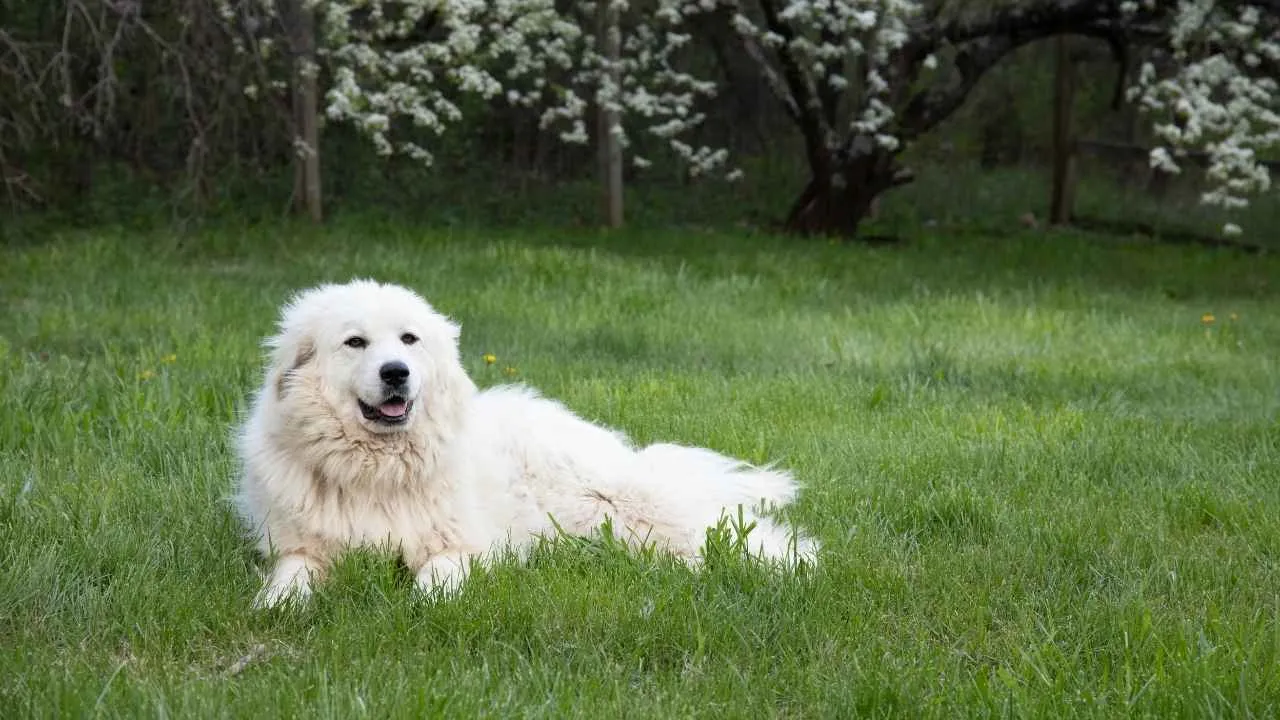
Originally bred in the Pyrenees Mountains between France and Spain, Great Pyrenees dogs were developed to protect livestock from predators such as wolves and bears, according to PetMD. Their thick white coats helped them blend into snowy surroundings while guarding sheep.
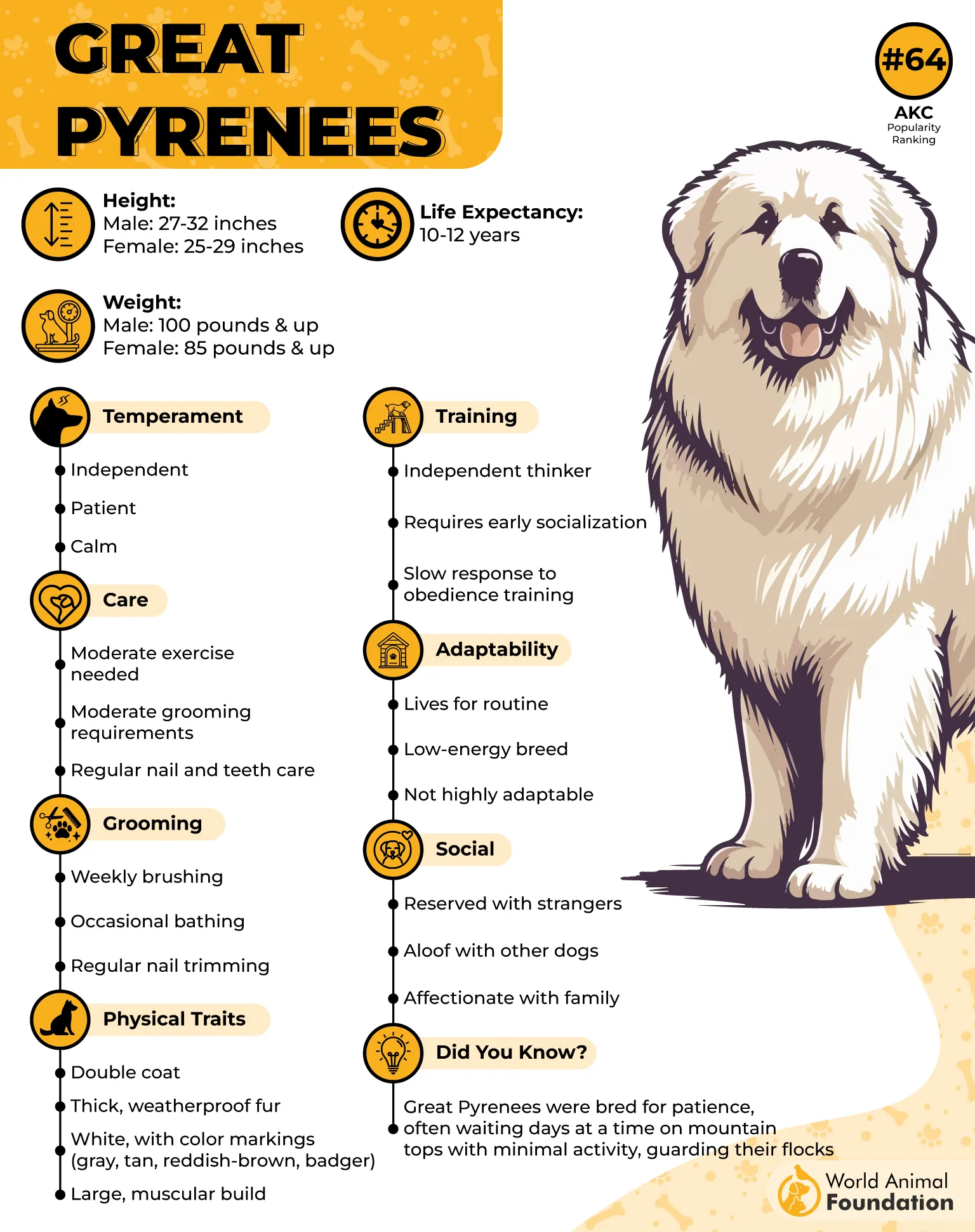
Despite their powerful build and strong protective instincts, these protection dogs are known for their calm and gentle nature at home. Today, they remain devoted family companions and vigilant guardians.
Great Pyrenees dogs are generally mellow and affectionate with their families. They are naturally watchful and may be wary of unfamiliar people. Unlike highly energetic working breeds, they have relatively modest exercise needs and are often happy to relax at home.
Important Care Considerations:
Consistent training helps manage their independent nature and encourages balanced behaviour around strangers.
Moderate daily activity, including walks and controlled outdoor time, is usually sufficient.
Their thick outer coats resist dirt and tangles, but weekly brushing helps maintain the undercoat and control shedding.
They value their independence and may become vocal or restless without proper guidance and enough activity.
Conclusion
Choosing a guardian breed doesn’t mean you have to give up a peaceful home. The dog breeds discussed above show that dogs can be loyal, alert, and protective while still being gentle, affectionate companions.
Each has a different personality, energy level, and care requirements, so finding one that fits your household is just as important as considering its guarding abilities.
Before bringing one home, take time to understand the breed’s needs and be prepared to provide proper training, early socialization, and plenty of companionship.
A good guard dog isn’t simply one that keeps strangers away; it makes your family feel safe while bringing warmth, loyalty, and love into everyday life.
