




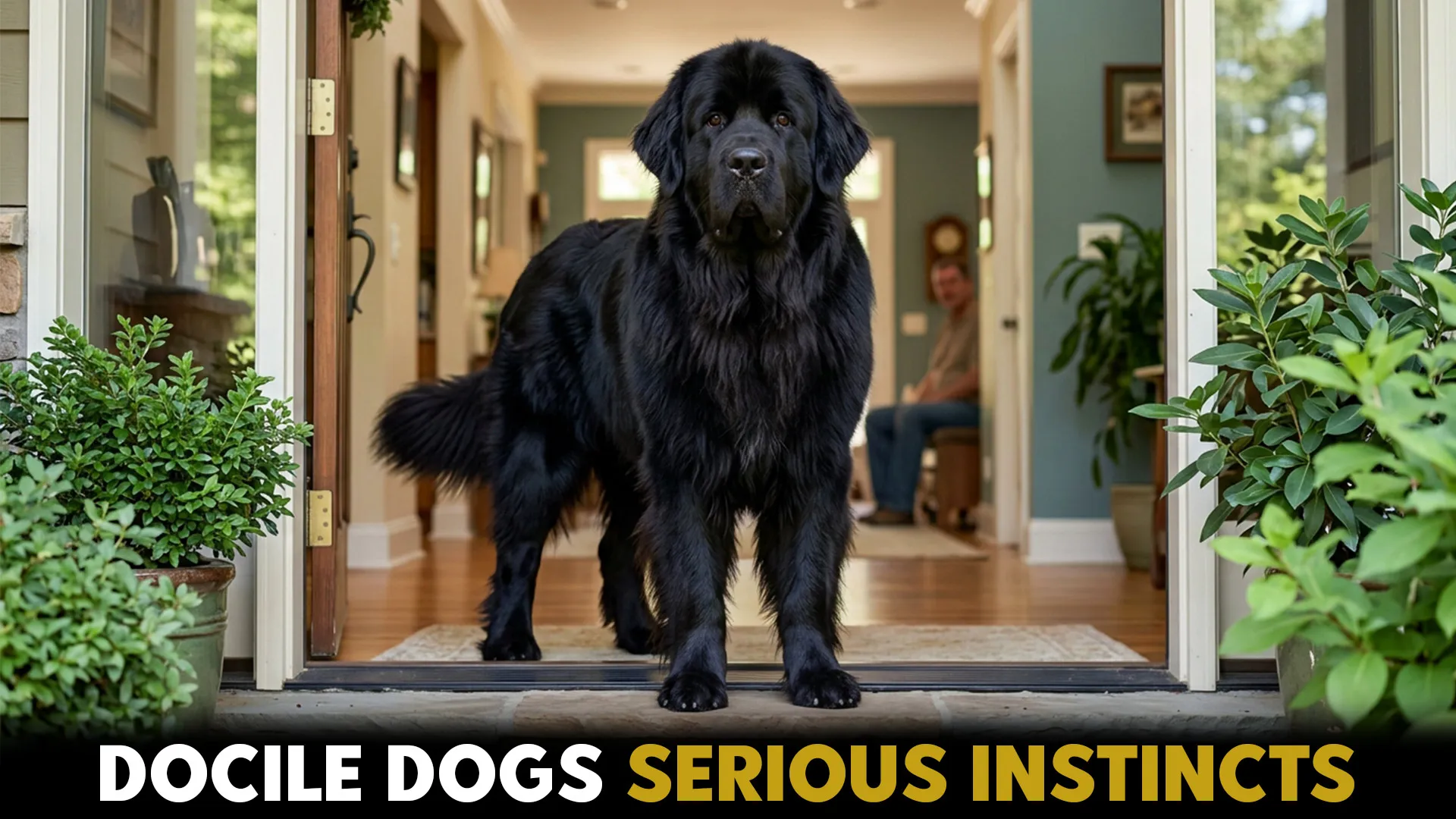
Want a dog that can make strangers rethink their life choices just by standing near the front door—but still spend the evening chilling with the family? That is basically the sweet spot these docile guard dog breeds occupy.
They combine an imposing presence with relatively calm, measured personalities rather than running around the house acting like every falling leaf is a five-alarm emergency.
Docile does not mean weak, lazy, or incapable of protecting anything. Many of these breeds were developed to guard livestock, estates, families, or property while making independent decisions about genuine threats, and several breed standards specifically emphasize traits such as calmness, patience, confidence, loyalty, and steadiness.
Let’s talk about the best protection dogs known to guard their humans and other animals without making it too obvious!
Docile Guard Dog Breeds for Peaceful Home Protection
1. Great Dane
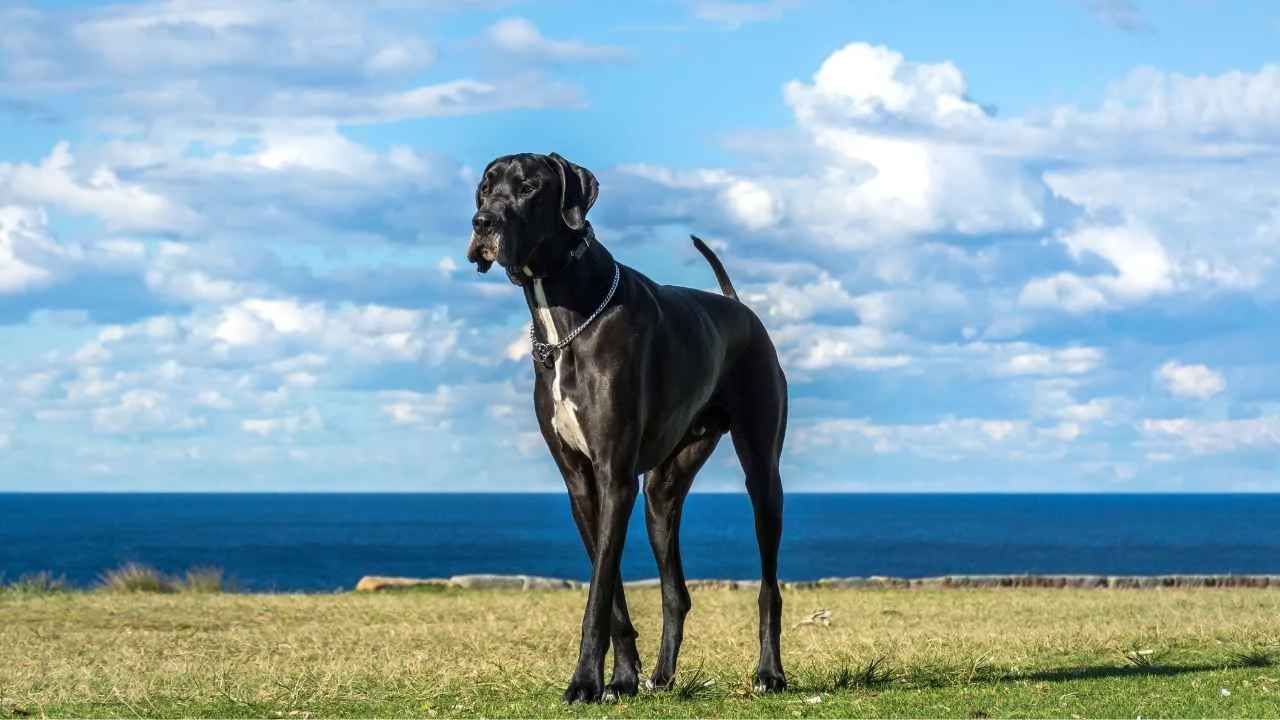
Despite that skyscraper build, a well-socialized Dane is usually much more interested in staying close to its humans than patrolling the house like a military checkpoint. This dog is courageous and dependable without being timid or aggressive, which helps explain why Great Danes are so often described as gentle giants.
The American Kennel Club describes a Great Dane as friendly, patient, dependable, and naturally alert around the home.
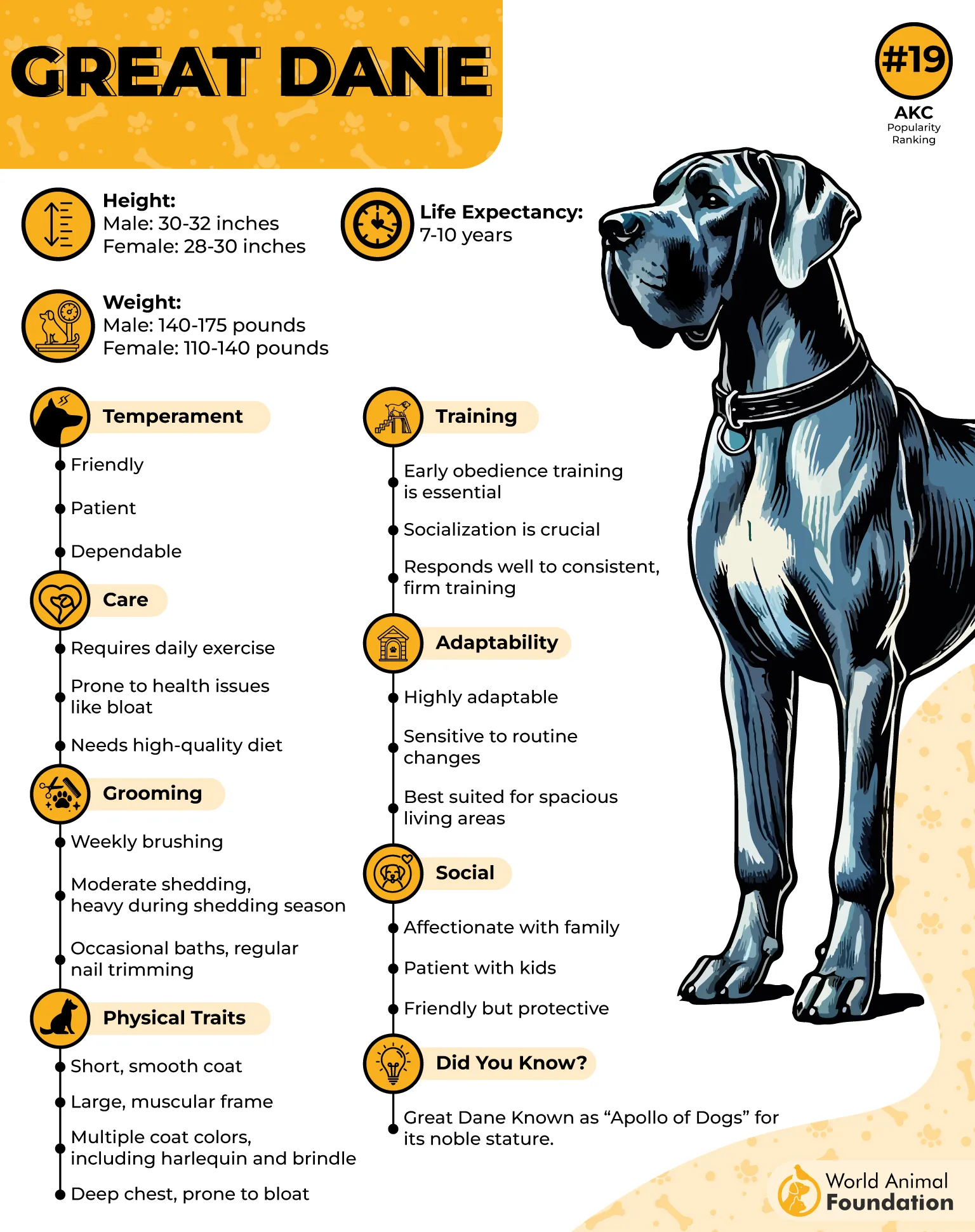
Their protective value comes heavily from deterrence, alertness, and sheer physical presence. Someone approaching a home and seeing a massive dog staring through the window may not know that the same dog spent the previous hour trying to climb onto a sofa that is clearly three sizes too small.
When something genuinely unusual happens, however, the Dane’s size, deep bark, confidence, and working-dog heritage can make it an impressive watchdog, easily some of the best guard dogs out there.
That giant body also means you can’t treat ownership casually. Early leash training is essential because an adult Dane deciding that the squirrel across the street deserves immediate investigation can turn an ordinary walk into an unexpected upper-body workout.
2. Maremma Sheepdog
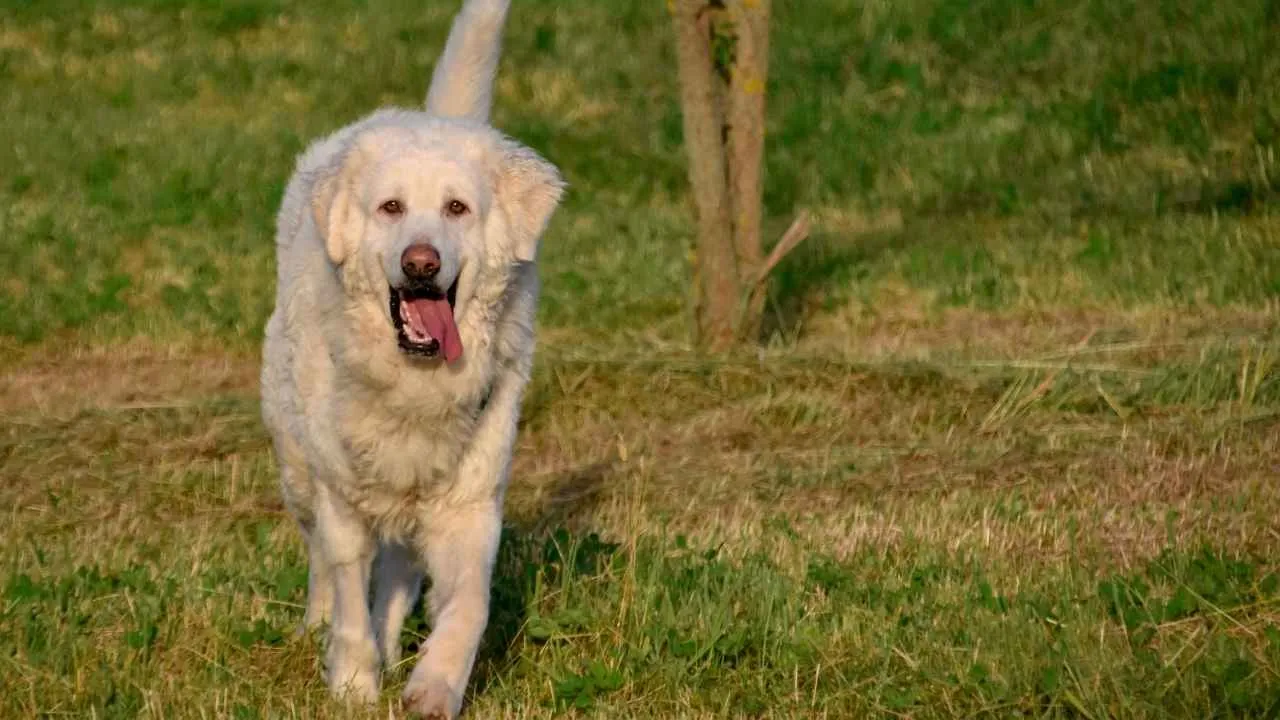
The Maremma Sheepdog is an ancient Italian livestock guardian developed specifically to protect flocks and property, so calmly watching its surroundings is basically ancestral muscle memory.
Unlike obedience-oriented working dogs that repeatedly look to their handler for instructions, livestock guardians historically needed to make decisions while humans were far away. That independence remains visible today, and a Maremma may hear a command, understand it perfectly, analyze whether it agrees, and then apparently send the request to committee.
At home, this family guard dog can appear wonderfully composed because conserving energy and observing are useful guardian behaviors. They may quietly monitor gates, fences, visitors, animals, and unusual noises rather than exploding into nonstop activity.
When something seems genuinely questionable, however, that laid-back white rug suddenly remembers several centuries of employment history.
This independence makes socialization especially important. Puppies should learn early that neighbors, invited visitors, veterinarians, delivery activity, household pets, and normal street noises are part of everyday life.
3. Kuvasz
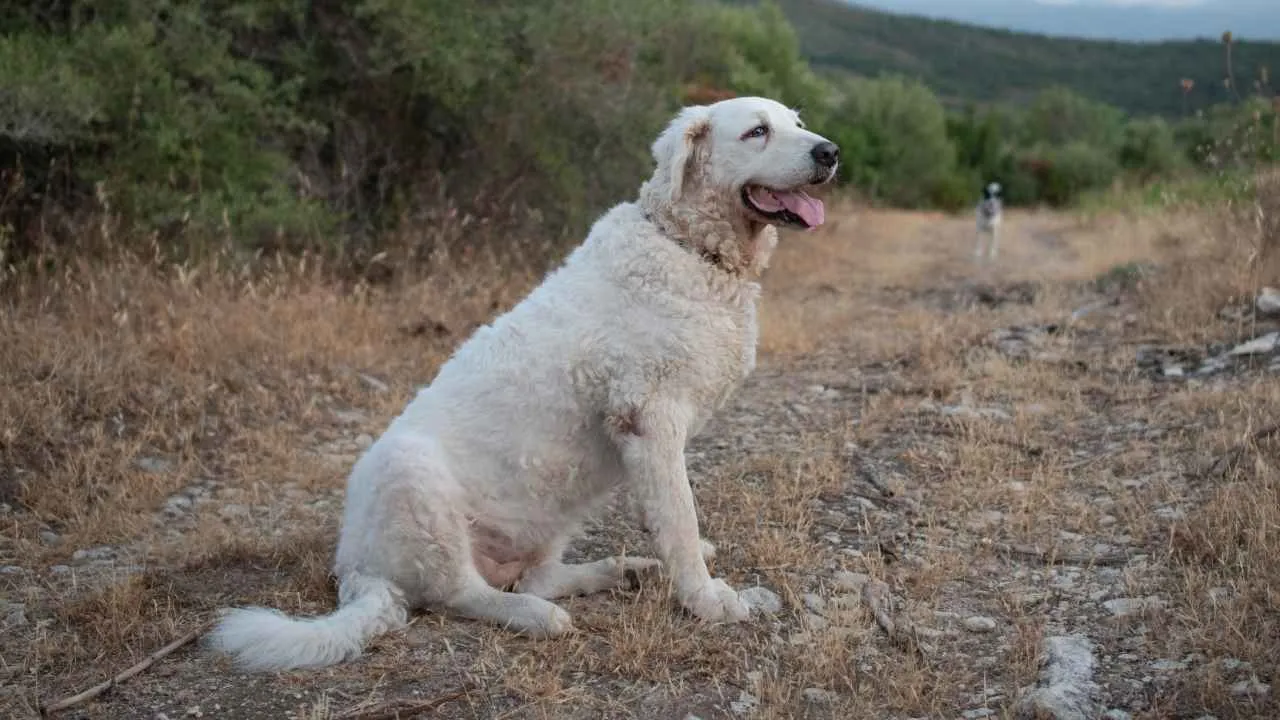
The Hungarian Kuvasz looks elegant enough for a royal portrait, and historically the breed has indeed been associated with both livestock protection and nobility. Beneath that glamorous white coat sits a large, strong guardian with an intensely loyal streak, protective nature, and plenty of independent thinking.
A Kuvasz quietly watching an unfamiliar person can communicate more than another dog barking like its Wi-Fi just got disconnected. Their natural confidence is one reason they historically worked around livestock.
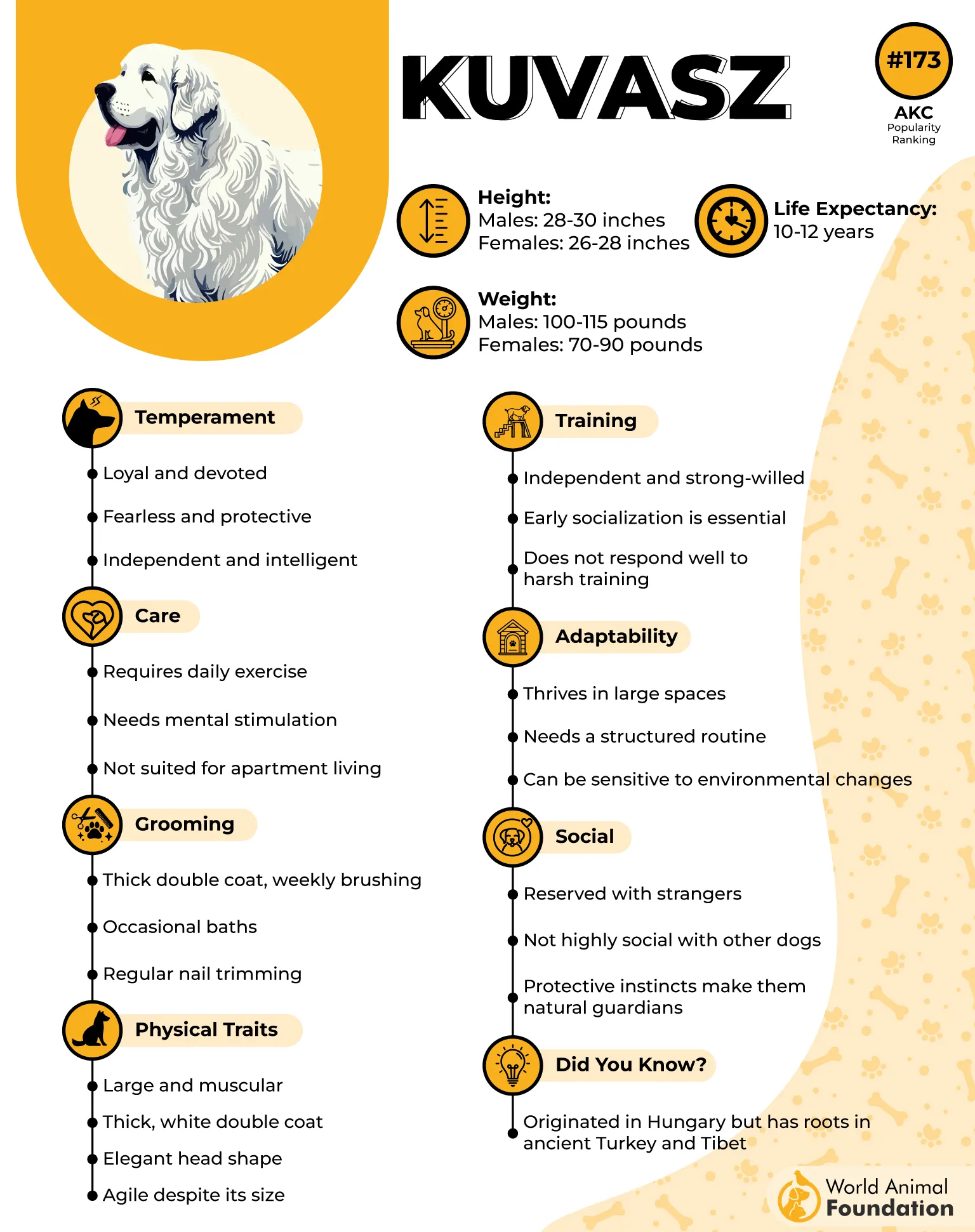
With trusted family members, however, the personality can be strikingly different. Properly raised Kuvaszok often form powerful bonds with their people and can show an affectionate, playful side that outsiders may never fully see.
Training should focus on cooperation rather than endless repetition. An independent guardian is unlikely to enjoy performing the same exercise twenty times simply because somebody has treats and optimism, so short, purposeful sessions generally make more sense.
Harsh handling can also damage trust, while calm consistency teaches this family protection dog that the human family—not the dog—makes the big household decisions.
4. Newfoundland
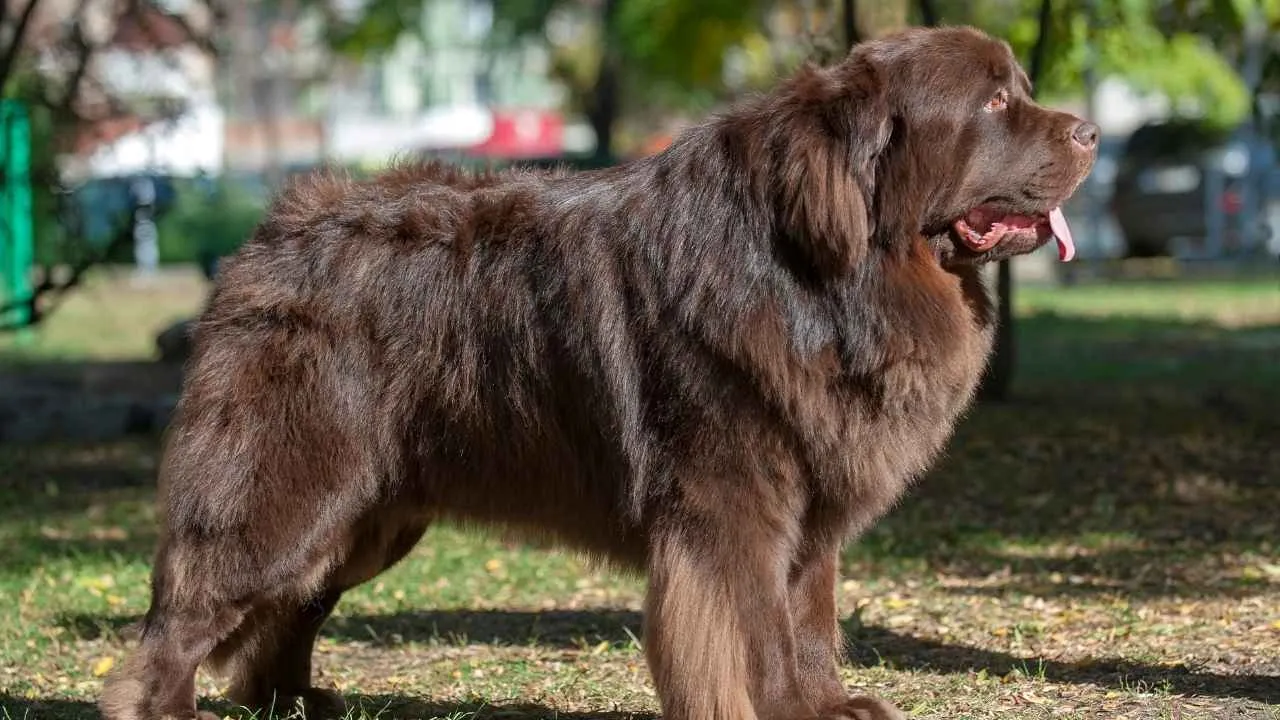
The Newfoundland is a good family guard dog: devoted, sweet, and patient, with the breed standard considering a sweet temperament the single most important characteristic.
Historically, they performed demanding jobs on land and in water, including hauling loads, and became famous for powerful swimming ability and water-rescue work. That heritage produced strength without requiring an aggressively suspicious temperament.
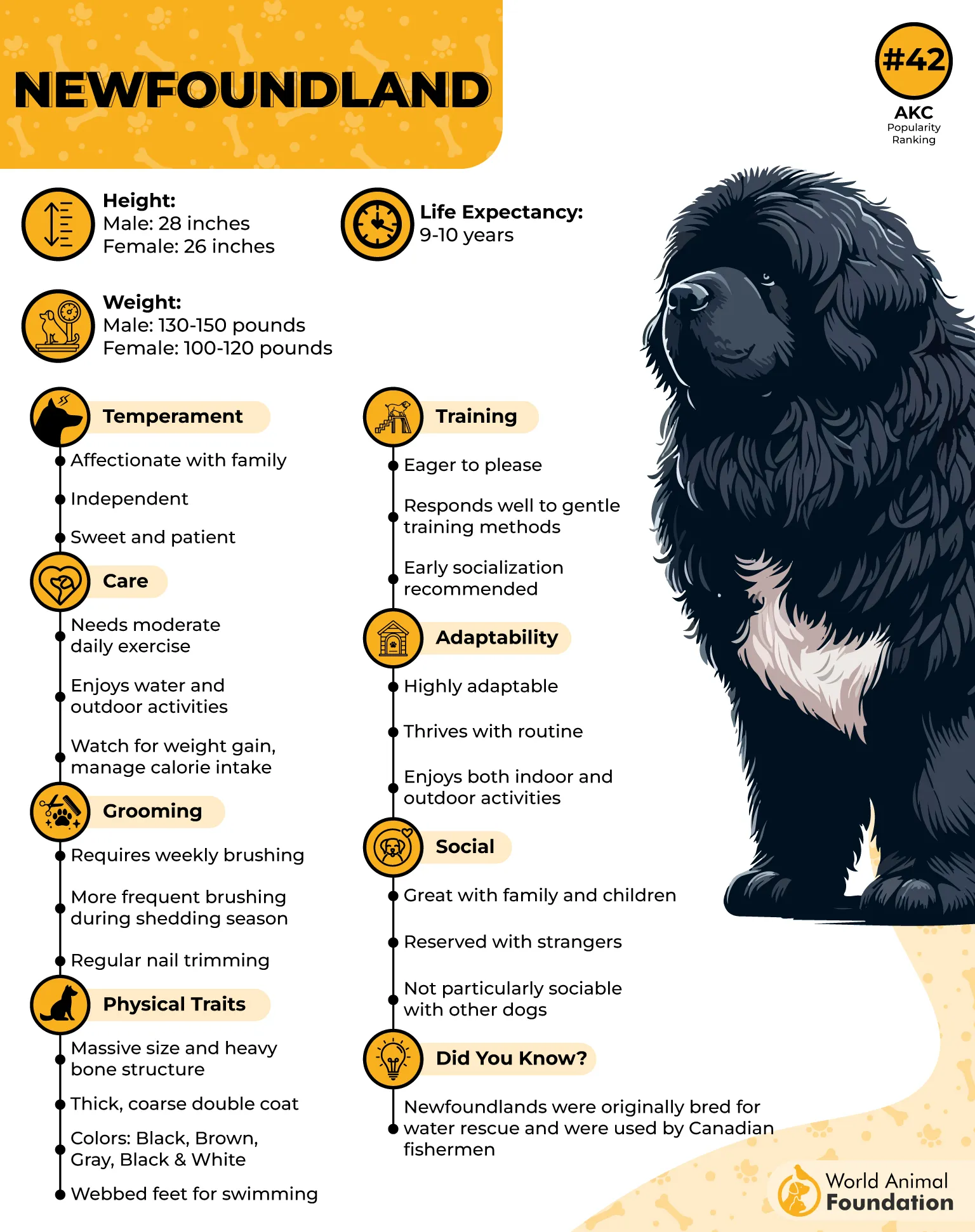
Around a peaceful household, this is often exactly the appeal. The Royal Kennel Club says it may greet everyday family life with patience and gentleness while still possessing enough mass, bark, awareness, and confidence to make an unexpected stranger reconsider wandering farther onto the property.
Living with one does require accepting the full Newfoundland package. You are dealing with heavy grooming needs, significant shedding, possible drool, giant-dog food bills, and an animal that can accidentally relocate a coffee table just by turning around too enthusiastically.
5. Leonberger
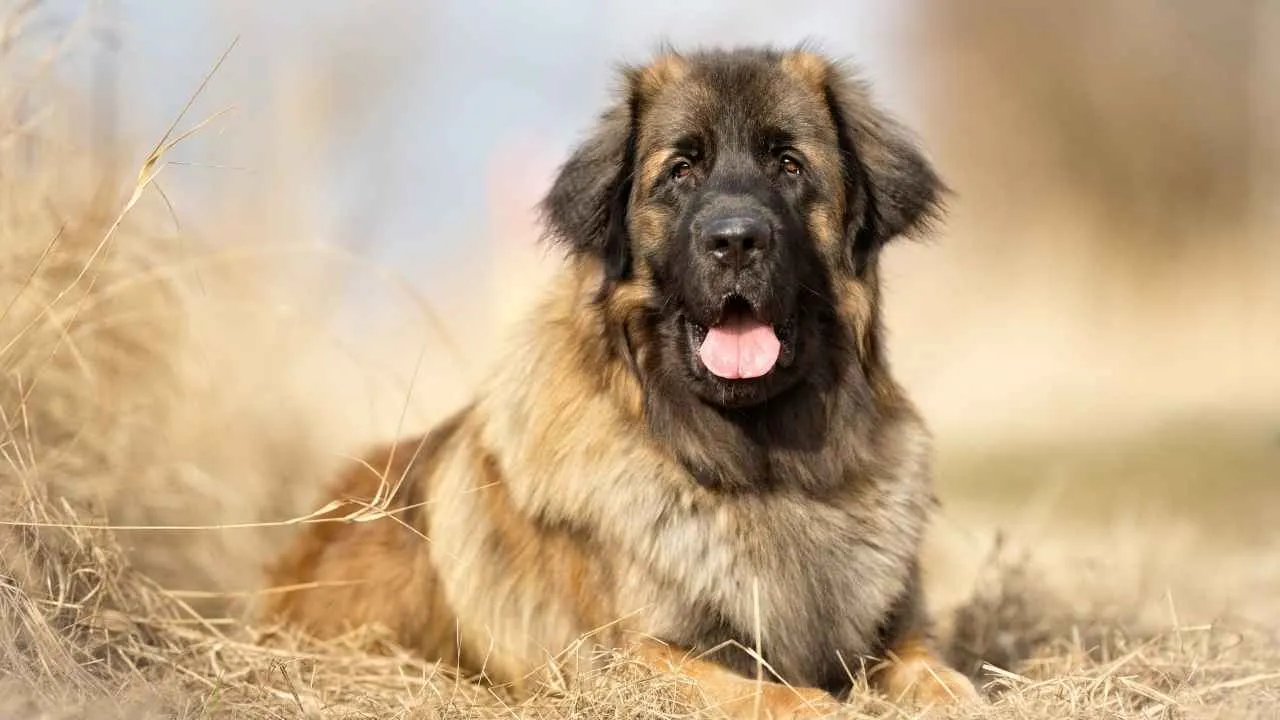
A Leonberger looks like someone asked nature to make a lion family-friendly and then add extra fur. They are gigantic; Omlet describes the breed as friendly, playful, and gentle. That contrast between colossal appearance and relatively serene personality is a major reason the breed fits this conversation.
This dog was developed in Germany and has become known as a versatile giant companion rather than a dog whose entire personality revolves around confrontation. It has a gentle nature, patience, and enjoyment of family companionship.
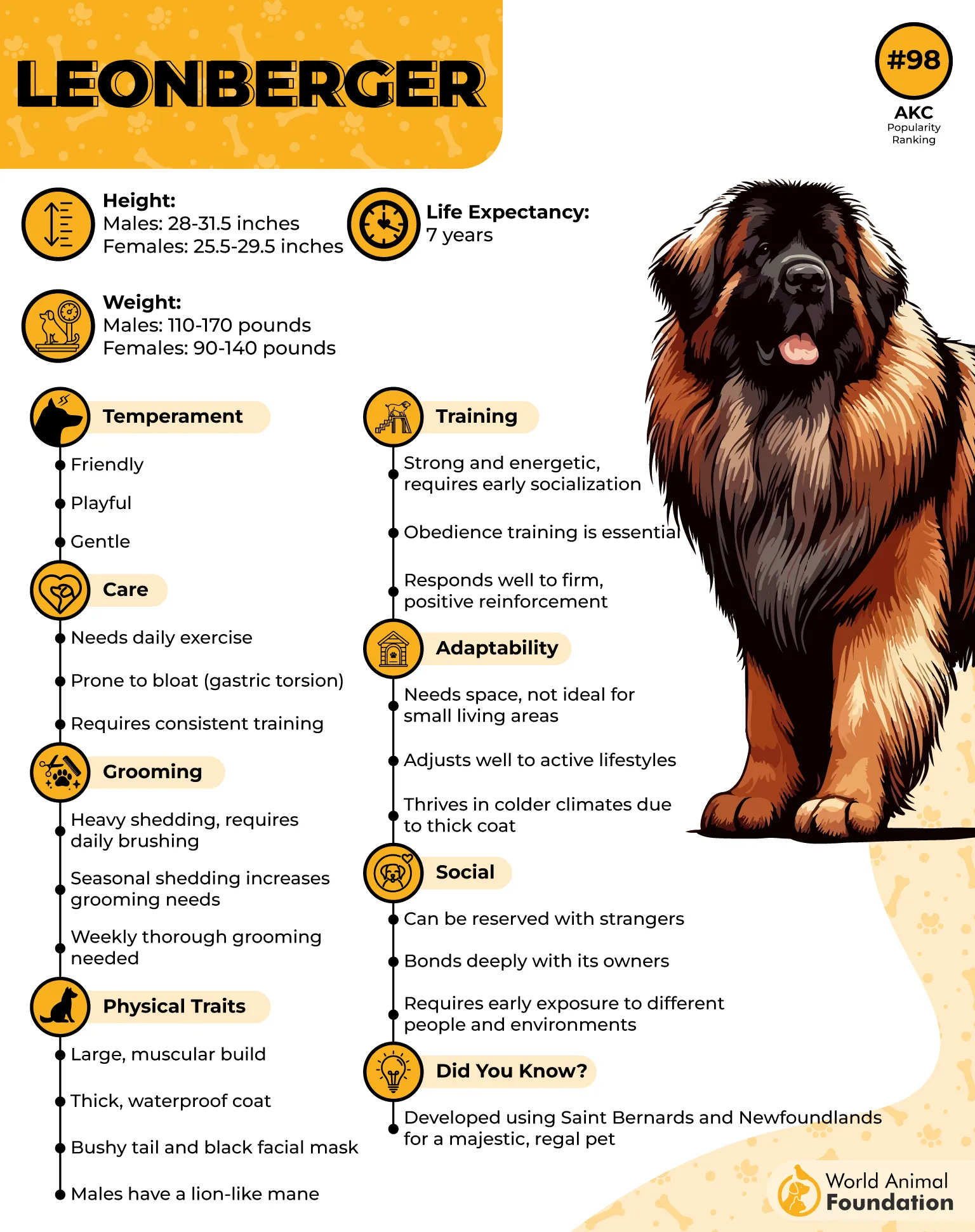
Of course, “gentle” does not erase the psychological effect of opening a door beside something roughly the size of a small lion. Large guardians don’t always need dramatic reactions to discourage unwanted attention, and the Leonberger’s deep voice and imposing silhouette can provide strong visual deterrence.
Leos do best when they are integrated into family life rather than treated as equipment stored in the backyard. Training, exercise, and mental stimulation should begin early. Potential owners should also research health and lifespan carefully, because giant breeds come with serious practical considerations, and its expected lifespan is around seven years.
6. Rafeiro do Alentejo
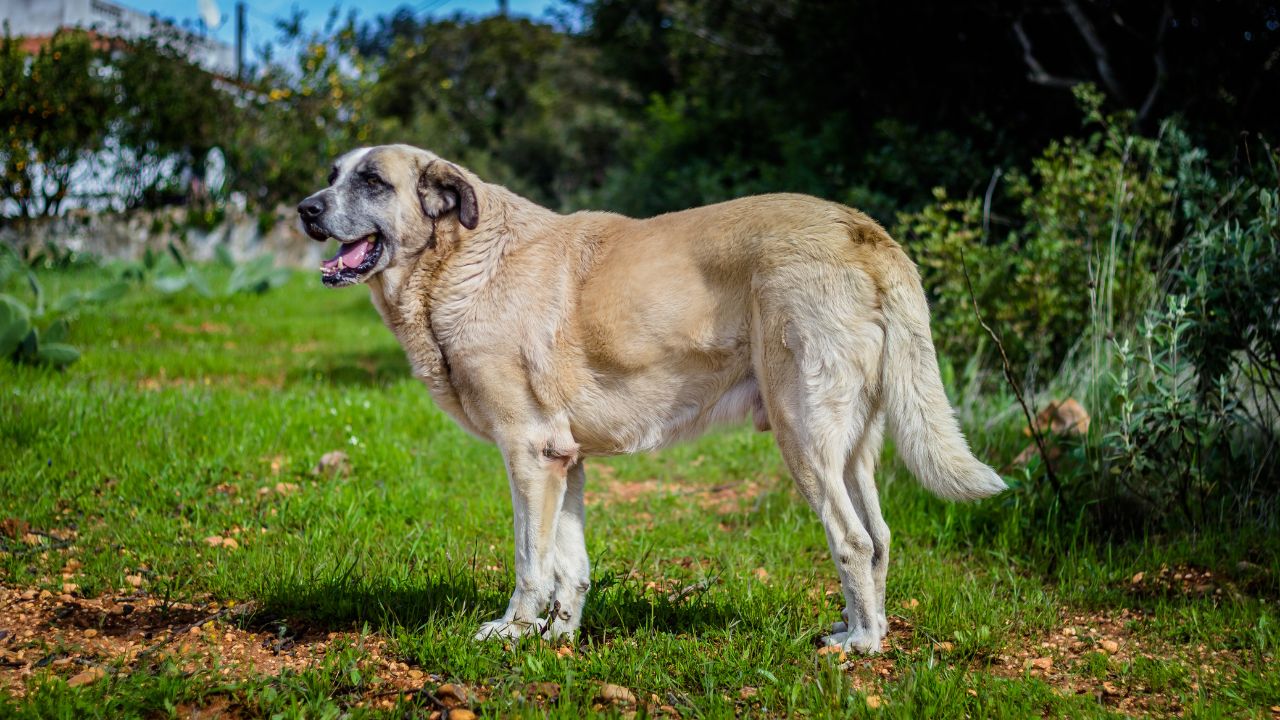
Originally bred in Portugal’s Alentejo region, Rafeiro do Alentejo was historically used to protect estates and livestock.
Historically, large dogs accompanied herds during seasonal movements between grazing areas, protecting animals along long routes. That background demanded physical courage, territorial awareness, patience, and the ability to operate without somebody giving instructions every thirty seconds.
Rafeiro isn’t simply a huge companion that happens to look scary; property protection shaped the breed. In normal circumstances, however, good guardian behavior should still mean observation and discrimination rather than indiscriminate aggression.
Early controlled exposure, predictable household rules, fencing, leash manners, and careful visitor management should be priorities from puppyhood onward. This reliable guard dog is especially well-suited to people with rural property, livestock, significant space, or real experience with guardian breeds.
7. Great Pyrenees
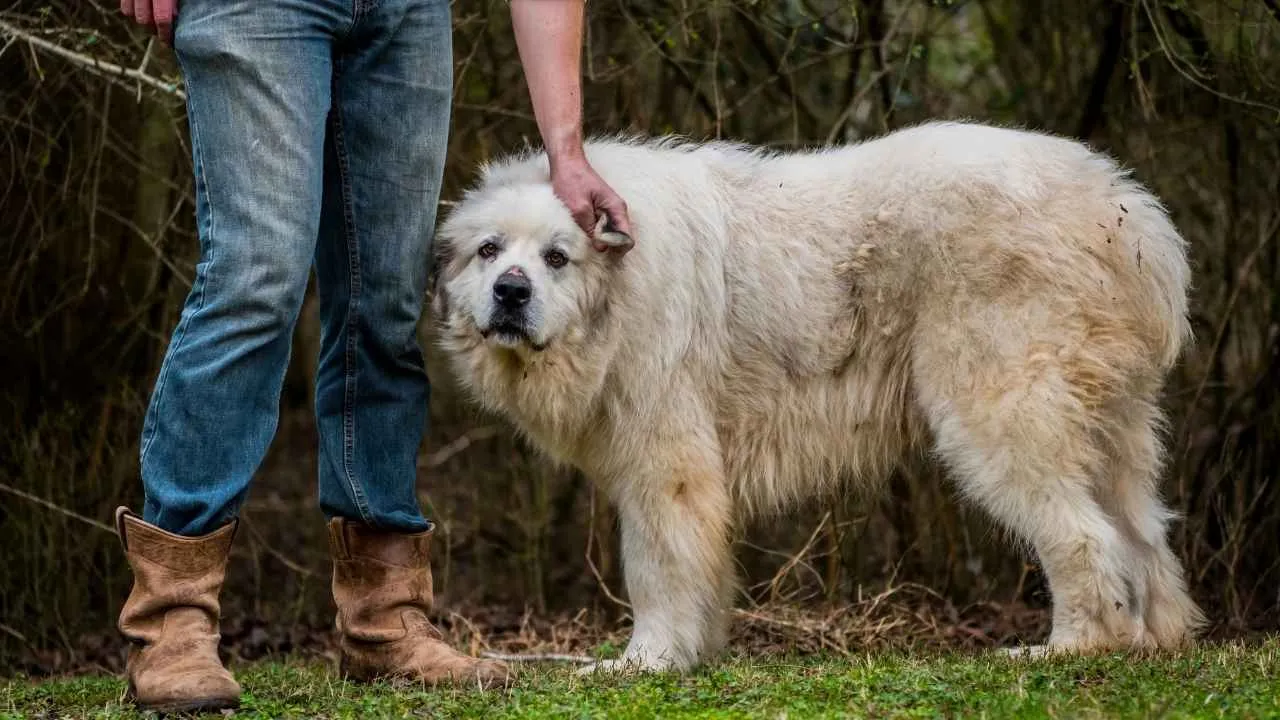
Few dogs understand the phrase “calm until there is a reason not to be” better than the Great Pyrenees. Purina describes the breed as smart, patient, and calm, with a typically Zen-like manner, before noting that a Pyr can move quickly when responding to a threat.
This temperament makes sense given the breed’s original job. They were developed as livestock guardians, so they needed to spend long periods peacefully alongside animals while staying ready to respond when predators appeared.
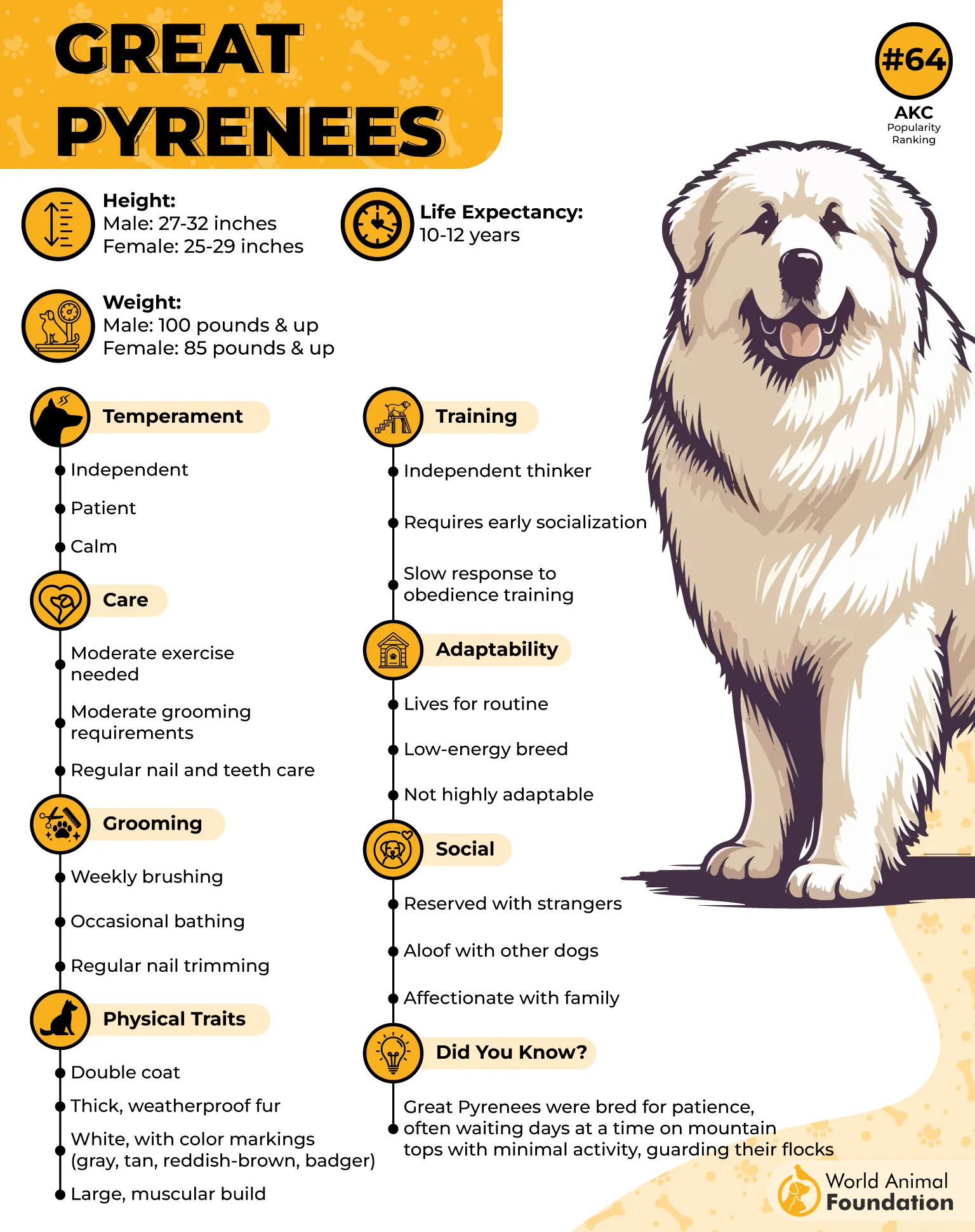
These dogs with a phenomenal guarding instinct are also legitimately huge. Add a massive white double coat and a serious nighttime bark, and you have a dog capable of making a peaceful property feel very well supervised.
However, a catch hides beneath all that majestic fluff: independence. Compared with other pets, they are expected to make decisions without constant human supervision, which can translate into strong-willed behavior and some resistance to traditional obedience training.
Conclusion
The coolest thing about these docile guard dog breeds is that their protective ability does not have to come from constantly acting tough.
Still, no breed should be purchased purely because somebody wants a living alarm system. A 100-to-170-pound dog needs proper training, healthcare, controlled socialization, secure handling, financial commitment, and humans capable of making responsible decisions on its behalf.
Breed tendencies provide a useful starting point, but individual temperament, breeding quality, environment, and upbringing matter enormously.
The real goal of peaceful home protection is a dog that can recognize normal life, stay composed when nothing is wrong, and alert its family when something genuinely unusual happens
