




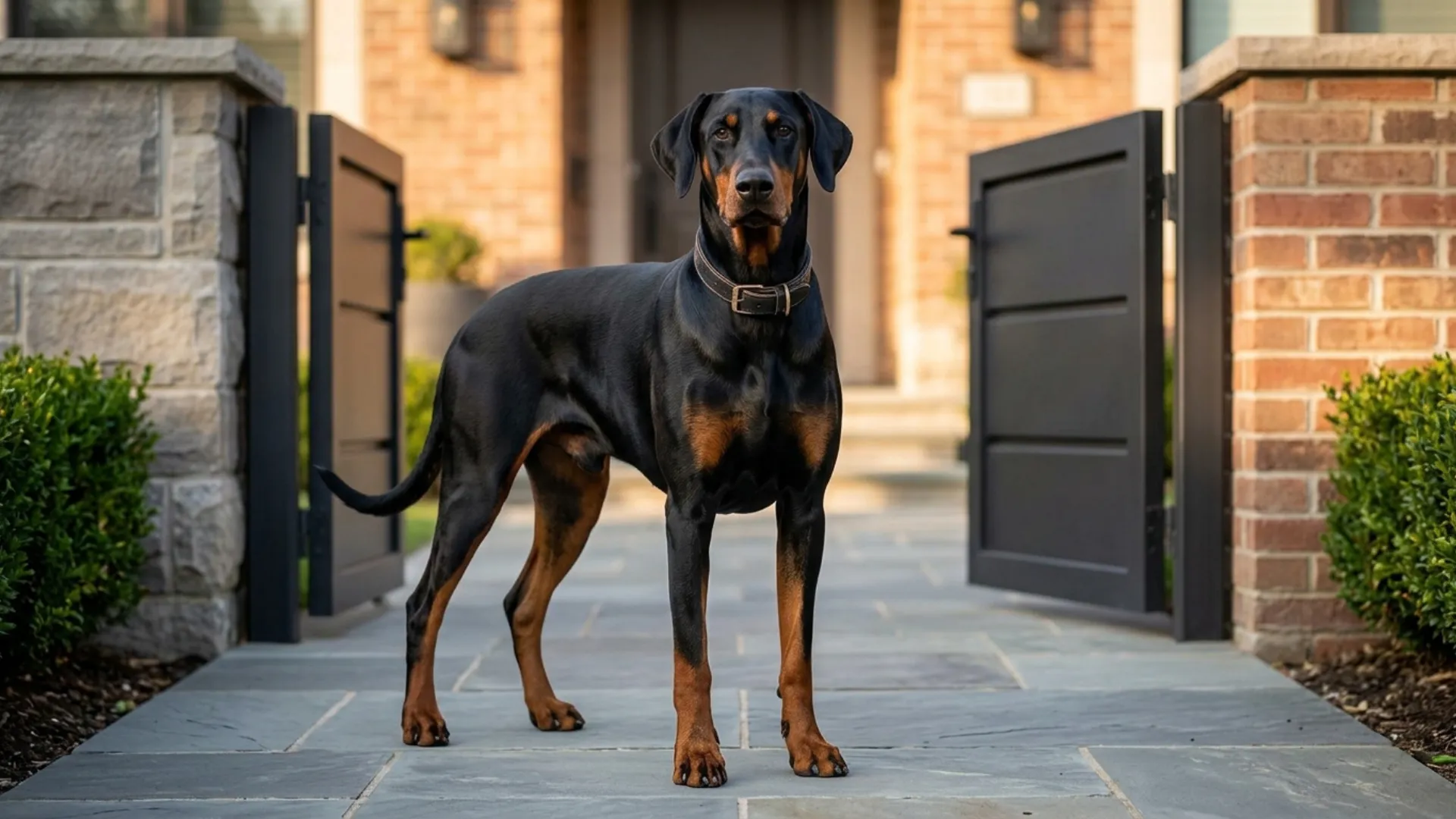
A good guard dog does not need to bark at every sound or turn your home into a high-alert zone. Some docile guard dog breeds offer a calmer kind of protection, combining steady nerves with strong loyalty.
These dogs are often watchful without being overly reactive. They can notice unusual activity, stay close to their family, and help create a sense of security without adding unnecessary stress to daily life.
For families, first-time owners, or anyone who prefers a peaceful home, temperament matters just as much as protective instinct. The right breed can be affectionate indoors while still being naturally alert when something feels out of place.
If you want low-stress home safety with a loyal companion by your side, these calm guard dog breeds are worth knowing. Their gentle personalities and dependable presence can make them a great fit for relaxed, security-conscious homes.
Docile Guard Dog Breeds for Low-Stress Home Safety
1. Doberman Pinscher
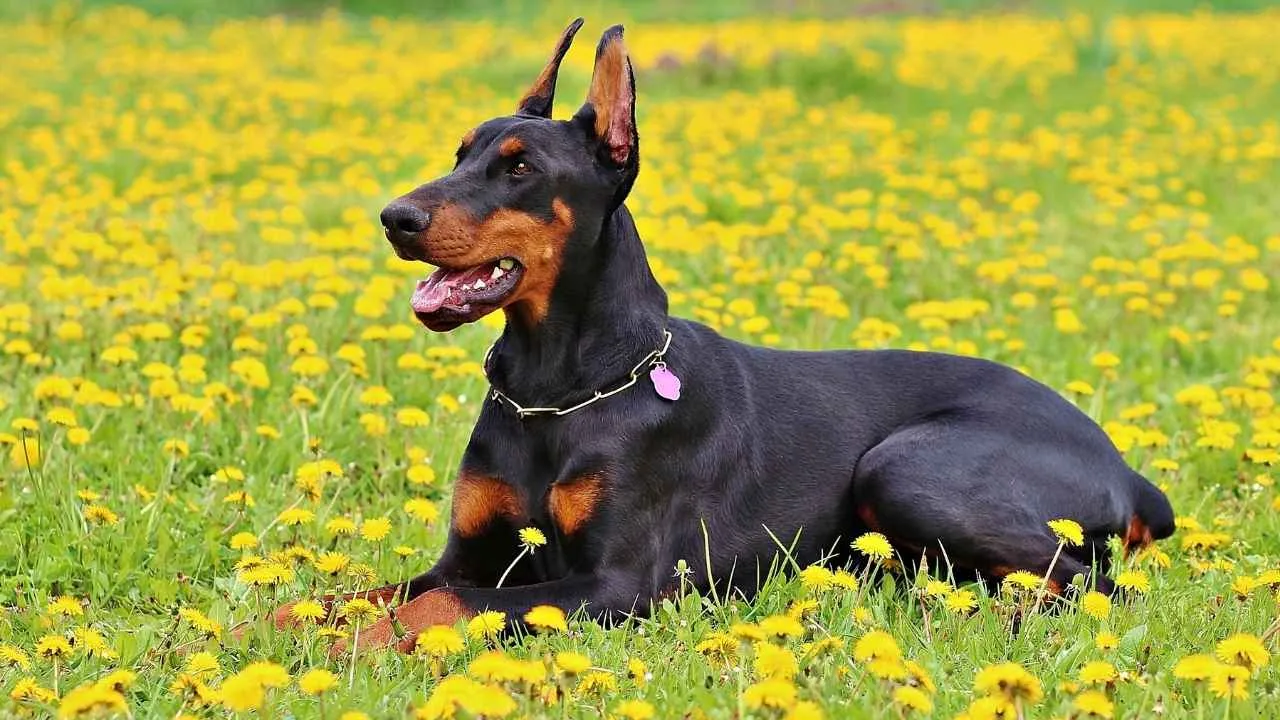
Dobermans look ready for a fight, but most days they’re just ready for a nap on your feet. This is one of the most naturally protective breeds around, yet at home they turn patient, affectionate, and surprisingly soft-hearted.
Watchful and territorial, they rarely miss a sound
Deters trouble through alertness, not aggression
Highly territorial, making excellent guard dogs with proper training, per VCA
Here’s the twist: Dobermans are usually friendly toward guests once you vouch for them. The scary reputation comes from old stereotypes, not their real personality.
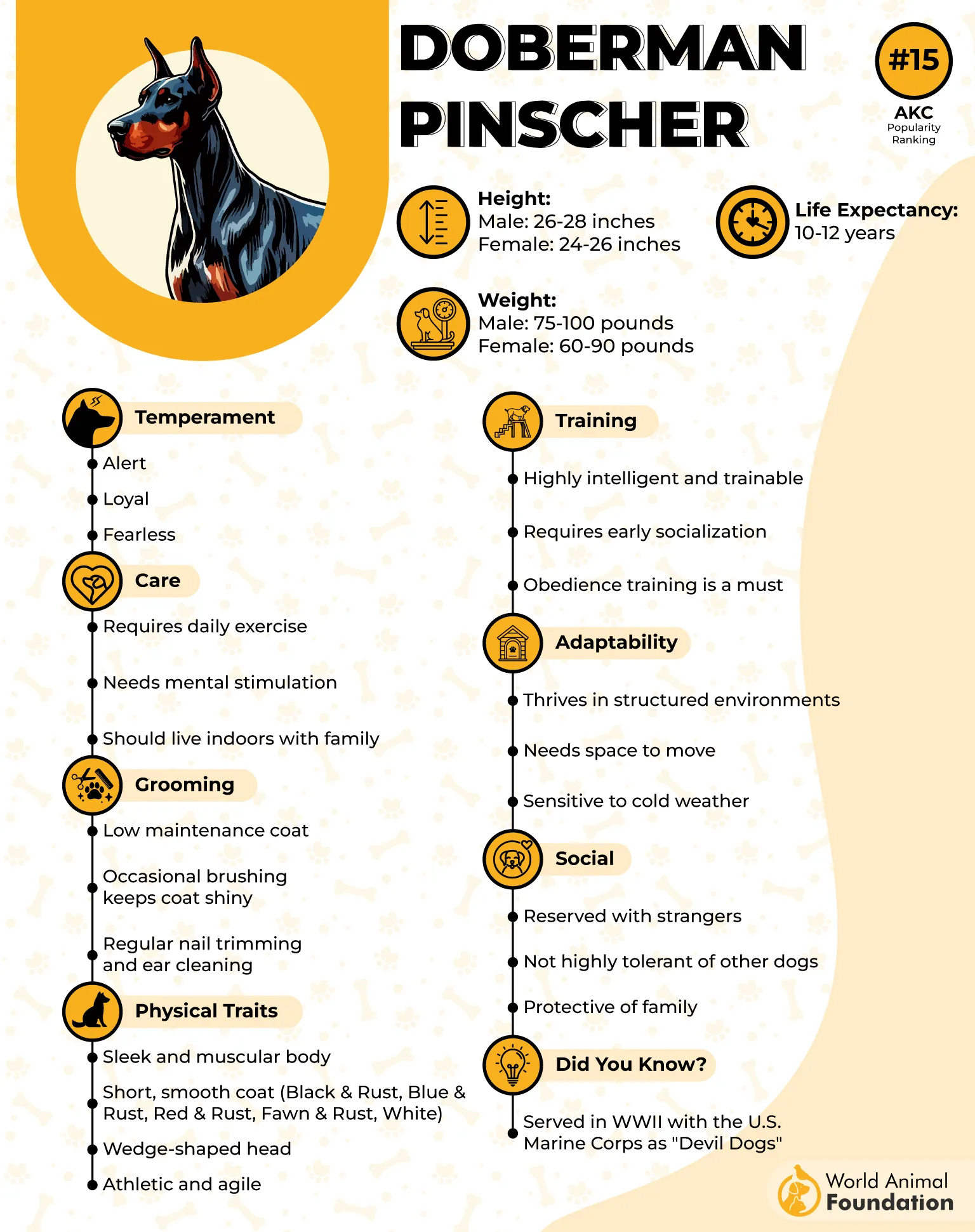
Short coat, brush weekly, low grooming effort
Needs daily exercise plus mental stimulation
High energy means boredom leads to trouble fast
Great for active families with older kids, less ideal around tiny pets because of prey drive. Given regular exercise and room to move, a Doberman settles into family life without much drama.
2. German Shepherd
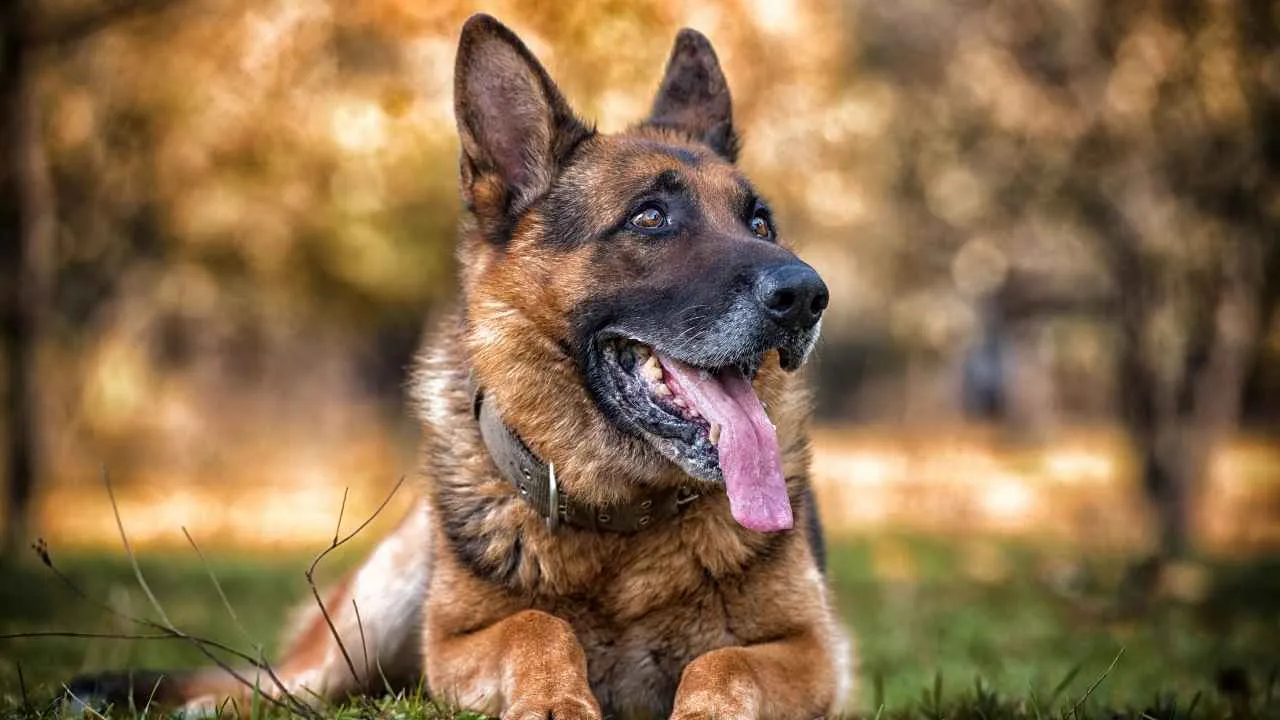
German Shepherds are the dog everyone assumes is intimidating, until they flop down for belly rubs at home. Loyal, alert, and endlessly trainable, they’re the guard dog most people picture first.
Naturally wary of strangers, alert to change
Strong guarding instincts rooted in herding history
Confident, steady presence rather than reactive barking
People blame the breed for aggression, but poor breeding and skipped training are usually the real problem. A well-raised shepherd behaves more like a big loyal companion than a liability, according to Hill’s Pet.
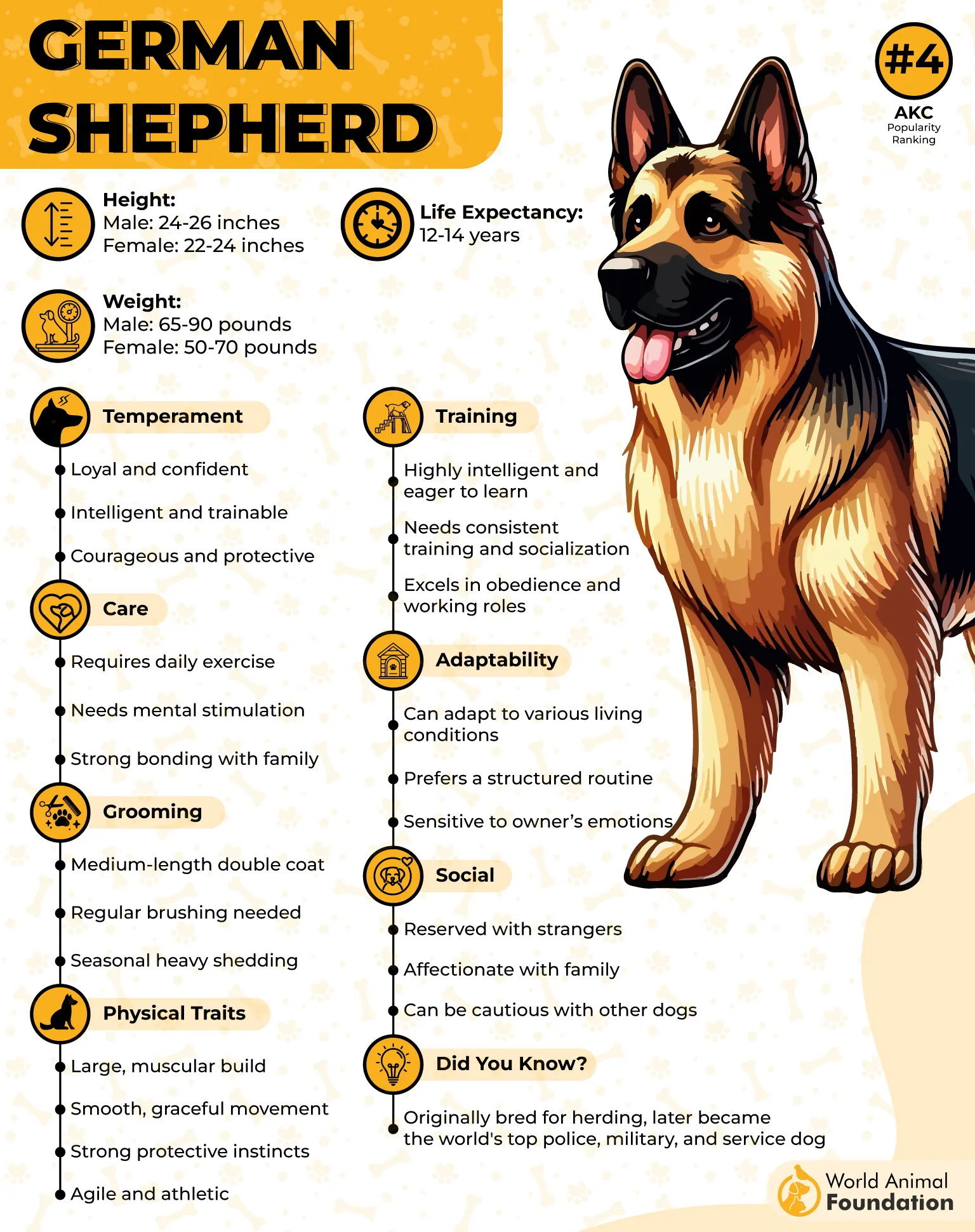
Heavy shedder; needs near-daily brushing.
Requires daily exercise and consistent training
Great for active households with space to match their energy. They have natural guarding instincts and are among the best guard dog breeds out there. They do well with kids and other pets when raised together, making them a solid family fit.
3. Boxer
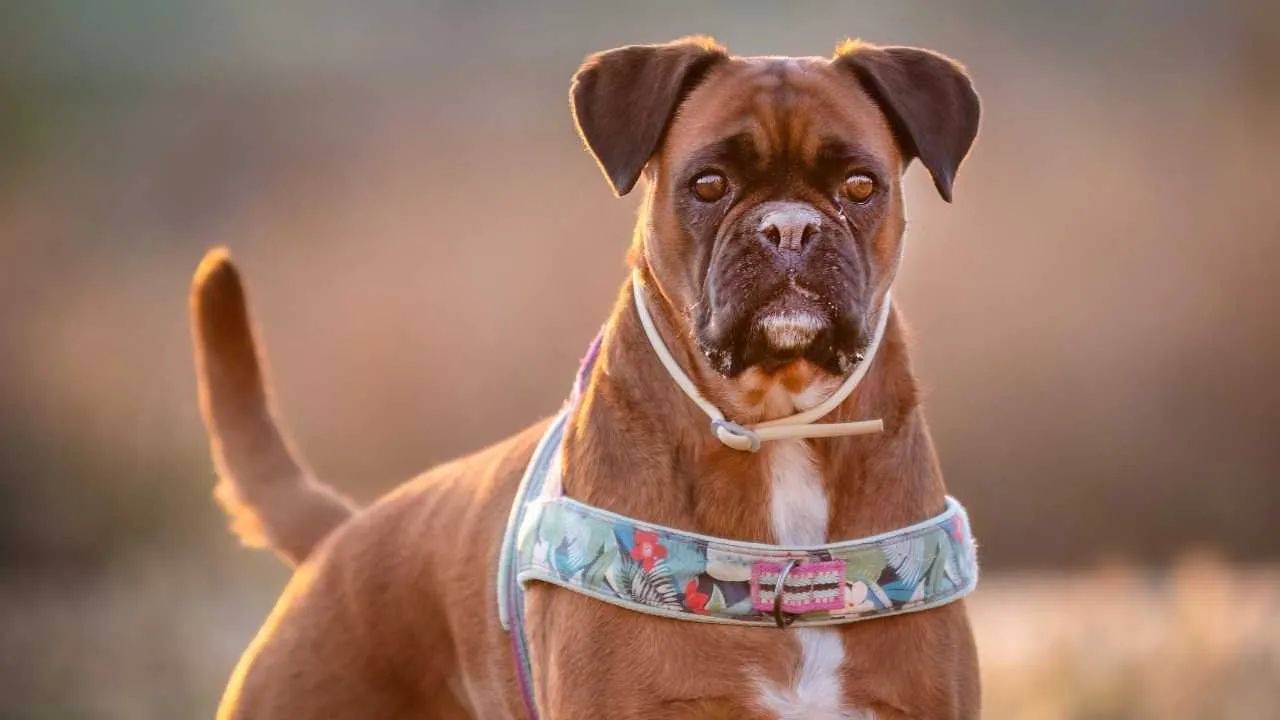
Boxers guard the home while also auditioning for class clown. Playful, alert, and endlessly affectionate, they somehow manage to be protective and goofy at the same time, per PetMD.
Alert watchdog, quick to notice unfamiliar faces
Deters through energy and presence, not aggression
Naturally protective of children in the household
Their boxy name suggests a fighter, but most Boxers would rather play than confront anyone. The real threat is getting knocked over by an enthusiastic hello.
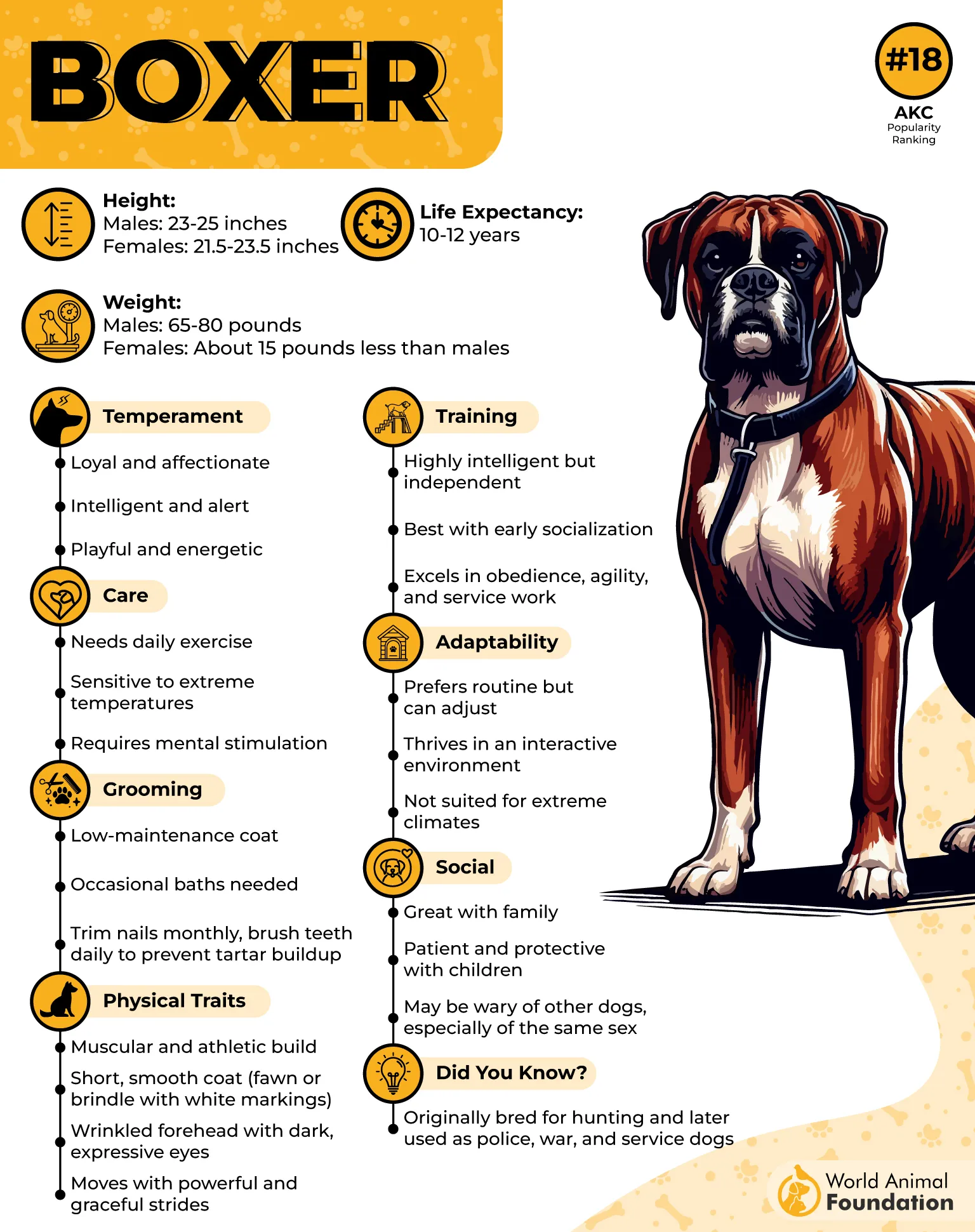
Short coat, minimal weekly grooming needed
High energy, needs daily vigorous exercise.
Boxers fit well in active families with kids, and make the most loving family pets. They can adapt to apartments if exercise needs are met. Just don’t expect a quiet corner of the couch to stay empty for long.
4. Bernese Mountain Dog
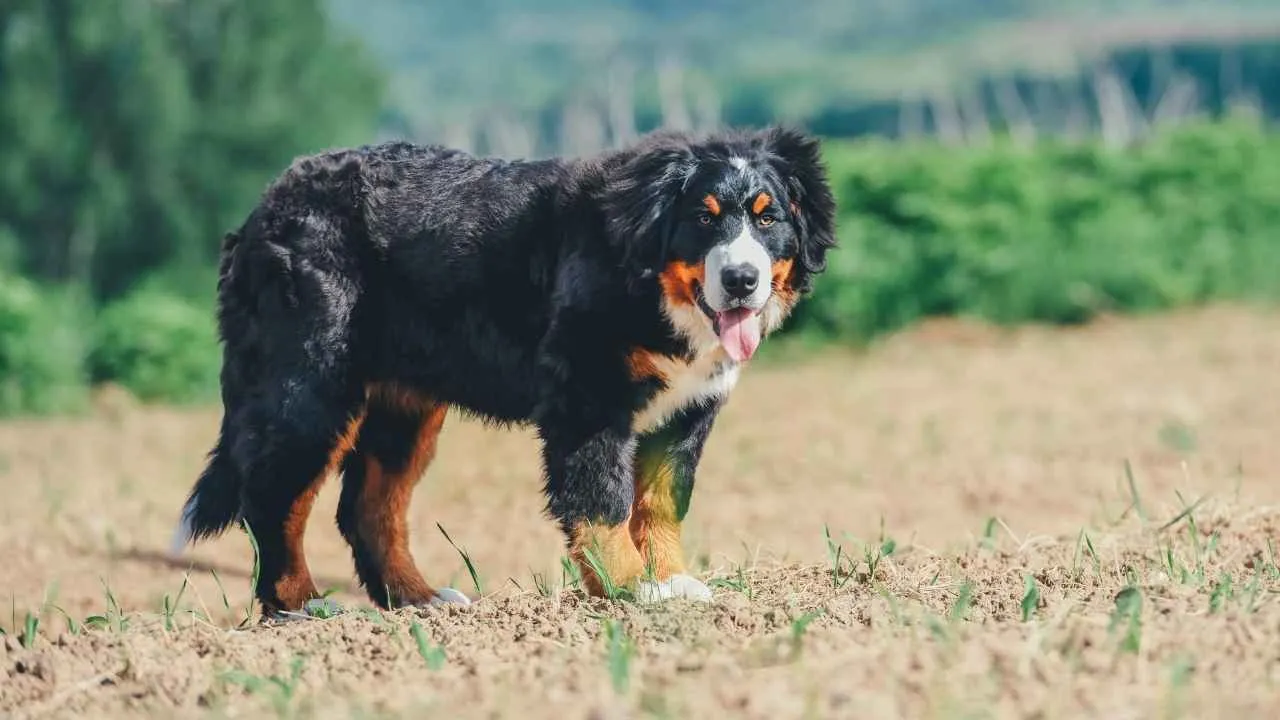
Bernese Mountain Dogs prove guard dogs don’t have to be intense. Big, calm, and endlessly patient, they’d rather greet a stranger than growl at one.
Alert and confident, without unnecessary shyness
Territorial in a quiet, watchful way
Loyal to the whole family, not just one person
People assume size equals ferocity, but Berners are famous gentle giants at heart. Their biggest flaw is a short lifespan, not a bad attitude.
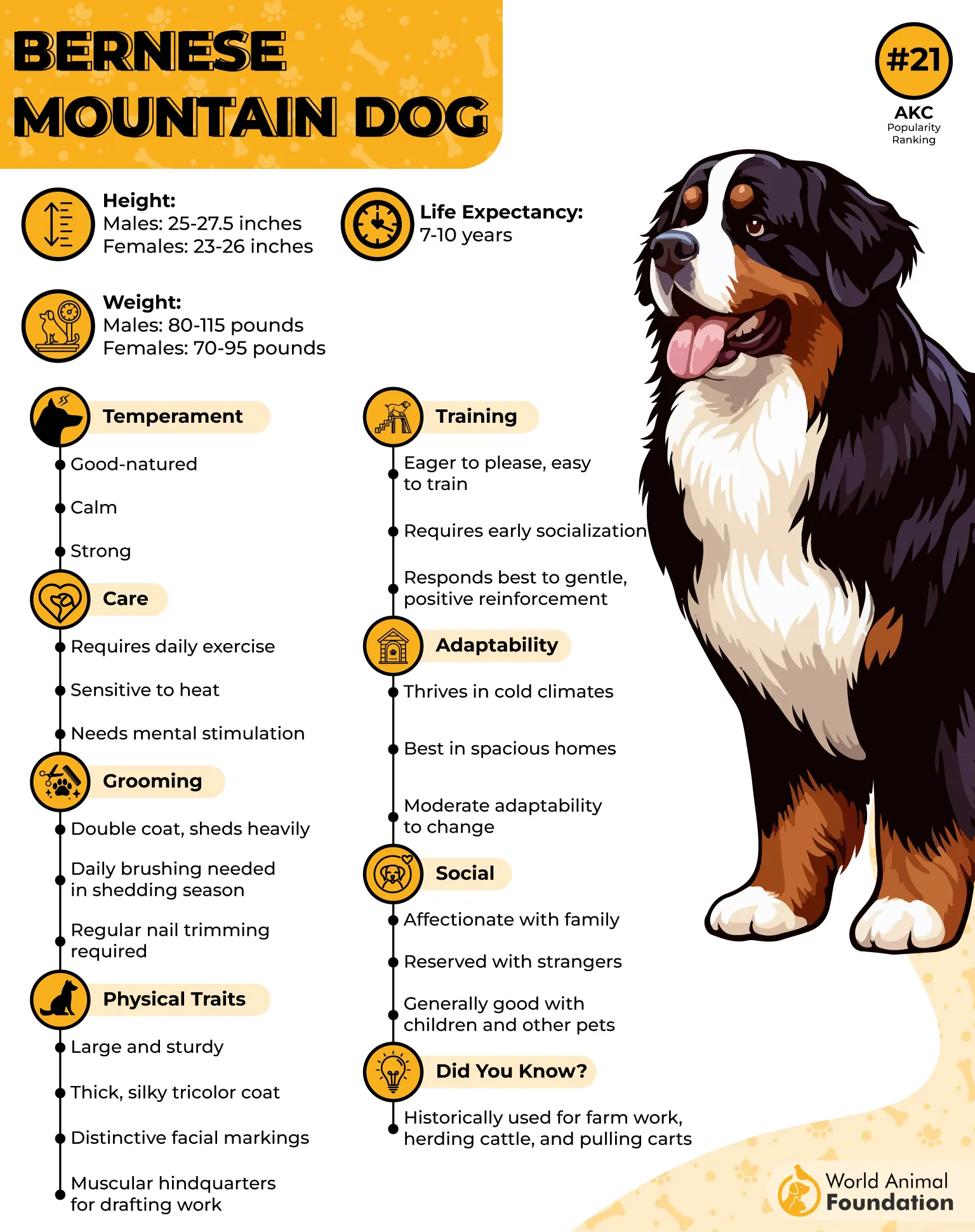
Heavy shedder; brush several times weekly.
Moderate exercise; enjoys calm outdoor time.
Wonderful with children and other pets when socialized early; as per Pawlicy Advisor, Berners need space more than activity. A house with a yard suits them better than a cramped apartment.
5. Cane Corso
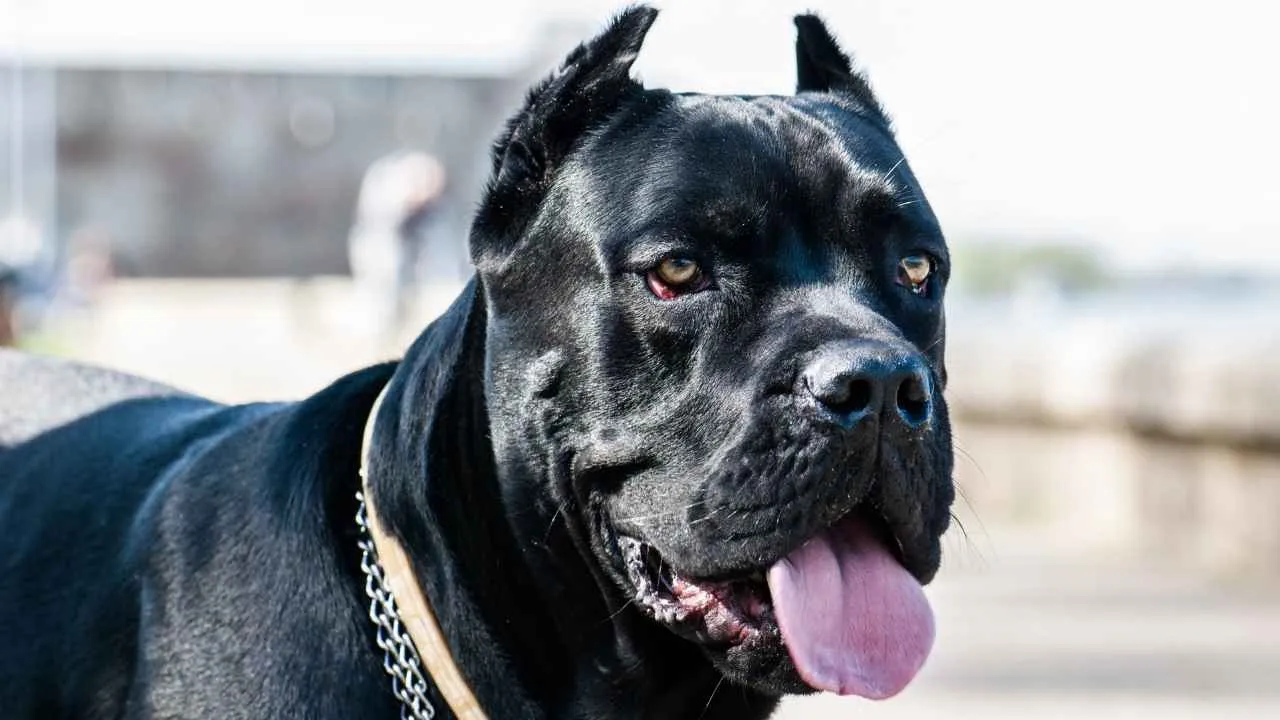
The Cane Corso’s name roughly translates to bodyguard dog, and it lives up to that daily. Confident and intelligent, this breed takes protecting seriously without being high-strung.
Naturally protective, reserved around unfamiliar people
Commanding presence deters trouble before it starts
Strong bond with family, quick to sense threats
People picture a snarling guard dog, but a well-raised Corso acts more like a calm, devoted shadow. The real challenge is confident training, not a violent streak.
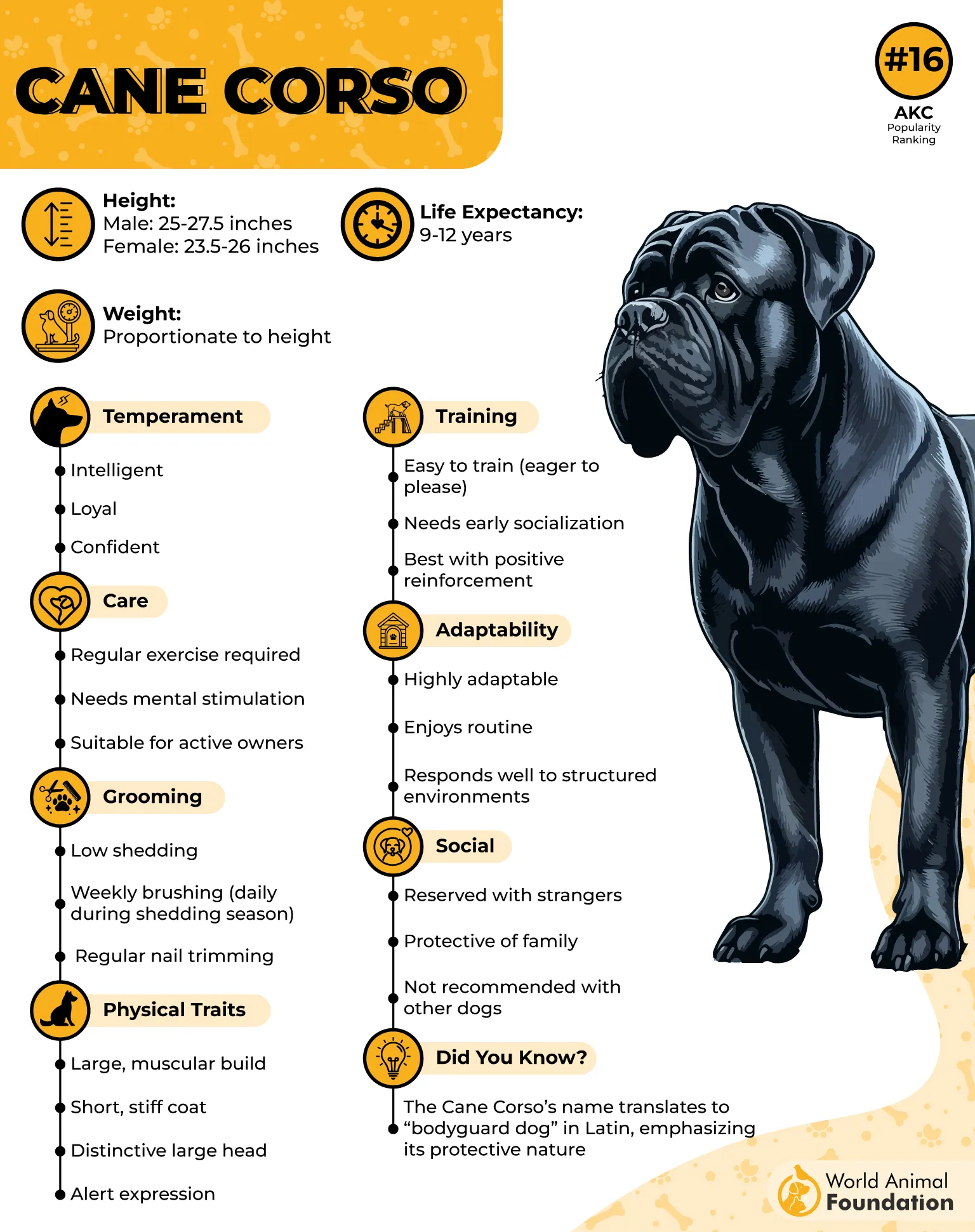
Short coat, minimal grooming required
Needs daily exercise to match its muscular build
As per Britannica, best suited to experienced owners with secure yards, this protective dog breed is affectionate with family members and can do well with kids under supervision. Apartment life is possible, but a house with room to roam works better.
6. Bullmastiff
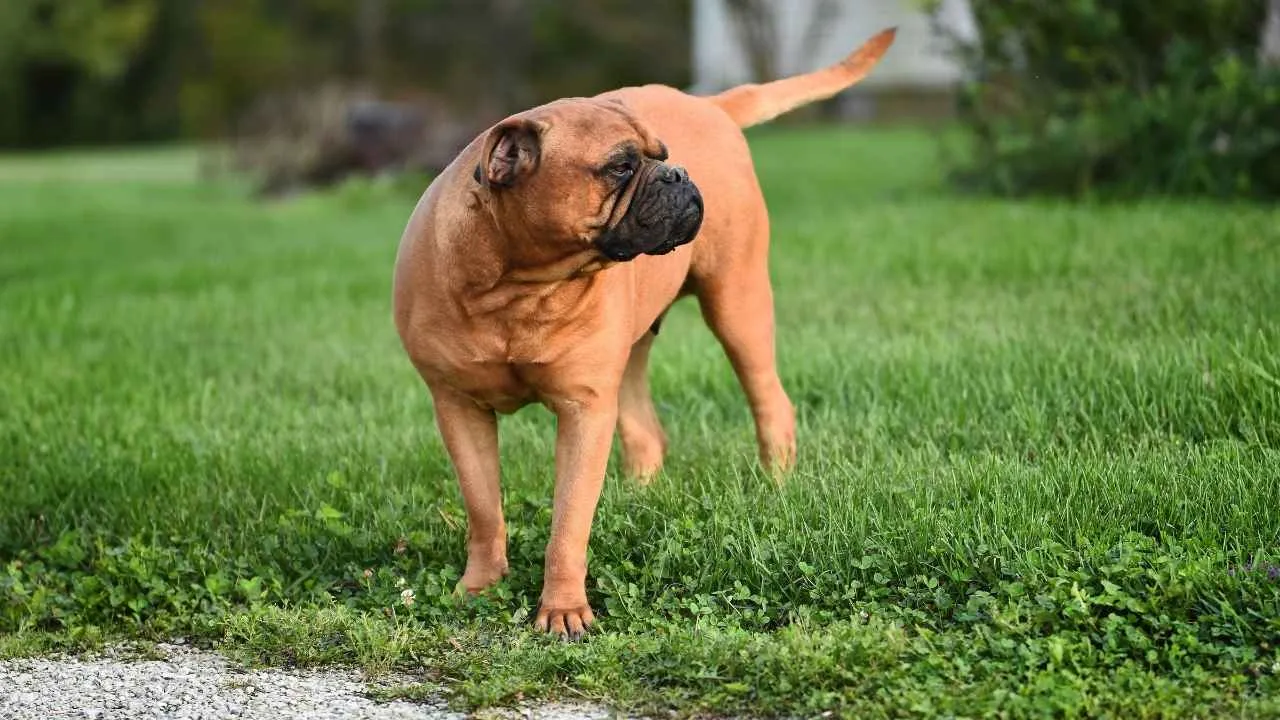
Bullmastiffs were bred to catch poachers, yet somehow ended up as giant couch cushions. Calm and steady, this breed carries serious size with a surprisingly gentle mood.
Quiet by nature, rarely barks without reason
Reserved around unfamiliar faces until introduced properly
Physically imposing enough to deter trouble on sight
The nickname “gentle giant” fits almost too well here. Fearless when it matters, docile the rest of the time, this breed rarely matches its intimidating looks.
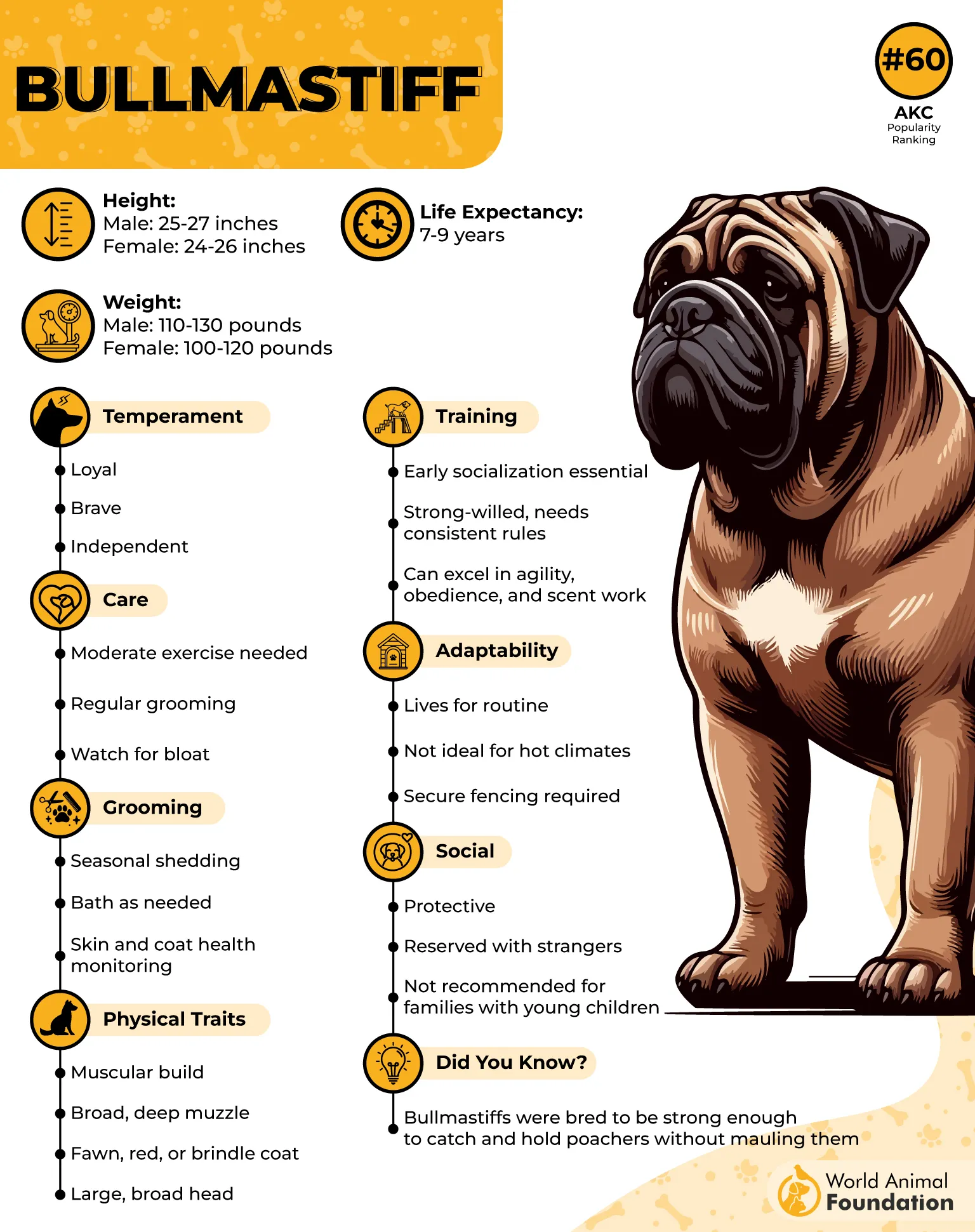
Short coat, minimal weekly brushing needed
Moderate exercise, avoids intense daily workouts
Prone to joint issues, needs weight management
Bullmastiffs bond closely with children and settle well into calm households. They prefer steady routines over chaotic ones, making them a good match for families that value quiet evenings at home.
7. Great Dane
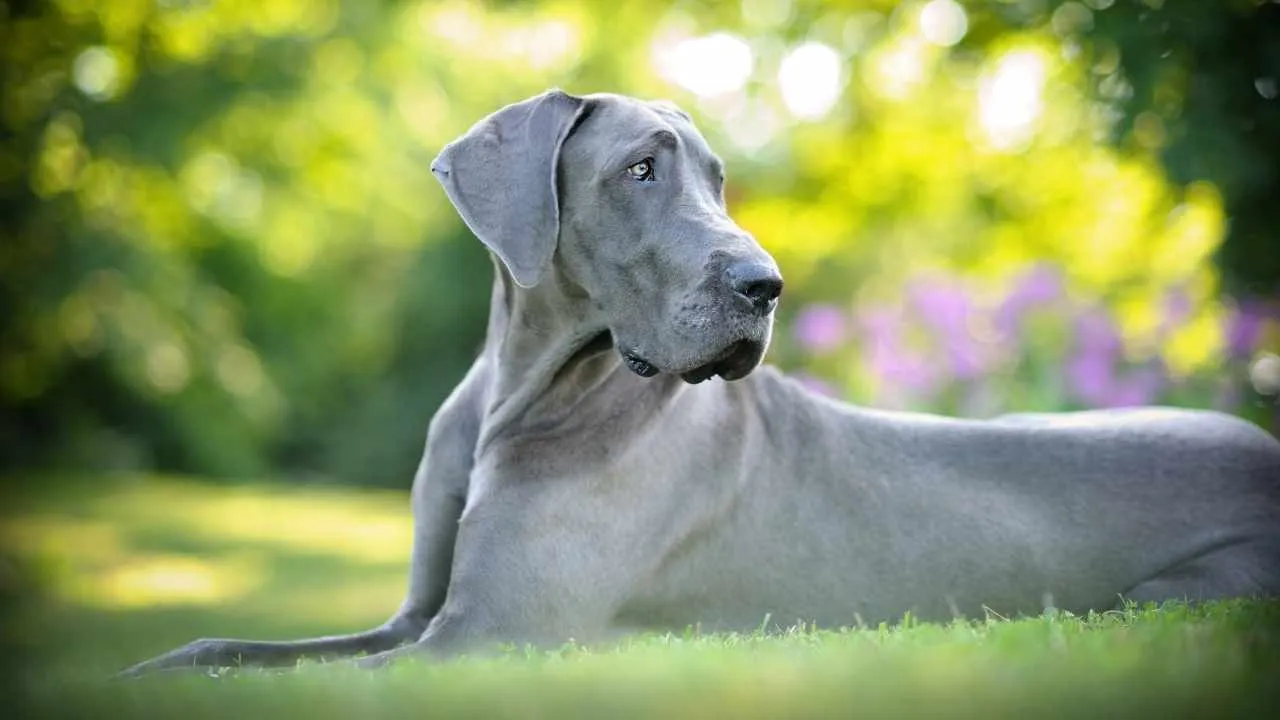
Great Danes stand tall enough to guard a doorway just by standing in it. Incredibly loyal and surprisingly sweet, this breed pairs enormous size with an easygoing personality.
Alert presence, more deterrent than aggressive
Naturally protective without being reactive or tense
Confident stance that discourages trouble before it starts
People expect a fierce giant, but most Danes are goofy softies who’d rather cuddle than confront. Their biggest guarding tool is simply their size.
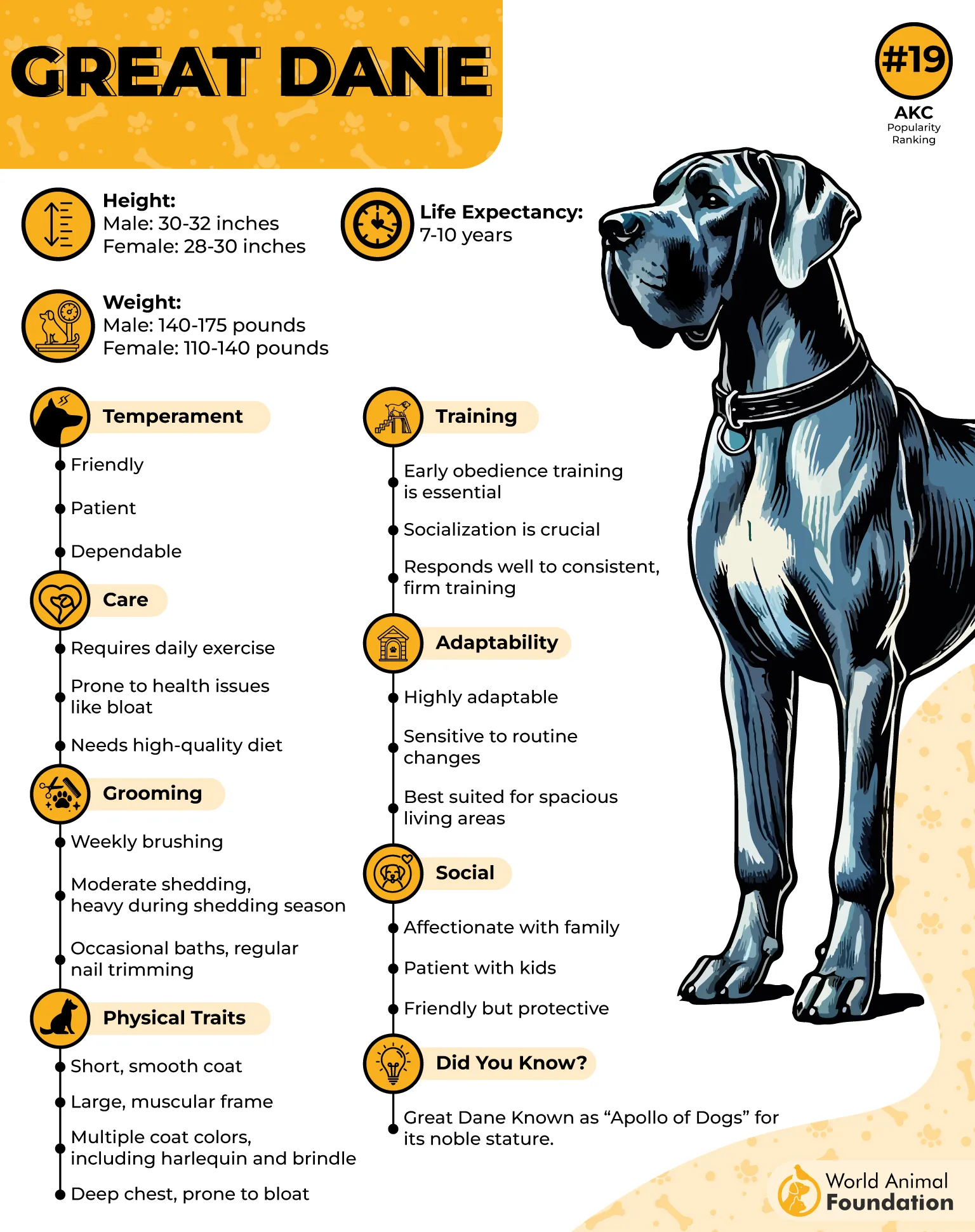
Short coat; weekly brushing keeps shedding manageable
Moderate exercise; no marathon training sessions needed
Prone to bloat; feeding routine matters
Great Danes do well with children and other pets when raised together early. They need space to stretch out, so a house with room beats a cramped apartment every time.
8. Great Pyrenees
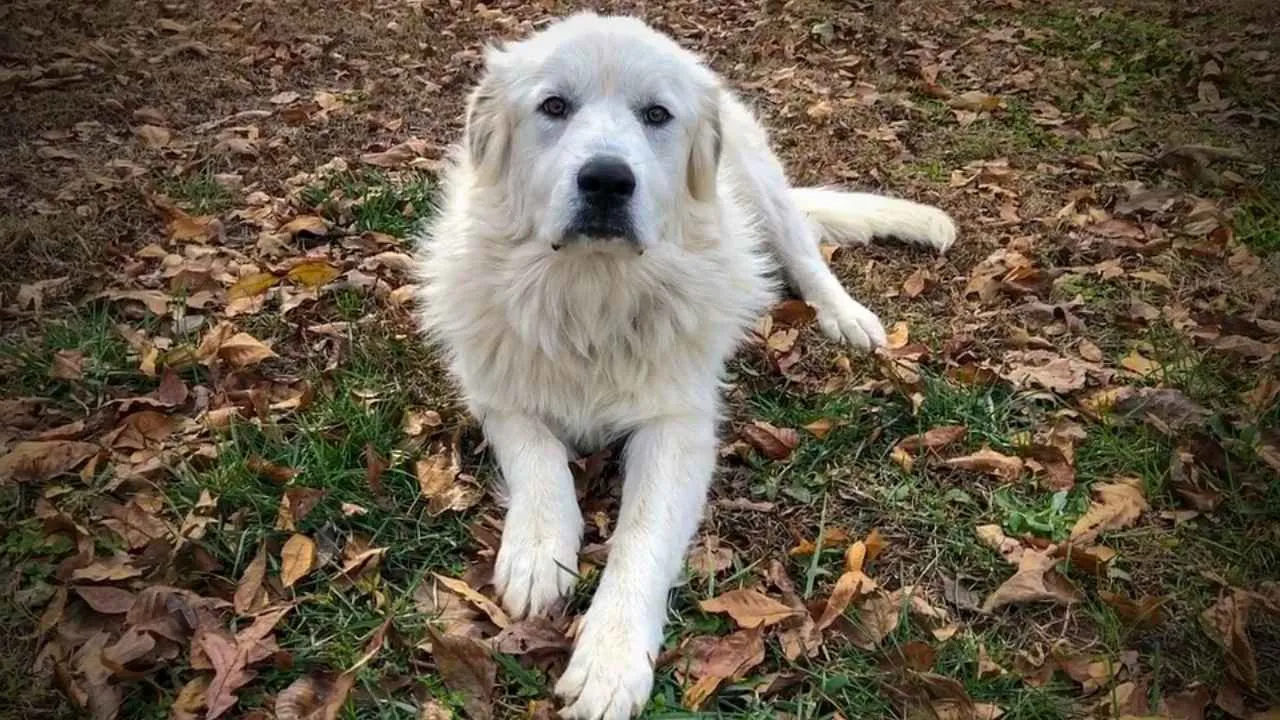
Great Pyrenees dogs were bred to guard sheep on mountains, and that patient watchfulness never really left them. Calm, confident, and independent, they take protecting seriously without much drama.
Naturally wary of strangers, quick to notice change
Protective instinct rooted in flock-guarding history
Deters through presence rather than aggression
Their fluffy coat looks like a grooming nightmare, but it resists dirt and tangles naturally. The real challenge is their stubborn independent streak, not their appearance.
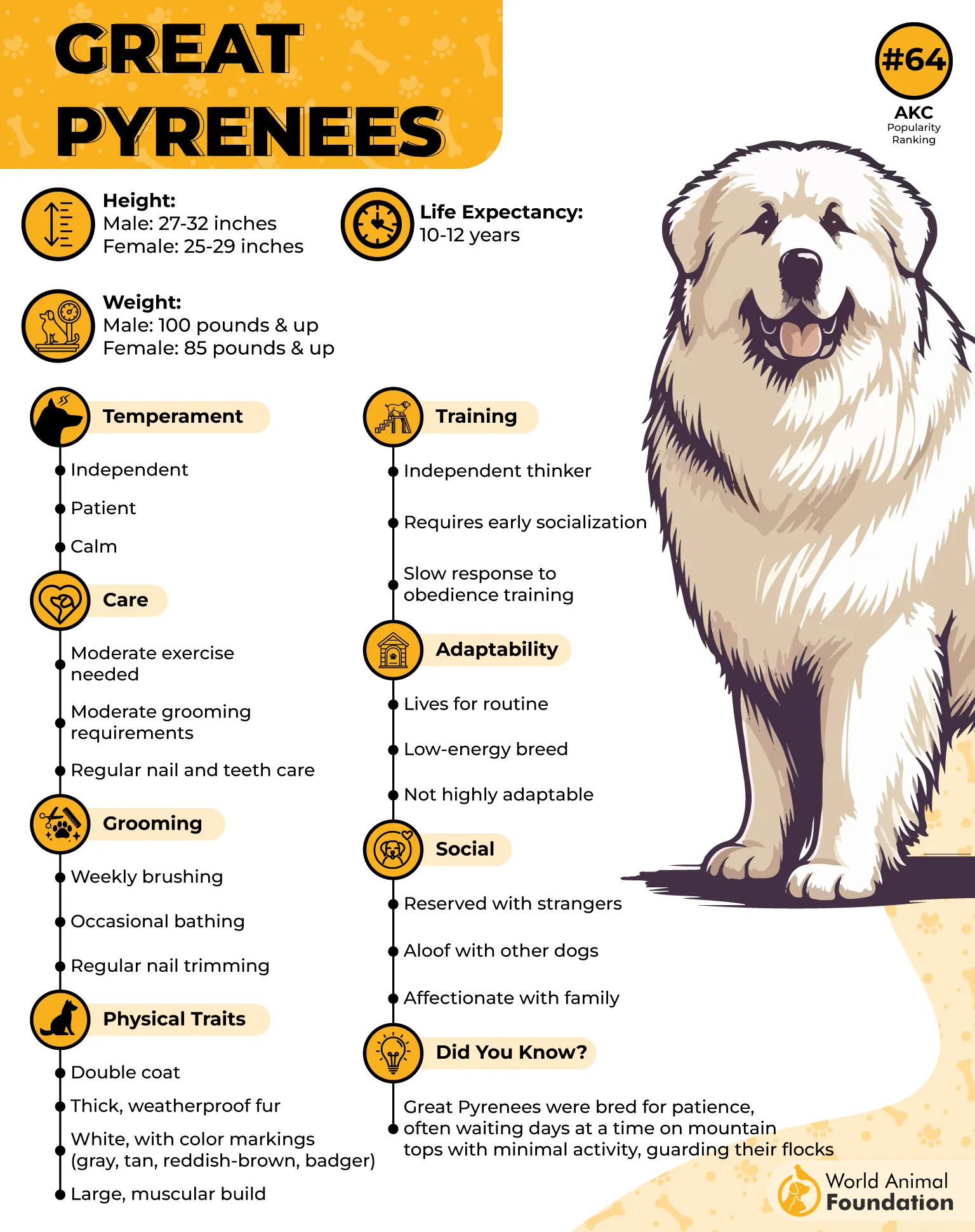
Thick double coat, weekly brushing usually sufficient
Low to moderate exercise, prefers calm activity
Heavy seasonal shedding during spring and fall
Great Pyrenees dogs are gentle and patient with children, often treating the whole family like a flock to watch over. They thrive with space to patrol, making a yard far more practical than an apartment.
9. Tibetan Mastiff
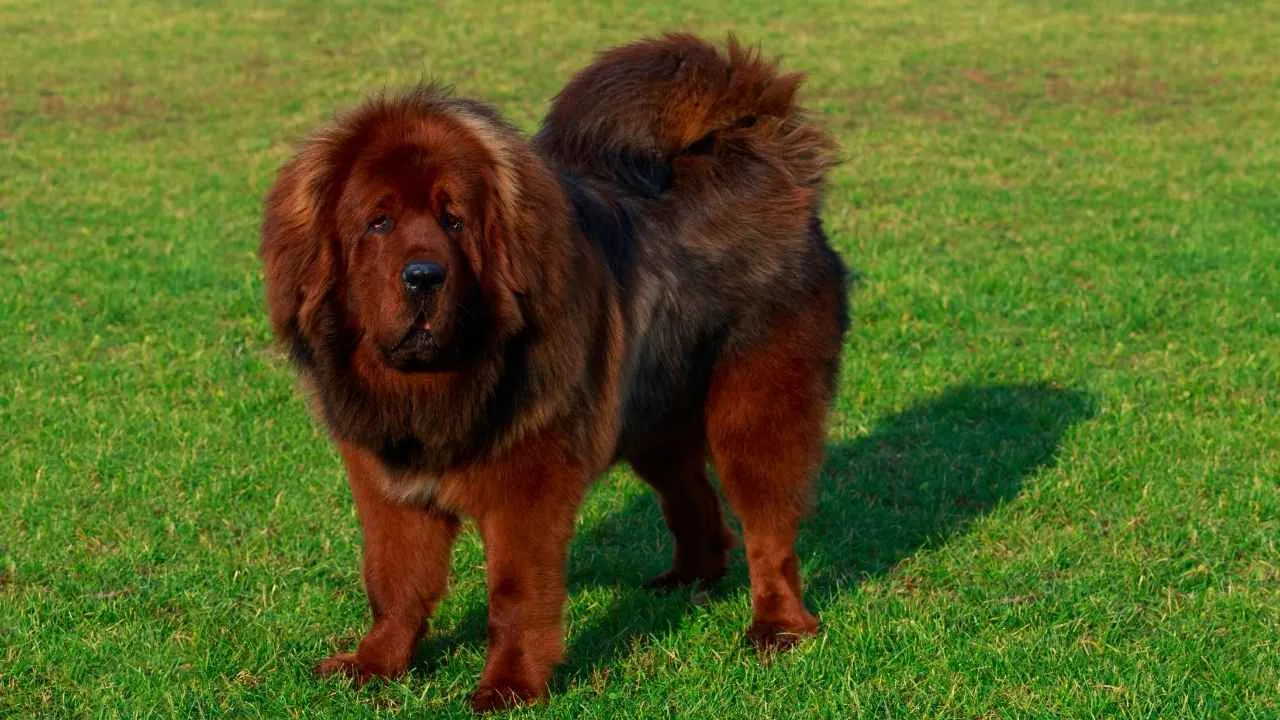
Tibetan Mastiffs once guarded monasteries, and that ancient job still shapes their personality today. Aloof with strangers but devoted to family, this breed takes loyalty seriously.
Territorial and alert, especially at night
Naturally suspicious of unfamiliar people and animals
Barks to warn rather than react physically
Their lion-like mane makes them look ready to pounce, but most Tibetan Mastiffs are calm homebodies indoors. Their real challenge is stubbornness, not aggression.
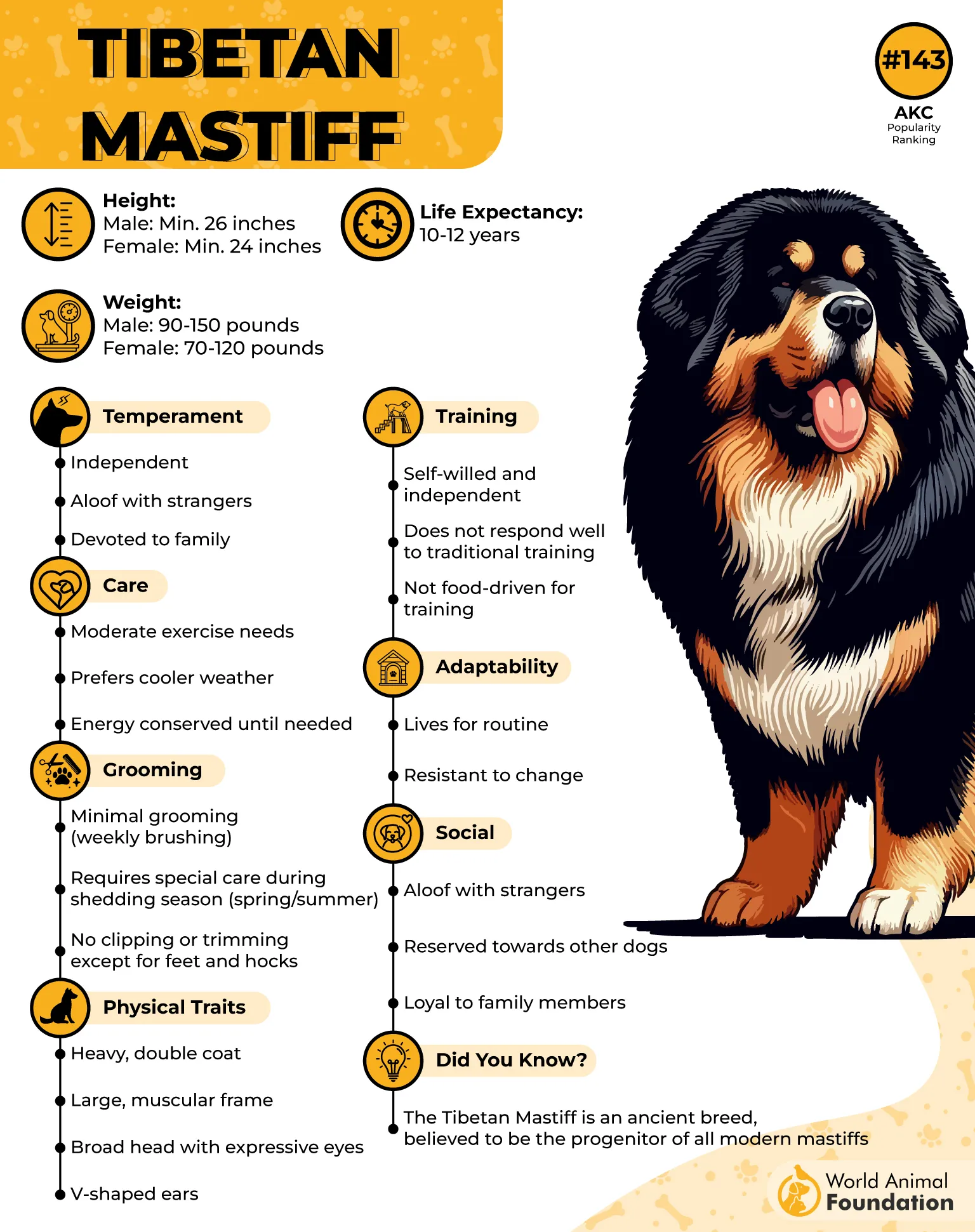
Thick double coat; brush a few times weekly
Moderate exercise, prefers short bursts over long walks
Struggles in hot climates due to heavy coat
Tibetan Mastiffs bond closely with family members and can be good with kids when socialized early. A house with a secure yard suits them better than city apartment living.
Conclusion
Every protection dog on this list proves the same point: a calm nature and a protective instinct aren’t opposites; they just need the right owner behind them. Proper socialization and consistent dog training are what turn a naturally protective breed into a genuinely balanced companion, not luck or breed alone.
Before you fall for a muscular dog breed based on looks, spend a weekend researching breeders or rescues near you and ask directly about temperament testing and socialization history. That one conversation will tell you more about your future right guard dog than any list ever could.
