




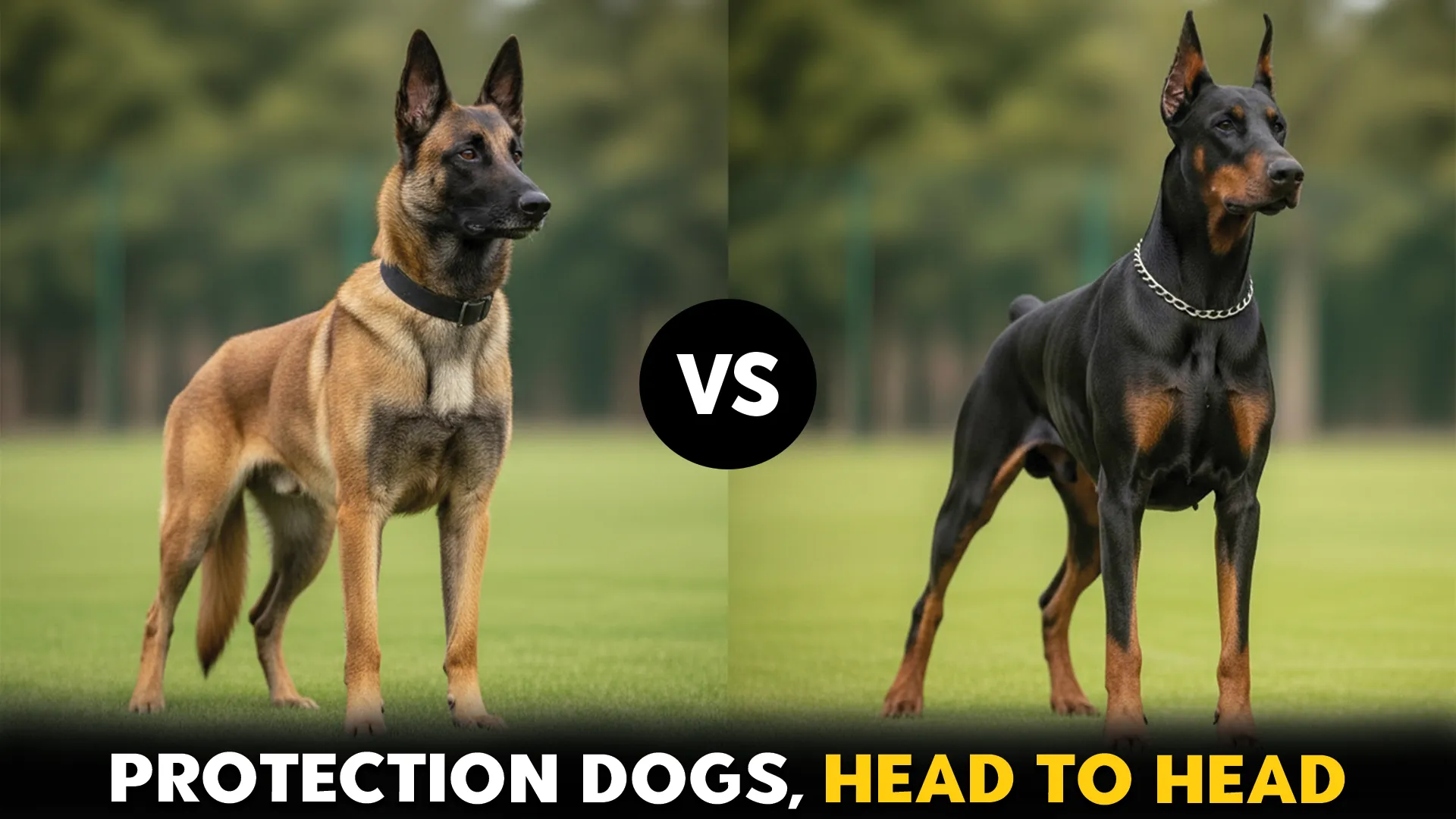
Choosing the perfect dog to join your family is a big decision — it’s about finding that special friend who fits your lifestyle, matches your energy, and can be a loyal protector when it matters most.
Some dogs aren’t just pets; they’re partners who watch over your home with fierce loyalty and intelligence. But with so many breeds out there, how do you pick the right one for you?
Both the Doberman Pinscher and the Belgian Malinois have been trusted for decades by military and police forces worldwide for their courage and smarts. Yet, behind their strong and fearless exterior lies unique personalities and needs that might surprise you.
So, before you bring home your new four-legged guardian, it’s important to understand what makes each breed tick — from their energy levels to their ideal living situations.
In this article, we’ll break down everything you need to know about the Doberman Pinscher and Belgian Malinois to help you decide which loyal companion will fit best in your life. Ready to find out which dog could be your perfect match? Let’s dive in!
Key Takeaways
Discover the real differences between two of the world’s most loyal and protective dog breeds.
Find out which breed matches your energy level and lifestyle best.
Learn about their unique training needs, exercise demands, and personality traits.
Get insider tips on health, coat care, and what makes each dog a true companion.
Doberman Pinscher vs Belgian Malinois
Origins & Purpose
Doberman Pinscher
The Doberman Pinscher was originally bred in the 19th century by Louis Dobermann, a tax collector who needed a fearless and protective companion to keep him safe during his dangerous job, as mentioned by WebMD.
To create this loyal guardian, Dobermann likely combined several breeds, including the Rottweiler, German Pinscher, and Black and Tan Terrier. The result was a dog that was both intimidating and devoted—perfect for guarding its owner and providing protection.
Belgian Malinois
The Belgian Malinois began its life in Belgium as a highly intelligent and hardworking herding dog, tasked with managing sheep. The breed was brought to America in 1911 but faced a major decline in numbers during World War I and World War II, when they were used extensively as war dogs.
Their population rebounded in the 1950s, and by 1959, the American Kennel Club officially recognized the Belgian Malinois as a working breed.
Like the Doberman, Belgian Malinois have since become popular in police and military roles due to their sharp intelligence, strong work ethic, and protective nature.
Size & Physical Build
When comparing these two breeds, size and build play a big role in how they fit into your life and lifestyle.
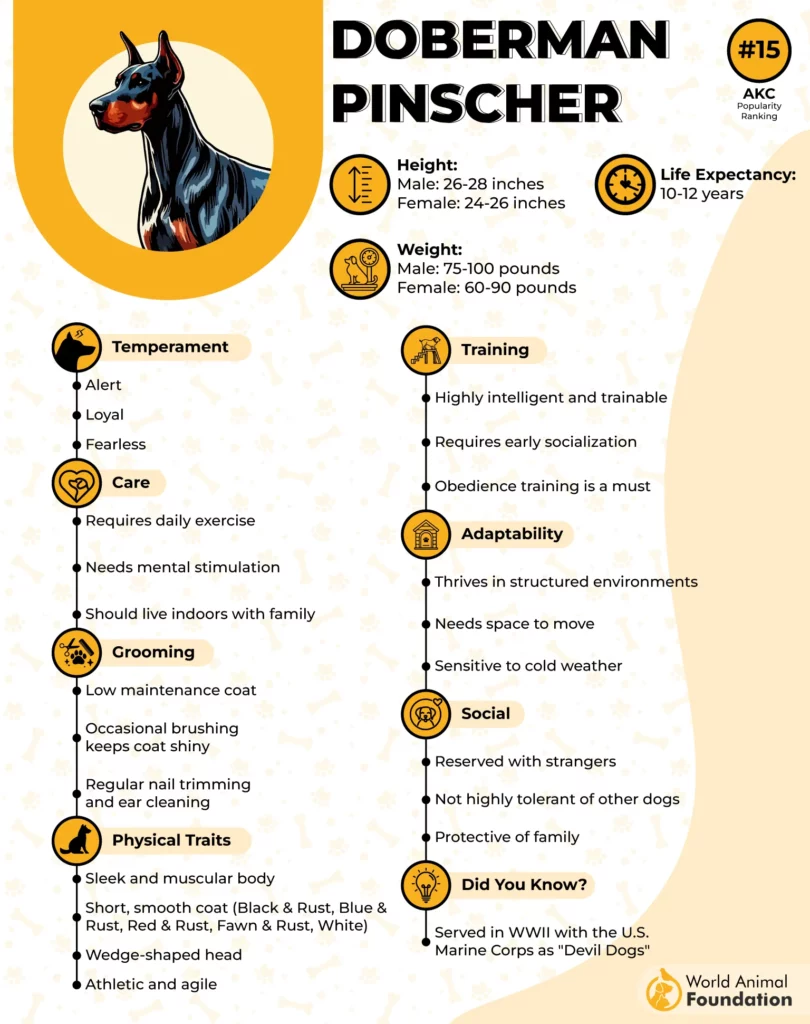
Doberman Pinscher
Height: 24 to 28 inches tall
Weight: Typically 60 to 100 pounds
Build: Athletic and muscular, designed for speed and endurance
Coat: Short, sleek, usually black and rust; also comes in blue, red, or fawn
Appearance: Elegant and noble with an alert posture, reflecting strength and energy
Life Expectancy: 10 to 12 years
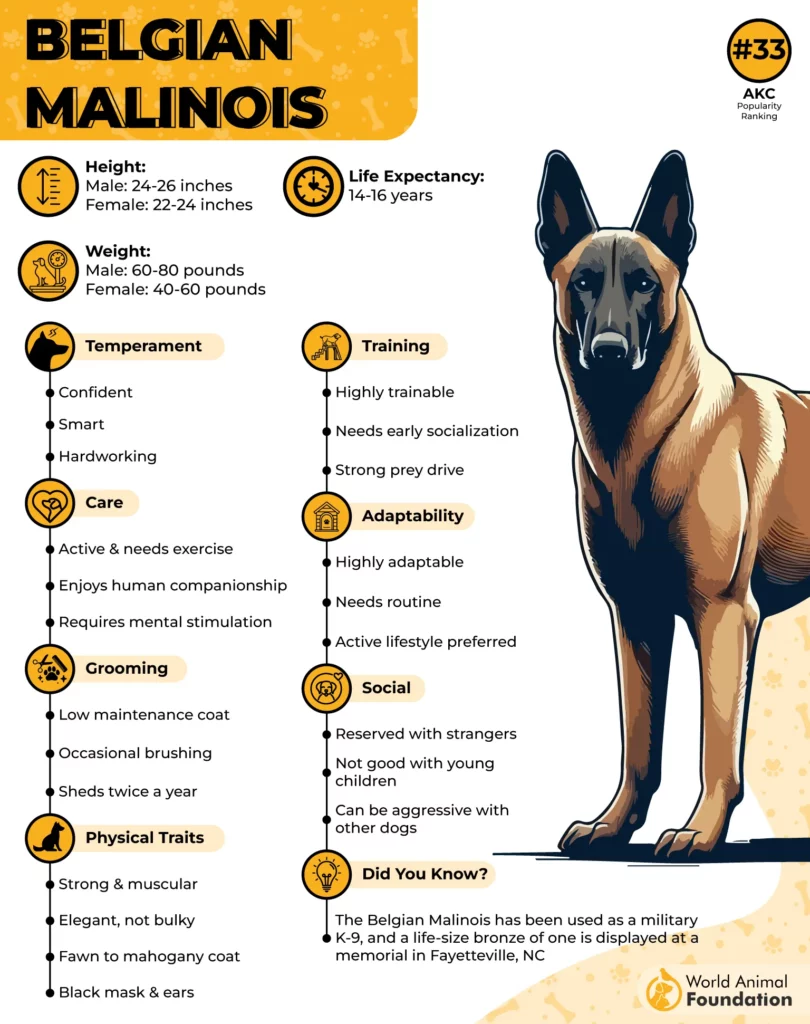
Belgian Malinois
Height: 22 to 26 inches tall
Weight: Females 40 to 60 pounds, males 60 to 80 pounds
Build: Slim yet muscular, built for stamina and agility
Coat: Short and straight, with a mix of brown, fawn, and sable colors
Appearance: Lean and sleek with a natural long tail (never docked), deep brown eyes, and a focused expression
Adaptability: Compact frame allows for great endurance and speed, perfect for demanding work roles
Both breeds boast athletic, powerful builds, but Dobermans tend to be larger and heavier, while Belgian Malinois are more compact and agile — important factors to consider depending on your living space and activity level.
Temperament & Personality
Doberman Pinscher
The Doberman Pinscher is known for its unwavering loyalty and strong protective instincts. Often called “Velcro dogs,” they love to stay close to their family members and take their role as guardians very seriously.
They’re affectionate and gentle with children, especially when raised together, and generally get along well with dogs of the opposite sex.
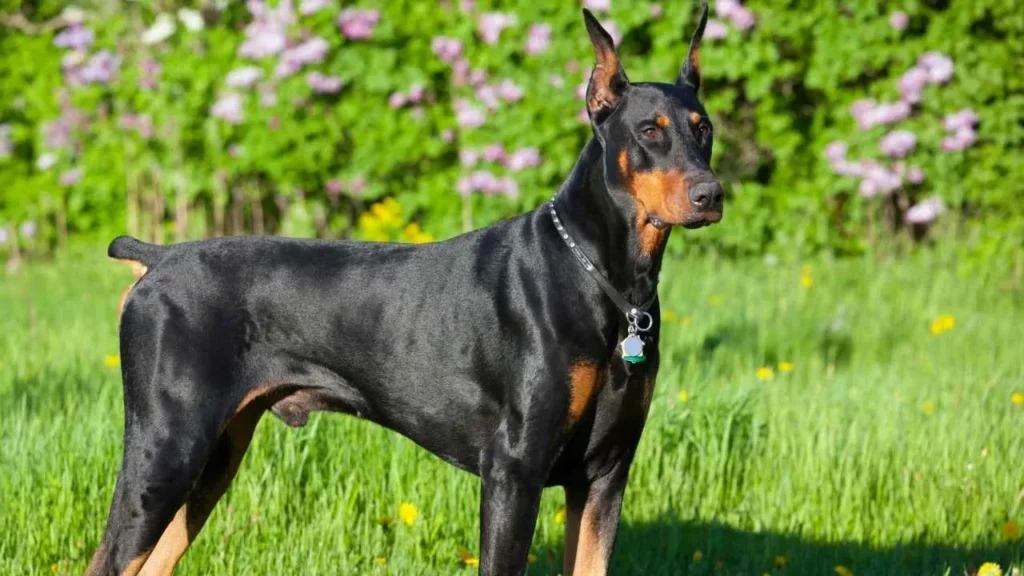
Dobermans tend to bond closely with one person but remain devoted to the entire family. These dogs are energetic and intelligent, needing plenty of mental and physical stimulation to stay happy and balanced.
Key traits of Dobermans include
Fierce loyalty and protective nature
Strong bond with one person, but devoted to the whole family
Good with children and opposite-sex dogs (if socialized)
Require lots of exercise and mental challenges
Belgian Malinois
The Belgian Malinois, on the other hand, is a confident and highly energetic breed better suited for experienced dog owners. They form strong bonds with their humans and are eager to please, but their high prey drive means early socialization with other pets and children is essential.
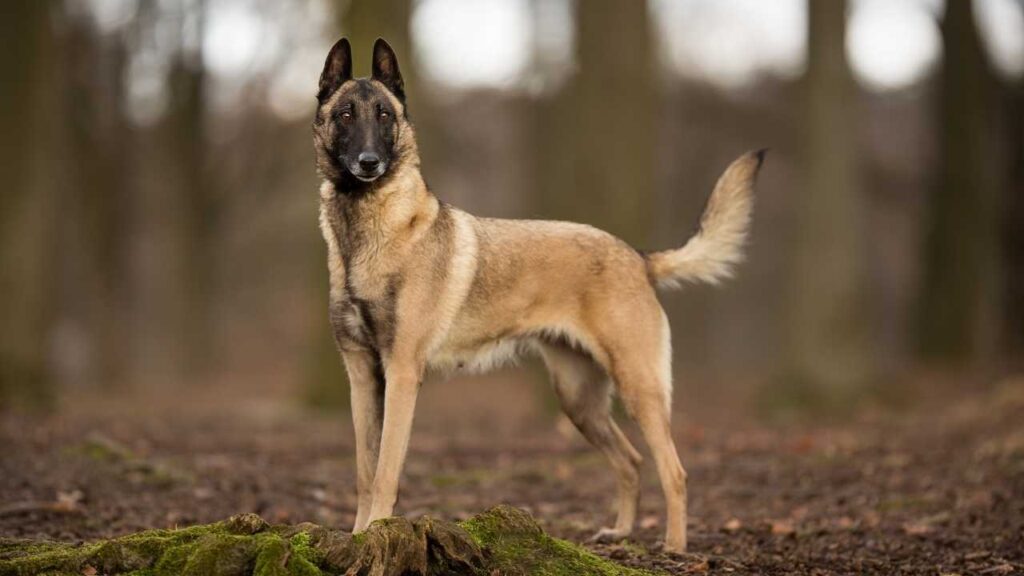
While some Malinois get along with other dogs, they can be territorial and possessive. Their sharp intelligence and alert nature make them excellent working dogs who thrive on constant activity, training, and mental challenges. Known for their fearless protectiveness, they make natural and vigilant guard dogs.
Highlights of the Belgian Malinois personality
Confident, intelligent, and highly energetic
Strong attachment to owners and eager to please
High prey drive; needs early socialization
Thrive on work, training, and physical activity
Exercise Needs & Energy Level
If you’re looking for a dog that can keep up with an active lifestyle, both the Doberman and Belgian Malinois are ready to rise to the challenge. But these powerhouses don’t just need walks — they crave variety, challenge, and plenty of ways to burn off their impressive energy.
Doberman Pinscher
Dobermans are built for speed and stamina, so they need at least 90 minutes of exercise daily — but if you can manage two hours, even better!
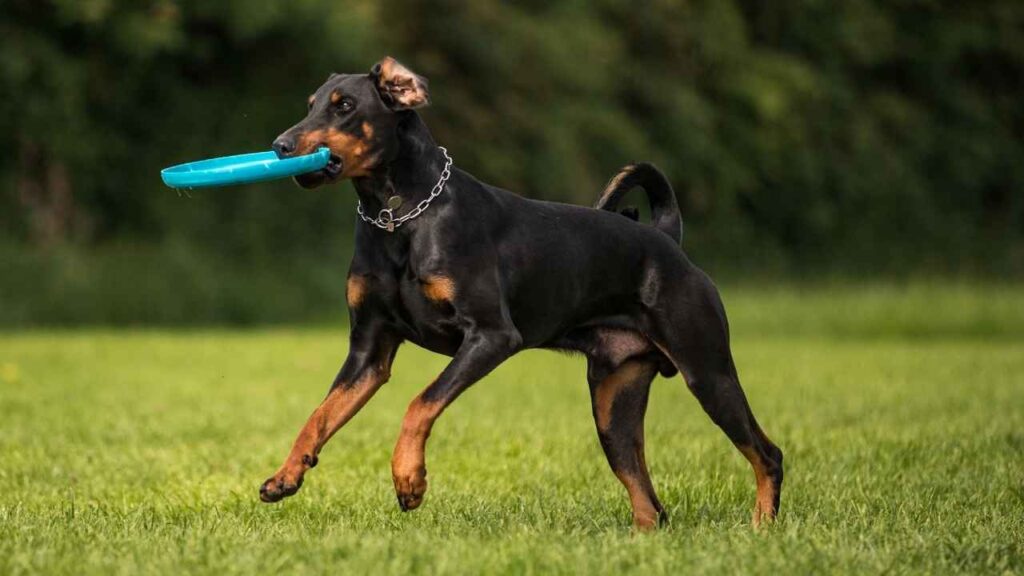
Daily walks cover part of their needs, but mixing things up with games like fetch or obedience drills keeps them sharp and happy.
They thrive on activities that challenge both their minds and bodies.
If you love hiking or running, a Doberman will gladly be your sidekick on those adventures
Belgian Malinois
Known for their boundless energy, Belgian Malinois need around two hours or more of exercise every day, ideally split into several sessions.
Think three walks a day, plus extra playtime with mentally stimulating games like ball herding, retrieval, or agility training.
Their sharp minds need as much exercise as their bodies, so obedience and training sessions are a must.
Without enough activity, they might turn their energy into unwanted behaviors like barking or chewing.
Training & Intelligence
Doberman Pinscher
The Doberman ranks as the fifth smartest dog breed. Their quick learning ability, combined with a strong desire to please, makes them eager students.
However, Dobermans do have a stubborn streak, so successful training requires a firm but patient approach. Positive reinforcement — like praise and treats — works best to keep them motivated.
Start early, and you’ll likely find your Doberman not only picks up commands quickly but may even try to impress you with their skills.
Belgian Malinois
Belgian Malinois are equally intelligent and obedient, but tend to be a bit more challenging for first-time dog owners. Their stubbornness means consistent, confident training is essential.
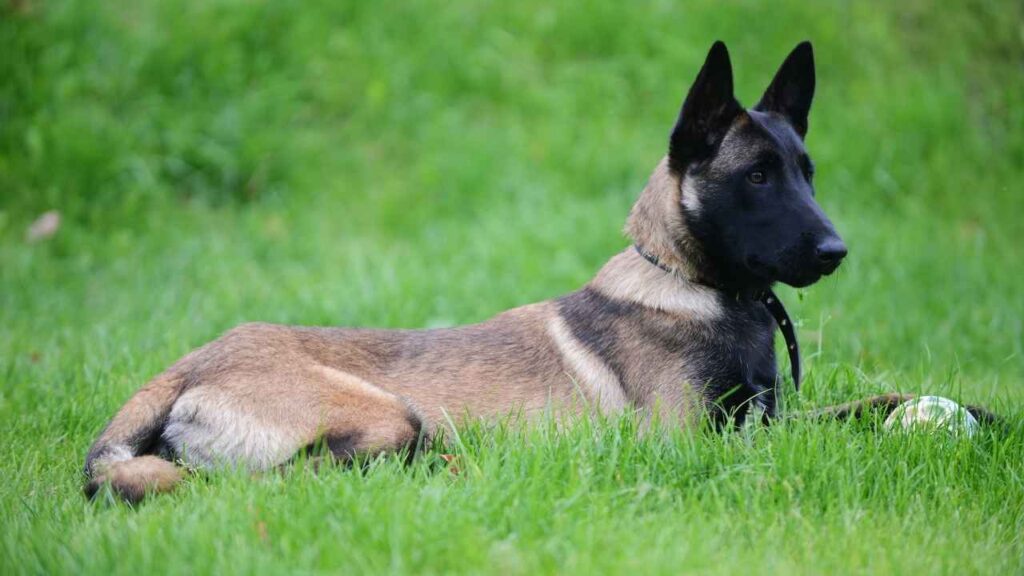
Early socialization is especially important if you plan on having your Malinois interact with children or other pets. Like Dobermans, they respond well to praise and rewards, making positive reinforcement a key part of successful training.
Coat Maintenance
Doberman Coat Care
Dobermans have a sleek, short coat that comes in several colors, including the classic black and rust, as well as blue, red, brown, and rarely white.
Despite the short coat, Dobermans are moderate to heavy shedders, so regular brushing is important to manage shedding and keep their coat shiny and healthy. Brushing a few times a week — or even daily during heavy shedding seasons — works best.
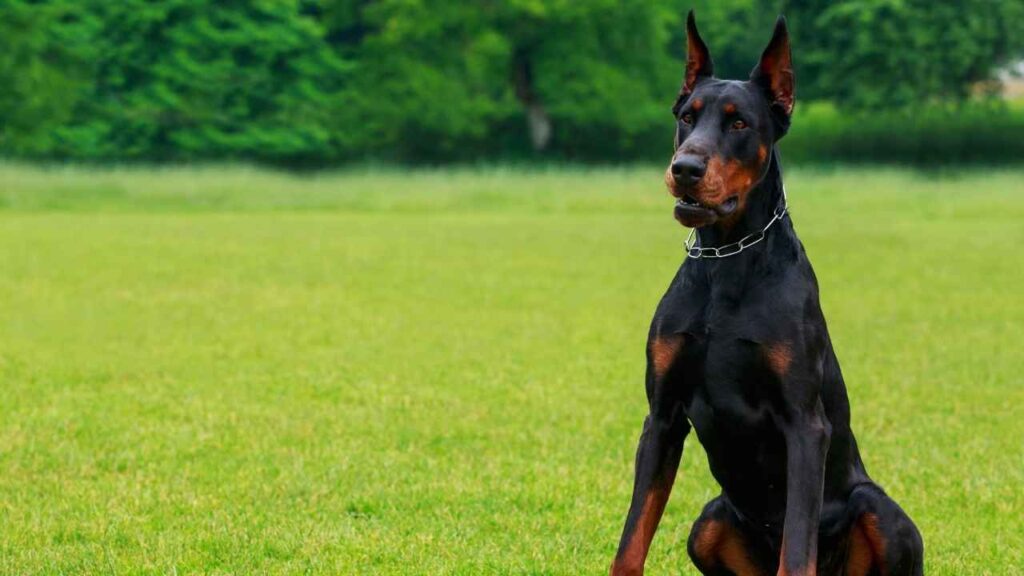
Short, smooth coat with color variations including black, rust, blue, red, and brown
Moderate to heavy shedding requires consistent grooming
Brush daily or several times a week to control loose hair
Helps maintain a sleek, healthy appearance
Belgian Malinois Coat Care
The Belgian Malinois sports a short, waterproof coat that’s easy to maintain compared to other Belgian breeds. PetMD states that they shed seasonally, usually in the fall and spring, when their undercoat “blows out” to prepare them for changing weather.
This shedding period typically lasts two to three weeks. Regular brushing helps keep their coat healthy by promoting new hair growth and distributing natural oils.
Short, waterproof coat — low maintenance
Seasonal heavy shedding twice a year (“blowout”) lasting 2–3 weeks
Use a medium-bristle brush or grooming glove for occasional brushing
Helps promote a healthy coat and reduces loose hair around the home
Health & Lifespan
Doberman Health & Care
Dobermans typically live around 10 to 12 years with proper care. They are generally healthy dogs but may be prone to certain conditions, including:
Gastric dilatation-volvulus (bloat)
Hypothyroidism
Dilated cardiomyopathy
Von Willebrand’s disease
Hip dysplasia
Providing a high-quality diet tailored to their weight, age, and activity level is essential. Regular vet checkups can help detect and manage any health issues early.
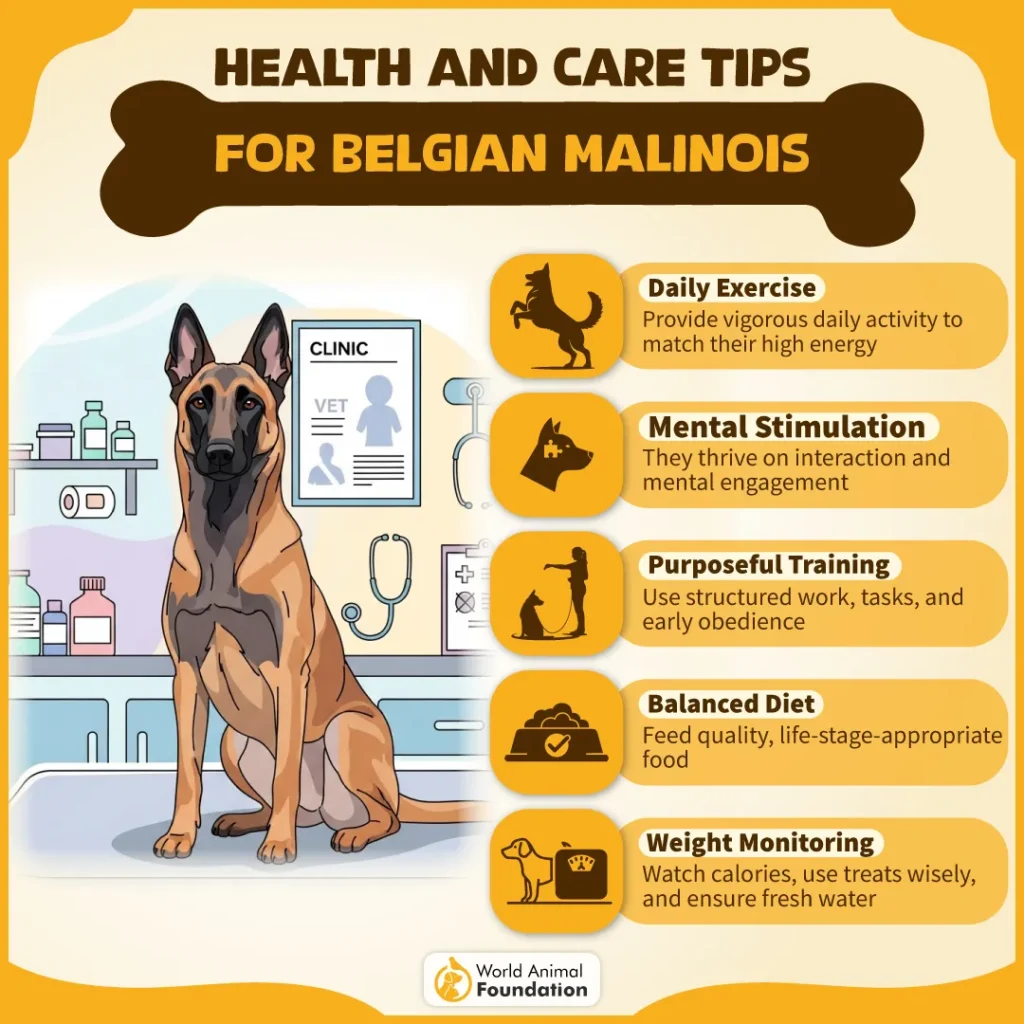
Belgian Malinois Health & Care
Belgian Malinois generally live about 10 to 14 years when well cared for. They are robust dogs but can also inherit some health problems, such as:
Elbow dysplasia
Hip dysplasia
Cataracts
Progressive retinal atrophy
A balanced, nutritious diet suited to their energy needs helps keep them strong and healthy. Regular veterinary care is important to monitor for these conditions.
Doberman Pinscher vs Belgian Malinois: Which One Suits You Best?
Choosing between a Doberman Pinscher and a Belgian Malinois comes down to matching their unique traits with your lifestyle, experience, and what you’re looking for in a canine companion.
If you want a loyal protection dog that bonds deeply with your family and thrives with regular exercise and mental challenges, the Doberman could be a great fit.
They tend to be a bit more family-oriented, affectionate, and adaptable to different living spaces—though they still need an active owner who can keep up with their energy and training needs, as noted by the American Kennel Club.
On the other hand, if you’re an experienced dog owner looking for a highly energetic, intelligent, and driven working dog, the Belgian Malinois may be the better choice.
They demand a lot of physical and mental stimulation and thrive best with plenty of structured activity, training, and socialization. Malinois are excellent for those who want a dedicated partner for advanced training, agility, or protection work.
In short:
Choose a Doberman Pinscher if you want
A devoted family protector
A dog that bonds closely with one person but loves the whole family
A loyal, energetic companion who enjoys variety in exercise
A slightly larger dog that can adapt well to active households
Choose a Belgian Malinois if you want
A highly driven, athletic working dog
An intelligent, alert protector with a strong prey drive
A dog requiring regular, intense exercise and training
A partner for advanced activities like agility or herding
Conclusion
Both the Doberman Pinscher and Belgian Malinois are remarkable breeds, each with its own strengths and needs.
Whether you prefer the loyal, protective nature of the Doberman or the high-energy, driven personality of the Belgian Malinois, both dogs will reward you with unwavering devotion and incredible companionship. The key is finding the right fit for your lifestyle, activity level, and experience.
If you’re ready to welcome one of these amazing dogs into your life, take some time to consider what you can realistically offer in terms of exercise, training, and socialization.
Remember, choosing the right breed is the first step toward building a lifelong bond. Whichever you decide, you’ll gain not just a pet, but a true partner who will stand by you with courage and loyalty every day.
