




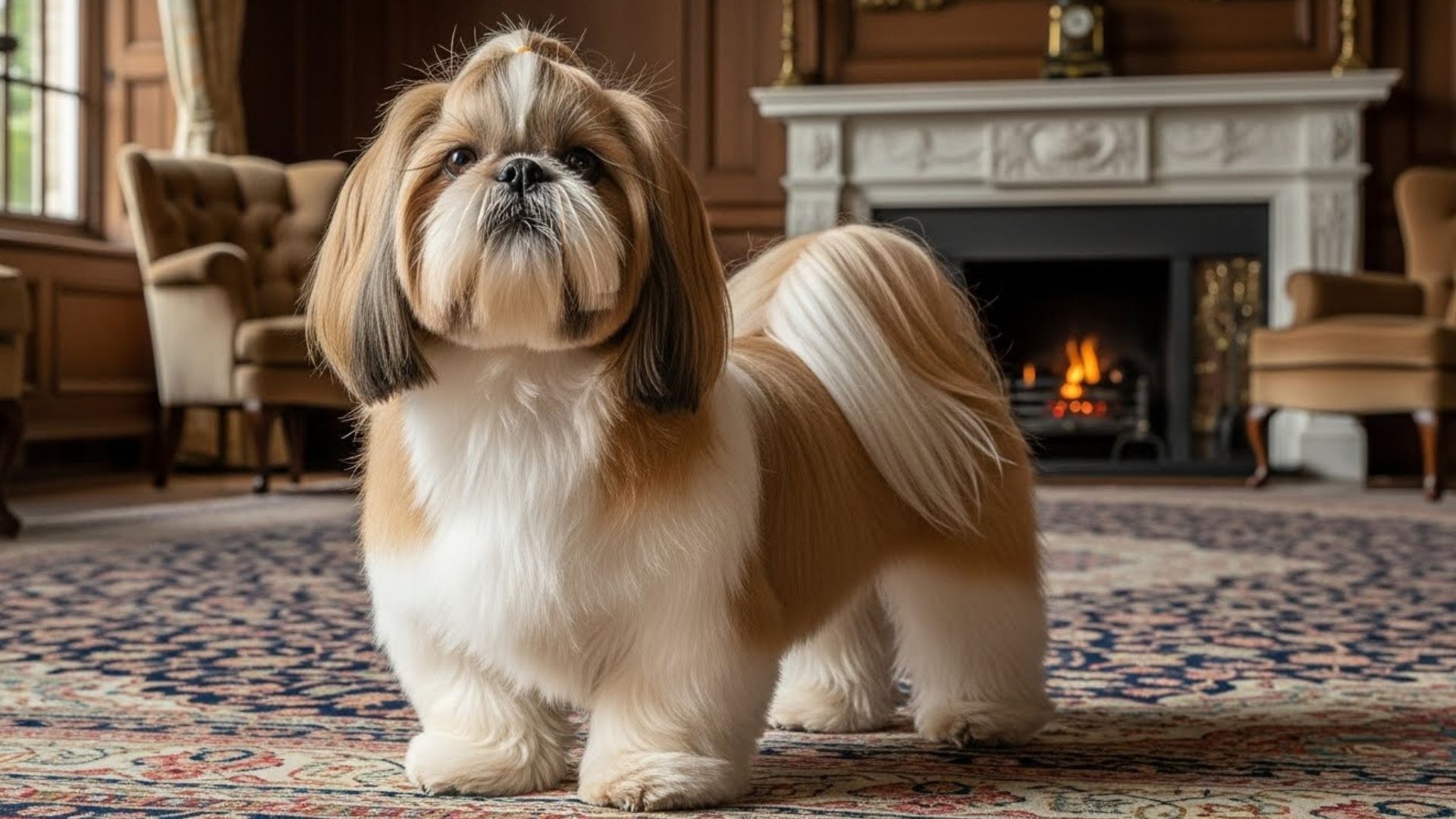
Throughout history, dogs have not only been man’s best friend—they’ve also been the world’s ultimate aristocrats. From the gilded halls of Versailles to the serene courtyards of Chinese palaces, distinguished dog breeds with noble lineage have strutted beside queens, emperors, and courtiers, their tails held high, and crowns (figurative or otherwise) held firm.
These aren’t just dogs—they’re four-legged pieces of living history, embodiments of elegance, loyalty, and, occasionally, royal stubbornness. Whether resting in Queen Elizabeth II’s lap or guarding a royal household in the snowy Pyrenees, these canines tell the tale of power and affection in equal measure.
Today’s modern millennial may not own a palace (we barely own parking spaces), but that doesn’t mean we can’t share our lives with dogs once reserved for the world’s most powerful families. These dogs carry regal legacies into our apartments, our hearts, and occasionally, our couches.
Let’s explore the distinguished dog breeds with a noble lineage—those timeless canines that once reclined in royal courts, inspired court painters, and helped shape the history of royalty itself.
Distinguished Dog Breeds with a Noble Lineage
1. Shih Tzu
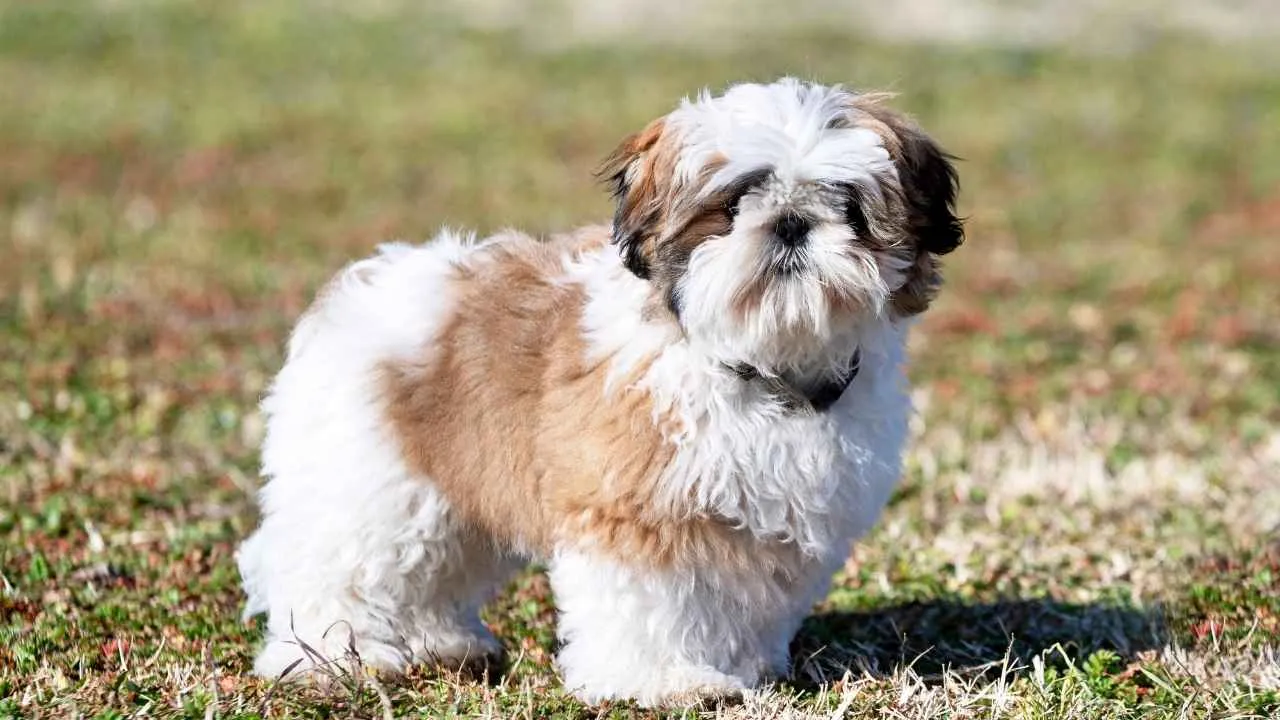
The Shih Tzu traces its roots back to ancient China, where Chinese emperors treated them as symbols of grace and power.
The Ambassadors of Peace
Originally bred for the imperial court, these tiny, fluffy ambassadors of peace were the prized possessions of Chinese royalty. Monks from Tibetan monasteries even presented them as sacred gifts to the emperors, believing they carried the souls of the wise.
The Forbidden Imports
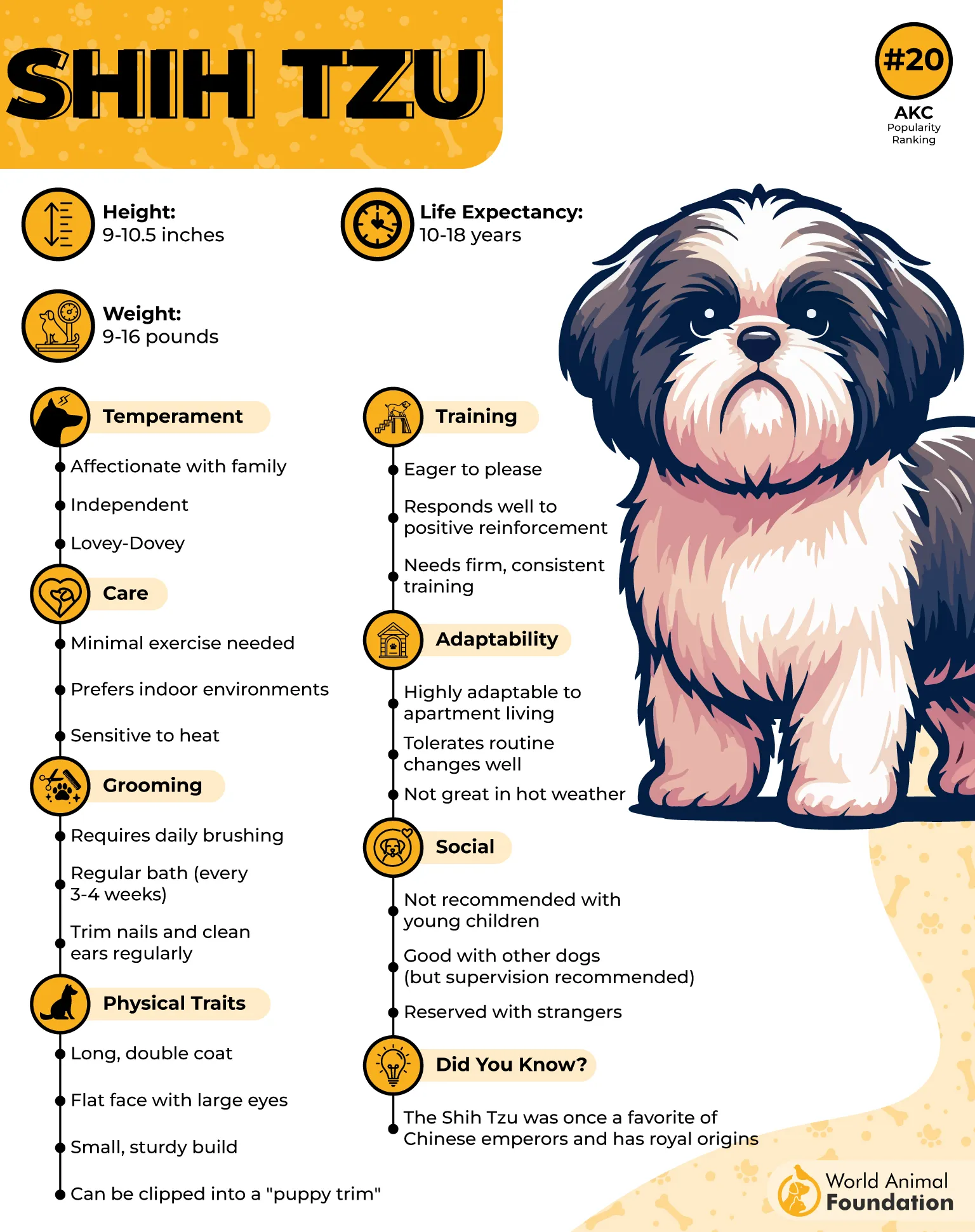
In true royal fashion, they lived luxuriously—often sleeping in private chambers and dining better than most 15th-century peasants. Legend says that Chinese monarchs cherished them so much they’d issue decrees forbidding their export (imagine a “no Shih Tzu left behind” policy). Their exquisite appearance and air of superiority still make them seem like they own the room—or at least the throw pillow.
Gentle Human Companions
These small dogs with prominent personalities were bred for companionship rather than hunting. Their gentle nature, affectionate eyes, and silky manes make them perfect palace pets, adored just as much in modern apartments as they once were in ornate royal courtyards. Regular grooming is essential, but let’s be real—keeping them camera-ready feels like maintaining a tiny celebrity.
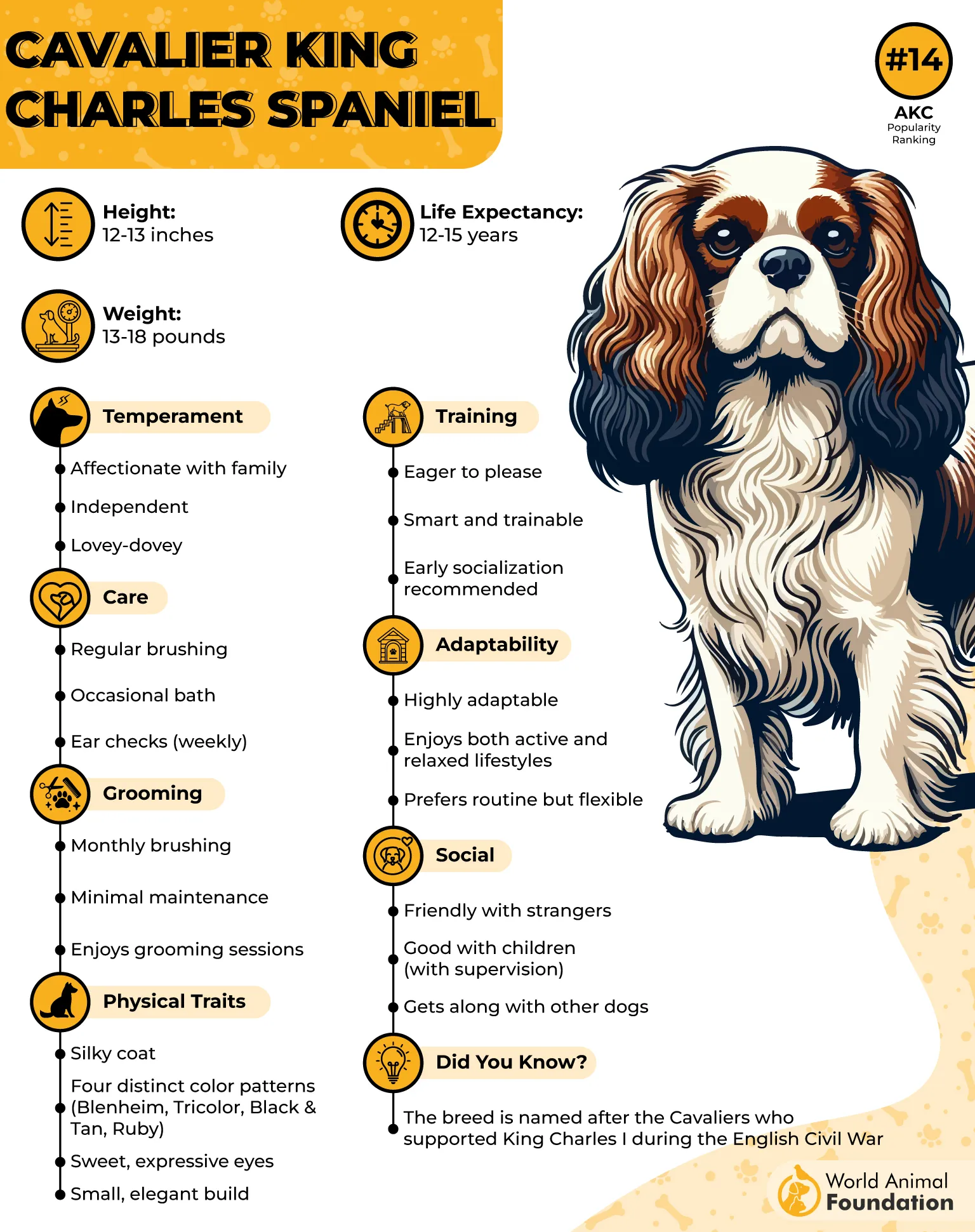
2. Cavalier King Charles Spaniel
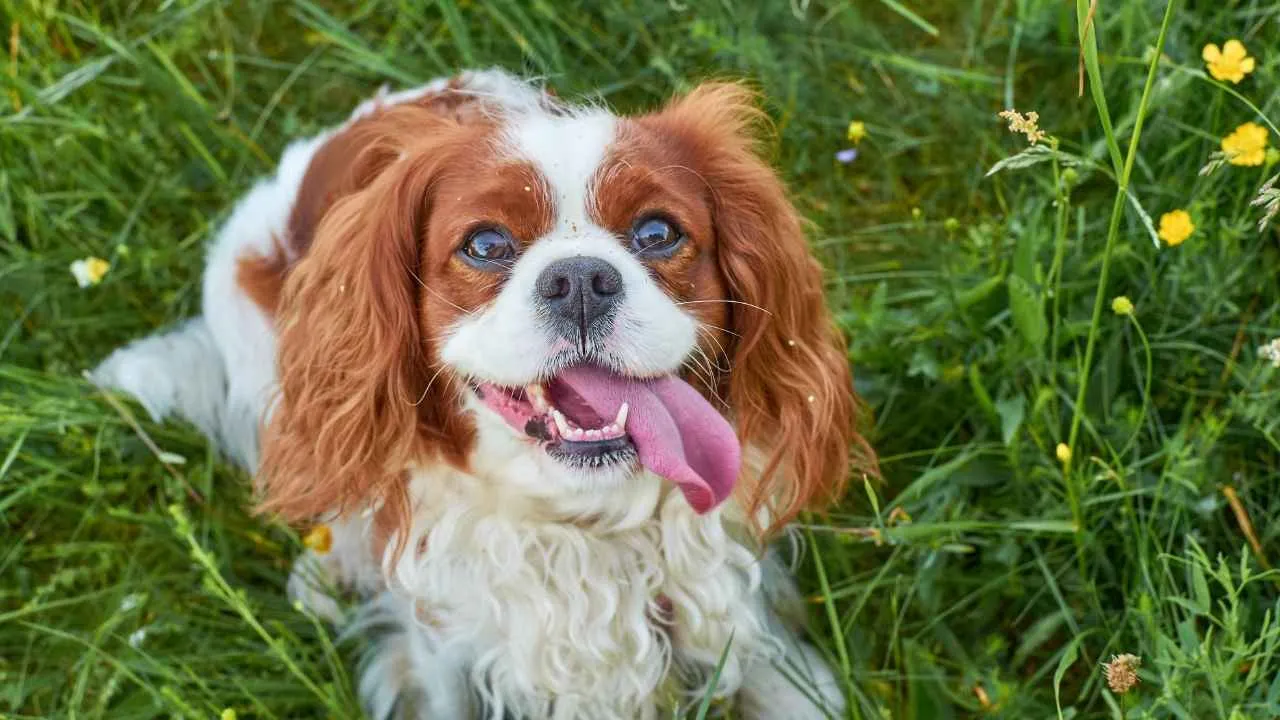
Few dog breeds can claim as much royal history as the Cavalier King Charles Spaniel. These silky-haired toy spaniels were beloved by King Charles I and Charles II, whose devotion to the breed bordered on obsession.
It’s said that Charles II was so enamored with his spaniels that he allowed them to enter royal courts, churches, and even Parliament. Truly, the original “bring your dog to work” advocate.
The Real Royal Dogs
Bred initially as lap companions and warmth-providers in drafty castles, these royal dogs quickly earned their spot in both royal portraits and the hearts of monarchs. Their peaceful nature and expressive eyes made them perfect for courtiers seeking emotional support—and let’s face it, nothing says “relax” like a Cavalier snuggle after a long day of ruling an empire.
Leading a Lavish Life
Under King Henry III and Queen Victoria, toy spaniels continued to thrive in the royal household, often appearing beside noblewomen in lavish gowns in court painters’ masterpieces. Even Queen Elizabeth II’s ancestors adored them, establishing their reputation as true status symbols of affection and companionship.
The Easy-Going Companions
Modern Cavaliers remain faithful to their royal lineage—sweet-tempered, affectionate, and refined, but also down for Netflix marathons and snack breaks. These distinguished dog breeds with a noble lineage bring a touch of nobility to every home, whether a mansion or a Manhattan loft.
3. Great Pyrenees
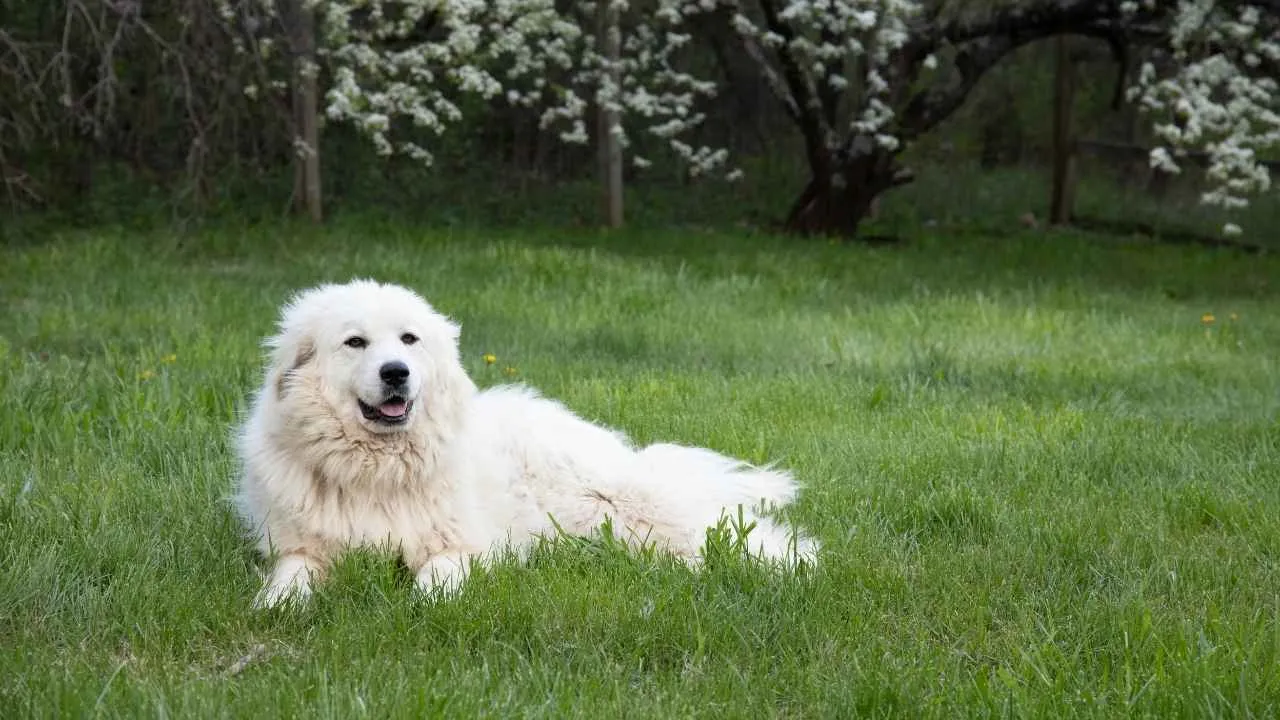
This dog was always considered to be the royal bodyguard. With their glorious appearance and snow-white coats, these noble giants were initially bred to guard sheep in the Pyrenees Mountains—but they soon found their way into royal courts, protecting nobles and French royalty alike.
The Official Dog of the French Nobility
During the reign of Louis XIV, the “Sun King” himself declared the Great Pyrenees the official dog of the French aristocracy. They appeared in sprawling estates and palaces across France, serving as both protectors and elegant symbols of prestige. King Francis I and other royal families adored their calm but courageous demeanor—a mix of beauty and bravery unmatched among dogs.
The Quiet Watchers
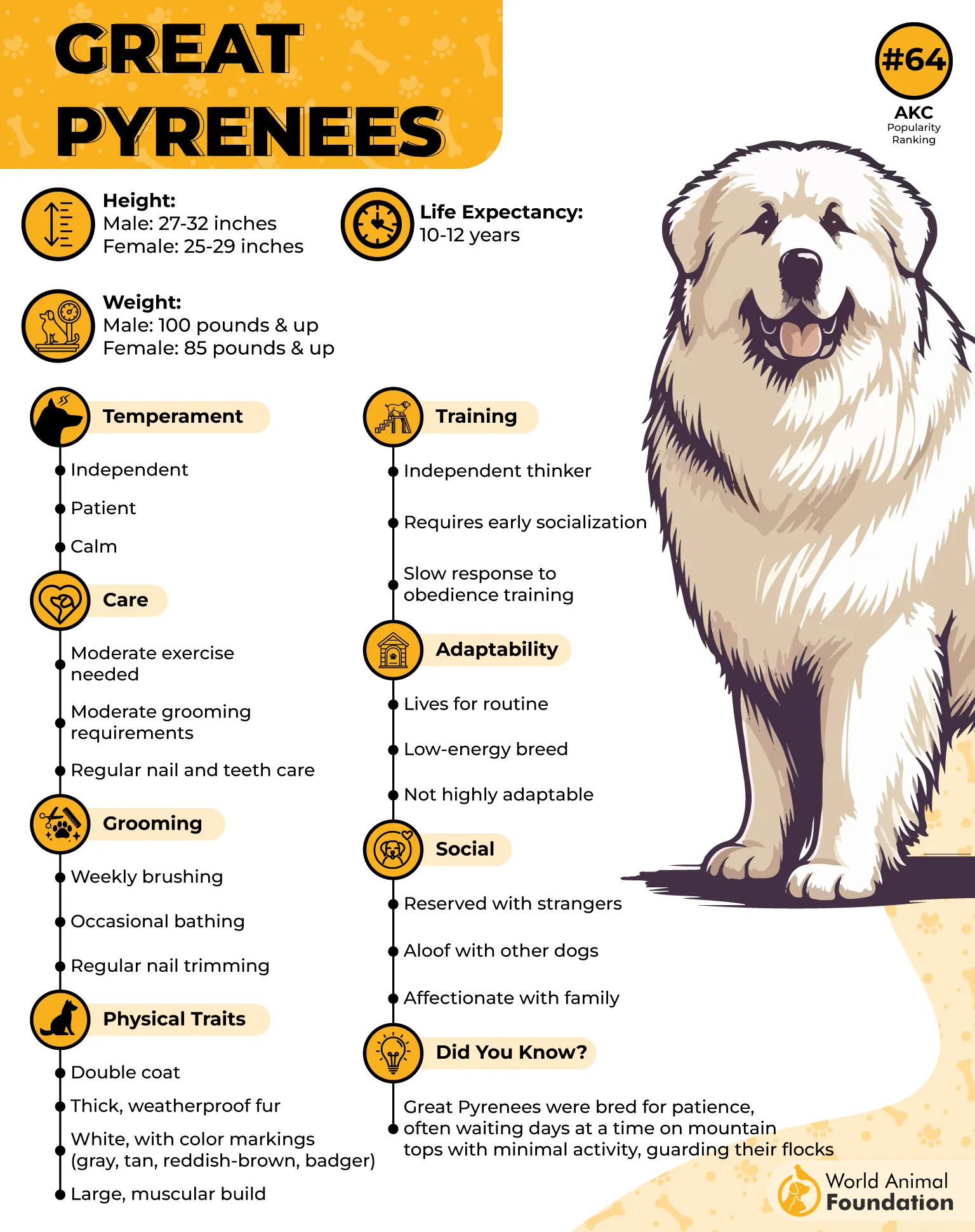
Despite their regal heritage, this dog remains down-to-earth (and occasionally covered in it). They’re affectionate, loyal, and gentle with loved ones, known for their pleasant nature and quiet watchfulness. However, they can also be stubborn—after centuries of guarding kings, it’s hard to take orders from anyone else.
Protectors of Families
Today, it blends power and peace in one fluffy package. Their exquisite appearance still commands respect, and their protective instincts make them ideal companions for modern families. It’s easy to see why this regal breed has been adored from royal courts to suburban yards across centuries.
4. Pekingese
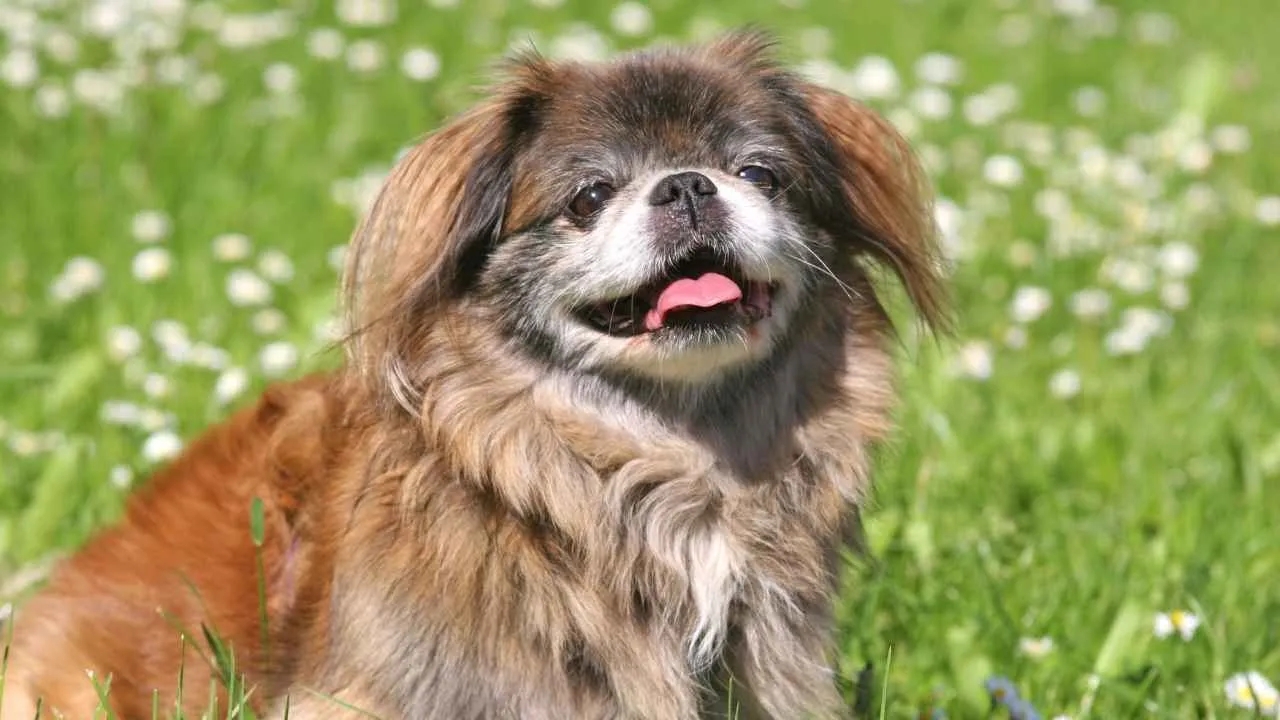
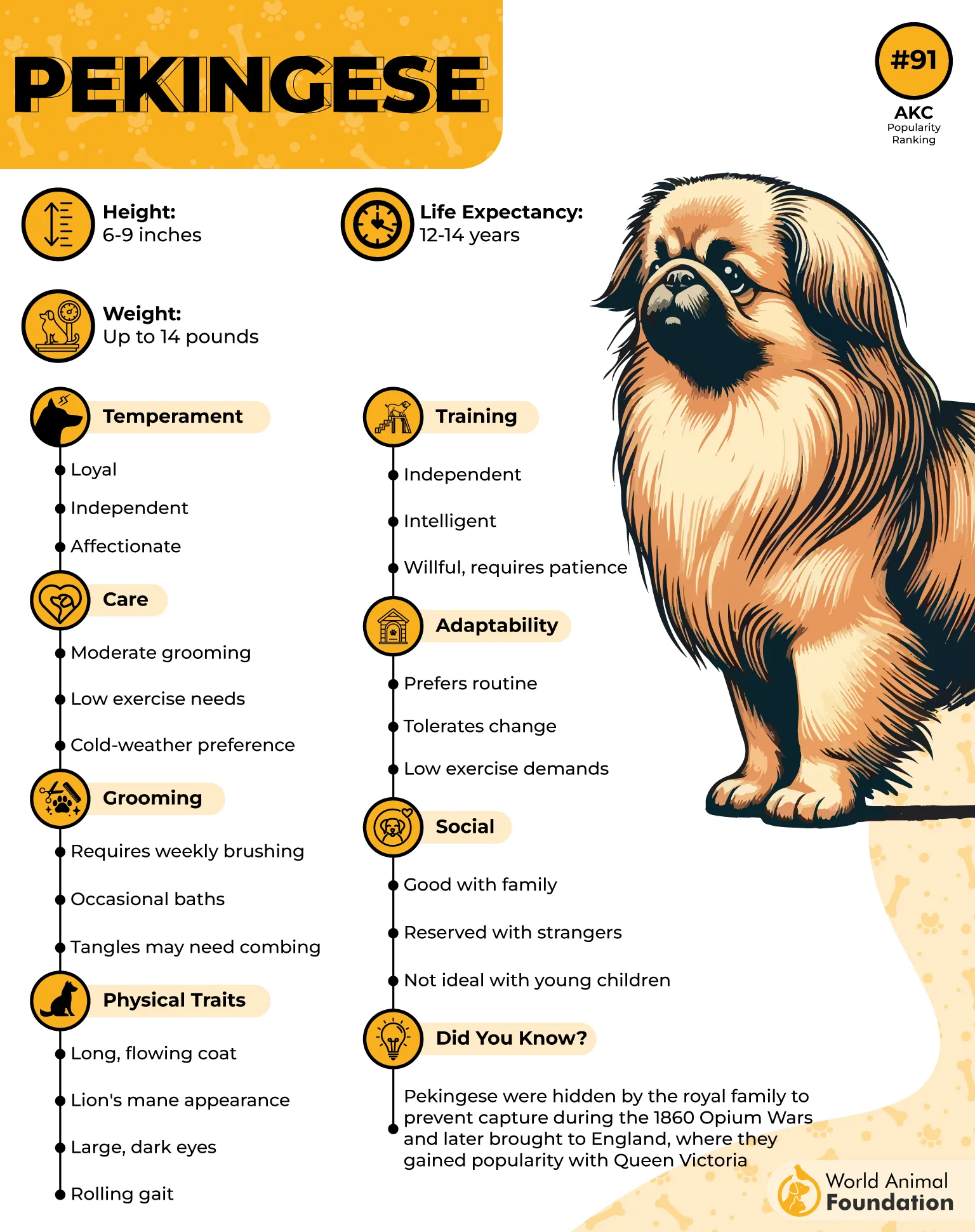
In the elite hierarchy of Chinese royalty, the Pekingese stood at the very top—literally worshiped by emperors of the imperial court. AKC mentions that these dogs were initially bred to resemble lions (considered sacred in Chinese culture). One could say they were the “royal influencers” of their time—pampered, photographed, and revered.
The Symbol of Nobility
Pekingese dogs weren’t just pets—they were status emblems. Only those of the highest nobility could own one, and commoners faced severe punishment if they tried. When the royal family paraded, these little dogs trotted proudly beside silk-robed nobles, their flowing coats shimmering under lantern light.
Queen Victoria’s Love For Them
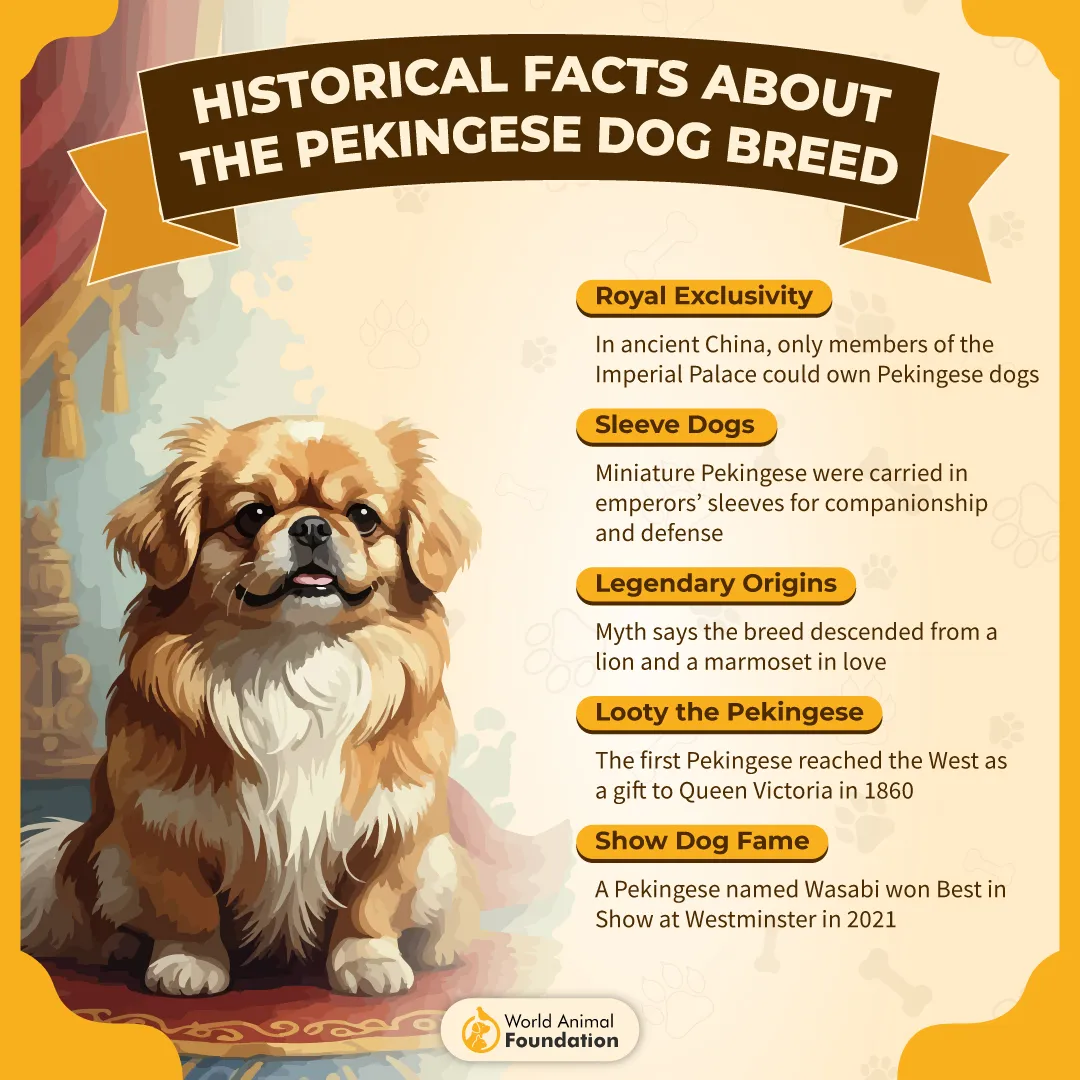
After the fall of the Chinese imperial dynasty in the 19th century, a few Pekingese were smuggled out and gifted to Queen Victoria, cementing their fame in the Western world. Royal paintings soon featured them, alongside Maltese dogs and Bichon Frise companions.
Tiny Pups With A Massive Confidence
Today’s Pekingese still carry themselves like emperors. Behind those flat faces and soulful eyes lies 2,000 years of royal confidence. They may be tiny, but they walk the house like it’s the Forbidden City—and we, their humble attendants, wouldn’t have it any other way.
5. Saluki
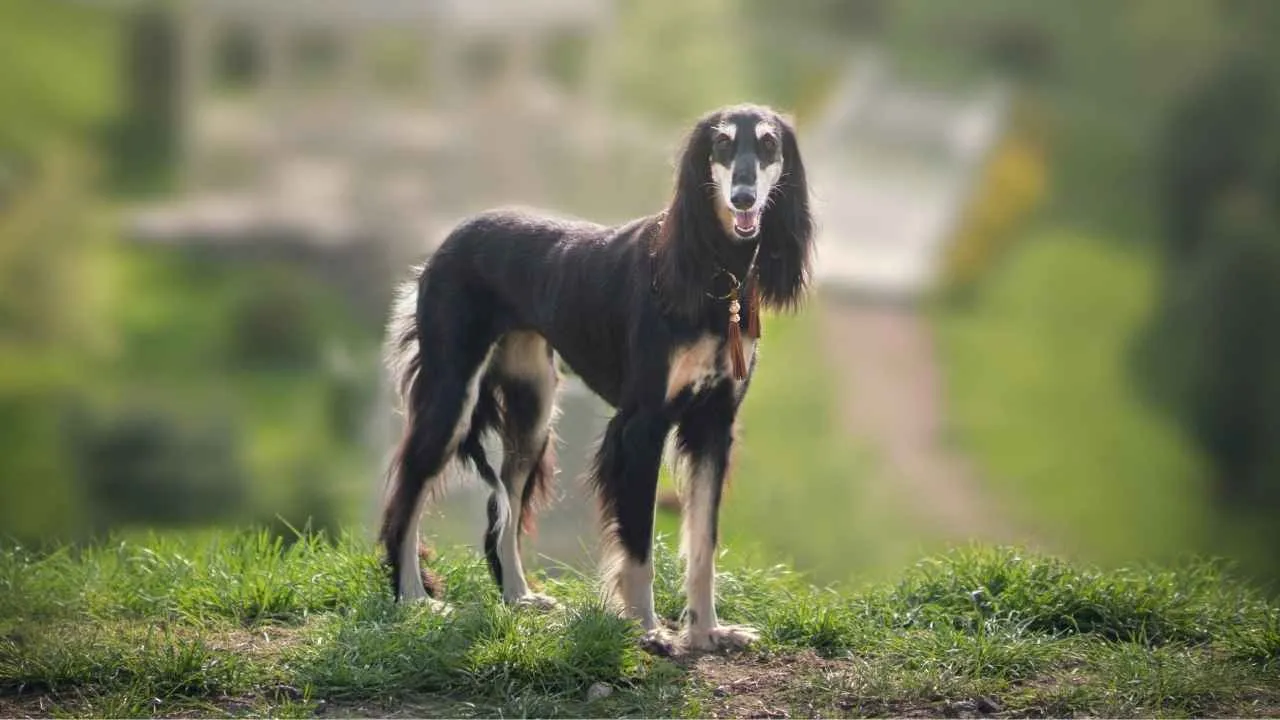
Few dogs claim roots as deep as the Saluki, widely regarded as one of the oldest dog breeds in the world. Initially bred by Bedouin tribes and cherished in ancient Egypt, they were prized for their hunting skills and grace.
Images of Salukis—or dogs remarkably similar—have been found in ancient tombs dating back over 4,000 years. Pharaohs considered them royal treasures, often mummifying them alongside their masters to accompany them into the afterlife.
Loved by Nobles From the Middle East To Europe
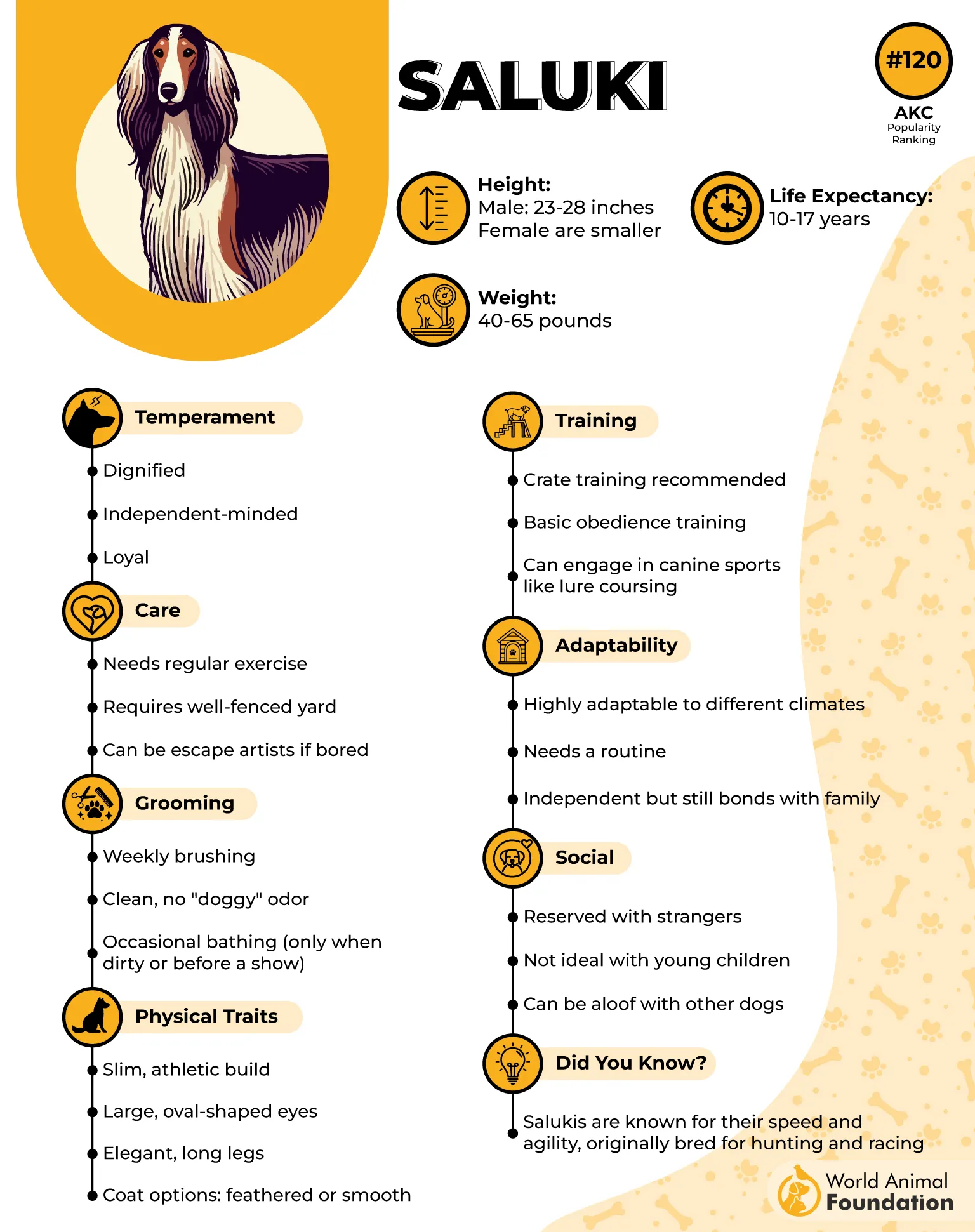
The Saluki’s royal lineage extended far beyond Egypt. They roamed the deserts with nobility, serving as both loyal companions and elite hunters for royal families across the Middle East. Their sleek, aerodynamic bodies and quiet dignity caught the admiration of Tsar Alexander III, who introduced them to European nobility.
Reserved and Elegant Pups
Despite their aristocratic background, the Saluki exudes humility. They are sweet-tempered, reserved, and effortlessly elegant—like that friend who always looks good in candid photos. Their majestic appearance and calm presence made them favorites among those who ruled from gilded thrones or open dunes.
6. Pembroke Welsh Corgi
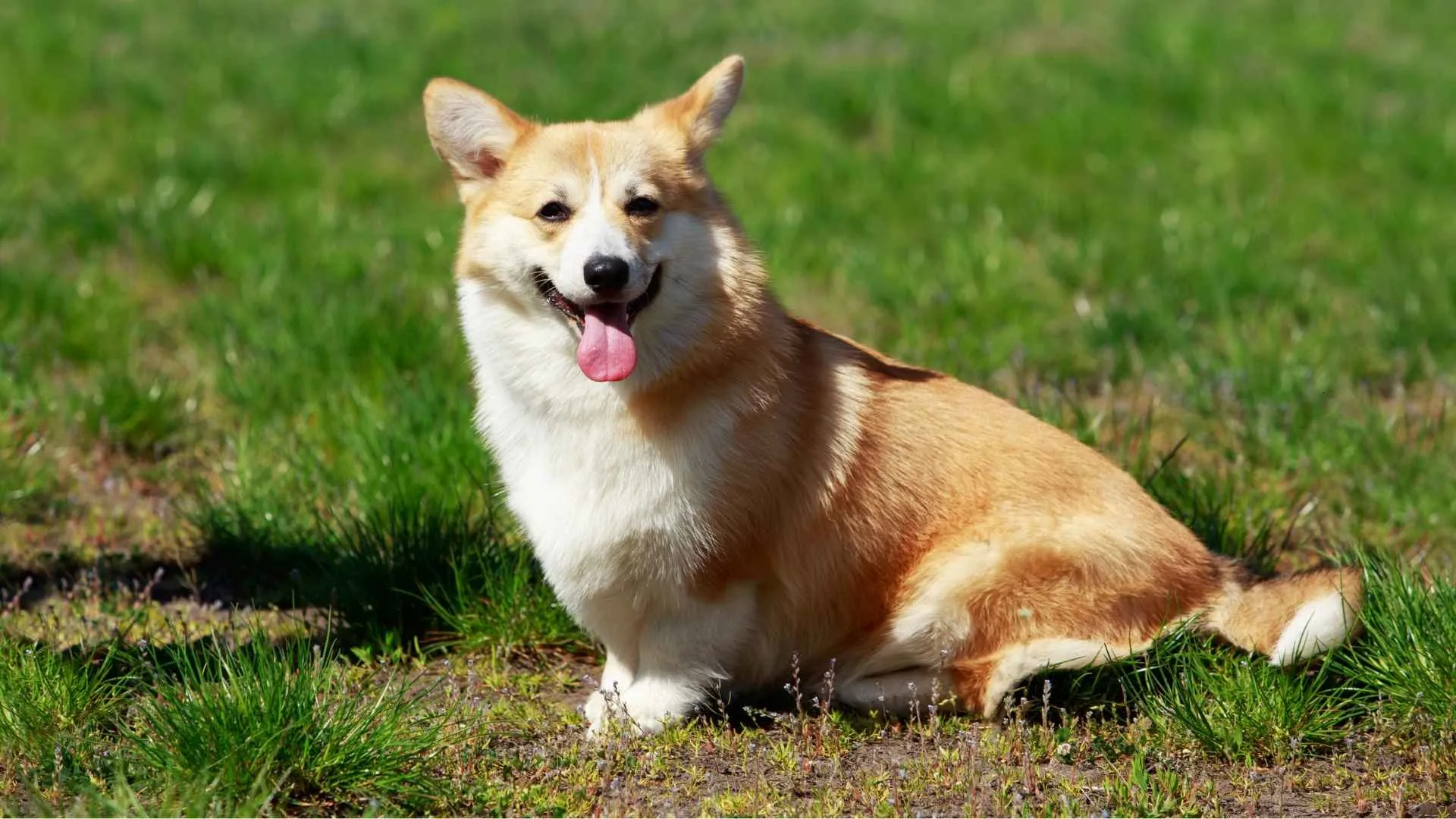
When you think “royal dog,” there’s only one small, round, and ridiculously adorable face that comes to mind—the Pembroke Welsh Corgi. Immortalized by Queen Elizabeth II, who famously kept more than 30 during her reign, the Corgi is perhaps the most iconic royal companion of modern times.
A Symbol of Love
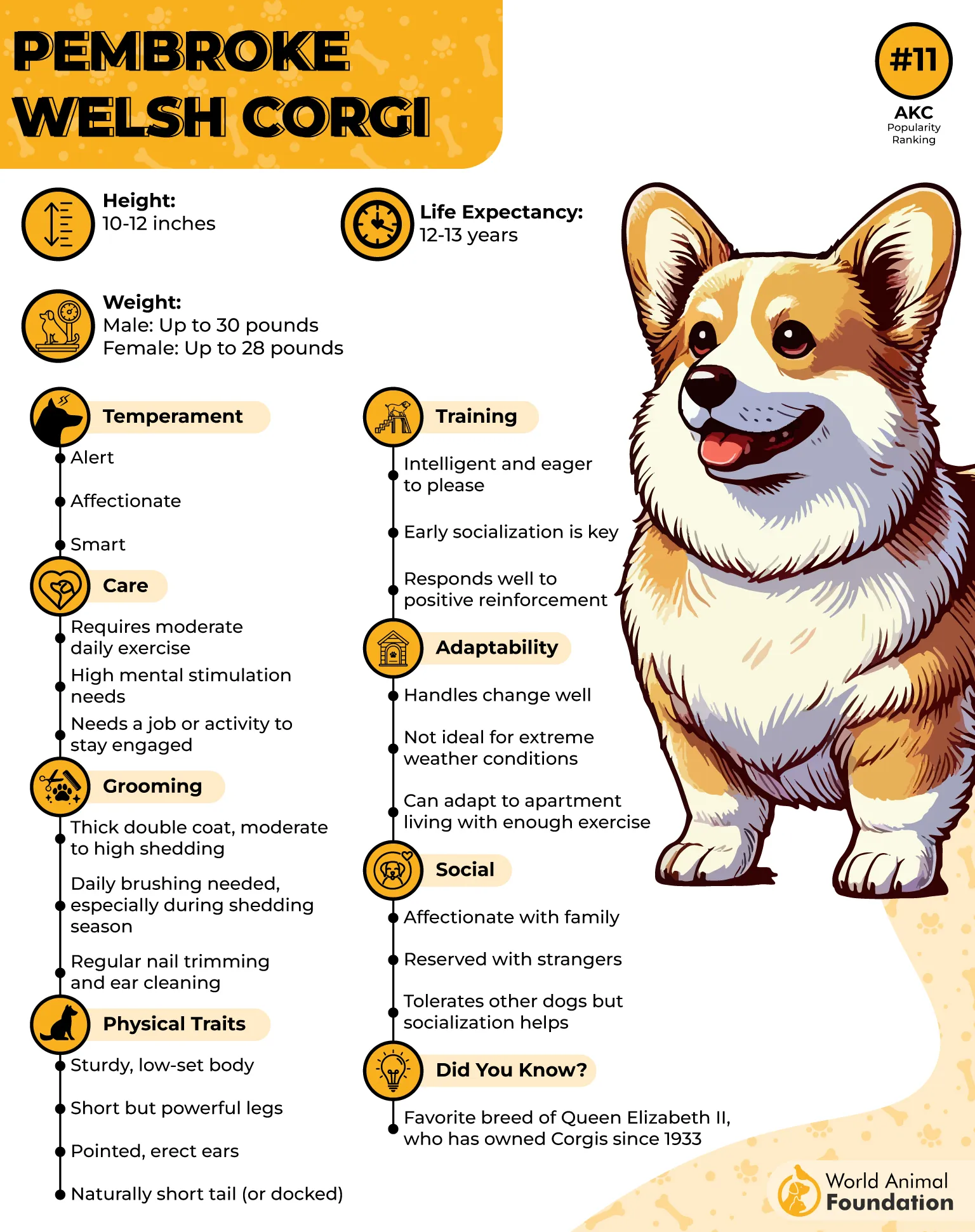
Originally bred as herding dogs in Wales, their compact build and intelligence made them handy helpers before earning royal family status. Their reputation skyrocketed when King George VI gifted a Pembroke named “Dookie” to the young princesses, Elizabeth and Margaret, at Windsor Castle. From there, the love affair between British royalty and Corgis was eternal.
Charming and Smart Pups
These distinguished dogs might be short on legs but are long on charm, wit, and loyalty. They’re smart, social, and known for their comforting nature—qualities that have made them beloved across the generations, from Queen Elizabeth II herself to millennials posting their Corgis on Instagram.
PetMD calls them loyal and spunky!
7. Cocker Spaniel
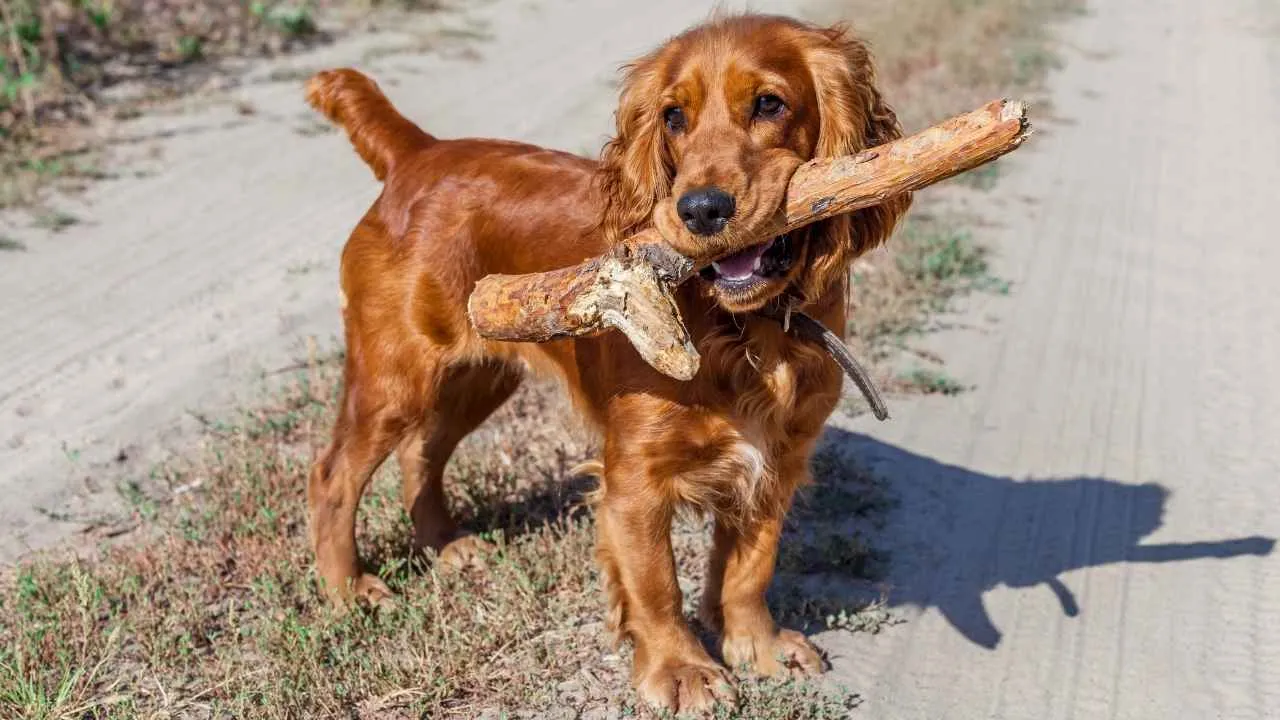
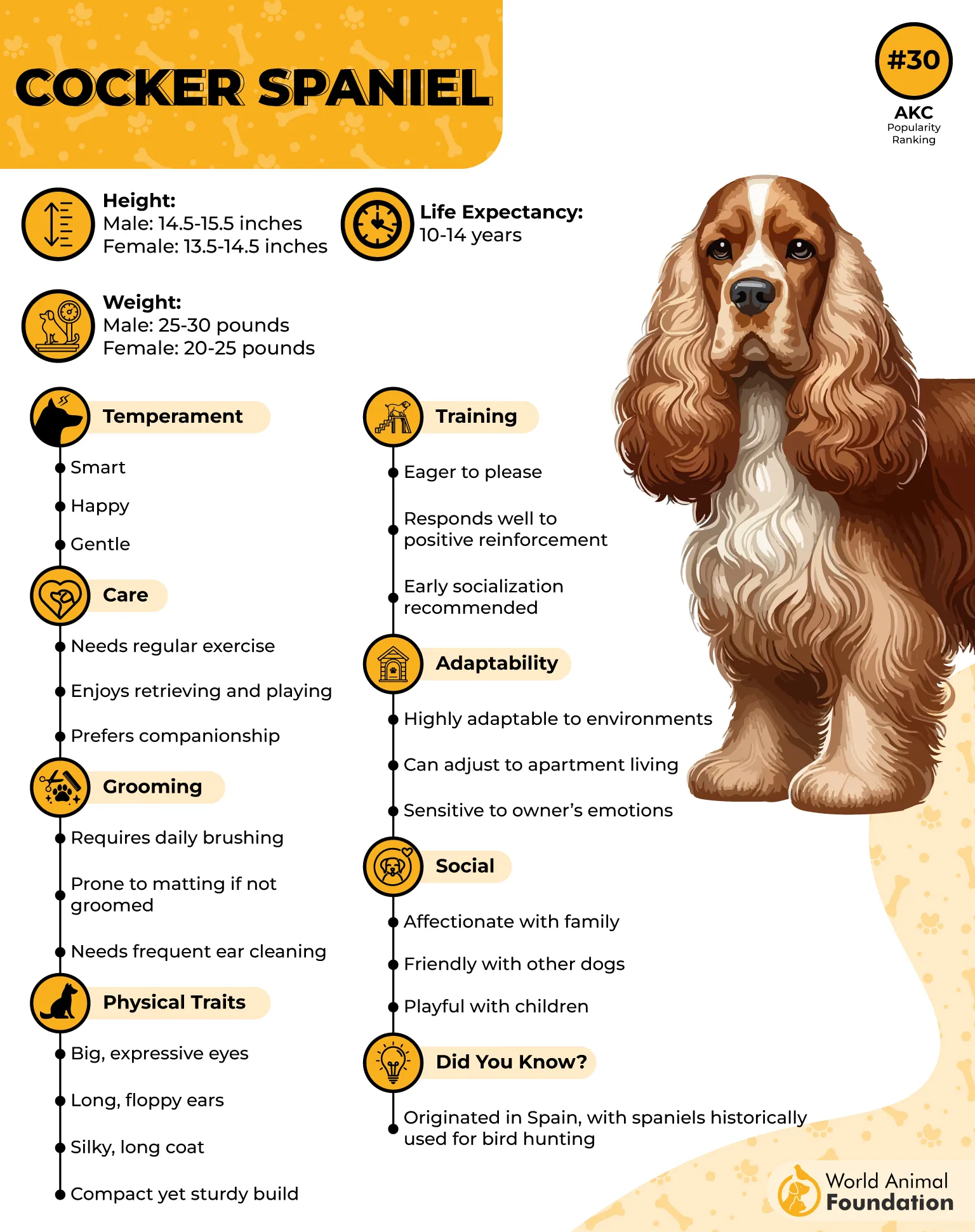
The Cocker Spaniel first gained fame in 14th-century Britain, where it was initially bred for hunting, especially flushing out woodcock birds—hence the name. Over time, its silky looks and soft nature won over royal families, nobles, and artists. Queen Elizabeth I was a notable admirer, and later, Queen Victoria helped boost the breed’s popularity by keeping her own beloved Cocker named “Dash.”
A Staple In The Royal Paintings
Cockers quickly earned their place in royal portraits, frolicking beside future kings and queens and making us wonder if every monarch secretly needed a spaniel cuddle after diplomacy. Their soulful eyes and loving temperaments made them the emotional heart of the royal court—the kind of pups that melted the stoic façades of even the stiffest royalty.
Mary Queen of Scots and This Spaniel
Even Mary Queen of Scots was said to have one by her side at the time of her death—proof that these canines were not only companions in life but symbols of loyalty in death.
Perfect Pets for Families
Today’s Cocker Spaniels are joyful, affectionate, and eternally stylish. Their comforting nature and loving eyes make them perfect family dogs, reminding us that while crowns may change heads, kindness and loyalty never go out of style.
Conclusion
From the royal courts of France to the palaces of China and castles of Britain, distinguished breeds with a noble lineage have played starring roles in the unfolding pageant of human royal history. They guarded kings, comforted queens, and strutted through throne rooms with the quiet dignity that only centuries of pampering can produce.
So, whether your dog’s ancestors dined beside King Henry III or just stole your sandwich at brunch, give them an extra pat today. After all, we’re all just humble subjects in the kingdom of dogs—and honestly, it’s the most joyful monarchy imaginable.
