




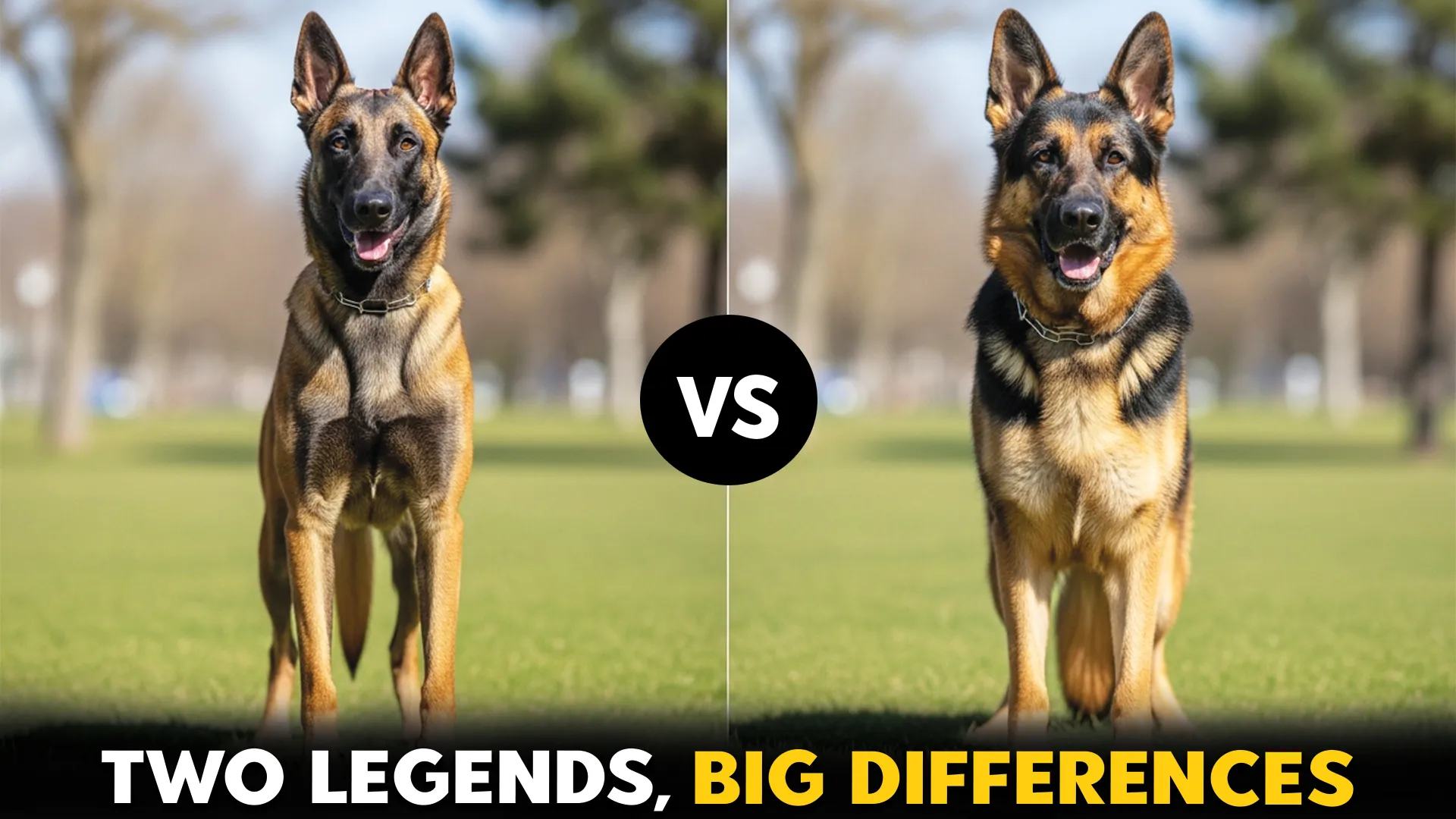
German Shepherds and Belgian Malinois are two popular dog breeds sharing many similarities with each other. Both of these canines were originally bred as guarding and herding dogs. GSDs and Mals are both very intelligent dogs with high drive.
Belgian Malinois and German Shepherds are both very agile and active dogs. They possess unmatched stamina, incredible strength, and high endurance levels. Mals and GSDs both need plenty of exercise to stay fit.
Despite all similarities, both breeds are quite different from each other in many aspects. For instance, they have different countries of origin. This article highlights the differences between their temperaments, personalities, and physical characteristics.
Have a look at some surprising differences between Belgian Malinois and German Shepherd dog breeds.
Surprising Differences Between Belgian Malinois and German Shepherd Dog Breeds
Origins & Purpose
Both German Shepherds and Belgian Malinois are herding dogs. Both were bred for almost similar purposes, but have different origins.
German Shepherd
As their names imply, German Shepherds were bred in Germany, while Belgian Malinois were bred in Belgium. Captain Max von Stephanitz developed German Shepherds in the 1800s. He wanted to create a wolf-like dog with an independent, persistent, and obedient personality.
Belgian Malinois
Belgian Malinois, on the other hand, is one of the four varieties of Belgian Shepherd dogs. The other three types include Belgian Tervuren, Belgian Laekenois, and Belgian Sheepdog. They were bred in the late 1800s in the Brussels, Malines region. Mals were first recognized by Professor Adolphe Ruel.
Size & Physical Appearance
German Shepherds and Belgian Malinois both breeds look quite similar to each other. Both have muscular and athletic bodies, erect ears, alert eyes, and a black muzzle. However, there are some key differences between the two breeds.
German Shepherd
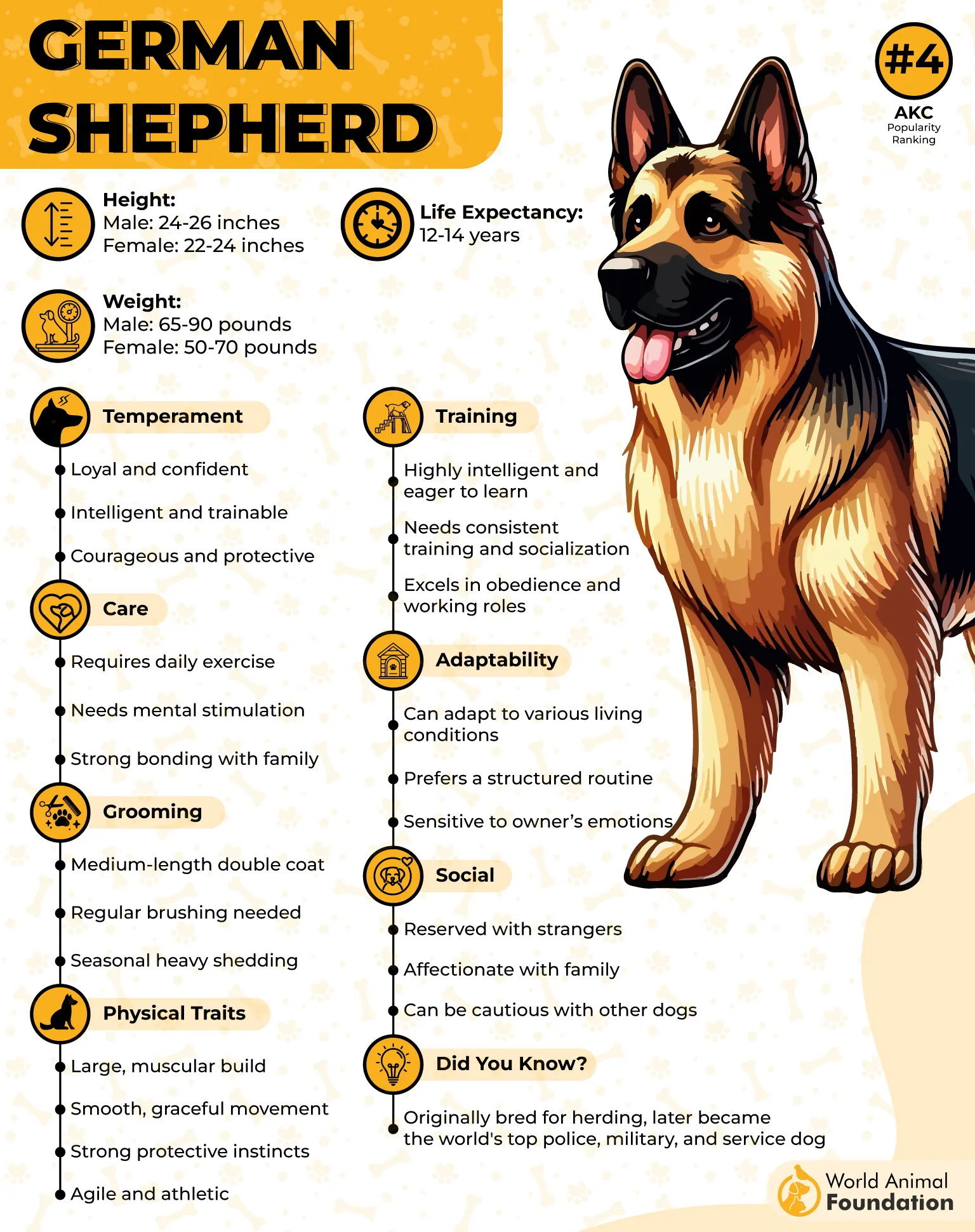
German Shepherds stand almost as tall as Belgian Malinois, but are bulkier and more muscular than Mals. They are slightly longer than they are tall and present a picture of smooth and graceful curves rather than angles, according to the AKC. Their powerful bodies make them look a bit intimidating.
German Shepherds are robust working dogs with sturdy bodies, which enable them to work tirelessly throughout the day. Their strong shoulders and hindquarters enable them to cover maximum ground using minimal energy.
Belgian Malinois
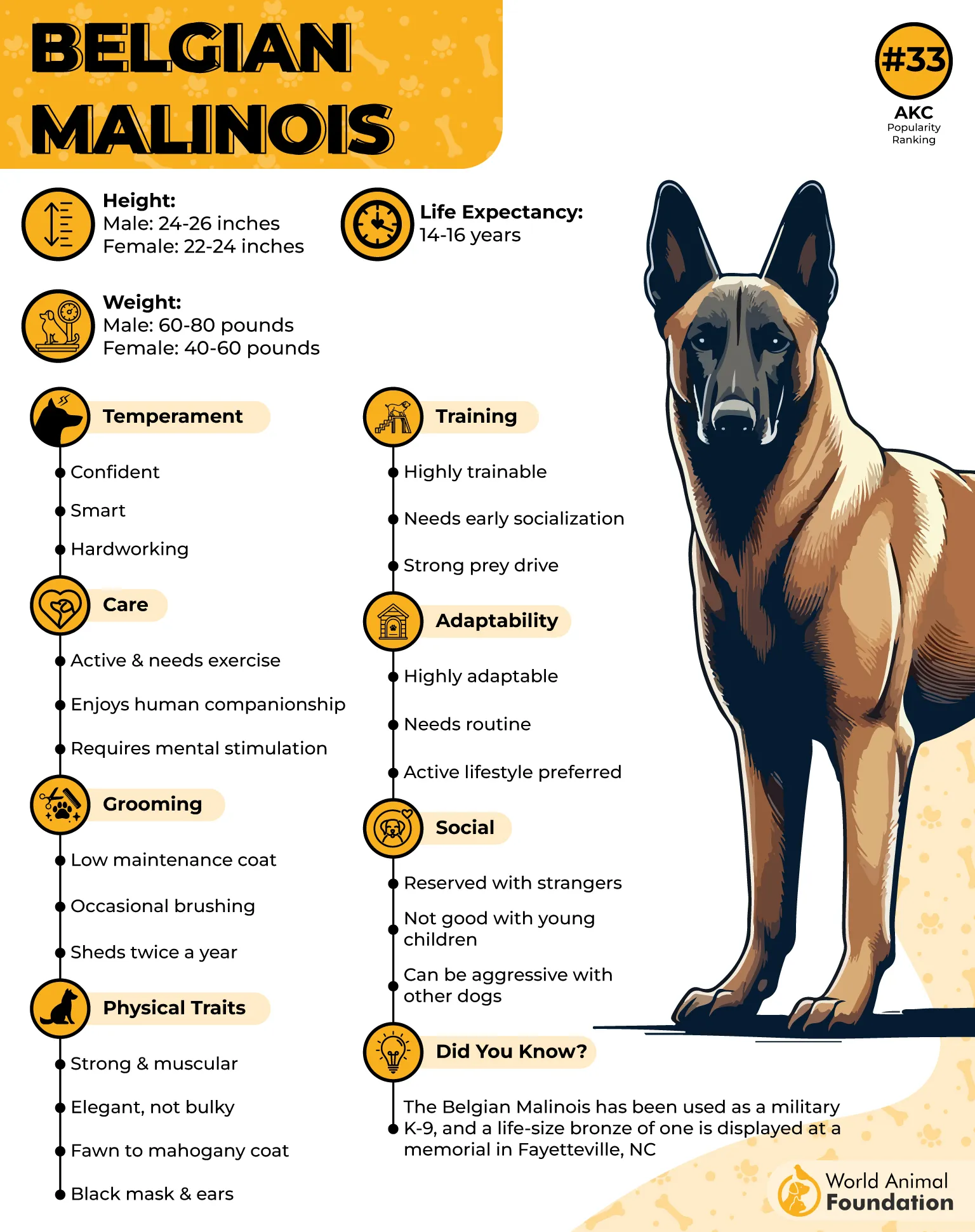
Belgian Malinois looks like a smaller version of the German Shepherd. This squarely built herding breed is also very strong and well-muscled. They can be recognized by their black mask and ears and eyes that are the color of dark Belgian chocolate.
Despite being a little lighter than German Shepherds, they are strong, quick, and agile in their movements. Mals, too, have an imposing presence. Their physical prowess is reflective of their incredible strength and stamina.
Coat Maintenance
Both German Shepherds and Belgian Malinois have waterproof double coats that do not require extensive grooming to look good.
German Shepherd
German Shepherds have an easy-to-maintain medium-length double coat, comprising a dense, close-lying outercoat and a soft undercoat. The fur needs just a quick brushing every few days to keep looking good.
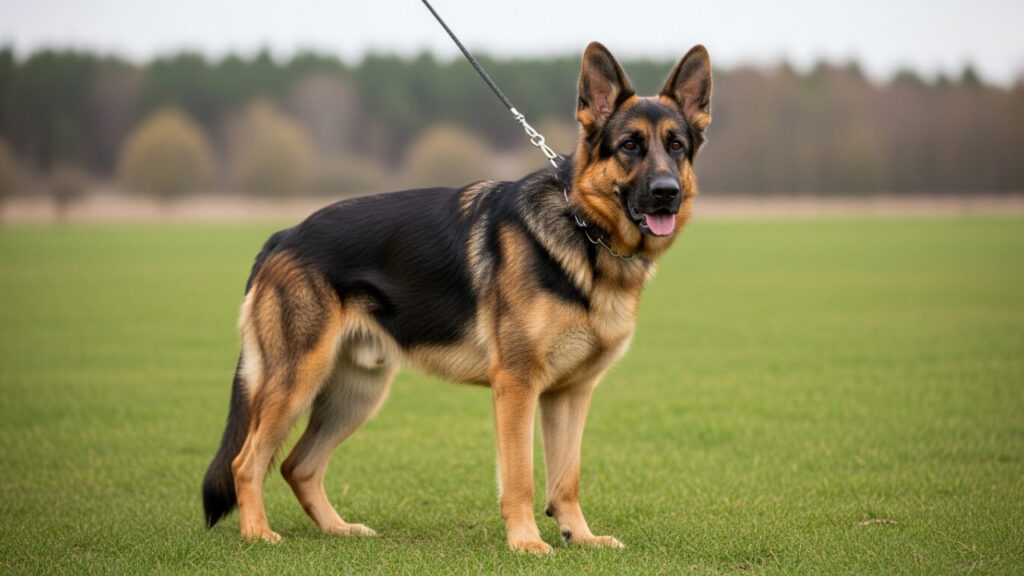
GSDs shed heavily once a year during shedding season and need a little more maintenance during this period. Occasional baths also help keep the coat clean.
Belgian Malinois
Malinois are short-coated dogs with a low-maintenance coat. They need only occasional brushing using a bristle brush or a rubber grooming mitt. Mals also shed their fur heavily, twice a year. During shedding season, a daily once-over using a slicker brush helps remove loose fur.
You can use a slicker brush for this purpose. Occasional bathing is also helpful in keeping the coat healthy.
Energy Levels & Exercise Needs
Both German Shepherds and Belgian Malinois are high-energy dogs, known for their athleticism and active nature.
German Shepherd
German Shepherds are active and athletic dogs who need one to two hours of exercise every day for physical and mental stimulation. They need a proper outlet for their energy. Otherwise, GSDs will become destructive.
Daily walks with their owners do not provide them adequate exercise. You need to engage them in various high-energy activities (hiking, swimming, and jogging) and dog sports.
Belgian Malinois
Belgian Malinois is relatively more energetic than German Shepherds. Like GSDs, they also require more than just a few walks. High levels of aerobic exercise, such as a five-mile run every morning, hiking, running, and biking, are well-suited for these dogs.
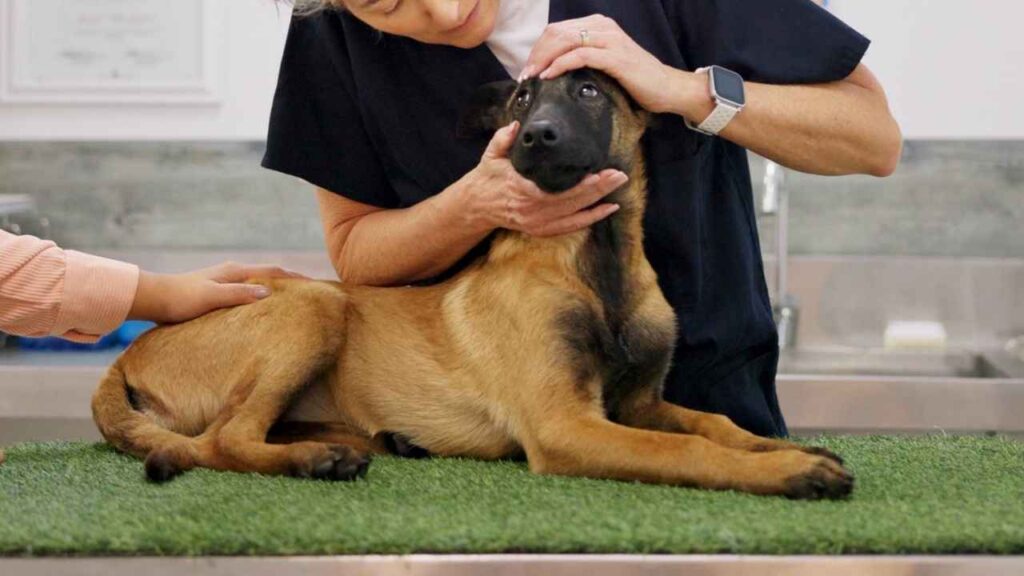
Belgian Malinois need at least one to two hours of vigorous exercise every day for physical and mental stimulation.
Temperament & Family Compatibility
German Shepherds and Belgian Malinois, the two breeds, share similar temperaments due to their herding backgrounds. However, some behavioral traits distinguish the two breeds from each other.
German Shepherd
German Shepherds are confident, brave, and courageous dogs who form strong bonds with their owners. Being guardian dogs, GSDs are quite alert and perceptive. They can easily understand changes in their surroundings and their owner’s feelings and emotions.
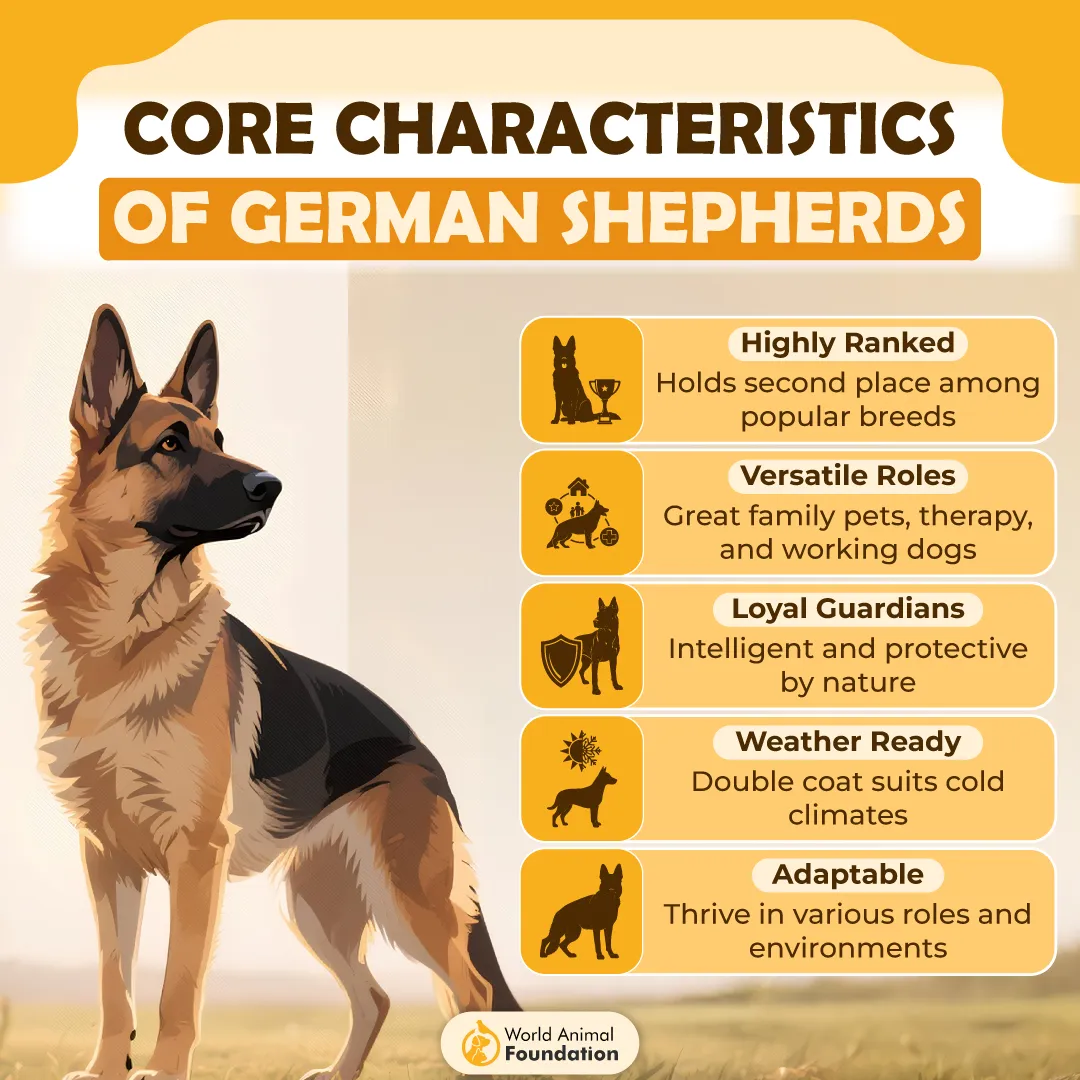
Due to this trait, German Shepherds make wonderful therapy dogs. German Shepherds love spending time with their humans and make good family dogs, according to PetPlan. They can willingly sacrifice their lives in the line of defense of their loved ones.
Belgian Malinois
Like German Shepherds, Belgian Malinois are also confident and versatile working dogs who form inseparable bonds with their humans. Mals are highly devoted and loyal companions and are well-suited for family life if trained well and socialized properly.
Belgian Malinois are very watchful of their families and can make it a bit difficult to have visitors or strangers in the house, according to PetMD.
Training, Intelligence, & Workability
German Shepherds and Belgian Malinois both are both highly intelligent dog breeds having high trainability. They also have a strong work ethic and can work tirelessly for hours.
German Shepherd
A little more intelligent than Belgian Malinois, German Shepherds rank third on the American Kennel Club’s list of the smartest dog breeds. These clever dogs are extraordinary workers who bond firmly with their people.
Their high brain power, combined with an eager-to-please nature, makes them highly trainable. GSDs can learn new commands in only a few repetitions. Obedience training and early socialization are important to turn them into well-behaved pets.
GSDs excel in a variety of canine sports, including agility courses, herding, tracking, and dock diving. Their aloofness towards strangers, combined with their protective nature and territorial instincts, makes them excellent guard dogs.
Thanks to their keen senses and courageous personalities, German Shepherds have also been working as search-and-rescue dogs, military pups, and police dogs.
Belgian Malinois
Belgian Malinois is also a highly intelligent dog known for its laser-like focus. They are also very trainable, but have a high prey drive and are highly interested in chasing moving objects. Early training and socialization can help overcome this behavior.
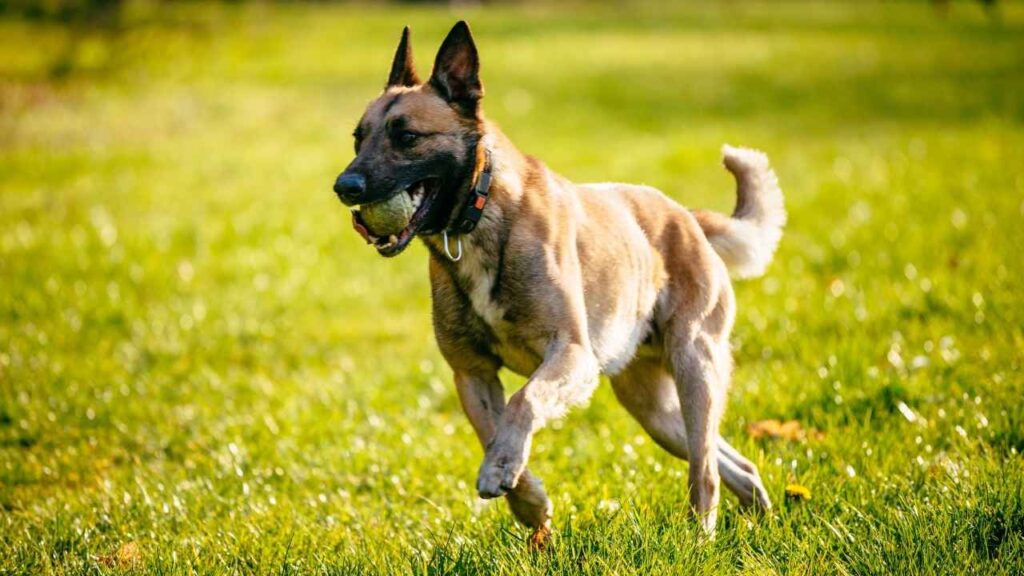
Belgian Malinois make great hiking, running, and biking companions. They also excel at a variety of canine sports like agility, tracking, herding, obedience, and Schutzhund. Like GSDs, Mals are also very protective of their humans and have a territorial nature.
They make wonderful guard dogs and are also well-suited for military work. Mals have also been serving as police dogs and search-and-rescue dogs for several decades.
Health & Lifespan
Both German Shepherds and Belgian Malinois are relatively healthy dogs with a long lifespan. However, there is a slight difference between their life expectancies.
German Shepherd
Having a lifespan of 12 to 14 years, GSDs are generally healthy dogs. However, they are prone to certain canine disorders. German Shepherds are prone to developing spleen tumors, skin disorders, anal furunculosis, and hip dysplasia.
Belgian Malinois
Belgian Malinois live relatively longer than GSDs. They have a life expectancy of 14 to 16 years. However, they are also prone to some health conditions like all other dogs. For instance, elbow dysplasia and certain eye problems.
Surprising Differences Between Belgian Malinois and German Shepherd Dog Breeds: Best Fit for Lifestyle
German Shepherds and Belgian Malinois are well-suited for experienced owners having a healthy lifestyle. Both breeds require daily commitment, but Mals thrive in more structured homes and mental challenges.
If you are a relatively new pet owner, you may be able to handle a GSD better than a Malinois. However, if you are an experienced handler looking for a better guard dog, you can opt for a Belgian Malinois.
Conclusion
Both German Shepherds and Belgian Malinois were originally bred as herding dogs. Both are incredibly loyal to their owners and form strong bonds with them. GSDs are relatively more intelligent, while Mals are more energetic.
Thanks to their courageous and confident personalities, both make excellent police dogs, military dogs, and search-and-rescue pups. They are very protective of their owners and have a territorial nature. However, Mals make better guard dogs.
