




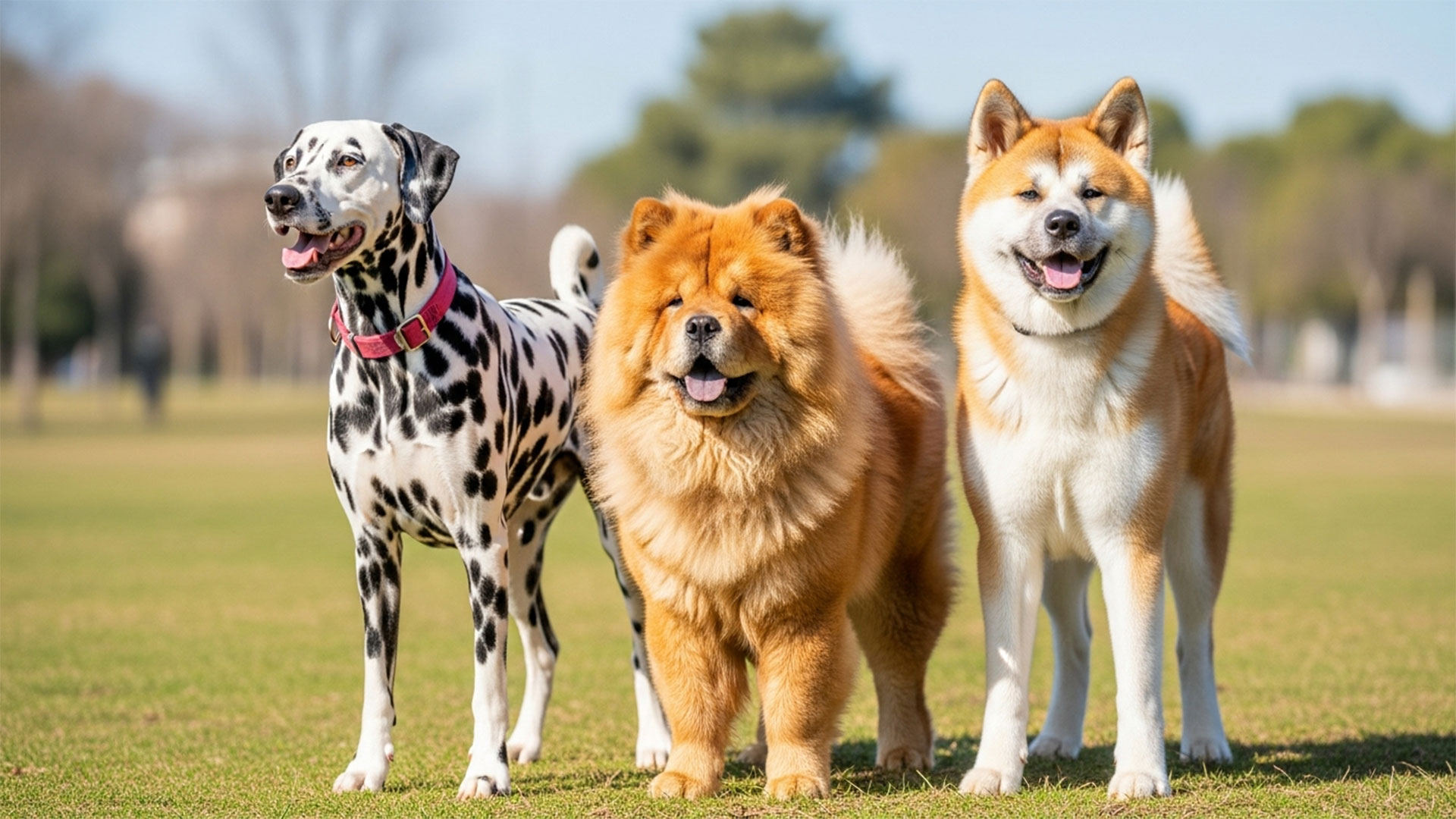
Every dog has unique charms, but not every breed is the right match for every household. Some dogs come with traits—whether it’s boundless curiosity, high energy, or demanding temperaments—that can quickly overwhelm inexperienced owners.
Understanding these challenges before adoption is essential to ensure both you and your future pet thrive together.
Curious dog breeds, in particular, can be tricky. Their inquisitive nature often translates into mischief—raiding trash bins, exploring unsafe areas, or testing boundaries.
While curiosity makes them intelligent and engaging companions, it also means they require constant supervision, structured training, and plenty of mental stimulation. Without these, their adventurous spirit can easily turn into problematic behavior.
This article highlights breeds whose curiosity and strong-willed personalities might make them less suitable for the average pet owner.
By knowing the potential challenges ahead, you can make a more informed choice about which dog best fits your lifestyle. Let’s explore the curious breeds you may want to admire from afar rather than bring home.
Curious Dog Breeds You Should Avoid
1. Dalmatian

The Dalmatian, instantly recognizable for its spotted coat, is a breed full of energy and charisma. Known also as the “carriage dog,” it was originally bred to trot alongside horses, combining endurance with a striking appearance.
AKC says Dalmatians are muscular and built for endurance, with powerful hindquarters that drive their smooth and effortless gait.
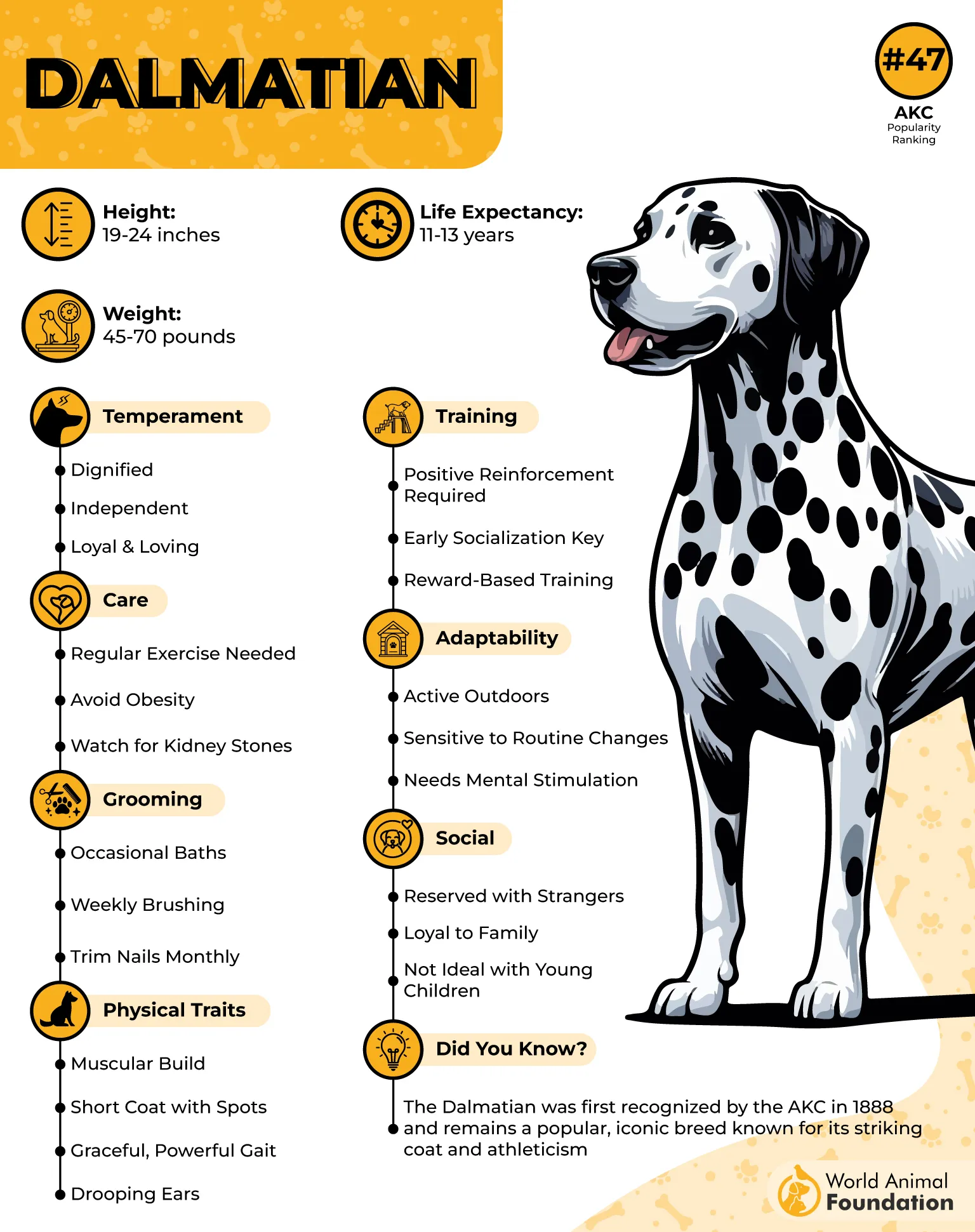
As one of the breeds that wander and explore constantly, Dalmatians have boundless curiosity. They thrive on activity and quickly grow restless if confined, often turning to destructive behaviors if not provided with sufficient outlets for their energy.
Their adventurous spirit makes them prone to roaming, which can be a challenge for owners unprepared for such high demands. Without daily exercise and structured training, they may become hyperactive and develop habits like excessive barking or chewing.
In addition, their heavy shedding and predisposition to health concerns such as deafness or urinary stones make them more challenging for casual households. These factors, coupled with their strong-willed personality, make them less suitable for families seeking a low-maintenance companion.
Fun Fact: Dalmatians once ran alongside fire engines, becoming iconic “firehouse dogs” for their endurance and courage.
2. Chow Chow
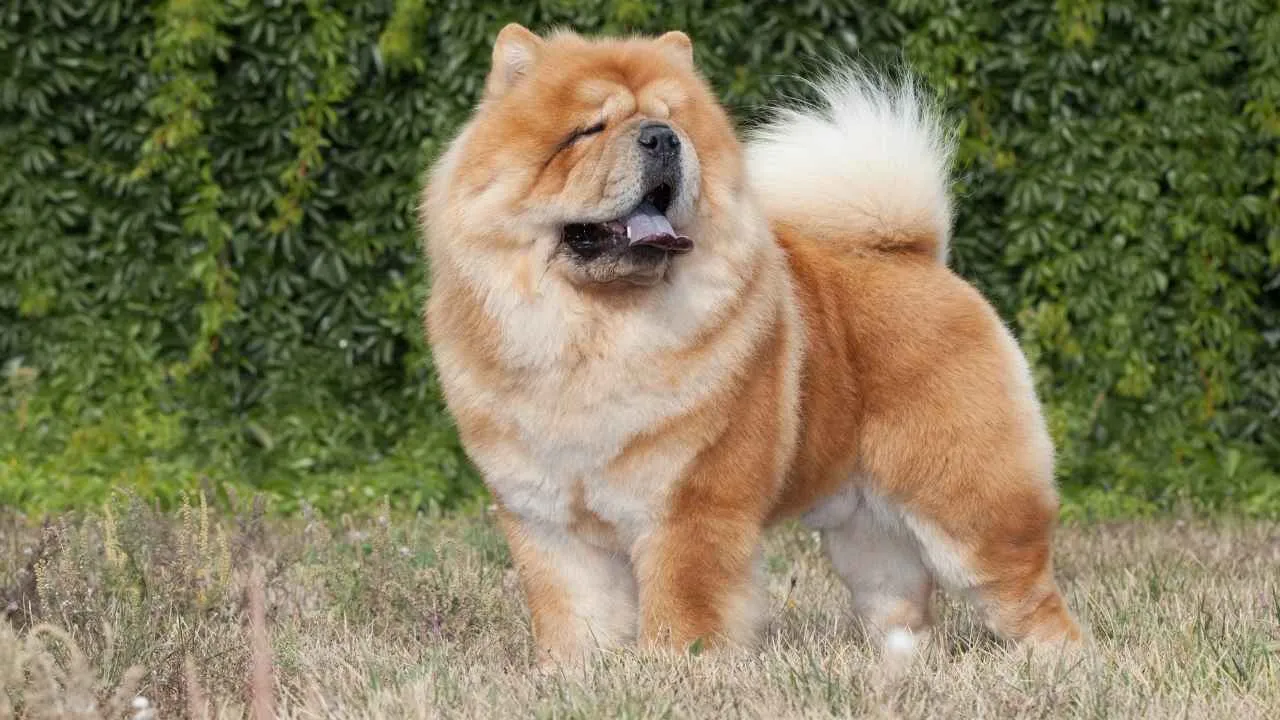
This ancient Chinese breed is instantly recognizable for its lion-like mane and distinctive blue-black tongue. Independent and dignified, it tends to bond closely with one person while remaining aloof with strangers. PetMD says the Chow Chow is considered one of the oldest dog breeds.
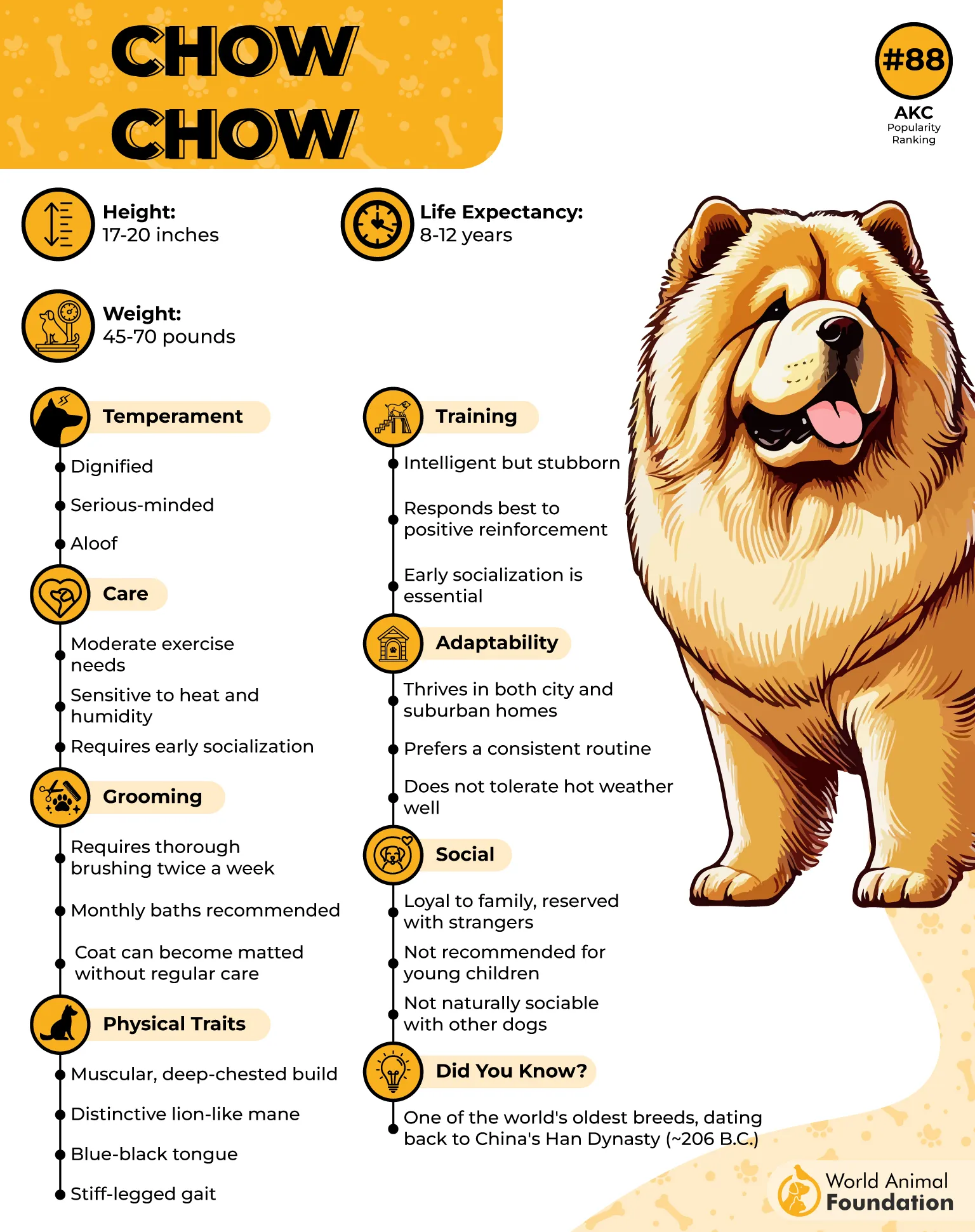
Are Chow Chow dogs prone to getting into trouble indoors? Absolutely. Chows are strong-willed and often stubborn, which makes training a challenge. Without firm, consistent guidance, they may test limits and develop problematic behaviors in the home.
Their protective instincts can make them territorial, leading to issues in crowded or unfamiliar settings. A lack of early socialization may result in aggression or destructive tendencies when left alone or stressed.
On top of temperament challenges, their thick double coats demand rigorous grooming. Neglecting this care can quickly turn into matting, while heat sensitivity further complicates their upkeep indoors.
Fun Fact: Chow Chows are one of the few breeds with a naturally blue-black tongue, a trait shared with only a handful of other dogs worldwide.
3. Doberman Pinscher
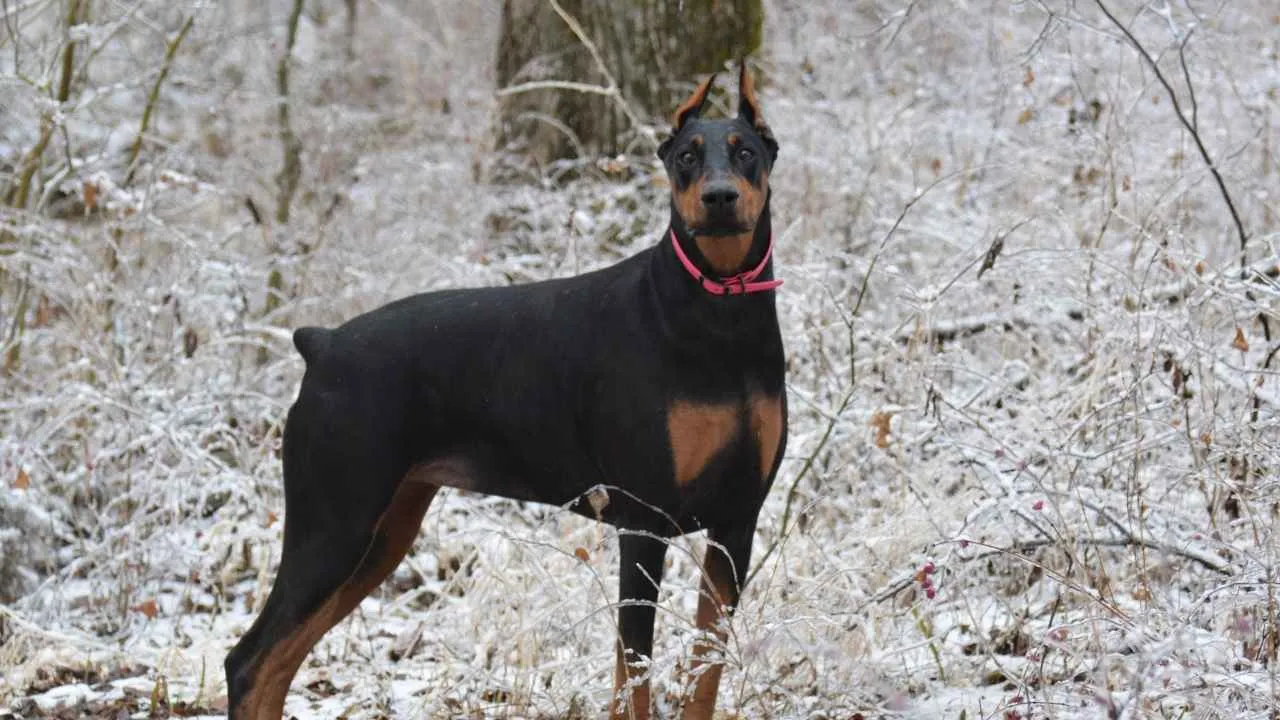
Also known simply as the Doberman, this breed is unmistakably elegant. Bred in 19th-century Germany by Louis Dobermann, these dogs were created for protection and companionship, combining power with loyalty. Britannica says the Doberman Pinscher is a powerful, sleek, and agile breed.
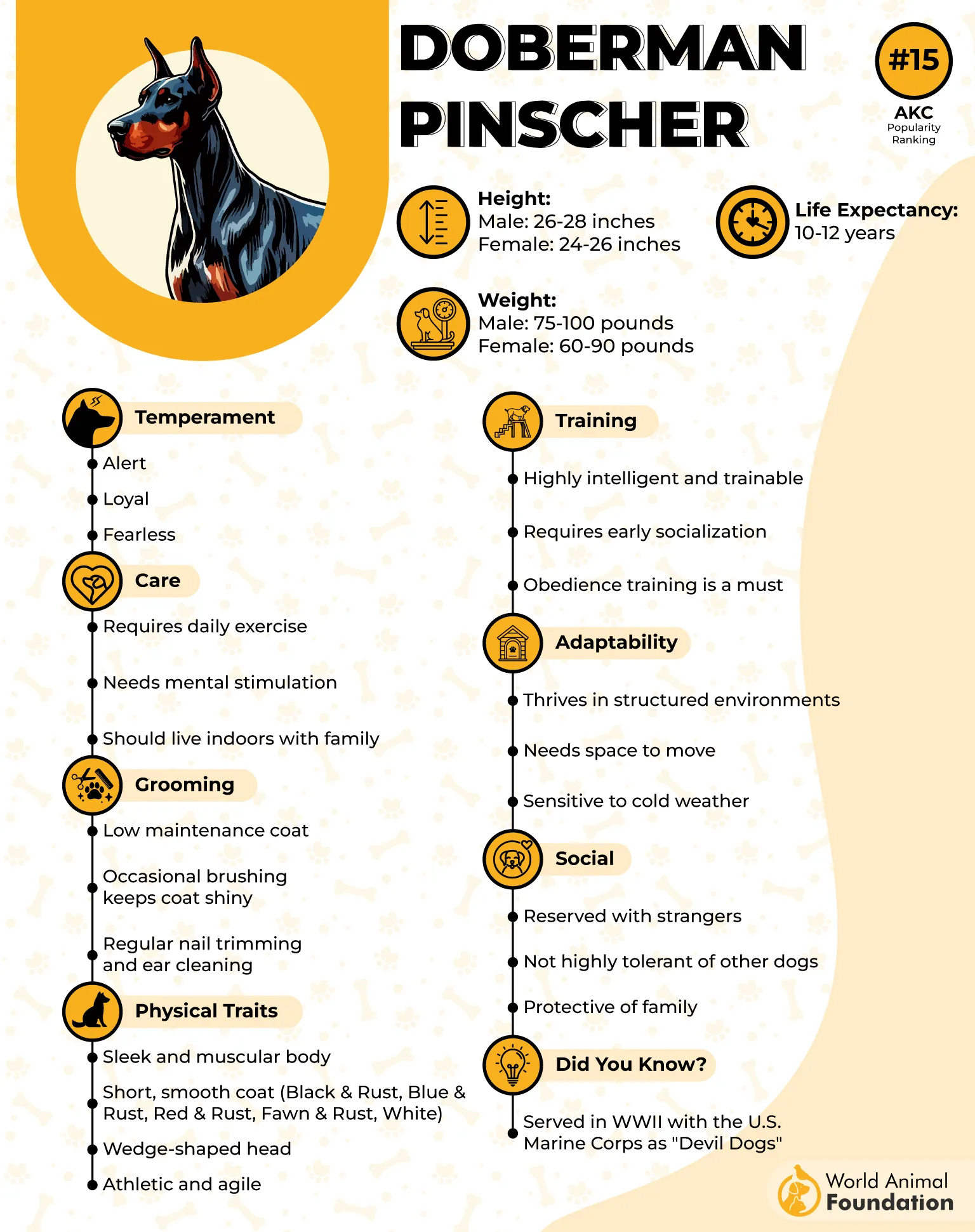
Why do they need more attention than others? Dobermans are intelligent and energetic, demanding consistent training and mental stimulation. Without firm guidance, their protective instincts may become overwhelming indoors.
Their high activity levels mean they require daily exercise and engaging activities to remain balanced. Left under-stimulated, they may become destructive or overly territorial, making them a challenge for casual pet owners.
These loyal dogs also need early socialization to avoid aggression toward strangers or other pets. Their sensitivity and intelligence mean they thrive on attention and interaction, but this also makes them unsuitable for those who cannot commit the time.
Fun Fact: The Doberman Pinscher is one of the few breeds specifically developed to accompany and protect humans, originally serving as a tax collector’s loyal guardian.
4. Akita
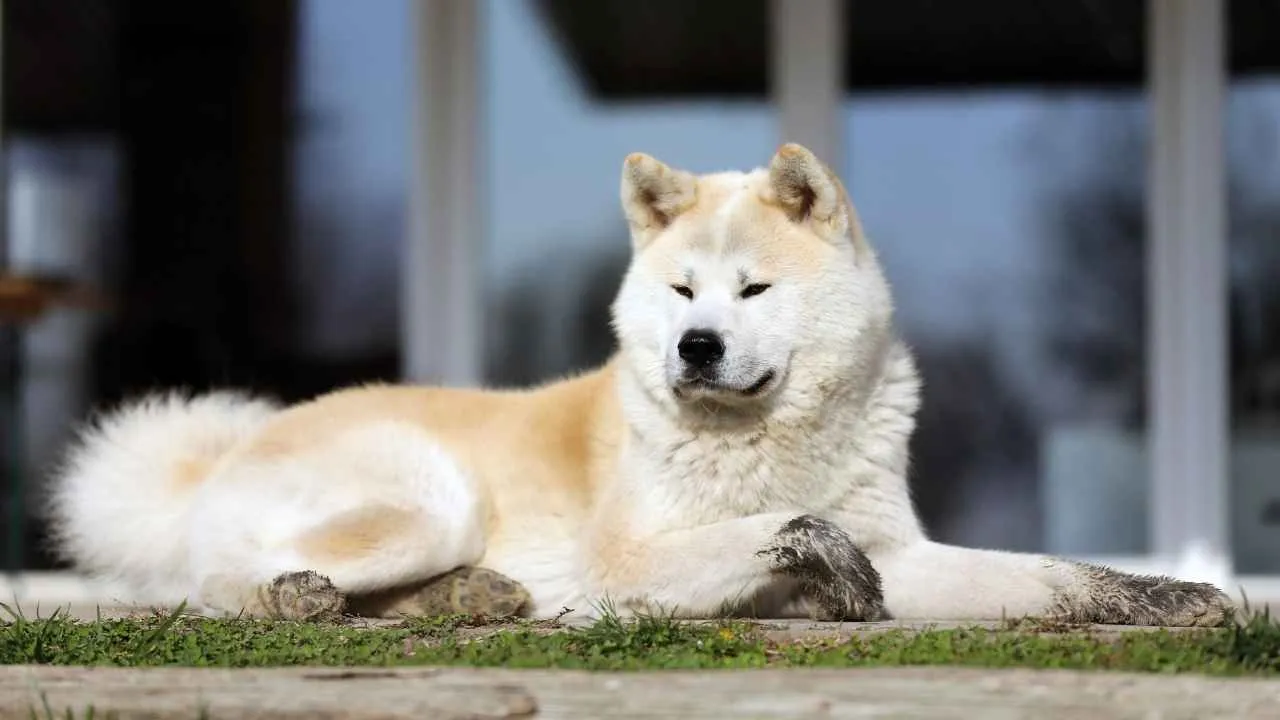
The Akita, also called the Akita Inu in Japan, is a powerful spitz-type breed with a thick coat, upright ears, and curled tail. Originally bred to hunt large game, these dogs are admired for their imposing presence and loyal nature, but can be overwhelming for inexperienced owners.
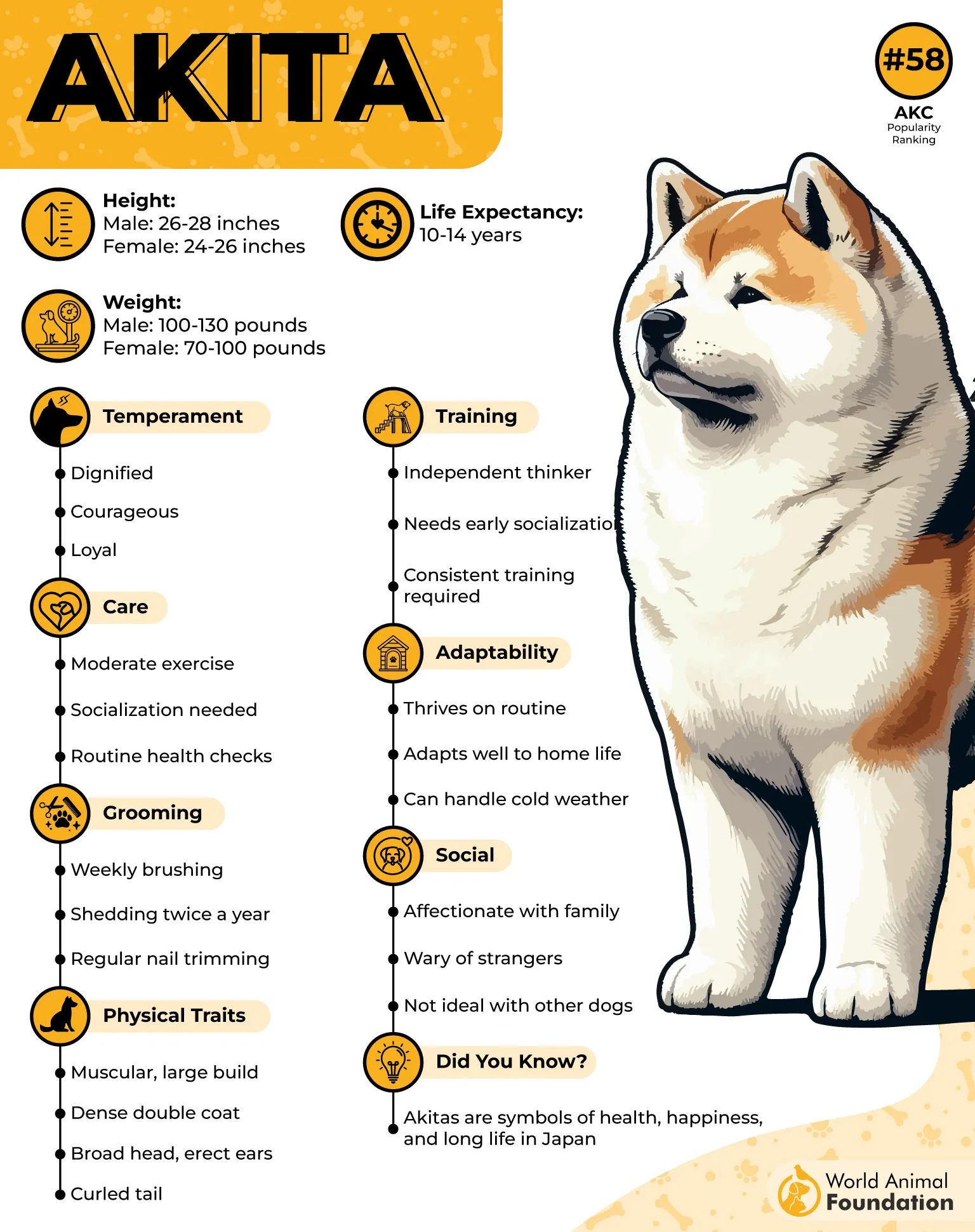
High-energy explorers that overwhelm owners? Absolutely. Akitas are bold and strong-willed, demanding firm, consistent training. Without clear boundaries, their independent spirit can make daily walks and basic commands difficult to manage.
Their protective instincts often translate into territorial behavior, which can lead to aggression toward other pets or strangers if not carefully socialized. They are particularly challenging in multi-dog households, as dominance issues often arise.
With their high prey drive and tireless energy, Akitas can quickly frustrate owners who underestimate their needs. They require an experienced hand and structured routine to thrive, making them one of the breeds best avoided by casual or first-time dog parents.
Fun Fact: The most famous Akita, Hachiko, became a national symbol of loyalty in Japan for waiting nearly a decade at a train station for his deceased owner.
5. Pit Bull Terrier

Also called the American Pit Bull Terrier, this muscular breed is recognized for its strong build, broad head, and powerful jaws. Originally bred for bull-baiting and later used in hunting, the breed has developed a reputation for both strength and determination.
Breeds with strong hunting or tracking instincts? Pit Bulls certainly fit that category. Historically, they were prized for their ability to pursue small and large game alike, from rabbits and foxes to even deer. Their keen scenting ability and drive made them dependable field companions.
These instincts, however, can be problematic indoors. Without proper outlets, these hunting dogs may become destructive or overly assertive with other pets. Their strong prey drive also makes them less ideal for homes with small animals, demanding owners with firm training skills.
Legal restrictions further complicate ownership, as Pit Bulls face bans or insurance challenges in many regions. Though loyal and affectionate with families, their strength and history of hunting require experienced handling.
Fun Fact: Pit Bulls were once valued as all-around farm dogs, excelling at both guarding property and helping hunters track down game.
6. Rottweiler

Also known simply as the Rottie, this breed is a muscular, imposing dog originally bred for herding and guarding. With their broad heads and powerful build, they exude confidence and strength, often intimidating strangers at first sight.
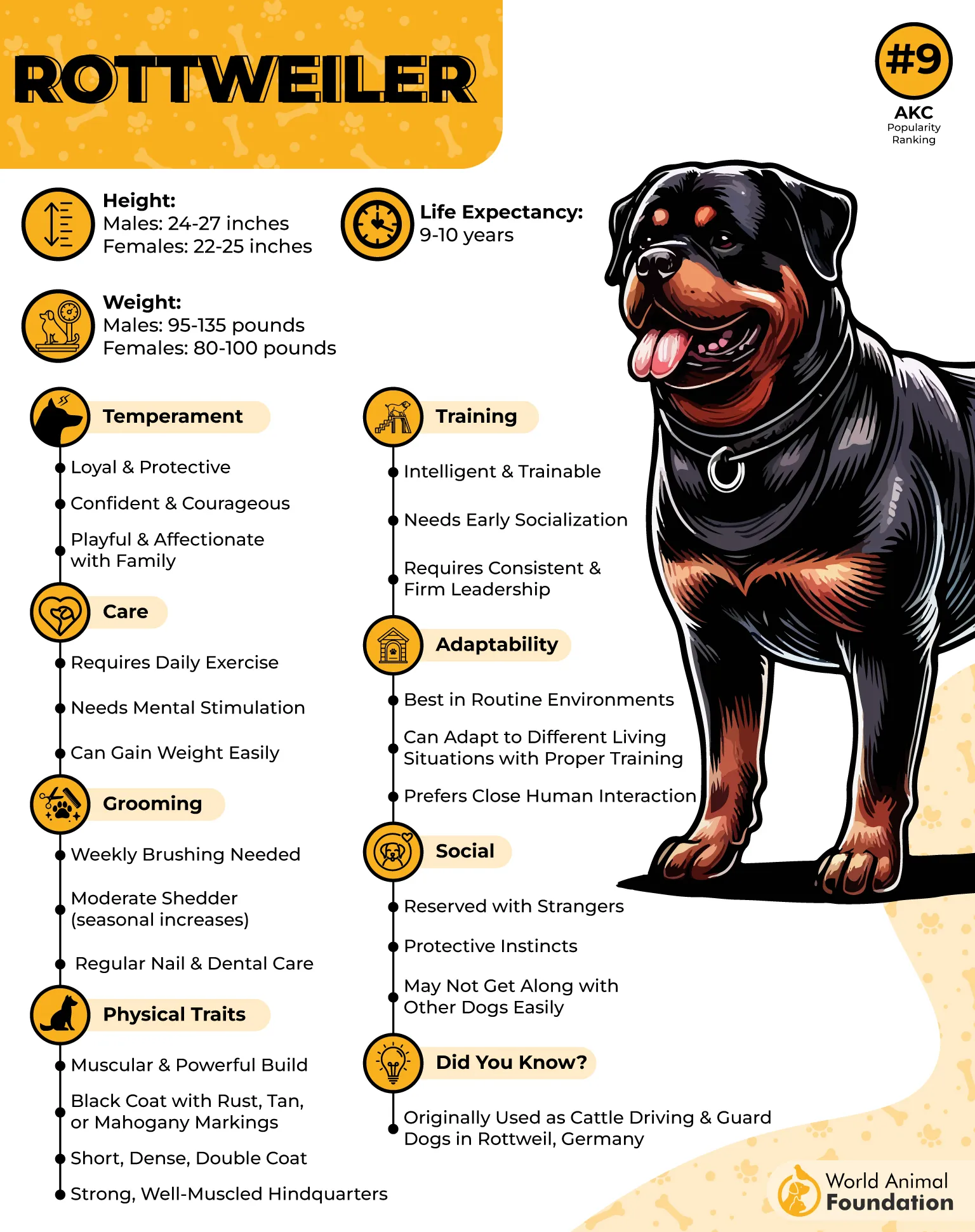
Why first-time owners should avoid them? Rottweilers are extremely loyal but require firm, consistent leadership. Without early training and socialization, they may develop overly protective or aggressive behaviors, making them a challenge for inexperienced handlers.
These dogs also possess strong territorial instincts and can easily overpower people due to their sheer size and strength. Their intelligence, while admirable, can lead them to test boundaries—sometimes outsmarting unprepared owners.
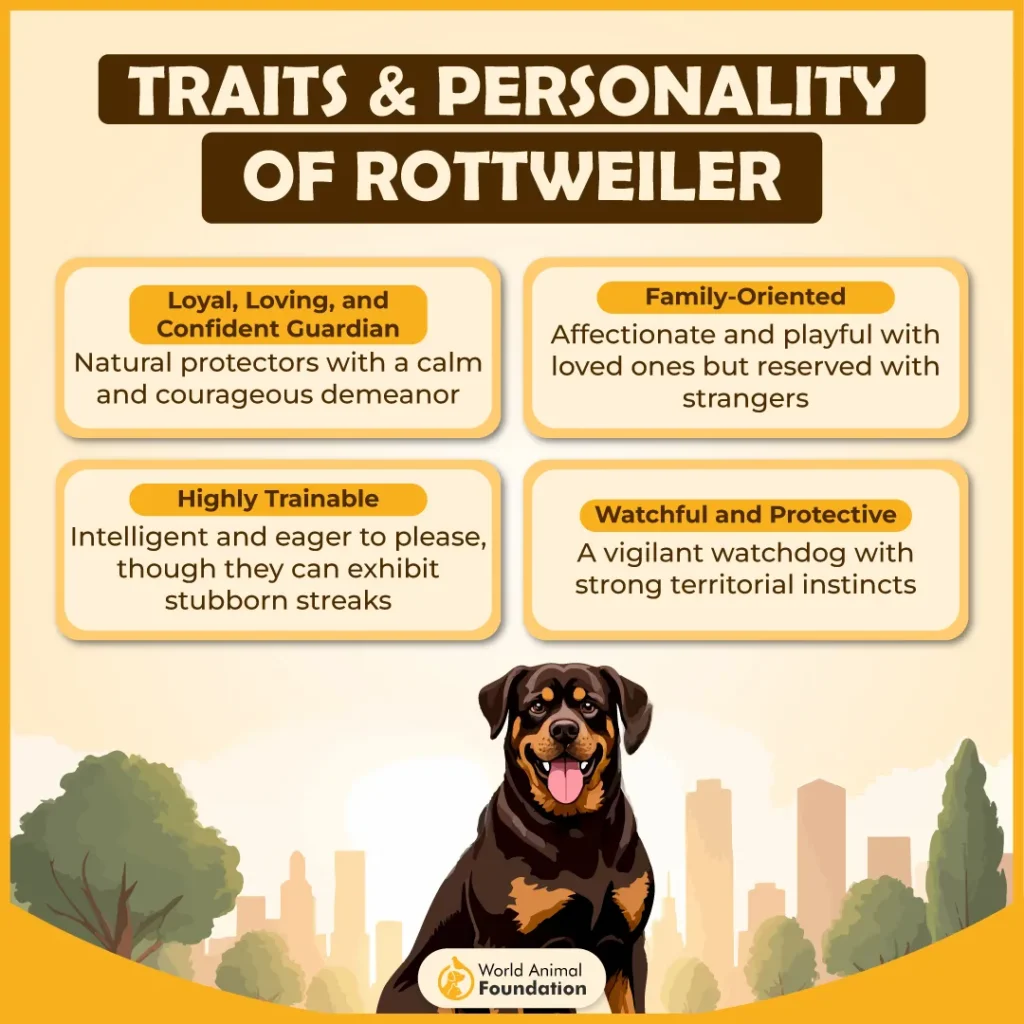
Additionally, Rottweilers demand significant physical and mental stimulation. If their energy isn’t properly channeled, they may turn destructive or overly dominant. For these reasons, they’re best suited to experienced handlers who understand how to establish structure and maintain control.
Fun Fact: Rottweilers are among the smartest working breeds, often learning commands faster than their owners can teach them—sometimes even outsmarting trainers.
7. Siberian Husky
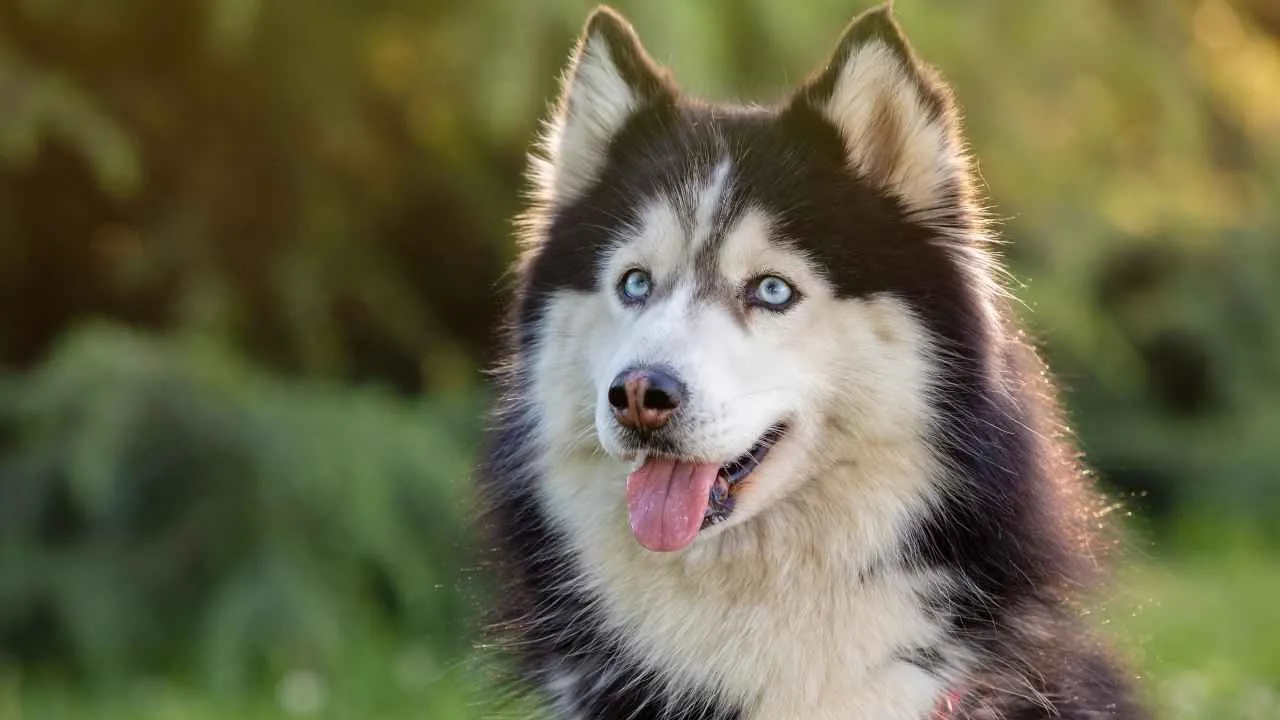
The Siberian Husky, also called simply the Husky, is a striking breed recognized for its wolf-like features, erect ears, and piercing blue or multicolored eyes. Originally bred in Siberia to pull sleds across icy landscapes, this athletic breed is known for its stamina and spirited personality.
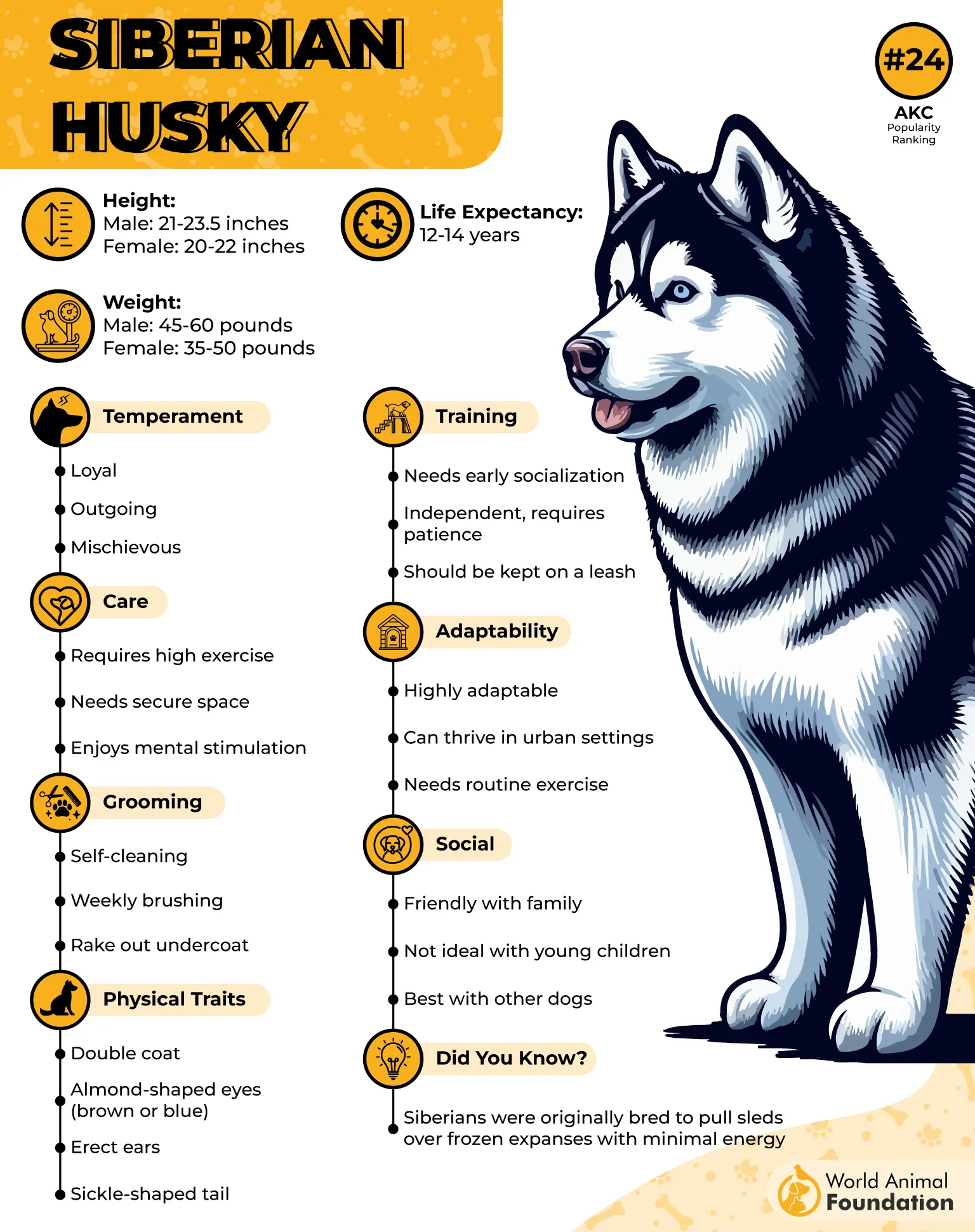
Dogs that demand as much exercise as attention? Huskies fit this description perfectly. They were bred to run for miles in freezing climates, so a short daily walk won’t satisfy them. Without enough activity, they quickly turn destructive—digging, chewing, or trying to escape.
Huskies are also notorious for their independence, which makes training especially challenging. Their stubborn streak and tendency to “talk back” through howling add to the difficulty for inexperienced owners who can’t meet their constant mental and physical needs.
Their thick double coat requires consistent grooming, particularly during seasonal shedding, and their tendency to overheat in warmer climates makes them harder to manage indoors. Combined with their escape-artist skills, Huskies are high-maintenance dogs that thrive only in the right environments.
Fun Fact: Siberian Huskies can pull sleds for up to 100 miles in a single day, showcasing their extraordinary endurance.
Conclusion
While curiosity can make dogs engaging and fun, it often brings challenges that first-time dog owners may not be prepared to handle.
Certain breeds, such as the Jack Russell or Belgian Malinois, are highly intelligent and thrive when given structured tasks, but they can be extremely difficult for new owners who lack experience.
Some curious working dogs, including German Shepherds, require consistent training and should not be left alone for long periods, as their restless minds may turn destructive. Even the Basset Hound, despite its calmer appearance, can follow its nose into trouble, reminding us that curiosity is not always easy to manage.
On top of behavioral demands, health issues can complicate matters for curious breeds. The English Bulldog, for example, often suffers from breathing problems that demand careful attention from a vet or even a vet tech.
While most dogs can adapt well with the right care, choosing a specific breed without understanding its quirks can lead to frustration for families. Knowing which breeds to avoid helps ensure you bring home a companion that matches your lifestyle rather than overwhelms it.
