




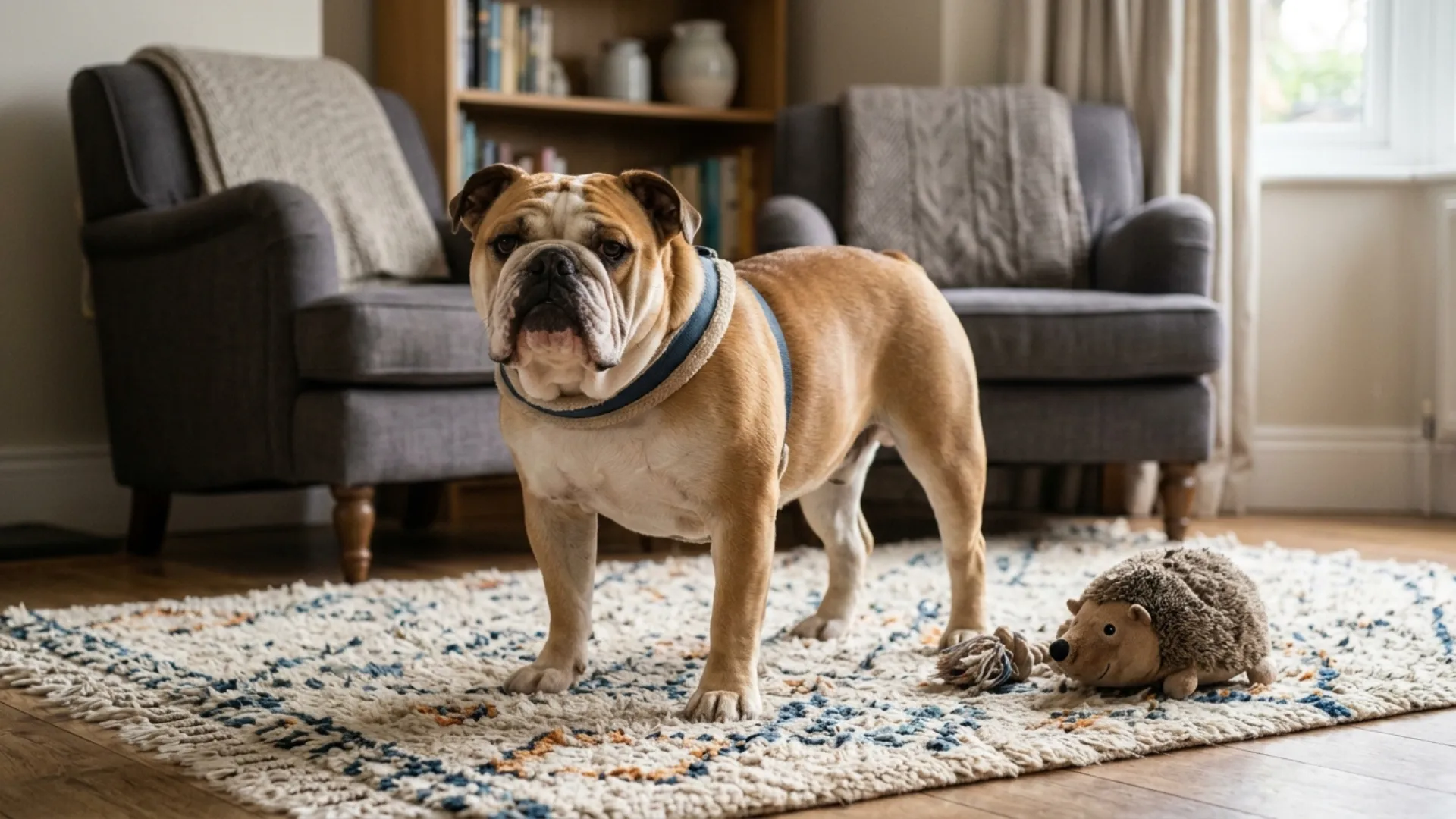
The first few days felt calm, almost surprisingly so. The dog settled into the house without much noise, spending more time resting nearby than demanding attention. Playtime wasn’t chaotic or exhausting.
It stayed gentle, short, and easy to manage. Over time, that pattern didn’t change. Instead of pushing for constant activity, the dog adjusted to the slower rhythm of the home, matching the quiet environment without effort.
Visitors would often notice how relaxed everything felt, as if the dog understood exactly how much energy to bring into the room. That kind of experience doesn’t happen by accident. It comes from choosing a dog that naturally thrives on low-intensity play and calm interaction.
The following list highlights low-energy dog breeds that fit seamlessly into peaceful homes and steady routines.
Key Takeaways
A quiet home often depends on a dog that knows when to play and when to simply rest nearby without asking for more.
Basset Hounds move at their own steady pace, while Bulldogs keep play short and close, never turning simple moments into chaos.
Cavalier King Charles Spaniels and Shih Tzus adjust naturally, shifting between gentle play and long stretches of rest without needing direction.
As you move through the list, it becomes clear which breeds bring that steady, peaceful rhythm into everyday life.
Cozy Dog Breeds That Thrive on Quiet, Low-Intensity Play
1. Basset Hound
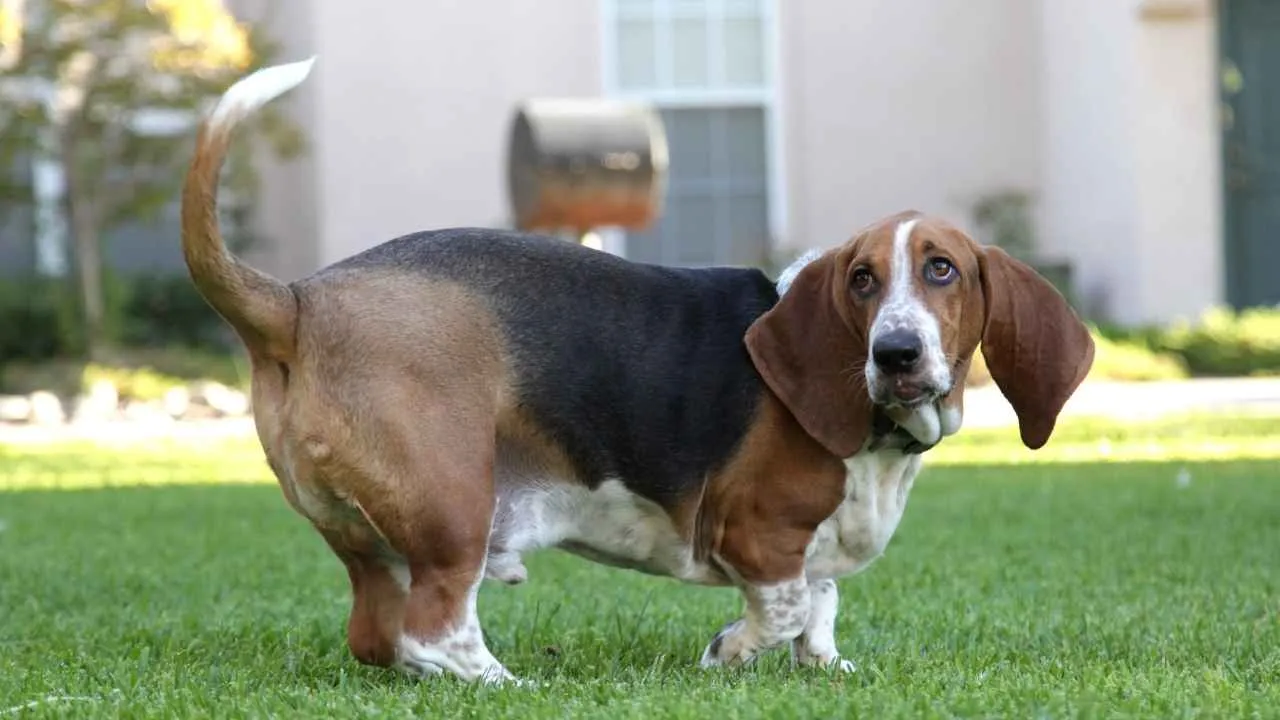
The Basset Hound sits close to the ground with heavy bones, short legs, and oversized paws built for endurance. Its long ears, domed head, and loose skin frame a face that feels expressive without effort. Beneath this relaxed look sits notable strength packed into a compact structure.
Scent focus at a steady pace
The Basset Hound follows scent trails with precision, relying on one of the most accurate noses after the Bloodhound. Its tracking style stays slow and deliberate, guided by persistence rather than urgency.
That approach becomes easier to notice through:
Highly accurate scent detection ability
Slow, consistent tracking rhythm
Loud, ringing bark during trail work
Activity level and daily rhythm
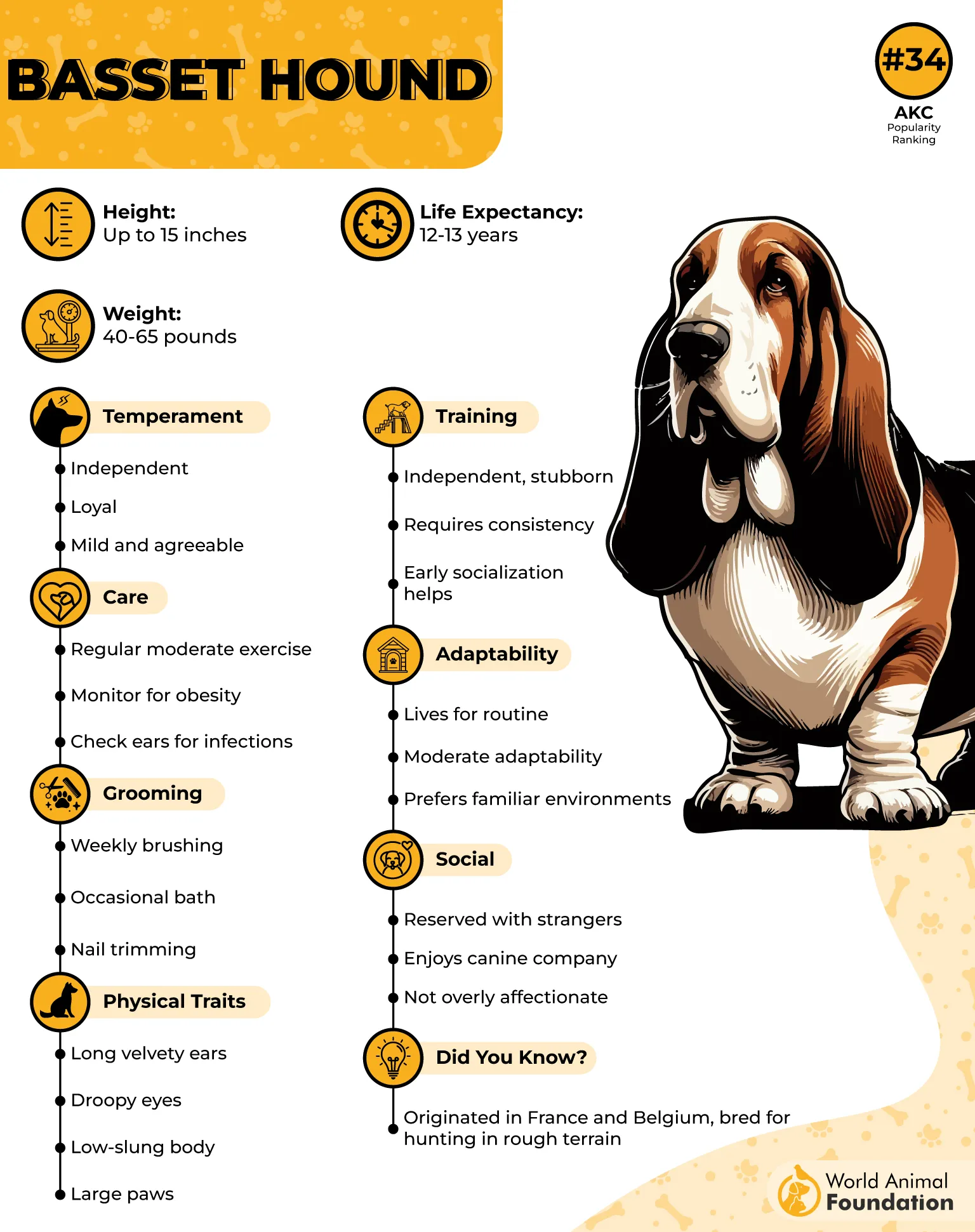
This laid-back dog breed works best with moderate daily walks that match its natural pacing and prevent weight gain, as PetMD noted. Its body is built for long stretches of movement at a measured speed rather than bursts of energy. A routine keeps physical condition balanced.
2. Cavalier King Charles Spaniel
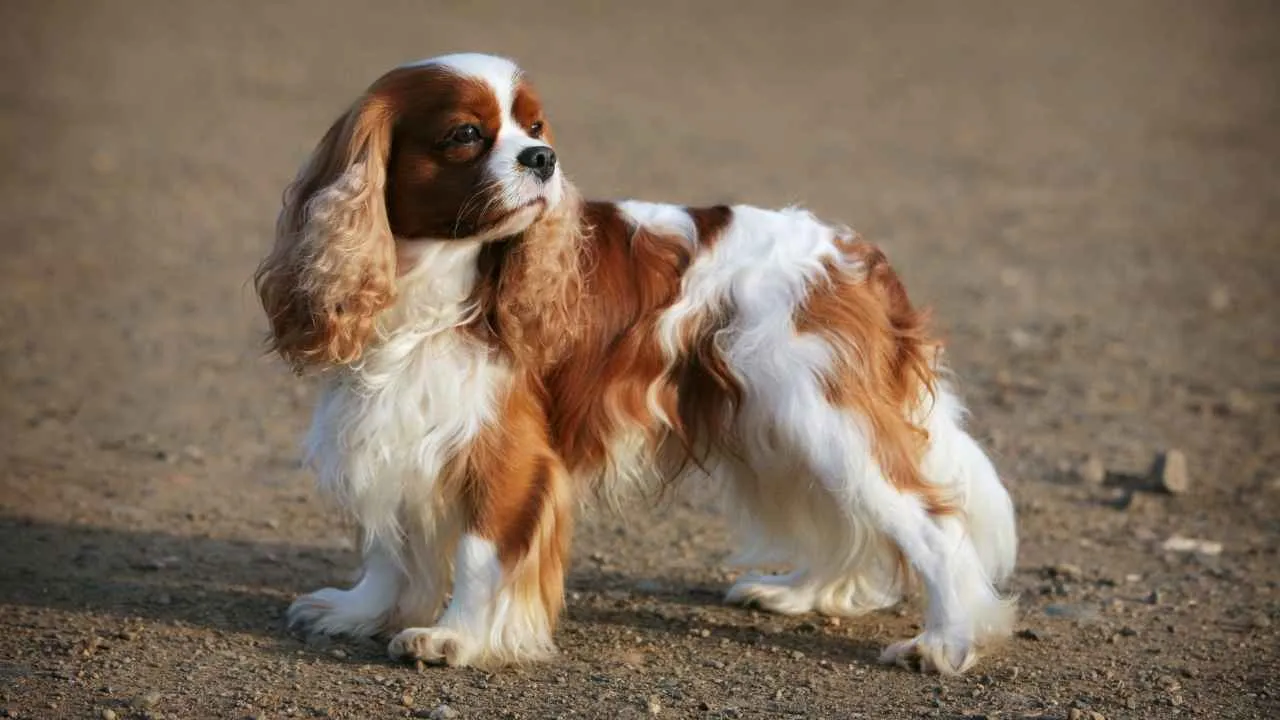
The Cavalier King Charles Spaniel draws attention through its soft, expressive eyes and refined appearance linked to British aristocracy. Its presence reflects a companion shaped for close human connection rather than distance. The small frame pairs with an alert yet calm demeanor.
Balanced nature between activity and rest
This calm dog breed blends lap-dog ease with the liveliness inherited from sporting lineage, allowing it to adjust its pace easily. In apartment living, it joins outdoor walks with interest, yet settles indoors without restlessness.
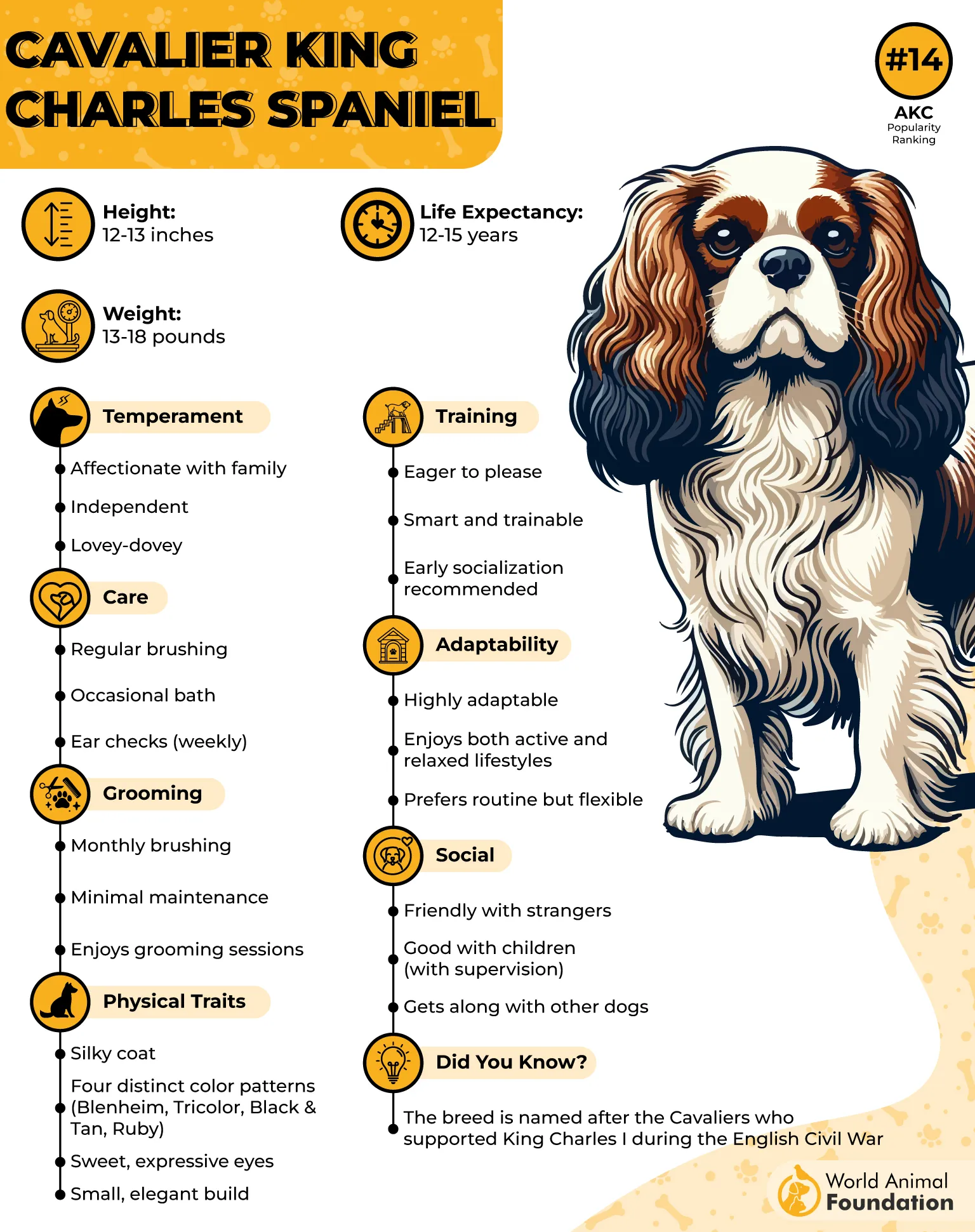
That balance becomes clearer in everyday behavior:
Enjoys short outdoor walks and light activity
Settles comfortably during long indoor hours
Adapts energy level based on daily routine
Social ease and flexible temperament
With a calm and friendly nature, they interact smoothly with children, other dogs, and familiar environments without tension, as Omlet claims.
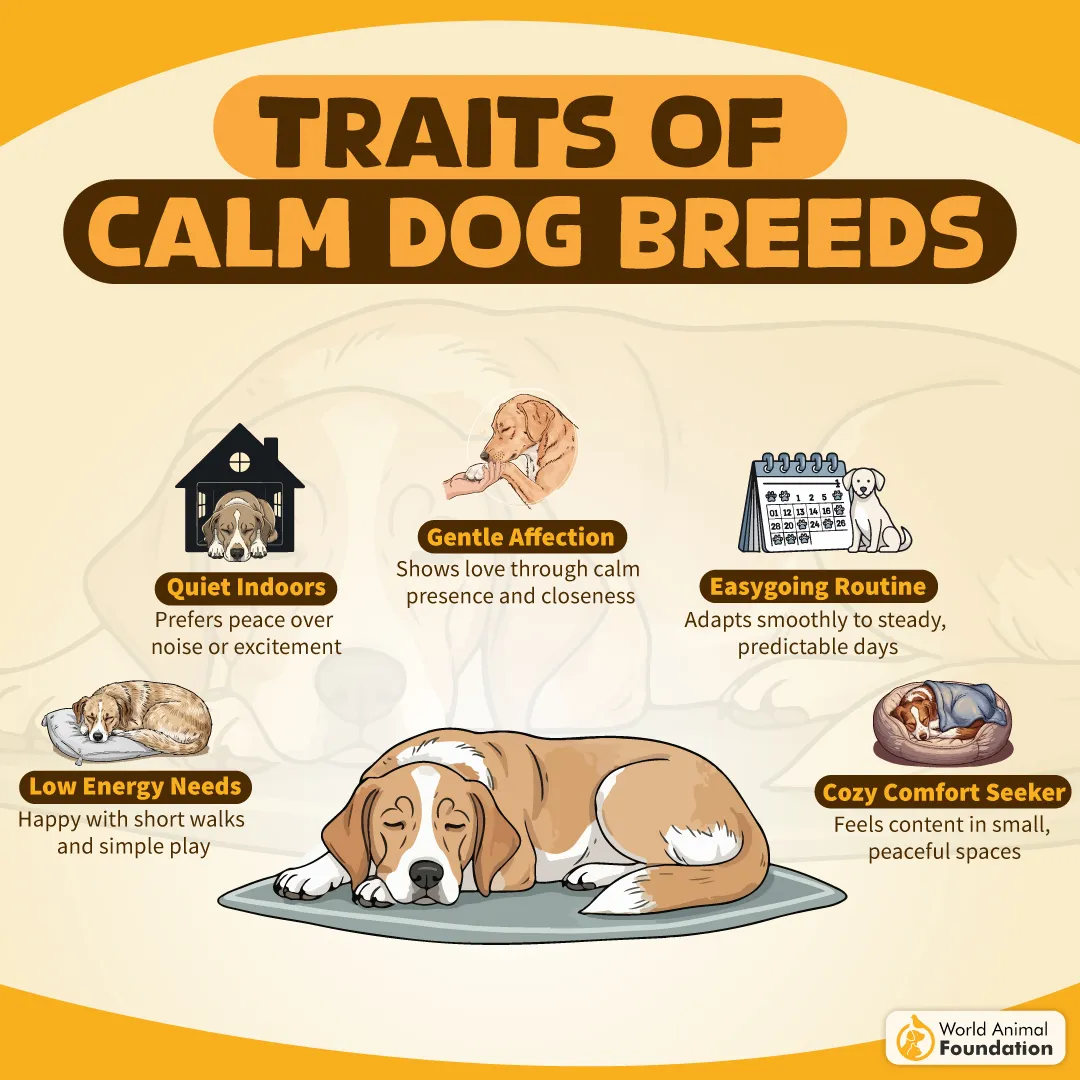
Its behavior shifts easily between playful moments and relaxed companionship, depending on the setting. This flexibility reflects a temperament shaped around closeness and adaptability.
3. Bulldog
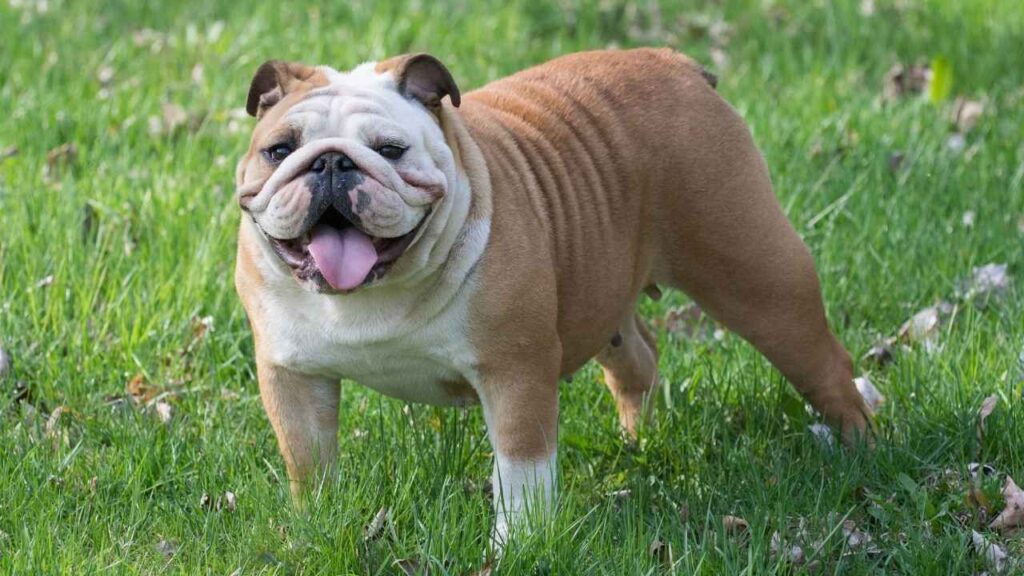
The Bulldog is recognized by its wide stance, compact muscular body, and short wrinkled face with a noticeable underbite. Its physical structure aligns more with slow, steady activity rather than constant motion. This creates a dog that fits naturally into calm, low-intensity routines.
Interaction style during play
This lazy dog engages in short bursts of play, often favoring close-contact games over fast-paced activity. Tug games and chew-based engagement hold their attention longer than running or chasing.
This pattern appears clearly in everyday habits:
Enjoys chew toys for extended periods
Engages in tug play with controlled intensity
Responds to release commands when trained early
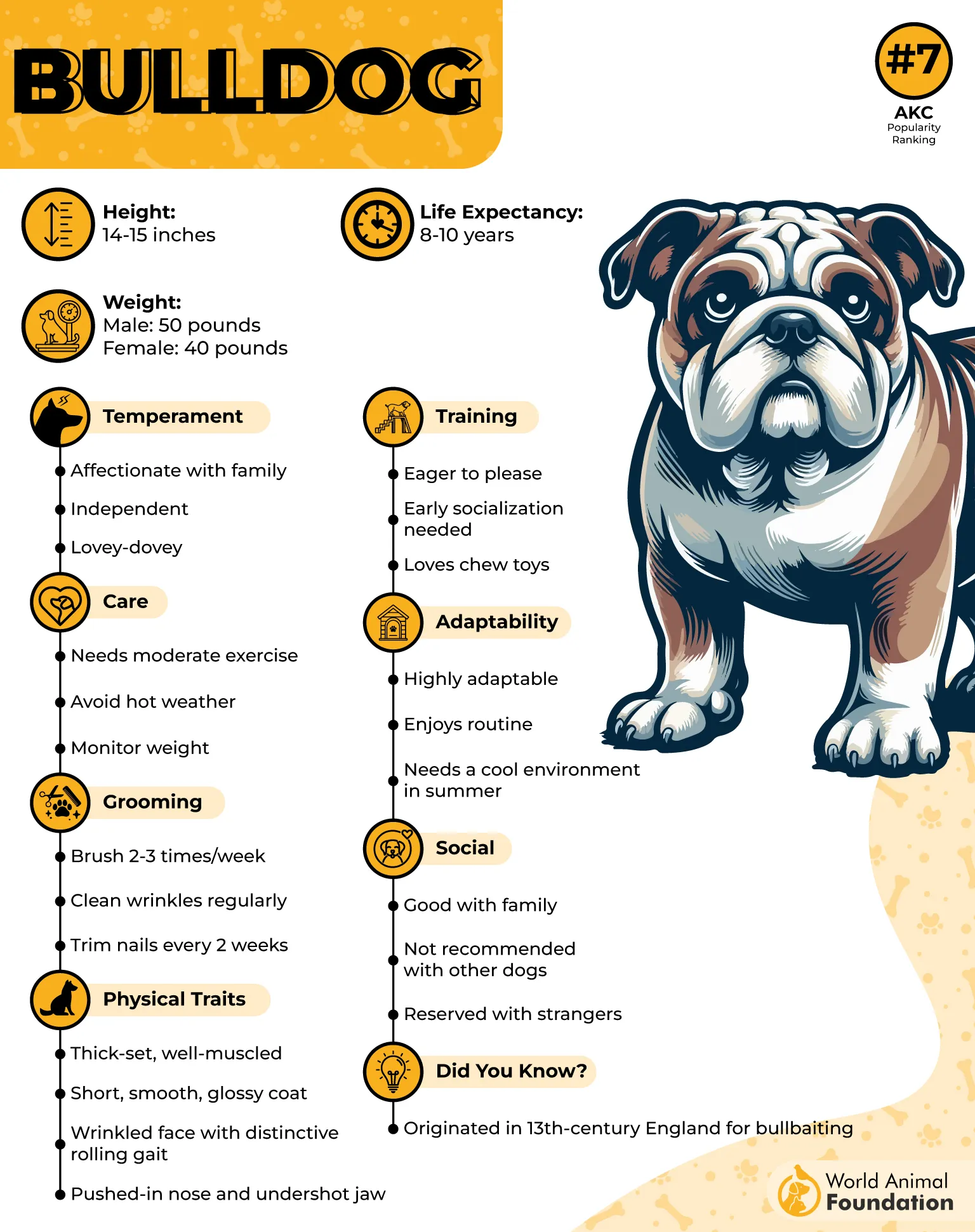
Temperament guided through early habits
The Bulldog responds well to structured training and early social exposure, helping shape balanced behavior from a young stage. Teaching boundaries around food and object handling prevents possessive habits from forming. Its easygoing nature becomes more reliable when guided consistently.
4. Shih Tzu
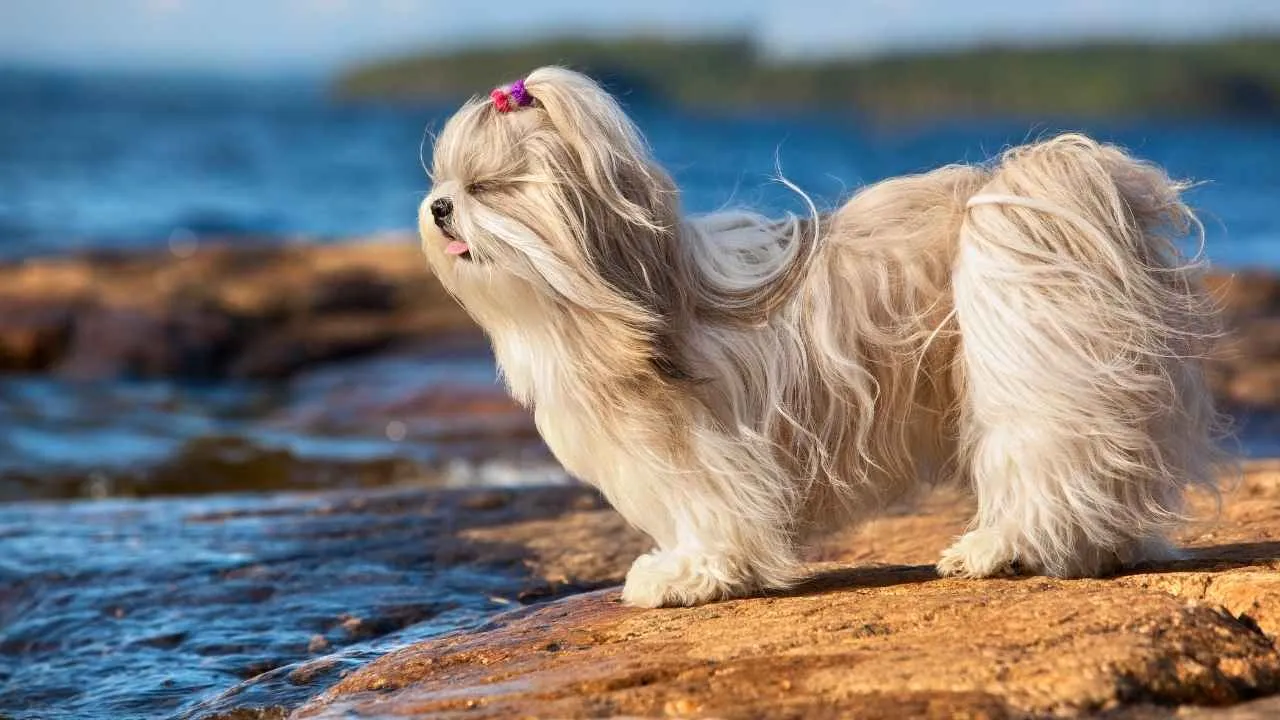
The Shih Tzu catches the eye with its lively expression and fun nature, bringing a soft, cheerful vibe into quiet spaces. Originally bred as a close indoor companion, it prefers human presence over independent activity. This small dog connects easily with people through its affectionate behavior.
Simple routines fit its nature
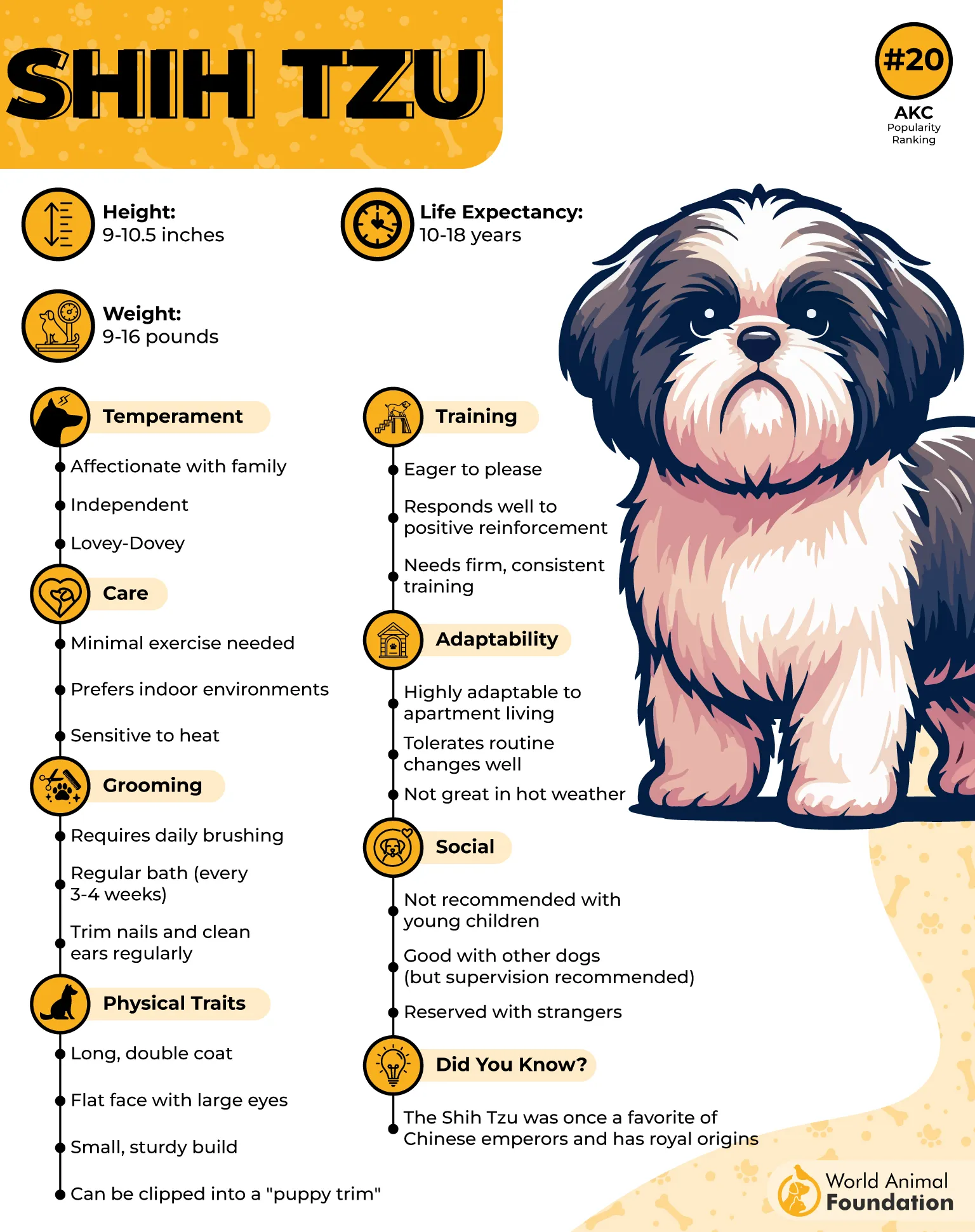
The Shih Tzu fits easily into low-activity homes, where short walks and indoor play meet its daily needs. Its calm temperament aligns well with relaxed living, especially in flats or limited spaces.
That ease becomes clearer in everyday habits:
Content with short daily walks
Enjoys indoor play over outdoor roaming
Settles comfortably in small living spaces
Appeal shaped through care
The varied color coats of the Shih Tzu require regular grooming, which enhances their refined appearance. Its friendly nature with children and other pets makes it appealing for pet owners seeking an easygoing companion. The overall temperament aligns with homes that value gentle interaction.
5. Greyhound
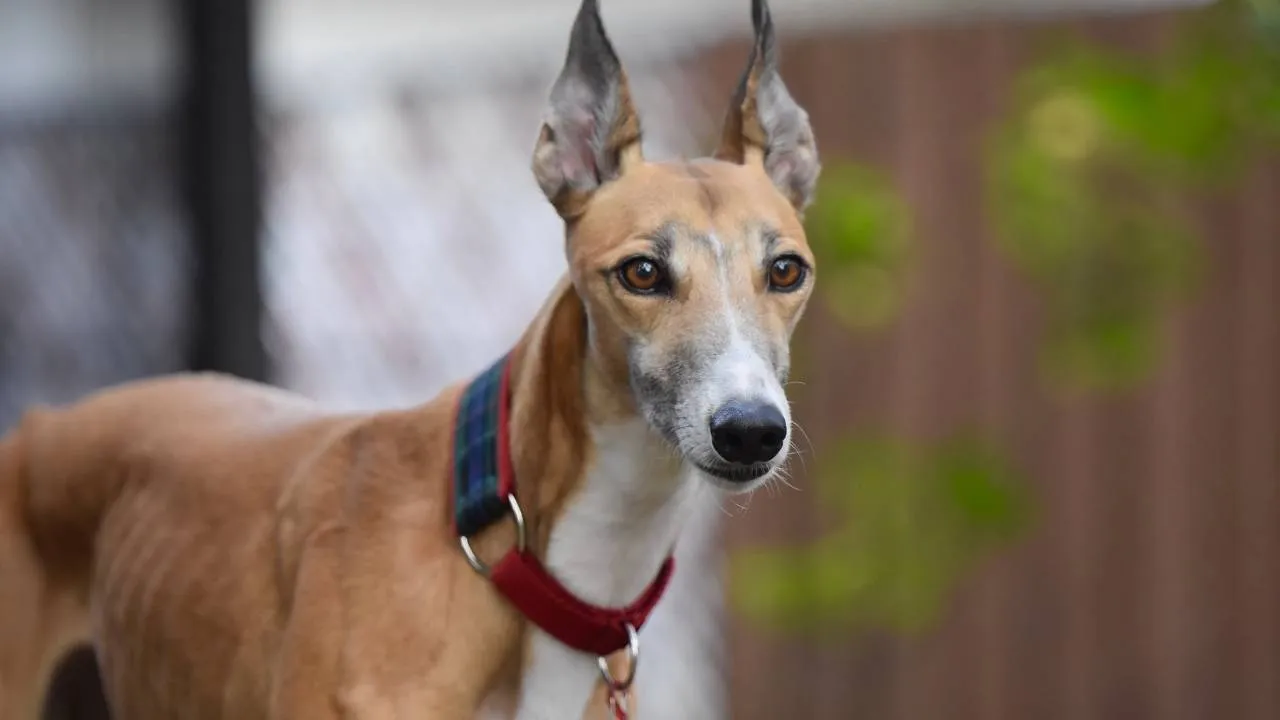
The Greyhound rests with a quiet, almost statuesque calm, reflecting a temperament shaped by patience rather than constant activity. Its independent and gentle temperament fits well into slow-paced indoor settings. The same dog can switch instantly when a chase opportunity appears.
Built for pursuit, relaxed at rest
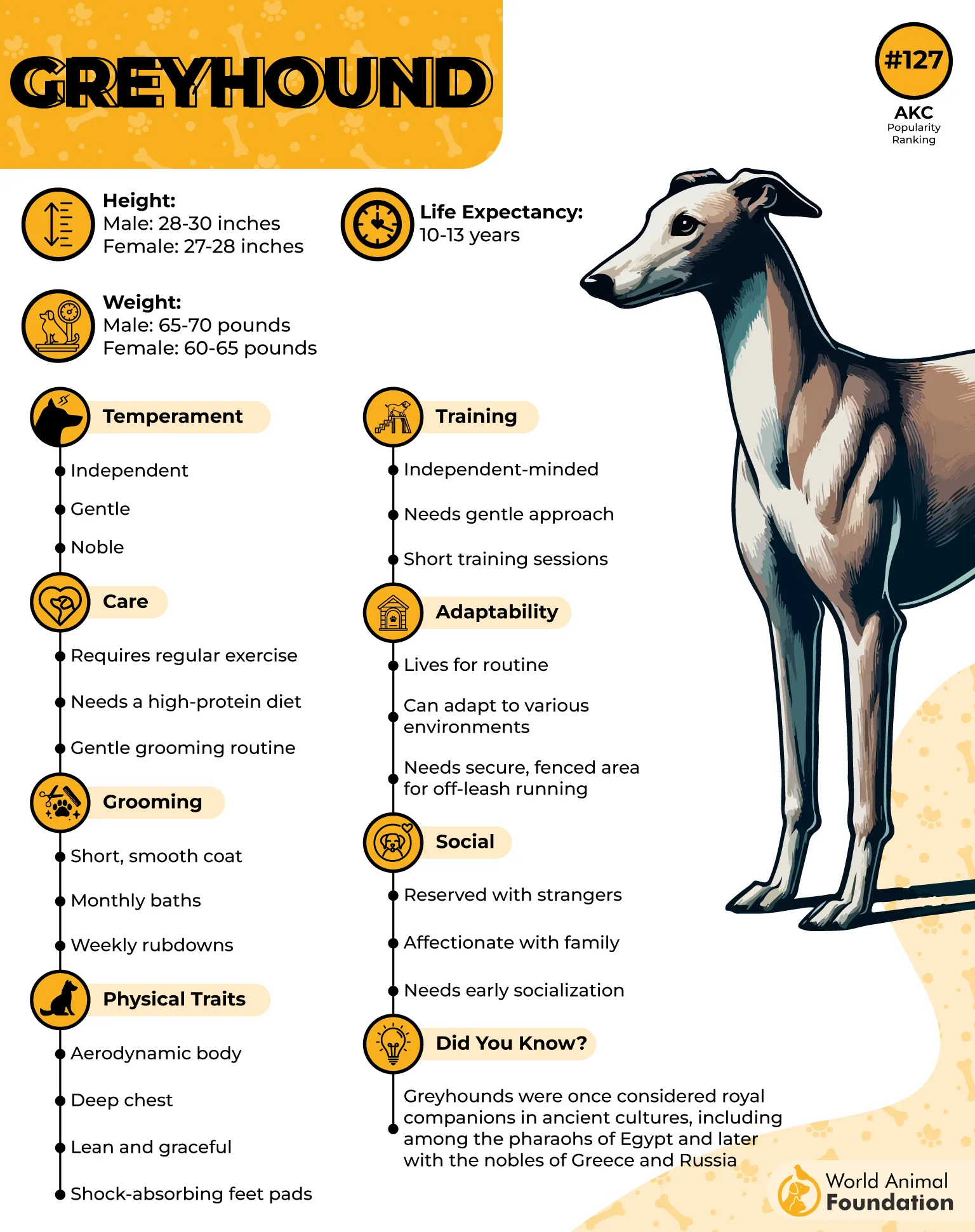
Greyhound’s structure follows a clear purpose, from its narrow head to shock-absorbing feet designed for high-speed chasing. The deep chest and tucked waist create that signature curved outline often admired in art and culture.
That design translates into simple, recognizable traits:
Aerodynamic body built for sprint bursts
Flexible spine supporting rapid acceleration
Padded feet reduce impact during a chase
Quiet temperament in daily life
The Greyhound keeps a soft, composed presence indoors, often choosing long stretches of rest over constant activity. Its gentle nature pairs well with quiet environments where movement remains minimal. Moments of play usually come in short, controlled bursts.
6. Great Dane
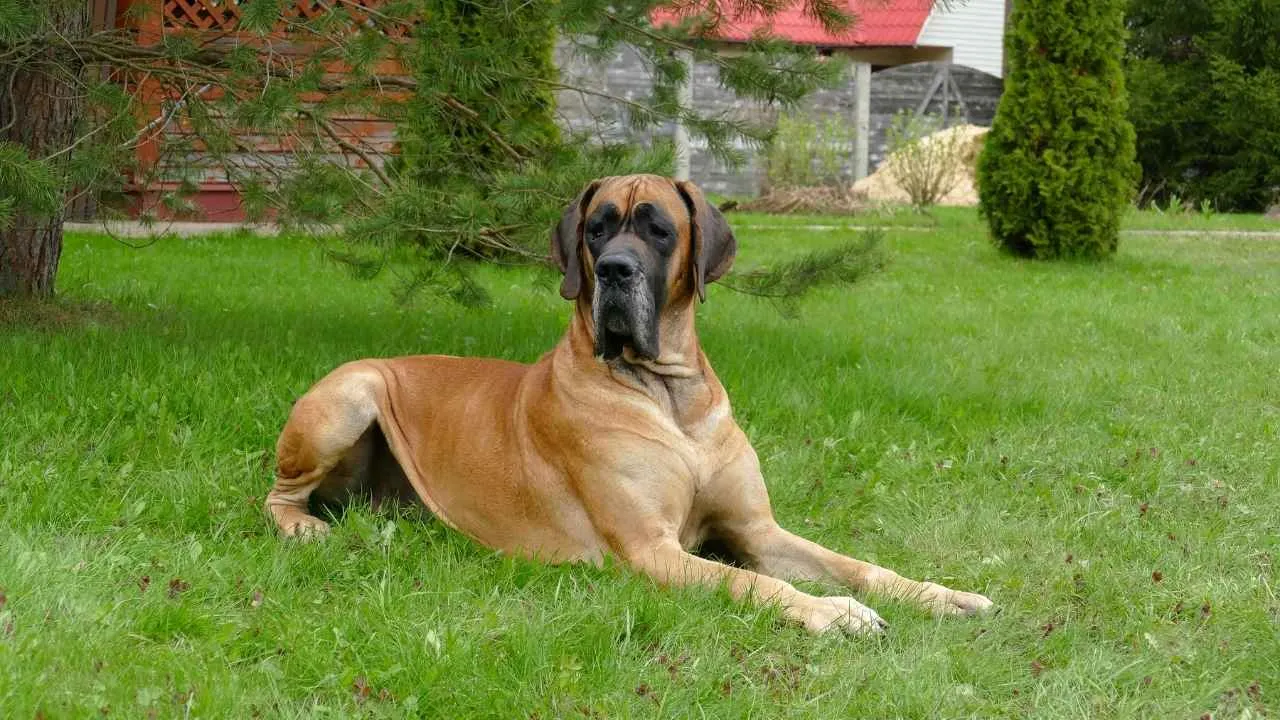
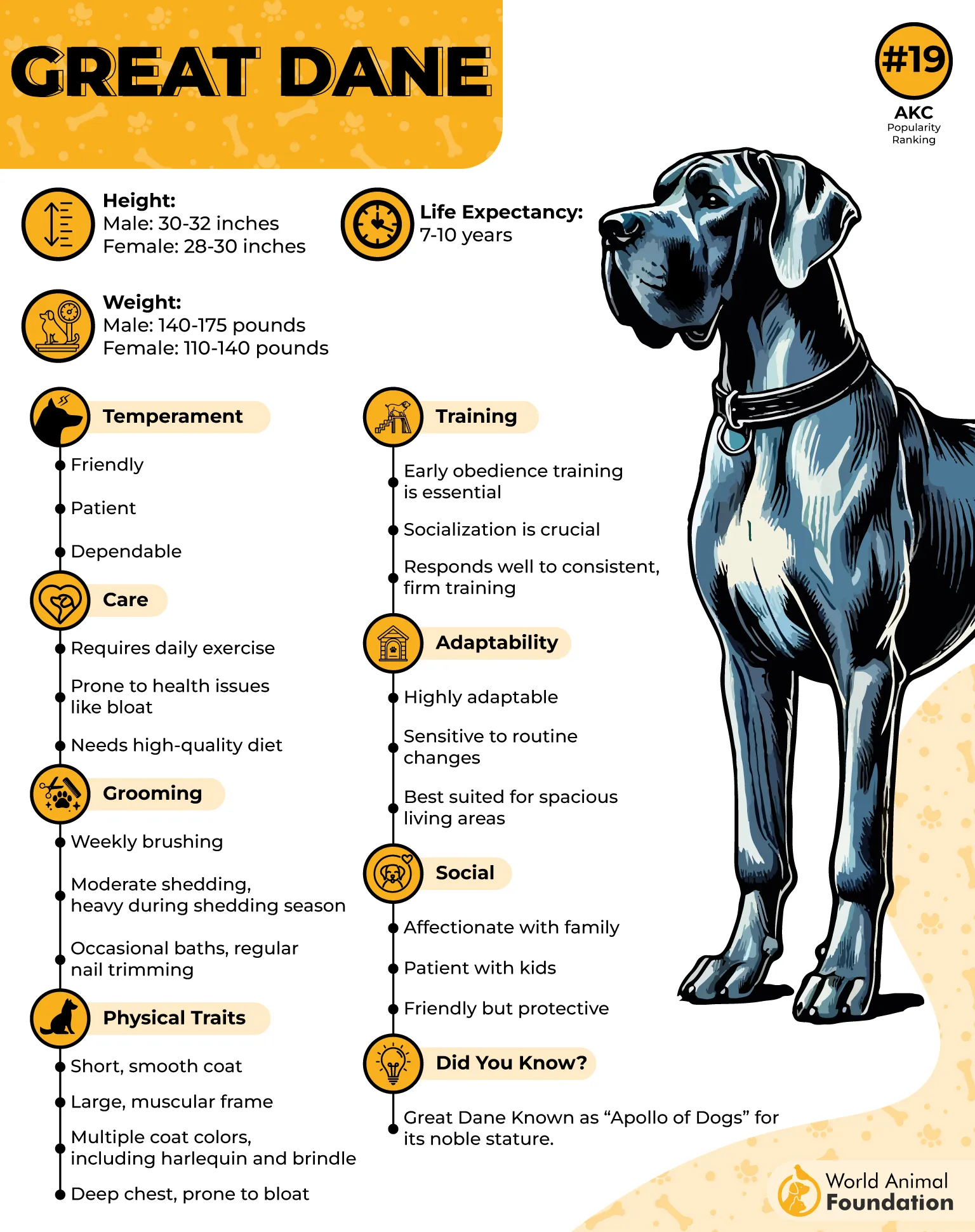
The Great Dane rises above most breeds in height, often matching human eye level when upright. Its large frame connects with a smooth, balanced stride that feels controlled rather than heavy. The overall impression blends scale with a calm, easy presence indoors.
Quiet strength in daily life
The Great Dane fits into relaxed routines, where short walks and light activity meet its daily needs. Its interaction style leans toward gentle engagement rather than constant motion or demand.
That balance appears through simple daily patterns:
Comfortable with brief, regular walks
Engages without constant activity
Adapts to slower-paced routines
Growth and handling considerations
This large dog requires careful timing in physical activity during early growth, especially before full joint development, as mentioned by the AKC. Activities like running or long-distance strain are best delayed until maturity. This stage influences long-term comfort and physical stability.
7. Pug
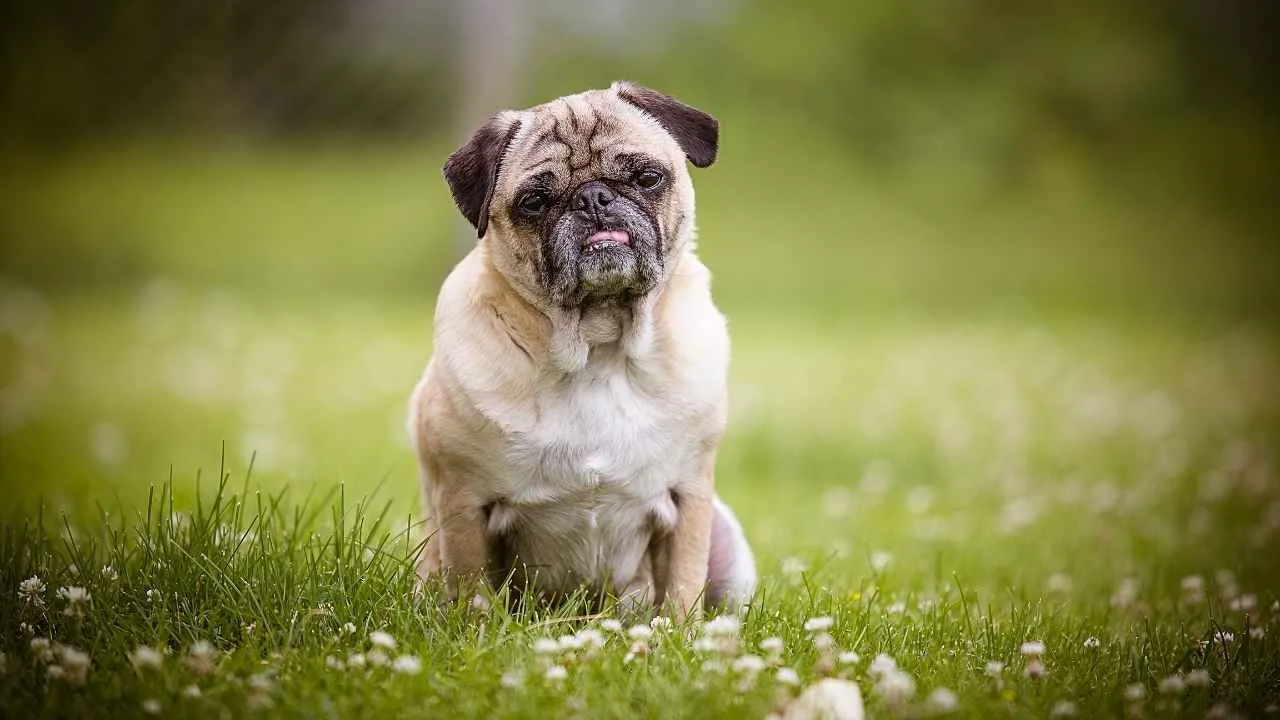
The Pug first gained recognition in ancient China, later becoming a favored presence in royal households across regions. Its appeal connects closely with how naturally it fits into daily human routines. This breed seeks involvement, often placing itself right in the middle of home activity.
Low-key activity pattern
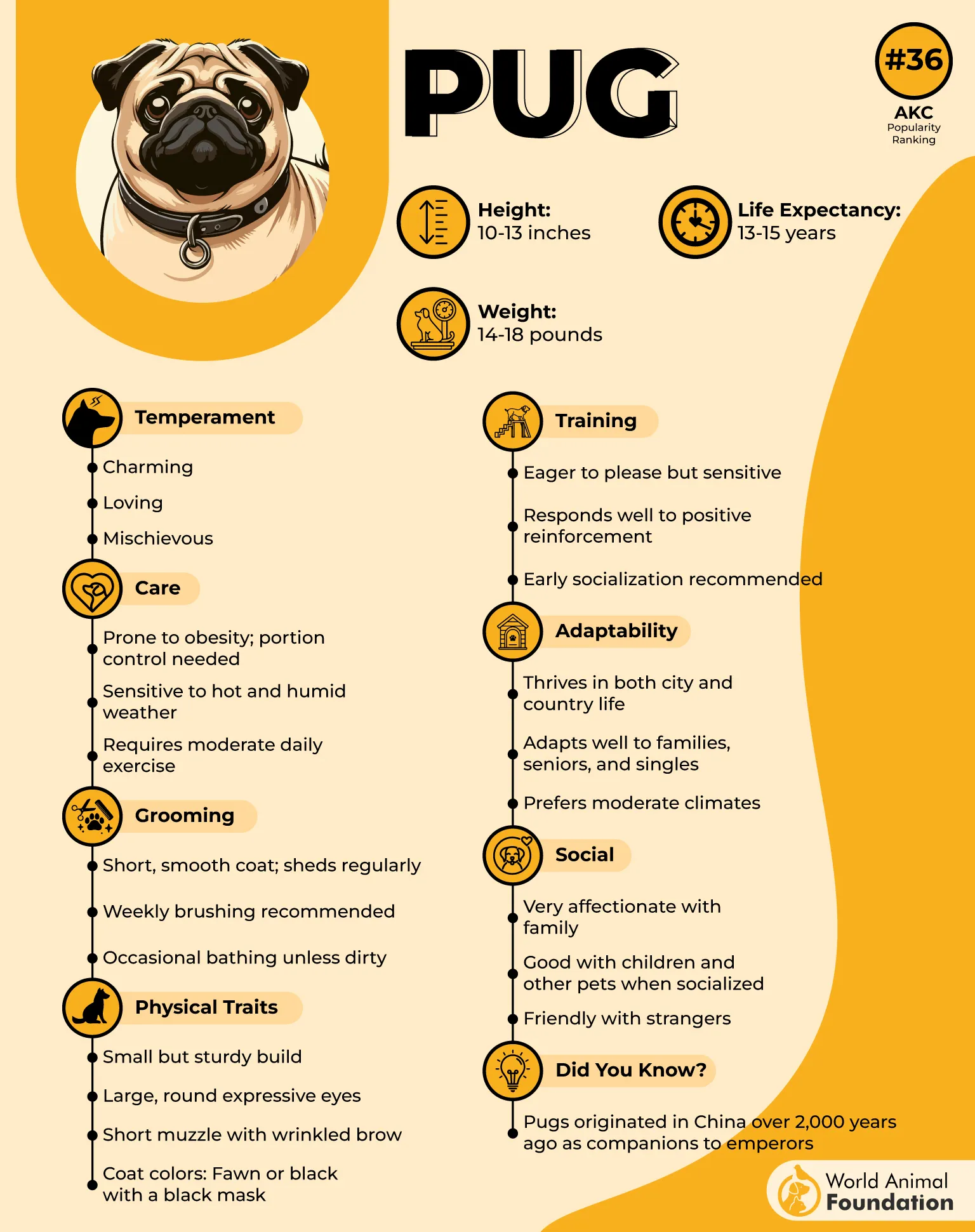
This best low-energy dog breed leans toward short bursts of activity rather than extended physical effort, making light engagement more suitable than demanding routines. Its structure limits endurance, keeping movement brief and measured.
That preference becomes clear in everyday habits:
Short walks around 15 to 20 minutes
Quick, casual indoor games
Frequent pauses between activity
Indoor-focused comfort
Pugs fit best in controlled indoor environments due to their flat facial structure, which affects breathing under strain or heat. Outdoor time works better in short, monitored intervals rather than prolonged exposure. Pet parents need to give attention to temperature and airflow as part of their daily care.
8. Saint Bernard
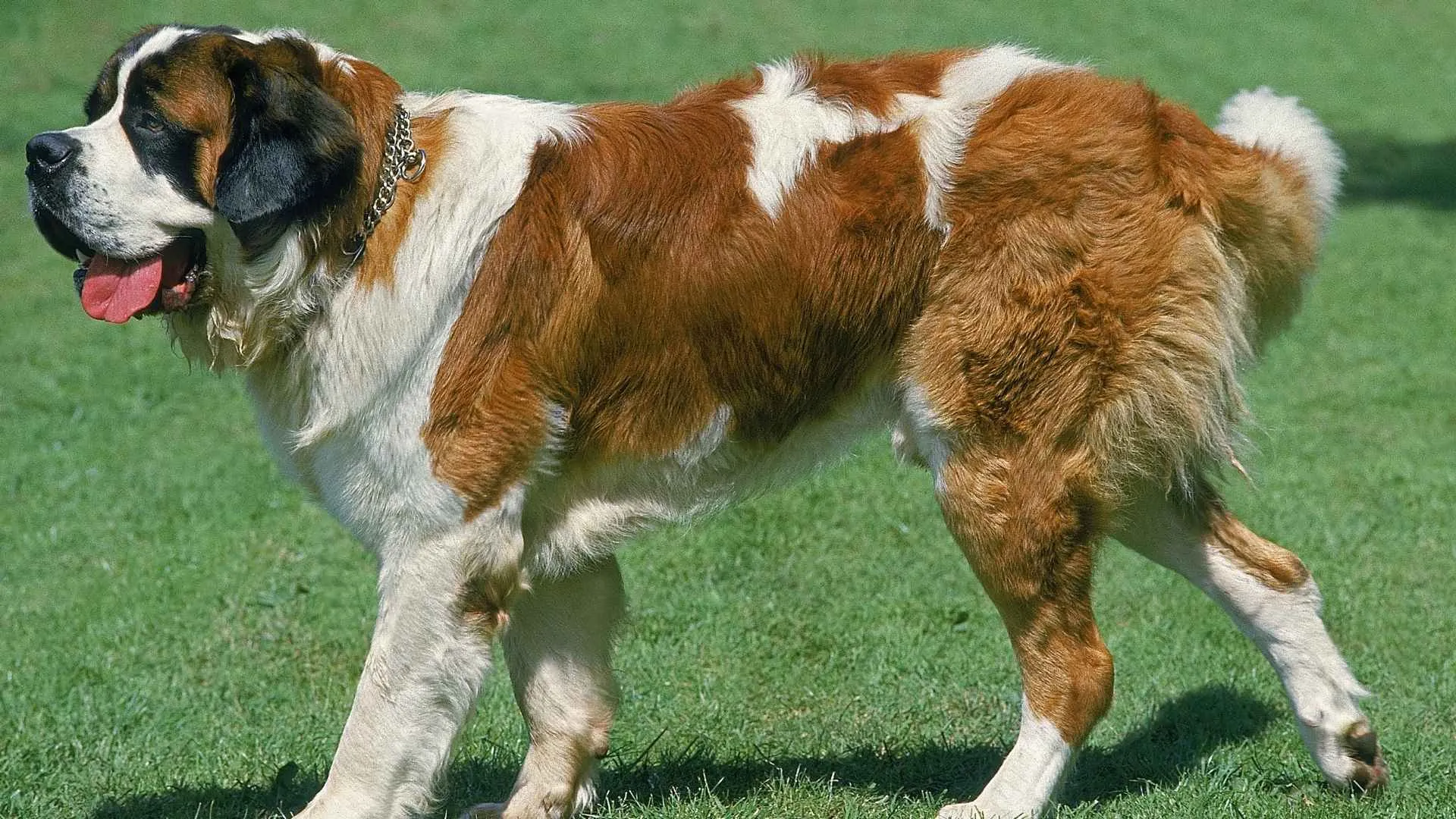
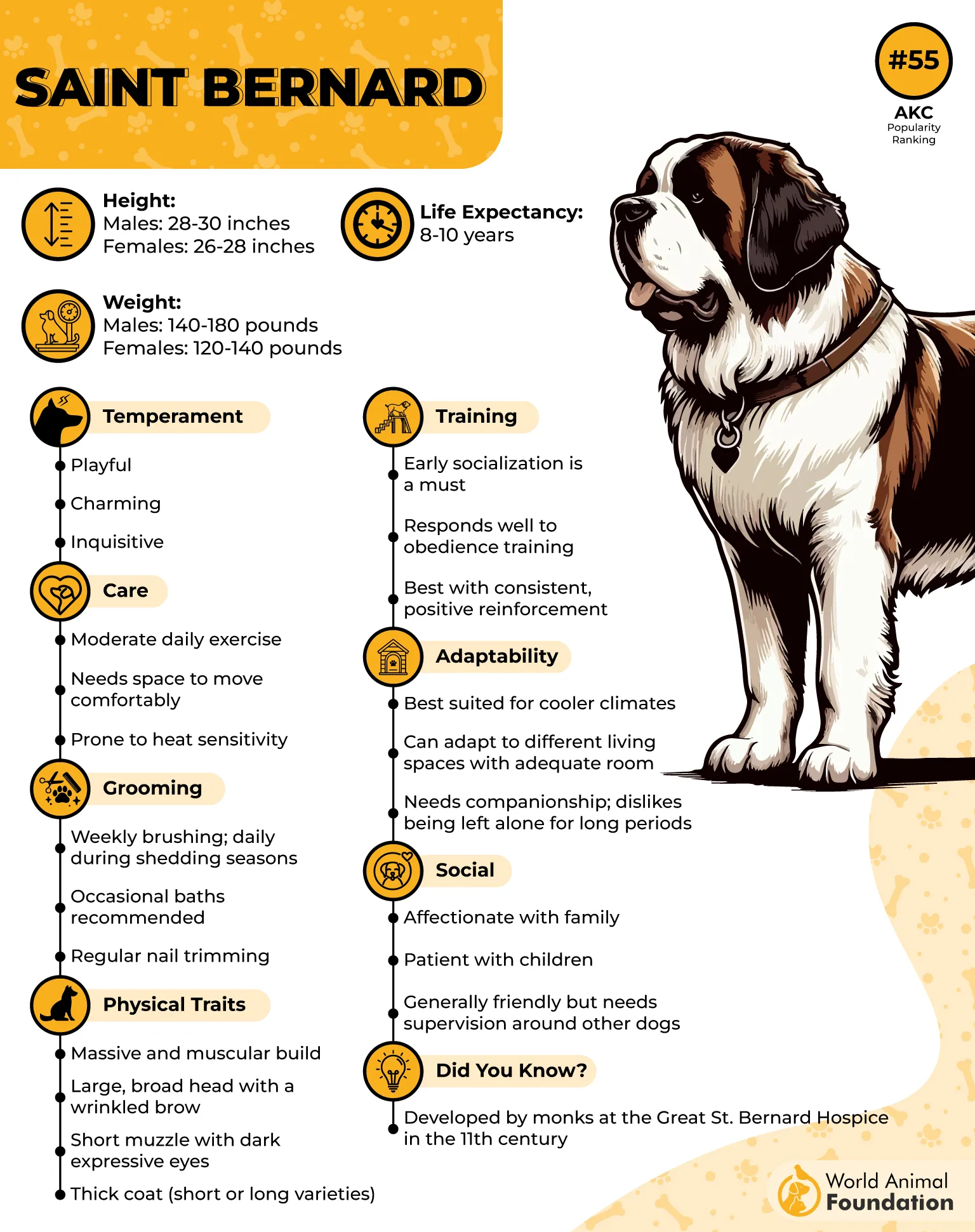
Saint Bernards began in the Swiss Alps, where monks trained these dogs to locate travelers lost under avalanche snow. That early role shaped a dog known for patience, strength, and a steady temperament. In home settings, this translates into a calm and affectionate nature companion dog.
Size paired with calm interaction
This gentle giant brings a large physical presence, yet interacts with people in a relaxed, easygoing way. It enjoys being close to family members and engages in slow, low-effort play rather than constant activity.
That daily rhythm becomes easy to notice:
Prefers calm interaction over fast-paced play
Responds gently to children
Settles comfortably within family spaces
Energy that shifts with age
The Saint Bernard starts with a playful phase during the early months, gradually settling into a more composed routine over time. Its energy level remains moderate, with short daily walks fitting naturally into its schedule. Longer outings are accepted without restlessness.
9. Newfoundland
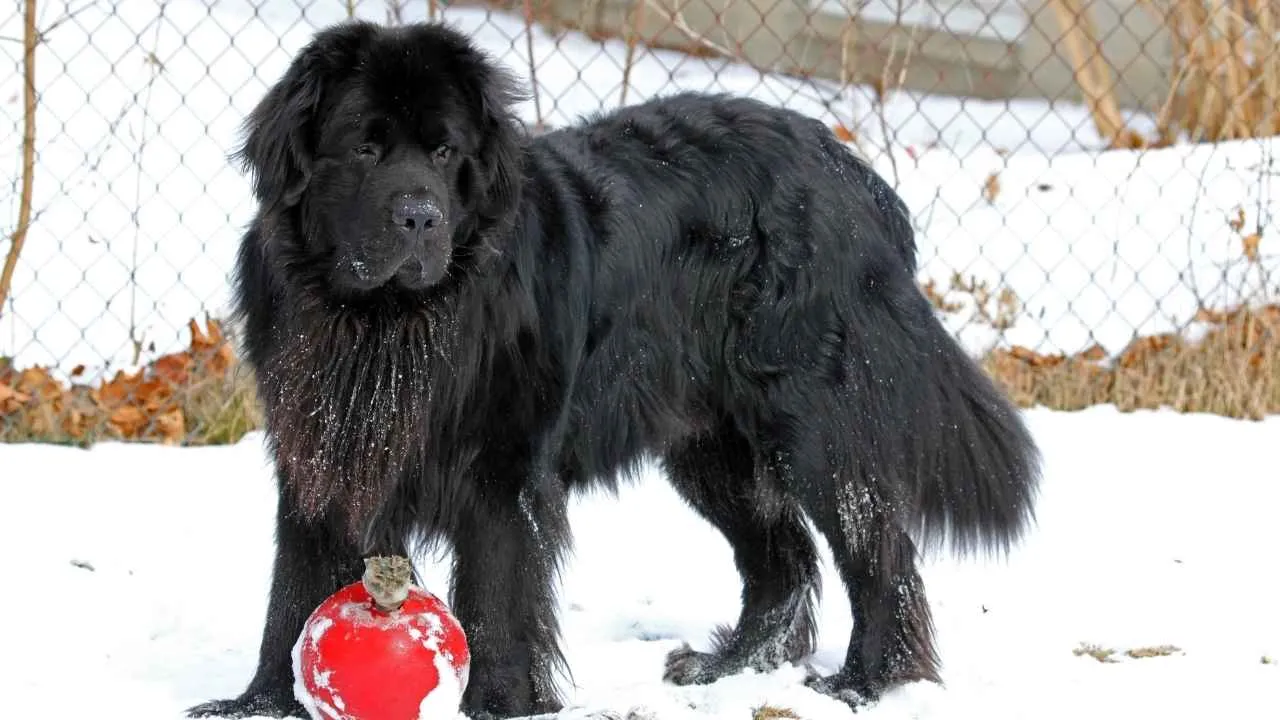
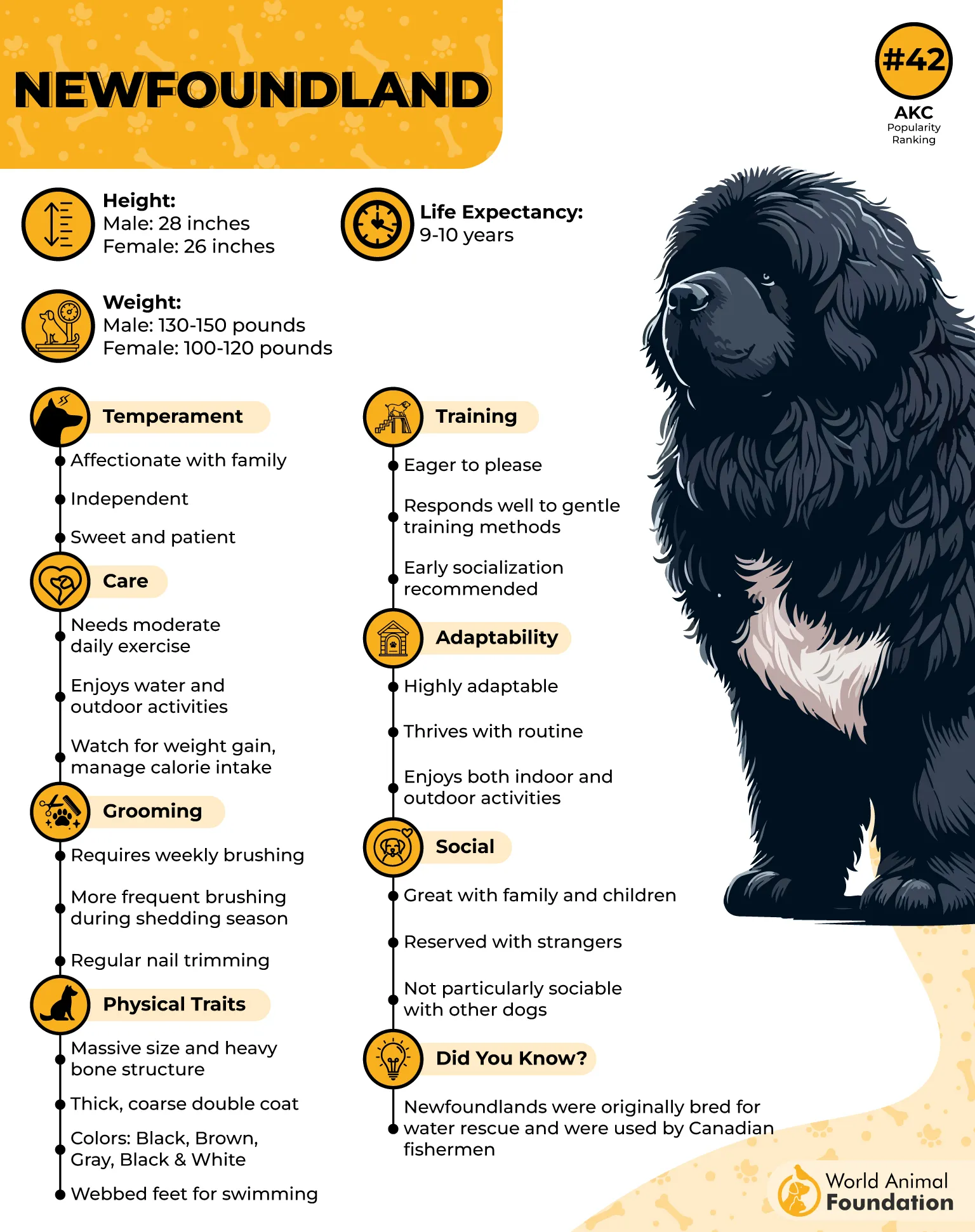
The Newfoundland draws attention through its massive frame and heavy bone, paired with a calm, soft expression. Despite its size, its temperament leans toward patience and quiet companionship. This balance shapes a dog that feels steady rather than overwhelming indoors.
Built for purpose beyond size
Newfies work across both land and water, known for draft tasks and natural lifesaving ability. But, in everyday life, they just need moderate activity. Their structure supports strength with control, allowing them to function in physically demanding roles.
That design reflects in a few clear traits:
Thick coat suited for harsh conditions
Strong build for pulling and water tasks
Instinct for rescue situations
Temperament centered around people
The Newfoundland connects closely with its family, especially children, earning recognition as a dependable and gentle presence at home. Its trusting nature pairs well with environments that value calm interaction. The preference for staying close indoors reflects this bond.
10. Irish Wolfhound
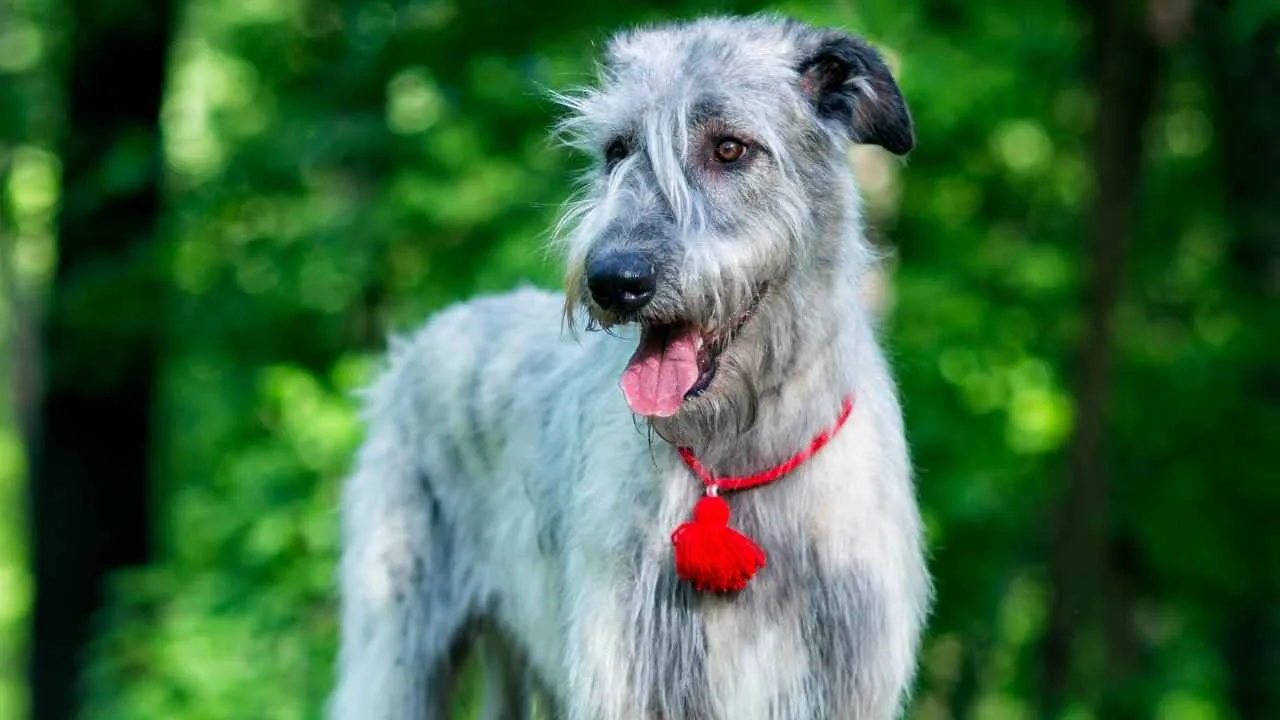
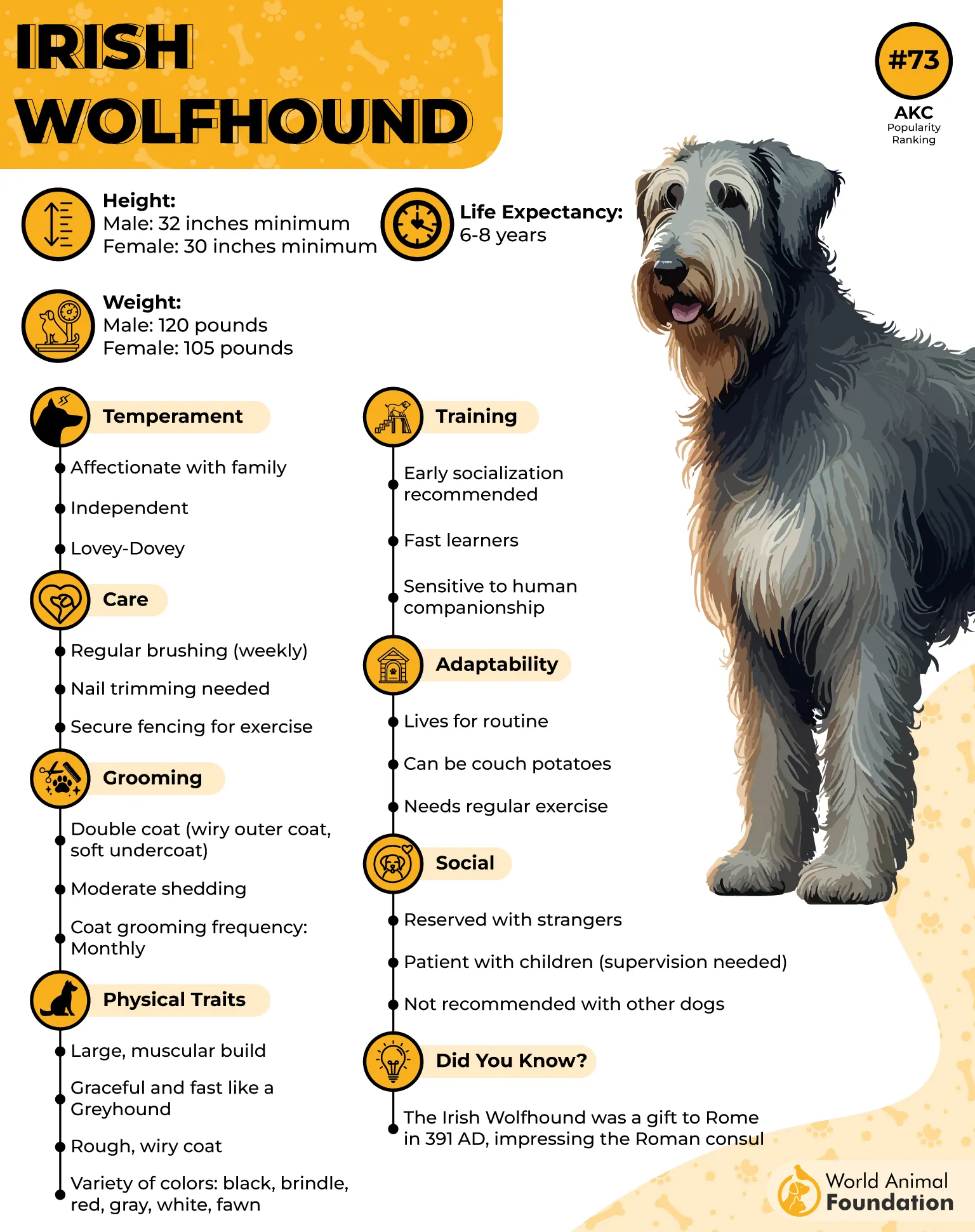
The Irish Wolfhound brings together towering height and a calm, composed nature that feels surprisingly gentle in close spaces. Its size draws attention, yet its behavior leans toward softness and ease around people. This mix creates a presence that feels large but not overwhelming in daily life.
Built from purposeful crossings
IWs developed through early pairings of Middle Eastern hounds with native British dogs, shaping a breed used in wolf hunting across Ireland. Its naming connects directly to that role in the 1700s, tied to real working use rather than symbolism.
That origin reflects in a few defining traits:
Large frame suited for pursuing big game
Strong limbs built for covering open ground
Keen focus during hunting tasks
Activity changes with age
The Irish Wolfhound shows higher energy in earlier stages, needing regular movement to stay balanced and engaged. As it matures, its pace slows, often settling into long periods of rest if not encouraged otherwise. Simple routines like walks or light play help keep it steady.
Conclusion
Calm homes often benefit from dogs that understand balance without needing constant direction, especially for those seeking a relaxed lifestyle. These breeds show how low-intensity play and steady behavior with a calm nature can shape a more relaxed daily rhythm. Their presence feels natural, often surprisingly low energy, never forcing energy into spaces that do not need it.
As time passes, that quiet consistency becomes the most noticeable trait. Simple routines stay undisturbed, and interaction remains gentle without losing connection through human companionship.
In the end, these dogs create a form of companionship that feels easy to live with, where comfort, calm behavior, and quiet play blend into everyday life without effort or interruption.
