




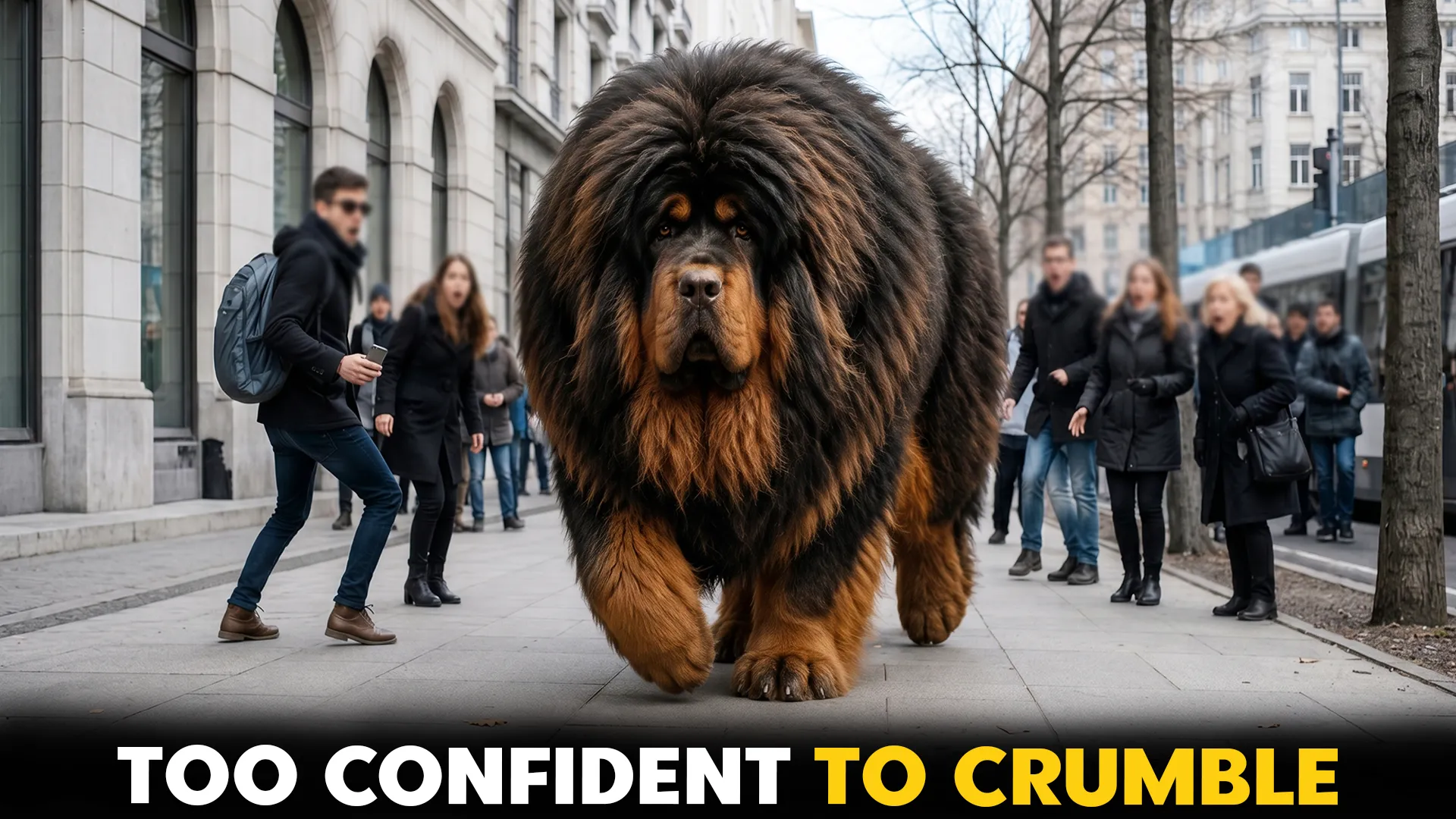
Not every dog needs to follow you to the bathroom. Some breeds are wired differently, ancient, self-assured, and perfectly okay with their own thing. While most dogs are melting into puddles of separation anxiety, these large breeds are out there holding it together like seasoned pros.
As Mark Twain once said, “The dog is a gentleman; I hope to go to his heaven, not man’s.” You not only own a confident dog, but you also signed up for a confident life.
The popularity of dogs as pets in U.S. households is on the rise, and many people demand breeds that genuinely suit a busy and independent lifestyle.
If you want a dog that respects your schedule, reads the room, and does not need round-the-clock reassurance, keep reading. These nine breeds are built exactly for that.
Confident Large Dog Breeds That Thrive on Their Own
1. Anatolian Shepherd
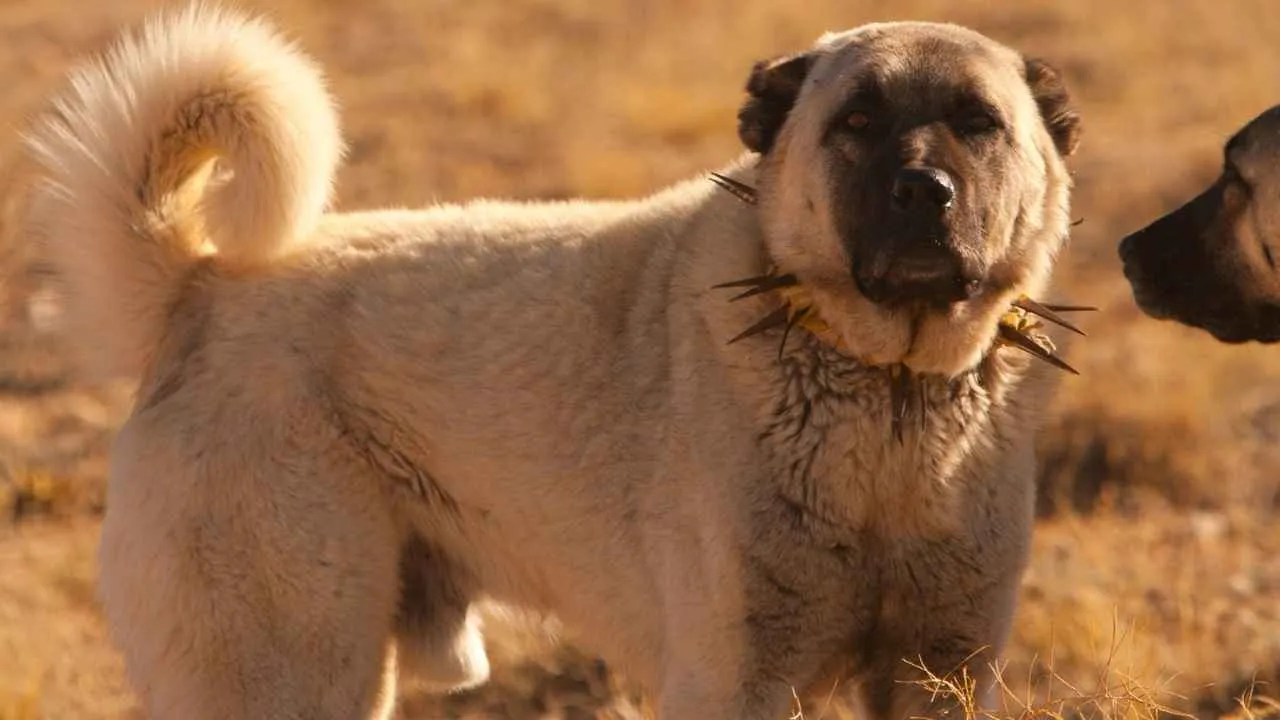
Originally bred in Turkiye as a livestock guardian, the Anatolian Shepherd is a mixed breed of the tallest dog breeds, ancient Mastiff types, and flock guardian breeds. Its massive size and stamina helped it to fight big game, such as wolves and bears. Because of its giant stature, it is not suitable for homes with frequent visitors or young children, according to Purina.
This large dog breed weighs around 110-150 pounds and stands 29 inches tall. It casts an intimidating impression upon intruders to deter them without having a physical bite. Since the breed has been acting as a lone protector for thousands of years, it has low anxiety levels, extremely high confidence, and thinks independently. It does not work to please the owner and thrives in self-decision making.
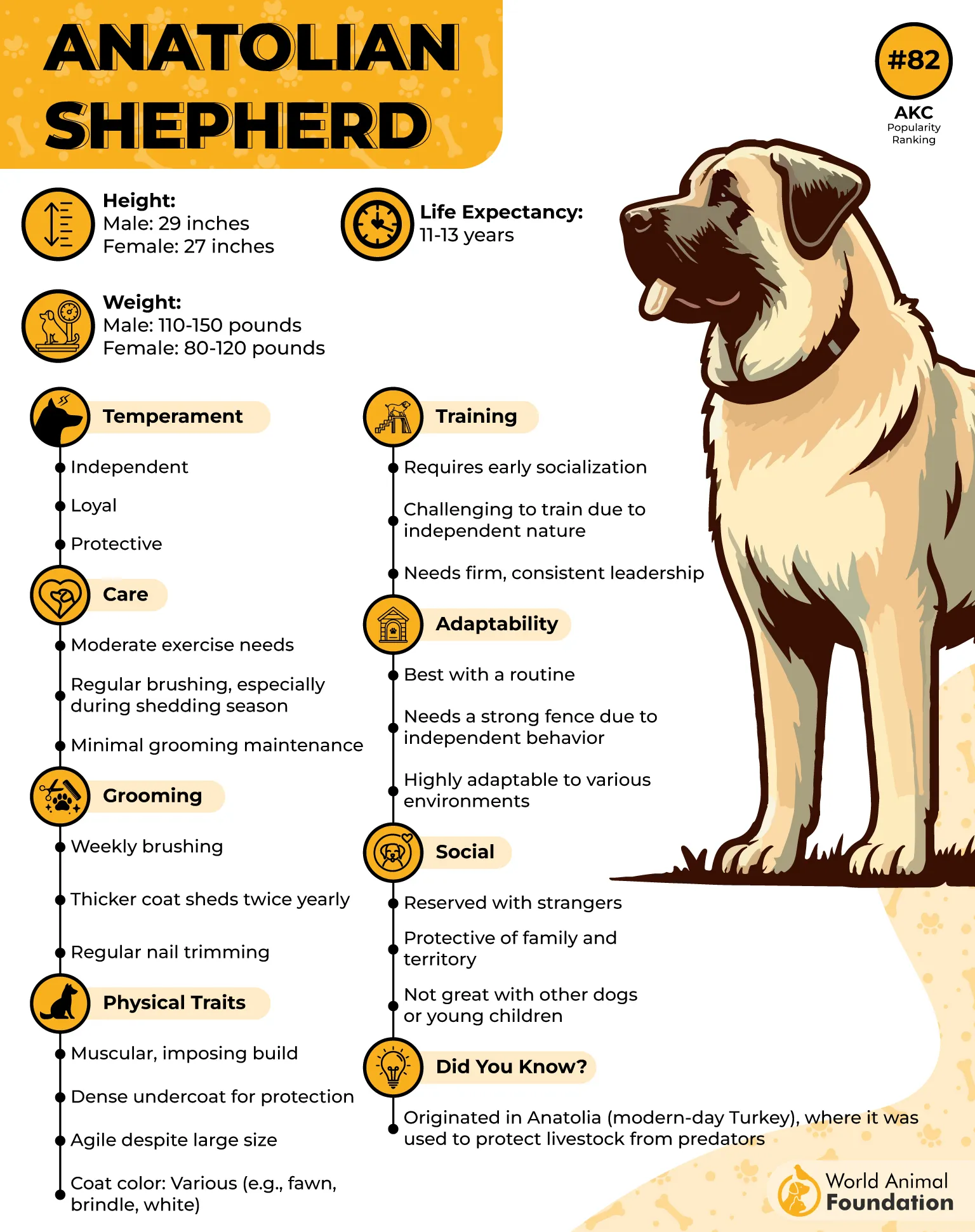
It can sometimes become stubborn because of independent thinking, making training difficult for first-time dog owners. A big fenced yard is perfect to keep the breed, as the natural patrolling instinct provides mental stimulation. Despite having a massive size and guardian history, it has moderate exercise needs: long walks and indoor play.
2. Akita
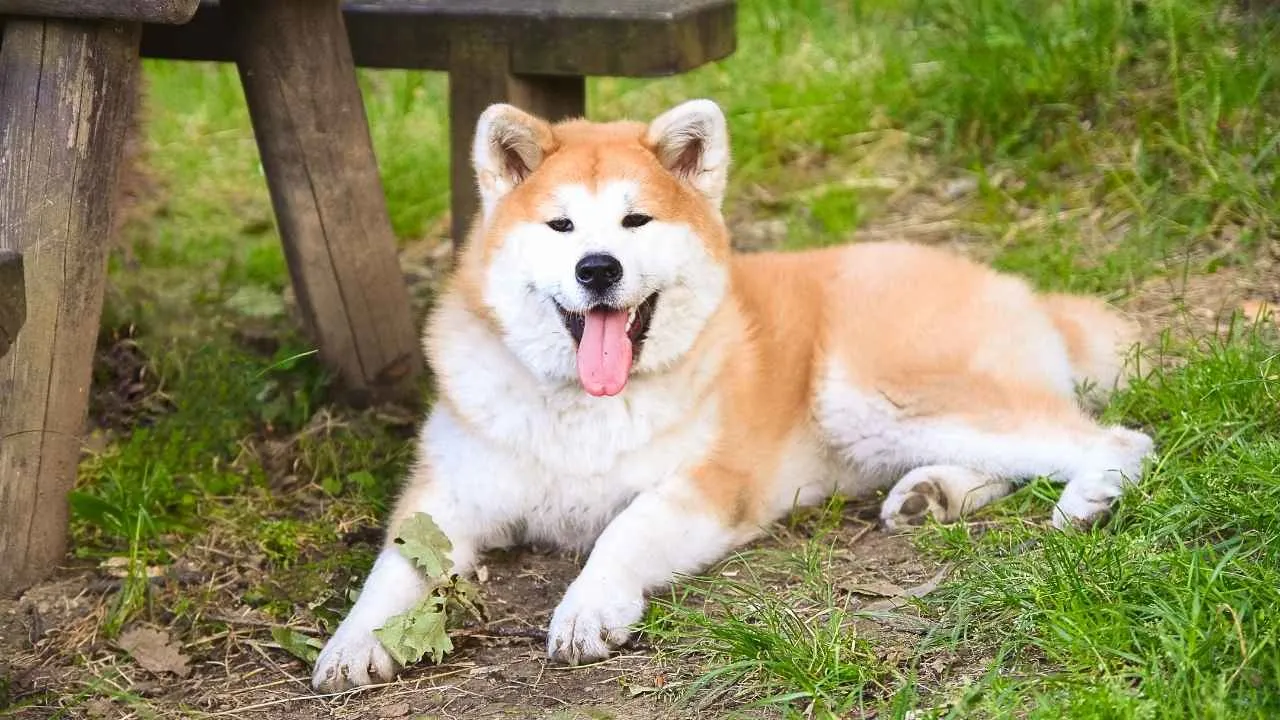
Developed in the northern mountains of Japan, the Akita is one of the ancient and sacred breeds in Japanese culture. It is believed to have ancestral roots as a fighting breed alongside the Samurai fighters thousands of years ago. It has a double weather-resistant coat and webbed feet to work hard in the icy terrain of the mountains.
The primary goal of this big dog breed was to provide protection against wild boars and bears. The breed tends to trust its own instincts over given commands, and thus, is a giant dog breed with strong self-assurance.
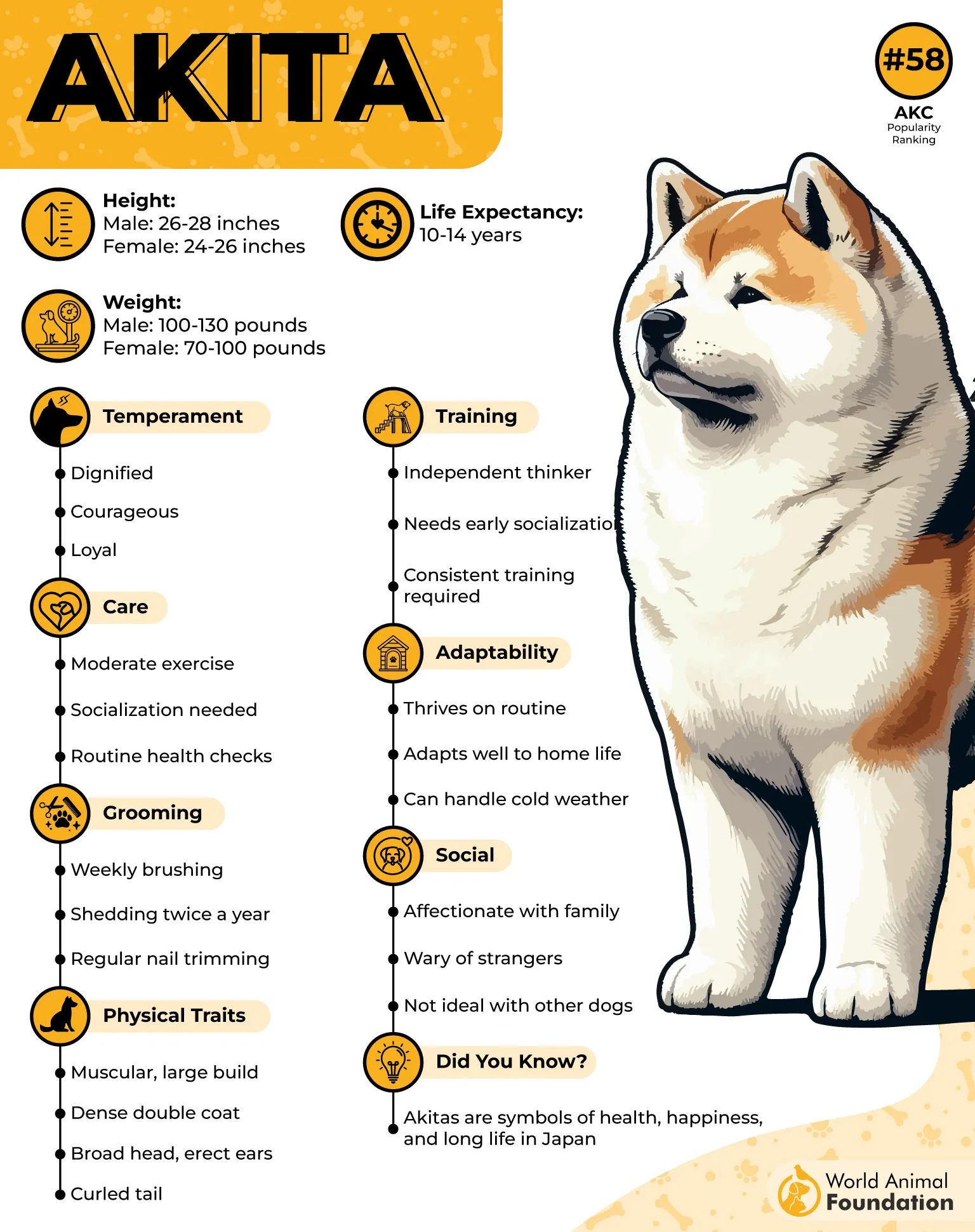
It has high intelligence: it observes deeply, makes a precise decision with a minimum chance of error. This behavior develops a sense of confidence in a breed that can sometimes make training difficult.
The gentle giant sees its human family members as a “pack” and may try to physically control them despite having a strong bond with them. It has strong watchful instincts, and this may lead to aggressiveness towards strangers and other dogs of the same sex; hence, early training and socialization are non-negotiable.
3. Tibetan Mastiff
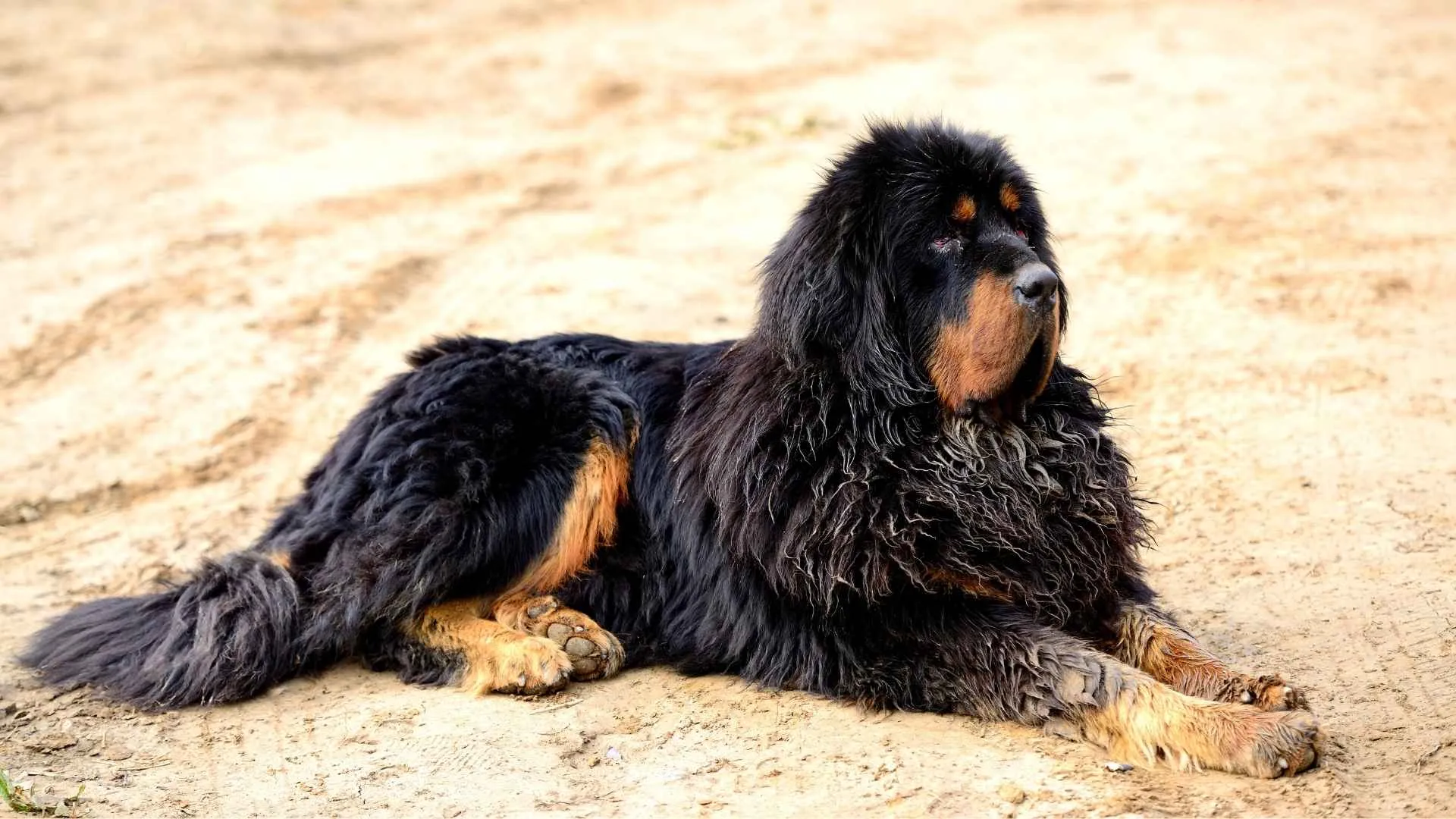
This calm breed was developed to provide protection to Tibetan monks and Buddhist monasteries from large wild animals. It uses its scent marking, imposing size, and barking to deter a potential threat. This is a nocturnal breed: sleeps mostly during the day and becomes an active partner at night, as per Wikipedia.
The average lifespan is 10-12 years, but it can live up to 15 years if proper care is provided. However, certain health concerns may affect the training of this independent dog: joint conditions (hip/elbow dysplasia) lead to hesitation during training or slower movement, and obesity puts strain on the vital organs and joints, and the dog’s ability to focus on training shifts.
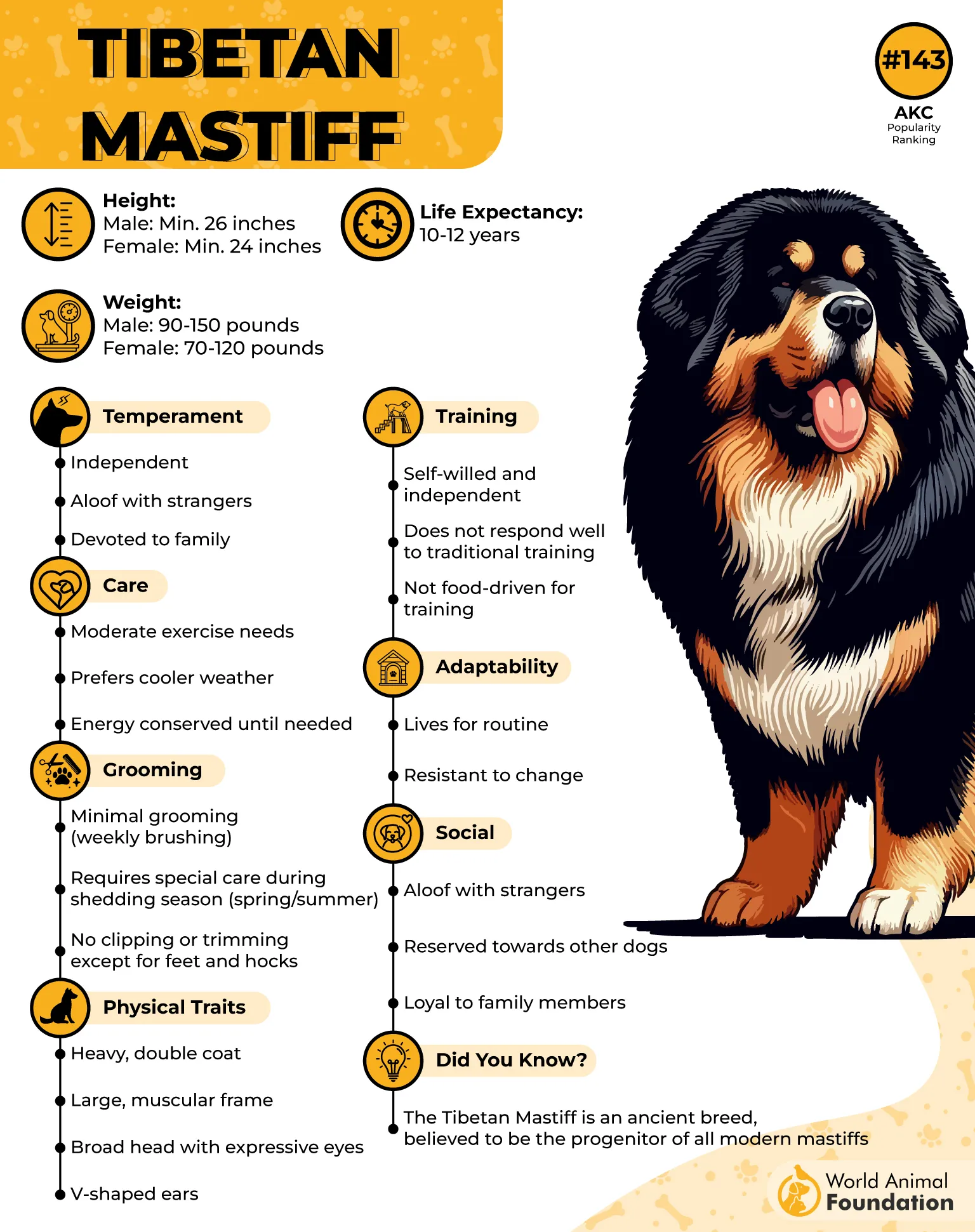
During working hours, the intelligent breed becomes extremely confident and highly independent, so that it does not even look at the owner’s face for commands. Despite being an affectionate breed, it does not need constant attention since it is not a velcro dog.
The good news is that it has a balanced temperament and does not become aggressive without any reason. It remains calm indoors and watchful outdoors.
4. Afghan Hound
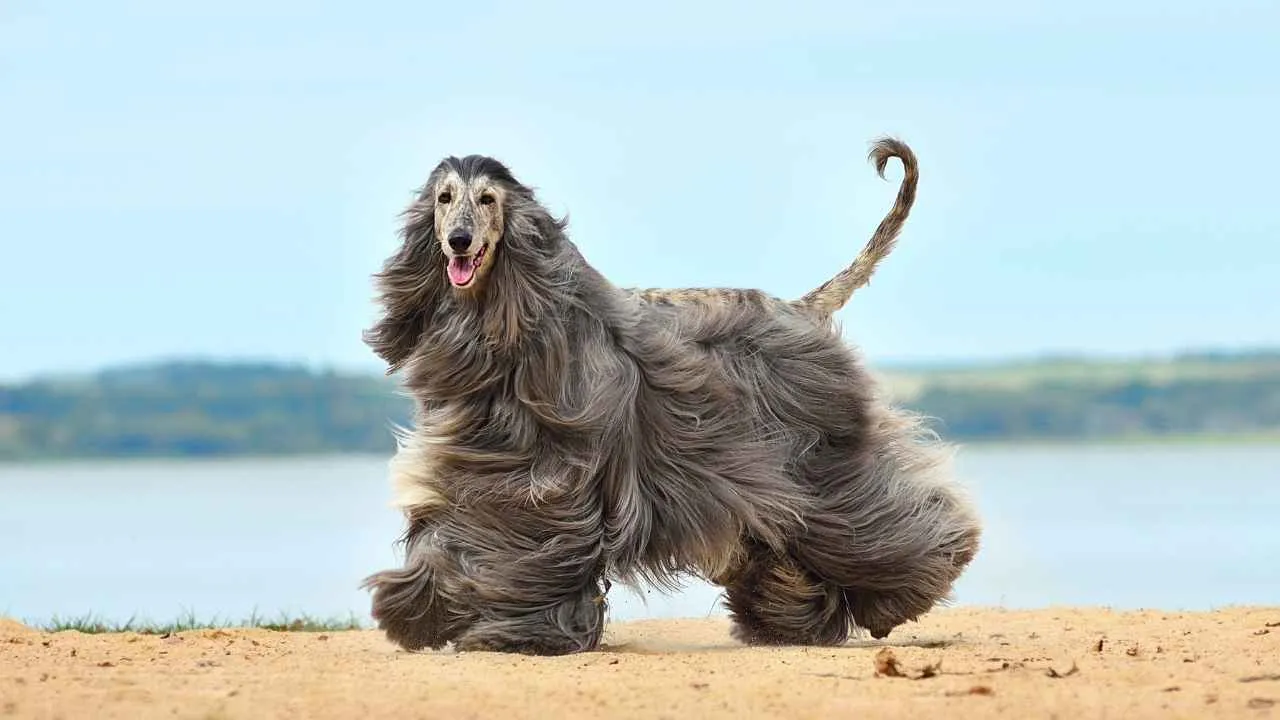
Originating in the harsh mountainous climate of Afghanistan, the Afghan Hound weighs around 44-60 pounds. It has an extremely high speed, being a sighthound (40 mph), and was bred to hunt large game away from the hunters. This made it possible to take independent decisions.
This high-energy dog has a sharp memory and remembers who treated it badly. It is defined to have a “cat-like” behavior, mostly aloof with strangers and forms strong bonds with selective people. The “switch-off” mode turns on once it enters a safe boundary and turns off outdoors.
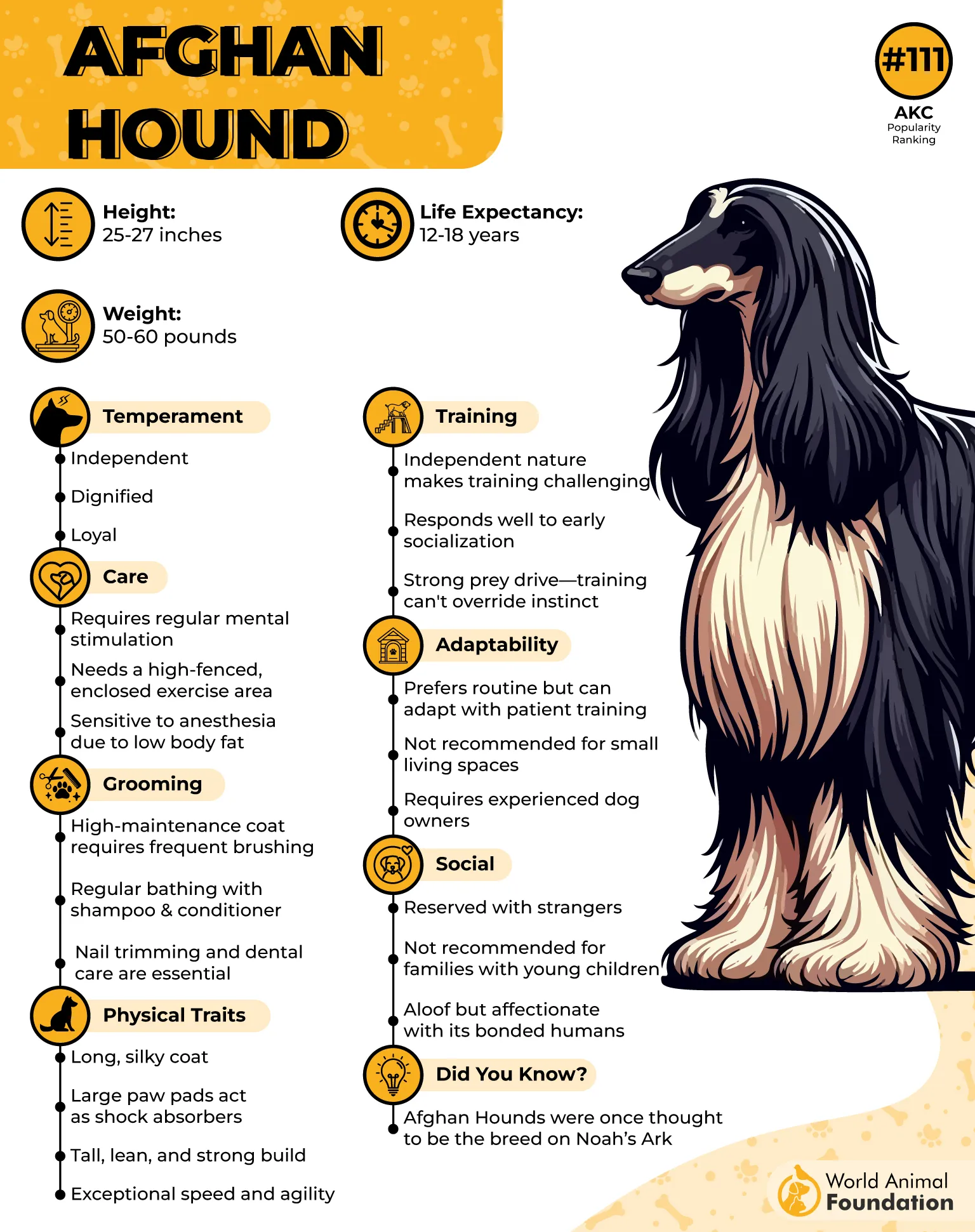
Since the breed was developed for hunting, it is important to introduce it to other pets earlier. It is sensitive to sedatives and anesthetics because it lacks the enzyme in the liver that breaks down certain chemicals. It has a high-maintenance coat that needs regular brushing (2-3 times weekly).
Daily, 2 hours of exercise are needed, which must be broken into two sessions. Make sure to have it leashed outdoors, as it may jump over a 6-foot obstacle.
5. Black Russian Terrier
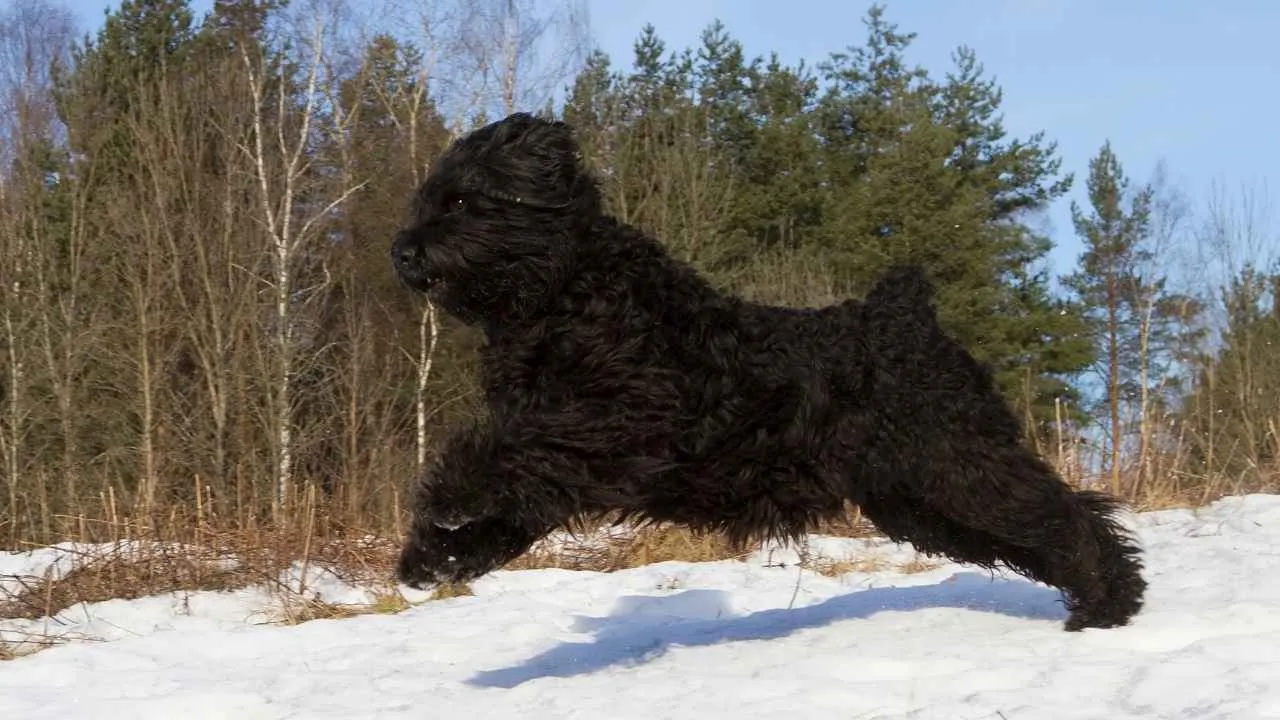
This loyal breed was developed between the 1940s and 1950s in Russia. It is a mix of several giant breeds, including Giant Schnauzer, Airedale Terrier, Rottweiler, and Newfoundland. The primary purpose was to develop a robust working military guardian, according to PetMD.
The desire to use its intellect, strong protective instincts, and calm approach as a super dog in the Soviet army makes it naturally confident. It assesses the situation before taking a step. The calm demeanor prevents panic attacks and anxiety. The time from adoption as a puppy to the 6th month is crucial in training the breed and creating a strong emotional bond.
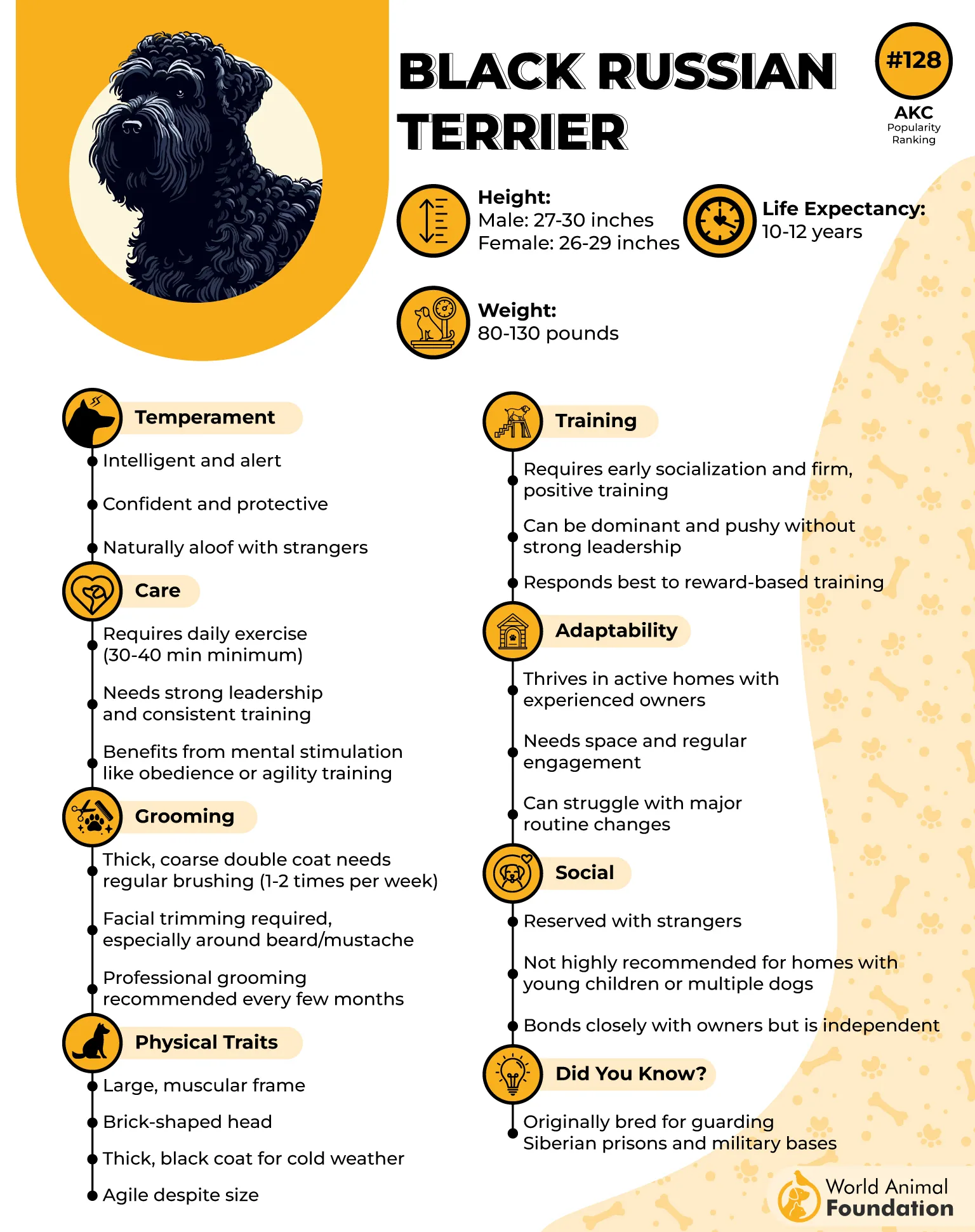
The training sessions must be kept short (2-3 sessions, each for 10 minutes). Repetitive or pattern methods must be avoided to prevent destructive behavior since the breed is highly intelligent and gets bored.
Activities such as sled pulling, rally work, scent detection, and barn hunting help develop its intelligence, focus, and responsiveness that are needed for this Terrier to excel as a medical alert or mobility assistance companion.
6. Central Asian Shepherd Dog

This breed was developed as a livestock guardian in Turkmenistan, and being “ferocious to foes” in nature, it is banned in Denmark along with 13 other breeds and their mixes under the Danish Act on Dogs. One of the ancient dog breeds (dates back to 4,000-5,000 years), the CASD was naturally selected to endure a harsh environment.
This is an innate fearless breed that is not scared by large game. It has a thick skin (protecting it against a predator’s strong bite), heavy bones (for physical security), and a muscular body that provides confidence during combat.
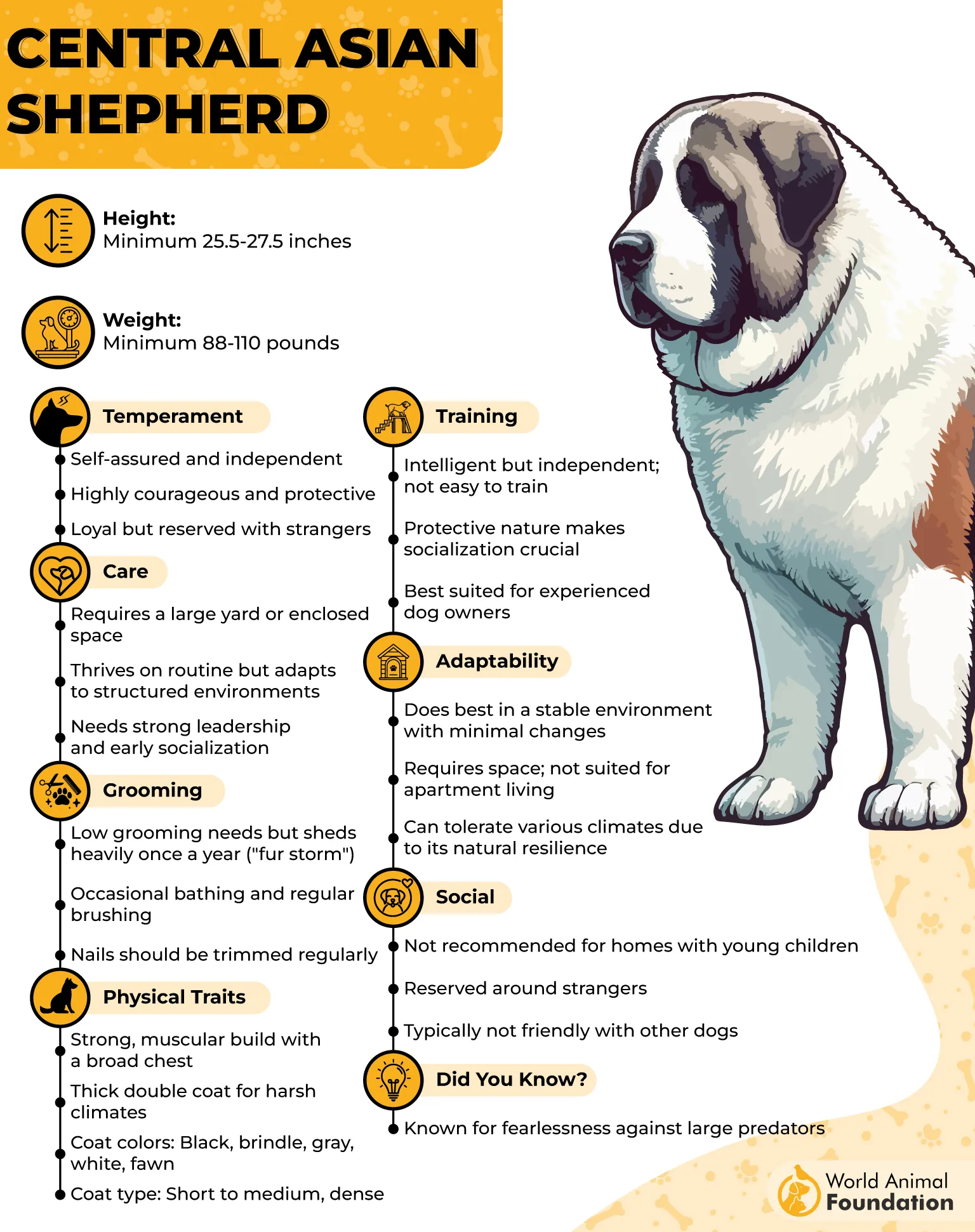
It has a gentle nature, but when a suspect enters its territory unannounced, it shows its teeth as a warning sign. If that does not work, it slams the person to the ground and barks till the owner comes; thus, it is bred to make independent decisions.
A human with strong leadership qualities is required to control it; otherwise, the male dog will take charge and act as the master. Females, however, are manageable. It needs 60-90 minutes of daily exercise. Consistent training and early socialization are required to introduce it to the family members and create an emotional bond with them.
7. Karelian Bear Dog
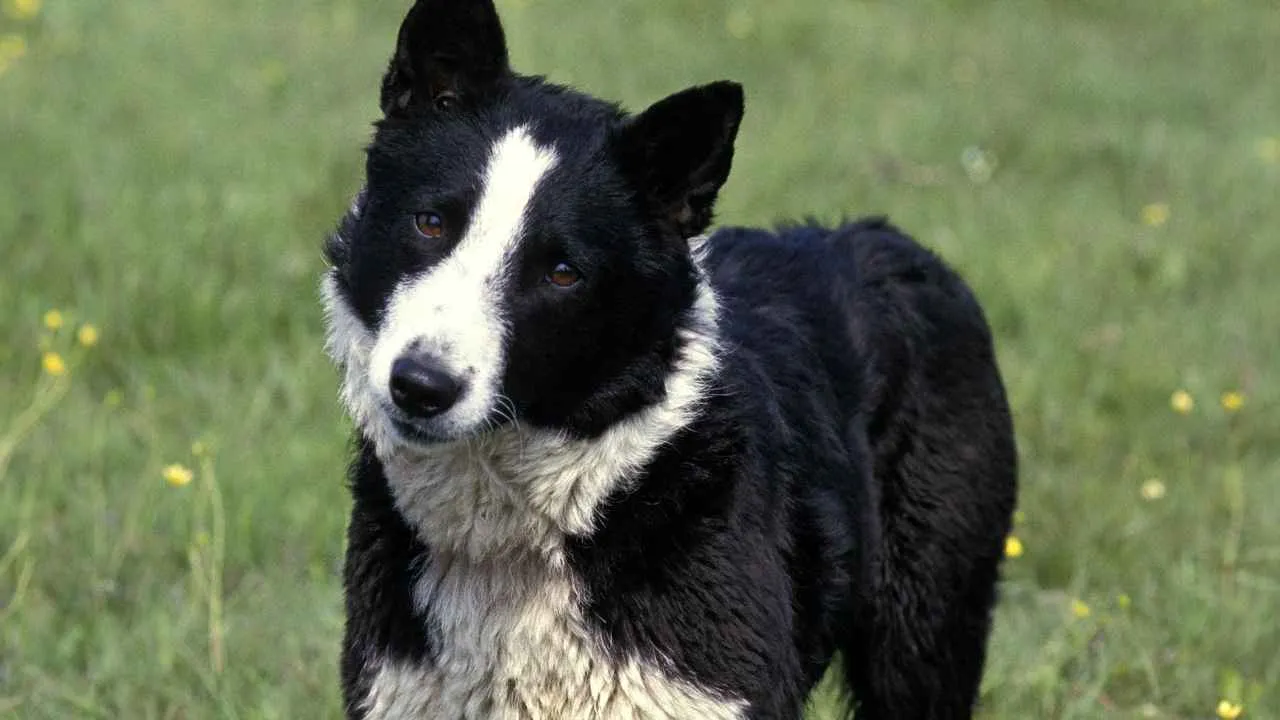
One of the most common dogs in Finland, the Karelian Bear Dog was bred in 1936 to bark at the big game and hunt down bears, boars, moose, and wolves. This dog thrives in protection purposes since it is less aggressive towards people and more aggressive towards other dogs, especially males.
It rarely barks and tends to corner the prey, running back and forth, barking to alert the owner. If the animals try to run away, it nips at their heels and can hold them for a longer period of time. It has a very social nature and can develop separation anxiety if left alone for too long. It is confident enough to sense an upcoming danger because of its strong sense of smell and tracking.
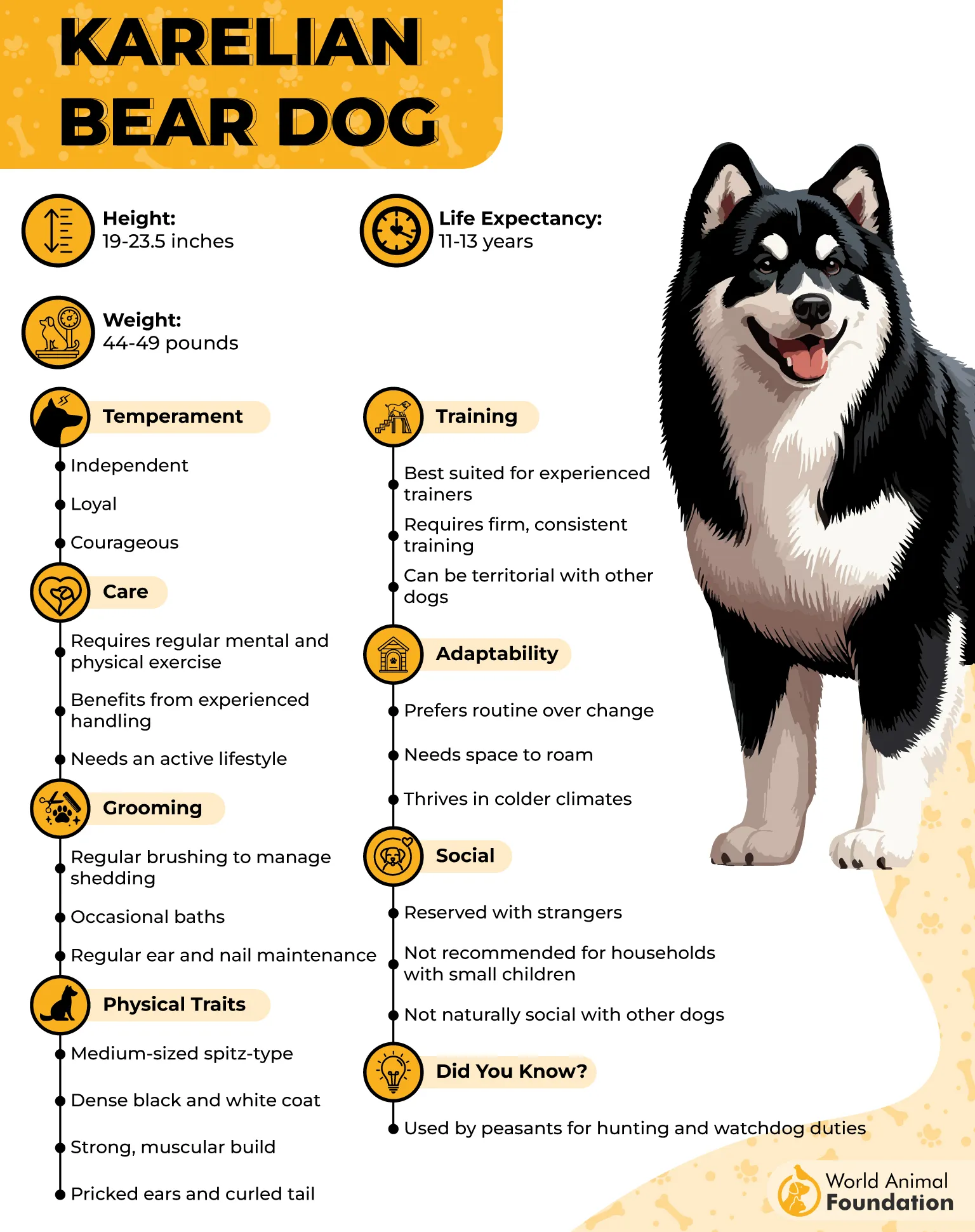
This smart dog has a high prey drive, a strong work ethic, affection for the owner, and a desire to chase prey. All traits combined make it a great choice for active and experienced pet parents. However, leash training and consistent socialization are non-negotiable.
The breed is generally healthy, but is prone to certain health issues: hip dysplasia and eye problems. Being an Arctic breed, it is well-suited for cold climates and needs extra care in hotter environments.
8. Spanish Mastiff
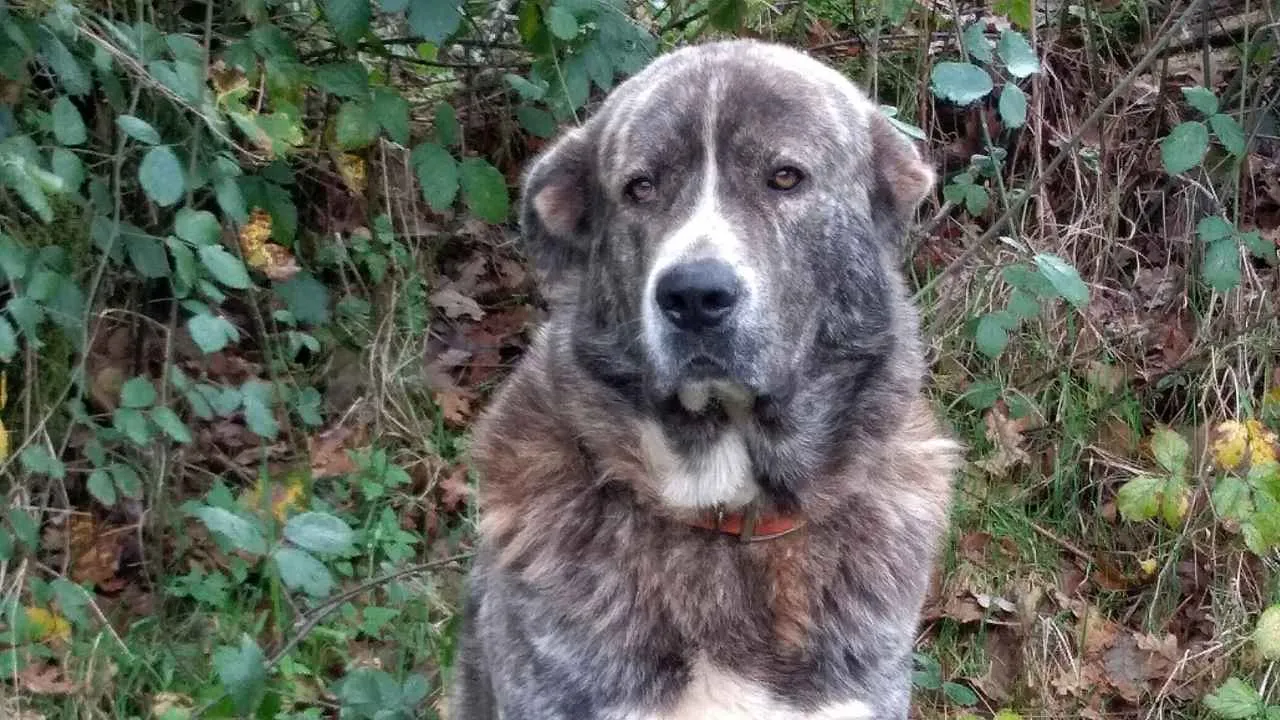
Originally bred in Spain, the breed was developed as a livestock guardian to protect the cattle from wolves and other predators. It has been working for thousands of years, since the Romans invaded the Iberian Peninsula. Unlike other guardian breeds, it may welcome visitors if socialized properly, despite being aloof to them.
It is highly food-motivated; thus, gentle and reward-based training is highly encouraged. It can gallop or lumber, but runs at a steady speed when required (20-25 mph). It growls loudly once it is sure of the threat. It has low energy levels and is not suitable for apartment living because of its massive size (150 pounds).
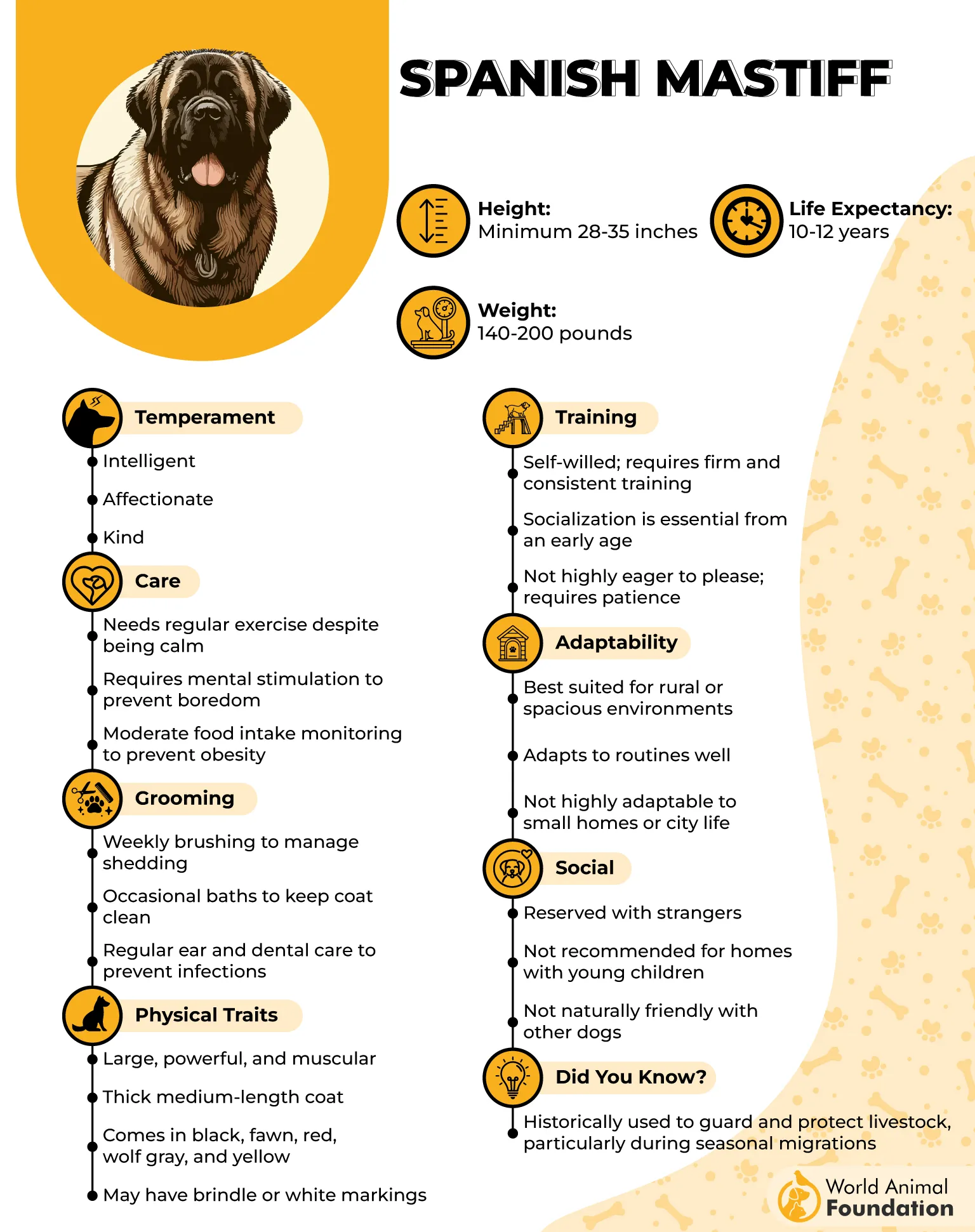
It has a double coat that protects it against harsh weather. Despite its docile nature, it needs consistent and patient training. One moment, it is laid back, and the other moment, it is ready to attack. Independent thinking can sometimes lead to “selective deafness tendency,” where one only listens to certain commands.
9. Great Pyrenees
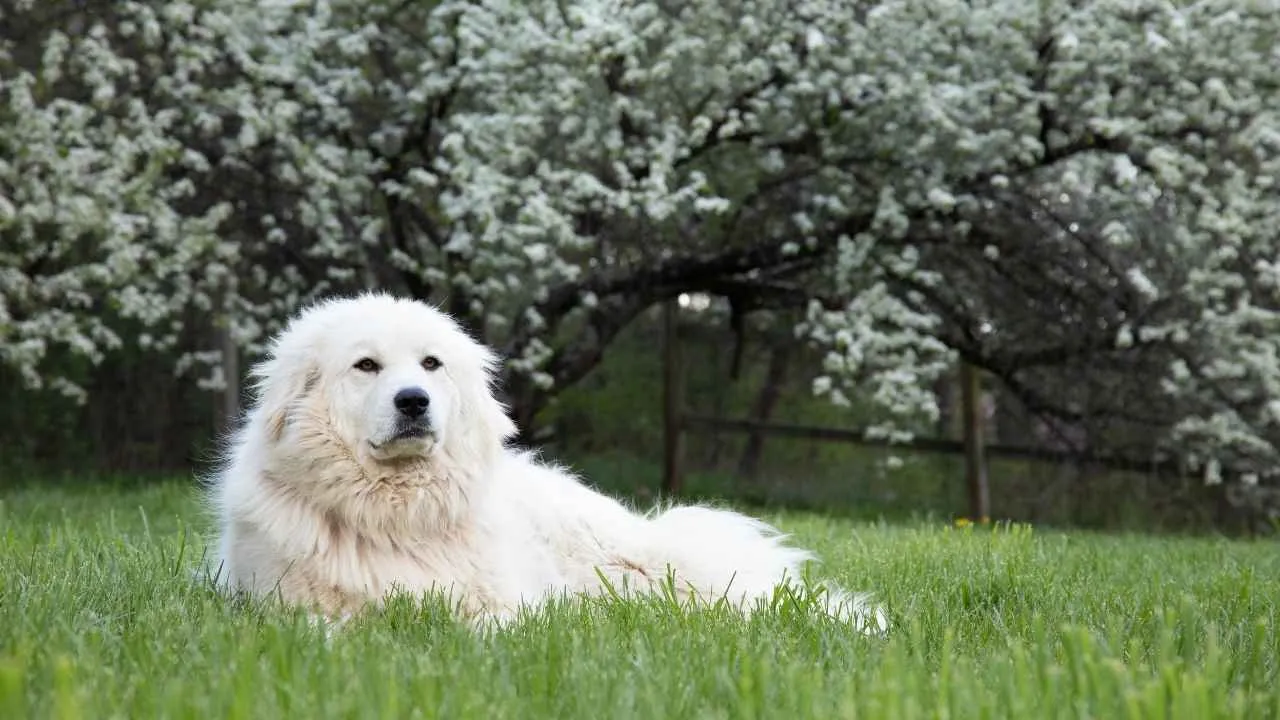
This French breed is a livestock guardian too. It was developed in the Pyrenees Mountains between Spain and France. A nailed collar is used around its neck to prevent a predator’s attack. This was also used to smuggle contraband between Spain and France.
Originally bred to guard livestock in remote mountain regions, this dog is naturally comfortable making decisions on its own and handling situations without constant guidance. Its self-reliant personality makes it well-suited for owners who appreciate a loyal companion with a calm and steady temperament.
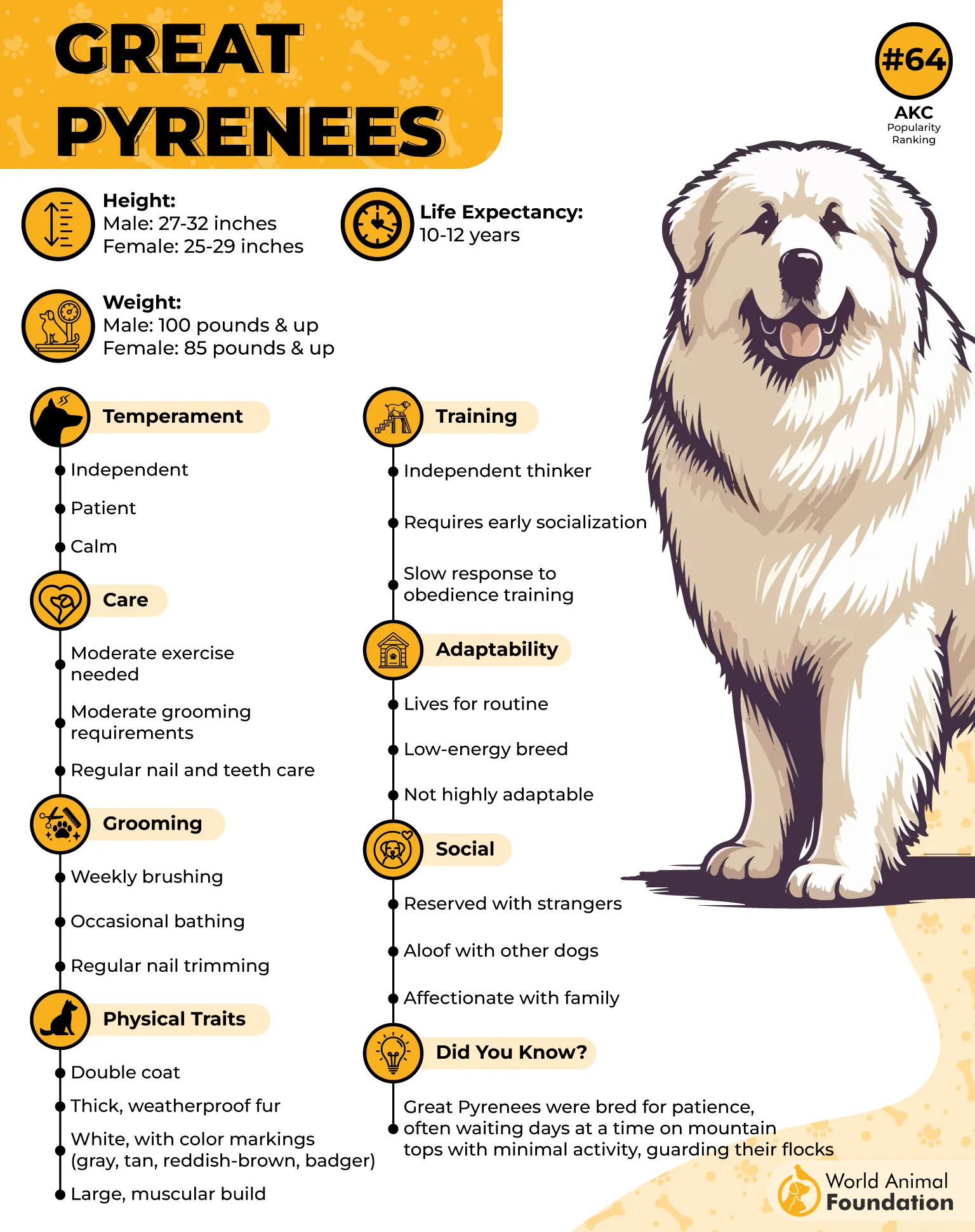
The breed is friendly with family members and gets along well with other pets if raised together. Despite being assertive in nature, it is emotionally sensitive and is able to read the body language and mood of the owner, which helps it take precise and instant action.
Basic obedience training with positive reinforcement is highly recommended from puppyhood.
Conclusion
These nine breeds are not cold, difficult, or unloving. They are just honest. They won’t fake neediness to get attention, and they won’t fall apart the moment you leave for work. The right fit matters more than the right breed ranking.
If you live an active and busy life, and want a dog that stands beside you rather than beneath your feet, one of these large and confident breeds might be exactly what you did not know you were looking for. They are not low-maintenance in any way. But emotionally? They have got themselves covered. And that, honestly, changes everything.
