




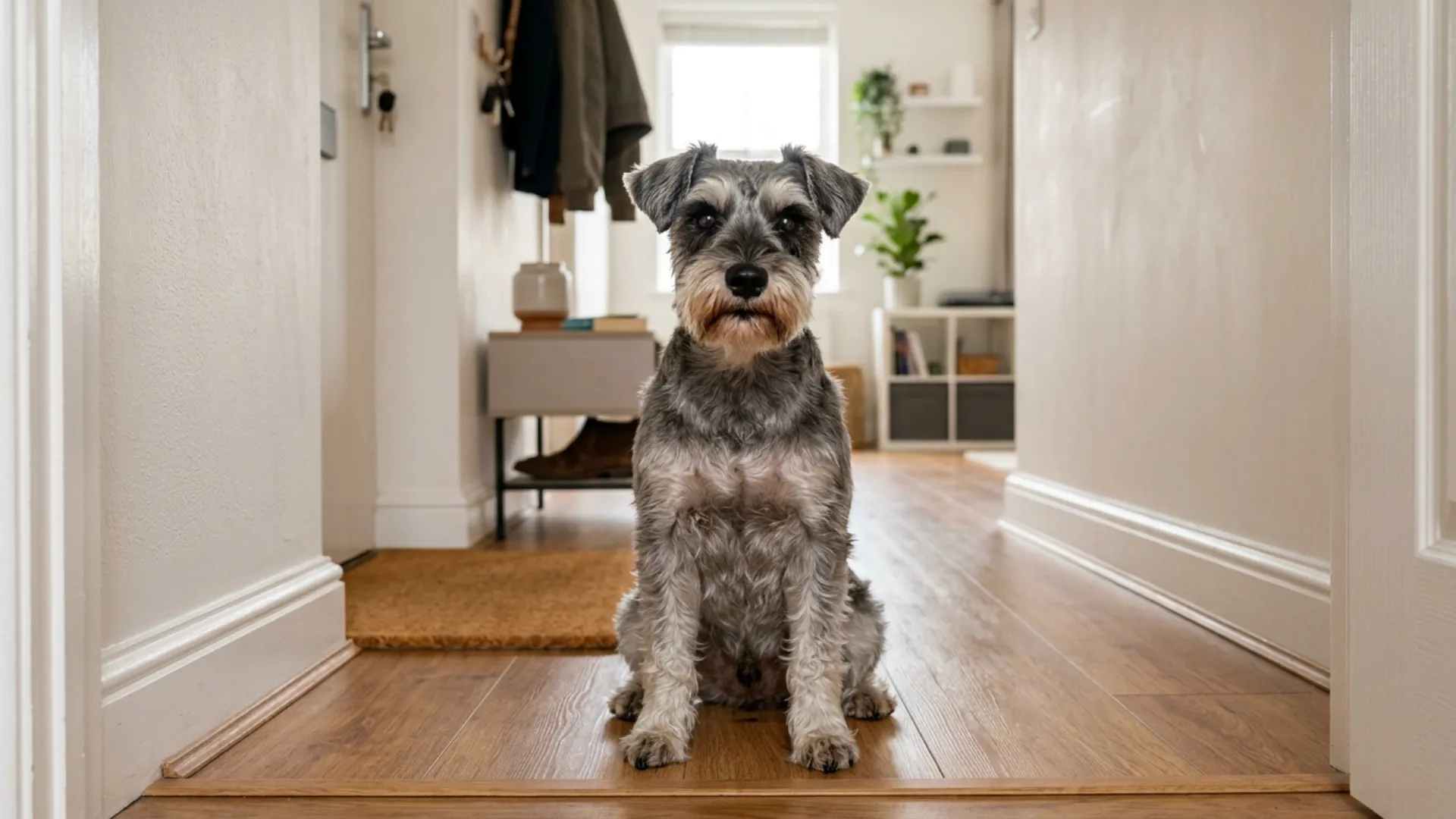
A compact dog can make a small home feel warmer and more secure. The ideal companion is watchful enough to notice trouble but manageable enough for everyday life.
The CDC reports that more than one in four adults aged 65 falls each year, making size and handling more important than they first appear. A dog that darts underfoot or pulls hard can turn reassurance into risk.
Still, “compact” does not automatically mean calm, quiet, or easy. Some little dogs carry opinions, alarm barks, stubborn streaks, and exercise needs that can surprise an unprepared owner.
The smartest choice balances alertness with trainability, grooming, health, and comfort in close quarters. It should match the owner’s mobility, schedule, visitor traffic, and tolerance for a four-legged neighborhood reporter.
So which small sentinels offer useful awareness without taking over the sofa, hallway, and daily routine? The strongest contenders may not be the ones you expect.
Key takeaways
Prioritize control: Choose a dog you can safely lift, leash, and guide through narrow hallways without straining your balance.
Budget daily activity: Plan 30–60 minutes of walking, sniffing, or indoor games according to the individual dog’s energy level.
Train the alarm: Practice a “quiet” cue for five minutes daily so useful warning barks do not become a neighbor dispute.
Prevent household falls: Add nonslip rugs, clear narrow walkways, and install ramps for long-backed dogs before bringing one home.
Price the upkeep: Coats requiring brushing two or three times weekly may also need professional appointments every six to eight weeks.
Compact Guard Dog Breeds Suited for Small Senior Spaces
1. Dachshund

Miniature Dachshunds weigh about 8–11 pounds, making them easier for many seniors to handle. Their sharp hearing and surprisingly powerful bark turn them into compact household alarms.
Compact perk: Their small frame fits apartments and retirement units.
Exercise perk: Short walks and indoor games can satisfy their moderate activity needs.
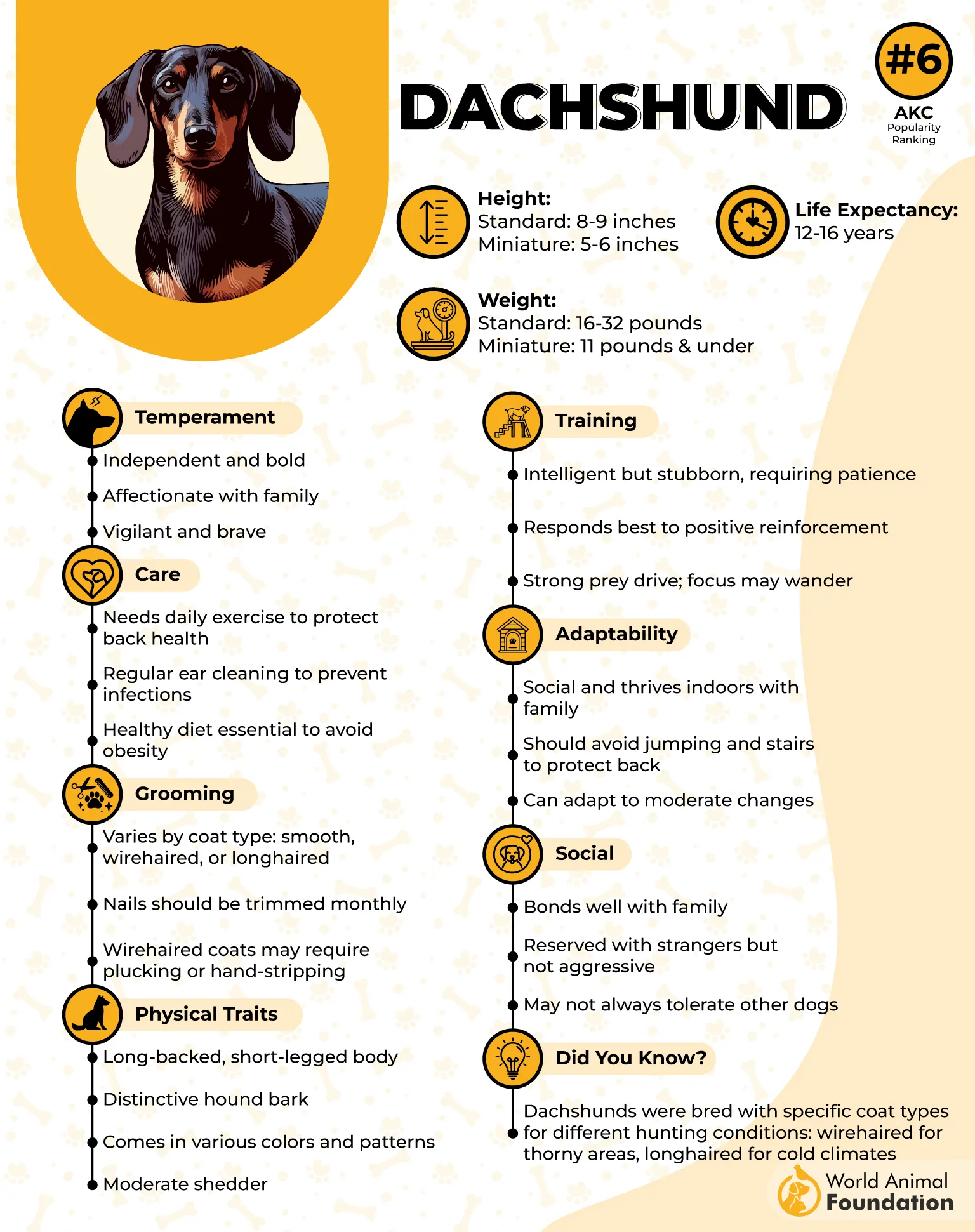
Smooth coats need weekly brushing, while long-haired varieties require more frequent care. Their long backs demand greater attention than their coats.
Key challenge: Jumping, stairs, rough play, and excess weight can strain their vulnerable spines.
Helpful adjustment: Ramps, floor-level beds, and nonslip rugs create a safer home.
VCA Animal Hospitals notes that Dachshunds are intelligent but not always obedient. Short, reward-based sessions work best for teaching bathroom habits, doorway manners, and a reliable “quiet” command.
Apartment life suits them when barking is controlled early. Seniors who can manage their spinal safety gain a portable watchdog with comic confidence and a keen interest in every hallway sound.
2. Miniature Schnauzer
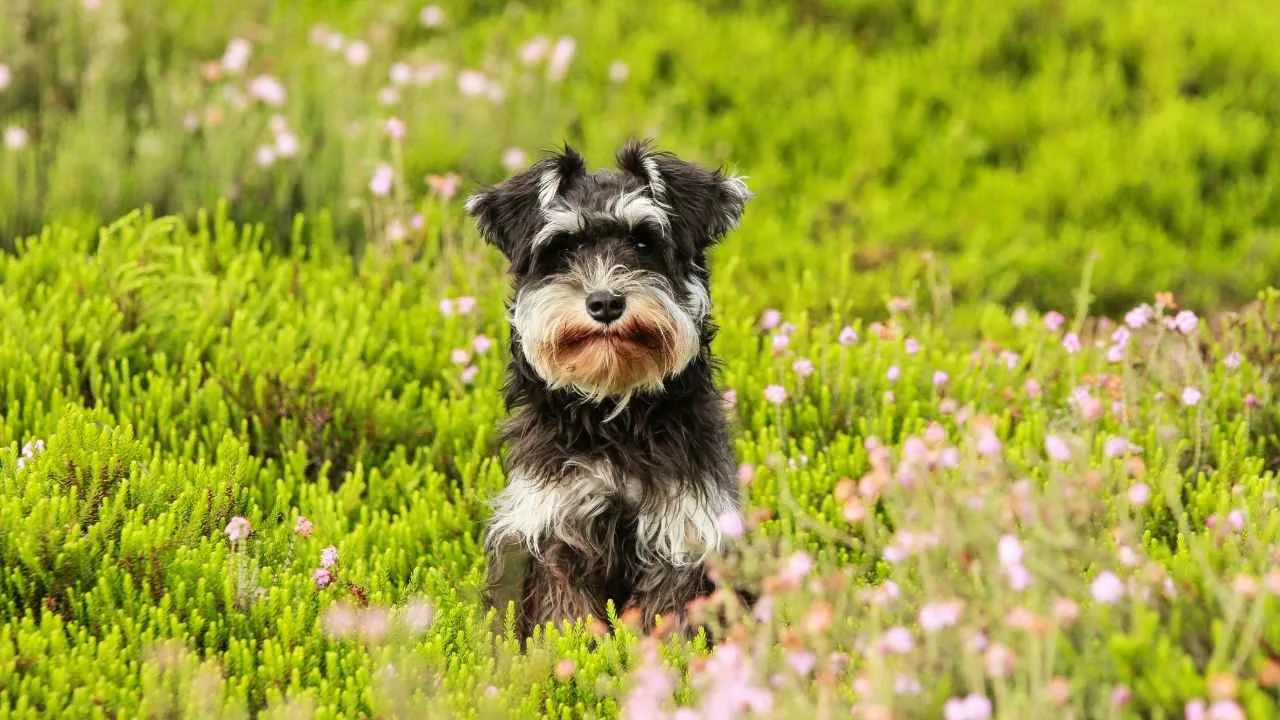
Miniature Schnauzers weigh approximately 13–15 pounds and stand around 13–14 inches tall. Their compact yet sturdy build can feel easier to handle than a fragile toy breed.
Compact perk: They fit smaller homes without disappearing under every chair.
Watchdog perk: They readily announce visitors and unusual noises.
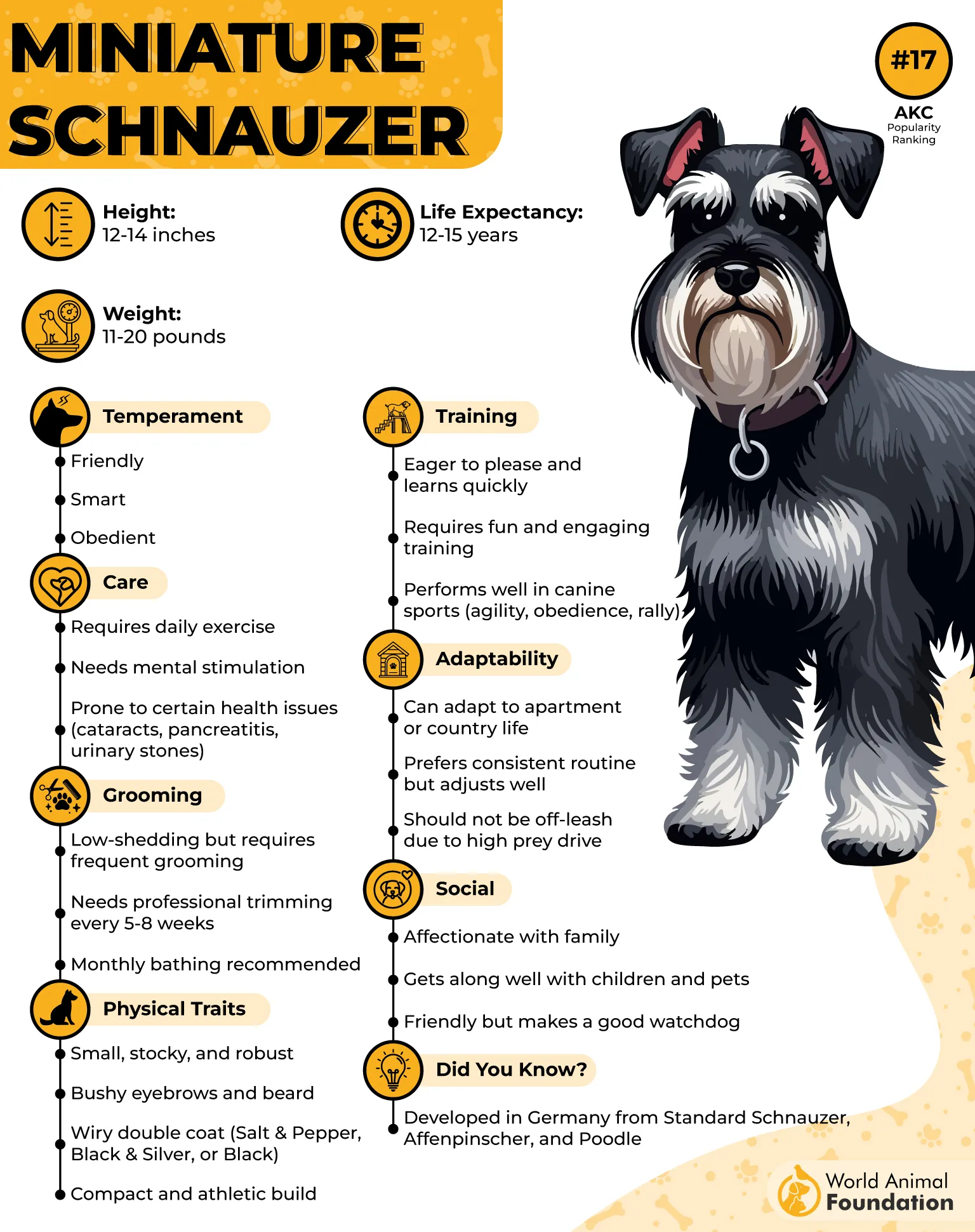
Their wiry coat needs brushing two or three times weekly, plus periodic professional clipping or stripping, according to PDSA.
Key challenge: They need roughly one hour of daily exercise.
Health concern: Bladder stones, pancreatitis, cataracts, and dry eye can occur.
Several short walks may make that activity easier for an active senior. Indoor puzzle toys and brief training games also help occupy their inquisitive minds.
These clever dogs can learn “quiet,” polite greetings, and loose-leash walking through consistent reward-based training. Apartment living works well when exercise and barking are managed, making the breed a strong choice for seniors who still enjoy an active routine.
3. Schipperke
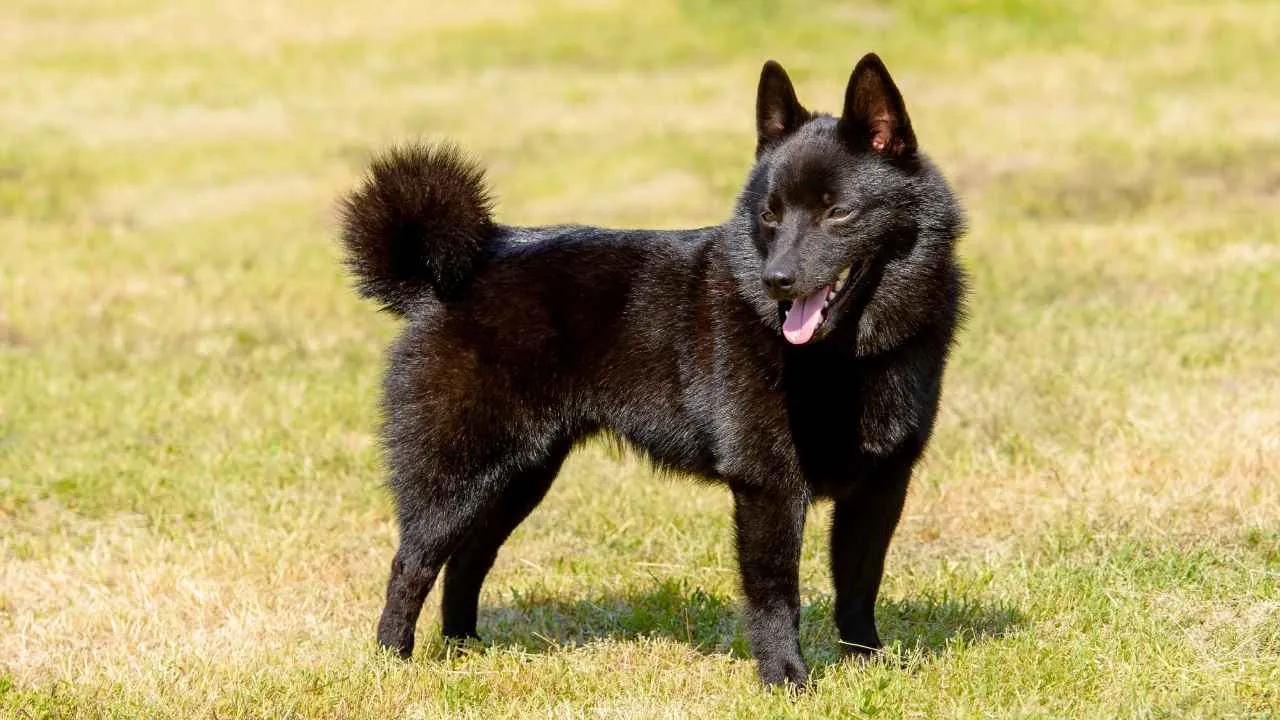
The Schipperke weighs about 12–17 pounds and stands 8–13 inches tall, according to Purina. Originally used on barges, it could live in cramped cabins while watching cargo and hunting rats.
Compact perk: Its small frame fits apartments and city homes.
Watchdog perk: Unfamiliar noises and visitors rarely go unnoticed.

The thick coat needs a thorough weekly brushing, while regular shedding keeps the vacuum employed.
Key challenge: It requires 30–60 minutes of varied daily exercise.
Health concern: Patellar luxation, Legg–Perthes disease, and mucopolysaccharidosis Type IIIB may occur.
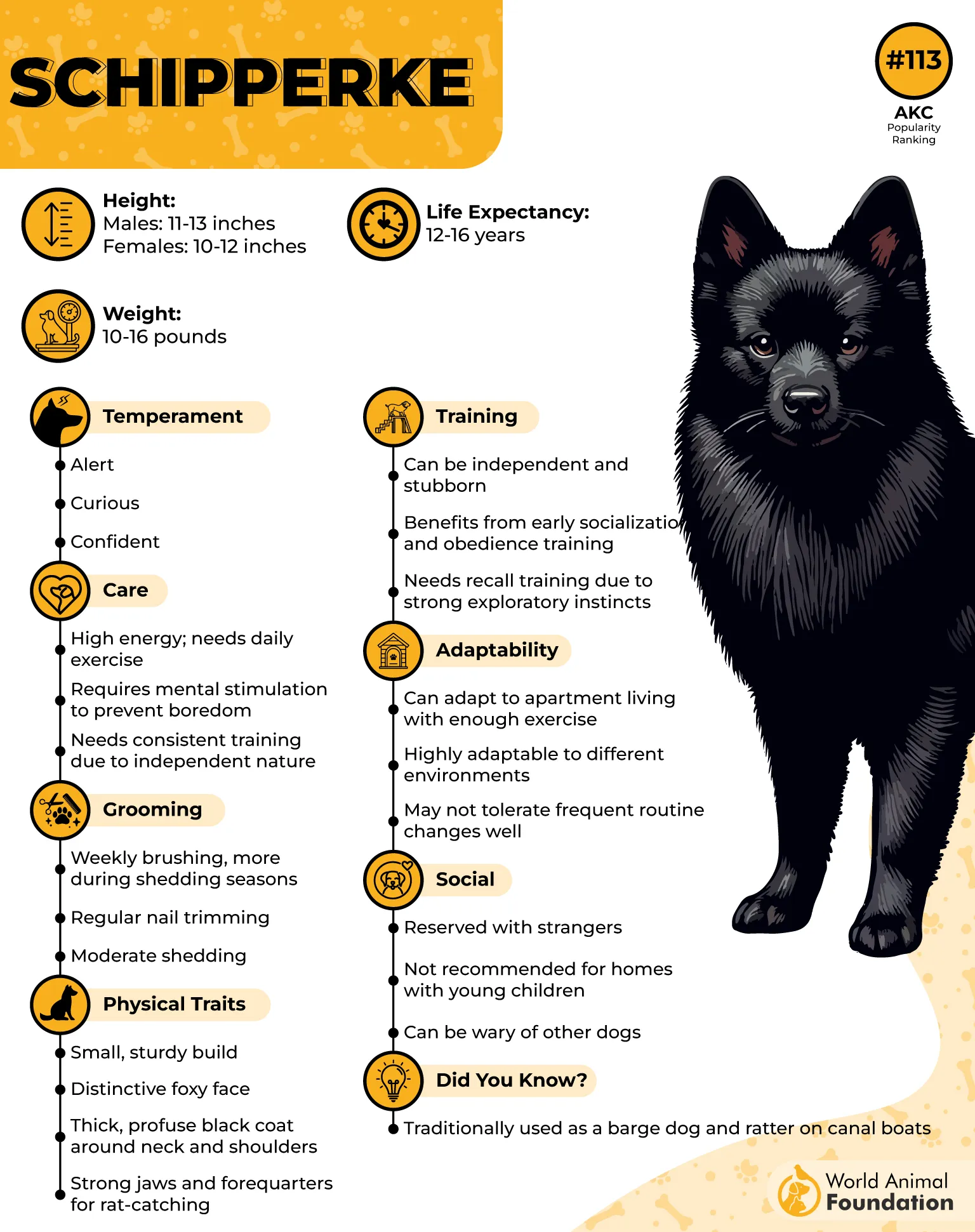
This clever troublemaker needs food rewards, toys, and changing walking routes to remain engaged. Recall and “quiet” deserve special attention because Schipperkes can chase small animals and enthusiastically report neighborhood activity.
Apartment living is possible, but thin walls and inactivity create problems. This breed best suits an active senior who enjoys purposeful walks and training, not someone seeking a quiet lapdog with minimal demands.
4. Pekingese

Small enough for a lap, loud enough for the hallway. The Pekingese weighs up to 14 pounds but quickly announces visitors, deliveries, and suspicious door sounds.
Senior perk: Moderate exercise needs suit a slower daily routine.
Watchdog perk: Alert, confident, and naturally vocal around strangers.
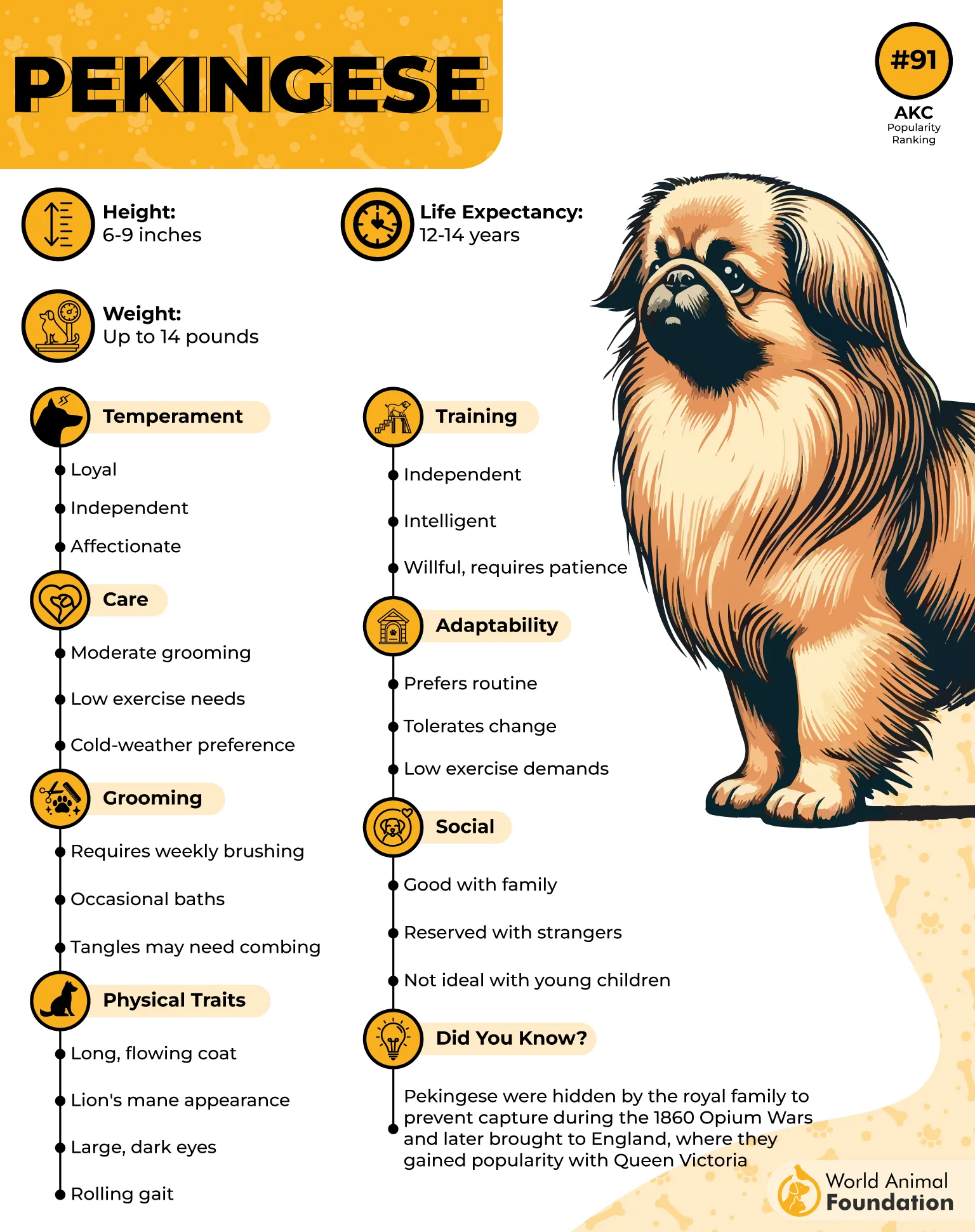
That glamorous coat is real work. PetMD recommends at least one hour of brushing weekly, while facial folds and exposed eyes need regular cleaning.
Key challenge: Its flat face can make breathing and cooling difficult.
Best routine: Choose gentle walks and avoid hot weather.
Positive training helps control barking, though this dignified little ruler may question commands. It suits seniors who want an observant indoor dog and can manage its grooming and health needs.
5. Tibetan Spaniel

Check the highest chair first—that is probably where the Tibetan Spaniel is running surveillance. Tibetan monks once used these small dogs as elevated lookouts that barked when visitors approached.
Senior perk: Its compact frame fits smaller homes comfortably.
Watchdog perk: Window activity and unfamiliar footsteps receive immediate attention.
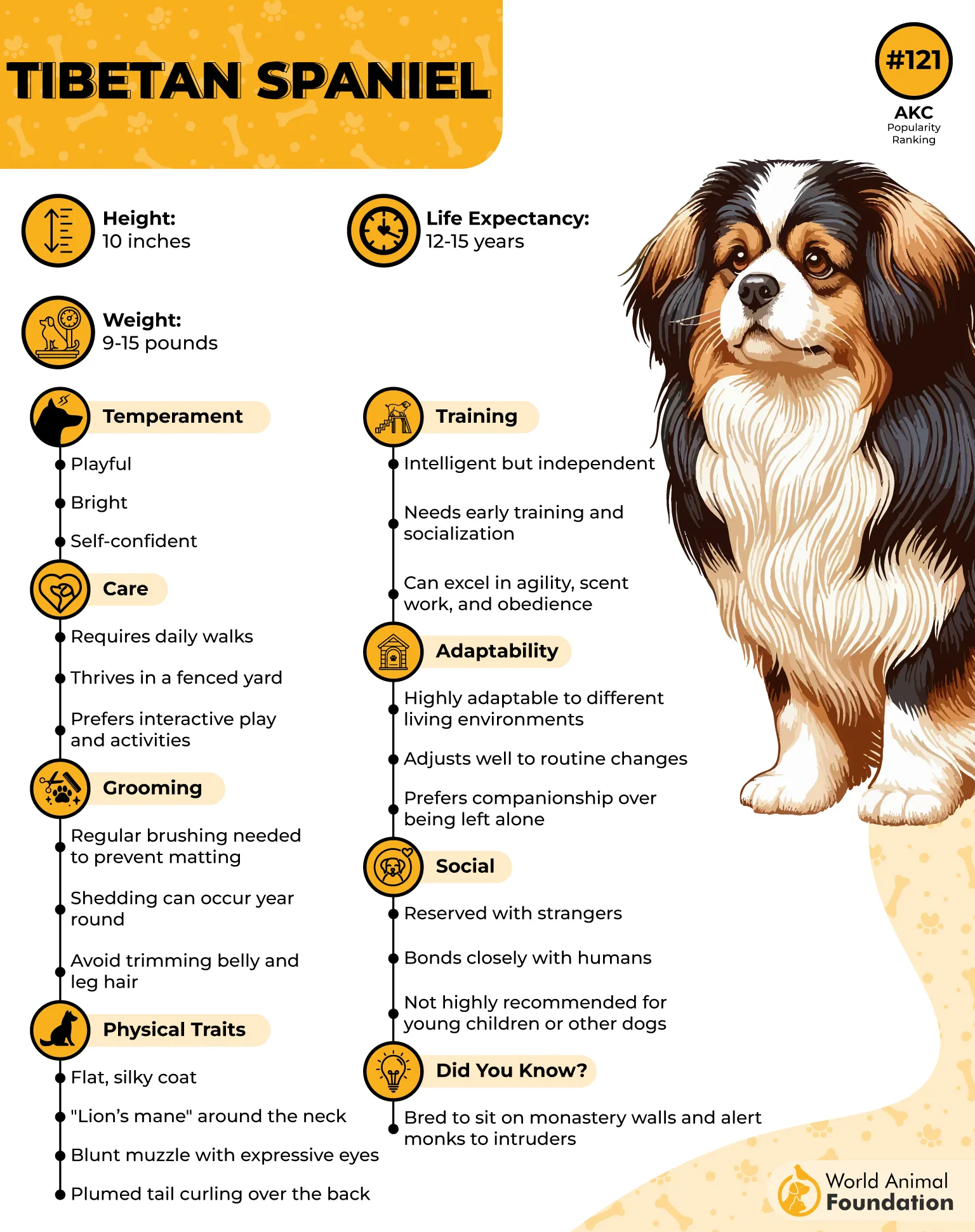
This compact dog weighs 15–20 pounds and needs up to one hour of daily exercise. The silky coat needs brushing several times weekly.
Key challenge: It can become extremely vocal or unhappy when left alone frequently.
Health concern: Breathing problems, eye ulcers, and kneecap issues may occur.
Reward-based training can shape its alert bark into a controlled warning. This tiny supervisor best suits a senior who spends plenty of time at home.
6. Yorkshire Terrier

This 7-pound dog apparently never received the memo about being tiny. The Yorkshire Terrier meets strange sounds with terrier confidence and a surprisingly effective alarm bark.
Senior perk: Its miniature size makes transport and handling convenient.
Watchdog perk: Few hallway noises escape those upright ears.
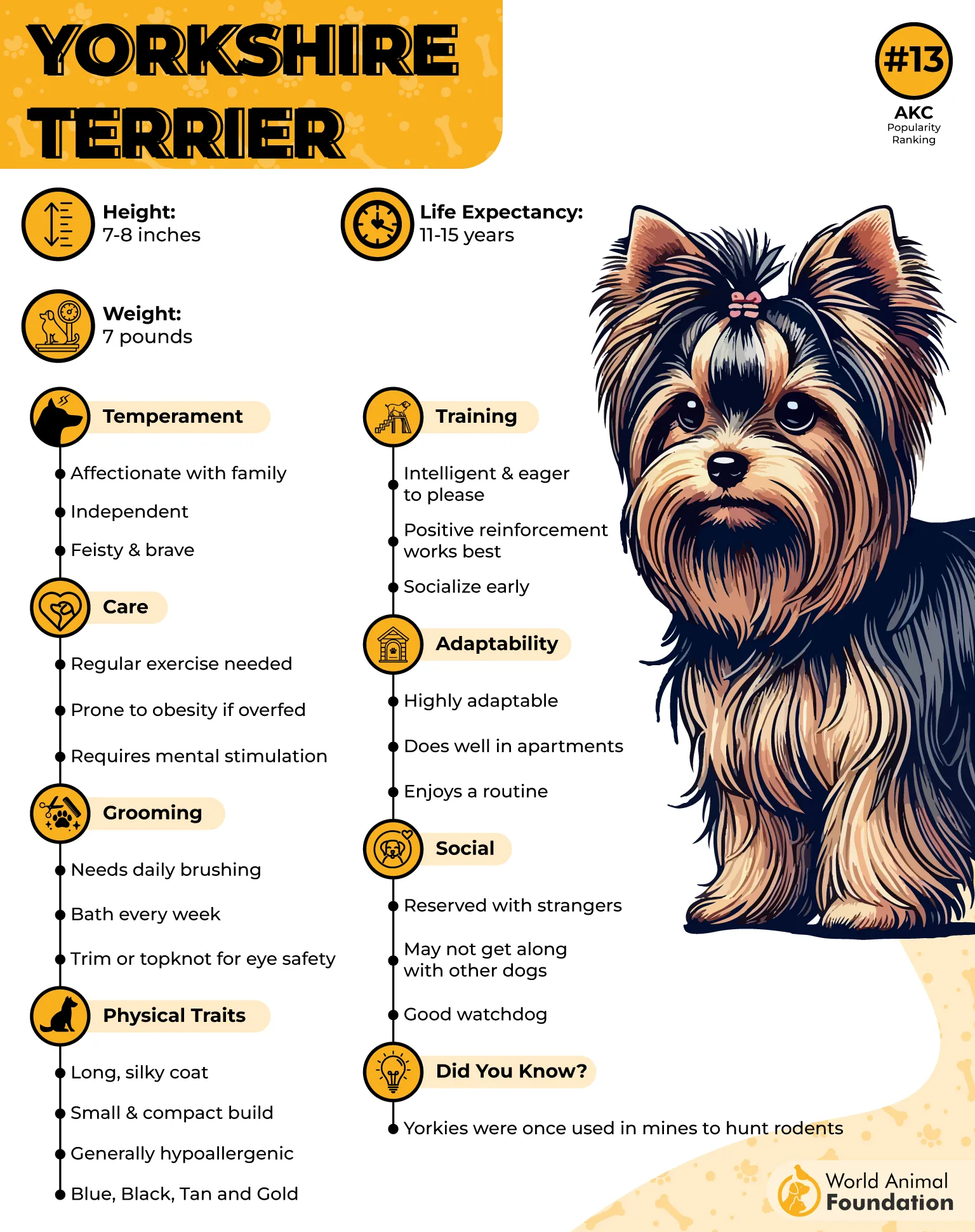
Yorkies need around 30–40 minutes of daily exercise. Their long coats require daily grooming, although a short trim reduces the workload.
Key challenge: Fragile bones make falls and accidental kicks serious concerns.
Health concern: Dental trouble, slipping kneecaps, and tracheal collapse can occur.
Patient training is essential because Yorkies can be stubborn and vocal. They suit attentive dog owners who want maximum watchdog attitude in minimum floor space.
7. Lhasa Apso
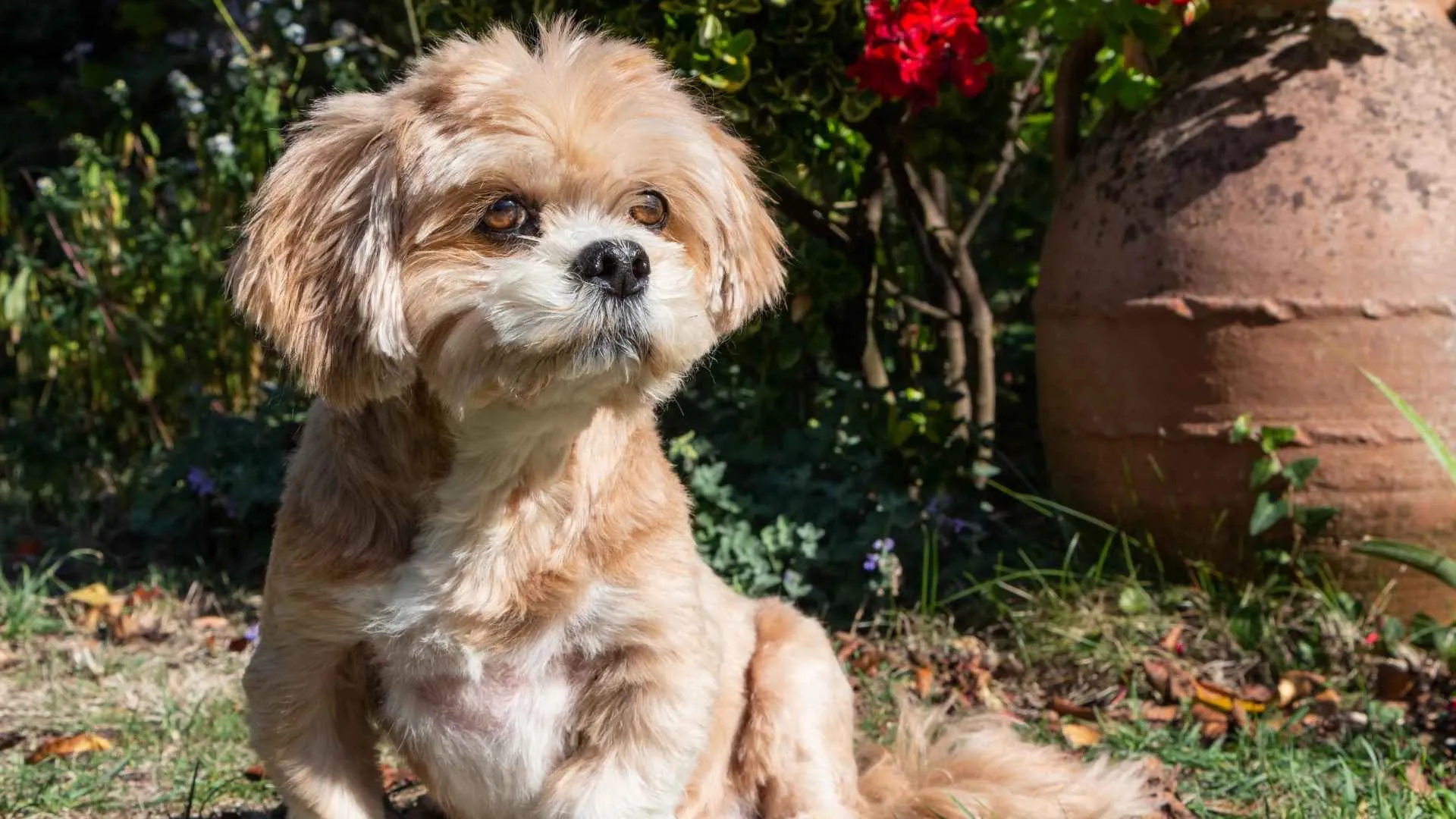
The door creaks, and the Lhasa Apso is already investigating. Tibetan monasteries once relied on these “bark lion sentinel dogs” to announce approaching visitors.
Senior perk: One or two short walks plus indoor games can meet its exercise needs.
Watchdog perk: Natural suspicion gives its warnings real purpose.
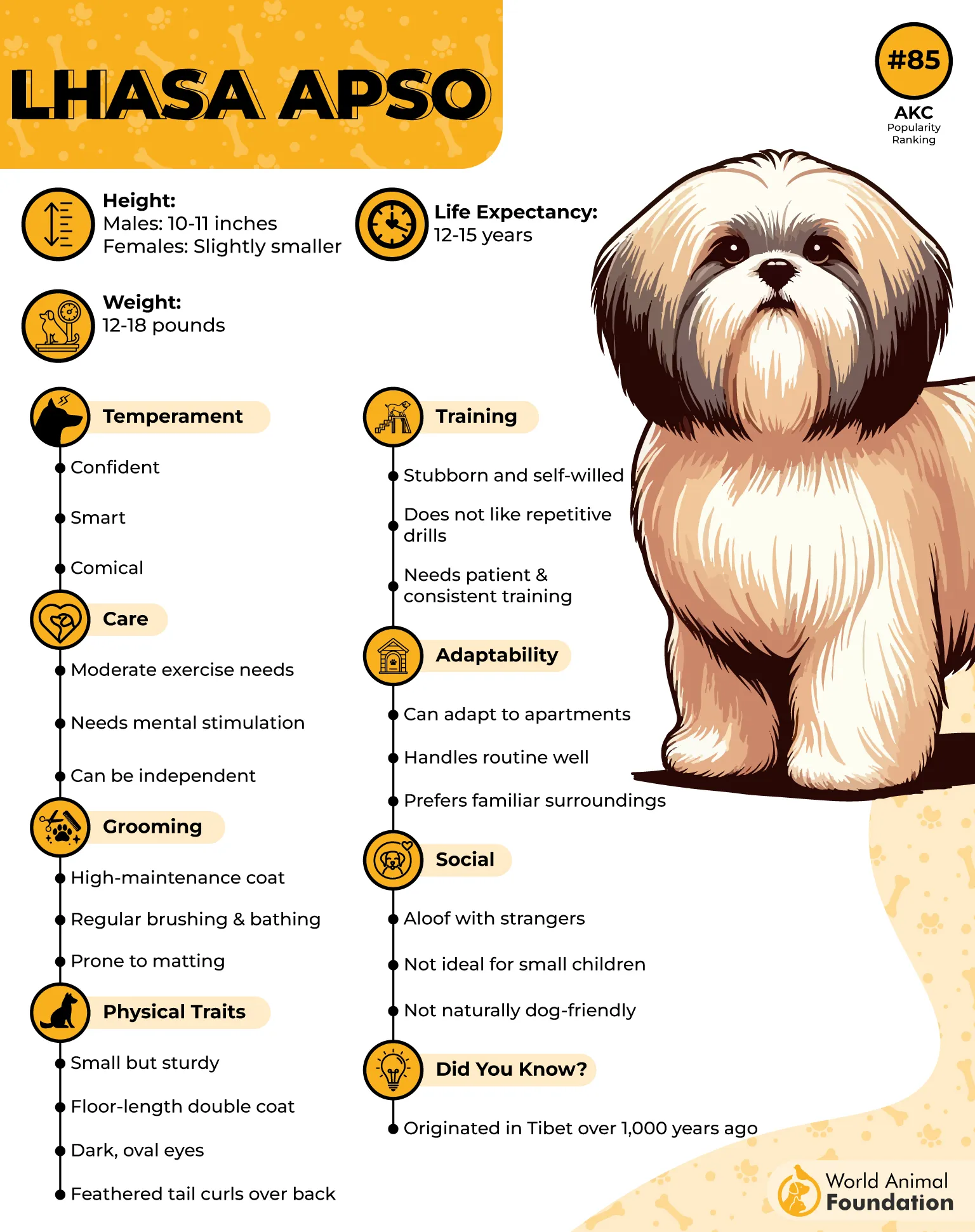
The breed stands at 10–11 inches tall and weighs 13–15 pounds. Its long coat needs brushing every other day, though a shorter trim is easier to manage.
Key challenge: Independence can make house-training and obedience slower.
Training priority: Reward quiet behavior and introduce visitors gradually.
The Lhasa fits apartments when barking is controlled. It works best for seniors who appreciate a compact watchdog with ancient instincts and a mind of its own.
Conclusion
The best small dogs for senior residents balance manageable size, companionship, and enough protective sense to sound the alarm without excessive barking. With the right training, daily walks, and regular grooming, these alert pets can readily adapt to a quieter lifestyle.
Some other options may include the French Bulldog for easygoing charm, Bichon Frise for playful spirit, Boston Terrier for friendly confidence, Shih Tzu for lap-loving company, Pembroke Welsh Corgi for sharp awareness, and English Bulldog for calm loyalty.
Before choosing your best friend, visit a reputable shelter with family, discuss health and maintenance needs, then walk an adult dog to see how its energy, leash manners, and personality fit your routine.
