




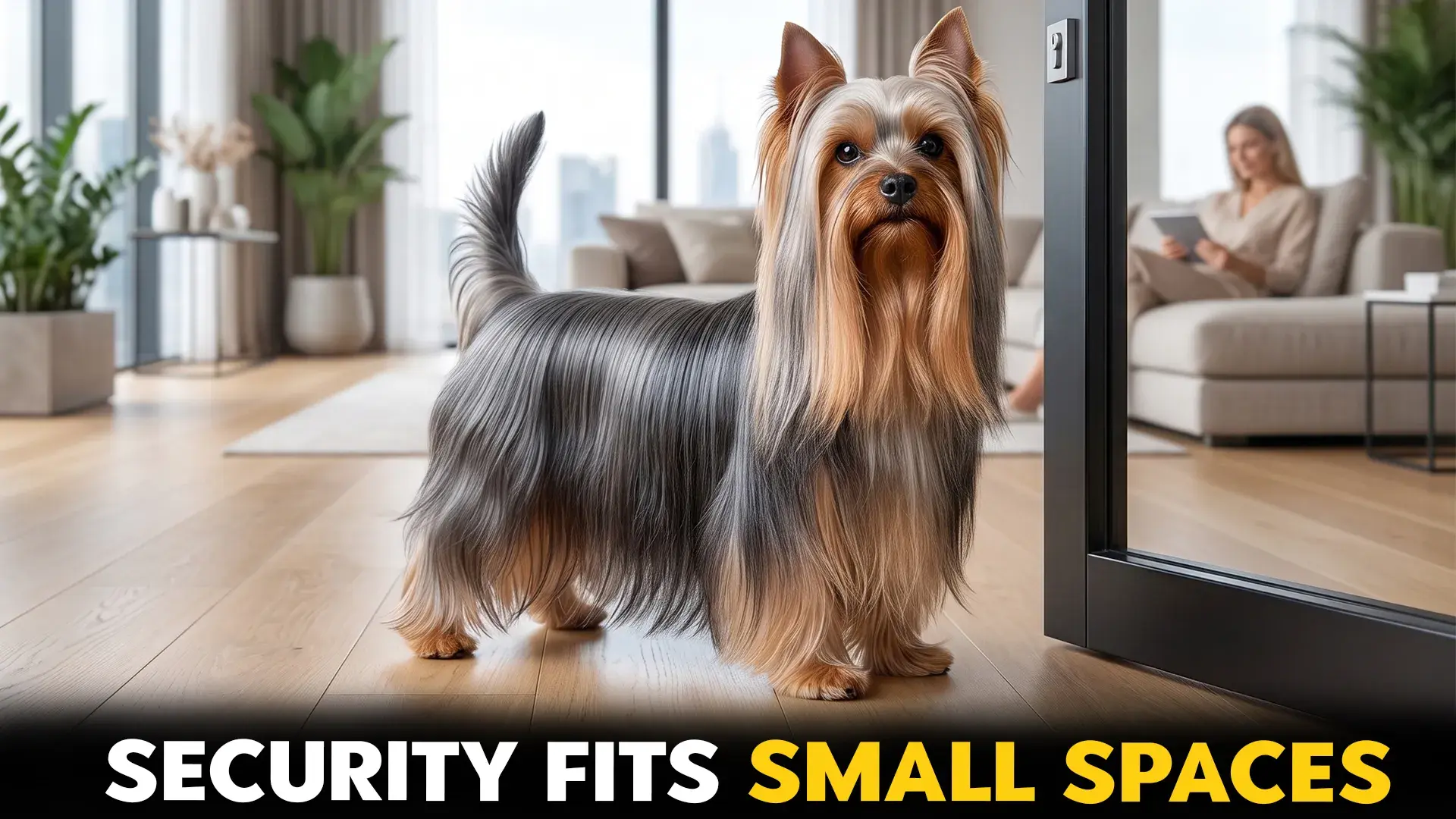
The way people choose guard dogs has changed over the years. Large properties and spacious yards are no longer the standard, which means practical decisions matter more than impressive appearances.
Apartment owners are paying closer attention to temperament, adaptability, noise levels, and daily manageability before bringing a dog home. It is a thoughtful approach because living in a shared building comes with responsibilities that go beyond personal preference.
A reliable guard dog should help you feel more secure without creating constant disruption for everyone around you. That balance depends on far more than physical strength. Confidence, intelligence, loyalty, and self-control often make a greater difference than sheer size.
The breeds featured next stand out for combining protective instincts with apartment-friendly personalities, offering a practical blend of security, companionship, and everyday comfort for modern living.
Key Takeaways
Apartment living changes what makes a great guard dog, and size quickly becomes one of the least important parts of the story.
The Pomeranian on this list once weighed around 30 pounds before generations of breeding transformed it into the compact companion people know today.
From the quick reactions of the Maltese to the watchful nature of the Silky Terrier, these little dogs notice far more than most people expect.
There is a good chance one of these tiny protectors will surprise you long before you reach the end of the list.
Top Compact Guard Dog Breeds for Apartment Living Security
1. Cavalier King Charles Spaniel
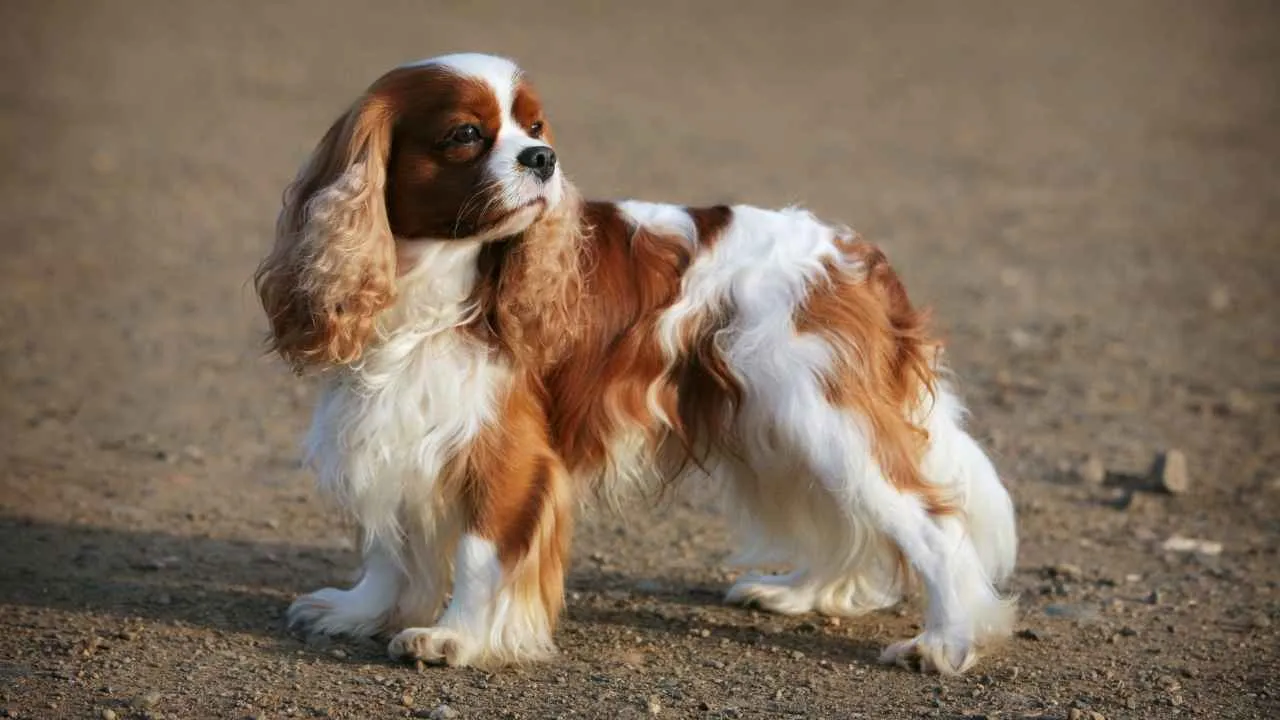
Cavalier King Charles Spaniel shares a long association with British royalty, taking its name from King Charles I and King Charles II, who famously kept these dogs close, even during visits to Parliament. That close companionship still reflects the breed’s people-focused personality today.
Small but Alert
This small apartment dog pays close attention to activity around the home and often responds to unexpected sounds with a quick, sharp bark. With consistent training, that alert response can be limited to a bark or two before settling back down.
Here’s another reason to admire it:
They are “love sponges” that thrive on human companionship
Excellent playmates and buddies for children
Bred to comfort people in drafty castles
Friendly Around Others
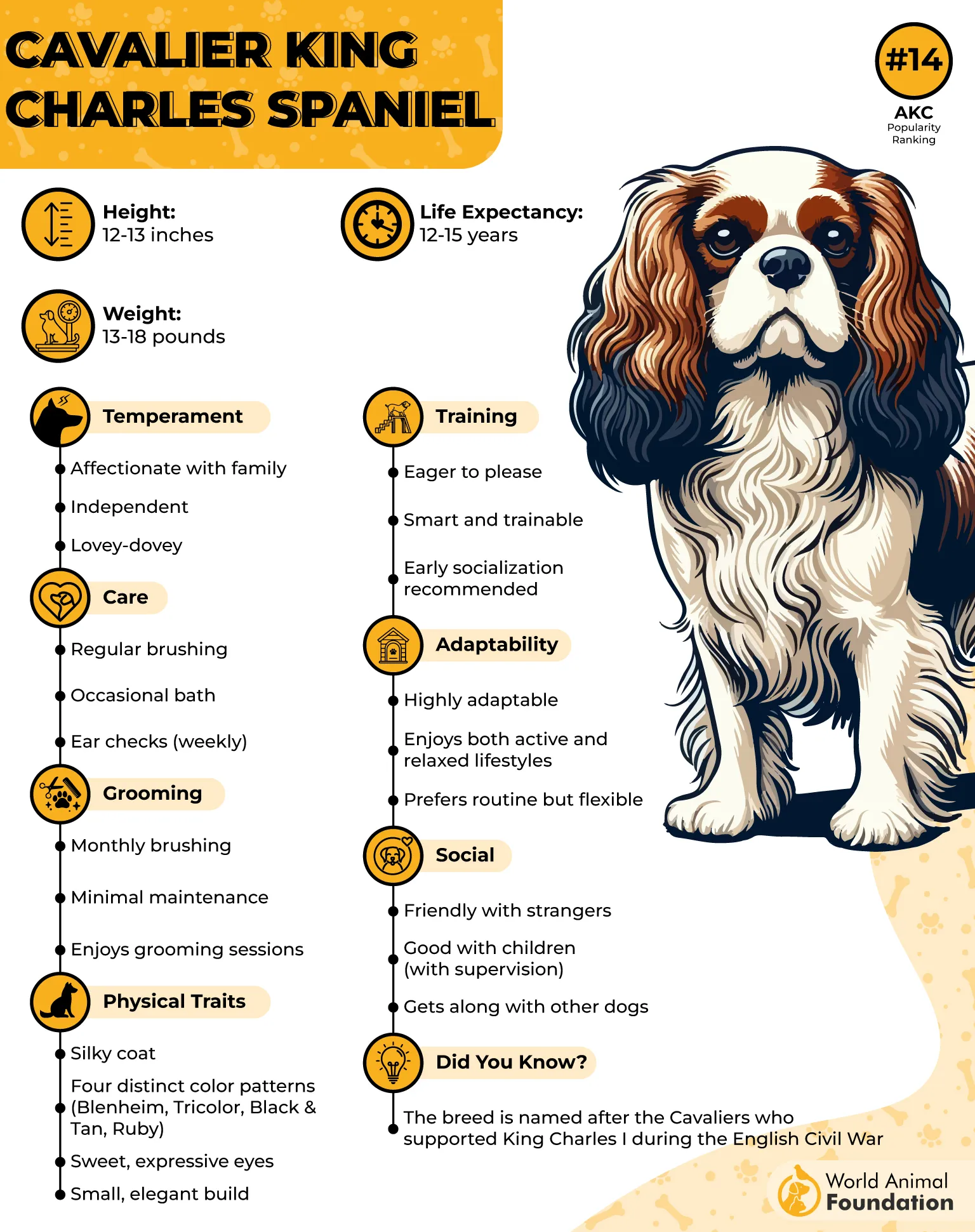
According to PetMD, the Cavalier King Charles Spaniel fits comfortably into homes with children, other pets, and frequent visitors because of its patient and gentle temperament. Long periods without human company can be difficult for this breed, which prefers regular interaction throughout the day.
2. Maltese
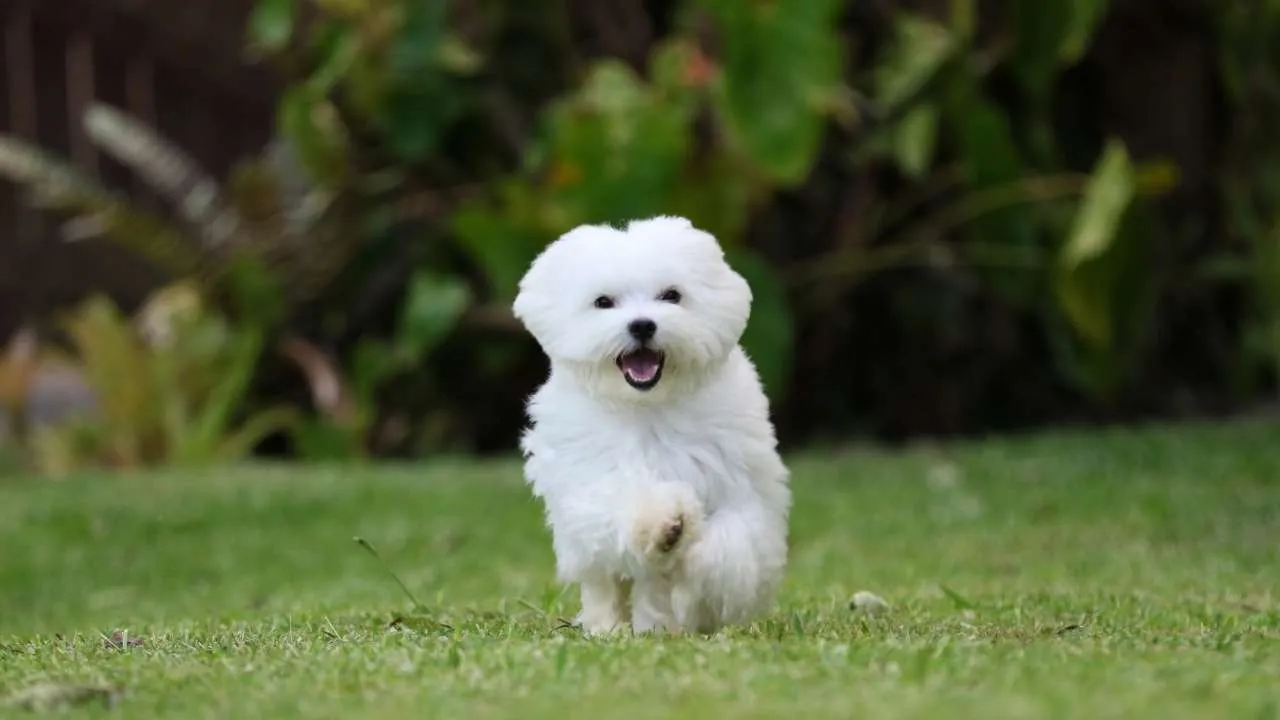
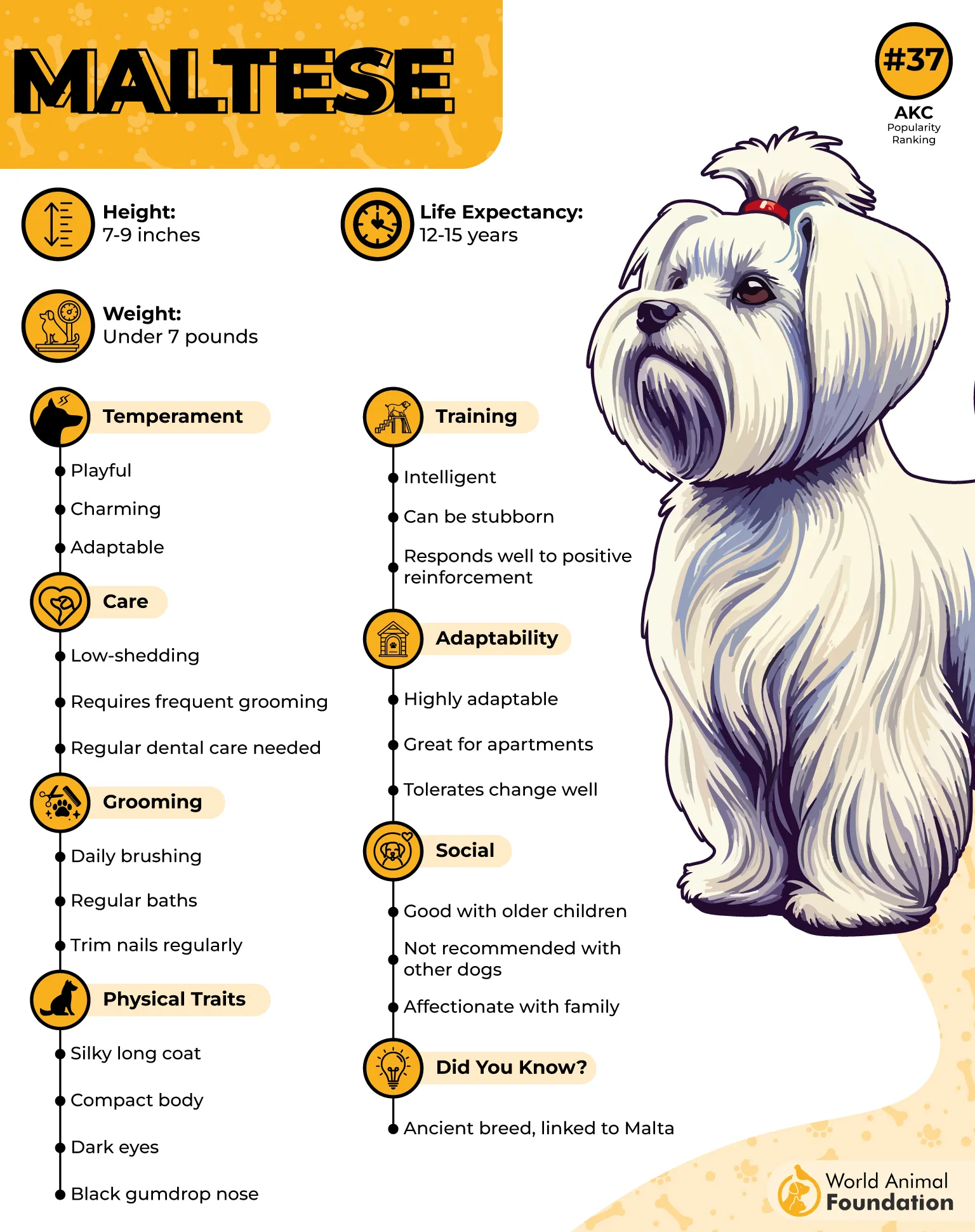
Maltese traces its early recognition to the Mediterranean island of Malta, where this tiny companion was already appearing in Ancient Greek and Roman writings centuries ago. Its size may be modest, yet its sharp hearing and constant awareness make it quick to notice unfamiliar sounds around the home.
Quick to React
They are always aware of everyday activity around them, which is why they often react to triggers such as passing cars or even the sound of the wind. That alert nature makes this breed a dependable household alarm, even without the size of traditional protective dog breeds.
Behind the cheerful personality:
Protective behavior may lead to barrier aggression without structure
Prone to developing separation anxiety
Smart and picks up training cues easily
Family Life
Maltese have an affectionate and friendly temperament, making them an enjoyable companion for families who understand their small size, as Omlet noted. Homes with older children are generally a better fit, since energetic play from younger kids can accidentally injure such a tiny dog.
3. Silky Terrier
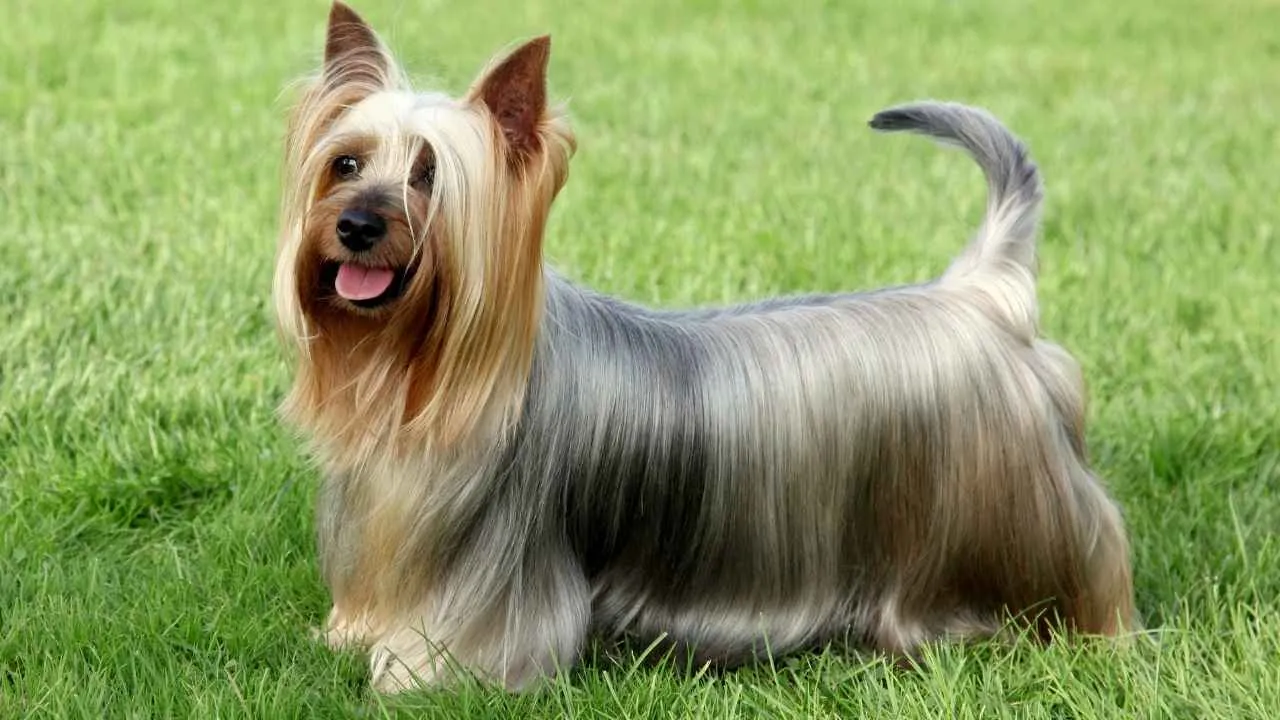
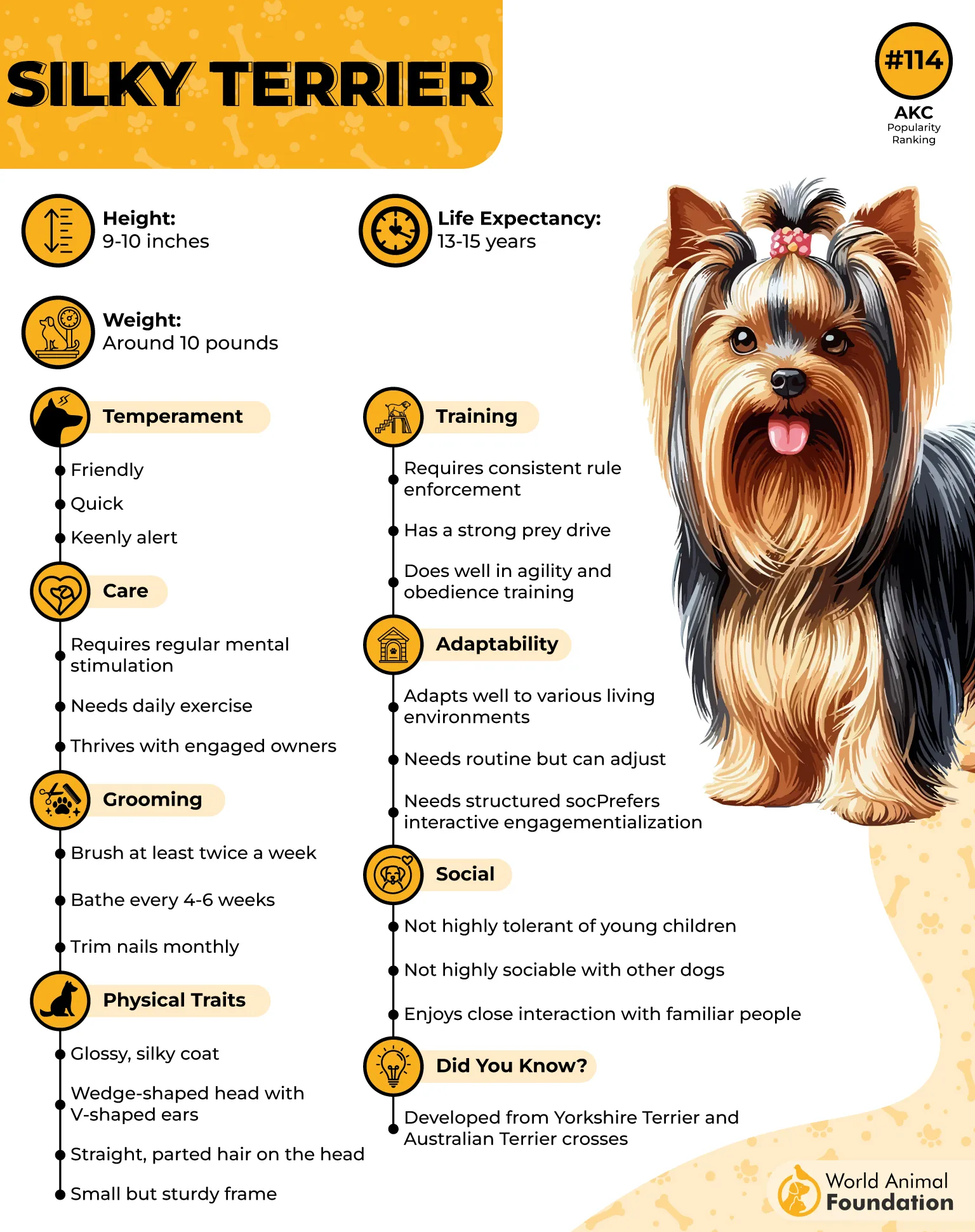
Silky Terrier came together in the early 1900s after Australian Terriers were crossed with imported Yorkshire Terriers, creating a lively toy breed with a sharp awareness of its surroundings. Its upright V-shaped ears and attentive nature help it notice visitors and unfamiliar activity quickly.
Voice With a Purpose
This small guard dog often barks to alert its family or to attract attention, making early guidance an important part of daily life. Puppy socialization before 16 weeks can also help reduce barking at unfamiliar people and dogs later on.

A few details add another layer to this breed:
Long, blue, and tan silky coat
Wedge-shaped facial structure
Inherits a strong prey drive from its parent breeds
Family Life
Silky Terrier enjoys spending time with familiar people and can get along well with children and other pets when introduced at an early age, as Purina notes. That combination of affection, alertness, and compact size fits naturally into homes where living space is more limited.
4. Pomeranian
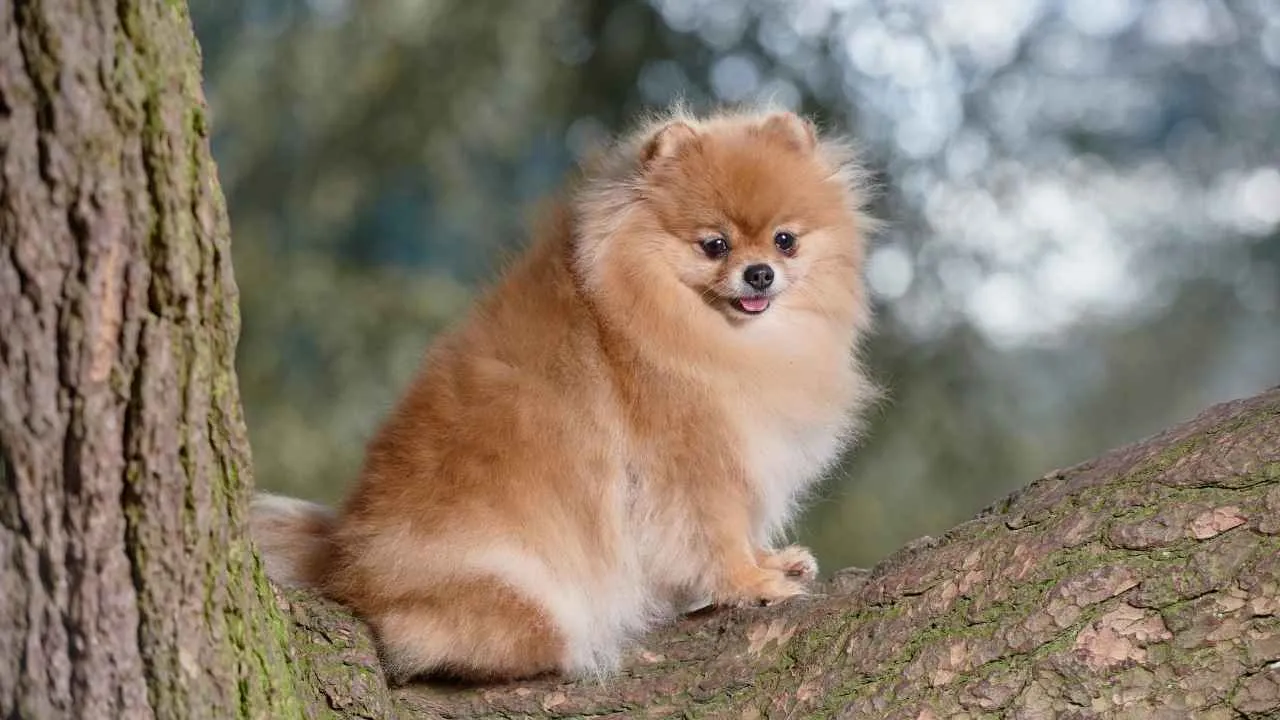
Pomeranians descended from much larger Spitz working dogs, including breeds such as the Samoyed, Chow Chow, Akita, and Alaskan Malamute. Earlier Pomeranians weighed around 30 pounds and even helped with herding before gradually becoming the compact companion recognized today.
Naturally Alert
This small dog brings plenty of confidence into a very small frame, making it quick to notice everyday activity around the home. That lively personality, paired with intelligence, helps this breed learn routines and enjoy training with positive reinforcement.
Small details make a difference:
Delicate size calls for extra care around very young children
Fits well with families, singles, and older adults
Positive socialization is essential from puppyhood
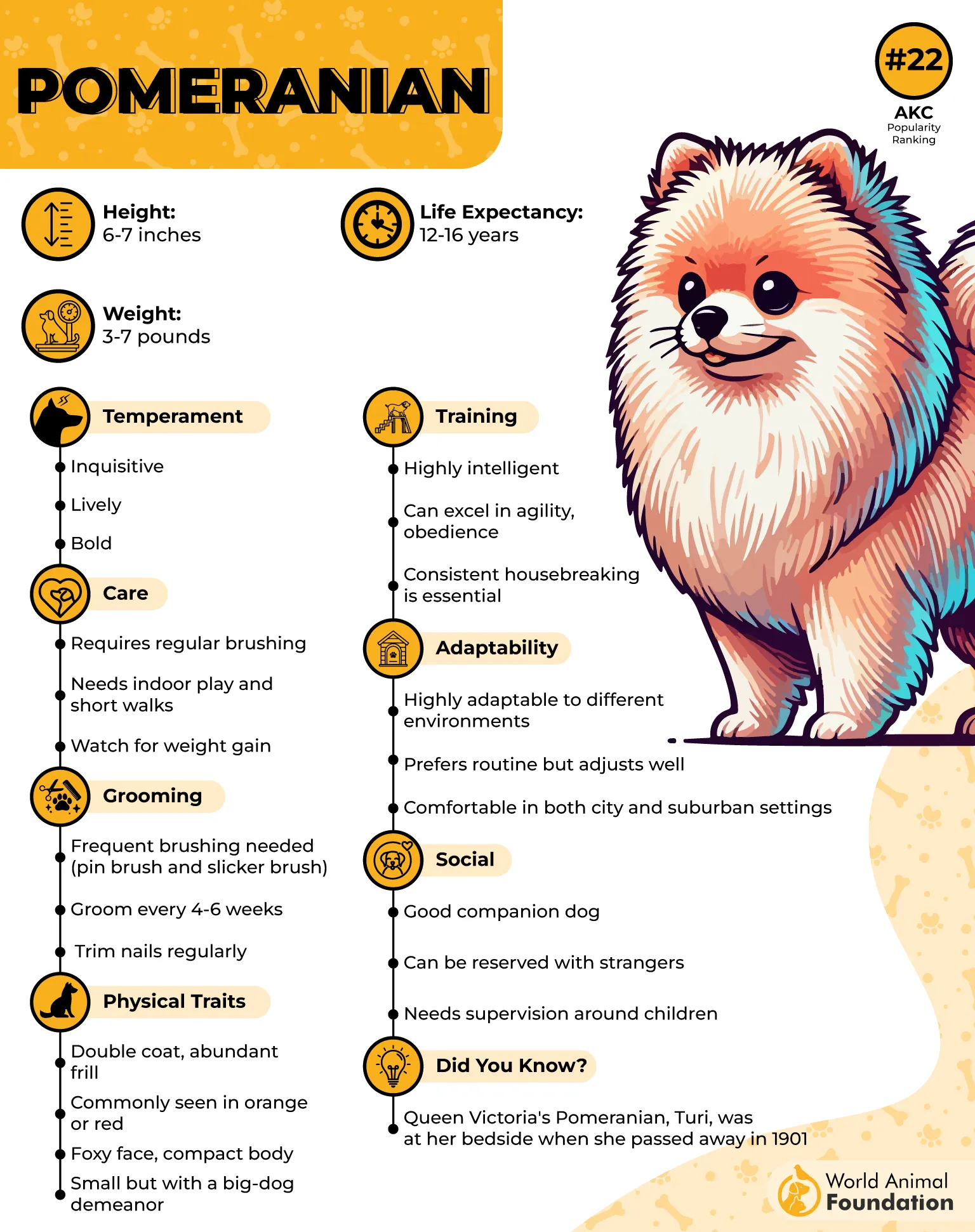
Smart Choices
Pom prefers walking on its own rather than being picked up, reflecting their independent nature despite its tiny size. Without early socialization and consistent training, behaviors such as excessive barking, separation anxiety, hyperactivity, or reactive responses can become more noticeable.
5. Bichon Frise
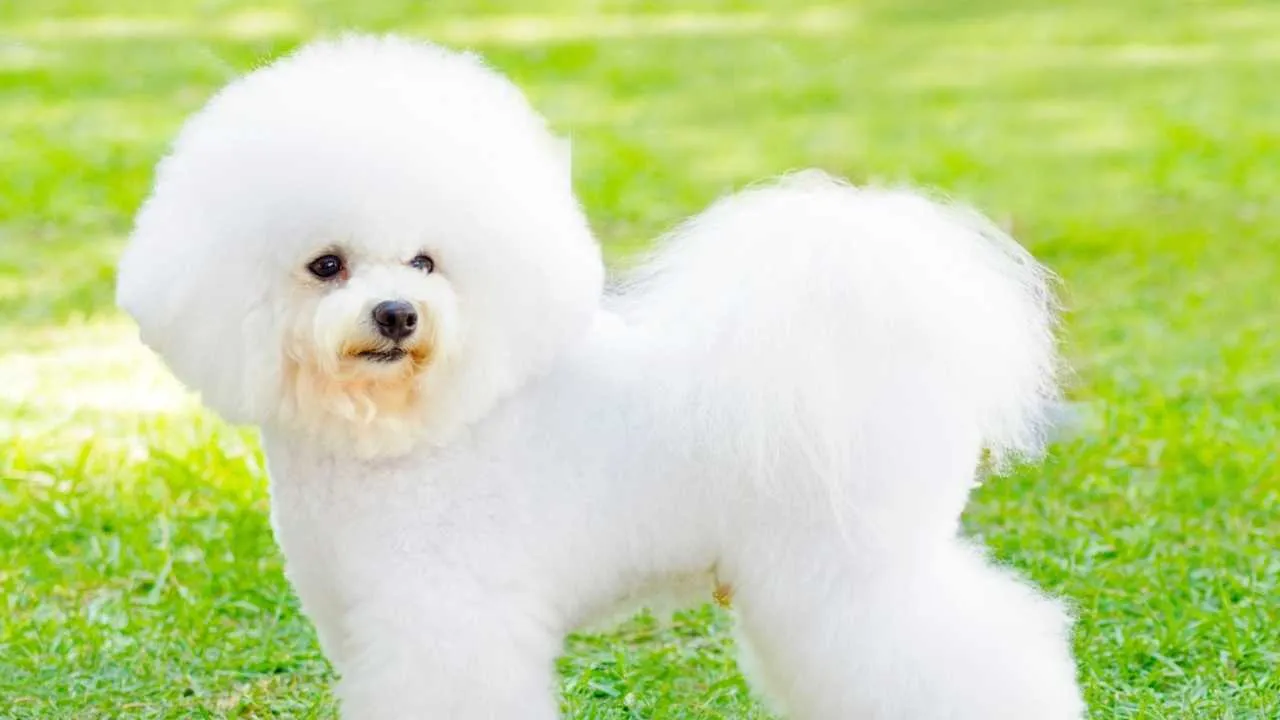
Bichon Frise is quick to notice unfamiliar sounds, often reacting as soon as activity starts outside the door or in the hallway. That fast response can give you an early heads-up without needing a large dog to pick up on every little change around the home.
Friendly With Purpose
Curiosity shapes much of this breed’s personality, making every new person, dog, or experience worth investigating. Its eagerness to learn also helps training progress smoothly when praise and short sessions become part of the routine.
Here’s another side to it:
Enjoys learning new tricks
Listed in the non-sporting group
Suitable for first-time pet parents
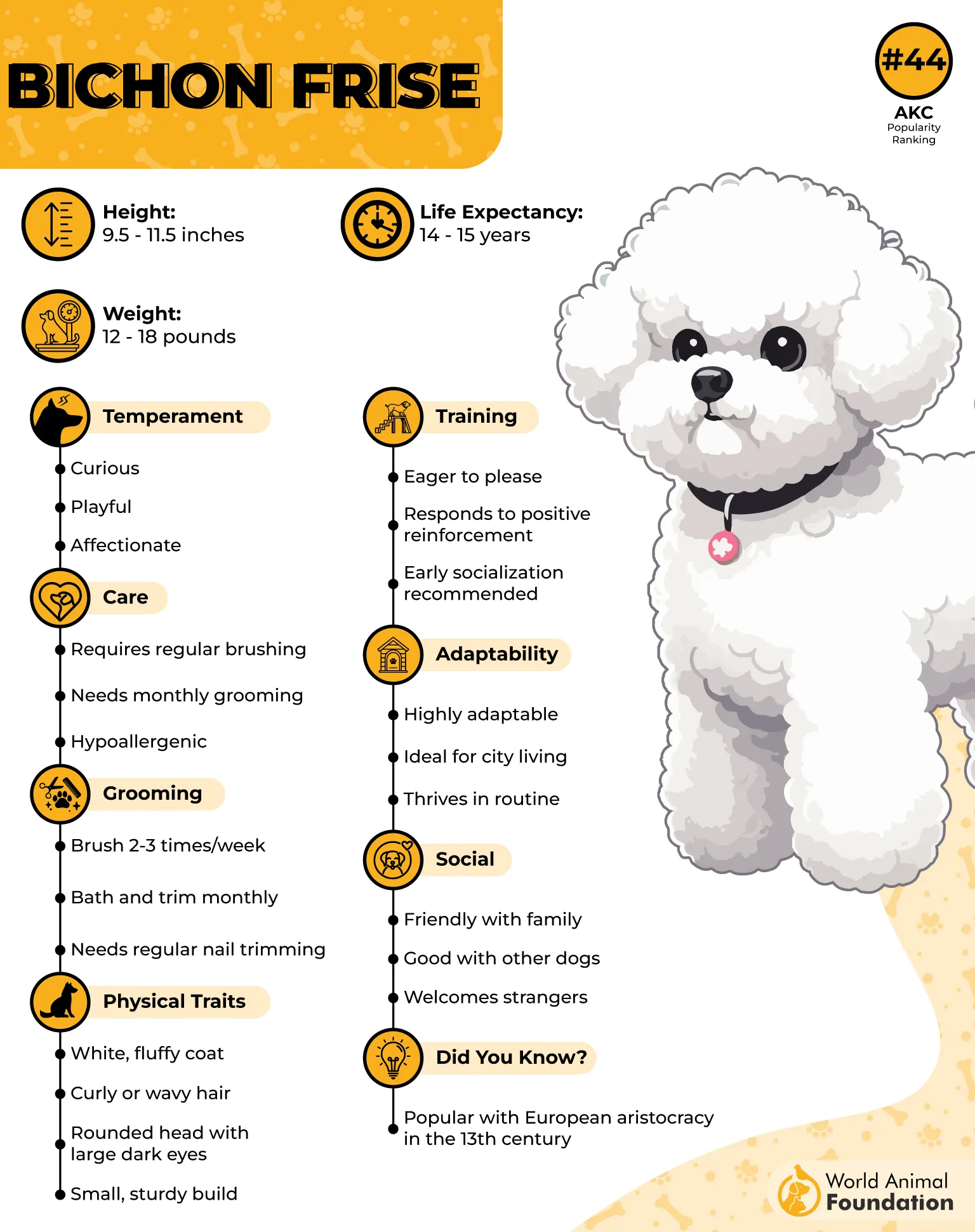
Flexible at Home
Bichon Frise adapts well to different living arrangements without asking for a large amount of space to feel comfortable. After an energetic play session, this breed happily trades activity for a quiet spot beside the family, ready for another round of attention whenever someone is available.
6. Havanese
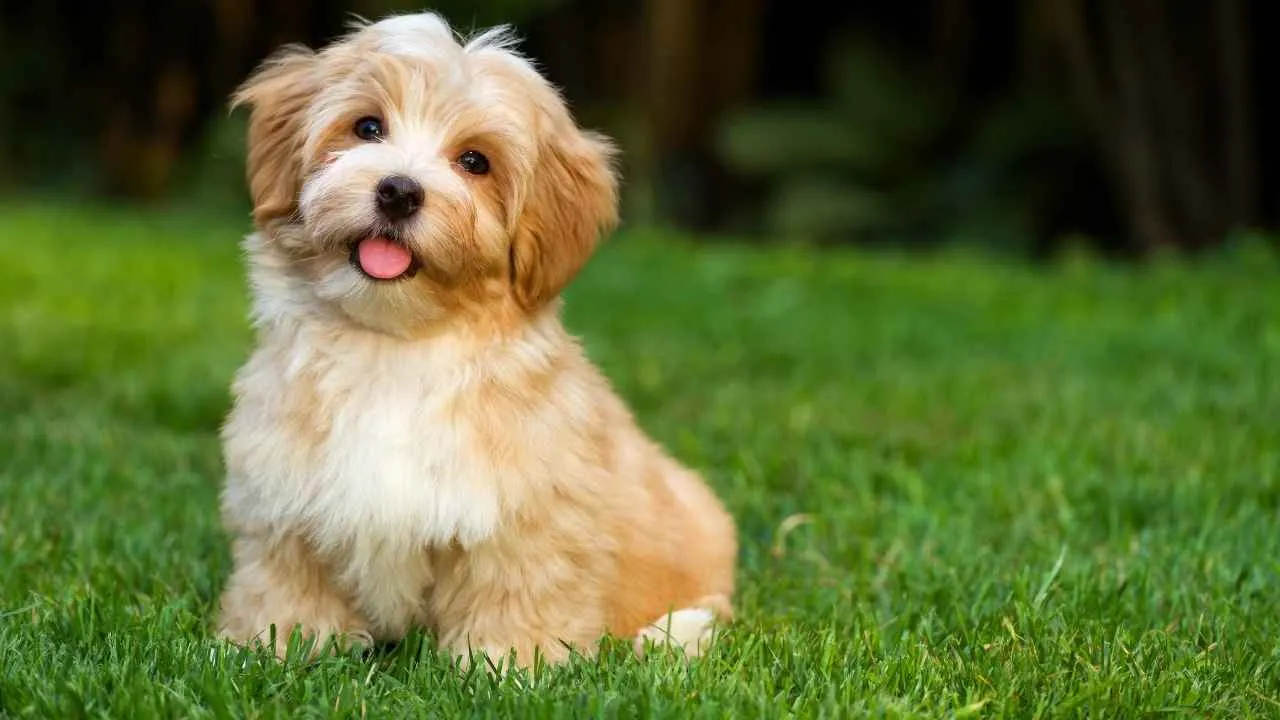
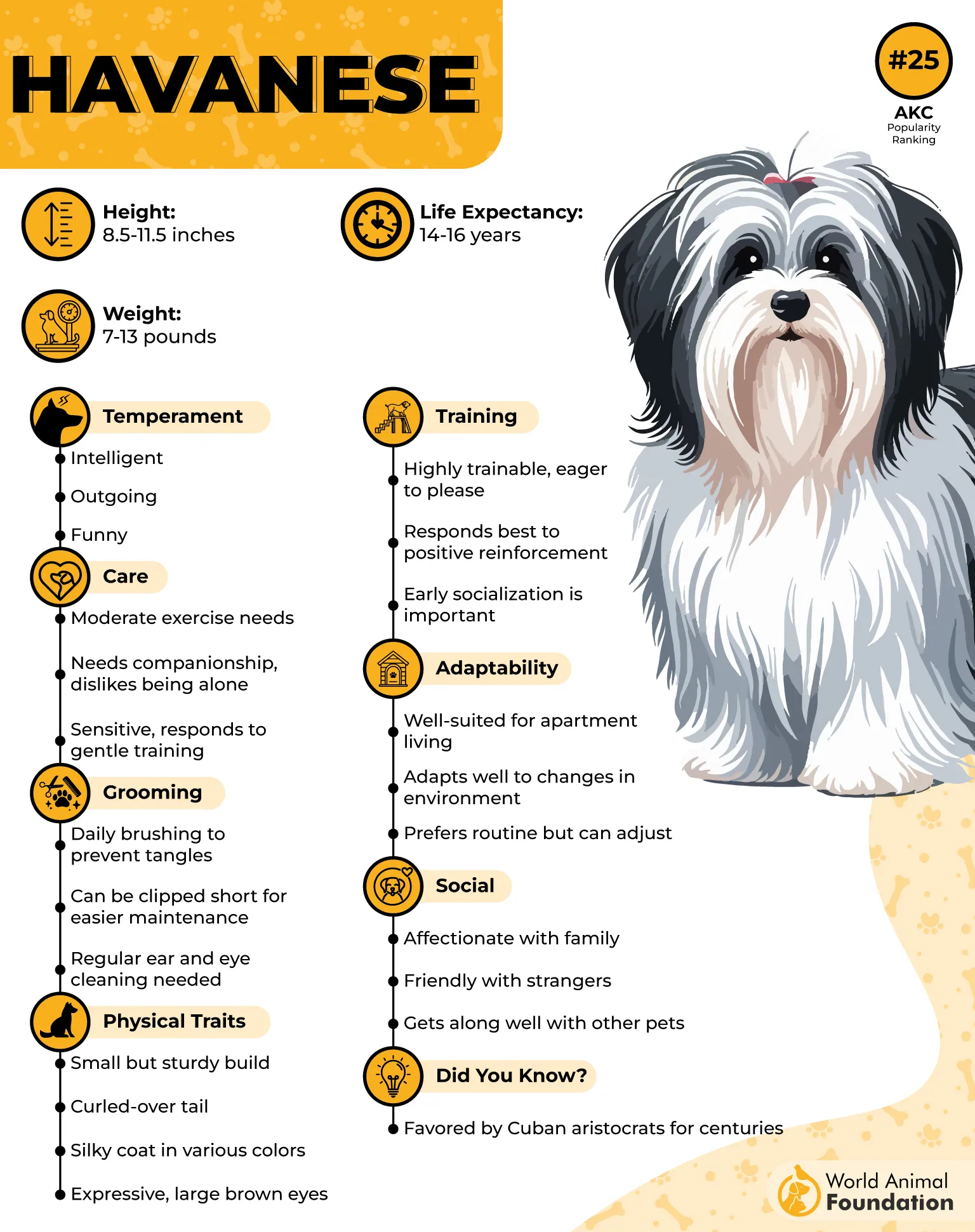
Havanese is the only dog breed native to Cuba and was once recognized by names such as the Havana Silk Dog and Spanish Silk Poodle. This lively toy breed belongs to the Barbichon family, alongside the Bichon Frise, Bolognese, and Maltese, while remaining compact at just under a foot tall.
Compact yet Alert
This small dog breed has an outgoing personality with a quick learning ability, making them responsive to consistent guidance from an early age. Without proper training, excitement can sometimes turn into frequent barking, especially when visitors or unfamiliar sounds appear.
A few details add another layer to the breed:
Adult weight ranges from 7–13 pounds
Positive reinforcement works especially well
Early socialization supports confident behavior
Close at Your Side
Havanese enjoy keeping people within sight and often follow family members from one room to another throughout the day. Long periods of isolation may lead to separation anxiety, while crate training and puzzle toys can help puppies adjust more comfortably.
7. Poodle
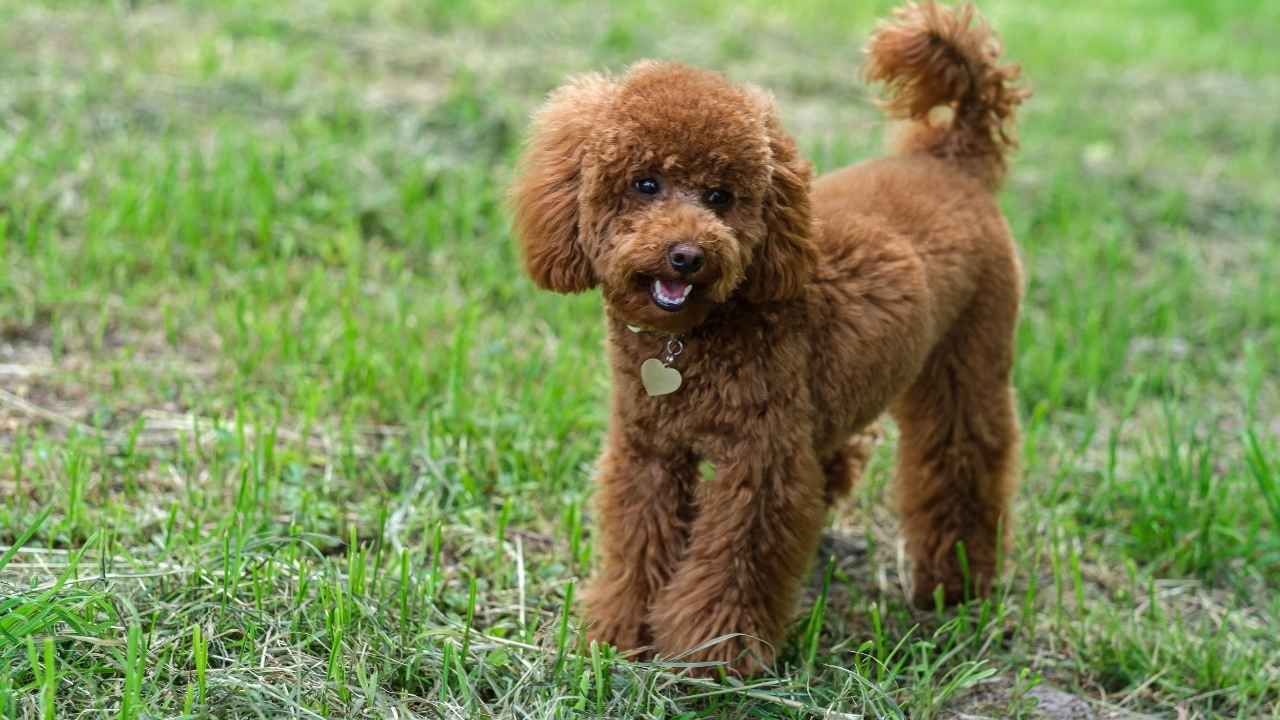
Poodle processes changes around the home with impressive speed, often recognizing what belongs in its surroundings and what feels unfamiliar. That sharp awareness, paired with intelligence, makes this breed attentive without constant prompting or unnecessary noise.
Mind Always Working
Originally bred as an athletic water dog for retrieving waterfowl, the Poodle enjoys tasks that challenge both body and mind. Positive reinforcement works especially well because this breed enjoys learning and responds eagerly to purposeful activities.
Beyond the obvious traits:
Benefits from daily routine activity
Can become restless without any outlet for activity
Excels in different dog sports
Confident Companion
They usually interact well with children when exercise and guidance remain part of their routine, although energetic play can accidentally knock over smaller kids. Early socialization also helps puppies grow into calm, confident dogs that respond comfortably to everyday situations.
8. Shih Tzu
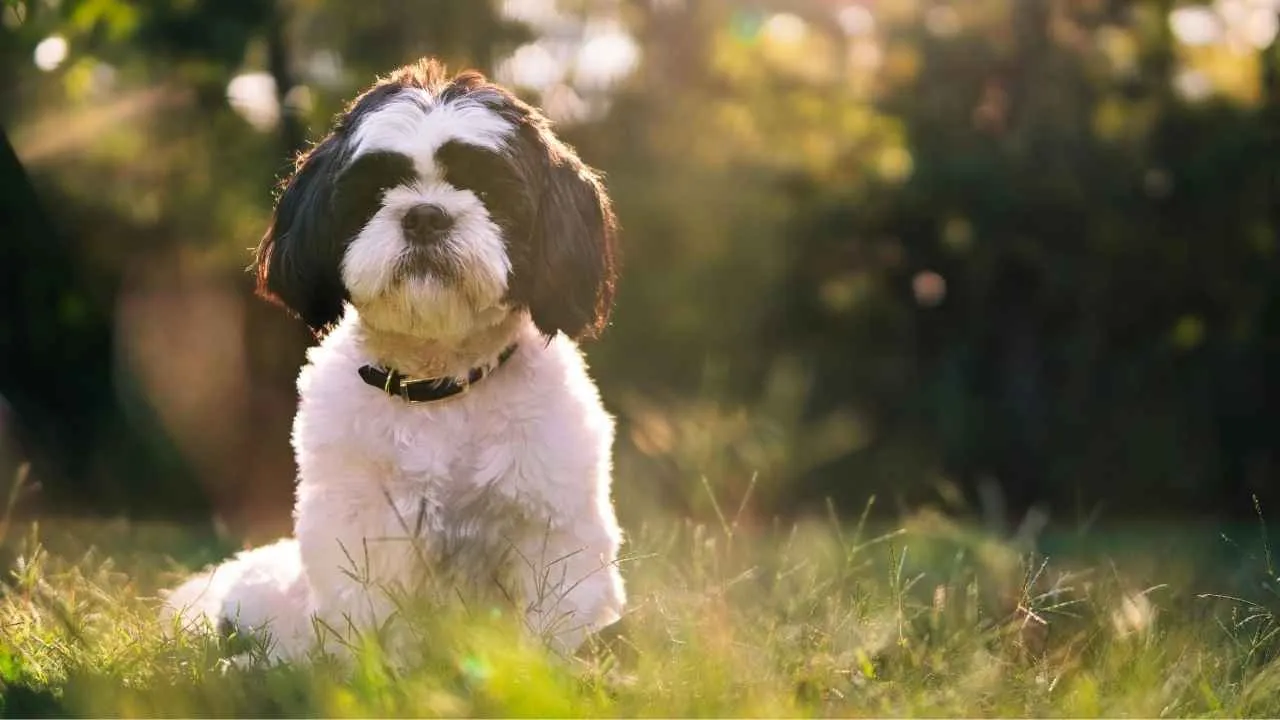
Shih Tzu first gained attention as a Tibetan companion breed whose sharp bark alerted imperial households whenever visitors approached. That instinct still gives this little dog an awareness that fits surprisingly well in apartment settings where early notice can be useful.
From Watcher to Companion
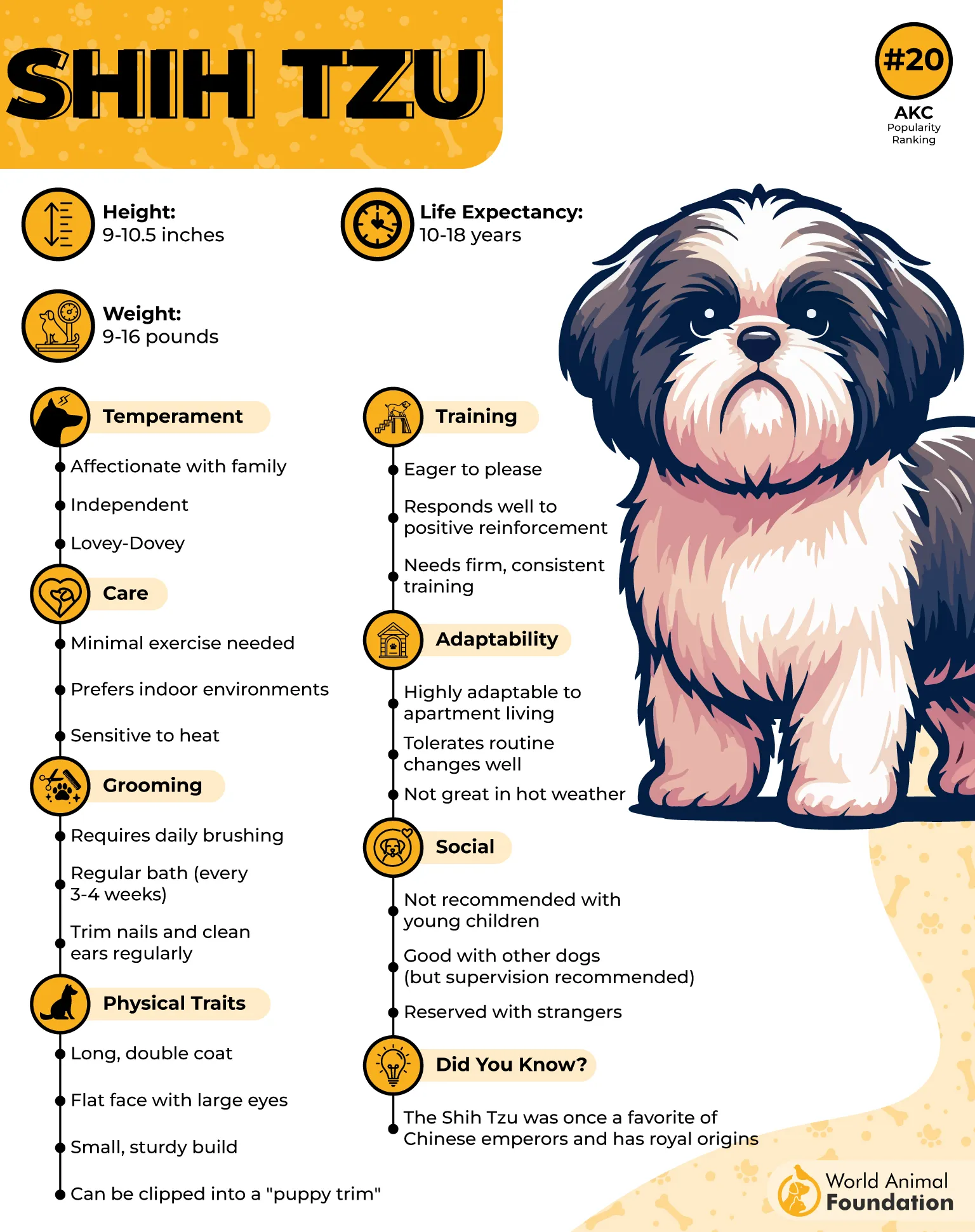
Over time, selective breeding shifted the Shih Tzu into a devoted companion while preserving its habit of announcing unfamiliar activity. Around the home, that original purpose still appears in everyday situations.
The breed keeps surprising people:
Officially recognized by the AKC in 1969
Name translates to “lion dog”
Later crossed with Pugs and Pekingese
Bright and Reward Driven
This apartment guard dog breed enjoys learning when praise and high-value treats are part of the routine, often picking up new tricks to earn another reward. A harness is a better choice than attaching a leash to the collar because of the breed’s physical structure.
9. Miniature Schnauzer
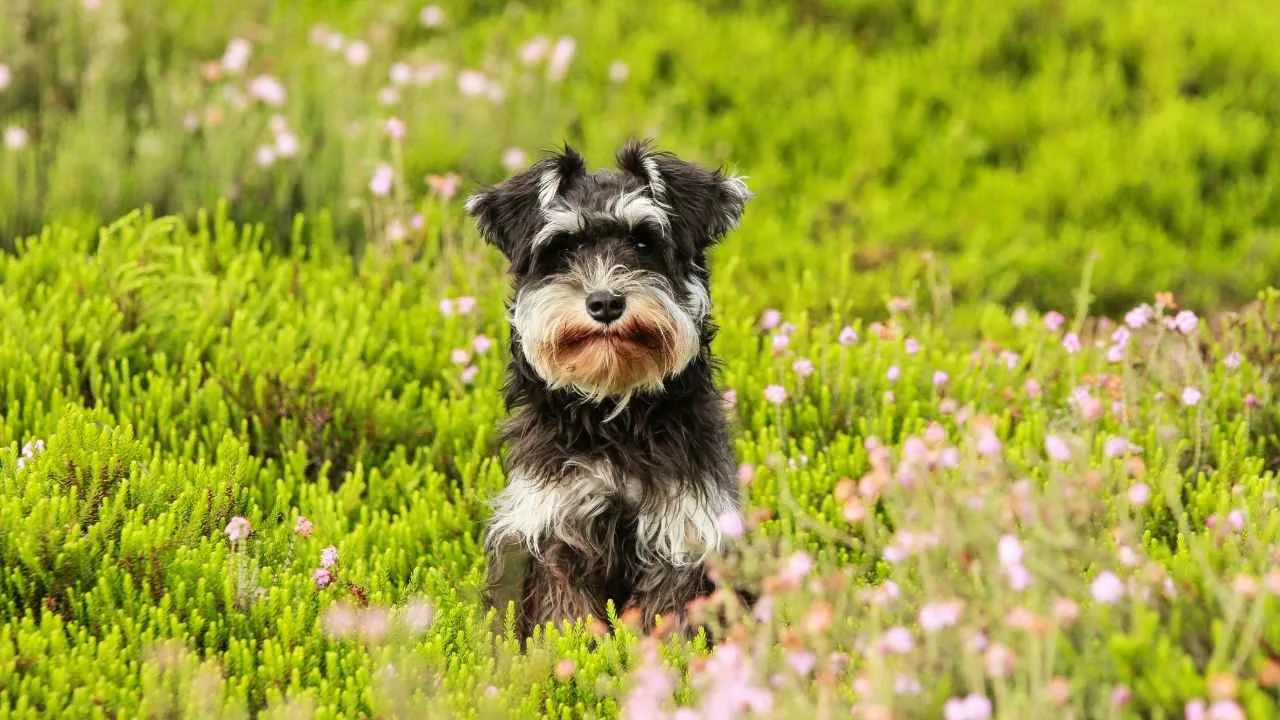
Miniature Schnauzer takes its name from the German word “Schnauze,” meaning muzzle, a reference to the breed’s distinctive beard. Images resembling Schnauzers appeared as early as the late 1400s, making this one of the oldest working dog types recorded in Europe.
Alert Every Day
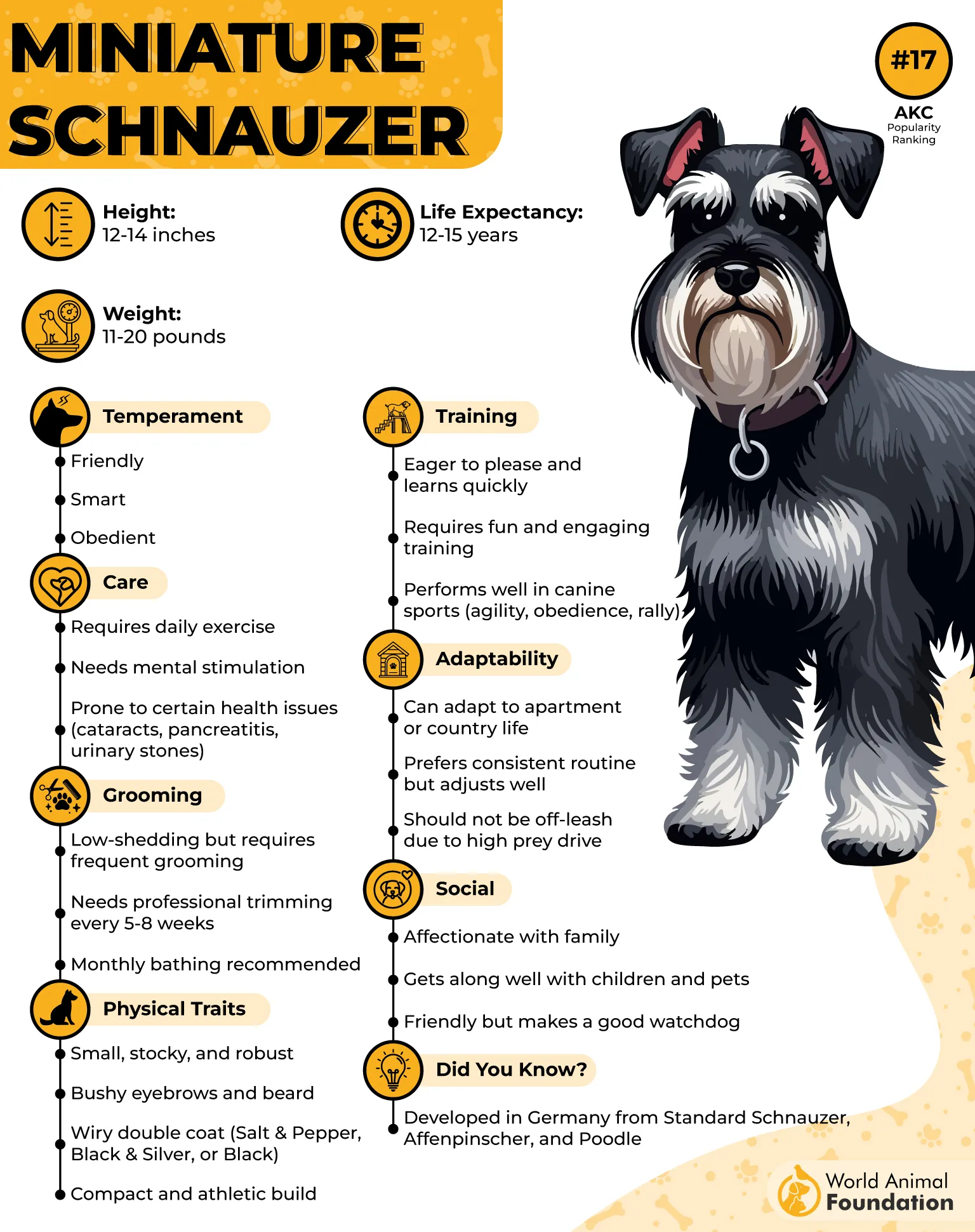
They combine quick thinking with an attentive personality, making them naturally aware of activity around the home. That sharp awareness can be valuable, especially in compact living apartments.
A few interesting details add another layer:
Originally hunted rats on farms
Also worked with livestock and carts
Should be kept on a leash or in a securely fenced area
Busy Mind
Miniature Schnauzer enjoys learning new tricks, tackling puzzle games, and participating in activities such as agility or obedience classes. That working-dog heritage explains why regular mental challenges are just as rewarding as a daily walk or active play session.
Conclusion
Apartment living calls for a companion that balances alertness with self-control. The best protective dog breeds recognize unfamiliar situations, respond appropriately, and return to a calm state without creating unnecessary disruption. That combination comes from thoughtful breeding, early socialization, patient training, and an environment that supports good habits every day.
Matching a dog’s personality with your lifestyle is just as important as choosing one with protective instincts. For apartment dwellers, providing physical and mental stimulation helps those qualities shine while making daily life more comfortable for both family and neighbors. The reward is a faithful companion that offers confidence, quiet reassurance, and loyal companionship for years to come.
