




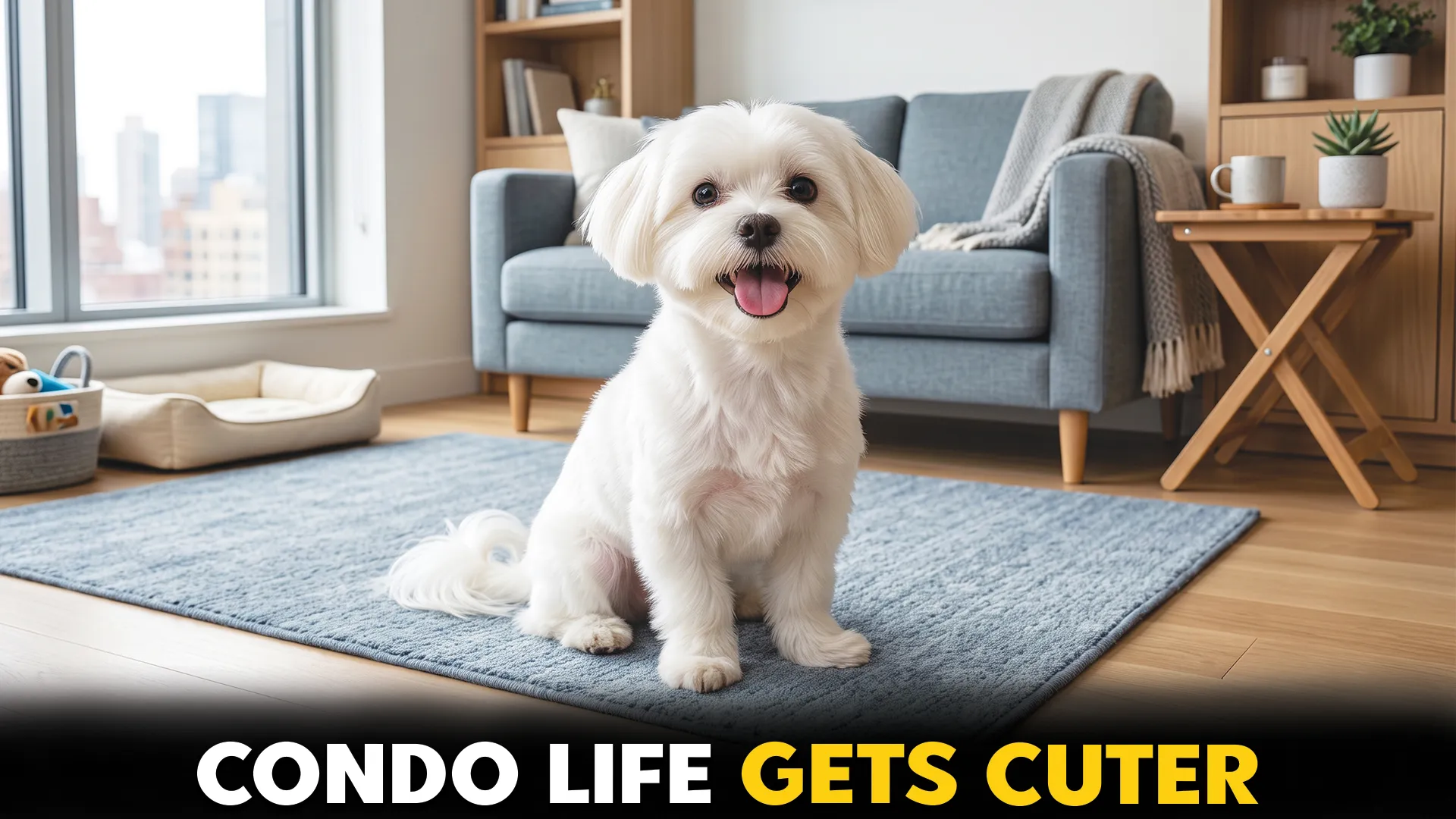
A small home can still have room for a big friendship. Living in an apartment or condo does not mean giving up the dream of sharing life with a dog. The trick is choosing a breed whose size, energy level, and personality match your space and lifestyle.
Groucho Marx once said, “Outside of a dog, a book is man’s best friend. Inside of a dog, it is too dark to read.” Whether you want a playful little clown, a quiet cuddle buddy, or a clever companion, there is a compact breed ready to fit right into your routine.
Let us meet some wonderful little dogs that can turn even the coziest apartment into a place that truly feels like home.
Compact Dog Breeds for Cozy Apartments and Condos
1. Shih Tzu

The history of this ancient dog breed traces back to 1,000 BCE in China, but the modern-day Shih Tzu was developed in Tibet. It was used as a lap dog and gifted to the Chinese royalty, as noted by the AKC.
The breed has a floor-sweeping coat and a spot on the forehead, known as the Star of Buddha. The ears are covered with thick fur, and the round, black eyes give a soulful and trusting expression, making you fall in love with it instantly. It has an alert nature and barks to inform you of a potential threat.
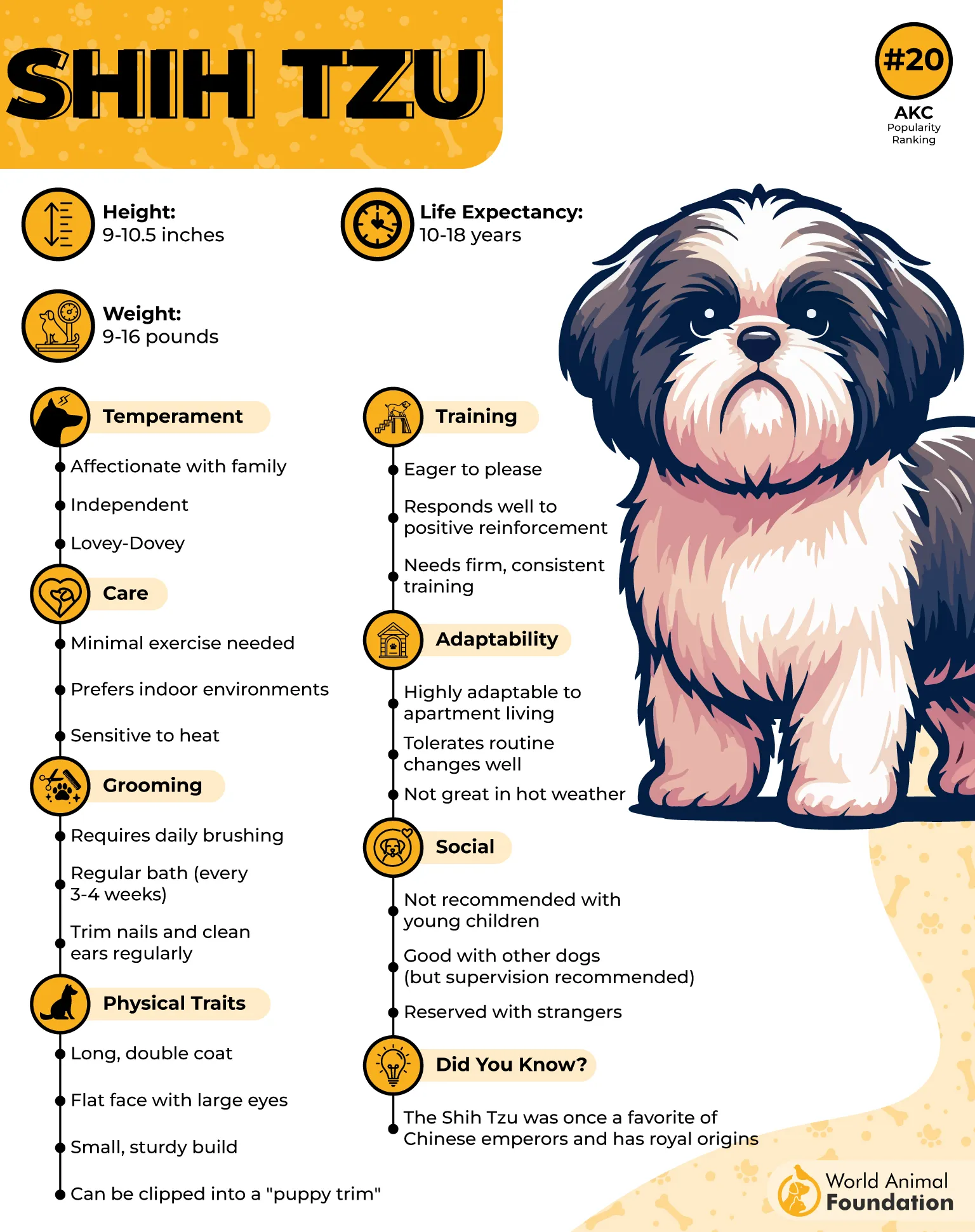
It has an easygoing nature and gets along well with older kids. It needs daily brushing using a pin brush and a fine-toothed comb. It has minimal exercise needs (20 minutes) daily.
2. Pomeranian
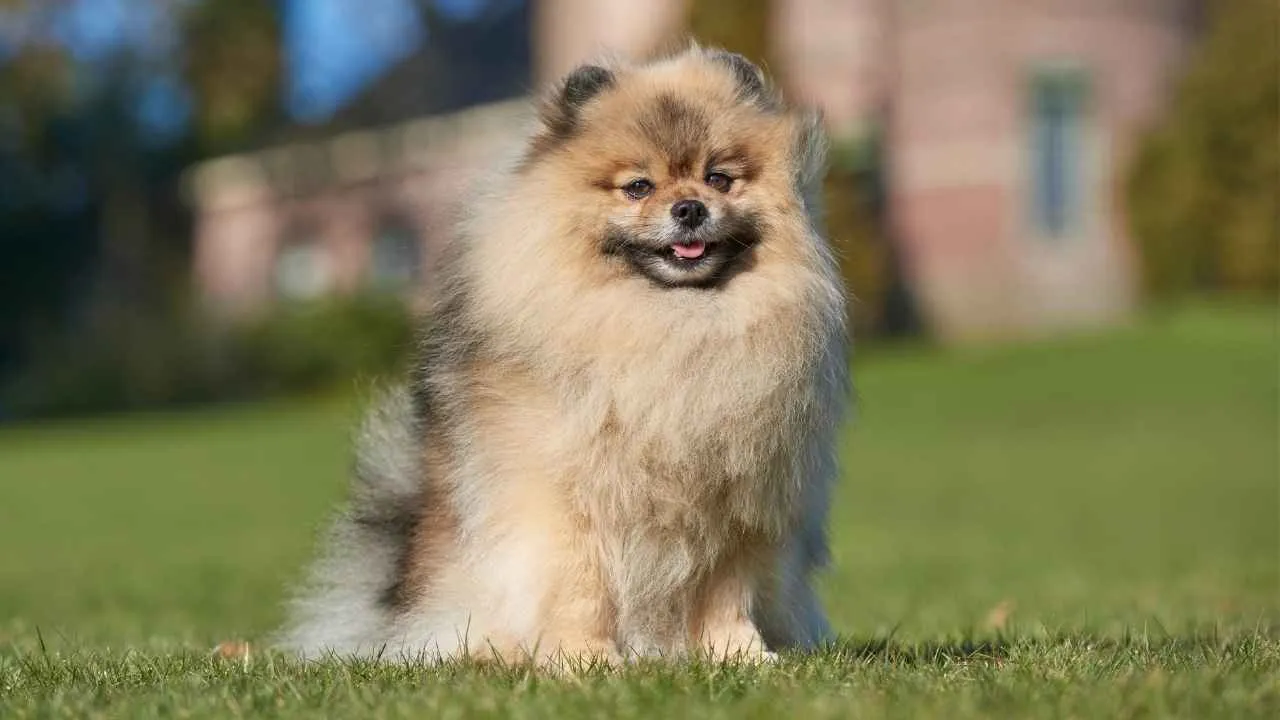
The history of this small dog breed dates back to Germany and Poland. However, it is believed that the dog is descended from the wolf-like puppies once found in Iceland. It is closely related to larger sled-pulling Spitz dogs. The breed made its way to the USA in the late 19th century.
With its fox-like head, high-set alert ears, and expressive almond-shaped eyes, it makes an excellent watchdog despite being pretty. It has a social nature and does well in a multi-pet household. It picks up new tricks quickly, making obedience training easier.
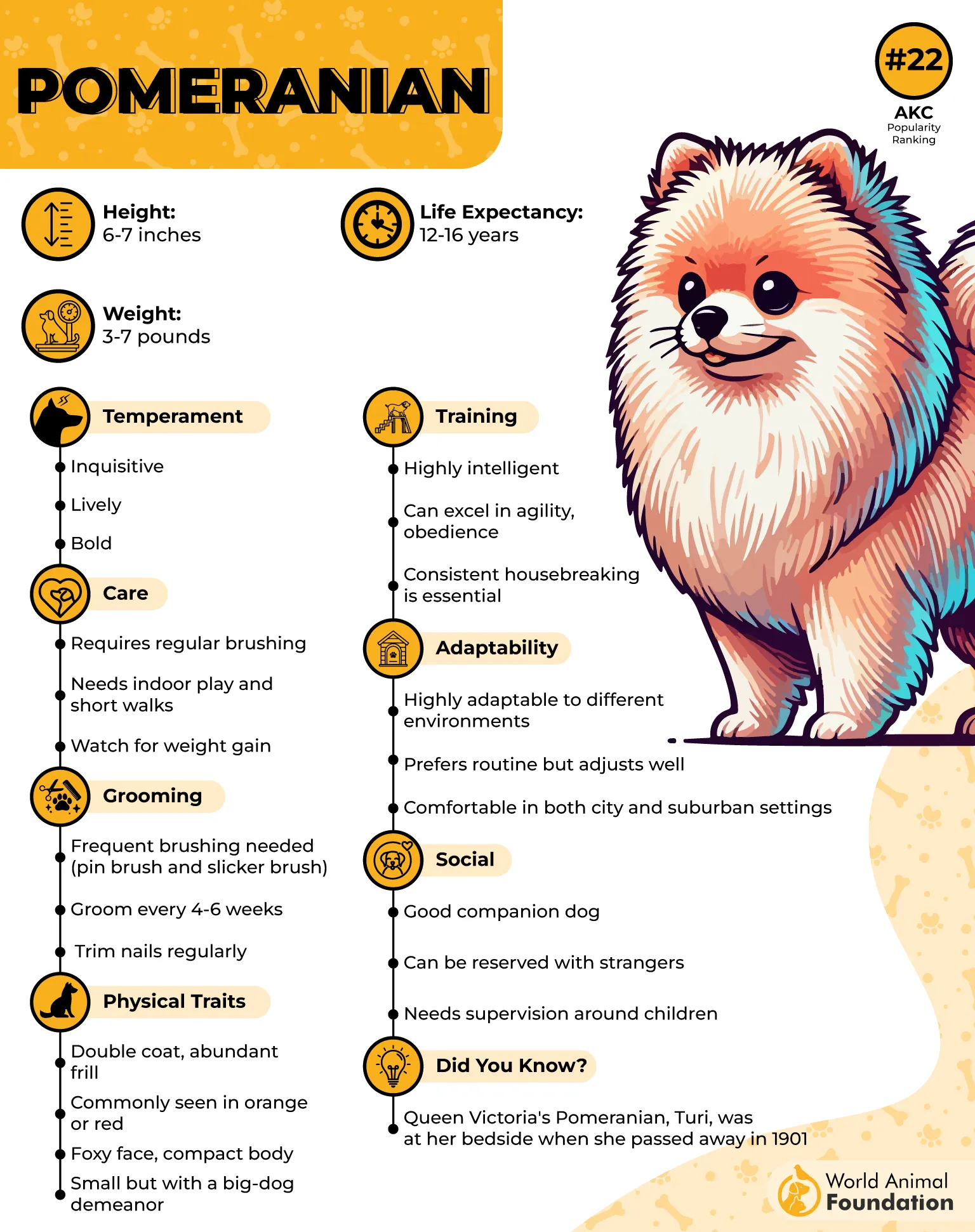
The sunset-themed double coat requires daily brushing using a pin brush or a FURminator. Bathe this apartment-living small breed with warm water monthly. It does not need extensive exercise.
3. Maltese
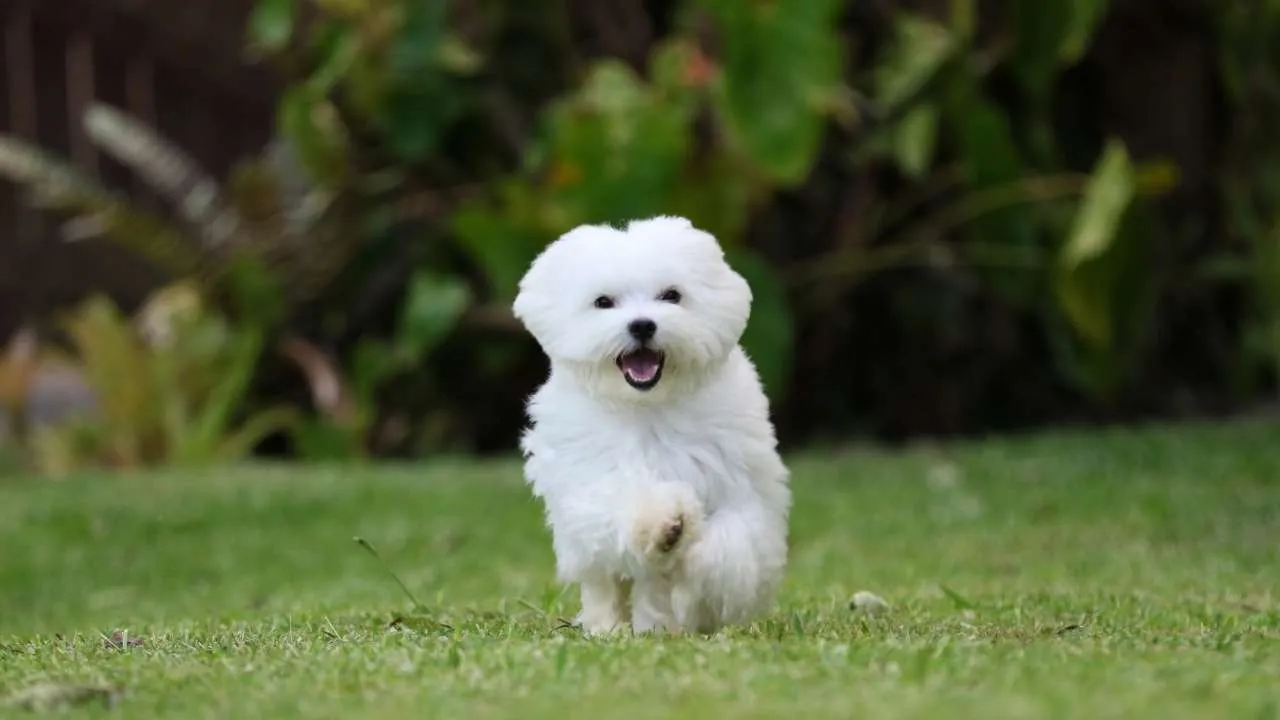
The great apartment dog has been conquered by different empires since 1500 B.C.E. It is believed that the Phoenicians were the first to introduce this breed to the island. It was favored by the Greeks during the 4th and 5th centuries and was considered a status symbol in Rome.

It has round, black eyes that shine on a pure white coat. It has a silky plumed tail that stands over the back, giving it an alert expression. With its keen observational skills, it can read your body language and facial expression, and can tell how you are feeling, making an exceptional therapy dog.
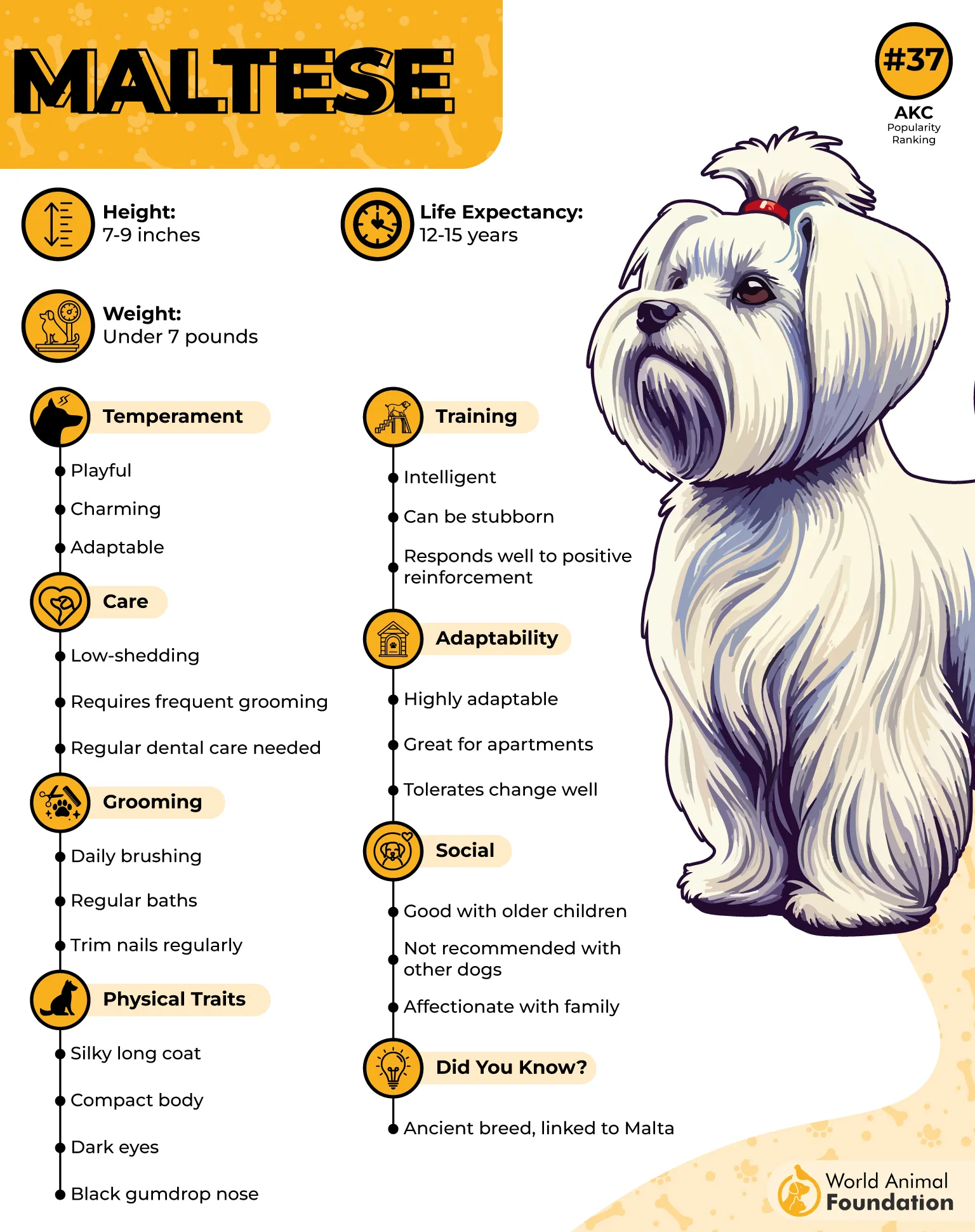
This apartment dweller responds well to positive reinforcement training. Start obedience training from the age of 8 weeks. It prefers indoor play and becomes satiated within 20-30 minutes of daily exercise.
4. Toy Poodle
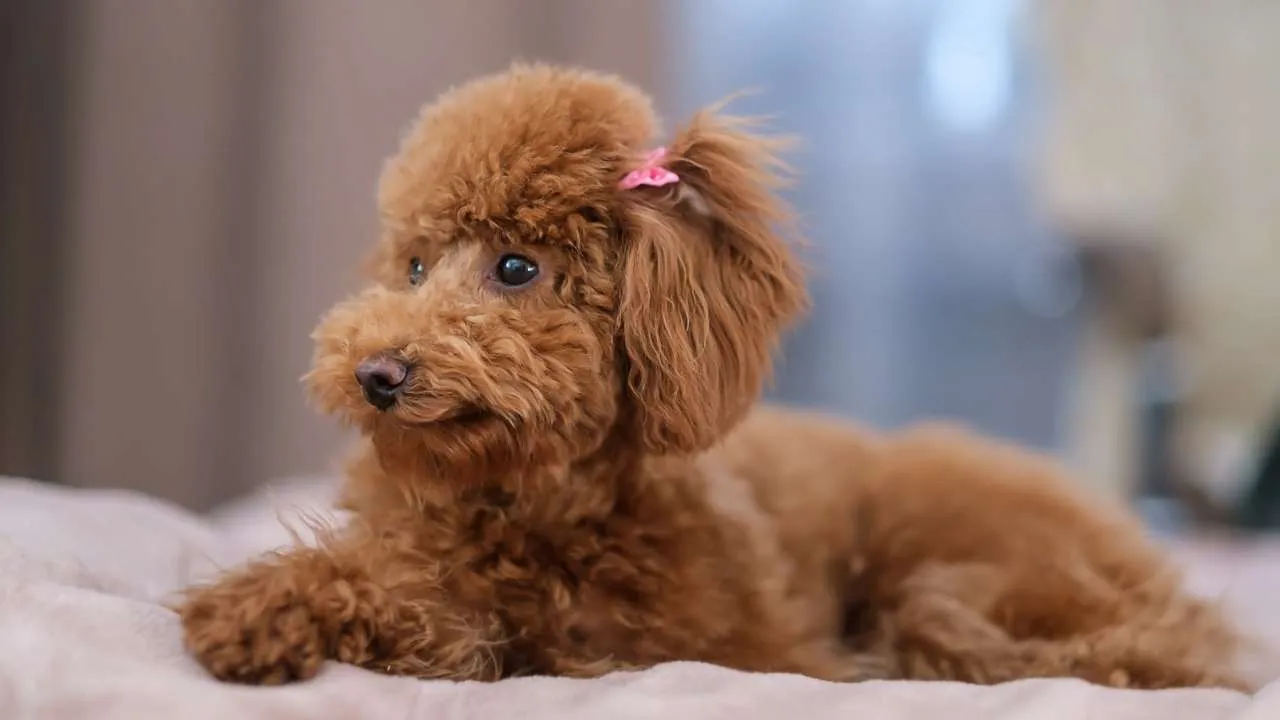
Standard Poodle was the first breed of this lineage and was used for duck hunting in Germany. While the Miniature Poodle and the Toy Poodle were developed exclusively to be family dogs and lap dogs. It is the smartest breed in all toy breeds, as per PetMD.
The breed is gentle with kids and other pets; however, strict supervision is needed when it is around other dogs and young kids. It may develop separation anxiety when left alone for too long. Stress in a house may lead to gastrointestinal upset.
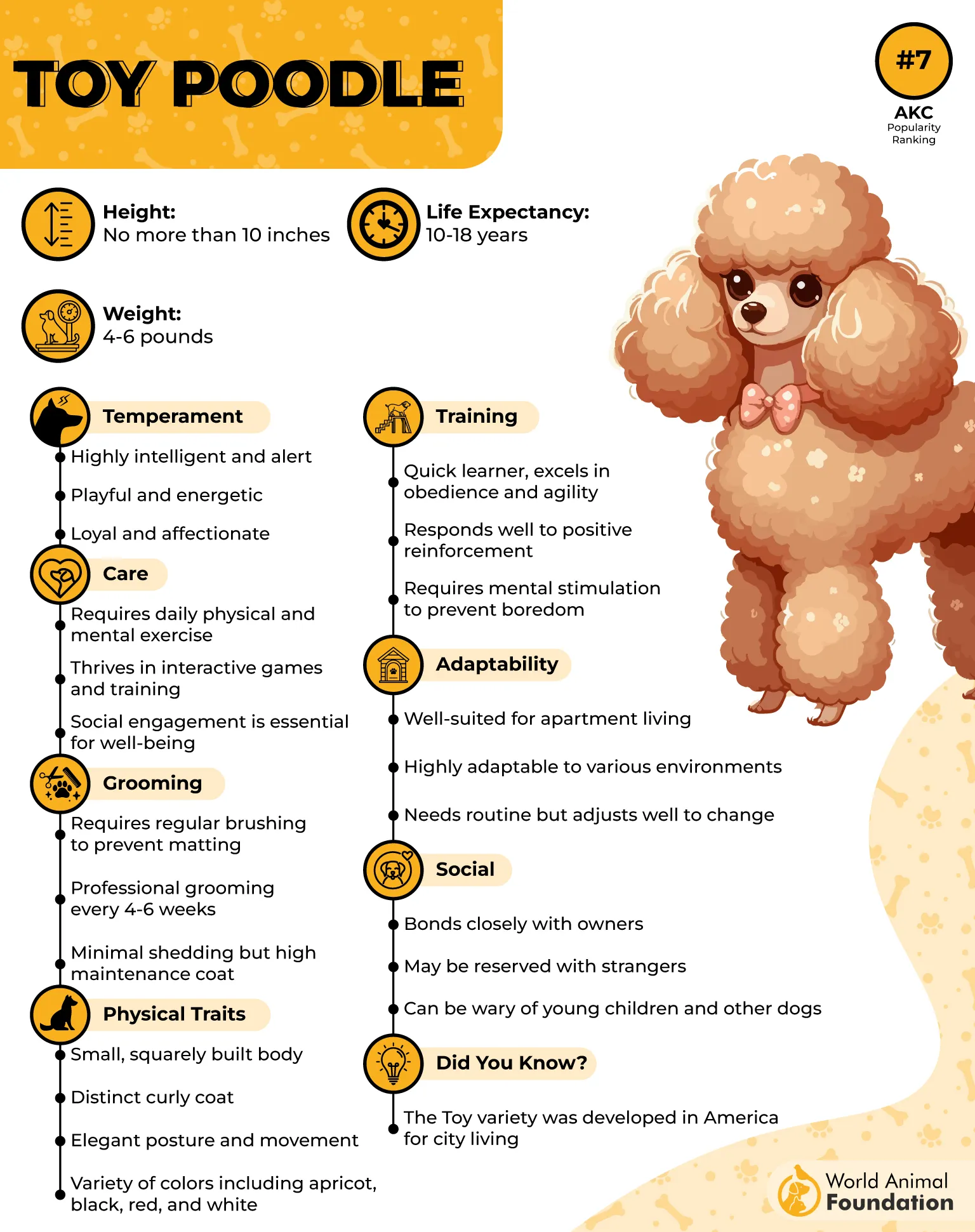
This is the best dog breed for allergy sufferers as it is a hypoallergenic dog. It has lower exercise needs and excels in agility, mental stimulation, obedience training, nose work, short walks, and tracking.
5. Pug
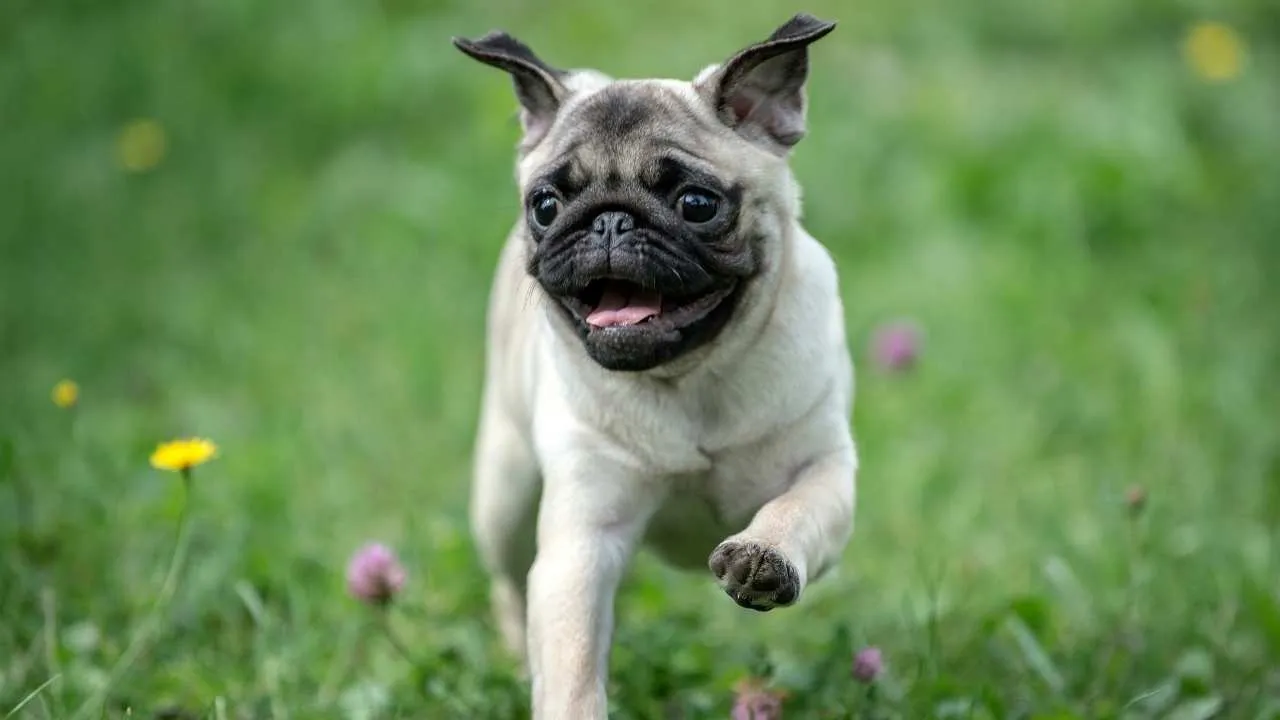
The tiny breed was originally bred by the Chinese emperors. It officially arrived in Europe in the 16th century and gained fame among the royalty. One of them was kept by Napoleon’s wife. Queen Victoria is said to have at least 38 Pugs in her palace.
It is a brachycephalic breed and may face difficulty in breathing; thus, it tends to stay indoors and lounge on the sofa. Its wrinkled face, short legs, and curled tail combined give it a cute appearance. It loves attention and gets happy if fun is happening around. Its bulging eyes need special care as they can be accidentally injured while playing.
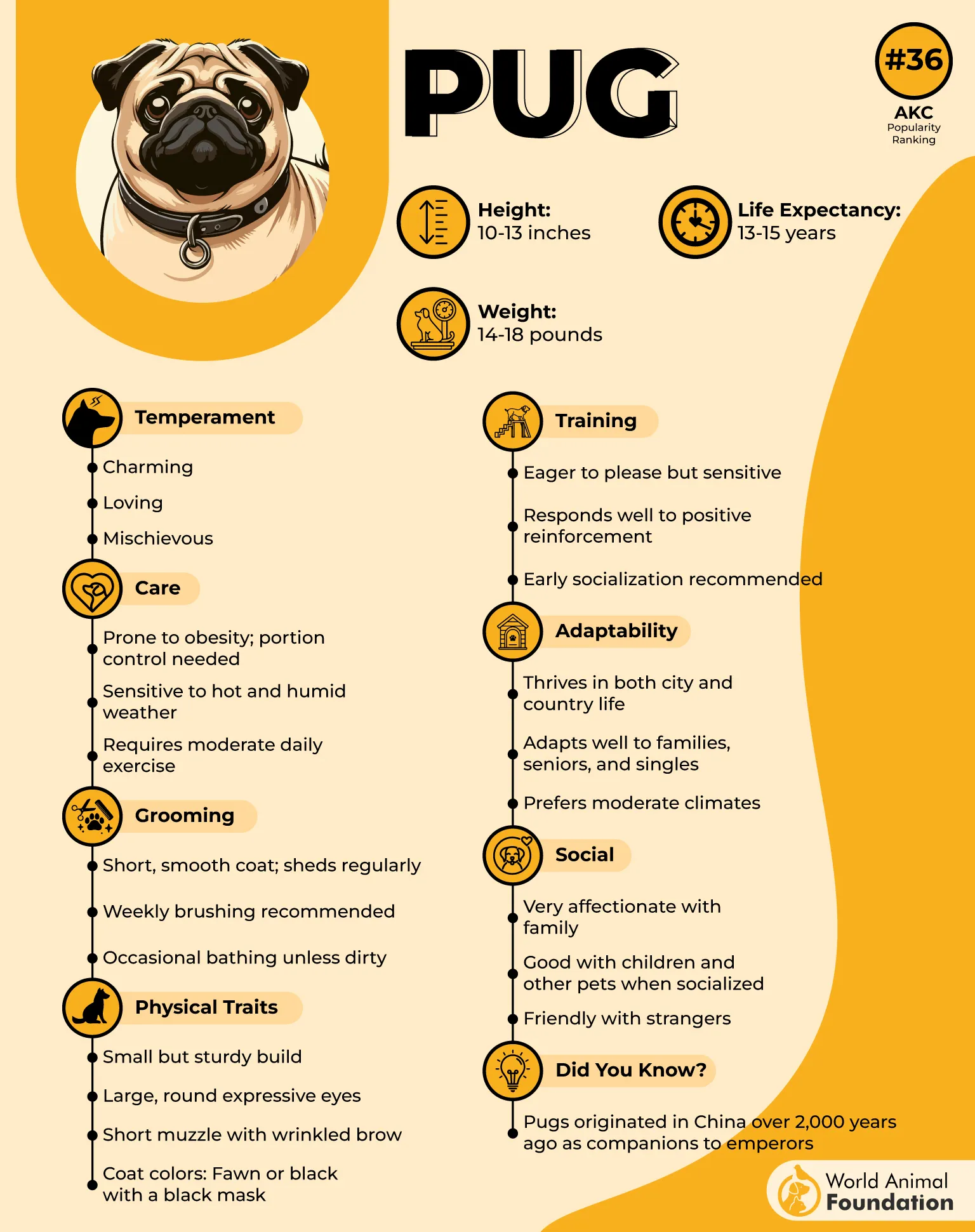
The breed has a double coat and needs frequent brushing to remove loose hair. Monthly baths are suggested, and the wrinkles should be cleaned regularly with gentle wipes.
6. Bichon Frise
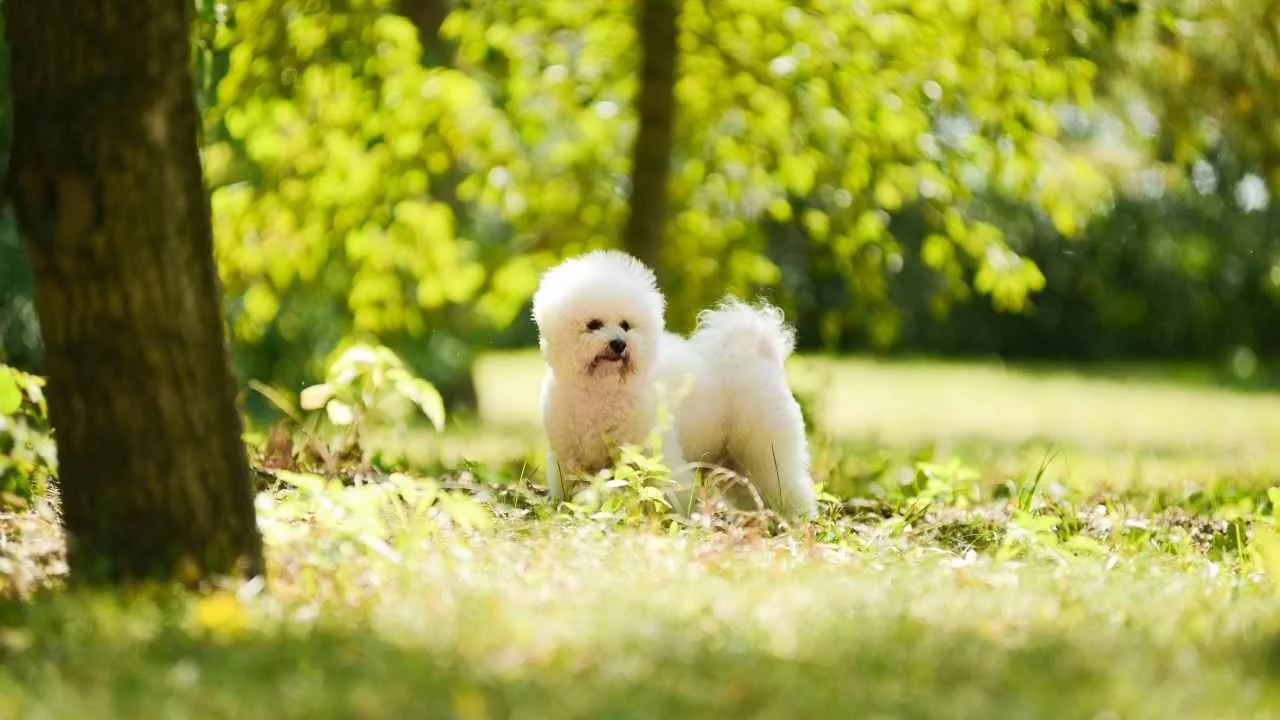
This water spaniel-type dog was originally developed in the Mediterranean region. It was used as a bartering tool in the 14th century by sailors. It was known as the favorite breed of Henry III of England, who used to carry it in a basket tied to his neck.
Also known as the ‘curly lap dog,’ it loves to show off new tricks and dance moves. It exhibits ‘Bichon blitz,’ where it tends to zoom around and move in tight circles as a source of entertainment before finally coming back to the laid-back state.
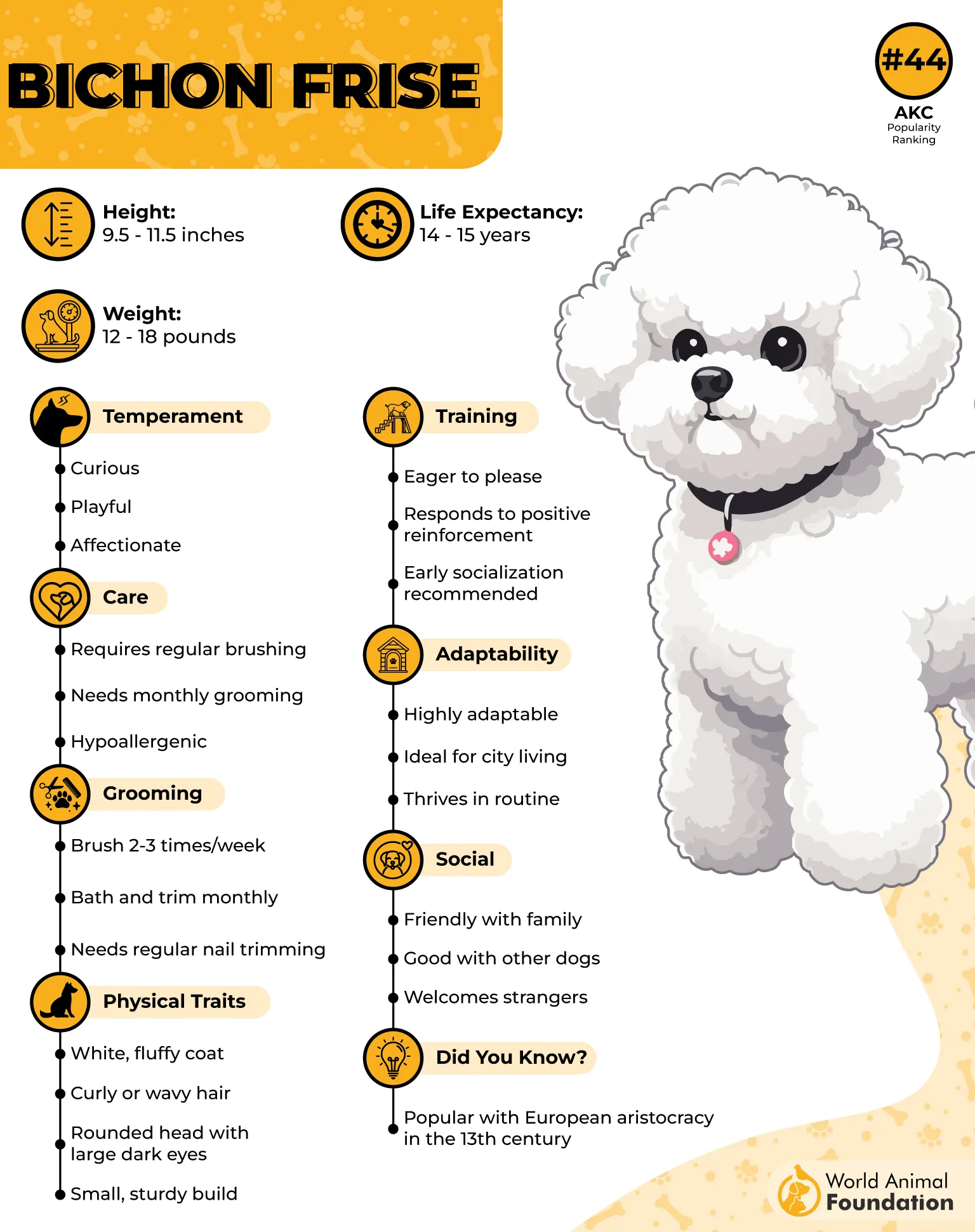
As it is highly motivated by food, the breed is highly trainable. It needs at least 30 minutes daily to meet its physical and mental stimulation needs. Only ¾ to 1 cup of feed is recommended per day.
7. Havanese
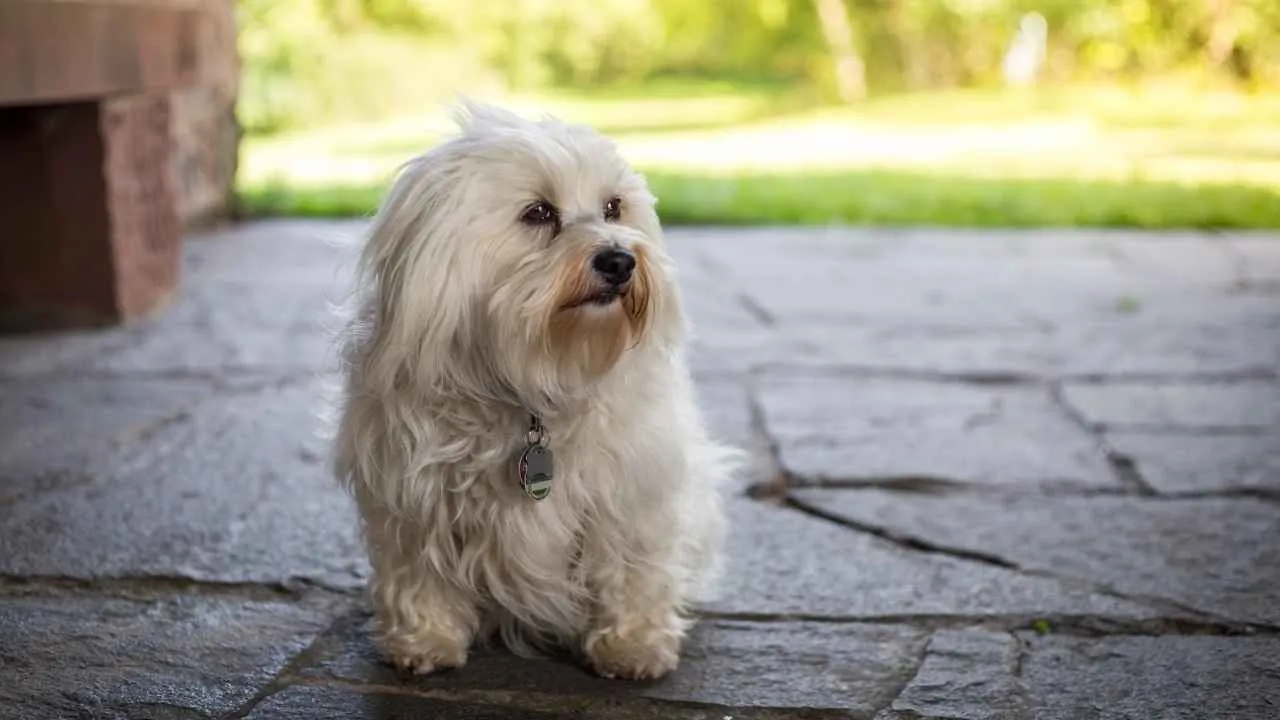
This Bichon-type toy dog is the national dog of Cuba and was developed by crossing various dogs brought from Tenerife in the Canary Islands to Cuba in the 16th century. The climatic changes in Cuba led to the development of its silky coat, as reported by Orvis.
The springy gait gives it a playful and alert expression. Despite being small, its loins are muscular, and the chest is deep. It has a gentle temperament and shows a constant smile on its face (showing teeth with upturned lips).
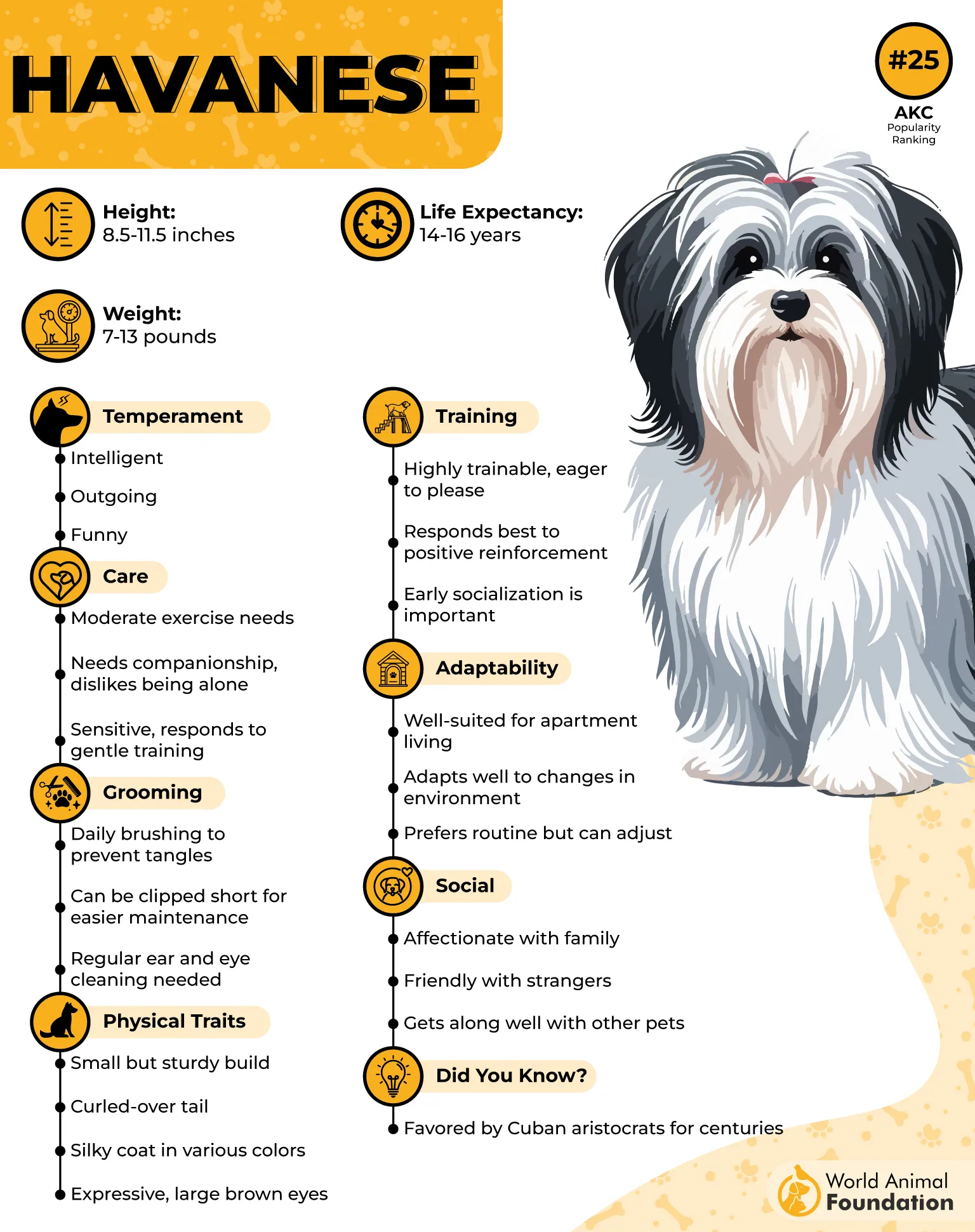
The breed is reserved around strangers and is non-aggressive in nature. It has strong protective and territorial instincts and may bark to alert the owner of an approaching stranger.
8. Bolognese
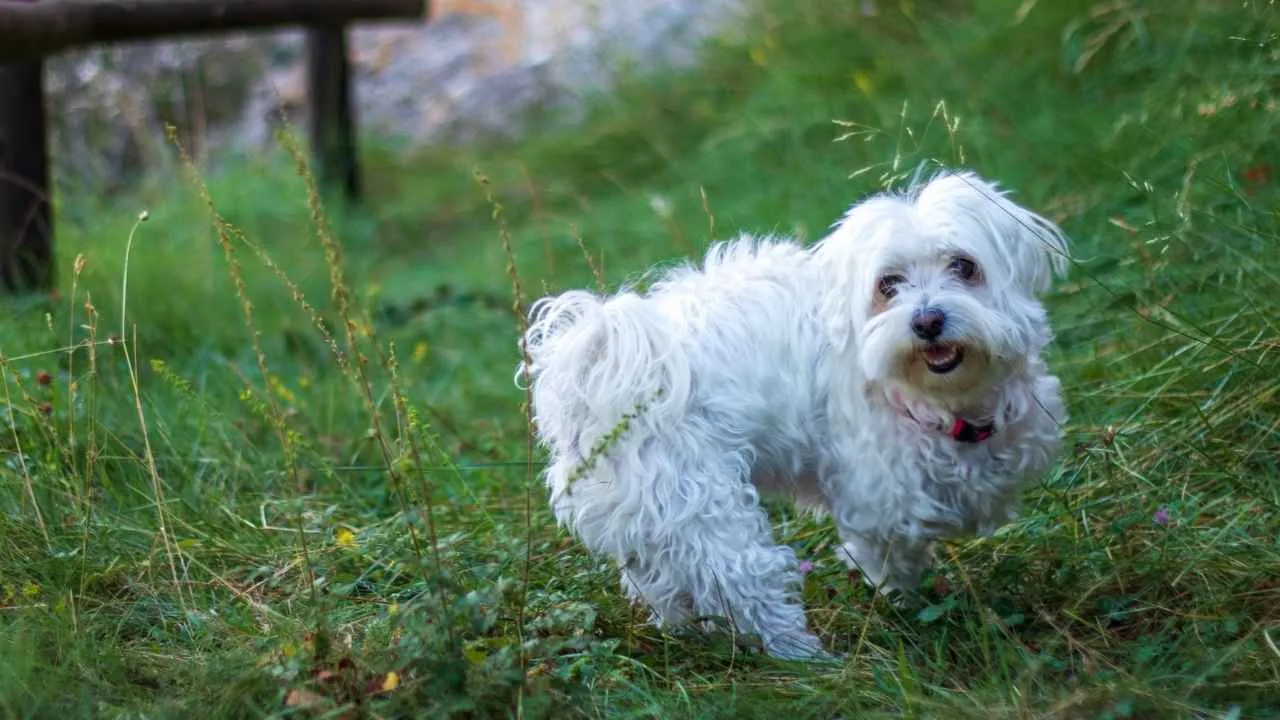
The small dog was developed in southern Italy and Malta from Bichon-type dogs. It has been around the country since the 11th and 12th centuries. It was owned by many celebrities and royalty, including Madame Pompadour, Louis XIV of France, Philip II of Spain an Catherine the Great of Russia.
The breed is highly suitable for quieter homes, small spaces, and families with fewer people. It lives around 12-14 years on average and leads a healthy lifestyle with fewer health concerns. It is ideal for women living alone and senior people because of its affectionate nature.
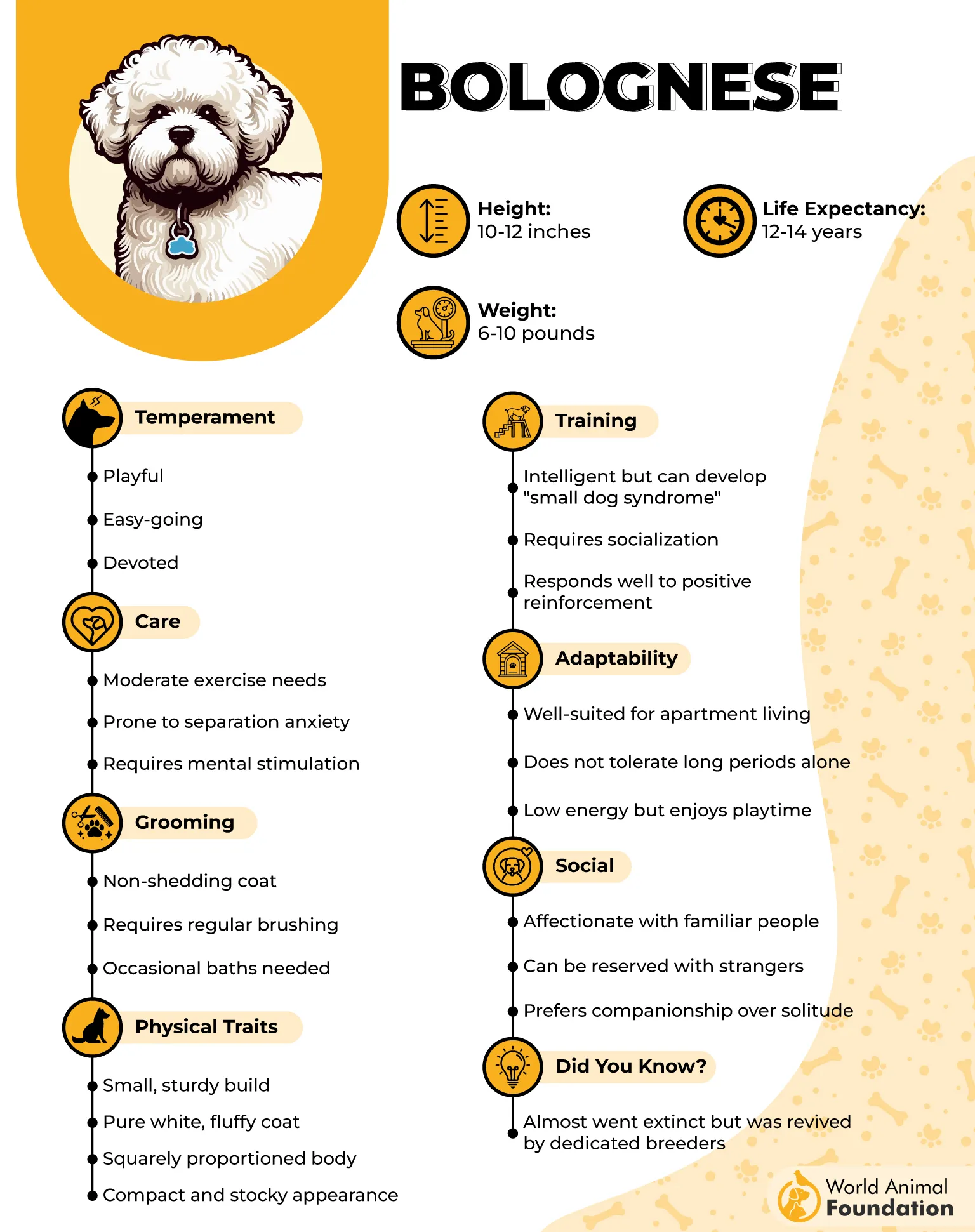
The breed has moderate exercise needs and excels in therapy work, cuddling, obedience training, and short walks. Brushing after 2-3 days is suggested to prevent mats
9. Japanese Chin
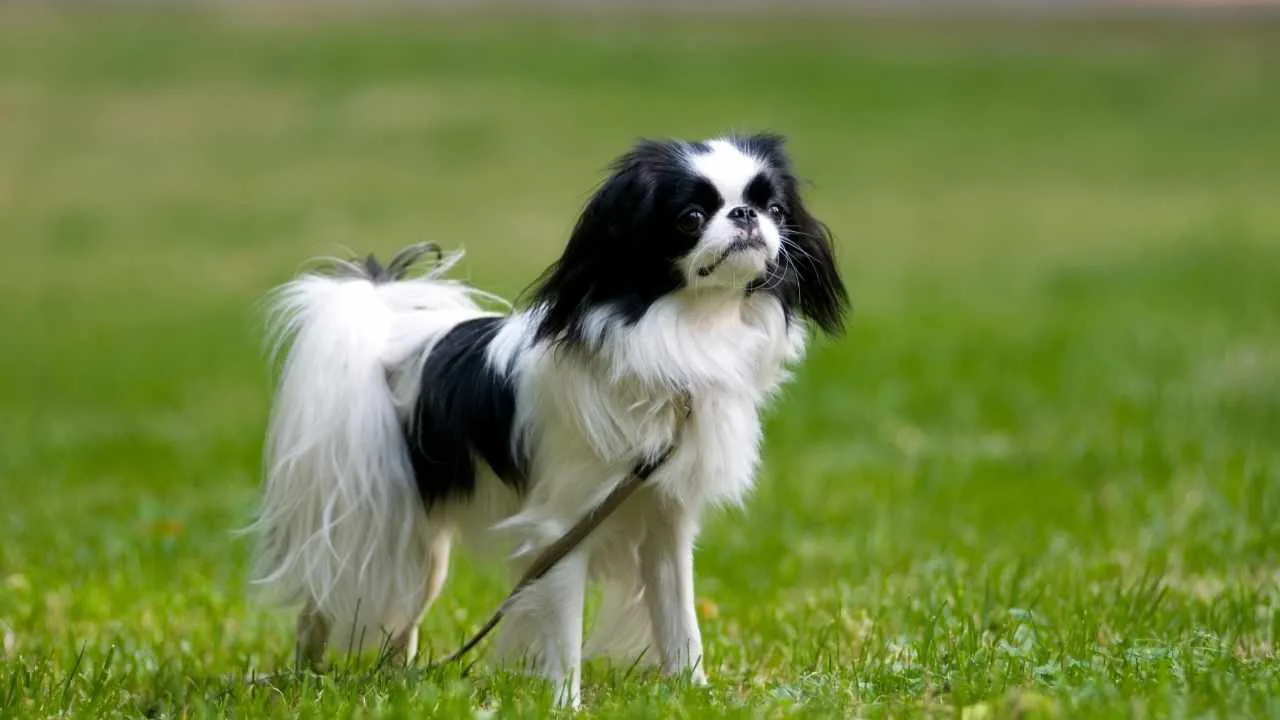
It was bred by the Chinese nobility, and the name is a misnomer. Commodore Matthew Perry brought this dog to the US in the 1850s and gifted it to his daughter. After that, the breed gained fame in the United States and was officially recognized in the year 1888.
This playful dog is known for its singing and dancing skills (the Chin spin, where the breed shows unique movements when excited). It carries its plume tail high as a status symbol. It has a strong will and independent thinking, which may sometimes make it stubborn.
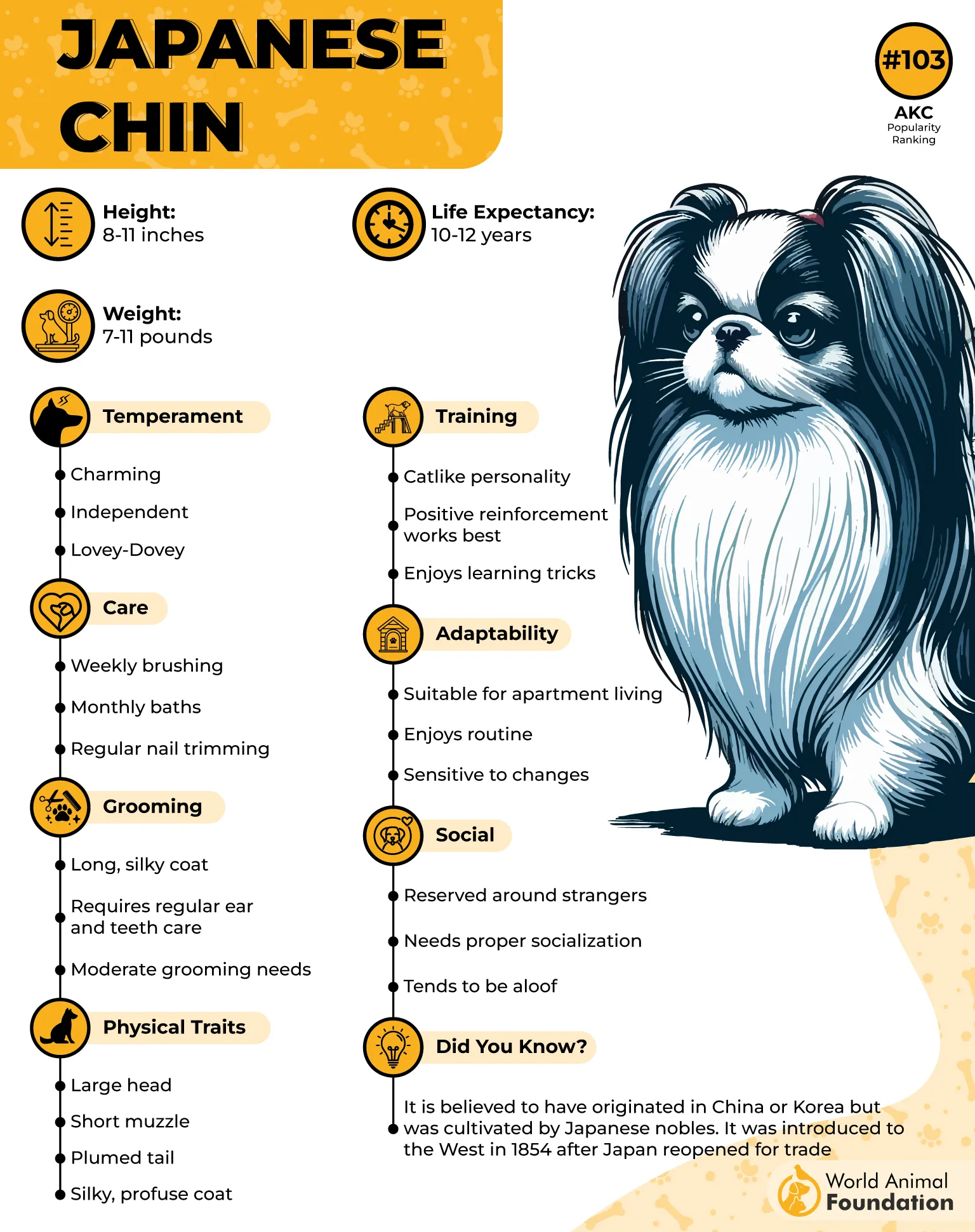
The breed has a cat-like personality and tends to lick its paws and coat to remove dirt and debris. It finds a vantage spot in the house and loves to observe every detail from there like a king.
Conclusion
A compact dog does not simply take up less space; it fills your home with just as much love, loyalty, and laughter as any larger breed. The best choice depends on your daily routine, activity level, and the time you can give your pet. Some breeds enjoy relaxing beside you, while others love games and learning new tricks.
Before bringing one home, think about grooming needs, exercise, training, and your building’s pet rules. A thoughtful match creates a happier life for both you and your dog.
In the end, the perfect apartment companion is not the smallest dog. It is the one whose personality fits naturally into your everyday life, making every corner of your cozy home feel warmer and brighter.
