




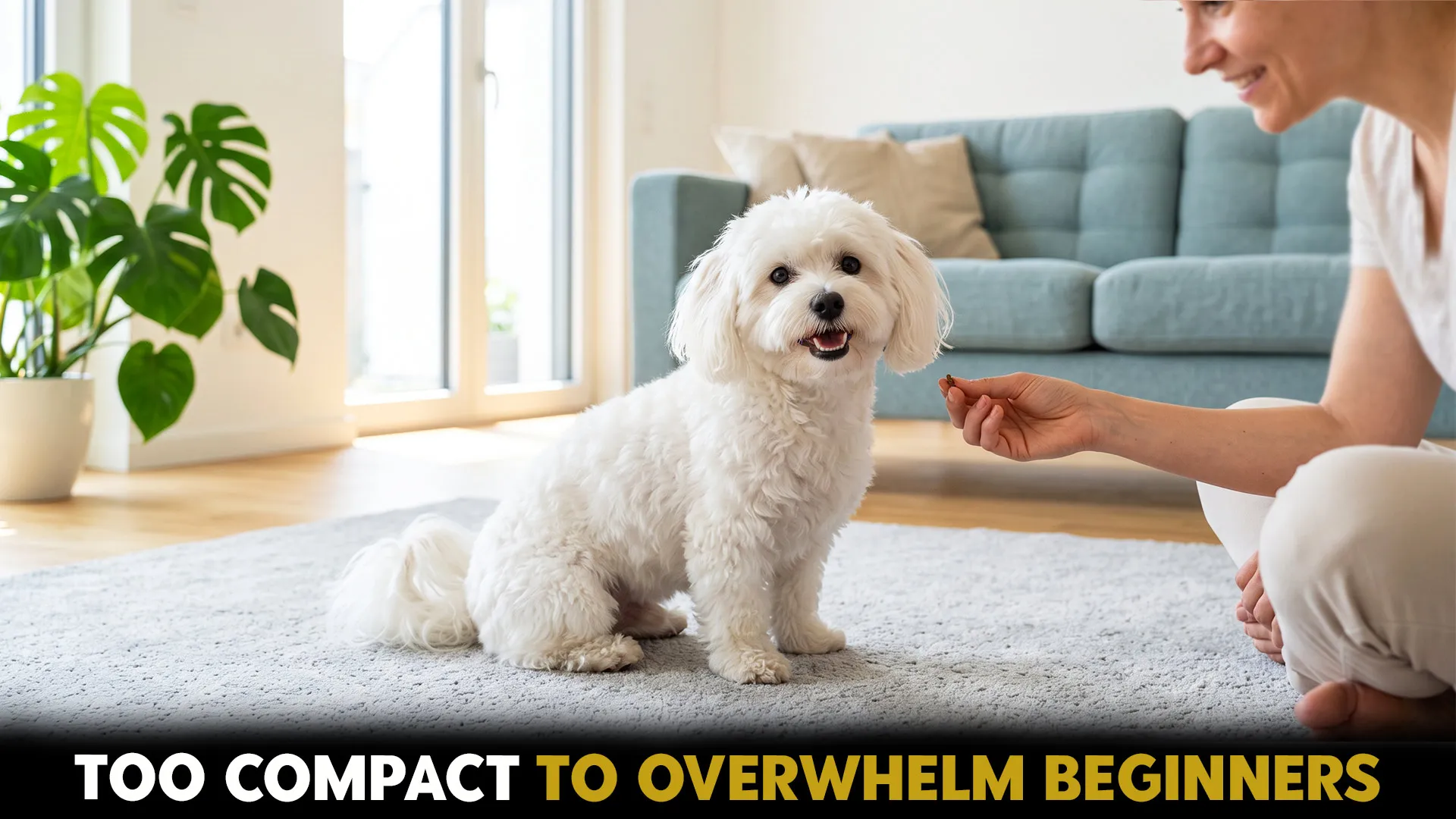
Compact dogs can be easier to manage physically than larger breeds, especially when it comes to lifting, transportation, and fitting comfortably into smaller living spaces. However, size alone does not determine how much care a dog needs, as exercise, grooming, training, and companionship requirements vary widely.
Small breeds can also have surprisingly different energy levels. A Border Terrier, for example, was developed for active work and may need considerably more exercise and mental stimulation than a companion breed such as the Bolognese. Understanding a breed’s original purpose can therefore provide useful clues about its modern behavior.
For new owners, factors such as trainability, socialization, activity requirements, grooming, and temperament are worth considering alongside physical size. The seven breeds below represent several different types of compact dogs, giving first-time owners a range of characteristics to compare before choosing a companion.
Compact Dog Breeds That New Owners Should Consider
1. Havanese
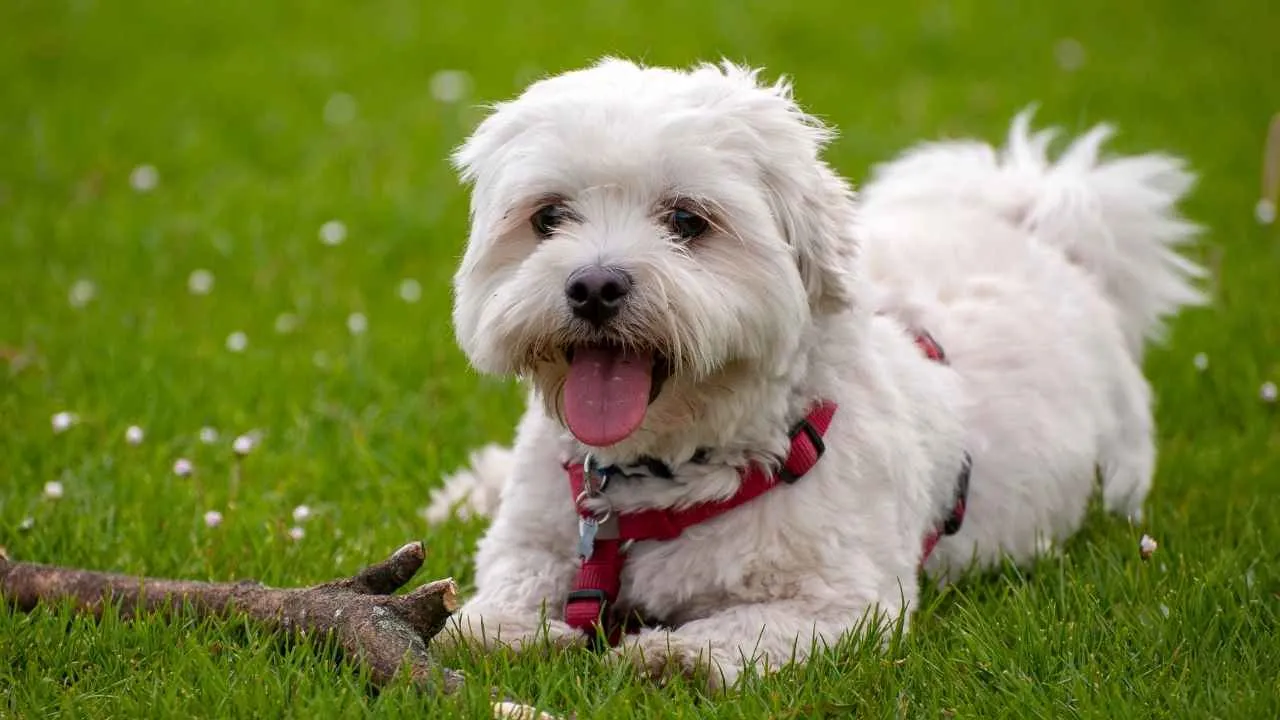
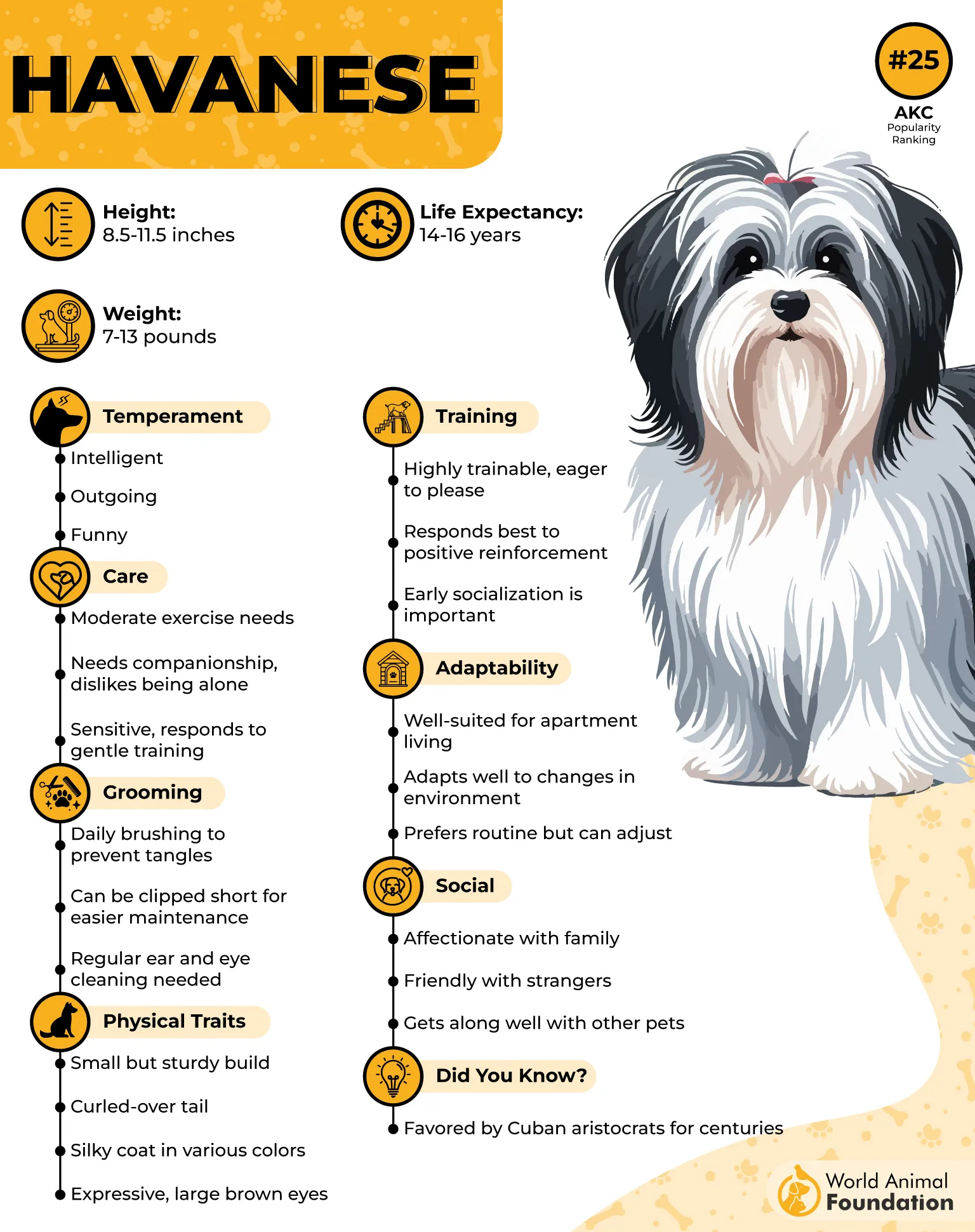
The Havanese developed in Cuba and belongs to the Bichon family of companion dogs. Its ancestors were brought to the island by European settlers, where the breed became popular among affluent households, as per WebMD. Over time, it became closely associated with life as a devoted household companion.
Positive Training and Early Socialization
Havanese are generally responsive to reward-based instruction and can enjoy learning through games and praise. Short sessions can help maintain their attention while building useful household habits. Early exposure to people, friendly animals, sounds, and unfamiliar places can encourage confidence.
A Sociable Size for First-Time Owners
Their compact frame makes them relatively convenient to handle, while their affectionate personality can provide plenty of companionship. Havanese often enjoy being involved in family activities rather than spending long periods alone. New owners should still provide daily play, mental stimulation, grooming, and human interaction.
2. Pug
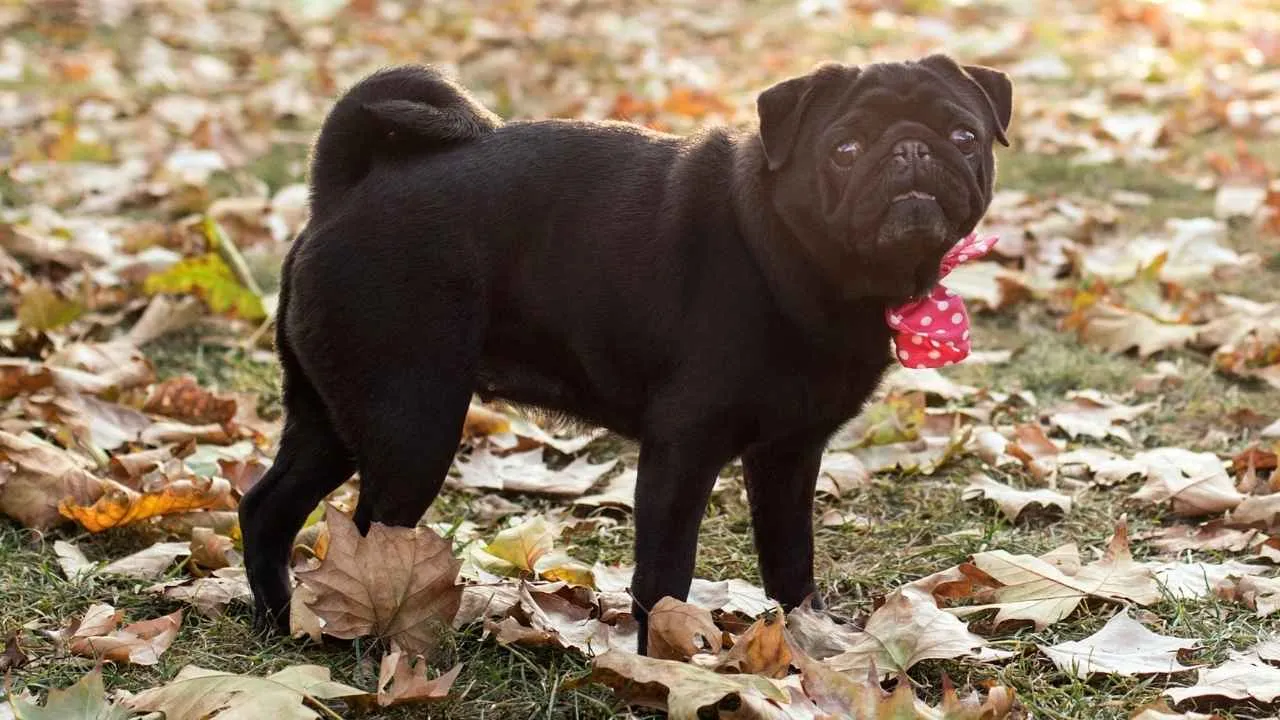
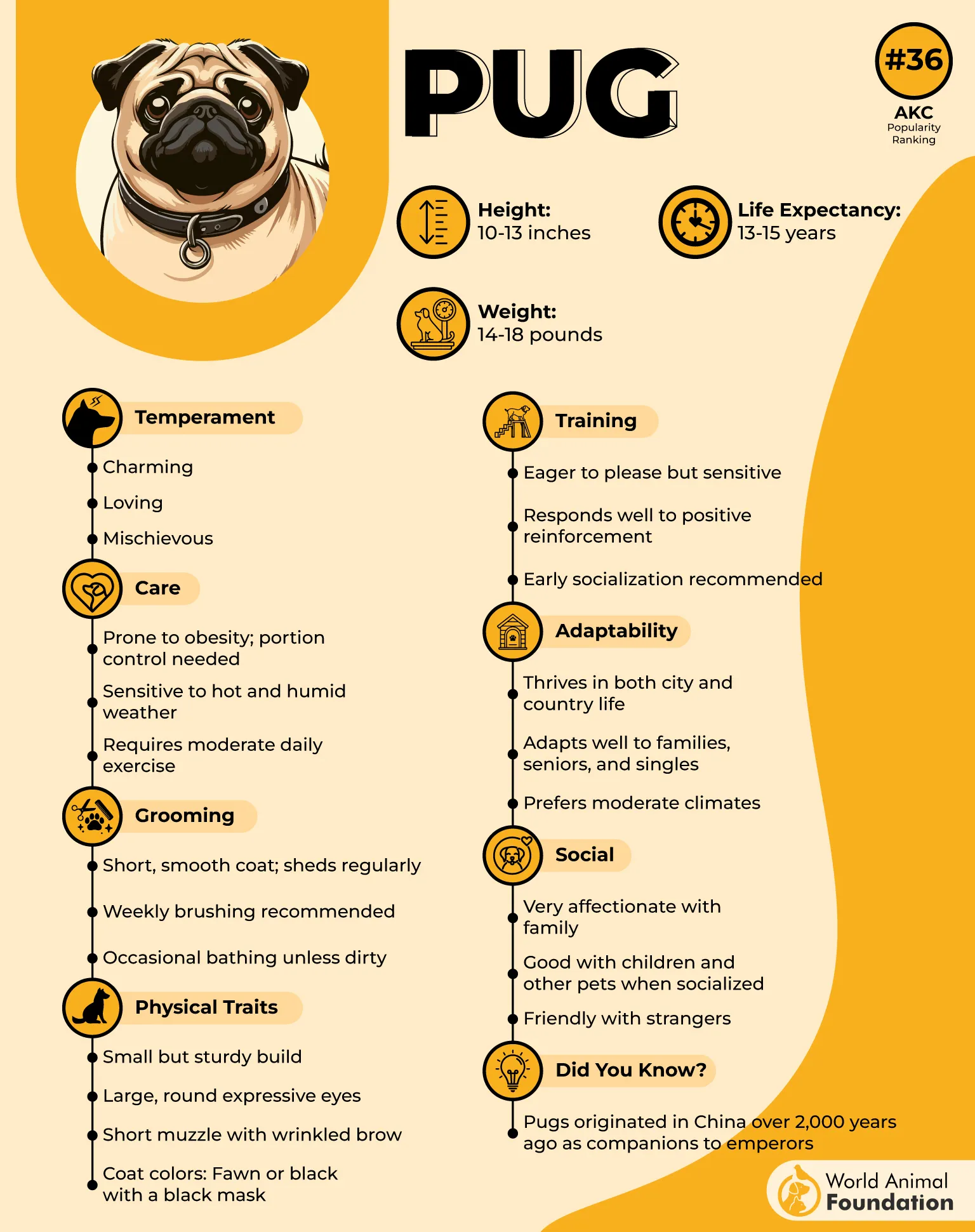
The Pug has an extensive history in China, where small dogs with similar characteristics were kept by members of imperial households. Unlike breeds developed primarily for hunting or herding, Pugs were valued for their companionship. Their popularity eventually spread throughout Europe.
Gentle Lessons and Consistent Socialization
Pugs can learn household manners through short, reward-based training sessions. New owners should introduce puppies gradually to different people, animals, noises, and surroundings. Because of their facial structure and tendency to overheat, physical activities should also remain moderate and carefully monitored.
An Easygoing Companion for Beginners
Pugs often enjoy spending time with their owners and can adapt well to indoor routines. Their playful personality can make everyday companionship entertaining without requiring strenuous exercise. They still need regular movement, enrichment, attention, and careful weight management to remain healthy.
3. Bolognese
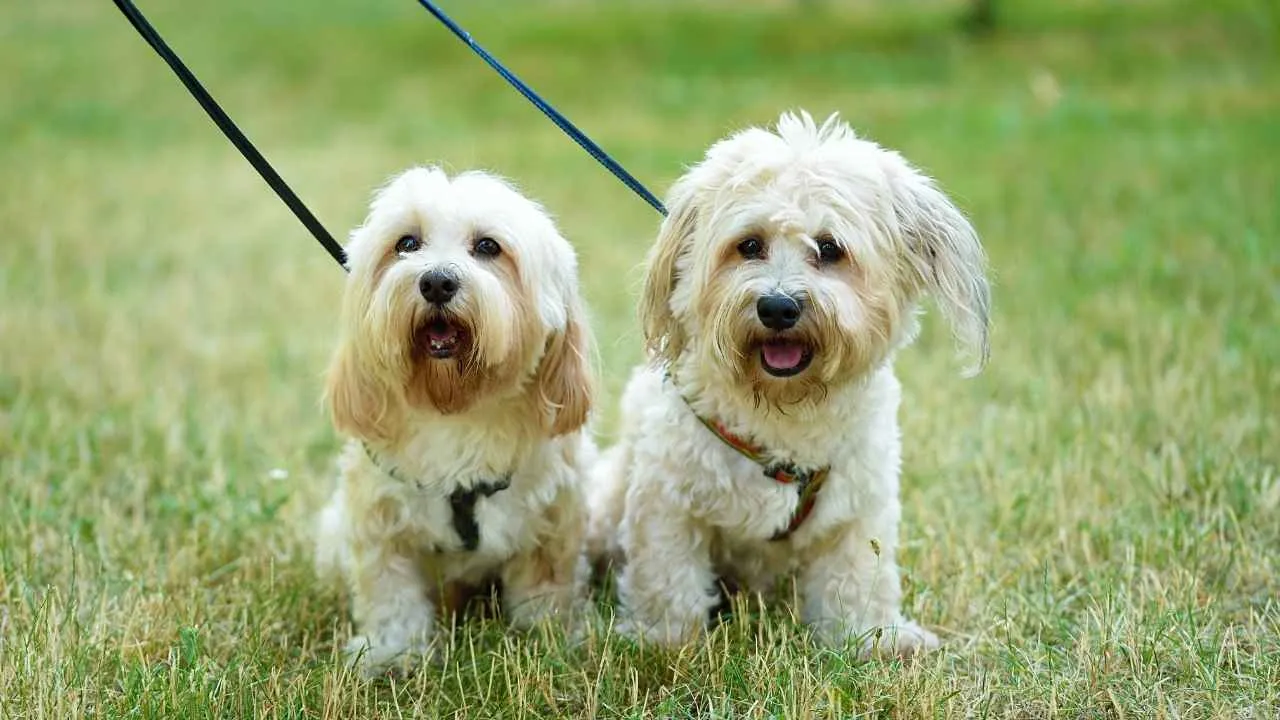
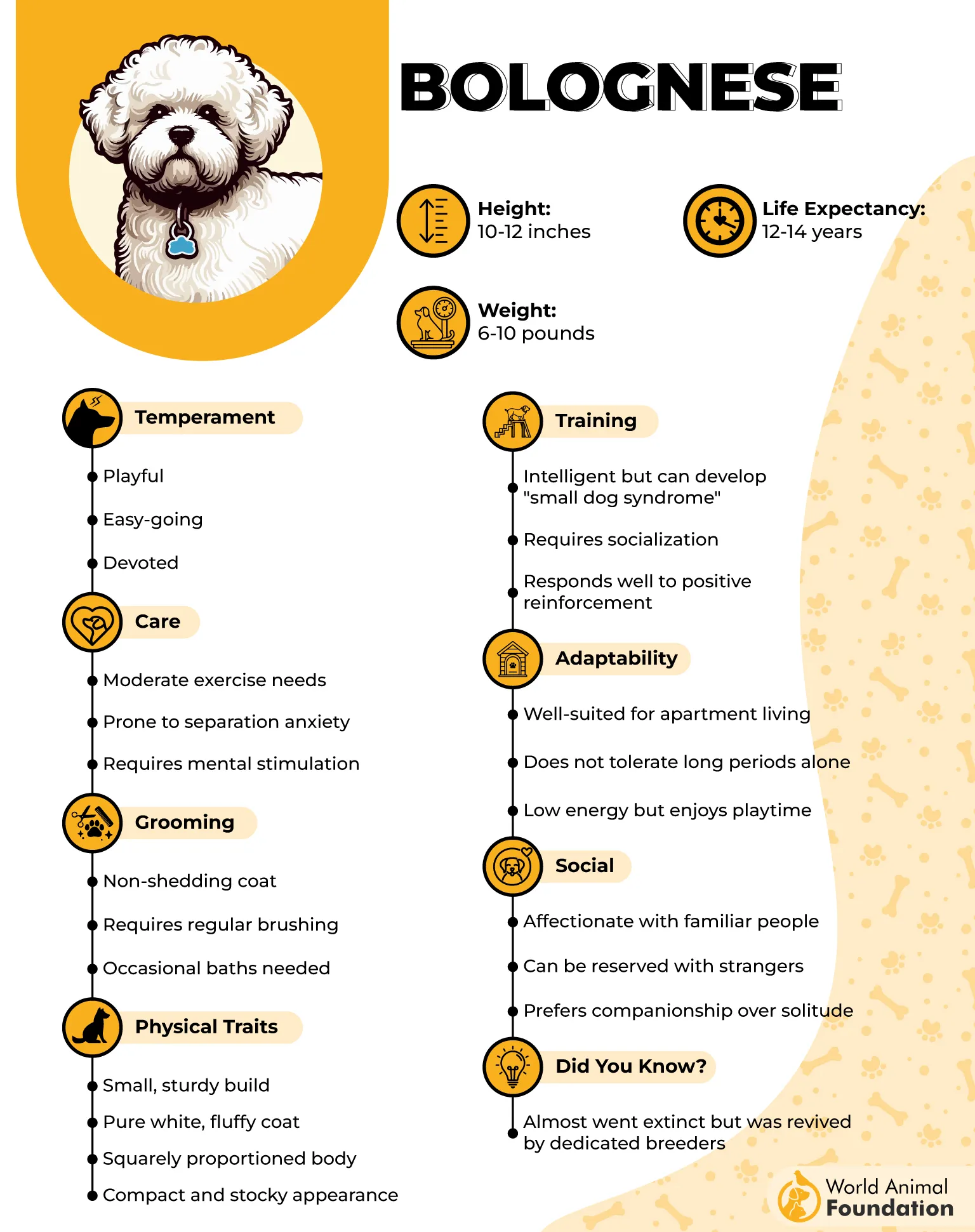
The Bolognese originated in Italy and was developed as a small companion dog, according to Purina. The breed became associated with wealthy families and European nobility, particularly in Italian society. Its long, fluffy coat and compact body helped establish its distinctive appearance.
Patient Instruction and Social Confidence
Bolognese dogs can respond well to gentle, reward-focused training. Early socialization is useful for helping them become comfortable around unfamiliar people, places, and household experiences. Consistent routines can also make it easier for a new owner to establish good manners from puppyhood.
A Quiet Companion for Smaller Homes
The Bolognese can suit owners who prefer a close household companion rather than a highly demanding working dog. Its small size can make everyday handling more manageable for someone new to dog ownership. Regular play, companionship, grooming, and mental stimulation remain important despite its modest physical requirements.
4. Cavalier King Charles Spaniel
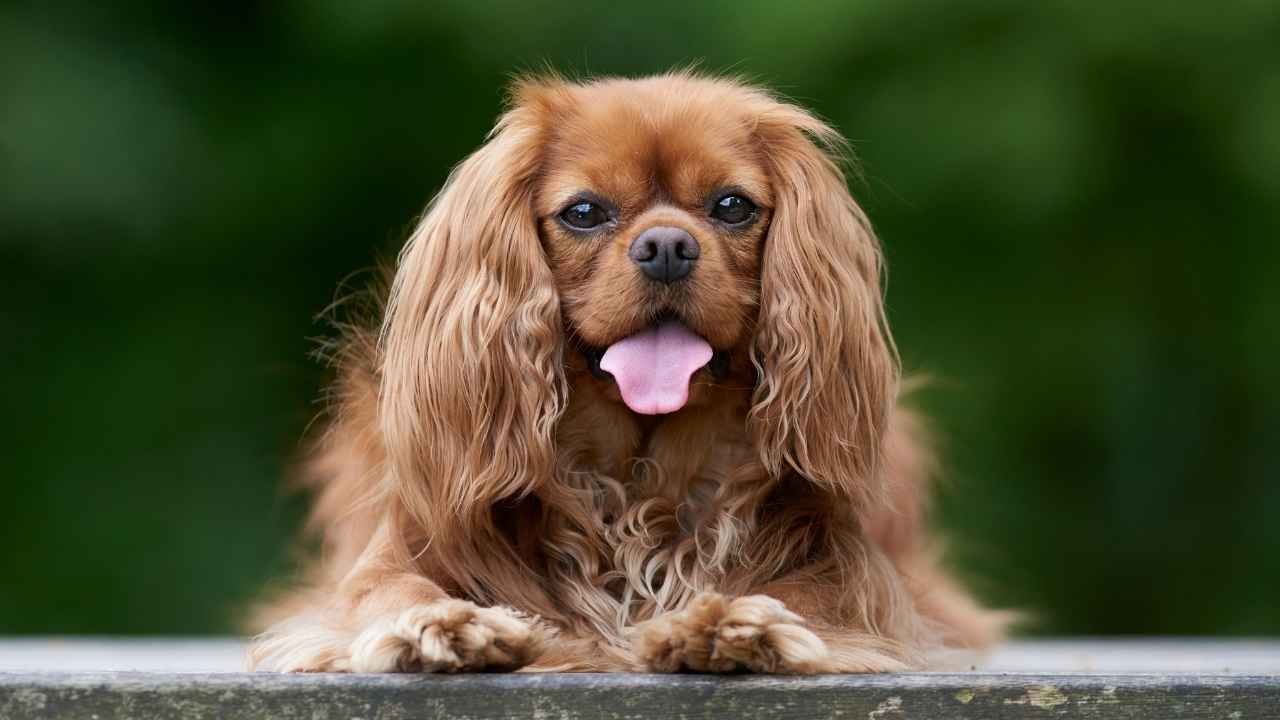
The Cavalier King Charles Spaniel developed in Britain and has a long association with aristocratic households. Small spaniels were favored as companions and frequently appeared in historical portraits. Modern Cavaliers retain the affectionate appearance and companion-oriented qualities associated with their heritage.
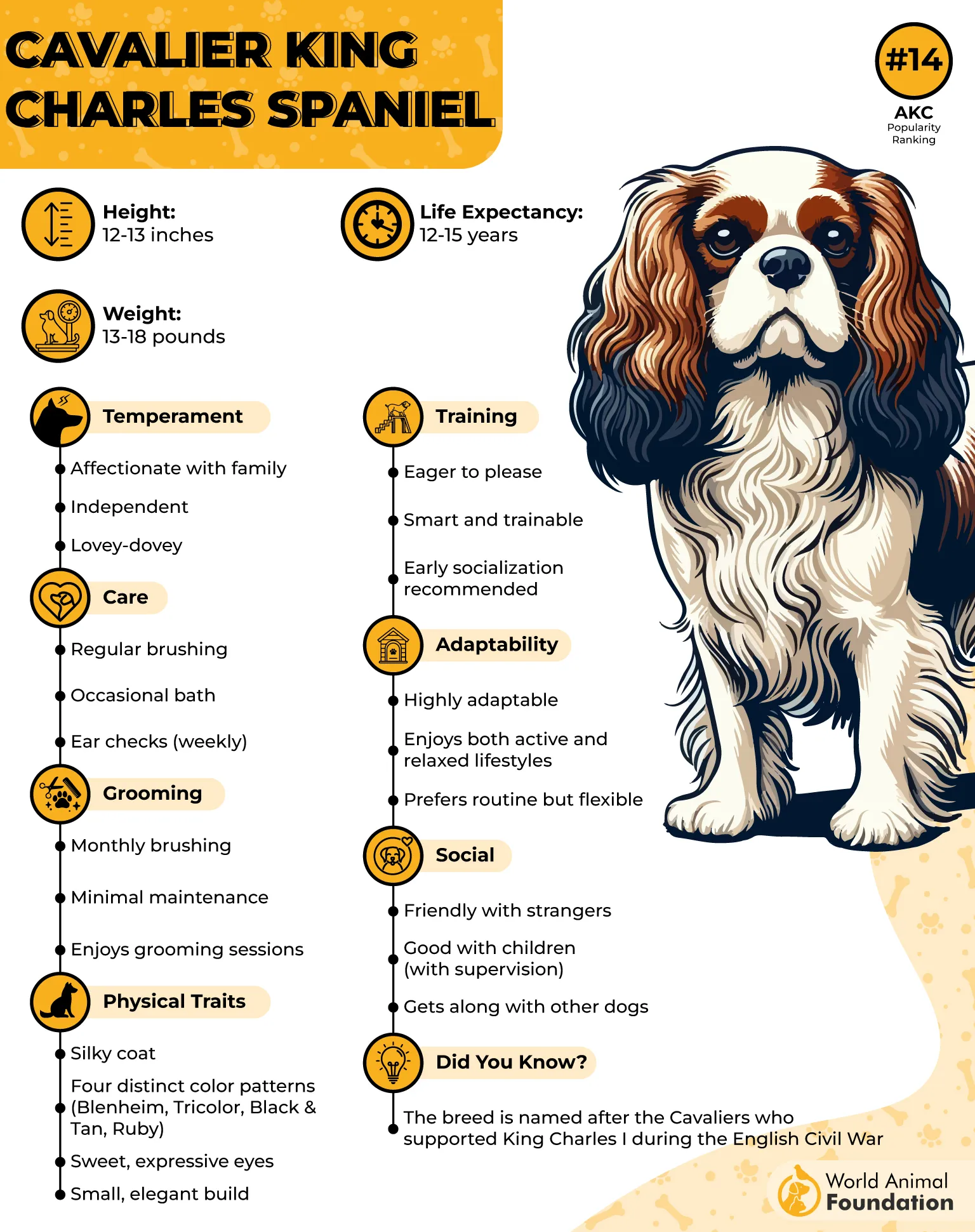
Reward-Based Training and Friendly Exposure
Cavaliers are often responsive to positive reinforcement and can enjoy learning simple commands through praise, treats, and play. Socialization should begin early and include different people, dogs, environments, and everyday household experiences, as per PDSA. Teaching polite greetings can also help prevent overly enthusiastic behavior.
An Adaptable Companion for New Owners
Their manageable size and affectionate disposition can make Cavaliers appealing to people experiencing dog ownership for the first time. They often enjoy walks and play but are equally happy participating in relaxed household activities. Owners should still prepare for regular grooming, companionship, exercise, and breed-specific health considerations.
5. Brussels Griffon
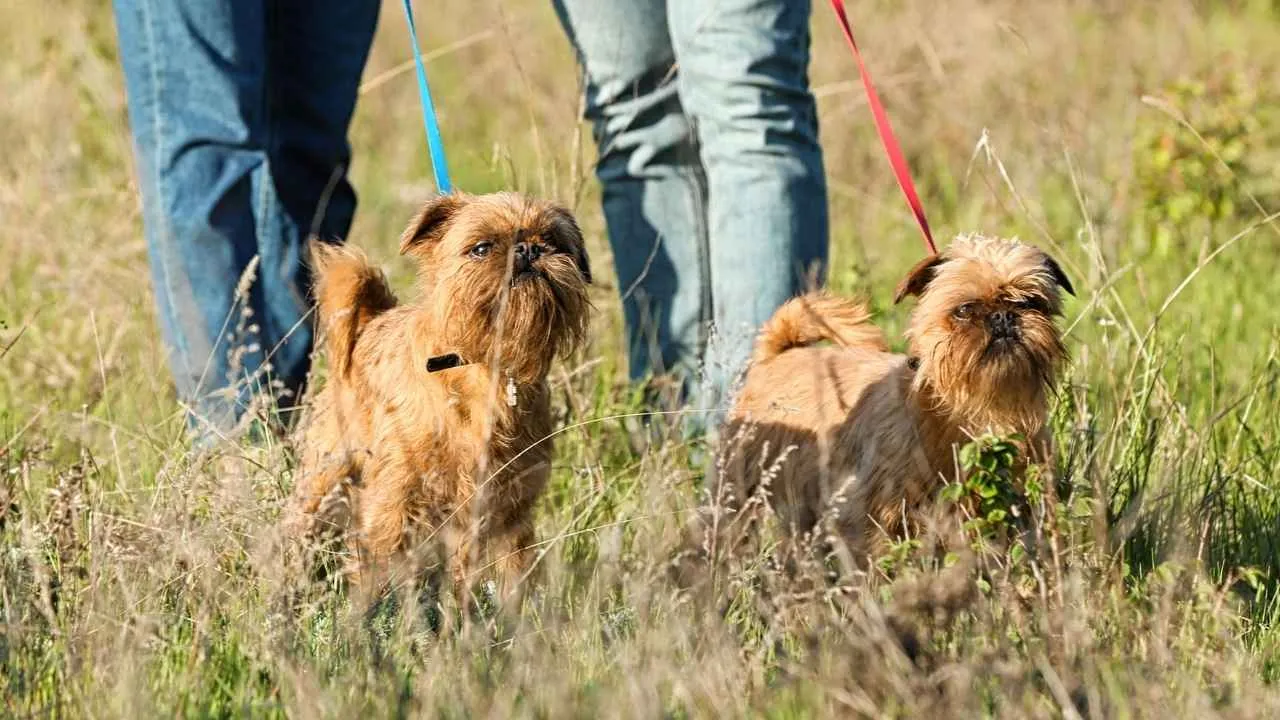
The Brussels Griffon originated in Belgium, where small rough-coated dogs were associated with stables and rat-catching, as per the AKC. Over time, selective breeding produced a more refined companion animal. The breed eventually became popular among Belgian households and developed its distinctive expressive appearance.
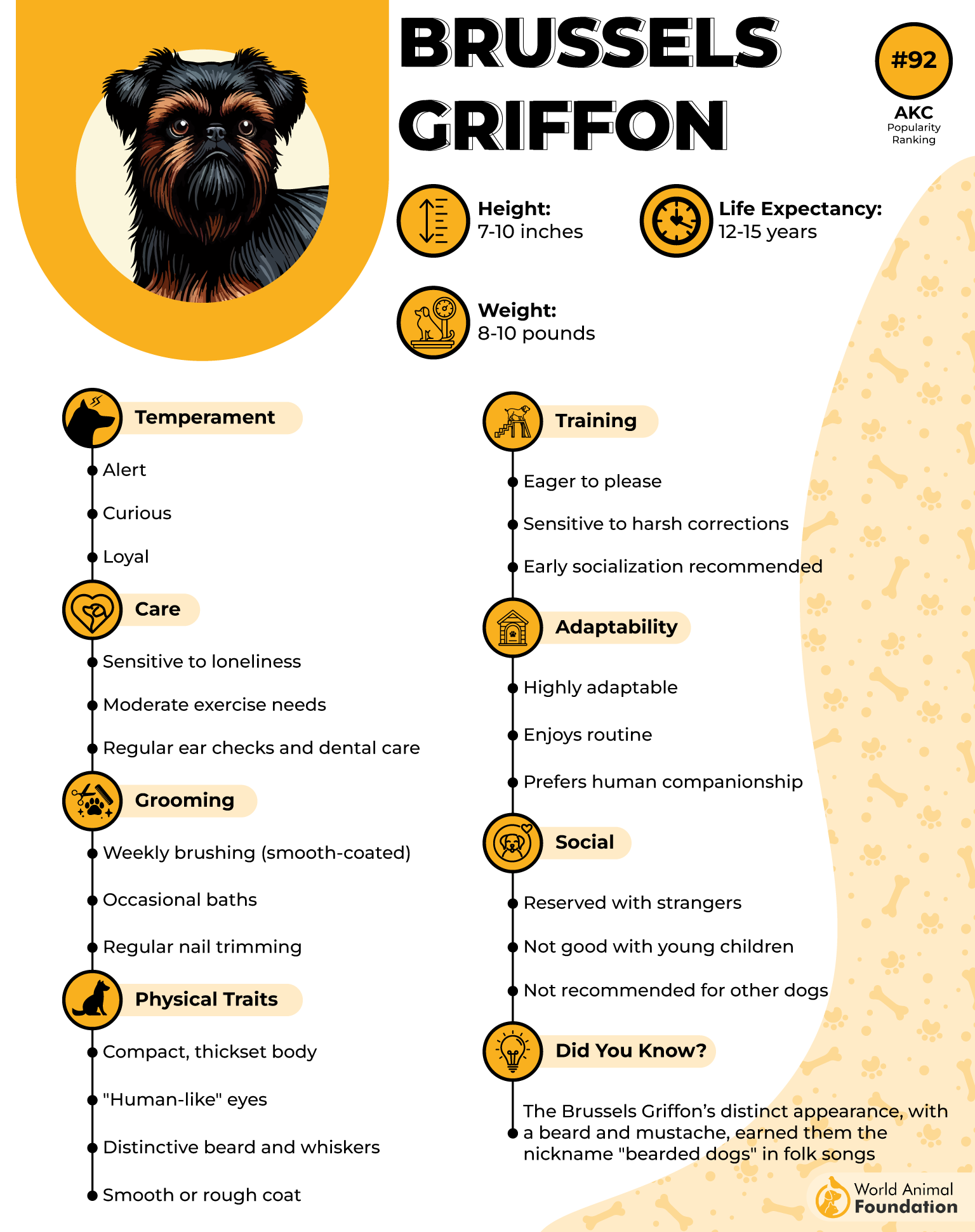
Engaging Training and Early Socialization
Brussels Griffons can be intelligent and attentive, but their strong personalities make patient training especially useful. Reward-based exercises can turn lessons into enjoyable activities rather than repetitive drills. Early exposure to people, animals, handling, and different environments can help them develop confidence.
A Characterful Companion in a Compact Package
Their small stature can be convenient for new owners, particularly in homes where space is limited. Brussels Griffons can form close attachments and often enjoy being involved in their owner’s activities. Their lively personalities mean they still benefit from play, training, attention, and mental challenges.
6. Border Terrier
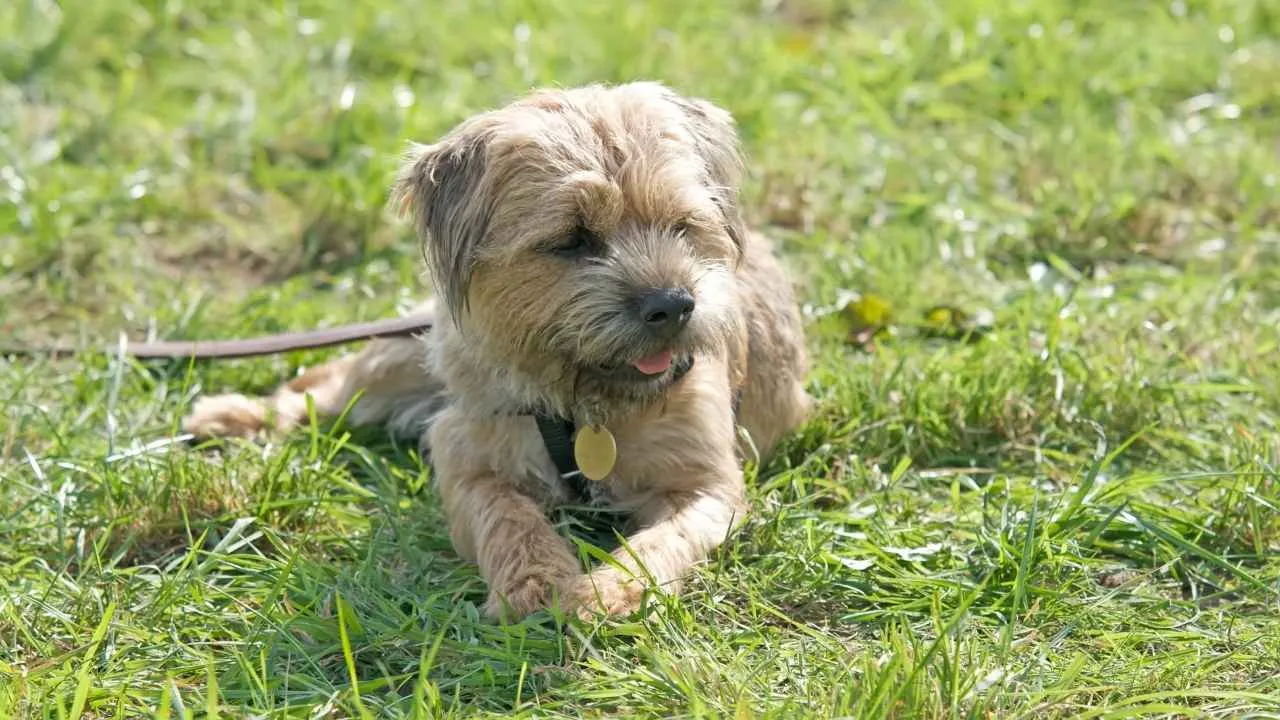
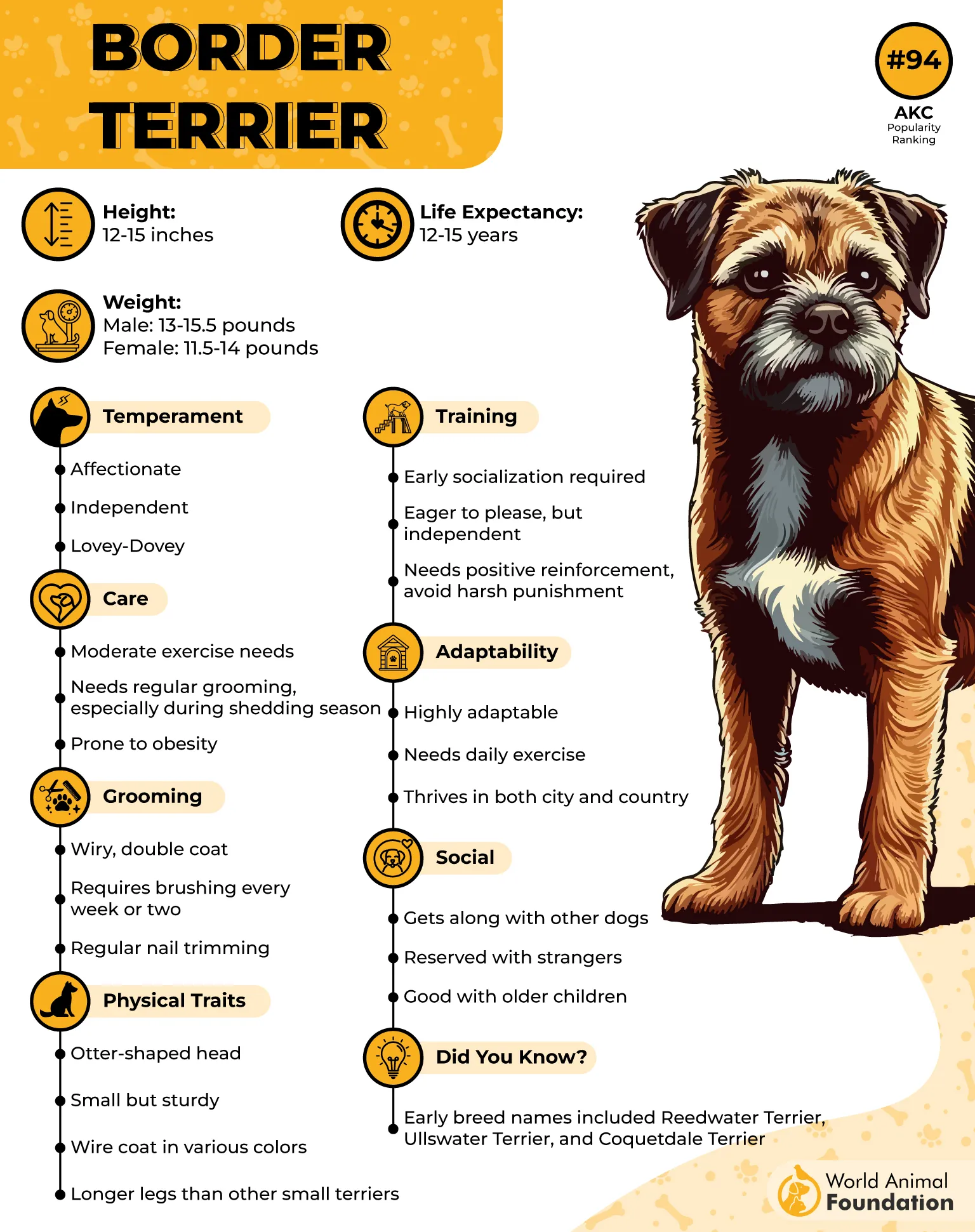
The Border Terrier originated along the border region between England and Scotland. Farmers and hunters developed these small terriers to help control foxes and other pests. Their compact bodies allowed them to follow quarry through narrow spaces, while their working background contributed to their energetic nature.
Structured Training and Thorough Socialization
Border Terriers are intelligent and energetic, making consistent training important from an early age. Reward-based activities can channel their curiosity while teaching reliable household behavior. Socialization should include people, dogs, environments, and everyday situations to encourage appropriate confidence.
A Small Breed for Active Beginners
Unlike some compact companion breeds, Border Terriers often need considerable physical and mental engagement. They can be a good match for new owners who enjoy walking, exploring, training, or interactive games. Their size is convenient, but their working heritage means they should not be treated as a purely sedentary lapdog.
7. Lowchen
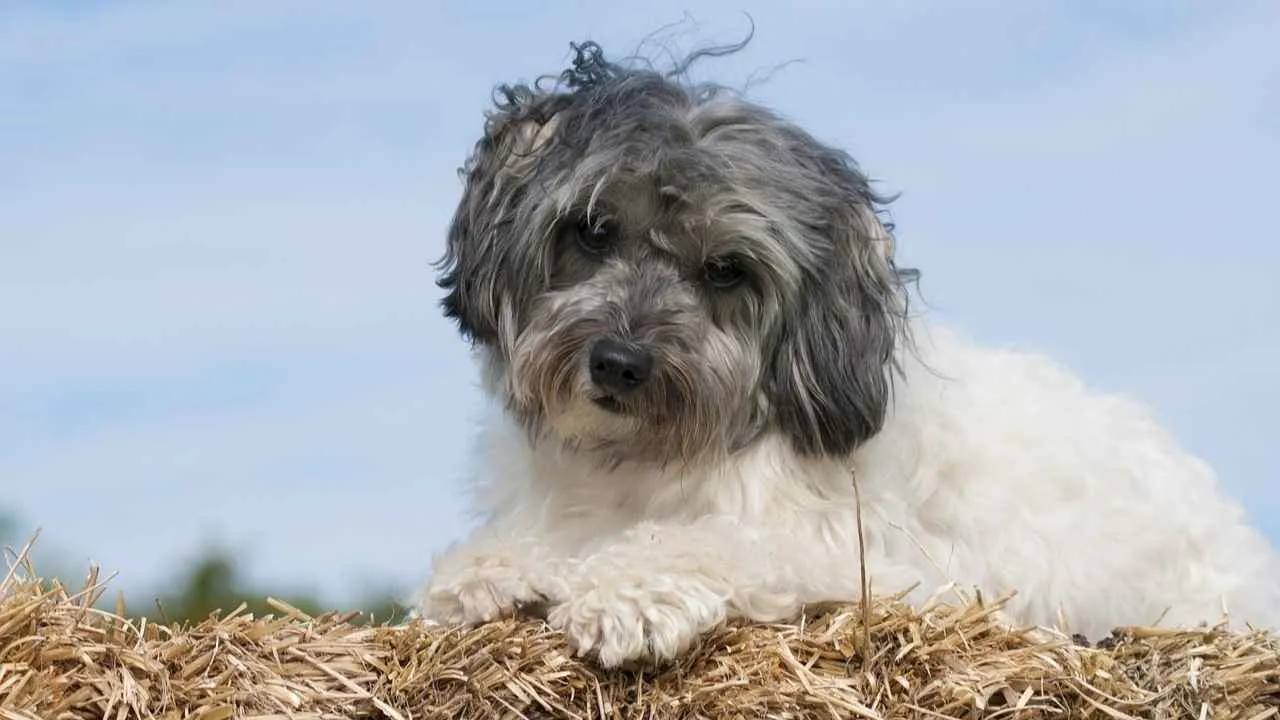
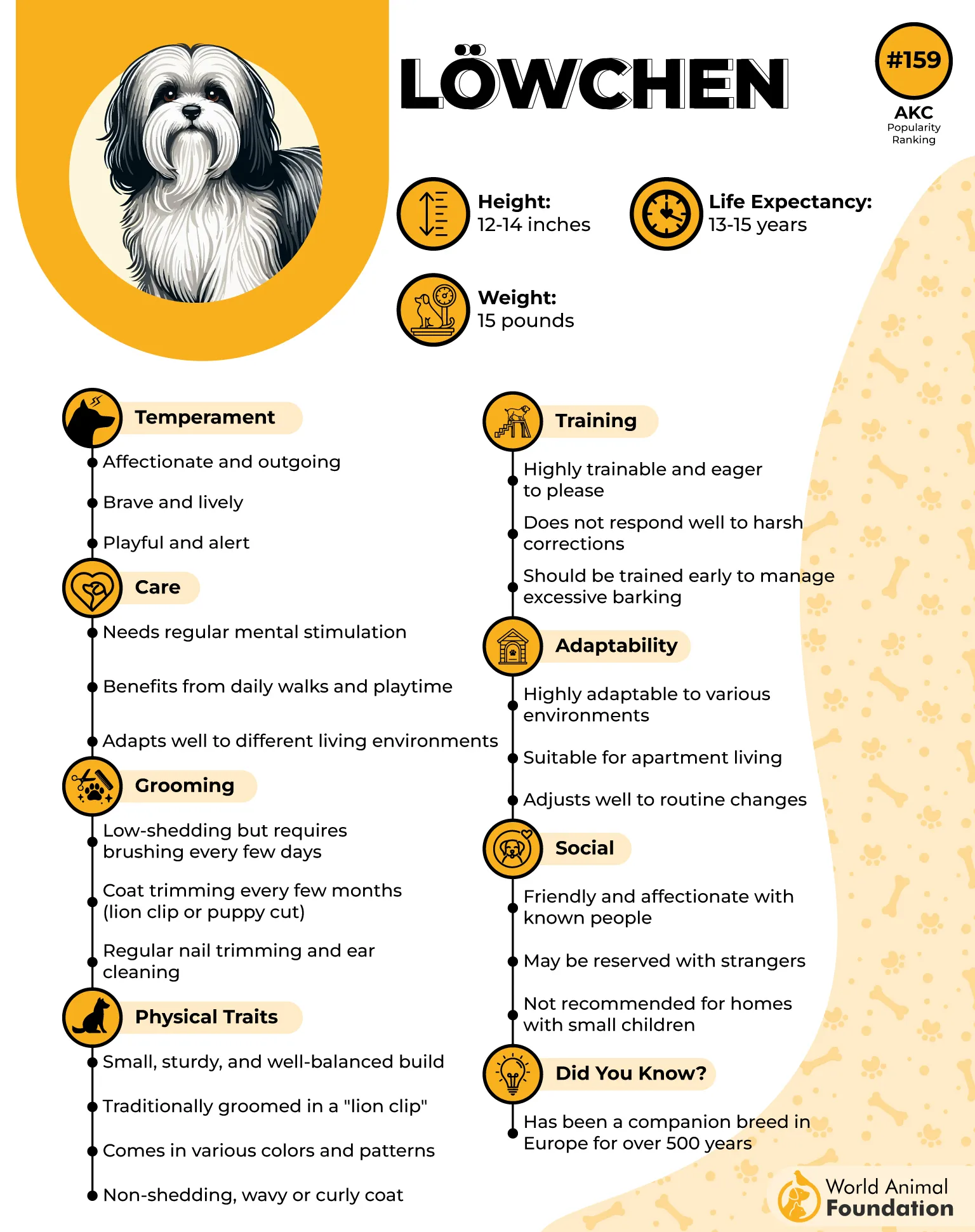
The Lowchen, sometimes called the Little Lion Dog, has a long history in Europe and appears in artwork dating back centuries. Its exact early development is debated, but the breed became established as a companion among European households. Its traditional clipped coat contributed to its distinctive lion-like appearance.
Rewarding Training and Gentle Socialization
Lowchen are generally intelligent dogs and can enjoy learning through positive reinforcement. Short training sessions can help new owners establish basic manners without overwhelming the dog. Early socialization with people, animals, sounds, and different locations can help build a confident and adaptable temperament.
A Versatile Companion for First-Time Owners
The Lowchen combines a compact body with a lively and affectionate personality. It can participate in walks and games while also settling comfortably indoors with its owner. Regular grooming, companionship, exercise, and mental stimulation should remain part of the daily routine.
Conclusion
Compact breeds can offer new owners practical advantages, particularly when living space or physical handling is a consideration. Havanese, Pugs, Bolognese, Cavaliers, Brussels Griffons, Border Terriers, and Lowchen each bring different personalities and care requirements.
Some are primarily companion-oriented, while others retain stronger working or terrier instincts. This means prospective owners should look beyond physical size and consider activity levels, grooming, training, social preferences, and time commitments.
A successful first-dog experience depends on choosing an individual animal whose needs fit naturally into the owner’s lifestyle. With appropriate training, socialization, veterinary care, exercise, and attention, a compact dog can become a rewarding and long-term household companion.
