




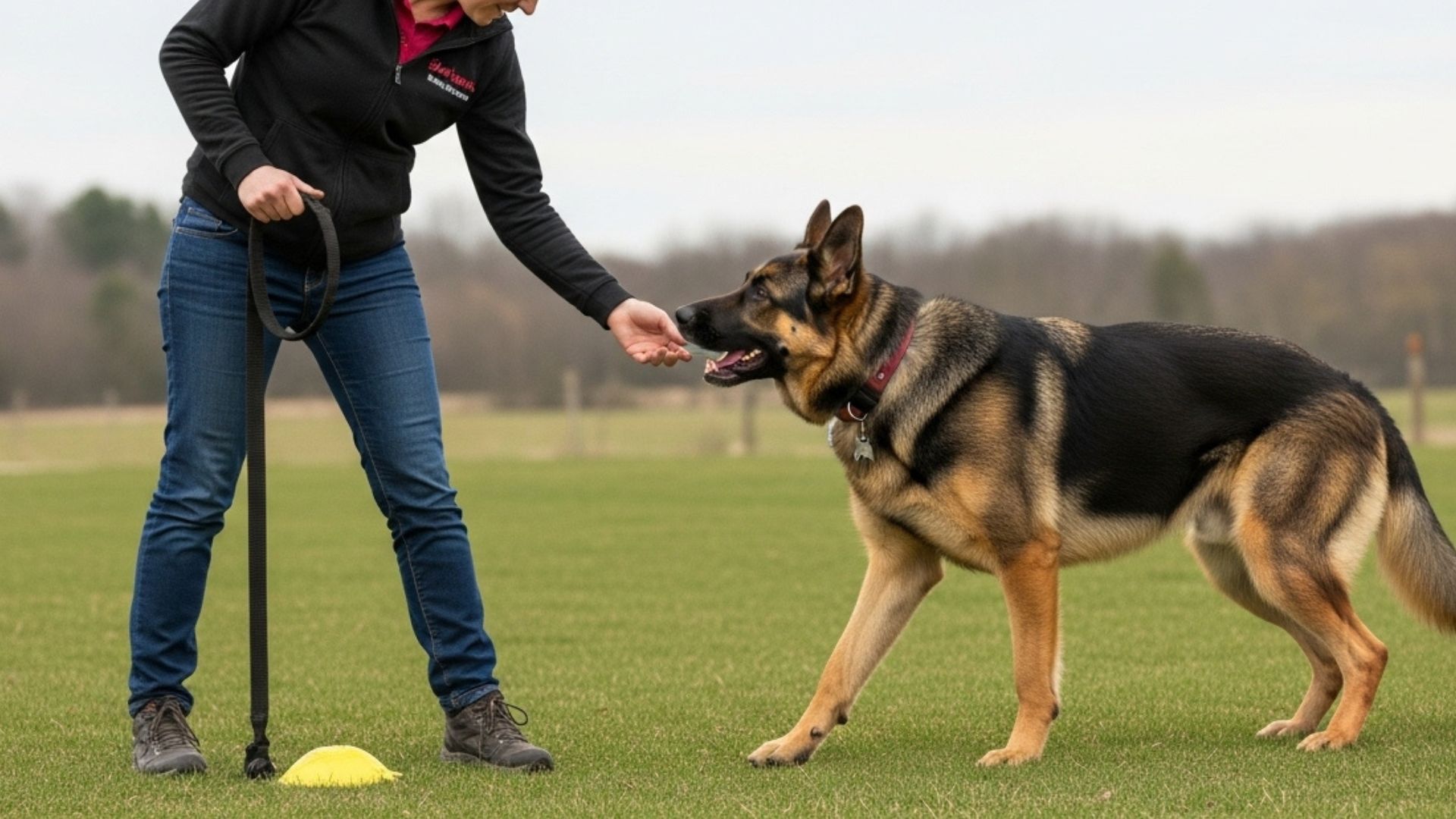
Dogs have been learning, working, and problem-solving alongside humans for centuries, but some breeds truly shine when it comes to picking things up fast.
If you have ever met a dog that figures out commands before you finish the sentence, you know how impressive that can be. Choosing a clever breed can make training smoother, more enjoyable, and far less frustrating.
In this guide, we will explore seven of the smartest dog breeds and share training strategies that help their bright minds thrive. Whether you are a first-time owner or a seasoned dog parent, understanding how intelligence and training work together can help you build a happier, stronger bond with your pup.
Did you know?
Dogs can learn over 100 words and gestures, giving them an impressive ability to understand what we ask of them. And are usually much easier to train compared to other animals.
Discover the Cleverest Dog Breeds and Training Strategies
1. Border Collie
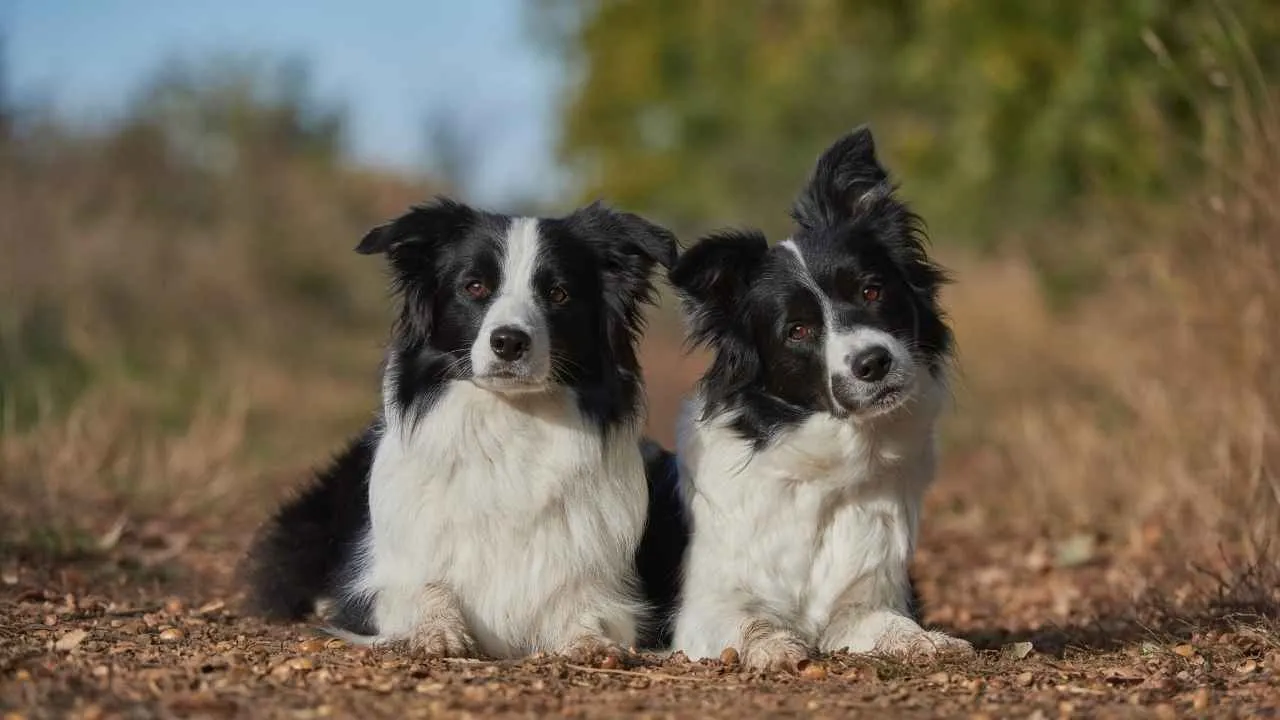
Border Collies are famous for being scary-smart, the kind of dog that picks up new commands in just a few tries and remembers them forever. Their brains blend instinct, experience, and problem-solving, which explains their lightning-fast responses and impressive object recognition.
This intelligent dog breed comes from the rugged borderlands of Scotland and England, where shepherds needed dogs that could control sheep using nothing but movement and an intense stare. No noise, no chaos, just focus, precision, and quiet confidence that still shows up today.
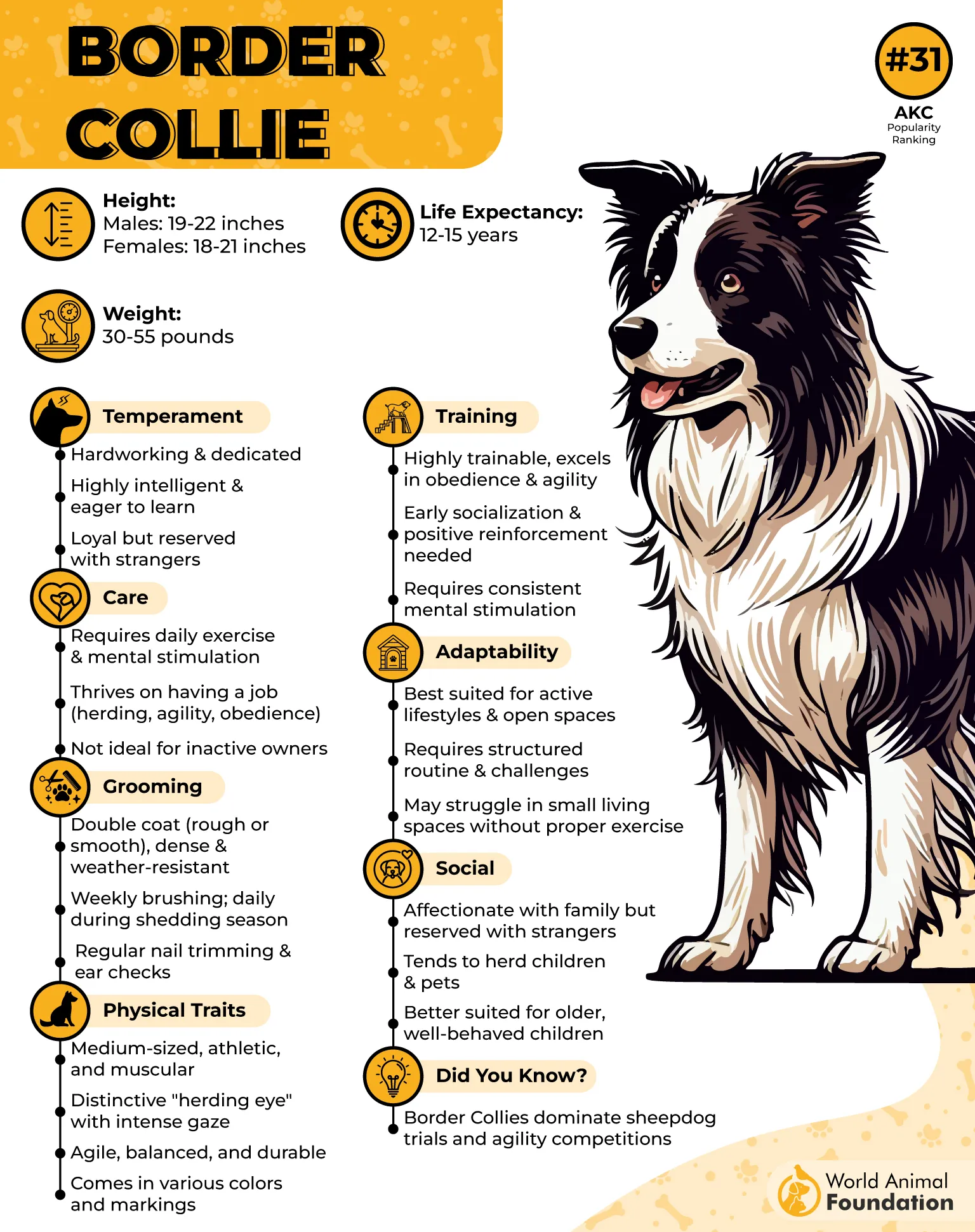
Working with a Border Collie feels less like training and more like teamwork. They thrive on positive reinforcement, love having a purpose, and crave mental challenges. Keep their minds busy, and they reward you with focus, enthusiasm, and truly impressive skills.
Training Strategies for This Breed
Keep rules clear and consistent to prevent clever loopholes
Practice calm self-control through the settle and stay exercises
Socialize early to build confidence around people and dogs
2. German Shepherd
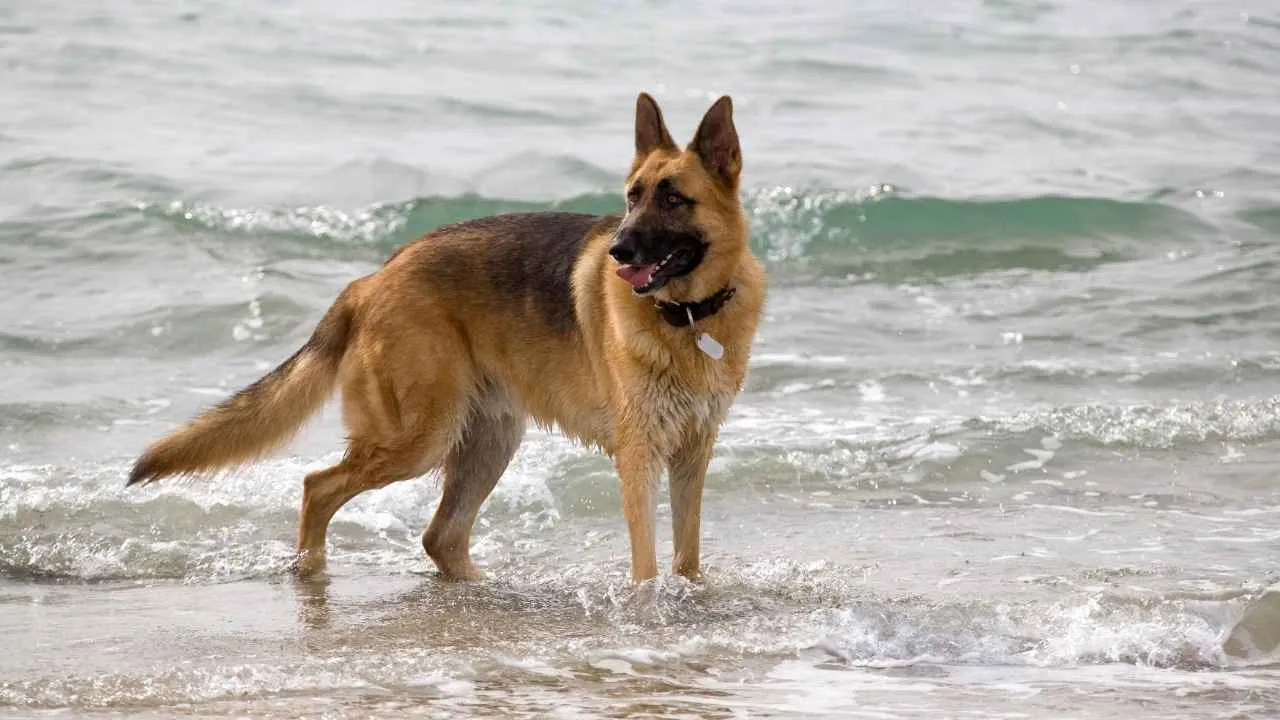
This is a dog that looks ready for action even when lounging on the couch. German Shepherds are known for their confident presence, strong build, and sharp awareness of their surroundings. Bred as herders, they bring energy, loyalty, and focus to everything they do, especially when given structure.
What really stands out is how quickly they absorb information and respond to direction. This intelligent breed can learn new commands within several repetitions and understand verbal, visual, and physical cues. They do best with consistent routines, positive reinforcement, and reward-based training that keeps their minds fully engaged.

Their intelligence shines brightest when they are working with purpose. German Shepherds are widely used for police and military patrols, bomb detection, dog sports, search and rescue missions, and even as service dogs. Activities like scent tracking, agility, and herding give them an outlet that matches their drive.
Training Strategies for This Breed
Focus early on positive socialization to balance guarding instincts
Lead with structure and follow through with positive rewards
Use methods that suit intelligent, sensitive, and sometimes food-selective dogs
3. Labrador Retriever
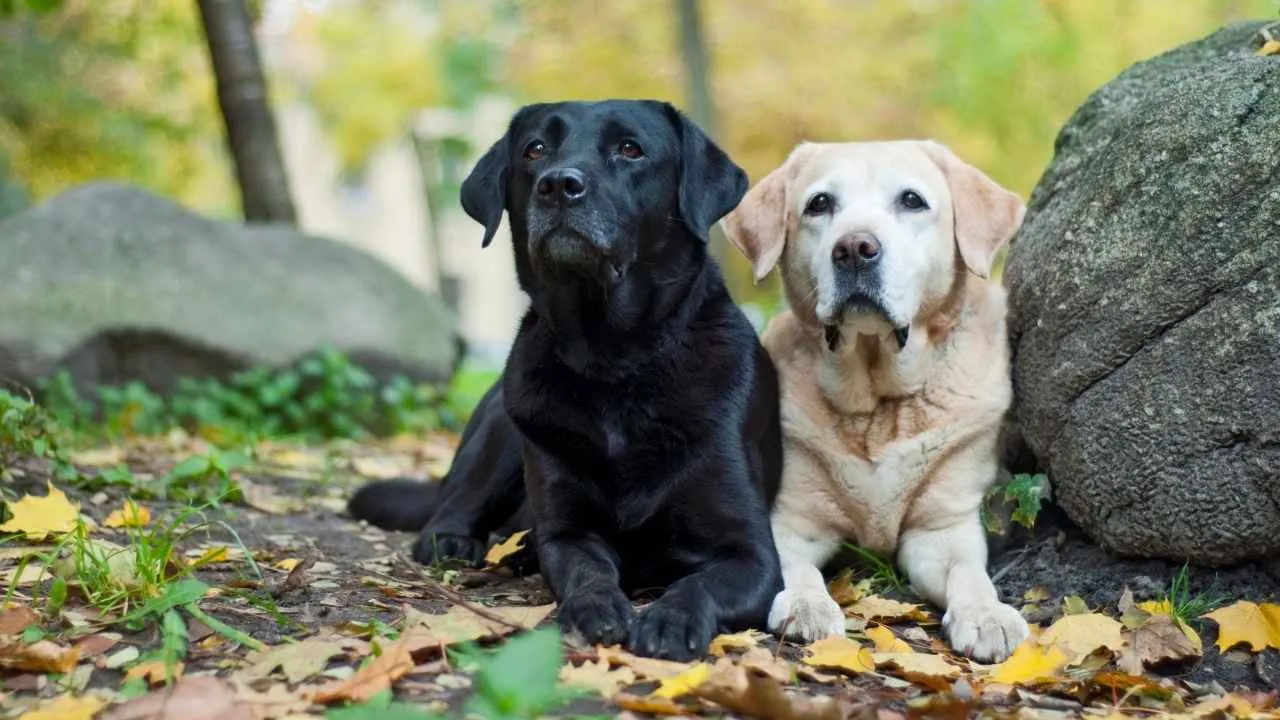
Labs have earned their reputation by being endlessly enthusiastic, social, and ready to jump into whatever their humans are doing. Known for their friendly nature and outgoing attitude, they fit easily into busy households and thrive when included in everyday activities that keep them moving and engaged.
Out in the field is where many Labradors truly come alive. Originally developed as water dogs, they excel at retrieving, swimming, and working alongside hunters for long hours. Their sturdy build, webbed feet, and love of water make them natural partners for tracking, field trials, and dock diving.
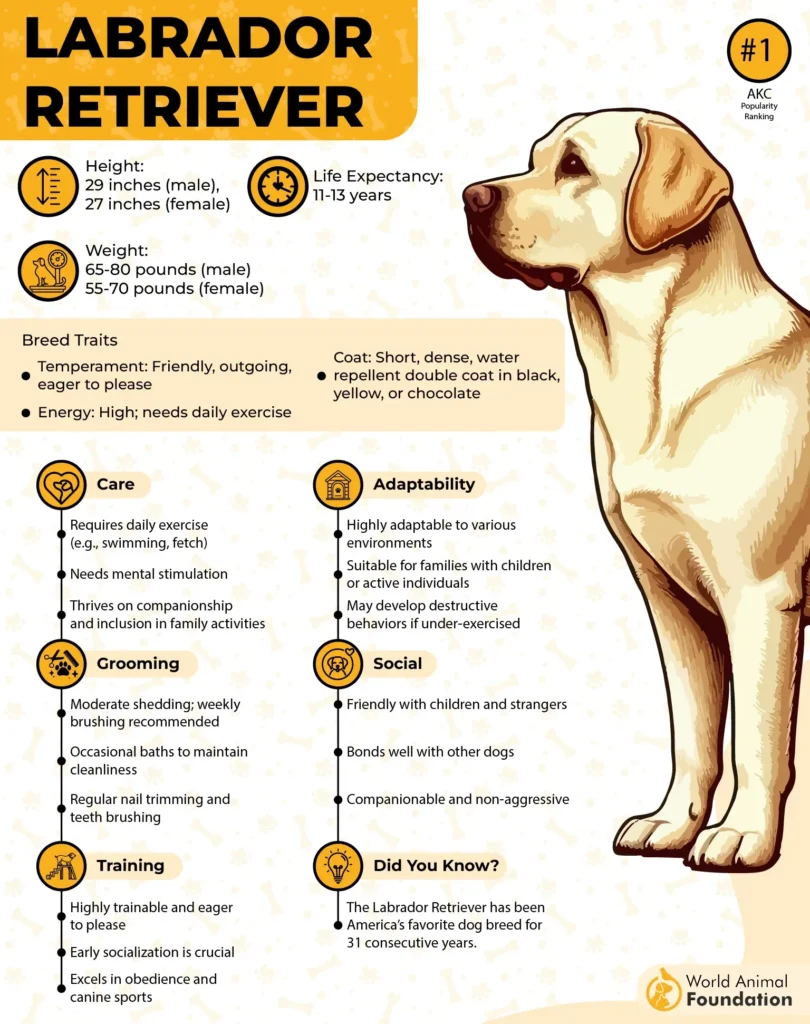
As mentioned by the American Kennel Club (AKC), early socialization and puppy training give Labs a great start, helping guide their strength and energy, shape good manners, spot habits early, and support their happy, people-loving nature.
Training Strategies for This Breed
Clearly define when protective behavior is appropriate and when it is not
Tackle nipping early so it does not carry into adulthood
Balance mental and physical stimulation to avoid overstimulation
4. Doberman Pinscher
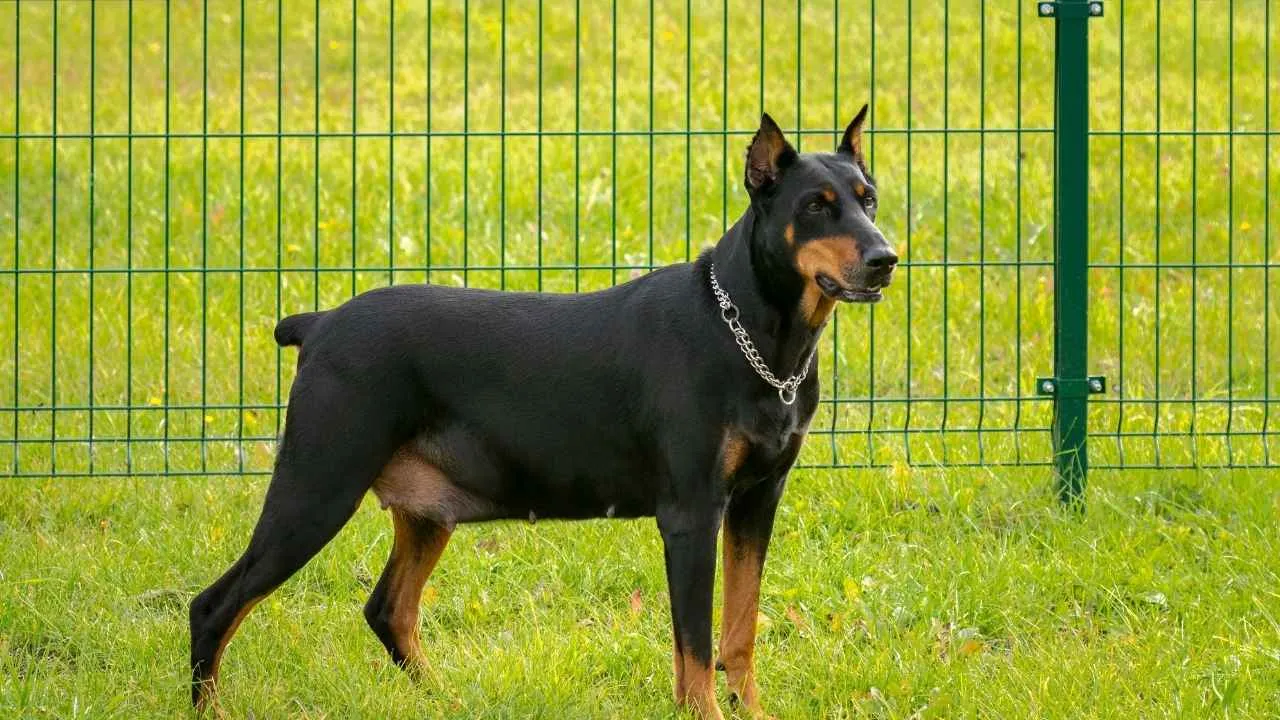
There is a reason Dobermans have a reputation that makes people stand a little straighter. Originally bred in Germany as personal protectors, they were designed to stay close, stay alert, and take their job seriously. Confidence, loyalty, and vigilance are woven into their everyday behavior.
When it comes to guarding roles, Dobermans shine with purpose. They have long been trusted as protection dogs, police dogs, military workers, and patrol partners. Their instinct is to watch, assess, and respond, making them exceptional at warning rather than reacting blindly.
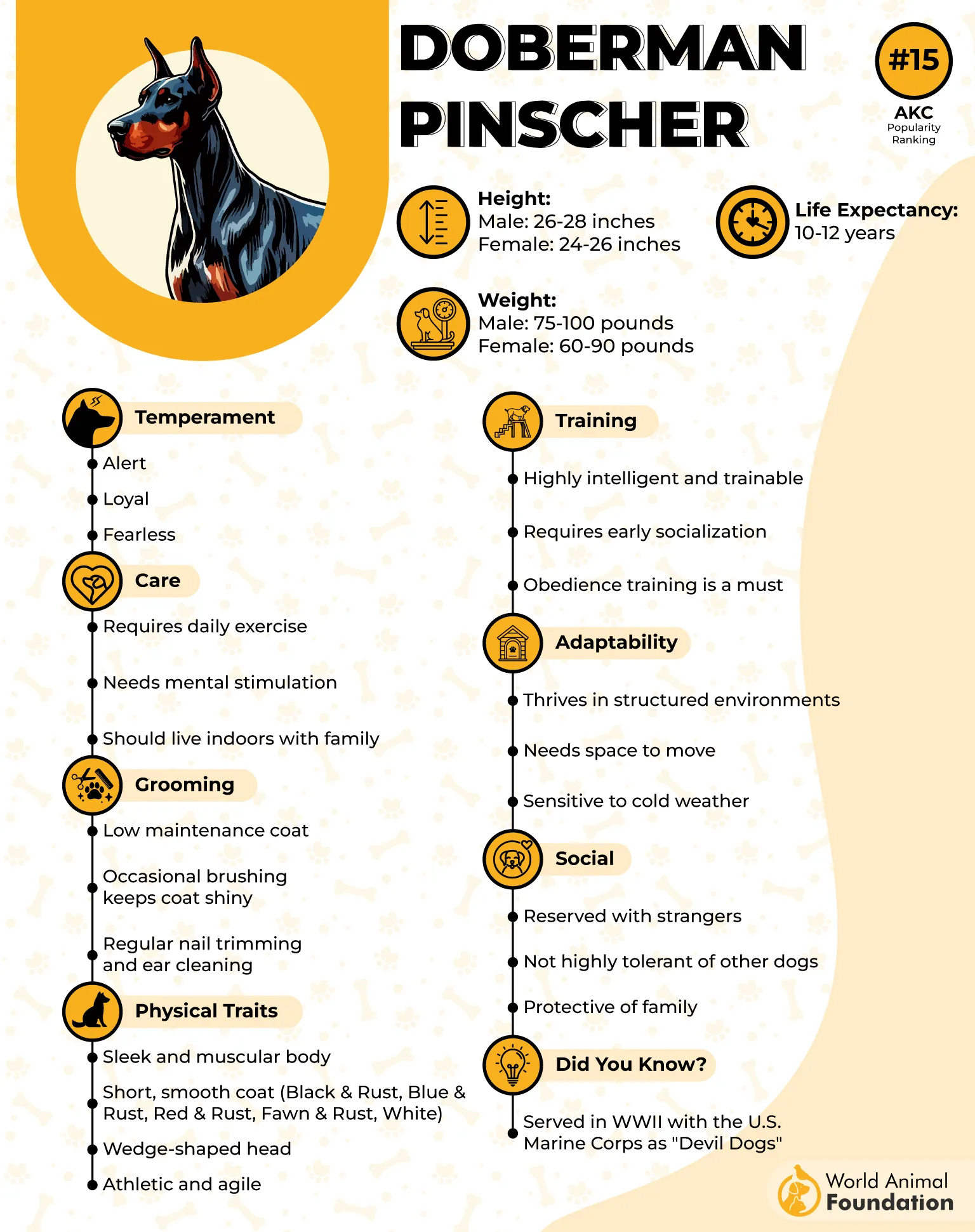
Strength and sharp thinking go hand in hand for this guard dog. Dobermans learn quickly, respond fast, and thrive with structured training and social exposure from puppyhood. Their intelligence, paired with physical power, means guidance matters because an untrained Doberman can become overwhelming fast.
Training Strategies for This Breed
Reward alert behavior with praise and treats to guide natural guarding instincts
Rely on positive reinforcement instead of punishment to prevent aggression
Watch body language closely and pause training when stress or fatigue shows
5. Shetland Sheepdog
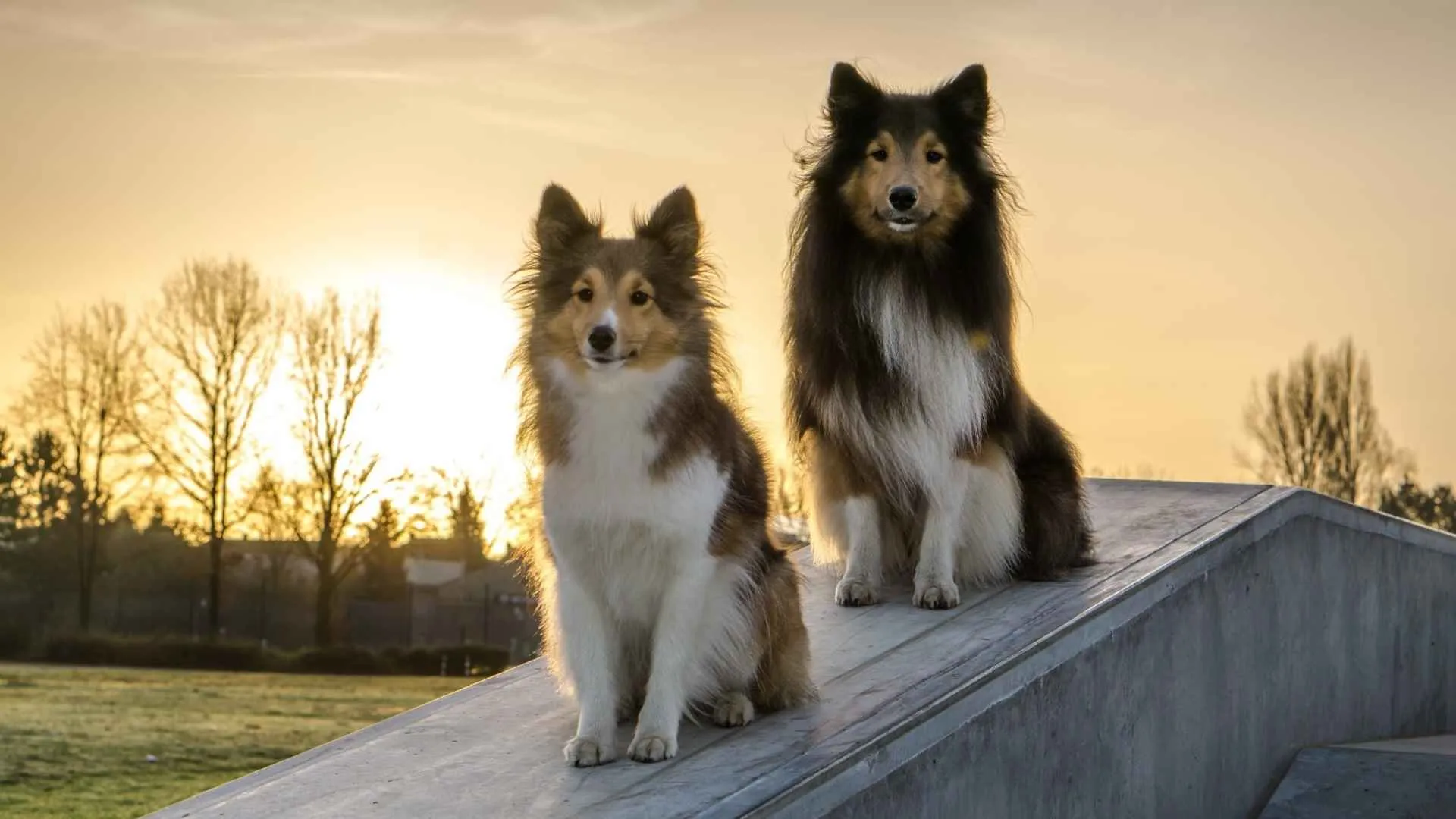
Born on the rugged Shetland Islands of Scotland, this small but mighty herder was shaped by tough terrain and hardworking farm life. These herding dogs were trusted to manage sheep, ponies, and poultry, relying on sharp instincts, quick thinking, and constant awareness of their surroundings.
As noted by PetMD, Shelties strike a wonderful balance between brains and heart. They love learning, shine in obedience and agility, and stay closely tuned in to their people, all while their smaller size makes everyday family life easier and more enjoyable.
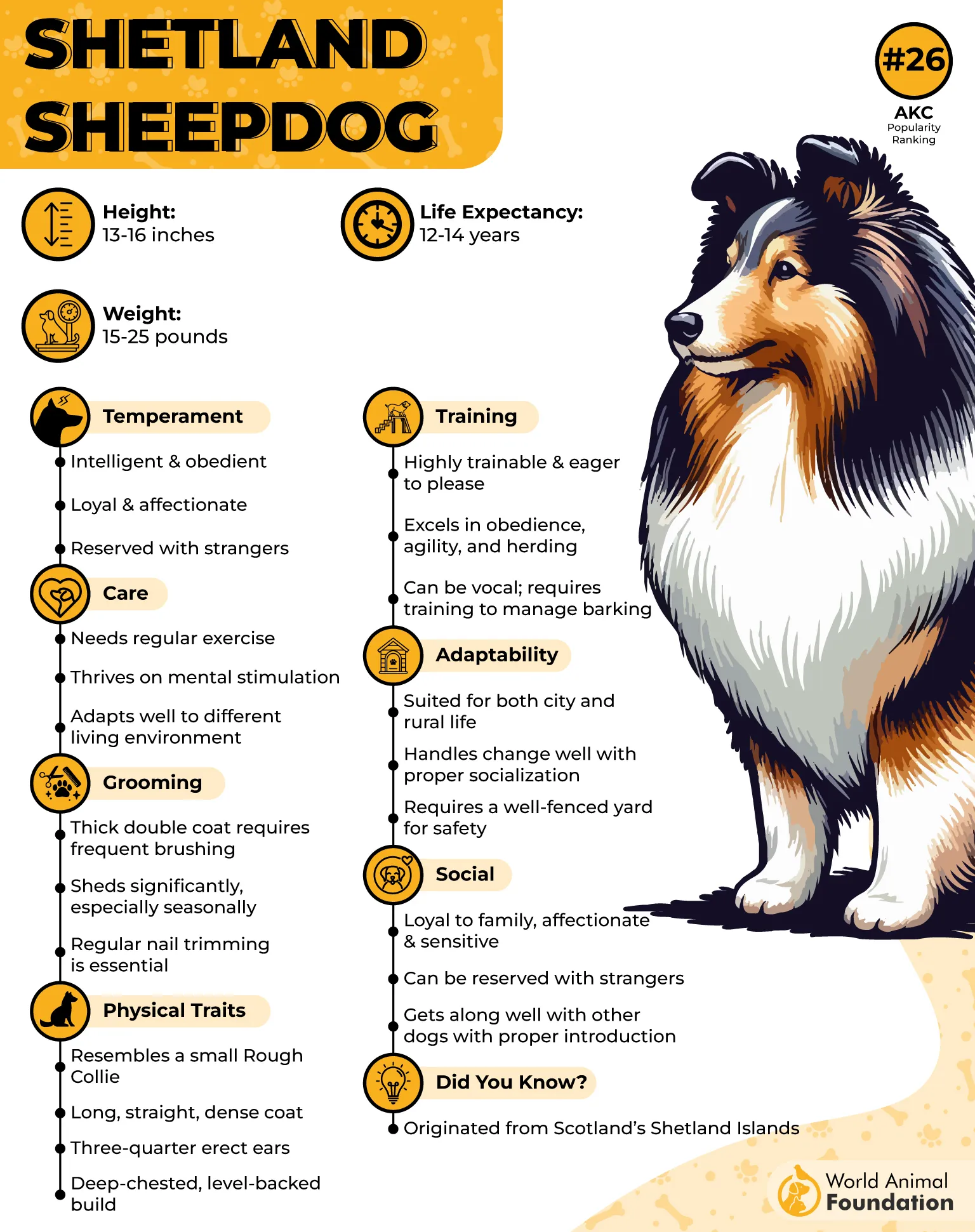
The Sheltie’s fluffy double coat sheds more than you might expect, so regular brushing is a must, especially during heavy shedding seasons. Focus on mat-prone spots, skip shaving, bathe only occasionally, and keep nails neatly trimmed.
Training Strategies for This Breed
Build confidence with slow, positive exposure to new people and environments
Dog owners should redirect herding instincts into tricks or structured games
Reward calm behavior to help manage their natural vocal tendencies
6. Papillon
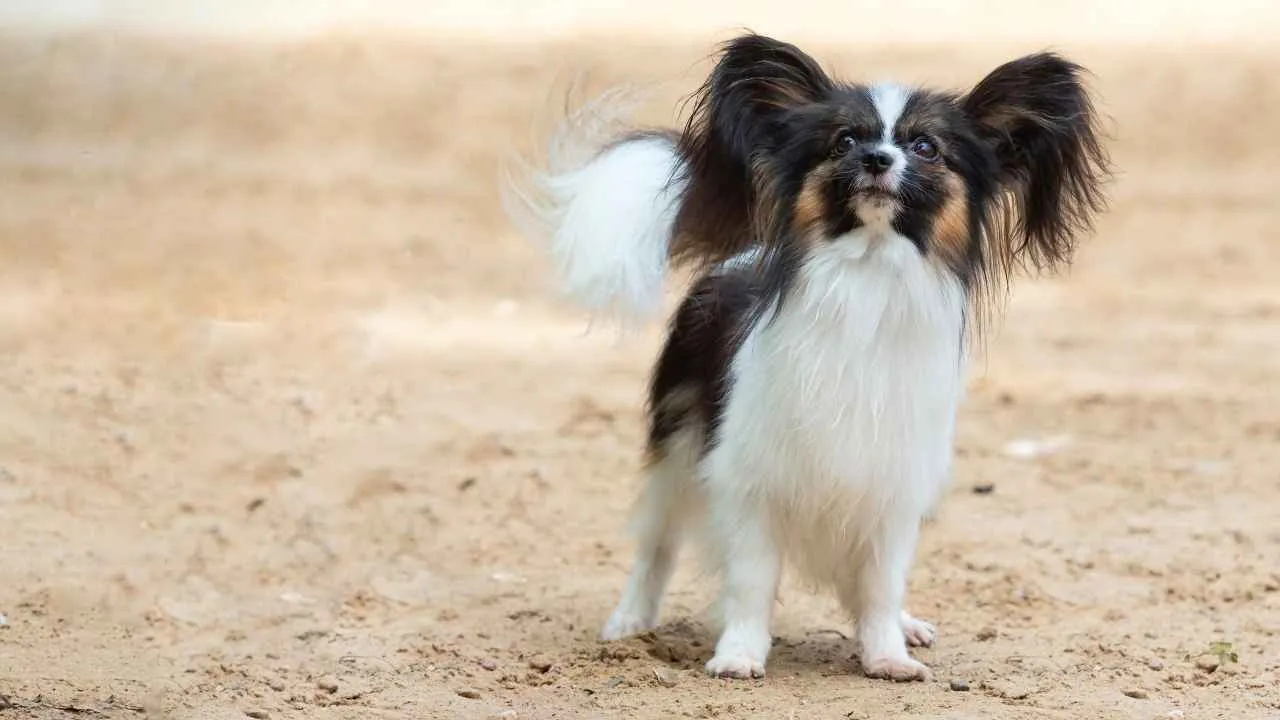
Those butterfly-like ears are not just for show. Papillons were shaped to be close companions, and that long history of lapdog life shows in how deeply they bond with people. They thrive on attention, interaction, and being right in the middle of whatever their humans are doing. Due to their affectionate nature, Papillons are also used as therapy dogs.
Keeping a Papillon satisfied takes more than cuddles. Their sharp minds crave enrichment through games, consistent training sessions, and interactive play. Apartment life suits them well, but only when mental stimulation, short walks, and safe spaces to zoom around are part of the routine.
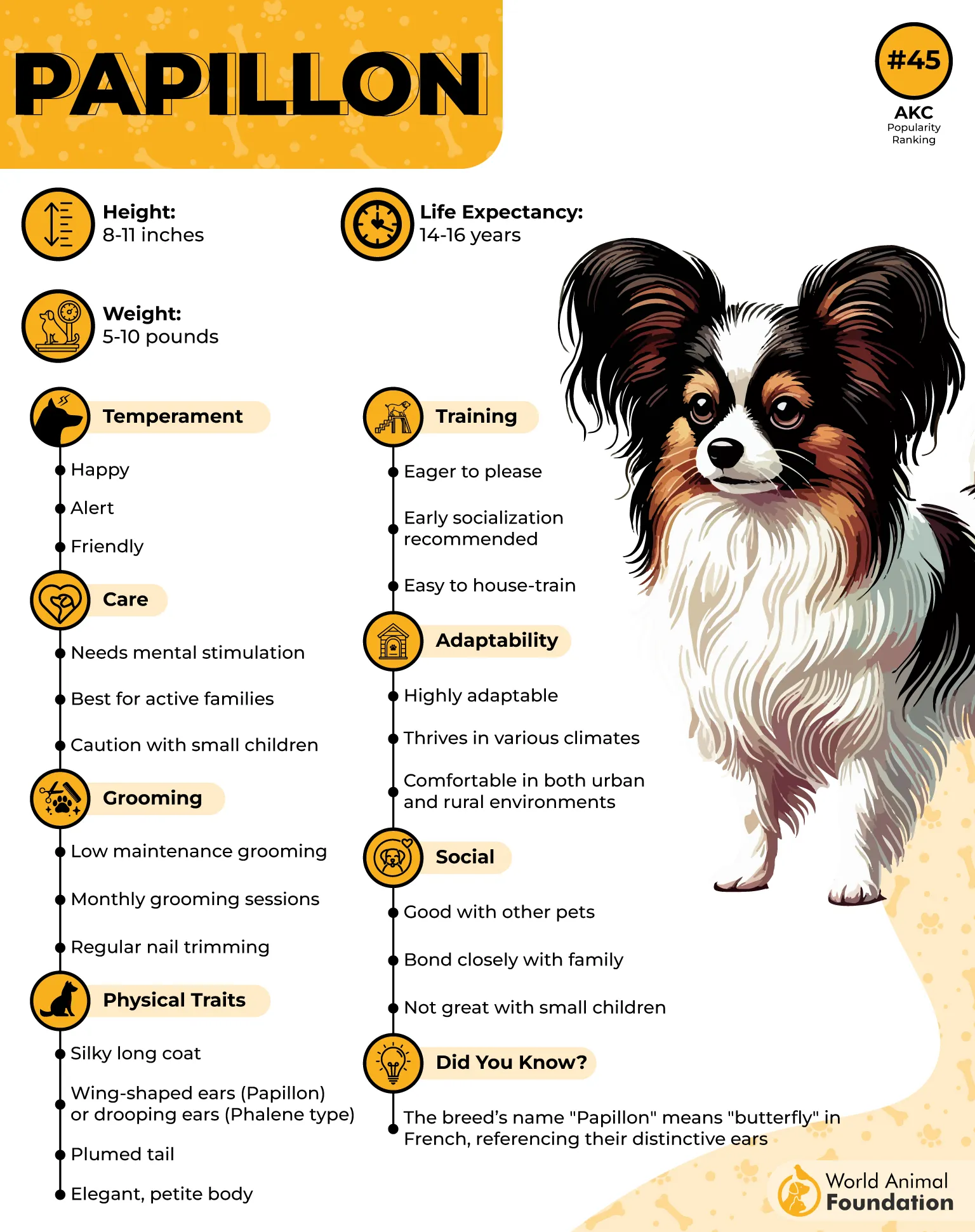
Silence is rarely their default setting. These small dogs are known for being vocal, often announcing visitors, strange noises, or boredom with enthusiasm. Teaching a cue to stop barking early helps, especially since separation anxiety can amplify noise when they feel left out.
Training Strategies for This Breed
Use puzzle toys and interactive games to satisfy their high mental drive
Introduce leash walking gradually in low-distraction spaces before busier areas
Channel their energy into agility-style obstacles or structured movement game
7. Rottweiler
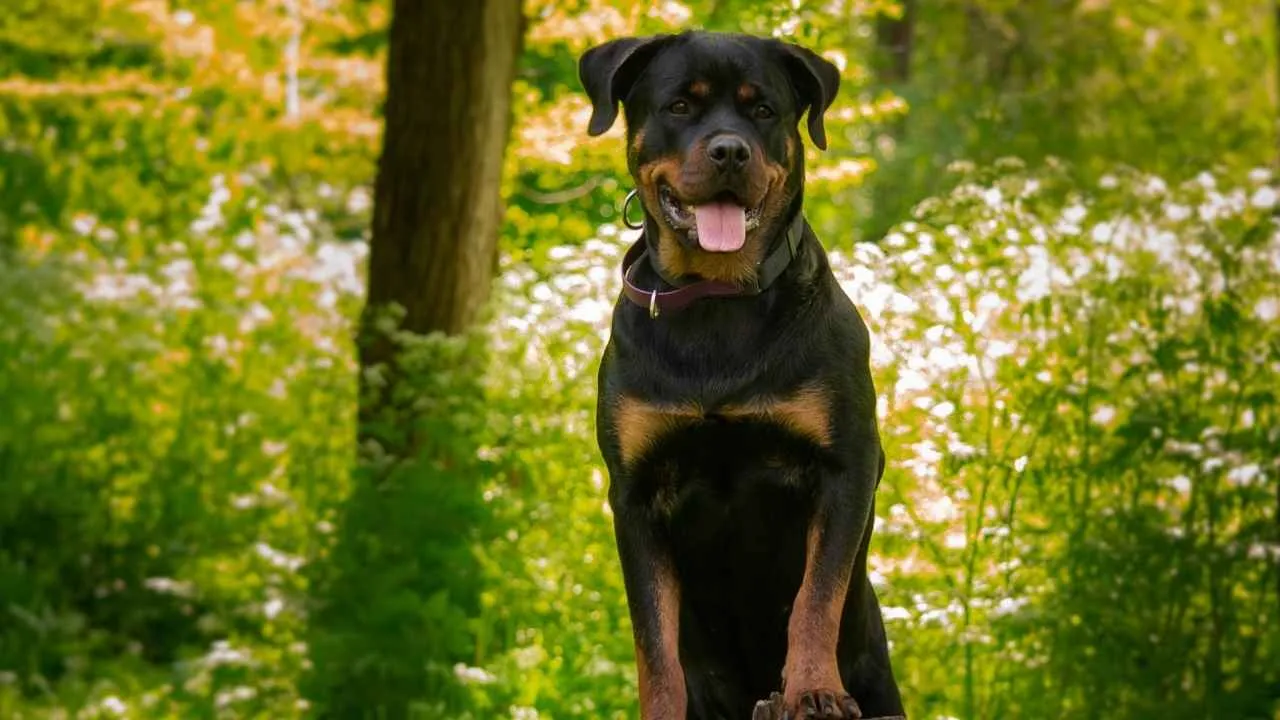
Long before becoming a household guardian, Rottweilers earned their keep alongside Roman legions, driving and guarding cattle across long routes. That working background shaped a dog built for responsibility, endurance, and clear thinking, traits that still define the breed today.
Watch a Rottweiler move, and the combination of agility and intelligence becomes obvious. They trot with purpose, learn complex tasks, and adapt easily to structured activities like tracking, herding, obedience training, and carting, proving that strength does not slow down mental sharpness.
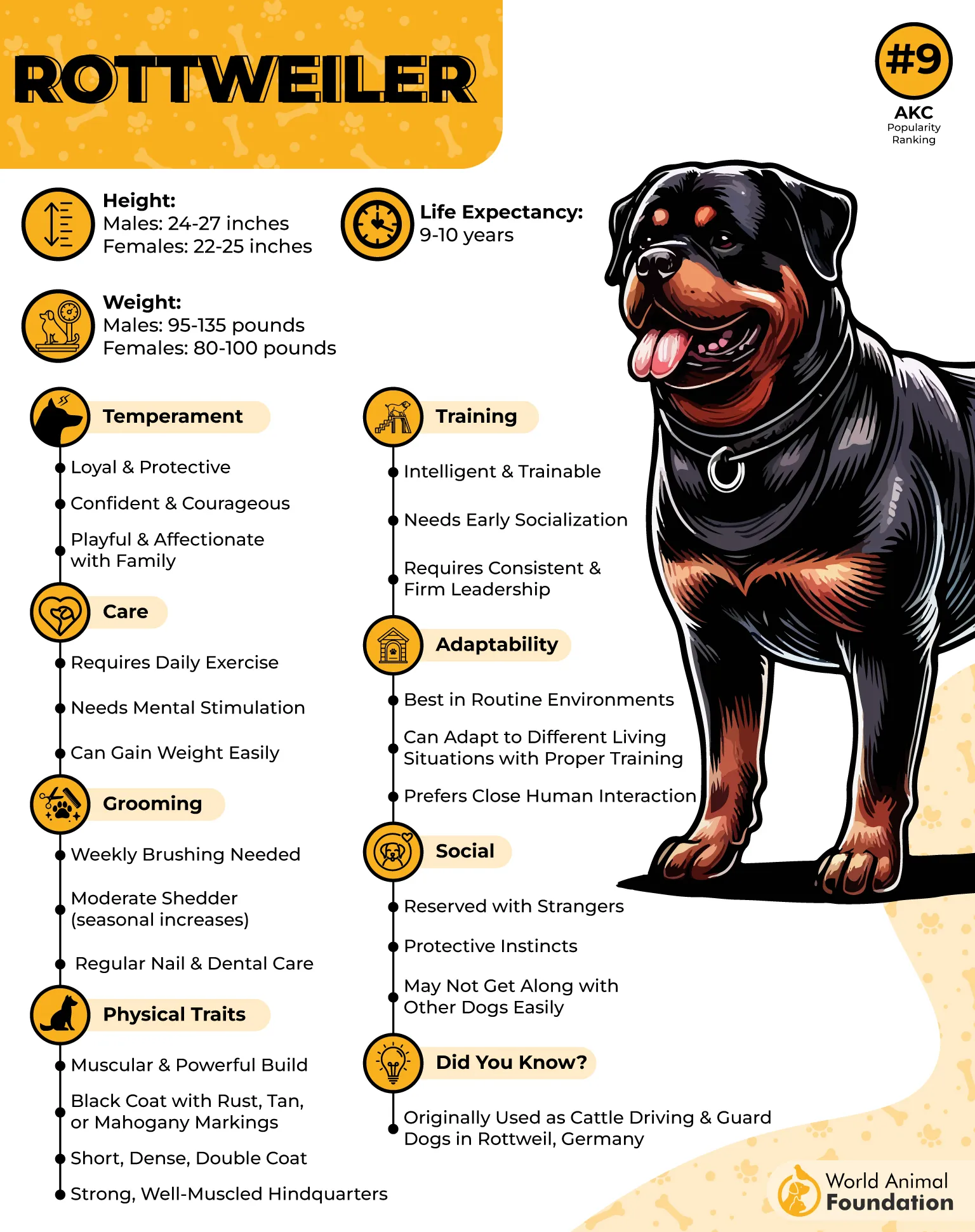
As per WebMD, Rottweilers have a strong natural watchdog instinct and respond well to training when guided early. Proper puppy socialization, including meeting new people and dogs, helps shape confident behavior and supports their ability to protect calmly and responsibly.
Training Strategies for This Breed
Set clear behavior expectations from the first weeks at home
Use short, focused dog training sessions to keep attention strong
Correct nipping or guarding habits early with calm consistency
Conclusion
Having a clever dog in your life means daily laughs, a few challenges, and plenty of memorable moments.
Some of the most trainable dog breeds were mentioned above, and they show that intelligence comes in many flavors, from loyalty and focus to problem-solving and emotional awareness. The real magic shows up when those strengths fit naturally into your everyday routine.
Things start to click, communication feels easier, and the bond grows stronger with time. A good match brings fewer frustrations and more shared wins. With patience and consistency, smart dogs become deeply connected companions who truly feel like family.
If you are further interested in such wonderful dogs, some other breeds you can look up include Golden Retriever, Australian Cattle Dog, English Springer Spaniel, and Poodle.
