




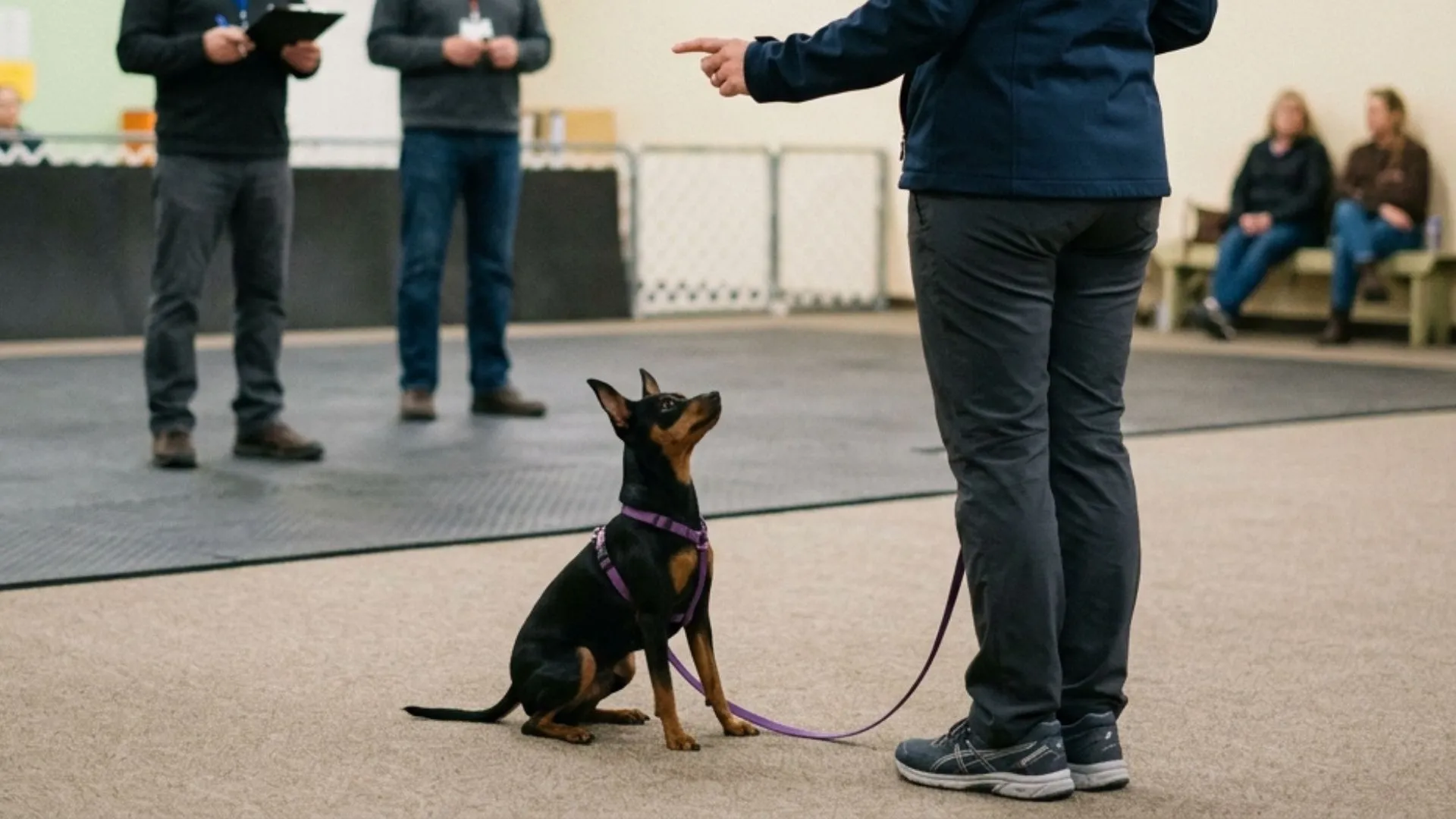
Obedience tests reveal much more than whether a dog can sit, stay, or come when called. They provide a window into how a dog learns, adapts, and communicates with its handler.
The breeds that consistently perform well are often those that combine intelligence with a genuine desire to engage in training. Interestingly, several small dogs possess these qualities in remarkable amounts. They approach learning with enthusiasm, quickly recognize patterns, and often thrive when presented with mental challenges.
Their ability to process information efficiently makes training sessions productive and rewarding for both dog and owner. Over time, these traits translate into reliable performance in structured obedience settings where precision matters. While physical ability certainly plays a role in some canine activities, obedience places a stronger emphasis on the mind.
The intelligent dog breeds featured in this article have earned attention because they repeatedly demonstrate exactly the qualities needed to excel when every command counts.
Key Takeaways
Obedience tests reveal more than discipline since they expose how quickly a dog understands patterns and responds under pressure.
American Hairless Terrier and Papillon stand out for their sharp learning speed, turning even simple obedience drills into quick, focused progress.
Russian Toy and Havanese bring a mix of alertness and eagerness that keeps training sessions active while still feeling light and engaging.
Stay with it till the end to see which clever small breeds turn structured obedience into something surprisingly effortless.
Clever Small Dog Breeds that Excel in Obedience Tests
1. American Hairless Terrier
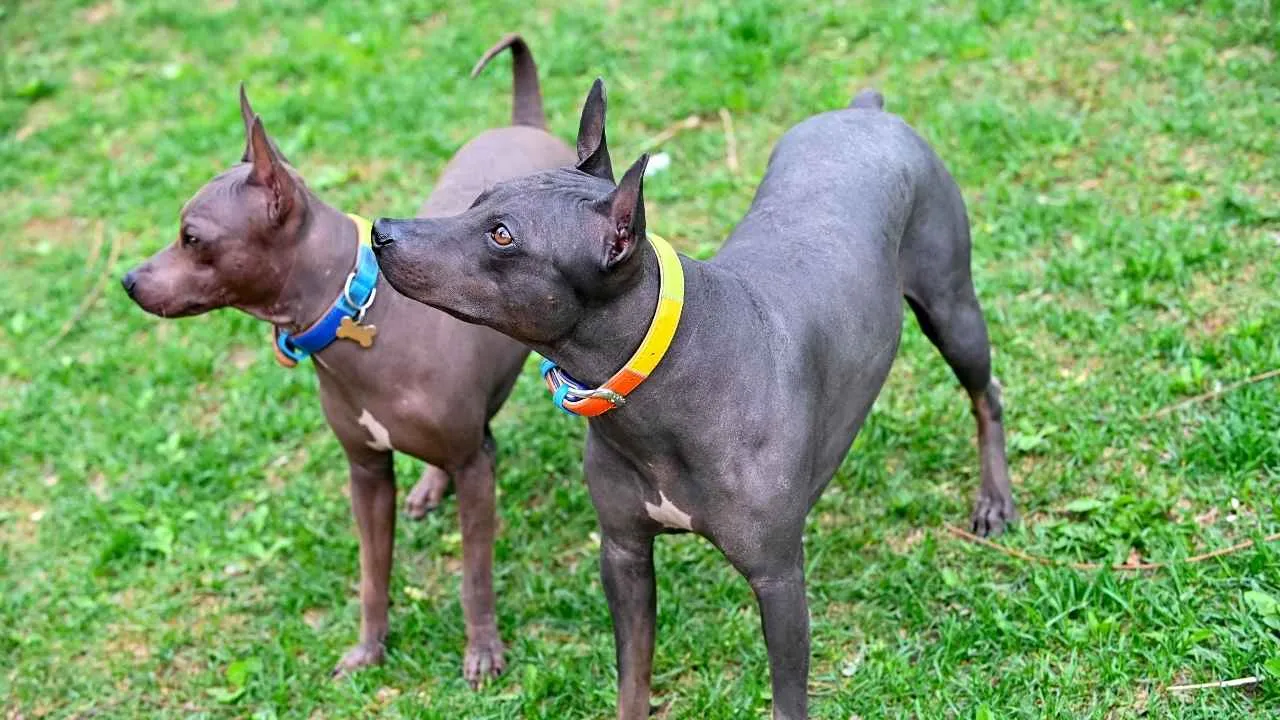
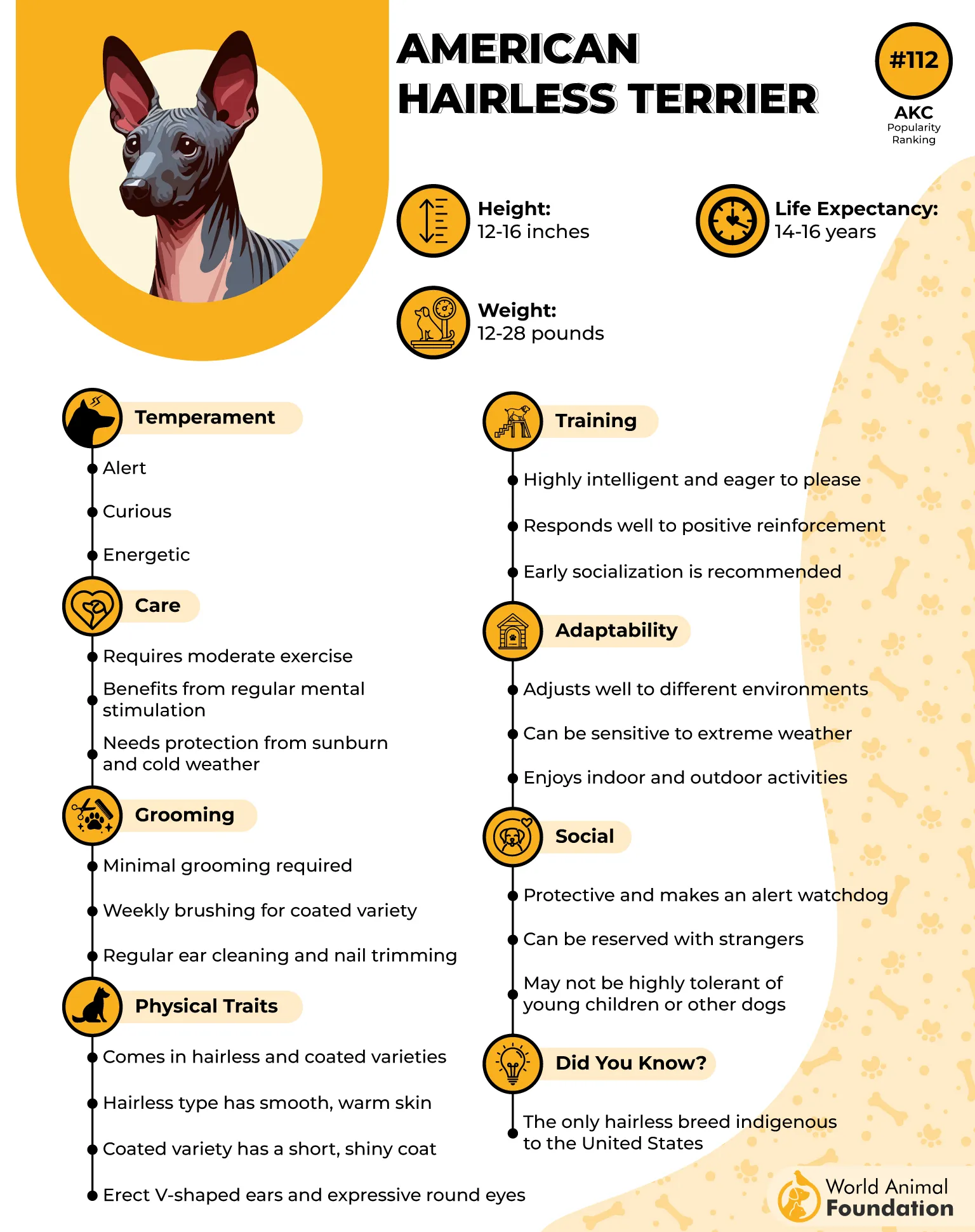
American Hairless Terrier responds quickly to learning and enjoys staying mentally active through short, engaging tasks. A hairless coat originally bred from a rare Rat Terrier lineage in the 1970s shaped its place as a lively, indoor-friendly companion. Intelligence and high energy define its daily rhythm.
Training-Focused Mindset
Its eagerness to learn makes structured activities like obedience and trick training highly effective. Consistent mental stimulation helps channel its strong energy into useful focus, especially in home environments, as per PetMD.
This is what supports their learning success:
Responds well to obedience training
Enjoys trick-based learning sessions
Benefits from frequent mental stimulation
Active but Home-Oriented
Despite enjoying lap time indoors, this intelligent small dog breed requires consistent physical activity to stay balanced. Its playful drive often shows in quick bursts of energy that suit interactive games. Without structured engagement, its intelligence looks for self-directed outlets.
2. Russian Toy
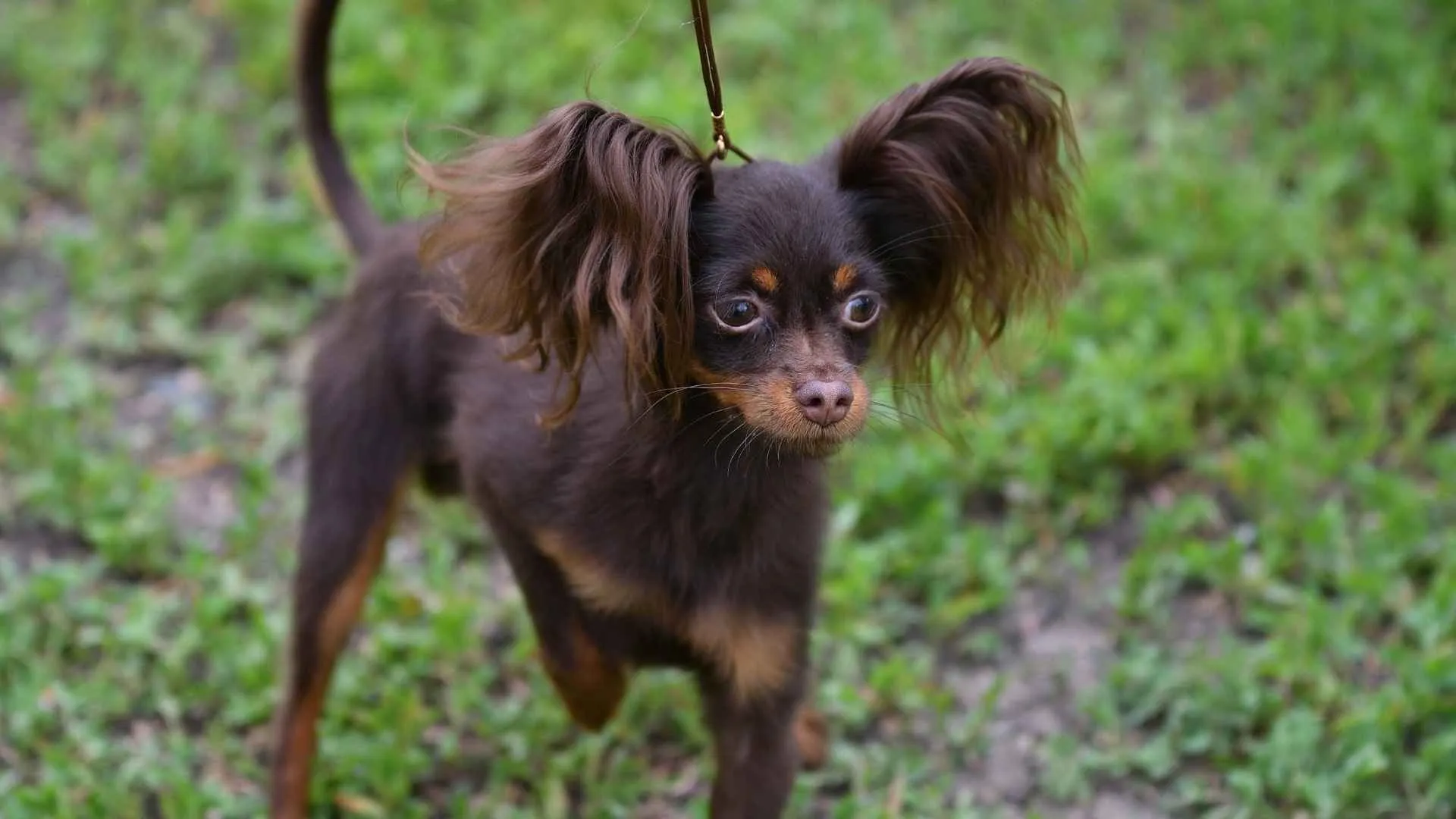
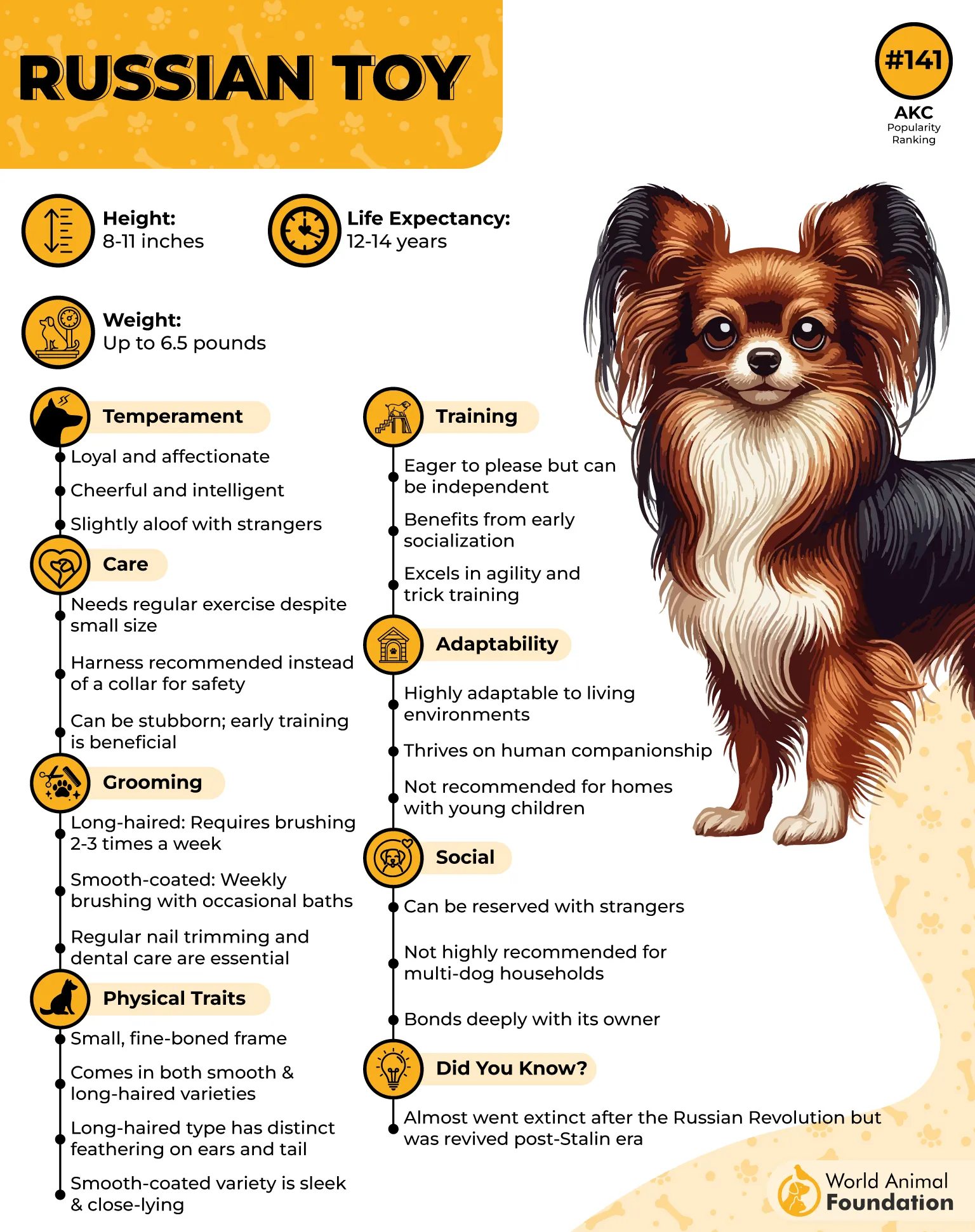
Russian Toy is a small, finely built companion with long legs and a light frame that supports quick, agile movement. Its cheerful energy and sharp responsiveness make it highly receptive during training sessions. A calm confidence sits beneath its lively nature, shaped for close human interaction.
Obedience Strengths
Quick learning ability and eagerness to engage make this breed well-suited for structured training environments, as per the AKC. Focus improves noticeably when activities involve interaction and encouragement.
These traits help guide its progress in obedience work:
Fast response to cues
Strong people-focused attention
Performs well in agility tasks
Personality in Action
Russian Toy alternates between bursts of playful movement and relaxed companionship, depending on the moment. It often follows familiar routines closely and reacts quickly to changes in attention. This balance keeps interactions engaging without overwhelming energy levels.
3. Havanese
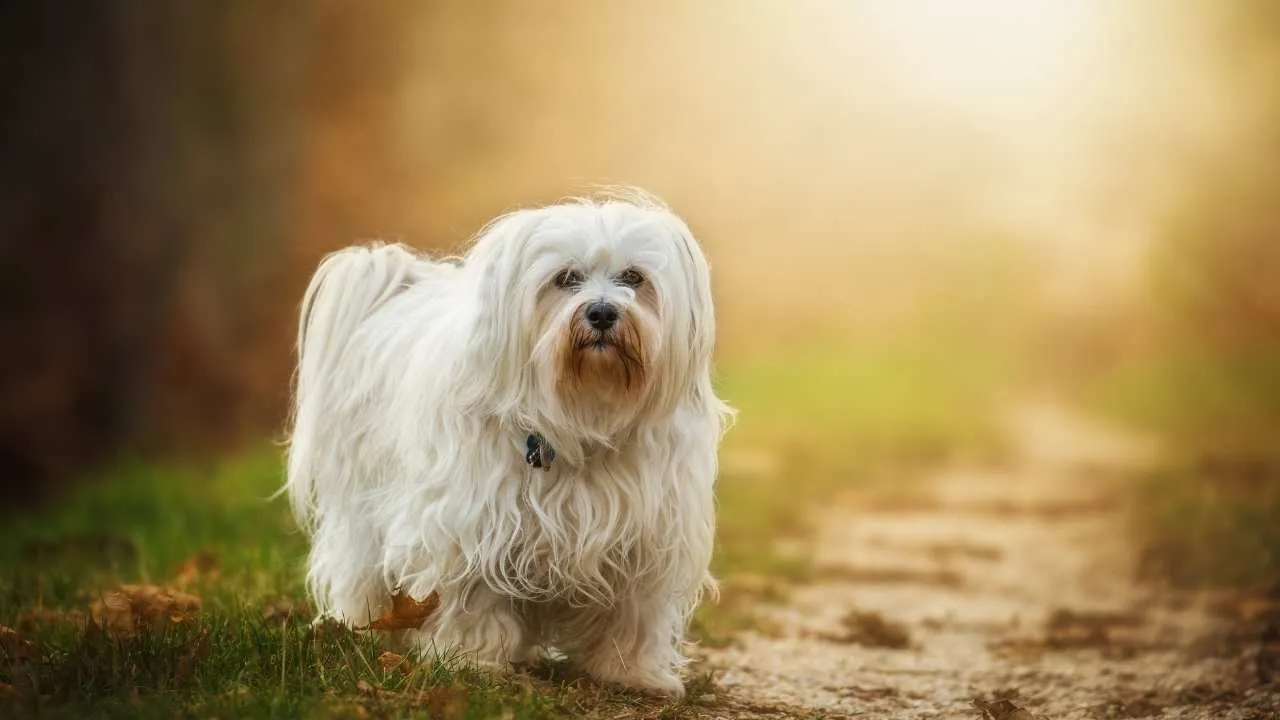
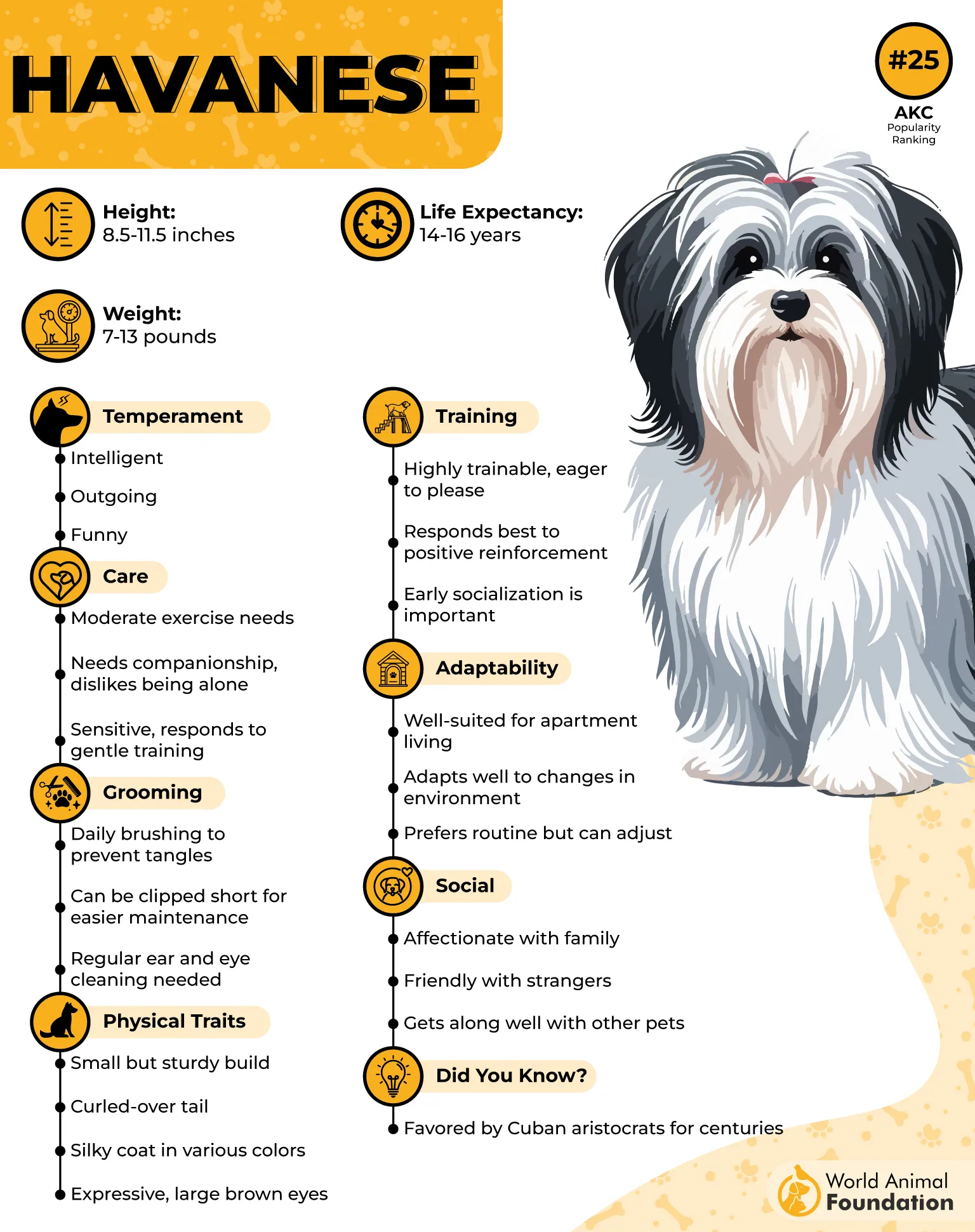
Havanese have a lively, expressive nature paired with a quick learning ability that suits structured training environments. As the only breed native to Cuba, it carries a distinct identity within the Barbichon family. Its compact frame pairs easily with active interaction and mental engagement.
Training-Friendly Companion
This intelligent dog responds well to guidance, especially when training is varied and consistent enough to hold attention. Short sessions of activity help match its energetic rhythm without overwhelming its focus.
These few activities are often used in training routines:
Obedience practice
Agility work
Scent-based games
Everyday Engagement
Daily life with a Havanese often includes playful interaction and close companionship, with a strong preference for staying involved in household routines, as Purina noted.
Regular walks and short play bursts help manage its energy while reinforcing positive behavior. Barking tendencies can appear when stimulation is limited.
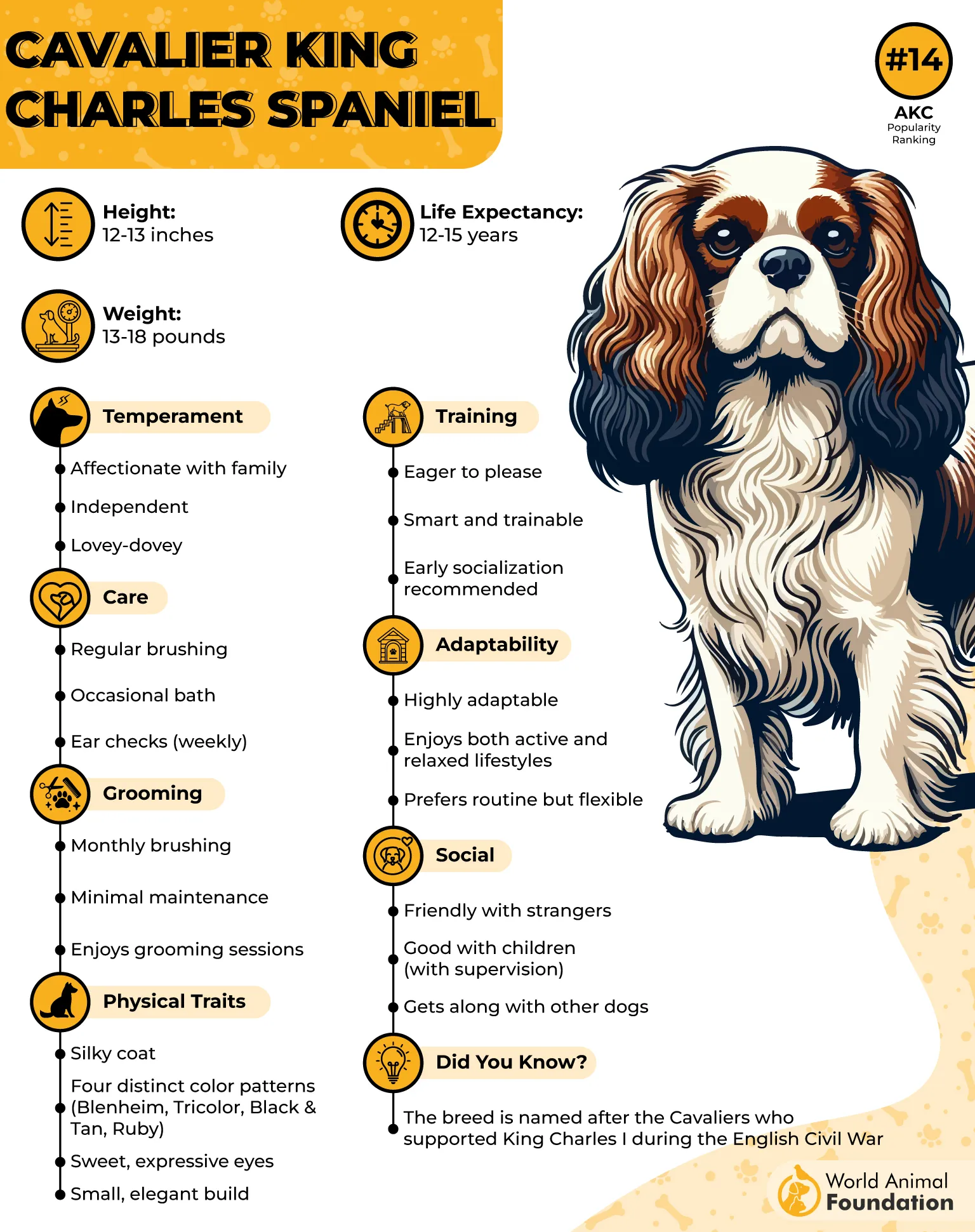
4. Cavalier King Charles Spaniel
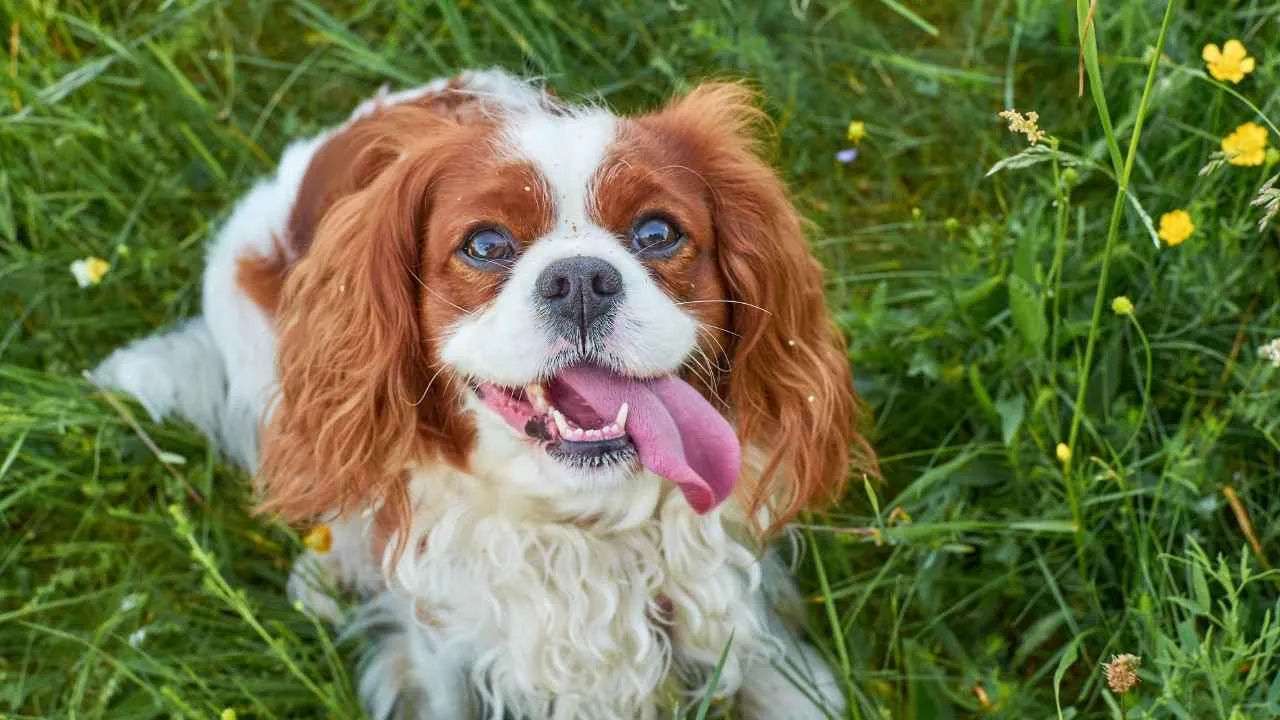
Cavalier King Charles Spaniel blends a gentle toy-breed softness with the energy of a small sporting spaniel, creating a naturally responsive temperament.
Its calm expression and steady focus make training interactions smooth and engaging. British royal associations add to its refined presence without changing its approachable nature.
Responsive Learner in Training
Cavaliers adapt quickly to structured guidance, making them well-suited for obedience-focused activities and learning environments. Their eagerness to engage with people keeps attention steady during training sessions.
These characteristics stand out most at home:
Quick response to guidance
Strong focus on handler interaction
Comfortable in group environments
Balanced Social Nature
This intelligent breed moves easily between playful energy and quiet companionship, adjusting well to different household rhythms. Friendly behavior toward strangers, children, and other animals supports stable social integration. This balance makes daily interaction predictable and easygoing.
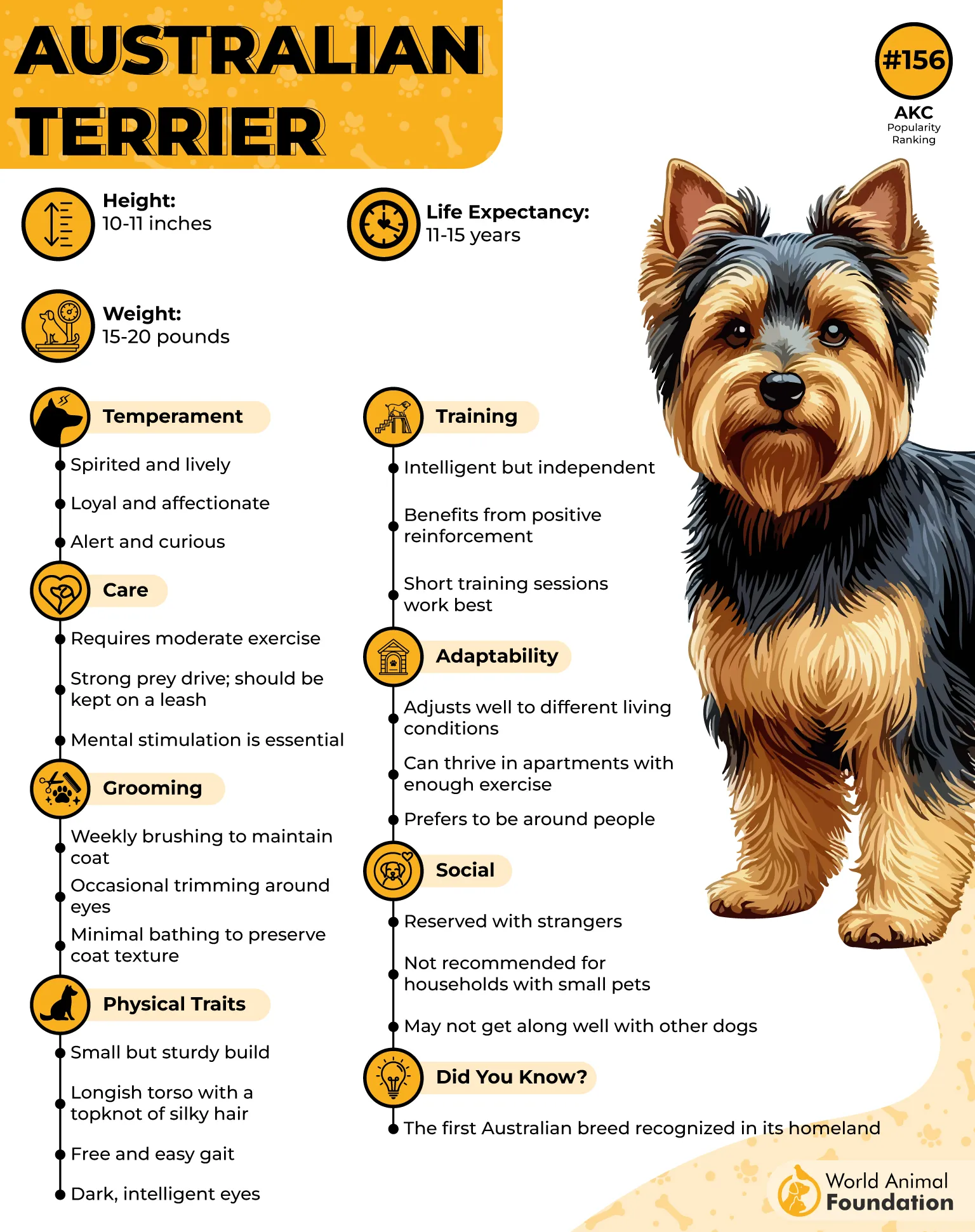
5. Australian Terrier
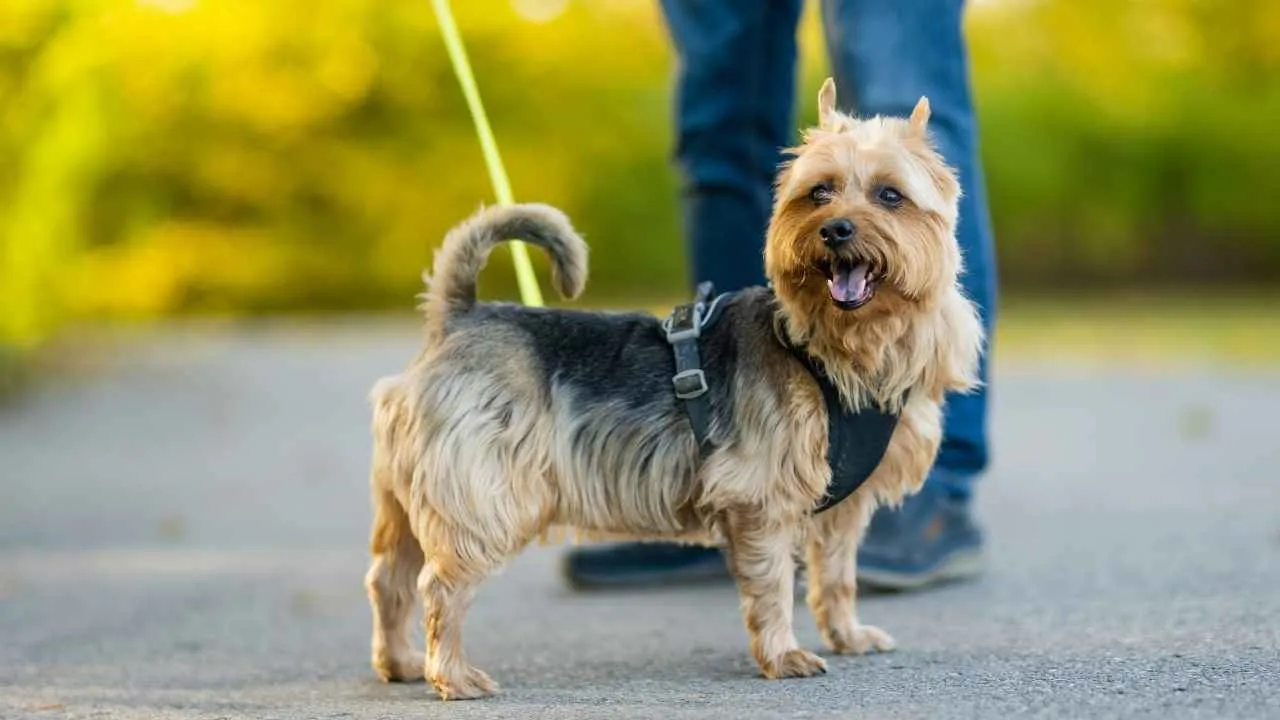
Australian Terrier brings a bold, self-assured attitude packed into a small frame, shaped through its early role in tracking and catching small prey underground in 1800s Australia.
Its alert nature often reacts quickly to unfamiliar sounds or movement. Close human connection plays a strong part in its everyday behavior.
Focus and Training Drive
They respond well to structured learning when social contact is consistent and early guidance is provided. Its energy and curiosity make it a strong candidate for activities that require attention and repetition.
Training-focused traits explain its obedience skills:
Responds well to structured training
Strong focus during interactive tasks
Benefits from early social exposure
Living with Energy and Instinct
Australian Terrier prefers consistent engagement and struggles with long periods of isolation due to its social attachment. Its working background supports participation in agility, nose work, and obedience-based games. Strong energy levels make it more suited to active, involved companionship.
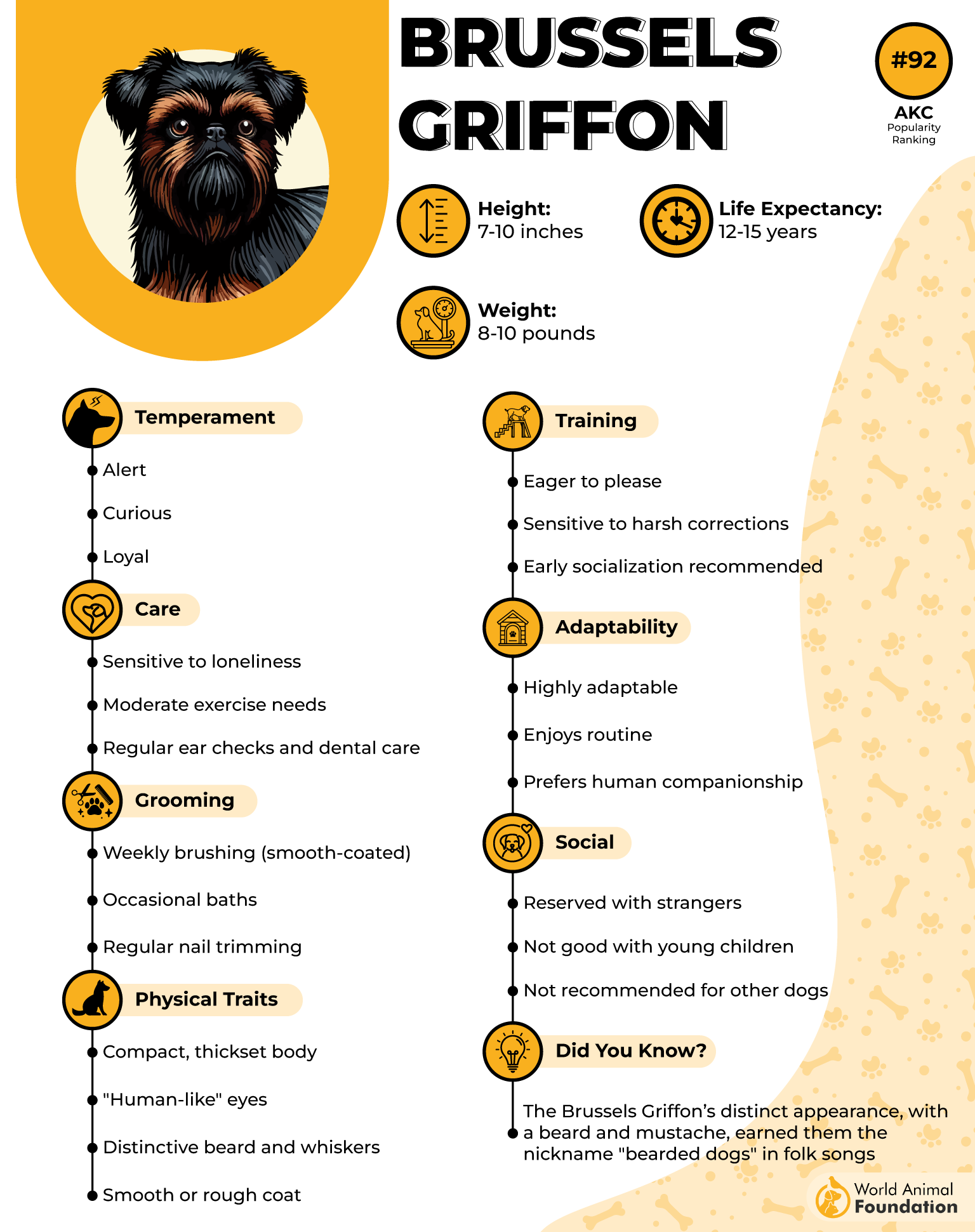
6. Brussels Griffon
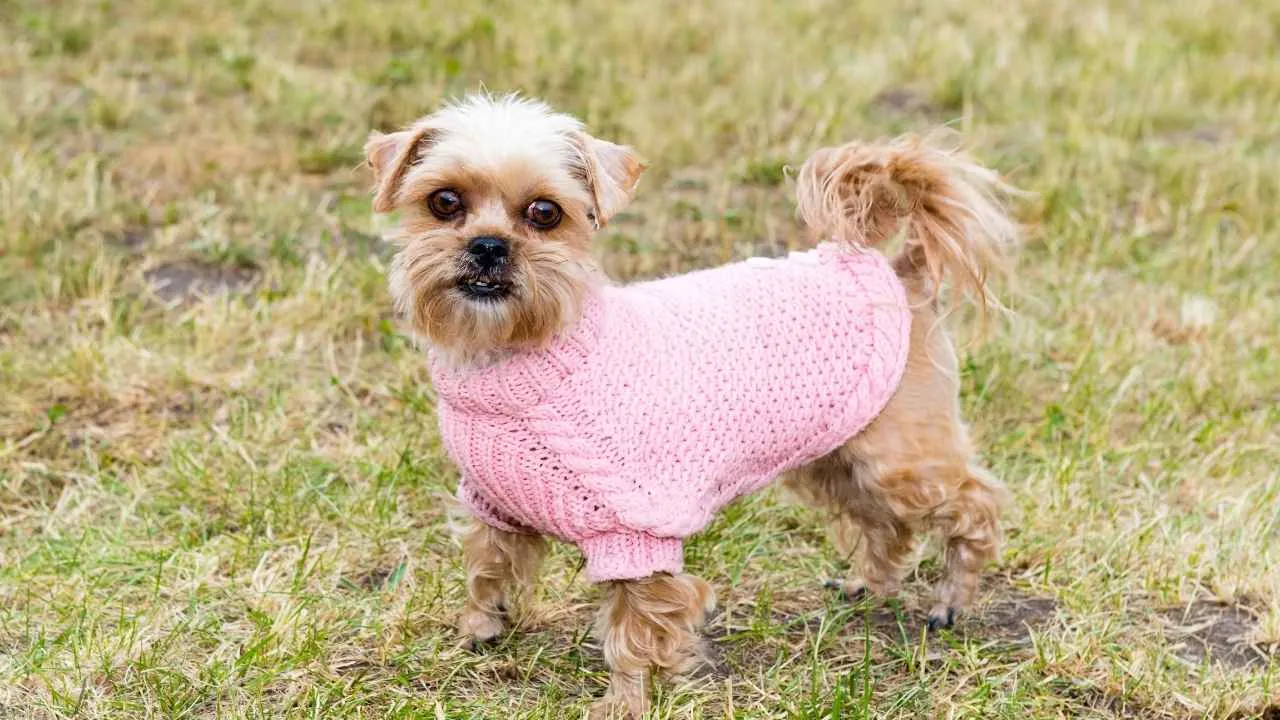
Brussels Griffon is known for a face full of expression paired with a lively, social personality that connects easily with people. Its compact build and alert movement reflect its past role in controlling small pests in Belgium. This mix of charm and purpose shapes its daily behavior.
Focused Learner
They respond well to structured interaction, making it a strong candidate for obedience-style learning and simple agility work. Short training sessions fit its attention pattern, especially when paired with consistency.
A few activities often suit its learning style well.
Enjoys trick-based learning
Performs well in light agility tasks
Adapts to short daily walks
Close Human Bond
Brussels Griffon forms a tight attachment with its household and prefers staying close through most routines. This constant presence often reflects its social nature, where companionship matters more than independence. The bond influences how it reacts to daily structure and attention.
7. Papillon
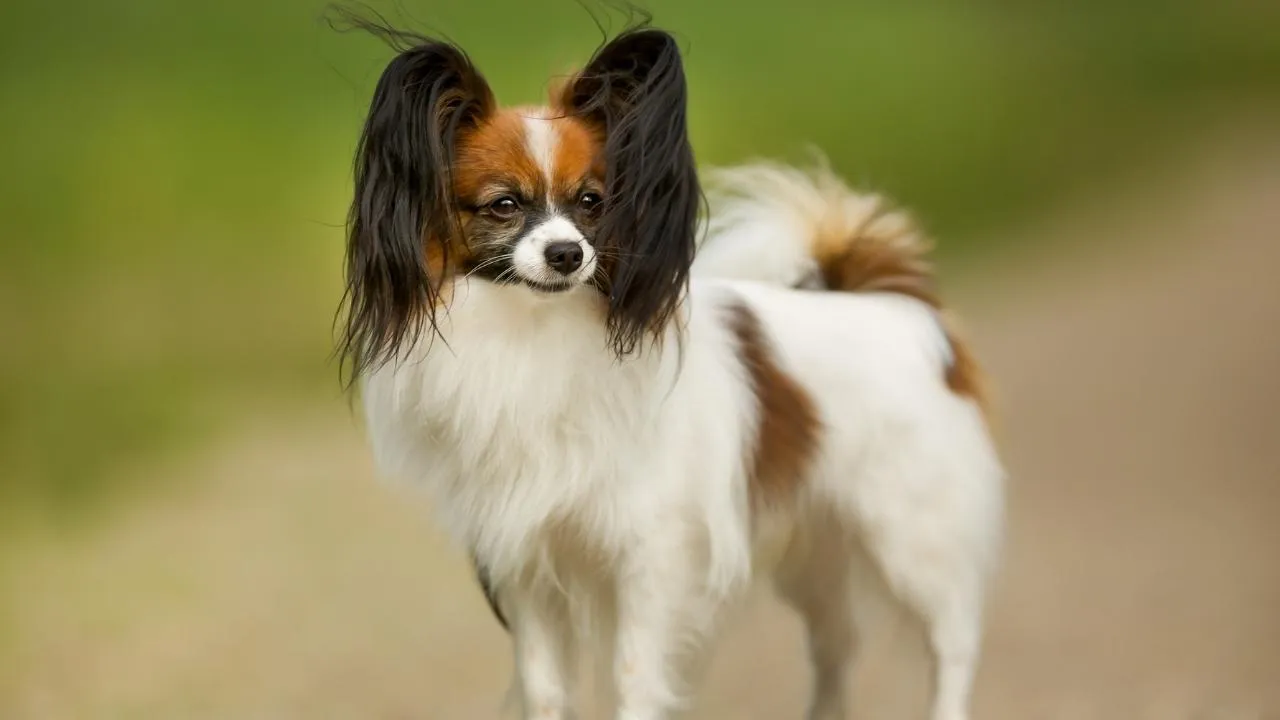
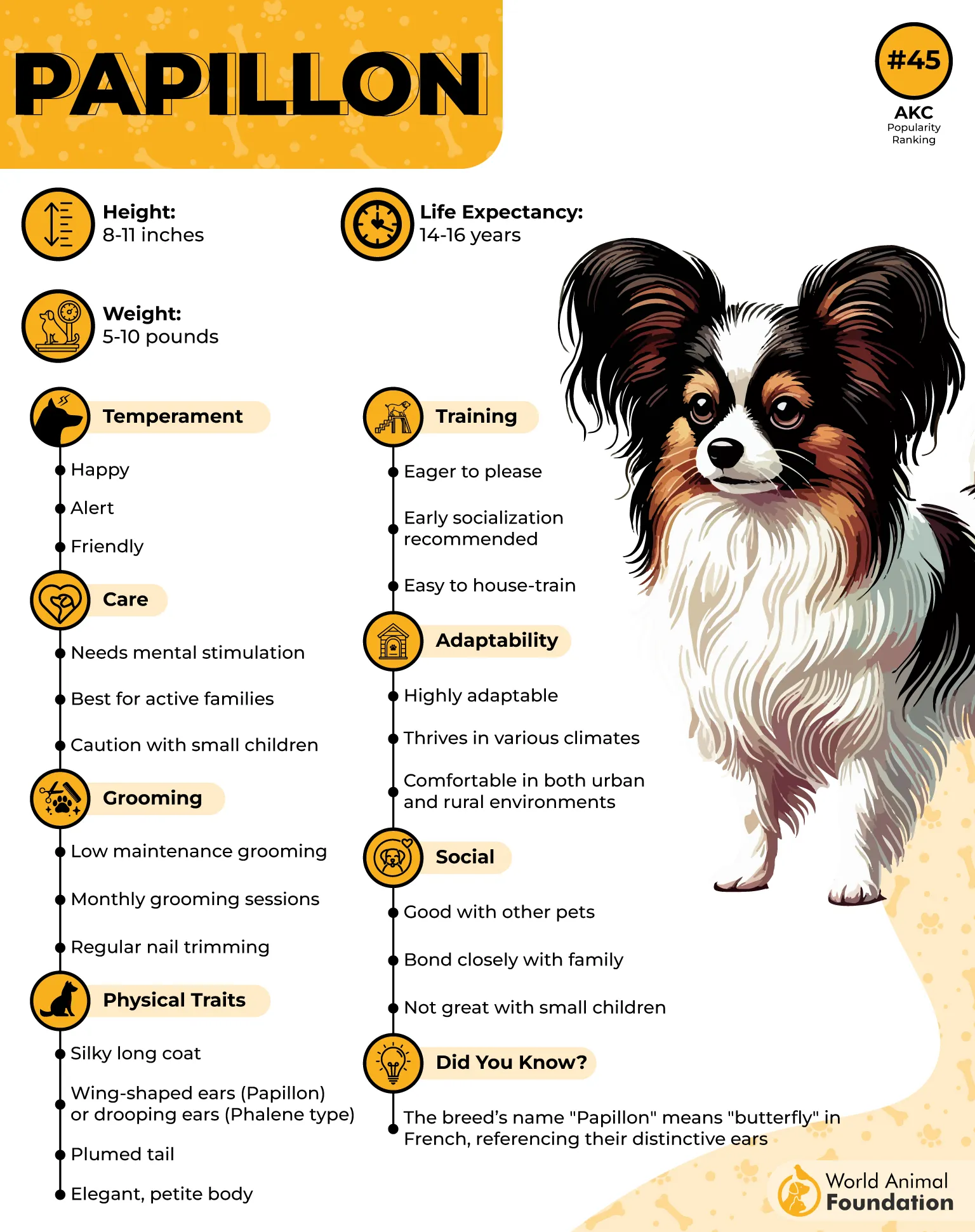
Papillon moves with a lively, curious energy that reflects both intelligence and athletic drive packed into a small frame. Its refined appearance often surprises those who notice how robust and adaptable it actually is. A mix of alertness and friendliness shapes its everyday behavior.
Agility and Training Focus
This smart dog performs strongly in obedience and agility settings, where quick learning and responsiveness come into play. The breed enjoys structured activities and picks up tricks with noticeable ease.
These traits capture its training strengths:
Fast response to commands
Strong focus during tasks
Enjoys interactive learning games
Active Home Behavior
Papillon brings steady activity indoors through play-based interaction, often engaging in simple games like retrieving small toys. Its social nature encourages regular involvement with people rather than passive rest. This creates a pattern of light but consistent mental engagement.
Conclusion
Obedience success is rarely determined by size alone. What often matters more is a dog’s willingness to learn, stay engaged, and work alongside its handler. The smartest small dog breeds explored here demonstrate how intelligence and responsiveness can create impressive results in training, especially with consistent training.
Many also bring qualities that extend far beyond obedience, including companionship, adaptability, and enthusiasm for daily interaction. Those traits help strengthen the connection between dog and owner. For pet owners seeking one of the easiest dog breeds to train, these dogs offer an excellent place to begin, even among the most popular dog breeds.
