




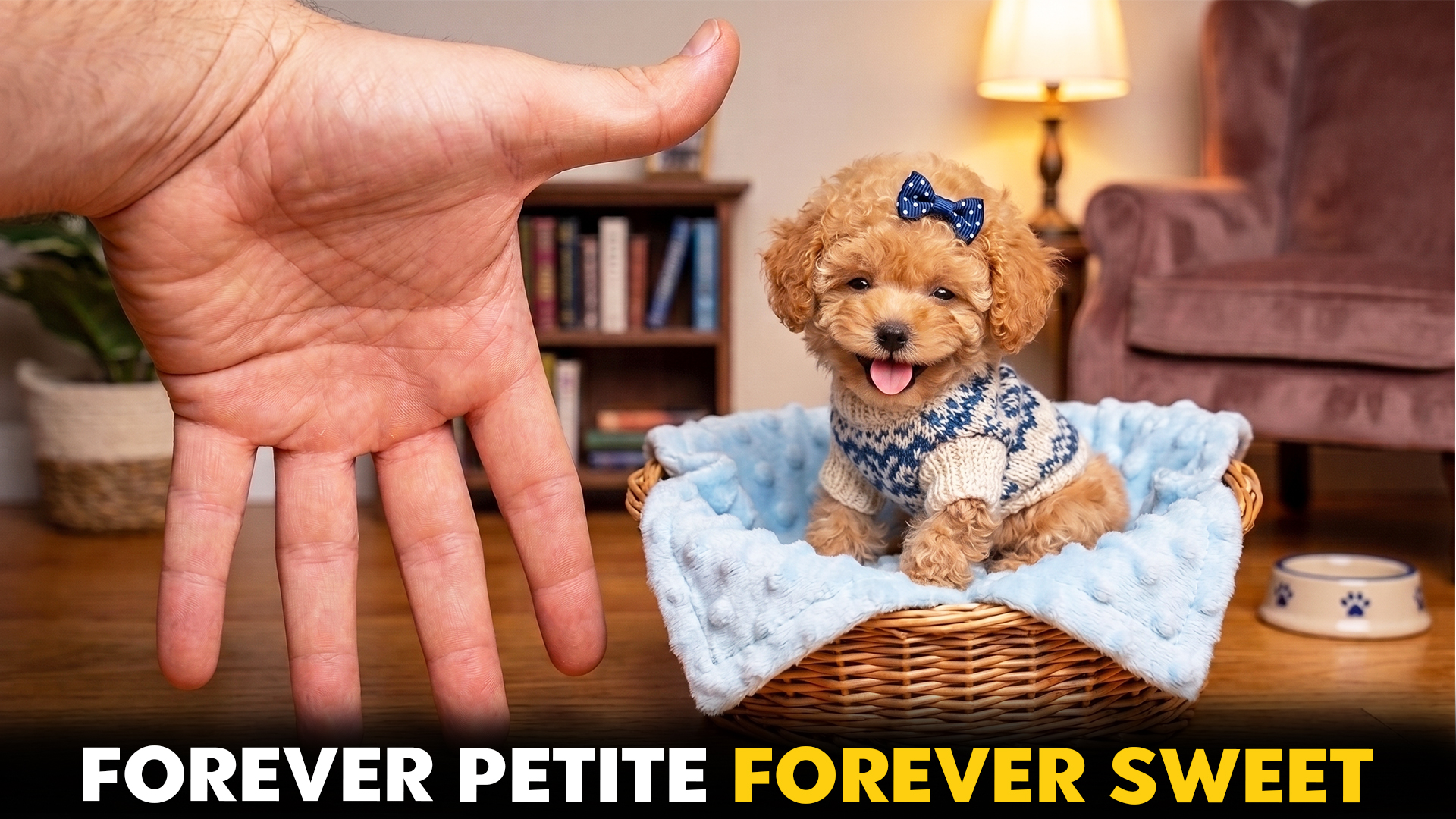
The little dog curled up in the corner of the sofa on its first day home, leaving plenty of room for everyone else to relax. Months passed, then years, and that favorite spot never became too small.
Visitors often paused in surprise, asking the same question every time: “Does this dog ever get any bigger?” The answer always brought a smile. Some classic breeds simply remain delightfully petite throughout their lives, making them an easy fit for homes where space is limited but companionship is always welcome.
Their lasting appeal goes far beyond their size. They bring lively personalities, familiar charm, and a comforting presence without taking over the entire house. That combination has kept them close to families for generations, and their popularity continues for good reason.
Here you’ll meet classic tiny breeds, explore what makes each one special, and find the qualities that have helped them stand the test of time.
Key Takeaways
What if your dog stayed tiny for life while still bringing enough personality to fill the whole house?
Toy Poodles have a surprisingly varied past, from retrieving ducks to performing in traveling circuses, and they are only one of the breeds with an interesting story here.
Pomeranians once came from larger Spitz-type dogs, while Papillons can be born with either upright or folded ears in the same litter.
There is plenty more behind these tiny faces, so read till the end to see which classic breeds have stayed small through the years.
Classic Small Dog Breeds That Stay Tiny Forever
1. Toy Poodle
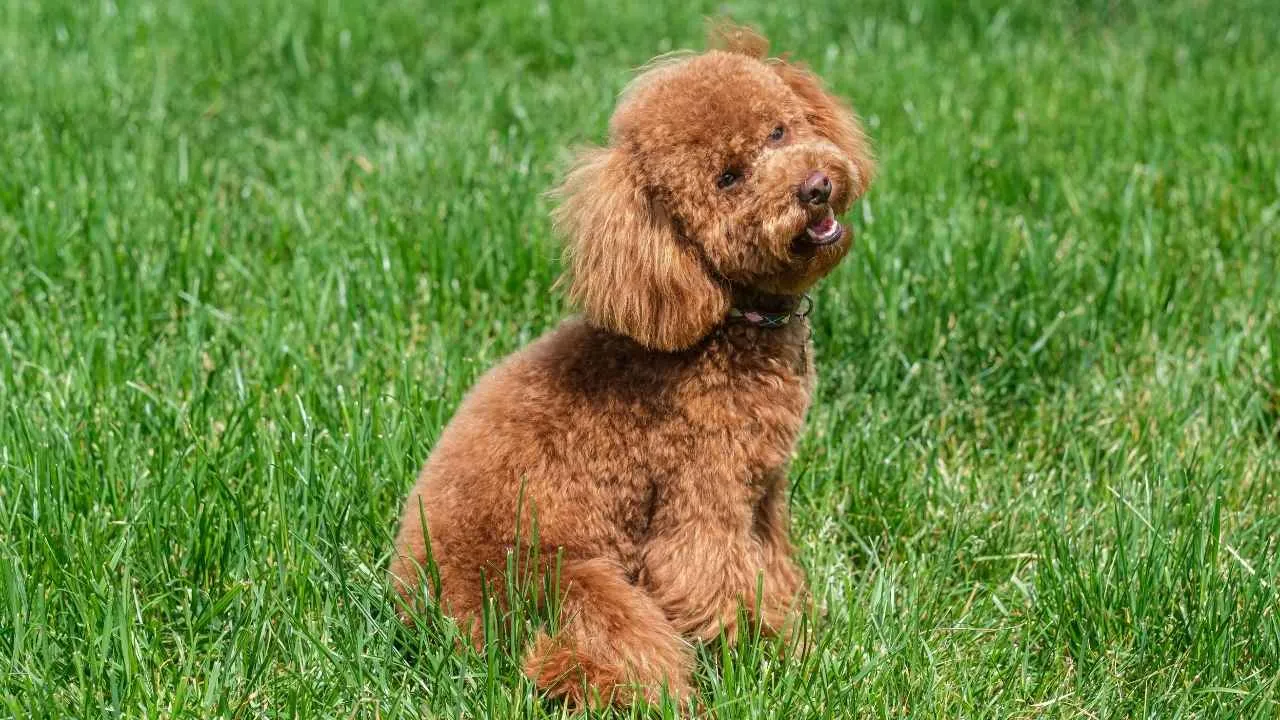
Toy Poodle belongs to a breed believed to have begun as a curly-coated dog from Asia before reaching Europe alongside herders. Germany shaped the familiar form seen today, while France later embraced the breed so enthusiastically that it became the country’s national dog.
Small Size, Busy Mind
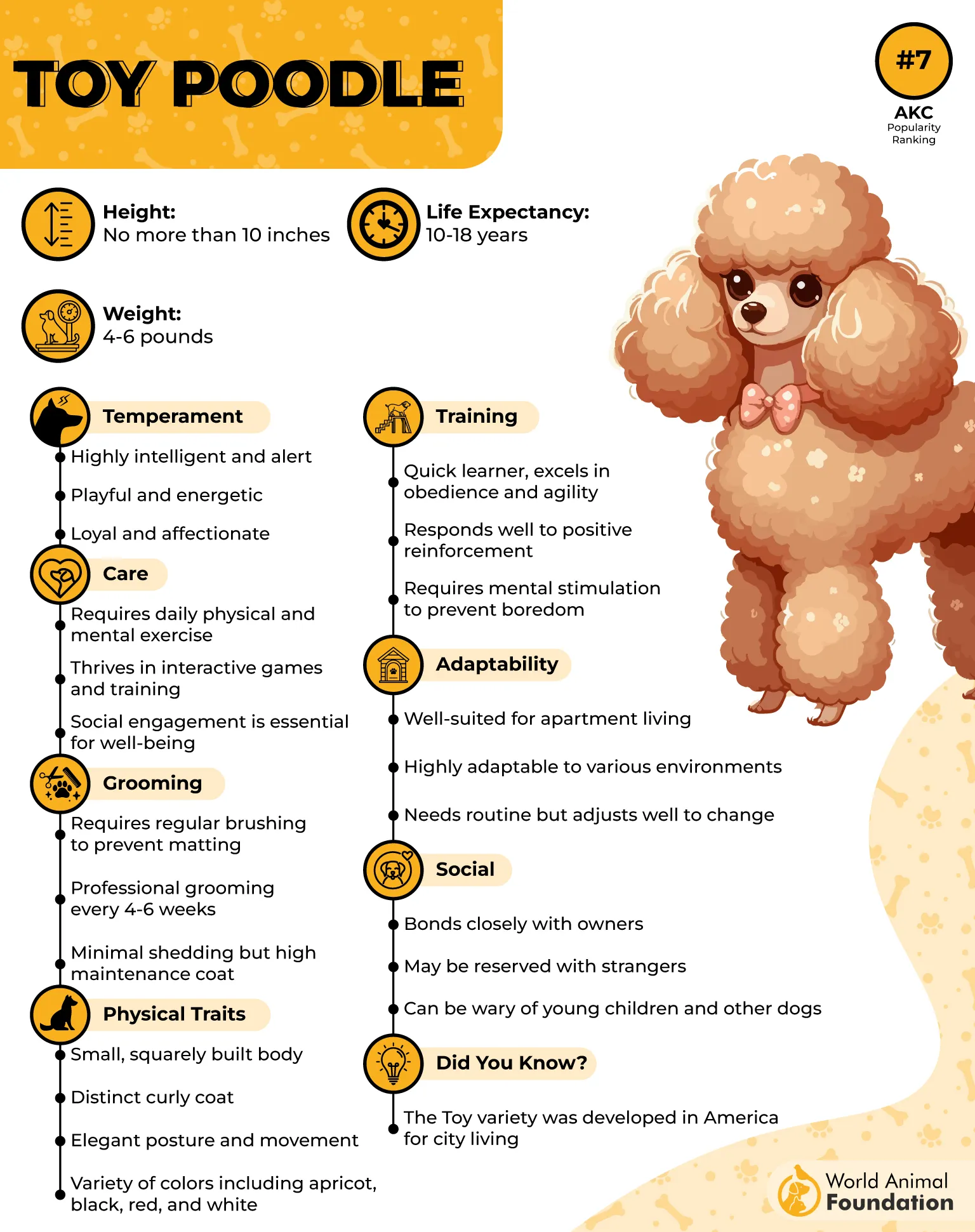
Toy Poodle brings plenty of enthusiasm into a compact body, making it a lively choice for anyone wanting a small companion with an active personality. Short walks, indoor games, and regular interaction help channel that energy into enjoyable daily routines.
These details reveal just how versatile this breed became:
Worked as military and guide dogs
Performed in traveling circuses
Skilled at retrieving ducks from water
Full of Character
This toy dog enjoys spending time with people and brings playful energy into everyday life through games and constant curiosity, as Omlet claims. This breed prefers frequent company, gets along well with children and other pets, and benefits from several short outings instead of one long walk.
2. Maltese
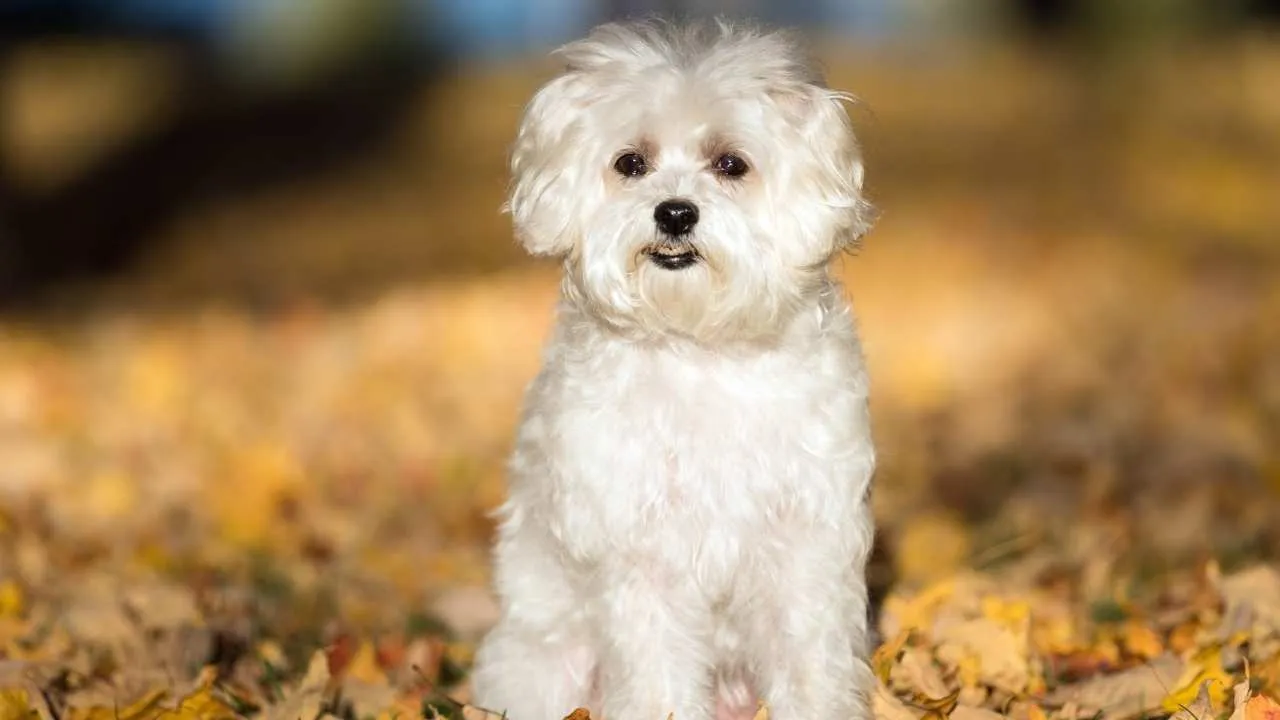
Maltese appears in written records dating back to around 300 BC, making it one of the oldest toy breeds still recognized today. Early accounts connect this little dog with the island of Malta, an important trading port, while another theory suggests traders introduced it to Central Europe through Asia.
Easy Everyday Living
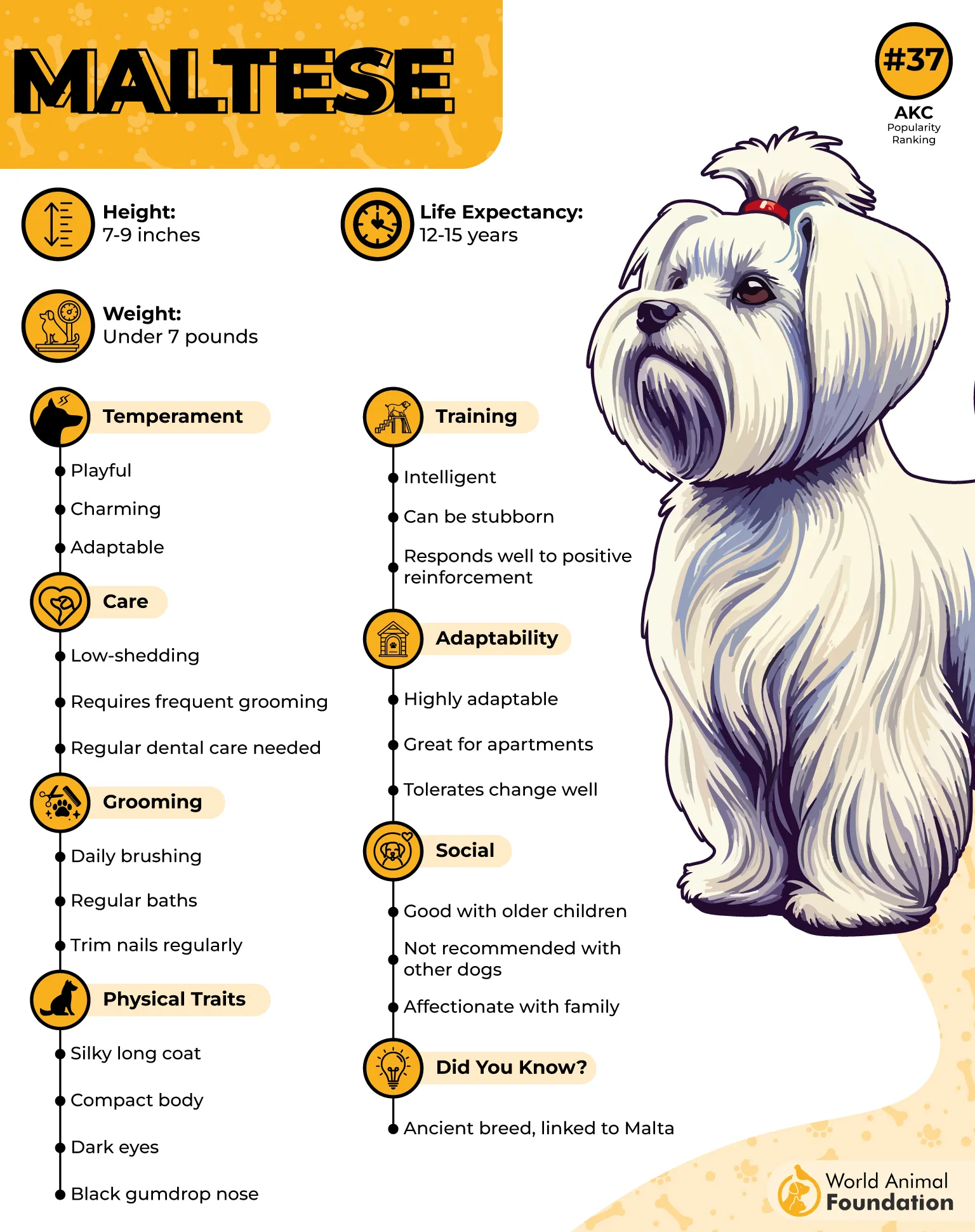
For the Maltese, a small home does not mean a boring routine, but it also does not need a packed exercise schedule. A short walk or a playful run in a secure yard can satisfy its need for activity, leaving it plenty of time to curl up with its favorite people.
Some historical details add another layer to its story:
Linked with ancient Malta trade routes
Popular among England’s upper-class ladies by the 14th century
Possible connection to the Tibetan Terrier
Full of Personality
Maltese keeps a playful attitude well beyond puppyhood and happily joins games with respectful children whenever the opportunity appears. This cheerful nature, along with a welcoming attitude toward other pets, helps it fit into a wide range of family routines, as Pawlicy Advisor noted.
3. Pomeranian
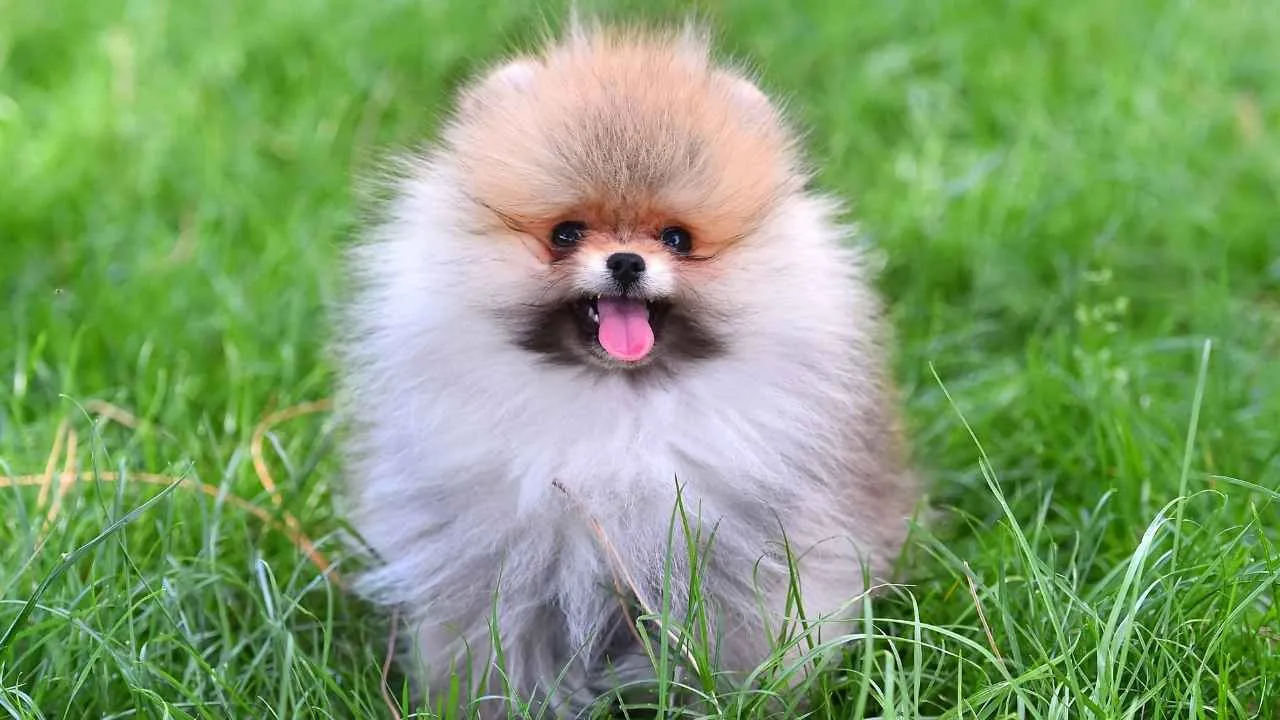
Pomeranian takes its name from the Pomerania region between present-day Poland and Germany and shares its ancestry with the German Spitz. Over time, breeders selected progressively smaller dogs, shaping the compact companion now also recognized as the Zwergspitz or Pom.
Small Size, Everyday Fit
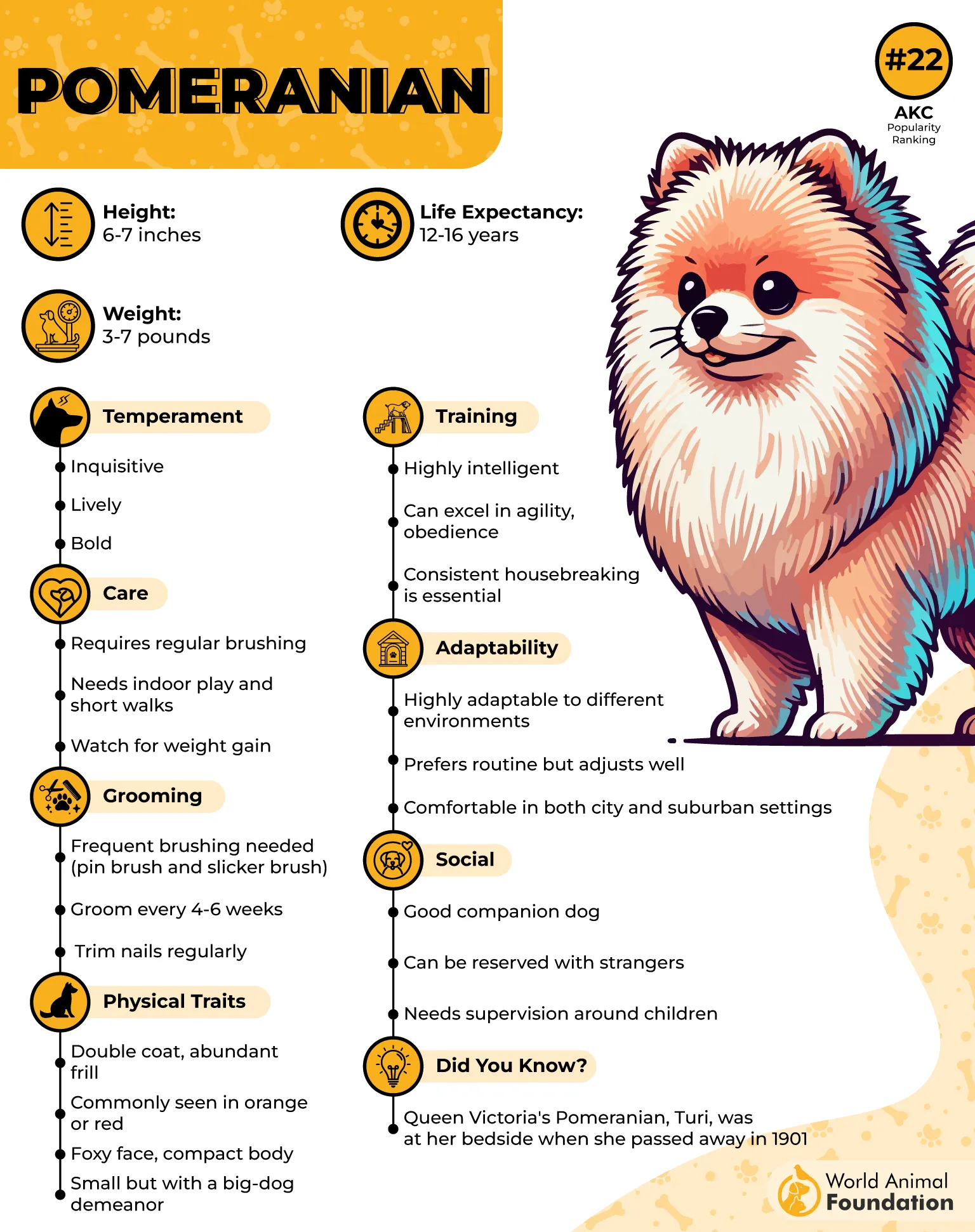
A compact body makes this lap dog easy to live with without asking for a large living area or demanding long outings every day. Short play sessions, interactive games, and regular walks usually provide enough variety to keep this lively little dog engaged.
A few details reveal even more about this breed:
Also called the Zwergspitz
Pick up tricks and games quickly
Excels in obedience and agility
Bigger Than It Looks
Pomeranian often behaves with far more confidence than their small frame suggests and may challenge much larger dogs without hesitation. Early socialization introduces this spirited breed to different people and situations, helping it respond more calmly around unfamiliar visitors and other dogs.
4. Yorkshire Terrier
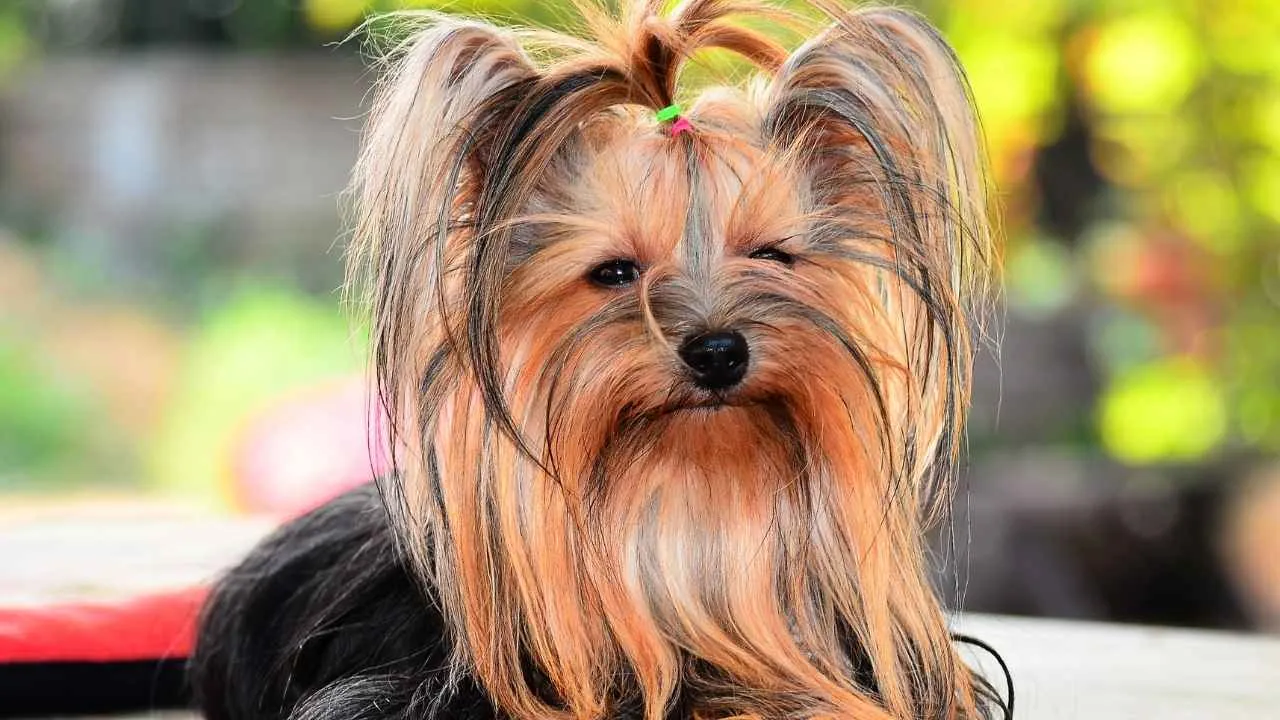
Yorkshire Terrier first gained attention alongside Scottish weavers who settled in England during the mid-1800s, where these little dogs chased rodents through busy textile mills. That early job reflected surprising determination long before the breed became a familiar companion in homes.
Tiny Size, Easy Routine
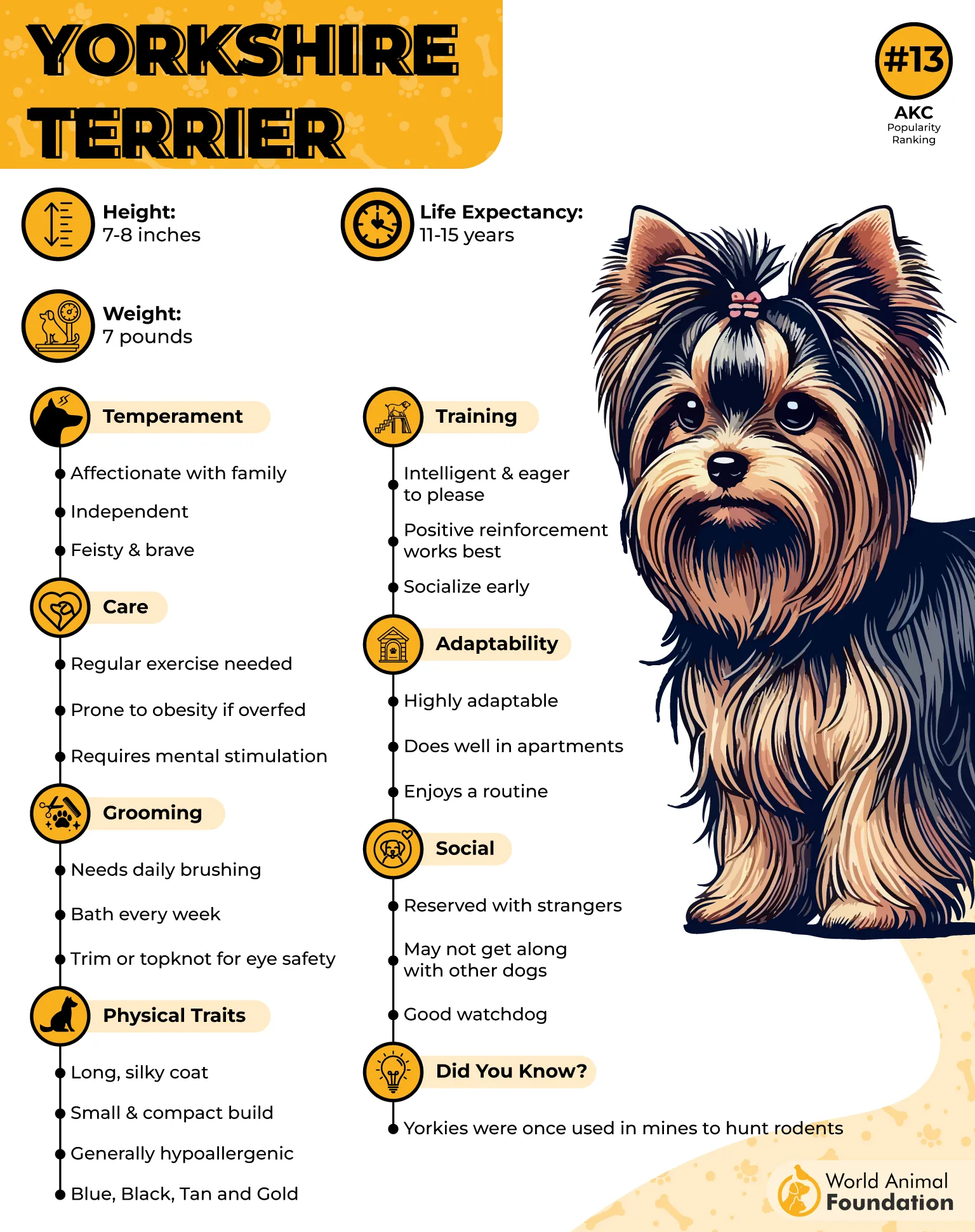
An apartment life can work nicely for this great family dog when its day includes regular movement and a bit of playtime. Two 15-minute walks, followed by some indoor games, are often enough to keep this lively little dog entertained and satisfied throughout the day, as PetMD suggested.
Dog sports that suit this small breed especially well:
Nose work games
Puzzle challenges
Agility courses
Big Character
Yorkshire Terrier brings plenty of confidence into everyday life, often mixing playful behavior with a noticeably bossy streak. Its long, straight blue and tan coat is one of the breed’s most recognizable features and is commonly kept in a shorter trim for easier care.
5. Shih Tzu
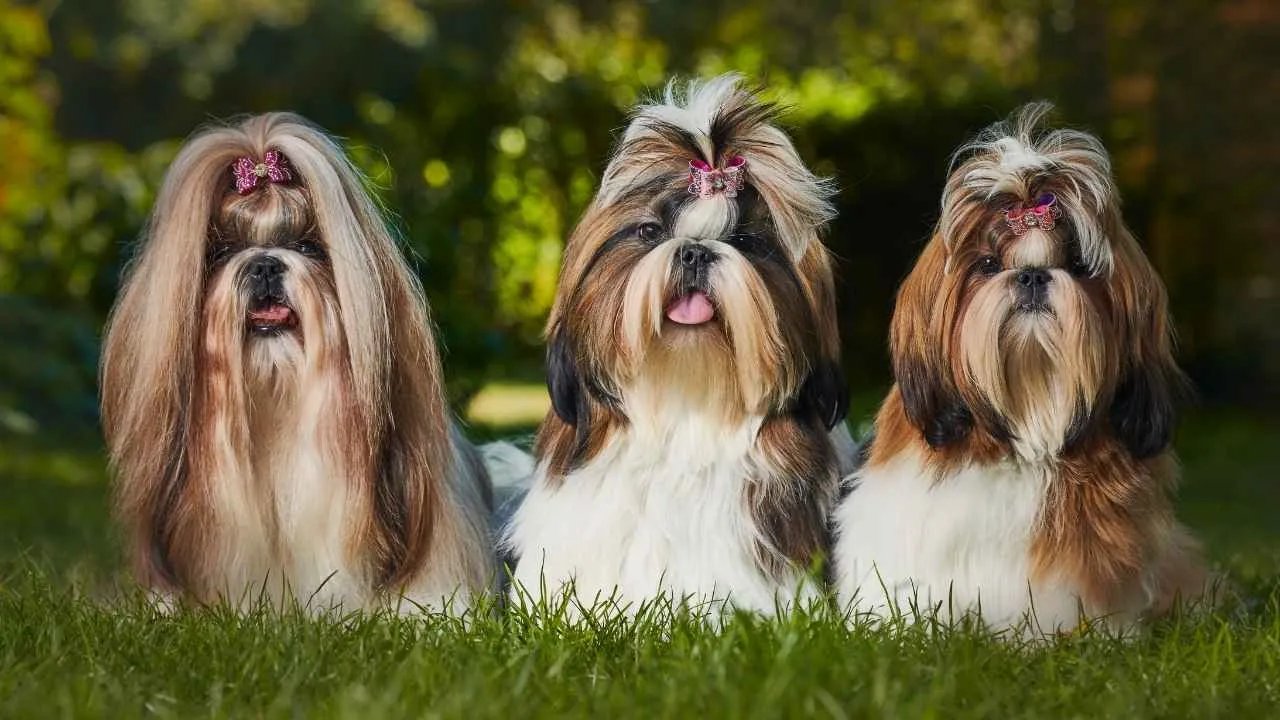
Shih Tzu was originally bred in Tibet as a toy companion long before receiving American Kennel Club recognition in 1969. Its name translates to “Lion Dog,” reflecting its close association with Buddhist traditions and the lion-like appearance valued for centuries.
Perfectly Petite
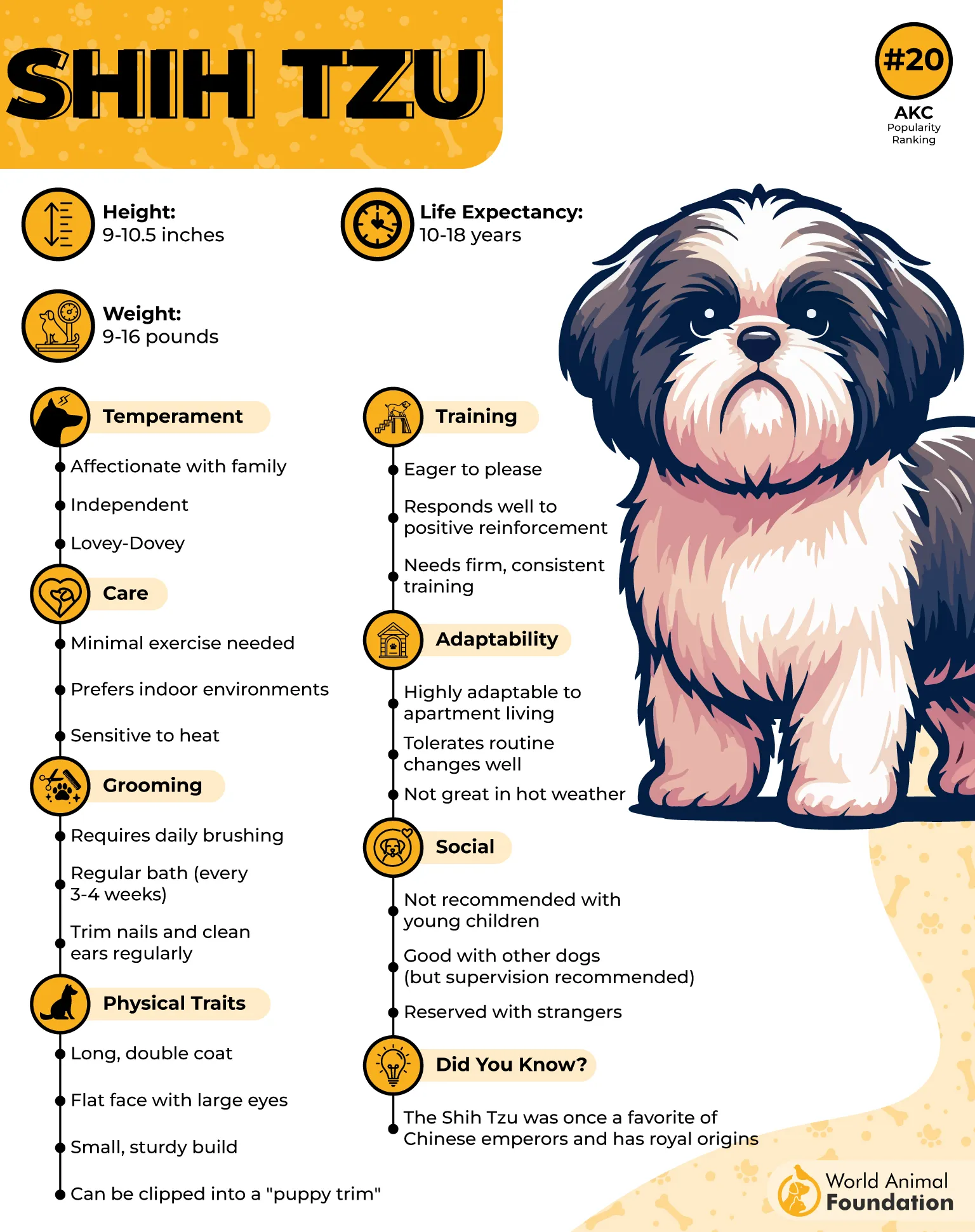
This tiny dog remains comfortably small throughout life, making it an easy fit for people who prefer a compact companion without sacrificing personality. Around 30 minutes of walking along with indoor play usually provides enough daily activity for this cheerful little dog.
The details below tell more about this curious dog:
Harnesses suit their body structure better than collars
Coat can be trimmed into a puppy cut
Long hair easily develops tangles and mats
Always Nearby
Shih Tzu enjoys sharing everyday moments with its favorite people and usually prefers company over spending long periods alone. Early socialization can reduce excessive barking or digging while encouraging relaxed interactions with unfamiliar people and animals.
6. Pekingese
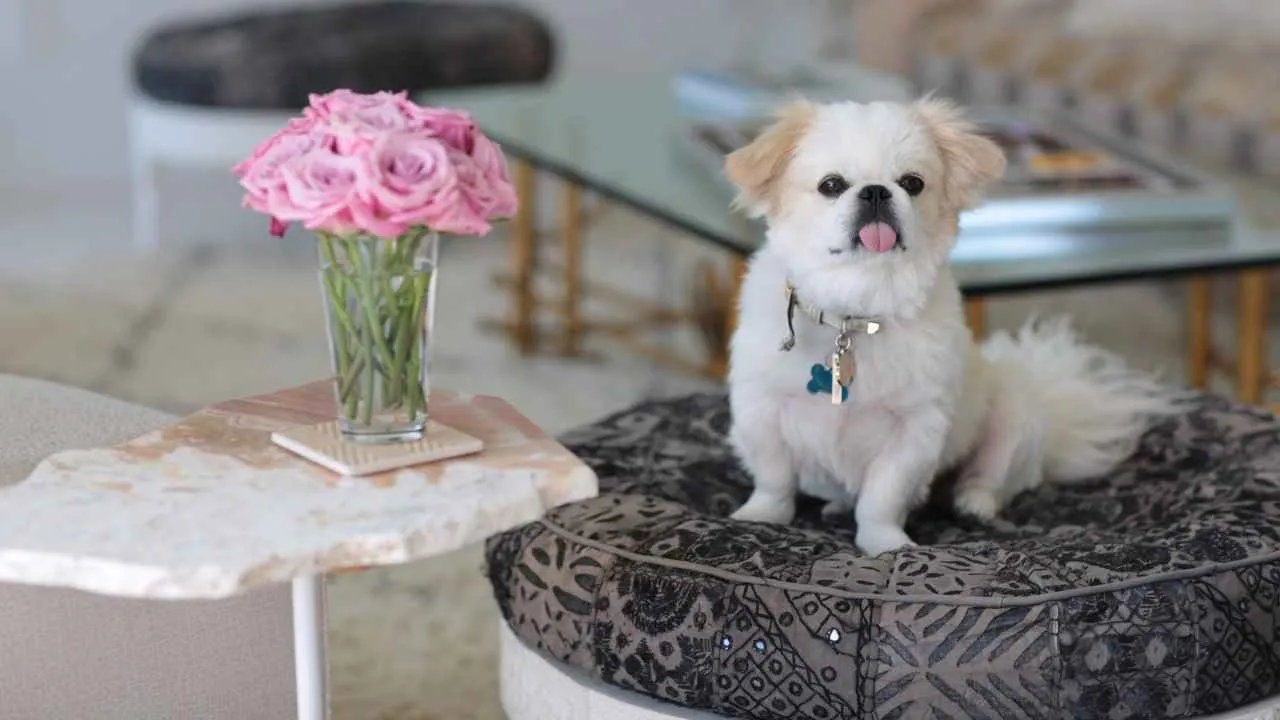
The Pekingese held a special place in ancient China’s royal palaces, living alongside members of the imperial court as a treasured companion. The breed emerged during the same period as other flat-faced dogs, including the Pug and Shih Tzu, giving it a long connection with early toy breeds.
Small Size, Easy Routine
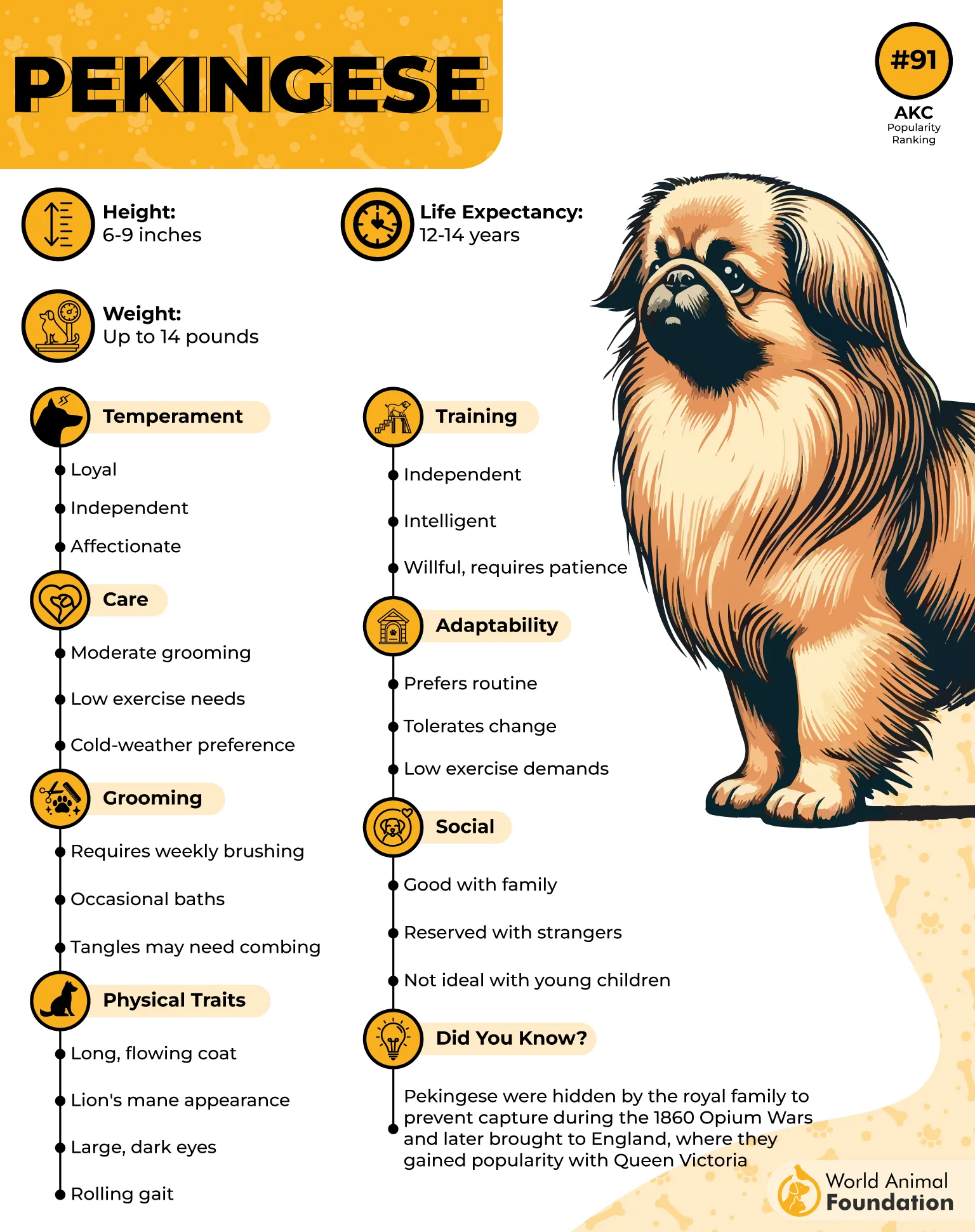
This great family pet is not the dog you’ll find asking for hours of exercise. A few short walks, gentle play, and letting it follow interesting scents can keep its day enjoyable without pushing it into strenuous activity.
There’s plenty more worth knowing about these huge personalities:
Lion-like neck ruff
Dense, compact body
Enjoys nose work and scent walks
Loyal and Watchful
As a great watchdog, it gives its affection to a close circle of people and can become uneasy when separated from them for long periods. Its surprisingly powerful bark may also sound the alarm when unfamiliar people or situations catch its attention, making early social experiences especially valuable.
7. Papillon
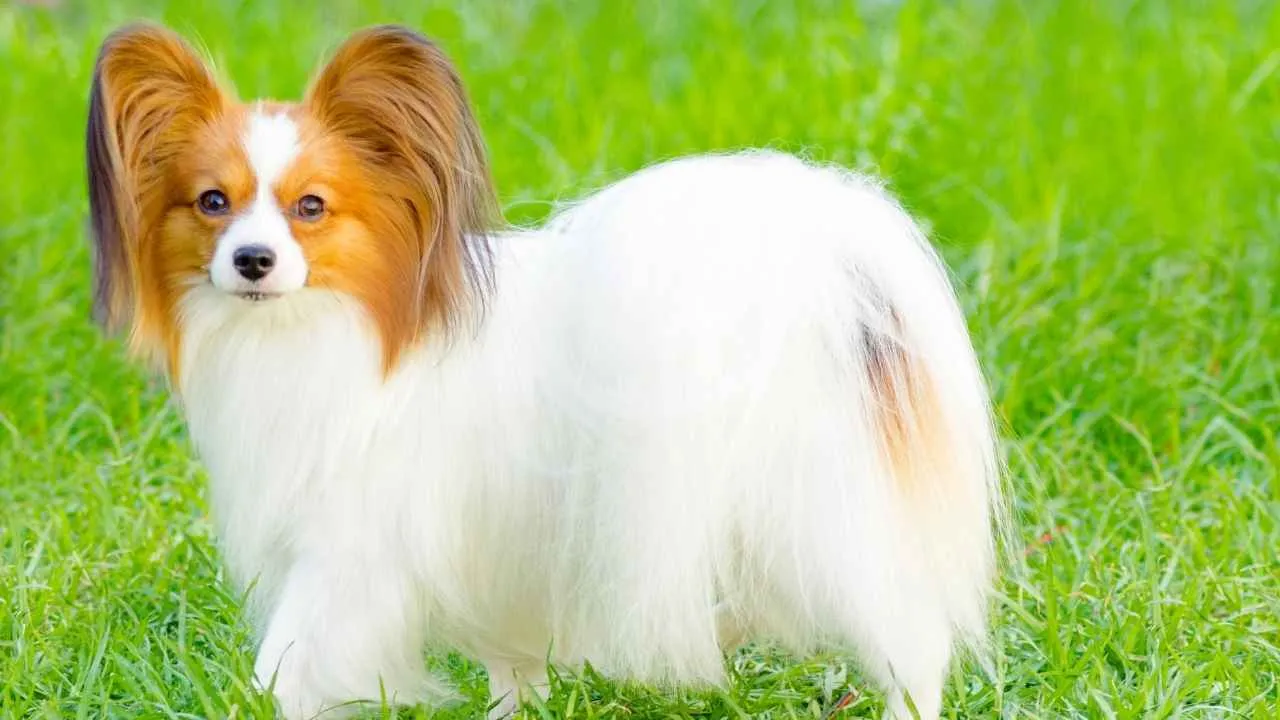
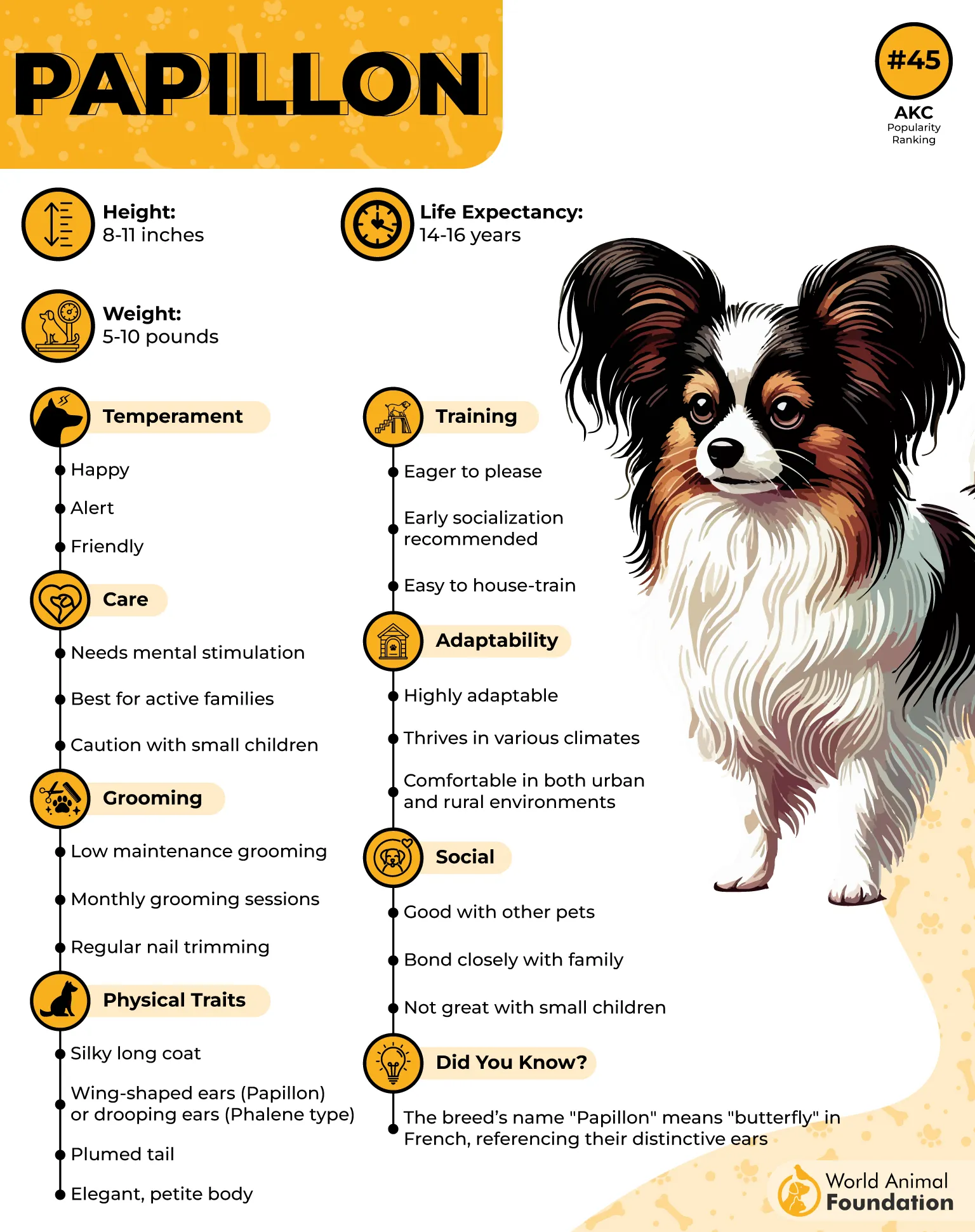
Papillon first appeared in France centuries ago, with paintings featuring this little Toy Spaniel dating back to the 13th century. Its French name means “butterfly,” inspired by the large upright ears, while some puppies from the same litter are born with folded Phalène, or “night moth,” ears.
Small Size, Busy Nature
Papillon brings plenty of energy into a compact frame, making it an enjoyable companion for people who prefer a smaller dog with an active personality. It enjoys being involved in everyday life instead of spending hours lounging in one place.
A few fascinating details add another layer:
Upright and Phalène ears can appear in one litter
Court ladies once tucked them under an arm
Greets familiar people with enthusiasm
Quick to Learn
These great pets enjoy learning new tricks and respond especially well to praise, play, and positive reinforcement during training sessions. Puppy classes also help channel their confident personality, particularly around dogs much larger than their own size.
Conclusion
Staying small never limits how much personality a dog can bring into everyday life. These little companions prove that confidence, affection, curiosity, and loyalty often come in the tiniest packages. Their size makes them ideal for a small space, and many stay small forever, though each dog’s friendly personality deserves just as much attention before making a decision.
Selecting a lap warmer whose energy and personality match your lifestyle creates a happier experience for everyone involved. With thoughtful care, regular interaction from an early age, and plenty of affection, these little dogs become devoted friends who fill ordinary days with laughter, comfort, companionship, and unforgettable moments together.
