




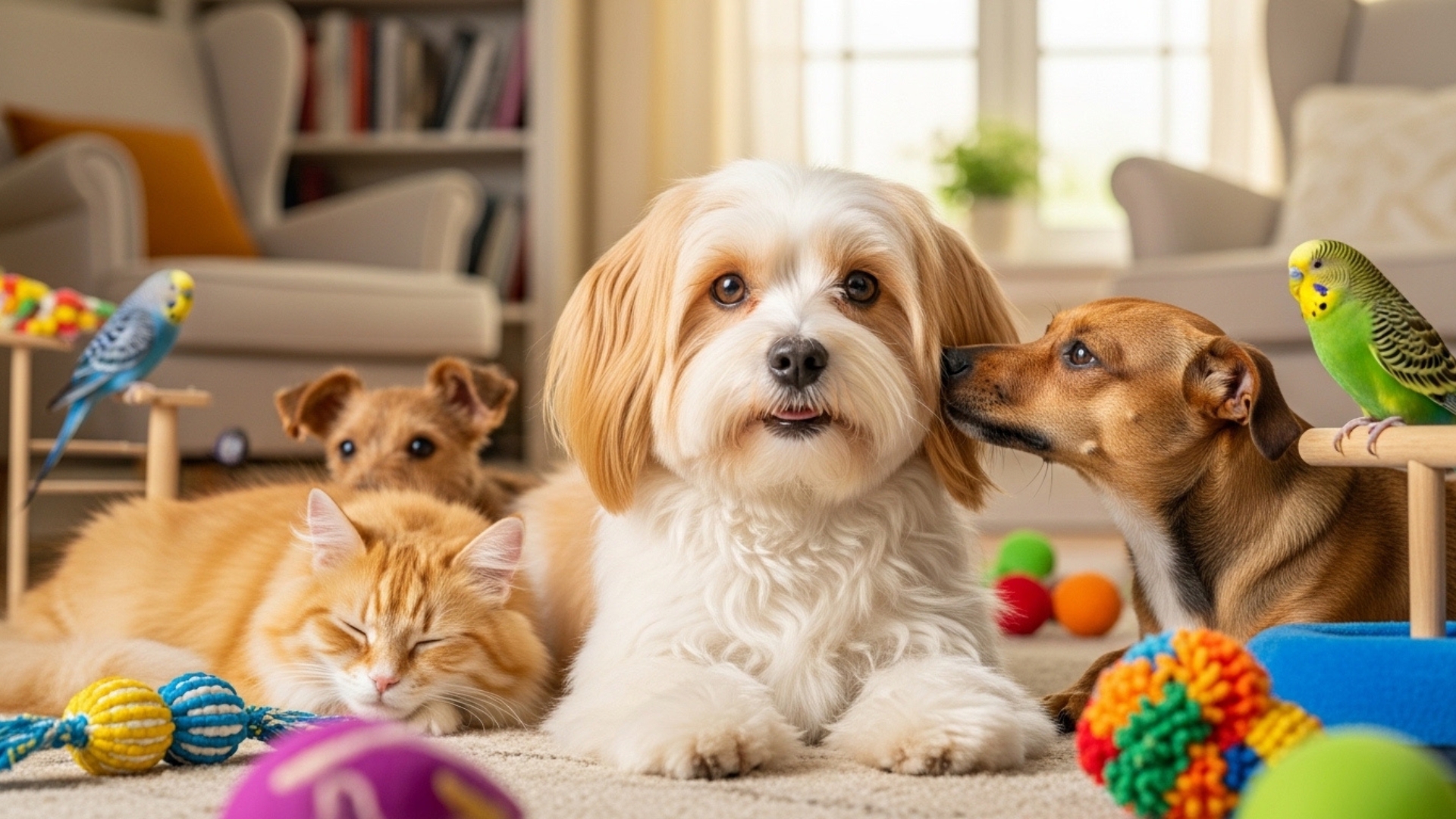
Living in a multi-pet household can be pure magic—or total chaos—depending on the personalities involved. If you’re someone who loves animals and dreams of a peaceful home where dogs, cats, and maybe even rabbits coexist, choosing the right breed matters.
Toy dog breeds are often overlooked, but many are incredibly social, adaptable, and surprisingly good at sharing space. Their small size, combined with big hearts, makes them wonderful companions for homes with multiple pets.
Let’s explore seven tiny pups that are known not just for their charm, but for their ability to live harmoniously with others.
Charming Toy Dog Breeds That Blend Well with Other Pets
1. Bichon Frise
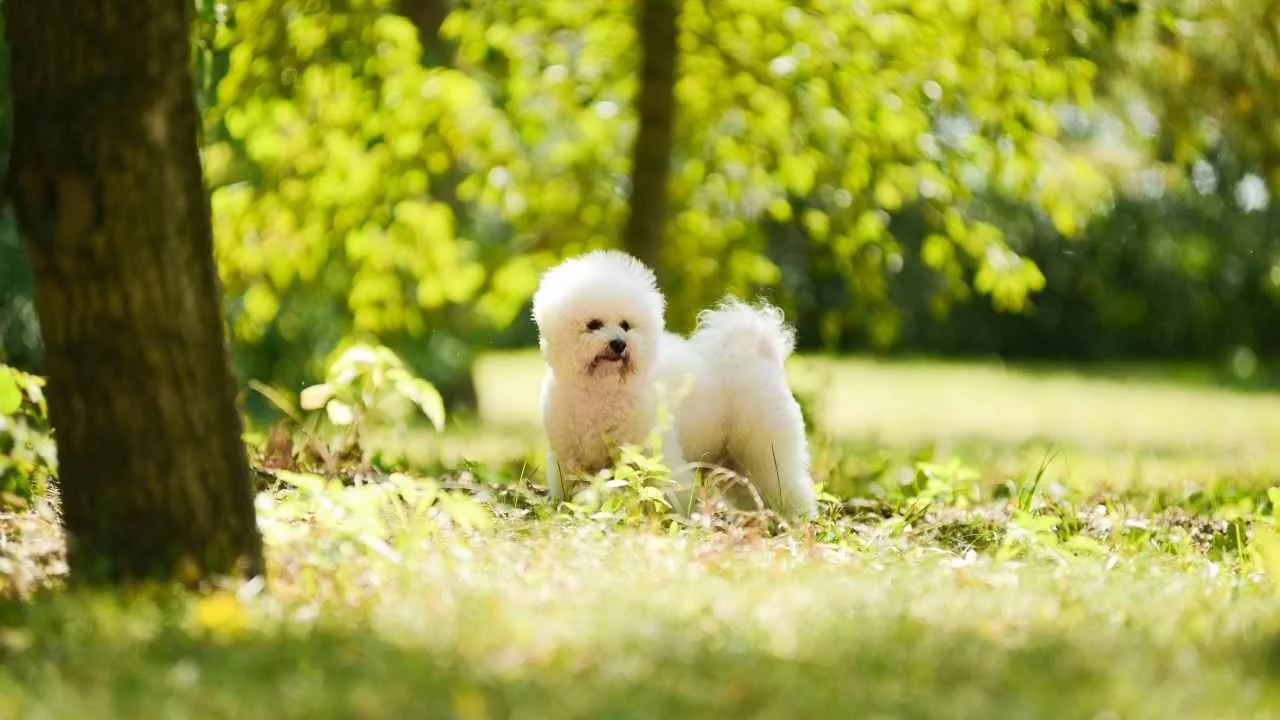
The Bichon Frise is basically happiness wrapped in a cloud of white fluff. These dogs are famously friendly and believe that everyone—human or animal—is a potential best friend.
Their easygoing nature makes them exceptionally good at integrating into homes with other dogs, cats, and even smaller pets when introductions are done properly. Rather than asserting dominance, Bichons prefer playtime, cuddles, and being part of the group.
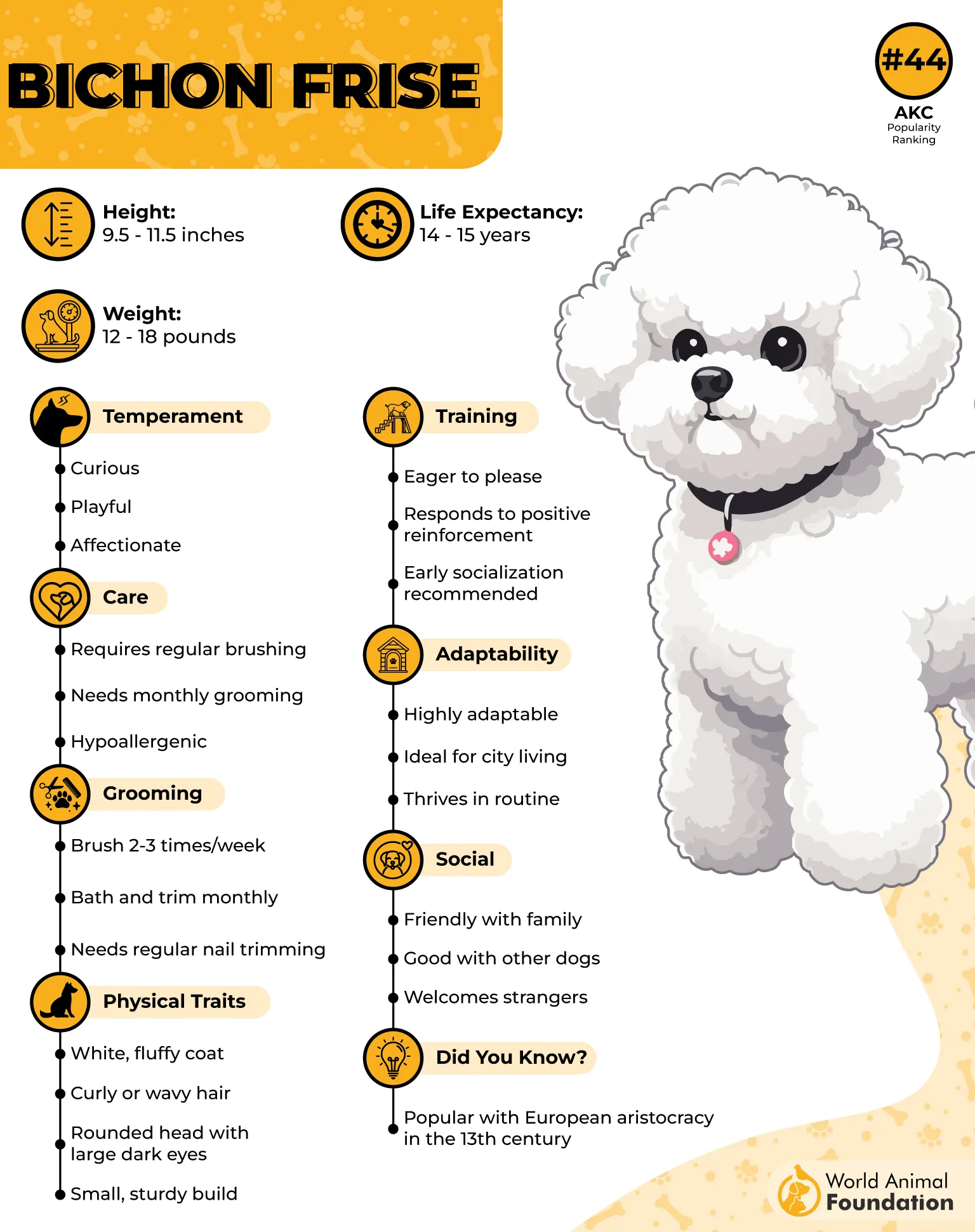
Historically, this small dog breed with a thick, double coat was beloved by European nobility, especially in France and Spain, where it was prized as a companion. This long history of living among people and other animals shaped their social and adaptable personalities.

Purina mentions that these lively little dogs are alert and curious, which can make them decent little watchdogs, but don’t expect aggression. If another pet enters their home, the Bichon’s first instinct is usually curiosity followed by play. They’re particularly good with cats, especially if raised together from a young age. Their playful energy often matches well with other small dogs, too.
2. Miniature Pinscher
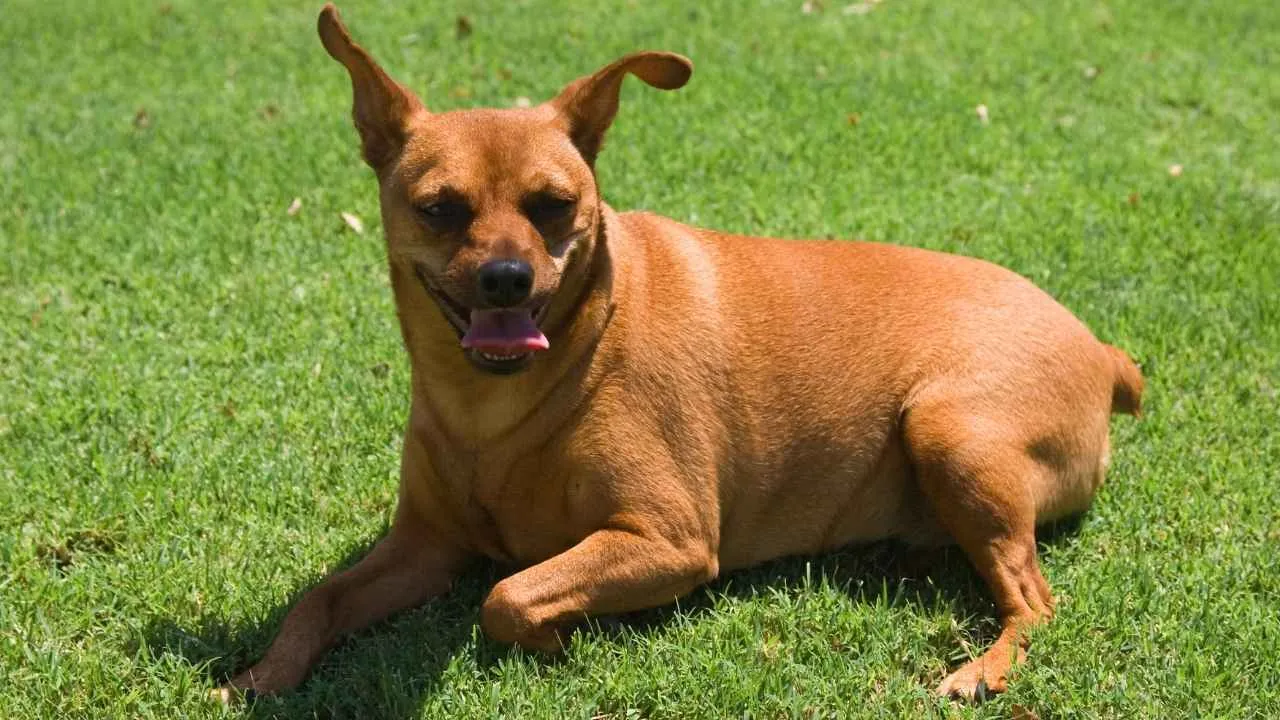
The Miniature Pinscher may be tiny, but it has the confidence of a much larger dog. Often called the “King of Toys,” this breed is bold, alert, and full of personality.
With proper early socialization, Min Pins can coexist well with other dogs and even cats within the same household. The key is structure, training, and clear boundaries from the start.
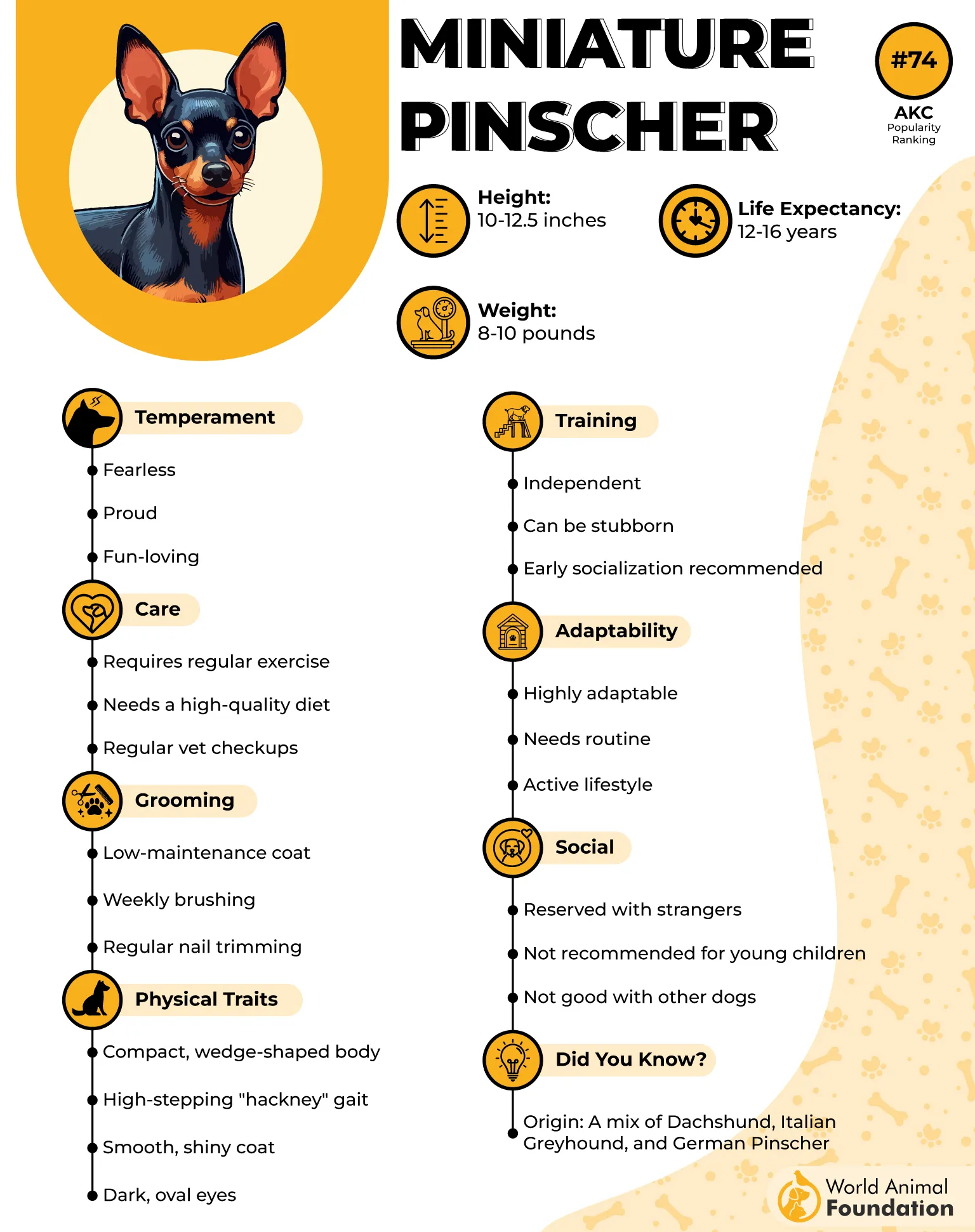
Miniature Pinschers originated in Germany and were bred to hunt rats, which explains their sharp instincts and lively nature. That history gives them a higher prey drive than some toy breeds, so careful introductions are essential—especially with very small animals. Once they understand who belongs in their “pack,” they’re usually loyal and accepting. Familiar pets often become trusted companions rather than rivals.
These family dogs tend to bond strongly with all family members and can be affectionate with both people and animals they know well. While they may be cautious around unfamiliar dogs, consistent positive experiences help smooth those edges. In a stable home environment, they can be playful and even protective of fellow pets. They enjoy being part of the action and don’t like feeling left out.
Orvis mentions that their spirited personality makes life interesting and rewarding. For pet owners who enjoy an active, confident little dog and are willing to invest in training, these great family dogs can fit surprisingly well into a multi-pet home.
3. Shih Tzu
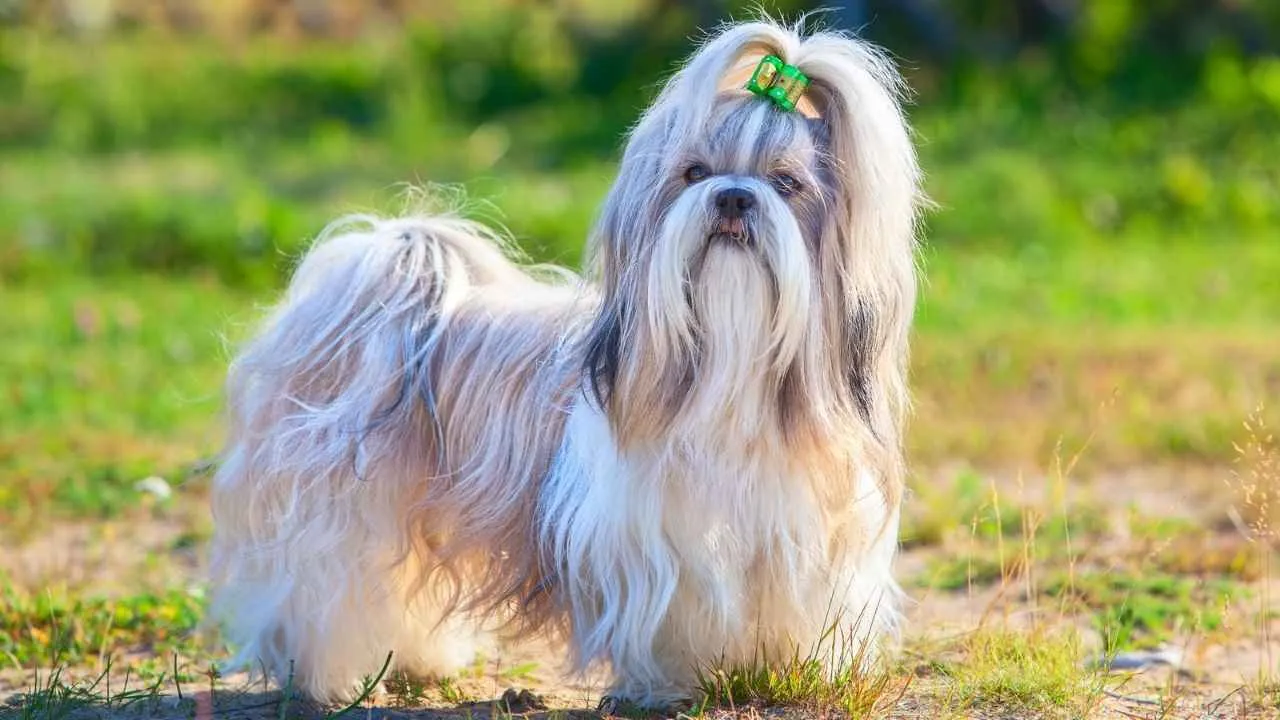
Shih Tzus were practically designed for peaceful companionship. Bred specifically to be lap dogs for Chinese royalty, they’ve spent centuries learning how to coexist calmly with others.
Their tolerant, friendly disposition allows them to get along with a wide variety of pets, including cats and other dogs. They’re rarely confrontational and generally prefer harmony over drama.
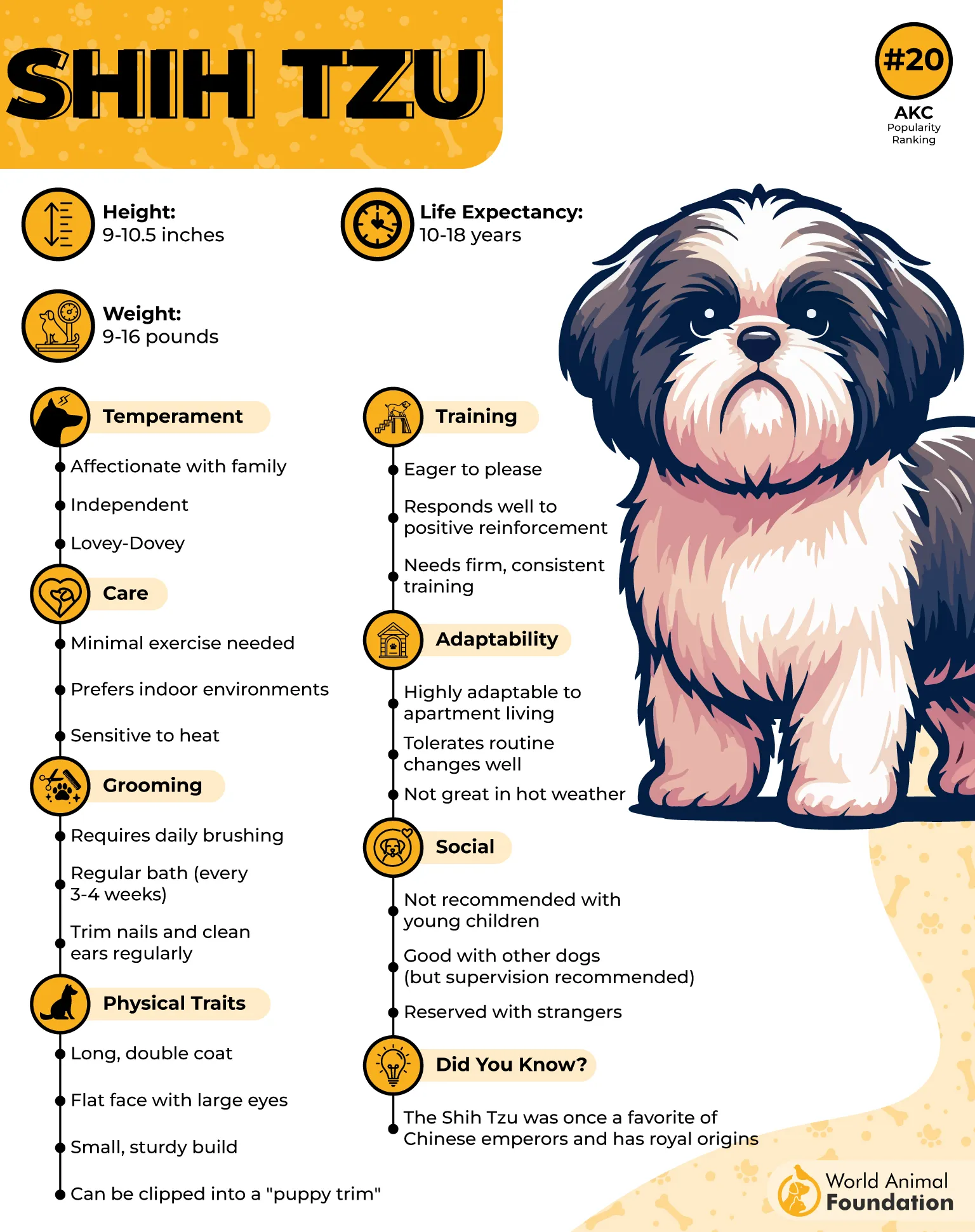
This breed’s history dates back to ancient China, where they lived in palaces and were treated like royalty. Sharing space with multiple animals and people was part of their daily life, and that legacy remains today. These excellent family dogs are social by nature and thrive when surrounded by company. They don’t enjoy isolation and are happiest in lively households.
Their sturdy yet small build makes them a good match for families with children and other pets. They are playful without being overwhelming, which helps them integrate smoothly into mixed-pet environments. They’re curious but not overly prey-driven, so coexistence with cats and similar animals is usually stress-free. Supervision with very small pets is still wise, but aggression is uncommon.
Their intelligence and eagerness to please also make training easier, even for first-time pet parents. If you want a toy dog that brings calm, warmth, and friendliness into a multi-pet home, it fits beautifully.
4. Havanese

The Havanese is a social butterfly in dog form. These cheerful little dogs genuinely enjoy the company of others—humans and animals alike. Known for their low prey drive, Havanese dogs are often excellent with cats and other pets. They don’t just tolerate other animals; they usually want to be friends with them.
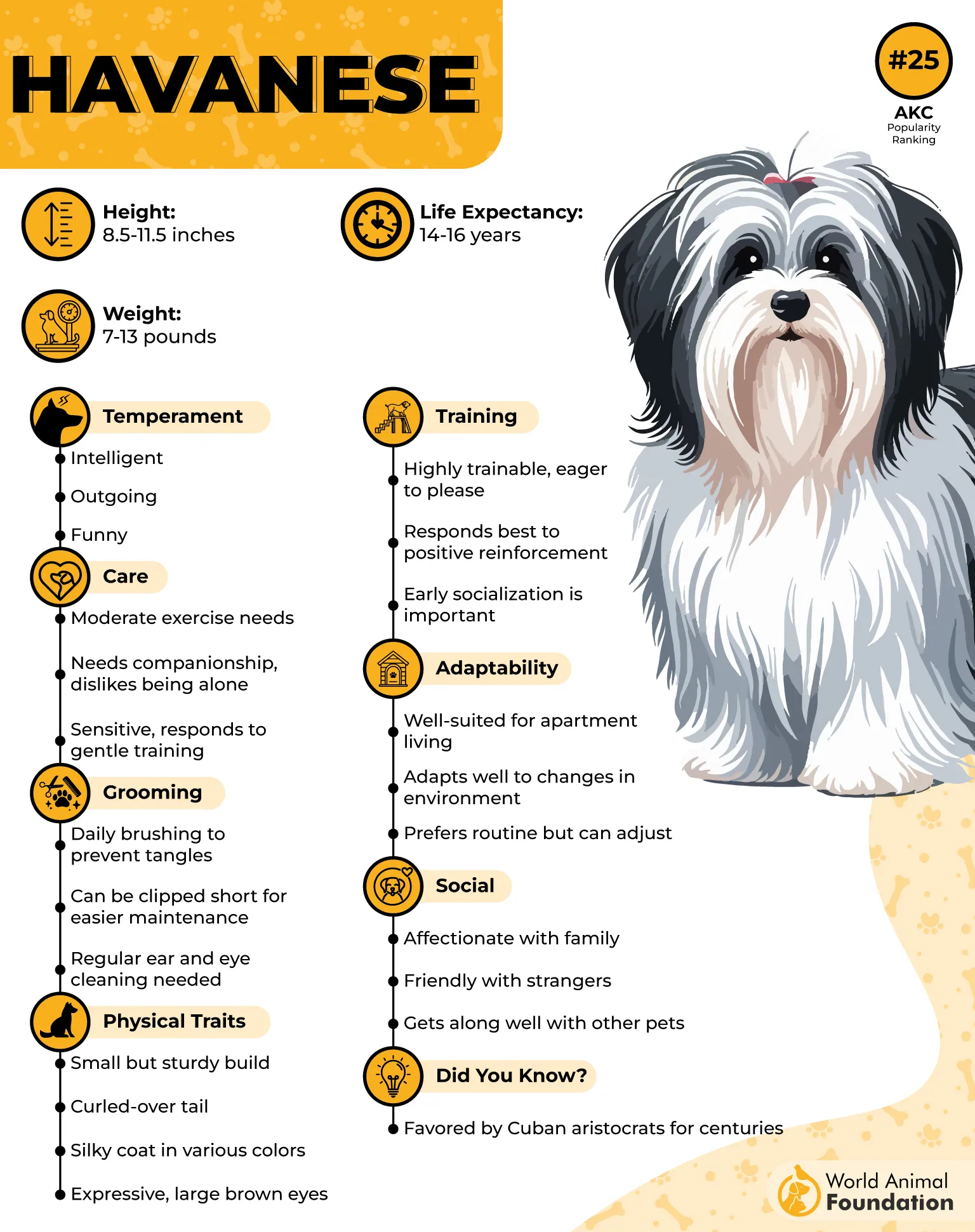
Originating in Cuba, the Havanese was bred as a companion dog for families, often living in close quarters with multiple people and pets. This background shaped their adaptable and outgoing nature. They thrive in environments where interaction is constant and relationships matter. A lonely Havanese is an unhappy one, but a Havanese in a lively home truly shines.
Hills Pet mentions that these dogs are playful without being rough, which helps them coexist peacefully with pets of different sizes. They often initiate play but are good at reading signals when another animal needs space.
Because they bond so deeply, they may struggle with separation anxiety, making multi-pet households especially beneficial for them. Having animal companions can actually help keep them emotionally balanced.
5. Cavalier King Charles Spaniel

Cavalier King Charles Spaniels are known for their sweet, almost angelic temperament. They’re gentle, patient, and naturally inclined to get along with just about everyone they meet.
Aggression is extremely rare in this breed.
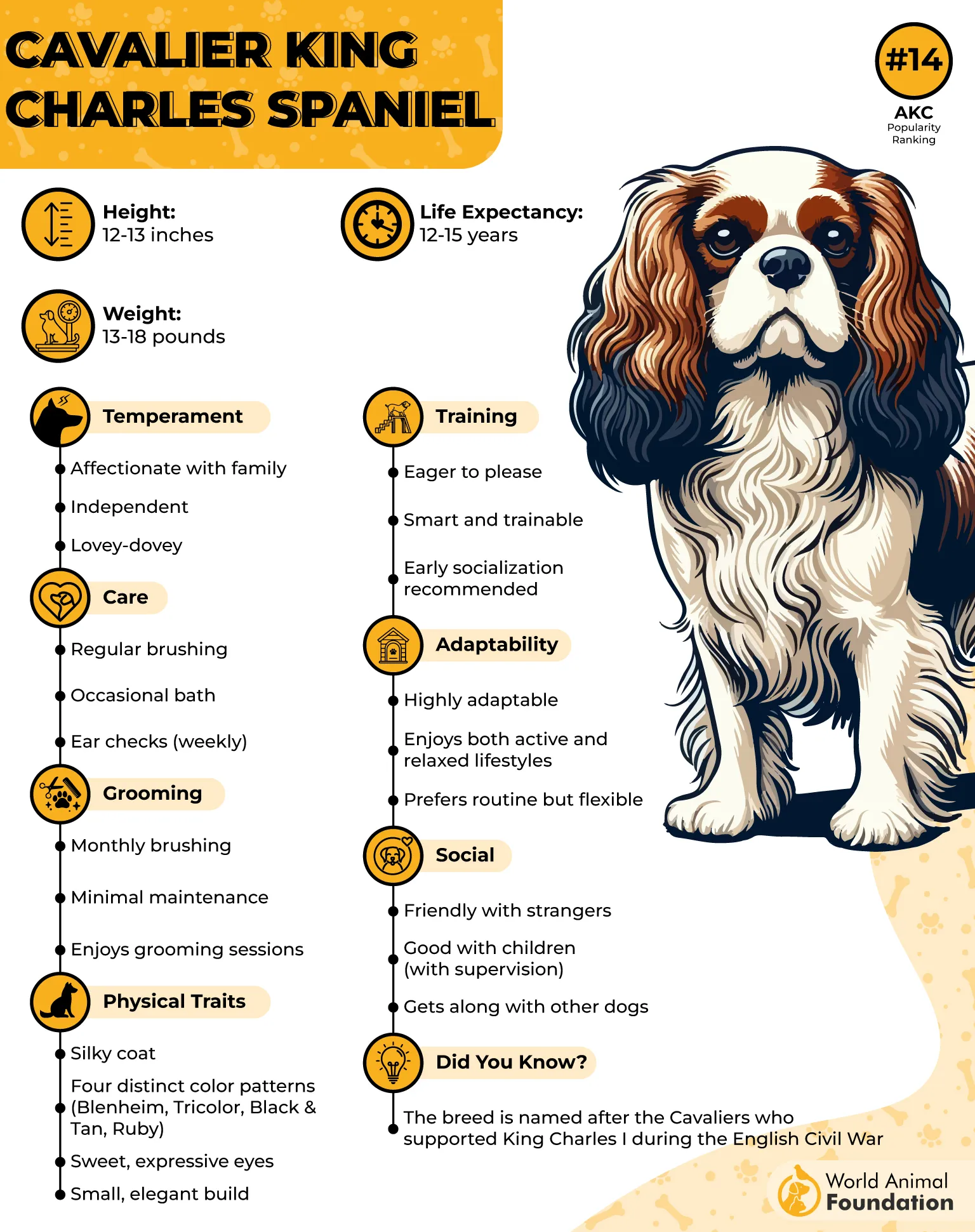
Historically, Cavaliers were adored by British royalty, particularly King Charles II, who famously allowed them everywhere—including Parliament. Their role as constant companions shaped their affectionate and tolerant personalities. Cavaliers are happiest when surrounded by others and don’t enjoy being alone for long periods. In fact, many do better when they have another pet for company.
Their intelligence and eagerness to please make training straightforward, which helps maintain harmony in a multi-pet household. Cavaliers tend to adapt their energy level to their surroundings, playing when it’s time to play and relaxing when the house is calm. This emotional flexibility makes them easygoing companions. They’re also known for being gentle with smaller or more timid pets.
As per the American Kennel Club (AKC), they are well-suited to homes with other pets, including cats and dogs of all sizes. Their expressive eyes and soft demeanor make them hard to resist. If your goal is a peaceful, affectionate household filled with mutual companionship, it is a standout option.
6. Papillon
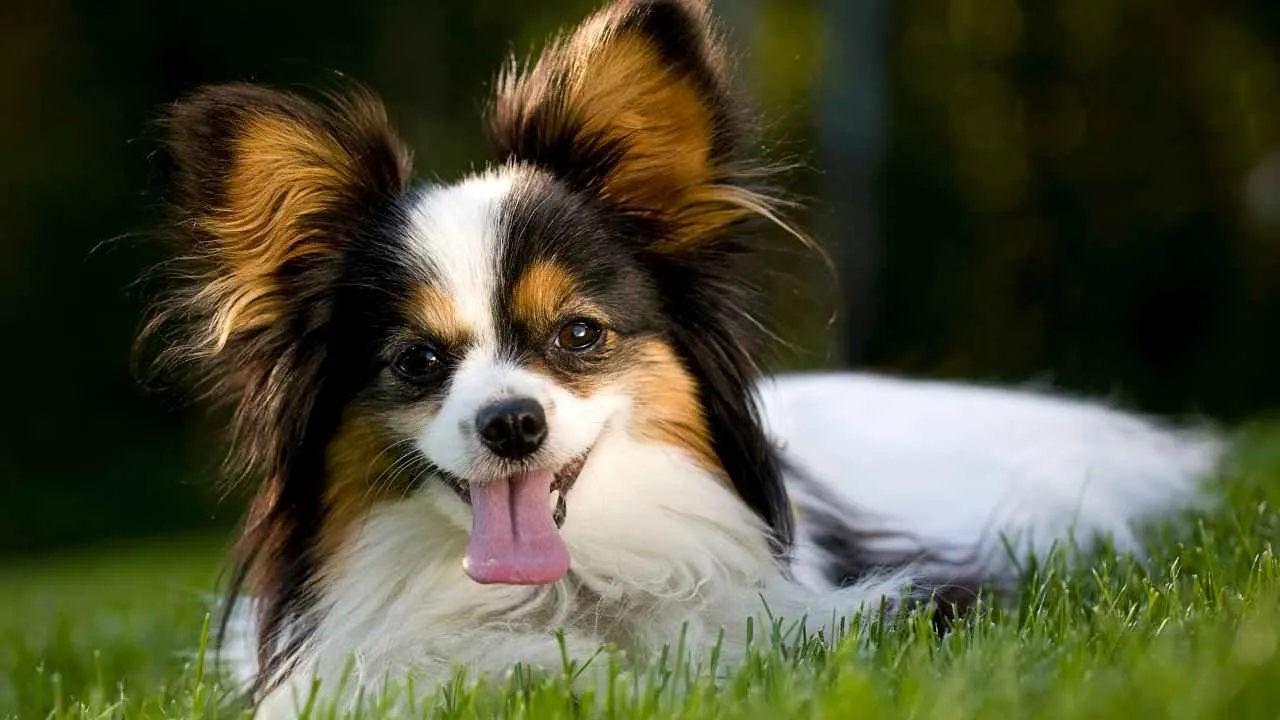
Papillons may be tiny, but they’re bursting with confidence and intelligence. Named after their butterfly-like ears, these dogs are lively, curious, and surprisingly adaptable. When properly socialized, Papillons get along very well with other dogs and even cats.
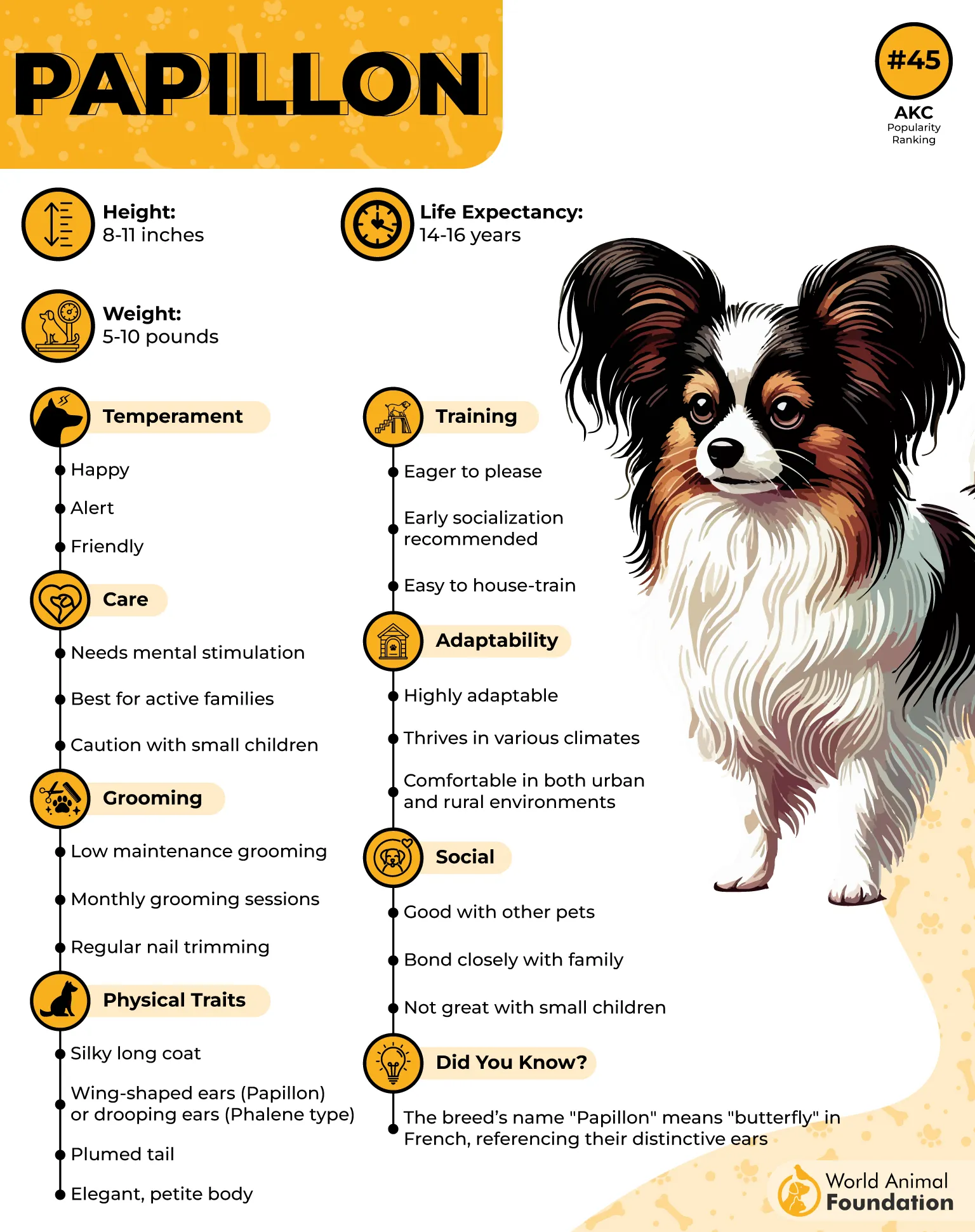
They’re social creatures that enjoy being part of a group rather than standing on the sidelines.
This breed has a long history in European royal courts, appearing in paintings dating back to the Renaissance. Despite their elegant appearance, Papillons are hardy and athletic for their size. Their intelligence enables them to read situations quickly, helping them navigate relationships with pets. They’re often more interested in play and exploration than conflict.
Because Papillons are delicate, interactions with larger pets should be supervised, especially during energetic play. That said, they tend to be confident rather than fearful, which helps prevent defensive aggression. With early socialization, they usually grow into friendly, well-adjusted companions. They’re vocal but responsive to training, making behavior management easier. Their big personalities make life entertaining.
7. Biewer Terrier

The Biewer Terrier is a relatively new breed, but it has quickly earned a reputation as a friendly, adaptable companion. These dogs are confident without being pushy, playful without being aggressive, and social without being overwhelming.
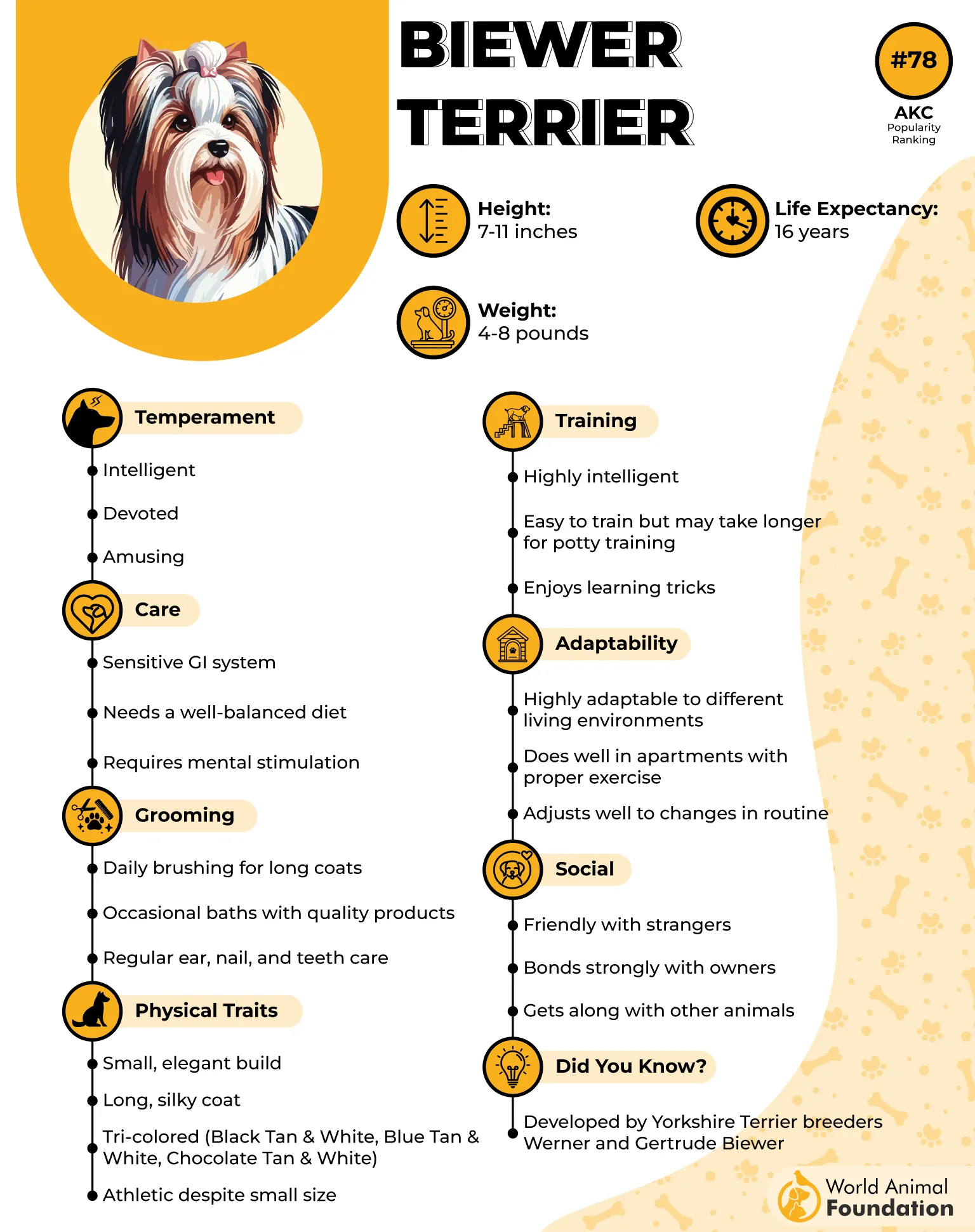
They generally get along very well with other dogs and cats, especially when introduced properly. Their balanced temperament makes them ideal for multi-pet households.
The breed originated in Germany in the 1980s from Yorkshire Terriers with a unique piebald coat. Unlike some terriers, these tiny dogs tend to be less intense and more relaxed in social situations. They enjoy interaction but are also content sharing space calmly. This combination makes them easier to manage around pets.
Biewer Terriers are affectionate and often form close bonds with both humans and animals in the home. While they can be protective of their owners, consistent training helps keep that instinct in check. Because of their small size, supervision is recommended when around very young children or much larger dogs. Overall, their playful, cheerful nature promotes positive interactions.
Conclusion
Choosing the best small dog breed for a multi-pet home isn’t just about size—it’s about temperament, history, and social adaptability. The toy breeds on this list prove that small dogs can have big hearts and exceptional social skills.
With proper introductions, training, and respect for each animal’s space, these breeds often thrive alongside other pets. These cute small dogs bring warmth, companionship, and balance into shared living spaces.
If harmony is your goal, these charming toy dogs are more than up to the task.
