




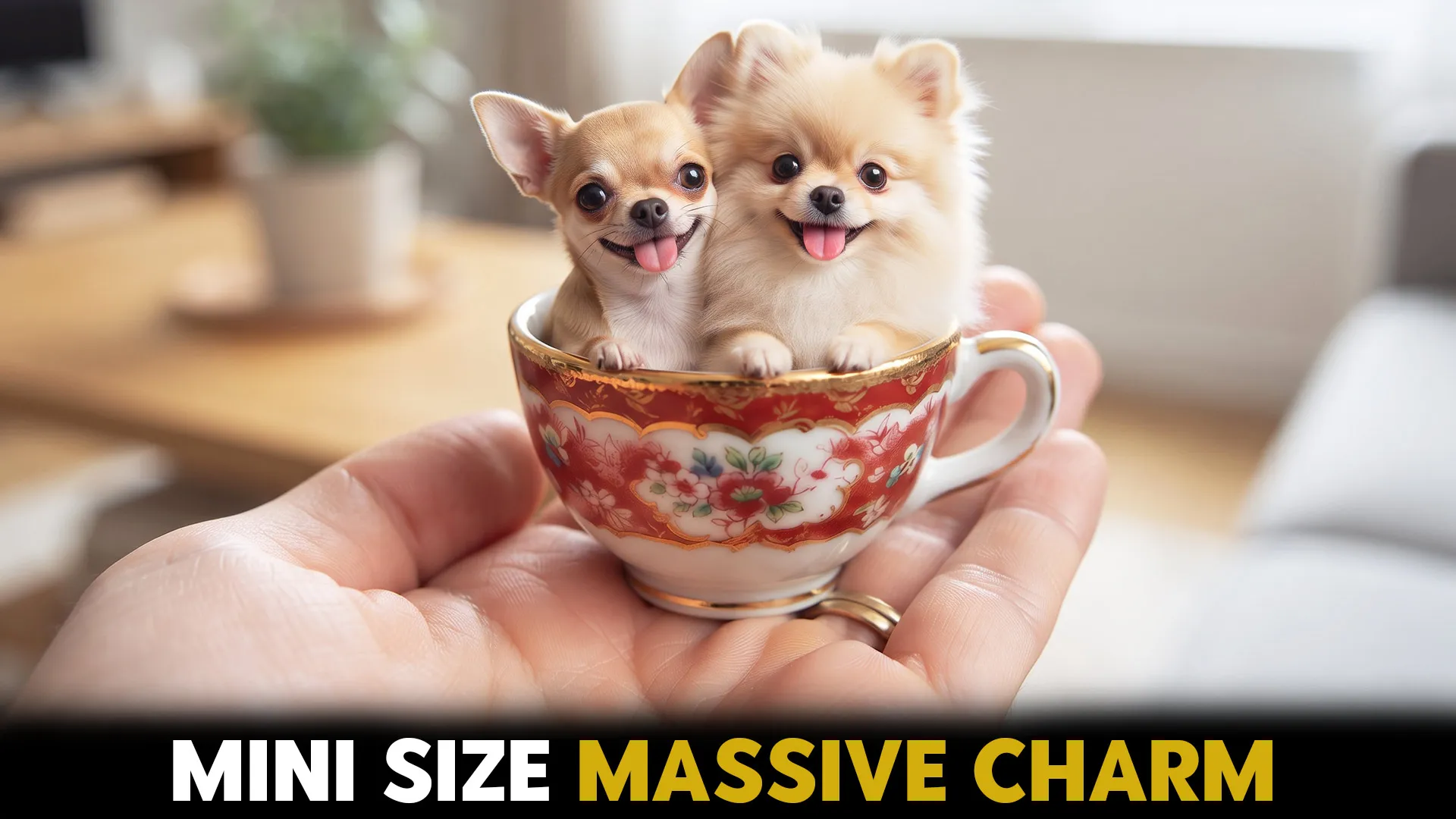
Tiny dogs have mastered one of the greatest flexes in the animal kingdom: taking up approximately three inches of sofa while somehow controlling the entire household. Their portable size, expressive faces, and often wildly confident personalities explain why miniature-looking companion breeds keep winning hearts, especially among people living in apartments.
Small breeds can also exercise successfully in relatively limited spaces, although personality and activity level still matter just as much as body size. Little size does create some special responsibilities, though, because toy dogs can have finer bones, can be harder to see underfoot, and may be injured by rough handling or uncontrolled interactions with much larger dogs.
Let’s talk about the teacup breeds that the pet parents absolutely adore.
Charming Teacup Dog Breeds: Mini Size, Maximum Appeal
1. Pug
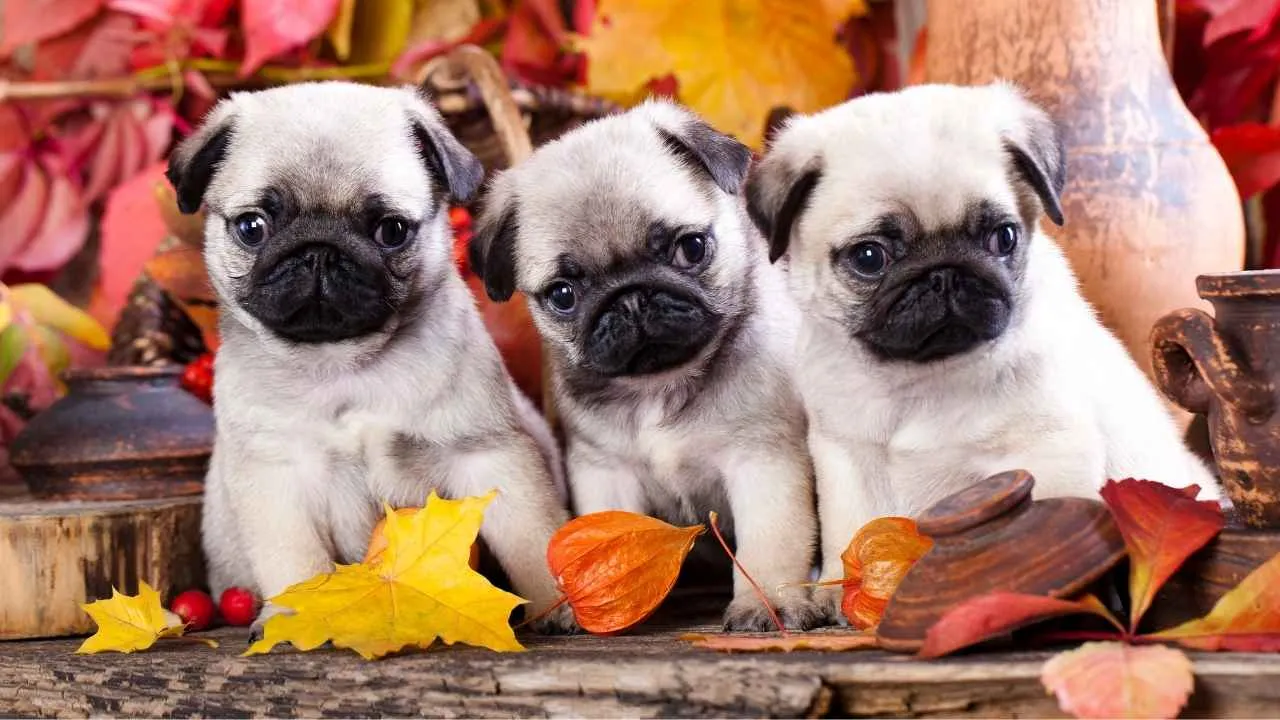
Pugs are compact, chunky little comedians rather than true “teacup” dogs, and their standard size is already highly manageable for many homes.
Their compact proportions work beautifully for people who want a companion to curl up beside them. These popular dogs were developed as companions, and their smaller frames also make everyday handling more convenient for many owners, whether moving around a compact home, visiting the veterinarian, or settling into a cozy car seat.
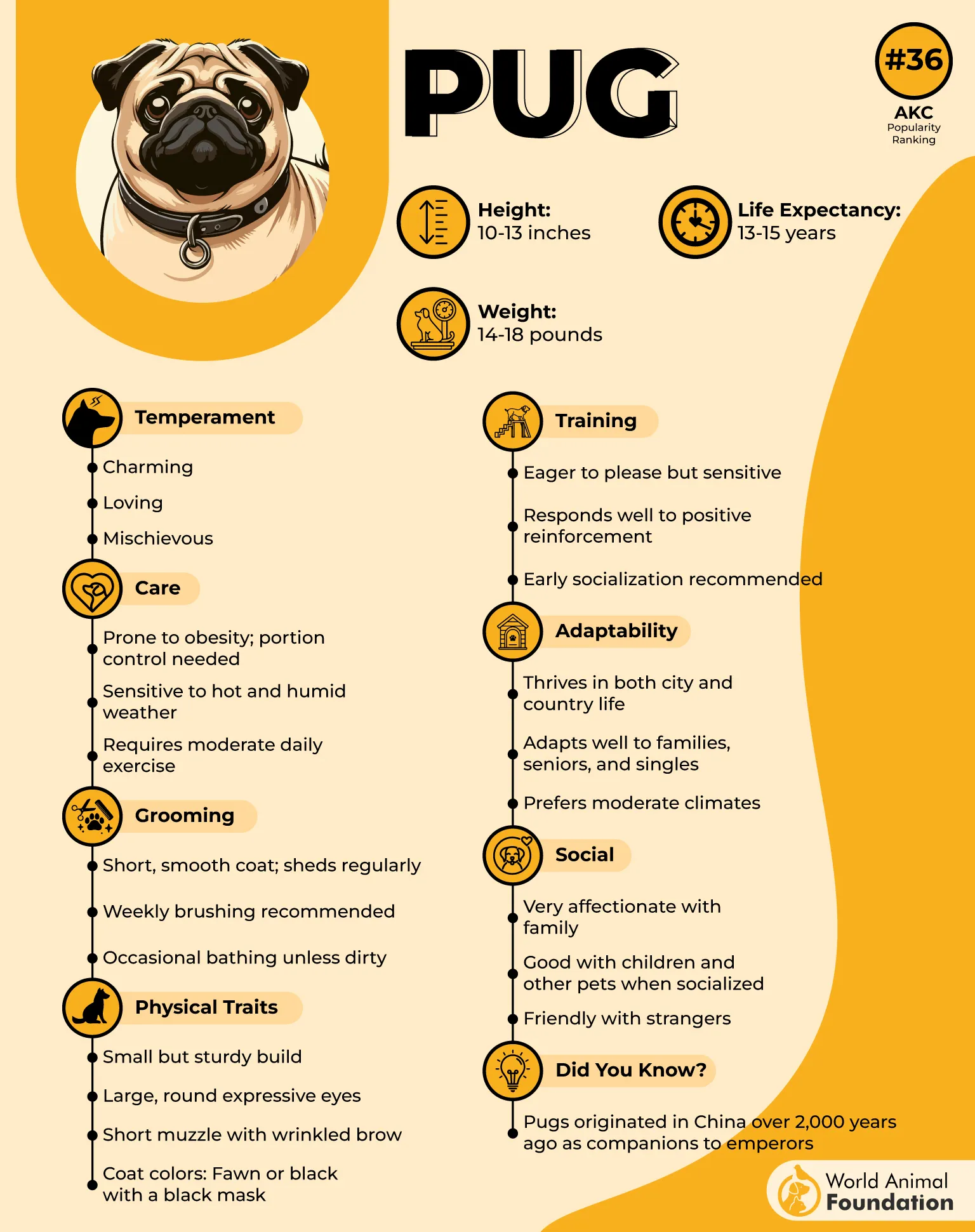
Consistent training is necessary, and they respond well to food rewards. That food motivation can make teaching household manners surprisingly productive, assuming your Pug does not successfully convince the family that performing one “sit” deserves half a roast chicken.

Small size also means these teacup puppies do not require acres of land to enjoy daily activity, but “small” definitely does not translate to “never needs exercise.” The American Kennel Club recommends moderate opportunities, such as walks and play, while warning that Pugs are short-faced dogs that tolerate hot or humid conditions poorly.
2. Chihuahua
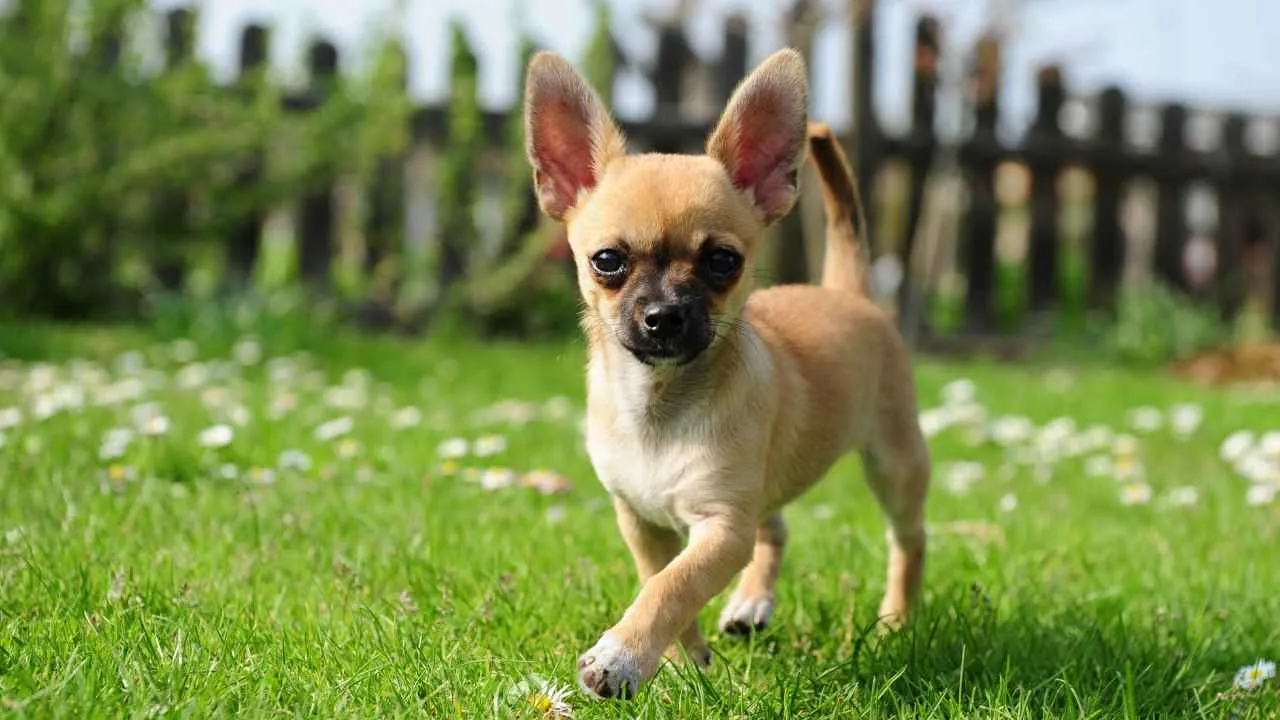
If one breed has basically trademarked tiny-dog confidence, it is the Chihuahua.
That ultra-compact body offers clear advantages for city dwellers and those with limited indoor space. Teacup Chihuahuas are adaptable city pets, and their size means that a properly designed crate, bed, play area, and enrichment setup can fit comfortably in places where equipment for a small dog would otherwise become accidental furniture.
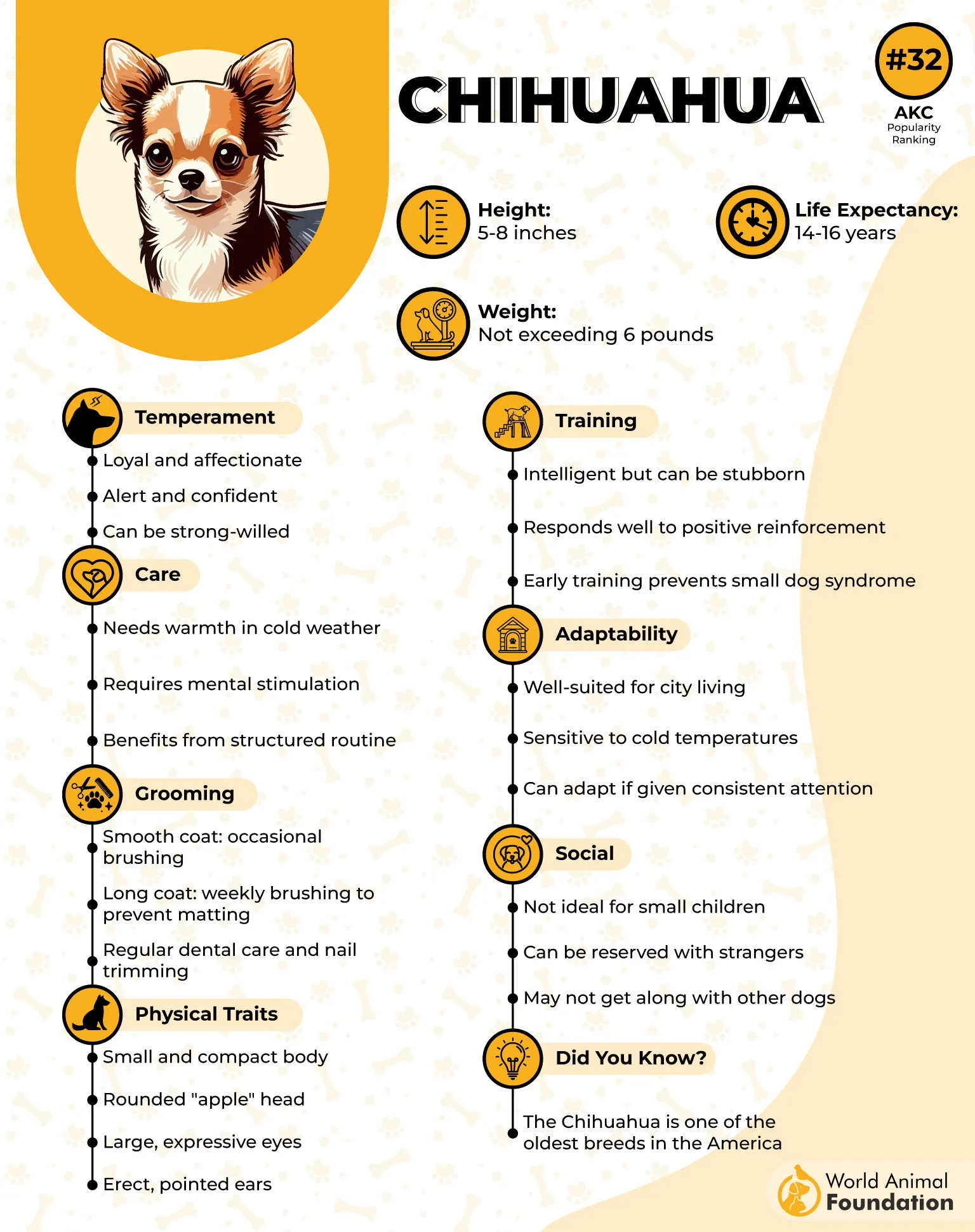
Modern Chihuahuas retain an alert, confident temperament that can make them amusing companions. Still, it also means owners should take training seriously rather than laughing off every tiny act of chaos.
There is also a trade-off behind all that portability: extremely small dogs require careful handling. But remember they are too little for rough play with children and need extra consideration in cold weather, which makes sense when your entire body has roughly the mass of a couple of laptops.
Their size is fantastic for lap companionship and smaller homes, but smart ownership means protecting that miniature body rather than treating its fragility as part of the aesthetic.
3. Pomeranian
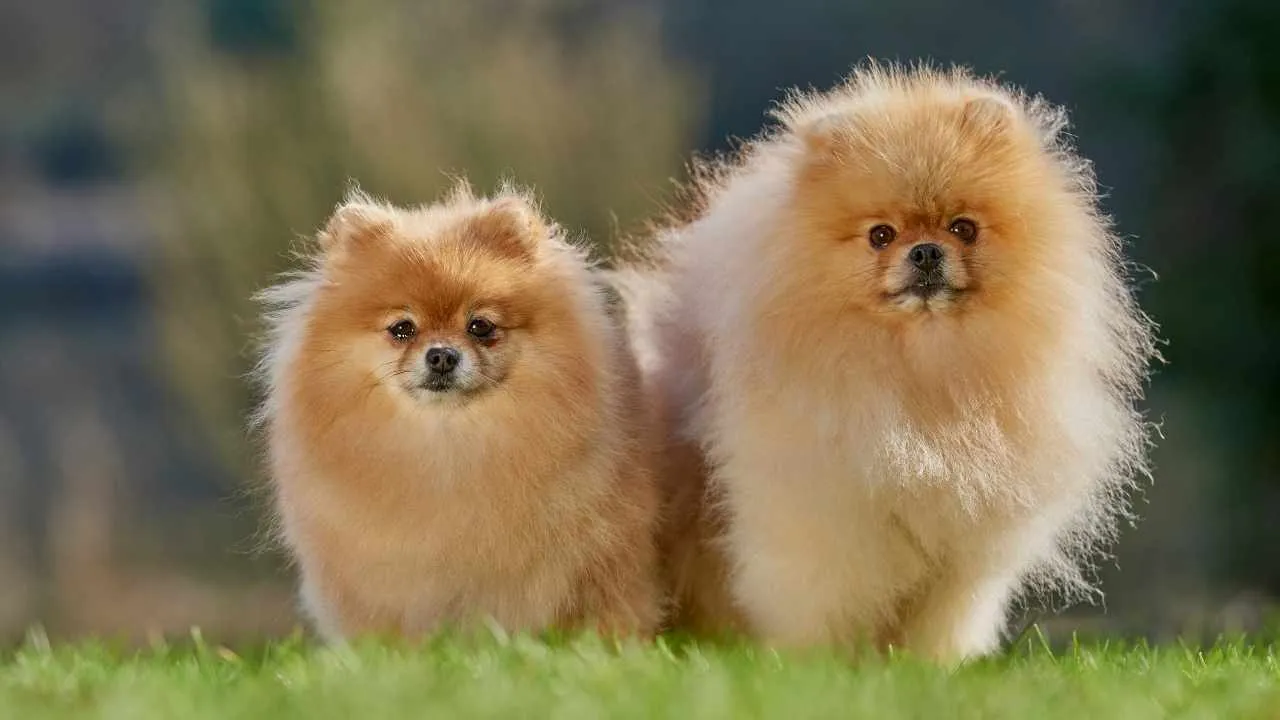
A Pomeranian is what happens when someone compresses a dramatic northern spitz into approximately the volume of a fluffy handbag and leaves every ounce of confidence intact. This miniature fluffball is related to much larger spitz-type dogs associated historically with northern working breeds.
Their size is one of their greatest practical superpowers, as an adult Pom can live comfortably without physically dominating a room. A compact dog bed, travel carrier, grooming station, and indoor enrichment zone can all occupy relatively little space.
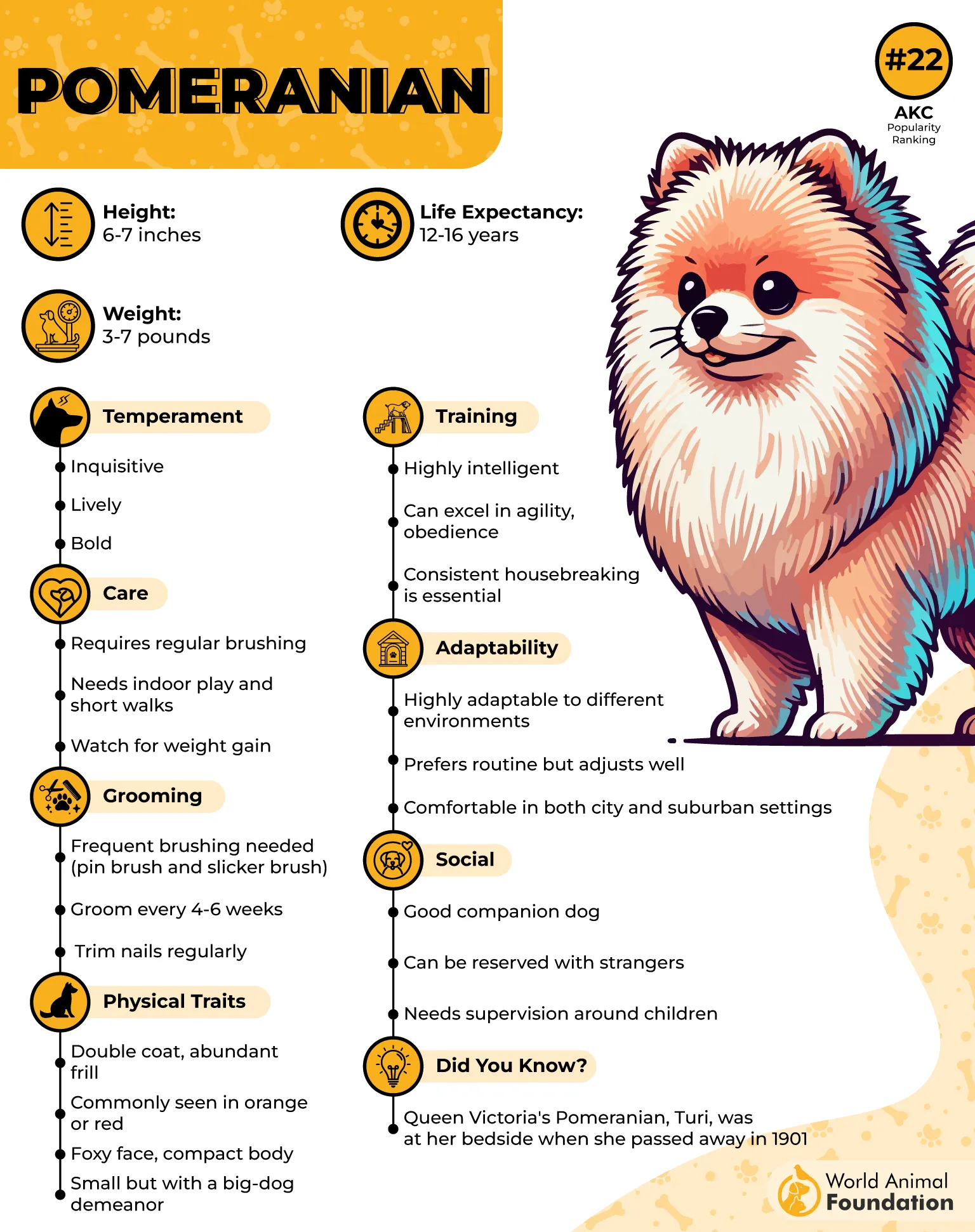
PDSA recommends positive reinforcement and mentions that Poms participate successfully in obedience, Rally, agility, and therapy work. Basically, beneath the cloud-shaped haircut is an ambitious little employee that would like several projects right away.
Teacup Pomeranians’ compact size also makes short indoor training sessions extremely convenient. You can work on recalls across the living room, weave between furniture, teach scent searches, practice tricks, or play controlled games without needing a huge training field.
4. Maltese
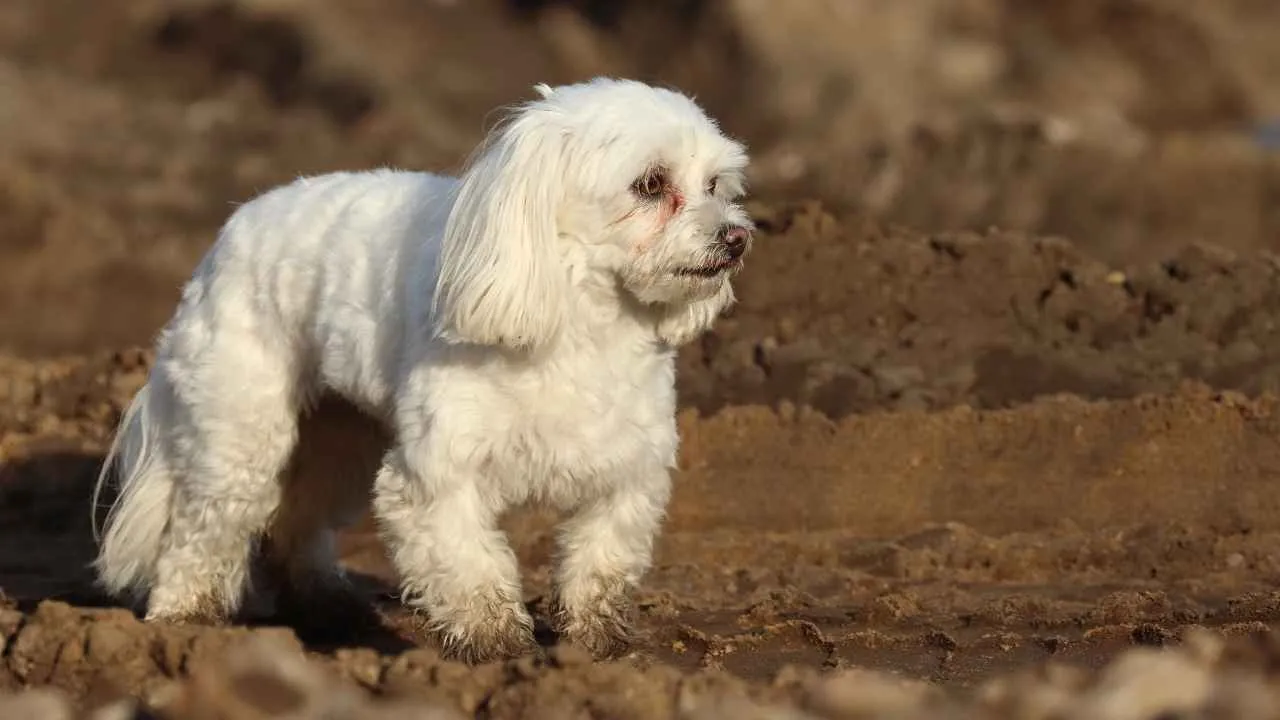
The Maltese has been serving elegant tiny-dog energy for so many centuries that most modern influencer dogs are frankly late to the trend.
That petite build makes the Maltese especially practical for people who want very close companionship in a compact home. Daily walks, fenced-yard play, or even indoor activity can help meet normal exercise needs, which is a major advantage when bad weather or limited outdoor space makes marathon adventures unrealistic.
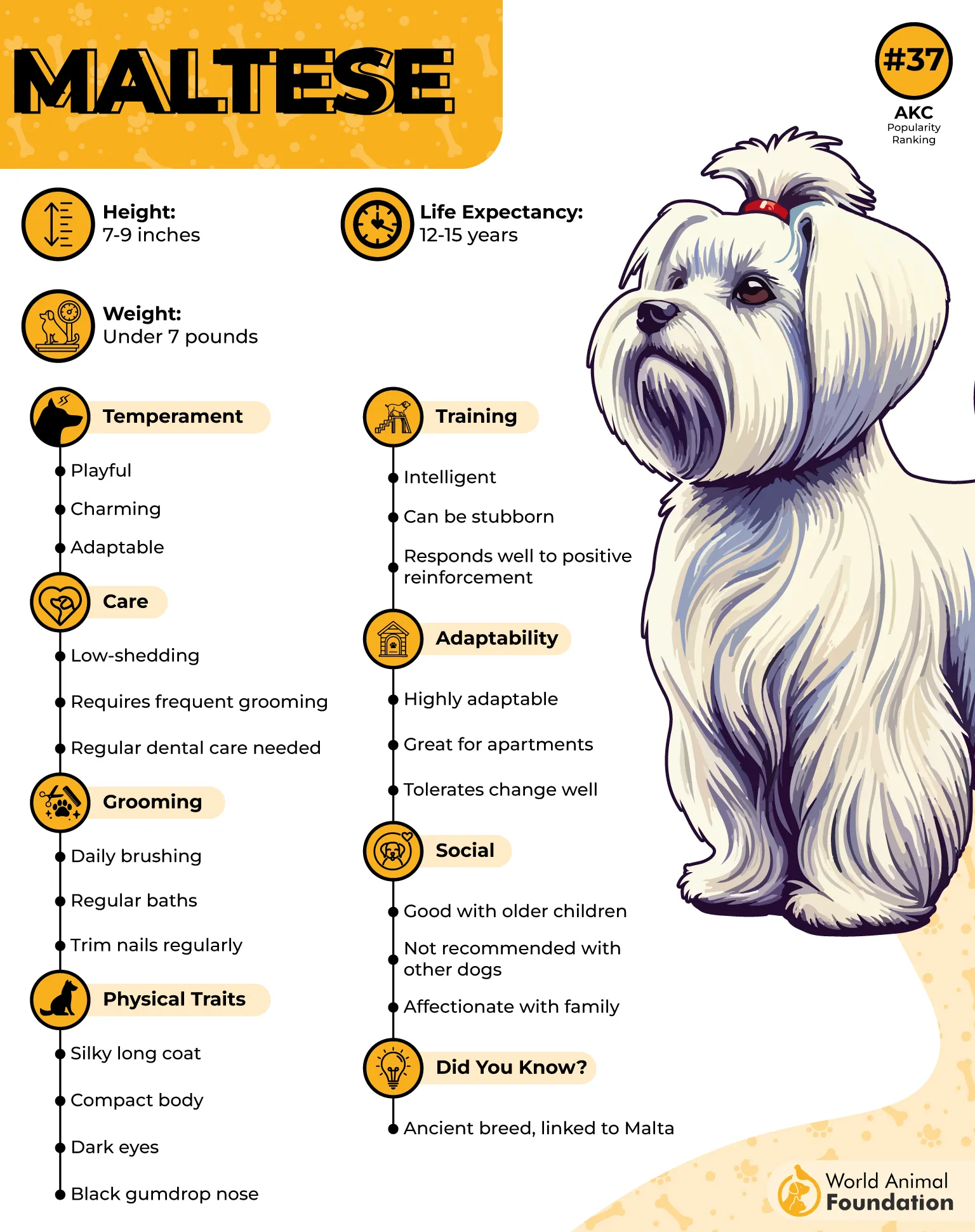
The breed’s famous coat adds glamor without requiring a large physical footprint, although grooming still needs to stay on the schedule. It is low-shedding, but its long hair needs upkeep, so “small dog” should never be interpreted as “zero maintenance.”
They are also clever enough to notice exactly which household member has the weakest snack boundaries. They are smart, sometimes stubborn, and responsive to reward-based training, which means consistency matters more than trying to overpower such a tiny animal.
5. Yorkshire Terrier
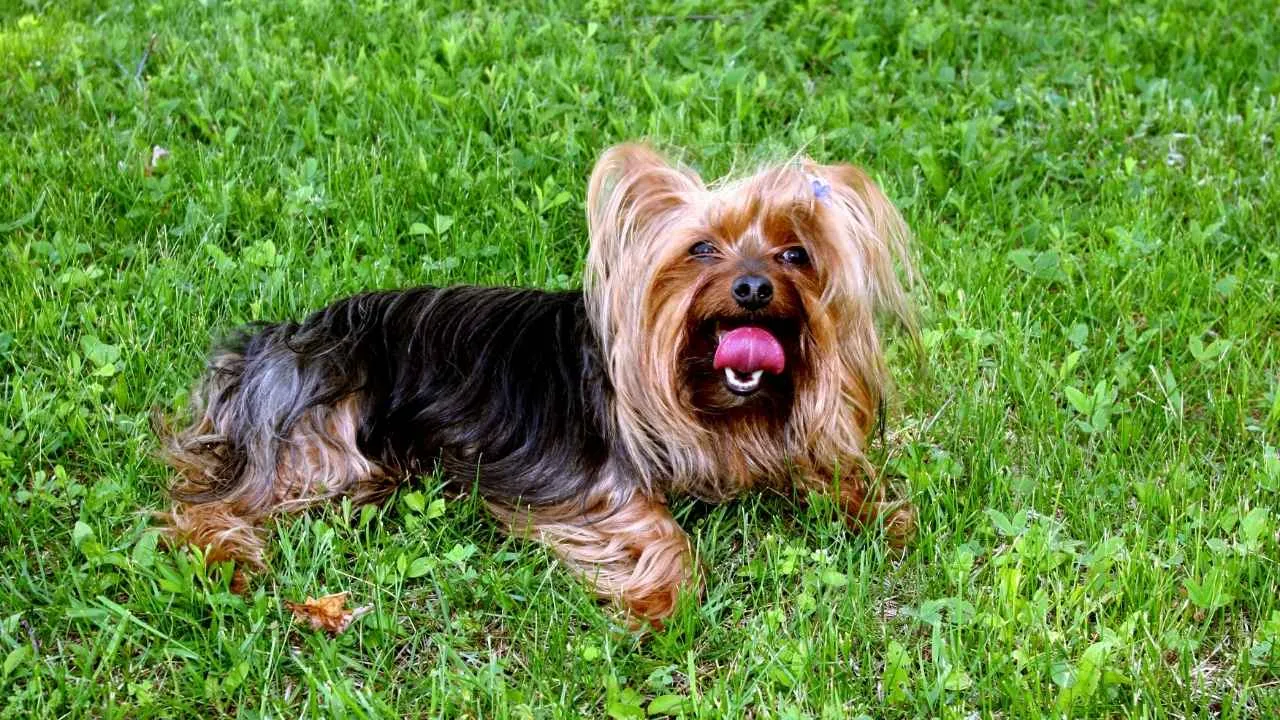
Yorkies were developed in northern England and historically worked as ratters around mines and mills before evolving into fashionable companion dogs.
That small body is extremely convenient, but the personality still says full-size terrier. Teacup Yorkies are described as tenacious, brave, feisty, and sometimes bossy, so they can give owners the spark of a working terrier without requiring the physical space associated with many larger high-energy breeds.
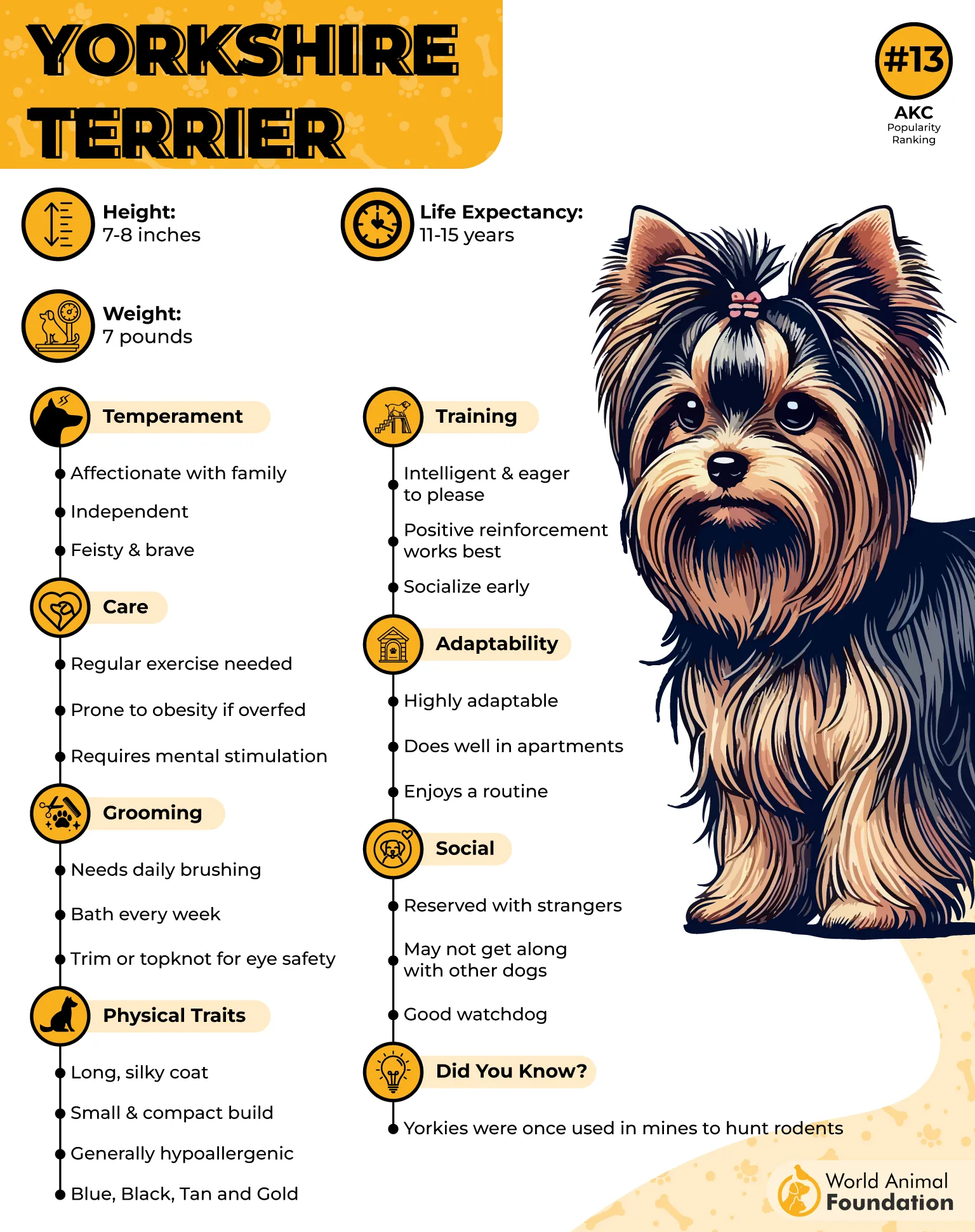
One especially fun advantage of Yorkie size is that their athletic energy can be expressed in relatively compact spaces between outdoor adventures. They participate in obedience, agility, Rally, and even therapy work, proving that the glamorous coat is absolutely not a retirement notice for the terrier brain.
Short trick sessions, hallway recalls, puzzle toys, and controlled indoor games can therefore punch way above their square-foot requirement. Their manageable weight also makes travel, veterinary handling, and physical assistance easier for many owners than with a very large terrier.
6. Shih Tzu
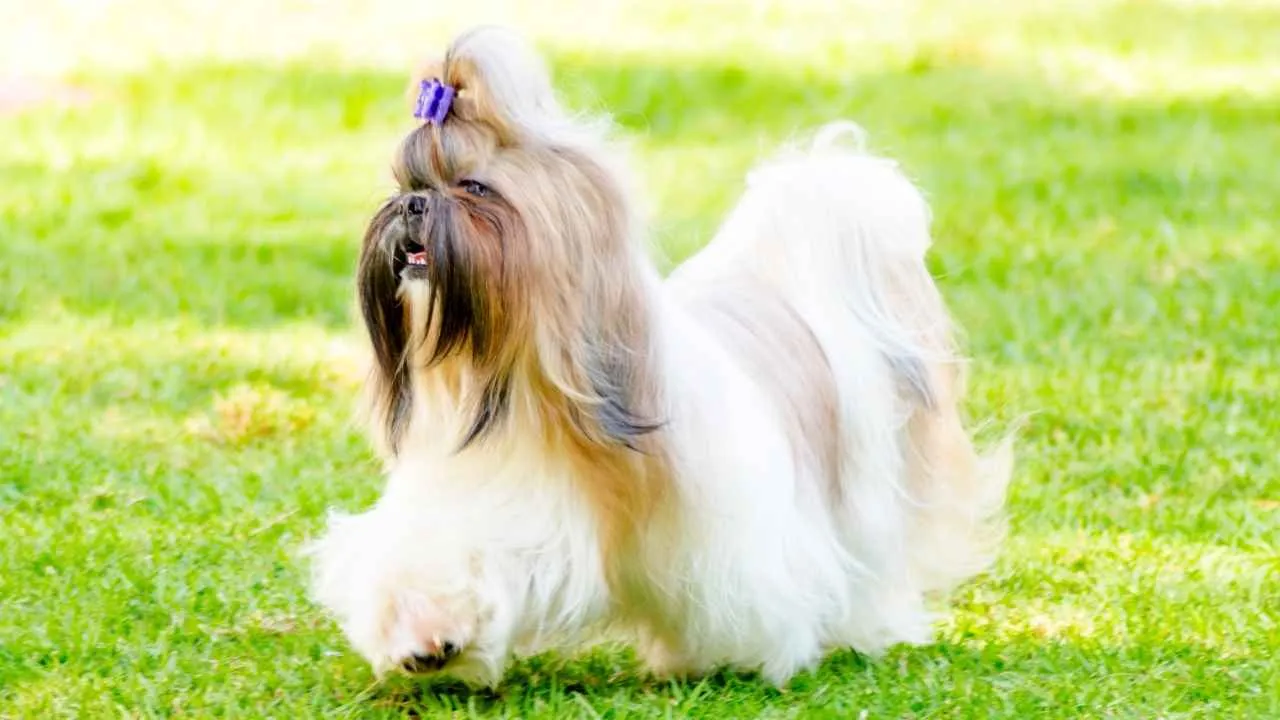
Shih Tzus are slightly more substantial than several dogs on this list, which can actually be part of their appeal.
This breed was essentially engineered for companion life centuries before “work from home” became a lifestyle category. Their moderate toy size still suits cuddling and compact living while providing more physical substance than a three-pound dog.
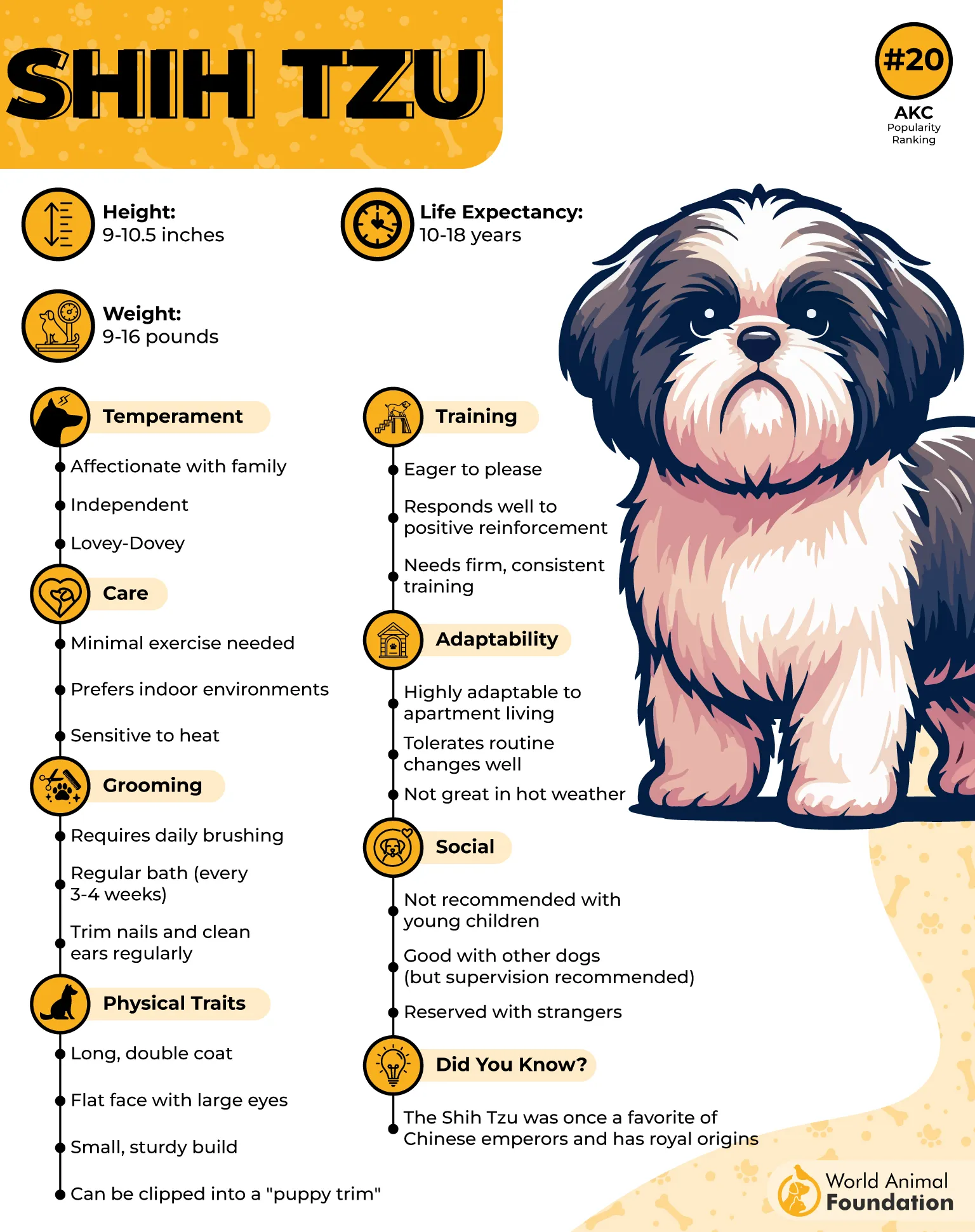
Small stature especially works in the teacup Shih Tzus’ favor. They can settle into laps, smaller beds, and modest living areas without turning the home into an obstacle course of gigantic canine equipment, which helps explain why the breed has such lasting appeal as a house companion.
The fabulous coat does require commitment, mentions Orvis, because a tiny body does not equal a tiny grooming agenda. Their slightly sturdier weight range can also be reassuring to owners who adore petite dogs but feel nervous around exceptionally fragile puppies.
7. Papillon
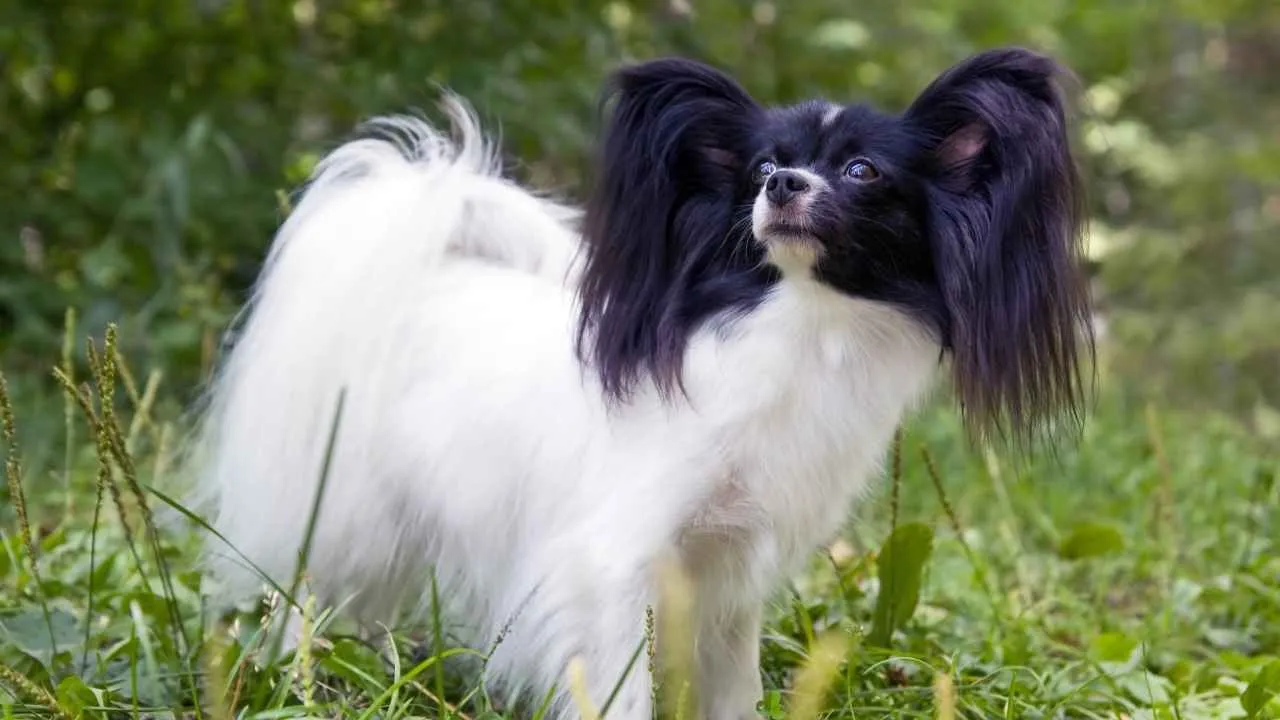
The Papillon might be the ultimate plot twist of the toy-dog world because it looks delicate enough for a Renaissance painting while behaving like somebody accidentally installed sports-car software.
Its miniature dimensions give owners some unusually convenient options for keeping that athletic brain busy. Indoor tricks, scent games, hallway retrieves, target exercises, and miniature obstacle setups can provide meaningful activity without requiring huge equipment.
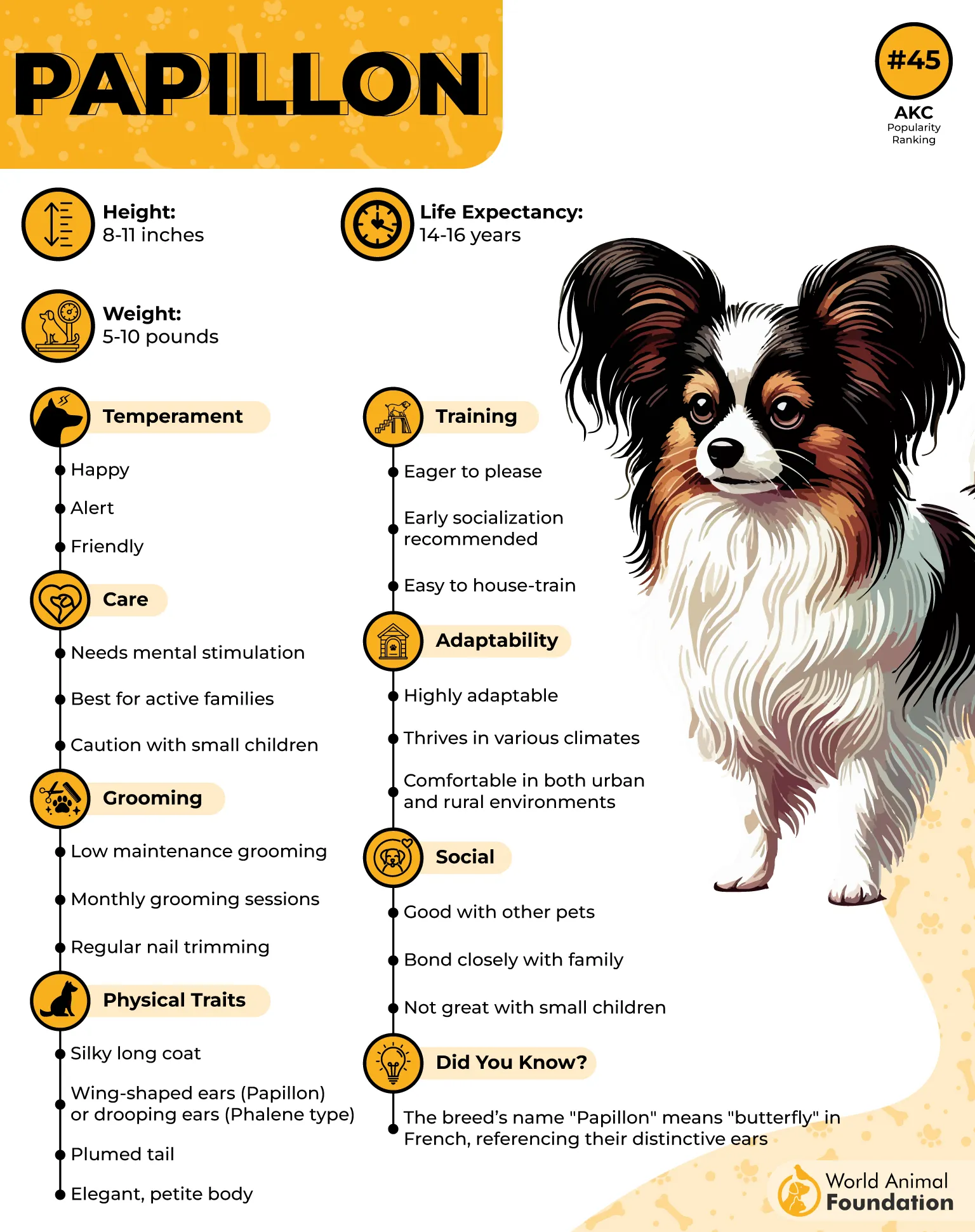
What really sets the Papillon apart from the stereotypical decorative lapdog is its trainability.
The Royal Kennel Club says that it is phenomenal at dog sports, tricks, and show training. It is quick, curious, happy, alert, and friendly. Being small, therefore, works to its advantage, as owners get a performance-capable dog in a body that can accompany them through a much wider variety of compact spaces.
Portability remains a legitimate bonus, and its size makes it relatively convenient to take the dog along on suitable outings. The same tiny structure also requires sensible protection from falls, accidental stepping, and rough interactions with substantially larger animals, just as with other toy breeds.
Conclusion
The biggest takeaway from the teacup-dog trend is surprisingly simple: you do not need to chase extreme miniaturization to get an adorably small companion. Teacup Bichon Frise, Toy Poodle, Teacup Maltese, and Teacup Poodle are also affectionate dogs that make excellent lap dogs.
Their small size can genuinely make everyday life easier in the right household. Beds and crates take up less space, indoor games become more practical, physical handling is easier for many people, and several of these breeds fit comfortably into urban lifestyles when their exercise, training, grooming, and social needs are met.
