




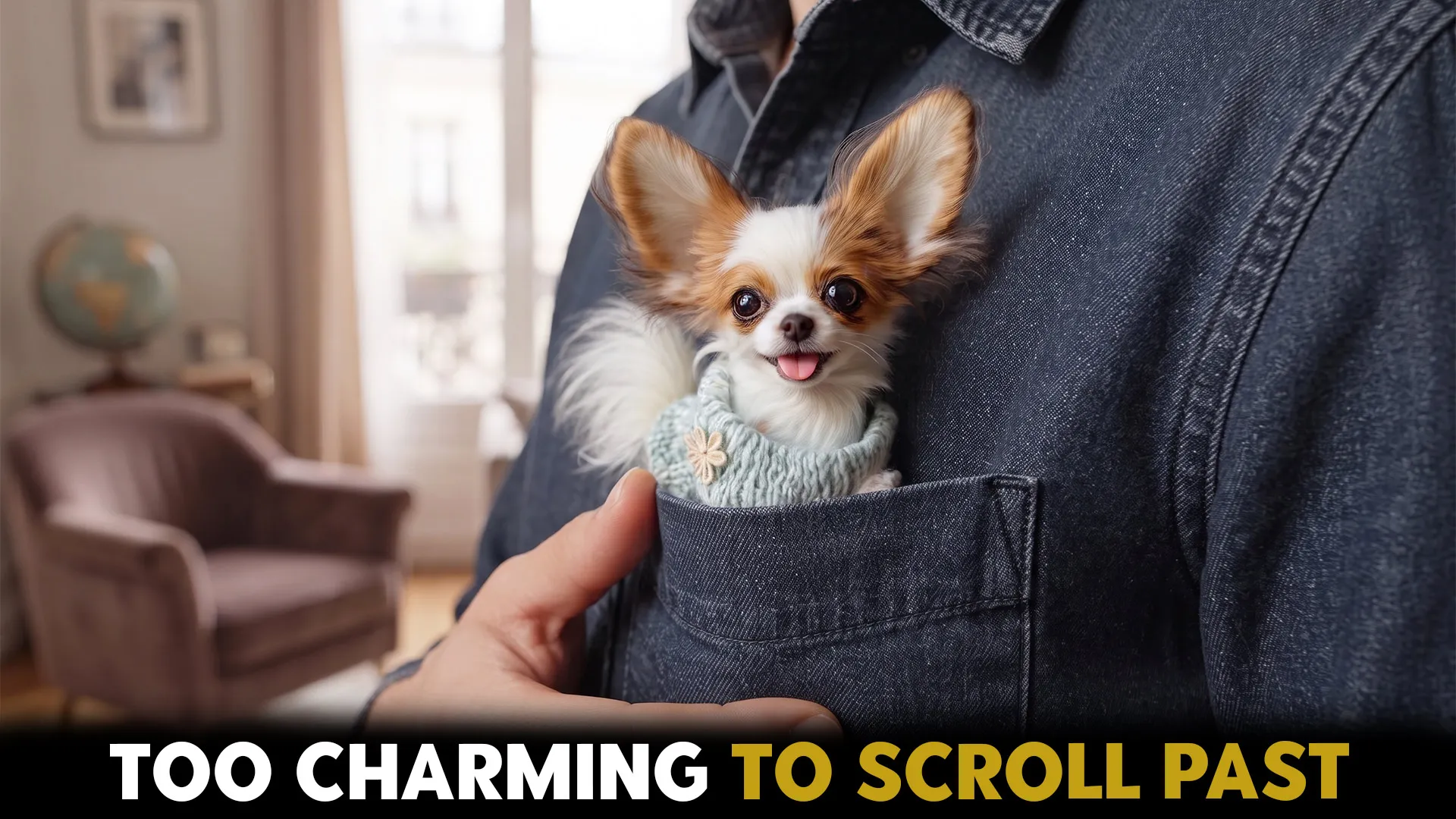
Tiny dogs may come in travel-size packaging, but their personalities are huge. There are many, many small dog breeds that can fit comfortably into smaller homes with their pet parents. Yet, each brings a surprisingly specific list of needs, quirks, grooming demands, and health considerations.
Their small size often makes them appealing to apartment dwellers and people who want a highly portable companion, but “small” absolutely does not mean “zero maintenance.”
Here is what life with seven charming pocket-sized breeds is actually like, including the care details that prospective owners should know before bringing them home.
Charming Pocket Dog Breeds: A Guide to Their Needs
1. Chihuahua

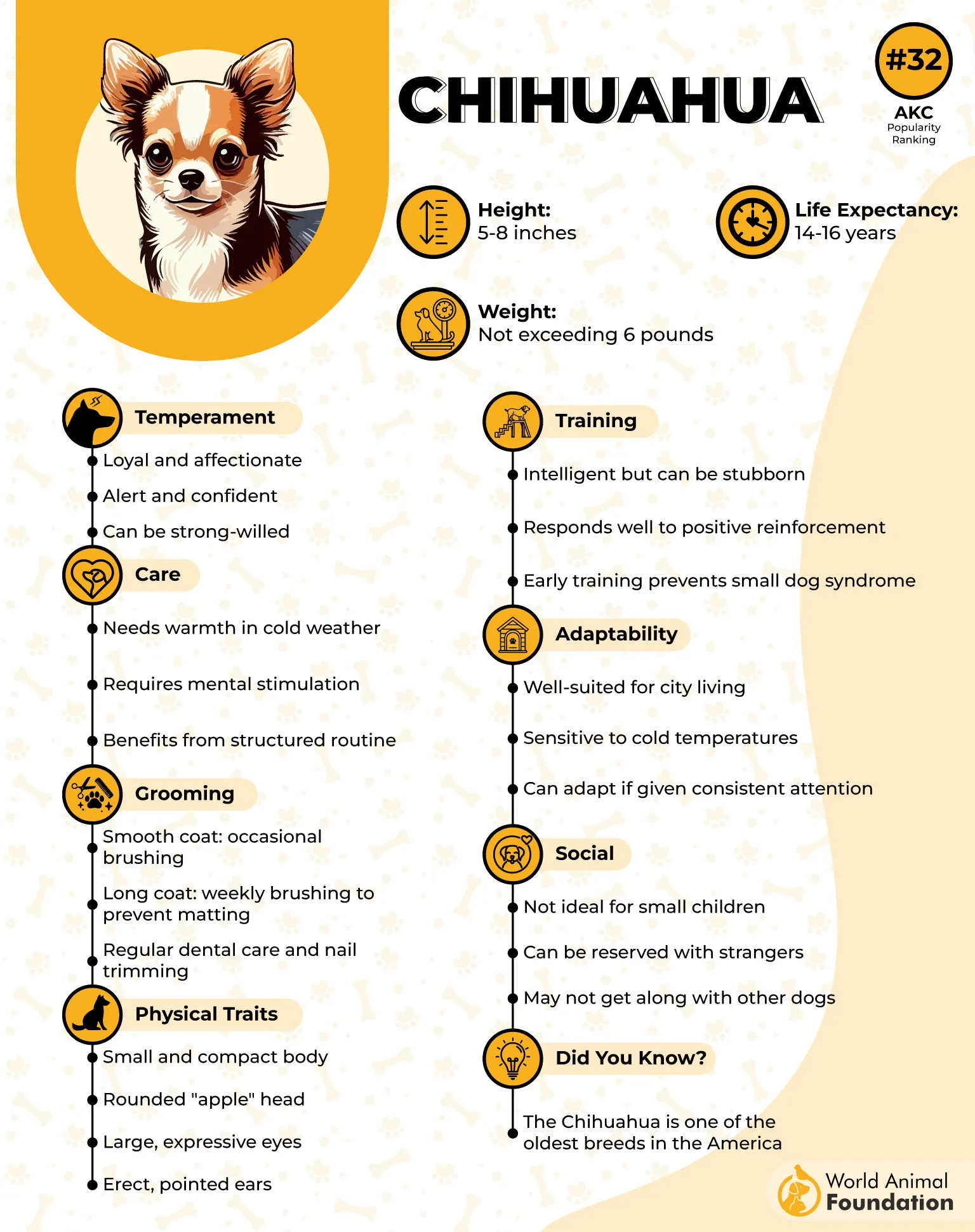
The Chihuahua takes the whole “small dog, huge personality” idea and fully commits. They are one of the smallest recognized dog breeds.
Don’t mistake that tiny frame for a shy personality, because this small dog breed moves through the world like it personally owns the building. PetMD says it is typically alert, clever, loyal, and deeply attached to its favorite people, while its naturally watchful nature can also make it vocal when strangers or suspicious hallway noises appear.
Early socialization matters because this small breed still needs to learn that not every delivery driver represents a national emergency.
Chihuahua’s miniature size creates some very real physical considerations around the home. Rough handling, accidental drops, energetic children, and jumping repeatedly from high sofas or beds can be riskier for a dog this small, so ramps, steps, supervised play, and careful handling can make everyday life safer.
Needs To Look Out For
Temperature protection: Their tiny bodies can get cold quickly, so cold-weather walks may call for shorter outings and appropriately fitted clothing.
Gentle physical handling: Sofa launches, rough children’s games, and accidental falls deserve more attention with a dog weighing only a few pounds.
2. Pomeranian
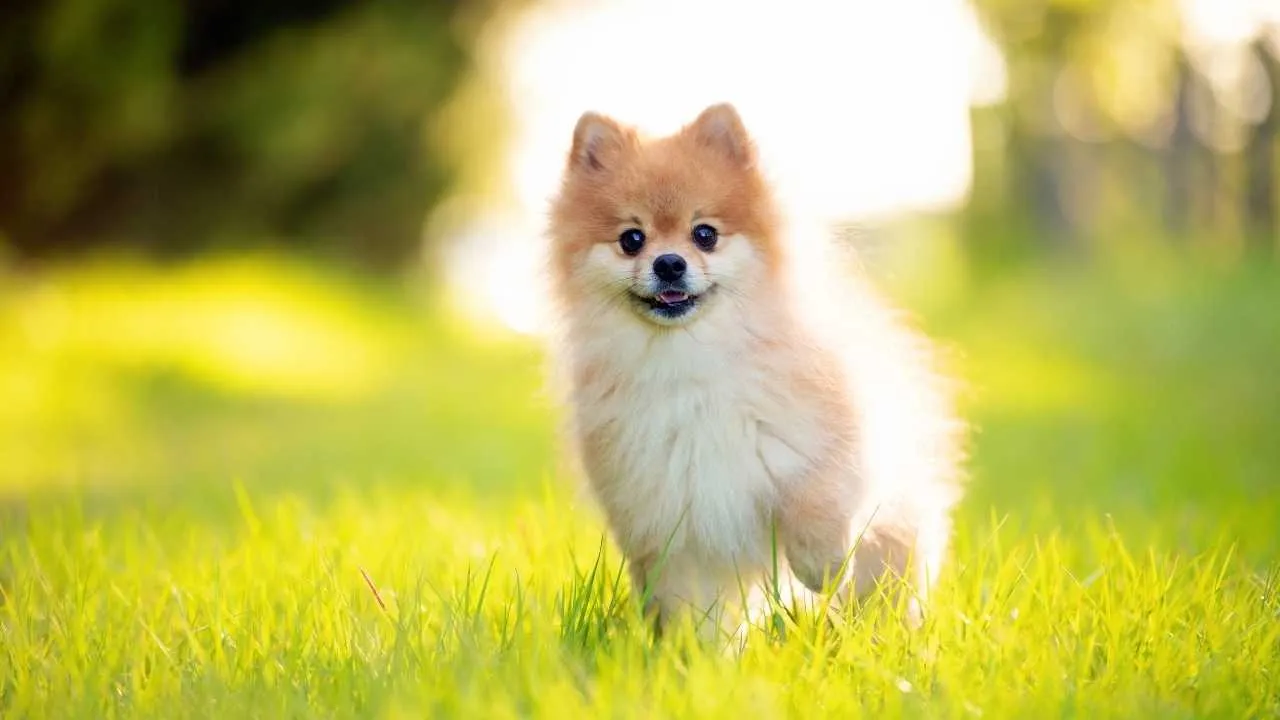
The Pomeranian’s fluffy double coat creates a much larger visual presence than the scale suggests.
Underneath all that fluff is an intelligent, lively dog that tends to enjoy being involved in household life. Poms learn quickly, respond well to patient, consistent training, and often enjoy having little jobs, tricks, or puzzles rather than simply existing as decorative sofa cushions.
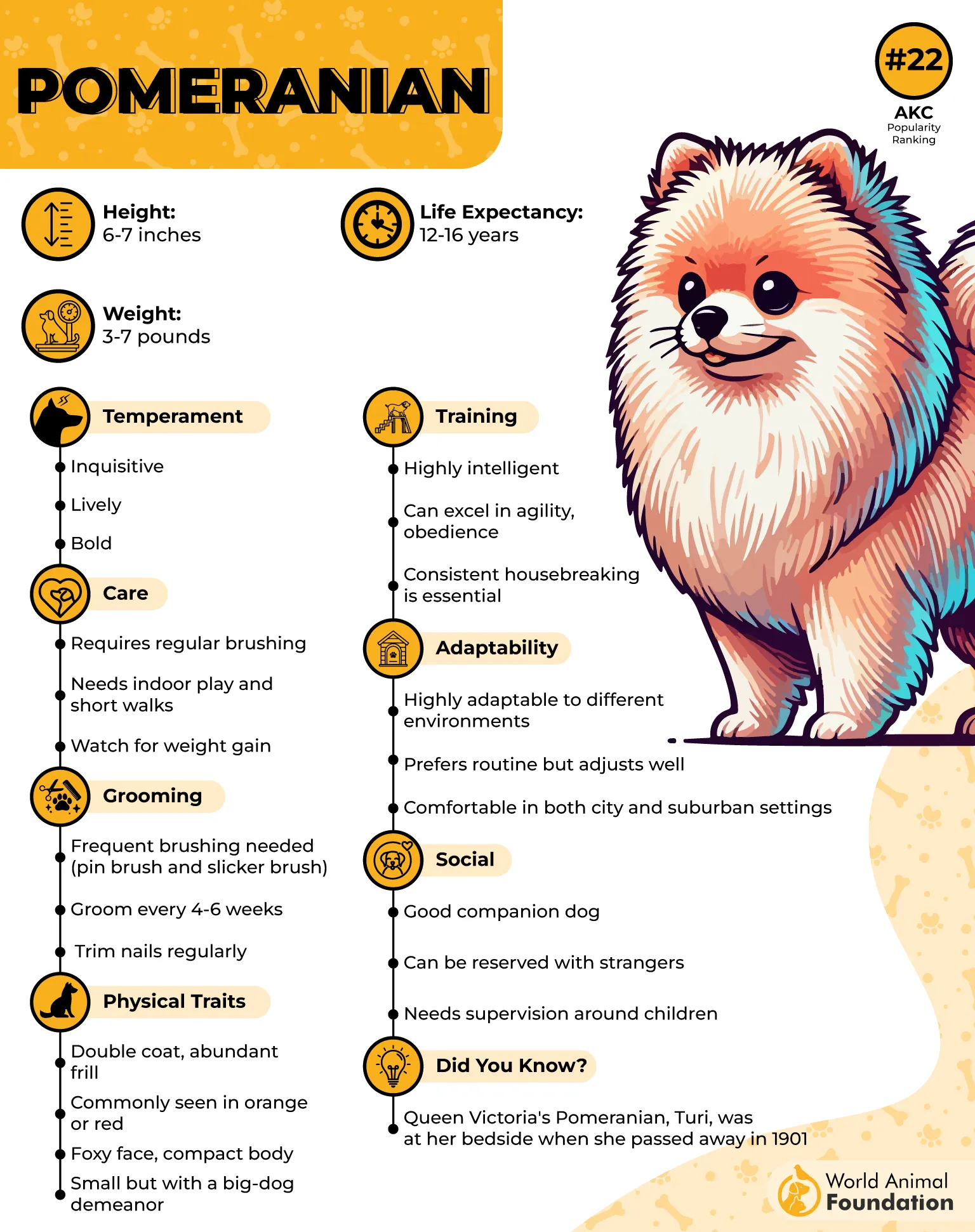
The famous coat is where the maintenance receipts start showing up. They have a profuse double coat that needs thorough brushing to prevent tangles and keep their coat healthy. The Royal Kennel Club recommends professional grooming about every four to six weeks for owners who are not comfortable managing the full routine themselves.
Responsible breeding and routine veterinary care are particularly important because breed health concerns can include luxating patellas, collapsing tracheas, heart problems, seizures, hypothyroidism, and Alopecia X.
Needs To Look Out For
Serious coat upkeep: Their double coat needs brushing that reaches the skin, not a quick cosmetic swipe across the top layer.
Safe restraint: Discuss a well-fitted harness with your veterinarian, since Pomeranians can be vulnerable to tracheal problems.
3. Papillon

With oversized fringed ears and a body that often weighs less than a house cat, the Papillon looks almost unreal.
This is one pocket dog you should absolutely not underestimate intellectually. Papillons have a long-standing reputation for trainability and commonly participate in obedience, agility, tricks, and other dog sports. Orvis also describes them as quick, curious, athletic, happy, alert, and friendly.
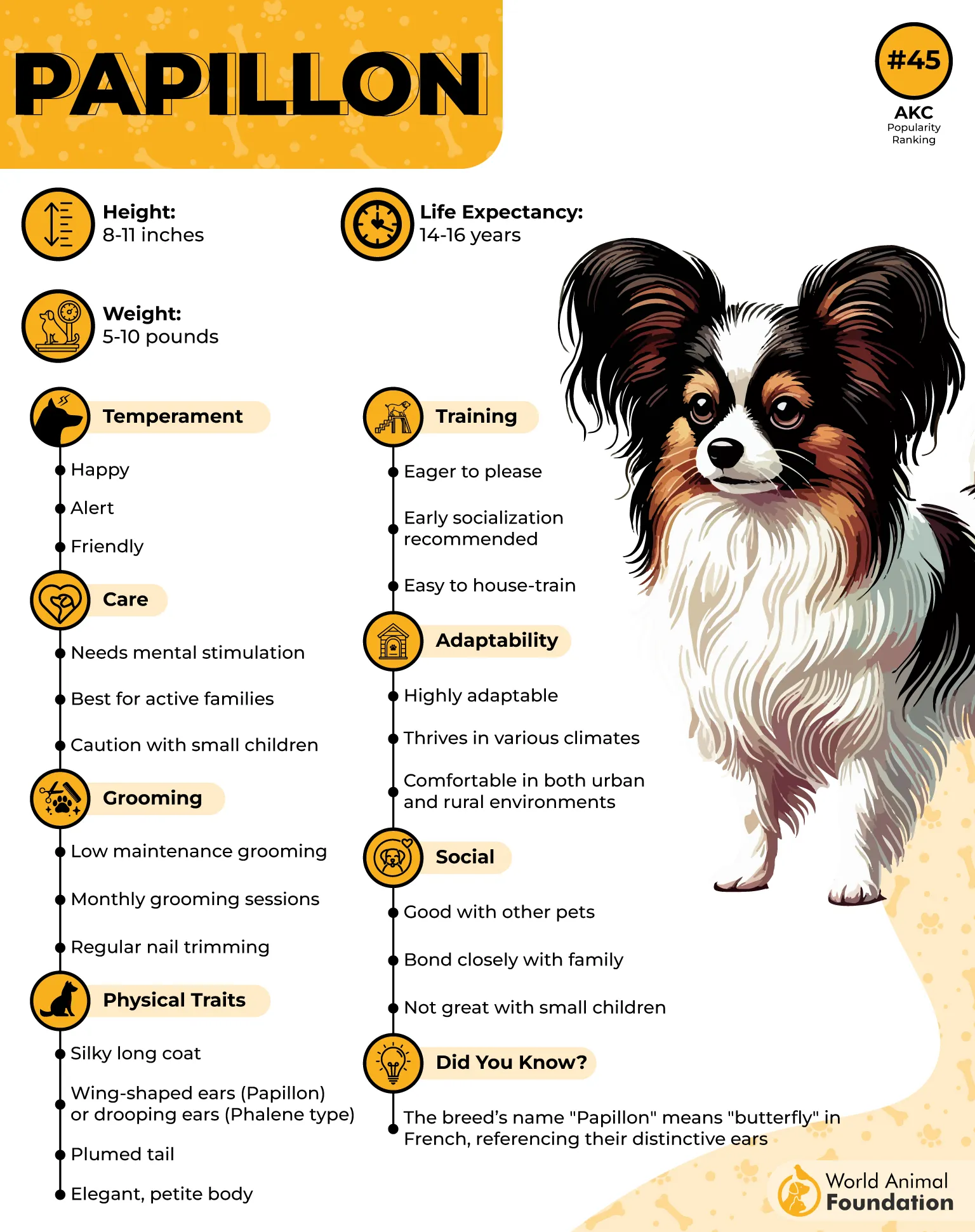
Their exercise needs are also slightly more “let’s do something” than their elegant appearance suggests. They adapt well to apartments because indoor play provides useful activity, but many Papillons genuinely enjoy walking, training, retrieving small toys, and playing active games.
Home security deserves attention because these dogs are both tiny and curious. The Papillon Club of America specifically advises owners to inspect fencing carefully, since small gaps around gates, posts, or buildings may be enough for an adventurous Papillon to explore beyond the yard.
Needs To Look Out For
Tiny-dog-proof boundaries: Inspect the bottom of gates and fence corners with the mindset of a very determined eight-pound explorer.
Joint-conscious play: Athletic does not mean indestructible, so choose safe jumping heights and supervise interactions with much heavier dogs.
4. Yorkshire Terrier

Yorkies were historically used to pursue rats and other vermin in mills and underground working environments, which explains why so much terrier attitude still fits inside such a polished little body.
Daily walks and mentally engaging play are great outlets, and Yorkies can also do activities like agility, obedience, and terrier-inspired games. A stuffed mouse can become the most dramatic event of the afternoon because somewhere underneath that bow is still a little hunter.
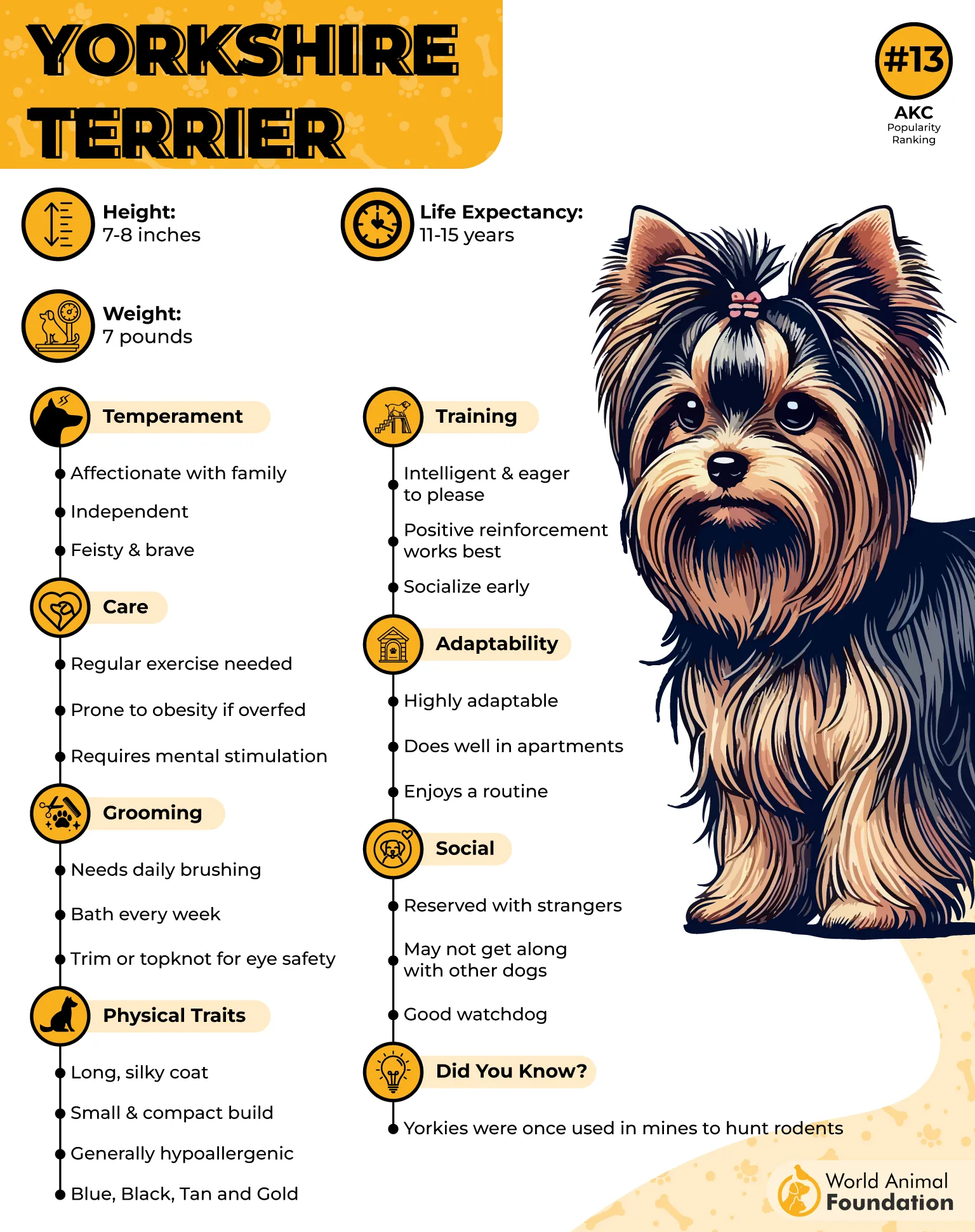
Coat care is one of the biggest lifestyle considerations for this breed. Professional groomer and longtime Yorkie exhibitor Daron Newcomb told the American Kennel Club that grooming is critical to Yorkshire Terrier ownership, recommending frequent brushing and explaining that long show coats require far more care than practical pet trims.
Dental care is another area where owners of this popular small breed can’t afford to skip the routine. Aim for daily tooth brushing and watch for signs like bad breath, irritated gums, loose teeth, or plaque buildup, while routine veterinary dental checks help catch trouble early.
Needs To Look Out For
A realistic grooming budget: Decide early whether you want a practical puppy cut or are genuinely ready for long-coat maintenance.
Daily mouth care: Tooth brushing is much easier when you introduce it during puppyhood instead of trying to negotiate with an adult Yorkie later.
5. Maltese

The Maltese are true companion dogs, but that luxury-looking package comes with a fairly serious beauty routine.
Personality-wise, these lap dogs are often affectionate, lively, intelligent, and very tuned in to their people. They can also develop a stubborn streak, so training usually works best with rewards and consistency.
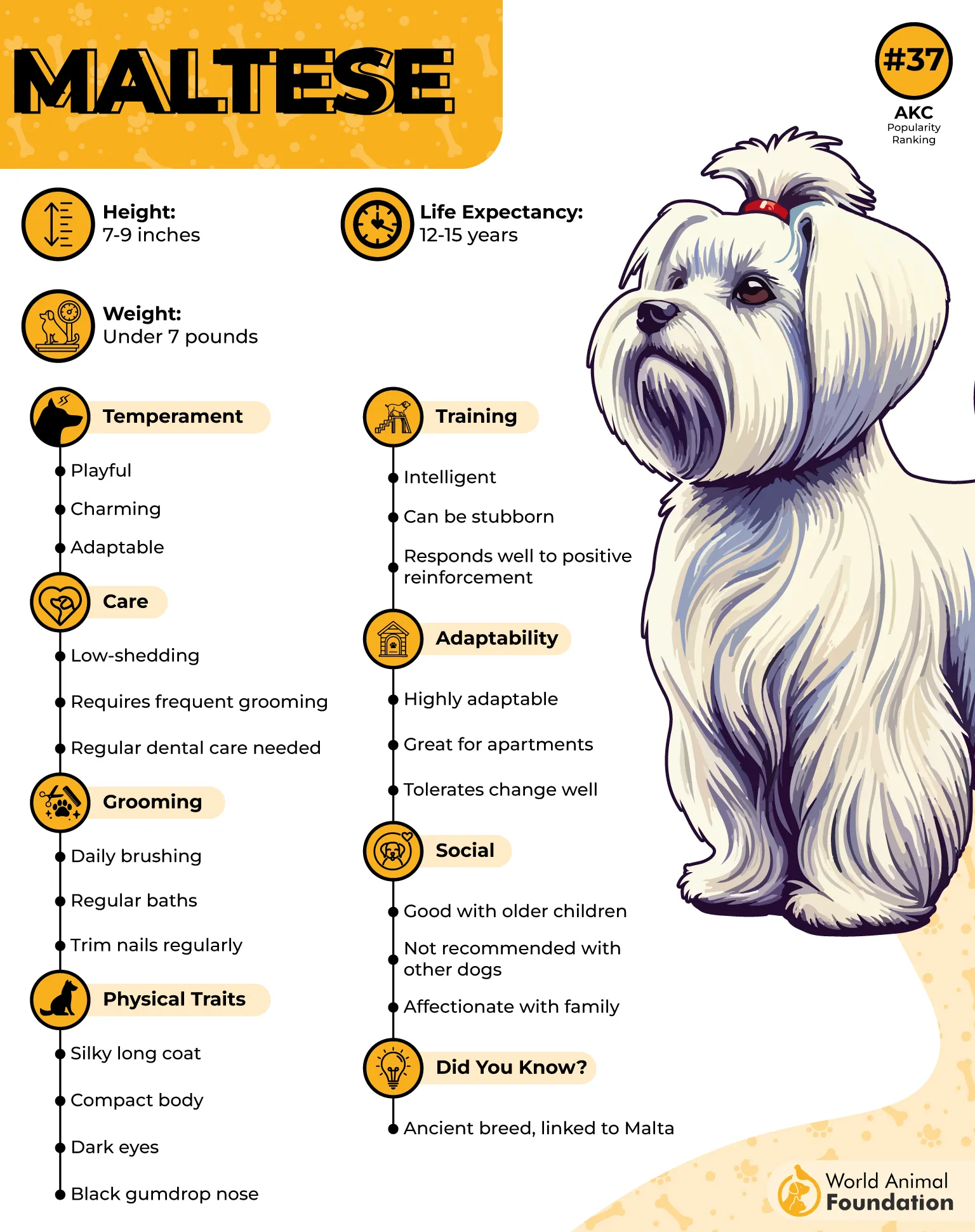
Long-coated Maltese need regular hands-on grooming because fine hair tangles surprisingly quickly. Daily gentle brushing and combing are commonly recommended for a full coat, accompanied by baths, conditioning, nail trims, and routine ear checks. At the same time, many family dogs wear a shorter clip to make life simpler.
The facial area deserves its own mini-routine because white hair makes staining especially visible. Tear staining can have several possible causes. Veterinary assessment is needed when staining is excessive rather than assuming it is purely cosmetic.
Needs To Look Out For
Eye-area monitoring: Persistent or suddenly worsening tear staining deserves veterinary attention, not endless cosmetic cleaning.
Healthy independence: Build short periods of calm alone time gradually so your companion-loving dog does not expect 24/7 human availability.
6. Shih Tzu
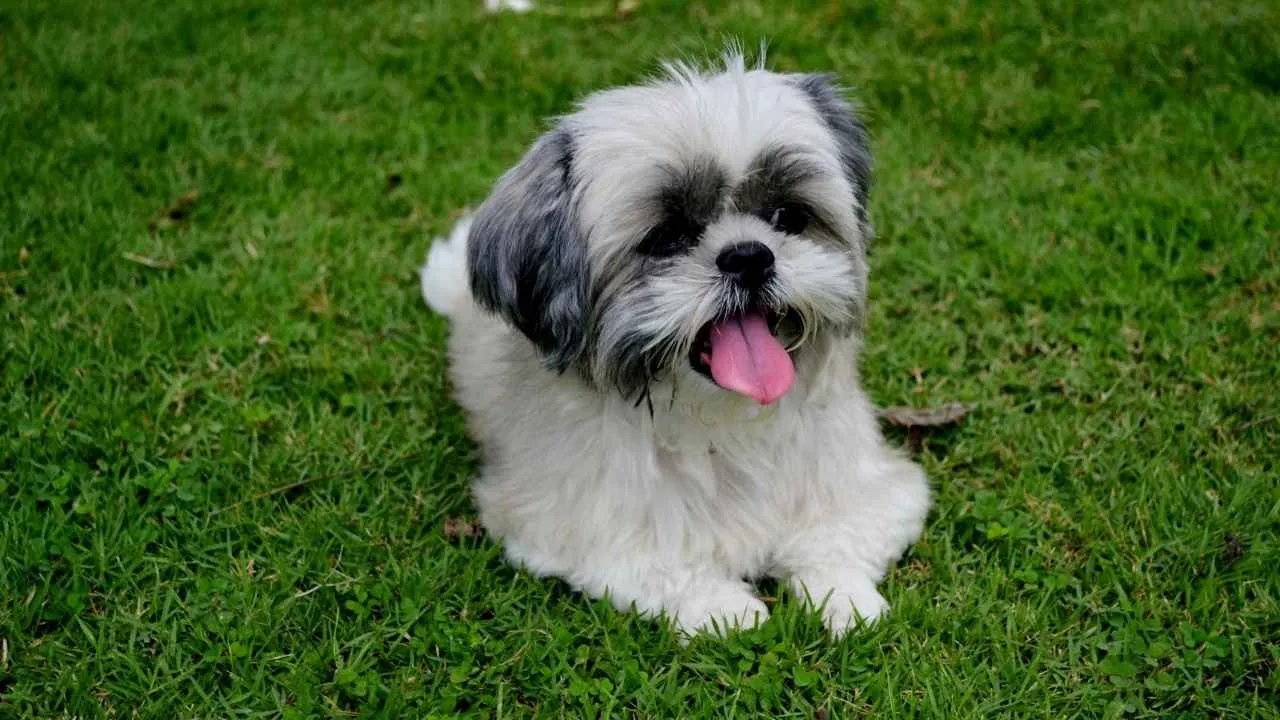
The Shih Tzus are heavier and sturdier than several of the ultra-tiny breeds on this list while still fitting comfortably into the Toy Group.
This toy breed is generally described as outgoing, affectionate, playful, and friendly, with enough personality to turn lounging into what feels like an official occupation. Positive, reward-based training usually works far better than harsh corrections.
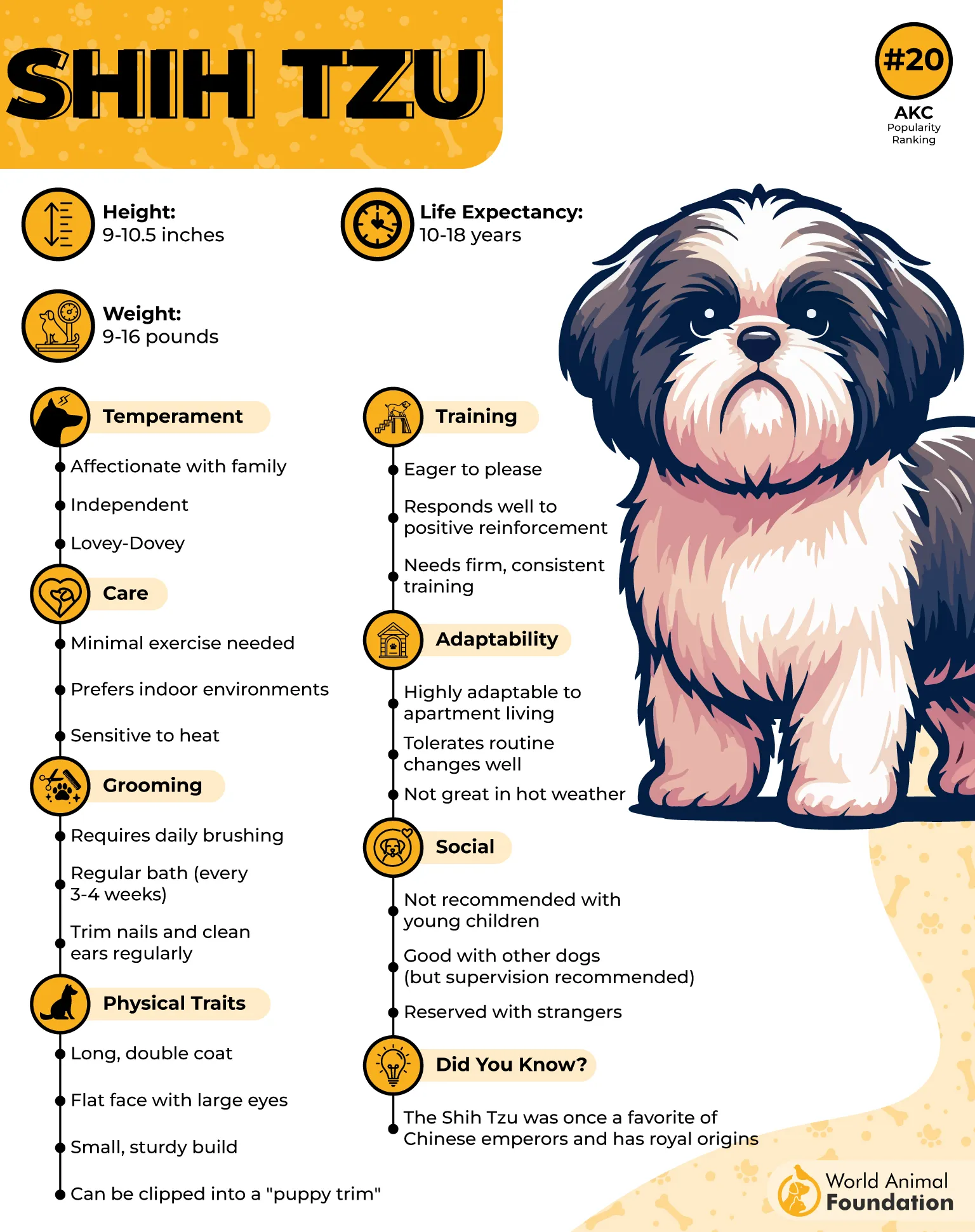
The flat face is the more important special-care issue. They don’t tolerate heat well because of their short faces and heavy coats, so plan hot-weather exercise carefully with shade, water, cooler times of day, and close attention to breathing. They also aren’t strong swimmers, so poolside freedom isn’t the vibe unless someone responsible is supervising.
Exercise and mental stimulation can stay moderate, but “moderate” isn’t the same as “never leaves the sofa.” Short walks, sniffing opportunities, gentle play, and simple training games help support weight control, mobility, and mental wellbeing.
Needs To Look Out For
Heat awareness: Schedule summer walks around cooler conditions and stop activity promptly if breathing looks strained.
Face and eye care: Keep facial hair clean and out of the eyes, and watch for redness, discharge, squinting, or discomfort.
7. Toy Poodle
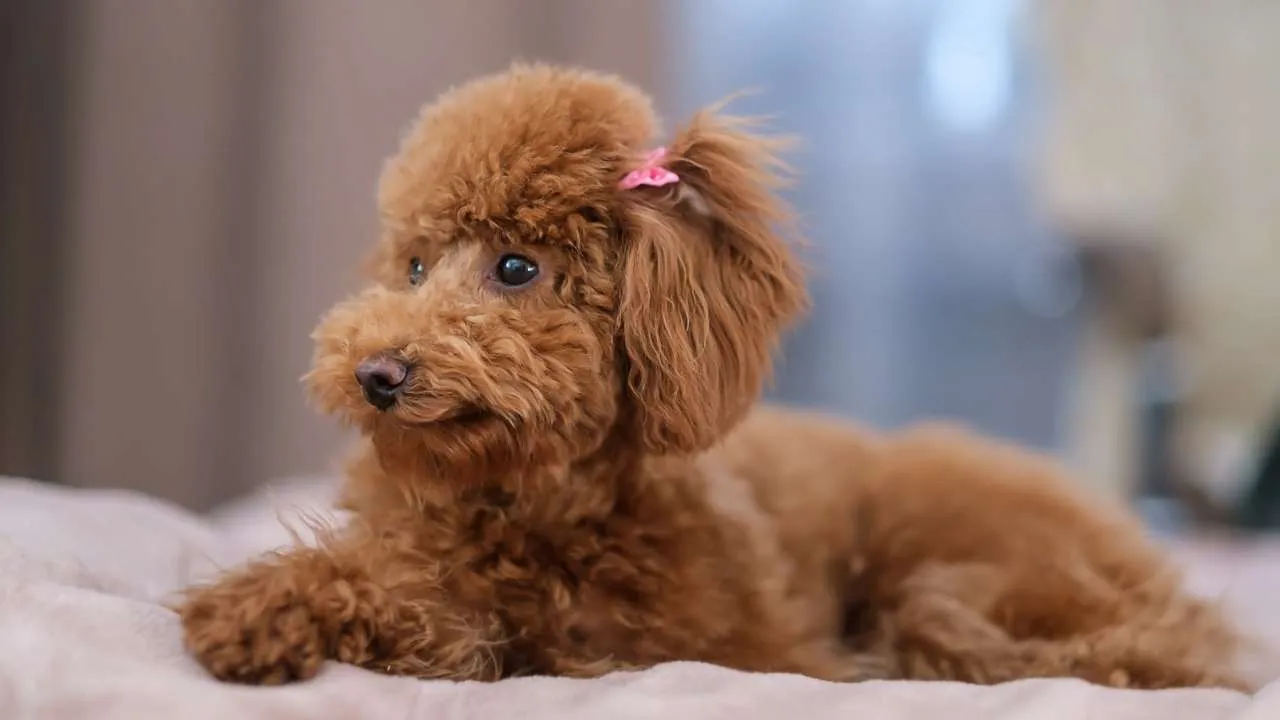
The Toy Poodle is a compact dog with impressive athleticism and trainability, like the rest of the Poodle family.
These small-breed dogs’ curly coat sheds with low maintenance because loose hairs can get trapped among the curls and contribute to matting. Owners keeping longer coats need thorough, frequent brushing, while short pet clips reduce daily work considerably.
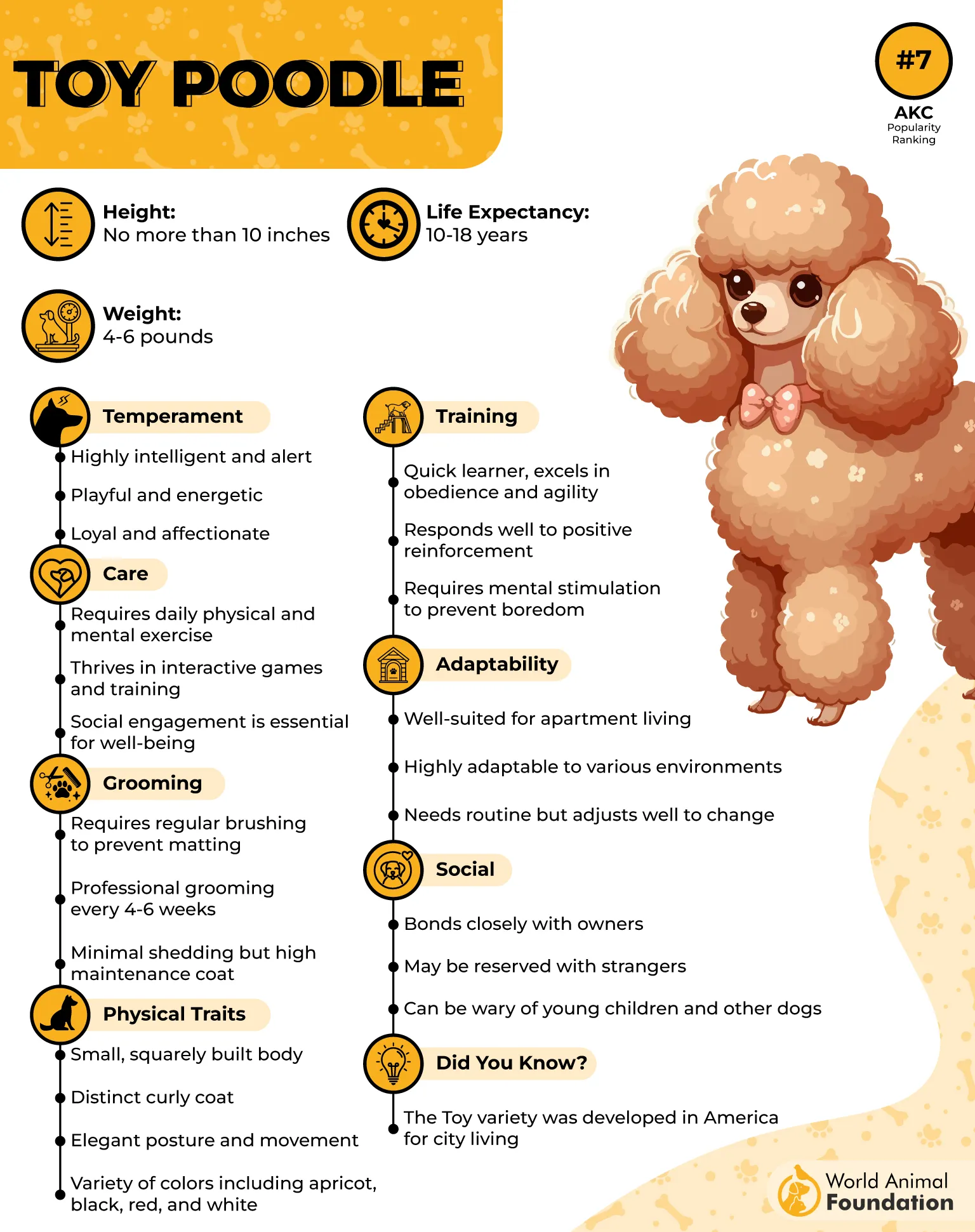
Health screening matters because, compared with large dogs, they are more prone to conditions including patellar luxation, Legg-Calvé-Perthes disease, and several eye disorders.
A patella evaluation, an ophthalmologist examination, and a DNA test for PRA-prcd are recommended in breeding dogs. Finding a breeder who can discuss those results clearly is much more valuable than choosing a puppy solely because its photos broke your personal cuteness scale.
Three Needs To Look Out For
Regular professional grooming: A clipped coat may be easier, but curls still require consistent brushing, bathing, and trimming.
A busy brain: Teach toy names, rotate puzzles, practice tricks, or explore dog sports to keep this fast learner engaged.
Conclusion
These small-sized dogs prove pretty quickly that the number on the scale tells you almost nothing about the amount of personality living inside it. Cavalier King Charles Spaniel, Miniature Schnauzer, French Bulldog, Jack Russell Terrier, West Highland White Terrier, Bichon Frise, Cocker Spaniel, Boston Terrier, and Miniature Pinscher are also among the best small dog breeds you can keep as pets.
The biggest theme connecting these breeds is that miniature bodies create miniature-dog problems that deserve full-size attention. Dental care, safe handling, temperature management, knee and joint health, grooming, enrichment, and protection from rough play can have an outsized effect on their quality of life.
Choosing among them should therefore come down to which needs fit your actual routine rather than which face wins the first ten seconds of scrolling.
