




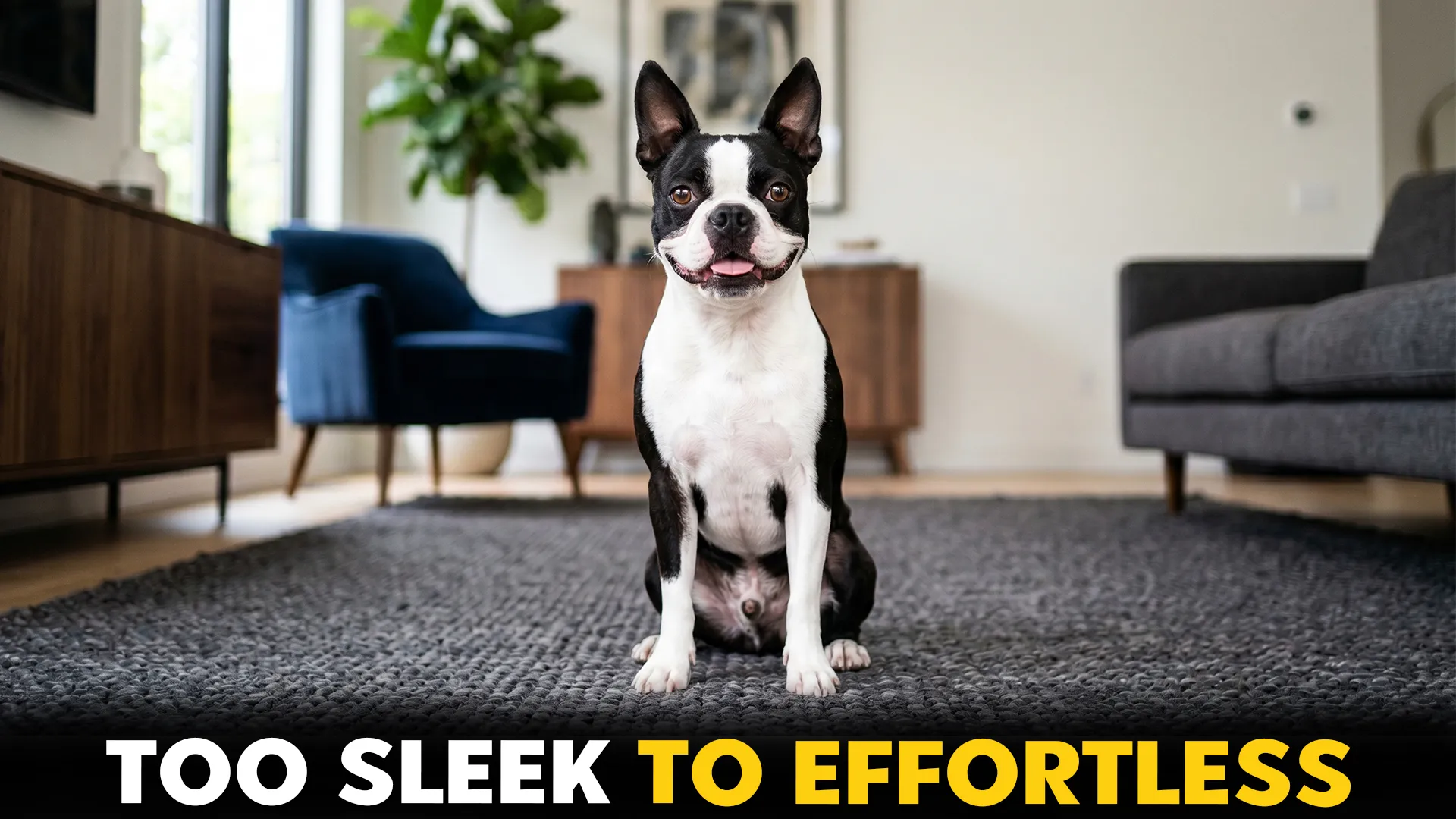
Short-haired dogs are genuinely a blessing. No matting, no expensive grooming appointments, and no vacuuming the couch three times a day. For busy people who still want the joy of owning a pet, these dogs make it a whole lot more realistic.
That said, low maintenance doesn’t mean zero maintenance. Short-haired dogs do still shed and benefit from regular brushing, but the difference is you won’t be spending hours detangling knots, dealing with painful mats, or booking complex haircuts. A quick brush here and there is usually all they need, and most don’t require haircuts at all.
In this guide, we’ll cover 7 charming short-coated dogs worth knowing about. We’ll walk through their shedding habits, grooming routines, brushing needs, temperament, and any higher-maintenance factors to be aware of.
Because knowing a dog is “low maintenance” is really just the starting point; the details are what help you decide if they’re actually the right fit for you.
Charming Dog Breeds With Simple, Short Fur
1. Boston Terrier
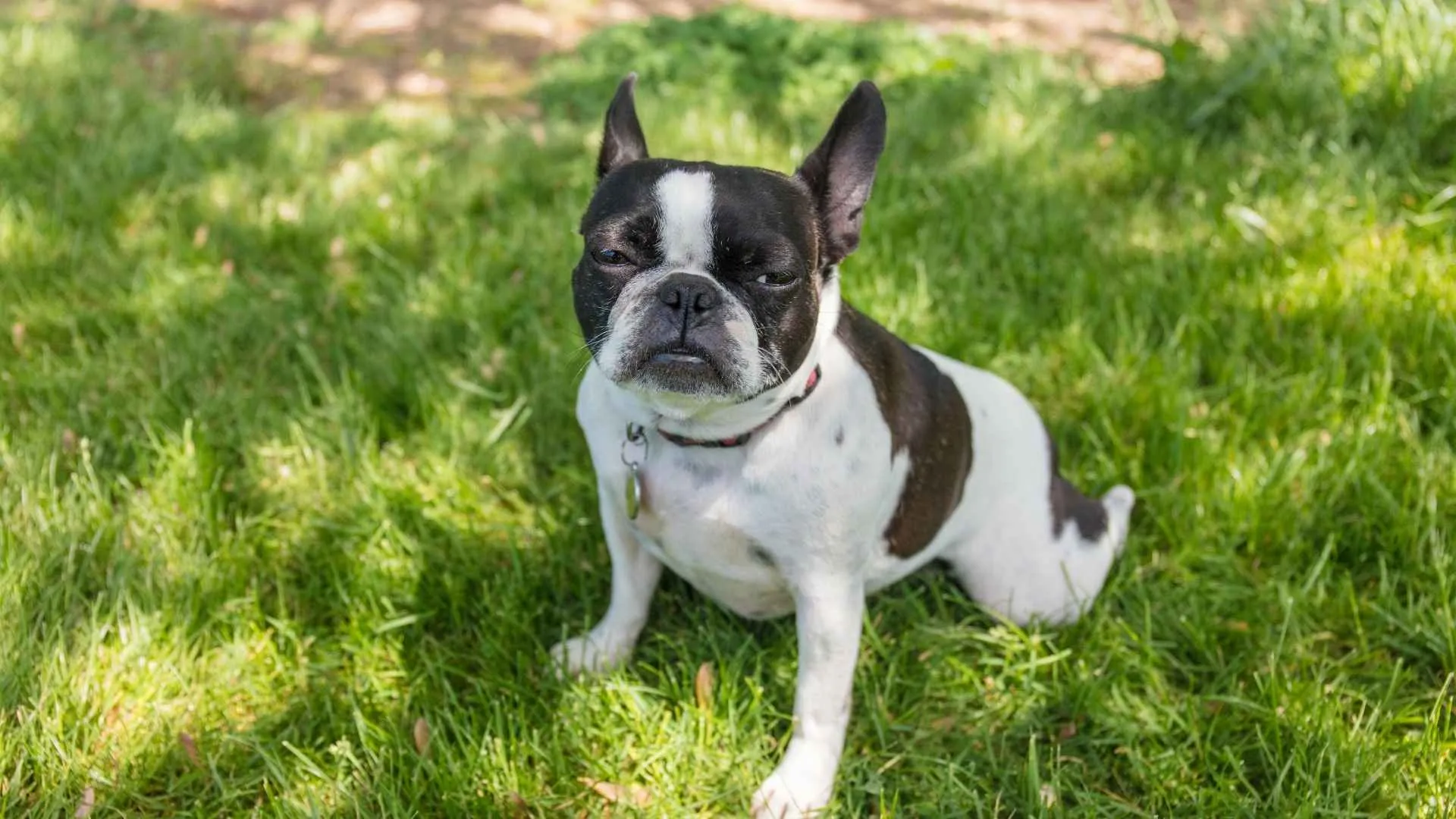
Boston Terriers are lively, affectionate, and deeply people-oriented dogs. They’re known for being in tune with their owner’s emotions and tend to get along well with kids and other pets. Their distinctive tuxedo coat pattern is so iconic that the breed earned the nickname “American Gentleman.”
These little dogs have a short, single-layer coat with no undercoat, which means they shed at a low to moderate level. Yes, they do shed, but the hair is fine and easy to manage. A quick weekly brush is usually enough to stay on top of loose hairs.
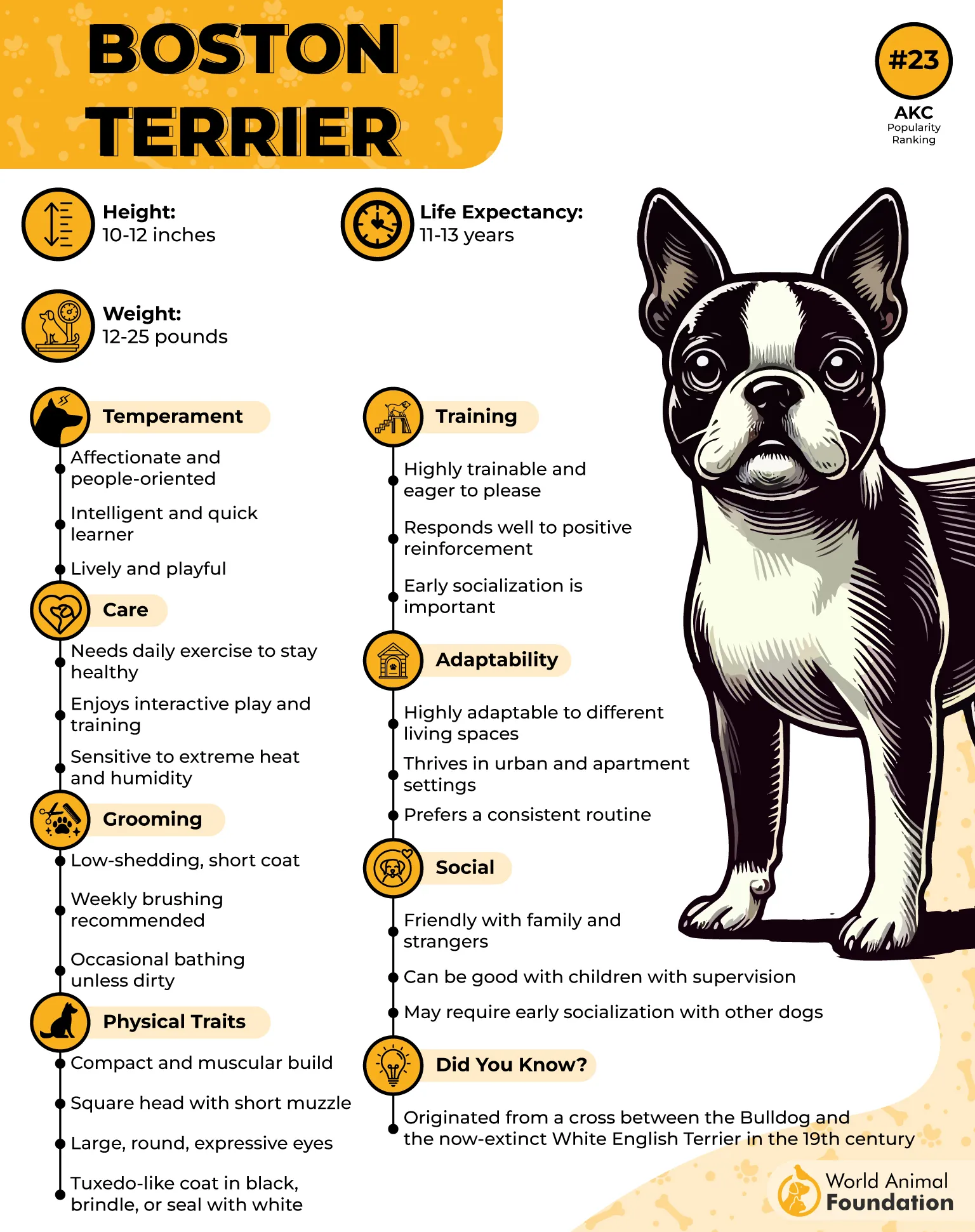
The good news doesn’t stop there. Boston Terriers don’t carry that typical doggy odor, so baths are really only needed when they’ve gotten into something messy. They have moderate exercise needs and adapt well to apartment living.
Training is also fairly straightforward thanks to their eager-to-please nature; just keep in mind they’re a little sensitive, so harsh corrections don’t go over well. They also don’t handle heat particularly well, so hot weather calls for some extra care.
2. Italian Greyhound
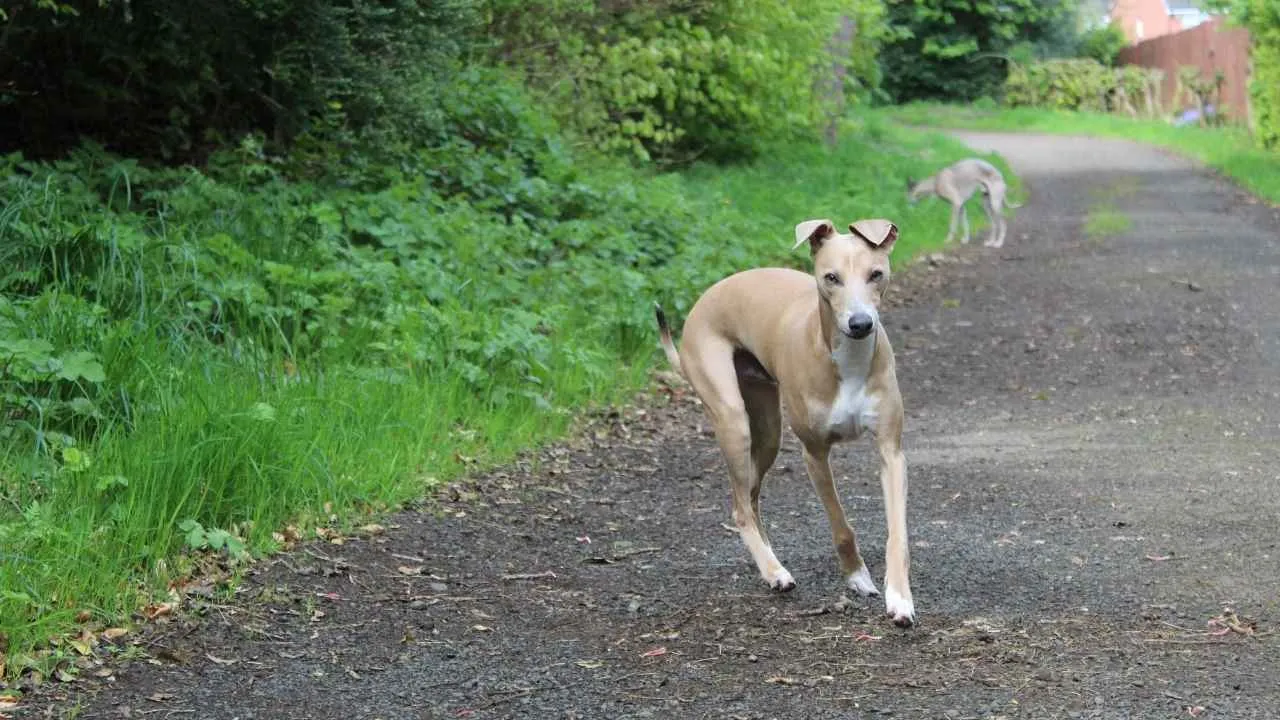
Italian Greyhounds are sweet-natured, playful, and alert dogs originally bred to hunt small game. These small pups are well known for their lightning speed and sleek, aerodynamic build. Affectionately nicknamed “Iggy,” they also happen to have one of the shortest and thinnest coats of any breed.
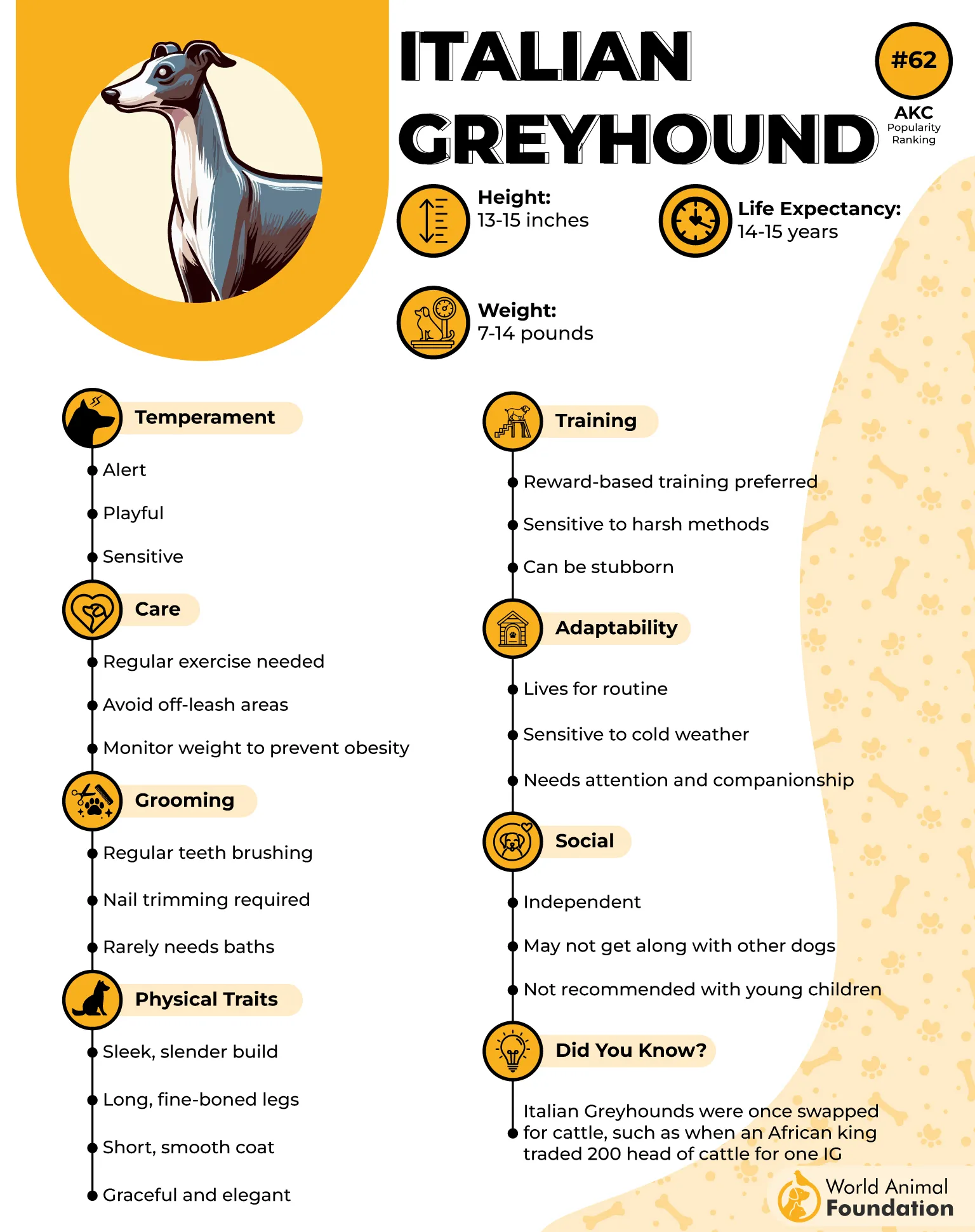
They shed very little and only need a once-a-week brush-down to stay clean and tidy; about as low-effort as grooming gets. Exercise-wise, they’re sprinters rather than endurance athletes, so their needs are moderate. Once those energy levels are met, an Iggy is perfectly happy spending the rest of the day curled up on a soft rug.
They are intelligent dogs, but that comes with an independent streak. Training works best when it’s gentle and reward-based; think positive reinforcement and plenty of tasty treats to keep them engaged and motivated.
3. French Bulldog
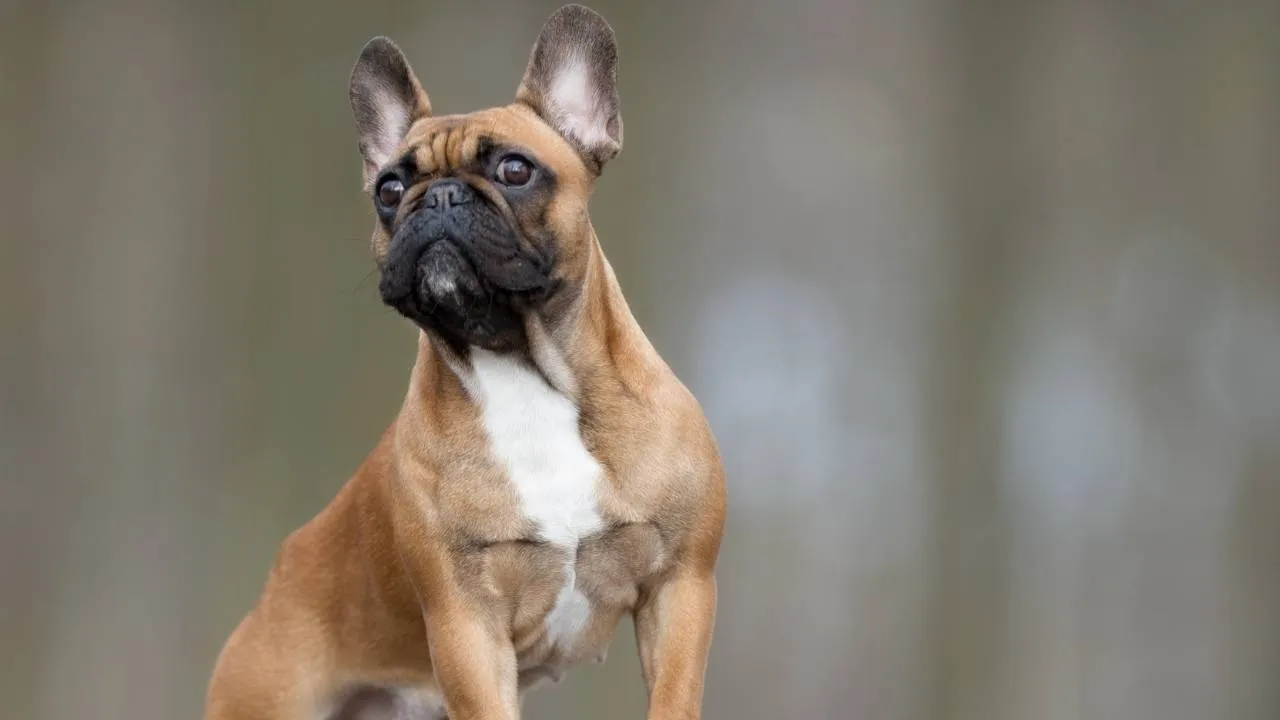
French Bulldogs, or Frenchies, as they’re fondly called, come with big bat ears, a chunky build, and an incredibly affectionate nature. They were once popular companions among lace workers in Nottingham, England, and it’s easy to see why. These little dogs have a genuinely clownish personality and seem to take real pleasure in making their people laugh.
Coat-wise, Frenchies have a short, smooth coat that sheds moderately year-round. Weekly brushing is enough to manage loose hairs and keep things tidy. Baths don’t need to happen too often, but there is one grooming task that requires regular attention: cleaning those facial wrinkles.
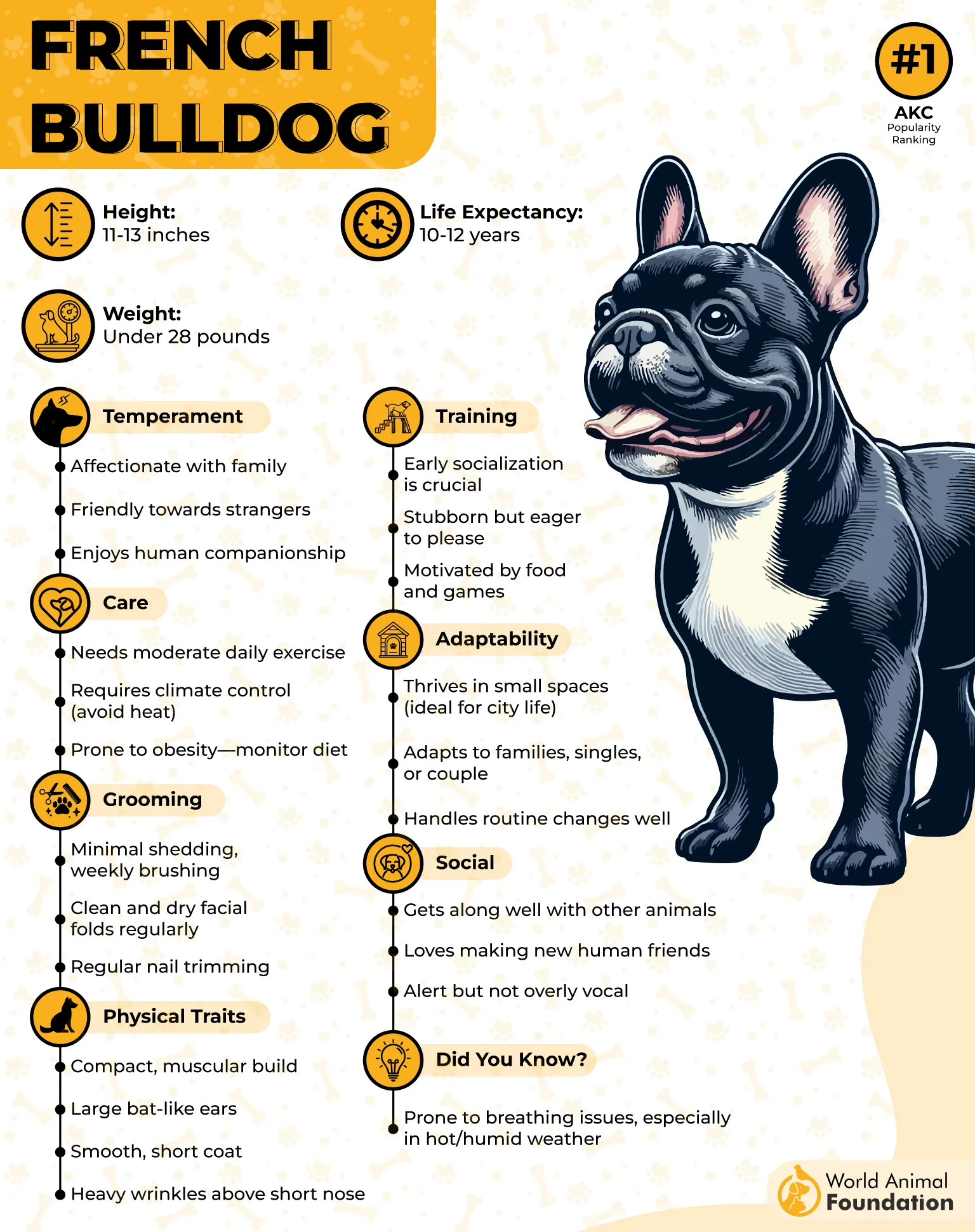
The skin folds can trap moisture and dirt, which creates the perfect environment for infections if left unchecked. A gentle wipe with a wet cloth followed by thorough drying does the job.
Training a Frenchie can come with a stubborn streak, so patience helps. It’s also worth knowing that their brachycephalic (flat-faced) head structure means they can struggle with breathing during intense exercise, so keeping training sessions short and reward-based, with plenty of tasty treats, tends to work best.
4. Pug
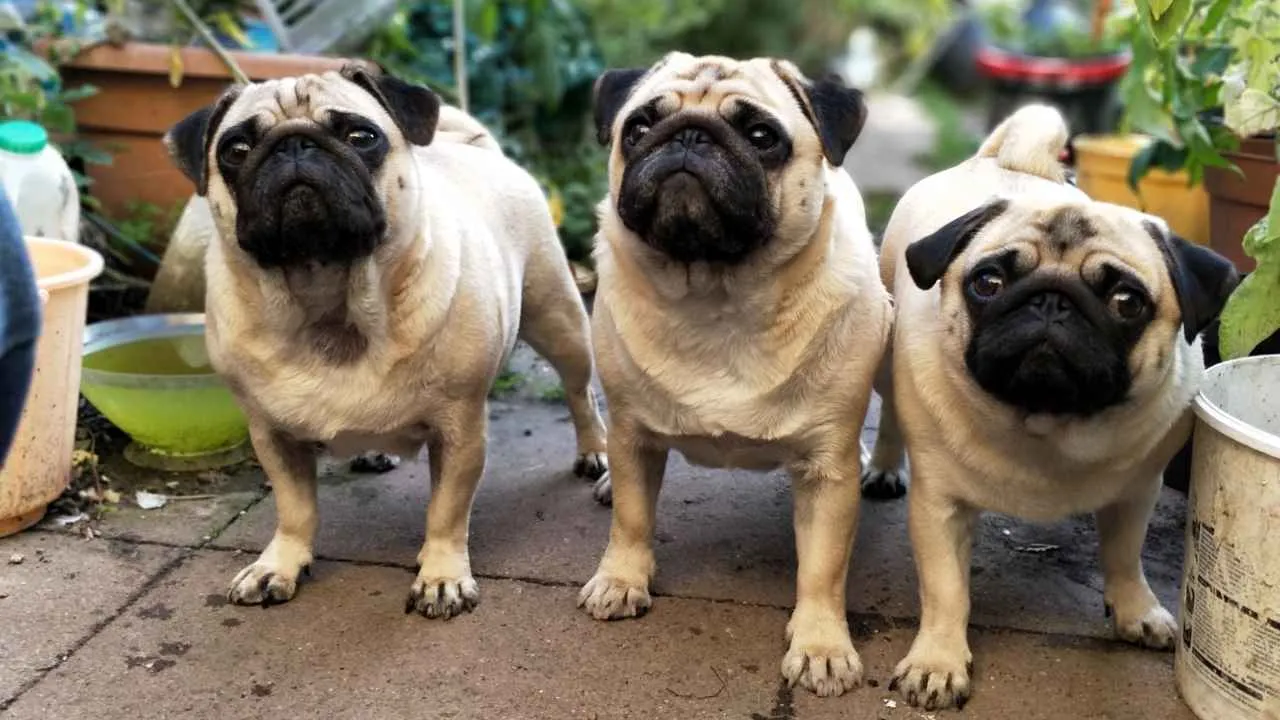
Pugs are hard to miss: large expressive eyes, a tightly curled tail, a squished face, and a forehead full of wrinkles. They’re charming, mischievous, gentle, and loving, and if you dare pay attention to another dog in front of them, expect a little drama.
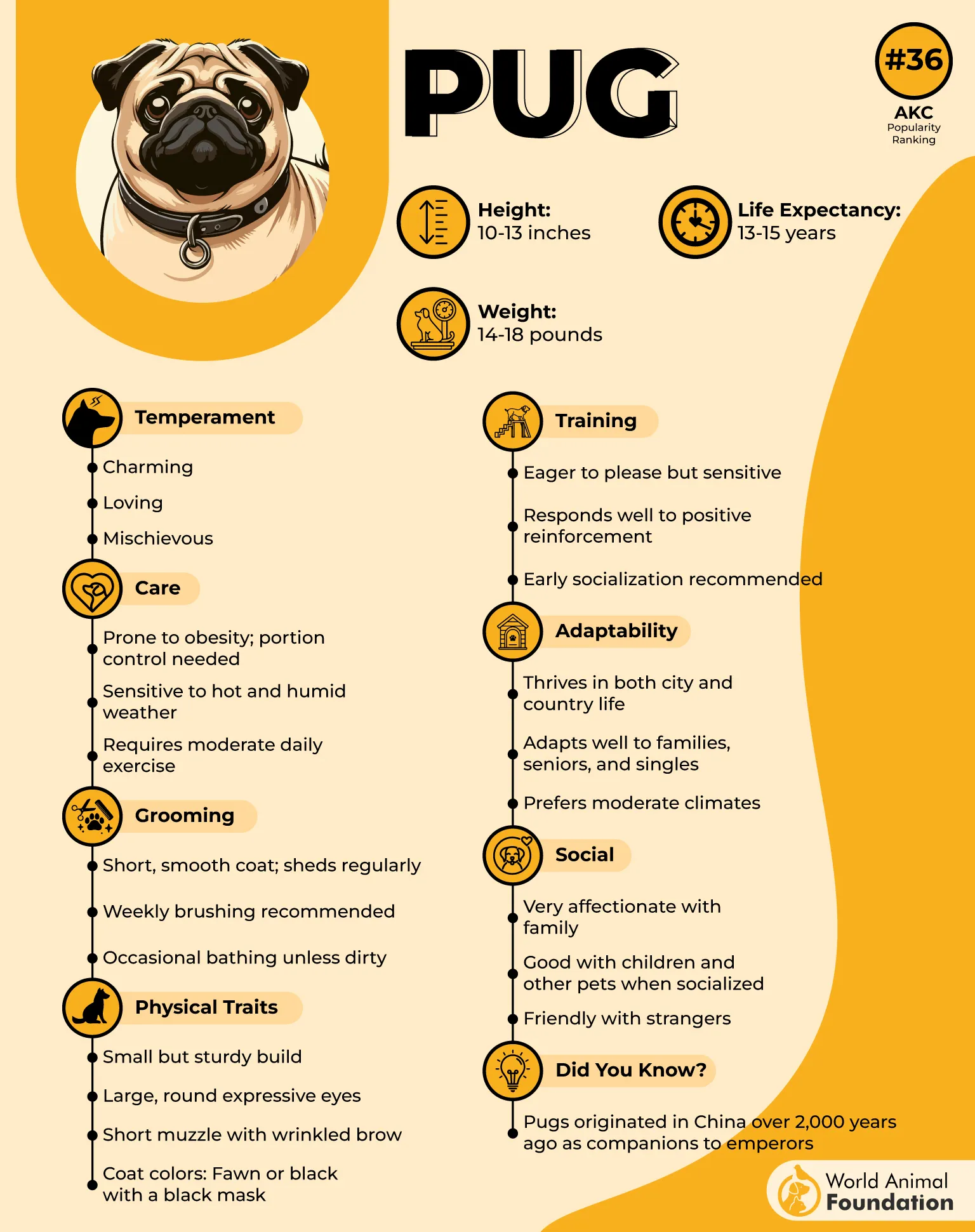
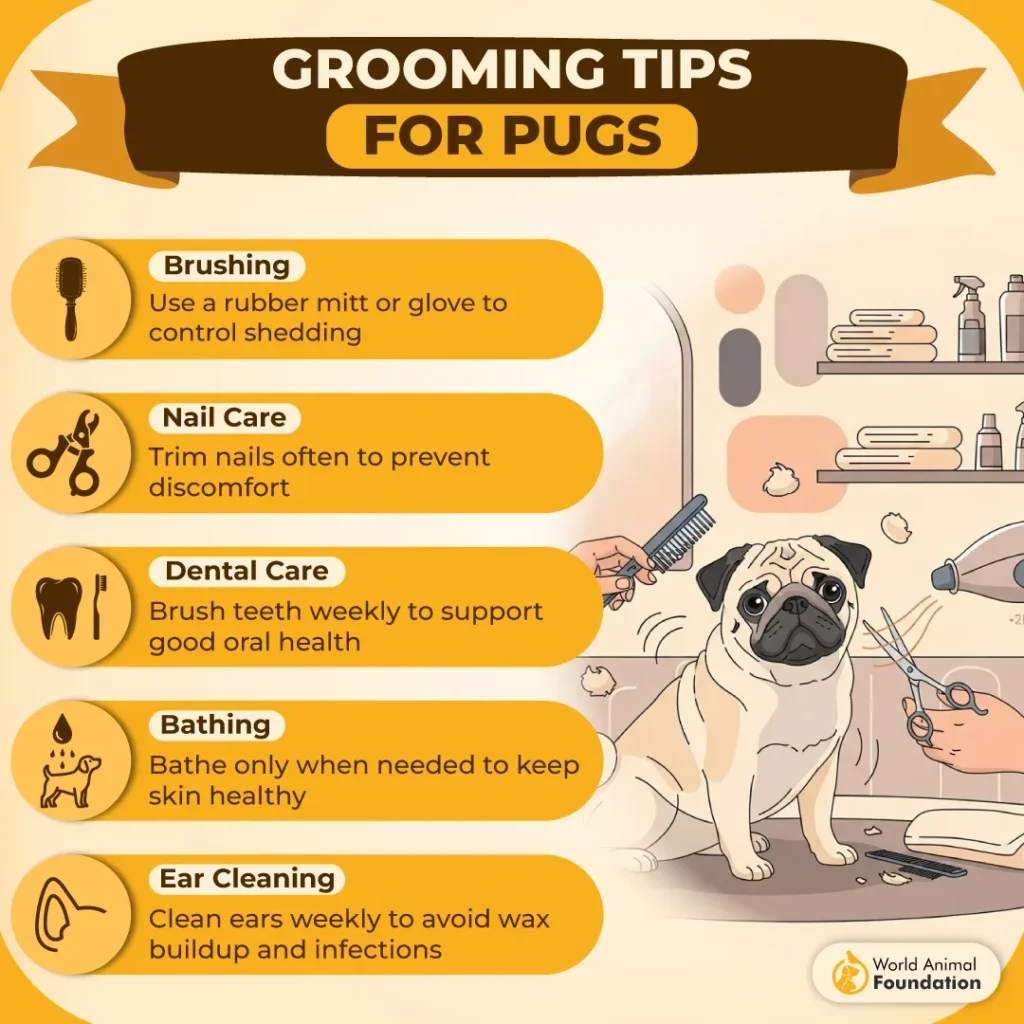
At their core, pugs live to love and to be loved; that’s genuinely their whole agenda. What they’re less charming about is shedding. Despite their short, fine double coat, pugs shed heavily year-round, so brushing a few times a week is necessary to keep loose hair under control. Those facial wrinkles also need regular cleaning, just like with Frenchies.
As PetMD notes, pugs snore quite a bit due to their narrow nostrils and airways; a heads-up for light sleepers. They’re smart and eager to please, but they do come with a stubborn streak. Fortunately, food is their greatest weakness, so treat-based training works well; just keep portions in check, as pugs are prone to weight gain.
5. Basenji
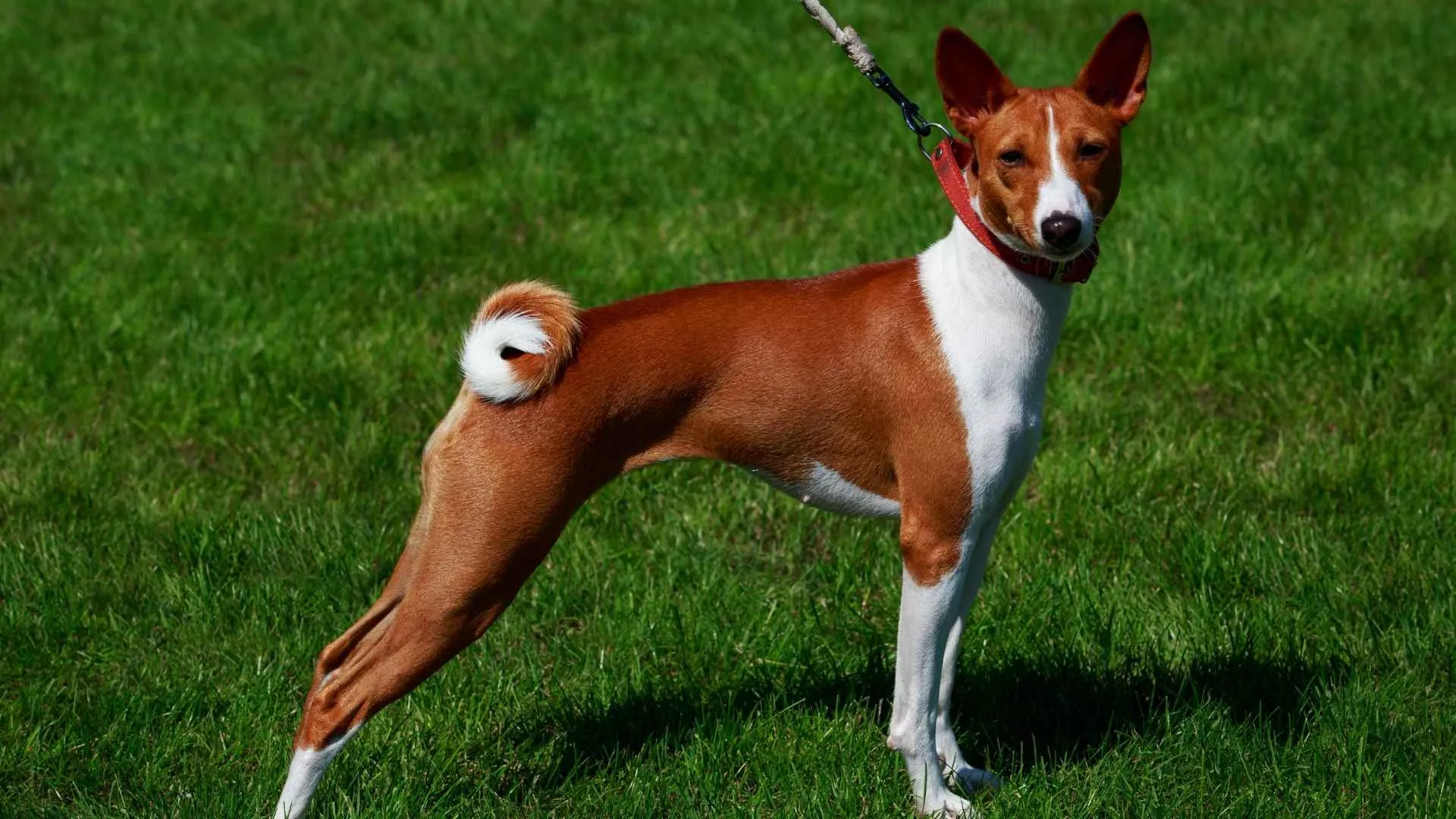
Basenjis are independent, alert, and clever dogs often described as cat-like, and for good reason. They’re self-groomers, naturally tidy, and carry themselves with a quiet confidence. As the AKC notes, they’re also known as the “barkless dog,” though they do communicate through a distinctive yodeling sound produced by their unusually shaped larynx.
Their short, low-shedding coat makes them a genuinely great option for people with allergies. A quick brush once a week is all they need, and as a bonus, they don’t carry that typical doggy odor either.
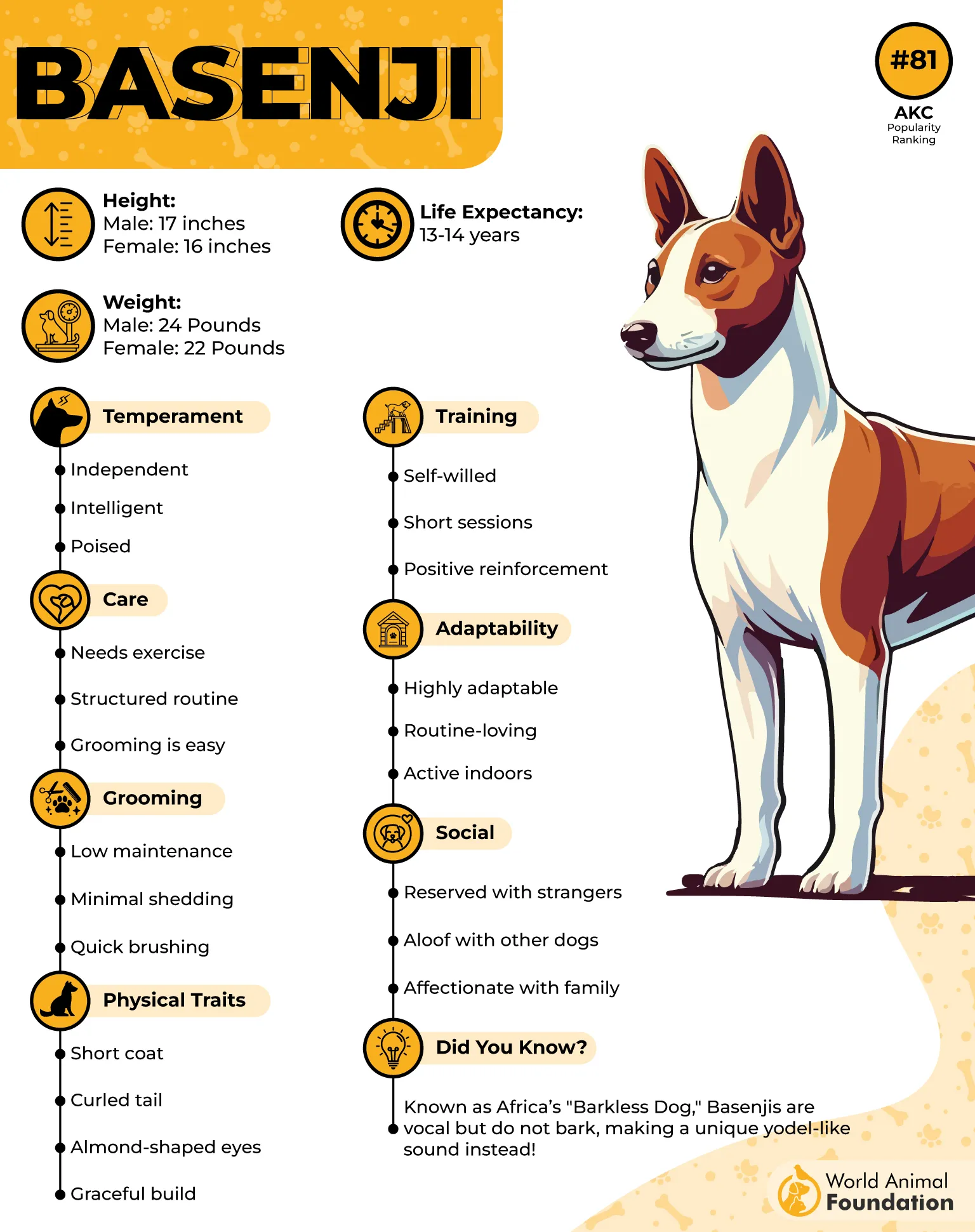
Training a Basenji, however, takes some extra effort. Their intelligence is impressive, but their deep-rooted hunting instincts can make them selective about when they choose to listen. Patience, creativity, and positive reinforcement are your best tools here.
On the personal side, Basenjis form strong bonds with their chosen families but tend to stay reserved around strangers, very much in keeping with that independent, cat-like reputation.
6. Ibizan Hound
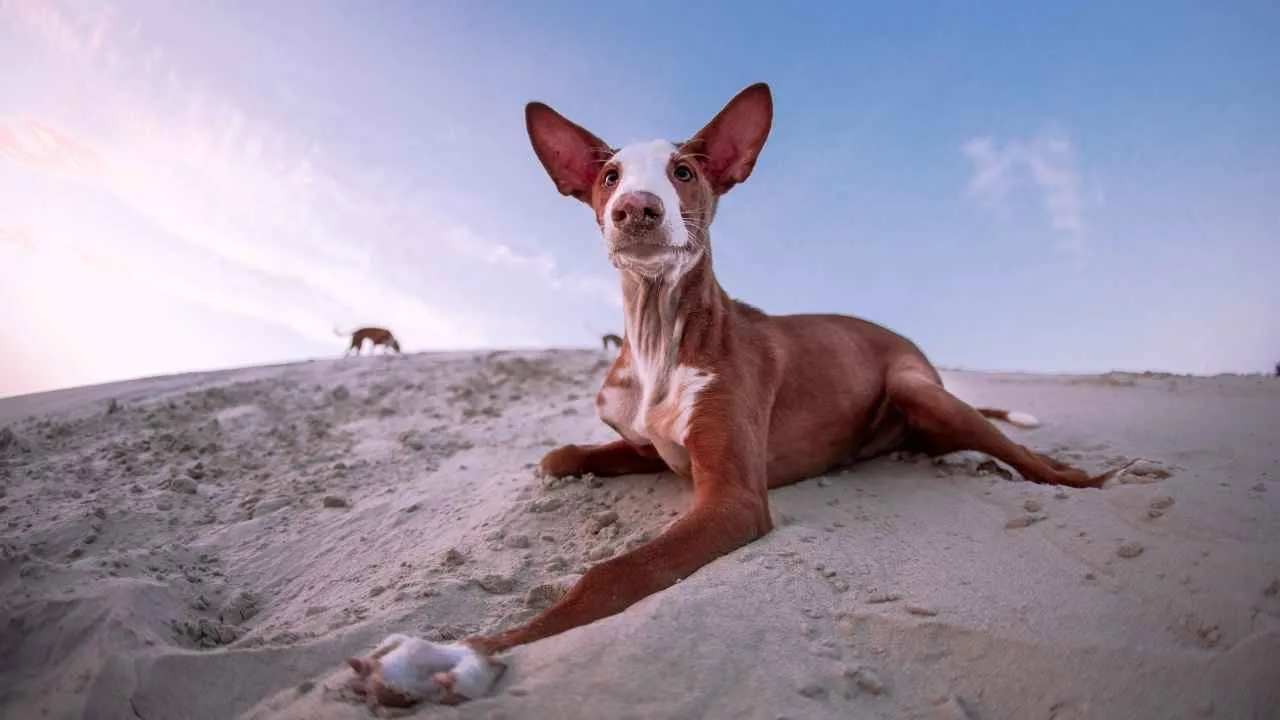
Ibizan Hounds are hard to overlook: massive upright ears, amber-colored eyes, and an almost unbelievable ability to leap fences up to 6 feet tall from a complete standstill. At home though, they’re even-tempered, loyal, and a little reserved, with just enough clownish energy to keep things entertaining.
These medium-to-large dogs come in short, smooth, and wire coat varieties, and since they lack an undercoat, shedding is occasional rather than constant. A weekly brush is all the smooth coat really needs, and like several other breeds on this list, they’re free of that typical doggy odor.
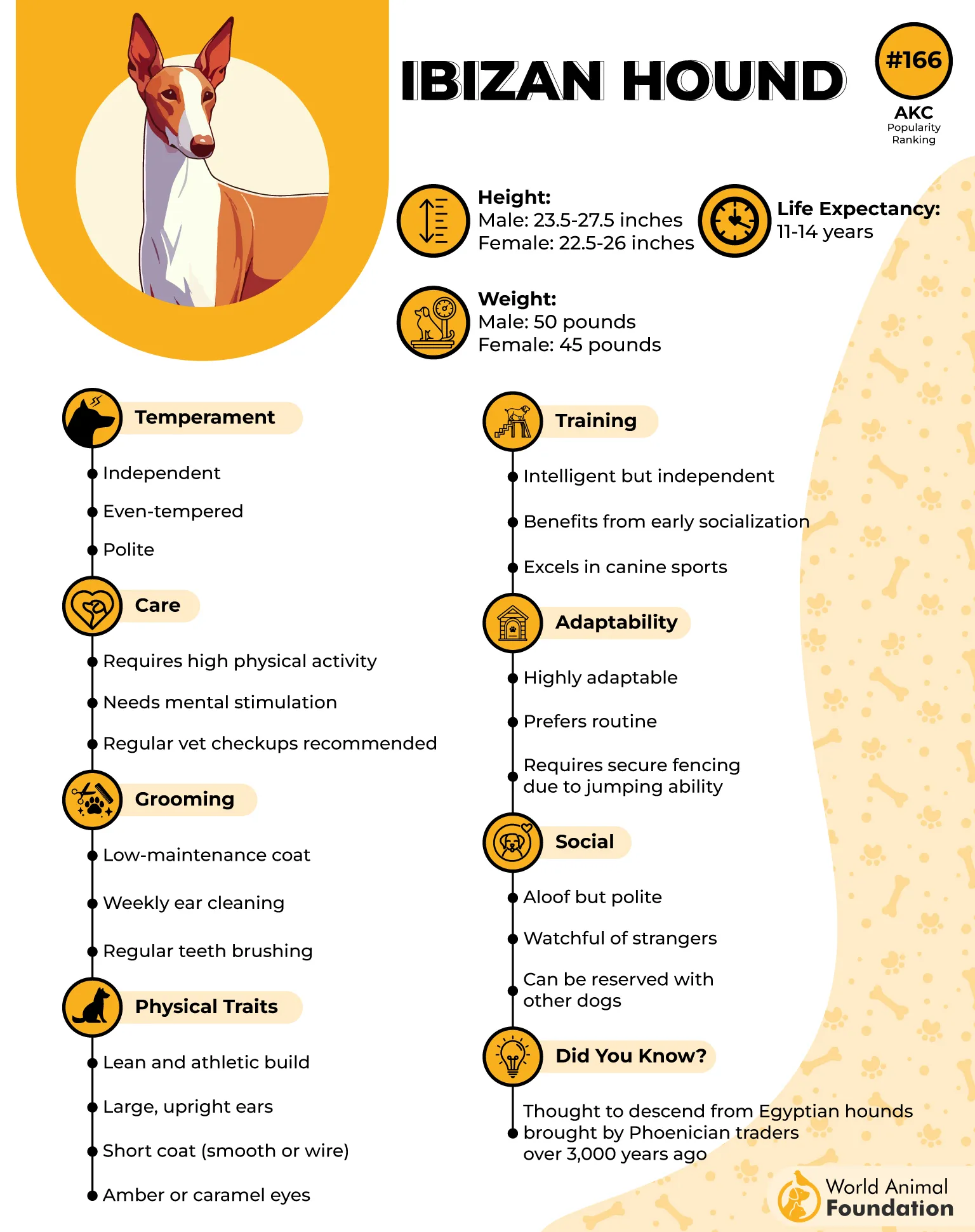
One thing to keep in mind: their lean build means they get cold easily, so a jacket in winter is a practical necessity rather than just a fashion statement.
On the active side, Ibizan Hounds are athletic hunters with real speed and stamina, so their exercise needs are on the higher end. Training-wise, they’re independent thinkers and get bored quickly with repetitive drills. They respond best to sessions that are positive, gentle, and varied enough to hold their interest.
7. Weimaraner
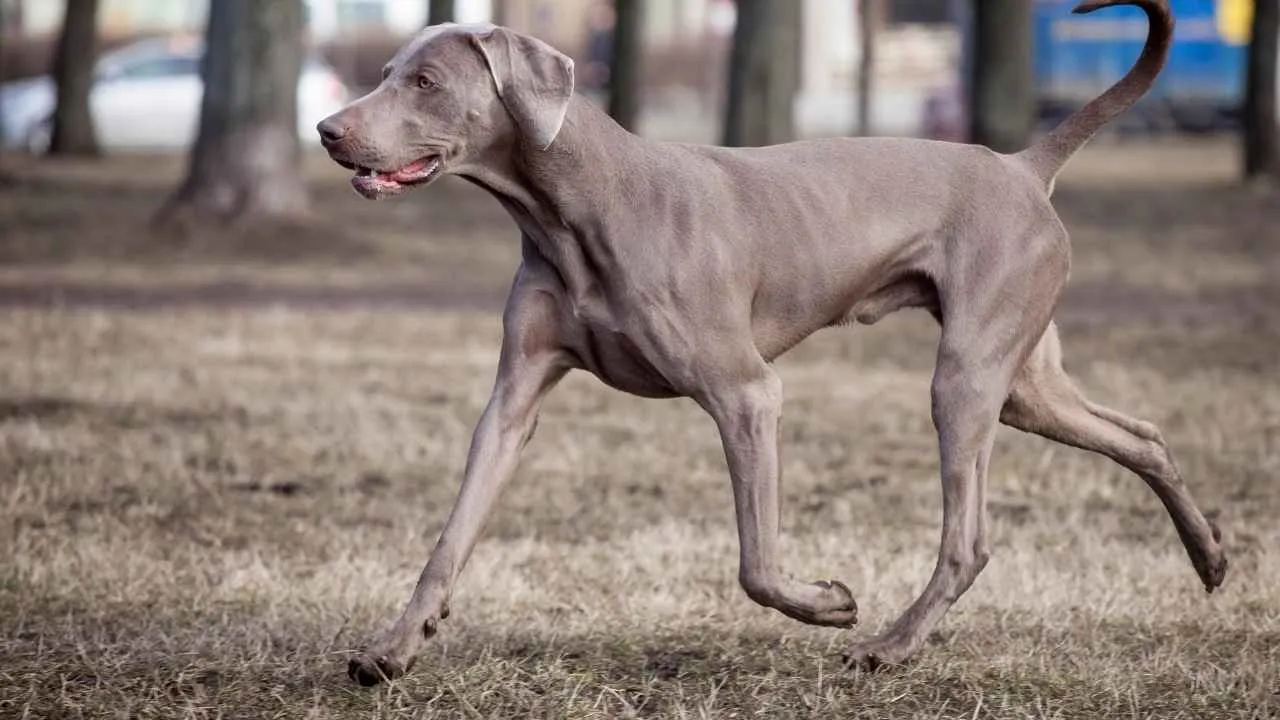
Weimaraners are often called “Gray Ghosts,” a nickname inspired by their striking mouse-gray to silver-gray coat. They’re loyal, energetic, and true Velcro dogs that love being around their people, though that also means they don’t do well when left alone for long periods.
The UKC mentions that their short, undercoat-free coat sheds moderately and is easy enough to maintain. A weekly brush with a rubber grooming mitt or bristle brush keeps loose hairs in check and helps distribute their natural skin oils, simple and quick.
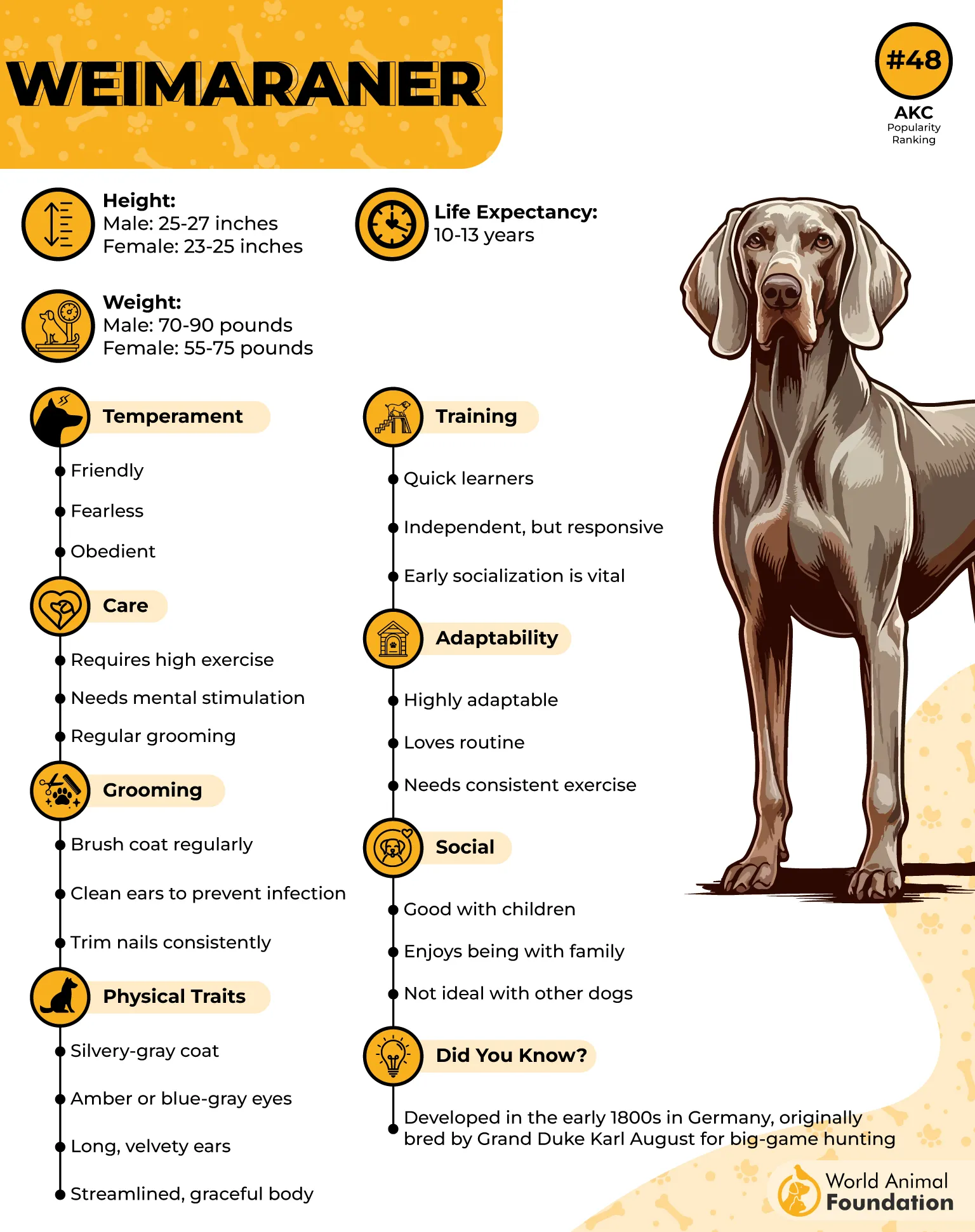
Where Weimaraners demand more attention is exercise. Built for endurance, they thrive on long runs, hikes, agility training, and intense fetch sessions. A short walk around the block simply won’t cut it.
They’re also highly intelligent and quick learners, but that smart mind needs firm, consistent, and positive leadership to stay out of trouble. Left to their own devices, they will find mischief, and given those long legs, the kitchen counter is absolutely not off limits. Keep your treats hidden.
Conclusion
The 7 breeds covered above all share the benefit of short coats that need little to no trimming over time. That said, they’re not all the same; shedding levels vary quite a bit, with some being surprisingly heavy shedders despite their short hair.
Beyond grooming, these short-haired dog breeds also differ in temperament and training needs. If you’re a first-time owner, it’s worth gravitating toward the more people-pleasing, easier-to-train options and being cautious about breeds with strong independent streaks; those tend to do better with experienced handlers and highly consistent training.
Exercise requirements are also all over the map, so it’s worth reading through the details carefully to make sure the breed you’re drawn to actually fits your lifestyle and daily schedule.
