




Not every dog dreams of mountain summits or marathon hikes. Some are happiest stretched across the sofa, gently dozing in a sunbeam, or quietly following their favorite human from room to room. In a world that moves faster every year, there is something deeply comforting about a dog who prefers life at a softer pace.
According to the American Kennel Club, companion breeds consistently rank among the most popular dogs for families and retirees alike. Why? Because temperament matters just as much as energy level. For many households, a calm, affectionate presence is far more valuable than boundless stamina.
Historically, several gentle dogs were developed not for labor or guarding, but simply to provide warmth, comfort, and companionship. These dogs lived in royal courts, noble estates, and family homes where their primary role was to be close — physically and emotionally — to their people.
If you appreciate quiet evenings, gentle walks, cozy mornings, and loyal company, these seven charming breeds may be your perfect match.
Charming Dog Breeds That Love a Slow‑Paced Life
1. Cavalier King Charles Spaniel
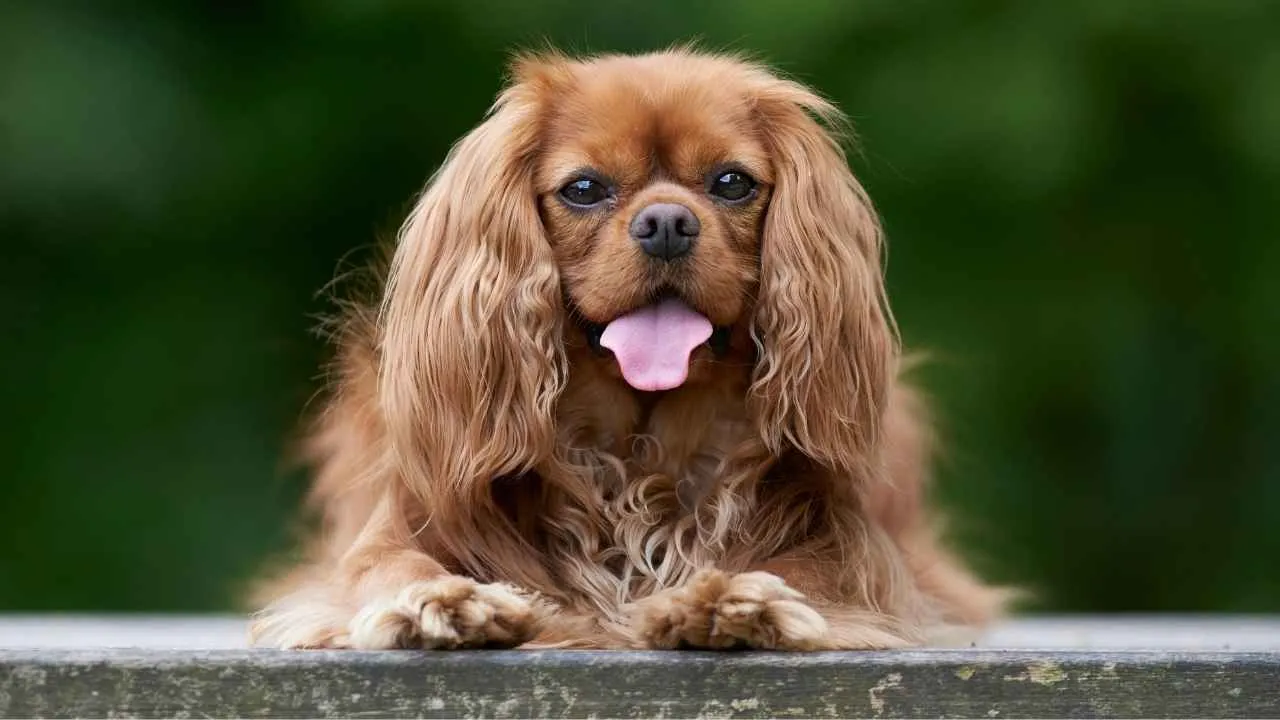
Few breeds embody gentle companionship like the Cavalier King Charles Spaniel. Named after King Charles II of England in the 17th century — who was rarely seen without his beloved toy spaniels — this breed was designed for one purpose: human closeness.
They were often called “comforter spaniels” because they loved warming laps in drafty castles.
They are not hyper, nor are they entirely sedentary. These low-energy dogs enjoy daily walks and playful moments, but they are equally content curling beside you for hours. Their energy level fits beautifully into a relaxed household rhythm.
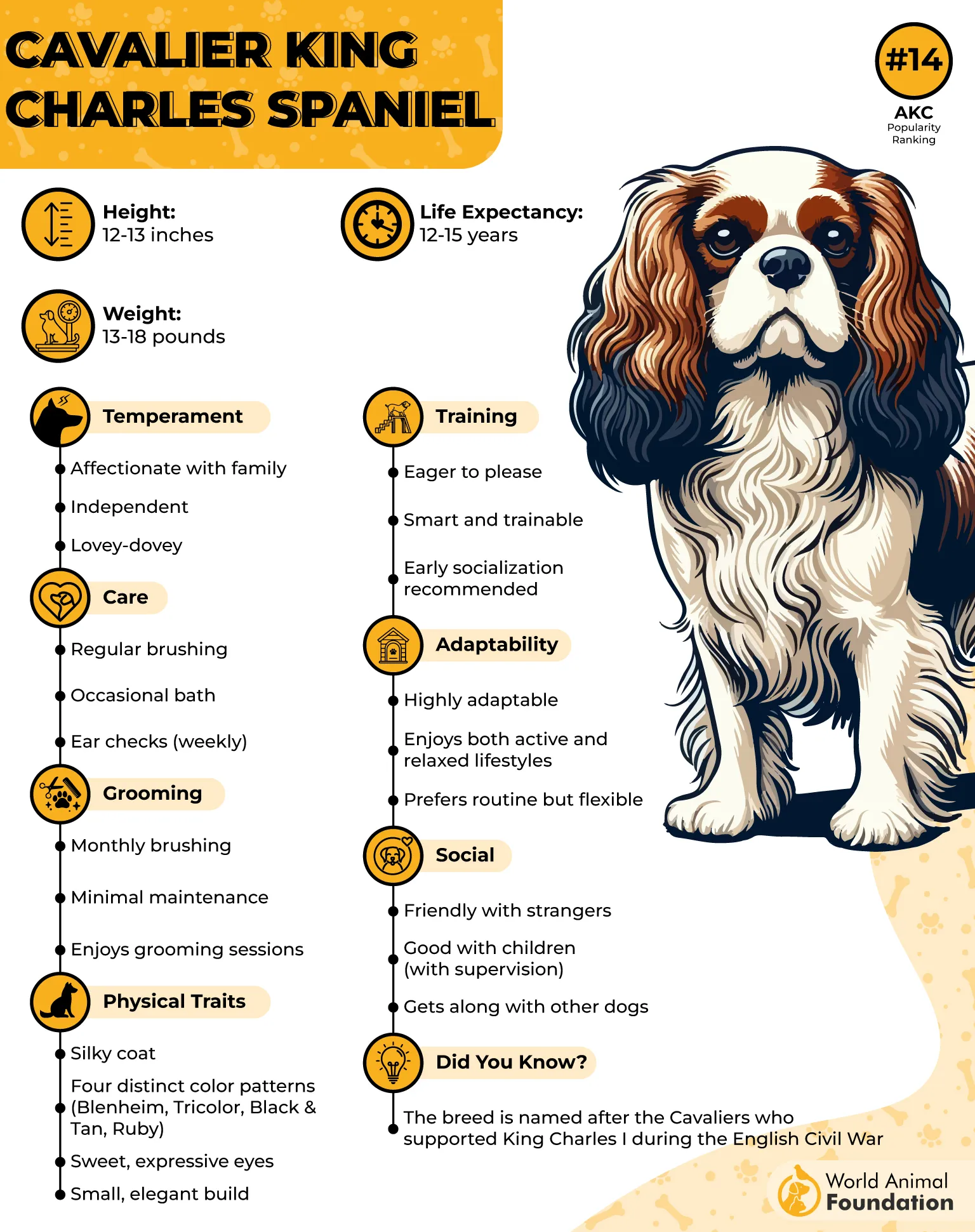
These calm breed dogs are deeply people-oriented, according to Purina. In fact, they do not thrive when left alone for long periods. Separation anxiety can develop if their need for companionship isn’t met. For households where someone is home most of the day, however, they flourish.
Their sweet temperament consistently ranks high in breed temperament surveys. They’re gentle with children, welcoming to guests, and typically sociable with other pets. Their affectionate, easygoing nature makes them ideal therapy dogs and emotional support companions.
Elegant without being demanding, affectionate without being overwhelming, Cavaliers are the definition of a refined yet relaxed lifestyle companion.
2. Clumber Spaniel
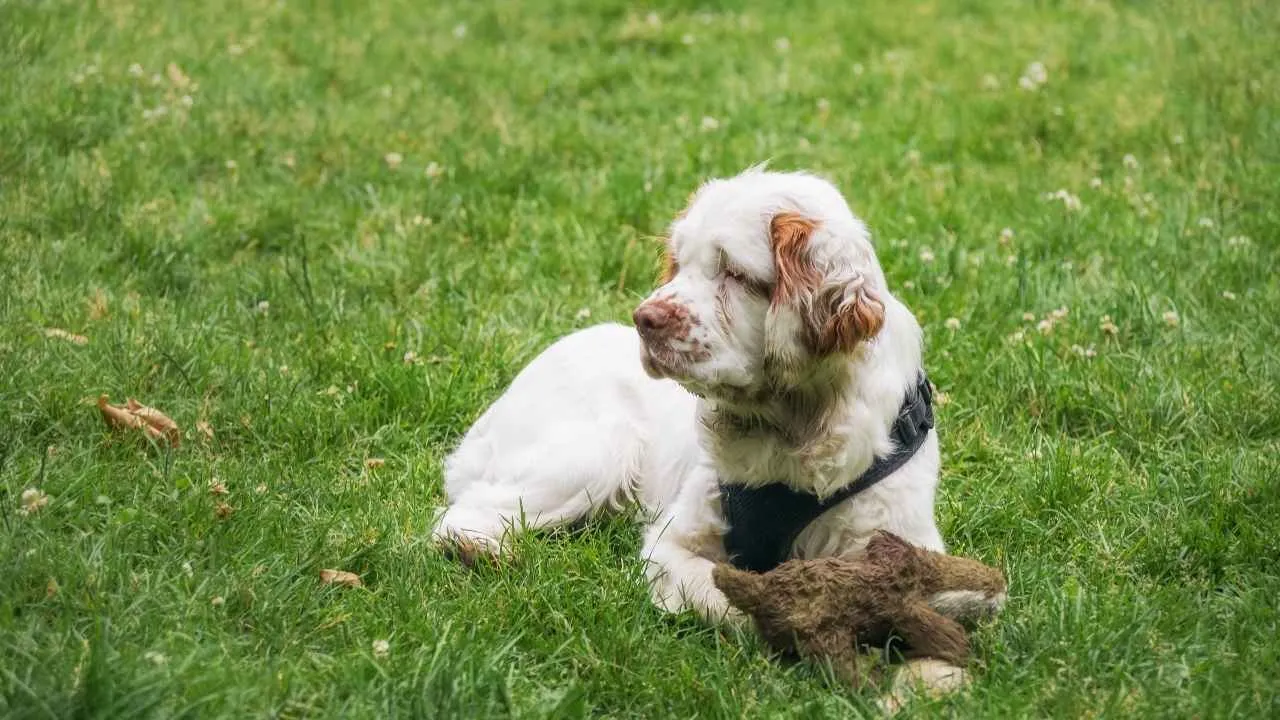
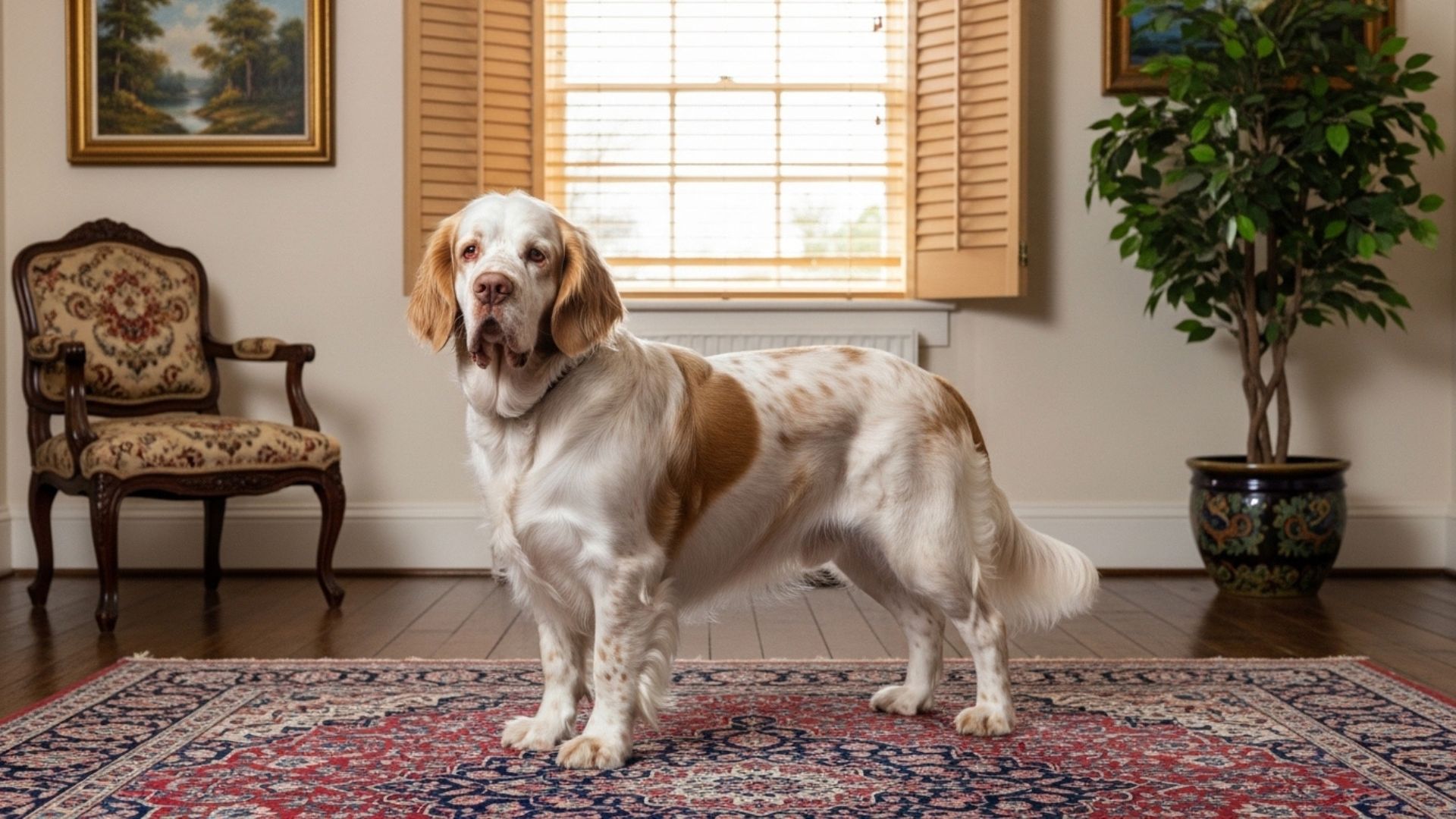
The Clumber Spaniel is often described as the “gentle aristocrat” of the spaniel world. Originating in England in the 18th century, they were favored by nobility for their steady temperament and methodical hunting style. Unlike faster spaniels, Clumbers moved deliberately — a trait that carries into modern life.
This is a large dog on short legs, built solidly and calmly. Clumbers are slow to mature and even slower to rush into chaos. They prefer thoughtful strolls to frantic sprints and enjoy lounging as much as exploring wooded paths.
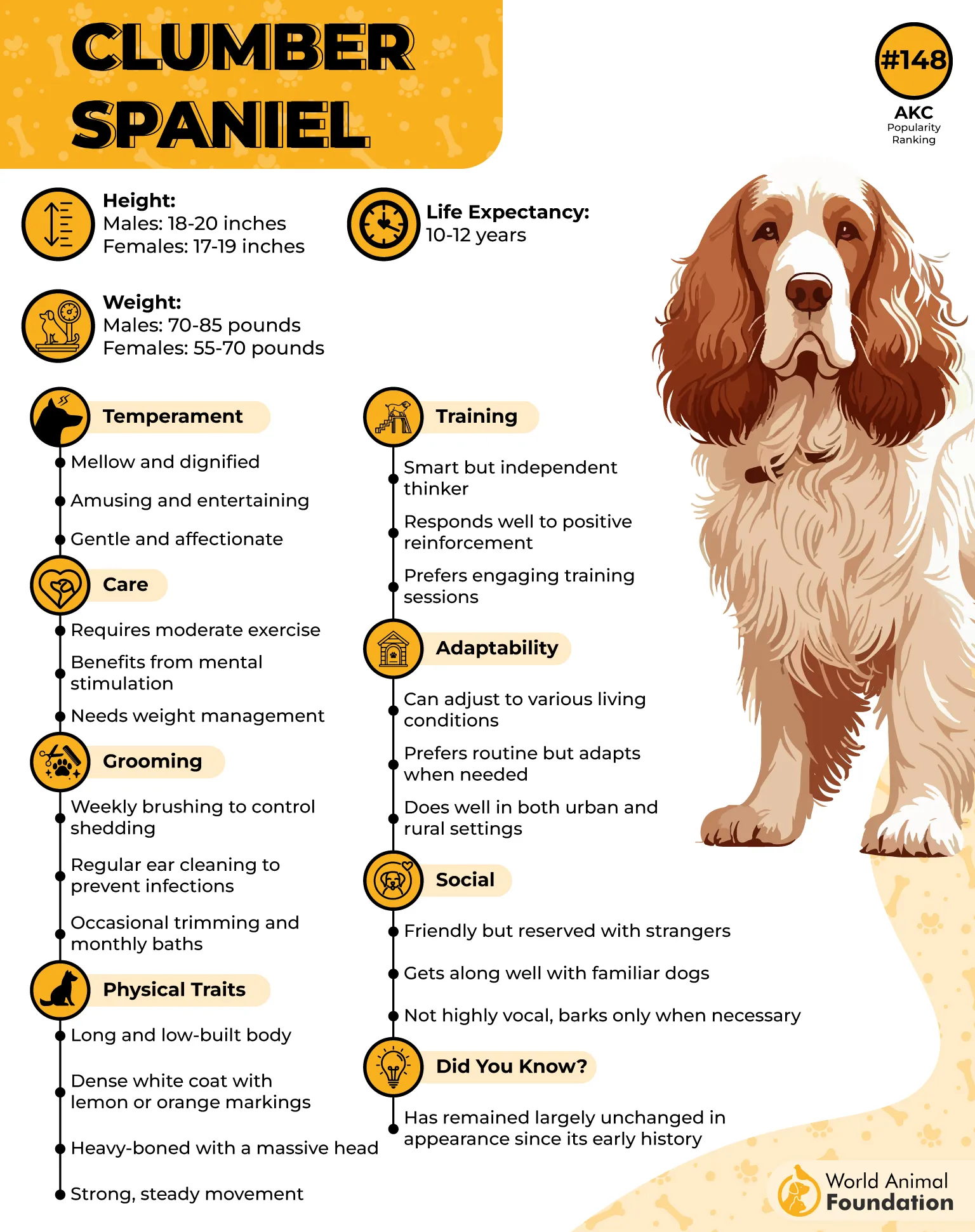
Despite their size, they adapt well to relaxed households. They form strong bonds with their families and are generally steady around children when properly supervised. That said, their weight and build require awareness around very small children.
Clumbers enjoy having a “job,” even if that job is simply carrying a toy or following a scent trail on a walk. Mental engagement keeps them happy without requiring intense exercise.
Living with a Clumber Spaniel means embracing a slower, steadier rhythm. They are low-maintenance in nature and dignified yet delightfully amusing — calm companions who appreciate life one measured step at a time.
3. Pug

The Pug’s history stretches back more than 2,000 years to ancient China, where they were bred as companion dogs for emperors. Later, they became favorites among European royalty, including the House of Orange in the Netherlands. Their role has always been the same: devoted companion.
Pugs are affectionate to their core. They bond deeply with their humans and love physical closeness — cuddling under blankets, leaning into your side, or snoozing beside you. Despite their playful clownish streak, they are not high-intensity dogs.
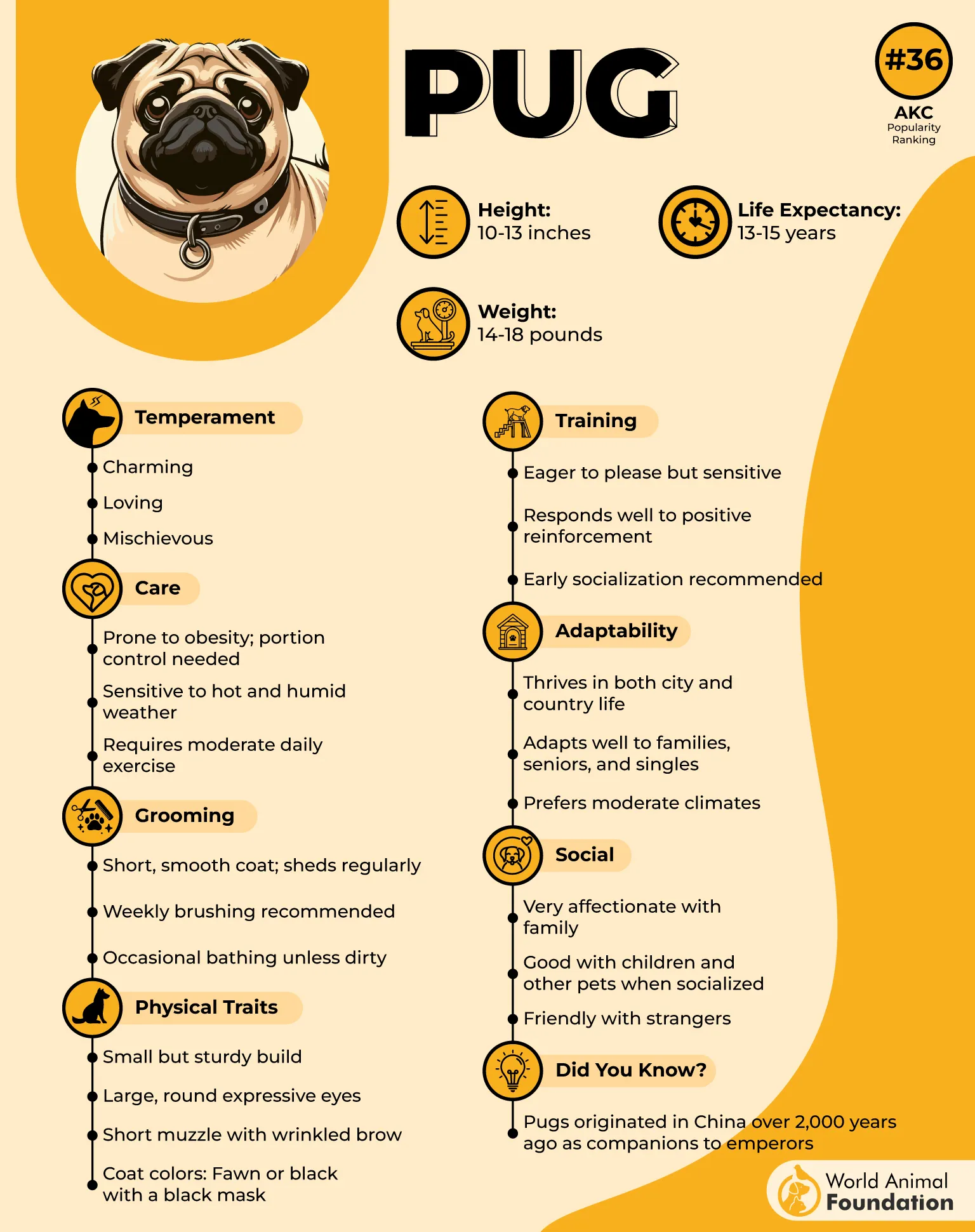
Short walks and gentle play sessions are usually sufficient. Their brachycephalic (short-snouted) structure makes them sensitive to heat and heavy exertion. A comfortable indoor environment suits them best.
Though sturdy for their size, they are not built for endurance sports. What they excel at is emotional warmth. They’re famously social and tend to adore both family members and guests alike.
If your idea of happiness includes quiet evenings and a loyal shadow at your feet, the Pug offers devotion wrapped in wrinkles.
4. Shih Tzu
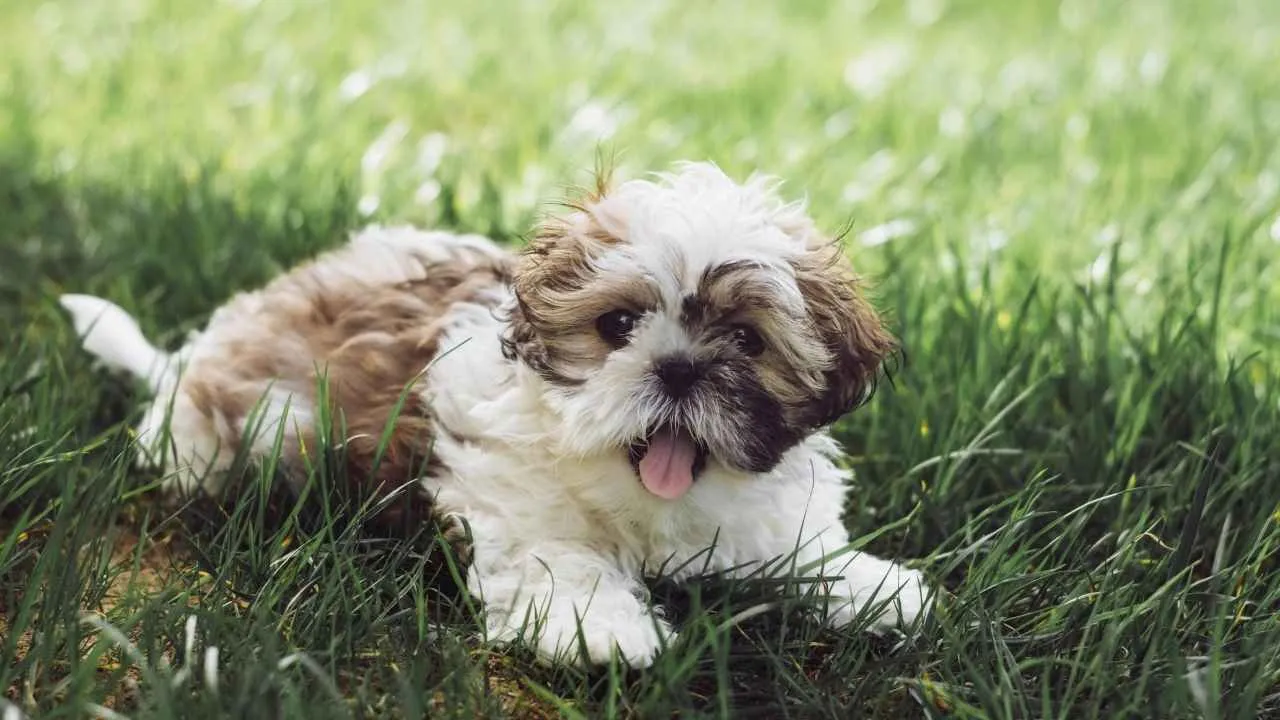
Bred in imperial China to resemble miniature lions — a symbol of nobility and protection — the Shih Tzu spent centuries living within palace walls. They were treasured companions, and that heritage still shapes their temperament today.
Shih Tzus thrive on attention and affection. They are happiest when curled on your lap or lounging nearby. While they enjoy short walks and playful interactions, they are not driven by intense physical activity.
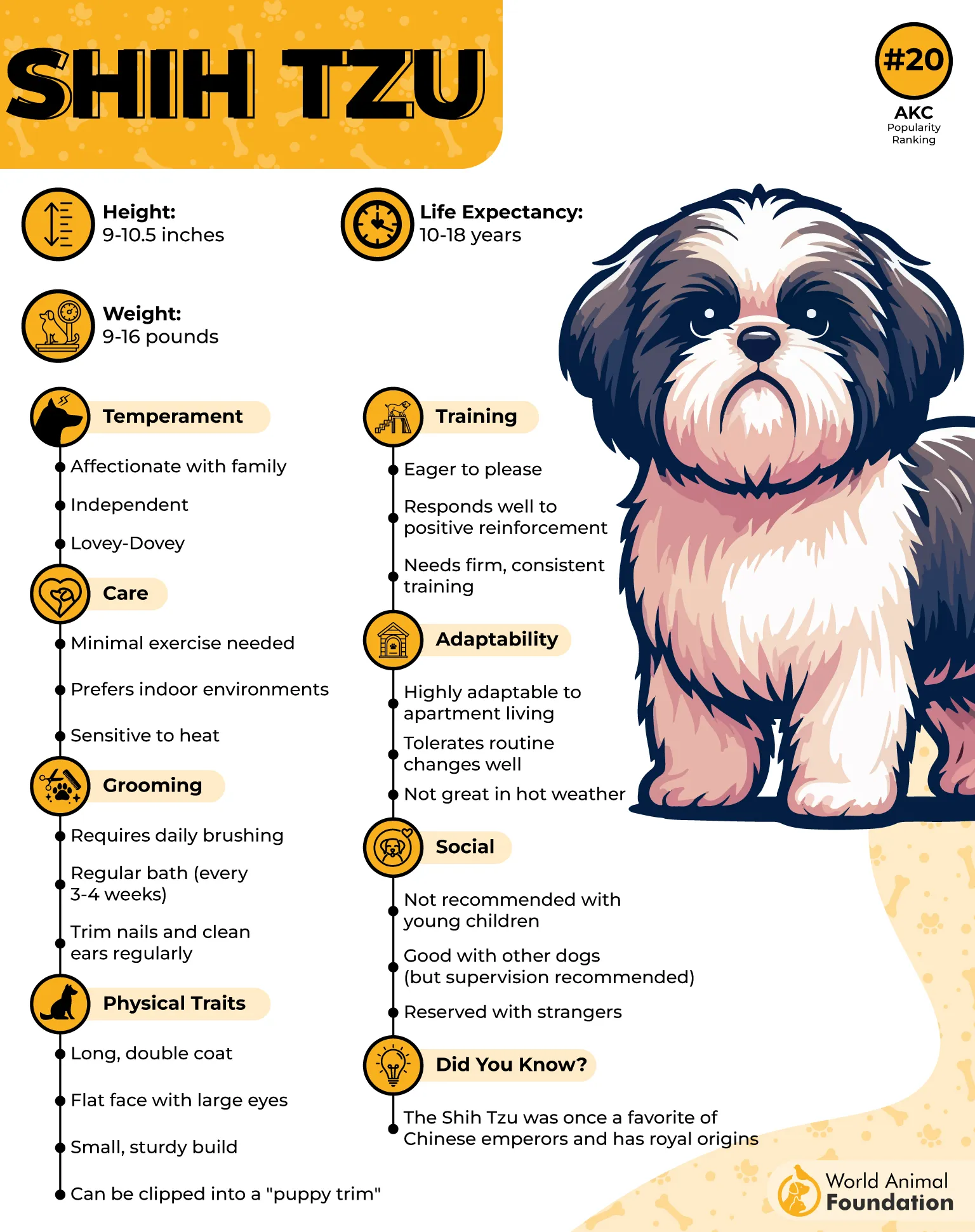
They are adaptable, equally comfortable in apartments or houses. Their calm demeanor makes them suitable for seniors and families seeking a relaxed household companion.
Their long coat requires a commitment to grooming, mentions PetPlan, but many owners opt for a shorter “puppy cut” to simplify maintenance. Underneath that luxurious fur is a sweet, gentle personality.
Shih Tzus bring warmth, charm, and a touch of royal grace to slow-paced living.
5. Basset Hound
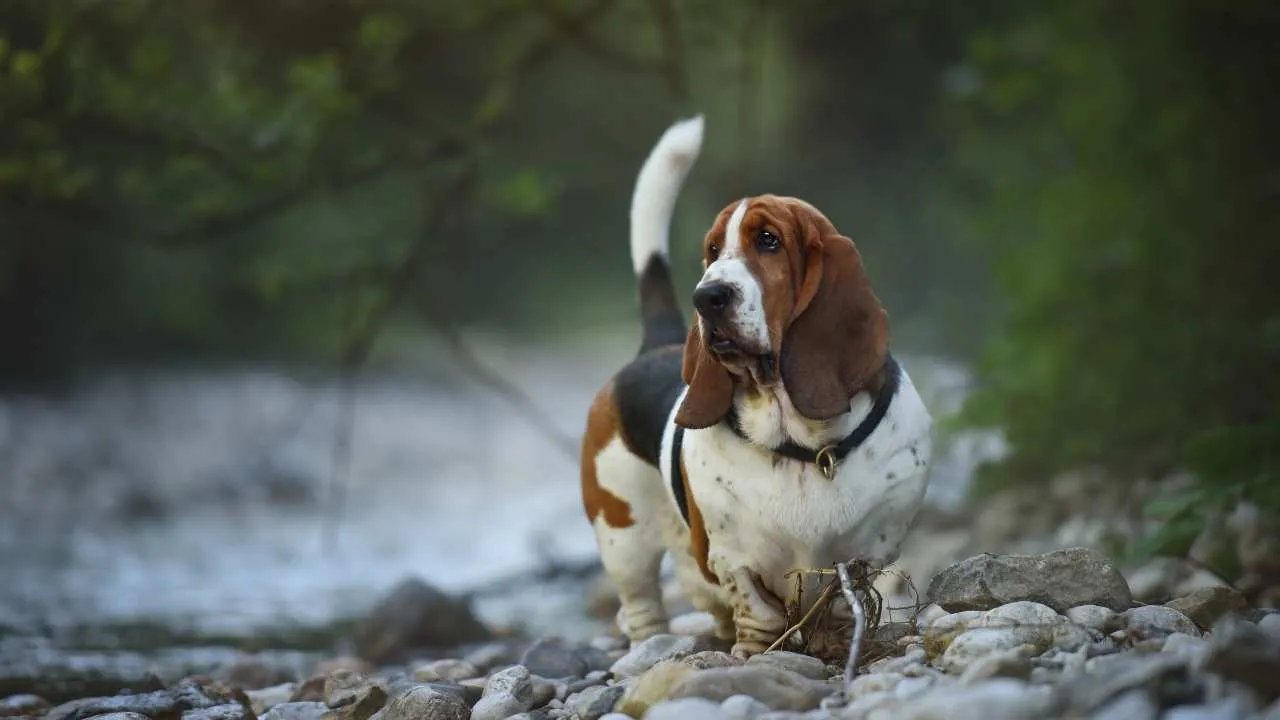
With their long ears, soulful eyes, and famously short legs, Basset Hounds are icons of laid-back living. Originally bred in France to hunt rabbits by scent, they move methodically rather than swiftly — making them one of the slower breeds.
Bassets are affectionate, loyal, and deeply attached to their families. They love lounging indoors and are content to curl beside you after a leisurely walk.
This breed is widely considered calm, especially indoors, according to Hillspet.
Bassets are known for their relaxed, easygoing temperament. While they were originally bred in France as scent hounds to track rabbits, they are not built for speed or high-intensity activity. Their short legs and heavy bone structure naturally encourage a slow life.
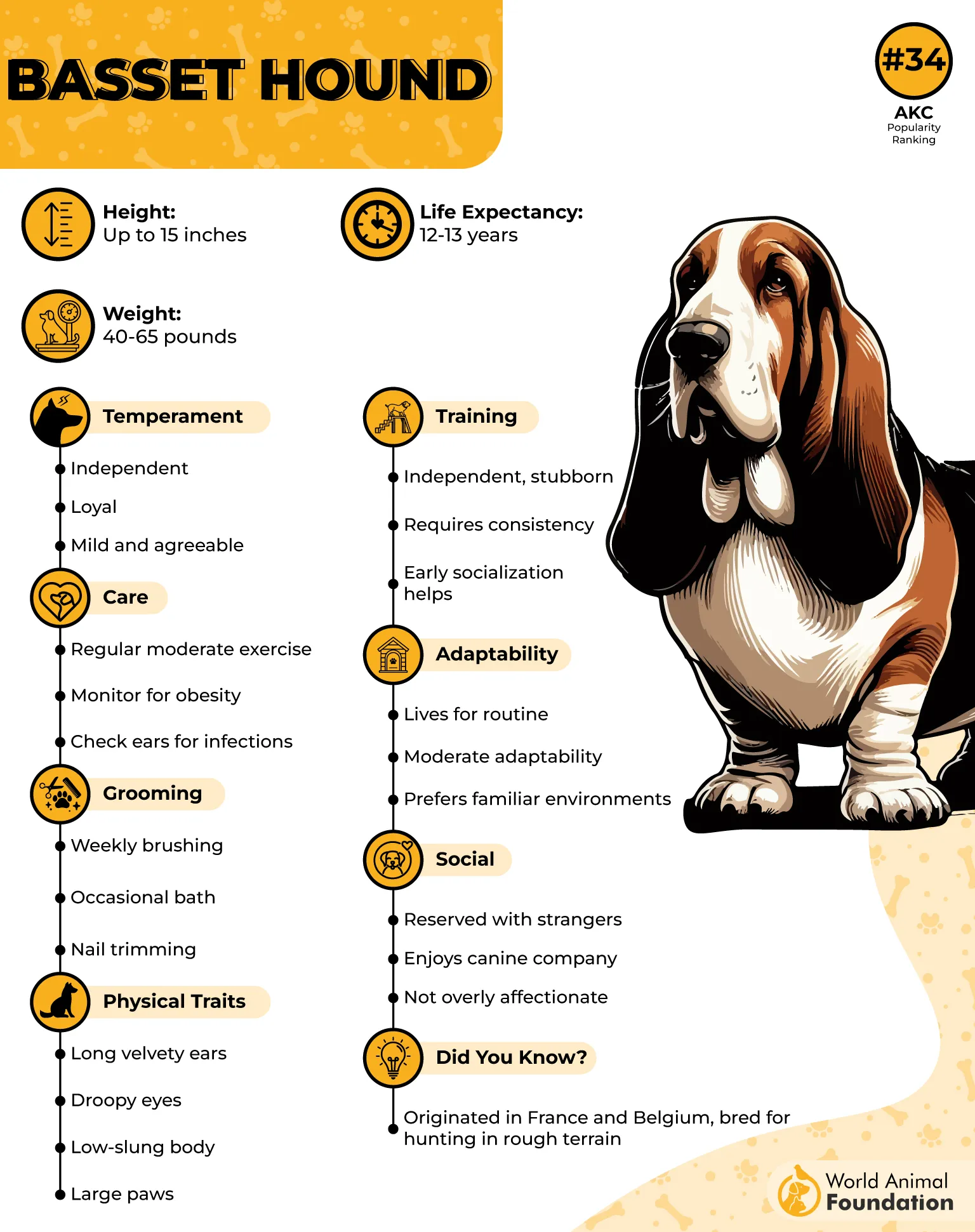
Training can be a challenge. They are intelligent but independent thinkers. Patience and consistency are key, as they sometimes “choose” when to cooperate.
Their moderate exercise needs make them manageable for relaxed households. However, their strong scent drive means leash walks are essential outdoors.
Living with a Basset Hound means embracing warmth, humor, and a wonderfully unhurried pace.
6. English Bulldog
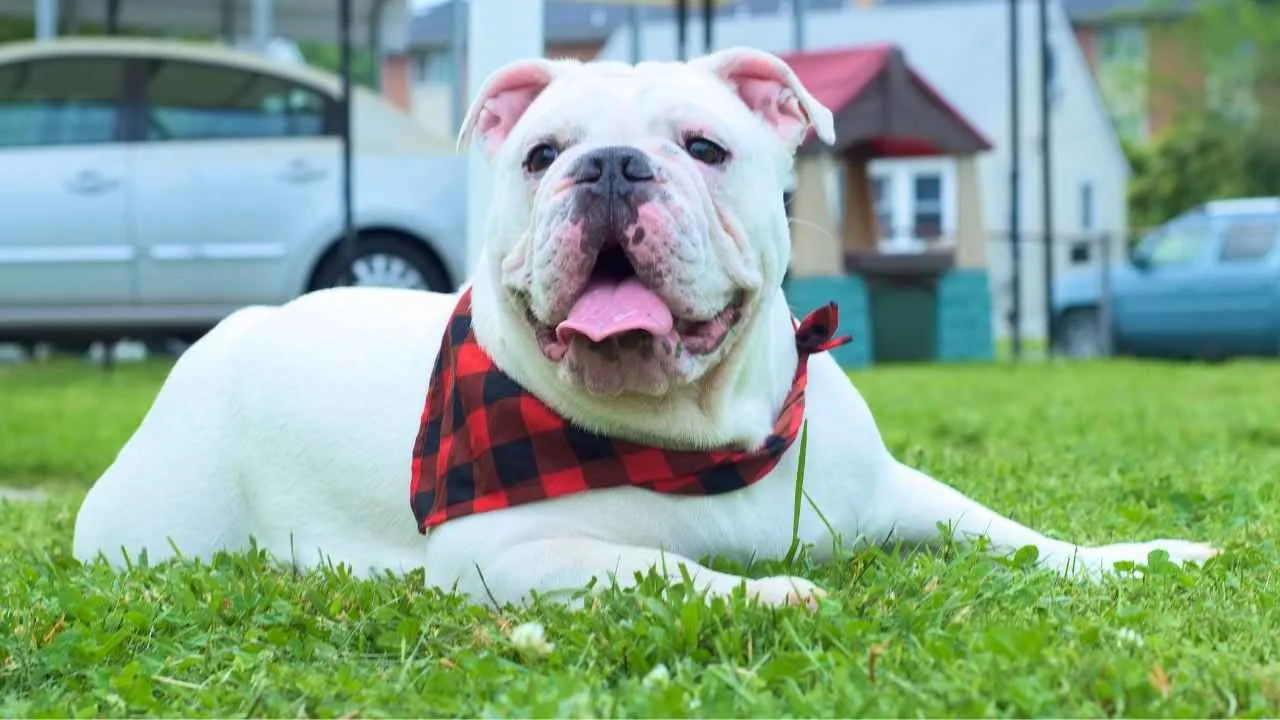
The modern English Bulldog is worlds apart from its athletic ancestors. Today’s Bulldog is known for its stocky build, wrinkled face, and unmistakable devotion to comfort.
They adore attention. They thrive on closeness and are happiest when lounging near their people. While they do require moderate daily walks to maintain health, they are not endurance athletes.
Heat sensitivity is a key consideration due to their brachycephalic structure. Warm weather calls for air conditioning and rest.
Pet parents love them (and French bulldogs) for one simple reason: they are irresistibly affectionate, loyal, and full of personality — all wrapped up in a wonderfully laid-back package.
One of the biggest reasons they are adored is their devotion.
Britannica claims that they form deep bonds with their families and genuinely crave human companionship. Whether it’s curling up beside you on the couch or waddling after you from room to room, they thrive on closeness and connection. For many owners, that constant, steady presence feels incredibly comforting.
Their gentle, easygoing nature makes them excellent family pets. They are typically patient with children and enjoy calm environments.
These low-energy dogs remind us that joy can be found in rest, routine, and steady companionship.
7. Saint Bernard
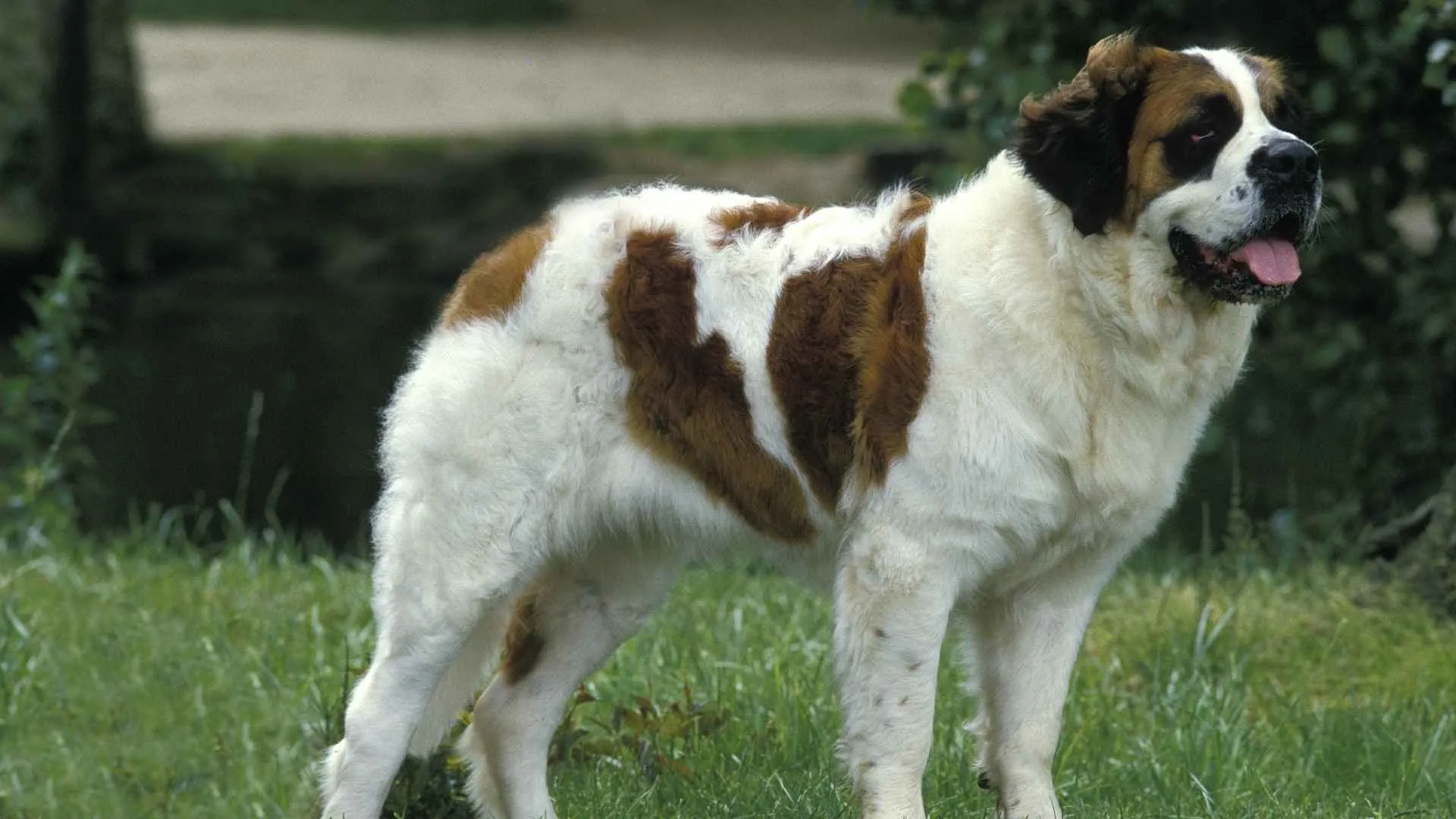
Originally bred to rescue travelers in the snowy Swiss Alps, the Saint Bernard has a heroic past. Yet despite their working heritage, they are known today as gentle giants.
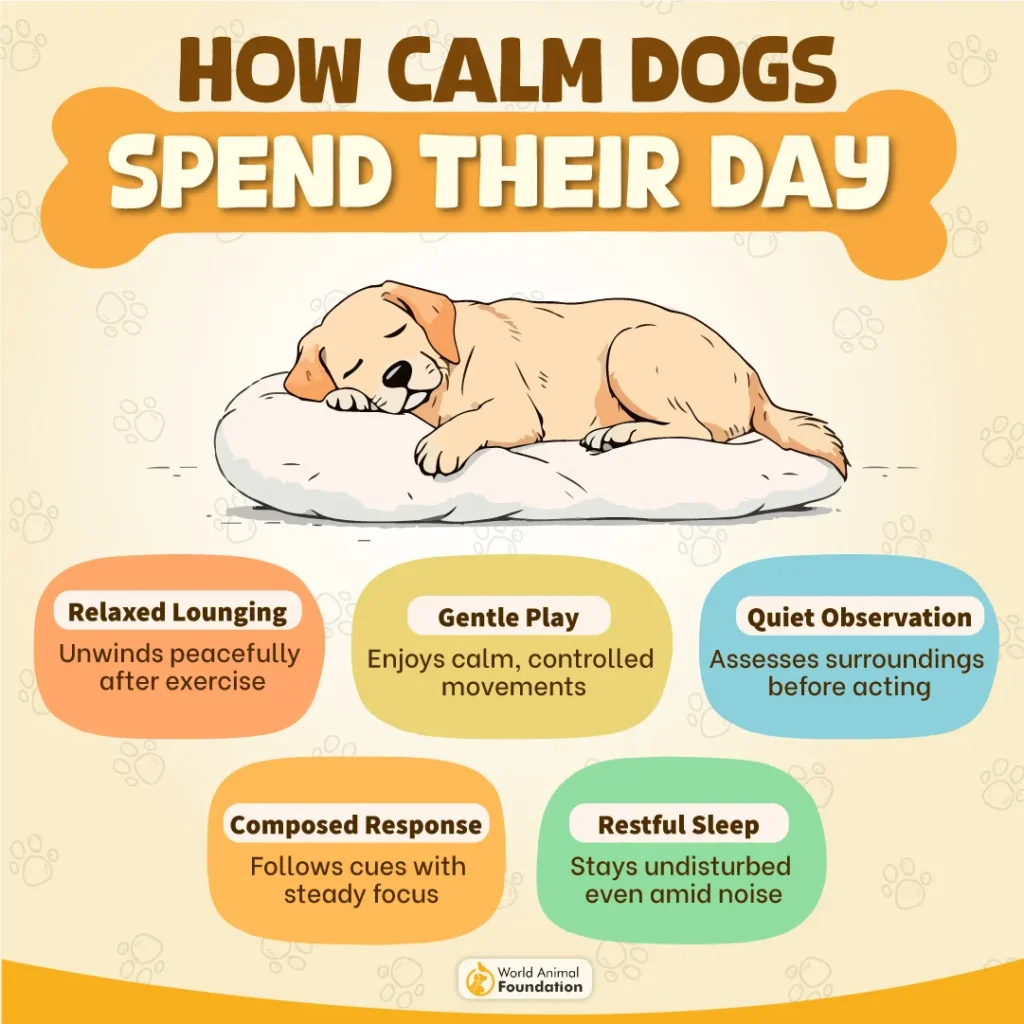
They are calm, affectionate, and deeply loyal. They often forget their size, leaning heavily into their owners or attempting lap cuddles. They are often considered one of the calmest dog breeds because of a combination of genetics, historical purpose, and traits intentionally developed over centuries.
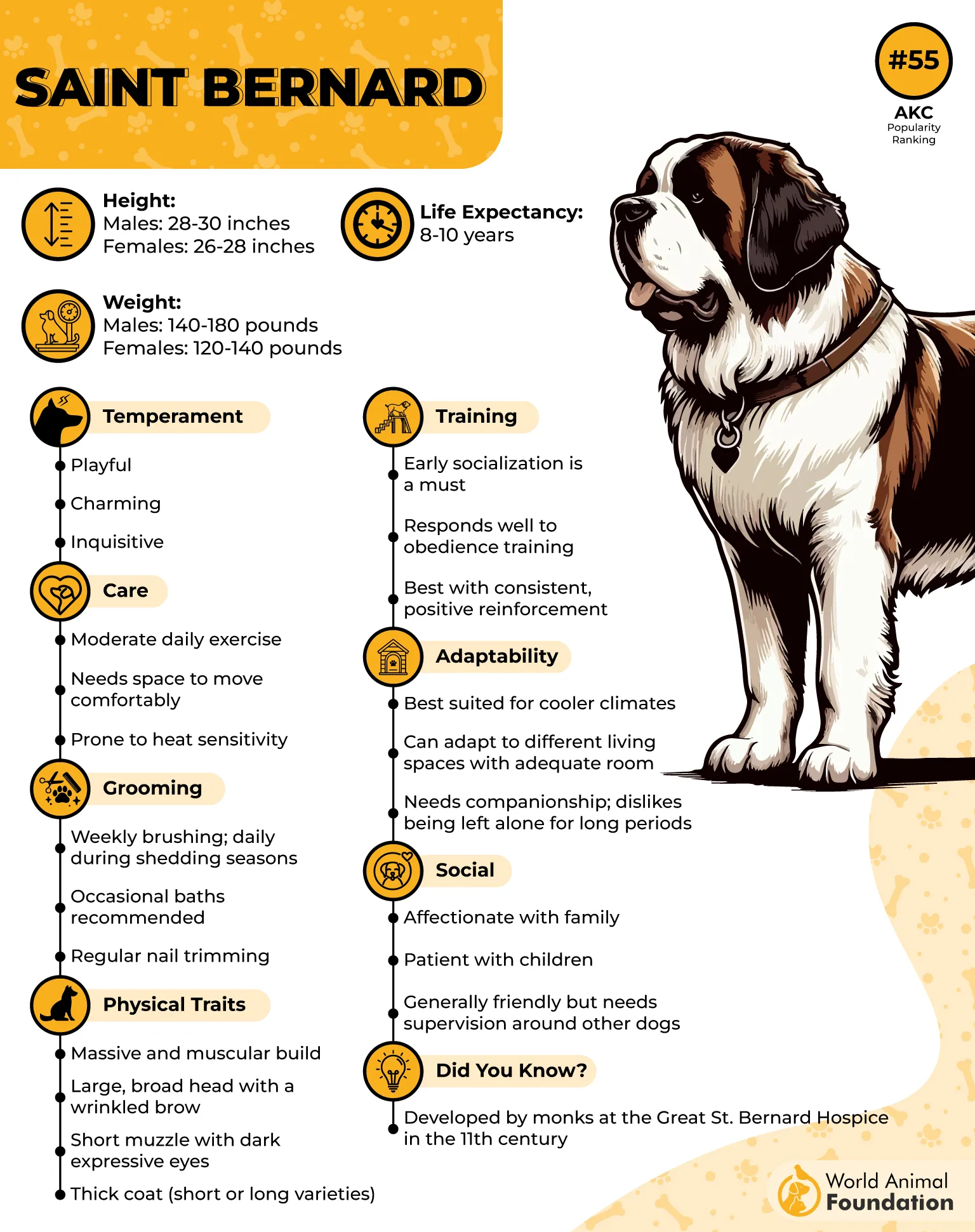
Though large, they are not hyperactive. They prefer moderate exercise and ample relaxation time. They mature into slow-moving, deliberate giants. Unlike high-strung breeds that react quickly to stimuli, Saint Bernards tend to observe before responding.
Their large size also contributes to their calmer demeanor; giant breeds often conserve energy rather than bouncing constantly like smaller, high-energy dogs.
Because of their size, PetMD says supervision of small children is important. Proper training ensures their affectionate enthusiasm doesn’t accidentally knock someone over.
For families seeking warmth — quite literally — the Saint Bernard offers protective gentleness wrapped in a massive, loving presence.
Conclusion
A slow-paced life isn’t about inactivity — it’s about balance. These breeds demonstrate that companionship, warmth, and calm presence can be just as fulfilling as boundless energy.
From the regal affection of the Cavalier to the steady loyalty of the Clumber, from the cozy devotion of the Pug to the surprising serenity of the Greyhound, each breed brings its own version of tranquility.
Choosing a dog means choosing a lifestyle partner. When your rhythm aligns with theirs, everyday moments become richer. Bernese Mountain Dog, Great Dane, Brussels Griffon, Tibetan Spaniels, and Japanese Chin are other dogs known for being charming around their pet parents.
In a world that rarely slows down, these charming breeds remind us that sometimes the greatest joy is simply sitting still — together.
