




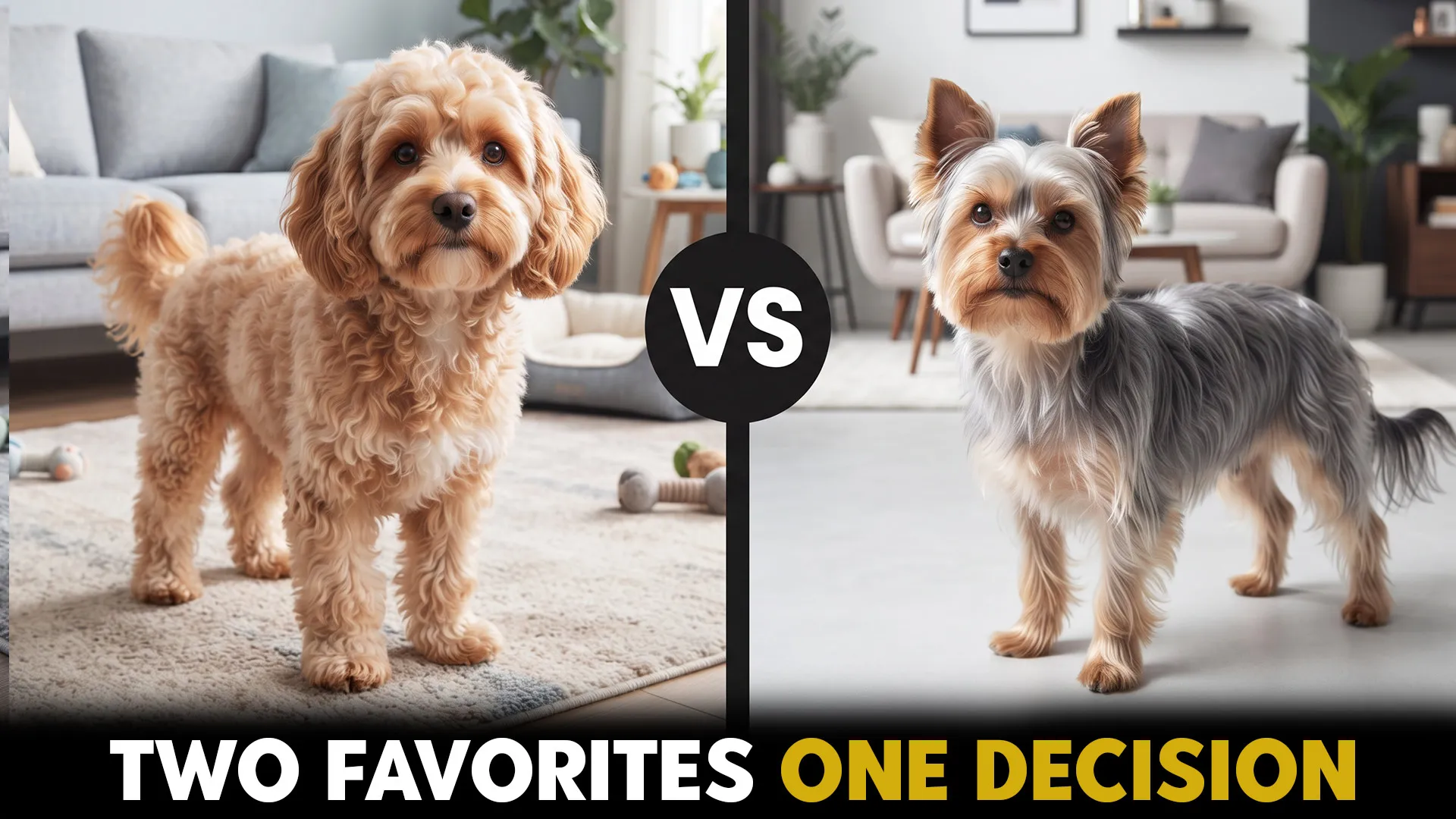
Cavapoo or Yorkshire Terrier? That’s the big question. Both are small. Both are cuddly. Both steal hearts fast. But they are not the same dog at all.
This guide covers some key differences between the Cavapoo and Yorkshire Terrier. We’ll look at size, price, and personality. We’ll cover training, grooming, and exercise too. Health facts get their own spot as well.
This post is for busy families. It’s for first-time dog owners. It’s for anyone in the U.S. who wants a small, loyal buddy. Maybe you deal with allergies. Good news: both breeds are known as low-dander, “hypoallergenic-friendly” picks. That’s a big plus for sensitive noses.
Here’s why this matters. These two breeds look similar at a glance. But their needs are quite different. Pick the wrong one, and daily life gets tricky fast.
So let’s break it all down, one paw print at a time.
Cavapoo vs. Yorkshire Terrier: Must-Know Differences
Overview
Cavapoos and Yorkshire Terriers, both dog breeds, bring their own history, look, and personality to the table.
One comes from generations of ratting work. The other was built purely for cuddles. Size, price, energy, and health needs all vary too. Some differences are small. Others are pretty huge.
Knowing them helps you pick the right fit for your home. Let’s start where every good comparison should: at the very beginning, with each breed’s origins.
Origins & Purpose
Small dogs can have surprisingly different stories. Their past helps explain their role today.
Yorkshire Terrier
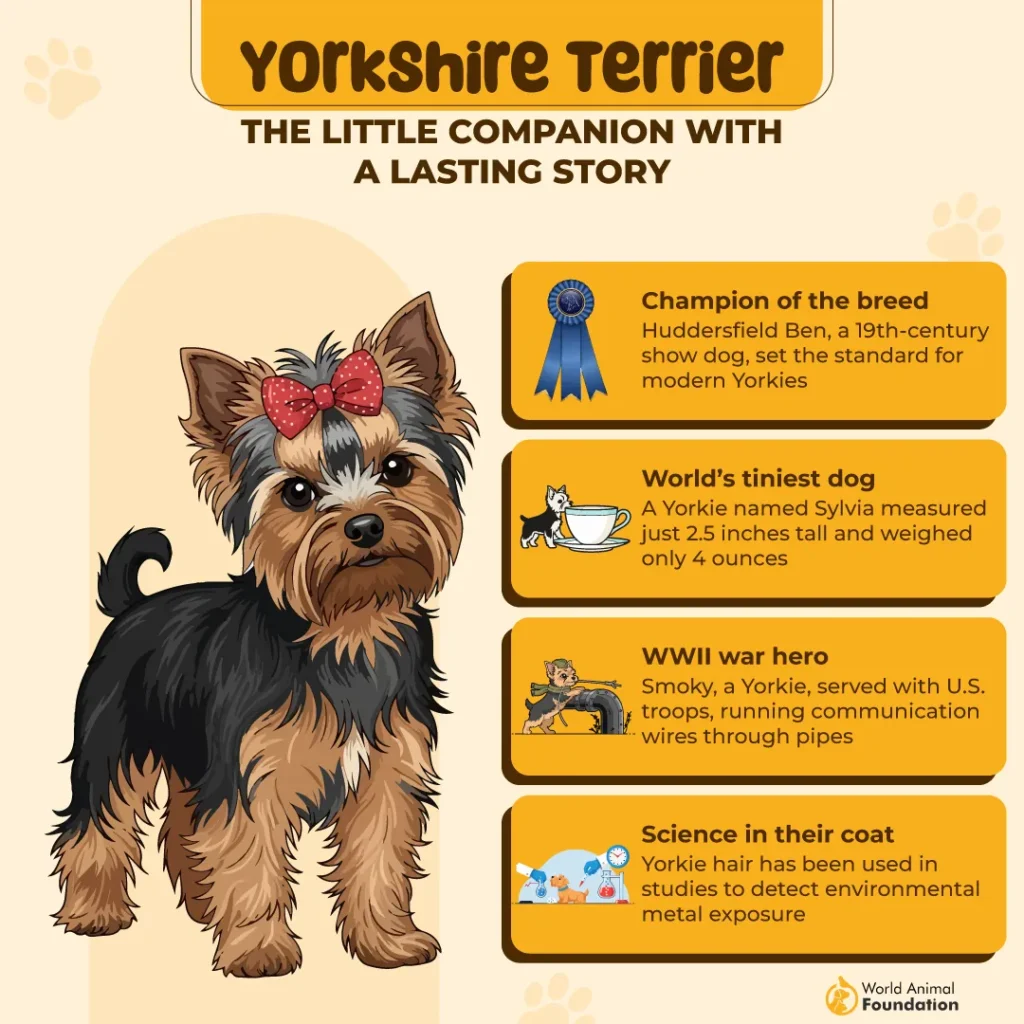
The Yorkshire Terrier began as a working dog in northern England. Its early purpose was catching rats in mines and mills. According to the American Kennel Club, this tiny Yorkie carries the heart of a feisty, old-time terrier beneath its glossy coat.
The breed later became a treasured companion among Victorian families. Despite its dainty look, the Yorkie remained tenacious, brave, and confident. That history shaped the bold spirit found in many Yorkies today.
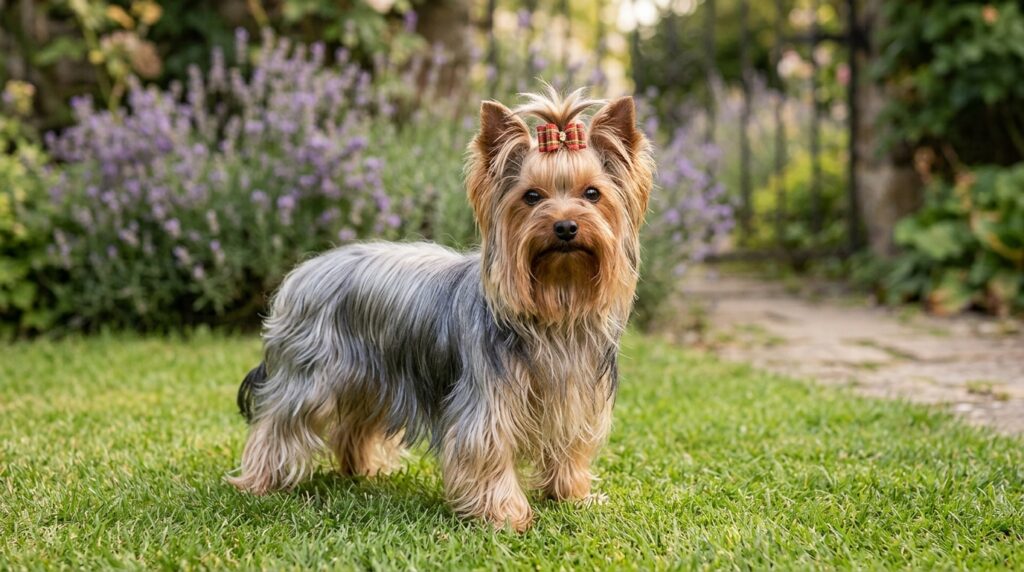
The purebred toy terrier weighs no more than seven pounds. Its silky steel-blue and golden coat became its signature look. Its small frame also made it easy to carry. Yet this was never simply a lapdog. Its working roots gave the Yorkie a strong sense of purpose.
Cavapoo
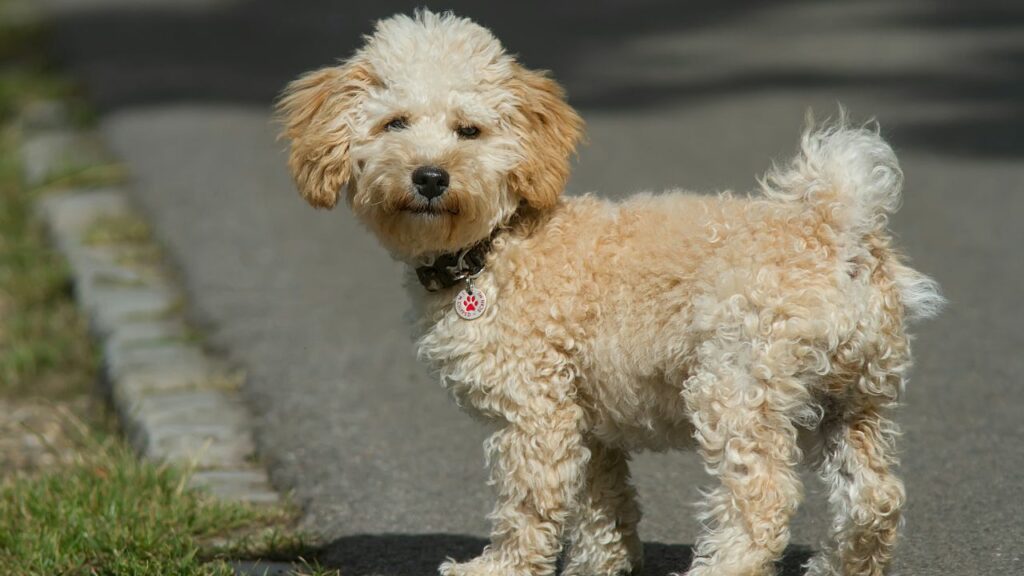
The Cavapoo has a much newer story. This small dog comes from crossing a Cavalier King Charles Spaniel with a Poodle. Breeders developed the Cavapoo mainly as a companion dog. Its parent breeds brought different qualities to this crossbreed.
The Cavalier added its companion heritage, while the Poodle contributed its clever working background. Today, Cavapoo puppies remain popular with families and individuals seeking a devoted household companion. Its main purpose has always centred on companionship and life with people.
Size & Build
Small dogs can still have noticeable size differences. The Cavapoo usually has a larger frame, while the Yorkie stays very compact.
Cavapoo
Cavapoos usually weigh about 9–25 pounds and stand around 9–14 inches tall. Their size can vary because Poodles come in different sizes. This gives Cavapoos a broader range in overall build.
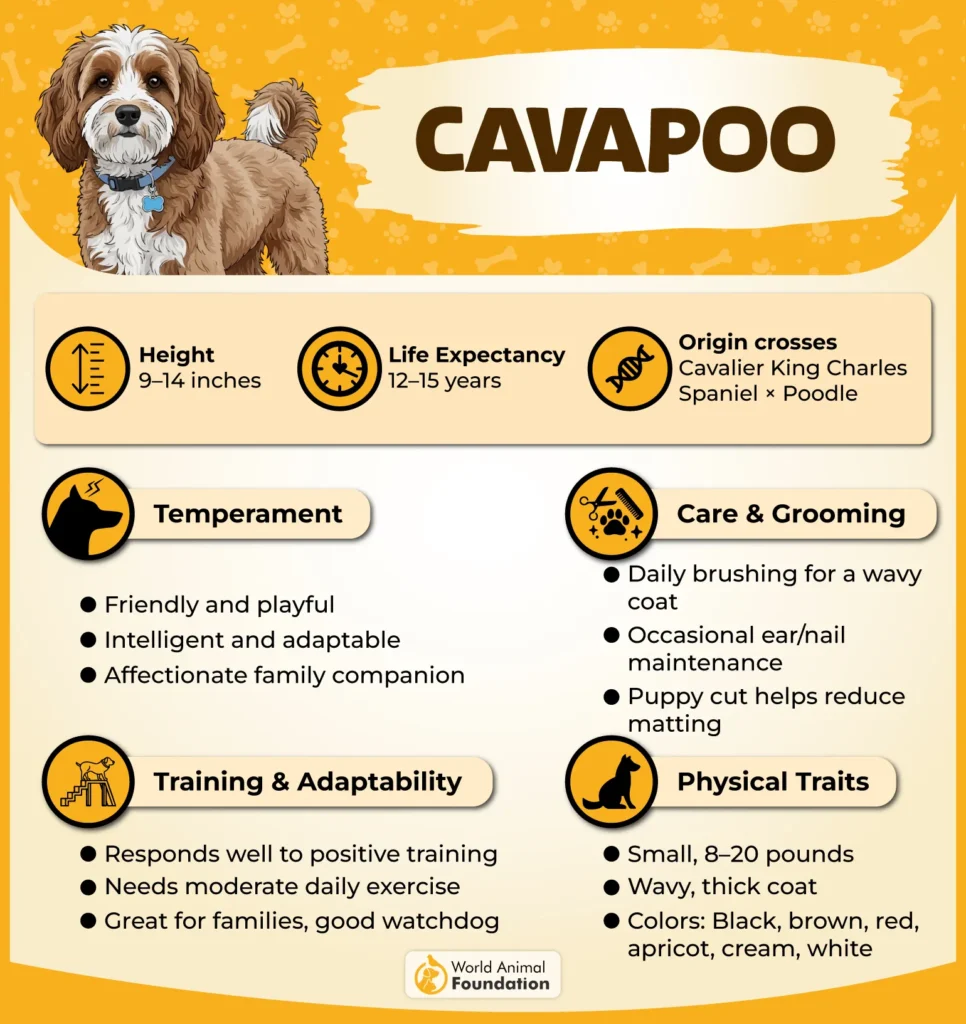
Often easier to handle than a large dog.
May need more room than a tiny Yorkie.
Size can vary between individual puppies.
A sturdier build may suit homes with older children.
Yorkshire Terrier
The Yorkshire Terrier is much smaller and more compact. Most Yorkies weigh about 4–7 pounds and stand roughly 8–9 inches tall. Their tiny frame makes them especially easy to carry and travel with.
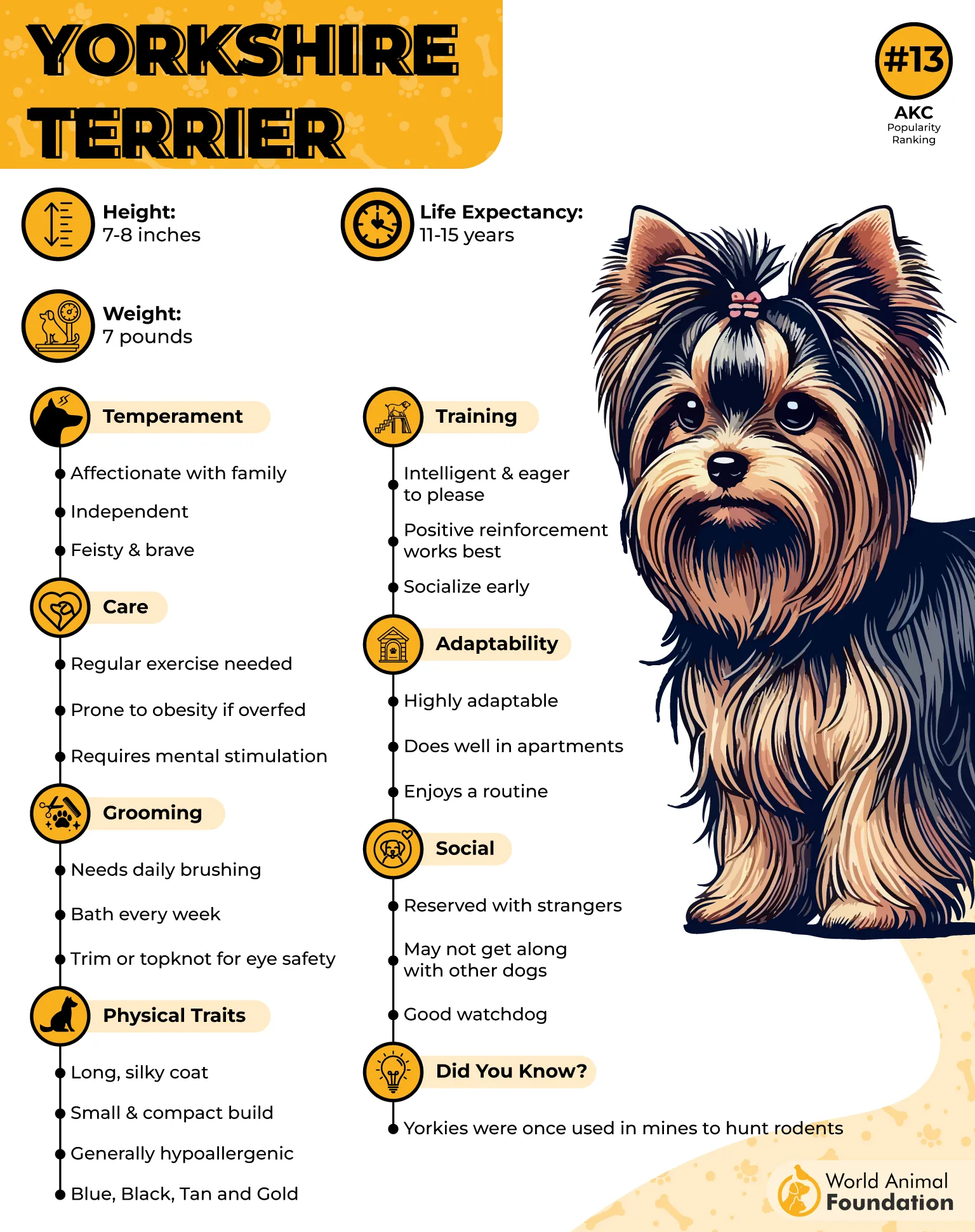
Fits comfortably into smaller living spaces.
Easy to lift when needed.
Requires extra care around a baby or young child.
Its toy-sized body makes travel more convenient.
When choosing between these breeds, consider your space and routine. A Cavapoo offers a larger small-dog build, while the Yorkie provides true portability.
Pricing & Availability
Buying a dog involves more than the initial purchase. Prices can vary widely between these two popular choices.
Cavapoo
Cavapoos can cost more because demand remains strong. This designer dog breed comes in different sizes and coat types. Those differences can affect the price, along with parent health testing and breeder reputation. Many breeders now offer Cavapoo puppies, but quality matters more than availability.
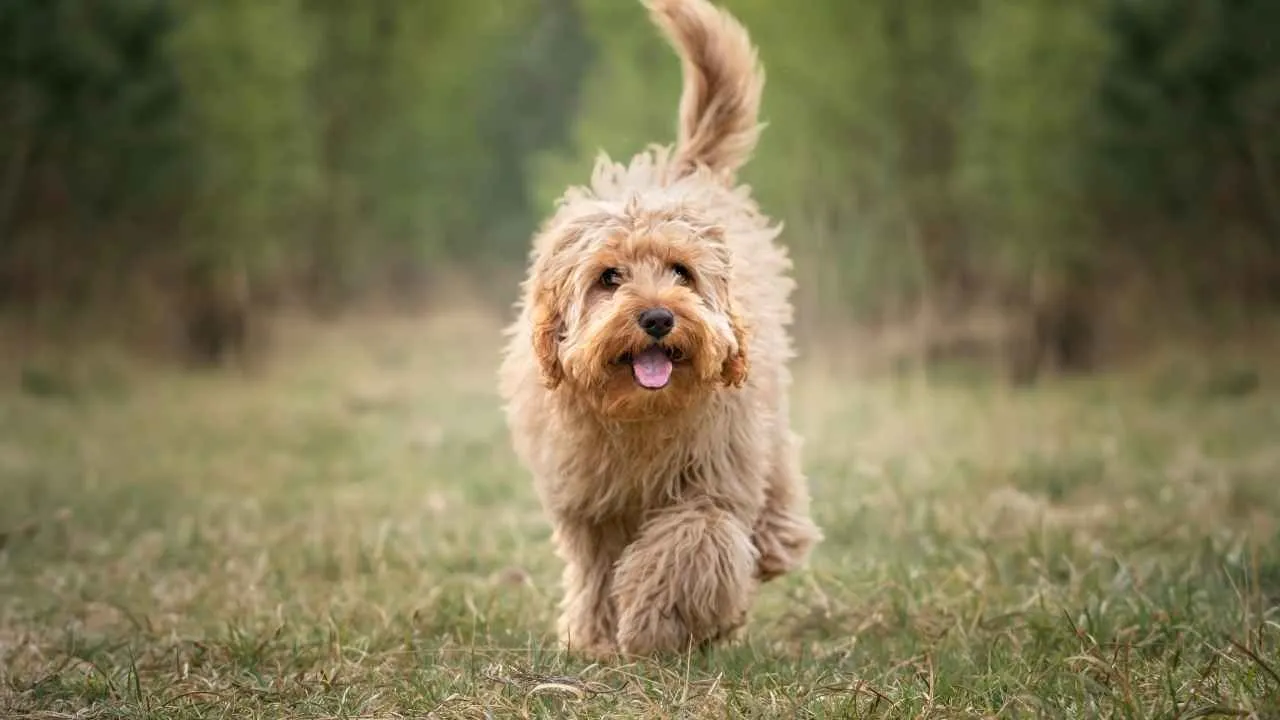
Ask about health testing for both parents.
Compare breeder practices before making a purchase.
Avoid choosing a puppy based only on price.
Yorkshire Terrier
Yorkies have a long-established purebred market. Their pedigree, registration, lineage, and breeder reputation can all influence cost. A responsible breeder should provide clear health records and answer questions about the parents.
Look Beyond the Puppy Price
The real cost continues after bringing your dog home. Budget for veterinary visits, food, grooming, supplies, insurance, and routine care. Looking at lifetime expenses can help you make a smarter choice than focusing only on the purchase price.
Temperament & Personality
Cavapoo
Cavapoos often bring an affectionate, people-loving nature into family life. They form close bonds with their human owners and usually enjoy spending time nearby. They often prefer human company yet remain friendly with others.
This makes them poor guard dogs but wonderful companions. Their gentle nature can also work well with children who handle small dogs carefully. Some Cavapoos can feel nervous when left alone. Long periods without their people may lead to anxiety and make settling down difficult.
Yorkshire Terrier
Yorkies bring a lively, confident spirit to everyday life. Their terrier roots can make them vocal, alert, and sometimes bossy. They often attach strongly to their owners and want plenty of interaction.
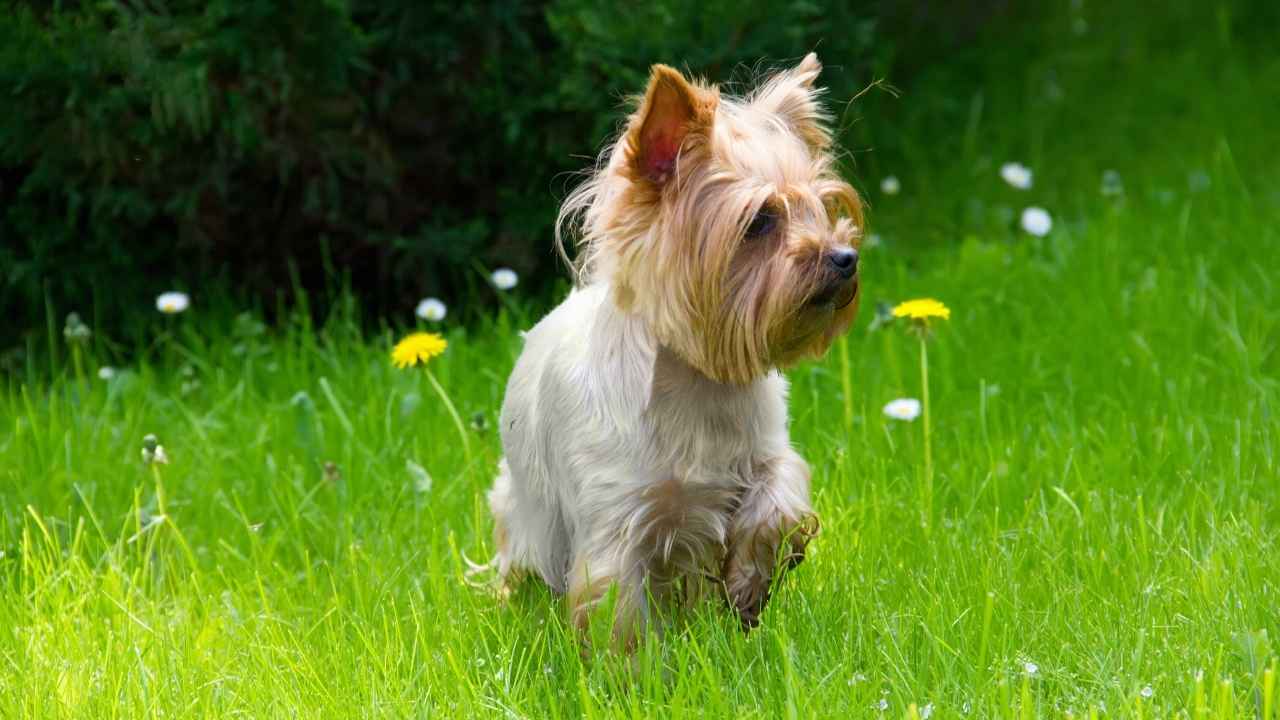
Raising a Yorkie means understanding its need for close companionship. It may even chase cats or other small animals because of its terrier instincts.
Which Personality Feels More Natural to You?
A Cavapoo suits owners wanting a softer, affectionate companion. A Yorkie fits those who enjoy a spirited little dog. Early socialization helps a breed develop calm manners and enjoy family life.
Exercise Needs & Energy Level
Small dogs still need daily movement. The right routine keeps each beautiful dog breed engaged and content.
Cavapoo
Cavapoos usually need moderate daily activity to stay happy. A brisk walk can meet much of their routine needs. Interactive play also adds useful mental stimulation.
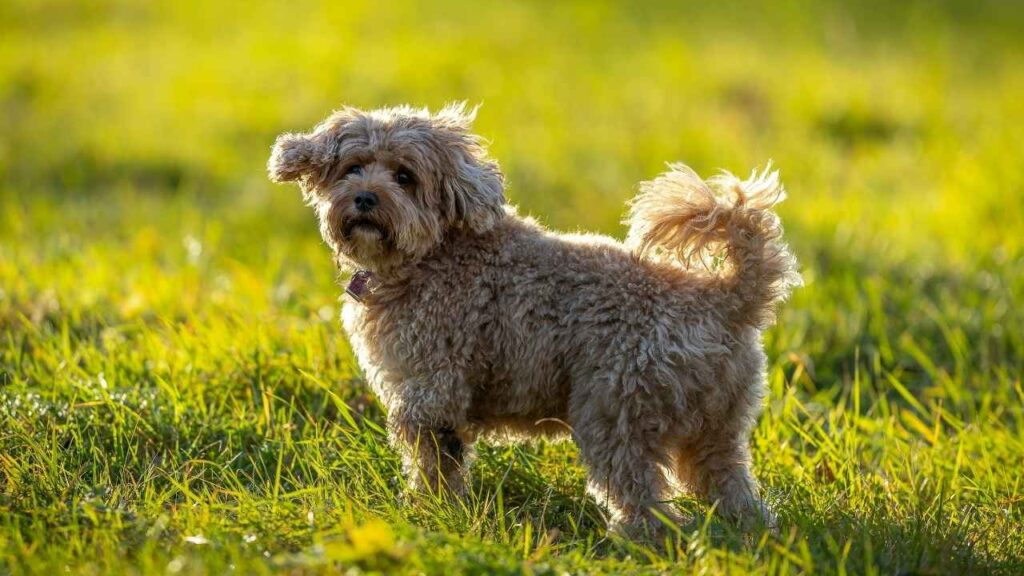
This social mix often loves dog-friendly activities with its owner. Puzzle toys and short games can also prevent boredom. A Cavapoo can enjoy an active life without needing intense workouts.
Yorkshire Terrier
Yorkies have more energy than their tiny size suggests. Britannica notes that daily walks can meet their exercise needs, even in an apartment. Short walks and indoor games can provide enough movement.
Their small bodies make a large yard unnecessary. Still, raising Yorkies requires regular opportunities to explore and play.
Match Activity to Your Routine
Apartment: Both breeds can adapt well to apartment living.
Daily schedule: Consider how much exercise you can provide.
Play: Add games when a walk alone feels insufficient.
Mental stimulation: Rotate toys to keep their minds engaged.
Cavapoo vs. Yorkies: Choose based on your normal routine.
Rest: Allow plenty of quiet time and uninterrupted sleep.
Trainability & Intelligence
Both breeds are intelligent, but each learns in its own way. Their size does not limit what they can learn.
Cavapoo
The Cavapoo mix often inherits a bright mind from its Poodle parent. PetMD describes this dog breed as eager to please, which can make training enjoyable.
Positive reinforcement works well for teaching useful behaviors. Rewarding a correct sit with praise or toys can build confidence. Gentle lessons also help keep learning relaxed and clear.
Yorkshire Terrier
Yorkies are clever and quick to notice sounds, signs, and movement. Their independent side can sometimes make lessons challenging. Short sessions can keep their attention better than long drills. A consistent approach helps them understand what owners expect.
Start With Clear, Positive Lessons
Begin with simple cues such as sit and lead manners.
Practice house rules every day.
Use positive reinforcement instead of harsh corrections.
Keep lessons short and engaging.
Introduce other people, dogs, and cats calmly.
Avoid comparing them with a large dog or other breeds.
Ensure everyone follows the same rules.
Grooming Needs & Shedding
Both breeds need regular coat care. Their hair grows continuously, so grooming remains part of a dog’s life.
Cavapoo
A Cavapoo’s coat can range from wavy to curly. Curlier coats usually need more attention to prevent knots and mats. Regular brushing helps keep the coat neat between professional appointments.
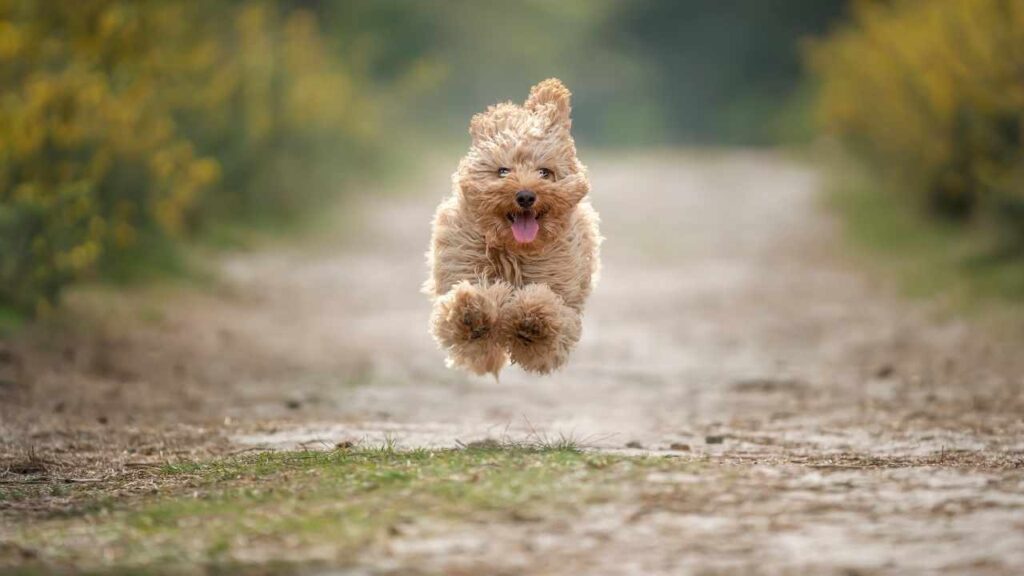
Schedule professional grooming about every four to six weeks.
Brush more often when the coat feels thick or tangled.
Check behind the ears and around the legs.
Start grooming routines during the first year.
Yorkshire Terrier
The Yorkshire Terrier has fine, silky hair rather than typical fur. PDSA recommends daily grooming to keep Yorkies’ coats in tip-top condition. Without regular care, their delicate hair can tangle easily.
Plan professional grooming every four to six weeks.
Keep the long coat trimmed for easier upkeep.
Check regularly for mats and skin problems.
Handle their weak areas, such as legs, gently.
What About Allergies?
Both are often called hypoallergenic dog breeds, but no dog is completely allergen-free. Their hair can hold dander instead of spreading it widely around the house. Regular grooming helps manage loose hair and dander, which may help some people with allergies.
Health & Lifespan
Small dogs can still face important health problems. Knowing common risks helps owners make informed choices.
Cavapoo
Cavapoos may inherit health problems from either parent breed. Progressive Retinal Atrophy can cause gradual vision loss. Mitral Valve Disease may also occur because of Cavalier ancestry.
Purina notes that Toy and Miniature Poodles can carry health problems that may pass to Cavapoo mixes. A luxating patella is another possible concern. Responsible screening can help breeders reduce inherited risks.
Yorkshire Terrier
The Yorkshire Terrier can develop hypoglycemia, especially when very young. Patent Ductus Arteriosus is another concern. This heart defect occurs when a vessel fails to close after birth.
A luxating patella can also affect Yorkies. Health history matters when choosing puppies, especially very small ones. Ask breeders honest questions about screening and family history.
Lifespan and Long-Term Care
Both breeds often live around 12–15 years. Some dogs may live longer, although neither is automatically the longest-living dog breed. Good nutrition, preventive care, genetics, and regular veterinary visits can support longevity.
Watch for changes in appetite, movement, or vision. Routine care should also include dental checks and nail care. Unlike a large dog, these breeds can seem delicate, so careful handling matters.
A healthy home routine can help reduce health problems and catch them early. Still, health problems can exist despite excellent care, so owners should prepare for possible health problems throughout their dog’s life.
Which Loyal Companion Matches Your Personality?
Your lifestyle should guide this choice more than appearance. Each breed offers a different combination of needs, habits, and companionship.
A Cavapoo May Suit You If:
A Cavapoo can work well for people seeking a gentle household companion. Its slightly larger size may feel practical for some families.
You prefer an affectionate and people-focused dog.
You enjoy interactive activities with your pet.
You want a small dog with a sturdier frame.
You can provide company during the day.
You are ready for consistent training.
A Yorkshire Terrier May Suit You If:
Yorkies suit owners who enjoy a tiny dog with plenty of character. The Yorkshire Terrier can adapt well to compact homes and travel, as noted by Wikipedia.
You prefer a very portable companion.
You enjoy playful indoor activities.
You like an alert and expressive dog.
You live in a smaller house or apartment.
You can maintain regular coat care.
Think Beyond Appearance
Consider your schedule, budget, home, and community. Ideally, choose the breed that naturally fits your everyday life.
Plan for colder weather and comfortable indoor rest.
Consider your dog’s sleep and nighttime routine.
Think about how much companionship you can provide.
Choose a variety of activities that suit your dog’s needs.
Conclusion
Choosing between a Cavapoo or Yorkshire Terrier depends on your lifestyle. Neither breed is equally suited to every home. A Cavapoo can be a great choice for owners wanting an affectionate, family-focused companion. A Yorkie may fit people who prefer a tiny, lively, and confident dog.
Both need regular grooming, thoughtful care, and health screening. Good research can also help you find responsible breeders and understand potential health concerns. Your experience, schedule, budget, and home environment all matter.
If you want a softer, people-focused companion, the Cavapoo may be worth considering. If you prefer a spirited, compact dog, the Yorkie could be the better fit. Even a single owner can enjoy either breed. The best choice is the dog whose needs naturally fit your life.
