




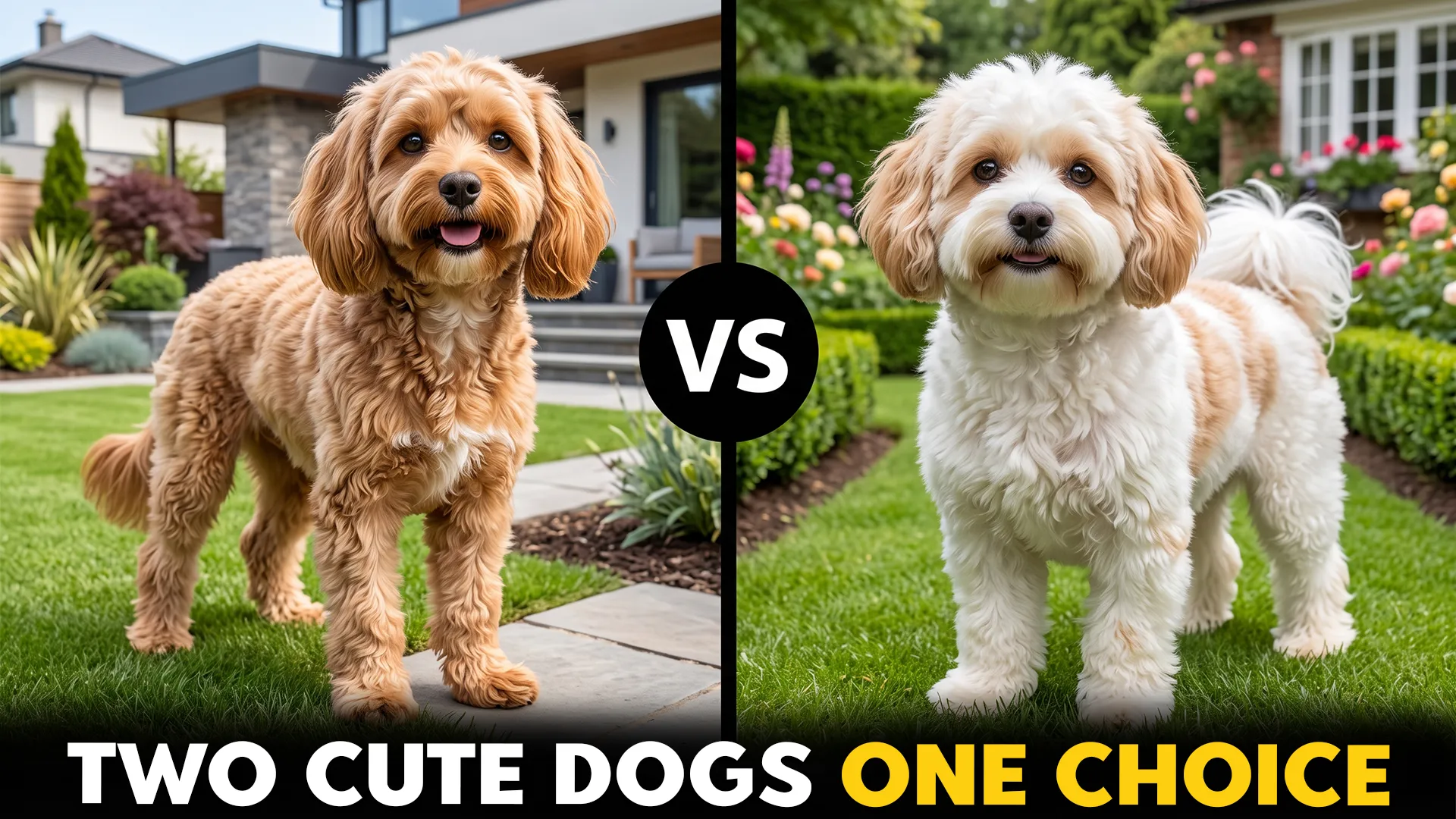
Mixed breeds have a unique charm. They sport the best physical and behavioral traits of their parent dogs. Both the Cavapoos and Cavachons are mixed breeds, having one parent in common, and that is the Cavalier King Charles Spaniel.
When it comes to Cavapoos and Cavachons, the first thing that comes to our mind is that they are two separate dogs. And this is absolutely true. Cavapoos were originally bred by cross-breeding Cavaliers with Poodles, while Cavachons are a mix of Cavaliers and Bichon Frises.
However, both breeds share many similarities with each other. Both are small dogs with an affectionate nature. The two breeds are very friendly and get along nicely with everyone, including kids, other pets, and even strangers.
Here are some major differences between Cavapoos and Cavachons.
Cavapoo vs. Cavachon: Main Key Differences
Size & Build Differences
While both the Cavachons and Cavapoos are small dogs, there are some key differences between their size and build.
A Cavachon can be a first cross between one Cavalier King Charles Spaniel and one Bichon Frise parent. They can also be bred back to one of the original parents or be two Cavachons bred together, according to Purina. So there are varieties in size and shape.
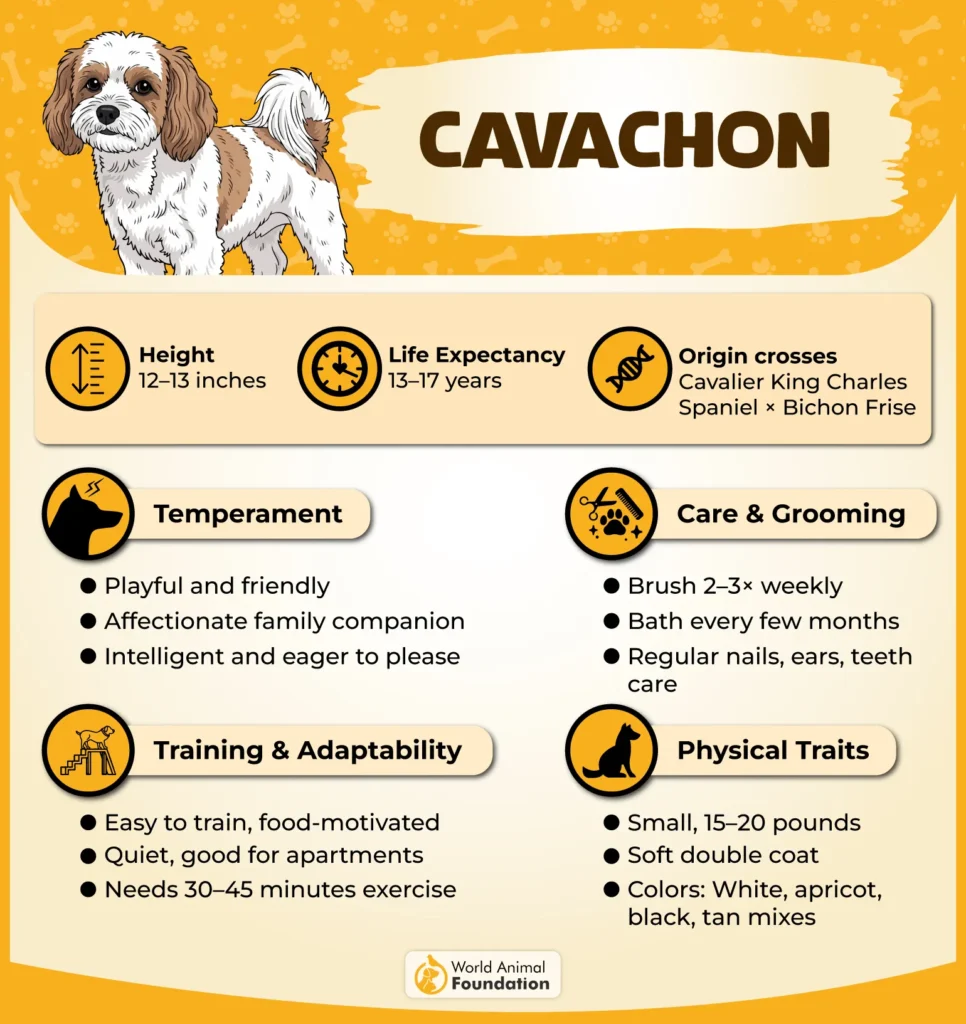
Cavachons are slightly smaller than Cavapoos, having an average height of 10 to 13 inches and a weight between 10 and 18 pounds. They are a bit stockier and sturdier than Cavapoos.
Cavapoos, on the other hand, have a relatively more agile and athletic build due to their Poodle parentage. Like Cavachons, these designer dogs can also be a direct cross between a Cavalier and a Poodle, two Cavapoos, or a Cavapoo and a Cavalier or Poodle parent.
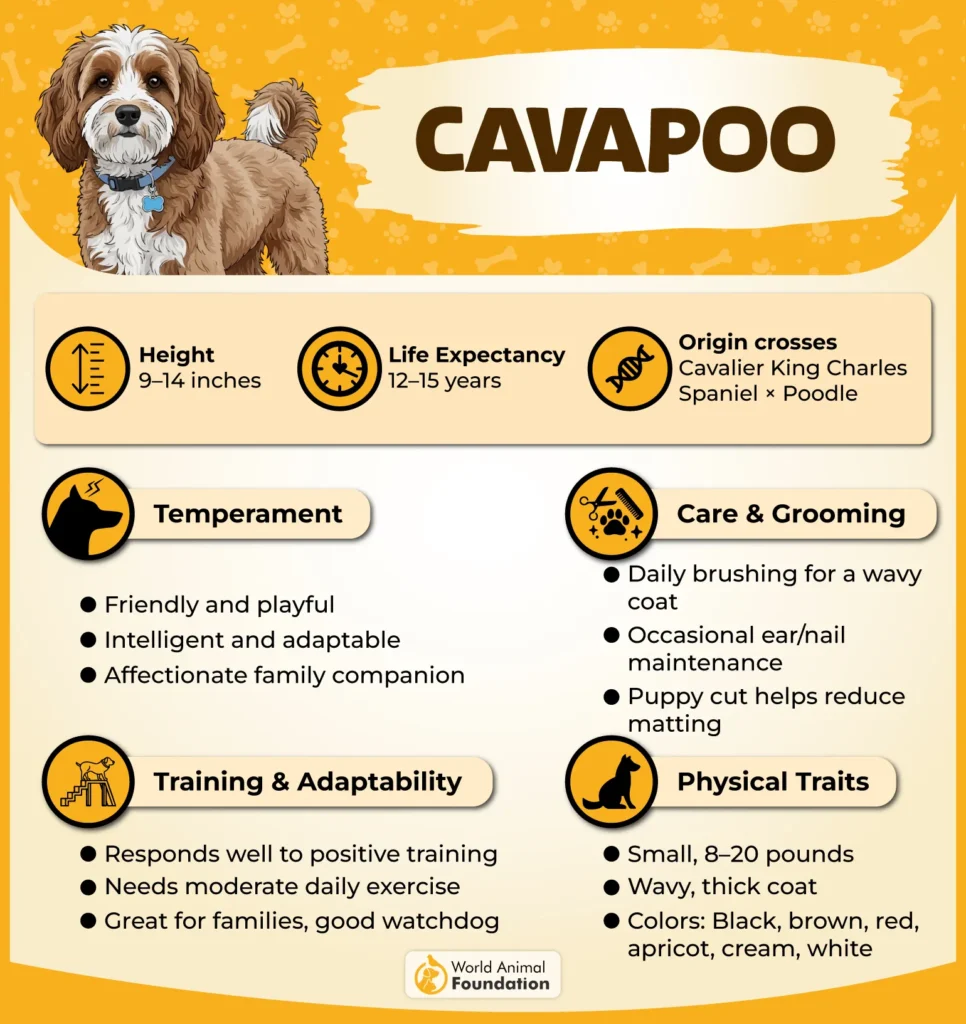
Cavapoos can also be available in different sizes. However, they usually grow up to 9 to 14 inches and can weigh between 8 and 25 pounds.
Temperament & Personality
Both the Cavachons and Cavapoos inherit many similar personality traits from their common parent, the Cavalier King Charles Spaniel. However, there are some key differences between Cavapoos’ and Cavachons’ temperament.
Both breeds are known for having a friendly and affectionate nature. However, Cavachons are more playful than the easygoing and relaxed Cavapoos.
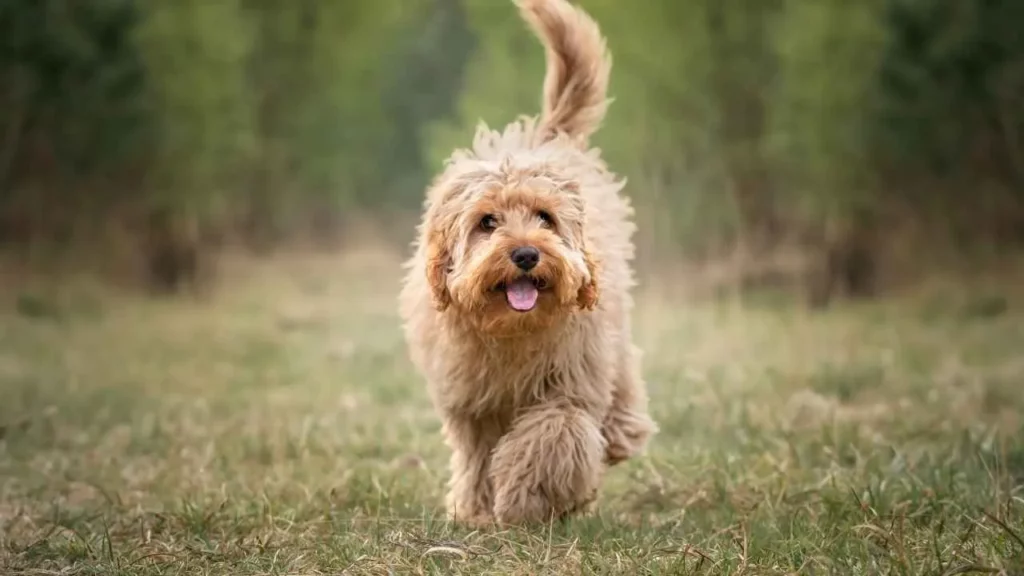
Cavachons have happy and fun-loving personalities. Having a gentle temperament, these little pups crave attention and affection from their favorite people. While they have a tendency to bark at strangers, Cavachons make new friends easily and enjoy curling up in their owner’s lap.
Cavachons are designed as companion breeds, so they make loving family pets. In a nutshell, a Cavachon’s temperament is a blend of a Cavalier’s gentle demeanor and a Bichon Frise’s playful energy.
A Cavapoo’s temperament is very sweet and adaptable. PetPlan describes Cavapoos as extremely social dogs that form strong attachments with their people. These people-oriented dogs can develop separation anxiety when left alone for extended periods.
Thanks to their gentle temperament, Cavapoos make excellent therapy dogs. Since they can adjust well to a variety of living situations, they are a great choice for first-time dog owners.
Exercise & Energy Levels
Part of the difference between their personalities comes from the difference in their energy levels. Both Cavapoos and Cavachons differ slightly in their energy and exercise needs.
Cavachons have relatively high energy levels. They need at least an hour of daily activity for physical and mental stimulation.
Cavachons enjoy training sessions and interactive games with their owners. You can take them for a romp in the park or play games of fetch with them. Unresolved energy may lead to yappiness.
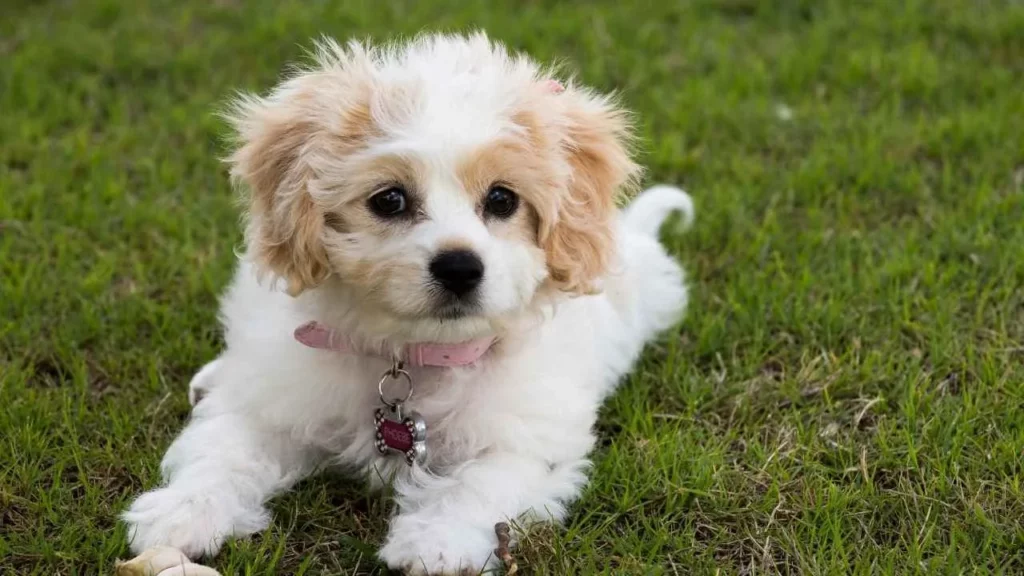
The energy levels in Cavapoos depend on their generations. F1 Cavapoos (direct offspring of a Poodle and a Cavalier) have balanced energy levels. Similarly, F2 Cavapoos (offspring of two Cavapoos together) are laid back to moderately energetic.
Having a calm temperament, Cavapoos need moderate daily exercise for physical and mental stimulation. They love daily walks with their owners and enjoy playing games of fetch. Cavapoos are athletic enough to take part in dog sports like agility, obedience, and rally.
Training & Intelligence
Both Cavapoos and Cavachons are intelligent and eager-to-please dogs that respond well to positive reinforcement training. However, they vary slightly in their intelligence and trainability.
Cavachons have moderate to high trainability. Early socialization is important to turn Cavachons into well-mannered and well-behaved family pets. Basic obedience training can include commands like sit, stay, and come. Training sessions should be kept engaging and short.
Cavapoos have moderate trainability. They benefit from the intelligence of both Cavalier King Charles Spaniel and Poodle parents and are known for their quick problem-solving abilities. Like Cavachons, they also do well in basic obedience training.
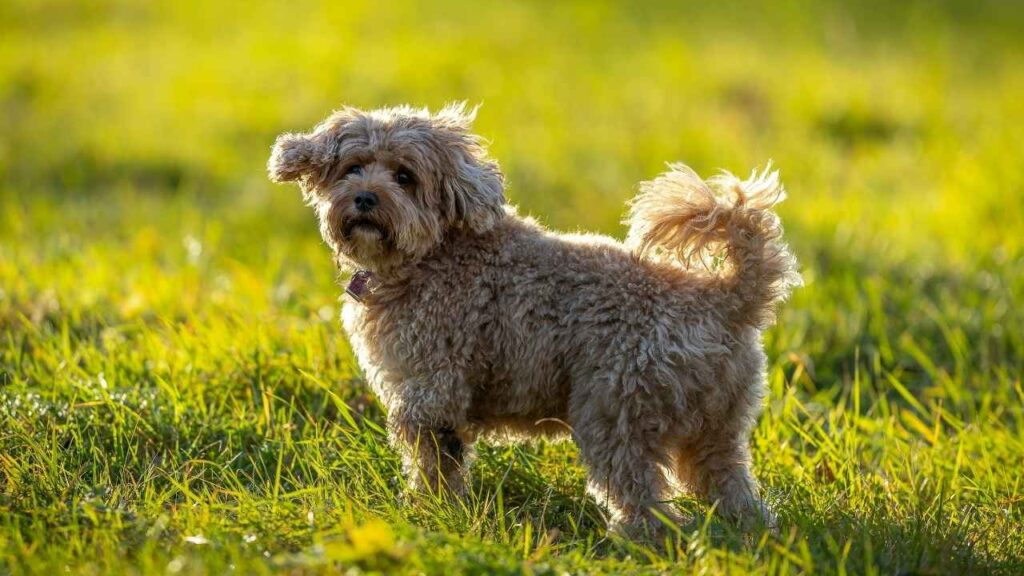
They enjoy mental stimulation and have high emotional intelligence. Cavapoos are capable of understanding changes in their owner’s moods and emotions.
Vocal Behavior
Both the Cavapoos and Cavachons have different vocal tendencies. However, Cavapoos tend to be more alert and inclined to bark when they sense unfamiliar activities.
Cavachons may bark at strangers occasionally. On the other hand, Cavapoos may bark due to several reasons. Barking may be their way of showing excitement, saying hello, or alerting you to the doorbell. The two breeds may also bark due to separation anxiety.
Coat & Grooming
Both Cavachons and Cavapoos have hypoallergenic, low-shedding coats. Let’s explore some differences between the coats and grooming needs of the two breeds.
Cavachon coats can be somewhat unpredictable, especially if they are a first-generation pup. However, they usually have a soft and curly coat that requires regular grooming to prevent mats and tangles. Daily brushing is recommended to keep it looking its best.
Coat colors can vary from white, cream, ruby, and apricot, to black and tan, blenheim, bi-color, and tri-color.
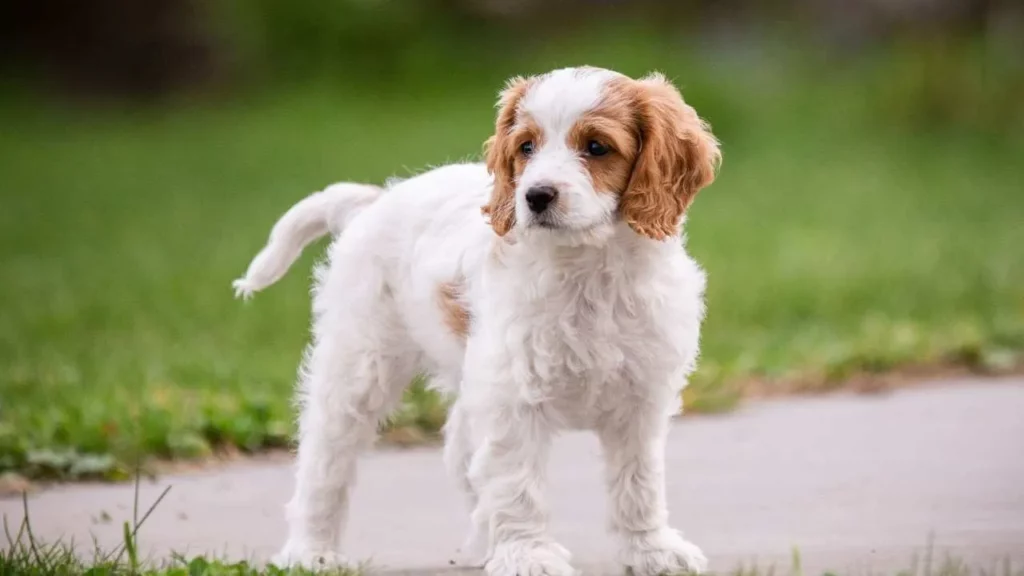
Cavapoo coats also come in a wide variety of colors, lengths, and textures, depending on the dominance of parental genes. The grooming regime depends on the type of coat inherited. PetMD mentions that their coat requires regular grooming to prevent mats and tangles.
Professional grooming every 4 to 6 months is also recommended. Cavapoo coat colors can range from red to apricot, blenheim, white, or black.
Apart from coat care, the two breeds also require regular brushing, nail trimming, and ear cleaning to stay healthy and infection-free.
Health Issues & Lifespan
Both Cavachons and Cavapoos are healthy and hardy little hybrids, having a long lifespan. Being crossbreds, they both benefit from hybrid vigor.
Cavachons generally have a lifespan of 10 to 15 years. They are generally healthy, but predisposed to certain health problems such as dental disease, eye problems, patellar luxation, mitral valve disease (MVD), and collapsing trachea.
On the other hand, Cavapoos tend to live for 12 to 15 years. Like all other purebred as well as designer breeds, they are also prone to certain health issues, such as hip dysplasia, patellar luxation, Syringomyelia and Chiari-like malformation, and eye diseases.
Conclusion
The two designer breeds, Cavapoos and Cavachons, combine the best of their parents. Cavachons are a hybrid mix of Cavaliers and Bichon Frise, while Cavapoos are obtained by crossbreeding Cavalier King Charles Spaniels with Poodles.
Both breeds are intelligent, affectionate, friendly, and easygoing. However, Cavachons are more energetic and playful than Cavapoos. Thanks to their compact size and adaptable personalities, both dogs are well suited for apartment living.
The hypoallergenic qualities of both breeds make them ideal pets for allergy sufferers. When provided adequate training and regular exercise, Cavachons and Cavapoos make loving family dogs.
