




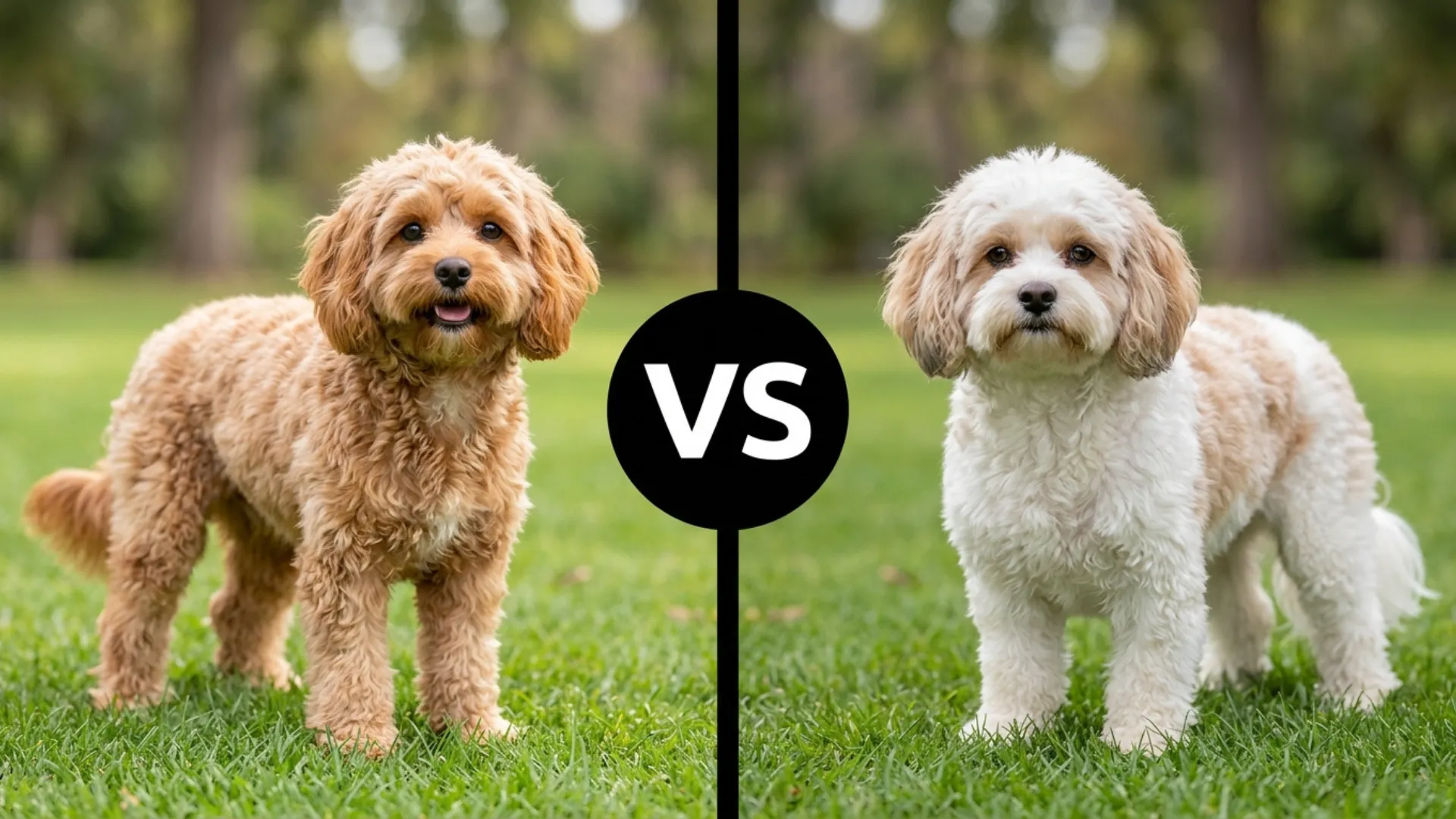
Choosing between a Cavapoo and Cavachon can feel like picking between two equally adorable personalities. Both combine the beloved Cavalier King Charles Spaniel with another small breed, creating affectionate companions known for their friendly nature and adaptability.
Yet, look beyond their similar names and charming faces, and the differences become clearer. Cavapoos often lean toward a relaxed, people-focused temperament, while Cavachons can bring more playful energy and a greater tendency to vocalize. Their individual personalities, however, can still vary.
So, which one better suits your home? A side-by-side temperament comparison can reveal how these hybrids differ in energy, trainability, sociability, affection, and everyday behavior—helping you choose the companion that fits your lifestyle best.
Cavapoo vs. Cavachon: Side-by-Side Temperament Comparison
1. Origins & Purpose
The Cavapoo emerged in Australia during the 1990s by crossing the Cavalier King Charles Spaniel with the Miniature Poodle. Developed as a designer companion, this hybrid blends the Cavalier’s affectionate nature with the Poodle’s intelligence and versatility.
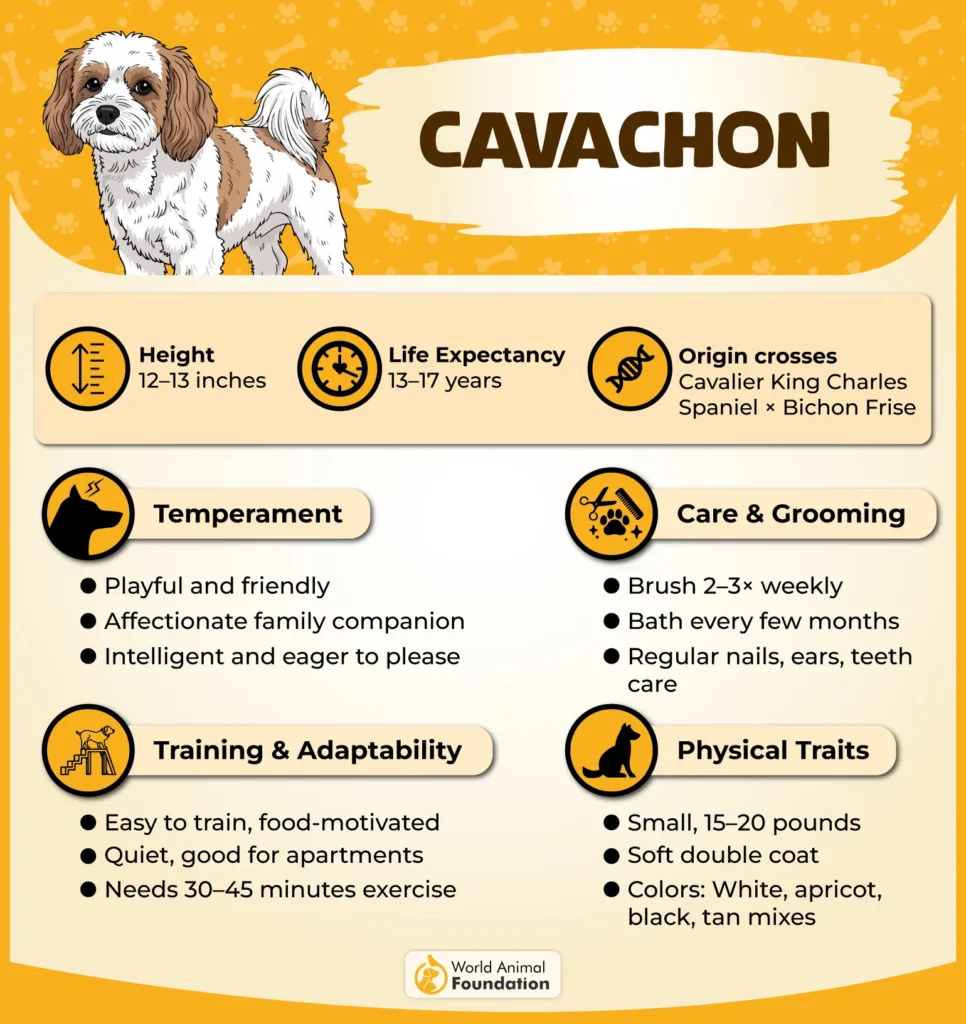
The Cavachon also traces back to the 1990s, originating in North America from the Cavalier King Charles Spaniel and Bichon Frise. Its development focused on creating a cheerful, cuddly companion with an energetic and playful personality. According to Purina, the Cavachon is a mixed-breed dog.
Although both hybrids share the Cavalier as a parent, their second parent gives them distinct foundations. The Poodle contributes to the Cavapoo’s character, while the Bichon Frise helps shape the Cavachon’s lively, adventurous temperament.
2. Size & Build
The Cavachon generally has a sturdier build than the Cavapoo, although both remain small companion dogs. Their sizes overlap, but the Cavachon tends to have a slightly larger overall frame.
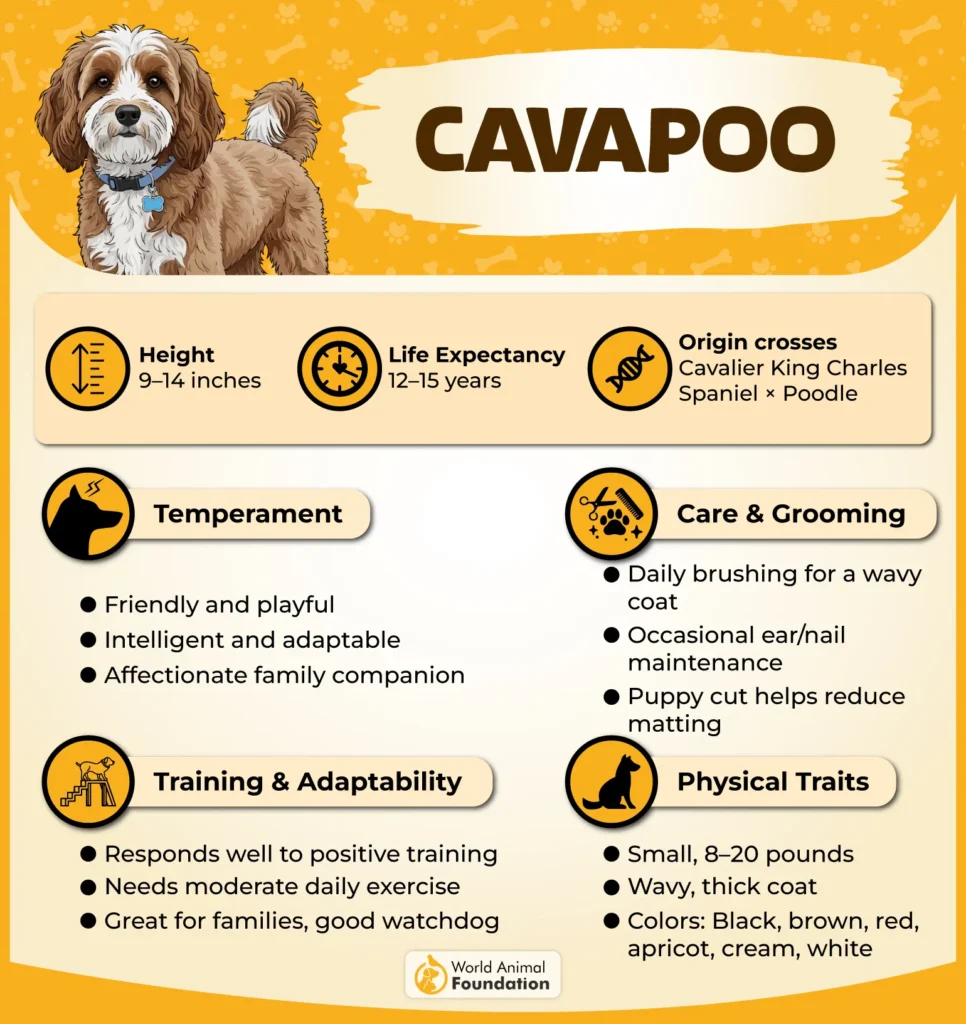
A Cavachon can weigh about 13–18 pounds, while a Cavapoo may range from 7–12 pounds. Height also differs at the smaller end, with Cavapoos reaching around 9 inches and Cavachons starting closer to 12 inches.
Both breeds have a soft, fluffy appearance that adds to their cuddly appeal. However, their coats create a subtle difference in build and texture: Cavapoos often inherit a curlier Poodle-like coat, while Cavachons typically have a softer, wavier coat.
3. Pricing & Availability
Cavapoos often cost around $1,500–$3,500, with pricing influenced by the breeder, location, and whether the puppy is F1, F1b, or F2. Availability can also vary, although local shelters may occasionally have Cavapoos needing homes.
Cavachon puppies from responsible breeders can cost up to $2,700. Finding one may require contacting reputable breeders in advance, as availability depends on litter schedules and local demand.
Beyond the puppy’s purchase price, both breeds require initial spending on essentials such as food, bedding, bowls, toys, and walking equipment. Ongoing expenses include vaccinations, parasite prevention, insurance, food, and grooming.
4. Temperament & Personality
Cavapoos are gentle, affectionate companions with a calm, easy-going temperament. They enjoy cuddling, family time, and relaxed play, making them especially suited to households with younger children. According to PetMD, this breed is an exceptionally adaptable family dog.
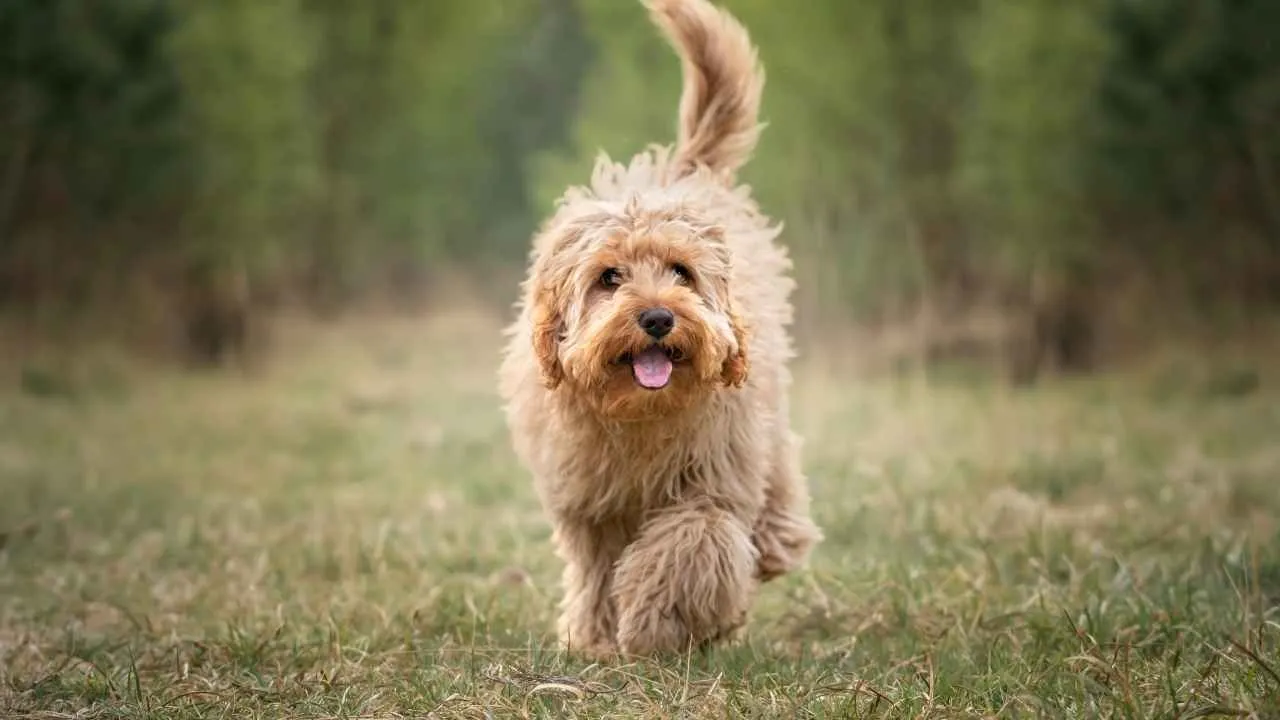
Cavachons bring a livelier personality to the comparison, combining friendliness with plenty of playful energy. They enjoy meeting people, interacting with other dogs, and staying busy with games and outdoor activities.
Both breeds are social, loving, and generally non-aggressive, but their energy levels set them apart. The Cavapoo favors a laid-back routine, while the Cavachon thrives in an active home where play, exercise, and adventure are part of daily life.
5. Exercise Needs & Energy Levels
Cavapoo: Cavapoos have moderate energy and typically enjoy daily walks, play sessions, and interactive games. Those with stronger Poodle traits may need more activity and mental stimulation to stay content.
Cavachon: Cavachons can have higher energy, requiring daily walks and play to stay healthy and entertained. Without enough activity, boredom may contribute to excessive barking or other unwanted behaviors. According to Hill’s Pet, Cavachons are generally easygoing and good-natured.
Both breeds benefit from regular exercise and positive training, but their routines can differ slightly. Cavapoos often suit active families seeking varied activities, while Cavachons can thrive with regular exercise followed by plenty of relaxed companionship.
6. Trainability & Intelligence
Cavapoos often stand out for their sharp minds, thanks to their Poodle heritage. They can grasp commands quickly and usually enjoy learning tricks, obedience skills, and agility exercises.
Cavachons are intelligent and capable learners, though they may approach training with a more relaxed attitude. Gentle, positive reinforcement helps keep them engaged and willing to participate.

For both breeds, short, enjoyable sessions paired with treats, praise, and mental games can make training more effective. Cavapoos generally have a slight advantage when it comes to learning new tasks quickly.
7. Grooming Needs & Shedding
Cavapoos typically have wavy to curly coats that demand more upkeep, particularly when their hair takes after the Poodle. Daily brushing can help prevent curls from tangling and forming mats.
Cavachons generally have softer, wavier coats that are somewhat easier to maintain. Brushing two to three times weekly can help control tangles, remove loose hair, and keep the coat manageable.
Both breeds are considered low-shedding, but neither can be guaranteed to be hypoallergenic because their coats can vary depending on the traits inherited from their parents.
8. Health & Lifespan
Cavachons are generally healthy and can live around 10 to 15 years with consistent preventive care. However, hip dysplasia, ear infections, heart disease, allergies, and eye problems may affect some dogs.
Cavapoos typically have a slightly longer lifespan of 12 to 15 years. Their potential health concerns include hip dysplasia, patellar luxation, progressive retinal atrophy, bladder stones, and certain heart conditions.
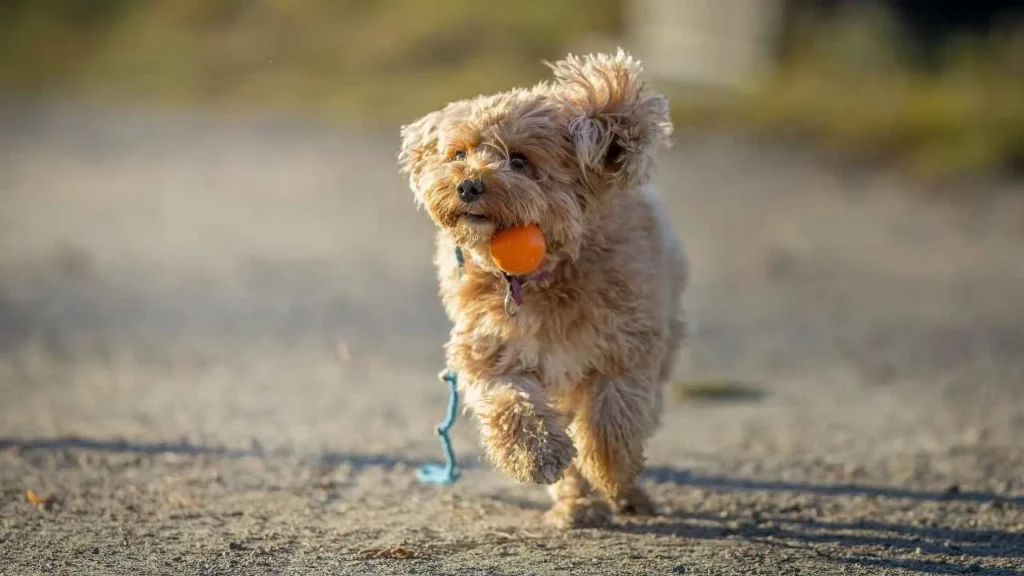
For both breeds, regular veterinary examinations, nutritious food, appropriate exercise, and routine grooming can support overall wellness. Cavachoons may warrant extra attention to their ears and heart, while Cavapoos can benefit from monitoring their joints and eyes.
9. Cavapoo vs. Cavachon: Which Loving Pup Is Right for Your Family?
Both breeds are affectionate, intelligent companions that bond closely with their families and can suit first-time owners. Their friendly temperaments also make them generally comfortable around children and other pets.
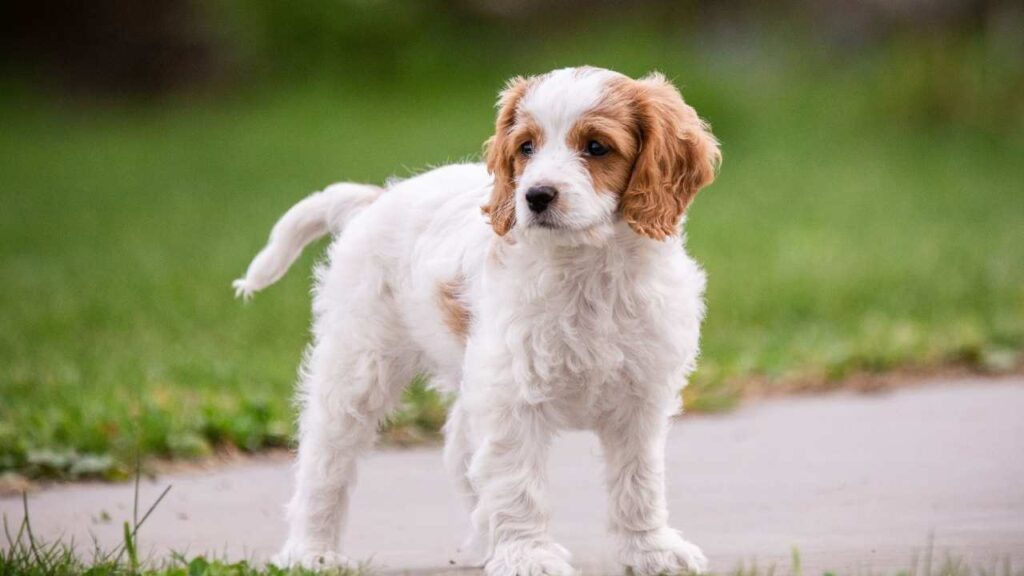
The Cavapoo tends to be more playful and energetic, making it a better match for families who enjoy training, games, and interactive activities. Its Poodle heritage may also contribute to a lower-shedding coat.
The Cavachon usually has a calmer, more gentle personality and may happily settle beside you after a leisurely walk. It can be especially appealing to families or individuals seeking a gentle companion with a relaxed temperament.
Conclusion
Choosing between a Cavapoo and Cavachon ultimately comes down to the kind of companionship your family wants. Both breeds are affectionate, intelligent, adaptable, and capable of forming strong bonds with their owners, making either a loving addition to the right home.
The Cavapoo may appeal more to active families who enjoy playtime, training, and mental stimulation. Its playful personality and lower-shedding qualities can also be attractive to some households. The Cavachon, meanwhile, tends to be gentler and more relaxed, making it a fitting choice for those who prefer leisurely walks and plenty of cuddles.
Consider your family’s activity level, living environment, grooming preferences, and ability to provide consistent care before deciding which charming companion best matches your lifestyle.
