




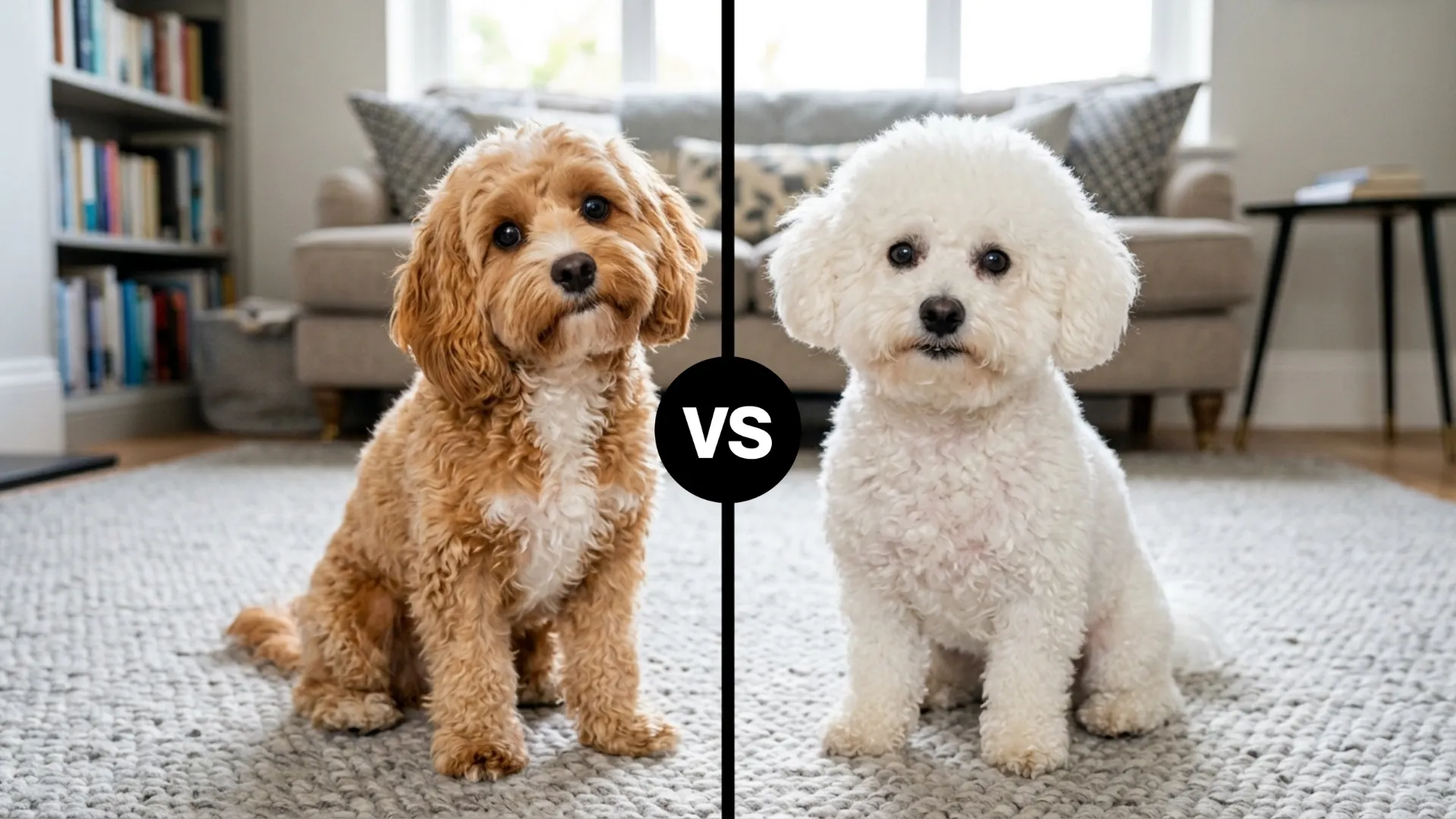
A small companion dog can feel deceptively simple until you look beyond the adorable faces and fluffy coats. The Cavapoo and Bichon Frise both have the charm to win hearts, but living with either comes with its own rhythm of grooming, exercise, training, companionship, and everyday care.
The Cavapoo combines the affectionate nature of the Cavalier King Charles Spaniel with the intelligence of the Poodle, while the Bichon Frise has spent centuries charming families with its cheerful, playful personality.
Both can fit comfortably into family life and smaller homes, yet they are not interchangeable when it comes to what owners can expect day-to-day.
So, which one is actually easier to manage? From grooming demands and trainability to energy levels, health considerations, and their need for human company, this comparison explores where these two lovable breeds differ and which one may better suit your lifestyle.
Key Takeaways
Cavapoos and Bichon Frises are both affectionate, intelligent companion dogs.
Cavapoos generally benefit from early, consistent training and mental stimulation.
Bichon Frises learn quickly and respond especially well to praise, treats, and positive reinforcement.
Both breeds require regular grooming, despite their low-shedding coats.
Cavapoo coat type can vary, so grooming needs may differ between individual dogs.
Cavapoo vs. Bichon Frise: Which Dog Is Easier to Manage?
1. Origins & Purpose
The Cavapoo is a crossbreed between the Cavalier King Charles Spaniel and the Poodle, developed to combine the affectionate nature of the Cavalier with the intelligence and low-shedding coat of the Poodle, as stated by Woodgreen.
It was originally bred as a companion dog, designed to be friendly, adaptable, and suitable for modern family life.
The Bichon Frise, on the other hand, has a much longer history as a companion breed, believed to have originated in the Mediterranean region and later refined in France and Spain.
It was bred specifically to be a cheerful lapdog and household companion, valued for its charm and sociable nature.
While both breeds share a strong focus on companionship, the Cavapoo is a more recent designer hybrid, whereas the Bichon Frise is a well-established purebred with centuries of history as a companion animal.
2. Size & Build
Cavapoos are small to medium-sized dogs, with their exact size depending on whether a Toy or Miniature Poodle was used in breeding.
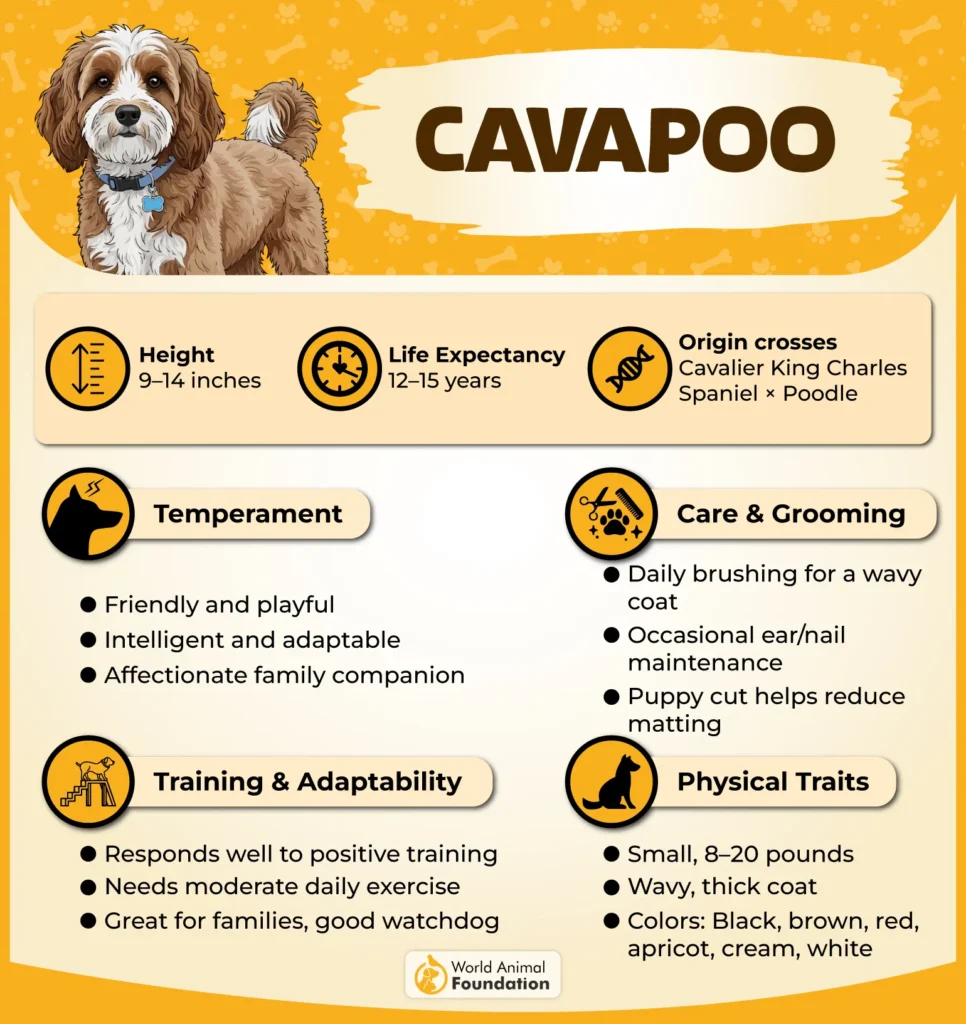
They typically have a soft, slightly wavy or curly coat and a compact, well-proportioned build. Their appearance can vary quite a bit from dog to dog due to their mixed heritage.
Bichon Frises are consistently small, with a sturdy but lightweight frame. They are known for their rounded appearance, fluffy white coat, and expressive dark eyes.
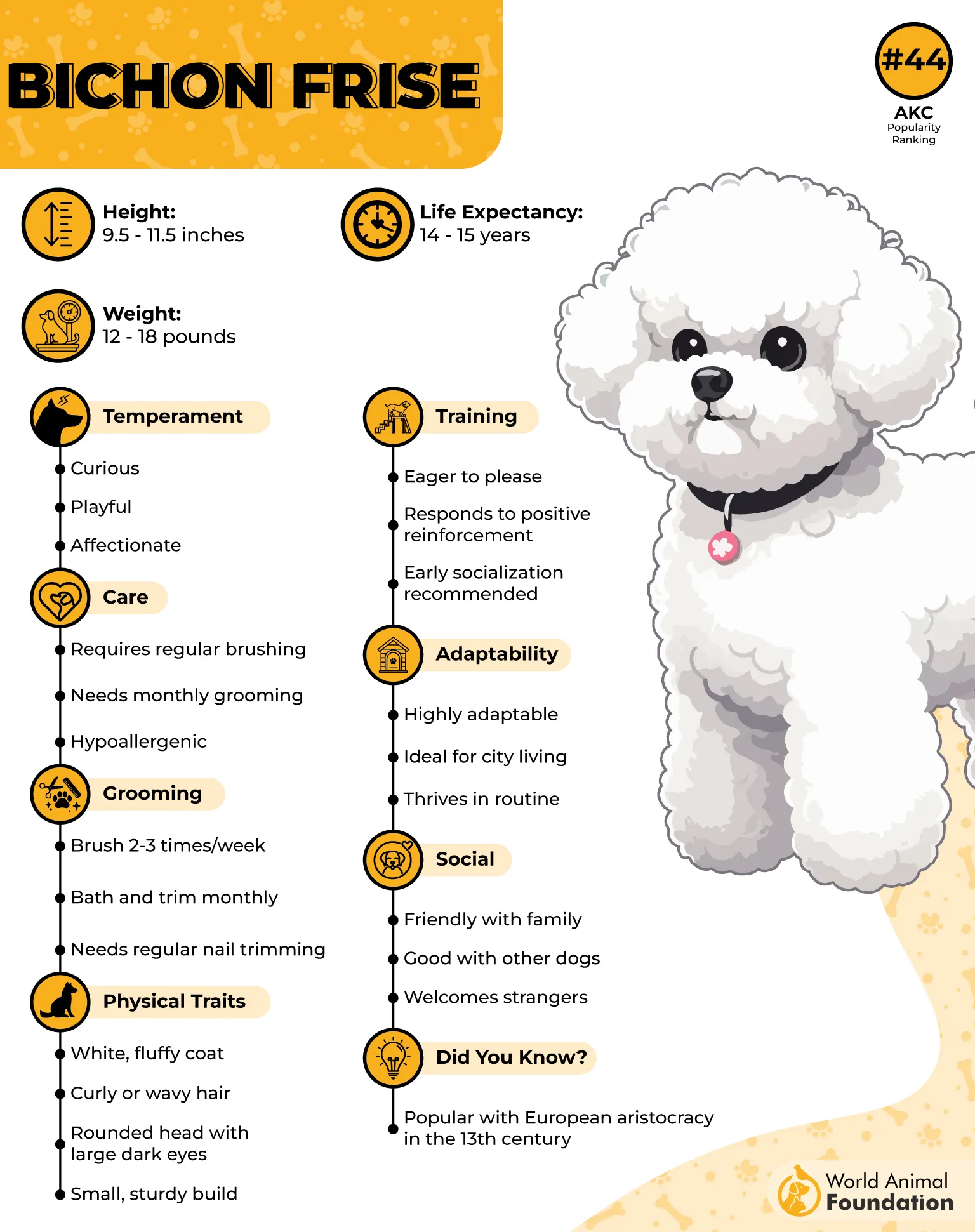
Compared to Cavapoos, Bichons tend to have a more uniform look, while Cavapoos can vary more in size, coat type, and overall appearance.
3. Pricing & Availability
Cavapoos are generally more expensive due to their popularity as a designer breed.
Prices can vary widely depending on breeder reputation, location, and generation, but they are often in high demand, which can also mean waiting lists.
Bichon Frises are also a sought-after breed, but as a recognised purebred, they are typically more consistently available through registered breeders.
Their price range can still be significant, especially for well-bred puppies with health testing and pedigree documentation. In general, Cavapoos may be harder to find and more variable in price, while Bichon Frises tend to have more predictable availability and pricing structures.
4. Temperament & Personality
Both breeds are known for their affectionate and people-focused personalities.
Cavapoos are typically friendly, gentle, and eager to please, often forming strong bonds with their owners and enjoying close companionship. They tend to be sociable with both people and other pets, making them well-suited to family environments.
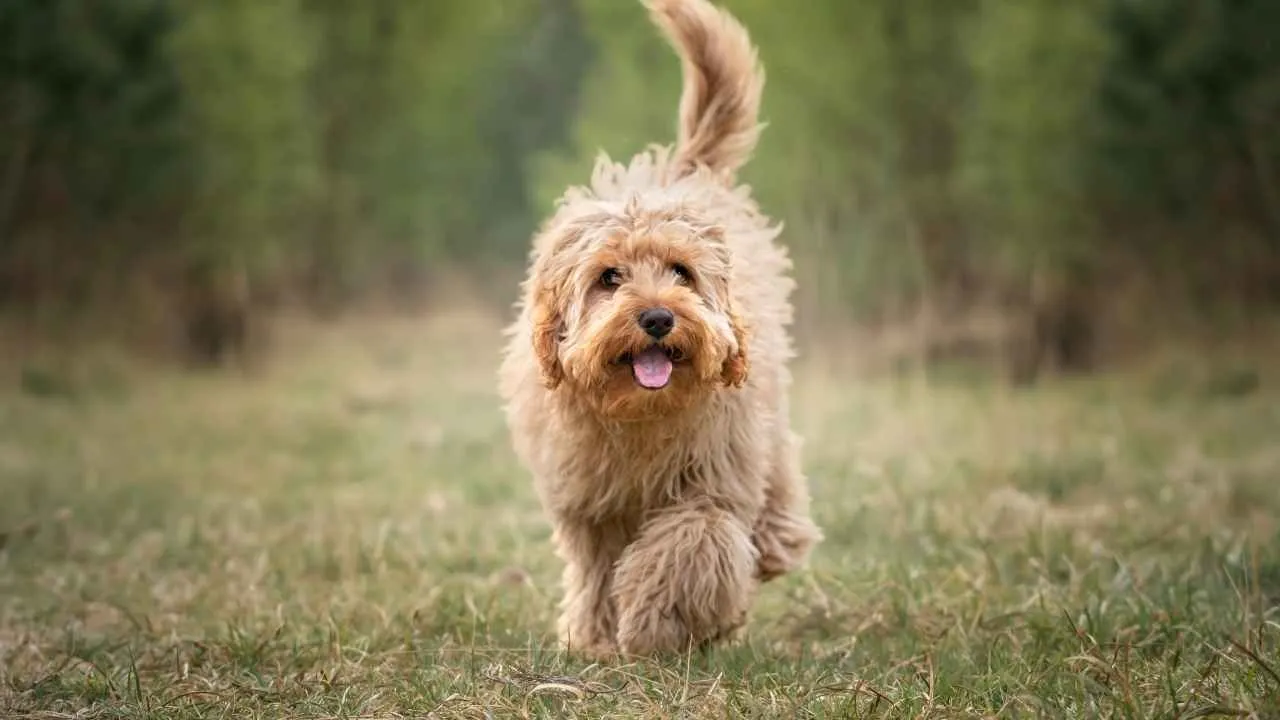
Bichon Frises are cheerful, playful, and outgoing, with a lively personality that often includes a touch of mischief, according to the American Kennel Club.
They are also very people-oriented and thrive on attention and interaction. While Cavapoos are often described as slightly calmer and more adaptable, Bichons can be a bit more spirited and expressive.
In both cases, these dogs do best in homes where they are included in daily life and not left alone for long periods.
5. Exercise Needs & Energy Level
Cavapoos have light to moderate exercise needs and are generally content with daily walks, playtime, and some mental stimulation. Their energy levels are manageable, but they still require regular engagement to stay happy and well-behaved.
Bichon Frises are also moderately active, enjoying short walks, indoor play, and interactive games with their owners.
They are not high-energy working dogs, but they do have a playful streak that benefits from regular activity. Neither breed requires intense exercise routines, making them suitable for apartment living or less active households.
However, both still need consistent daily movement and attention to prevent boredom and maintain good behaviour.
6. Trainability & Intelligence
Both the Cavapoo and Bichon Frise are intelligent, people-oriented dogs that can make training an enjoyable part of everyday life.
Cavapoos inherit intelligence from their Poodle side and are generally eager to learn, especially when training begins early and remains positive and engaging. Their affectionate nature can also make them keen to please their owners, although consistency is still important.
Bichon Frises are similarly quick learners and often enjoy showing off new tricks.
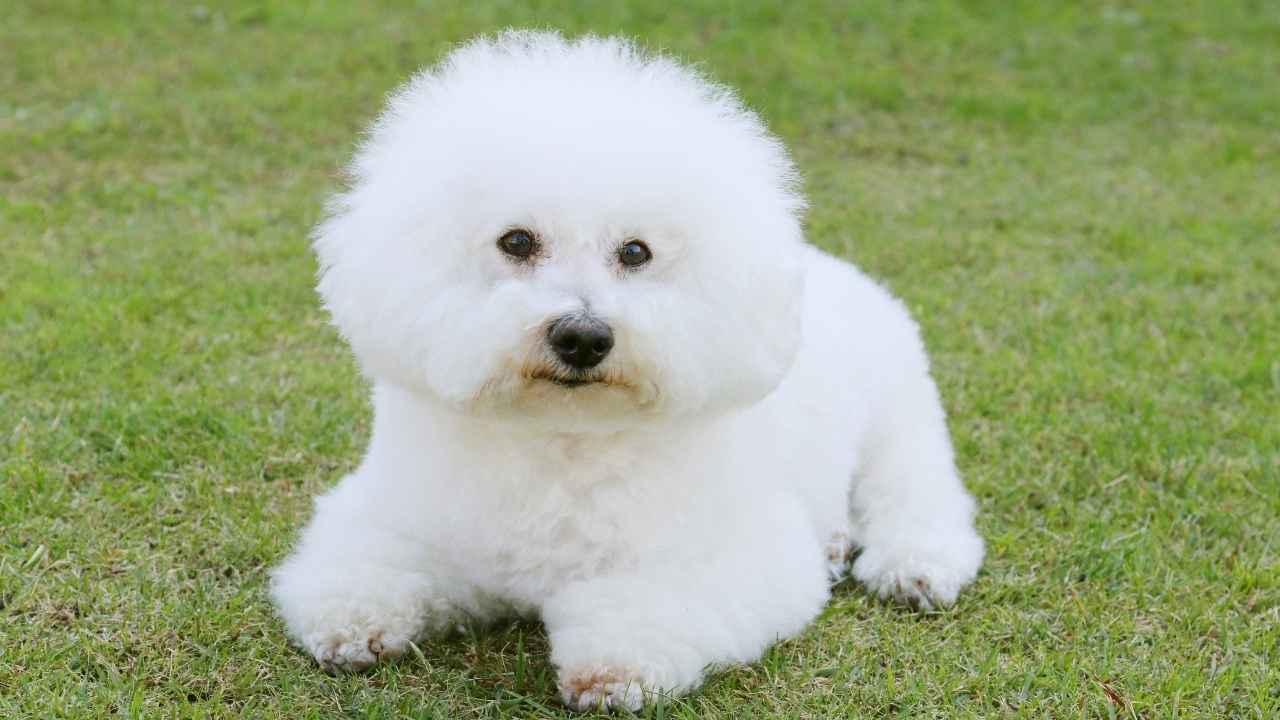
They respond particularly well to praise, treats, and positive reinforcement, making training feel more like a shared game than a chore. However, Bichons can be harder to housebreak despite being generally easy to train, as explained by Orvis.
Both breeds benefit from short, interesting sessions rather than harsh correction. If trainability is your priority, either can be rewarding, but the Bichon’s occasional housebreaking challenge may give the Cavapoo a slight edge for some owners.
7. Grooming Needs & Shedding
That fluffy, cuddly appearance comes with a grooming commitment in both breeds.
Cavapoos have coats that can range from soft and wavy to tightly curled, depending on what they inherit from their parents, according to Waggel. Their hair can mat, so regular brushing and professional grooming are important.
Bichon Frises are similarly low-shedding, but their dense, continually growing coat needs frequent attention to stay clean, soft, and free of mats.
Weekly brushing is a minimum, while daily brushing is considered better, and professional grooming is typically needed every few weeks. This means neither dog is truly a low-maintenance choice for someone who prefers a wash-and-go coat.
The Bichon’s grooming routine is particularly consistent because its coat has a distinctive texture and shape to maintain. Cavapoo grooming can vary somewhat with coat type, but both breeds require owners willing to make coat care part of their routine.
8. Health & Lifespan
Health is an important part of the Cavapoo-versus-Bichon decision because neither breed should be chosen on appearance alone. Cavapoos generally have a lifespan of around 10–15 years and may inherit health concerns associated with their Cavalier King Charles Spaniel and Poodle ancestry.
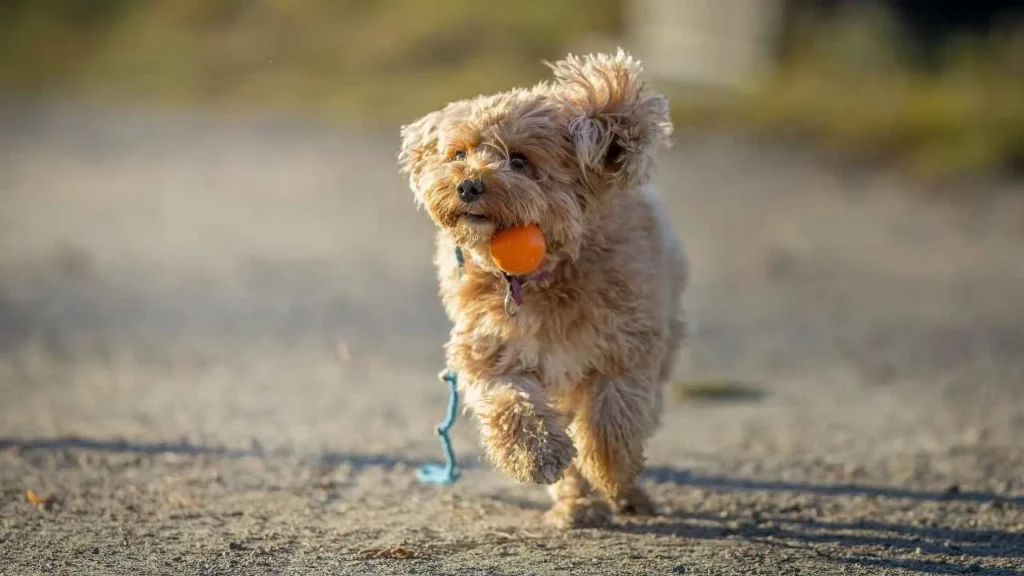
These can include patellar luxation, hip problems, eye conditions, and certain heart problems.
Bichon Frises commonly live around 13–15 years and are generally considered a healthy breed, although they can be prone to issues involving the teeth, knees, eyes, skin and heart.
Regular veterinary care, responsible breeding, and attention to everyday health needs can help owners manage potential concerns. The Bichon may have an advantage in expected longevity, but lifespan and health can vary between individual dogs.
Ultimately, prospective owners should look beyond the fluffy exterior and consider whether they are prepared for routine care and possible veterinary needs.
9. Cavapoo vs. Bichon Frise: Which Fluffy Dog Should You Choose?
Choosing between a Cavapoo and a Bichon Frise is less about finding a universally “easier” dog and more about finding the personality and routine that fit your life.
Cavapoos are affectionate, intelligent companions that tend to enjoy learning, play, and staying close to their people. They can be a lovely choice for owners who want an interactive dog and are prepared to manage grooming and companionship needs.
Bichon Frises bring their own irresistible combination of cheerfulness, intelligence and adaptability. They can thrive in smaller homes, enjoy moderate exercise and often take readily to positive training, although housebreaking and coat maintenance can require patience.

Both breeds need human companionship and regular grooming, so neither is completely hands-off.
If you prefer a slightly longer-lived companion and enjoy a playful, adaptable personality, the Bichon may appeal more. If you want an affectionate, clever Poodle mix, the Cavapoo could be the better match.
Conclusion
When it comes to Cavapoos and Bichon Frises, “easier to manage” really depends on what you expect from life with a dog. Neither breed is difficult simply for the sake of being difficult, but both need time, companionship, training, and regular grooming.
The Cavapoo may suit someone who enjoys an affectionate, clever dog that stays closely involved in family life and responds well to learning and mental stimulation.
The Bichon Frise, meanwhile, can be an appealing choice for owners who want a cheerful, adaptable companion that can comfortably fit into smaller homes and does not require intense daily exercise.
However, its coat still demands consistent attention, and housebreaking may require patience. Health, grooming, and the amount of time you can realistically give your dog should all be part of the decision. In the end, the better choice is not simply the fluffier or more popular one; it is the companion whose needs, personality, and care requirements best match your lifestyle.
