




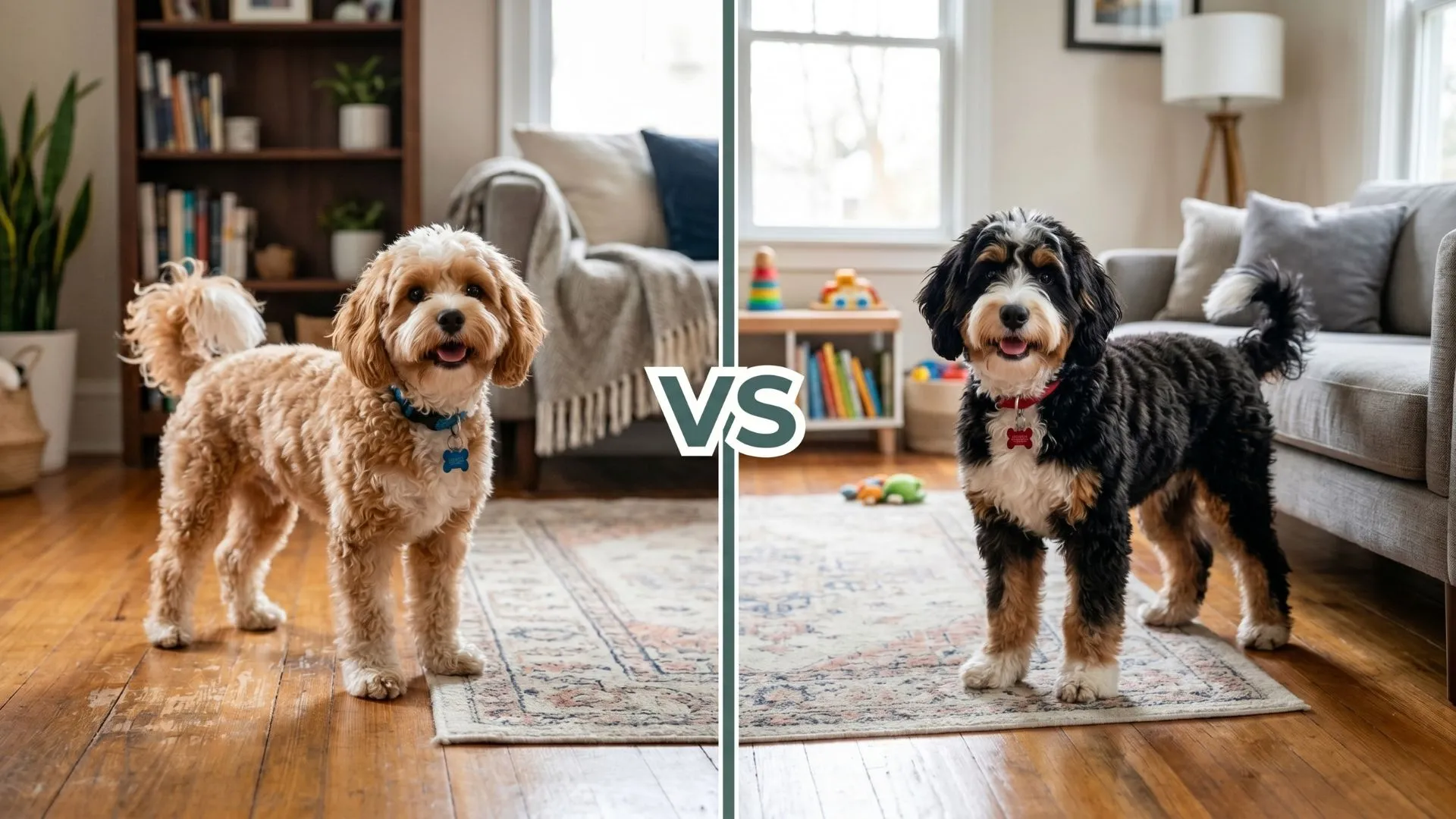
Bringing a dog into your family isn’t just a decision; it’s a commitment that shapes your mornings, your weekends, and the soundtrack of your home for the next decade or more. The right dog doesn’t just fit your space; it fits your life.
And when it comes to two of the most beloved designer breeds stealing hearts right now, the choice couldn’t be more telling: the silky, soulful Cavapoo versus the bold, bear-like Mini Bernedoodle.
Both are irresistibly adorable. Both are intelligent, low-shedding, and fiercely loyal. But beneath those teddy-bear faces lie two very different personalities — one a gentle homebody who thrives on quiet cuddles and calm routines, the other a spirited adventurer who brings infectious energy to every room it enters. Choosing between them isn’t about which breed is better. It’s about which one is better for you.
Whether your household hums with the controlled calm of nap schedules and Netflix evenings, or buzzes with backyard chaos and weekend hikes, there’s a perfect match waiting. Let’s break down exactly what sets these two breeds apart — so you can stop scrolling through puppy photos and start planning your forever companion.
Cavapoo vs. Bernedoodle Mini: Best Dog Breeds for Families Explained
Choosing the ultimate family companion often comes down to matching a dog’s energy and size to your household’s daily rhythm. While the gentle Cavapoo offers a compact, calm presence perfect for cozy spaces, the sturdy Mini Bernedoodle brings a playful, goofy spirit that thrives in active, bustling homes.
Size and Strength
Cavapoo
If your idea of the perfect dog is one that fits comfortably on your lap during movie night, the Cavapoo has serious appeal. A cross between the Cavalier King Charles Spaniel and a Toy Poodle or Miniature Poodle, this compact doodle typically weighs between 8 and 25 pounds, as per PetMD.
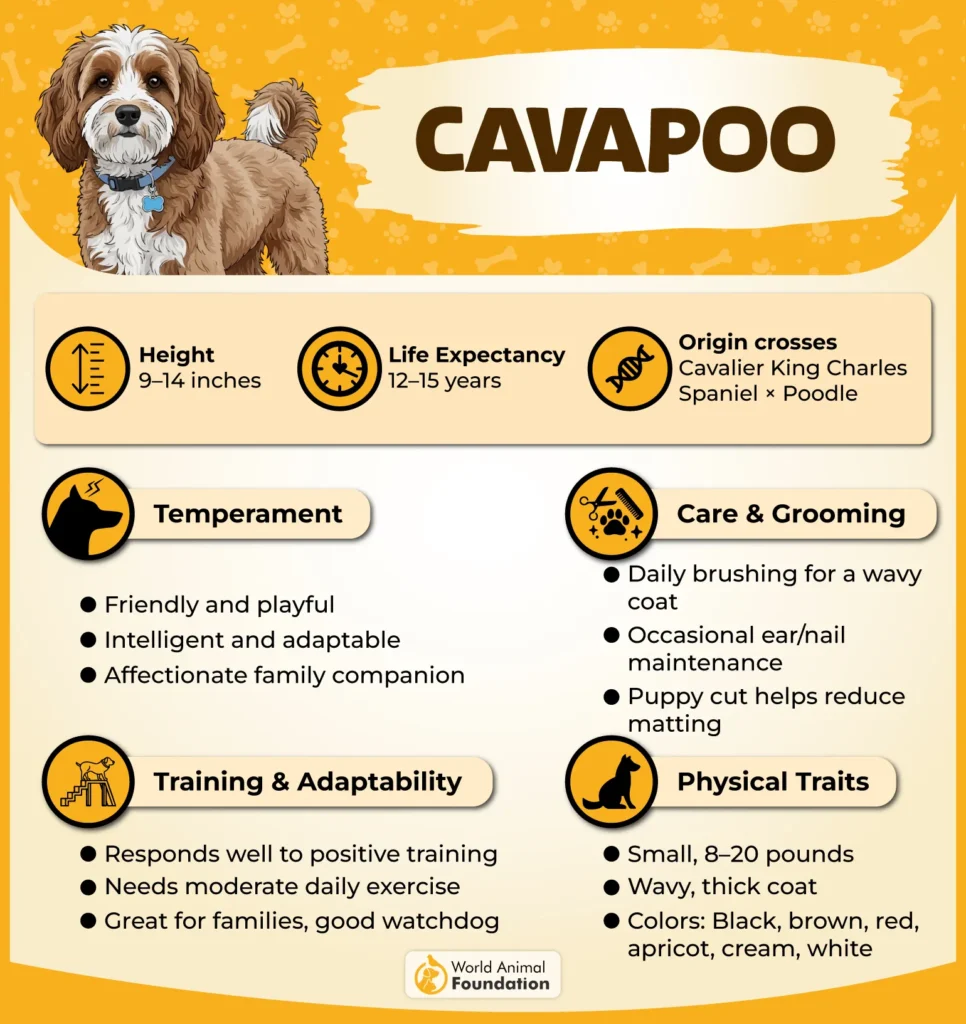
Don’t let the smaller size fool you, though. These little dogs pack plenty of personality into a teddy bear-sized package. They’re sturdy enough for family life yet gentle enough to thrive in homes with first-time owners, children, and even other pets. Their petite frame also makes them a natural fit for apartment living.
Mini Bernedoodle
If your family wants a dog that’s sturdier than a Cavapoo but still easy to manage, the Mini Bernedoodle offers a great balance. This mini doodle is a cross between a Bernese Mountain Dog and a Miniature Poodle.
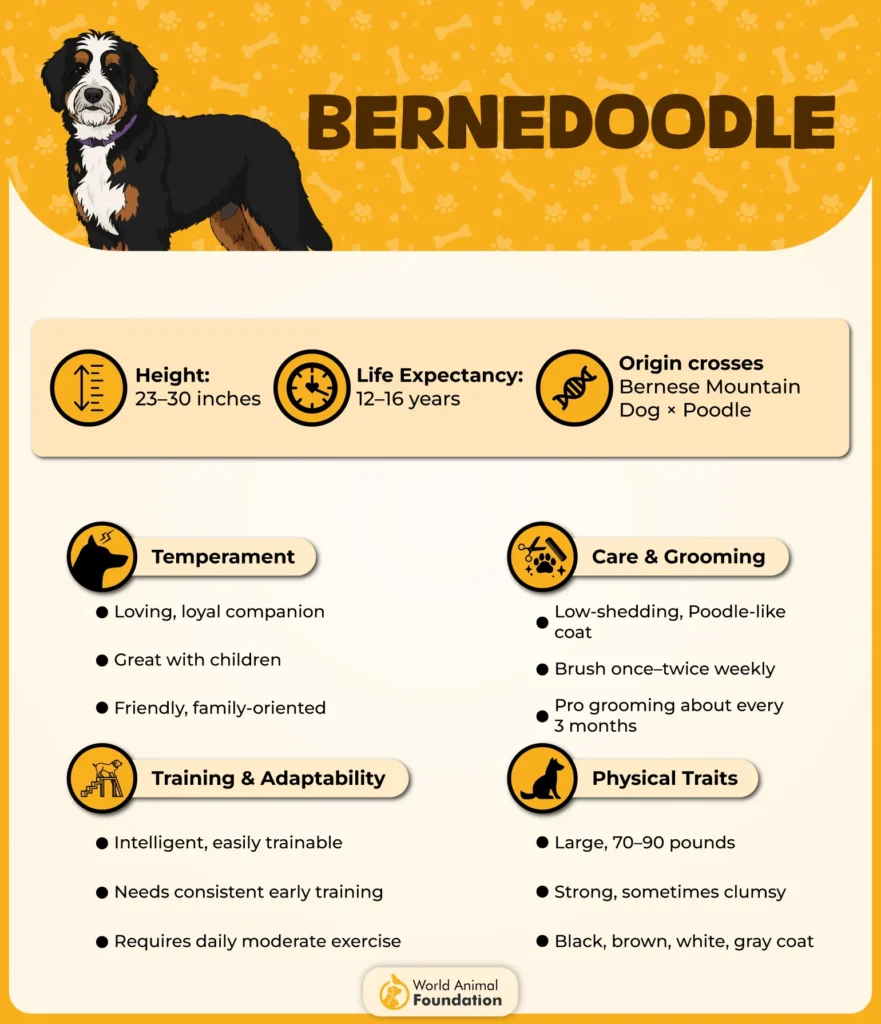
Full-grown Mini Bernedoodles typically weigh 20–45 pounds and stand up to 22 inches tall. Their stronger build makes them well-suited to active families and homes with energetic kids, while their adaptable nature allows them to fit into a variety of lifestyles.
They also tend to have an impressive lifespan of 14–16 years, giving families many years with a playful and affectionate companion.
Temperament and personality
Looks may catch your attention, but temperament and personality are what determine whether a dog truly fits your family.
Cavapoo
Affectionate and loyal companions that love being close to their families.
Playful and energetic without being overwhelming.
Gentle and friendly with kids and other pets when well socialized.
Smart and highly trainable, responding best to positive reinforcement.
Mini Bernedoodle
Loyal and loving “Velcro dogs” that form deep family bonds.
Playful and goofy personalities that keep families entertained.
Intelligent and eager learners who thrive on mental stimulation.
Sensitive and emotionally aware, responding best to gentle, reward-based training.
Health and Lifespan
While generally healthy, both dogs can still inherit certain conditions from their parent breeds.
Cavapoo
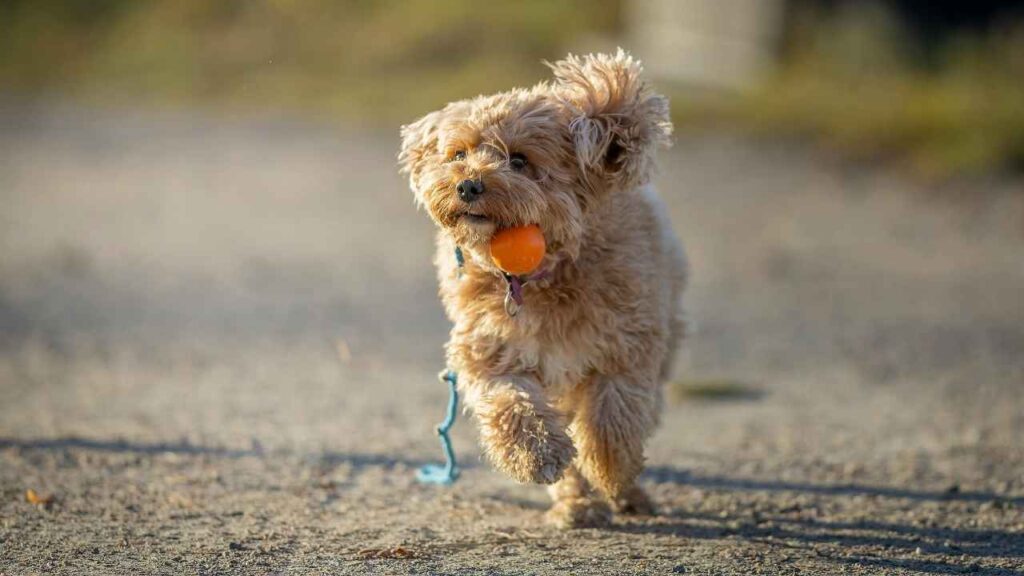
Lifespan: typically 12–15 years with proper care.
Mitral valve disease is a key inherited heart condition risk.
Patellar luxation may affect knee stability in some dogs.
Eye conditions can develop over time and may impact vision.
Dental disease is common in this breed and needs regular care.
Mini Bernedoodle
Lifespan: usually 14–16 years when well cared for.
Hip dysplasia may affect joint health and mobility.
Eye conditions can occur depending on genetics.
Patellar luxation is a possible concern in some lines.
Regular health screening helps reduce inherited risks.
Training Difficulty
Cavapoo
Cavapoos are generally considered easy to train, especially for first-time dog owners. Their eagerness to please and intelligent nature help them pick up house training, basic obedience, and simple tricks quite quickly.
As per Chewy, they respond best to gentle, reward-based methods like treats and praise, and harsh correction can slow their progress. With consistent training and early socialization, they usually grow into well-mannered and confident family companions.
Mini Bernedoodle
Mini Bernedoodles are also highly trainable thanks to their intelligence and curiosity, often learning commands and even advanced tricks with ease. However, they can sometimes show a stubborn streak if they are distracted or in a playful mood.

The key to success is patience, consistency, and positive reinforcement. When properly guided, they excel in obedience and can even enjoy more challenging activities like agility training.
Grooming Needs
Grooming is where the “cute factor” meets real responsibility for both breeds.
Cavapoo
Low-shedding coat that needs regular maintenance to avoid matting.
Brushing required around 3 times a week, especially for curlier coats.
Grooming appointments recommended every 6 weeks for trimming and coat care.
Ear and eye cleaning helps prevent infections and irritation.
Regular dental care is important to avoid common small-dog dental issues.
Watch for skin allergies like itchiness, redness, or dryness.
Mini Bernedoodle
Requires regular grooming to manage coat type and prevent tangles.
Brushing needed about 1–2 times per week depending on curl level.
Routine trims and baths help keep the coat clean and healthy.
Low-shedding, though some loose hair may still occur with wavy coats.
Curly-coated types shed less and may appear more hypoallergenic.
Consistent grooming helps reduce matting and keeps coat manageable.
Energy Levels
Cavapoo
Cavapoos are moderately energetic dogs that enjoy daily activity but don’t require intense exercise to stay happy. Short walks combined with indoor play sessions are usually enough to meet their needs.
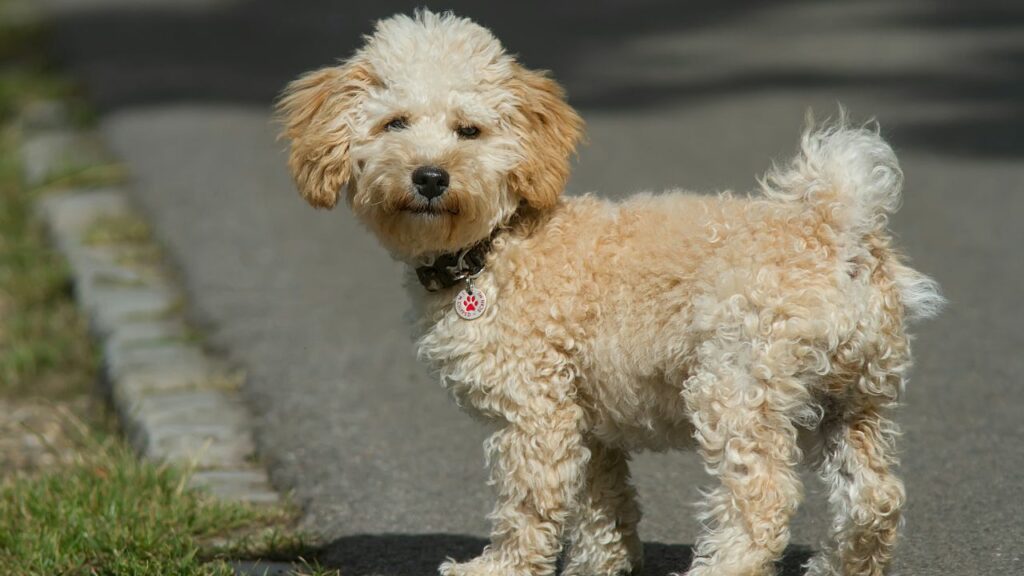
Because they are small, they should be monitored during rough play, especially with children, to avoid accidental injury. Regular exercise is also important to help maintain a healthy weight and reduce the risk of heart-related issues.
Mini Bernedoodle
Mini Bernedoodles have a higher energy level and need more structured daily exercise to stay balanced and content. They typically benefit from at least an hour of playtime along with two to three longer walks each day.
These dogs also enjoy visits to dog parks and open spaces where they can safely run and socialize. Activities like hiking or outdoor adventures are especially well-suited to their active and playful nature, as per PetMD.
Natural Guard Instincts
Cavapoo
Cavapoos are generally friendly and social dogs rather than strong guard dogs. They may bark to alert their owners when someone approaches, but their gentle and affectionate nature makes them more welcoming than protective. They are best suited for active families looking for a great family dog rather than a serious watchdog, as they prefer companionship over guarding duties.
Mini Bernedoodle
Mini Bernedoodles may show mild protective instincts due to their Bernese Mountain Dog heritage, often becoming alert when something unfamiliar is happening around the home. However, they are still friendly, social dogs at heart and are not aggressive guard dogs.
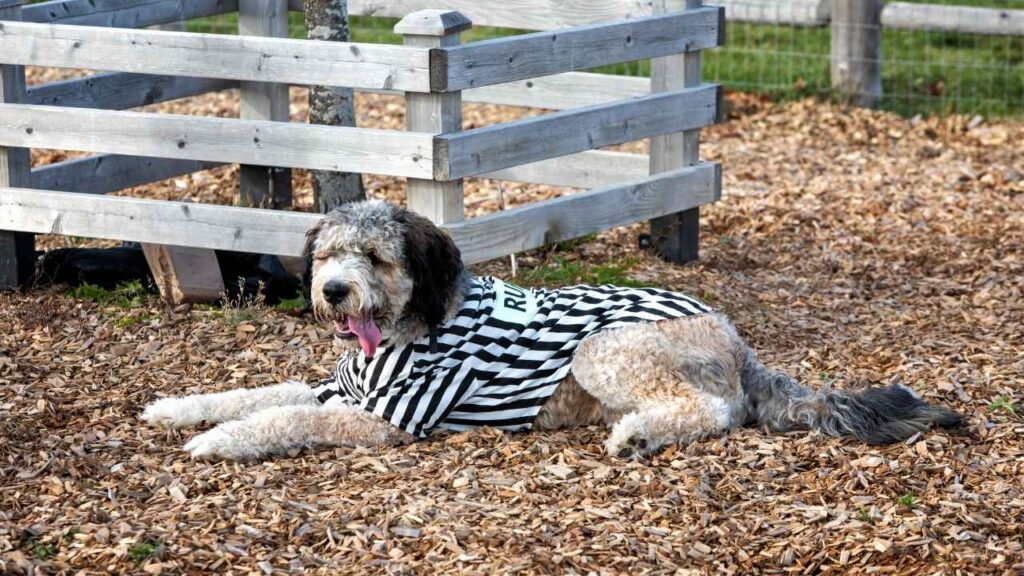
Their role is more about being a loyal family companion than acting as a true protector, making them a perfect match for families who want both affection and a bit of natural awareness.
Conclusion
At the end of the day, both Cavapoos and Mini Bernedoodles bring something special to the table—just in slightly different ways. One leans into a more compact, gentle, and people-focused lifestyle, while the other offers a playful, slightly more active personality that fits well with energetic homes. From temperament and training to grooming and exercise needs, the real difference comes down to how well each dog matches your family’s daily rhythm.
Before making a choice, think less about “which one is better” and more about “which one fits us better.” Because when the right match happens, it doesn’t feel like adding a pet—it feels like welcoming a new member into your family story.
And honestly, whether it’s quiet cuddle time on the couch or playful chaos in the backyard, the best dog is the one that makes your home feel a little more complete every single day.
