





Think dogs and cats can never share the same home without chaos? Think again. With the right match, your dog and cat can become playmates, cuddle buddies, or simply peaceful roommates who happily share the sofa.
While every pet has its own personality, some dogs naturally tend to be more patient, gentle, and easygoing around other animals.
Choosing a dog for a cat-friendly home is about more than picking a breed with a good reputation. Your new dog’s age, energy level, prey drive, socialization, training, and past experiences can all shape how they respond to a feline housemate.
Your cat’s personality matters too. A confident, playful cat may enjoy an energetic companion, while a shy or older cat may prefer a calm dog that knows when to give them space.
If you’re ready to build a happy multi-pet household, these cat-approved dog breeds are a great place to start.
Key Takeaways
Meet Golden Retrievers, Labradors, and Papillons that can make fantastic friends for feline family members.
See why Bichon Frises and Cavaliers fit naturally into multi-pet homes.
Discover how Pugs and Maltese can become playful, affectionate cat buddies.
Get simple tips for training, socialization, introductions, and peaceful pet friendships.
Cat-Approved Dog Breeds That Love Feline Friends
1. Golden Retriever
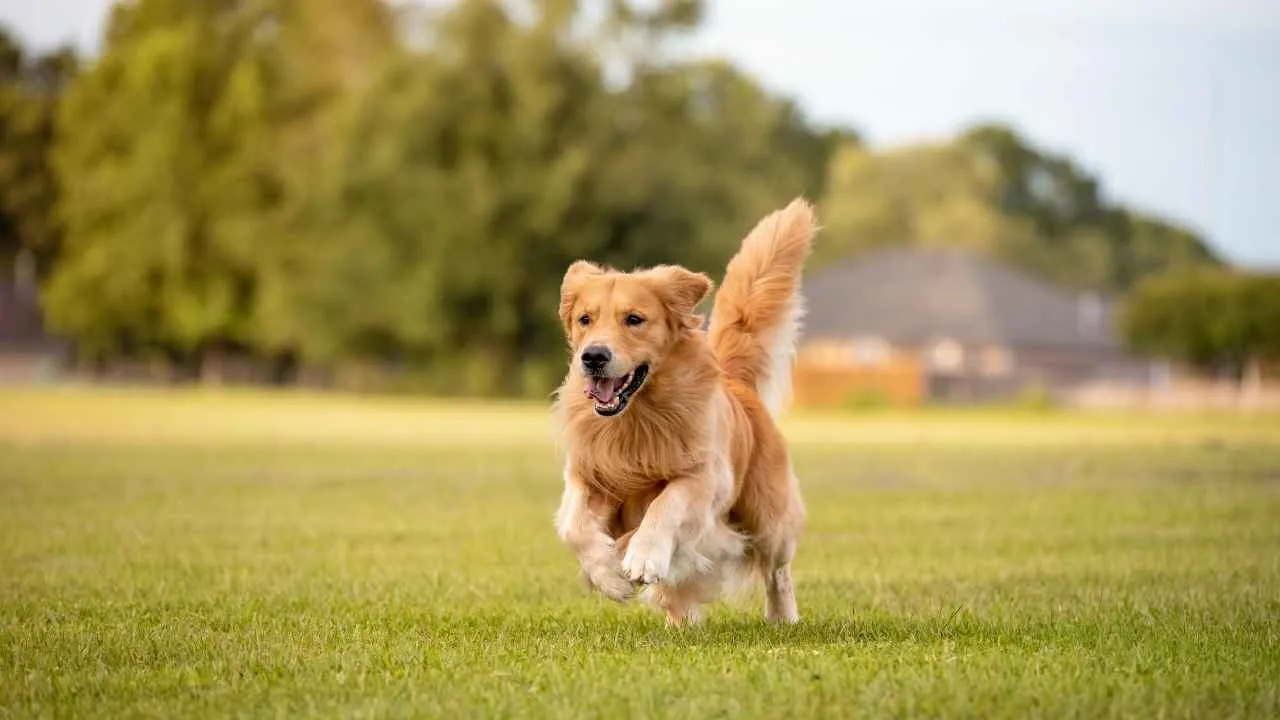
Golden Retrievers are often a great match for households looking for a gentle, affectionate, and social companion. They generally enjoy spending time with people and other animals and are known for their patient, easygoing nature.
When socialized from puppyhood, they can become confident and well-mannered members of a busy household. Their playful personality also makes them fun companions for active families.
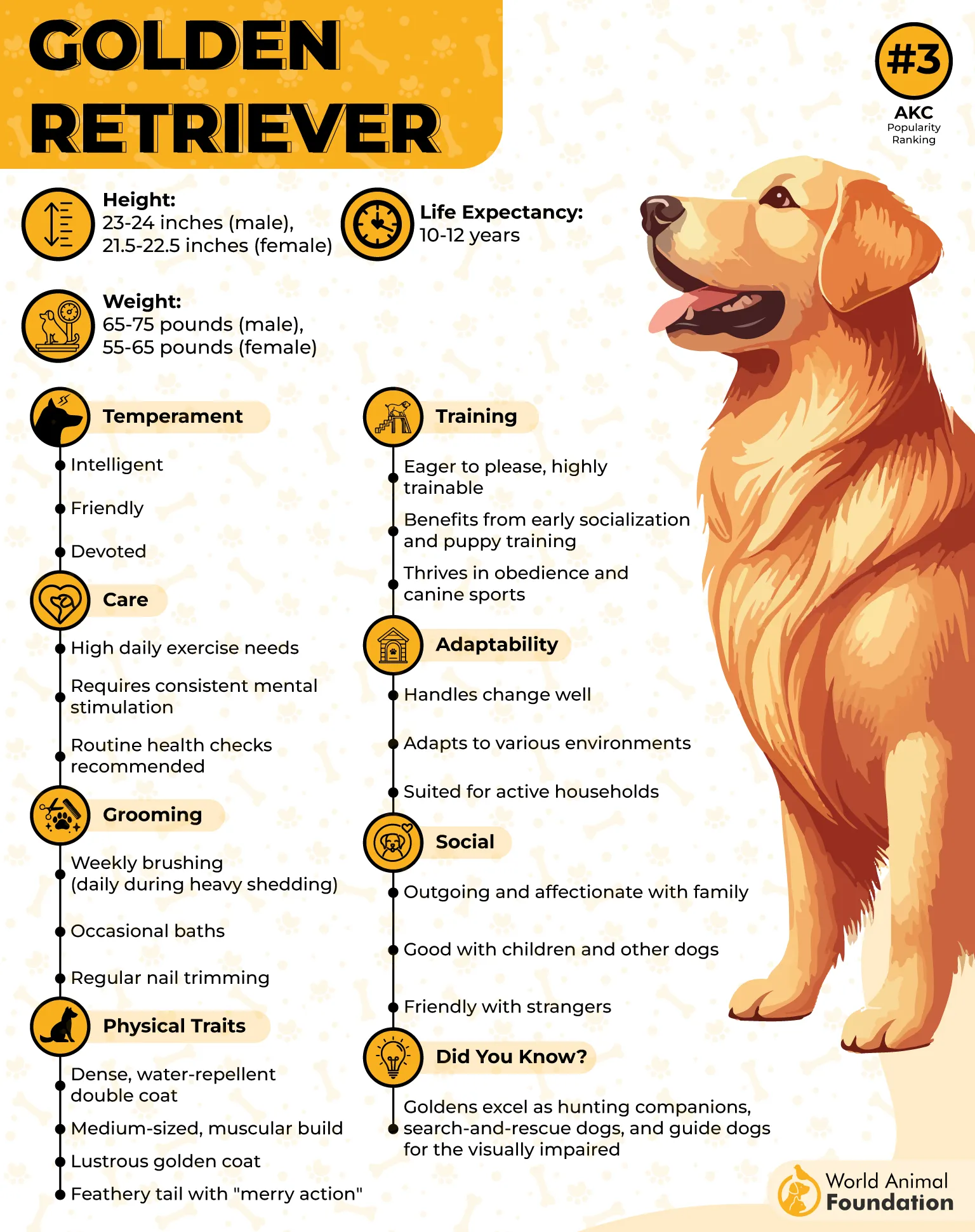
Gentle, Social, and Easy to Train
Golden Retrievers are intelligent and eager to please, which makes them highly trainable. Their willingness to learn allows pet parents to teach good manners and appropriate boundaries from an early age.
Chewy says they were originally bred to retrieve birds and are known for carrying objects gently without applying too much pressure.
Their friendly temperament, patience, and love of companionship can also make them easier to introduce to cats than breeds with stronger chasing instincts.
What to Expect at Home
Golden Retrievers have plenty of playful energy and enjoy being involved in family activities. Daily walks, games, training sessions, and outdoor adventures help keep them happy and well-balanced.
When living with a cat, their excitement should be managed through proper introductions and supervision, especially during the early stages.
2. Labrador Retriever

Labrador Retrievers are naturally outgoing, affectionate, and friendly dogs that can fit well into active family homes.
They enjoy being around people and other animals and often approach new experiences with enthusiasm. Their cheerful personality and love of companionship make them engaging, loyal pets for families looking for an energetic dog.
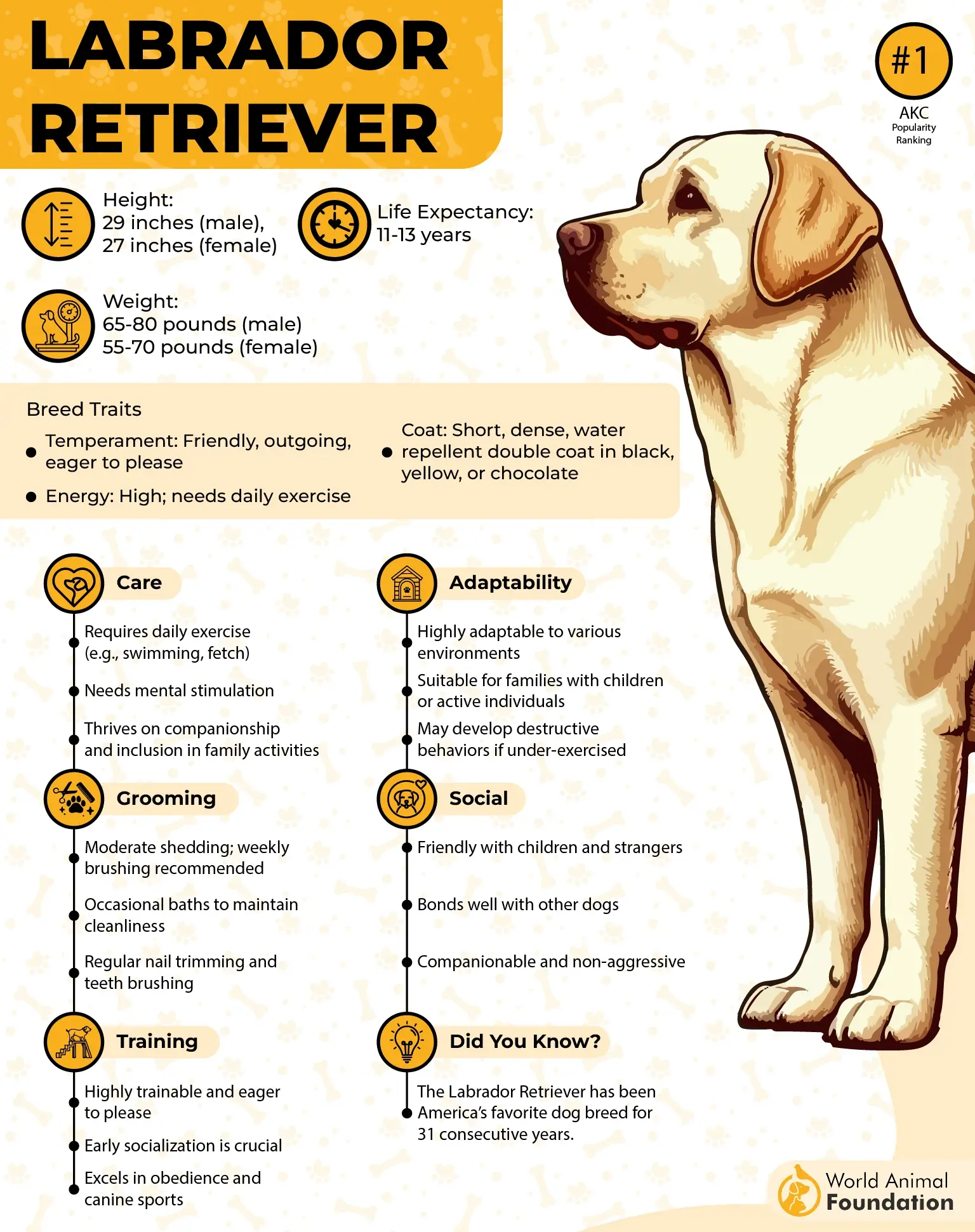
Friendly, Trainable, and Full of Energy
Labradors are intelligent, eager to please, and highly trainable. Early socialization and obedience training can help them manage their excitement around smaller animals and learn appropriate boundaries.
Their high energy also means they benefit from daily walks, play sessions, retrieving games, and other activities that keep them physically and mentally engaged.
What to Expect in a Multi-Pet Household
A Labrador’s playful nature can sometimes be overwhelming for a quieter cat, so calm introductions and supervision are important when bringing them together. Giving both pets space and teaching the Labrador when to settle can make the adjustment easier.
They also benefit from learning cues such as “leave it” and “stay,” which can help control overexcitement around smaller pets.
3. Papillon
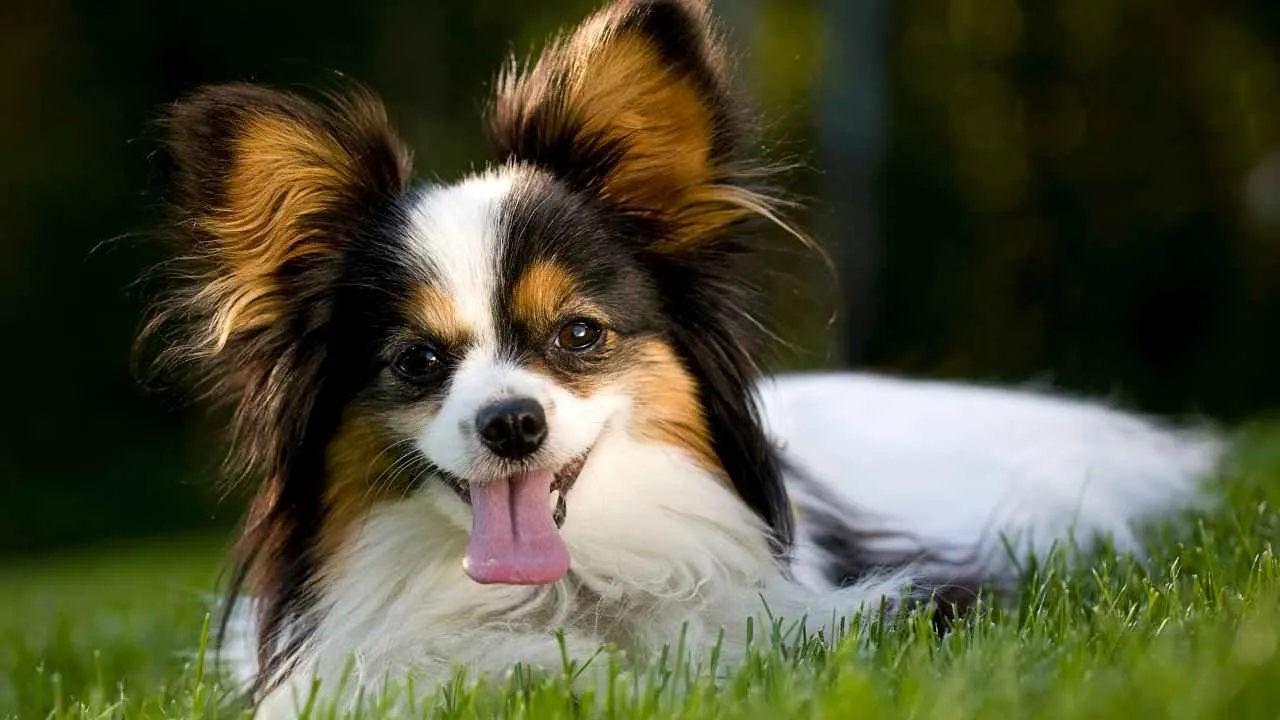
Papillons may be small, but they have lively, confident personalities that make them family-friendly dogs. They are affectionate, adaptable, and generally comfortable around other pets when socialized from a young age.
Their playful nature makes them engaging companions, while their petite size allows them to fit easily into apartments and smaller homes.
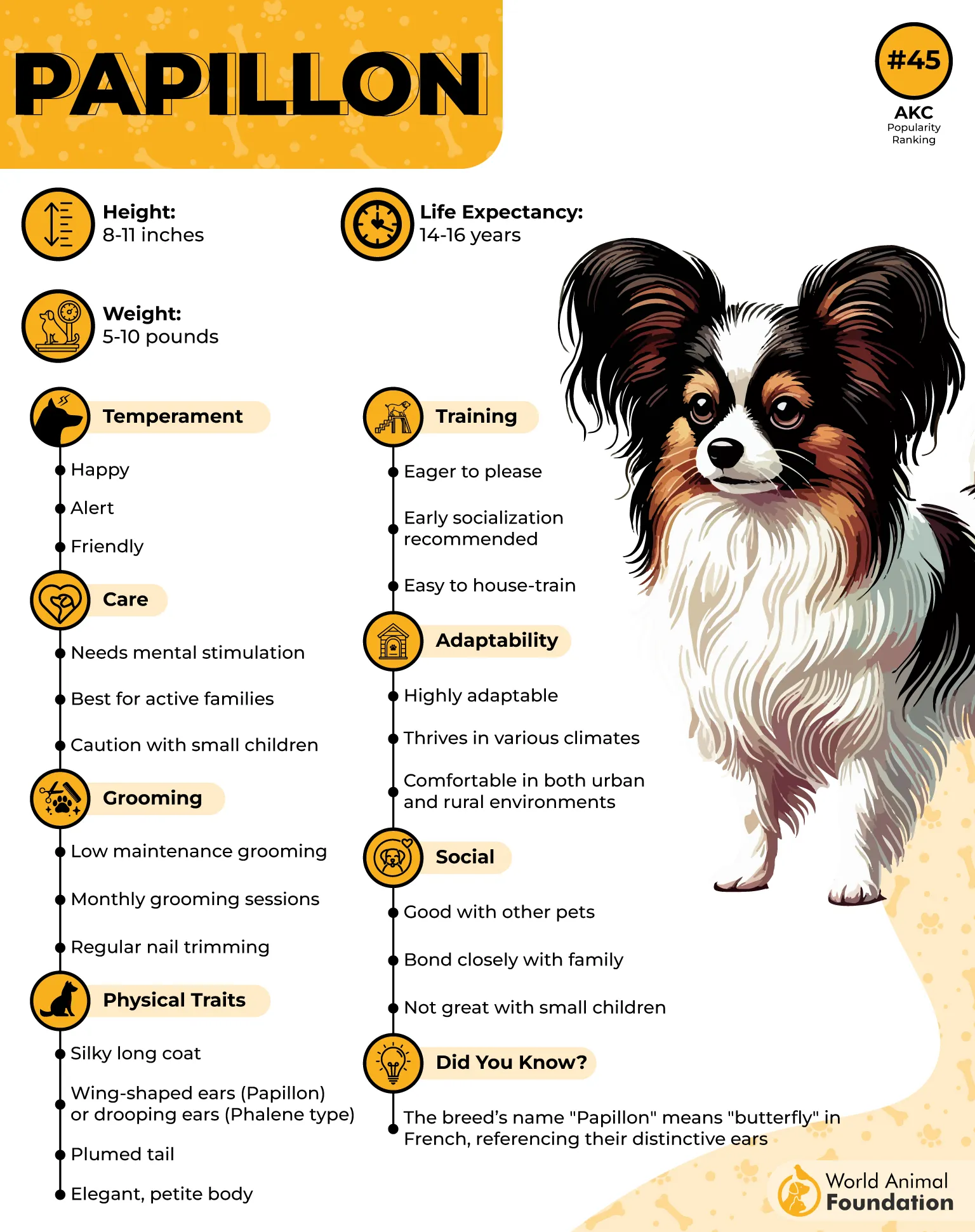
Smart, Social, and Adaptable
Papillons are intelligent, eager to please, and quick to learn, making positive training especially effective. Early socialization helps them become comfortable around unfamiliar people and animals.
Originally bred as companion dogs, they enjoy staying close to their families and taking part in everyday activities. Their alert nature also means they benefit from regular mental stimulation, obedience practice, and interactive games.
What to Expect in a Multi-Pet Home
A Papillon’s playful energy can be appealing to an active cat, but some cats may find their enthusiasm overwhelming.
Calm introductions, supervised interactions, and clear boundaries are important during the adjustment period. Their small size also means they should be protected from rough play with larger pets.
4. Bichon Frise
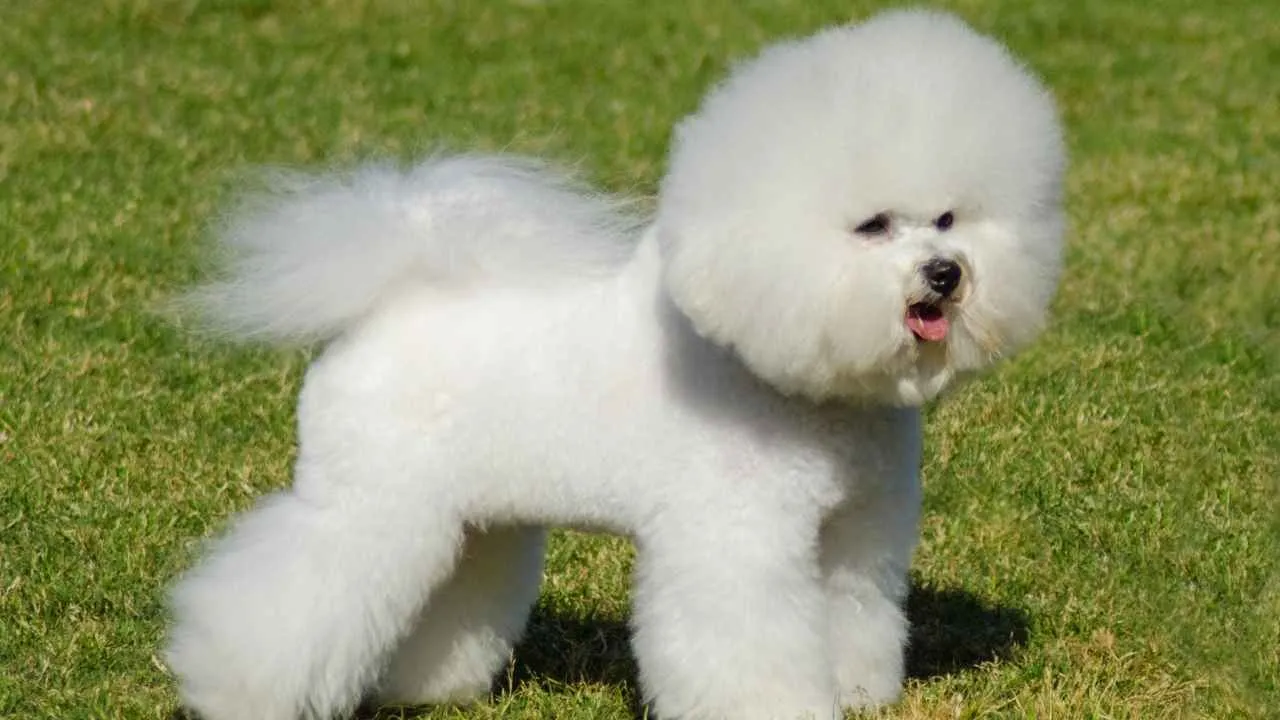
Bichon Frises are playful, gentle, and highly social dogs that can fit comfortably into many family homes. They enjoy meeting new people and animals and love being involved in everyday family activities.
Their adaptable nature makes them suitable for different living environments, including apartments, while their cheerful personality keeps them ready for play.
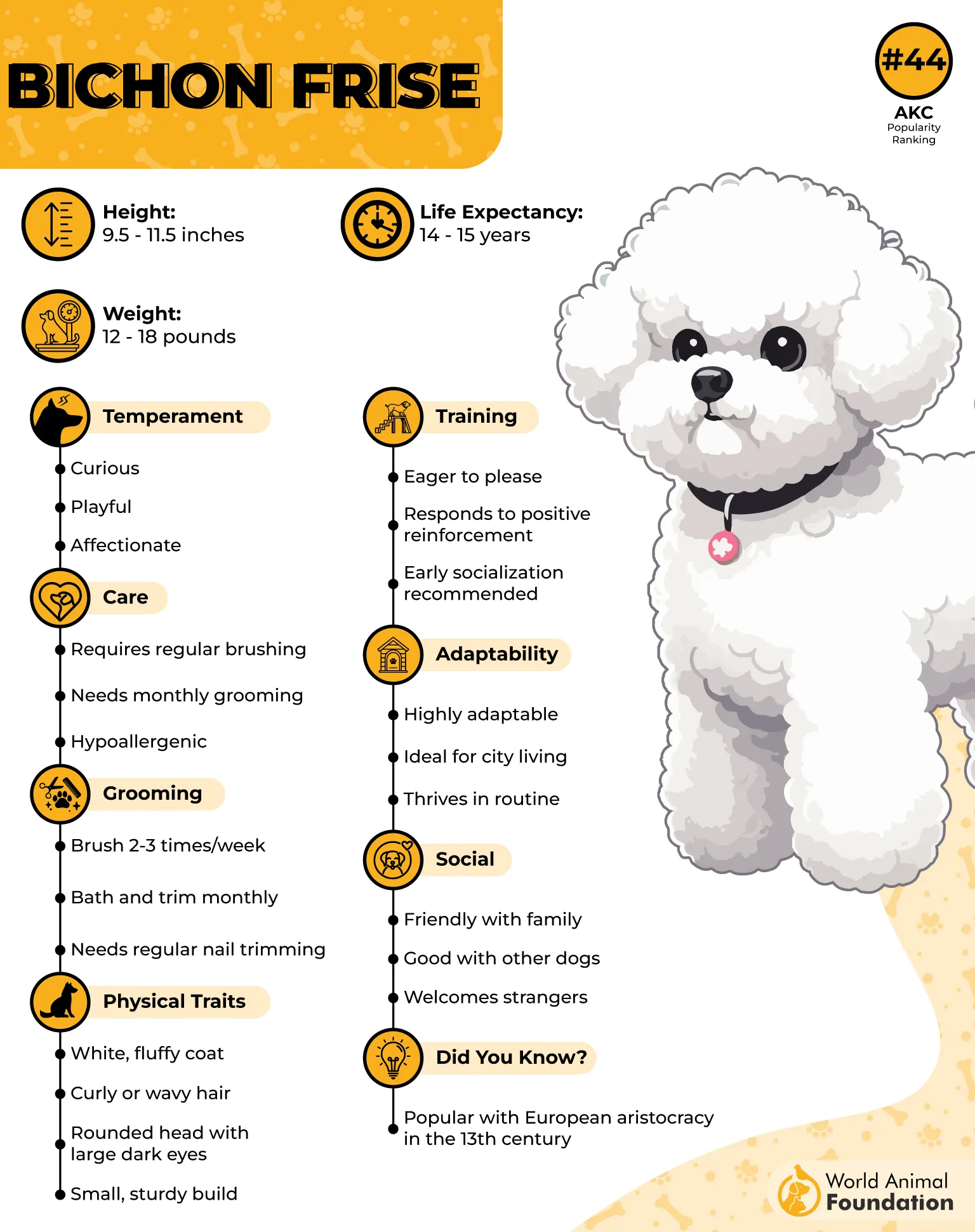
Friendly, Adaptable, and Easy to Train
Bichons are curious, intelligent, and eager to please, which makes them responsive to positive training.
Early socialization can help them become confident around unfamiliar people and other pets. They also need regular attention and interactive play to stay happy, as boredom or loneliness may lead to barking or chewing.
What to Expect in a Multi-Pet Home
Bichons generally enjoy the company of other pets, including cats, but their playful enthusiasm may not suit every feline personality.
Give a cat plenty of space and allow both pets to approach each other at their own pace. Their small size also means interactions with larger animals should be supervised to prevent accidental injuries.
4. Cavalier King Charles Spaniel

Cavalier King Charles Spaniels are affectionate, gentle, and patient dogs that fit naturally into many family homes. They enjoy companionship and are generally friendly toward people and other animals.
Their moderate energy level allows them to enjoy walks and playtime while still being content to relax beside their families.
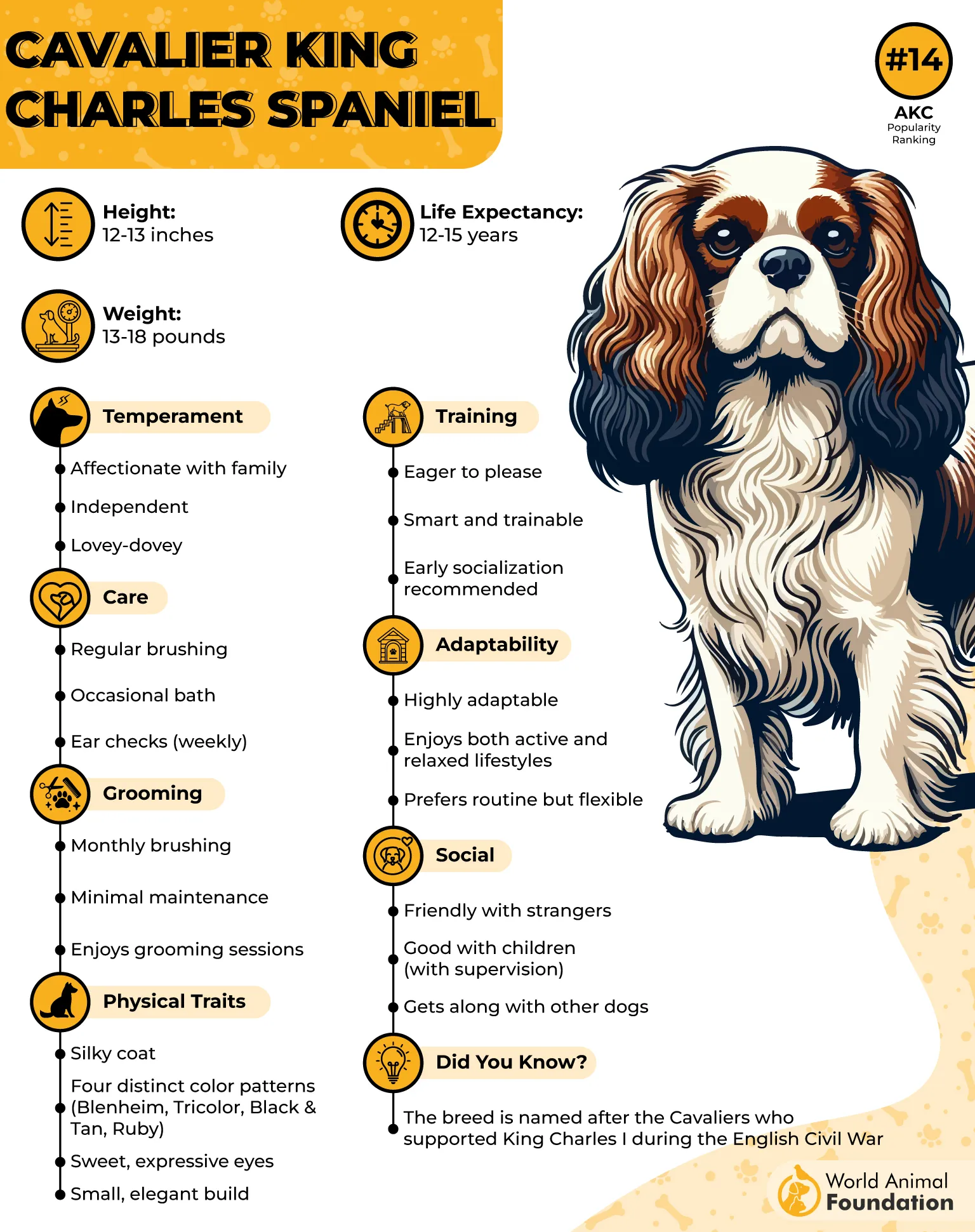
Gentle, Adaptable, and Eager to Please
Cavaliers were bred as companion dogs and thrive on human interaction. They are intelligent, eager to please, and relatively easy to train with positive reinforcement.
Their playful yet laid-back personality means they can enjoy activities without needing constant stimulation. Early socialization also helps them remain confident around unfamiliar people, dogs, and other household pets.
Calm Companions at Home
Cavaliers enjoy daily walks, play sessions, and plenty of time with their families. PetMD mentions that they should not be left alone for long periods because they thrive on companionship and may develop separation-related behaviors.
Around feline company, their gentle and tolerant nature can make them a comfortable household companion.
5. Pugs

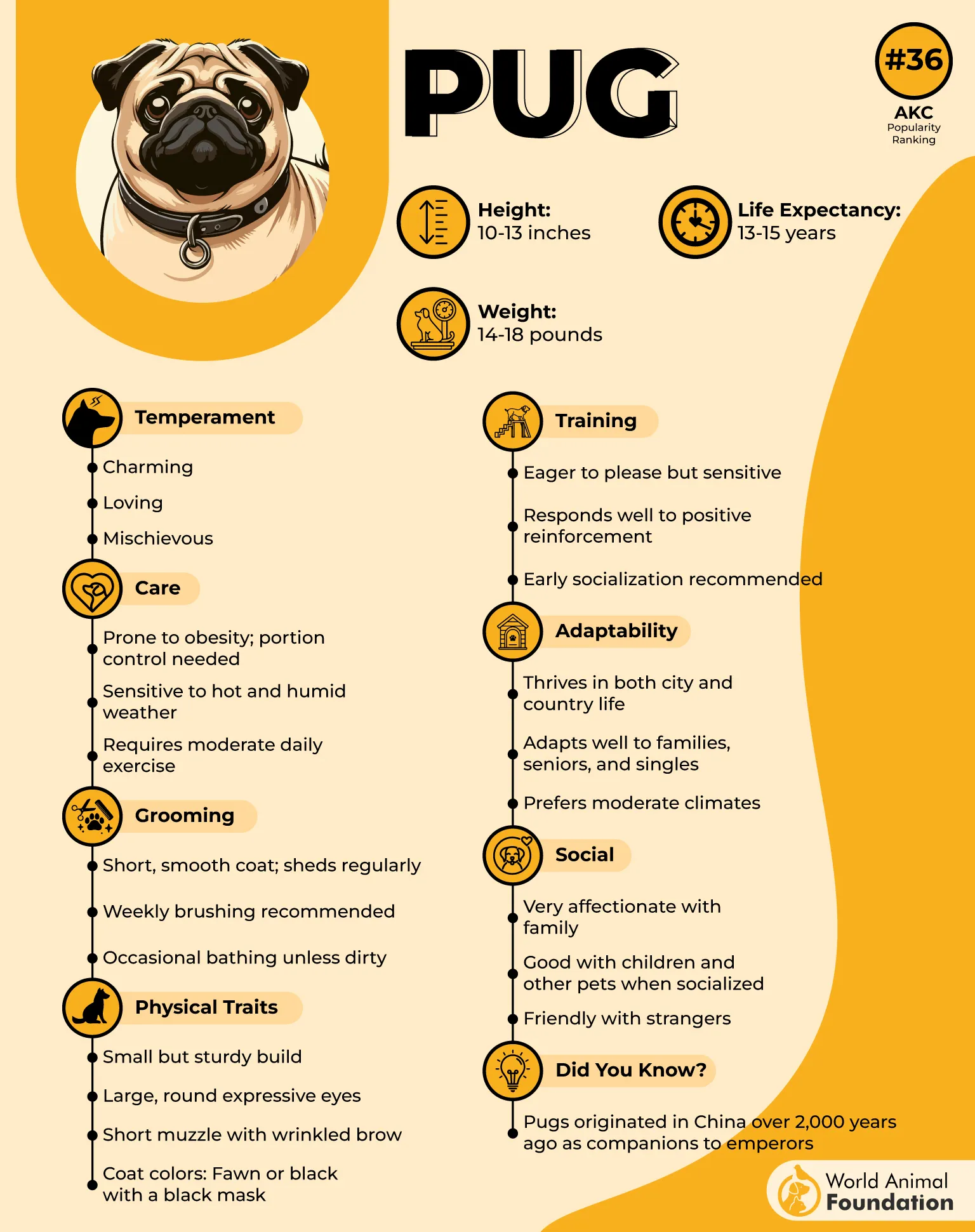
Pugs are affectionate, playful, and friendly companion dogs that can fit well into family homes. They enjoy being around people and other pets and are usually happy to join whatever their family is doing.
Their cheerful personality is balanced by a laid-back side, making them playful without constantly demanding activity.
Playful, Affectionate, and Easygoing
Pugs are generally comfortable around other dogs and pets and enjoy interactive play without being excessively energetic. They are people-oriented and love attention, often following their families from room to room.
Although they can be stubborn, consistent positive training can help them learn basic commands and household manners.
What to Expect at Home
Pugs need regular but moderate exercise, as they can gain weight easily. Short walks and gentle play are usually suitable, while hot and humid weather should be avoided because their short muzzles make them vulnerable to overheating, as mentioned by Britannica.
7. Maltese

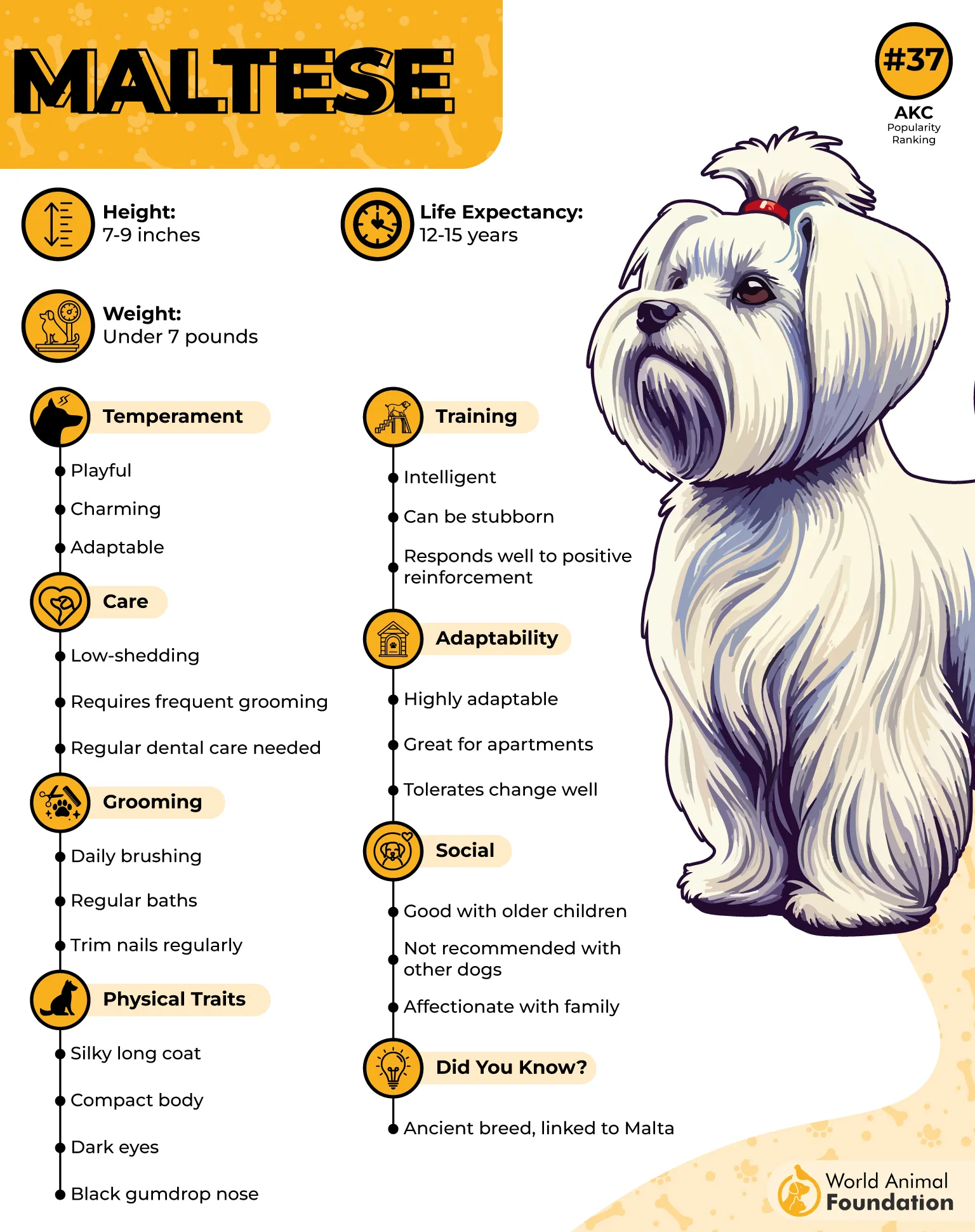
Maltese dogs are gentle and affectionate companions that can fit comfortably into many family homes.
They form strong bonds with their people and enjoy being involved in everyday activities. Their small size and adaptable nature also make them well-suited to apartments and other smaller living spaces.
Smart, Playful, and Responsive
These small breeds are trusting, responsive, and intelligent dogs that learn quickly with positive reinforcement. They enjoy learning tricks, playing indoors, and spending time with their families.
They need daily activity but do not require vigorous exercise, making short walks and interactive games enough to keep them engaged.
What to Expect at Home
The Maltese’s long, silky coat requires daily brushing to prevent mats and tangles, along with regular bathing and grooming.
They can also develop tear staining around their eyes, so routine cleaning may be needed. When properly socialized, their friendly nature can help them adjust comfortably to cat breeds and other furry siblings.
Conclusion
Finding a dog that gets along with cat companions is about more than choosing a breed from a list. Friendly, gentle, adaptable breeds can make wonderful feline friends, but socialization, training, and careful introductions matter just as much.
The personalities of both pets should always be considered before bringing a new dog home.
If you’re ready to add a dog to your cat-loving household, take your time and choose a companion whose energy and temperament fit your existing pet.
Give both animals space to adjust, reward calm interactions, and let their relationship grow naturally. Sometimes, the best friendships start with nothing more than two pets learning to share the same sunny spot.
