




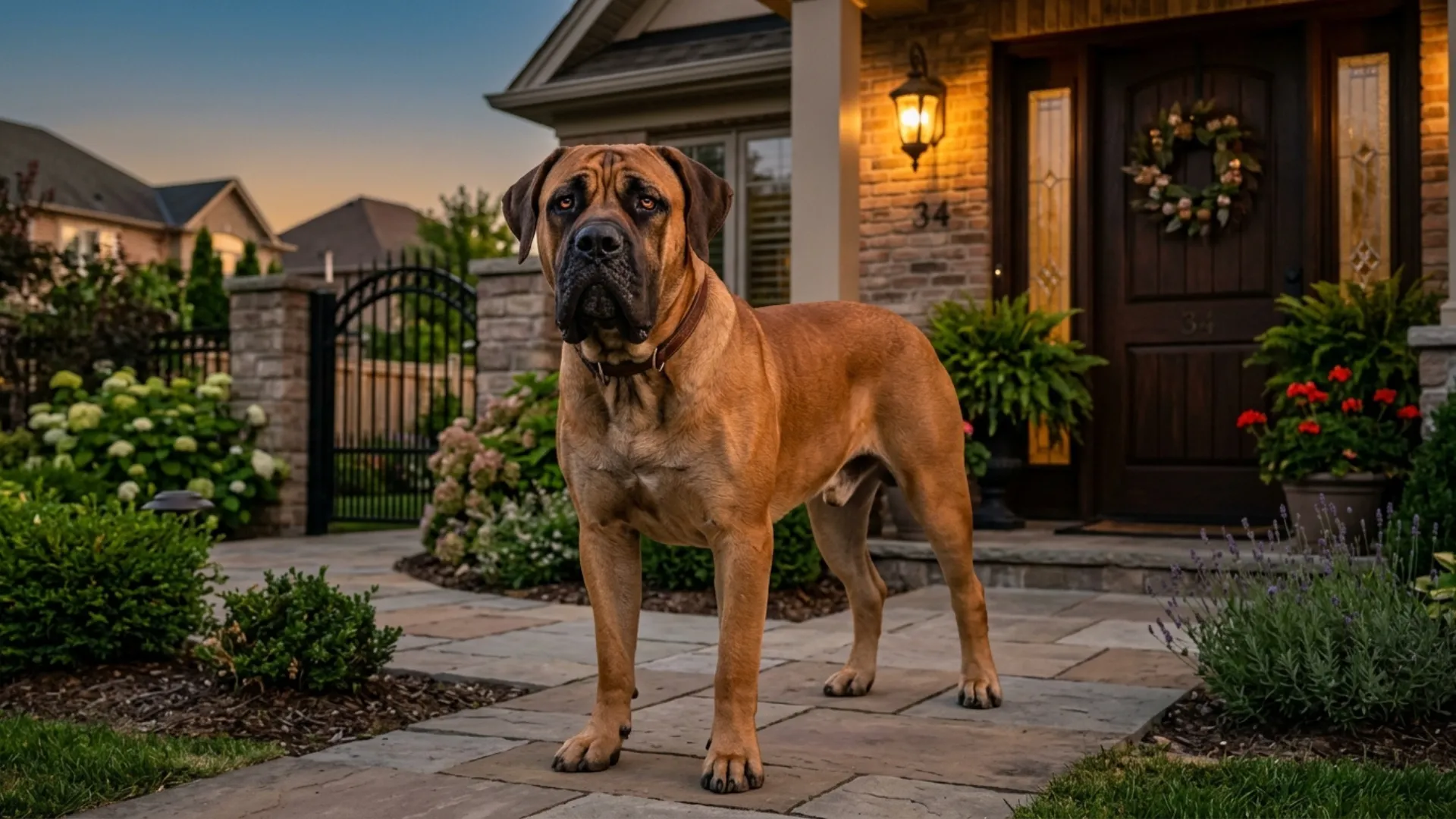
Most people picture a guard dog as loud, aggressive, and always on edge. But the best home defenders are not the ones barking at the leaves. They are the ones sitting quietly by the door, reading the room, and deciding, calmly, whether something is a real threat.
Research from the University of North Carolina found that 83% of convicted burglars avoided homes with dogs. That stat holds for calm breeds just as much as reactive ones. Actually, a composed, confident dog is often more unsettling to an intruder than an anxious one.
Here are 7 breeds that prove you do not need to be unhinged to be genuinely dangerous. Dive into the details and find a perfect match for you.
Best Calm Temperament Dog Breeds for Home Defense
1. Bullmastiff
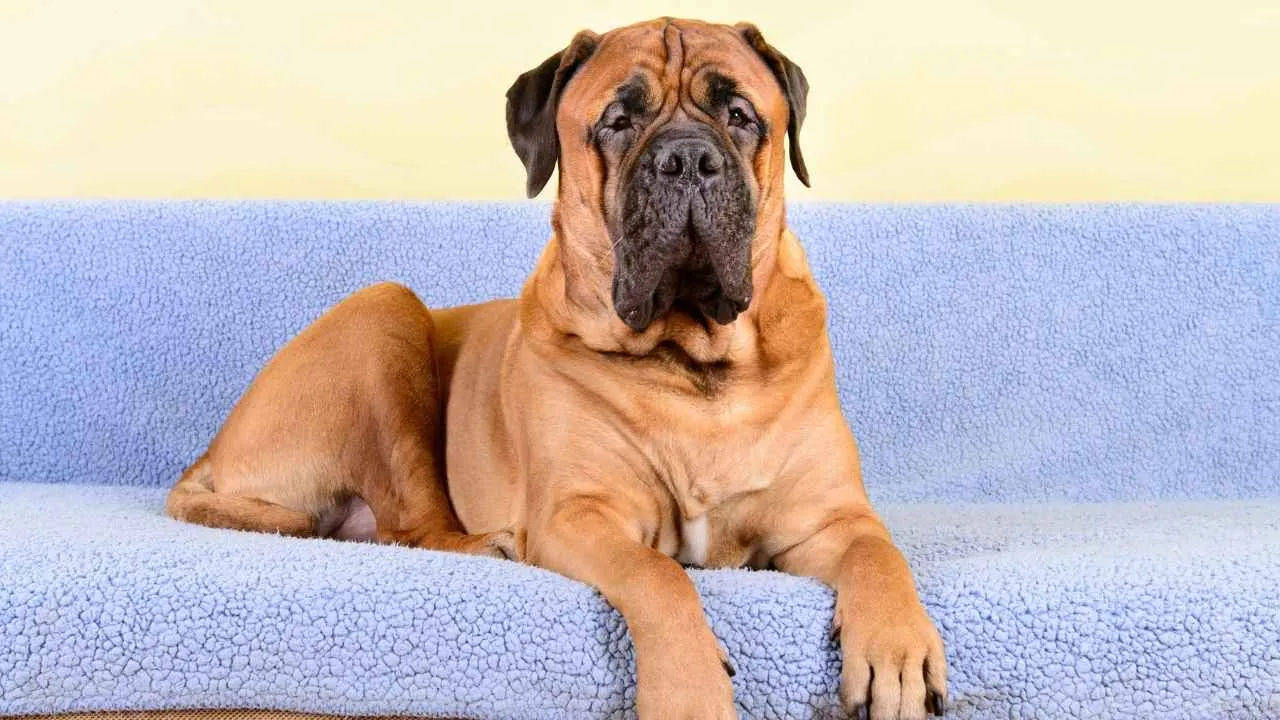
Originally bred as a ‘Gamekeeper’s Night Dog’ to catch poachers, the Bullmastiff is a cross of Mastiff and a Bulldog. Poaching used to be a grave crime back in the 1800s, so this breed was developed to assist the Gamekeepers using its fast speed (25 mph) and strong sense of sight, according to Purina.
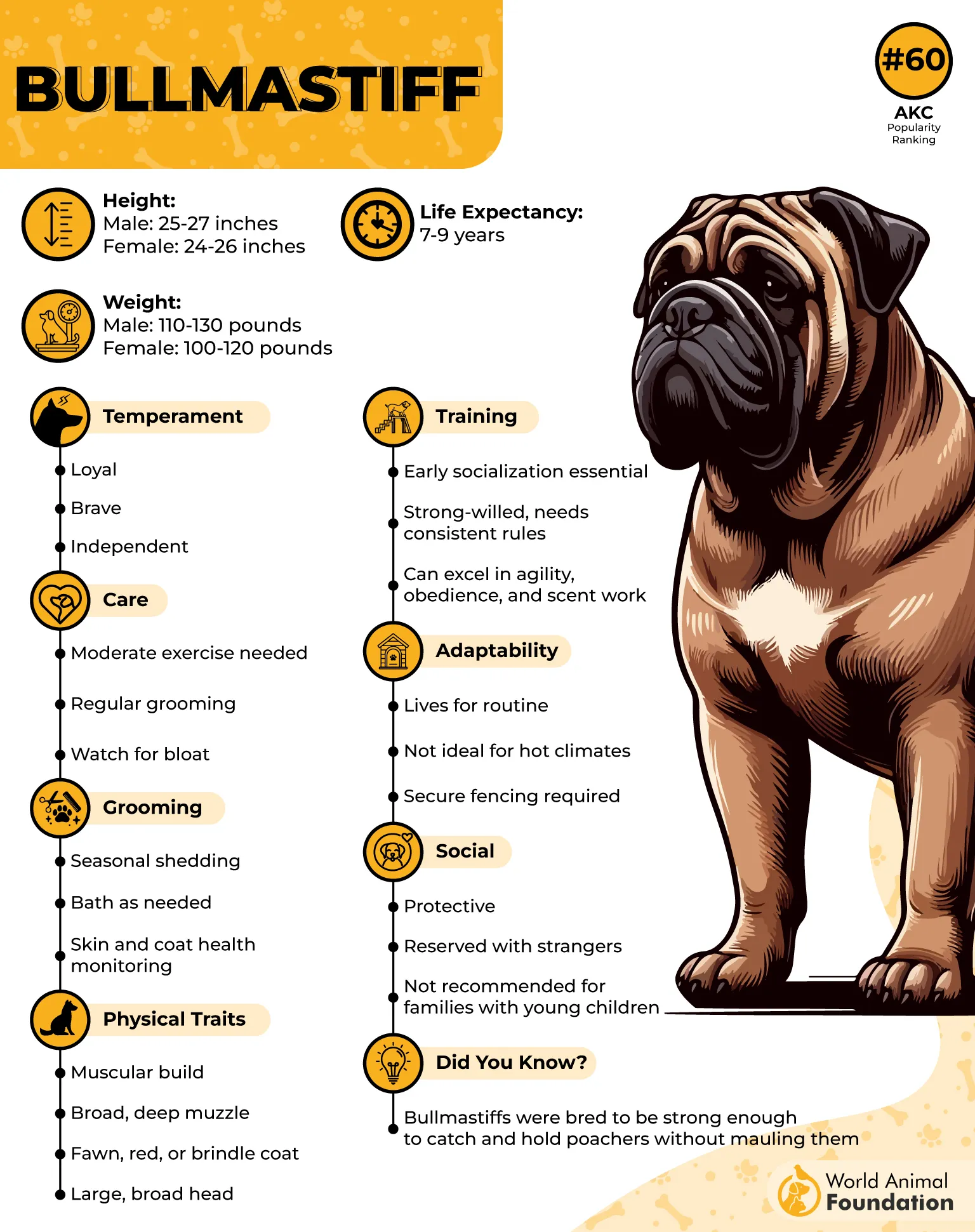
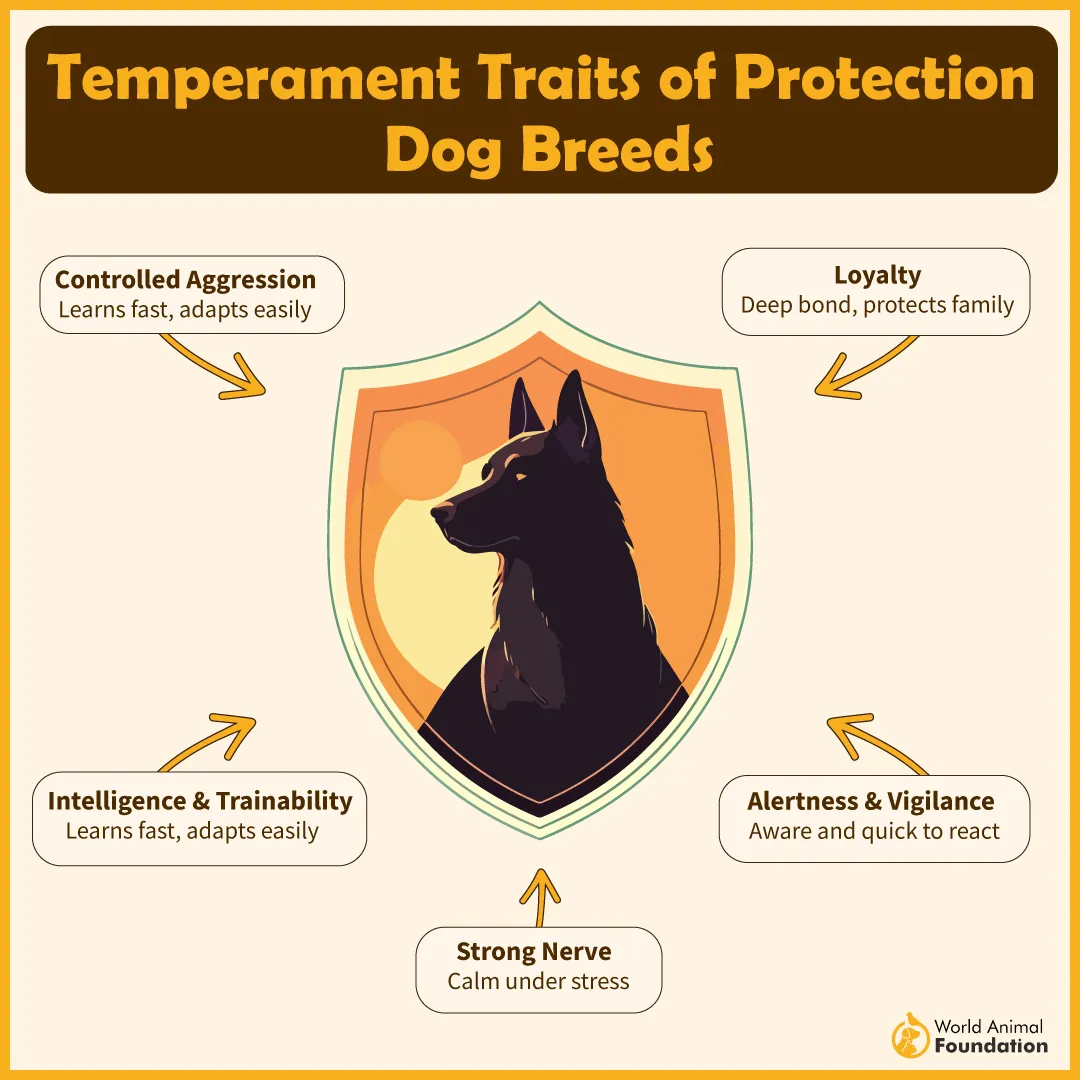
Unlike other energetic breeds, which have an instant adrenaline or cortisol spike, the Bullmastiff has a stable autonomic nervous system. This keeps this loyal companion calm and composed and less barky in stressful situations. It has a low-prey drive and tends to pin-and-hold the prey instead of attacking aggressively.
Despite its massive physique, the breed requires moderate exercise as well as mental stimulation (30-45 minutes). Avoid high-impact exercise, such as long-distance running. The dog traces the attacker using its keen sense of smell. maintains an upright posture and emits a deep growl to deter intruders and warn the family members. It keeps on holding them till the owner comes.
2. Great Dane
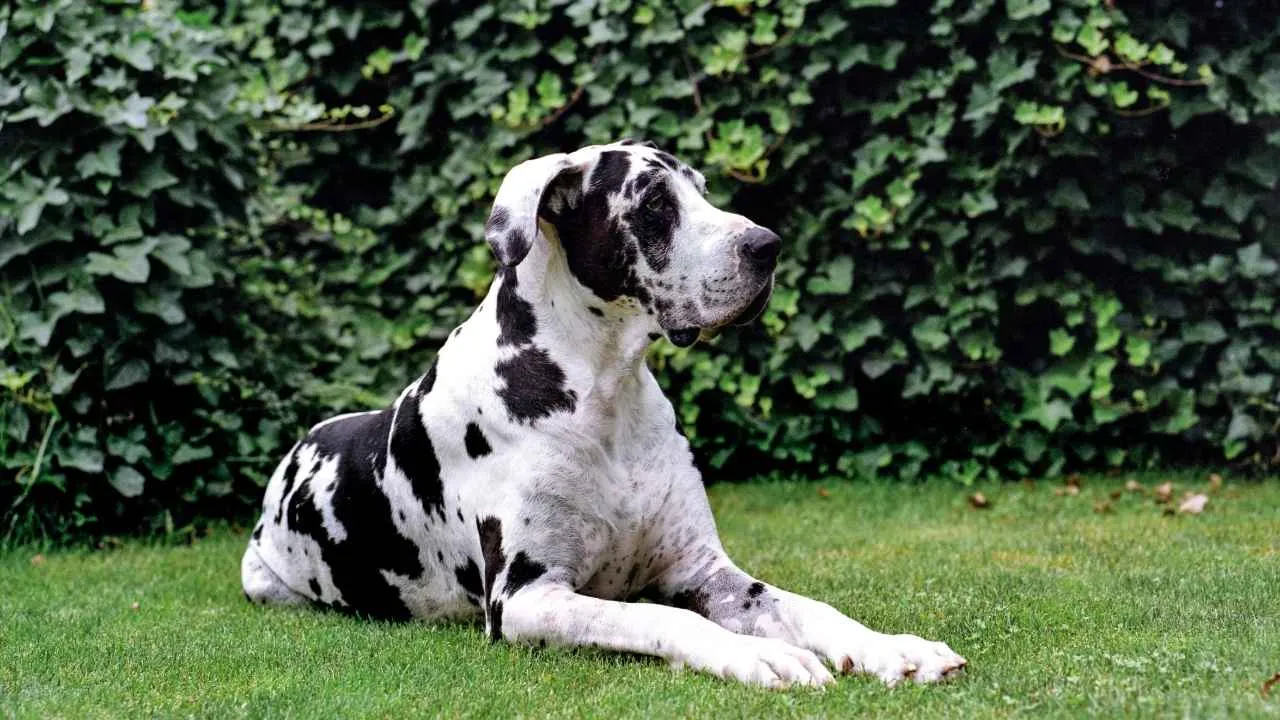
Originating in Germany, the Great Dane used to be heavier and more Mastiff-type in appearance and was used as a hunting and working dog for royalty. It was modified in the 19th century, when it was made lighter and taller, because of the inclusion of a Greyhound. Even the largest dog in the world was a Great Dane (Zeus: 44 inches).
This excellent guard dog has a stable endocrine system and a lower resting heart rate. This provides a high emotional intelligence and calm behavior, which increases ‘reactivity threshold.’ The low-frequency bark easily sweeps through the doors, already creating an intimidating impression on the potential threat.
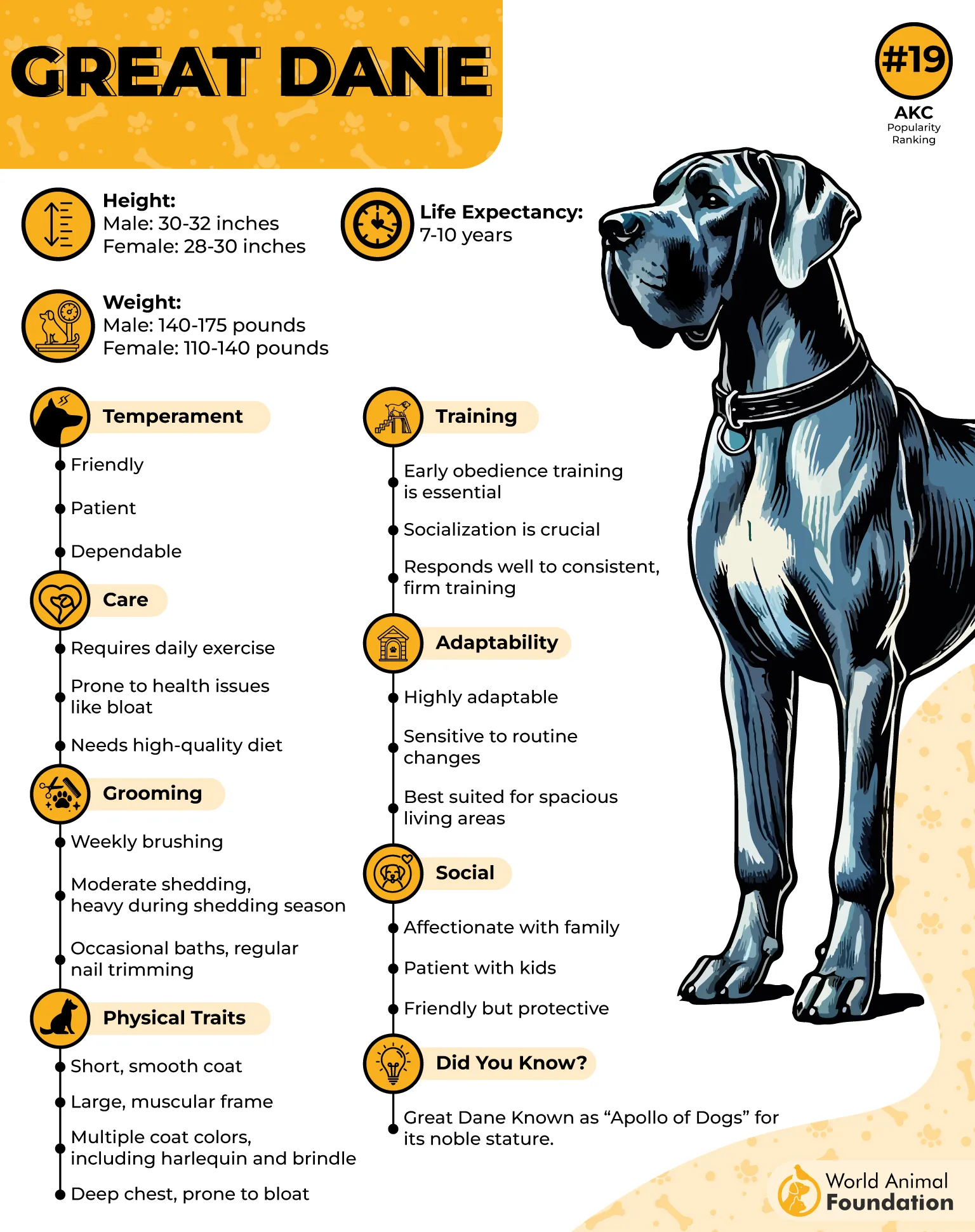
These protection dog breeds form strong bonds with their families and treat their family as their ‘pack,’ thus they are naturally protective of their owners. Standing 32 inches tall and weighing around 140 pounds, it positions itself between the owner and the attacker.
Being one of the smartest breeds, it observes the body language and the facial expressions of the owner, sensing a threat, and then takes preventive measures.
3. Mastiff
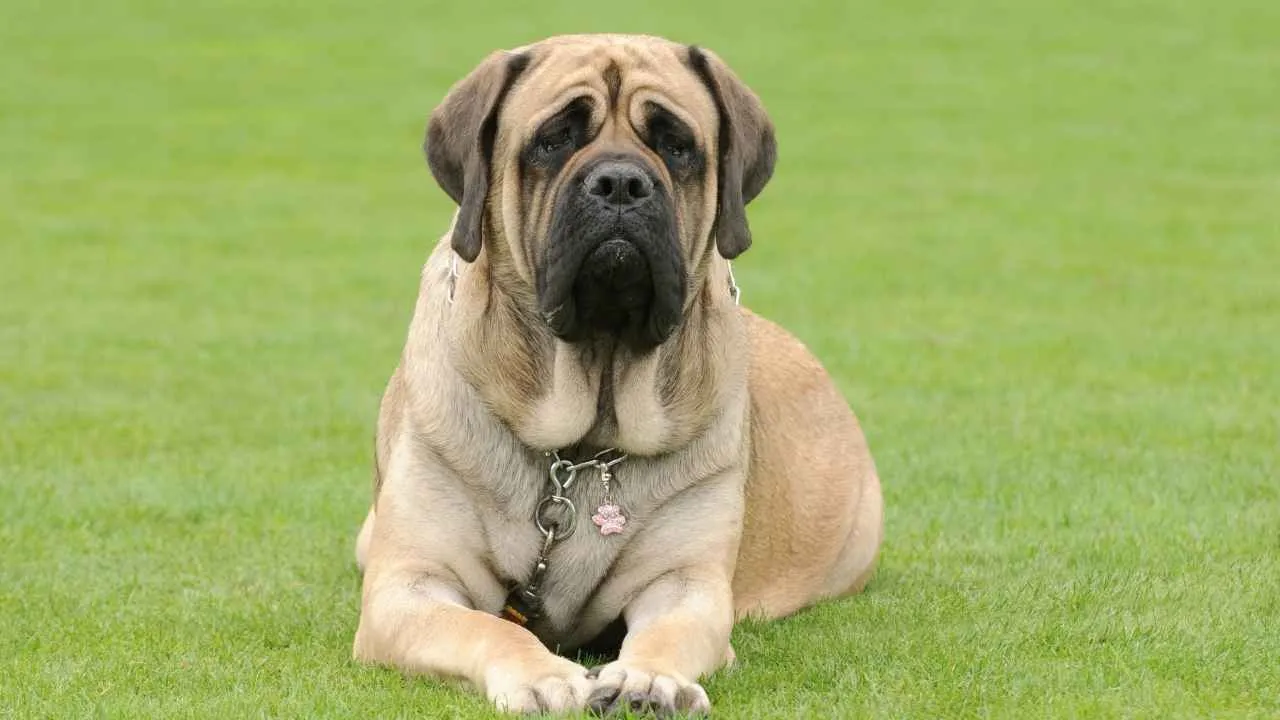
Working as a hunting and guard dog breed for centuries, the breed was discovered by the Romans in 55-54 BCE when they invaded Great Britain. Because of its balanced temperament, it is widely used as a family dog, a protection breed, and for police work, as per PetMD.
Unlike other large breeds that show unnecessary aggression, this gentle giant promotes parasympathetic dominance. This makes it stop, freeze, and stand its ground while remaining calm. It has a strong muscular build, a deep thoracic cavity, and a low centre of gravity, making it intimidating without being physically involved.
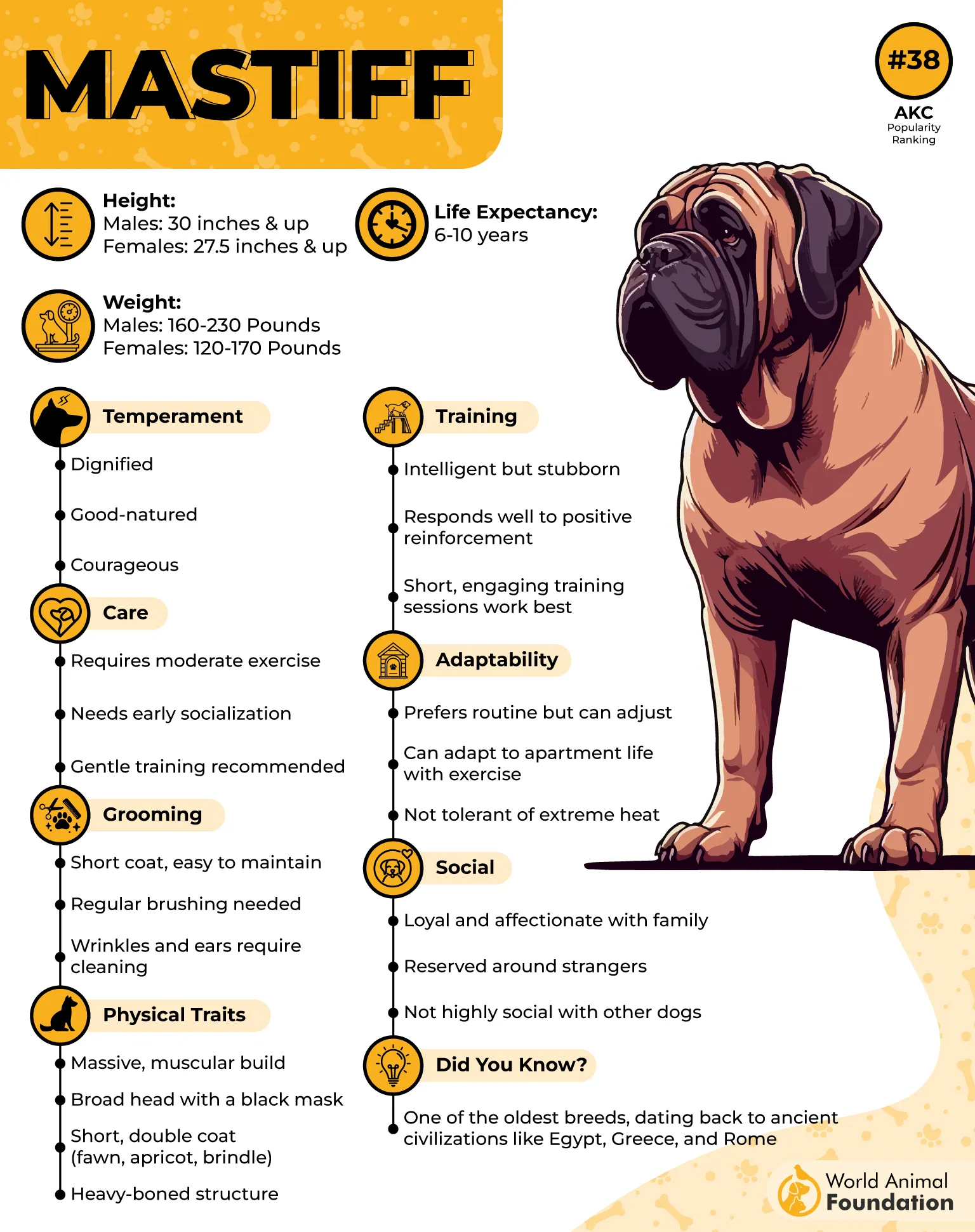
The advanced olfactory system helps it register the owner’s pheromone shift (elevated cortisol or oxytocin). Hence, it mirrors the family’s emotions. This natural guardian requires regular exercise for 30-60 minutes daily. The puppy’s plates require 18-24 months to grow. Since the breed can be stubborn sometimes, it needs extensive training and proper socialization.
4. Boerboel
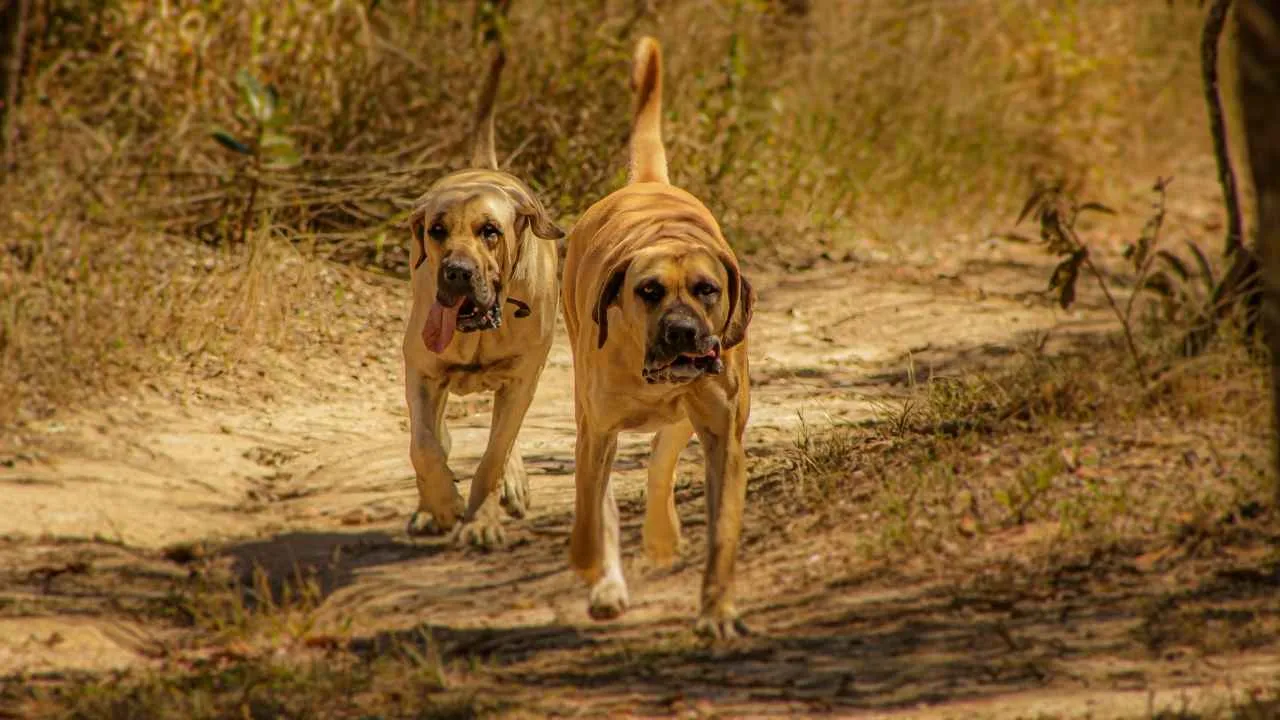
The only South African breed developed to protect farms and homes. The name is derived from an Afrikaans/Dutch word ‘boer,’ which means ‘farm.’ Bullenbijter is known to be one of the ancestors of the breed brought to South Africa by Jan van Reibeek in 1952. It keeps its baseline stress hormones regulated and only engages in fight-or-flight situations.
This protective dog breed saves physical power by not vibrating and pacing in stressful situations. It keenly processes the olfactory and auditory cues; thus, it responds appropriately to unusual activities. It is not a regular barker and only barks when there is a genuine threat. This gentle companion is deeply loyal to the family and is naturally wary of strangers, making it the right breed for personal protection.
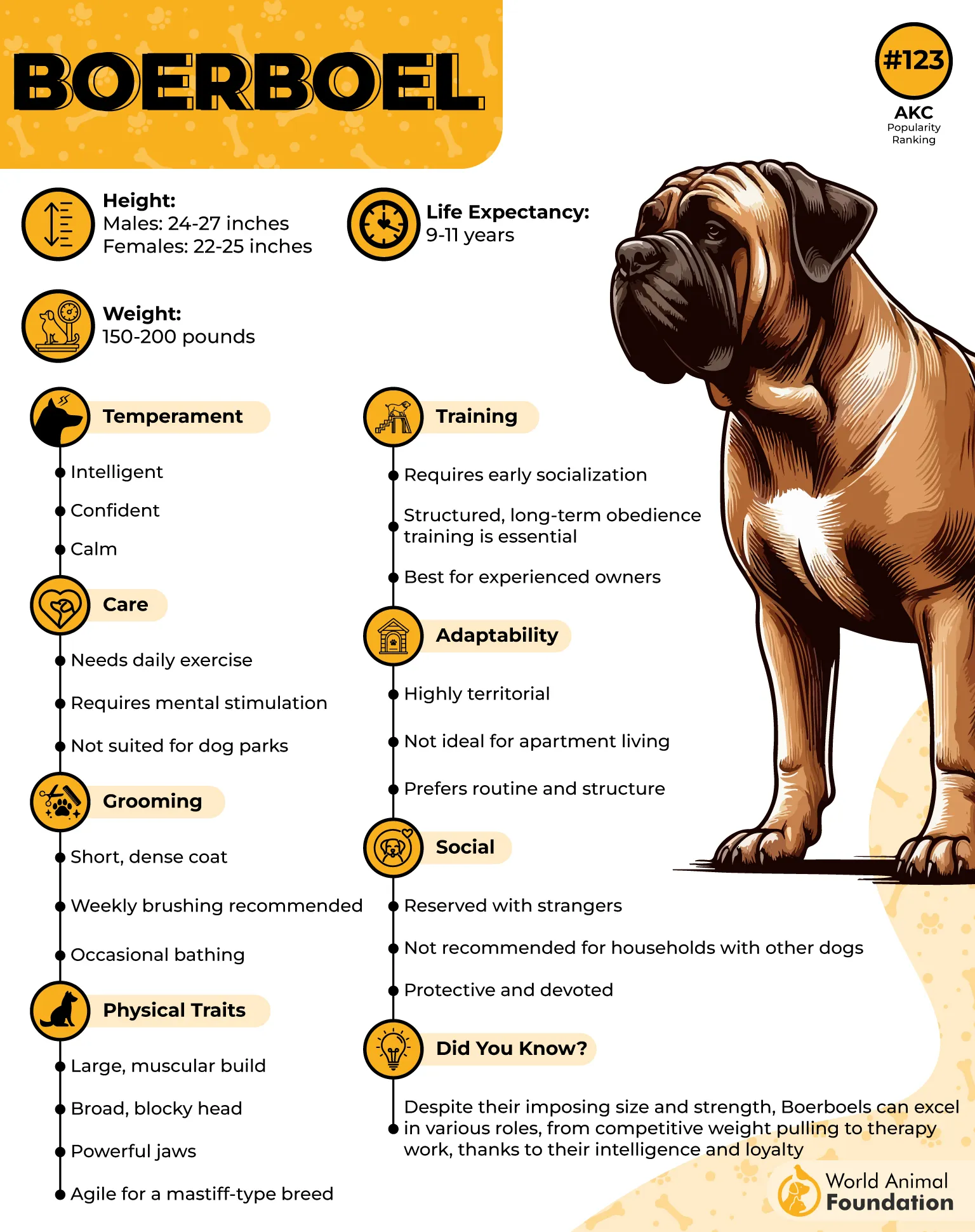
It has moderate-to-high exercise needs (1.5-2 hours): puzzle-solving games, leash walks, long runs, etc. Consistent training with positive reinforcement is needed since the breed can consider itself a leader and tries to take charge. If the owner remains calm when a visitor enters the territory, it also remains calm and vice versa.
5. Great Pyrenees
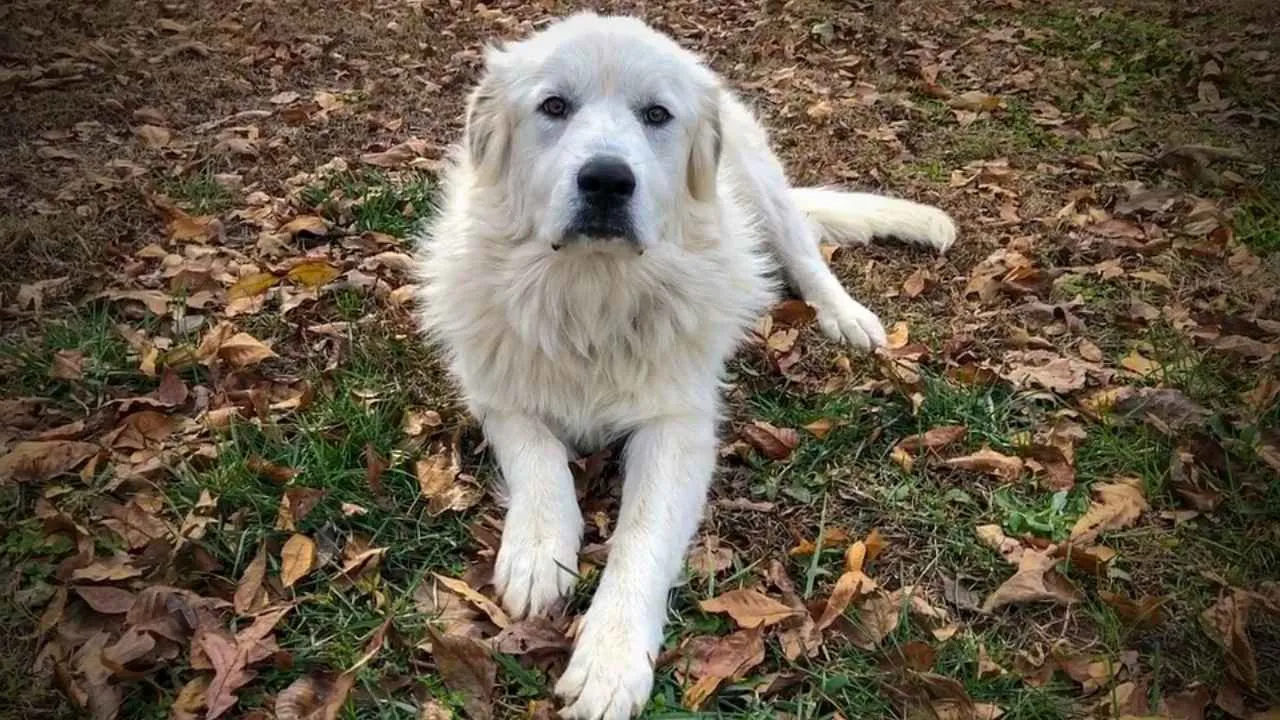
A French breed originated in the Pyrenees Mountains between Spain and France as a livestock guardian dog. Its primary goal was to protect the livestock from large game: wild boars, bears, and deer. It was usually fitted with an iron wolf collar studded with nails to provide protection when fighting, according to Wikipedia.
This extremely intelligent breed has low sympathetic arousal and high parasympathetic dominance, making it an excellent protection dog in stressful situations. Being a nocturnal breed, it tends to sleep during the day (12-14 hours) and becomes active at night.
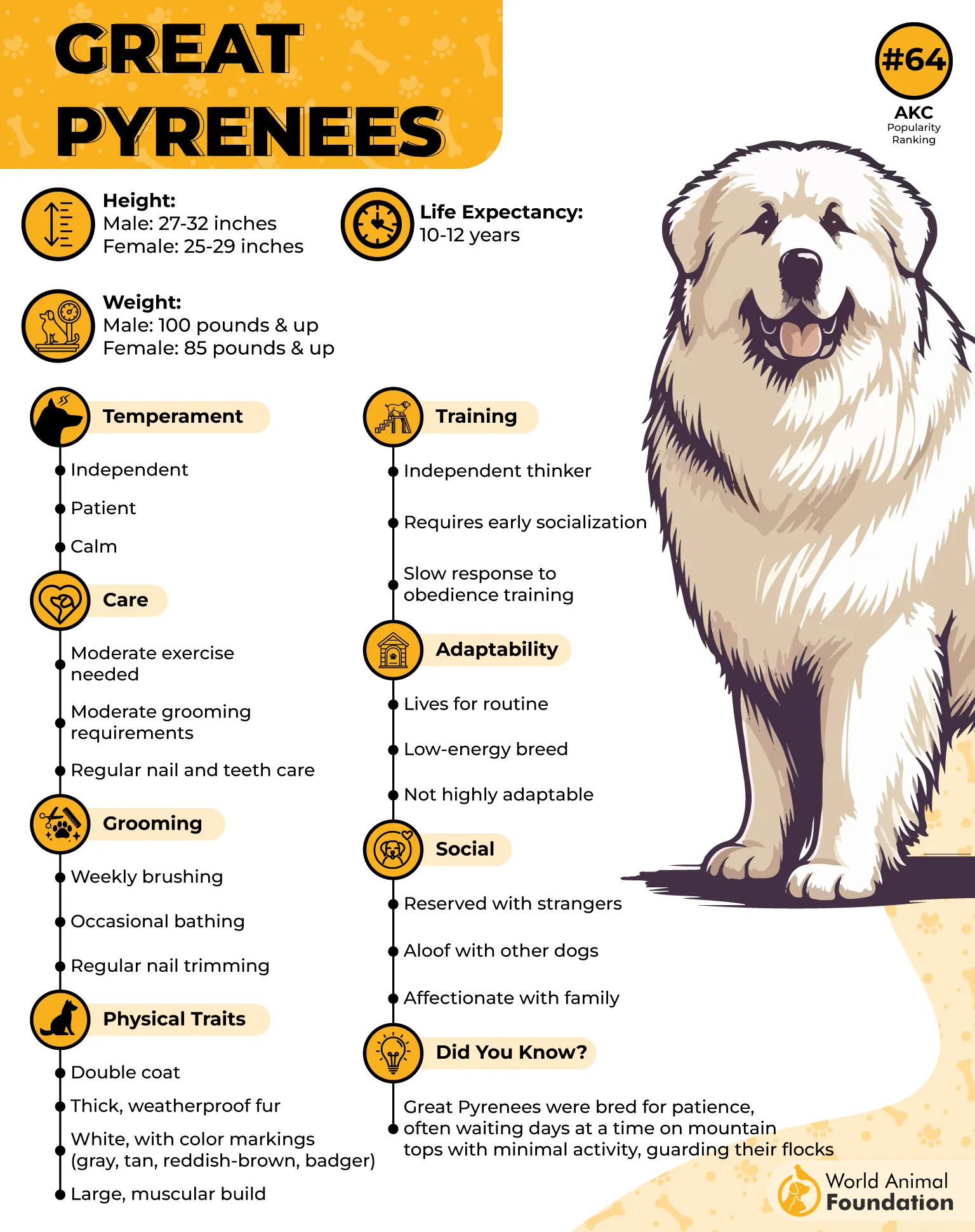
This deeply devoted dog has an incredible ‘switch-off’ mode, depicting calm and gentle behavior in a safe environment, and as soon as it senses a threat, its alert and protective instincts come into action. It patrols the perimeters and watches over the surroundings by positioning itself at a vantage point.
6. Saint Bernard
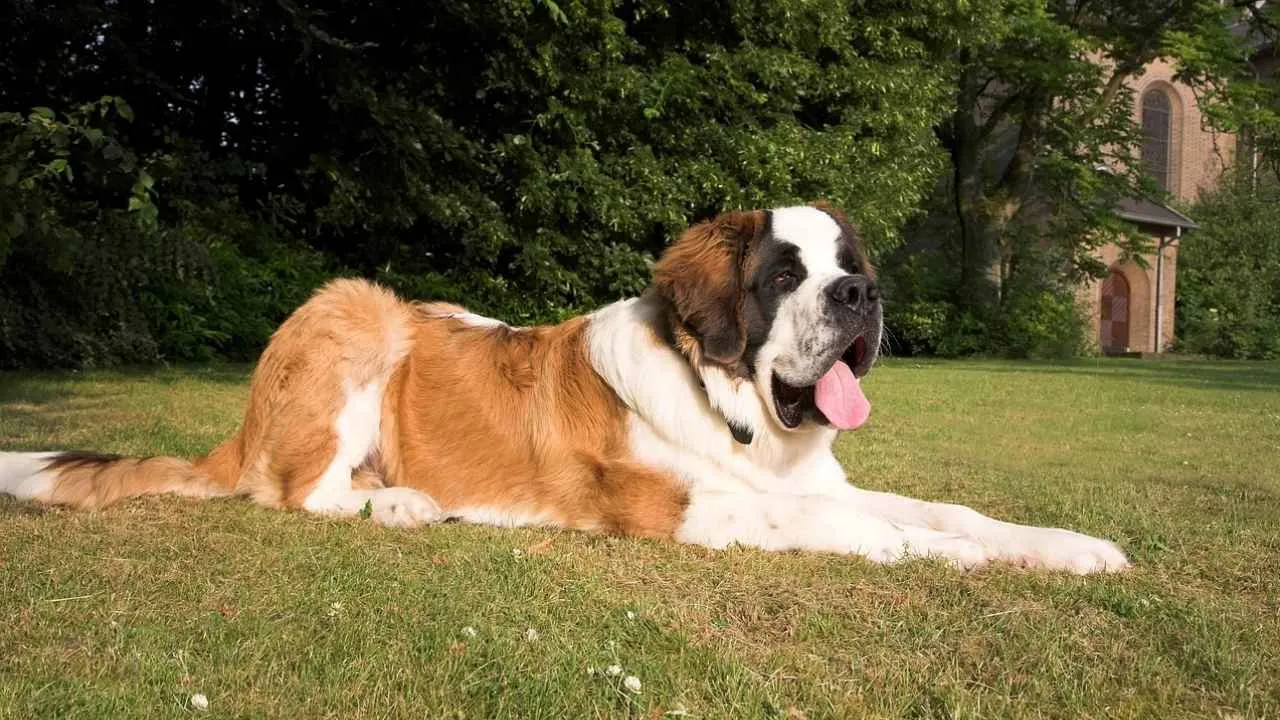
Developed between Switzerland and Italy in the Swiss Alps (sitting almost 2,469m above sea level), the Saint Bernard was initially used by monks to help them rescue travelers trapped in snow. It used to take them out of the snow, licked their faces (to keep them awake), and wrapped its warm body around them to provide warmth.
Since this best guard dog was bred for rescuing purposes, it has a low prey drive. It has a massive thoracic cavity that allows deep-toned bark. Despite weighing 120-180 pounds, it has moderate exercise needs (30-60 minutes): walking, hiking, puzzle toys, and scent games, etc. It has a significant centre of gravity.
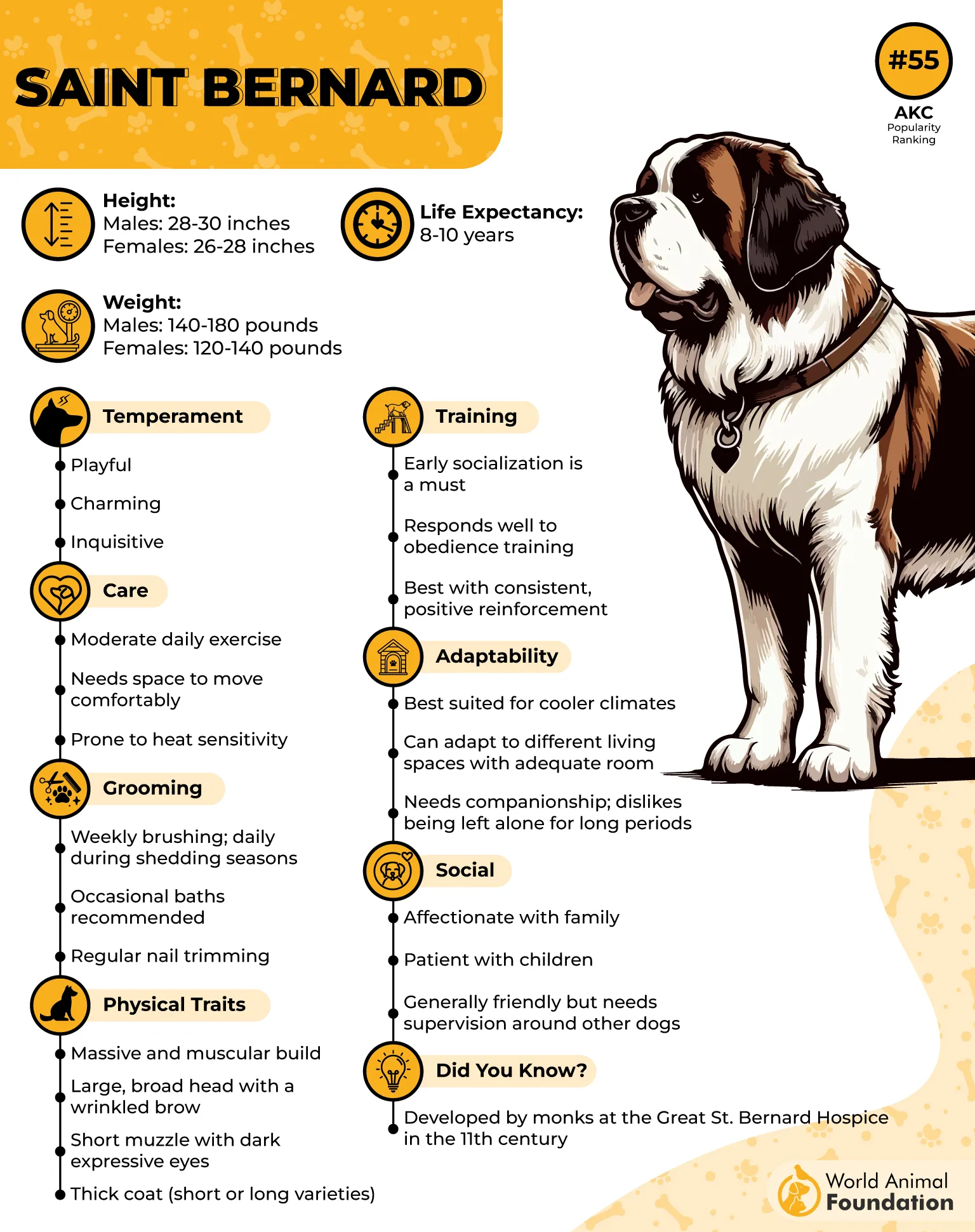
It is an excellent ‘nanny dog,’ because of its forgiving and affectionate nature. It has a ‘pack mentality,’ it can differentiate between normal and threatening visitors, and physically blocks the entry points (doors) and actively intercepts. The breed has limited jumping and stair climbing during the first 2-3 years of its life to prevent orthopedic damage to the growing bones.
7. Newfoundland
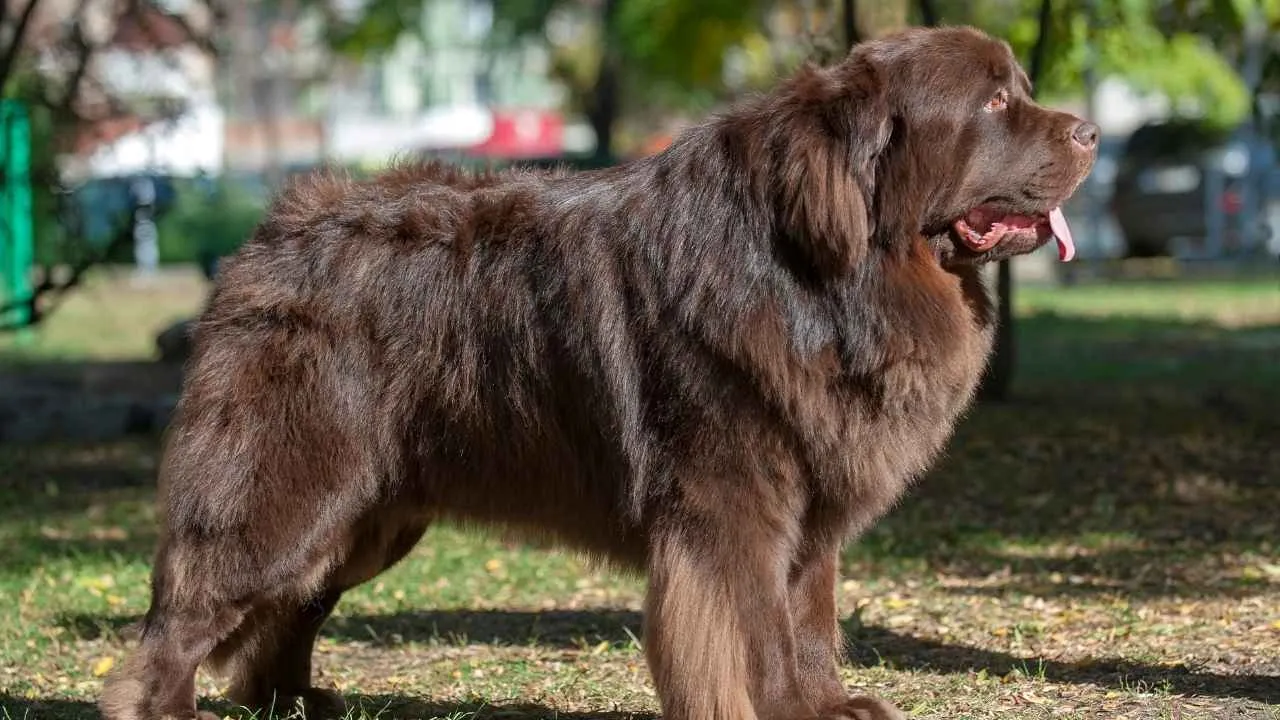
The breed was developed in the 18th century by crossing different breeds of Pyrenean Mountain Dog and local Eskimo Dog. The primary goal was to pull carts; later, it was found that this dog breed is also an excellent water dog because of the webbed feet and an oily coat.
Being an incredible search and rescue dog, it happily dives into icy water to rescue people. One dog was even praised in 1919 when it rescued 92 people from a ship that sank off the Newfoundland Coast. Its bear-like giant structure has 150-176 pounds of weight, broad muzzles, dark eyes, and it can detect unusual smells, like smoke, before humans.
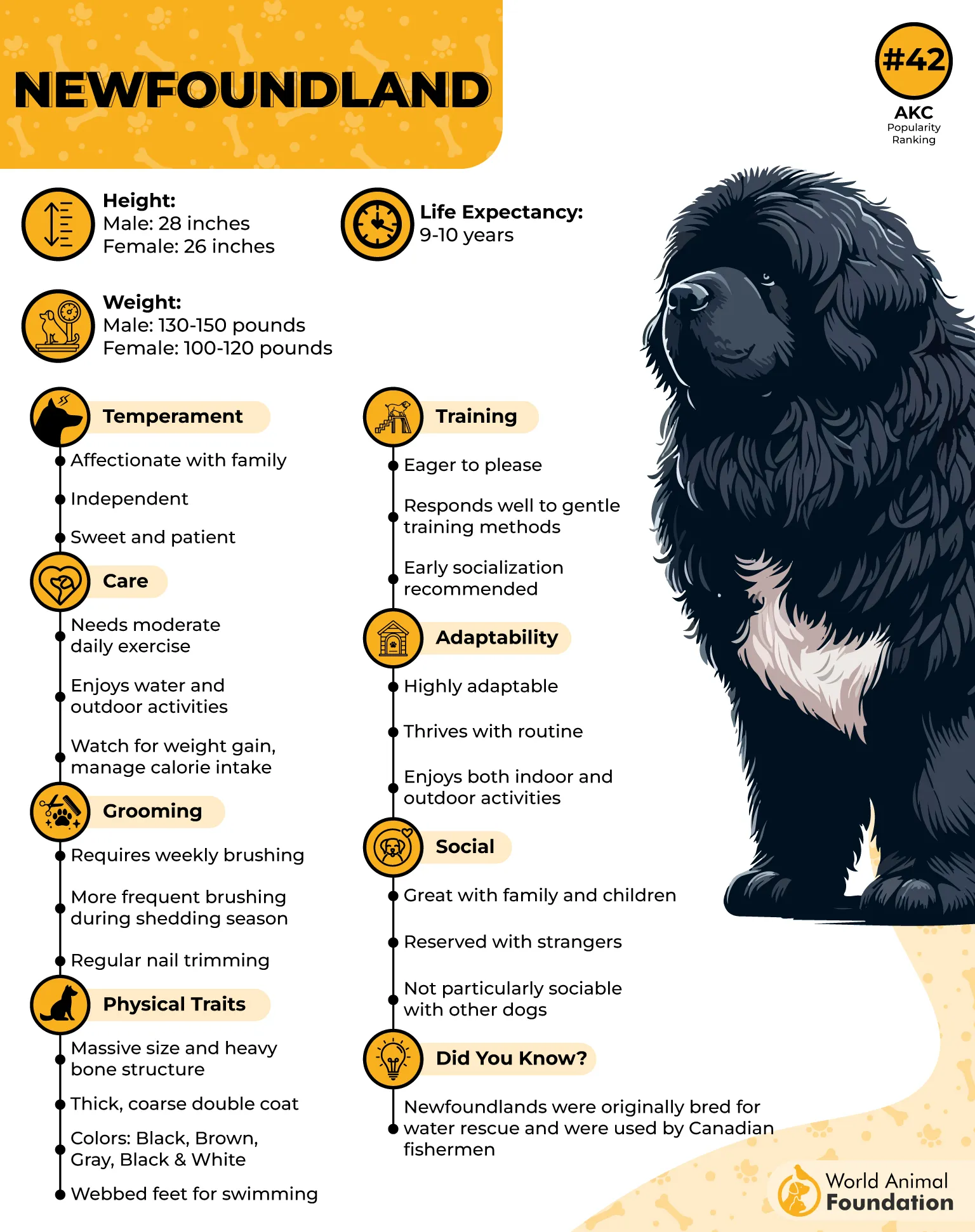
It needs low-impact exercise daily (30-60 minutes daily): scent games, obedience training, and swimming are ideal. It avoids biting until directly attacked. Early socialization and leash training are non-negotiable for the breed since the right protection dog is extremely intelligent and independent, which may cause stubbornness.
Conclusion
Calm does not mean passive. Every dog on this list carries serious protective capabilities, wrapped in a temperament steady enough to live peacefully alongside a family. That combination is rarer than people think, and more valuable than a dog that is constantly on the edge.
Choose the breed that fits your lifestyle, invest in proper training and socialization, and give them the life they deserve. You will get a guardian, a companion, and one of the best decisions you have ever made for your home. These dogs are basically your eternal love in a dog form.
