




Peace at home feels better when your dog stays calm and steady. A lot of people think guard dogs must be loud, wild, and stressful.
Sounds crazy, right? The truth is, some of the best guard dogs are quiet thinkers. They watch. They wait. They step in only when it matters.
And here’s the best part! Many of these dogs also love sofa time, gentle play, and daily cuddles with family members.
This blog is for dog owners who want safety and comfort in the same home. You will meet 9 dog breeds known for a calm vibe and a strong guard side. Each breed can fit family life when you use proper training and proper socialization.
The goal is simple. Pick the right dog, raise them with care, and enjoy a loyal companion who helps you breathe easier.
Top Calm Guard Dog Breeds for Peace of Mind
1. Bullmastiff
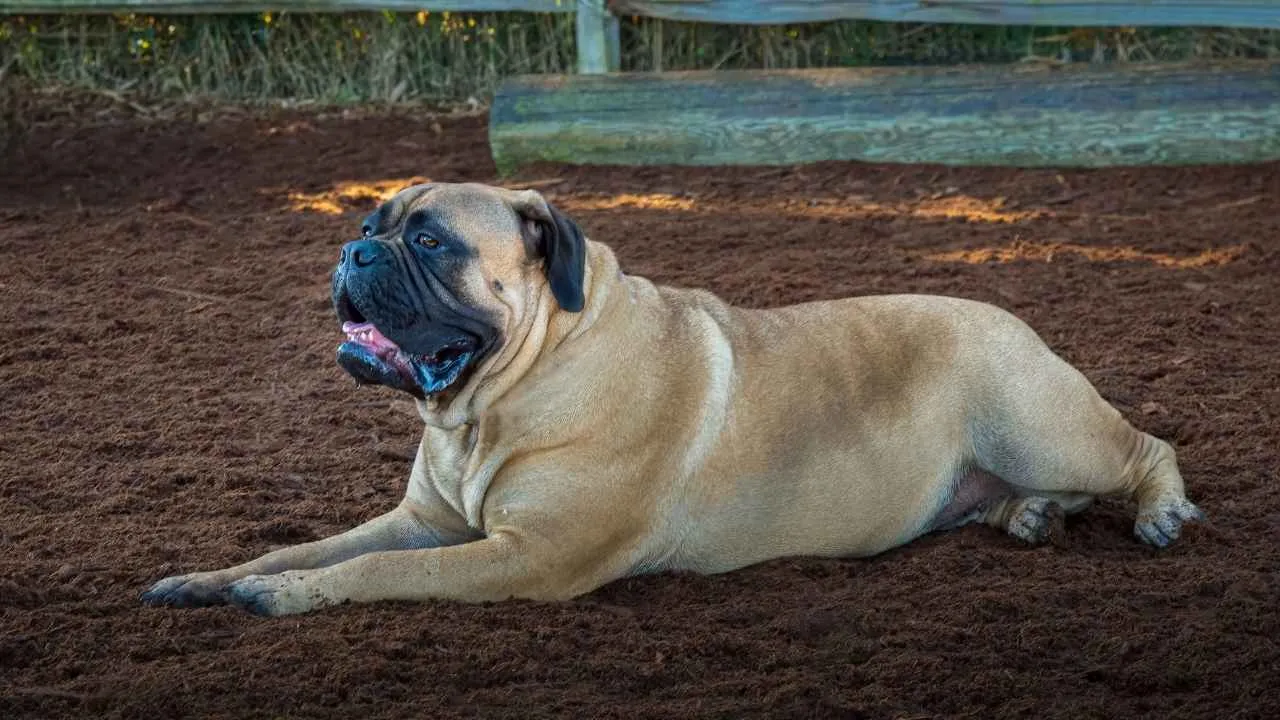
A Bullmastiff looks serious, and that is kind of the point. This breed was originally bred to guard and stand their ground, not bounce off the walls. You get a stocky body, a broad chest, and a calm stare that makes strangers think twice.
The muscular build also helps, but the real magic is their steady mind. When the home feels normal, they act normal.
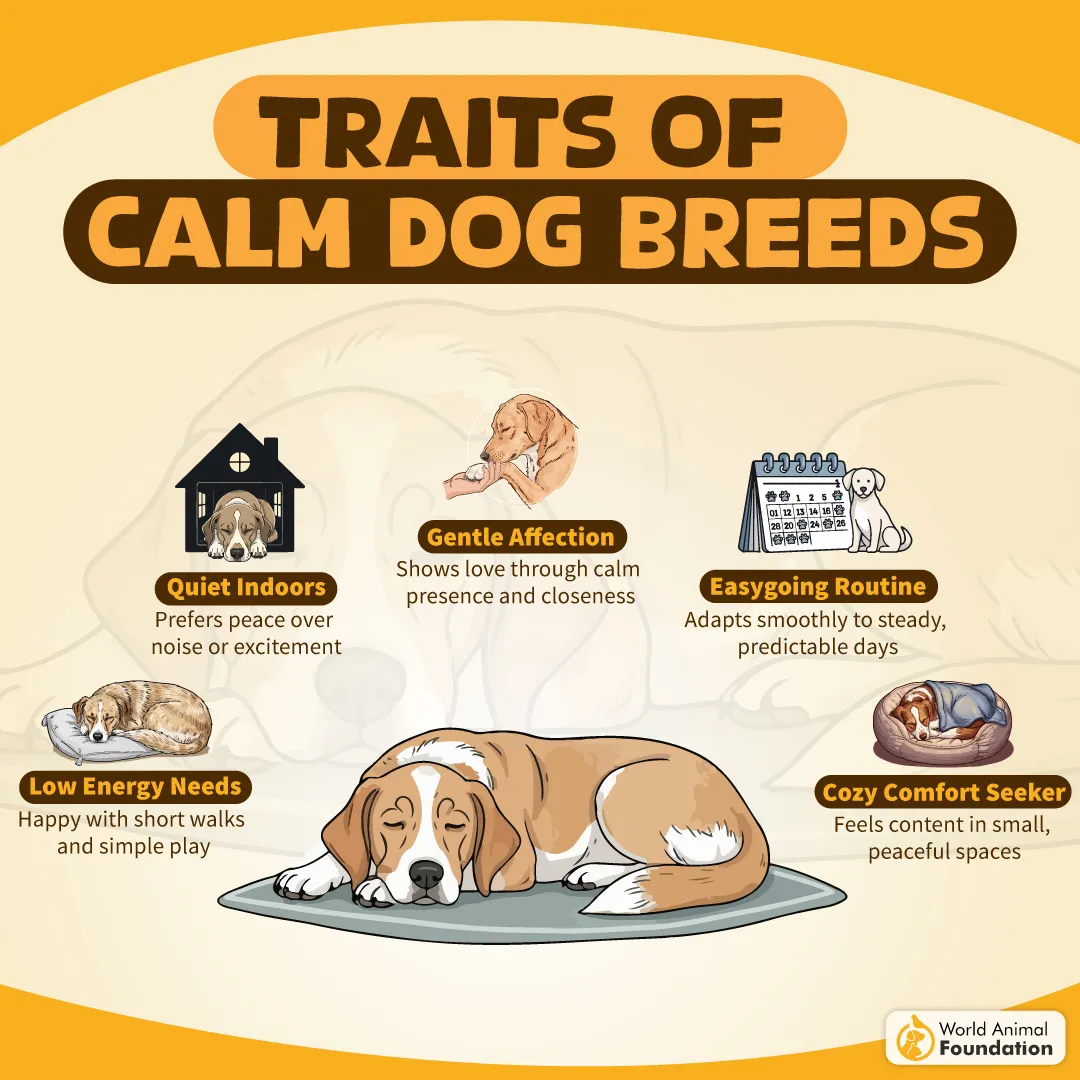
In day-to-day family life, a Bullmastiff often feels like a big shadow that follows loved ones from room to room. They can be affectionate without being clingy.
They tend to settle fast, which is great if you like low-energy dogs that do not need nonstop action. But why bother with that? Because peace matters. A protective dog that can relax is a gift.
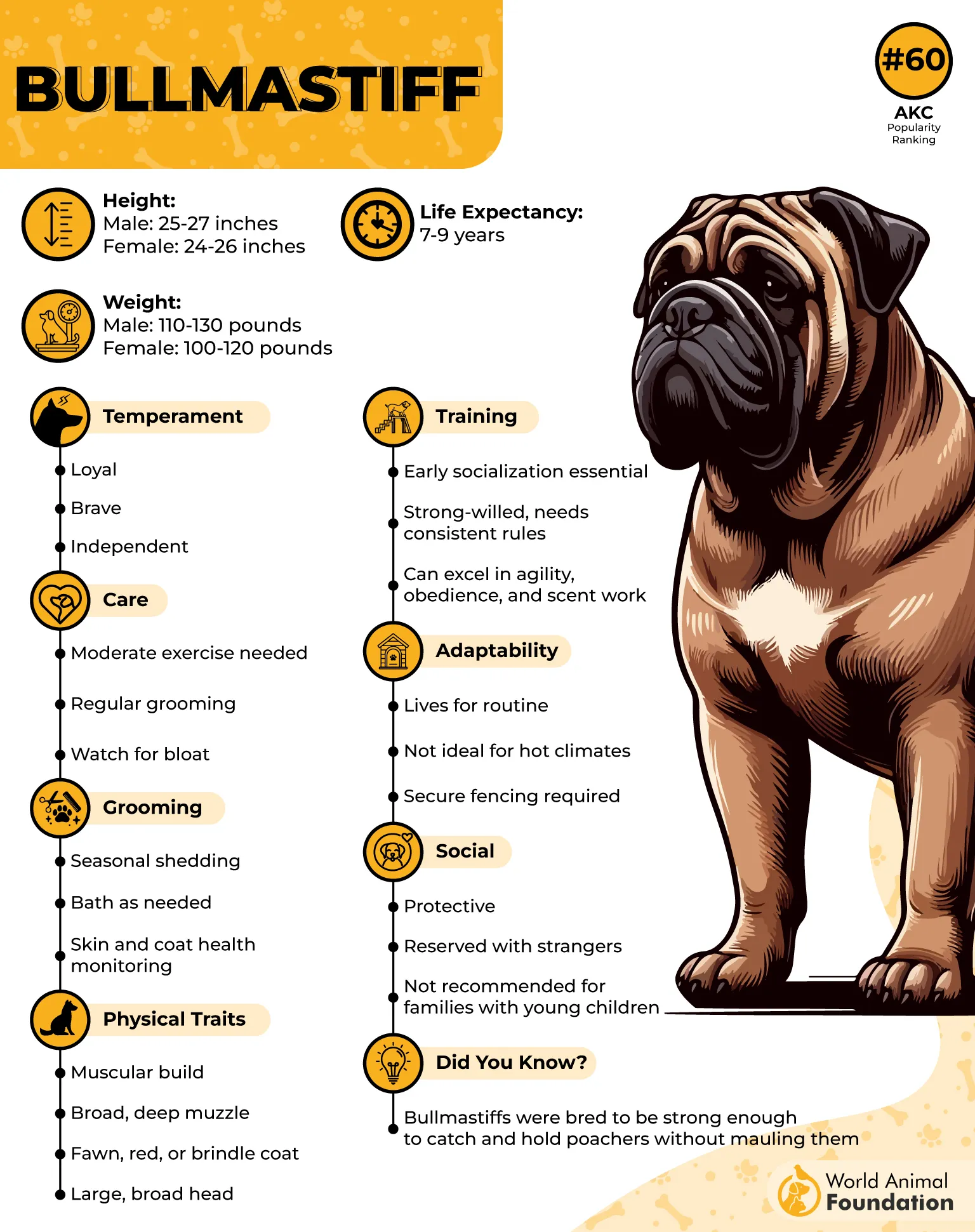
Training should start early, but keep it simple and kind. Proper training matters because this breed is strong, and you want good manners to match that power.
Use short sessions, clear rules, and calm leadership. With consistent training, you can shape those protective instincts into polite home habits.
Quick notes you will actually use
Low to moderate activity fits busy weeks and limited free time
Watch for hip dysplasia and heart issues with regular vet checks
A short coat is low maintenance and easy to clean
2. Great Dane
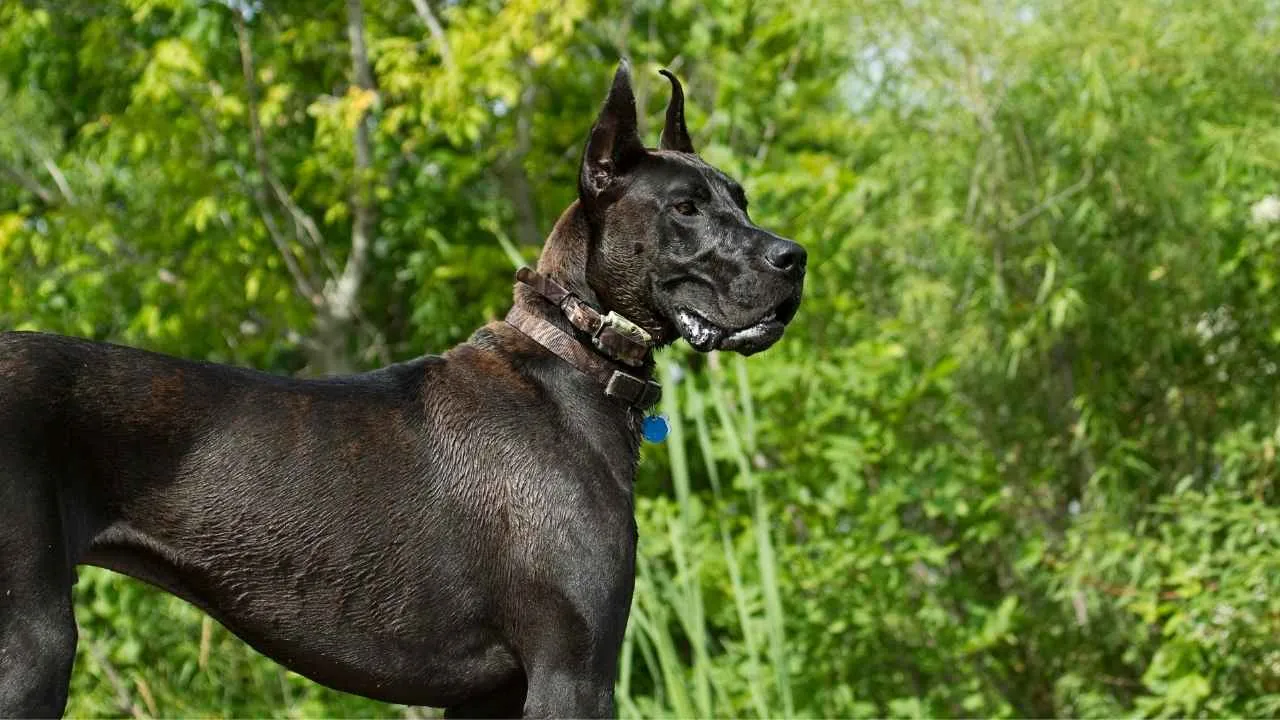
The great dane is famous for size, but the heart is often soft. These gentle giants can look like a living wall at your front door.
That alone can make them great guard dogs, even when they are being quiet. Their naturally protective side shows up as calm watching, not constant drama. Here’s the good part. Many are sweet with kids and enjoy being close to family.
Even with that calm and friendly nature, early rules matter. Their body is tall, the chest is broad, and one excited spin can knock a table over.
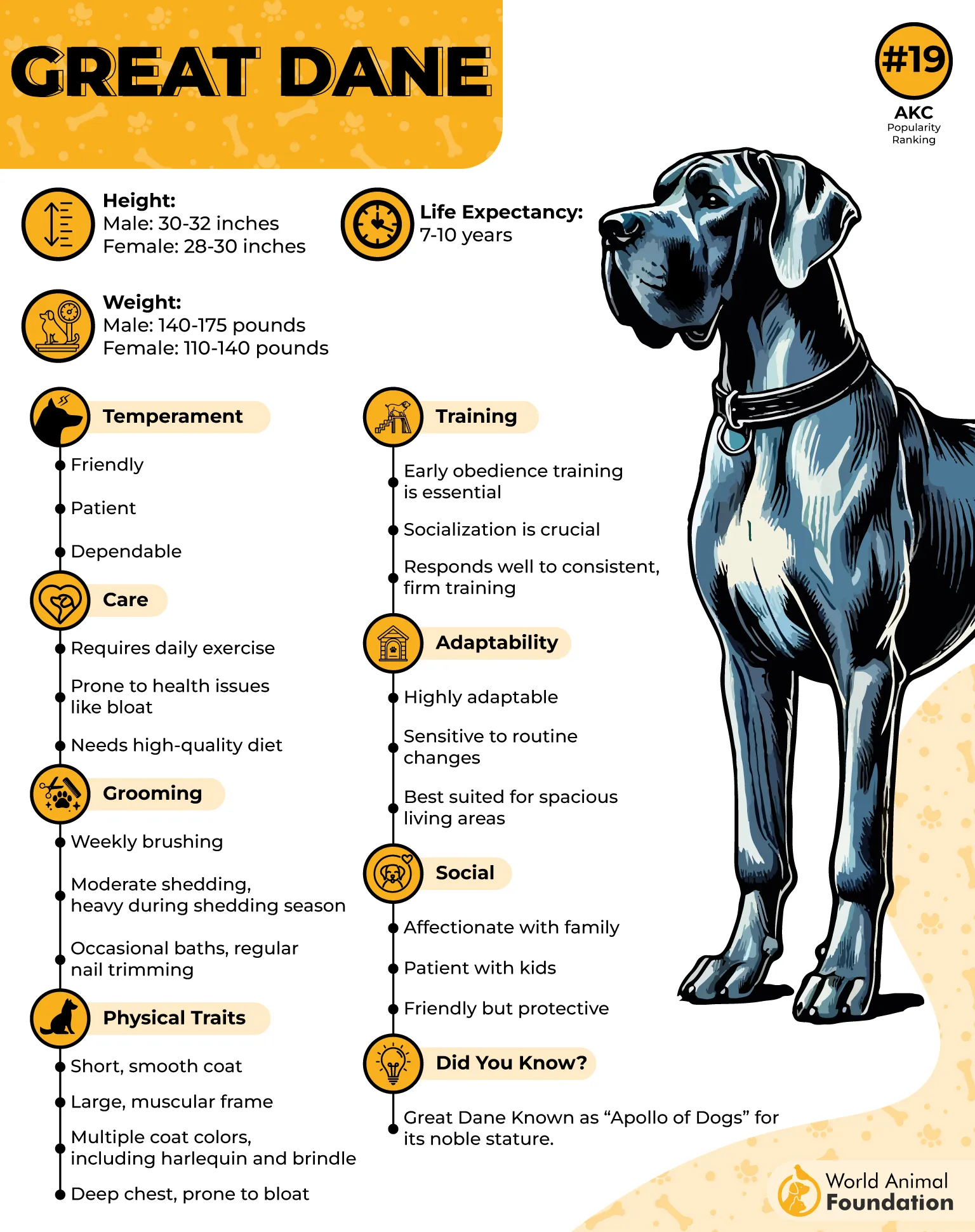
So training is less about making them tough and more about teaching calm moves inside the home. Think slow greetings, polite door manners, and a steady walk.
Keep daily life balanced. A great dane often does best with regular exercise, but not extreme workouts. A good walk and some mental stimulation can help them stay relaxed. When they feel included, they act like affectionate companions who want to protect the people they love.
Quick notes you will actually use
Start training early so the size stays safe and easy to handle
Moderate activity supports healthy energy levels
Watch for bloat and heart disease, and learn the warning signs
3. Saint Bernard
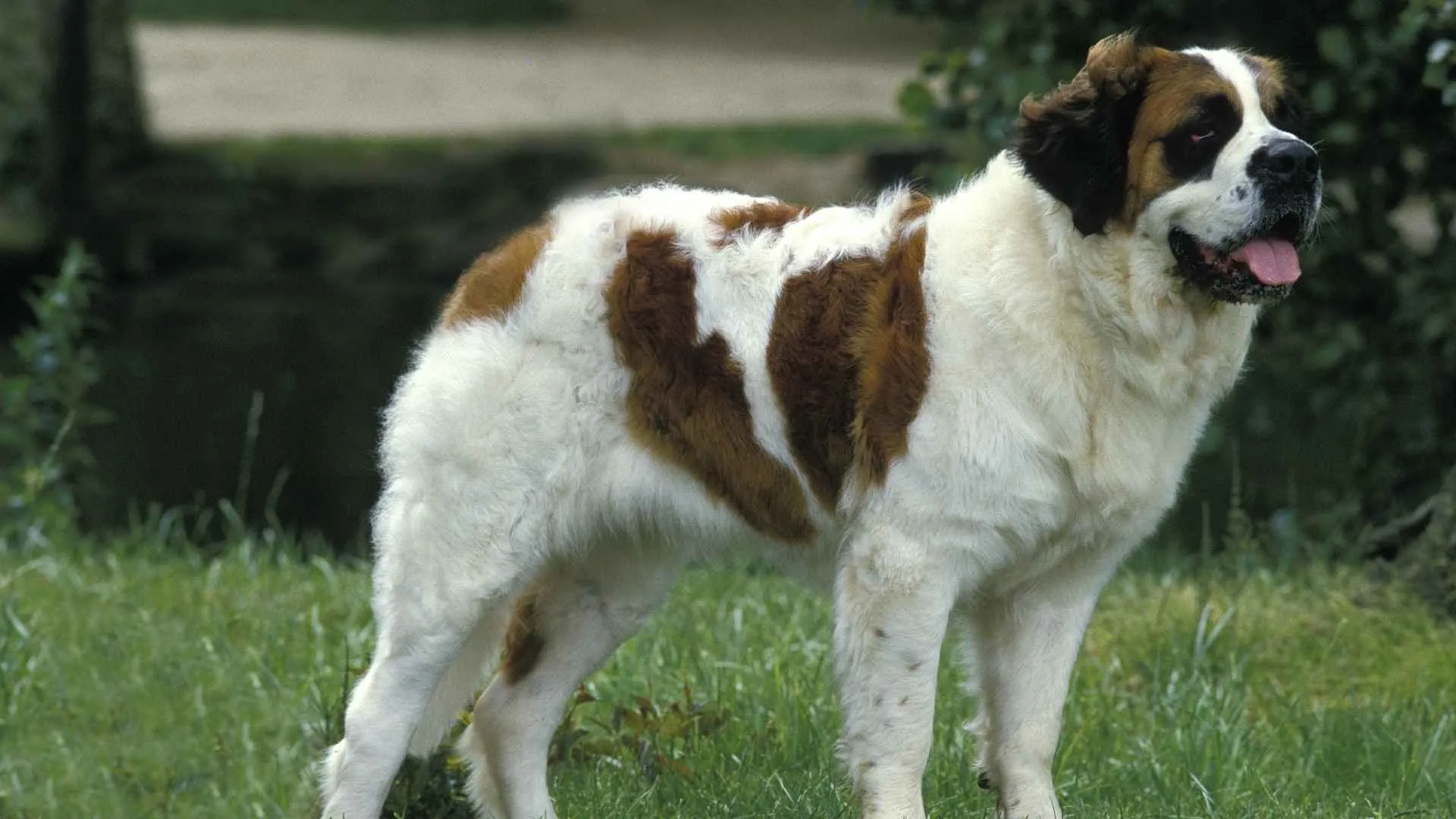
The Saint Bernard has a sweet, patient soul, but do not mistake that for weakness. Their strength is real, and their guard presence is real, too.
They are protection dogs in a quiet way. When a huge dog stands between your family and a threat, it changes the whole mood. Many people feel calmer just knowing the dog is there.
At home, this breed often acts like a warm blanket with paws. They can be affectionate and gentle with family members, and they usually enjoy slow, friendly attention.
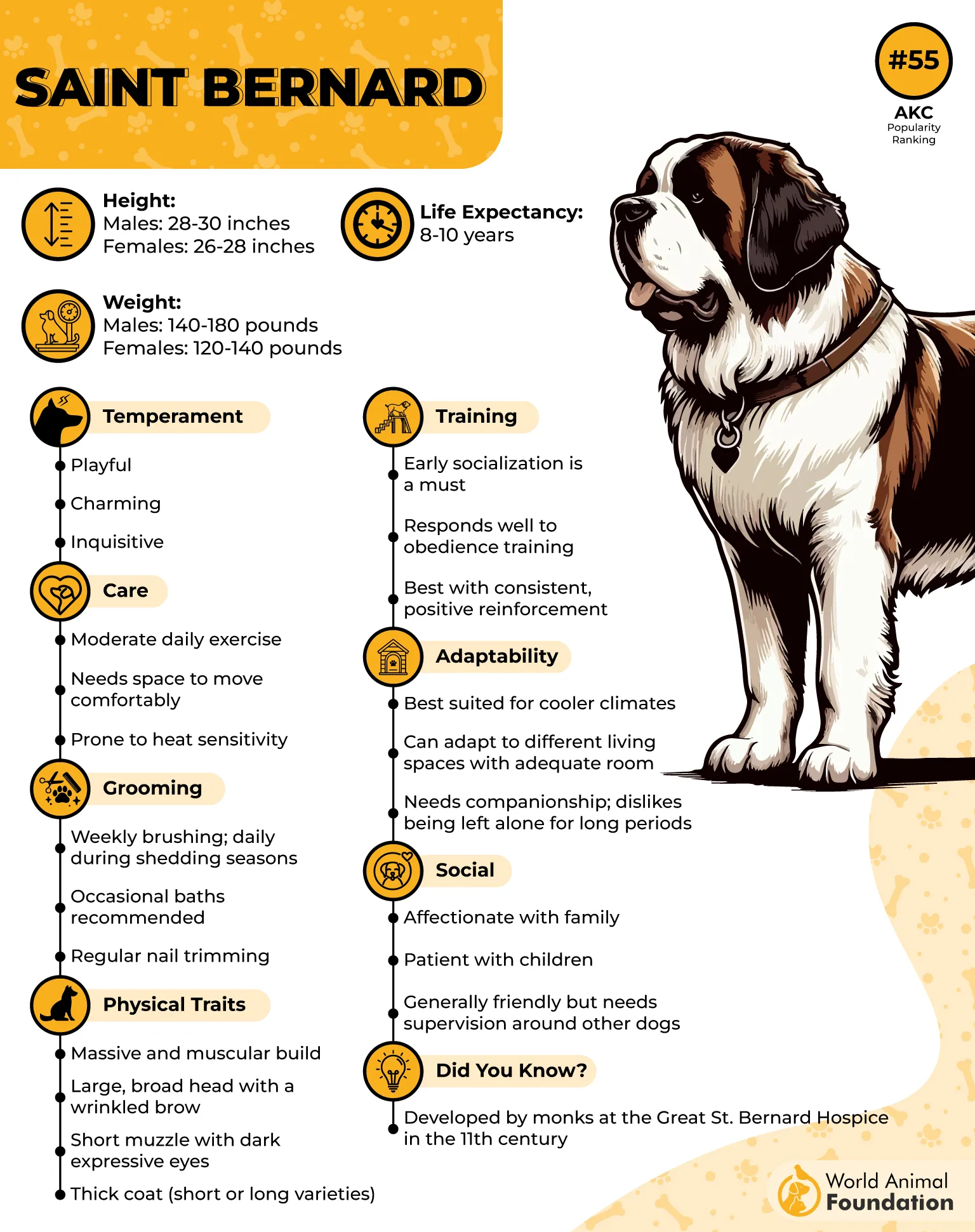
They are often low energy, which makes them easier to live with in a calm house. But wait, there’s more! Their steady nature can help nervous guests feel safe once the dog learns polite greetings.
This is a big dog, so proper training is not optional. You want safe habits like waiting at doors, sitting for greetings, and walking without pulling. Keep sessions short and happy.
Use positive reinforcement so the dog connects good choices with good outcomes. With a solid base, they can be excellent family pets and solid guard dogs in one package.
Quick notes you will actually use
Big bodies need space, soft flooring, and gentle joint care
Calm routines help the breed stay steady and polite
Keep meals and rest time managed to support digestion
4. Irish Wolfhound
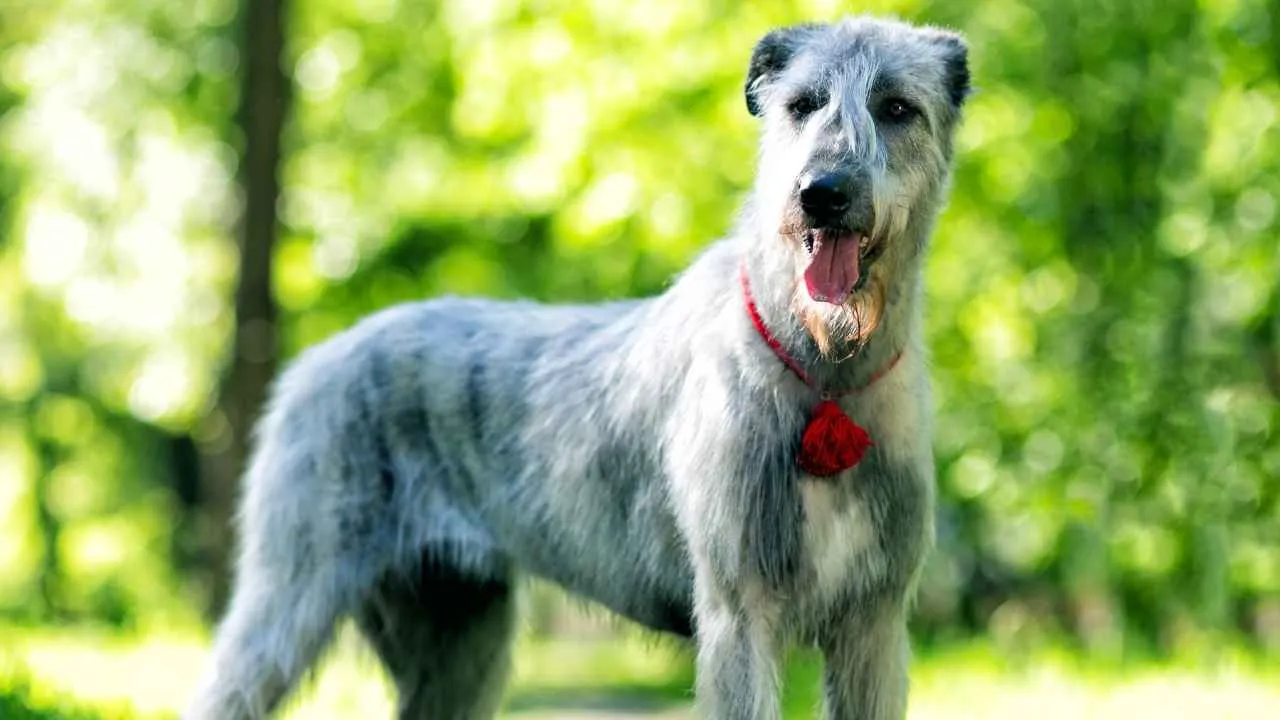
The Irish Wolfhound can look like a legend walking into your living room. The size is striking, and the calm vibe is even stronger.
According to AKC, these dogs are not usually pushy or loud. They often feel like quiet guardians who watch the world with relaxed eyes. Their presence alone can protect without constant noise, which is a big win for peace of mind.
In many homes, this breed is all about gentle connections. They can be good family dogs with a soft approach, especially when raised with care.
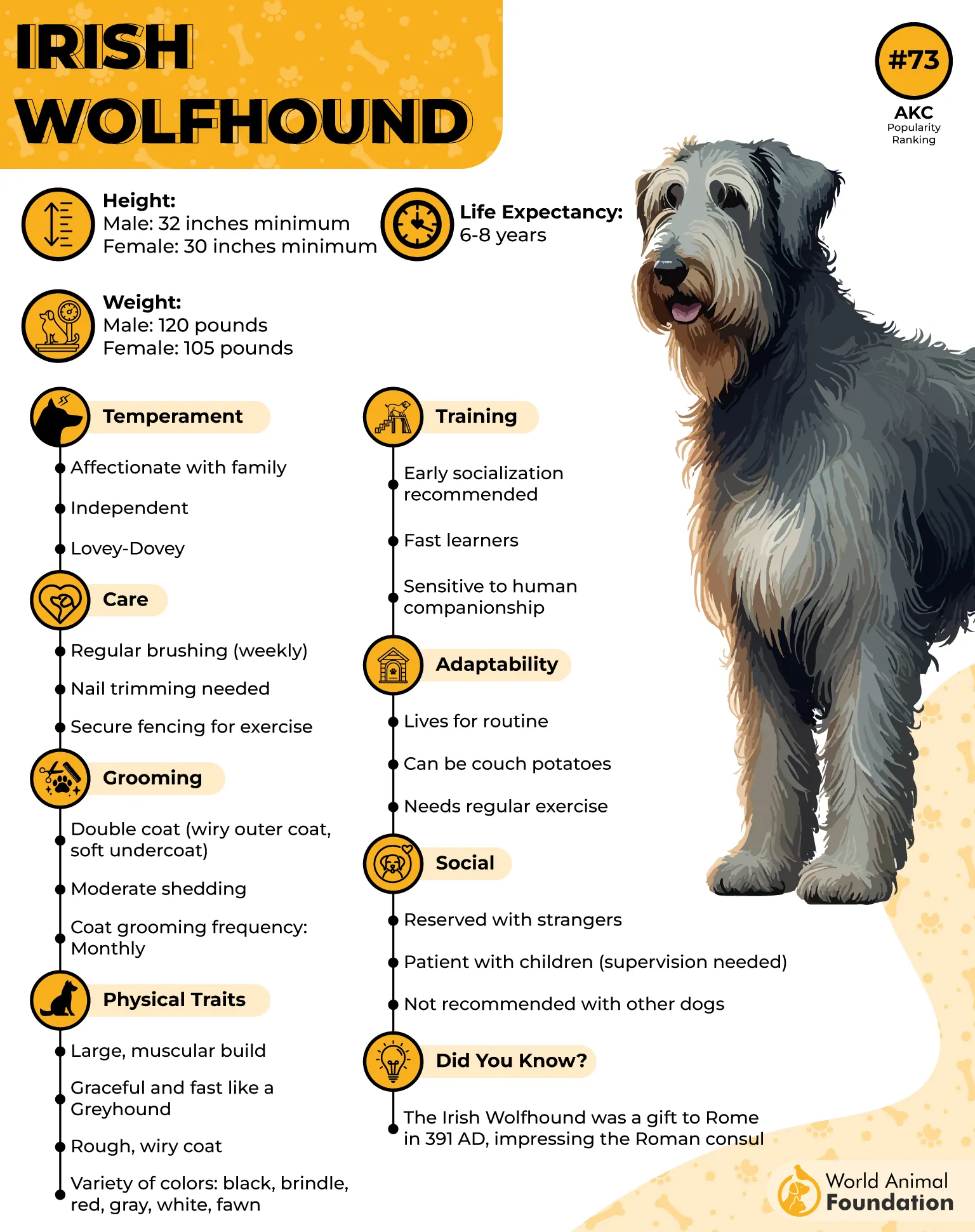
They often bond closely and become fiercely loyal in their own calm way. They may not act like they are “on duty” all day, but their protective nature shows up when something feels off.
Puppies can be a little chaotic. It gets even worse, though, if you wait too long to teach house rules. Start training early with clear limits, kind correction, and calm repetition.
Add mental stimulation through sniff games and simple tasks. Give daily walks too. A steady plan helps this breed stay relaxed, safe, and easy to live with.
Quick notes you will actually use
Big pups need safe chewing outlets and calm structure
Daily exercise supports joints and mood without overdoing it
Keep social time gentle so confidence grows naturally
5. Boerboel
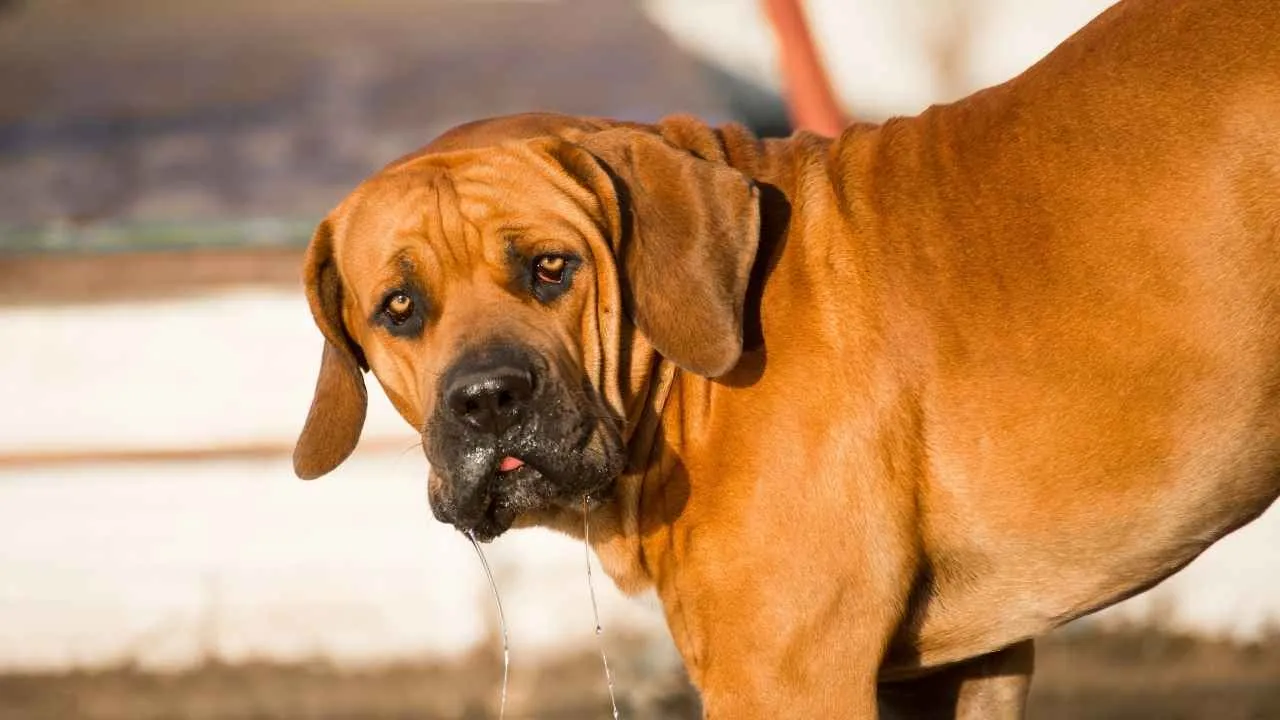
The Boerboel is a serious guardian, but that does not mean life has to feel intense. As per PetMD, this breed was initially bred to guard livestock and protect the home ground with courage.
They tend to read situations fast and stay close to their people. When raised well, they can be calm, steady, and deeply focused on family.
A Boerboel often forms tight bonds and wants to be part of the routine. That is why proper socialization matters so much.
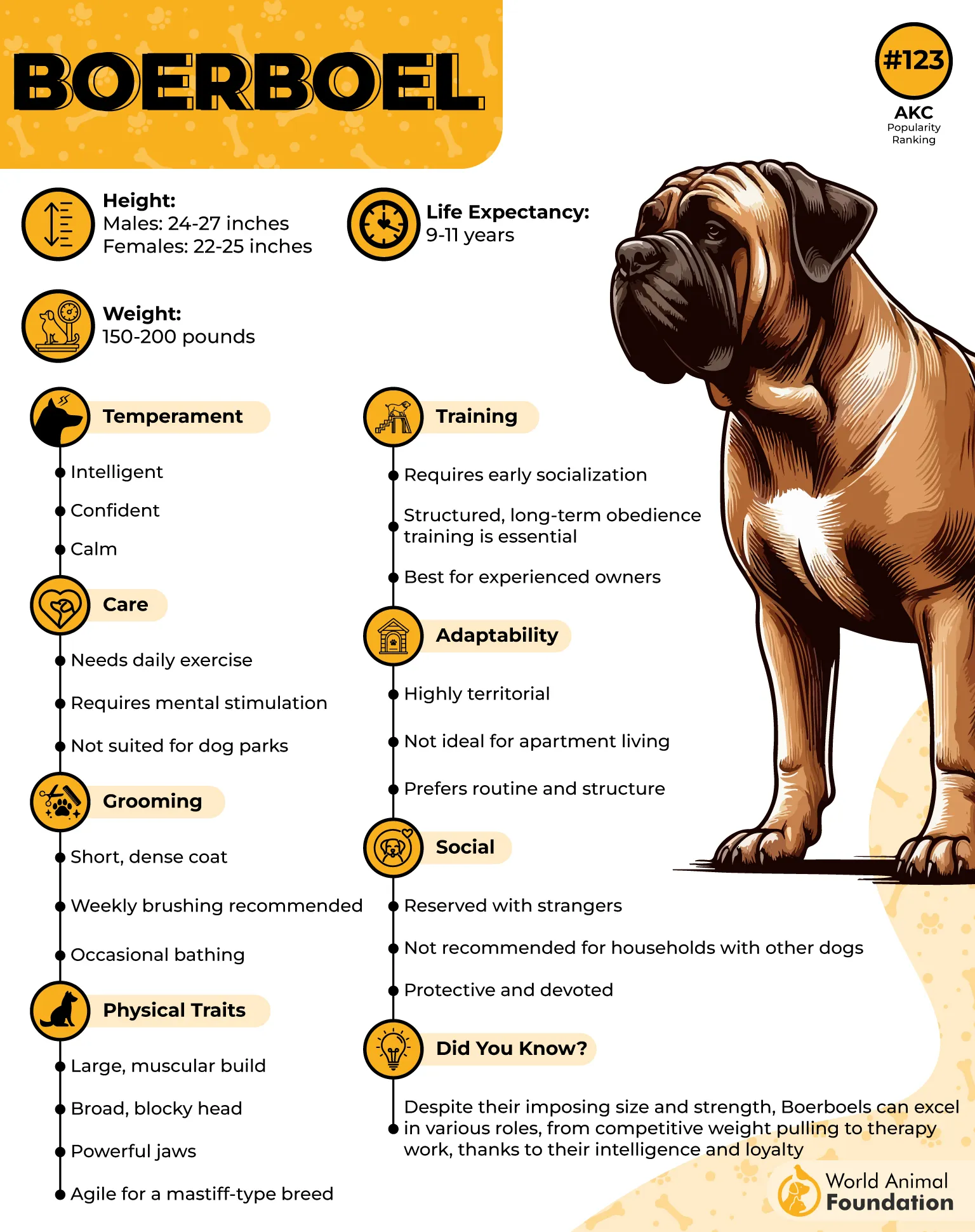
They should learn what normal looks like. Neighbors, delivery sounds, visitors, and safe public spaces. When they understand the world, they relax more at home. And here’s the best part! A confident dog is often the quietest dog.
Because this breed can be powerful, proper training should be non-negotiable. Keep it fair, clear, and steady. Set rules early, stay consistent, and reward calm choices. This is how protection dogs become safe family pets.
With the right breed match and good habits, a Boerboel can be one of the best guard options for people who want strength without chaos.
Quick notes you will actually use
Focus on calm greetings and door control from day one
Structured play adds mental stimulation without revving them up
A secure yard and clear house rules support safety
6. Bernese Mountain Dog
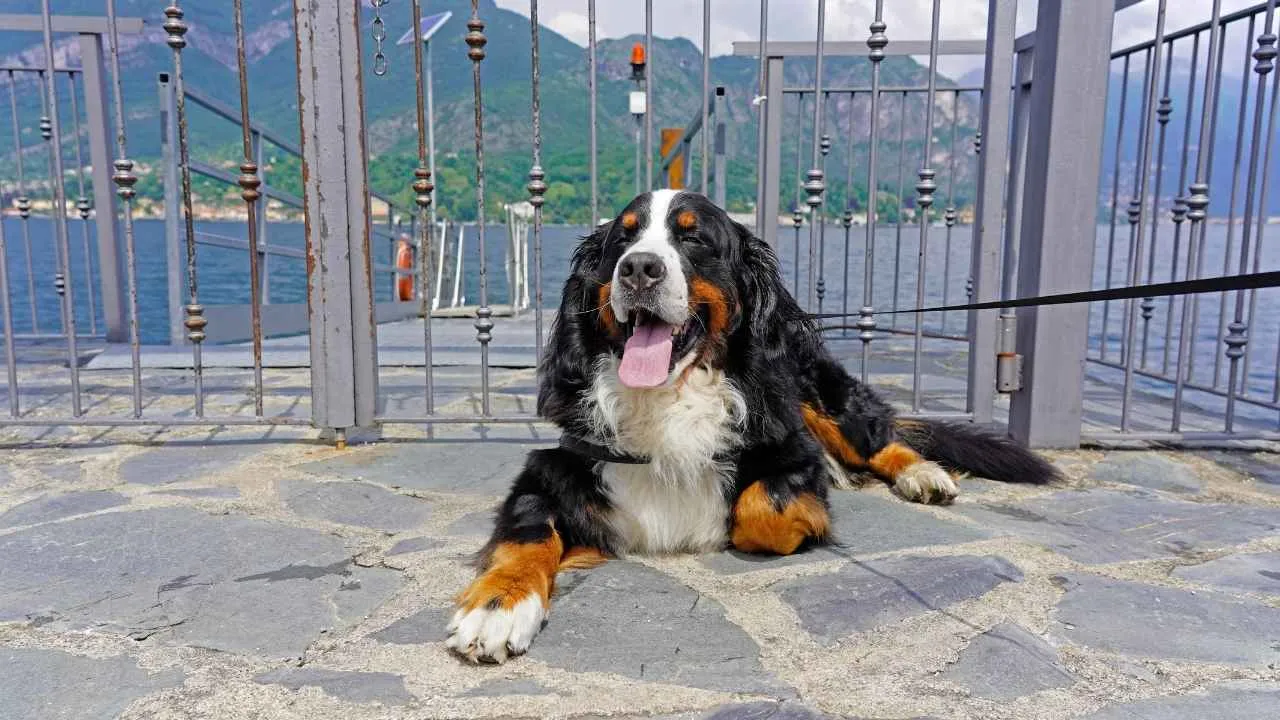
The Bernese Mountain Dog looks like a hug in a thick coat. But do not let the sweet face fool you. This breed has a natural instinct to watch over the home and the people in it.
The Bernese Mountain Dog was once used for cart pulling work, and that steady work style still shows today. They like purpose, routine, and close contact with family.
A Bernese Mountain Dog often fits best in a home that values calm, together time. They can be affectionate, gentle, and very tuned in to feelings.
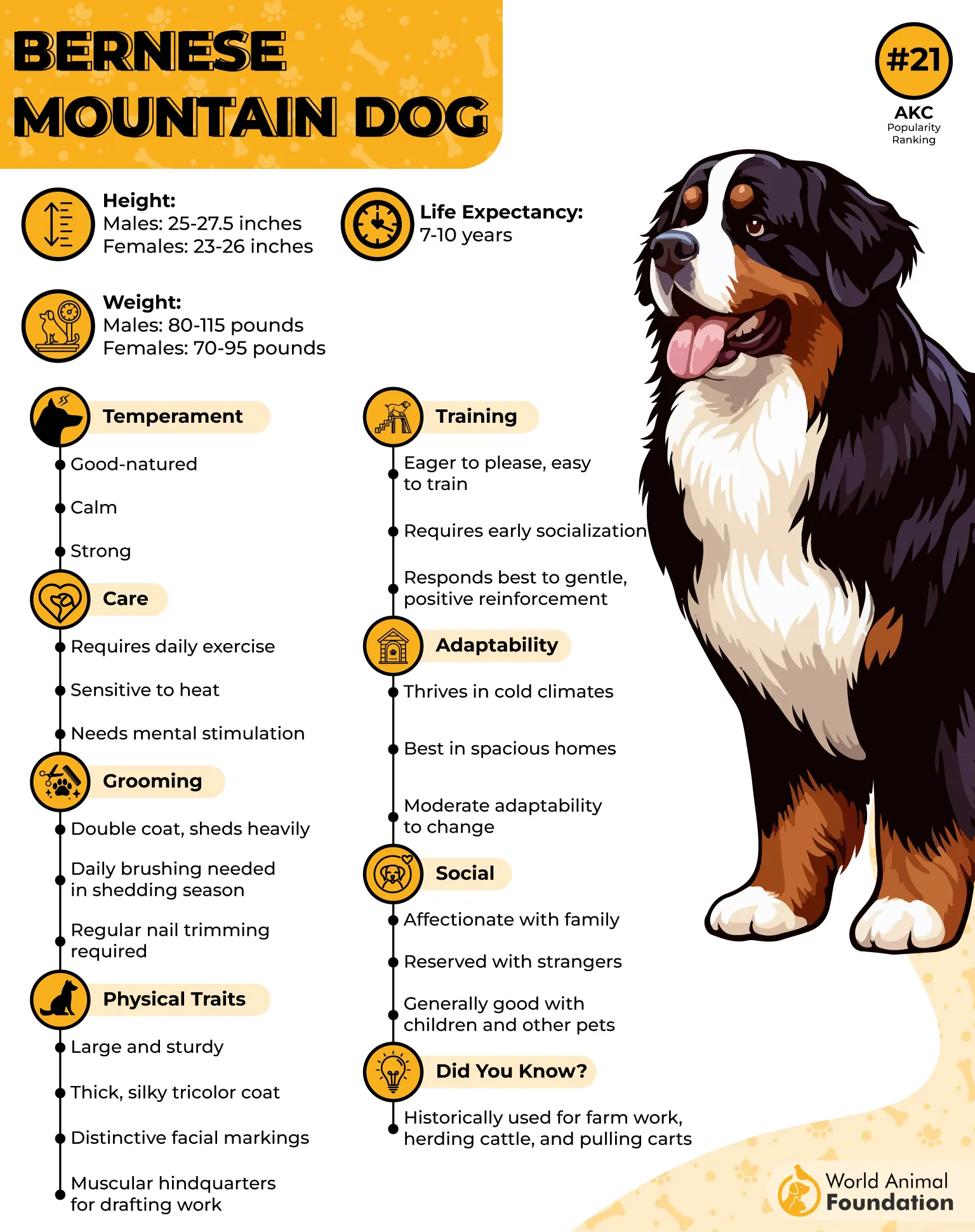
When something feels strange, they notice. That makes them solid guard dogs for a peaceful home. Many families love that the dog can relax with other pets and still stay alert.
Keep care simple but steady. Their coat needs brushing, and regular grooming helps with shedding and skin comfort. Training should be warm and clear. Add early socialization so they learn to handle new faces and sounds without stress.
When you do that, the Bernese Mountain Dog can become one of those incredibly loyal companions who make a home feel safer.
Quick notes you will actually use
Brush the thick coat often to prevent tangles and heavy shedding
Calm training works best with short, friendly sessions
Watch joints and weight, since large dogs need extra care
7. Newfoundland
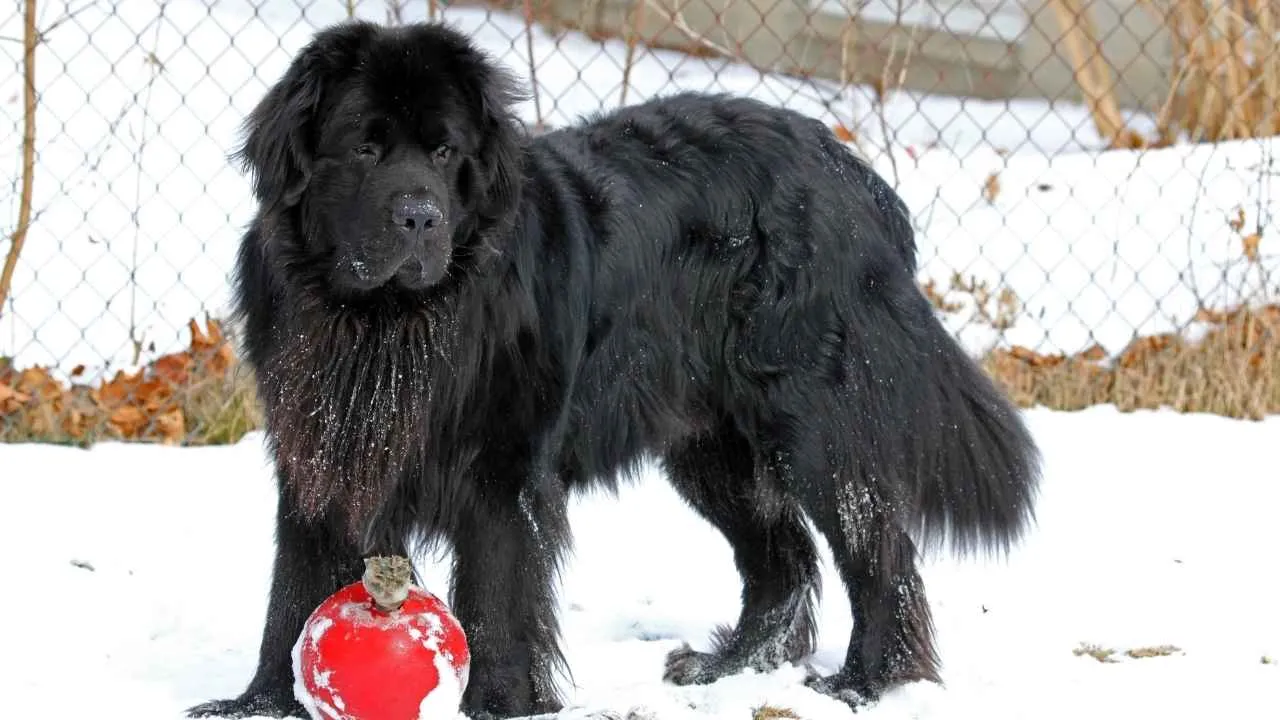
Newfoundlands can feel like gentle waves. Big, calm, and quietly present. Many dog owners love how these dogs bring a soothing vibe into the home.
WebMD notes that they are known for an affectionate nature and a soft mouth, and they often stay close to family members like a steady bodyguard. Their guard style is usually silent watching, not constant barking.
At home, a Newfoundland often acts like a calm helper. They can be excellent companions for slow days and cozy nights.
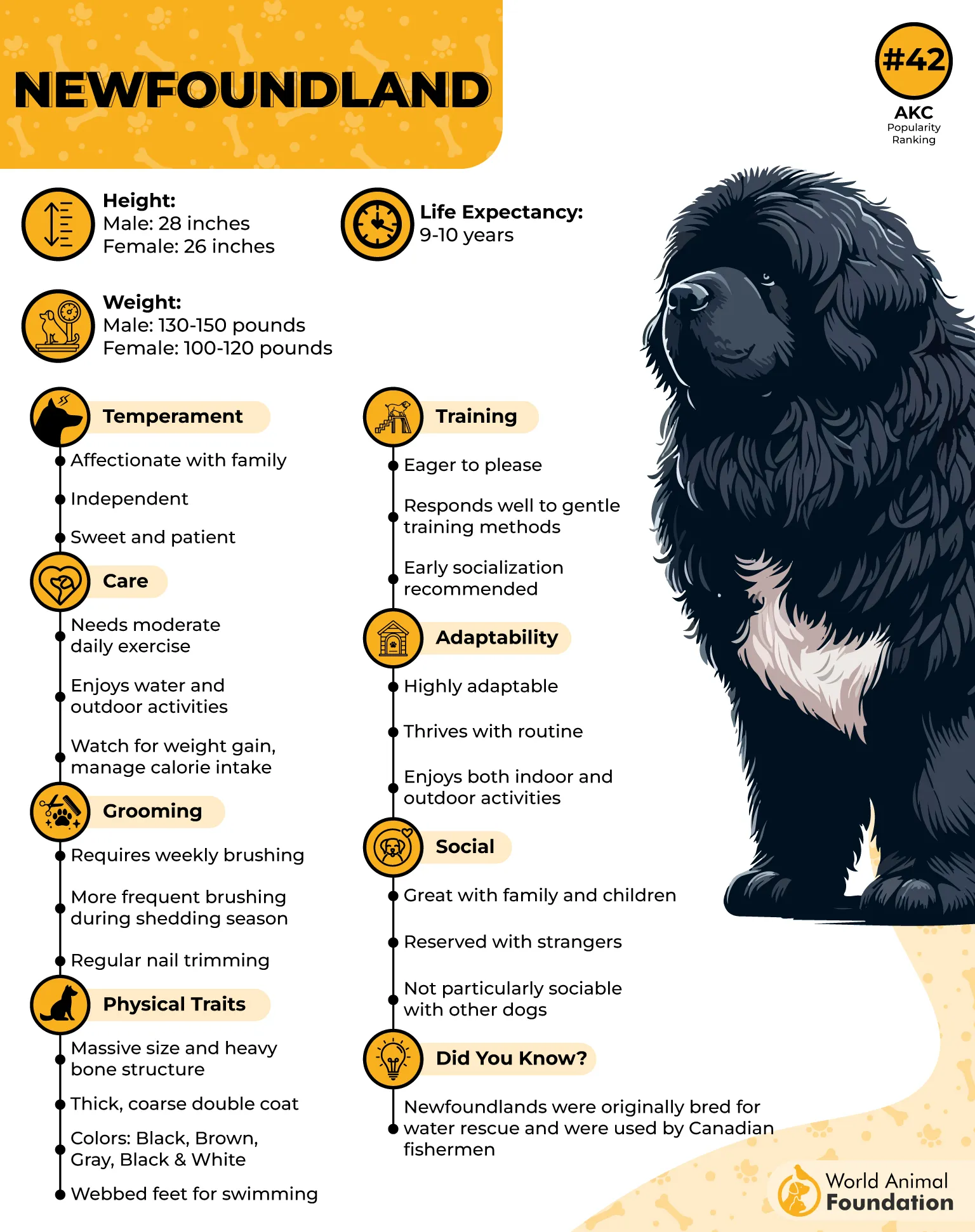
They also tend to be kind to other animals and other pets when raised with care. If you want a furry friend who can protect but still keep the house peaceful, this breed can be a strong choice.
Training should still be taken seriously because this is a heavy dog. Teach manners early so greetings stay safe, and walking stays easy.
Add mental stimulation with simple jobs like carrying a toy to a basket or finding treats. Keep movement gentle, but do daily walks to support health and calm focus.
Quick notes you will actually use
Thick coats need brushing and careful drying after baths
Teach polite leash skills early because strength adds up fast
Calm routines support a stable, relaxed home
8. Boxer
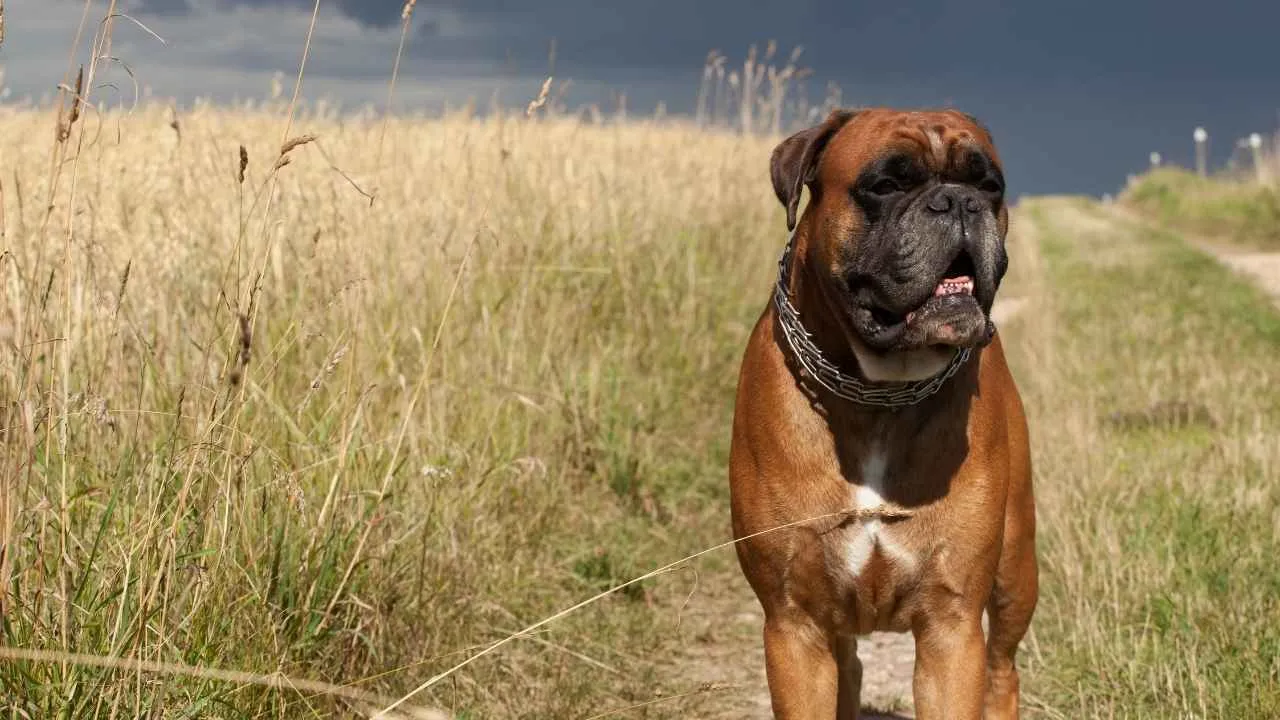
Boxers bring joy, but they also bring focus when it matters. This breed is playful, people-loving, and alert. They often act like a clown at home, then flip into watch mode when something feels wrong.
That mix can make them great guard dogs for families who want warmth with a side of security.
Boxers usually bond hard with family. They can be affectionate and very tuned in to the mood of the room. But why bother with that? Because a dog that understands your vibe is easier to live with.
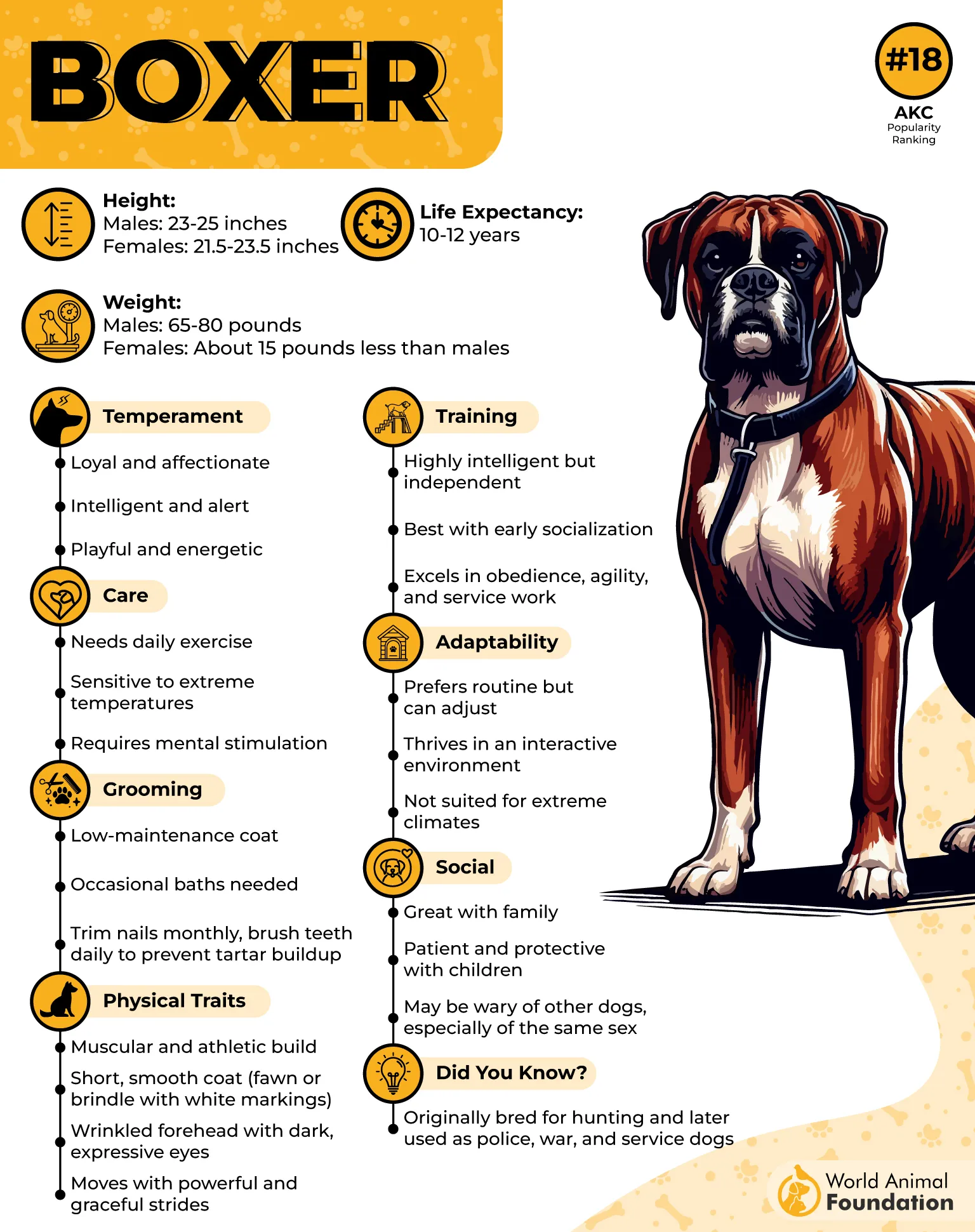
Still, boxers can have high energy, so the calm part comes from the routine you build. If you skip structure, the dog can get jumpy and loud.
Training should be fun, short, and steady. Focus on impulse control, like waiting before going outside or sitting before greeting guests.
Add regular play, but keep it guided so the dog learns calm endings. When you do this right, you get one of the best guard dogs that can also be a loving friend who makes you laugh.
Quick notes you will actually use
Mix play with a calm cooldown time to build steady behavior
Teach polite greetings early to prevent jumping
Puzzle toys add mental stimulation and reduce boredom
9. Chow Chow
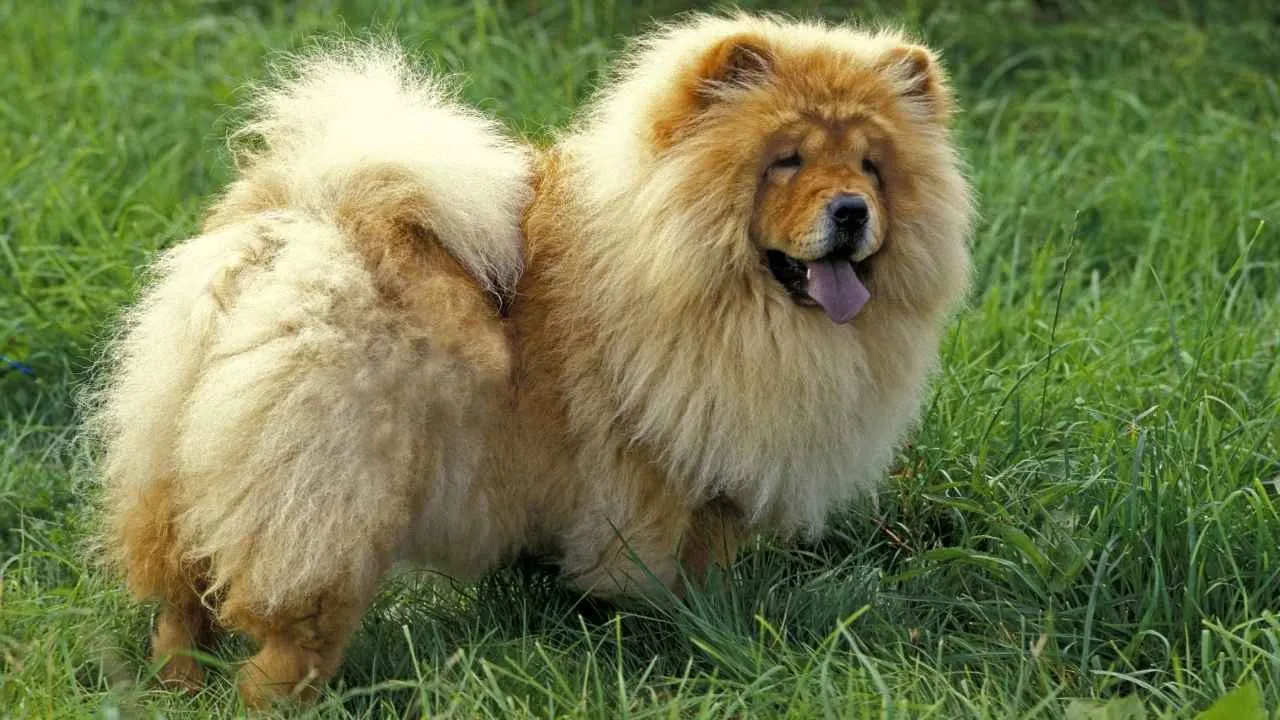
At home, the Chow Chow usually prefers quiet respect over constant fuss. They can still be affectionate with family, but often on their own terms.
When raised with care, they can live well with other pets, though introductions should be slow and thoughtful. Their protective instincts tend to focus on watching and standing firm, not running around.
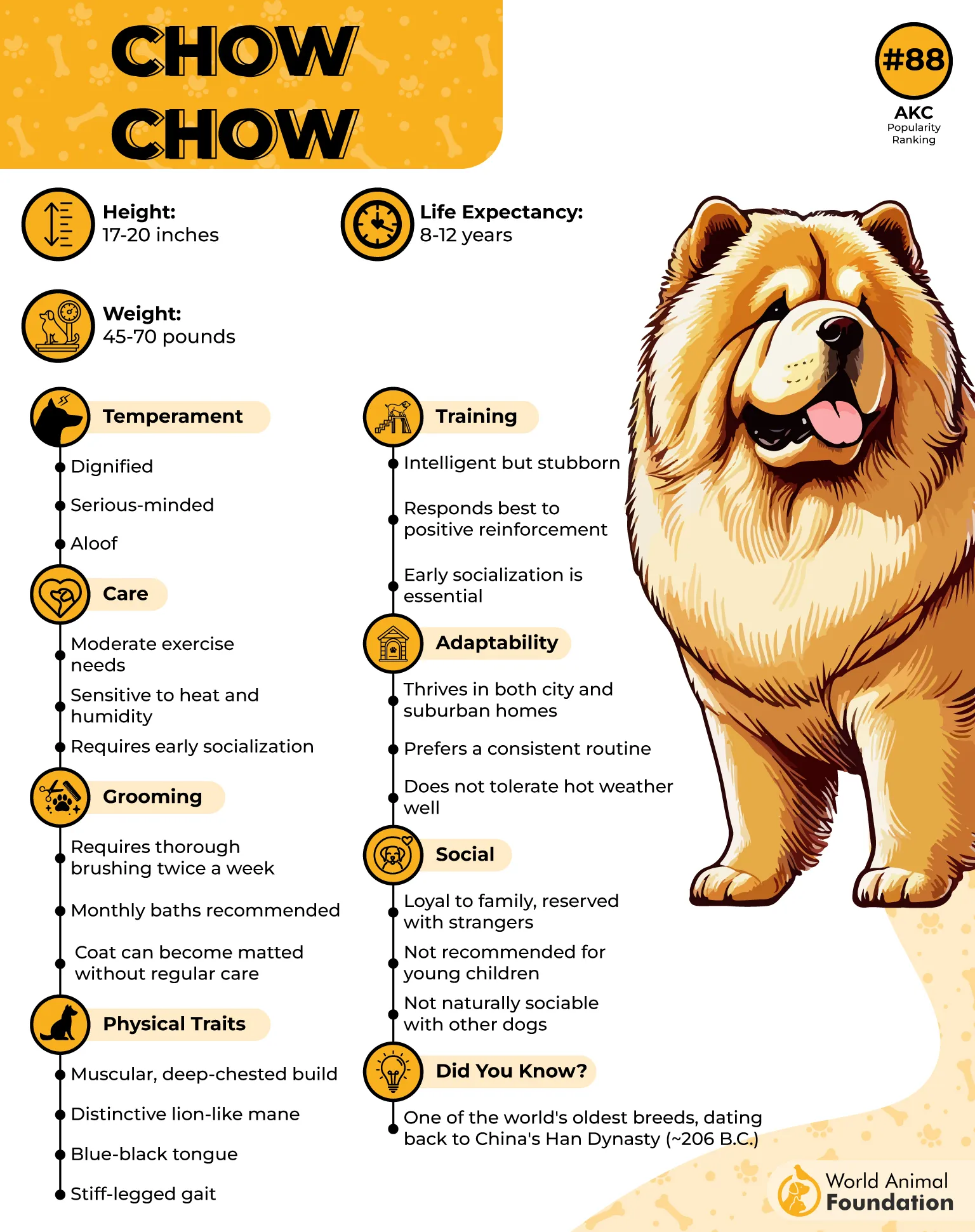
Training matters here because independence can look like stubbornness. Keep sessions short, consistent, and calm. Set rules early and stay steady, or the dog may decide the rules do not exist.
Proper socialization helps them read the world without fear. A calm, well-raised Chow Chow can guard without turning your home into a noisy mess.
Quick notes you will actually use
Keep grooming steady to avoid heavy mats in the coat
Teach calm visitor routines so guarding stays controlled
Respect their space and reward quiet, polite behavior
Conclusion
Choosing calm guard dog breeds is really about balance. You want guard dogs that can protect, but also relax with family and fit real life. The best guard dogs are not the ones that scare everyone.
They are the ones that stay steady, learn house rules, and keep your loved ones safe without drama. Proper training and proper socialization shape that safe guard mindset, so the dog knows what is normal and what is not.
One important note: never train dogs to attack people. That is not safety, that is risk.
Pick the right breed, stick to training, and enjoy family pets who bring comfort, not chaos.
