




Starting with your first dog feels exciting until small uncertainties begin to surface. You wonder if you will handle training properly, manage daily routines, or understand what your dog needs without feeling overwhelmed.
It is not the big moments that cause concern, but the steady responsibility that follows every single day. A dog that reacts too quickly, demands constant correction, or struggles to settle can make that adjustment harder than expected. This is where gentle dog breeds quietly make a difference.
These gentle dogs do not complicate the learning process or push you into situations you are not ready for. Instead, they respond calmly, adjust easily, and create an environment where confidence builds naturally over time. That early experience shapes everything that comes after.
The breeds ahead are known for their steady nature, making the first step into dog ownership feel manageable, balanced, and far more reassuring than expected.
Key Takeaways
That first step into dog ownership feels exciting until you realize how much of it depends on the dog’s temperament.
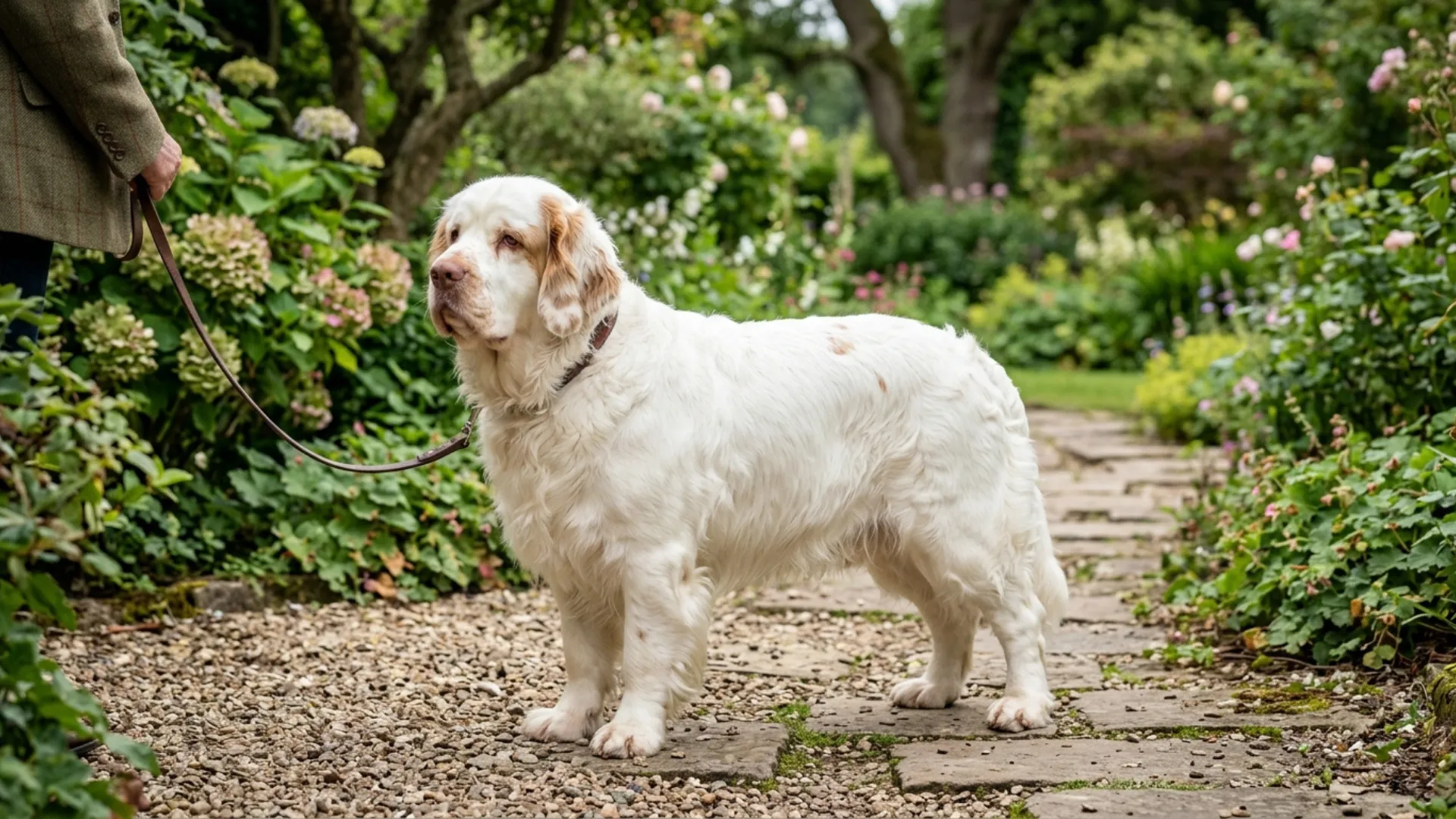
Breeds like the Bolognese and Clumber Spaniel ease that pressure with their steady nature and quiet way of settling into everyday life.
The Chinese Crested and Cavalier King Charles Spaniel stay closely in tune with their people, making even new situations feel manageable.
As you move through each breed, it becomes clear which dogs naturally turn that uncertain beginning into something calm and reassuring.
Calm Dog Breeds Ideal for Beginners
1. Bolognese
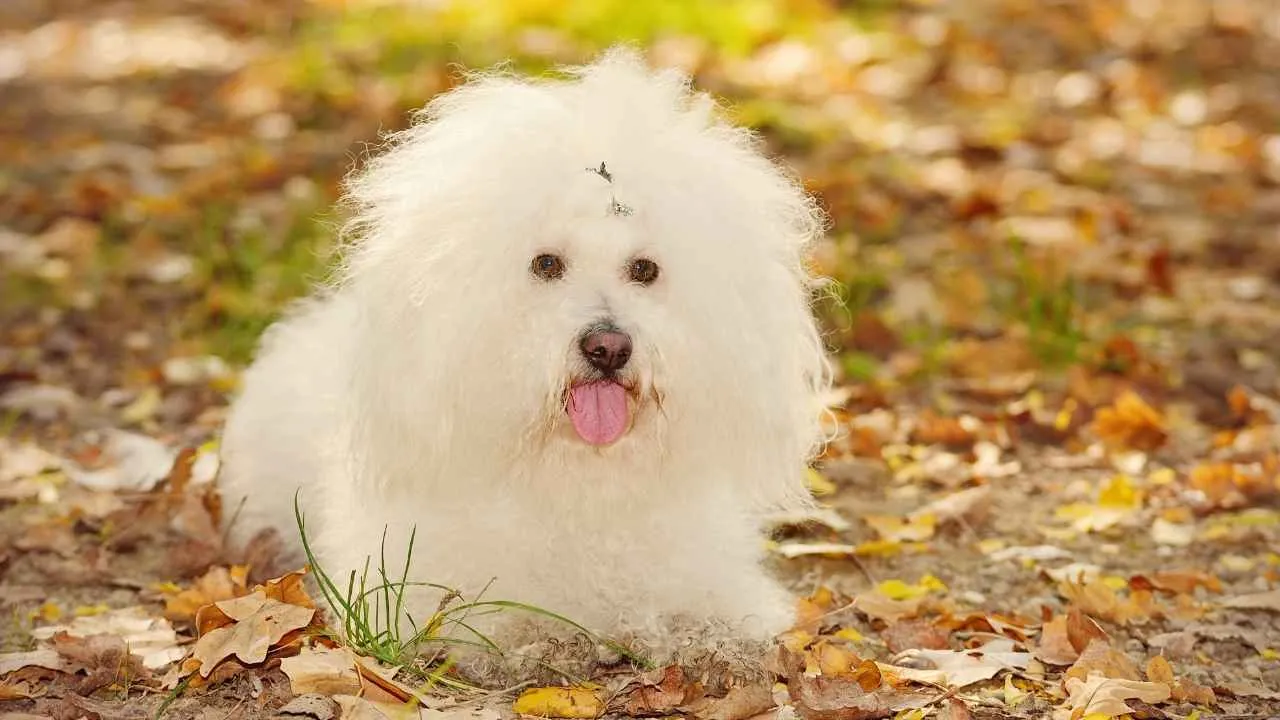
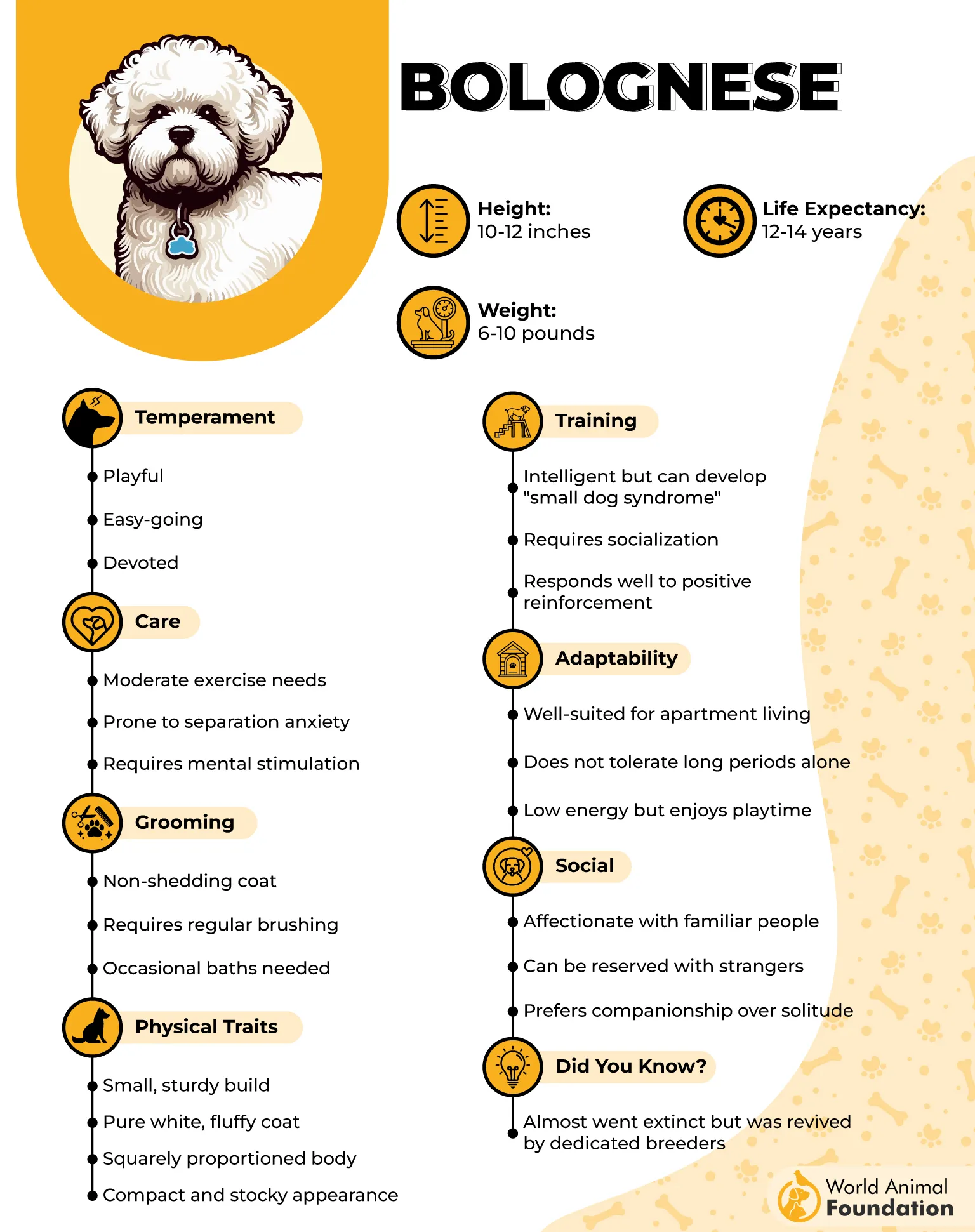
The Bolognese belongs to the Bichon group, recognized by its small, square frame and dense white coat that falls in a soft, cotton-like texture.
Its personality leans toward a quieter, more thoughtful demeanor rather than constant activity. This creates a companion that feels steady in everyday settings.
Interaction shaped by closeness
It connects strongly with its people, often preferring shared spaces and calm interaction over independence. It approaches new individuals with caution at first, then relaxes once familiarity builds.
This behavior becomes clear in small, everyday patterns:
Stays near familiar people during daily routines
Warms up gradually with new faces
Engages in gentle, playful interaction
Routine that suits slower lifestyles
The Bolognese fits easily into low-key routines, enjoying simple activities like indoor games or short outdoor time within enclosed spaces, as per the AKC.
Its energy remains moderate, aligning well with quieter households. This makes daily care more predictable for first-time dog owners.
Note: If grooming time feels like too much you can keep the Bolognese in a shorter coat around one inch and leave the face fluffy which makes things easier to manage. This is specifically helpful for pet parents new to dog ownership.
2. Clumber Spaniel
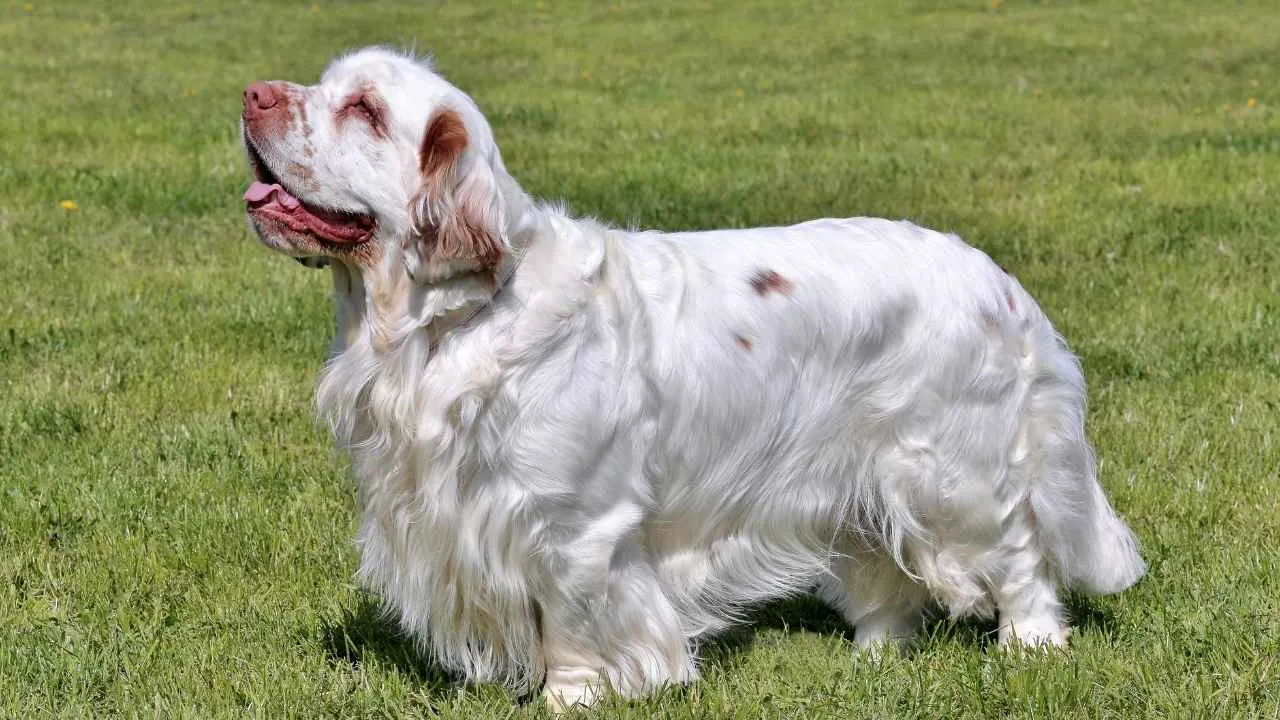
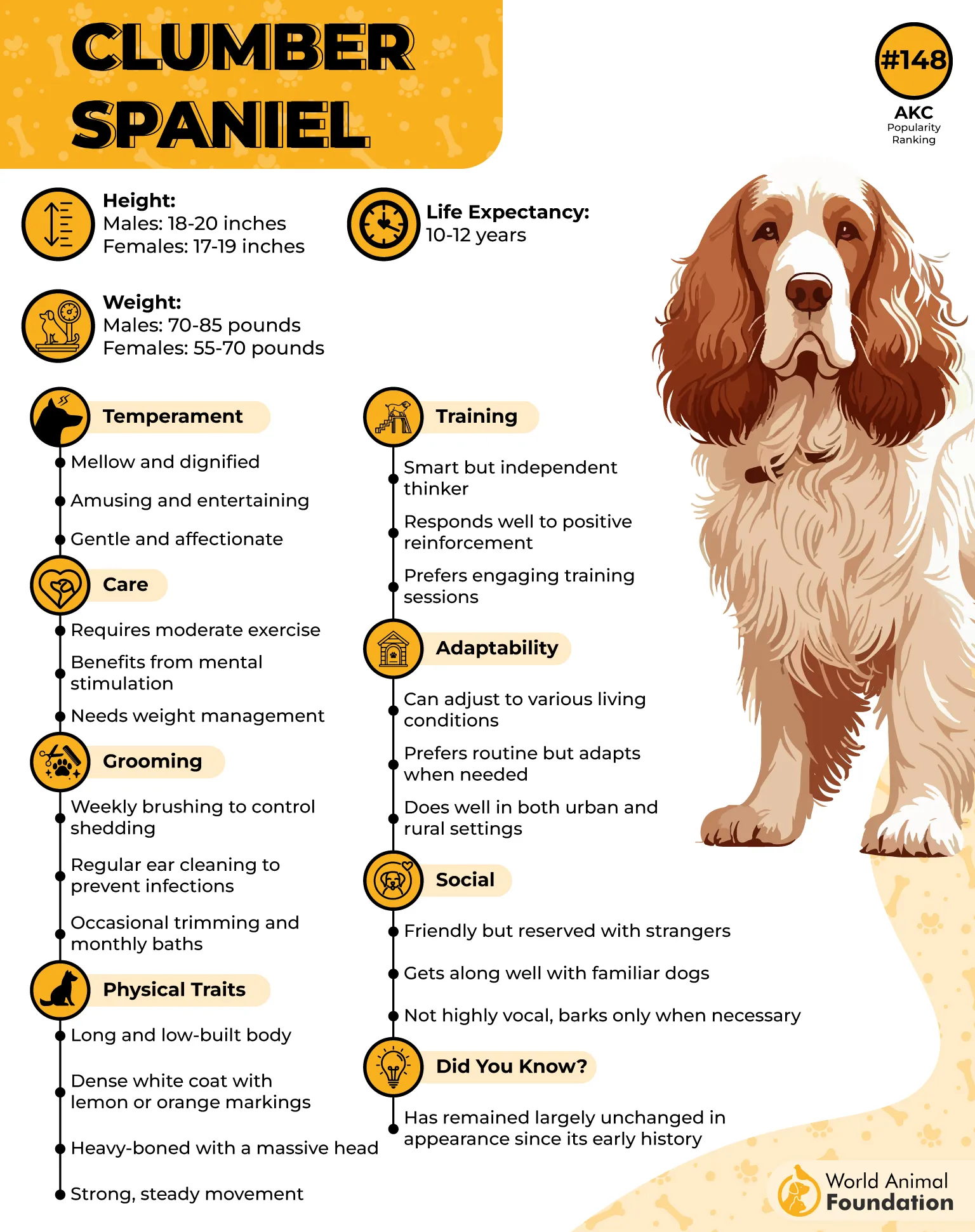
The Clumber Spaniel enters as a long, low, heavy-boned flushing spaniel once favored in royal hunting circles. Its massive head and solid frame give it a steady, grounded presence rather than quick, flashy movement. Indoors, it leans toward a calm and easygoing nature that fits relaxed living.
Scent focus and field patience
The Clumber Spaniel works through scent with persistence, often continuing its search without distraction once engaged outdoors. Its approach feels deliberate, driven by a thorough method rather than speed.
This working style appears in simple patterns:
Tracks scent with steady focus
Pauses to investigate rather than rushing ahead
Stays engaged during extended outdoor sessions
Home behavior and social tone
This affectionate dog shifts easily into a gentle, companion-focused role at home, often interacting calmly with people and children. It barks sparingly and tends to observe new faces before warming up, as mentioned by PetMD. Its social presence feels polite rather than overwhelming.
3. Chinese Crested Dog
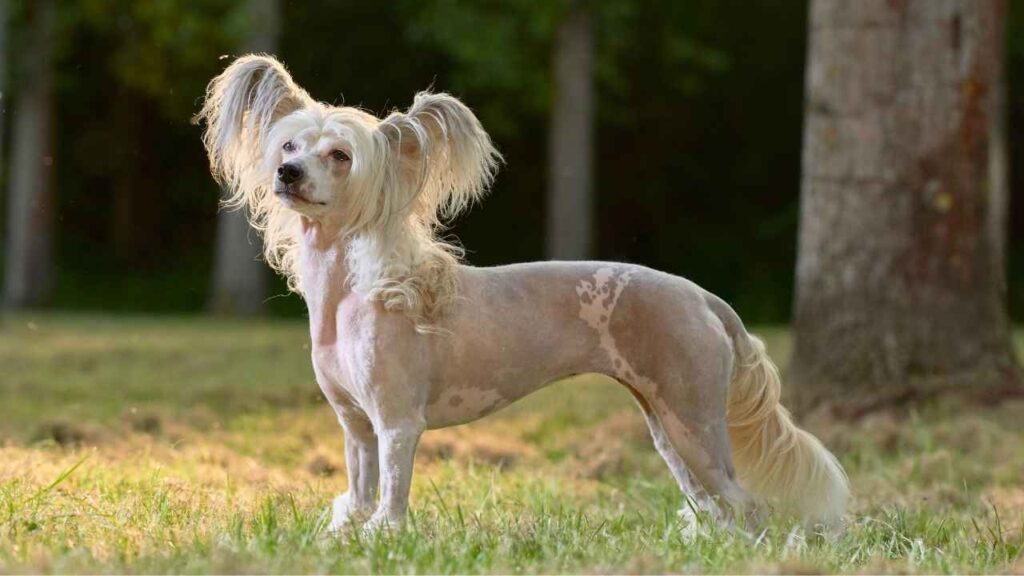
The Chinese Crested Dog draws attention through its spotted pink skin, crest-like hair, and soft tufts along the tail and ankles.
The powderpuff variety adds a silky coat, yet both share the same fine-boned structure and light movement. This unusual appearance pairs with a dog that stays closely tuned to human presence.
Interaction that feels personal
This unique breed builds a strong connection with its household, often staying aware of small changes in mood or routine. Its playful and affectionate nature keeps interaction light while remaining deeply attached.
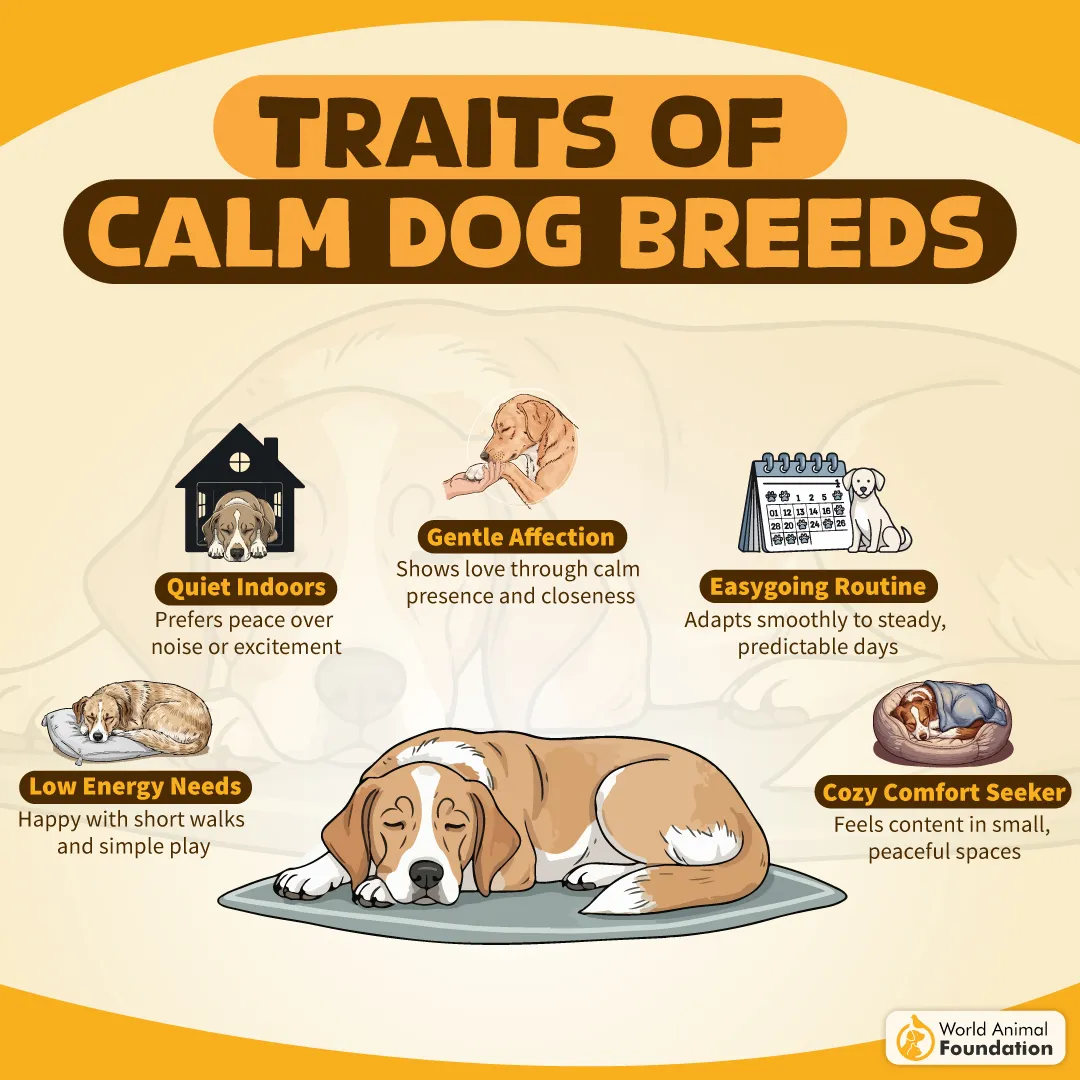
That connection appears in simple daily patterns:
Stays attentive to human presence indoors
Responds quickly during play and interaction
Keeps close physical proximity during rest
Living comfort and daily rhythm
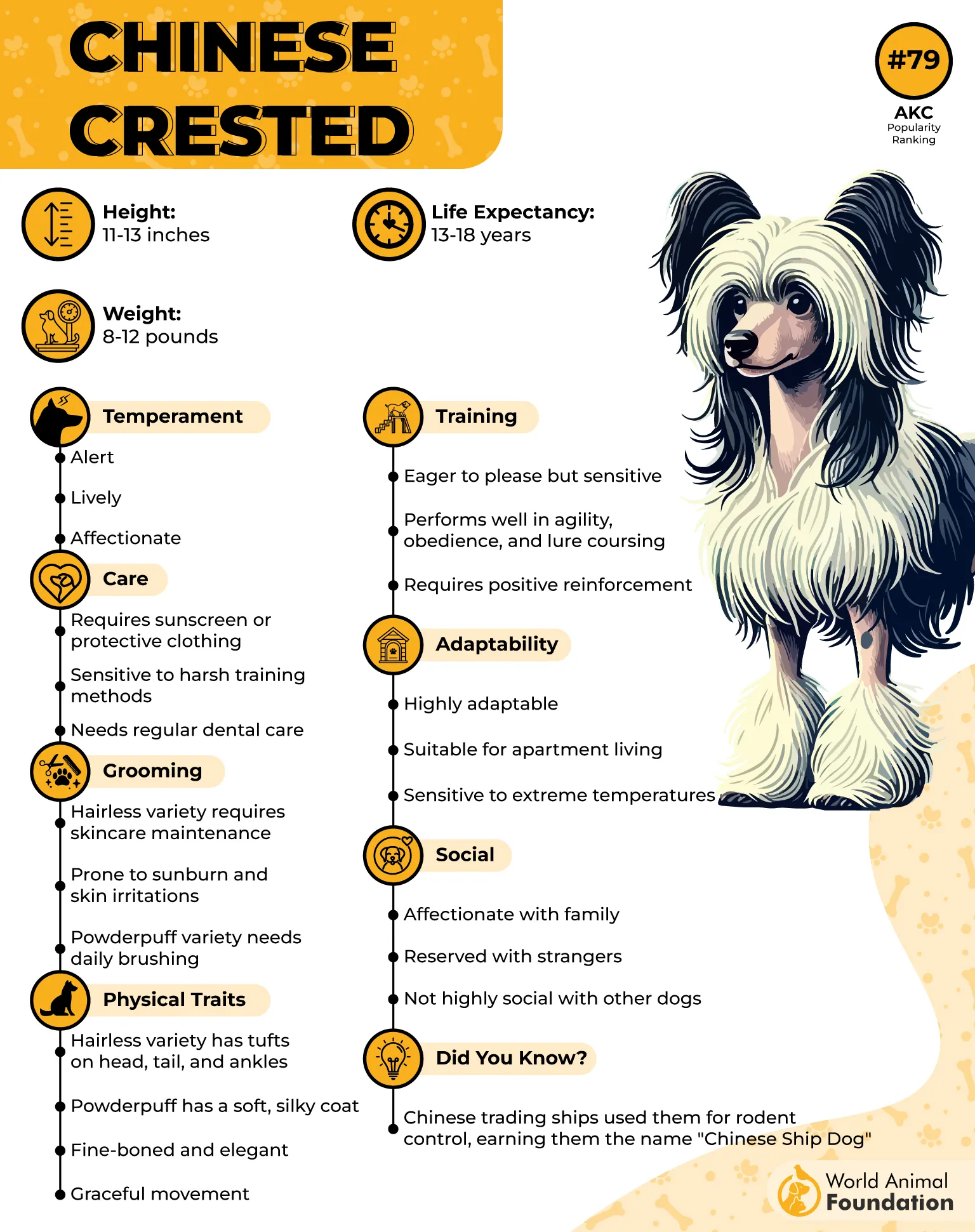
The Chinese Crested Dog fits easily into apartments, with activity needs met through short walks and light play sessions. Its routine blends indoor companionship with brief outdoor time rather than extended physical exertion. Outdoor exposure requires care due to sensitive skin.
4. Border Terrier
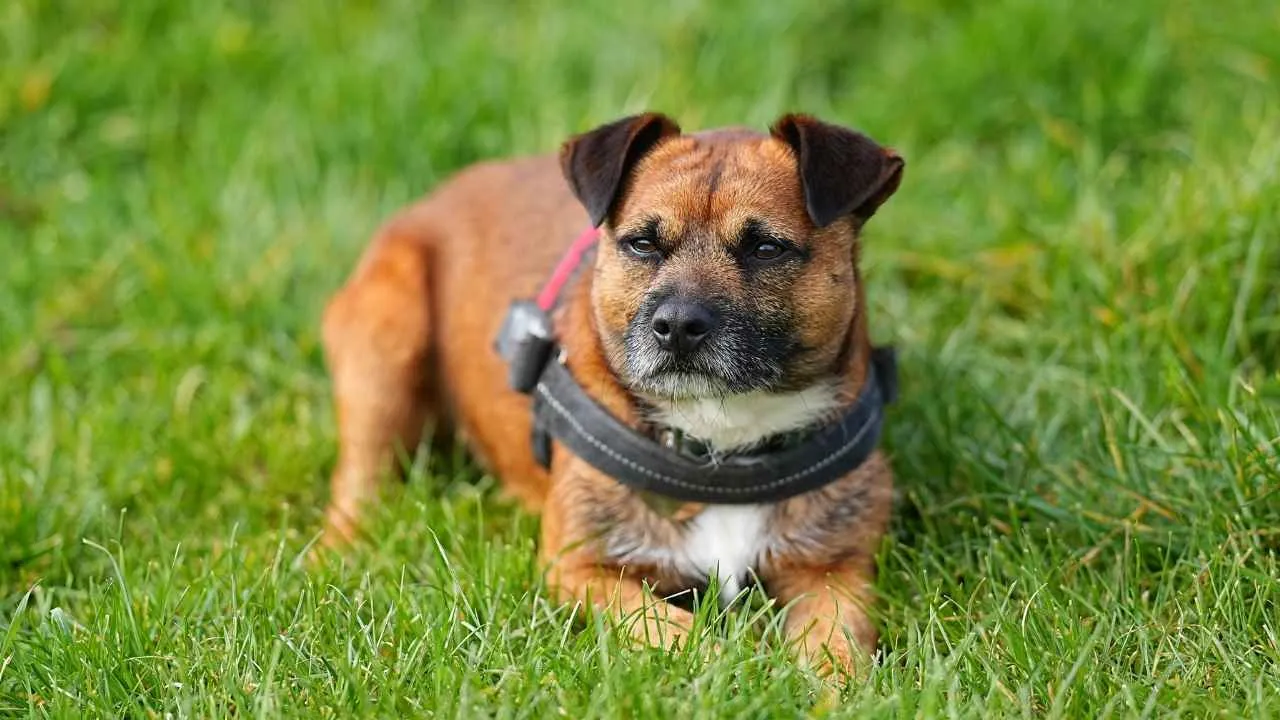
The Border Terrier built its reputation as a rugged working terrier, known for handling demanding outdoor tasks with grit. That same dog shifts easily into an affectionate and relaxed companion indoors. This dual nature creates a breed that feels lively outside and easygoing at home.
Outdoor instincts and interaction
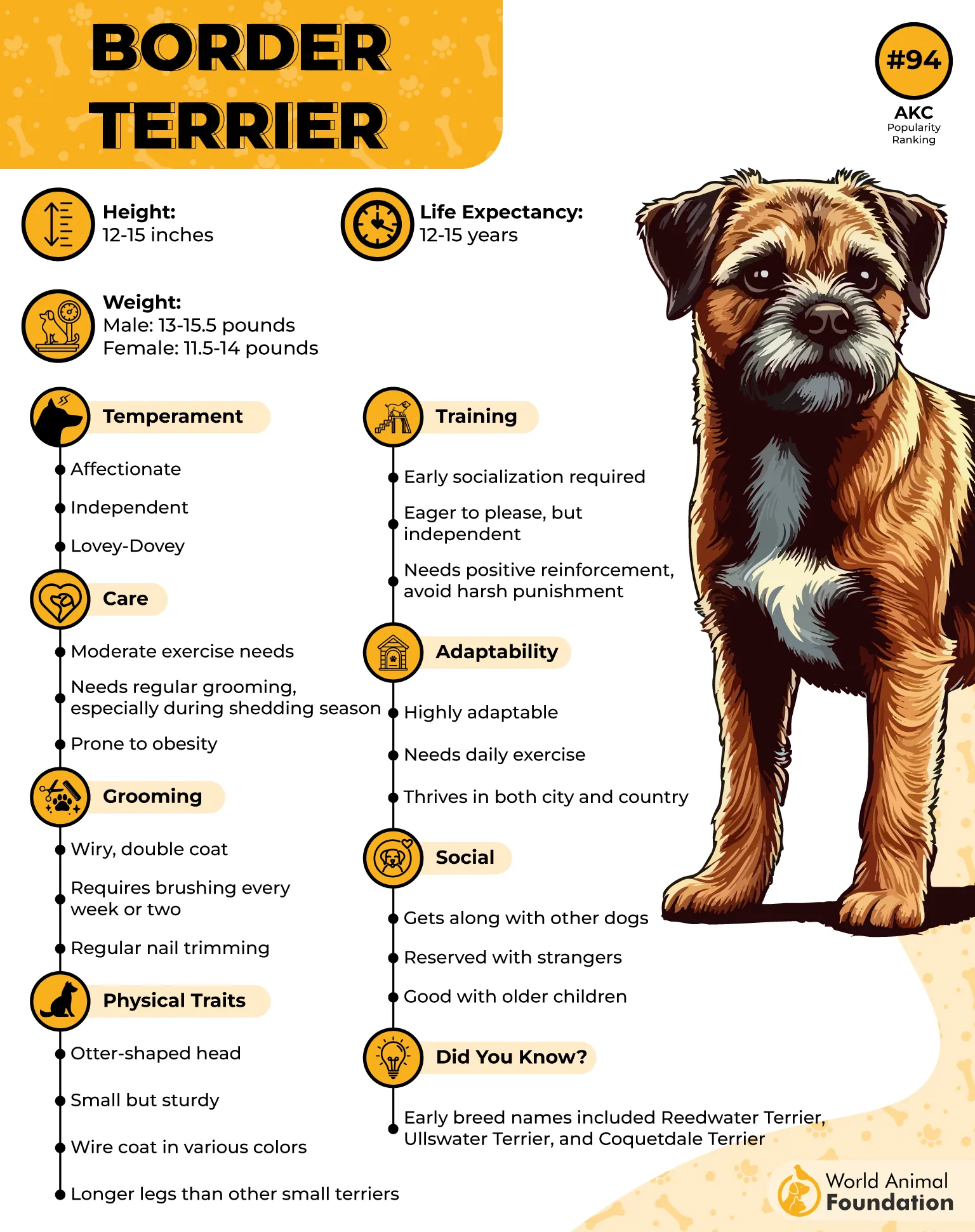
This affectionate breed enjoys exploring its surroundings, often drawn toward scents and movement that trigger its hunting drive. It blends social behavior with curiosity, staying friendly with dogs while reacting quickly to smaller animals, as Purina noted.
That mix of traits becomes clear in daily life:
Engages actively during outdoor exploration
Responds quickly to movement like squirrels or cats
Interacts comfortably with other dogs
Adaptability across living spaces
As a small breed, the Border Terrier fits into both countryside routines and city environments, provided it receives enough outdoor time. Its wiry coat requires minimal upkeep, adding to everyday ease. The breed transitions smoothly between active outings and quiet indoor time.
5. Pug
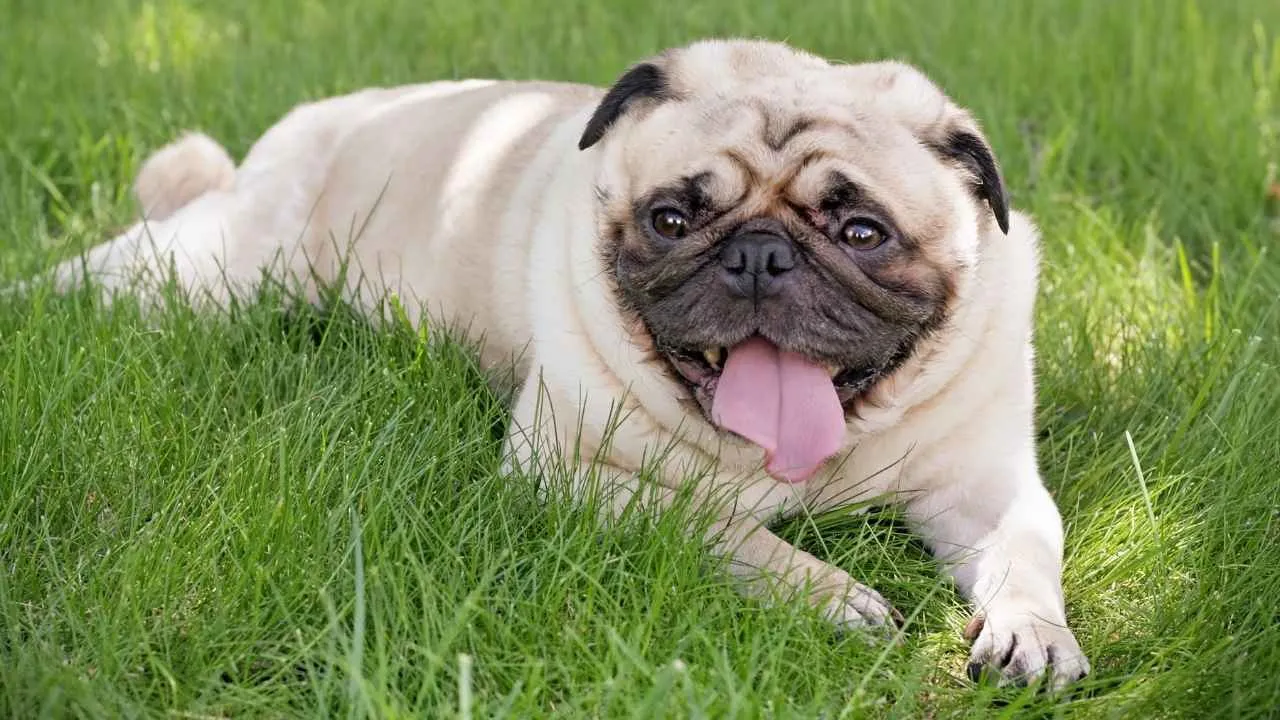
The Pug gained recognition in imperial Chinese courts and later within Dutch royalty, shaping a dog closely tied to human company.
Its compact, muscular build reflects the idea of “multum in parvo,” meaning a lot packed into a small frame. This close association with people defines how it fits into everyday life.
Social rhythm inside the home
If you are new to this breed, you will find it adapts smoothly to both family settings and homes with other pets. Its interaction style revolves around closeness and constant presence rather than independence.
That rhythm becomes clear in daily behavior:
Seeks out people across different rooms
Remains comfortable with children and older adults
Adjusts easily in single-pet or multi-pet homes
Simple care with consistent upkeep
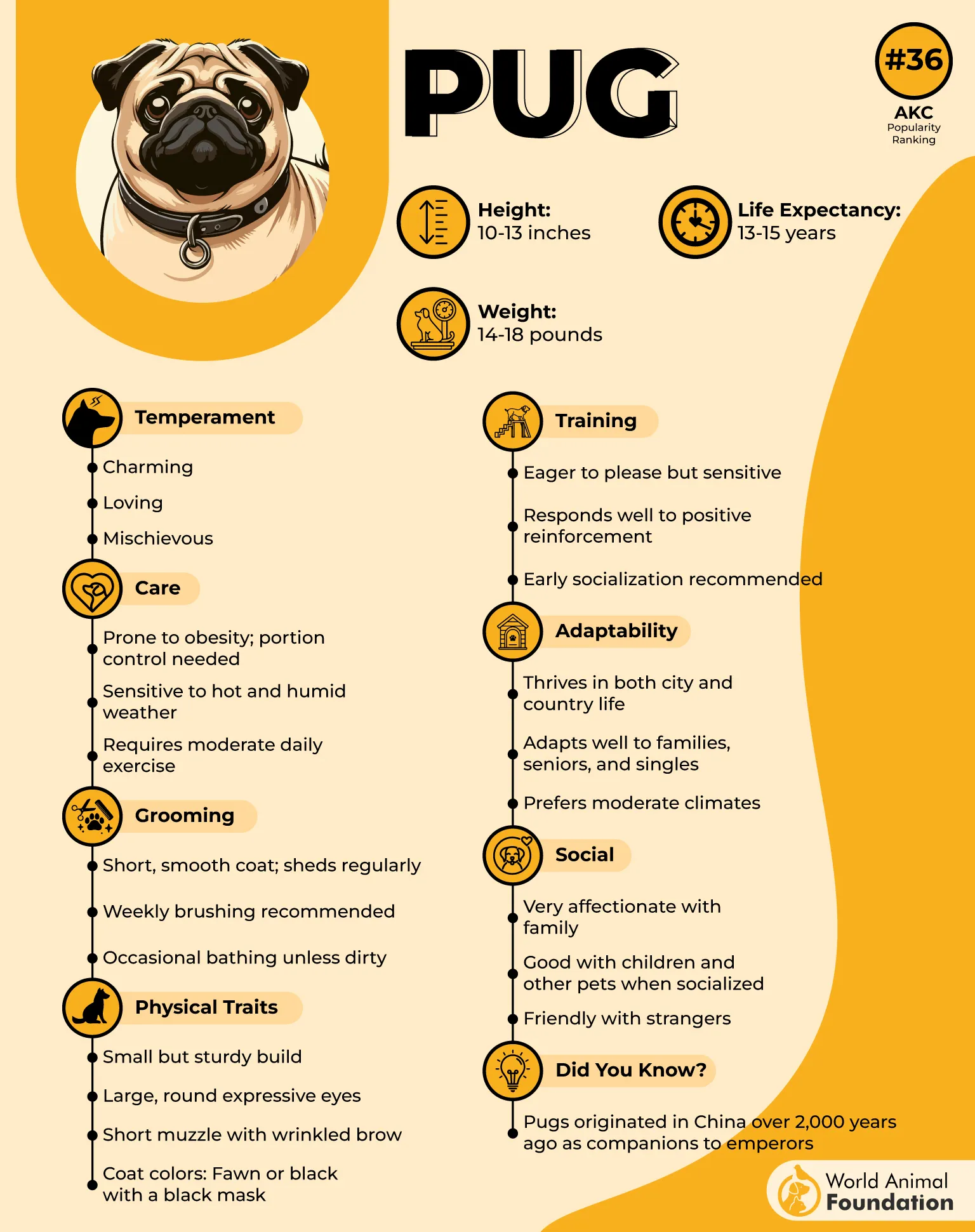
Pugs have a short, smooth coat that requires only basic grooming to stay in good condition. Regular brushing helps manage shedding and keeps the coat looking clean and polished. This straightforward care routine makes maintenance easier to handle early on.
6. Cavalier King Charles Spaniel
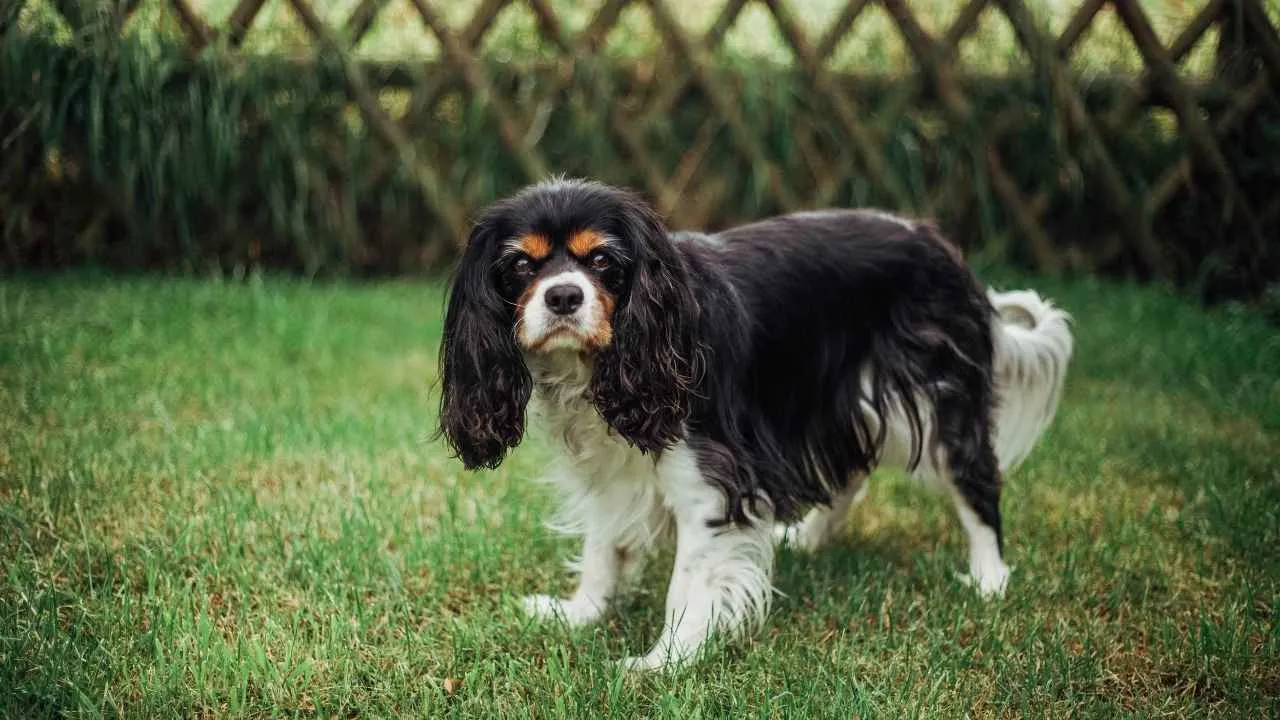
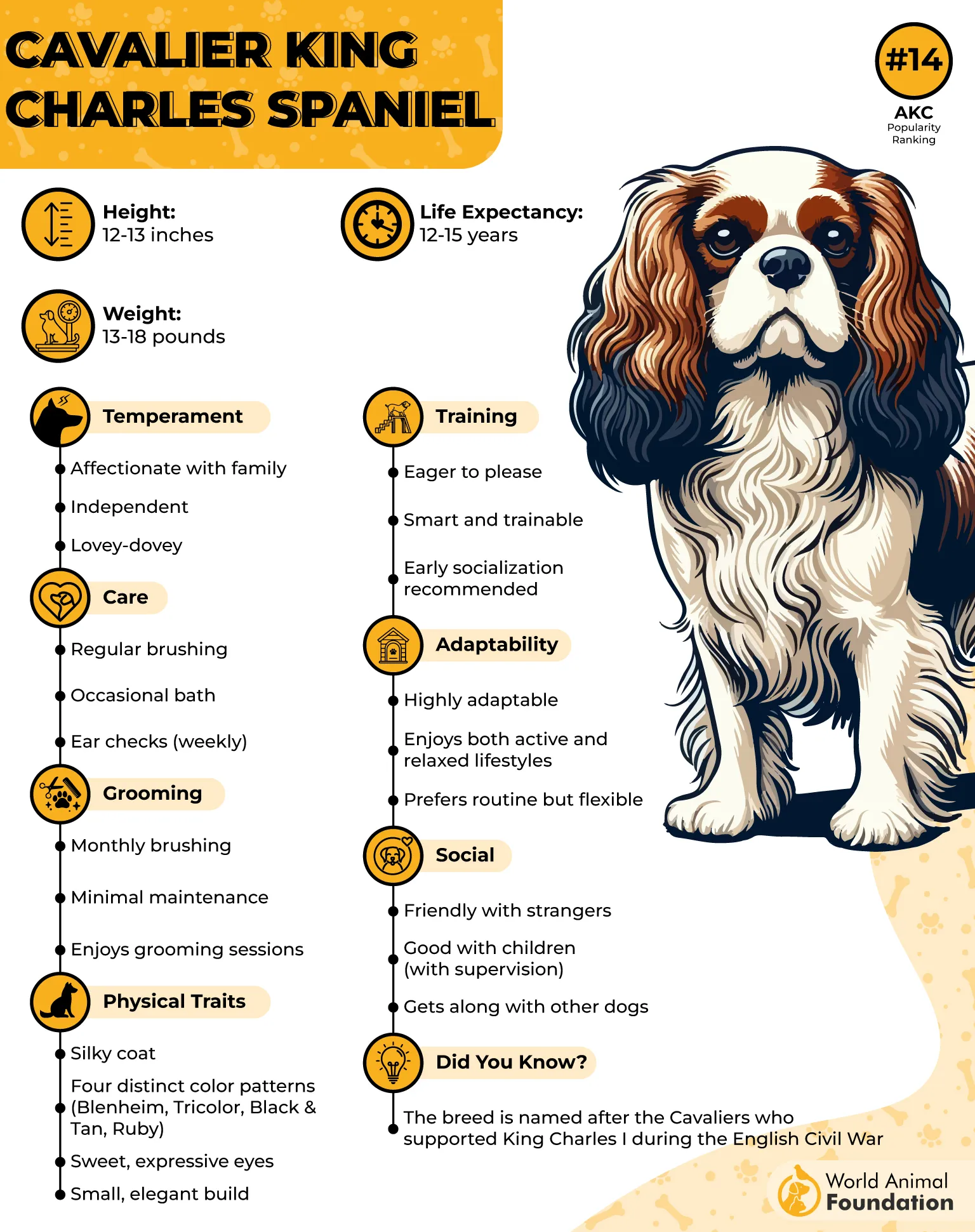
The Cavalier King Charles Spaniel reflects its royal name through a graceful appearance paired with a calm, approachable nature.
Its blend of toy-like attentiveness and sporting energy creates a personality that feels both gentle and responsive. This mix shapes a dog that connects quickly without overwhelming new owners.
Social nature in everyday life
The Cavalier interacts easily with children and other dogs, fitting into shared environments without tension. Its temperament leans toward companionship, often seeking closeness and participation in daily routines.
This becomes clear through simple behaviors:
Engages comfortably with different age groups
Adjusts well around other pets
Seeks steady human interaction
Flexible daily rhythm
This small breed adjusts its activity based on the household pace, shifting between relaxed indoor time and outdoor walks. Its sporting roots support moderate exercise, while its lap dog side fits slower routines. This flexibility allows it to match both active and quiet lifestyles.
7. Havanese
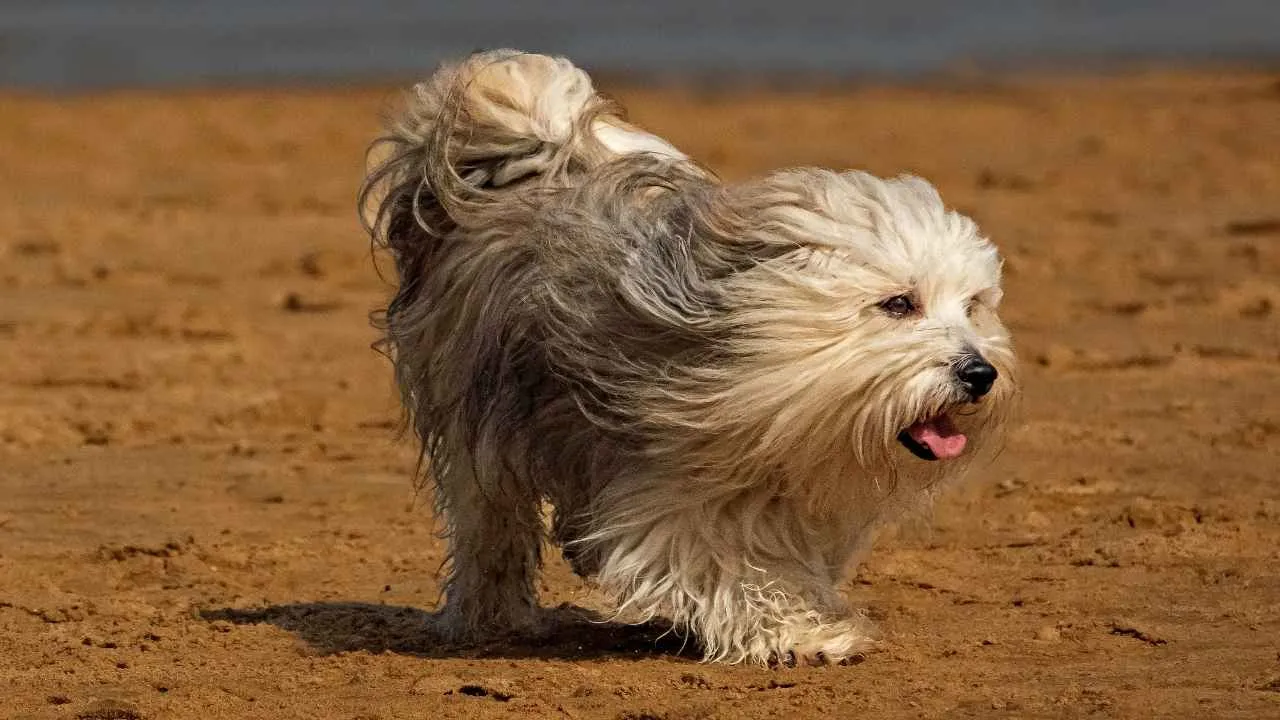
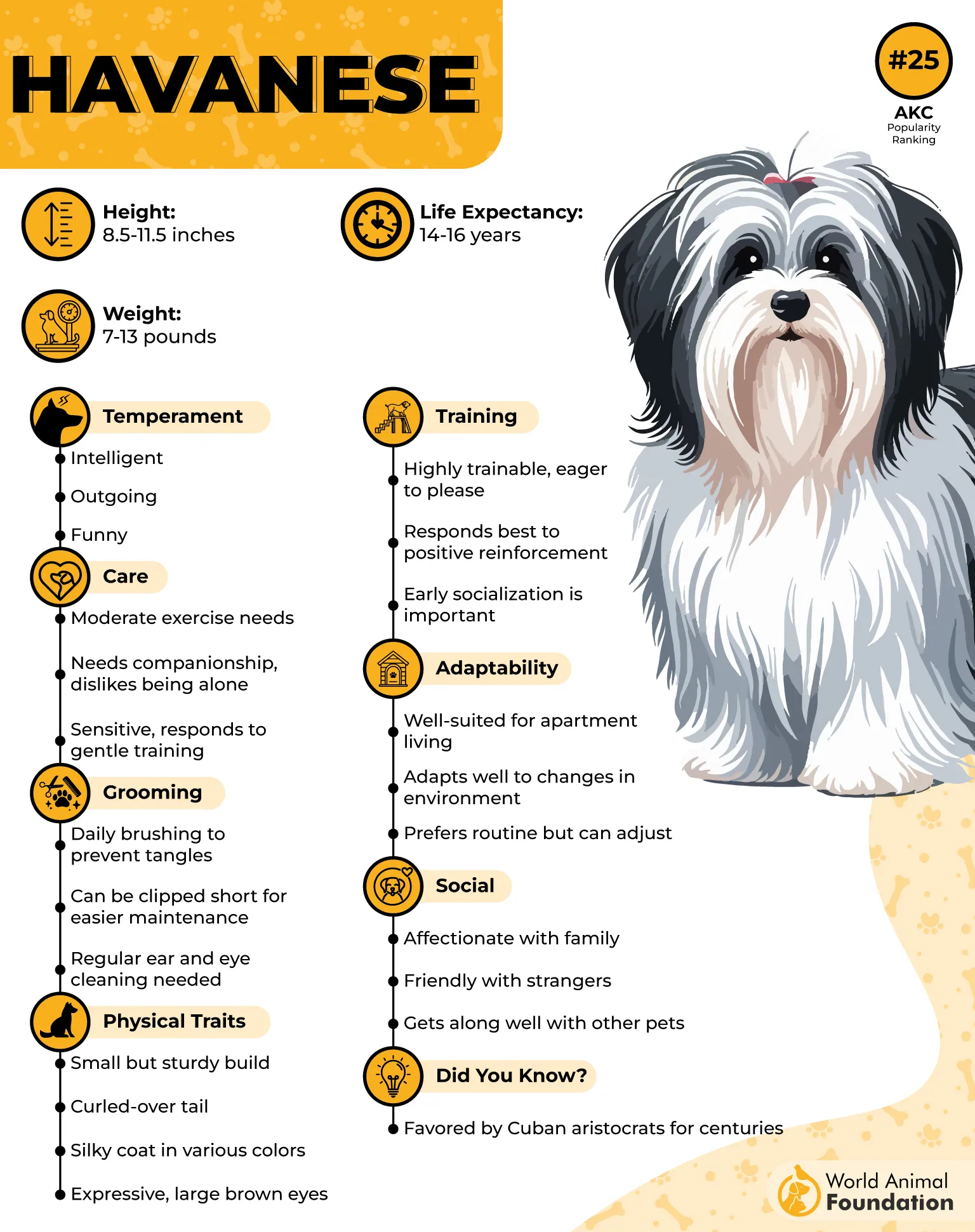
The Havanese comes from Cuba, recognized as the country’s native breed, known for its cheerful expression and light, springy way of moving. Its small yet sturdy frame pairs with bright, expressive eyes that reflect constant engagement. This breed draws attention through presence rather than size.
Social nature with playful instincts
The Havanese has a lively way of interacting, easily turning routine moments into playful exchanges. Its personality leans toward performance, shaped by a natural flair for tricks and attention-seeking behavior.
That playful nature appears in simple habits:
Learns tricks with ease and enthusiasm
Seeks interaction with people of all ages
Responds quickly during play sessions
Adaptability in daily living
This great dog does not need much space to feel comfortable and fits in easily with changing daily rhythms. Its activity level stays moderate, with short walks or indoor play providing enough engagement. It prefers environments where interaction remains frequent.
Conclusion
Initially, everything feels new, and even simple moments can seem uncertain. Then the right dog settles in, and those concerns begin to fade without much effort. These breeds do not push beyond what you can handle.
They adjust, respond, and stay calm in ways that support learning from the beginning, which is why they are often seen among the best dog breeds for novice owners.
That steady presence shapes the routine, allowing confidence to grow with each passing day. Nothing feels rushed or forced. In family life or apartment living, calm dogs with an incredibly affectionate nature create an experience that feels clear, manageable, and far more reassuring than expected.
