




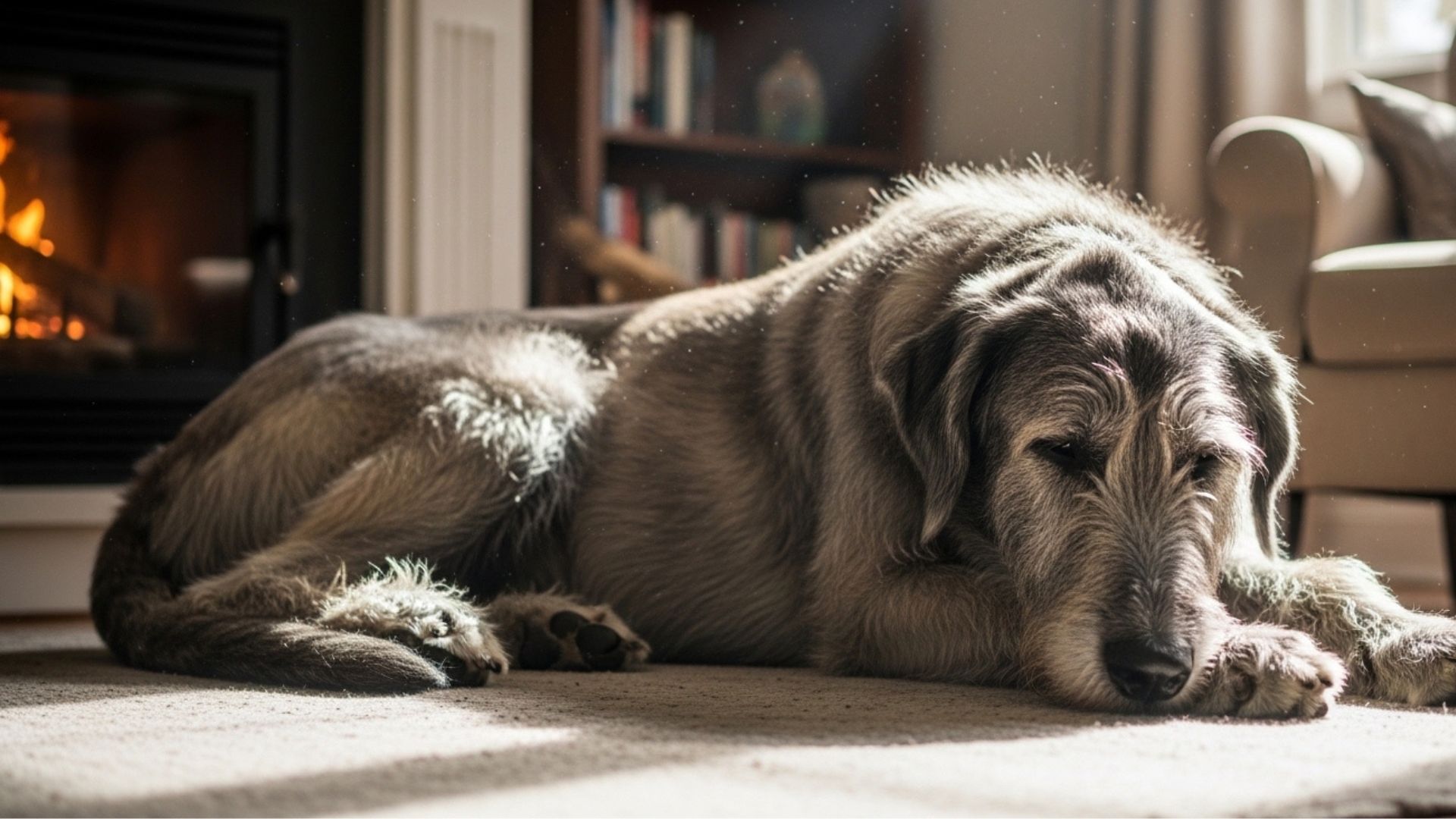
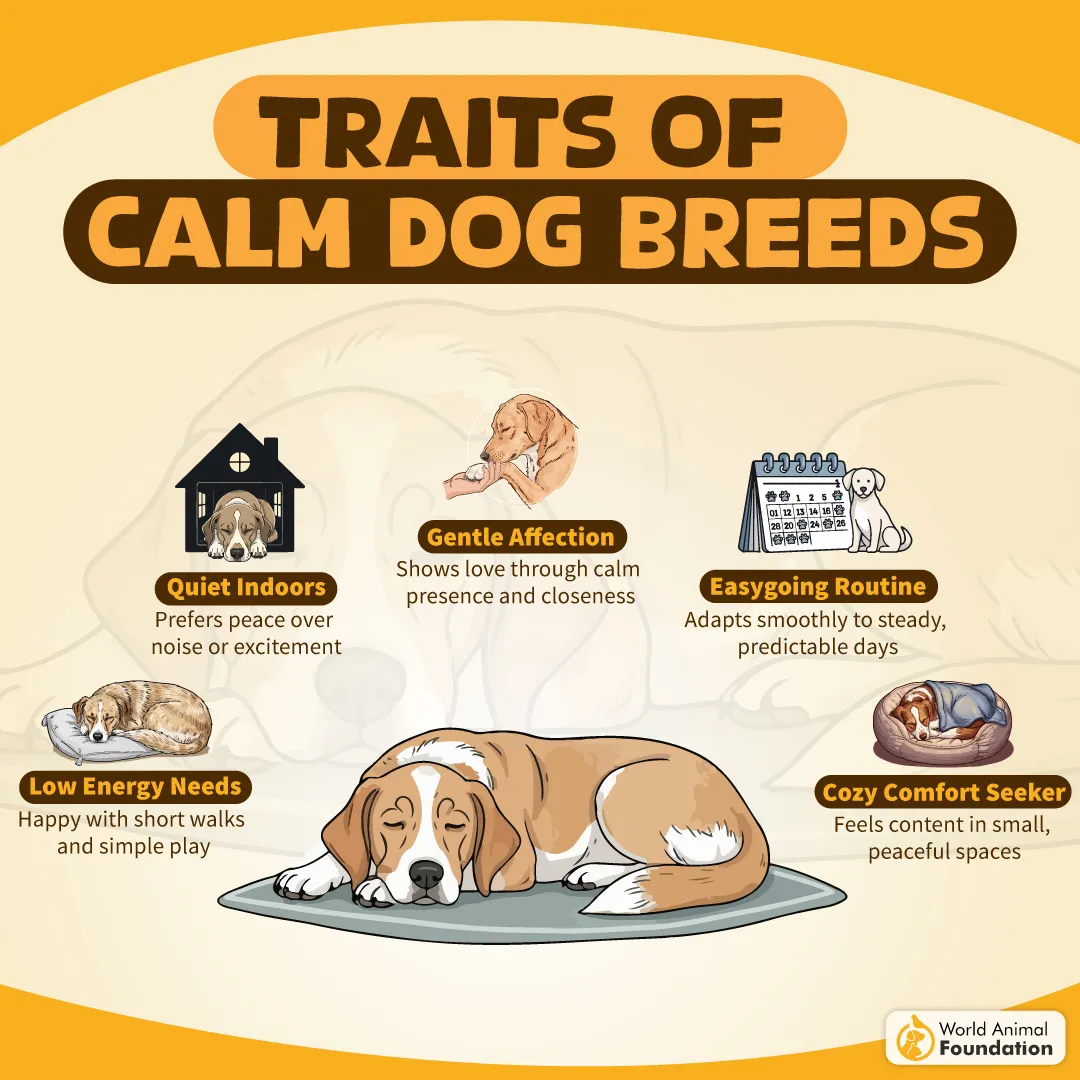
Big dogs don’t have to be loud, hyper, or high-strung to make an impact—they can be gentle, steady, and surprisingly serene. Calm dog breeds offer the perfect blend of size, loyalty, and tranquility, making them ideal companions for families, singles, or anyone seeking a peaceful presence at home.
Imagine coming home after a long day to a dog that lounges quietly nearby, radiating warmth and stability without demanding constant attention. These low-energy dog breeds aren’t just relaxing to be around—they have an uncanny ability to reduce stress, provide comfort, and create a sense of calm in even the busiest households.
While every dog has its own unique personality, proper training, socialization, and gentle guidance help these breeds thrive in a variety of environments, from bustling homes to quiet apartments with ample space.
If you’ve ever dreamed of a companion who combines strength with serenity, look no further. These best dog breeds are sure to steal your heart and bring a soothing, steady energy into your life—proving that sometimes, the biggest dogs make the gentlest friends.
Did You Know? Emotional support dog breeds aren’t just cute companions—they can help reduce symptoms of anxiety, depression, and other mental health challenges by providing comfort, stability, and a calming presence
Calm Big Dog Breeds That Reduce Stress Levels
1. Irish Wolfhound
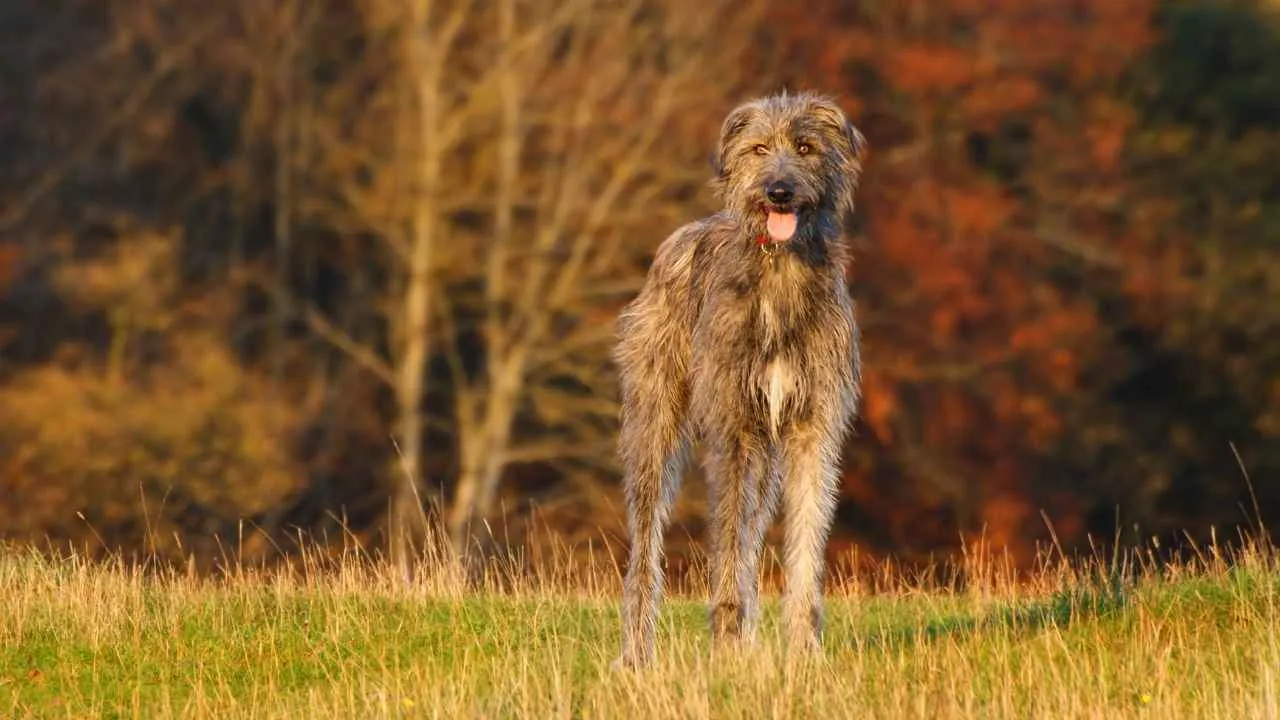
If stress had a natural enemy, it would probably look like an Irish Wolfhound: enormous, dignified, and somehow impossibly calm. Irish Wolfhounds are huge. We’re talking at least 105 pounds of lean, gentle muscle and a height that starts around 20 inches (but often towers much taller).
They’re basically living furniture that’s somehow incredibly friendly. Don’t worry—they rarely think of crushing you; their hearts are bigger than their paws.
These dogs have a temperament best described as “dignified cuddle machine.” Most Irish Wolfhounds are calm, gentle, and easygoing—perfect for curling up on the couch or quietly following you around the house while you sip your coffee. Stress? What stress? It melts away when a wolfhound rests his enormous head in your lap.
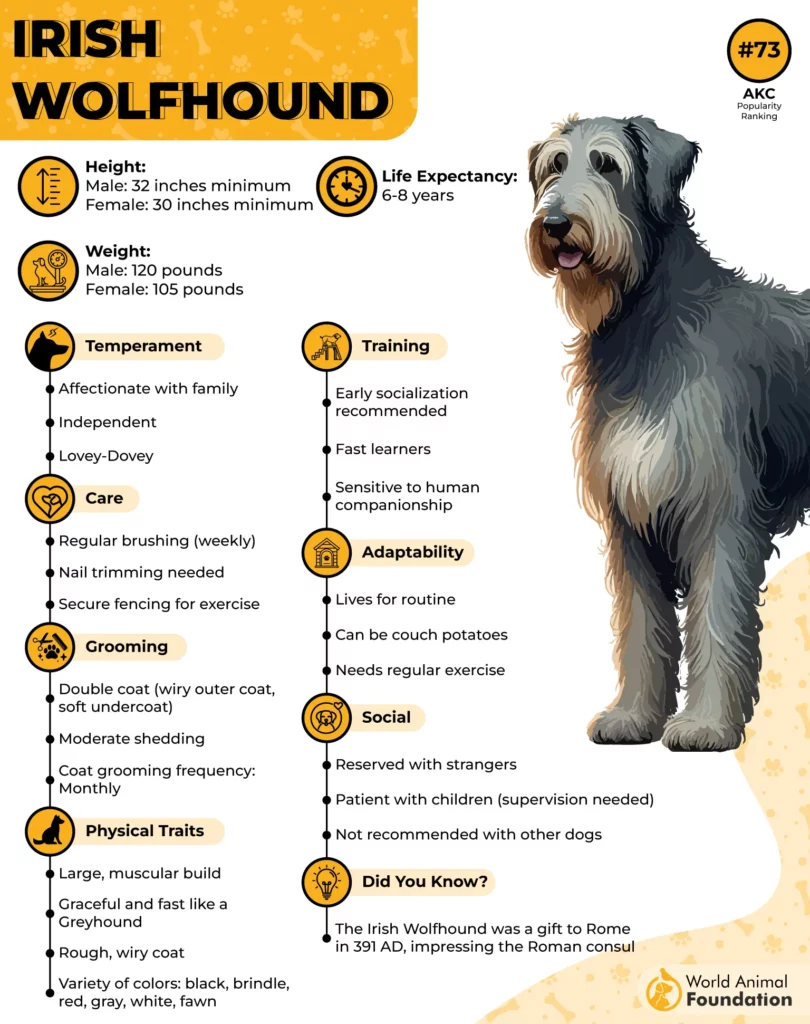
PetMD noted Irish Wolfhounds usually get along well with kids and other dogs—if socialized early. But fair warning: squirrels, rabbits, or really anything that moves fast may trigger their inner hunter. Still, inside the home, they’re more likely to nuzzle you than cause chaos.
Their calm presence is practically therapeutic.
They’re affectionate without being clingy—like a silent yoga instructor who just sits there and radiates peace.
Their gentle eyes can melt even the hardest of Monday blues.
Despite their size, these gentle giants don’t demand endless activity. Regular walks are enough to keep them healthy, happy, and prevent obesity—but don’t expect a hyper puppy vibe. Irish Wolfhounds are more “majestic stroll in the park” than “zoomies at 2 a.m.”
Fun Fact: Irish Wolfhounds have been around since ancient times, originally bred to hunt wolves. Now, their biggest hunt is probably finding the coziest spot in your living room.
2. Saint Bernard
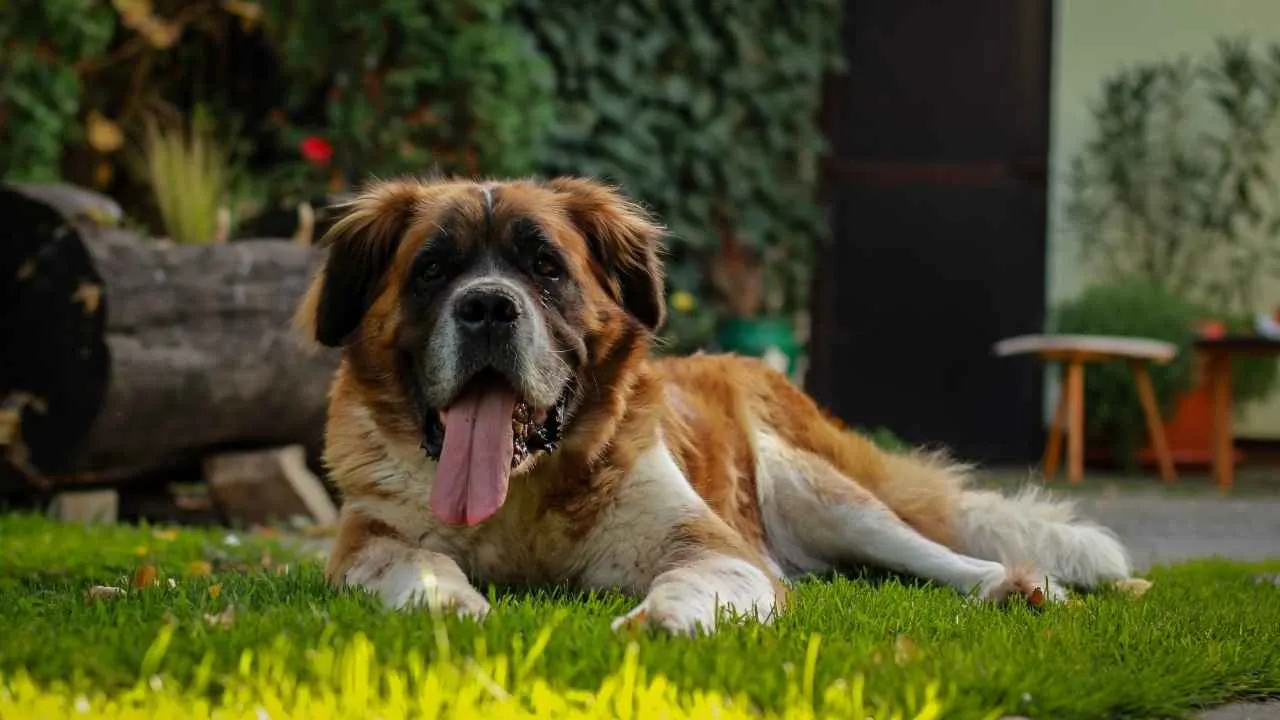
Saint Bernard: enormous, fluffy, and equipped with a built-in “everything’s going to be okay” vibe. These gentle giants aren’t just big—they’re the definition of calm, cool, and collected. No wonder they became the legendary avalanche search-and-rescue dogs in the Swiss Alps—they can stay composed when everyone else is panicking.
Saint Bernards are huge. Think 140–180 pounds of pure cuddliness with a face so sweet it could melt the iciest heart. Their size alone is calming—having one around makes even Monday mornings feel less stressful. Imagine a living, breathing, drool-worthy security blanket.
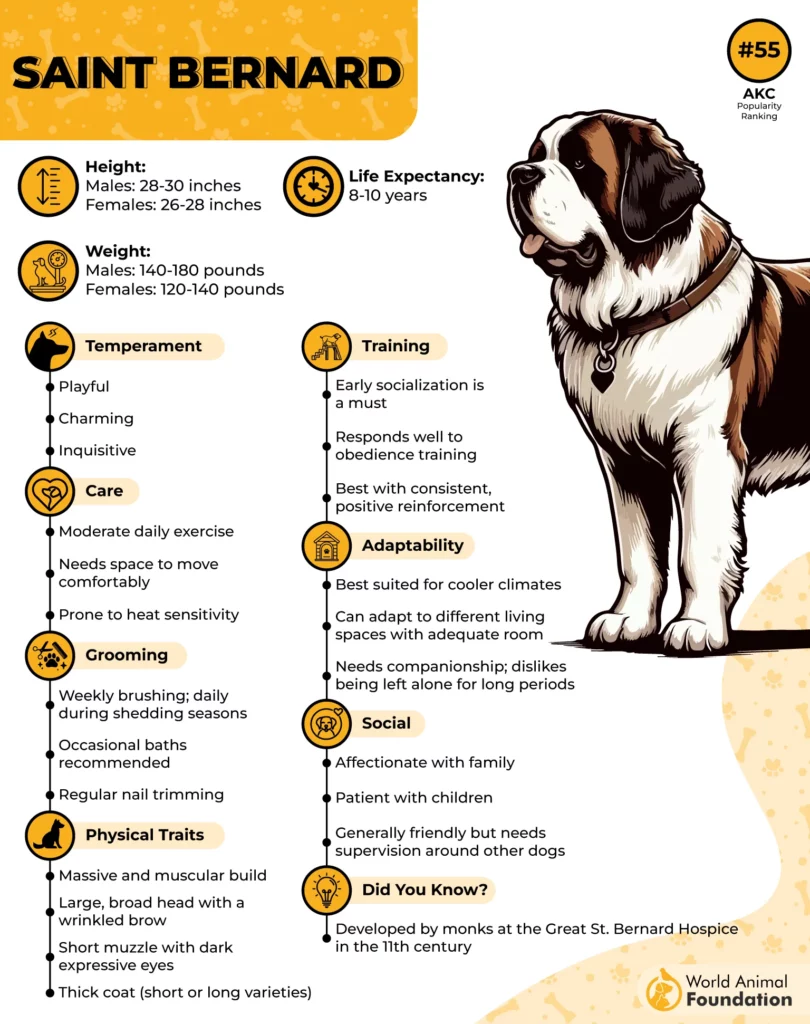
Saint Bernards are basically the “nanny dogs” of the canine world. Their natural patience and gentle temperament make them perfect with children. They don’t just tolerate kids—they love them, often acting like a giant, soft guardian who’s always ready for a snuggle or a nap together.
Their massive, soulful eyes are practically hypnotic—you’ll forget your worries.
The drool? Well… It’s a small price to pay for the cuddles and calm energy.
Their slow, measured movements create a Zen-like household vibe.
Low-energy and loving, Saint Bernards are excellent emotional support animals. They’re slow-moving, thoughtful, and affectionate without being overbearing—like a friend who just sits next to you and makes everything better, no words needed.
Fun Fact: Saint Bernards historically carried little barrels of brandy around their necks in the Alps to rescue stranded travelers. Today, they still carry the same spirit of care—minus the alcohol, unless you’re counting dog treats.
3. Mastiff
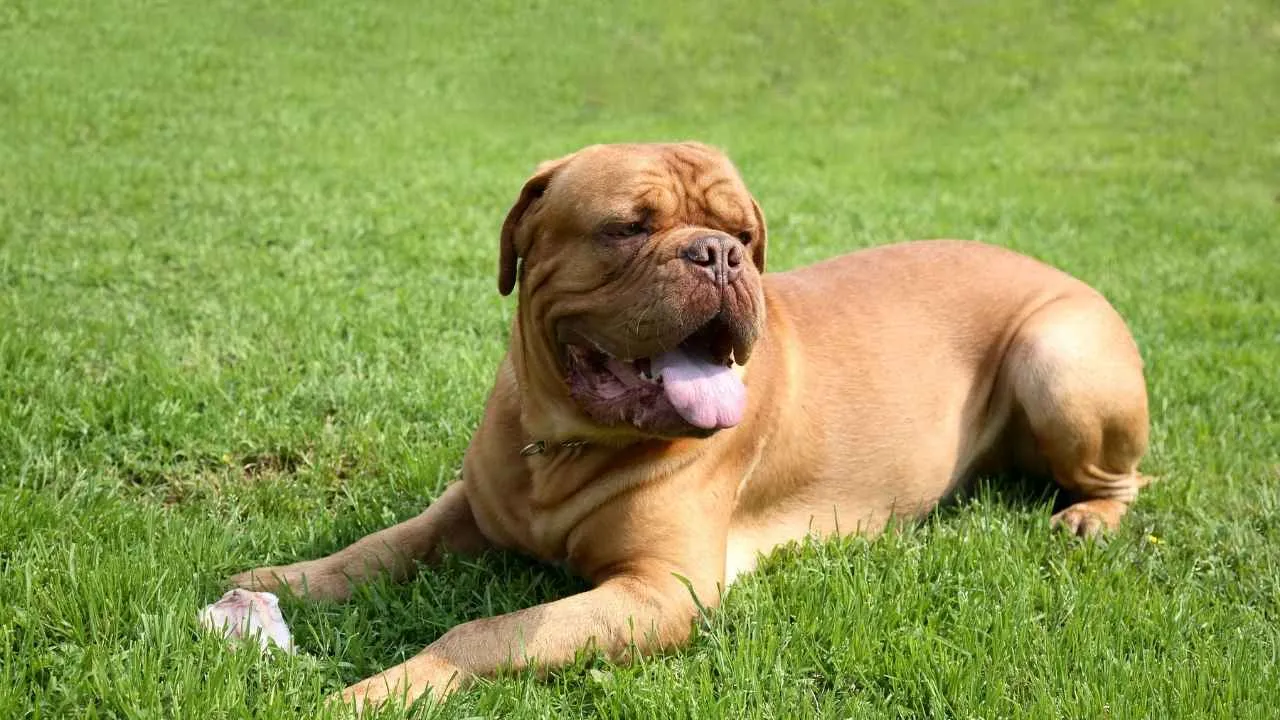
These towering, gentle giants are the ultimate stress-busters: calm, good-natured, and somehow capable of making even the most hectic days feel manageable. Imagine having a furry roommate who’s basically a living, breathing, drool-friendly Zen master—that’s a Mastiff.
Mastiffs are massive, imposing, and soft-hearted all at once. As adults, they can weigh anywhere from 120 to 230 pounds—yes, you read that right. But despite their size, their temperament is more “laid-back cuddle buddy” than “household wrecking ball.”
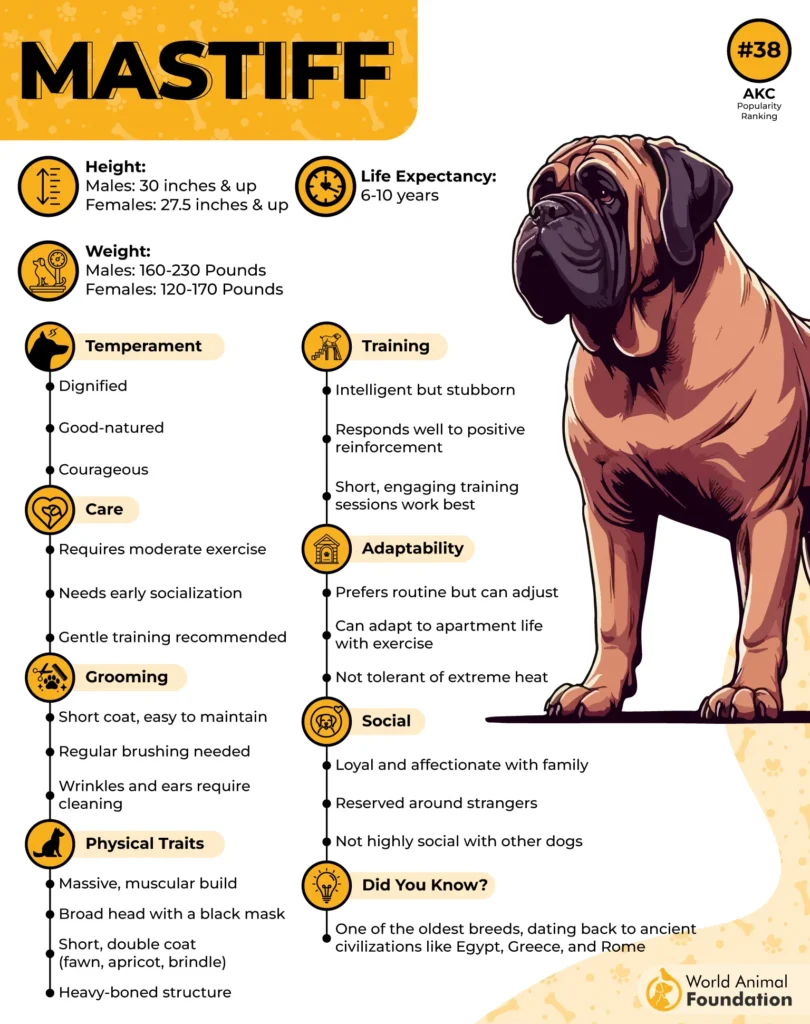
Mastiffs are naturally good-natured and gentle. They usually get along with everyone, from children to other pets, but—as with all breeds—early socialization is key to raising a confident, sociable adult dog. They’re loyal, affectionate, and wonderfully patient, making them excellent companions for anyone looking for a low-stress, loving canine presence.
Mastiffs exude calm simply by existing. Their presence alone can slow your breathing and ease your mind.
They’re giant enough to act as living pillows for lazy afternoons.
Their patient nature makes them perfect for kids, adults, and even stressed-out roommates.
Good news: PDSA noted Mastiffs are low-maintenance groomers. Weekly brushing is usually enough, but their facial wrinkles will need daily attention to avoid irritation or infection. Think of it as a small daily ritual that keeps your giant’s face as charming as his personality.
Even giants need a bit of movement. Mastiffs enjoy around an hour of exercise daily as adults—enough to keep them healthy without overexerting their joints. Puppies, however, should be treated like royalty: avoid excessive exercise to protect their growing bones.
Fun Fact: Despite their intimidating size, Mastiffs are not aggressive by nature. Historically, they were guardians of homes and estates, but today, they’re more likely to greet visitors with a soft grunt and a wagging tail than a growl.
4. Greyhound
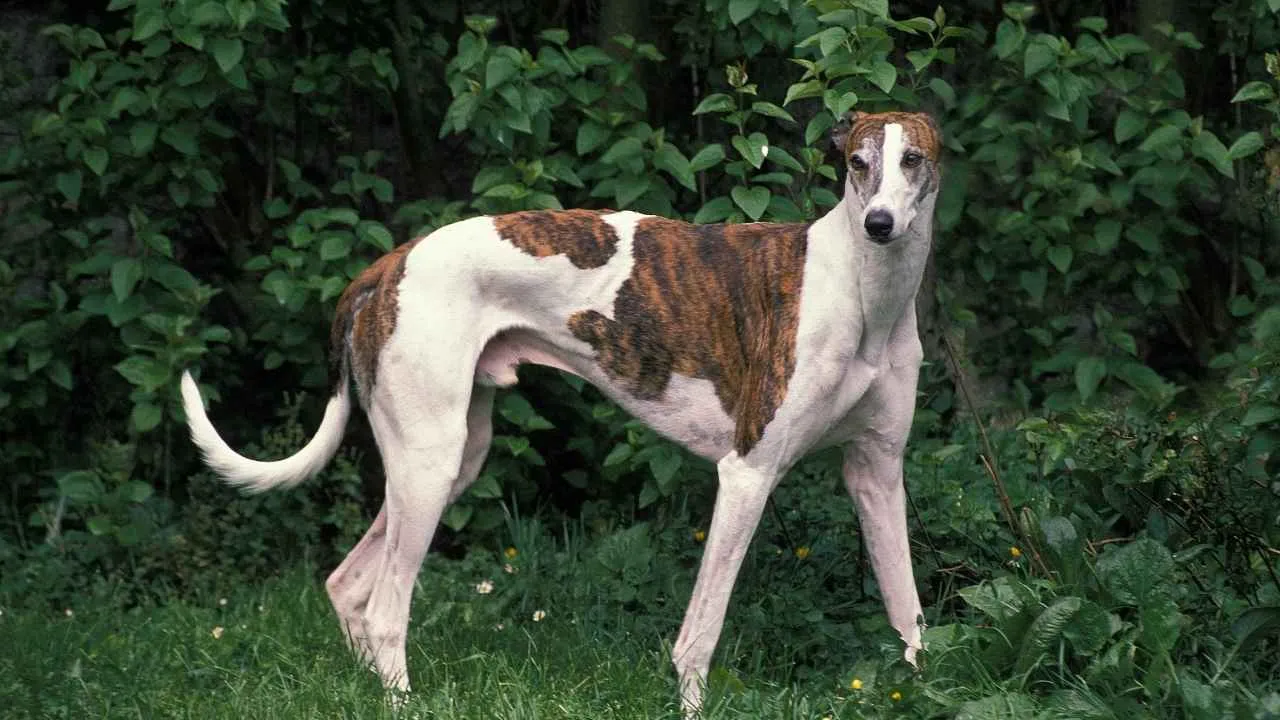
When you think “Greyhound,” your first thought might be race track speedster—but don’t let that fool you. Off the track, Greyhounds are basically the yoga instructors of the dog world: calm, gentle, and surprisingly low-energy. They have a reputation for being even-tempered and quiet, making them perfect companions for anyone looking to melt away stress.
Greyhounds are sleek, elegant, and surprisingly soft-hearted. With their lean bodies and graceful stance, they may look fast—and yes, they can sprint like the wind—but most of the day, they prefer lounging on a couch, stretching out in sunbeams, and occasionally glancing at you as if to say, “All is well.”
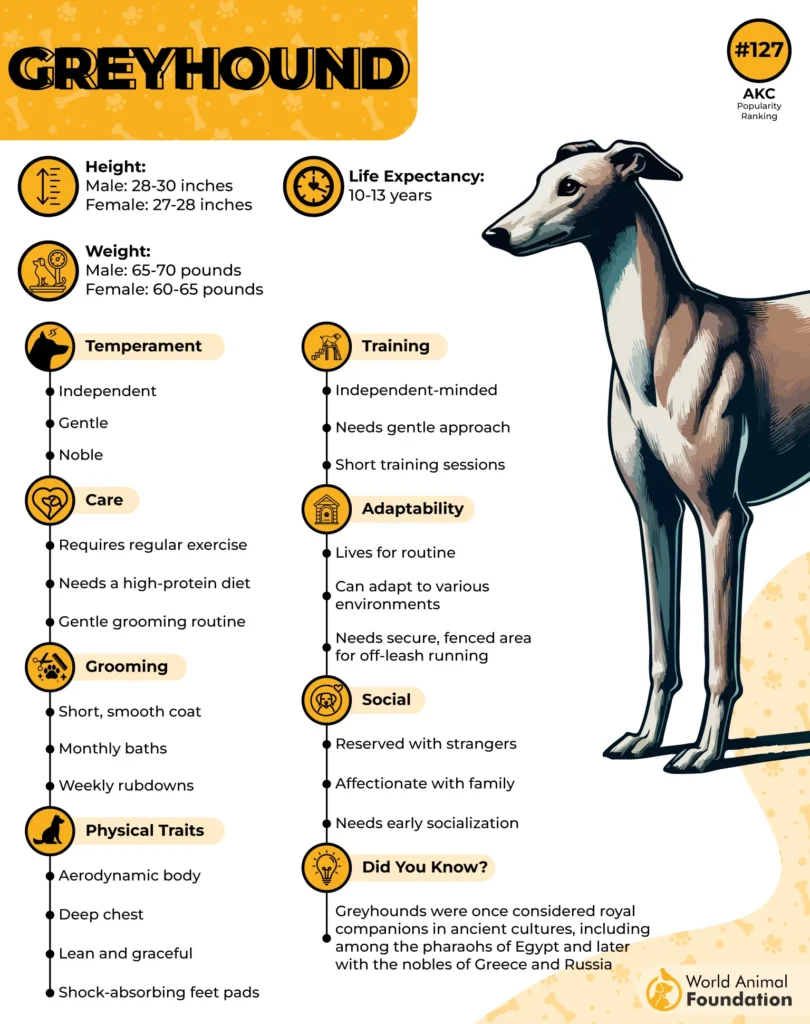
Despite their racing background, Greyhounds are quiet, affectionate, and easygoing. They’re gentle with people of all ages and adapt well to calm households. Their presence alone has a way of lowering your heart rate and easing anxiety—imagine a living, breathing stress ball that’s also photogenic.
Greyhounds are surprisingly affectionate—they’ll nuzzle and lean against you like a gentle giant stress ball.
Their quiet demeanor means no constant barking or chaos in the house.
Watching one stretch out in sunbeams can practically cure a bad day.
Greyhounds do have a prey drive, especially those trained for racing. Cats, rabbits, and other small animals may trigger the chase instinct, so a fenced yard or careful introductions are ideal.
Don’t worry—you won’t need a marathon routine. Greyhounds enjoy short bursts of high-speed exercise (a sprint or two in a safe space) but spend the rest of the day as true couch potatoes.
Fun Fact: Despite their speed on the track, Greyhounds are nicknamed “45-mile-per-hour couch potatoes” because their favorite activity is relaxing—sometimes for hours on end.
5. Great Pyrenees
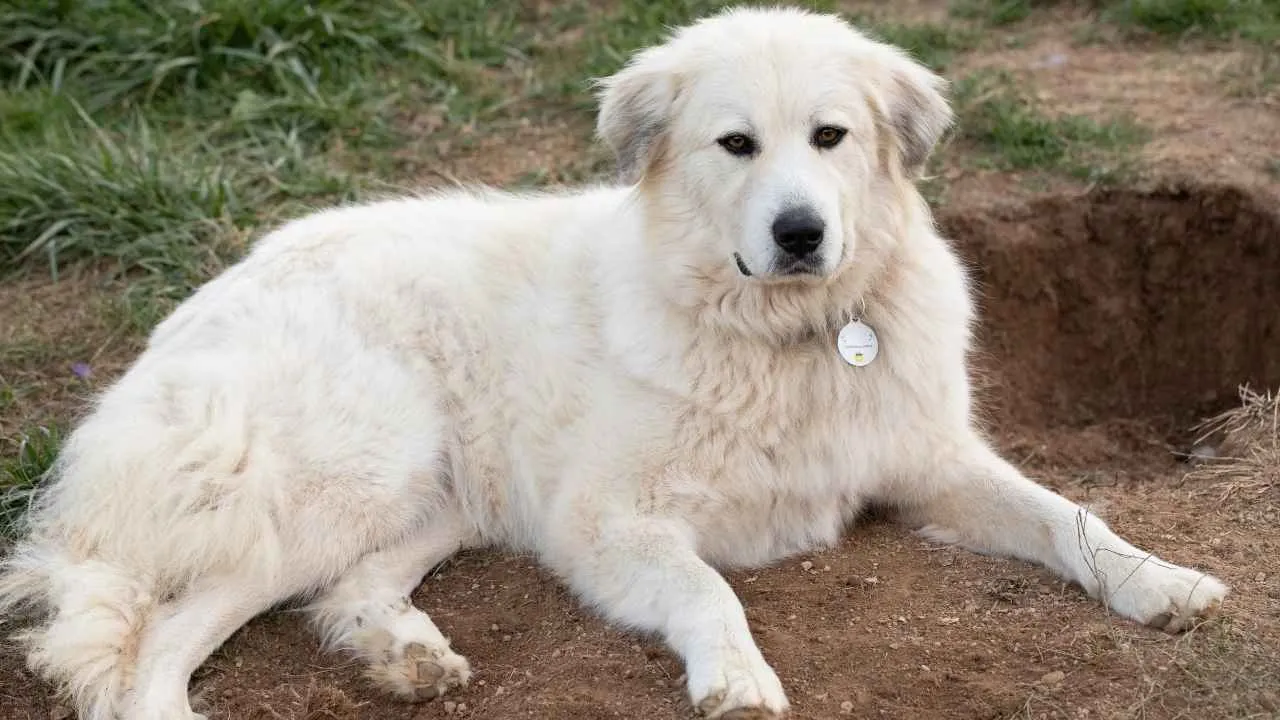
If you’re ready to add a very big, very fluffy, very calm dog to your life, the Great Pyrenees is calling your name. These gentle giants are the perfect blend of majesty, affection, and chill—basically a cloud of calm you can hug.
Great Pyrenees are huge, fluffy, and undeniably regal. With their thick, white coats and impressive stature, they look like they just stepped out of a mountain painting—but don’t let that intimidate you.
Historically, the Great Pyrenees descended from mountain sheepdogs in Central Asia thousands of years ago. This background explains their majestic appearance, natural guarding instincts, and calm composure—they’ve been trained for centuries to watch over flocks without panicking, which translates perfectly into modern life as a laid-back, steady companion.
Their calm, patient demeanor instantly soothes the household.
They love snuggles, though “snuggling” with a dog this size may require a bigger couch.
Watching them lazily patrol the yard or stretch out in sunlight can make anyone pause, breathe, and relax.
These mellow pets are great with children and usually get along with other pets, making them the ultimate “all-around good dog.” A Great Pyrenees can lounge next to you while you read, quietly follow you around the house, or even act as a soft, reassuring presence during stressful times.
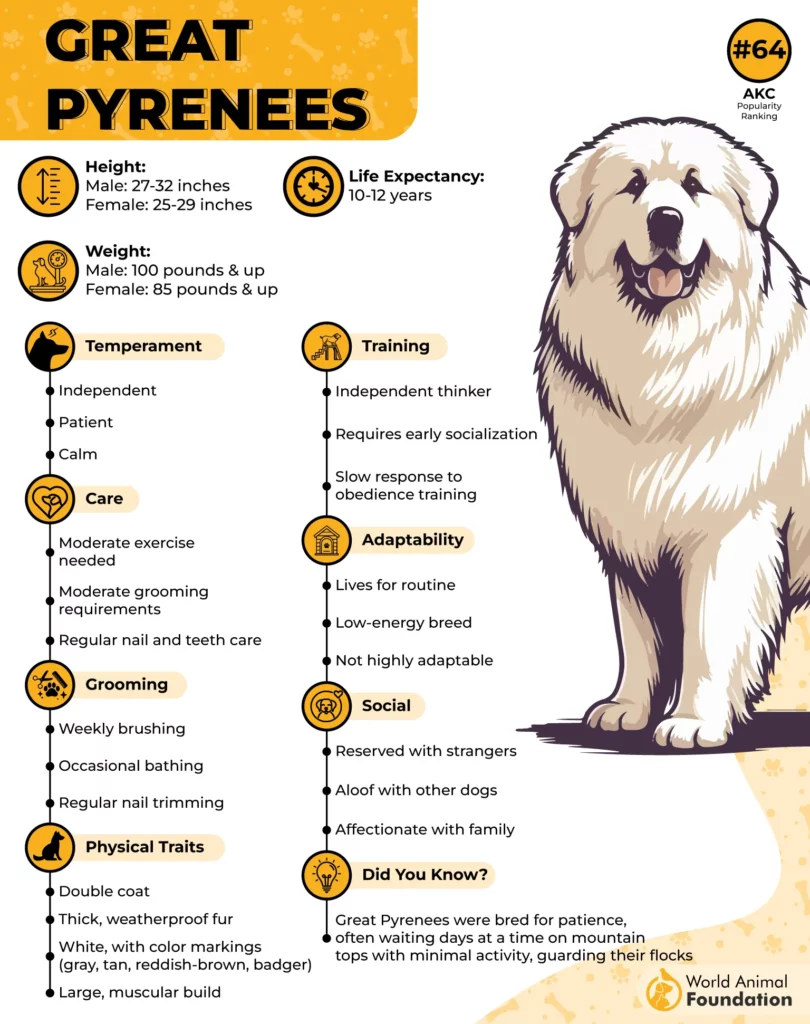
A few walks and some outdoor time to stretch their legs are enough to keep them happy and healthy. Their slow, measured movements around the house bring a peaceful rhythm to daily life—like having a furry meditation coach who also happens to be big enough to block a hallway.
Fun Fact: Great Pyrenees are sometimes called “gentle guardians” because, historically, they protected flocks for centuries. Today, their guarding instinct mostly extends to protecting your heart and lowering your stress levels.
6. Newfoundland
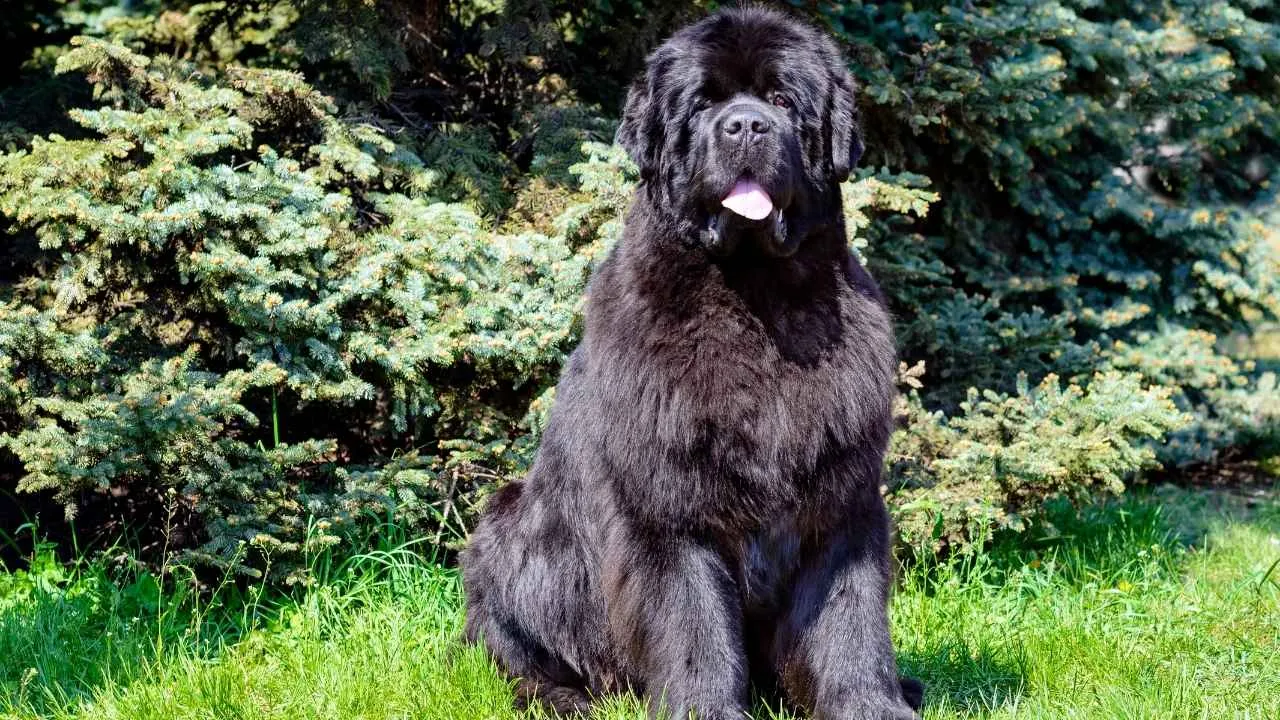
Newfoundlands are massive, powerful, and impossibly sweet. With their heavy bone structure and dignified bearing, they make a big impression without ever demanding attention. Picture a large dog breed as a friendly, four-legged coffee table—but instead, he’s quietly sitting by your side, radiating calm.
Newfies are famous for their sweet expression and gentle demeanor. According to the American Kennel Club (AKC), they’re incredibly good with children and have earned the nickname “nanny dog” thanks to their patience and watchful nature.
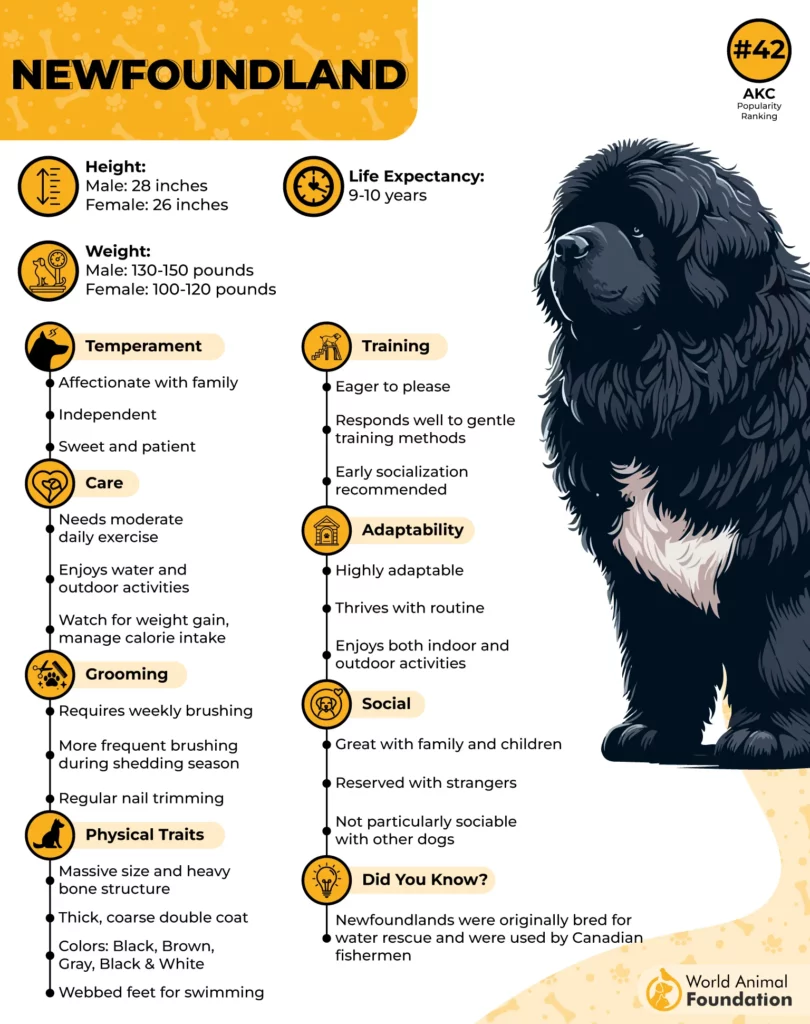
Their calm personality makes training fun, easy, and rewarding, helping them adapt gracefully to new environments. Newfoundlands thrive on companionship. They’re friendly with people and usually get along with other pets, too.
Their gentle, steady presence is like a living stress ball—hug at your own risk of squishing fingers.
Patient and watchful, they seem to know instinctively when you need comfort.
Their sweet expressions are practically hypnotic—you can’t help but smile.
Despite their size, their low-energy, laid-back temperament makes them ideal for families or anyone looking to add a calming, loving presence to their home.
Fun Fact: Originally bred as working dogs in Newfoundland, they were used for water rescues and hauling heavy loads. Today, their “work” mostly involves rescuing humans from stress with cuddles, calm energy, and a lot of drool (bonus!).
7. Bernese Mountain Dog
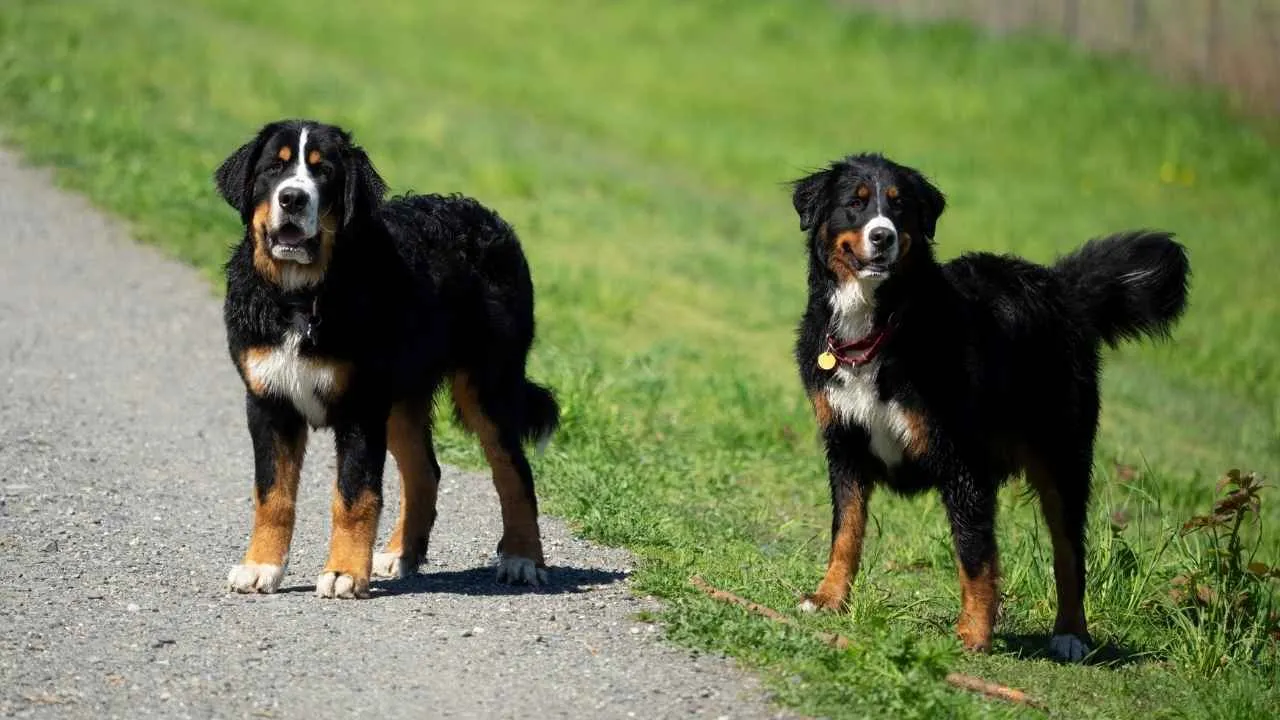
If you want a big, calm breed, the Bernese Mountain Dog is basically a four-legged hug with fur. These gentle giants are perfect for anyone who wants a relaxed lifestyle without sacrificing companionship or affection.
Berners are large, strong, and impossibly soft, with striking tri-colored coats that make them look like they stepped out of a storybook. Despite their size, their presence is calm, grounding, and incredibly soothing—a natural stress-reducer just by being nearby.
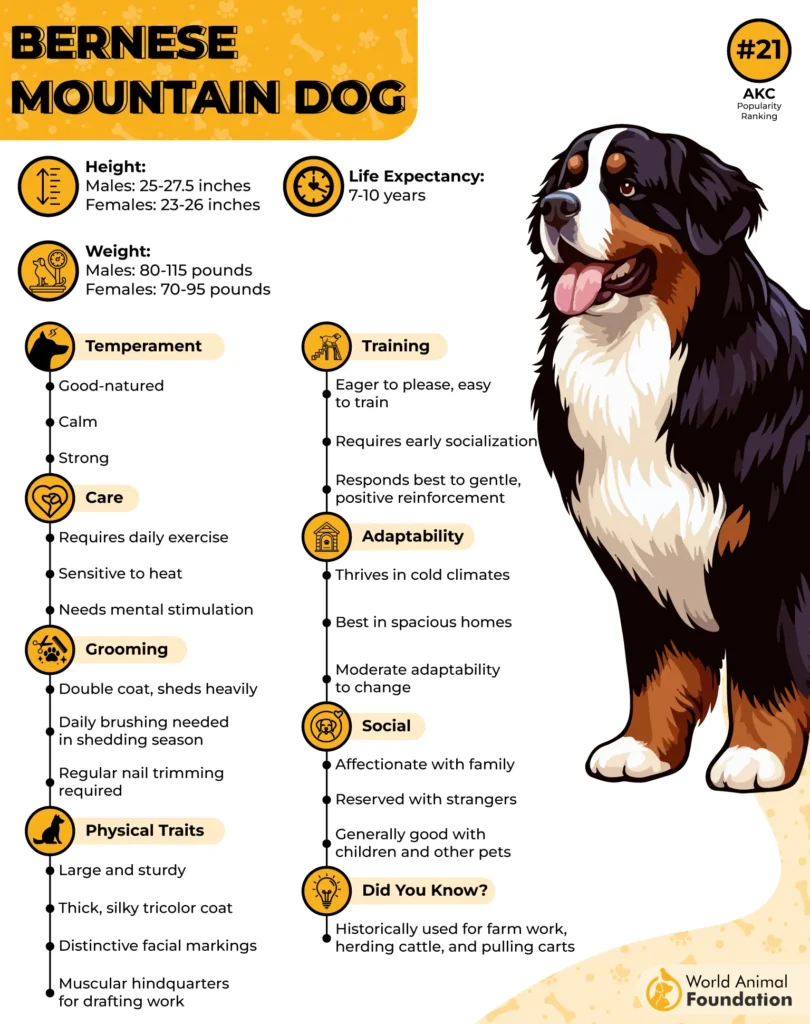
Bernese Mountain Dogs are famous for their friendly nature. They’re gentle, affectionate, and love spending time with people. These dogs thrive on companionship and are happy to stroll with you, snuggle beside you, or just quietly observe life from their favorite spot on the floor.
Their calm, friendly energy makes them excellent emotional support companions.
They naturally fit into a daily routine, which helps reduce household stress.
Watching a Berner flop down beside you after a walk is basically a free therapy session.
Don’t worry about endless running or high-intensity workouts. Berners enjoy daily walks and moderate activity, but they’re just as happy lounging around afterward. A daily routine keeps them happy, and they respond well to mental stimulation like puzzle toys, training exercises, or gentle play sessions.
Bernese Mountain Dogs are low-maintenance for their size but do require regular grooming to keep their thick coats healthy and free of mats. A few minutes of brushing each day goes a long way—and, honestly, it’s a great excuse for some quality bonding time.
Fun Fact: Despite their working-dog heritage in the Swiss Alps, Bernese Mountain Dogs are masters of relaxation. They’ll happily haul carts and help on the farm—but mostly, they’d prefer napping beside you afterward.
Conclusion
Every dog is an individual, so even breeds known for calm or affectionate temperaments may surprise you. However, certain calm temperament breeds are often recognized for their mellow attitudes, playful energy, and affectionate nature, making them excellent companion animals, therapy dogs, or emotional support dogs.
With consistent training, daily walks, attention to body language, and interaction with other animals, these dogs can offer steady companionship and emotional stability, even in city apartments or busy daily life. Whether high-energy breeds or laid-back pets for smaller spaces, selecting a reputable breeder and understanding each dog’s unique personality ensures a strong bond and a joyful, balanced life together.
