




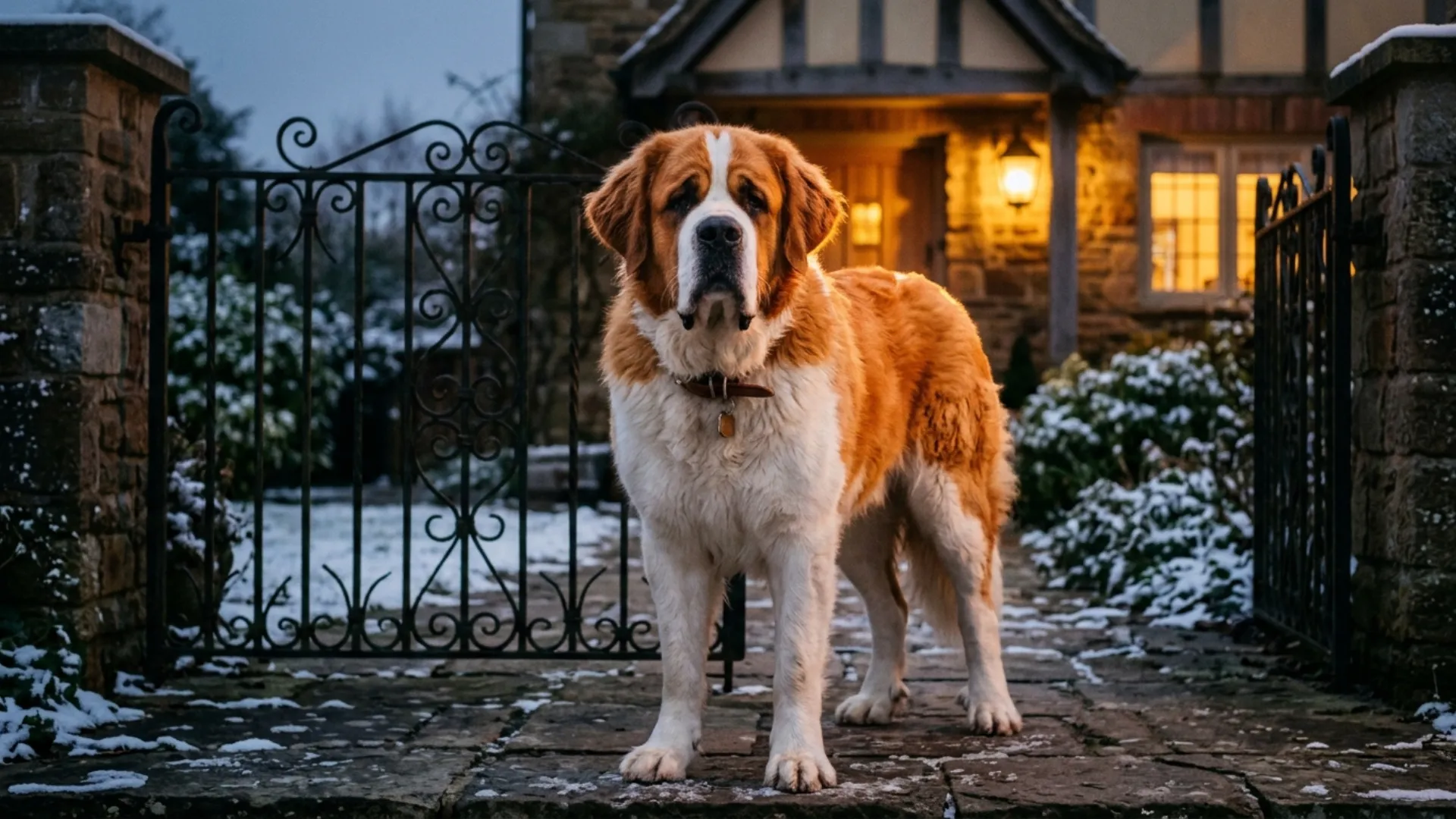
Some guard dogs do not need to act dramatically, bark nonstop, or turn every leaf in the yard into a breaking-news alert. The best calm guardians often work like quiet security managers, watching, thinking, and stepping in only when something feels off. They are loyal, steady, emotionally grounded, and built for people who want protection without constant chaos.
Many of these breeds were developed for serious jobs like guarding livestock, protecting farms, assisting rescue work, or watching family property. That background explains their size, independence, patience, and decision-making skills.
Let’s meet the big, loyal, level-headed breeds that bring home protection with less drama and more dignity. Some of these best guard dogs are fluffy mountain guardians, gentle giants, and serious power breeds for experienced owners only. Either way, these dogs prove that guarding can be quiet, thoughtful, and deeply loyal.
Calm and Loyal Dog Breeds That Offer Excellent Guarding
1. Great Pyrenees
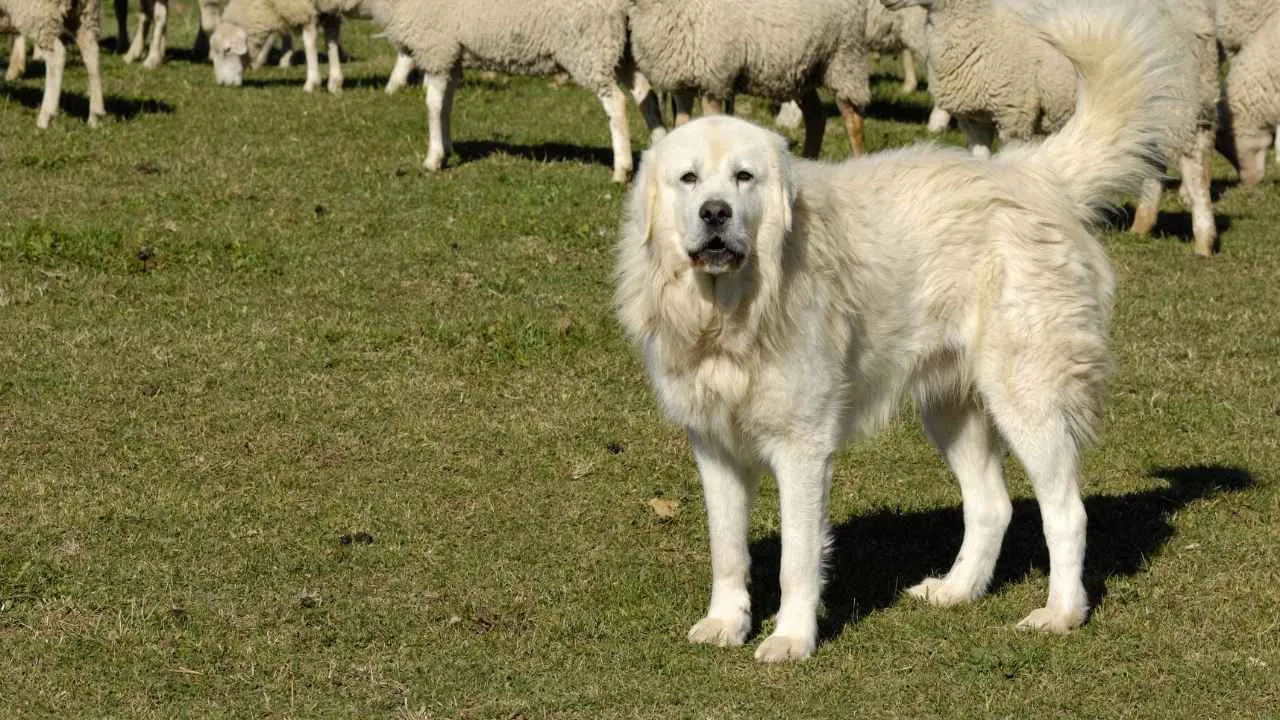
The Great Pyrenees is basically the wise mountain grandparent of guard dogs, calm on the outside and well aware on the inside. This breed was developed to protect livestock in rugged mountain regions, which explains its independent mind and patient guarding style.
Instead of waiting for instructions every two seconds, a Pyr often studies the situation as if it were conducting a full risk assessment.
Their temperament is usually kind, steady, and devoted, especially with families that understand big-dog boundaries. They are not typically hyper house pets because their original job required conserving energy until there was a real reason to act. That calmness makes them feel peaceful indoors, but do not mistake peaceful for passive.
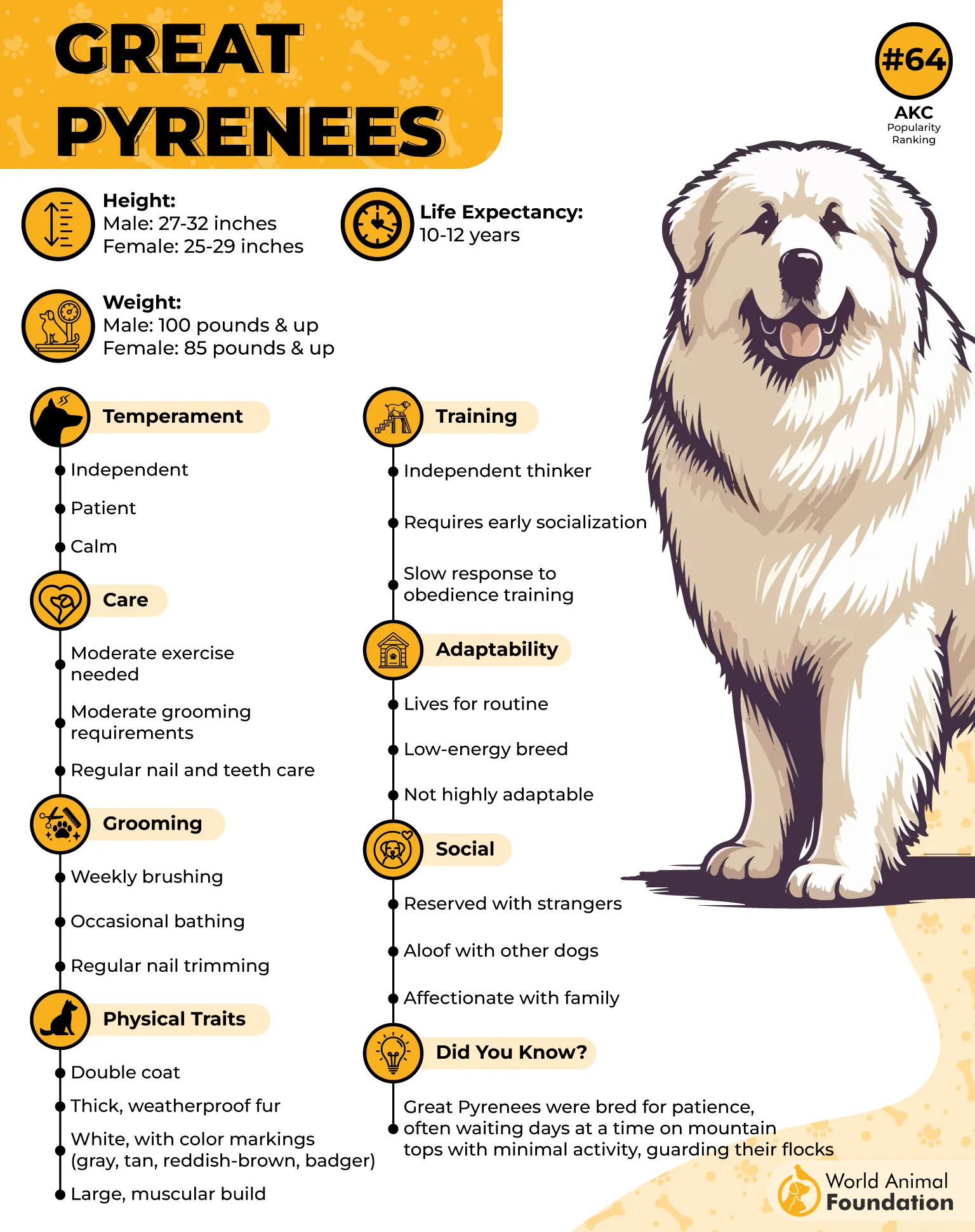
This dog often guards by patrolling, listening, watching, and using its deep bark as a warning system. Owners commonly say their Pyr seems relaxed until a strange sound, animal, or unfamiliar person gets too close to the property. Then the fluffy cloud becomes a security announcement with paws.
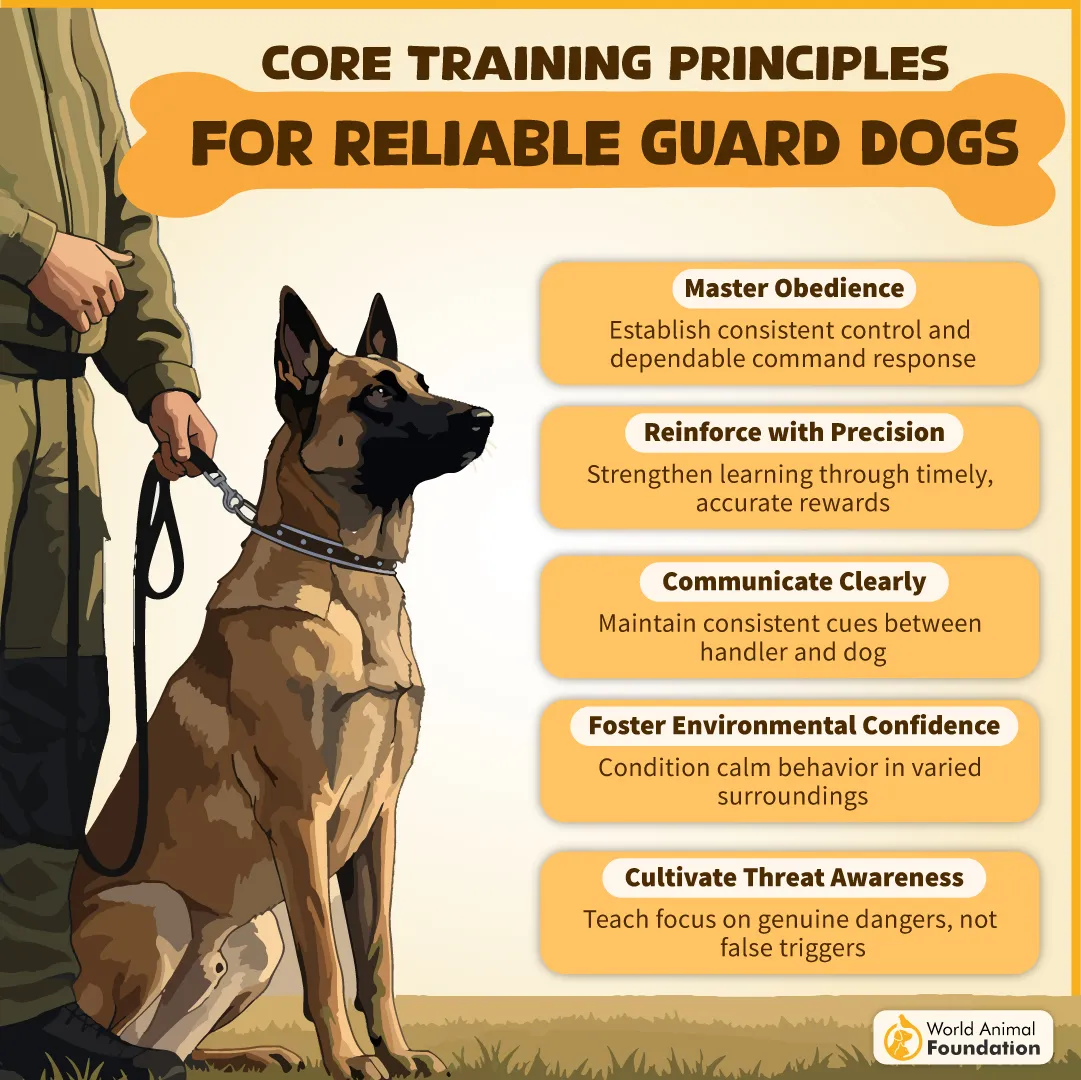
Training this family guard dog requires patience because their intelligence comes with independent opinions. They were bred to make decisions without humans, so blind obedience is not really their brand. Positive reinforcement, consistency, leash manners, and early socialization help them understand what modern family life expects.
How Do They Guard Your Home
They patrol slowly and confidently, making the property feel watched without turning every moment into panic mode.
Their deep bark works like a serious warning signal, especially when strangers approach gates, fences, or livestock areas.
Their independent thinking helps them notice unusual patterns, which is why they need guidance instead of harsh control.
2. Saint Bernard
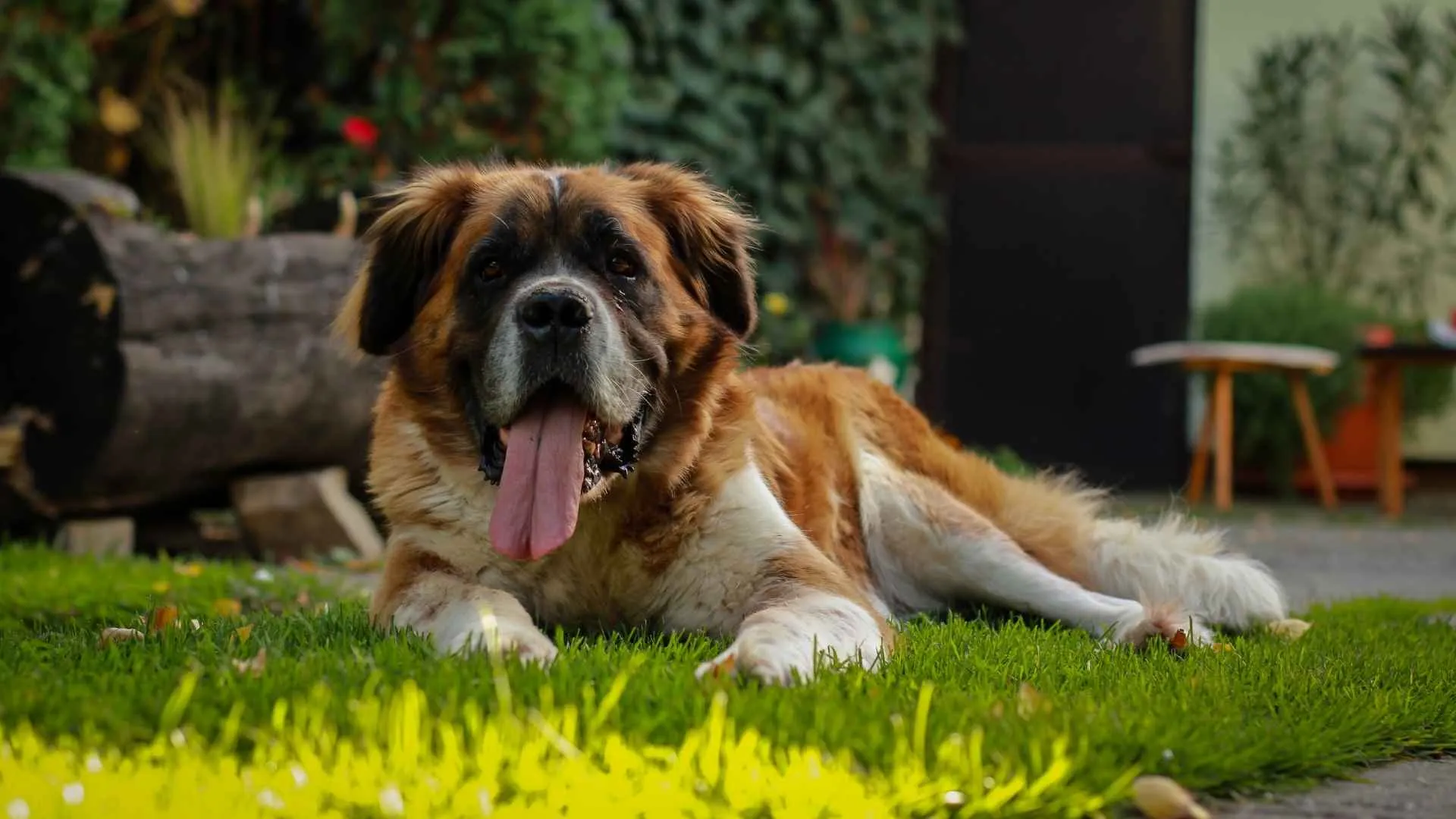
The Saint Bernard is the giant sweetheart that looks like it could guard a castle but would also politely share couch space with a toddler. This breed became famous through Alpine rescue history, where strength, endurance, and steadiness mattered more than flashy aggression.
Their calm personality is a big reason families still adore them today.
They are usually gentle, patient, and affectionate with people they know. They are not known for being intense bark machines, but their size alone can make unwanted visitors reconsider their choices.
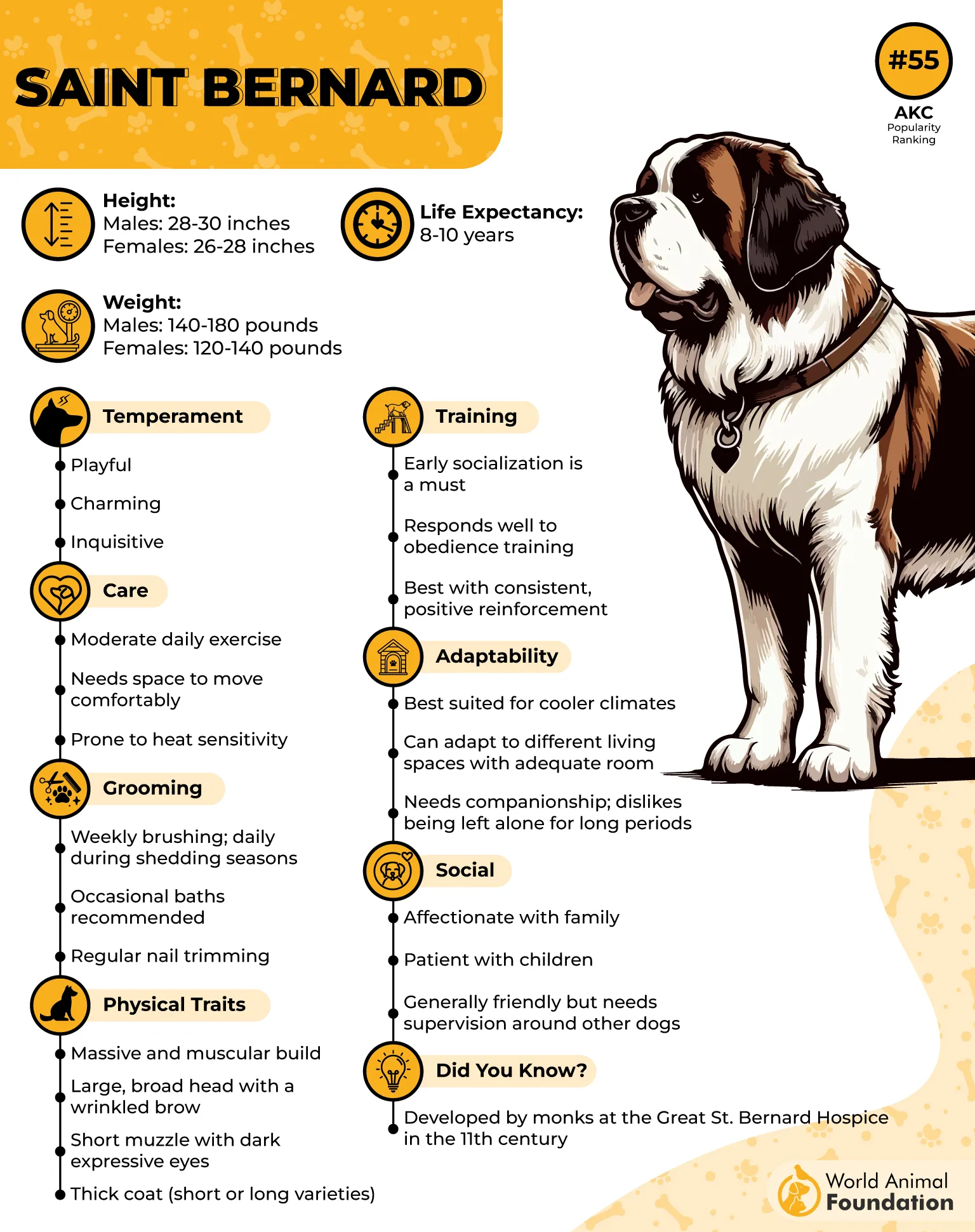
According to PetMD, puppies can be playful, clumsy, and full of giant-baby energy. As adults, many settle into a mellow rhythm and become slower, steadier companions. That peaceful maturity makes them appealing to families who want loyalty without high-strung behavior.
Training should begin early because a small Saint Bernard puppy becomes a massive adult very quickly. Teaching leash control, no jumping, polite greetings, and calm door manners is essential before the dog becomes too strong to redirect casually. Positive reinforcement works well because Saint Bernards often want to please their people.
Their guarding style is more deterrent and presence-based than sharp suspicion. They may not be the first choice for people seeking an intense-protection breed, but they offer comfort, loyalty, and a very convincing visual warning.
A well-socialized Saint Bernard primarily protects by being large, steady, and emotionally connected to the household.
How Do They Guard Your Home
Their sheer size creates instant visual deterrence, even before they bark or move toward the door.
Their calm nature lets them observe visitors without overreacting, which helps prevent unnecessary household drama.
Their loyalty makes them attentive to family routines, so unusual behavior or tension often catches their attention.
3. Newfoundland
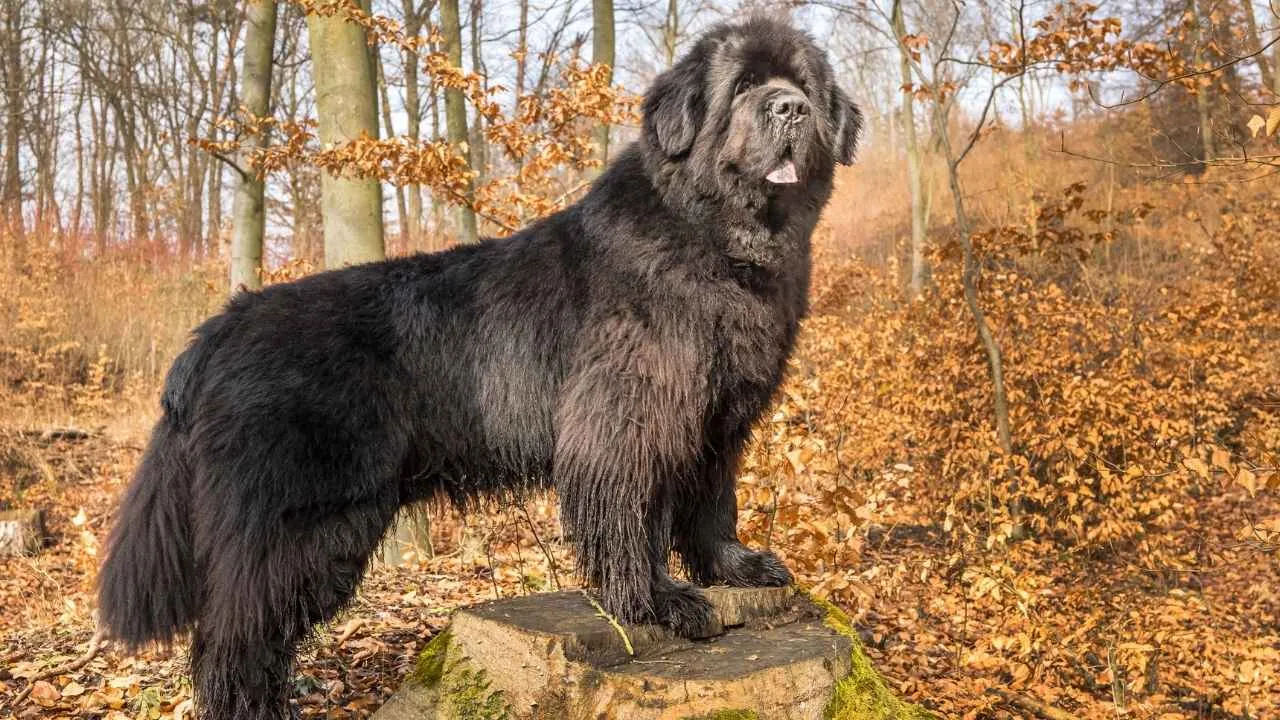
The Newfoundland is what happens when nature designs a gentle giant with lifeguard energy and a heart the size of a small planet. Originally associated with working life among fishermen and in cold waters, this breed is strong, dependable, and famously people-oriented.
Newfies are often described as sweet, patient, and deeply attached to their families.
Britannica notes that their guarding is usually subtle because most Newfoundlands are not naturally suspicious of strangers. They are more likely to stand between their family and a perceived problem than launch into unnecessary drama.
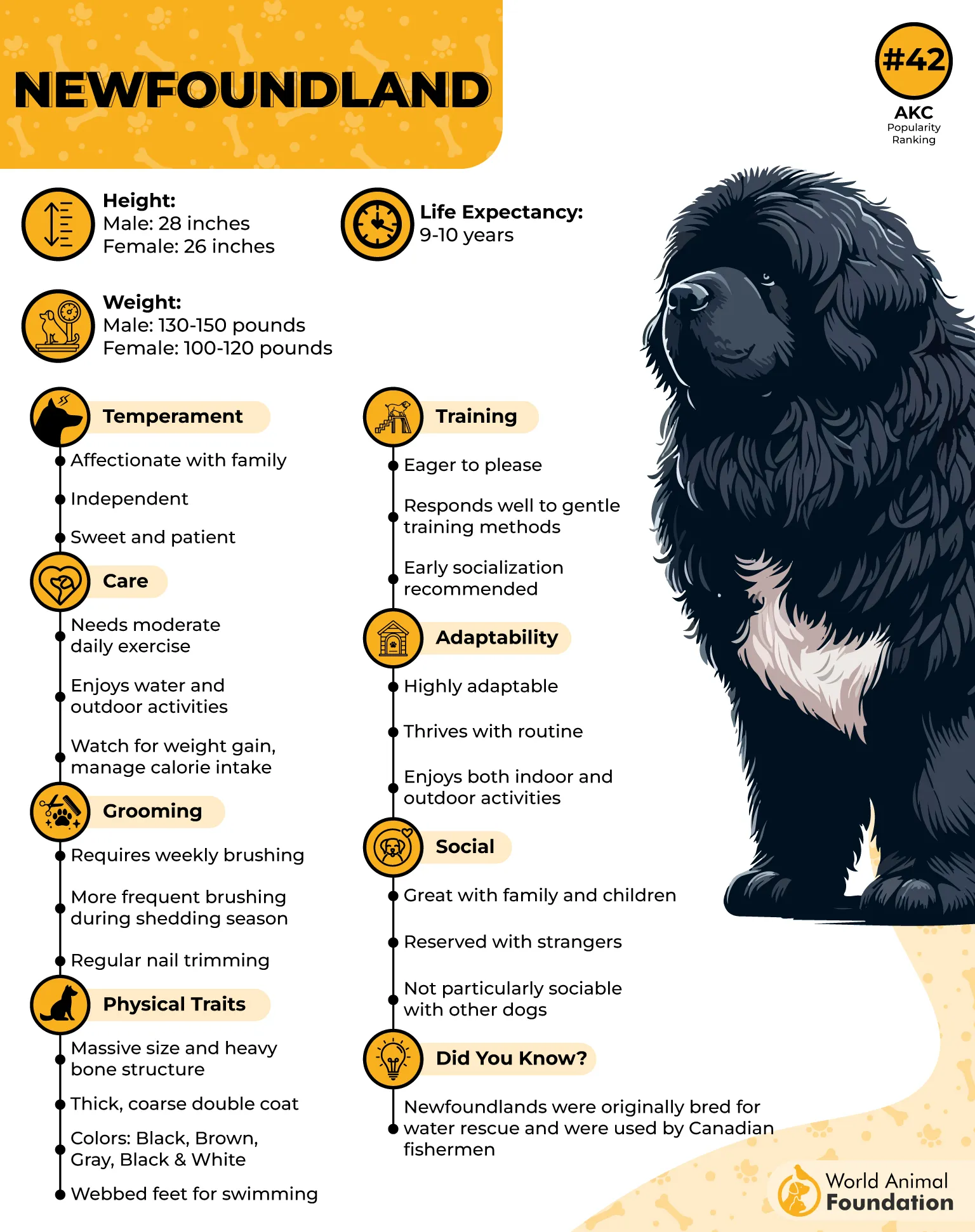
These great guard dogs are especially loved in family homes because they often do well with children when properly trained and supervised. Their softness does not cancel out their size, though, because a happy tail or accidental bump can send a small child flying. Big gentle dogs still need manners, structure, and safe interaction rules.
Opt for proper training that should focus on impulse control, leash walking, polite greetings, and calm responses around guests. They are intelligent and responsive, especially when rewards and praise are used instead of force. Since they thrive on companionship, they usually do best with owners who include them in daily life.
A Newfie is not the breed for someone who wants a sharp, high-intensity guard dog. They are better for homes that want a loving family companion with enough presence and loyalty to discourage trouble. Their guarding style is soft power, and honestly, it works.
How Do They Guard Your Home
They use their massive frame as a quiet barrier, often placing themselves near family members when something feels unusual.
Their deep bark and giant silhouette can discourage strangers without the dog needing to act aggressively.
Their strong family bond makes them responsive to emotional shifts, raised voices, or unfamiliar activity around the home.
4. Boerboel
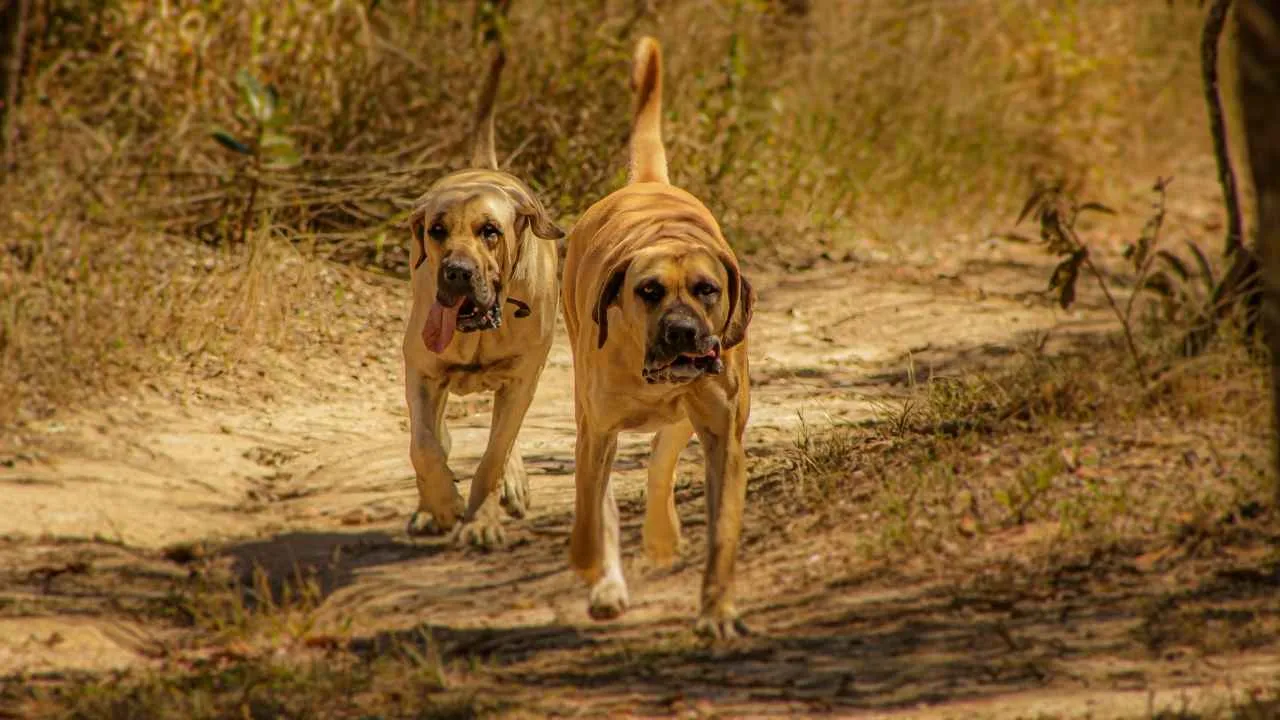
The Boerboel is not a casual “cute big dog” choice; this is a serious guardian with South African farm-dog roots. Historically bred to protect homesteads, these dogs are powerful, confident, loyal, and naturally watchful. If the Great Pyrenees is the mountain monk, the Boerboel is the security chief with a clipboard.
These muscular dogs are often deeply affectionate with their own families, and many owners describe them as goofy, cuddly, and surprisingly sweet at home. That soft family side does not erase their protective instincts around strangers. They need experienced owners who understand power breeds, boundaries, and proper socialization.
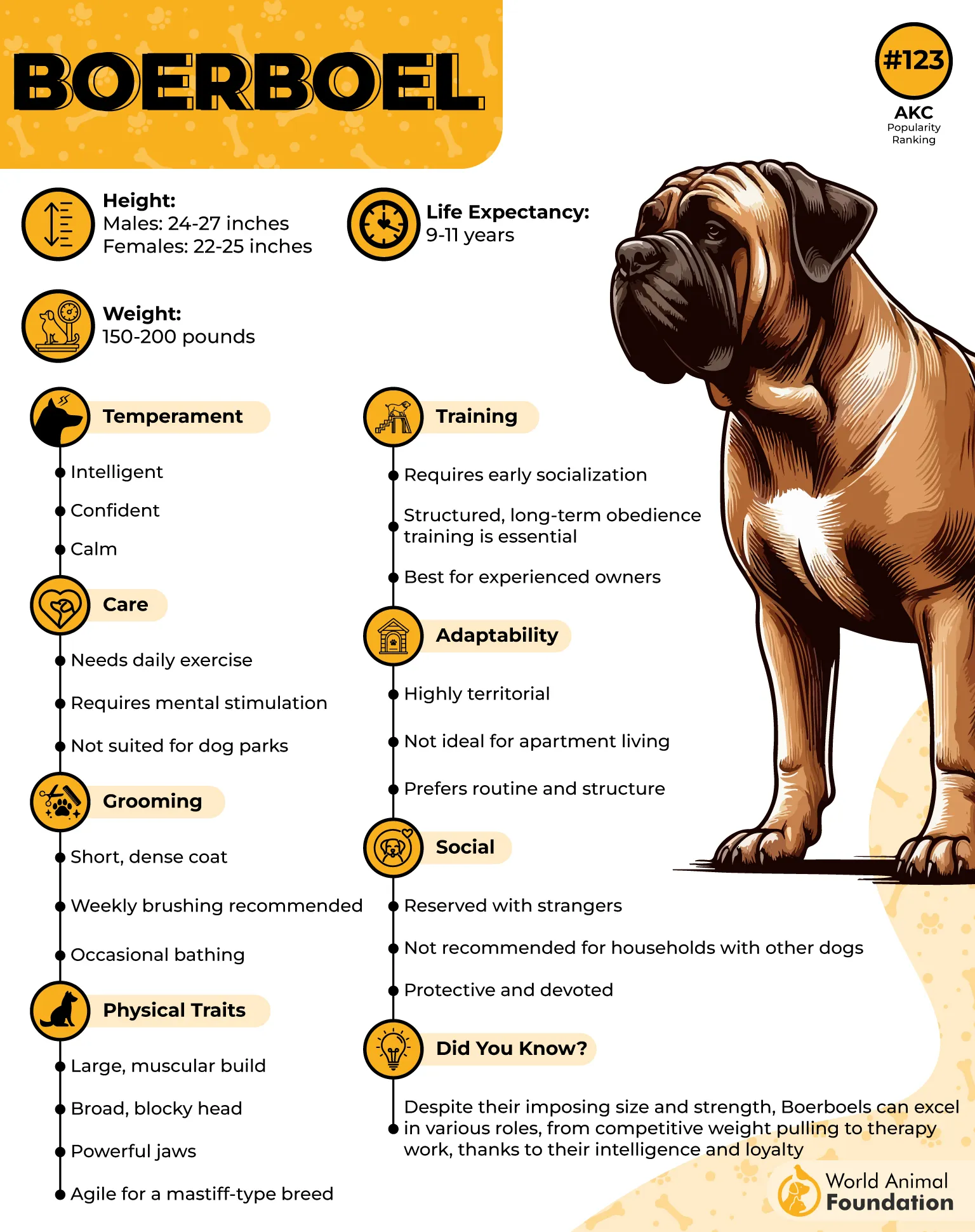
Their guarding style is direct, territorial, and highly aware of who belongs and who does not, according to the AKC. It may quietly observe a guest at first, then relax once introductions are handled properly. Without training, though, that natural suspicion can become too much for everyday suburban life.
Training must start early and continue for life because this breed is large, strong, and mentally serious. The goal is not domination; the goal is mutual trust, clear rules, and a dog that looks to its owner for guidance. Positive structure, controlled introductions, and exposure to normal people, sounds, and places are essential.
This breed is best for confident, responsible owners with space, time, and realistic expectations. Boerboels can be calm and loyal, but they are not beginner-friendly or low-effort. In the right hands, they are stable, loving, and impressively protective without needing to be reckless.
How Do They Guard Your Home
They naturally monitor entrances, guests, and movement around the property with strong territorial awareness.
Their confident stance and muscular build create a powerful first impression before any warning is needed.
Their loyalty works best when trained to exercise controlled judgment, so they respond to real threats rather than everyday noise.
5. Mastiff
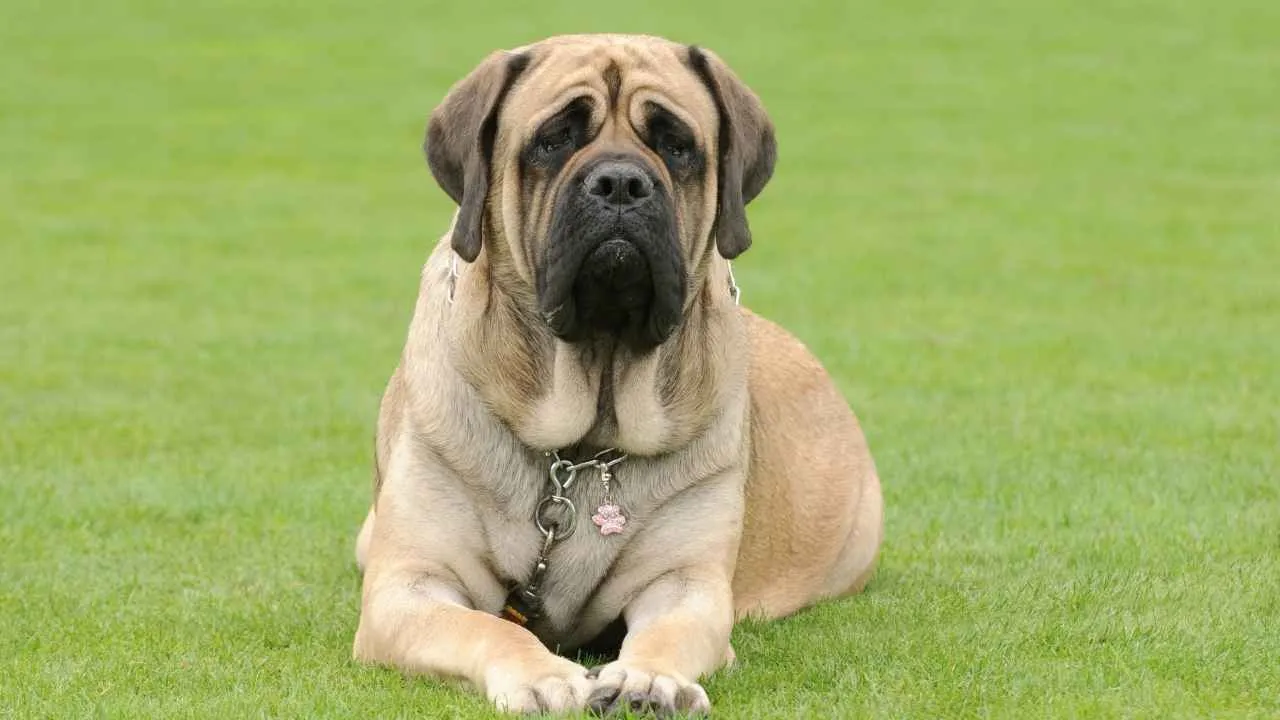
The Mastiff is the definition of “big body, calm soul, serious backup plan.” This ancient guardian type has long been associated with protecting homes, estates, and people. Modern Mastiffs are usually more mellow than their intimidating size suggests, but their protective history still shows up in the way they watch the world.
A Mastiff with its natural guarding instincts does not need to bounce around barking at everything to be effective. One deep bark from this breed can sound like the house itself just issued a warning. For many families, that low, booming alert is enough to make suspicious visitors suddenly remember another appointment.
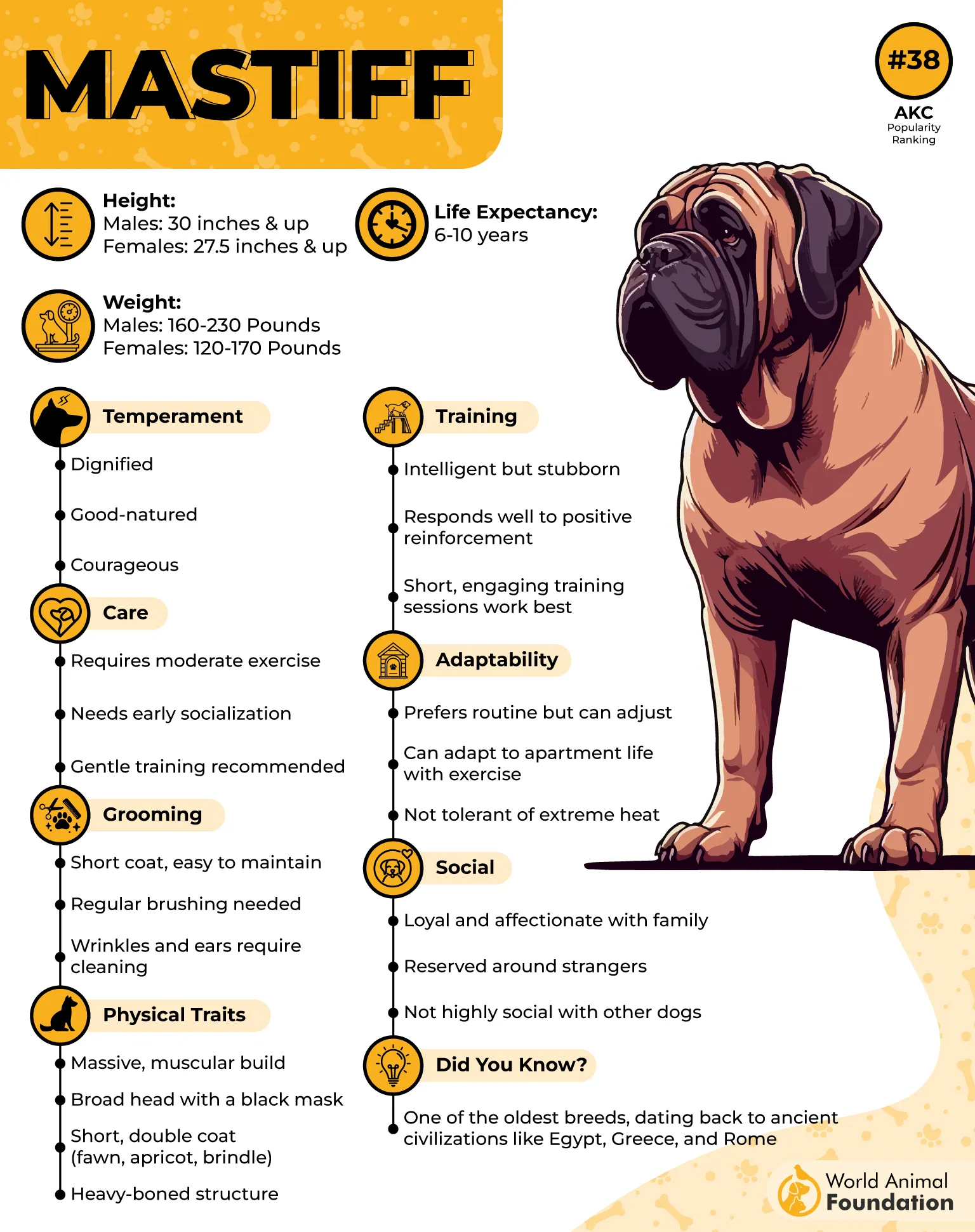
Their personality is often affectionate, dignified, patient, and loyal to family members. These loyal companions can be reserved or suspicious around strangers, which is only useful when balanced by early socialization.
Training should be gentle, consistent, and respectful because many Mastiffs are sensitive despite their massive appearance. United Kennel Club says harsh handling can damage trust and create stubbornness, while positive routines help them cooperate. Since they grow into enormous adults, polite leash skills and guest manners are not optional.
Mastiffs are usually better suited to homes with enough space, strong owners, and families prepared for the costs of giant breeds. Food, bedding, vet care, transport, mental stimulation, and training all scale up with the dog.
Their strength in guarding lies in loyalty, presence, and a naturally serious awareness of strangers.
How Do They Guard Your Home
Their deep voice carries through the house, serving as a strong warning when unfamiliar activity occurs.
Their calm watchfulness lets them save energy until something actually deserves attention.
Their protective presence at doors, yards, and family gathering spots makes the home feel physically defended.
6. Kuvasz
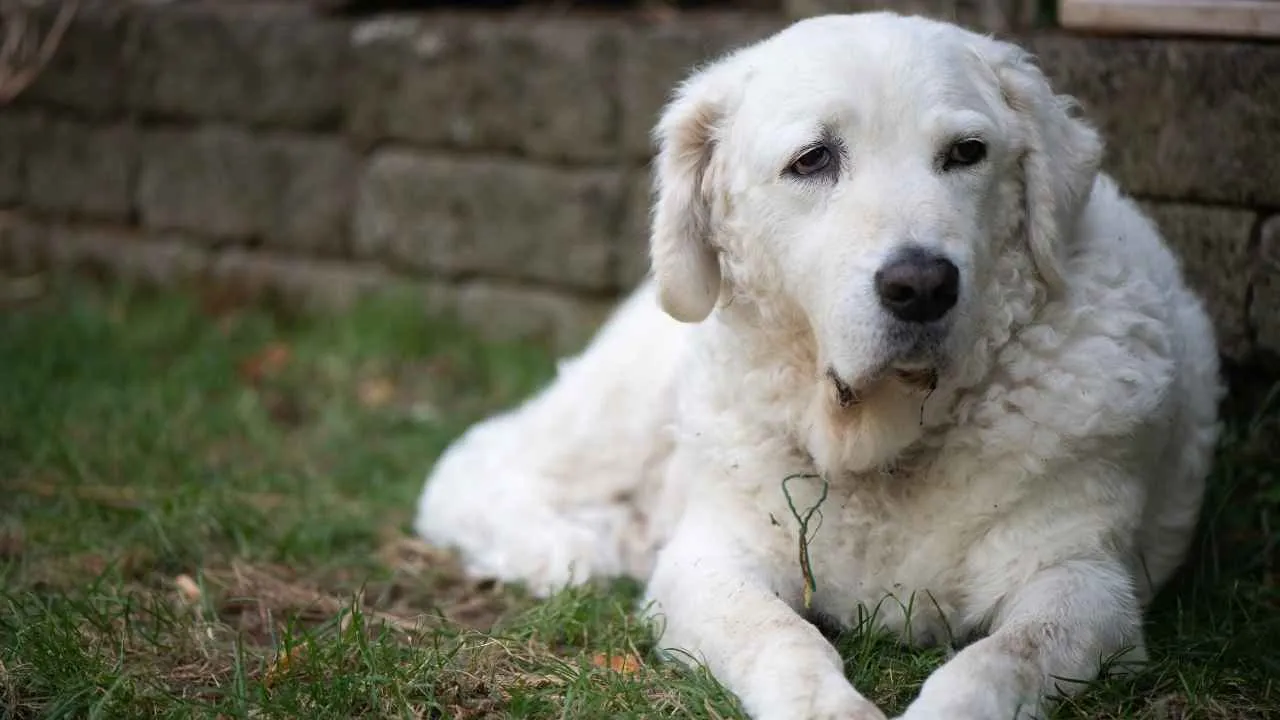
The Kuvasz is a noble Hungarian livestock guardian that looks beautiful, thinks independently, and takes protection very seriously. This breed was developed to guard flocks and estates, often without constant human direction. That history created a dog that is loyal, brave, observant, and not easily fooled.
Kuvaszok are affectionate with their families but often reserved with strangers. They are not as clingy as some companion breeds because independence is built into their working style. Living with one can feel like having a quiet roommate who has memorized every sound around the house.
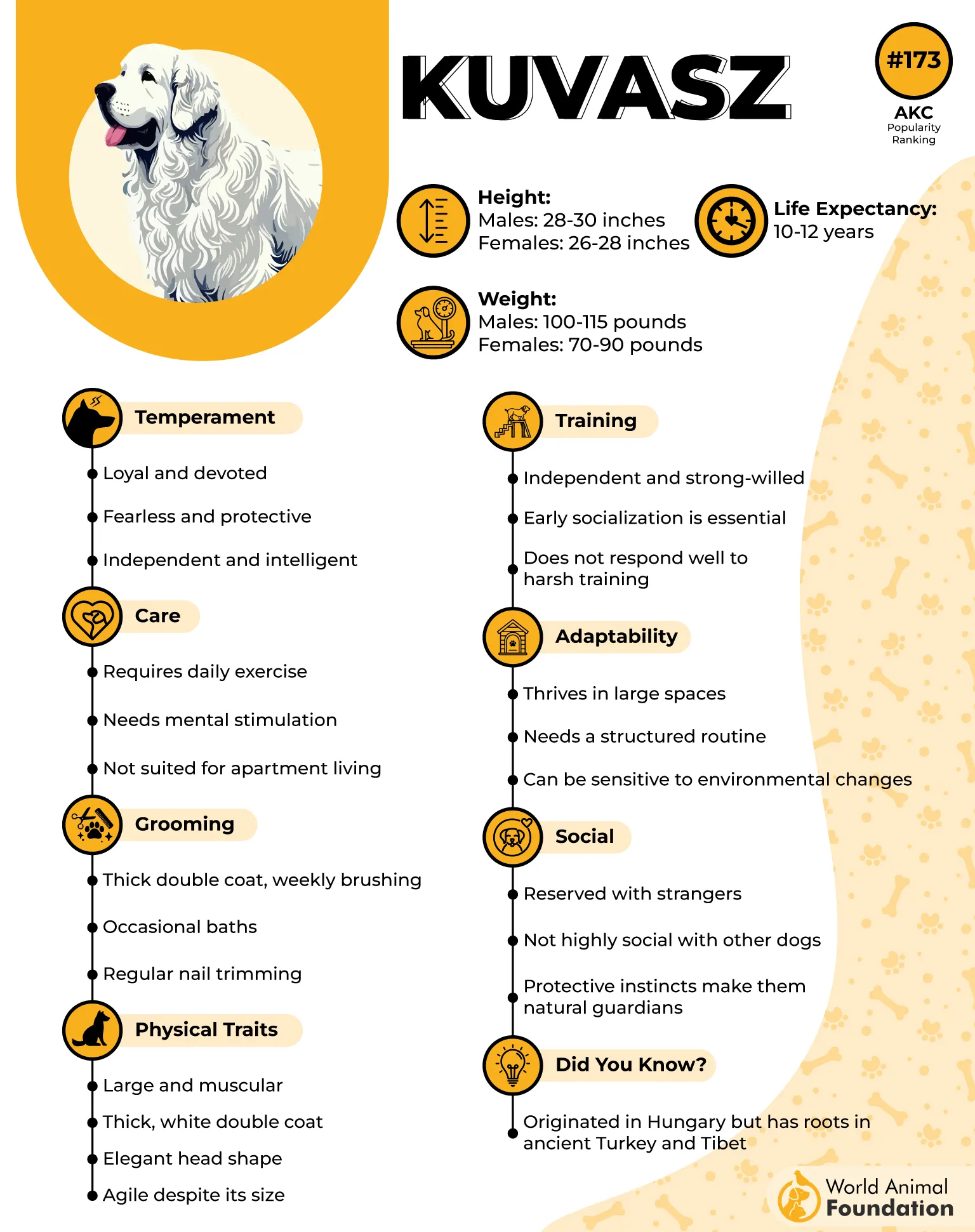
Their guarding style is thoughtful, territorial, and highly alert. A Kuvasz may watch first, assess second, and act only when it decides the situation deserves a response. That decision-making ability is impressive, but it also means the owner must earn trust through consistent leadership.
This breed is not ideal for apartments, chaotic homes, or first-time owners who want easy obedience. They need space, socialization, secure fencing, and people who understand livestock guardian behavior. Without structure, their natural suspicion and territorial instincts can become difficult to manage.
Kuvaszok can be wonderful family guardians when properly raised, but they require respect, not micromanagement. Their thick white coat also handles cold better than heat, so climate and shade matter.
How Do They Guard Your Home
They quietly scan boundaries, yards, and approach points as if mapping the whole property.
Their independent judgment helps them react to unusual movement without needing constant direction.
Their reserved attitude toward strangers gives families a natural alert system when someone unfamiliar arrives.
7. Leonberger
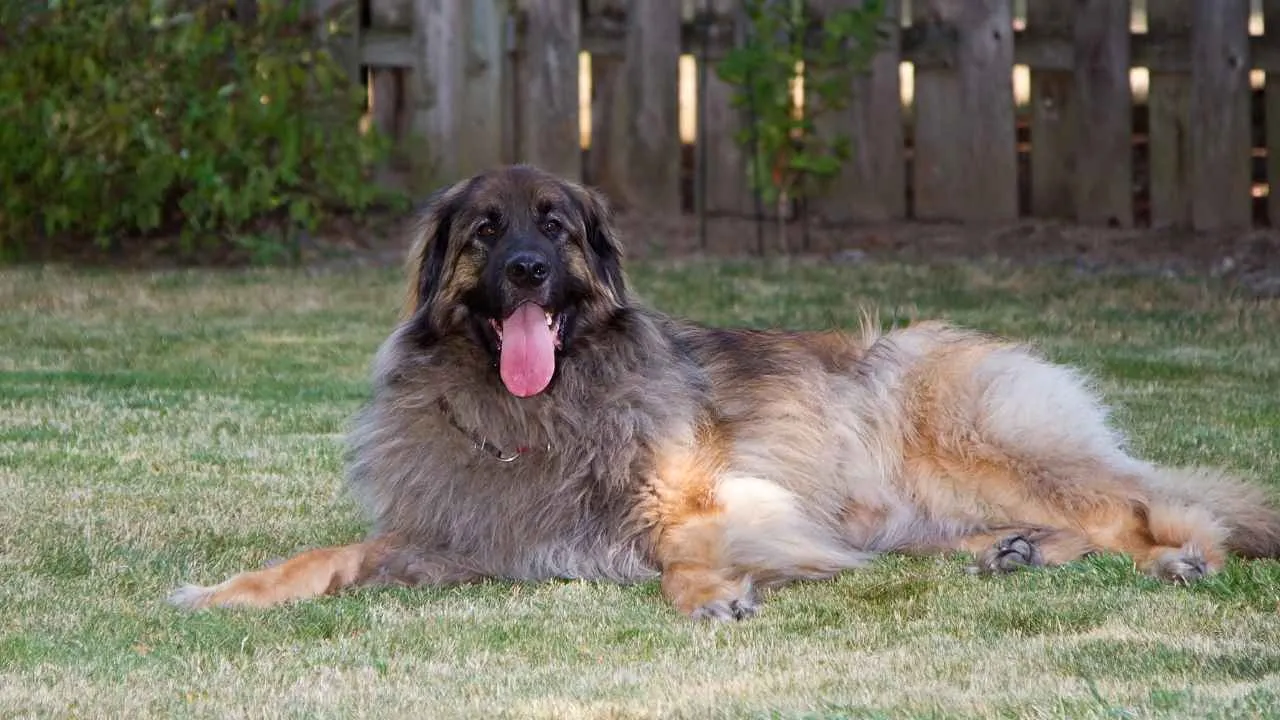
The Leonberger is a giant working dog with calm, family-loving energy and a surprisingly thoughtful way of reading situations. Developed in Germany, this breed is known for strength, patience, and a majestic appearance that turns heads fast. They look like they should be guarding a royal library while also asking for belly rubs.
These excellent guard dogs are usually affectionate, steady, and eager to be close to their people. They are not typically sharp guard dogs in the same way a Boerboel or Kuvasz can be, but they do have protective awareness. Their style is more “quietly stand nearby and evaluate” than “immediate dramatic entrance.”
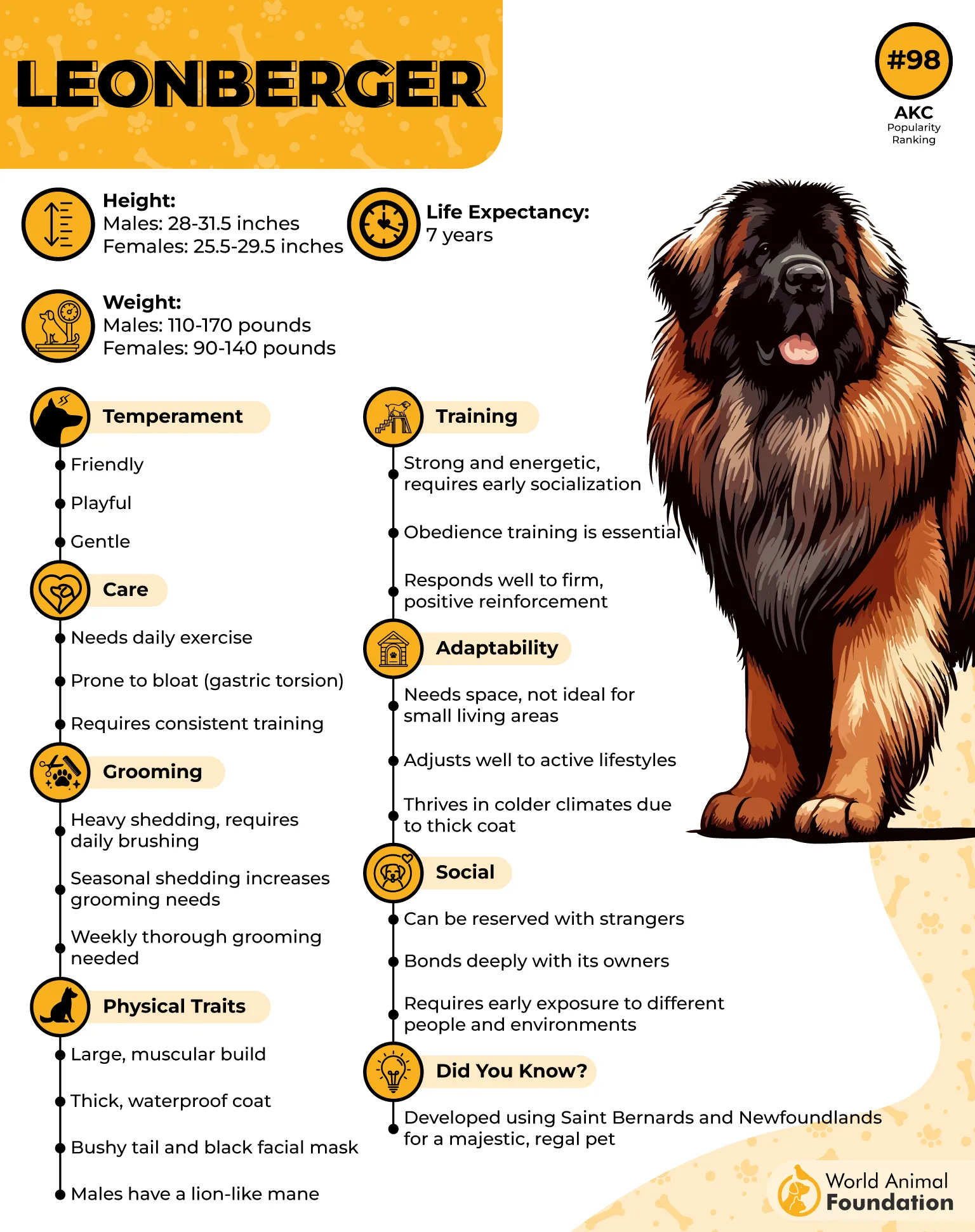
Socialization is especially important during puppyhood and adolescence because giant dogs need confidence before their protective instincts mature. They may test boundaries as teenagers, which is peak “does sit still mean sit?” behavior.
Short, positive training sessions help them learn without making the process boring.
They do best in homes that can handle their grooming, space, training, and emotional needs. A bored Leonberger may invent hobbies like digging, chewing, or rearranging your yard in ways nobody requested. A mentally engaged Leonberger is calmer, sweeter, and easier to live with.
Their guarding value comes from their size, loyalty, and ability to stay composed around normal family activity. They are excellent for people who want a gentle giant that can still make strangers pause at the gate. With the right upbringing, they offer protection through presence, patience, and quiet confidence.
How Do They Guard Your Home
They often position themselves near family activity, creating a calm but noticeable protective presence.
Their size and steady expression can make strangers think twice before approaching too casually.
Their habit of observing before reacting helps them stay balanced in busy homes with guests, kids, and movement.
Conclusion
Calm-guarding breeds are powerful because they do not waste energy on wild behavior. They watch, listen, learn routines, and respond when something breaks the normal pattern. That is a very different vibe from nonstop barking or nervous reactivity.
German Shepherds, Dobermans, Australian Shepherds, and Giant Schnauzers are also naturally protective of their families.
Families with children should be especially careful because giant breeds can accidentally knock kids down even when they mean no harm. Children must be taught how to interact respectfully, and adults should supervise dog-child time. A loyal guard dog is still a living animal with boundaries, moods, and limits.
The best choice depends on your home, experience, space, climate, and lifestyle. If you want calm protection, choose the breed that fits your real life, not just the one that looks coolest in photos. A great guardian should make your home feel safer, calmer, and more loved.
