




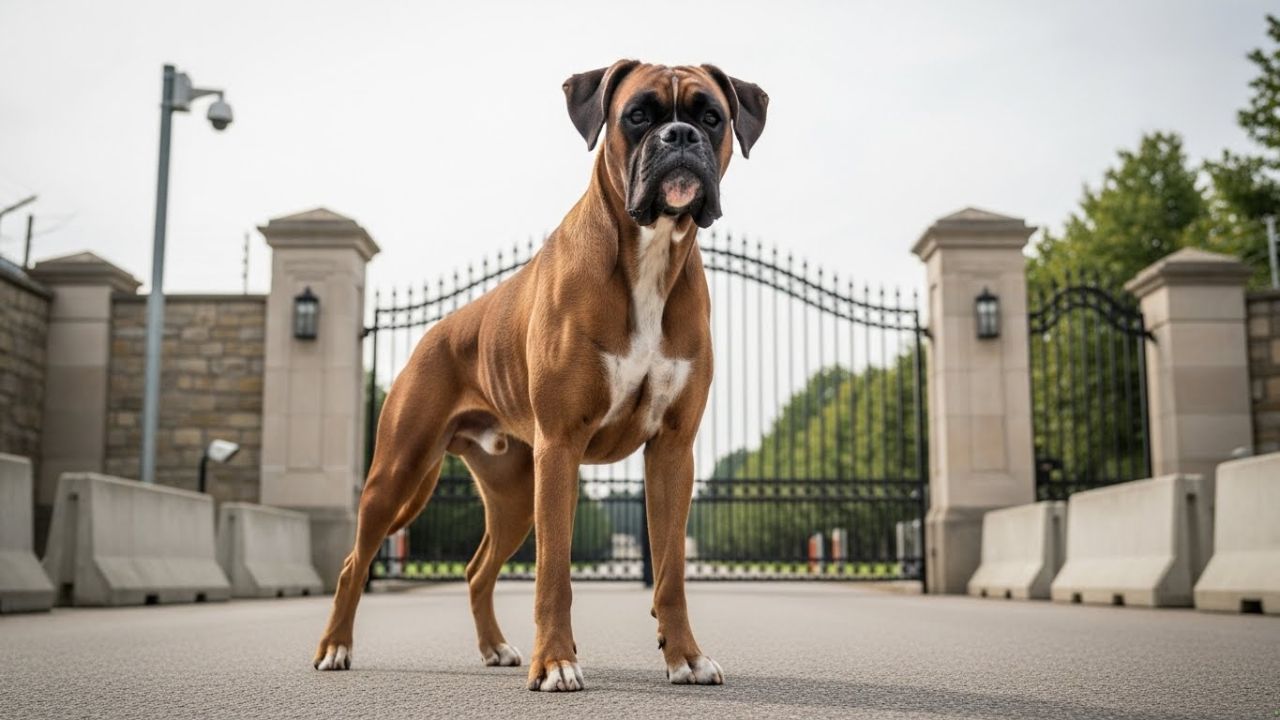
Calm nerves, brave hearts. Picture this: the mail carrier walks up, there’s a surprise knock late at night, and the kids are racing through the house like it’s a mini Olympics. Your guard dog notices everything… but doesn’t lose its mind.
That’s the sweet spot we’re talking about here. In this guide, you’ll learn what makes a great guardian and a steady, live-with-every-day companion—not just a loud bark in a furry body.
Let’s clear up the biggest mix-up: calm doesn’t mean lazy, and fearless doesn’t mean aggressive. The best protectors stay steady when something unexpected happens and feel confident in new places.
They also have a protective instinct you can actually control, which is huge. And when you tell them it’s over, they can disengage and settle—like flipping a switch from “on duty” to “all good.”
Before we dive into the top list of best guard dogs, do a quick reality check: How active is your home, and how comfortable are you with training? Do you live in an apartment, have a yard, or more space, and do you get visitors often? Also, do you want a watchdog that alerts, or a guardian that steps in? One last myth-buster: big doesn’t automatically mean secure.
Calm & Fearless Guard Dog Breeds: A Top List For Your Home
1. Bullmastiff

Think “quiet bouncer in slippers.” The Bullmastiff was developed to guard estates and confront intruders, and the AKC notes the classic vibe: fearless at work, docile at home—ideal for calm home protection. That broad head and dark, watchful eyes telegraph alertness and confidence long before they take a step.
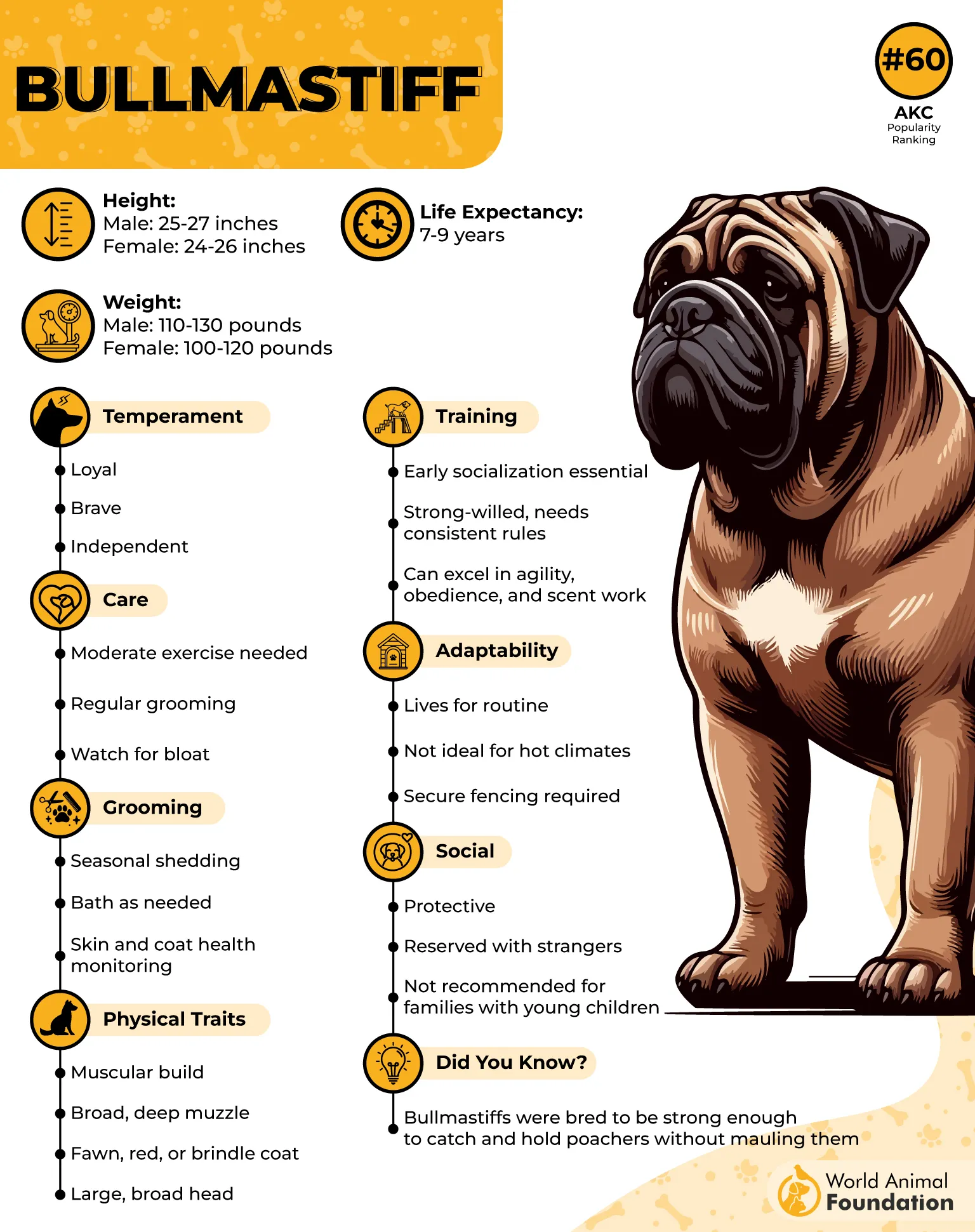
At home, they’re steady and confident, usually saving their voice for moments that matter. When something feels off, many Bullmastiffs protect by taking space and holding position, using body-blocking and watchful presence instead of frantic barking.
Training & Socialization: The Non-Negotiables
Door manners (sit/place), friendly visitor routines, and calm exposure to delivery sounds.
A reliable “leave it” and recall so you can end situations quickly and cleanly.
Short, consistent sessions—clear rules beat drilling.
Exercise & Enrichment Needs
Daily walks plus sniff-focused games to work their brain.
Impulse control: wait at thresholds, polite leash work, structured tug with rules.
Cool-weather scheduling; big bodies overheat faster.
They suit families that want a loyal, low-drama guardian living inside the home, close to the action. Grooming is simple (short coat, quick brush), and yes—drool can be part of the package.
Large-breed health planning matters: ask your vet about joint care, smart weight management, and bloat precautions like measured meals and post-dinner rest. Best owner match: calm, confident leadership with training baked into daily life.

Pro Tip: Reward “settle” after excitement so your Bullmastiff learns the superpower of switching off on cue.
2. Boxer
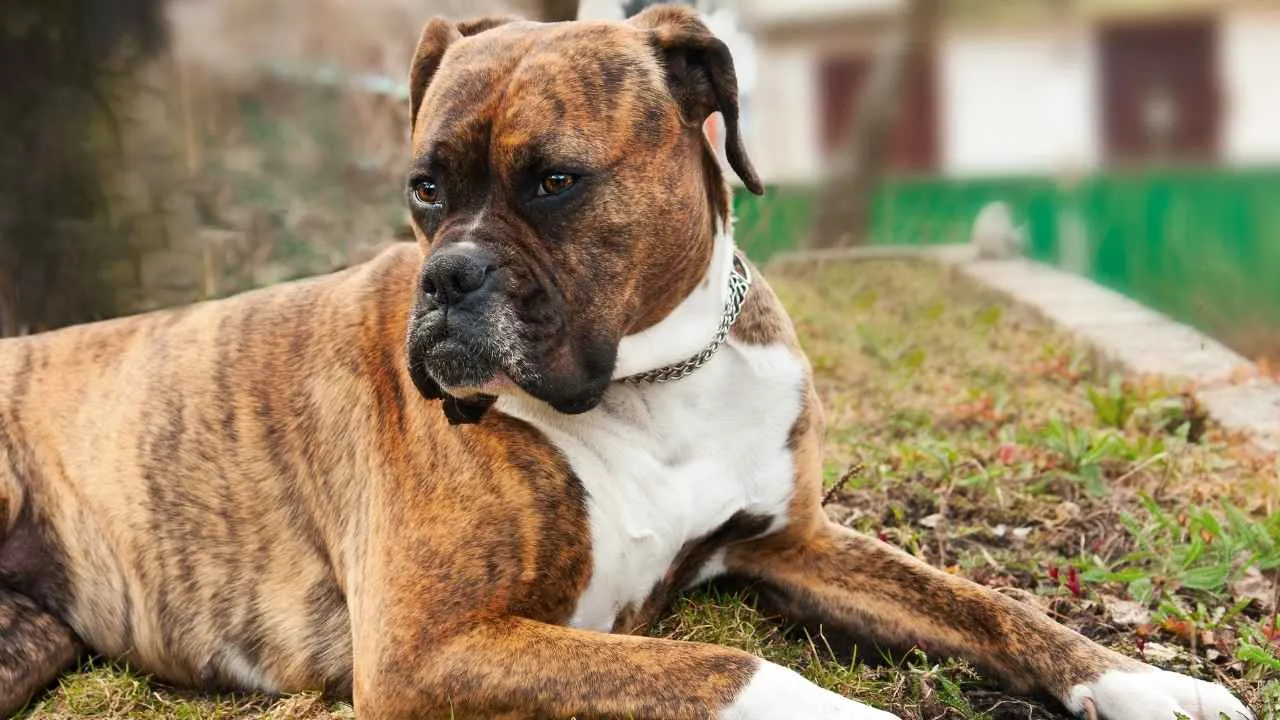
The Boxer is the rare “security upgrade” that also moonlights as the household comedian. PDSA claims that their intelligence, strong work ethic, and a patient, protective nature—so the goofy grin comes with real, steady guardian instincts for home protection.
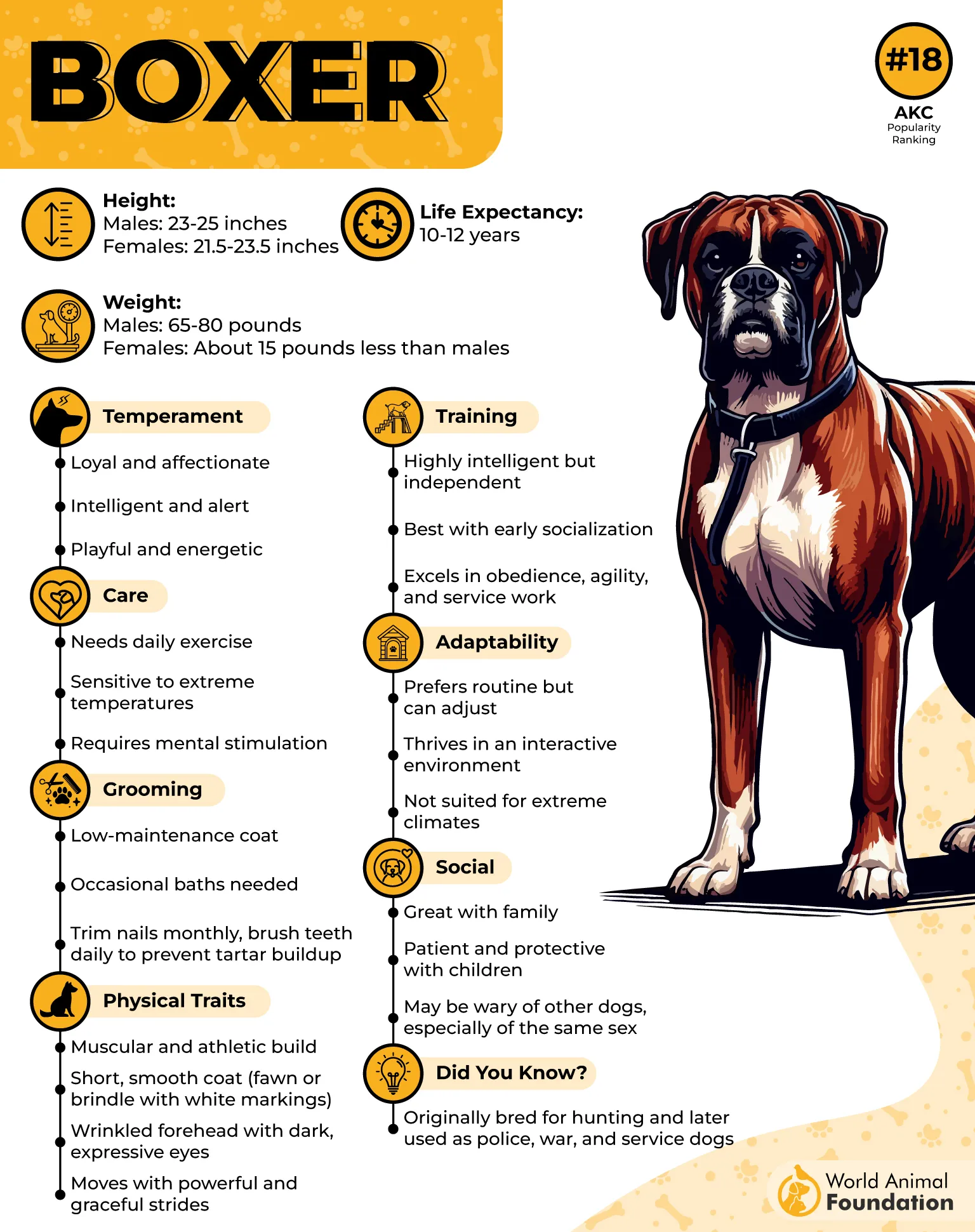
They’re social and confident, often protected by staying close, watching faces, and sounding an alarm when something is off. Give a clear cue, and many Boxers can drop the act and relax, which keeps “fearless” from turning into chaos.
Training & Socialization: The Non-Negotiables
Make manners automatic: sit to greet, wait at doors, release on permission.
Proof “place” and “quiet” around doorbells, guests, and kid moments.
Keep it positive and punchy; they thrive on fast feedback and fun reps.
Exercise & Enrichment Needs
Daily movement: brisk walks, tug with rules, fetch in short bursts.
Mental workouts: puzzle feeders, scent hunts, trick training, obedience circuits.
Recovery time: build calm with chews and mat-settles after play.
They fit best in homes that like an involved, athletic companion who wants to be where the people are. Grooming is low-fuss thanks to the short coat, but regular brushing, nail care, and skin checks keep them comfortable.
Health-wise, plan exercise around cooler hours and keep vet visits regular. Best owner match: someone who wants a playful guardian and will train daily, not “when there’s time.”
Pro Tip: Reward the quiet moments—calm eye contact, relaxed posture, settling—so your Boxer learns that steady is heroic.
3. Cane Corso
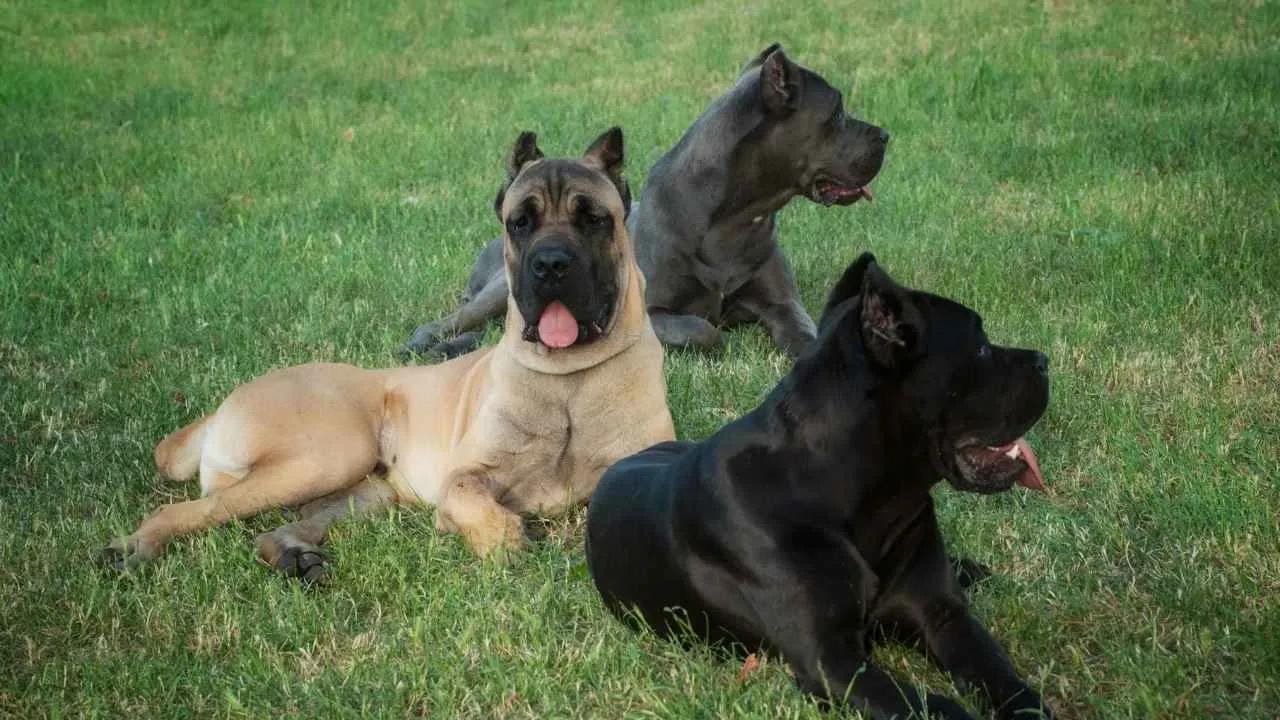
The Cane Corso brings serious “home protection” energy with an elegant, athletic build and a no-nonsense stare. Britannica describes the breed as smart, trainable, assertive, and “a peerless protector,” which hints at the confidence you’re signing up for.
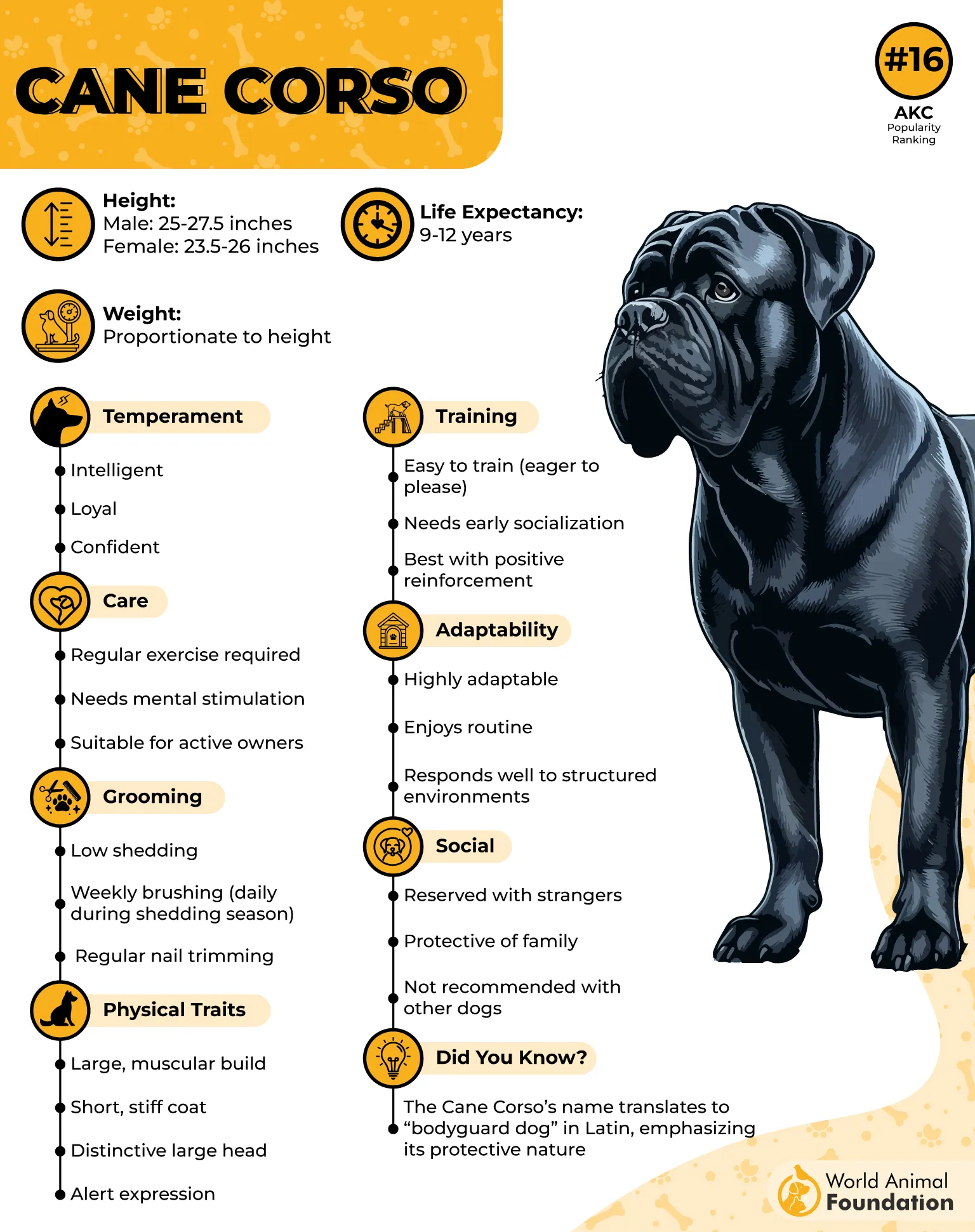
This is a calm watcher that prefers to scan first, then act with intention. Cane Corsos can be mellow and deeply devoted, but they require ongoing training and socialization to stay safe and stable around others.
Training & Socialization: The Non-Negotiables
Early, controlled exposure to people, places, and visitors—reward neutrality, not suspicion.
Build an off-switch: “place,” “leave it,” and recall under distraction.
Professional guidance helps, especially for first-time guardian-breed owners.
Exercise & Enrichment Needs
Daily structure: long walks, focused obedience, and strength-friendly play.
Brain jobs: scent searches, tracking games, advanced cues.
Prevent over-guarding by rotating activities and teaching calm window/door behavior.
They thrive with clear boundaries, space, and owners who enjoy training as part of the routine. They usually do better with a fenced area and predictable rules. Grooming stays manageable with the short, coarse coat and regular nail, ear, and skin checks.
Health needs depend on lineage, so smart screening, steady weight, and vet partnership matter. Best owner match: confident handlers who want a powerful, composed protector that bonds tightly with family.
Pro Tip: Practice “neutral walks” past strangers, then pay for calm eye contact—your Corso learns that peaceful control is the real flex.
4. Doberman Pinscher
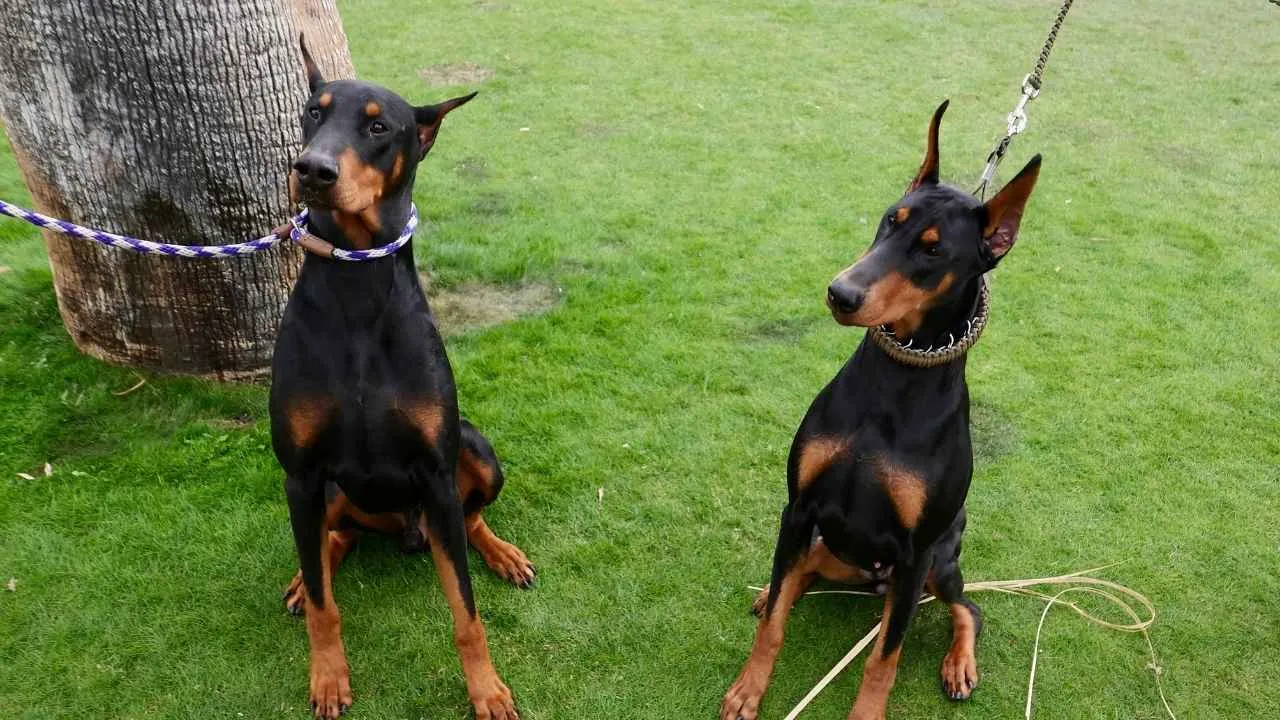
The Doberman Pinscher is a sporty, sharp-edged protector—sleek, athletic, and always “online.” AKC notes that a well-conditioned Doberman on patrol can deter intruders, and PetMD highlights their use in security and police work.
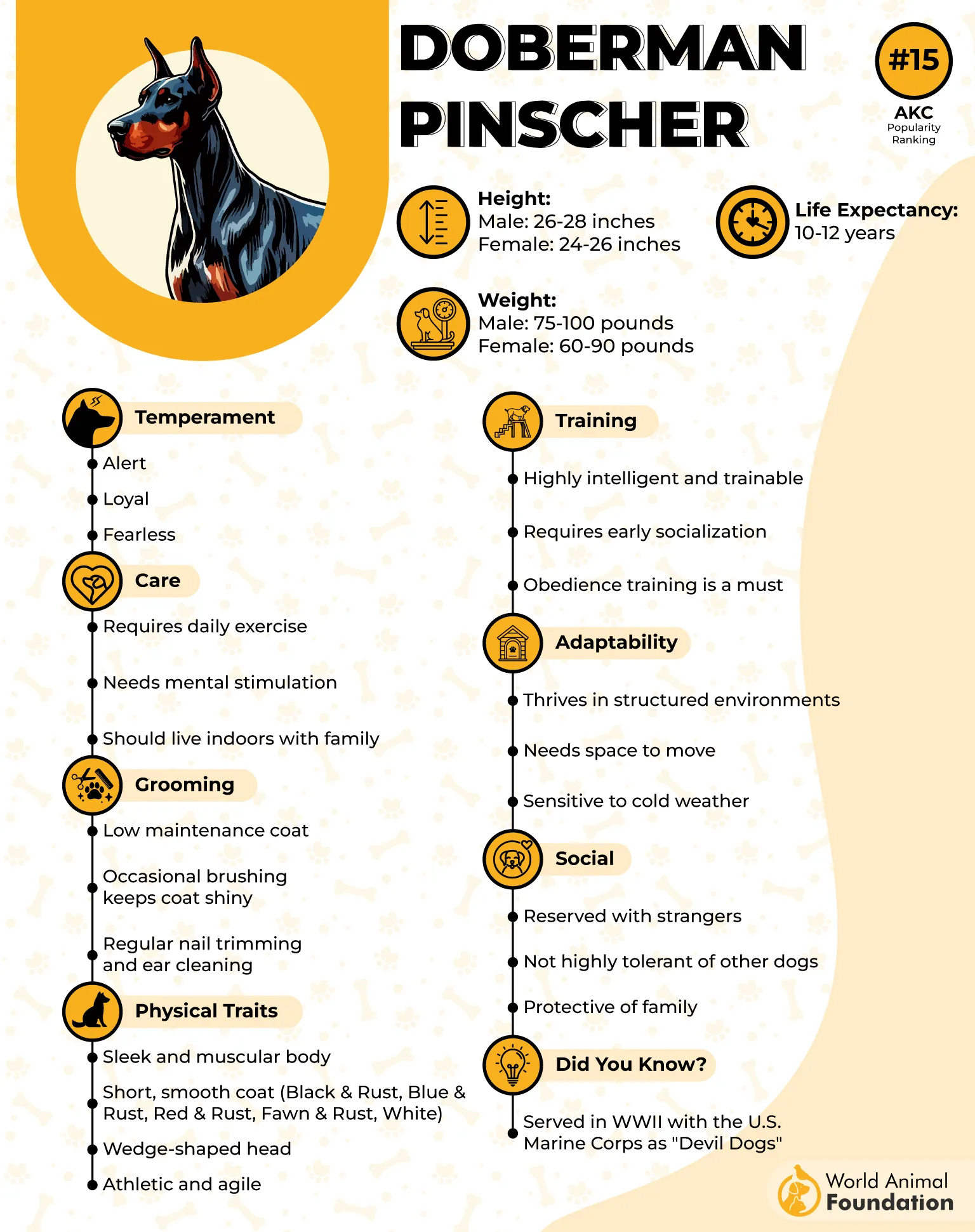
They’re loyal and intensely handler-focused; the DPCA standard lists traits like watchful, alert, fearless, and obedient. For home protection, many Dobermans run a close-bodyguard program: shadow the family, watch entrances, and respond instantly to direction.
Training & Socialization: The Non-Negotiables
Early, positive exposure to strangers, dogs, noises, and new environments.
Precision cues: heel, recall, “place,” plus a release word that ends the job.
Daily door routines, so greeting guests becomes a practiced script.
Exercise & Enrichment Needs
Athletic outlets: brisk walks, running, hiking, structured fetch.
Mental work: scent games, advanced obedience, puzzle feeders.
Consistent schedules to prevent edgy, over-alert habits.
They fit active homes that enjoy training and want a responsive partner, not a backyard ornament. Grooming is simple with the short coat, and many appreciate warmth in cooler weather, along with regular nail and dental care. Without daily outlets, they may create their own “assignments” (window patrol, door scanning), so plan enrichment too.
Health-wise, follow your vet on screening and safe conditioning, keeping fitness gradual and steady. Best owner match: someone who wants a calm-and-fearless guardian with serious trainability and daily brain work.
Pro Tip: Teach “check-in” on walks—reward eye contact before reacting—so your Doberman learns to look to you first.
5. Great Dane
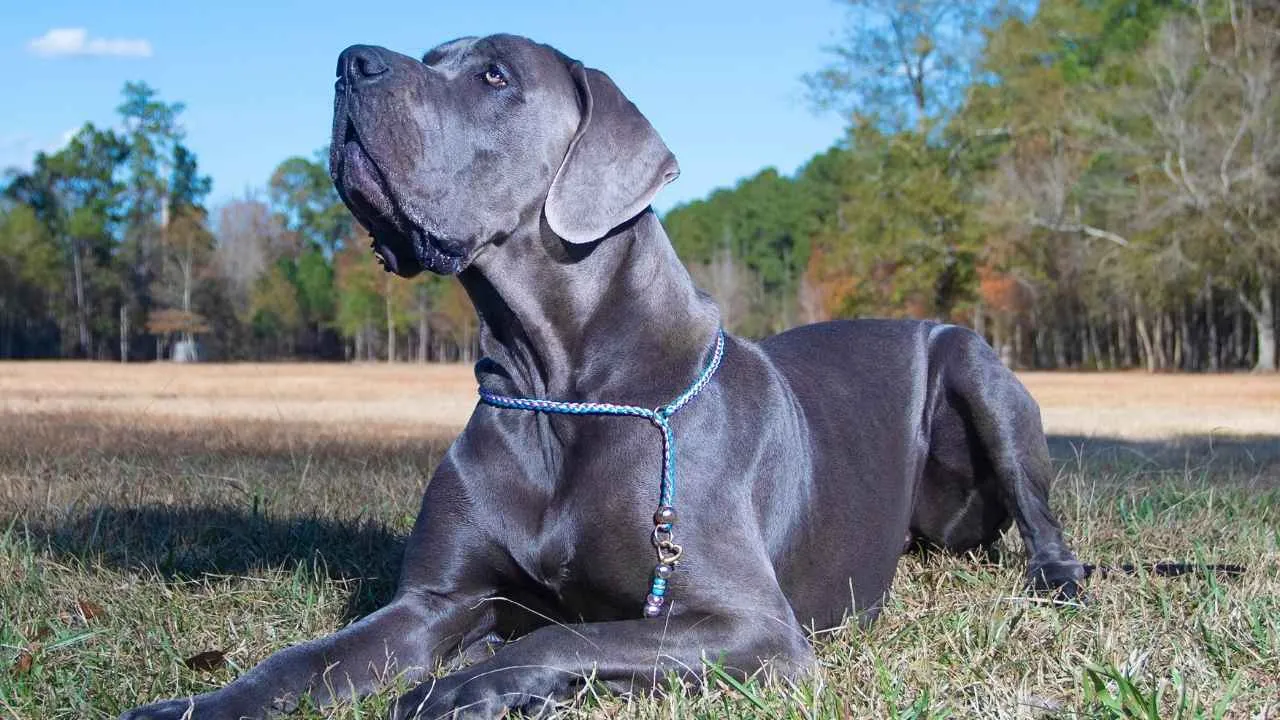
A Great Dane is like a living “home protection” sign—towering, elegant, and surprisingly gentle in the living room. Their sheer size and deep bark can stop trouble before it starts, while their people-focused nature keeps them tuned in to household routines. When calm nerves are the goal, this breed often brings a steady, unbothered presence that makes your home feel anchored.
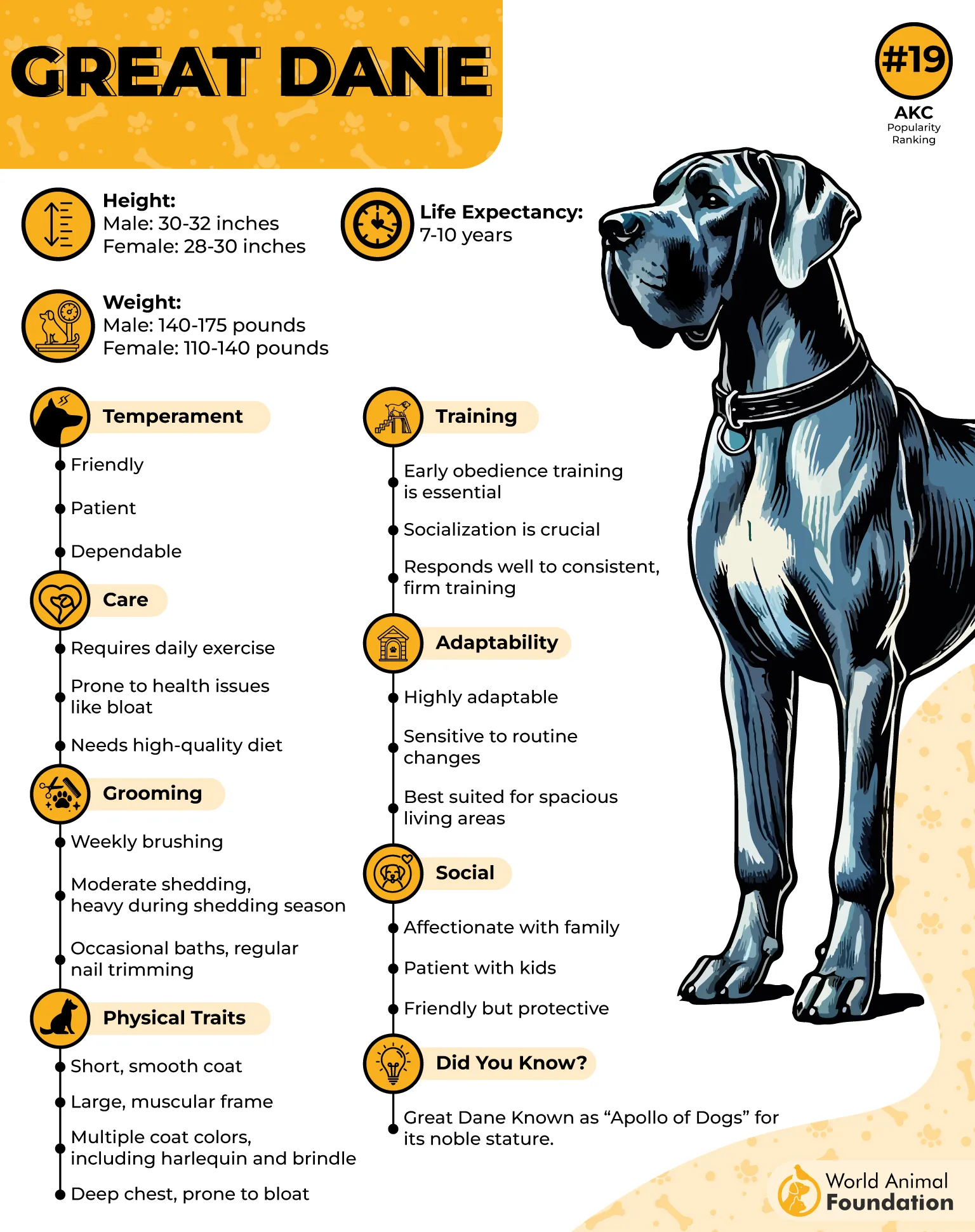
Temperament-wise, many Great Danes are affectionate, confident, and easy to read: friendly with family, watchful when something feels unusual. Their guardian style is more “quiet sentinel” than “constant patrol”—they observe, position themselves between you and a concern, and escalate only if needed. That calm composure is exactly what makes them effective for home protection.
Training & Socialization: The Non-Negotiables
Teach polite greetings early—no jumping, no leaning, no “friendly bulldozer” moments.
Build a rock-solid “place” cue for doors, guests, and delivery drop-offs.
Practice leash manners from puppyhood; strength arrives fast.
Exercise & Enrichment Needs
Steady daily walks and low-impact play rather than nonstop sprinting.
Brain games: scent searches, puzzle feeders, and short obedience circuits.
Calm-settle practice after activity to reinforce an off-switch.
They fit homes that can handle a giant dog underfoot and prefer a composed companion over a high-drive worker. Grooming is straightforward with a short coat, but drool, big beds, and big food bowls are part of the lifestyle.
As a giant breed, their health planning matters—weight management, joint support, and bloat awareness should be routine. Best owner match: someone who loves gentle giants and trains manners as a daily habit.
Pro Tip: Reward “four paws on the floor” like it’s a jackpot—your Dane will learn that calm gets the best attention.
6. Bernese Mountain Dog
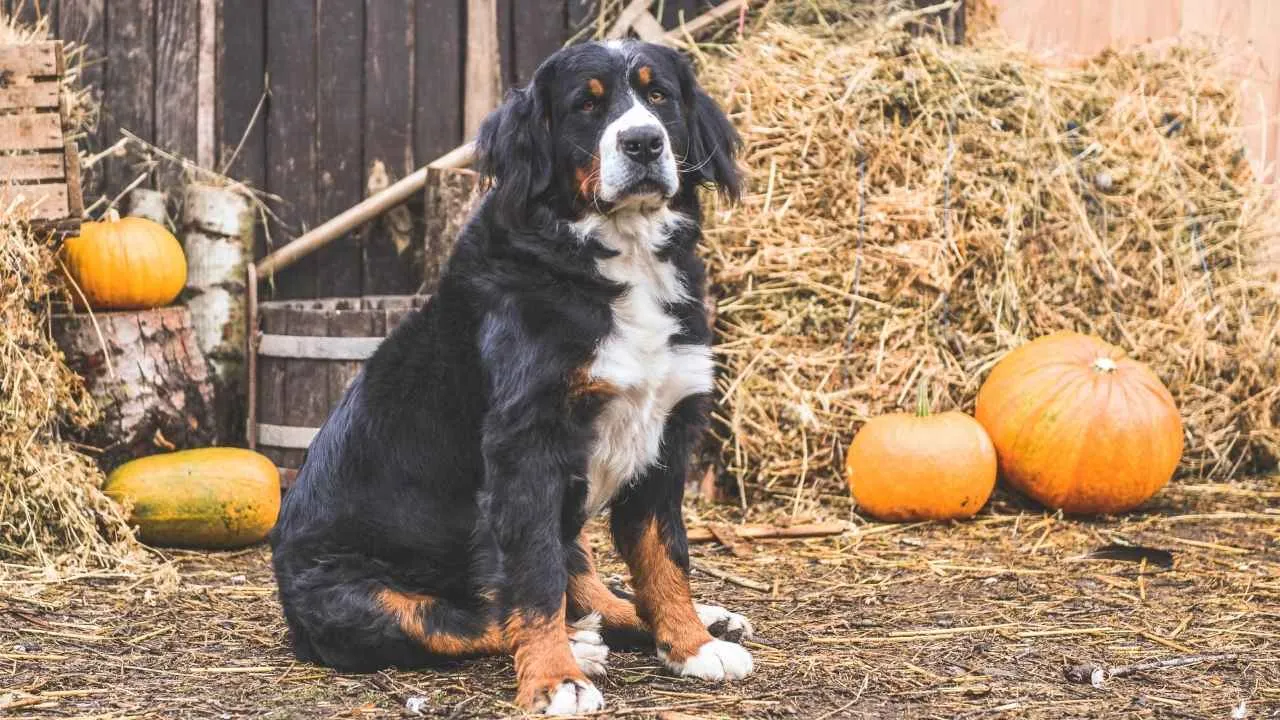
The Bernese Mountain Dog walks into a room like a warm blanket with a built-in watchdog setting. Big, fluffy, and famously people-oriented, they give “calm & fearless” energy by staying close, reading the room, and responding with steady confidence. For home protection, their strength is not constant intensity—it’s dependable presence and serious loyalty.
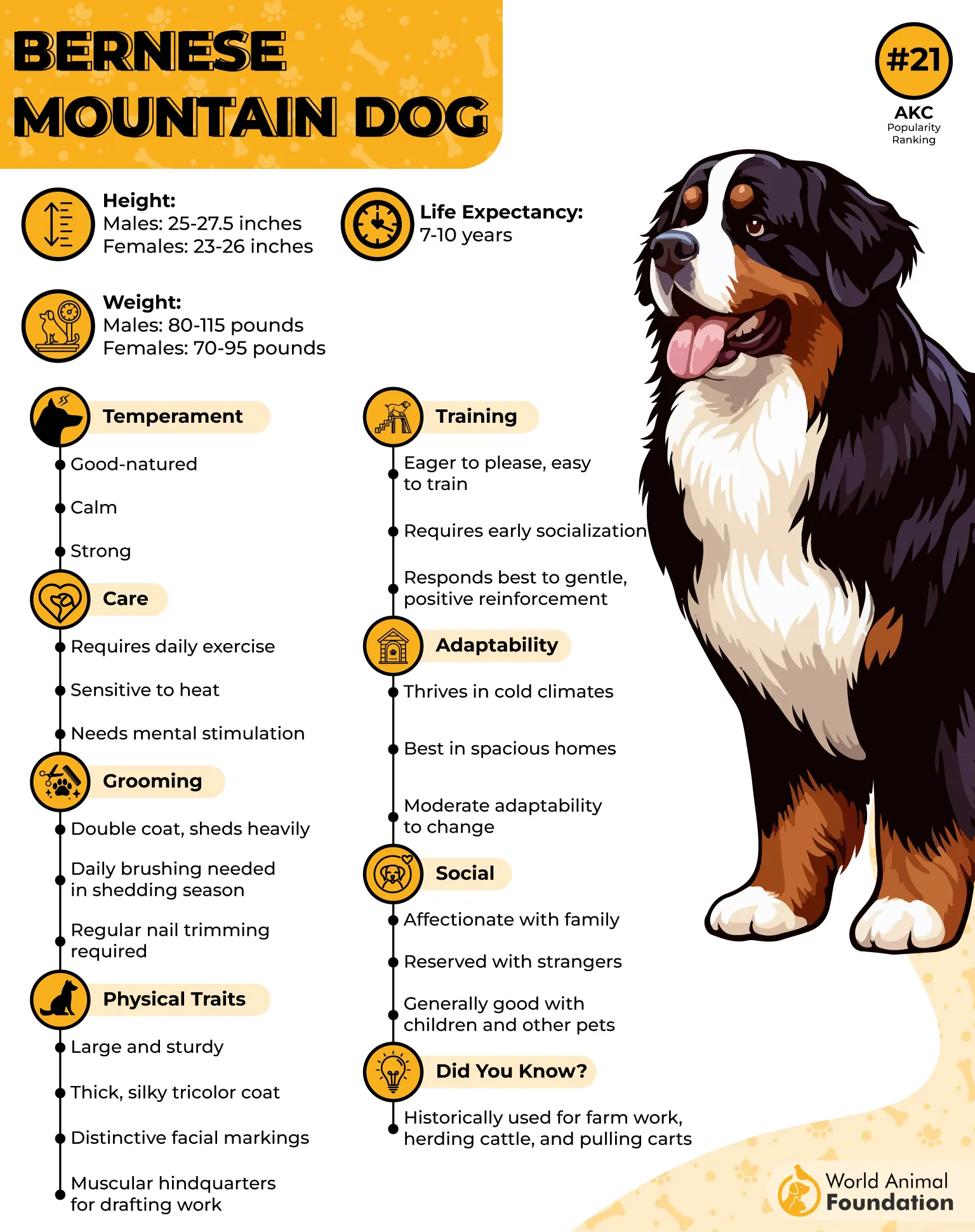
Many Berners are sweet and steady with family, often patient around kids, and eager to be included. Their guardian style is typically “alert and assess”: a low, meaningful bark, a firm stance near their people, and a watchful eye on anything unfamiliar. They shine when structure is kind and consistent, because they tend to be sensitive to harsh handling.
Training & Socialization: The Non-Negotiables
Gentle, positive training—build trust first, then polish manners.
Socialize early with visitors, hats, umbrellas, loud carts, and new floors.
Teach “leave it” and calm greetings to prevent enthusiastic body-checks.
Exercise & Enrichment Needs
Moderate daily walks and casual play, not marathon cardio.
Job-style fun: carrying a pack, light carting-style games, scent work.
Cooling breaks in warm weather; they’re built for colder climates.
They fit families who want a big-hearted companion that also makes the house feel safer just by being there. Grooming is real: regular brushing, seasonal shedding, and keeping feathers (leg fur) clean after muddy adventures.
Health-wise, plan for large-breed support and keep vet checkups consistent. Best owner match: a home that wants an affectionate guardian and will commit to grooming and gentle training.
Pro Tip: Teach a reliable “settle” on a mat—Berner calm is contagious when you reward it on purpose.
7. German Shepherd
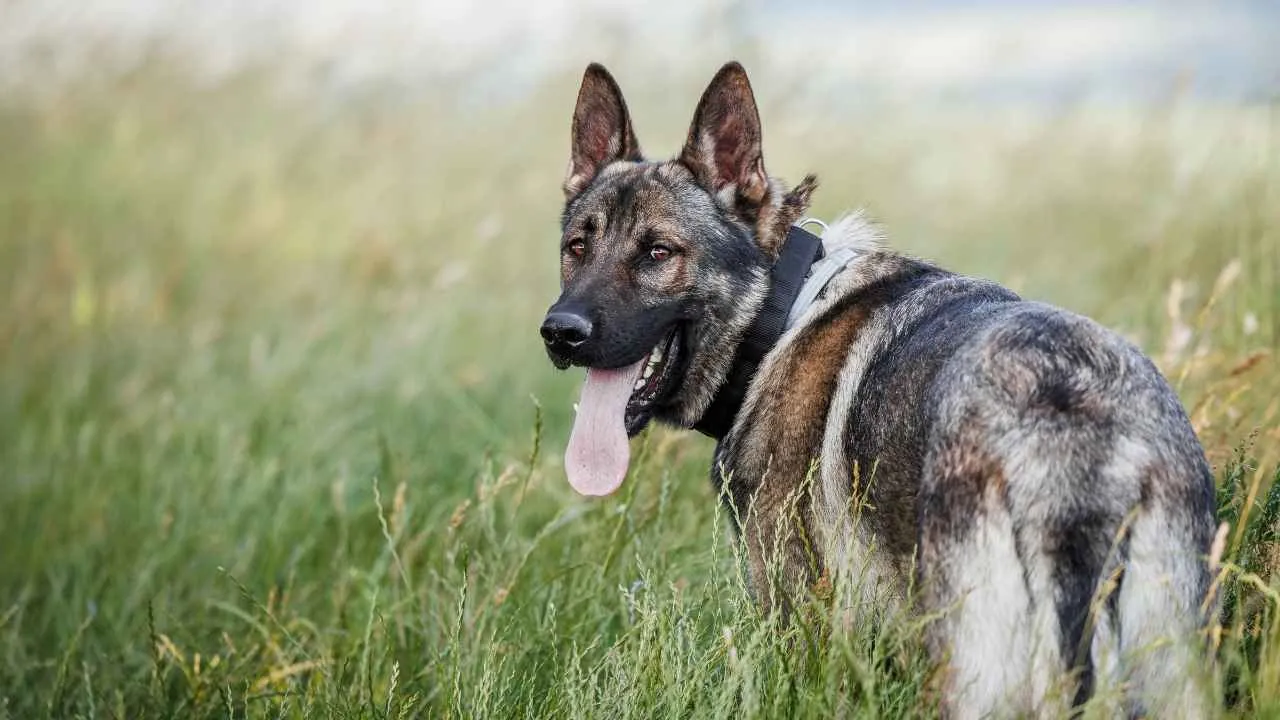
The German Shepherd is the classic home protection all-rounder: athletic, intelligent, and intensely loyal to their people. They don’t just look impressive—they’re wired to work, learn, and pay attention, which is why they’re often chosen for serious jobs. In a calm household with clear training, they can be both a steady companion and a fearless guardian.
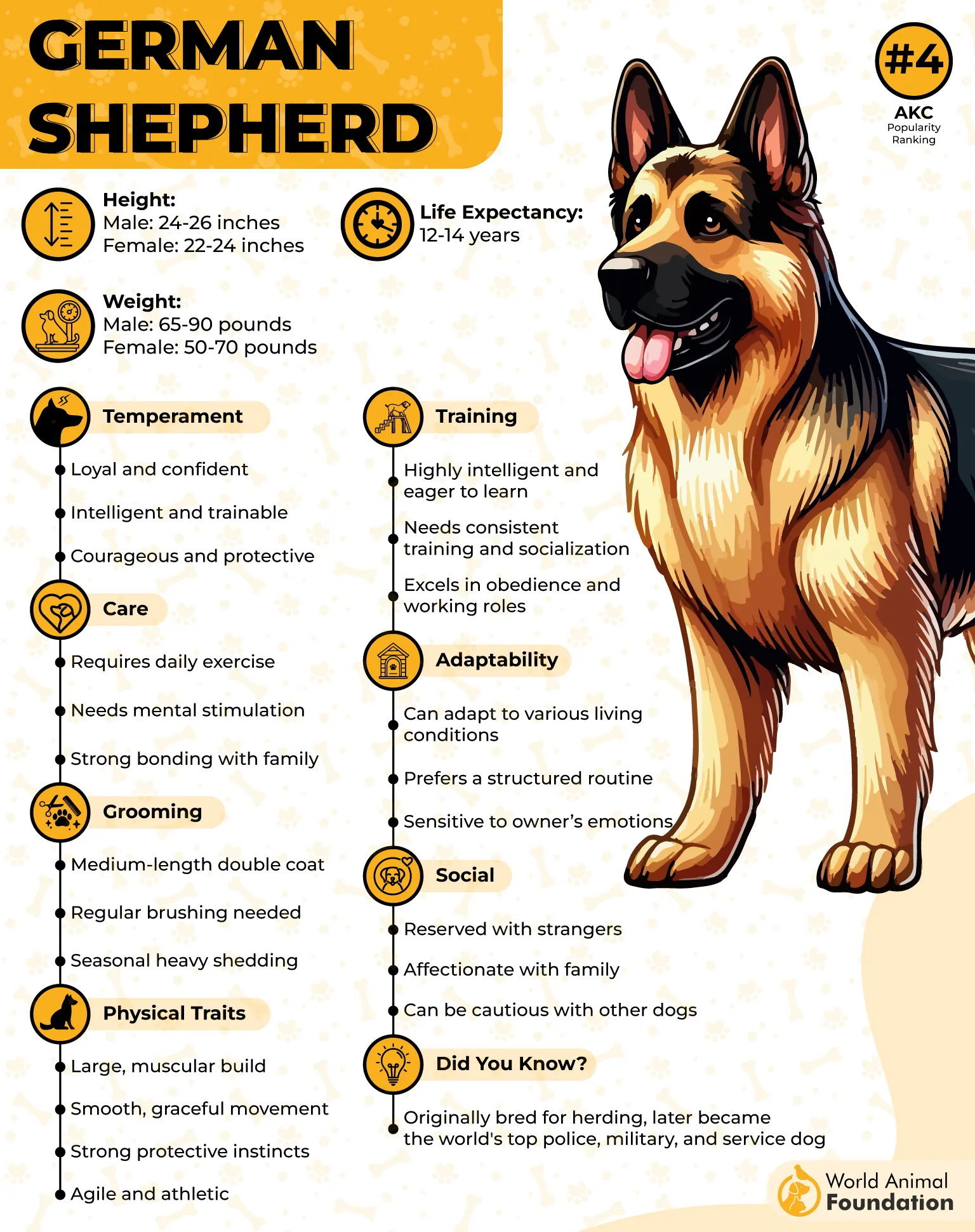
Their temperament is typically confident and alert, with a strong instinct to monitor what’s happening around the home. Guardian style varies, but many German Shepherds prefer active patrol and quick alerts—then look to you for direction once trained. The magic is control: they can shift from “on duty” to relaxed family mode when boundaries and cues are consistent.
Training & Socialization: The Non-Negotiables
Early socialization to strangers, visitors, kids’ noise, and urban sounds.
Teach “quiet,” “place,” and a reliable recall to prevent over-alert barking.
Channel drive into structured work—obedience, scent games, and engagement play.
Exercise & Enrichment Needs
Daily cardio plus mental work; walks alone rarely satisfy them.
Scent work, tracking games, agility foundations, and training “missions.”
Routine decompression: sniffy strolls and calm chew time after training.
They fit active owners who enjoy training and want a dog that participates in life, not one that watches it from the couch. Grooming includes frequent shedding—expect “fur seasons” and regular brushing.
Health planning should include smart conditioning and maintaining a healthy weight. Best owner match: someone consistent, confident, and ready to lead with structure.
Pro Tip: Reward neutral behavior around triggers—teach your Shepherd that calm observation is the goal, and protection becomes cleaner, safer, and more reliable.
Conclusion
Excellent guard dogs come from protective dog breeds with natural protective instincts, sharp instincts, and a calm demeanor—the perfect balance for family life and real threats.
With proper training, proper socialization, and proper obedience training, protection dogs can be well-trained, highly trainable, and deeply loyal, loving companions for dog owners, family members, small children, and other pets.
If you enjoyed these fearless dogs, explore other natural guard dogs like the Rottweiler, Belgian Malinois, Staffordshire Bull Terrier, Tibetan Mastiff, Giant Schnauzer, and Rhodesian Ridgeback—many originally bred to guard livestock, guard royalty, or even hunt lions. Ready to choose your loyal companion? Start obedience training today.
