





Pop quiz, Savvy Pet Parent: What does “budget-friendly” actually mean for a dog—purchase price, vet bills, grooming… or all of the above? Your answer shapes everything today, here, first decisions.
In this guide, we’ll map the real costs that follow a cute face home. You’ll learn which expenses matter most, and how certain breeds typically fit into a value equation.
First, we separate upfront costs: adoption versus breeder fees, plus the starter kit—crate, leash, bowls, and bedding. Then we track monthly spending on food, grooming, and enrichment for every season.
Next come annual basics: checkups, vaccines, preventatives, and the occasional surprise visit. Finally, we budget for wildcards—training intensity, sensitivity, or boredom that can turn socks into confetti at home fast.
To keep comparisons easy, each breed earns a quick Savvy Score: Grooming Effort, Exercise Need, Training Investment, and Space Friendliness. Ready to find a cheap four-legged friend that’s thrifty and terrific?
Budget-Friendly Dog Breeds for Savvy Pet Parents
1. Pug

A Pug can work well for savvy pet parents on a tight budget because grooming stays simple, gear needs are minimal, and their daily exercise is typically easy to manage. Their small size also helps keep portions and many routine supplies reasonably affordable.
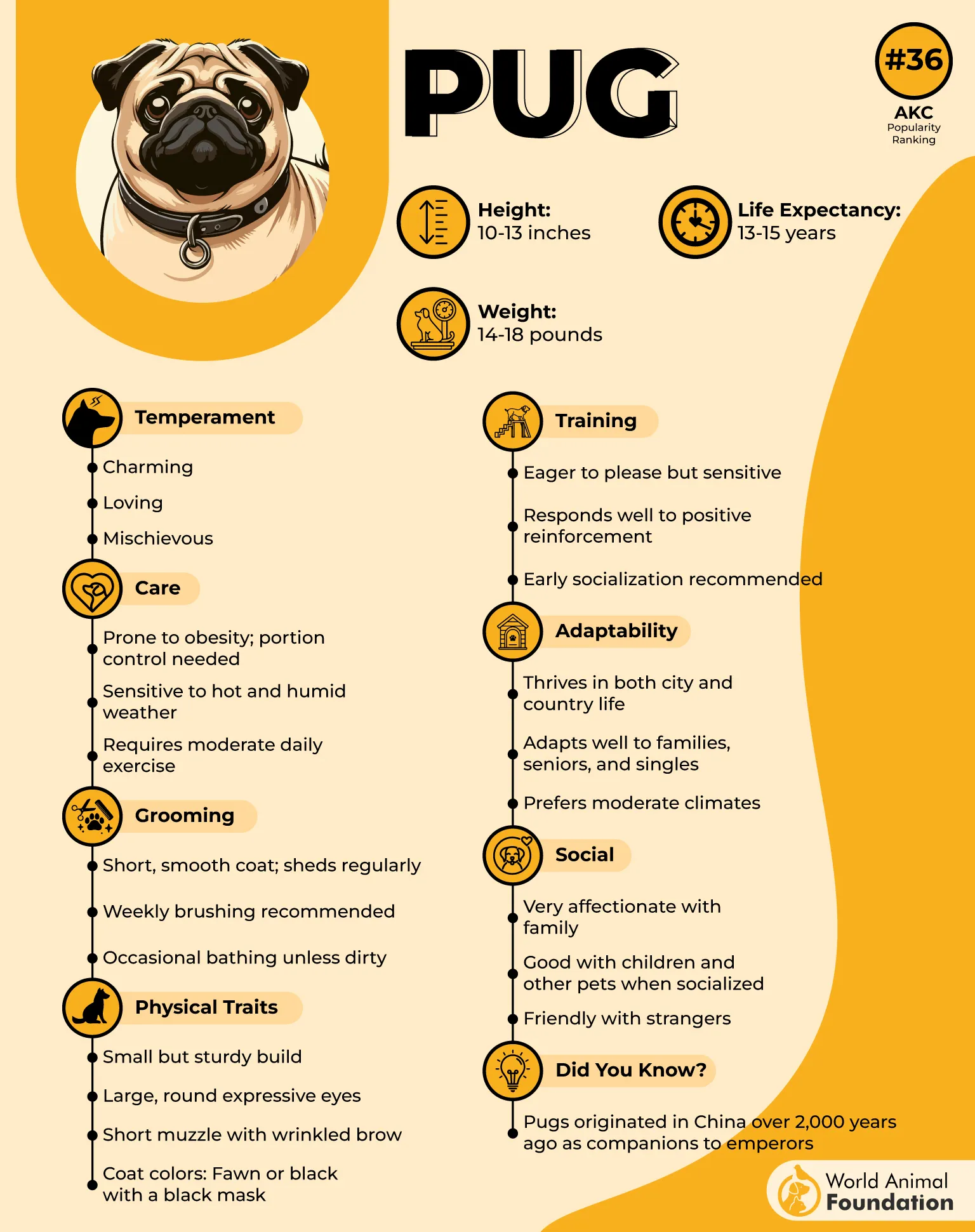
According to PDSA, let’s meet the Pug: a compact, people-loving companion with a big personality and an even bigger talent for comedy. This affectionate dog breed is happiest near their humans, which makes low-cost together-time (couch cuddles included) a real strength.
The Real Cost Curve
Food: Modest portions, but weight management matters—extra pounds can trigger extra expenses.
Grooming: Easy coat care, yet shedding is common; brushing keeps things under control.
Exercise: Short walks and indoor play usually meet their needs.
Health planning: Flat-faced traits can mean heat sensitivity and breathing concerns; routine vet care helps.
Savvy Parent Moves
Portion strategy: Measure meals, limit treats, and use slow-feeders for better satiety.
Skin + folds: Gentle cleaning and drying can prevent irritation that leads to vet visits.
Low-cost enrichment: Short training sessions, scent games, and puzzle toys rotate well on a budget.

Watch-outs: Heat stress, dental buildup, and weight creep can quietly raise costs. A cool walking schedule and consistent dental care can protect your budget.
Best for: Apartment living, first-time owners, families wanting a friendly small dog.
Not ideal for: Homes without climate control or owners who want long, high-intensity workouts.
2. American Foxhound

The American Foxhound can be a budget-friendly dog choice thanks to a low-fuss coat that rarely calls for professional grooming. Affordability improves even more when their exercise and preventive care are consistent, keeping health and behavior stable.
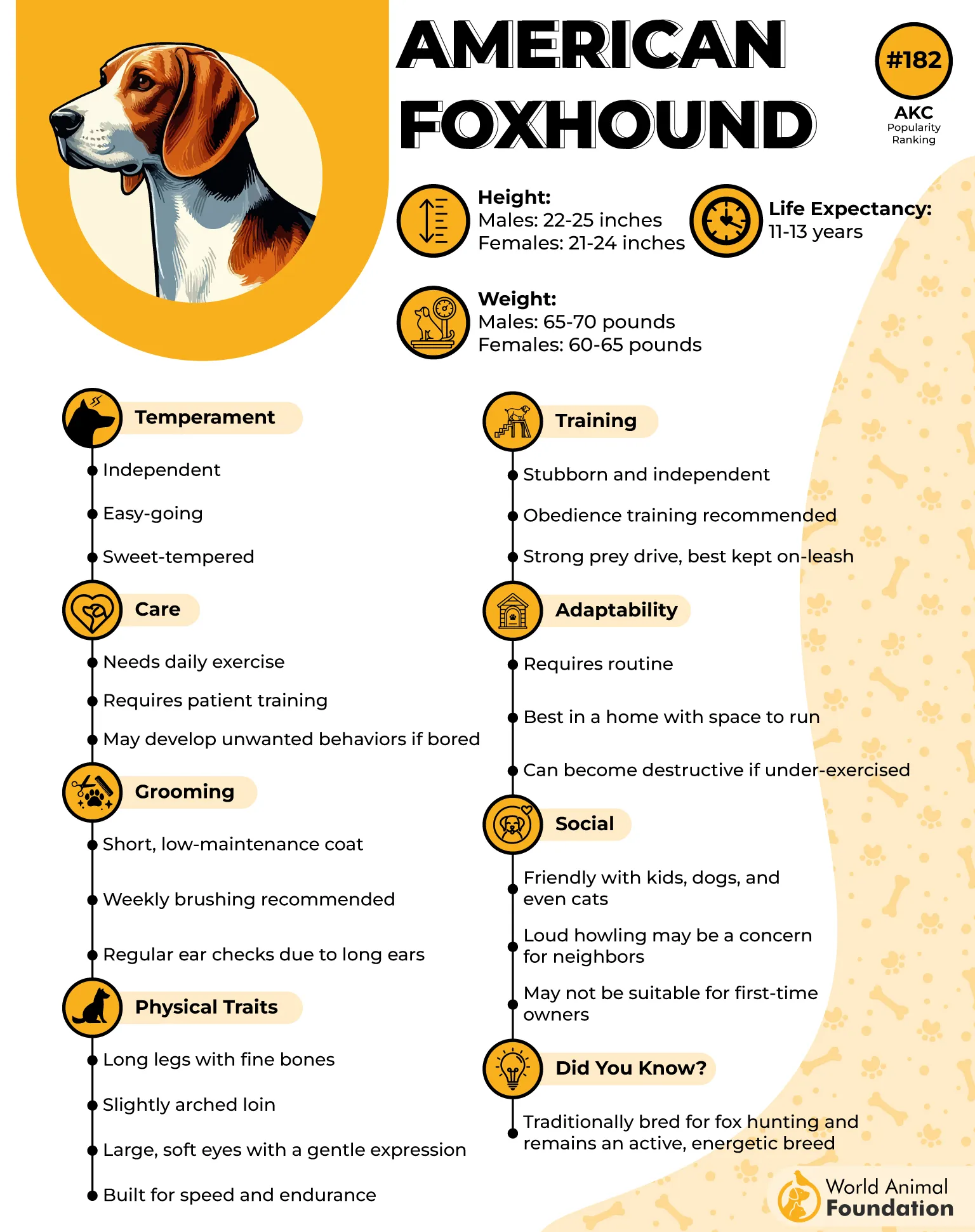
Meet the American Foxhound: a tall, athletic scent hound with a friendly attitude and a nose that treats the outdoors like a library of fascinating books. They shine when life includes movement, structure, and safe opportunities to sniff and explore.
The Real Cost Curve
Food: Moderate to higher needs for active dogs; activity level drives the bill.
Grooming: Weekly brushing and occasional baths usually cover it.
Exercise: The biggest “investment” is time—long walks, runs, and scent-heavy outings.
Ears: Routine ear care can prevent recurring issues.
Savvy Parent Moves
Budget cardio: Use a long line for sniff walks and recall games in open areas.
Scent enrichment: Hide treats, teach “find it,” and rotate simple nose-work games.
Prevention plan: Keep parasite preventatives and ear checks on schedule.
Watch-outs: Roaming instincts can trigger costly “lost dog” emergencies, and boredom can lead to mischief. Secure fencing and leash habits are wallet-protectors.
Best for: Active households, runners, people who enjoy long outdoor sessions, claims the AKC.
Not ideal for: Limited exercise time, unsecured yards, or anyone wanting an off-switch without daily activity.
3. Border Collie

A Border Collie can stay budget-friendly for savvy pet parents who enjoy training and structured play, since mental work and skill-building can replace pricey entertainment. With consistent at-home grooming and smart exercise planning, ongoing costs can remain predictable.
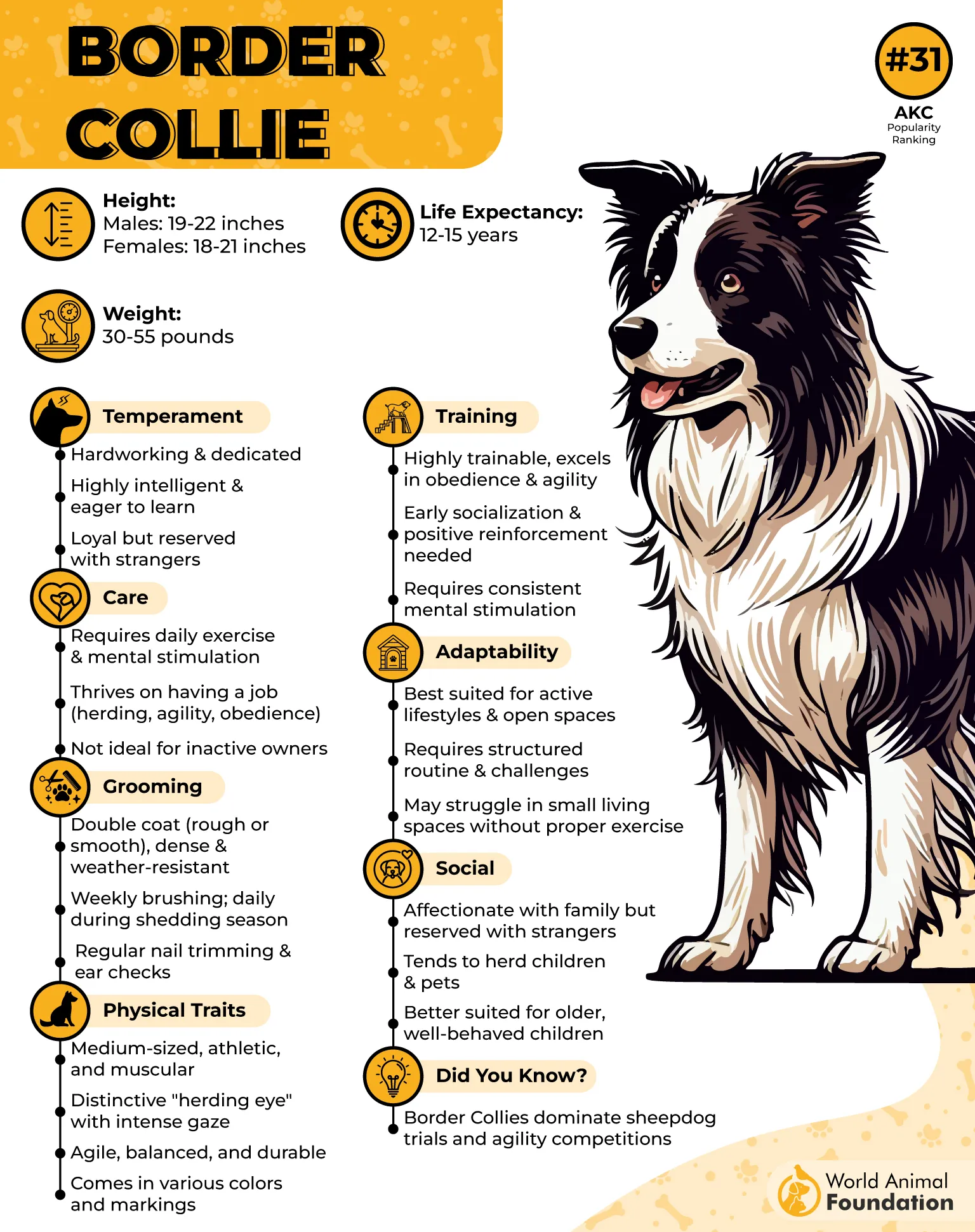
Meet the Border Collie: intensely focused, quick-learning, and happiest with a purpose. They love projects—learning cues, mastering games, and turning everyday routines into a job well done, notes PetMD.
The Real Cost Curve
Food: Often moderate, though high activity can increase appetite.
Grooming: Medium effort; seasonal shedding may require extra brushing.
Training: High need, but DIY training is effective because they learn fast.
Enrichment: Non-negotiable—boredom can become destructive.
Savvy Parent Moves
Train for calm: Teach settle/place and impulse control to prevent “chaos costs.”
Low-cost brainwork: Trick chains, tug rules, and homemade obstacle courses keep them busy.
Smart exercise: Mix running with skill drills to reduce wear-and-tear and avoid overdoing it.
Watch-outs: Under-stimulation can lead to shredded items, and overtraining can create a dog that needs constant action. A balanced schedule saves money and sanity.
Best for: Sporty owners, training enthusiasts, and active families who enjoy daily engagement.
Not ideal for: Low-activity homes, long absences, or anyone wanting a low-training companion.
4. Dalmatian

A Dalmatian can be a budget-friendly choice for savvy pet parents on a tight budget because grooming is largely DIY, and their athletic nature pairs well with low-cost exercise like running and structured play. When their routine is consistent, many costs stay predictable rather than surprising.
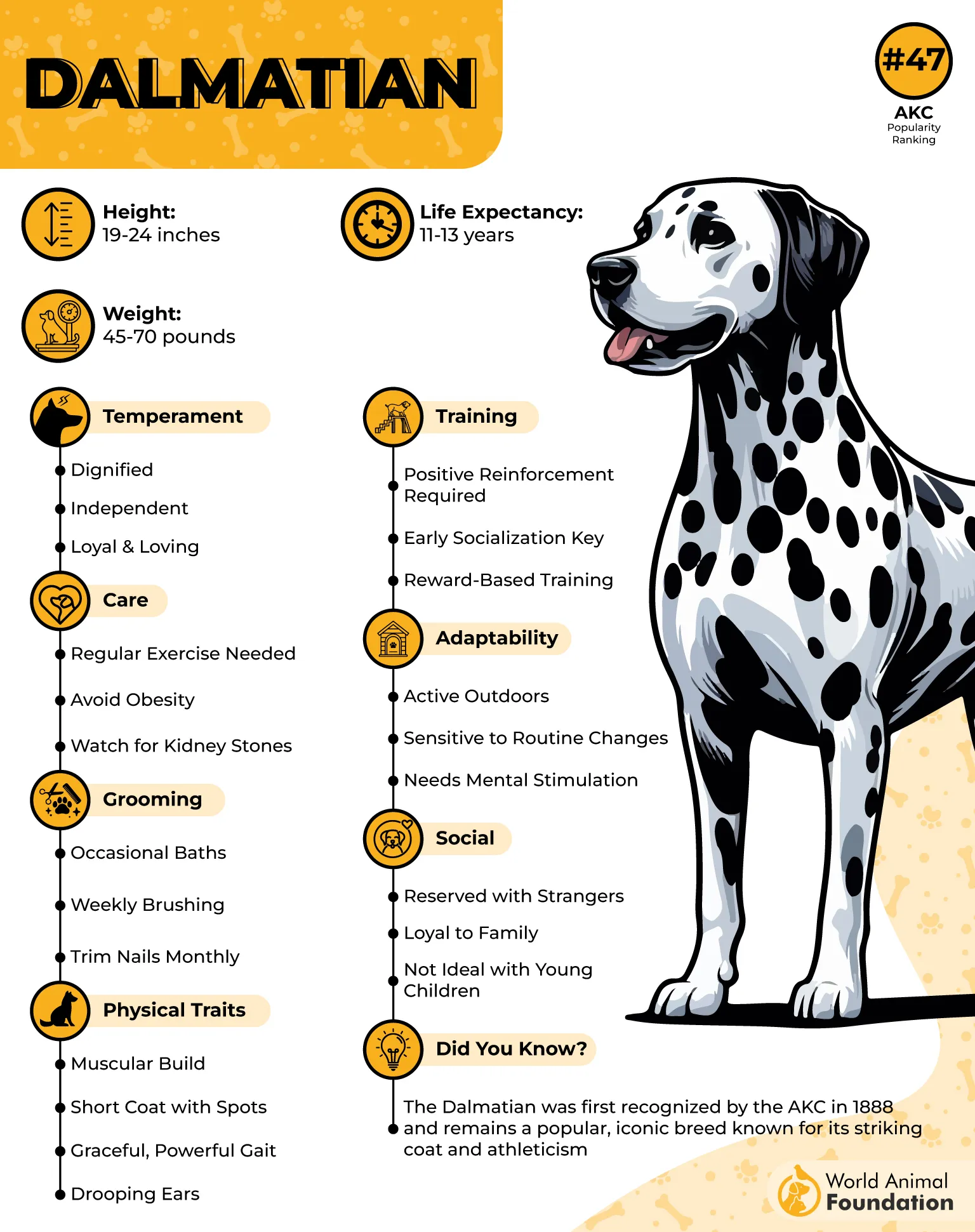
Meet the Dalmatian: sleek, energetic, and famously spotted, with a bright mind and a “let’s go” attitude. They enjoy learning, thrive with engagement, and often bond closely with their people.
The Real Cost Curve
Food: Moderate portions, but quality and consistency matter for active bodies.
Grooming: Short coat is easy, yet shedding can be steady; brushing keeps hair manageable.
Exercise: High—daily activity prevents restlessness and costly boredom behaviors.
Health planning: Some lines have hearing-related concerns; urinary health support can be important.
Savvy Parent Moves
Shedding control: Brush frequently and use washable covers to protect furniture.
Low-cost workouts: Rotate jogs, fetch, and obedience games to tire mind and body.
Preventive habits: Prioritize hydration and routine vet guidance to support urinary wellness.
Watch-outs: Under-exercised Dalmatians can become destructive or noisy, which adds replacement costs fast. Health monitoring is a smart budget move, not an extra.
Best for: Active owners, runners, structured households, and people who like training.
Not ideal for: Low-activity homes or anyone wanting a dog content with quick potty walks.
5. Beagle

Beagles often earn their “budget-friendly dog breeds” reputation because grooming is simple, supplies are straightforward, and their size keeps many routine costs reasonable. Their joy comes from sniffing and exploring, which can be surprisingly low-cost entertainment.
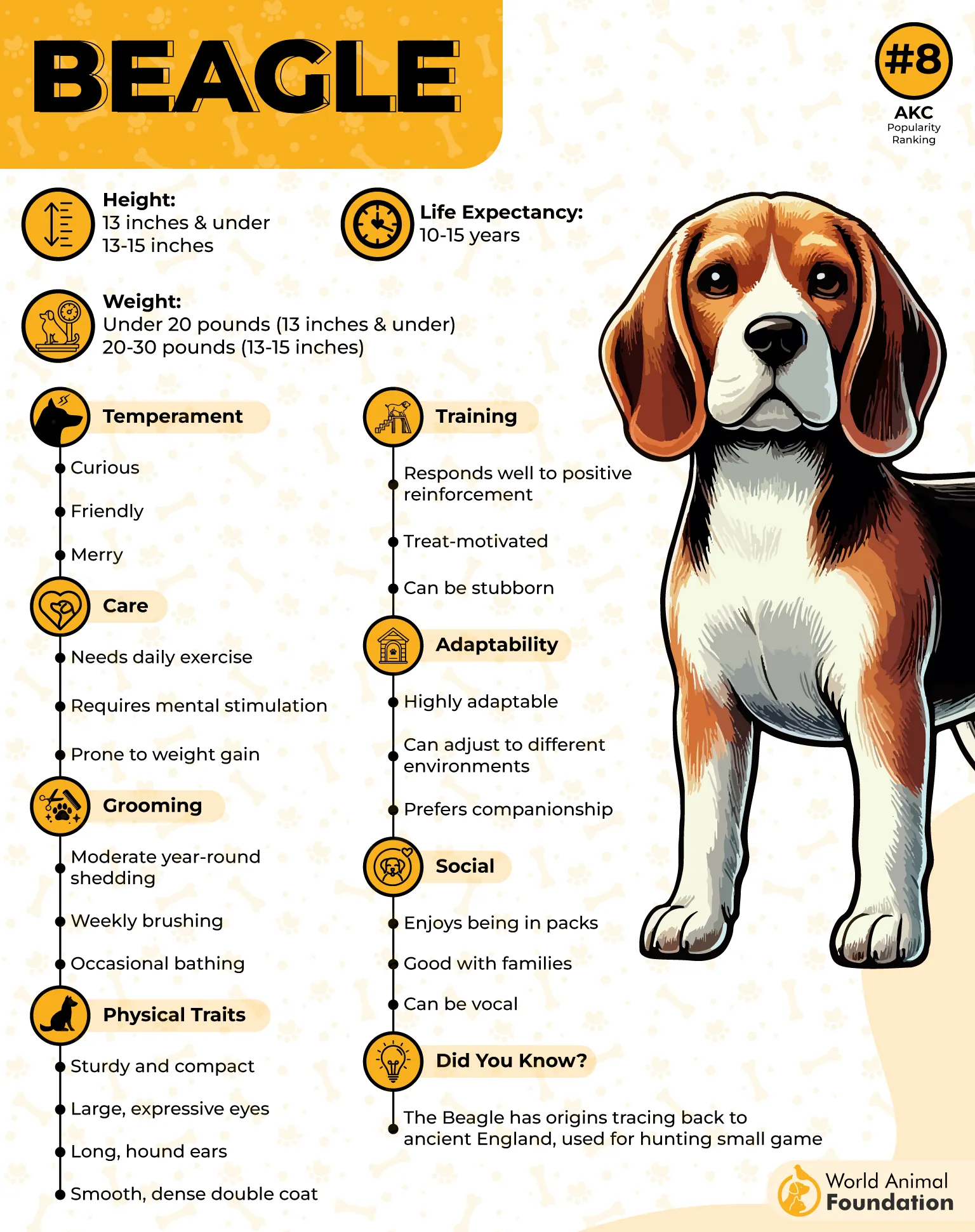
Meet the Beagle: merry, curious, and led by their nose, with a friendly attitude and a big appetite for adventure. They’re social dogs that love family life and do well with clear routines.
The Real Cost Curve
Food: Portion control is key; many Beagles act hungry even after meals.
Grooming: Easy coat care; weekly brushing and basic baths usually work.
Exercise: Moderate, but sniff time matters as much as distance.
Training: Recall can be challenging outdoors because scents win arguments.
Savvy Parent Moves
Sniff on a budget: Use “sniffari” walks and backyard scent trails for enrichment.
Weight guardrails: Measure meals, use low-cal training rewards, and avoid free-feeding.
Safety setup: A harness and long line help prevent bolt-and-chase situations.
Watch-outs: Escaping, howling, and food-stealing can create sneaky expenses, from damaged bins to emergency searches. A secure routine and scent-friendly outlets keep costs calmer.
Best for: Families, friendly multi-person homes, walkers who enjoy regular outings.
Not ideal for: Owners who need silent dogs or rely on off-leash freedom in open areas.
6. Chihuahua

Chihuahuas can be budget-friendly for savvy pet parents because they’re tiny, eat small portions, and often thrive with at-home play plus short walks. Grooming costs are usually low, and many supplies come in small sizes that last longer.
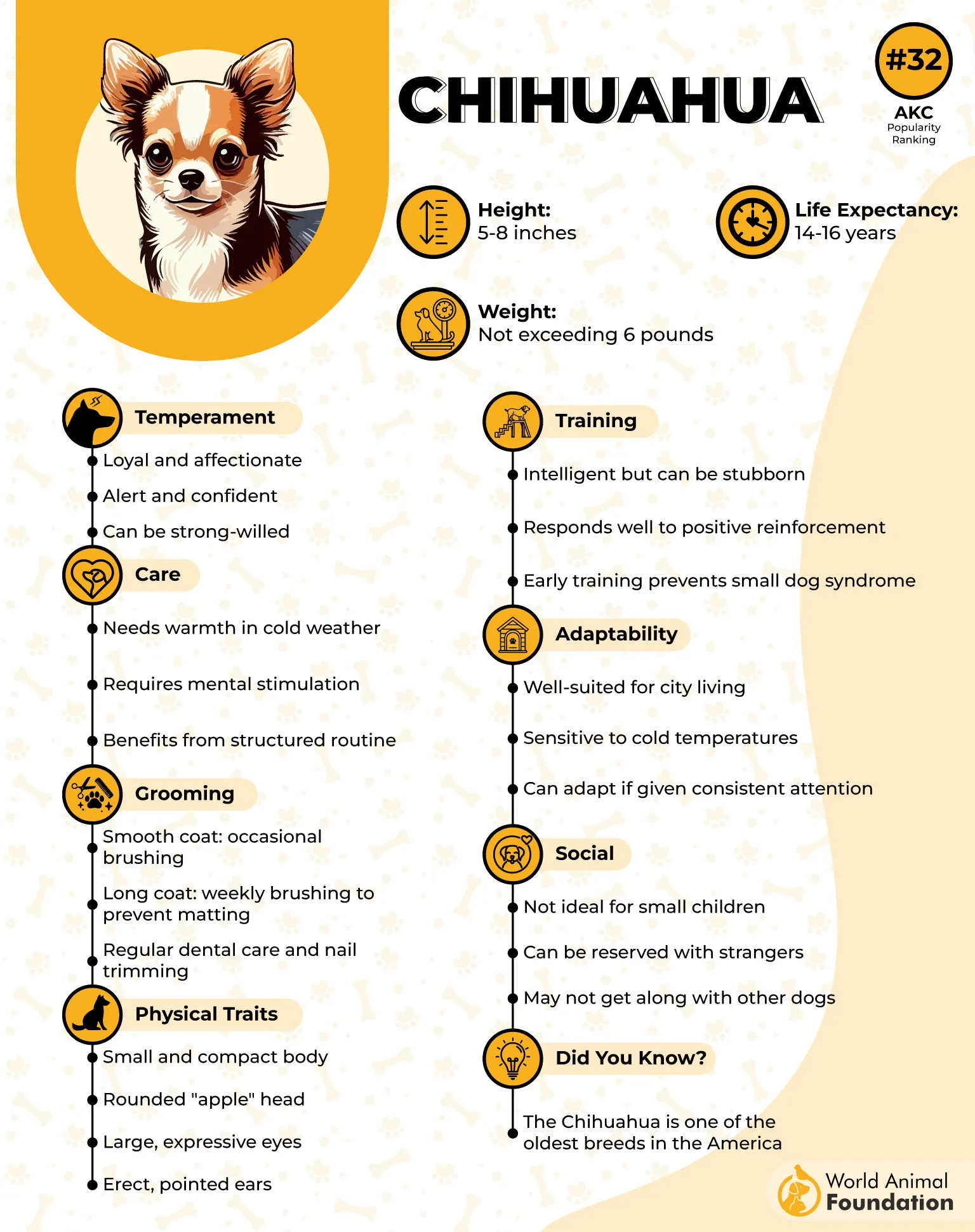
Meet the Chihuahua: confident, alert, and surprisingly bold for a pint-sized dog. They bond intensely, love warm laps, and often behave like they’re guarding a much bigger castle.
The Real Cost Curve
Food: Very small portions; weight gain can happen quickly with frequent treats.
Grooming: Short-coat types are easy; long-coat types need more brushing but are still DIY-friendly.
Exercise: Low to moderate; indoor games can cover a lot.
Health planning: Dental care can be a recurring need in small mouths.
Savvy Parent Moves
Dental routine: Brush teeth regularly and schedule cleanings as advised to reduce long-term costs.
Warmth planning: Use sweaters and warm bedding to avoid cold-stress issues.
Training micro-sessions: Short, frequent practice prevents “small dog syndrome” behaviors.
Watch-outs: Fragility can mean a higher risk of injuries from jumps or rough handling, and anxiety can trigger barking-related complaints. Home safety tweaks and calm training protect your budget.
Best for: Apartments, seniors, and first-time owners who enjoy close companionship.
Not ideal for: Homes with very young kids who may handle dogs too roughly or busy households that prefer independent pets.
7. Dachshund

Dachshunds can fit a tight budget because grooming is manageable, food needs are moderate, and they often prefer short bursts of activity over expensive, high-demand routines. Their biggest savings come from preventive care that supports their long bones and joints.
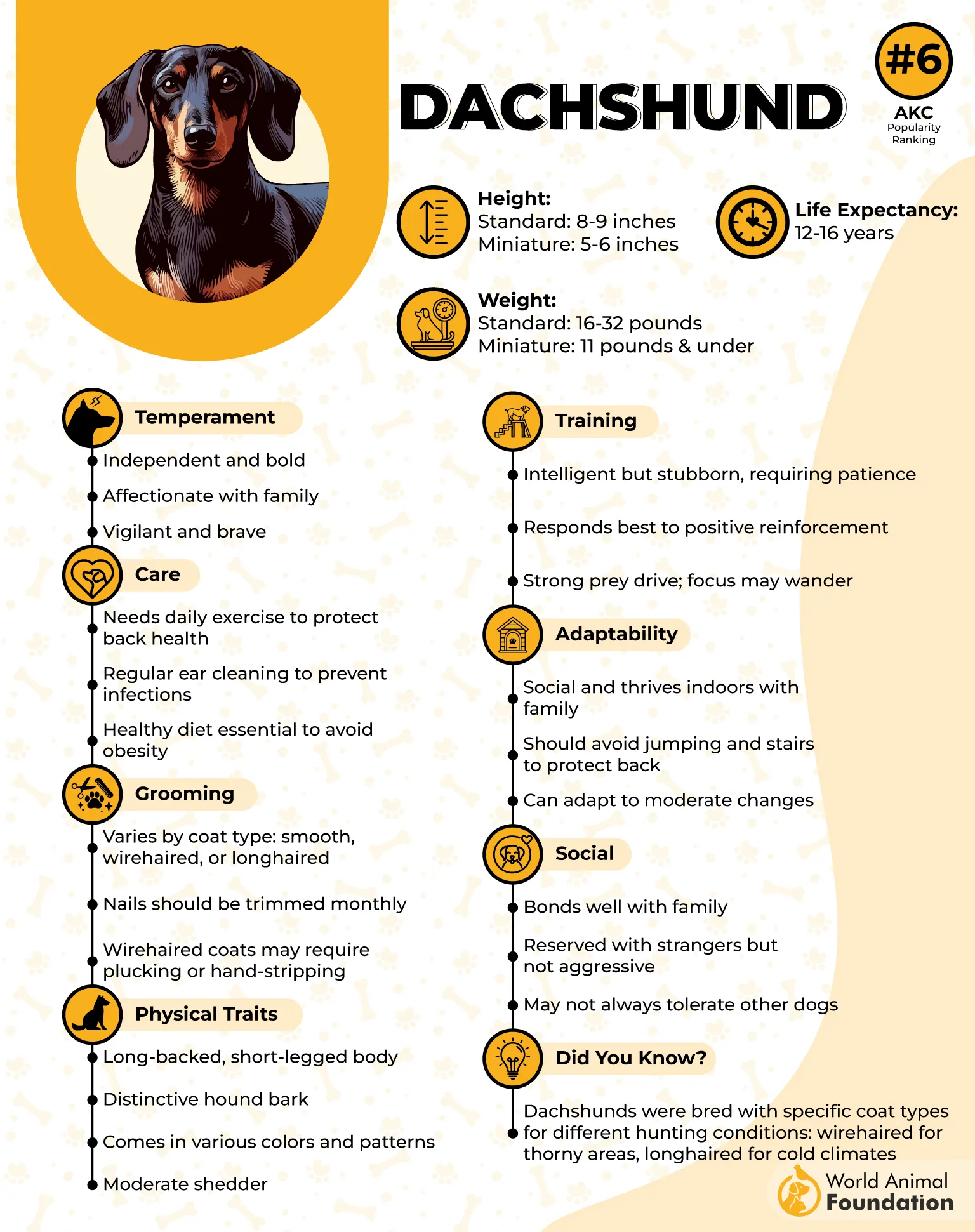
Meet the Dachshund: clever, curious, and famously determined, with a nose for trouble and a talent for making you laugh. They’re affectionate with their people and often love digging, sniffing, and investigating every corner.
The Real Cost Curve
Food: Moderate portions; keeping them lean is a major cost-saver long-term.
Grooming: Smooth coats are low effort; long-haired and wire-haired need more brushing/stripping.
Exercise: Moderate; steady walks beat intense jumping games.
Health planning: Back care is central—injury prevention can reduce expensive interventions.
Savvy Parent Moves
Back protection: Use ramps, limit stairs, and discourage jumping on/off furniture.
Lean routine: Measure meals and use low-cal rewards during training.
Enrichment: Scent games and structured digging alternatives can reduce boredom behaviors.
Watch-outs: Repeated jumping and extra weight can become major budget busters, especially if back problems develop. A few household adjustments often cost far less than treatment.
Best for: Devoted owners who like personality, moderate activity, and training with humor.
Not ideal for: Homes full of stairs or owners who can’t commit to preventing jumping and rough play.
Conclusion
Choosing affordable dog breeds can be a smart choice for budget-conscious dog owners, especially when minimal grooming needs and lower food costs keep pet care low maintenance and reduce grooming expenses.
If your right dog isn’t here, consider other dogs like the Cavalier King Charles Spaniel, Shih Tzu, Bichon Frise, or Golden Retrievers, or mixed breeds, and a mixed breed dog from a local shelter, where adoption fees can help avoid hidden costs.
Pick a generally healthy, family-friendly dog with a friendly personality and the right energy level—regular exercise, mental stimulation, and diy grooming can make dog ownership easier for first-time dog owners.
