




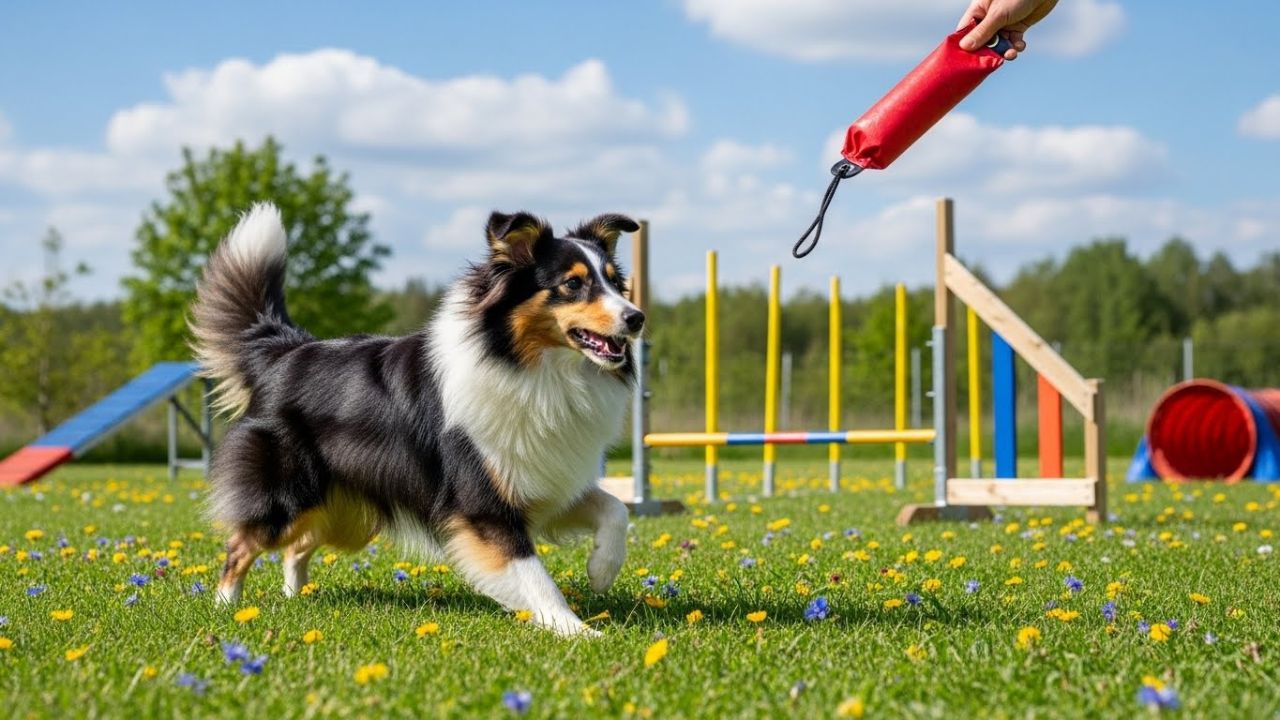
Some dogs seem to think before they move, watching, learning, and solving problems with surprising ease. Their sharp focus, strong memory, and emotional awareness make everyday moments feel special, turning simple routines into shared experiences filled with curiosity and trust.
People often believe dogs are intelligent, especially in social learning and understanding humans. Feeling emotionally close leads owners to rate dogs as smarter, while learning how dogs think helps improve training, patience, communication, and daily relationships.
This blog shares simple training tips to build focus and problem-solving. It covers games and routines that support mental growth, encourage calm behavior, and strengthen bonds, helping dogs stay confident, engaged, and happy while learning with their owners daily.
Brilliant Dog Breeds Training Tips for Maximum Intelligence
1. Border Collie
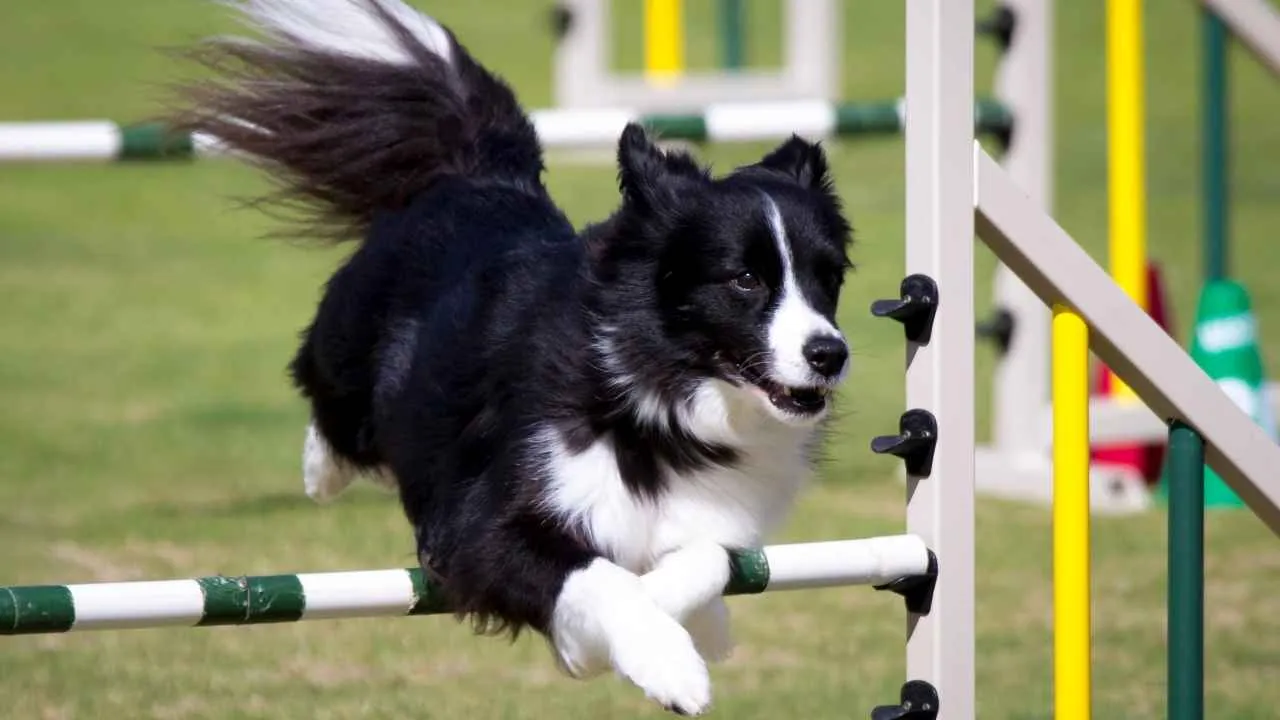
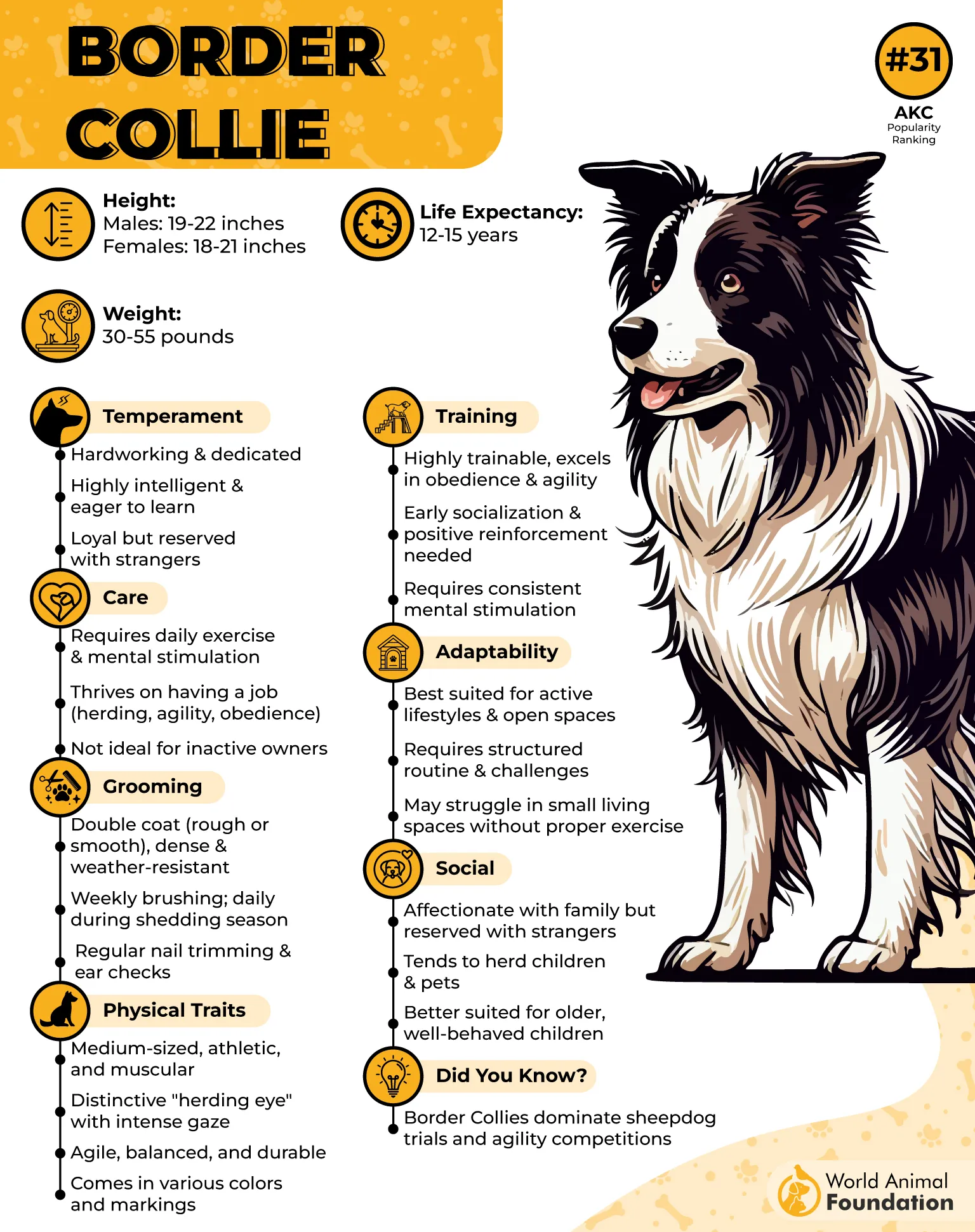
Hailing from the misty borders of Scotland and England, these fluffy dynamos were originally bred to manage sheep with a legendary “eye” that can hypnotize livestock into submission. They are World Record holders for word recognition, with famous pups knowing over a thousand names, as mentioned by Wikipedia.
You can truly unlock their genius by teaching complex impulse control. Instead of letting them bolt after every squirrel, use a “wait” command before they can chase their favorite frisbee.
This high-level technique builds incredible focus and transforms their intense energy into disciplined mind sharpness. It is a fantastic way to honor their loyalty while ensuring they don’t treat your house guests like a stray flock of sheep that needs herding.
To keep that brain buzzing, try utilizing advanced herding games with large fitness balls. Since they have a natural instinct to “gather” things, pushing these around a yard simulates the work they were born for. It provides the physical exercise they crave while forcing them to solve spatial puzzles on the fly.
2. Poodle
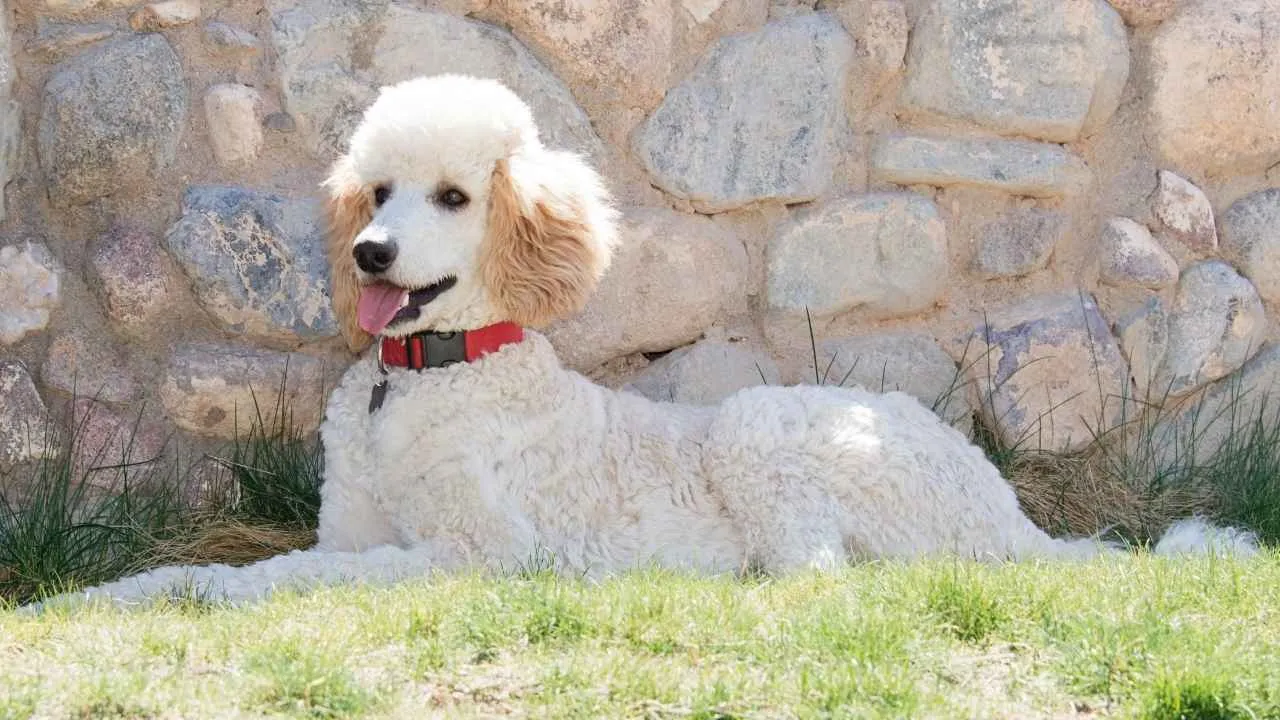
Don’t let the fancy haircuts fool you; these sophisticated athletes actually started as German duck hunters! The name comes from “pudel,” which means “to splash in water.” They have been favorites of royalty for centuries, but they are also rugged enough to work as truffle hunters or circus performers.
Although it is an intelligent dog, to maximize their legendary smartness, incorporate varied trick learning into your daily routine. Since Poodles get bored with repetition faster than a teenager in math class, you should constantly introduce fresh, complex maneuvers. Teaching them to tidy up their toys or “weave” through your legs keeps their mind sharp at an all-time high.
Another brilliant trick is to use interactive puzzle feeders for every meal. Poodles have natural problem-solving skills, and they love a good mechanical challenge. Making them “work” for their kibble engages their brain and prevents the destructive habits that come from boredom. This technique is great for maintaining a calm temperament.
3. German Shepherd
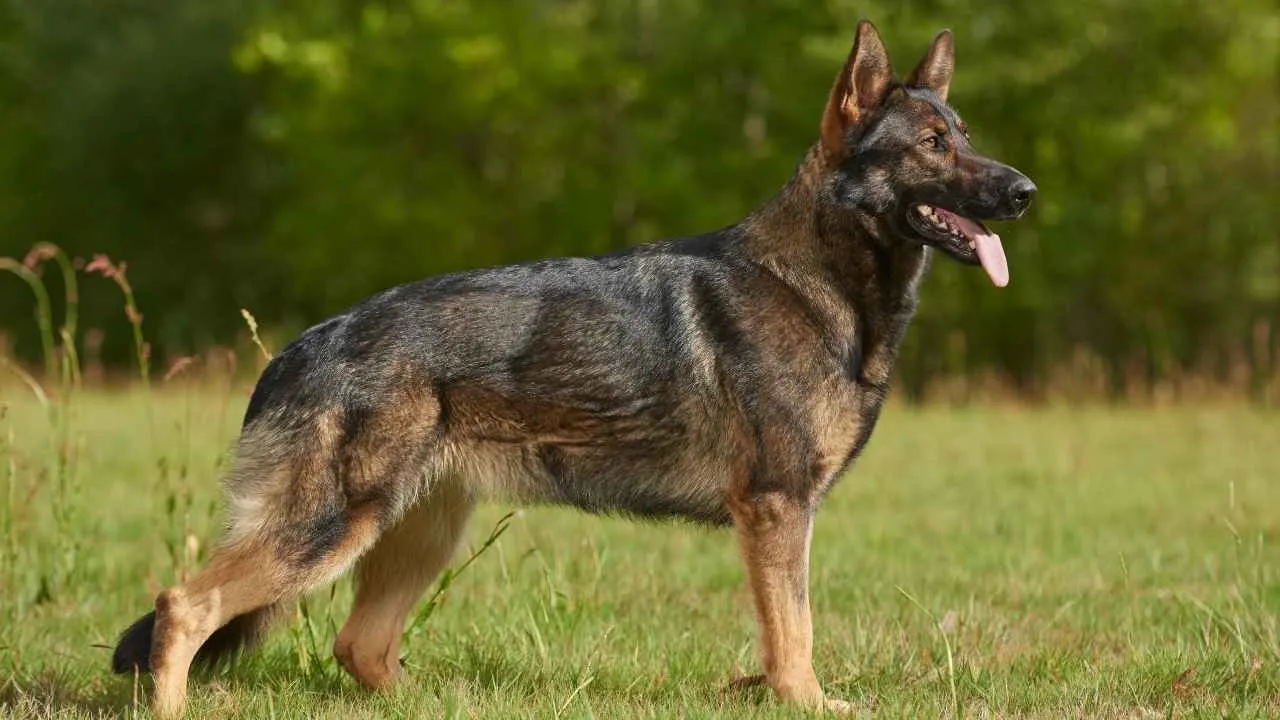
Emerging from Germany in the late 1800s, these noble guardians were the brainchild of Captain Max von Stephanitz, who wanted to create the ultimate working dog. They have played heroes on the silver screen and worked tirelessly as police and military dogs for generations.
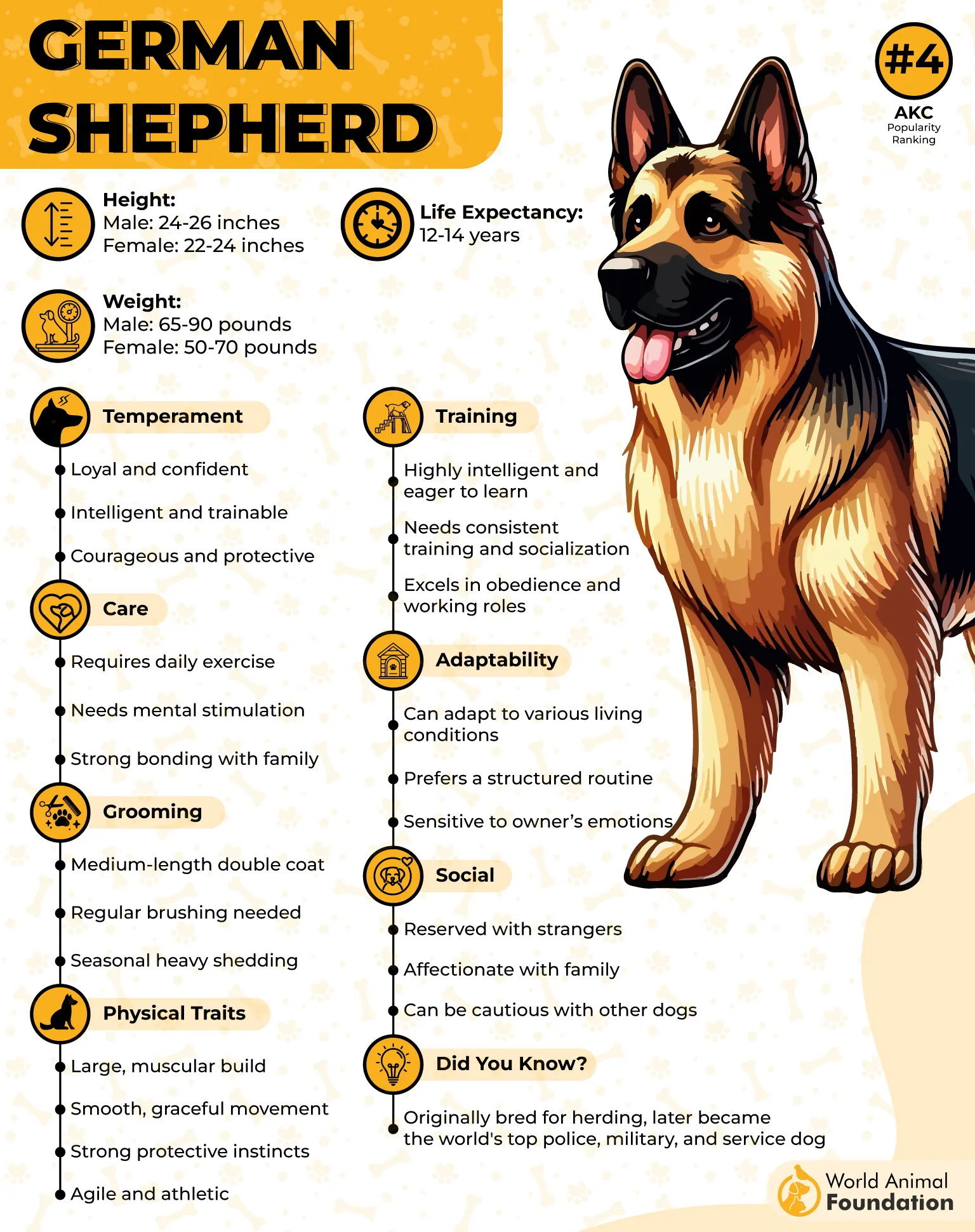
You can boost their mental engagement by assigning specific working tasks around the house. Whether it’s carrying a small doggie backpack on hikes or fetching your slippers, giving them a “job” satisfies their intense drive to be useful. This training technique reinforces their natural loyalty and keeps their exercise needs met purposefully.

Practice focused scent work to really let their powerful noses shine. Hide specific objects or treats around the living room and watch them go into full detective mode. Engaging their olfactory senses provides massive psychological satisfaction and is one of the best ways to drain high energy levels. It’s a rewarding game that showcases their incredible aptitude for learning specialized skills.
4. Golden Retriever

Developed in the Scottish Highlands for hunting waterfowl, these sunny companions are essentially living hugs wrapped in honey-colored fur. They are famous for their “soft mouths,” which were bred to carry delicate game without leaving a single mark.
While they are world-class swimmers, most Goldens today are equally famous for their tail wags and their uncanny ability to find the only mud puddle in a five-mile radius.
To keep training sessions effective for this intelligent dog breed, rotate high-value reward types constantly. These dogs are famously food-motivated, but they also thrive on physical praise and play.
Switching between a bit of chicken, a favorite ball, or a long belly rub keeps their temperament enthusiastic and prevents them from zoning out. Their intelligence, coupled with affection, makes them exceptional service dogs.
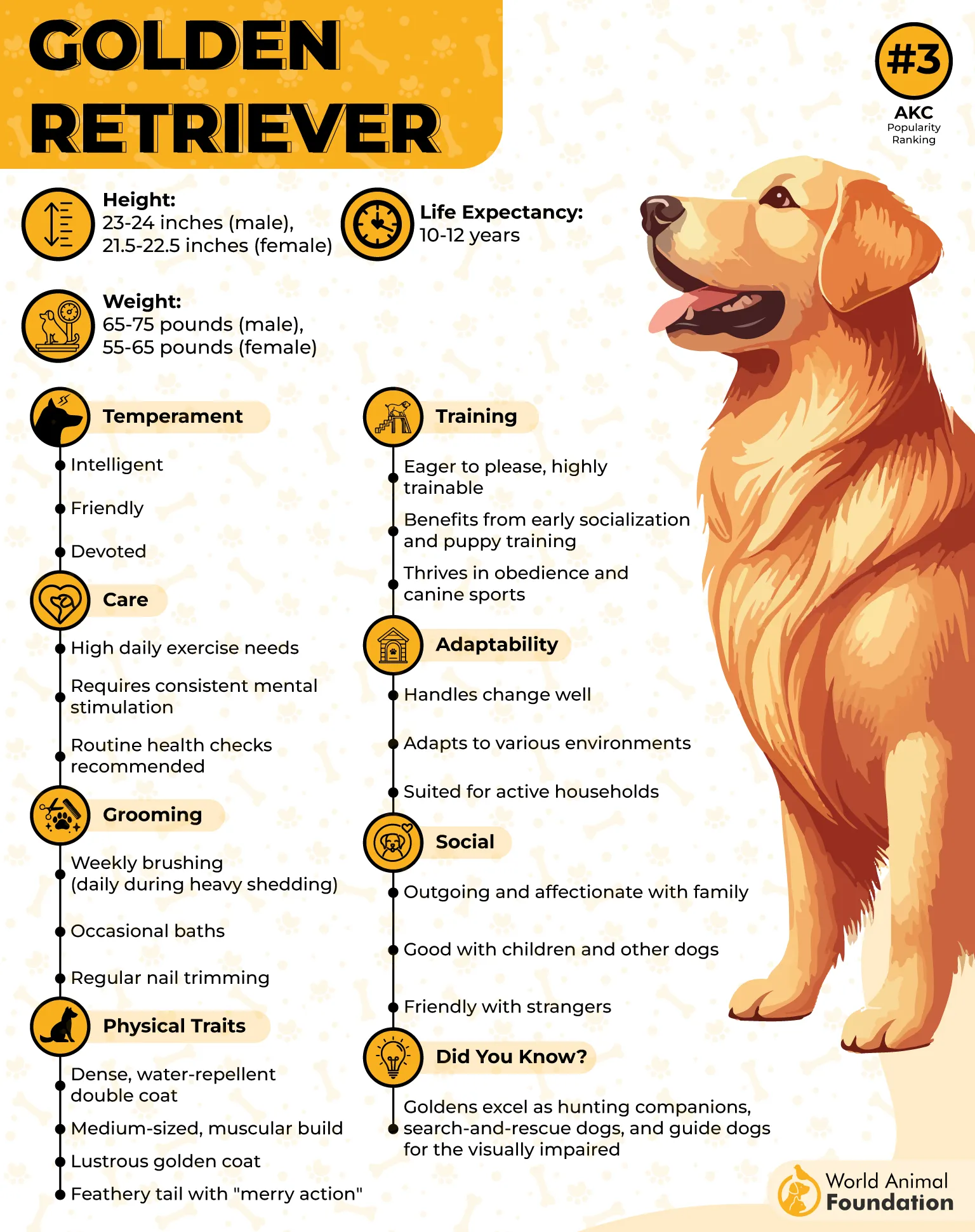
Try playing structured retrieving games where you ask them to find toys by specific names. This turns a simple backyard toss into a sophisticated vocabulary test. It stretches their mental limits and improves their listening skills significantly.
It’s the perfect blend of physical movement and cognitive growth, proving that these smart dogs are much more than just a pretty face and a wagging tail.
5. Doberman Pinscher
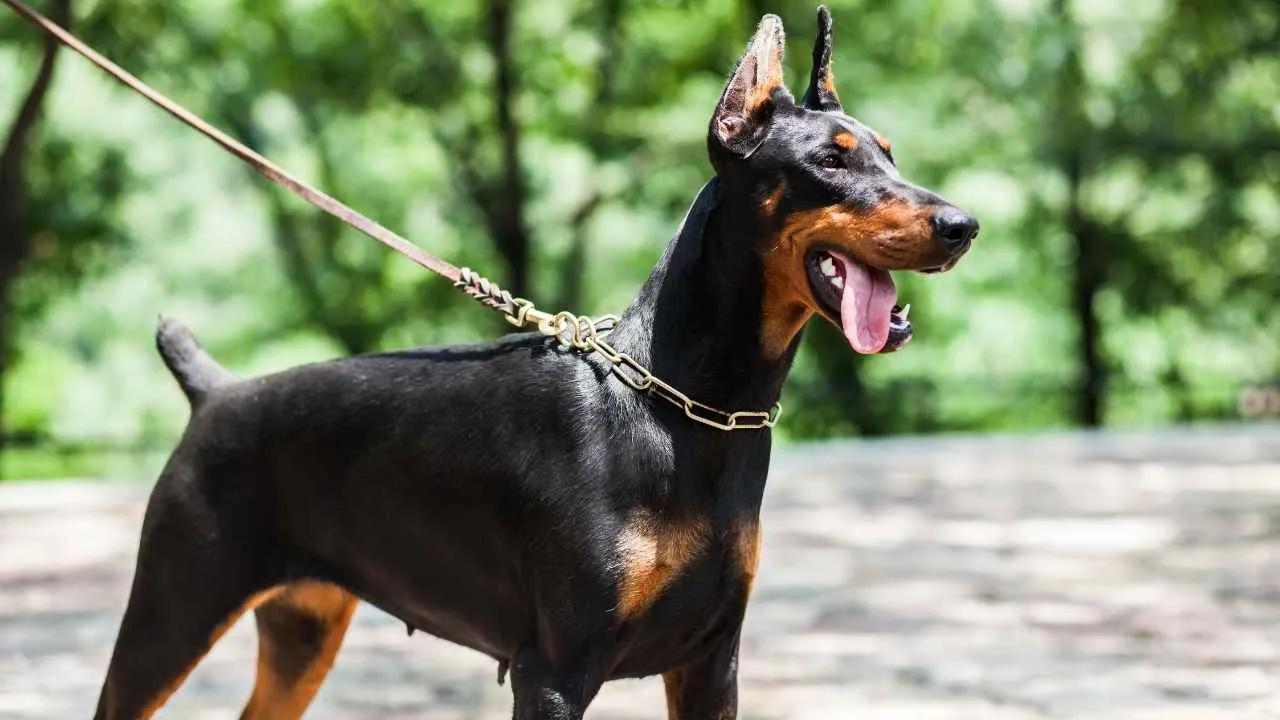
Created by a German tax collector for personal protection, these sleek powerhouses are basically the secret agents of the dog world. They have a streamlined silhouette and a “velvet” coat that makes them look incredibly fast even when they are sitting perfectly still.
Implement rigorous agility training to challenge their athletic bodies and lightning-fast reflexes. Navigating tunnels and jumping hurdles requires intense concentration, which channels their high energy into a productive outlet.
This physical puzzle is essential for their mental stimulation. It keeps such a confident, powerful, and intelligent breed well-adjusted and mentally occupied.
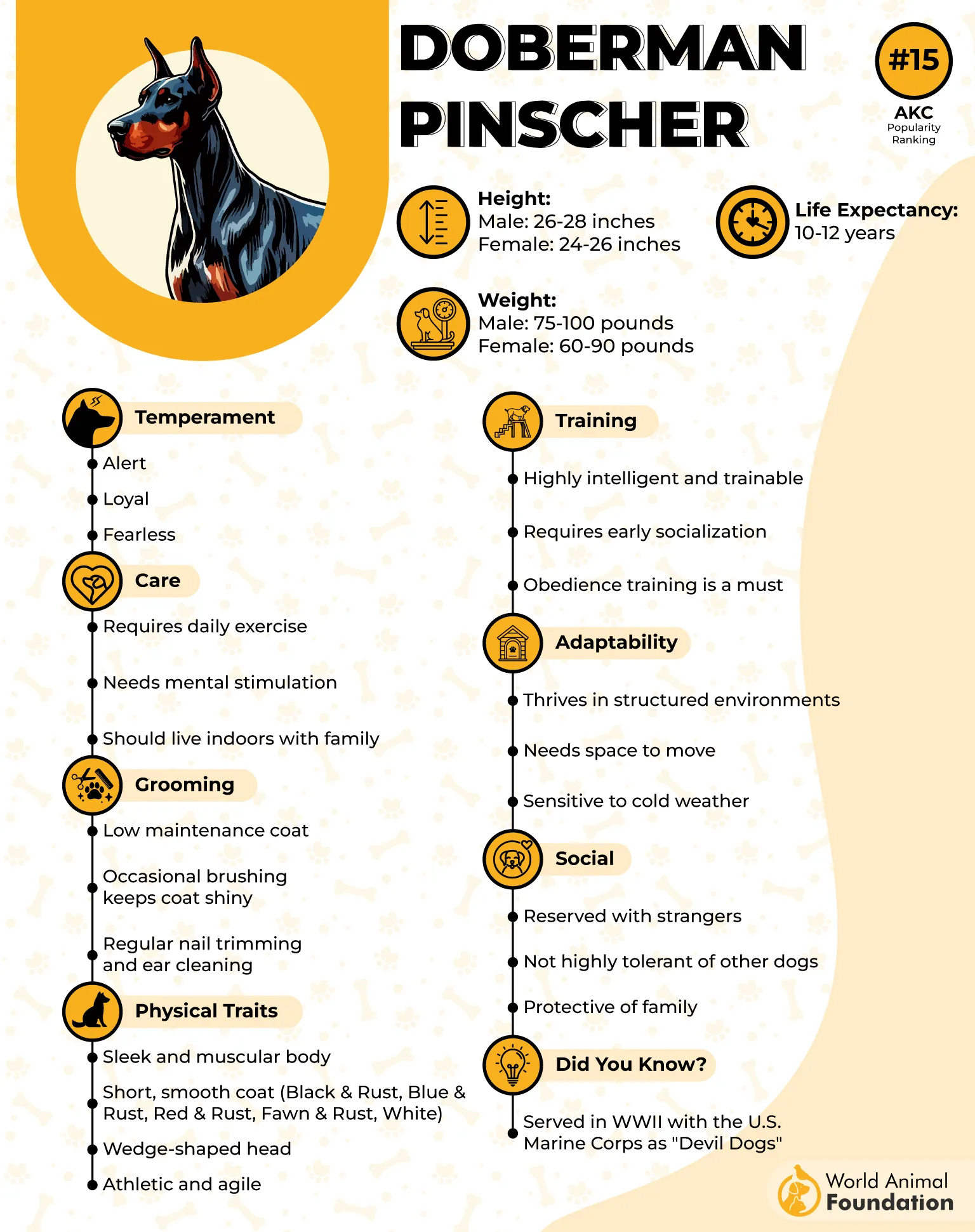
Keep their minds sharp by introducing constant new commands rather than sticking to the basics. These highly intelligent dogs love to figure out fresh instructions and can get stubborn if the curriculum becomes too repetitive.
6. Shetland Sheepdog
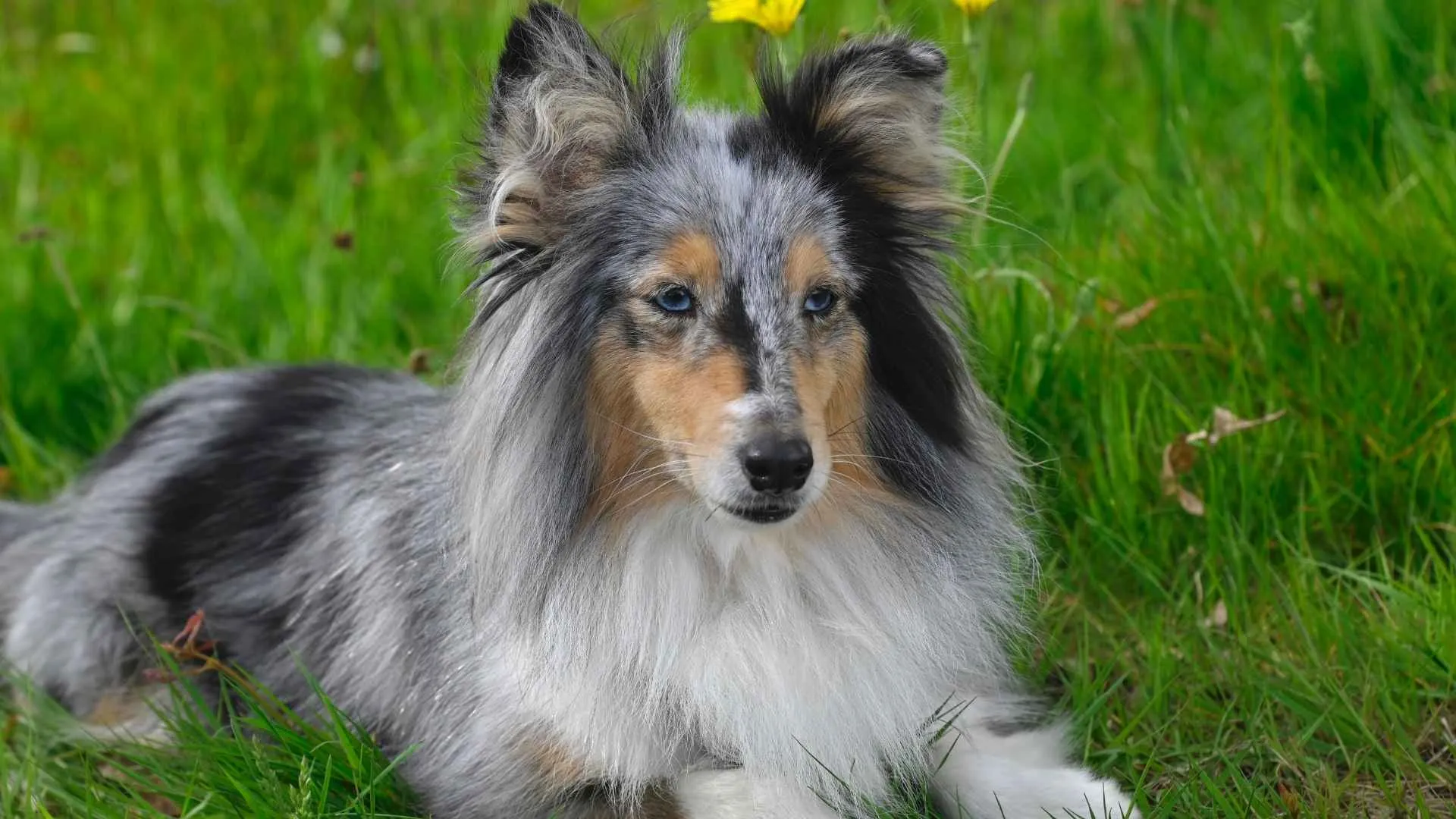
Resembling miniature Collies from the rugged Shetland Islands, these “Shelties” were bred to manage hardy livestock in some of the world’s toughest weather. They are incredibly vocal little characters with expressive faces that seem to understand every word you say. Their long, luscious double coats give them a majestic mane that makes them look like tiny lions.
According to the American Kennel Club, Shelties are among the most intelligent dog breeds; therefore, they are easy to train. To further enhance dogs’ intelligence, let them join competitive rally trials to put their precision and speed to the ultimate test. This dog sport involves navigating a course with instructional signs, which demands total synchronization between you and your pup.
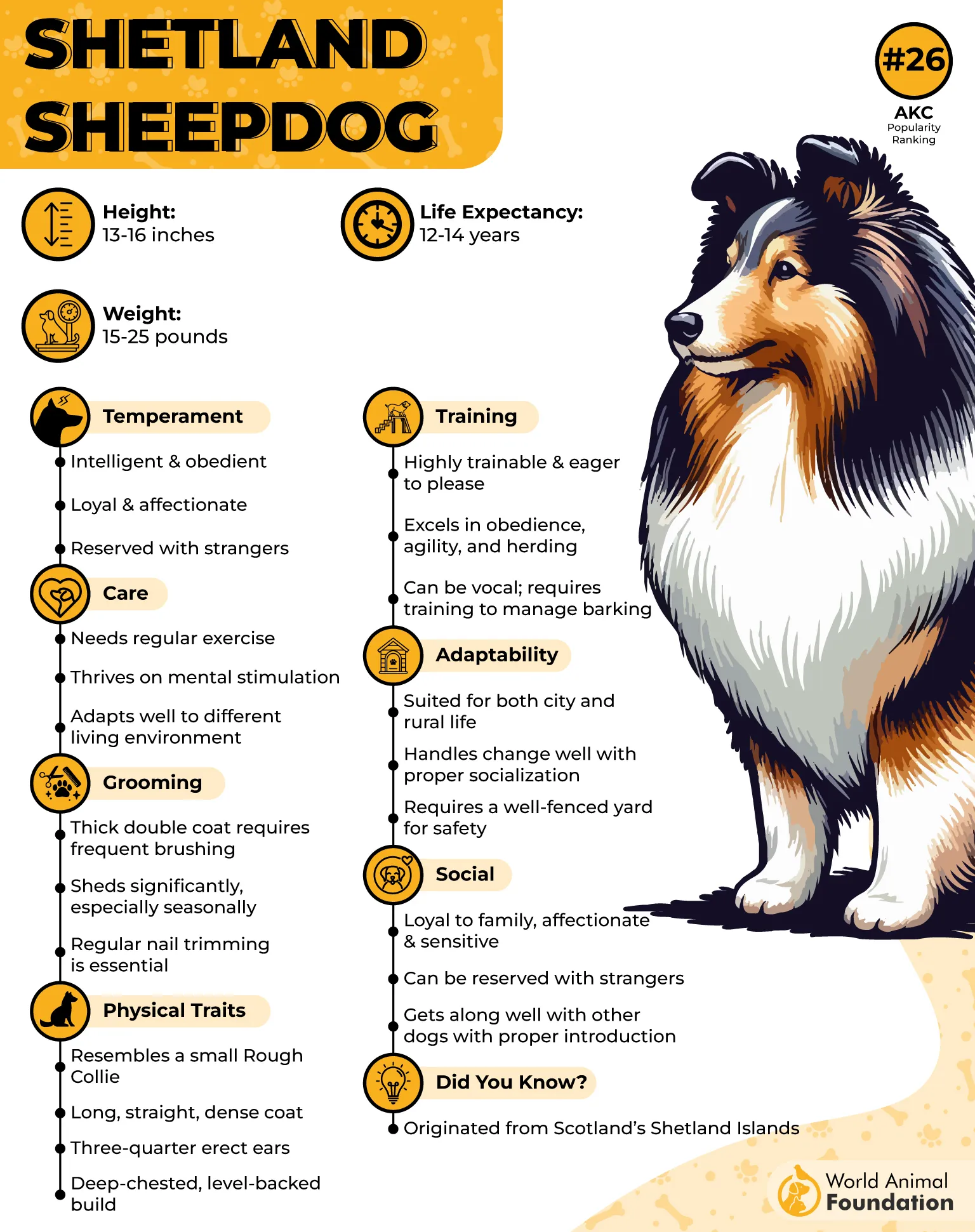
Plus, provide diverse socialization experiences by taking them to new environments and meeting different people regularly. Exposure to various sights and sounds helps manage their natural alertness, ensuring they remain calm and adaptable. A well-traveled Sheltie is a happy one, using every outing as a lesson in curiosity and worldly wisdom.
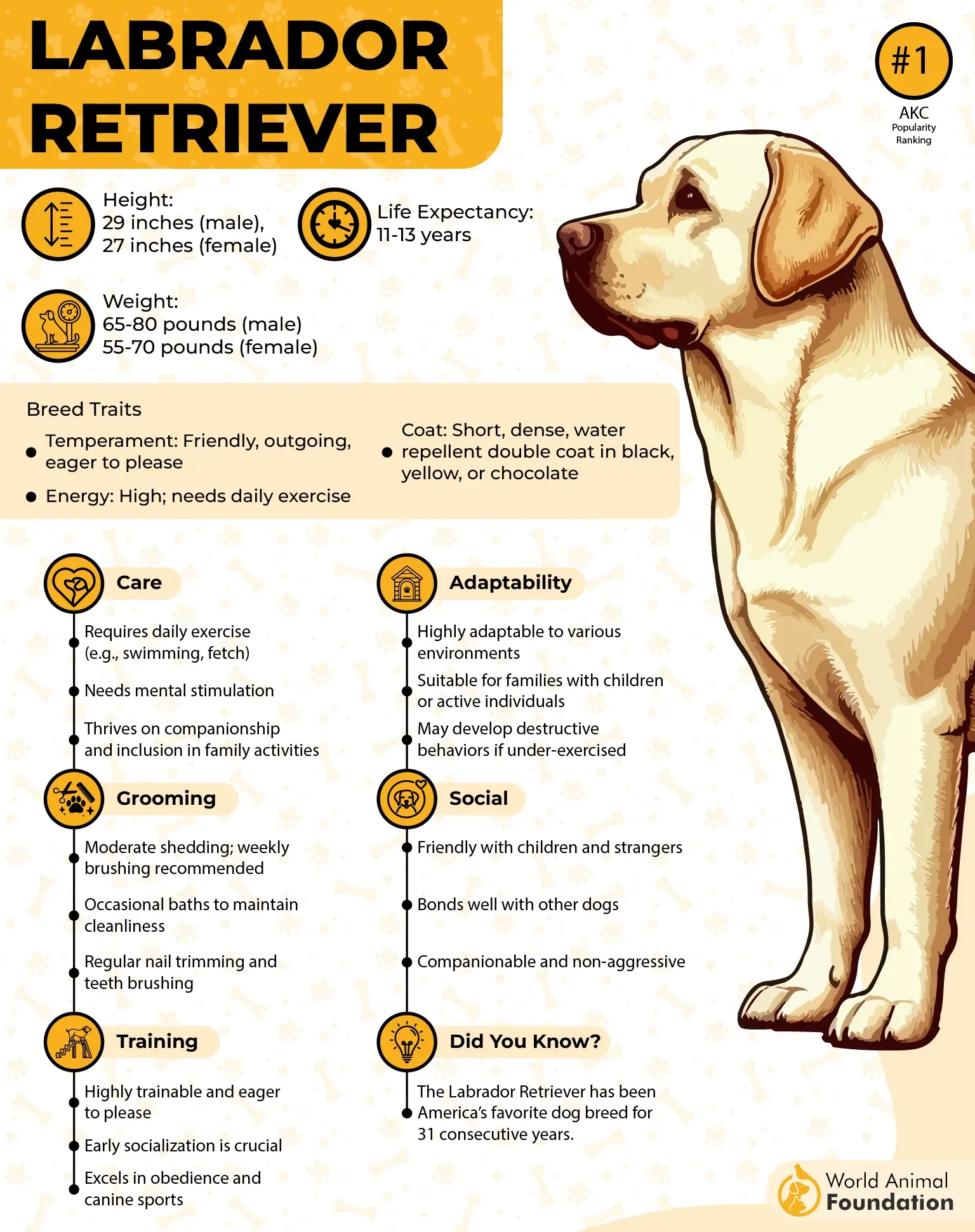
7. Labrador Retriever
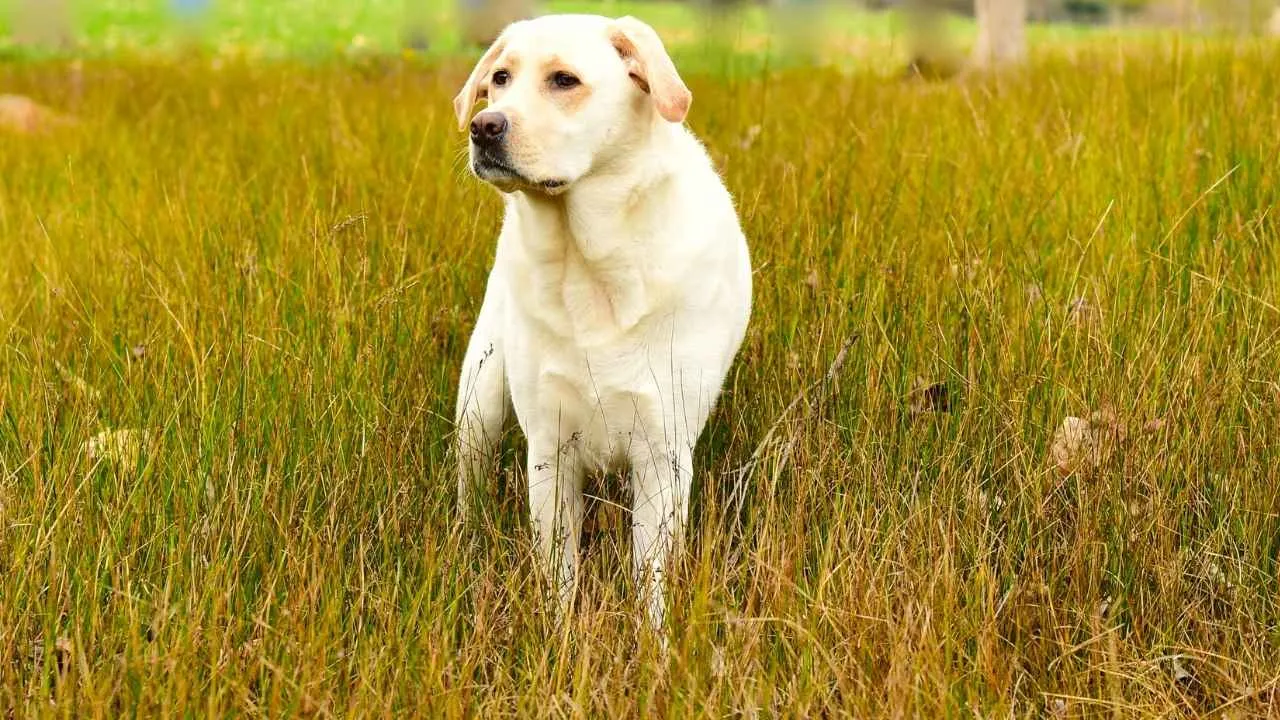
Originally hailing from Newfoundland, these water-loving legends were built to help fishermen haul in nets and retrieve escaped fish. They have waterproof coats and “otter tails” that act as rudders while they swim. They held the title of the most popular dog breed in America for 31 straight years,
Pawlicy Advisor notes that Labs are quite intelligent dogs. That’s why they excel in obedience competitions. However, to truly challenge their mind, integrate service-style task training into your daily life. Teach them to flip light switches, close doors, or help with the laundry.
These helpful behaviors tap into their natural desire to assist and make them feel like an essential part of the household team.
Hide treats for searching to engage their natural foraging instincts right in your living room. This game encourages independent problem-solving and keeps them occupied for long stretches of time. Since they are highly food-motivated, this activity is always a huge hit that sharpens their focus while providing a tasty reward.
Conclusion
Brilliant dog breeds reach their full potential when dog training goes beyond basic commands and focuses on mental growth. Purposeful activities, structured games, and thoughtful challenges help transform raw intelligence into balanced behavior and clear thinking.
Consistent brain workouts such as problem-solving tasks, scent games, and skill-building routines keep learning exciting and meaningful. When dogs stay mentally engaged, they become more focused, responsive, and relaxed in daily life.
By using smart training tips and positive reinforcement in basic obedience training, owners can nurture maximum intelligence naturally. The result is a confident, well-behaved companion who enjoys learning, adapts quickly, and shares a deeper bond with the family.
