





Bringing a dog into your life is an emotional commitment, but it is also a long-term practical decision. The joy of companionship feels effortless in the beginning, yet years down the road, health and longevity shape the real experience.
Some dog breeds are naturally built for extended lifespans and fewer medical complications. They age steadily, resist many inherited disorders, and require less intensive veterinary intervention over time. That resilience does more than protect your finances.
It protects memories, routines, and the quiet comfort of a familiar presence beside you. Long-living, low-maintenance dogs create stability that allows affection to grow without constant worry. Lifespan and healthcare costs are not secondary considerations.
This article explores the top dog breeds recognized for remarkable longevity and comparatively low health expenses, supported by clear reasoning and practical insight for responsible future owners.
Key Takeaways
Choosing a dog is easier when you know which breeds are known for staying healthy well into their teens.
The Chihuahua often reaches 16 years, while the Miniature Poodle and Chinese Crested can stretch that timeline even further with thoughtful breeding and structure.
Australian Shepherds and Shiba Inus add strength and stamina to the picture, proving that resilience is not limited to toy breeds.
As you move through this list, you may find that longevity and manageable care often come down to smart genetics and practical design.
Top Dog Breeds with Remarkably Long Lifespan and Low Health Costs
1. Australian Shepherd
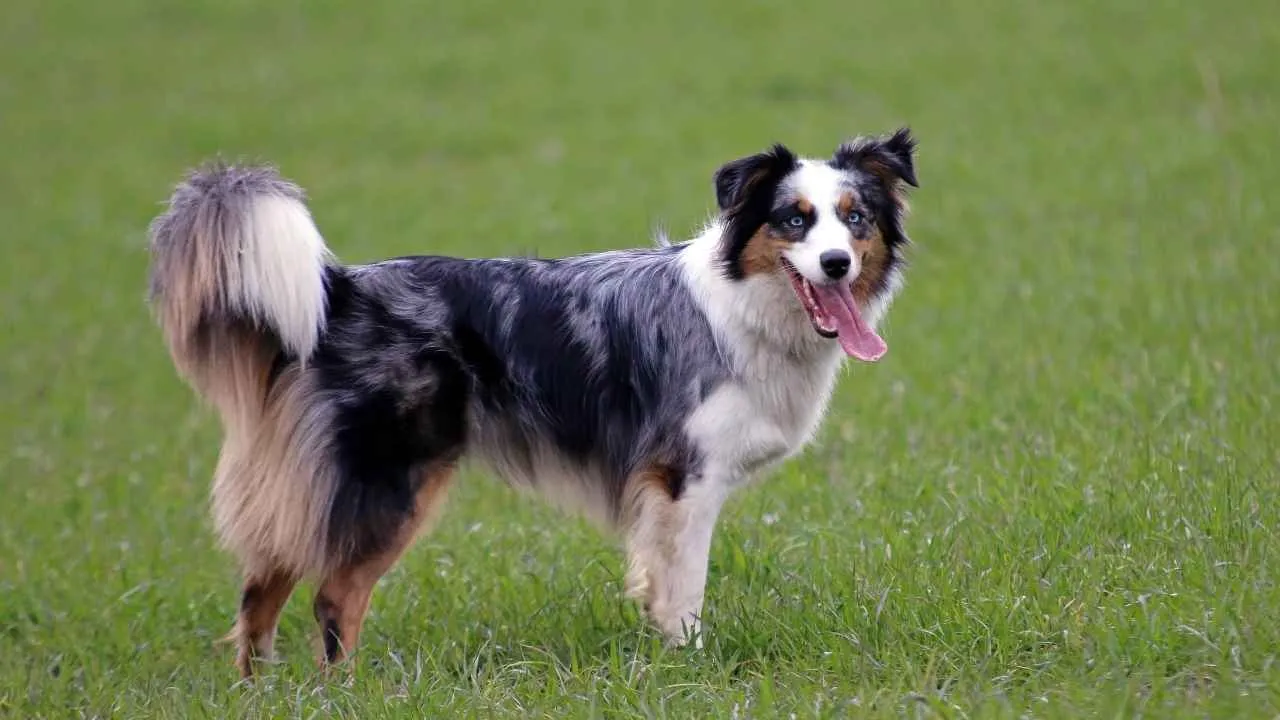
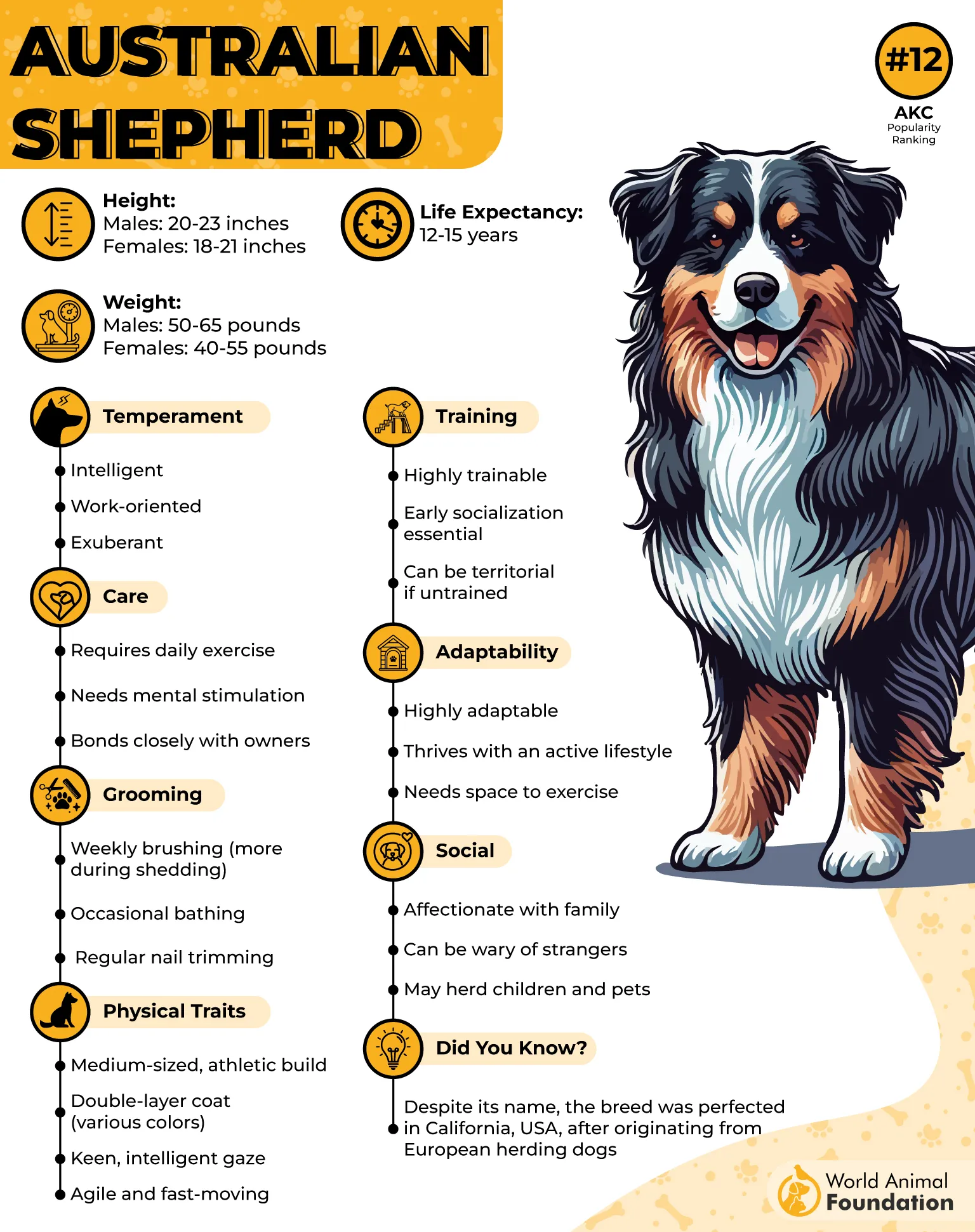
Australian Shepherd was originally bred as a tough ranch partner, refined in California from European roots linked through Australia, as mentioned by the AKC. This medium-sized herder is built lean and agile, shaped by demanding livestock work rather than ornamentation.
Structural Soundness
Australian Shepherd benefits from purposeful breeding focused on stamina and resilience. This contributes to a life expectancy of around 12 to 15 years.
Health stability often depends on responsible screening practices, such as:
Hip dysplasia evaluations
Eye testing for cataracts
Monitoring for epilepsy and certain cancers
Efficient Upkeep
Australian Shepherd is generally robust, which can translate into fewer chronic medical expenses over time. Routine ear checks and consistent dental care help prevent avoidable issues that raise veterinary bills. A well-bred Aussie tends to remain active and serviceable well into senior years.
2. Chihuahua

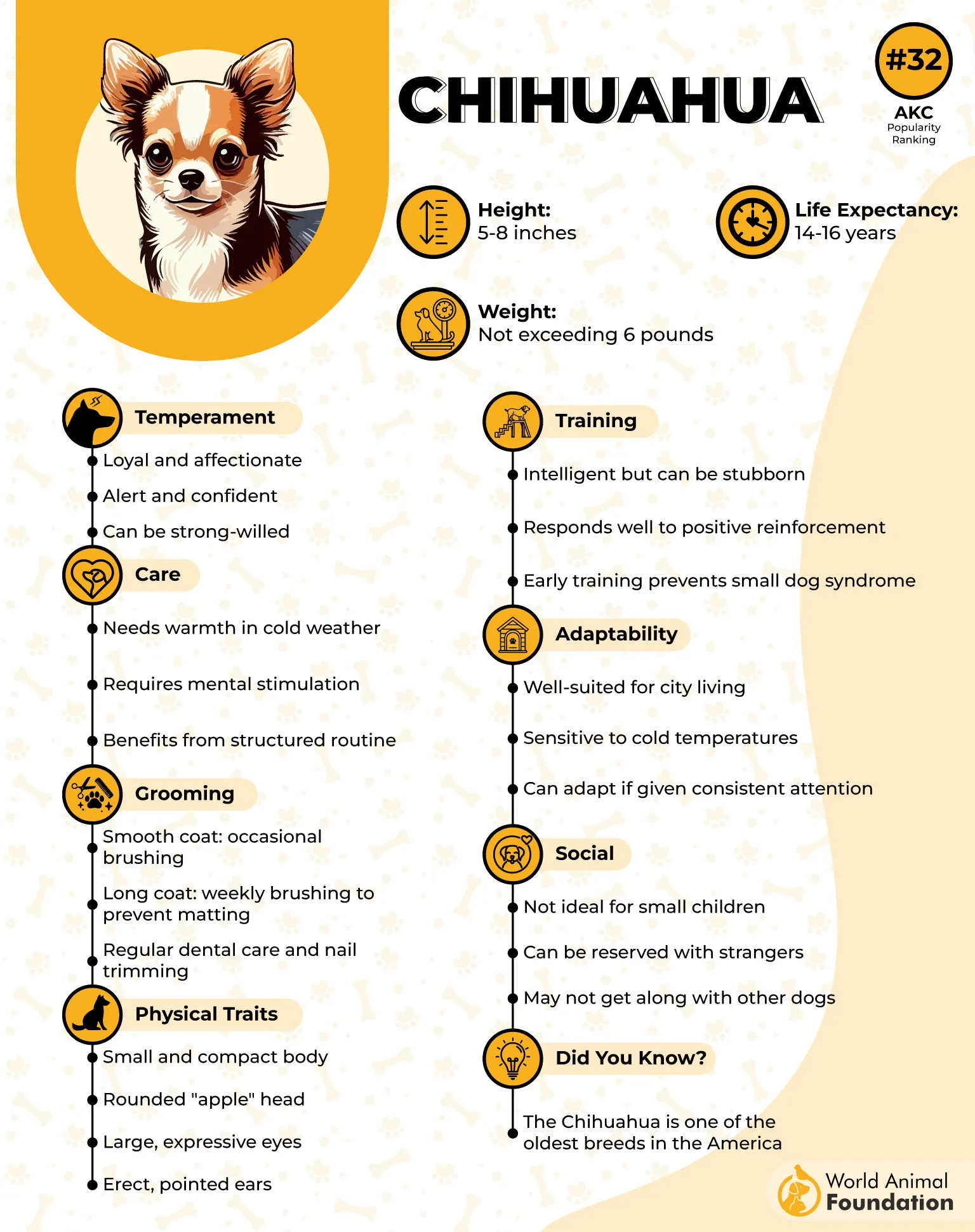
Chihuahua stands among the oldest breeds in the Americas, with ancestry tracing back to pre-Columbian civilizations. This tiny national symbol of Mexico has an average life span of between 14 and 16 years, giving families an unusually long companionship window.
Small Body, Manageable Needs
This small dog breed weighs no more than six pounds, with a distinctive apple-shaped head and expressive eyes that signal alertness. Their size also influences typical veterinary patterns.
Important health considerations of this breed include:
Patent ductus arteriosus and mitral valve disease
Eye conditions
Patellar luxation
Built for Long-Term Companionship
Chihuahua’s terrier-like attitude comes in a lightweight package that adapts well to city living, as per Purina. Their minimal body mass means lower food intake and generally lower routine maintenance expenses. Consistent training prevents behavioral issues that could otherwise complicate daily life.
3. Miniature Poodle
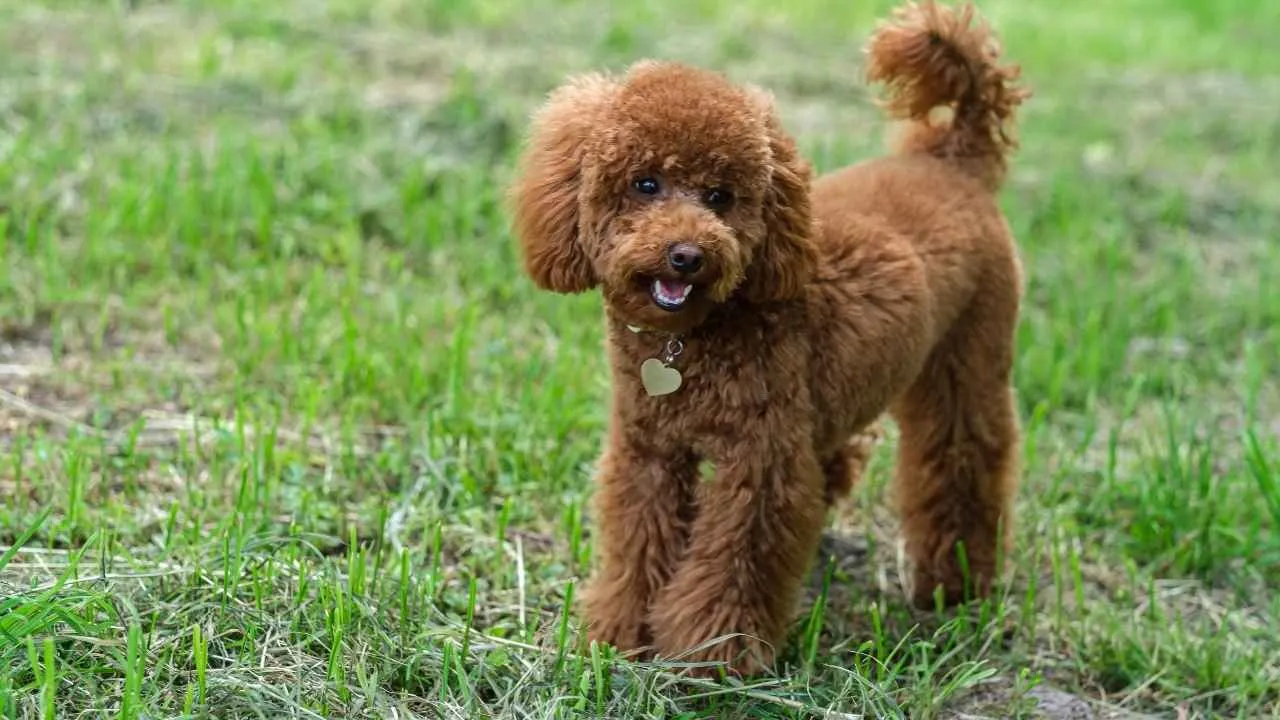
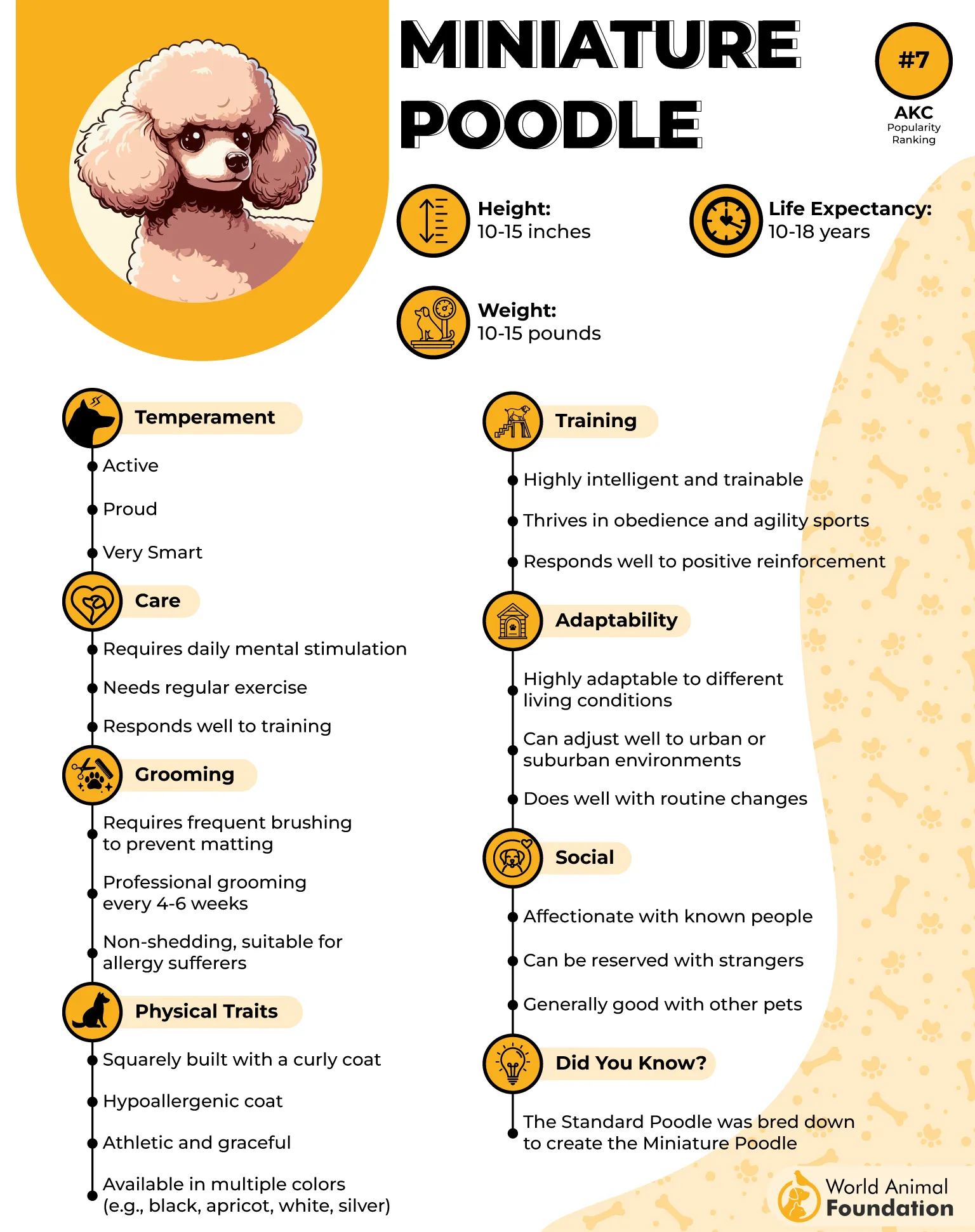
The Miniature Poodle stands out with a proud posture and a balanced, square build that reflects thoughtful breeding. Beneath the dense, curly coat is a smoothly muscled frame built for agility and stamina. This structural soundness plays a quiet role in their extended life expectancy of 10 to 18 years.
Built on Smart Breeding
They benefit from careful health screening programs that protect the line’s long-term stability. Responsible breeding has helped reduce preventable hereditary conditions.
Key areas commonly monitored include:
Hip dysplasia
Eye disorders
Von Willebrand’s disease
Longevity with Structure
Miniature Poodle shares the same proportions as Standard and Toy varieties, maintaining athletic balance in a smaller size. The compact frame supports mobility well into later years. A well-maintained coat clip simply reveals the strong outline beneath.
4. Havanese

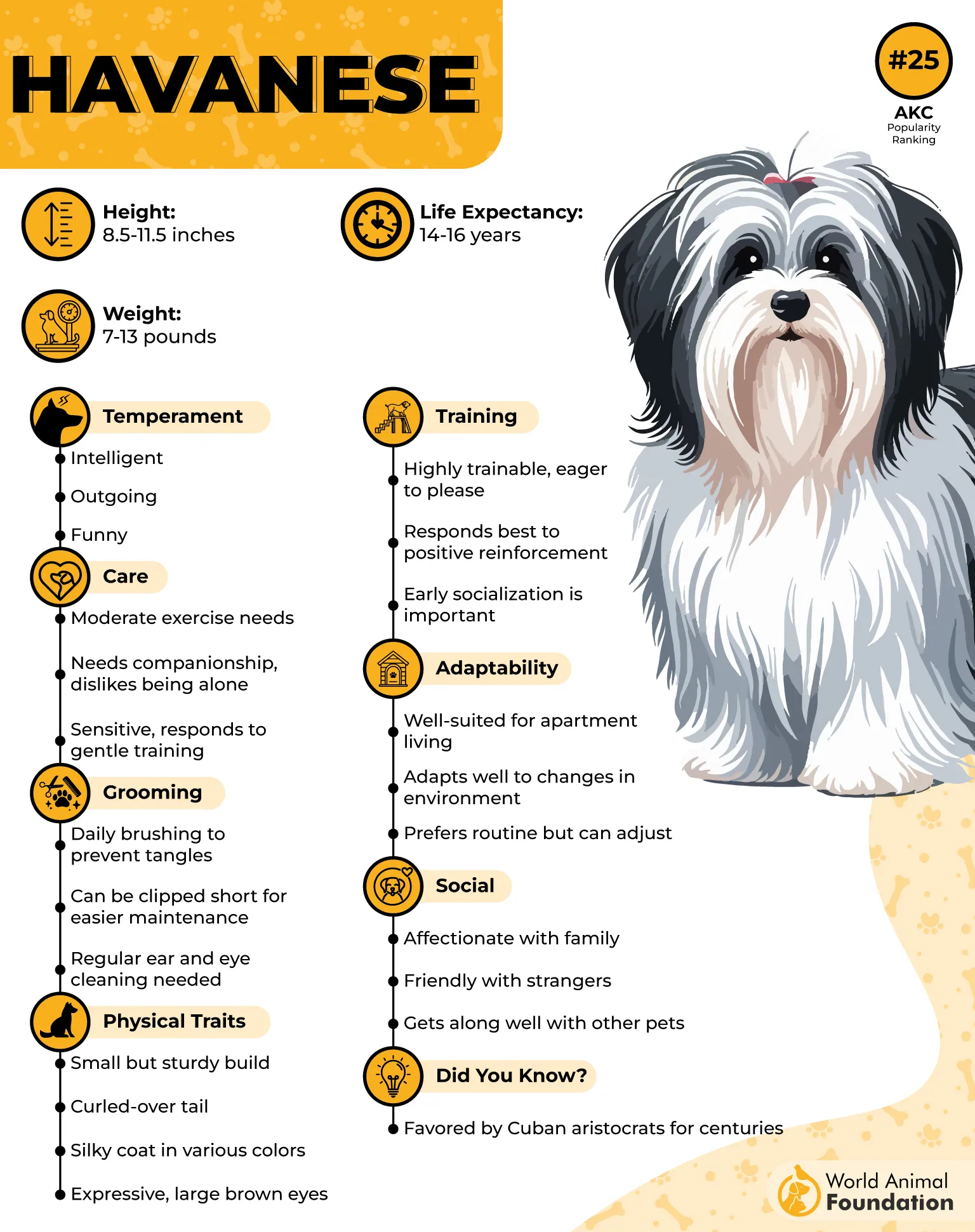
Havanese are the only dog breed native to Cuba and are known for living around 14 to 16 years. Their lively expression and springy movement reflect a sturdy little build designed for companionship. This natural durability contributes to their reputation as one of the healthiest dog breeds.
Practical Traits
Havanese combine charm with structure, featuring a curled tail and a silky coat that comes in many colors. Grooming styles vary, yet their appeal stays intact regardless of length.
Highlights of their lovable nature:
Average lifespan of 14–16 years
Small yet sturdy body
Generally moderate grooming flexibility
Adaptable by Nature
Havanese adjust easily to apartment living thanks to their compact size and social temperament. Their balanced watchdog instinct means they stay alert without constant noise, as stated in Hill’s Pet. That steady behavior often reduces stress-related issues in close living spaces.
5. Chinese Crested
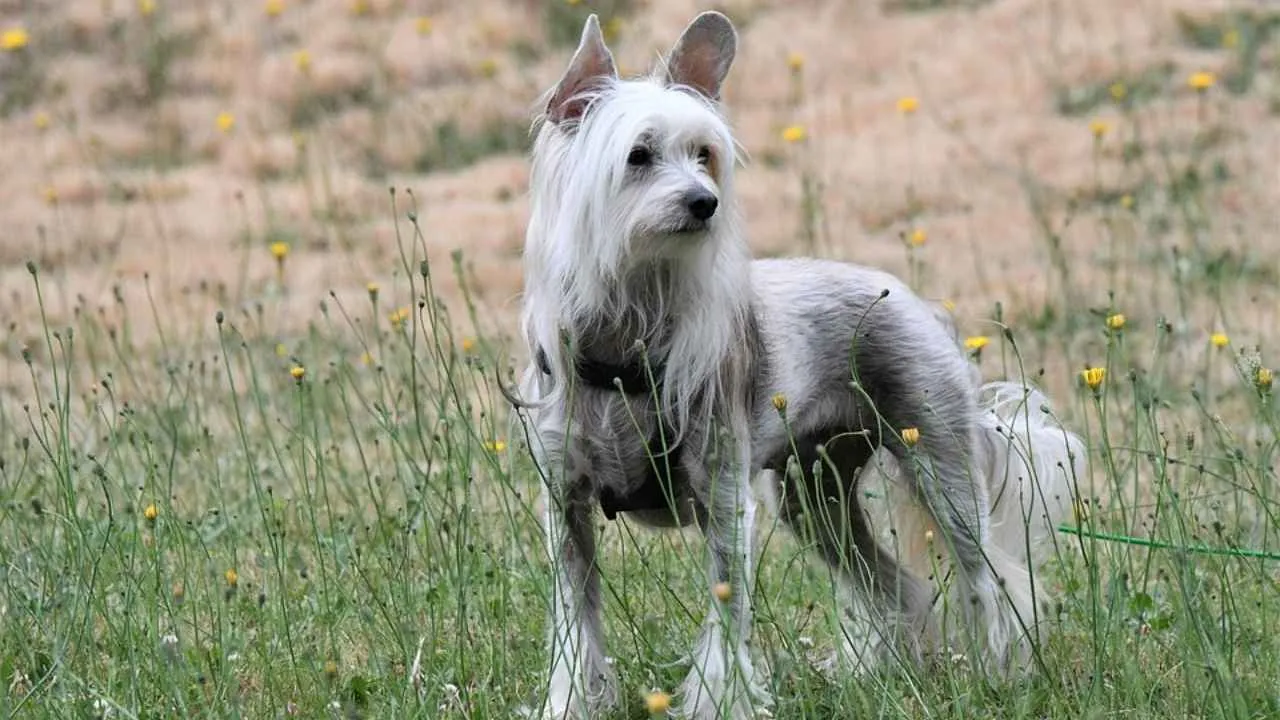
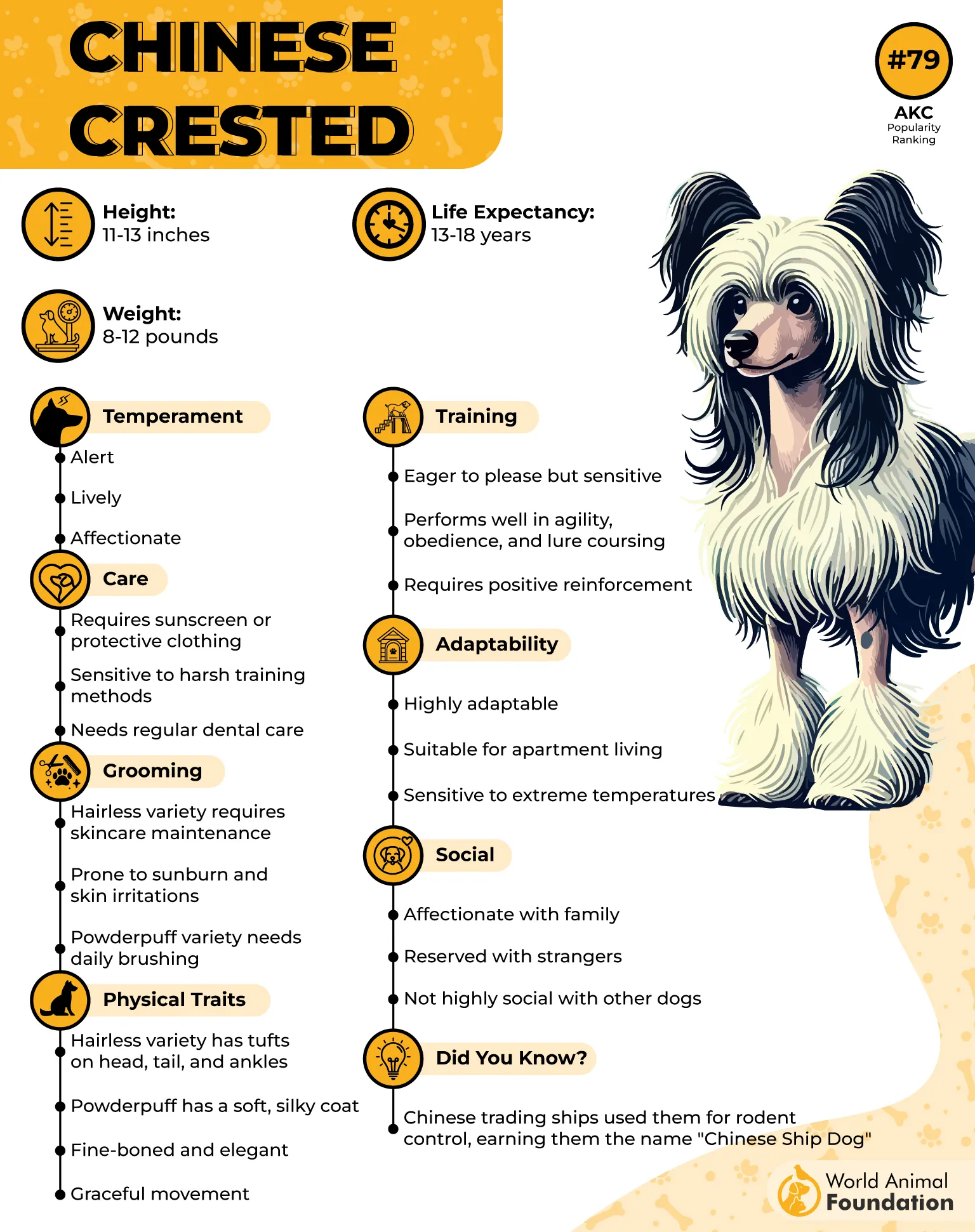
Chinese Crested is instantly recognized with spotted pink skin, a flowing crest, furry socks, and a feathery tail. Beyond appearance, this fine-boned companion is known for an impressive 13 to 18-year lifespan. That kind of longevity makes it a serious contender for households thinking long term.

Built for Low Maintenance Living
This dog comes in hairless and powderpuff varieties, both sharing the same elegant frame and lively spirit. The hairless version offers practical advantages that directly affect upkeep.
A few details of this healthy dog matter here:
Minimal shedding in the hairless type
Little to no dog odor
Compact size that limits strain-related issues
Health Awareness Matters
Chinese Crested breeders routinely screen for inherited eye conditions such as progressive retinal atrophy, glaucoma, and primary lens luxation.
Responsible selection reduces the likelihood of costly long-term treatment. With informed breeding and attentive care, this small dog often enjoys extended, relatively uncomplicated years.
6. Bichon Frise
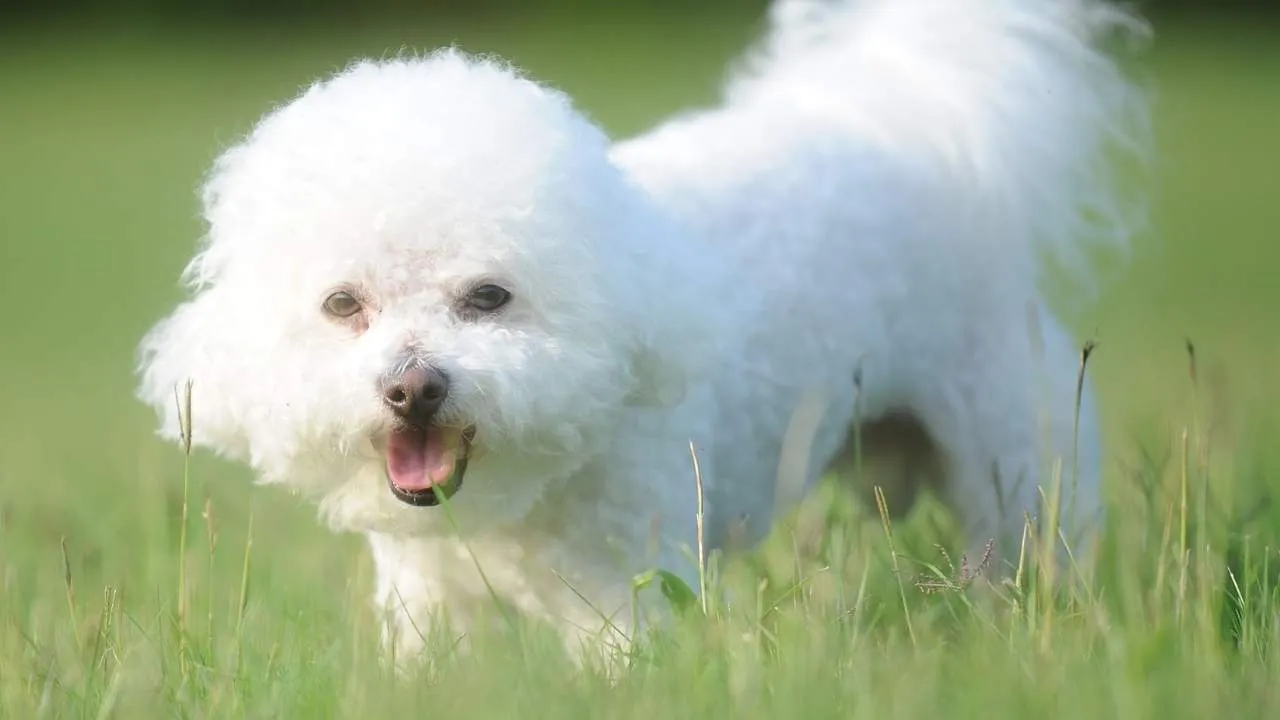
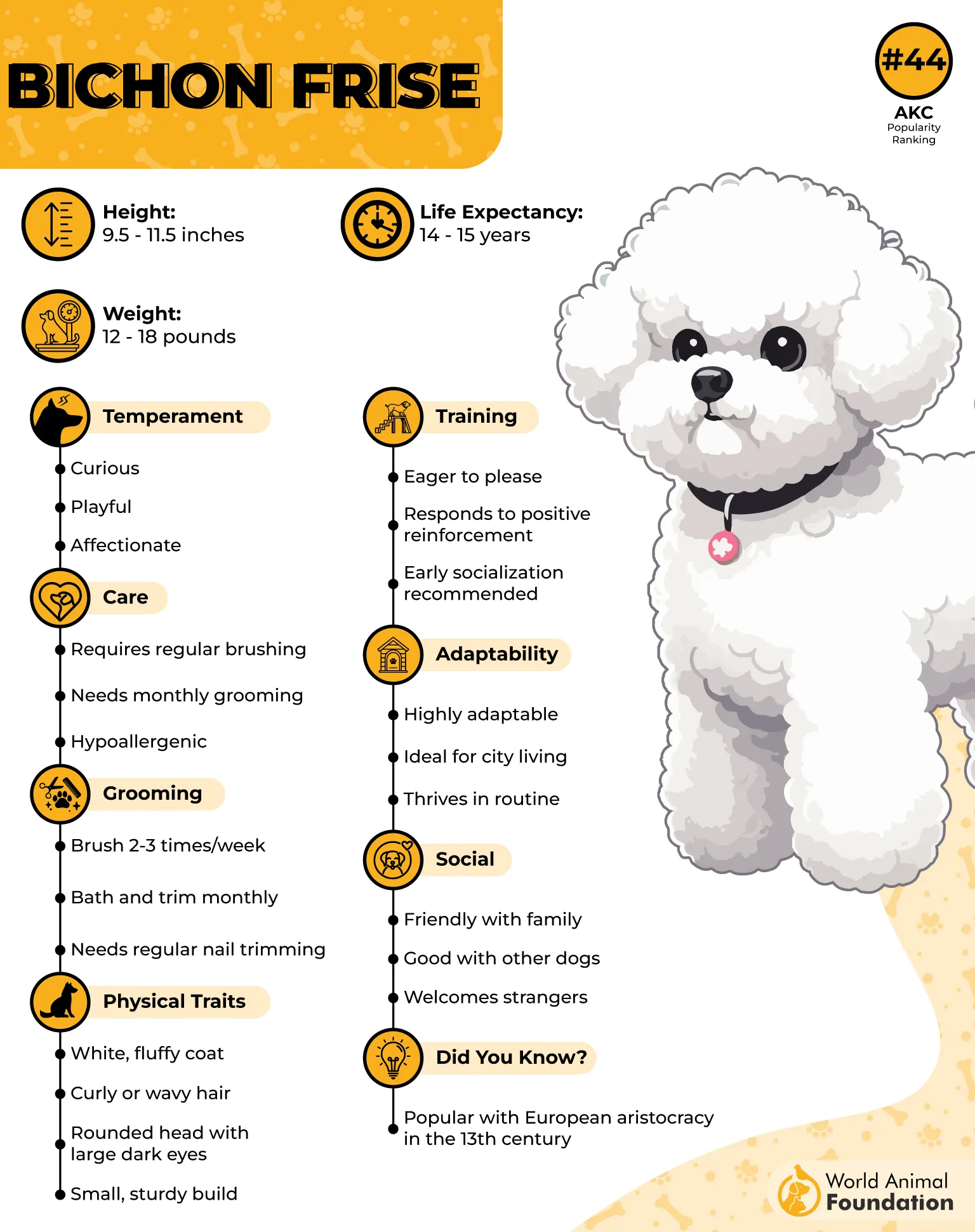
Bichon Frises stand out for living 14 to 15 years, offering long-term companionship in a compact frame. This small yet sturdy dog combines resilience with an upbeat personality that has endured for centuries. Its durability is matched by a lively spirit that keeps households engaged.
Compact and Adaptable
Bichon Frise fits comfortably into city living thanks to its confident size and flexible temperament. The plush white coat and rounded head frame an alert expression that reflects intelligence.
A few traits highlight this balance:
Hypoallergenic, velvety white coat
Friendly with children and other dogs
Naturally alert as a small watchdog
Health Stability
Bichon Frise is generally healthy, with responsible breeding programs screening for allergies, bladder infections, luxating patella, and eye conditions. This proactive approach helps reduce unexpected veterinary expenses over time. A solid structure and attentive care contribute to consistent well-being.
7. Shiba Inu

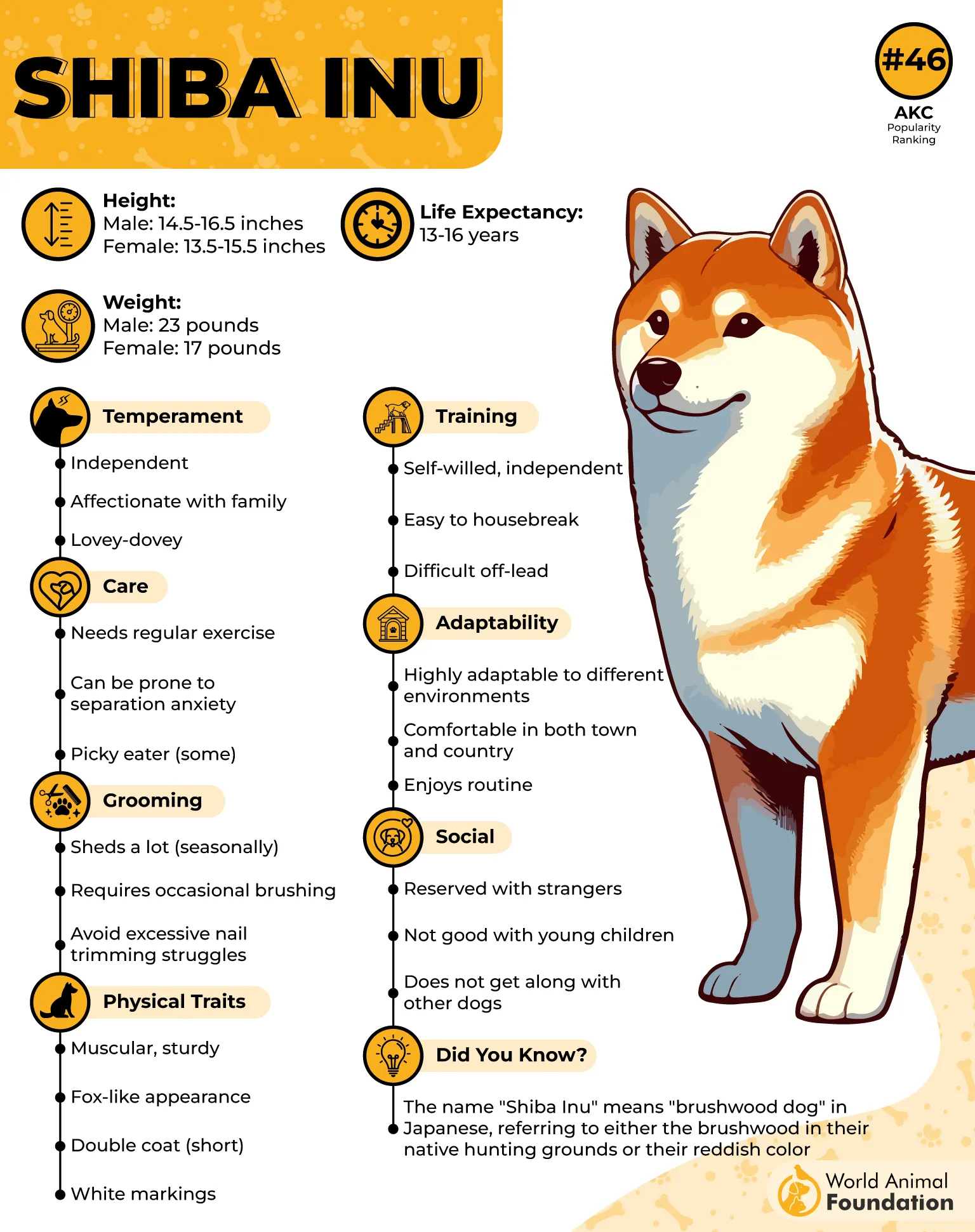
Shiba Inu is an ancient Japanese breed known for a lifespan of 13 to 16 years. Originally developed for hunting, this small yet muscular dog combines stamina with a bold, confident presence. Its long history of functional breeding contributes to its overall hardiness.
Compact Strength
Shiba Inu balances sturdy structure with agility, making it adaptable in both city apartments and rural settings. Their durability and moderate care needs help reduce frequent veterinary interventions.
That physical resilience shows up in everyday life through:
Well-muscled, balanced frame
Efficient, smooth stride
Alert, foxlike expression
Manageable Health Profile
Shiba Inu is generally robust, with allergies being the most common health concern. These typically appear as skin irritation or itching and can often be managed with proper treatment. With attentive care, affected dogs usually continue living comfortably without major disruption.
Conclusion
Choosing breeds with proven longevity offers pet parents more than extended years. It provides steadier canine health, fewer serious health problems, and routines that feel predictable. These dogs tend to age with resilience when given proper nutrition and physical and mental stimulation.
From compact companions to agile herders, each shows that structure and genetics matter. Responsible pet parents who prioritize screening and early care often keep a dog healthy well into the teens. Many also thrive in dog sports or relaxed home life as devoted family pets.
In the end, lasting companionship grows strongest where thoughtful breeding and daily care meet.
