




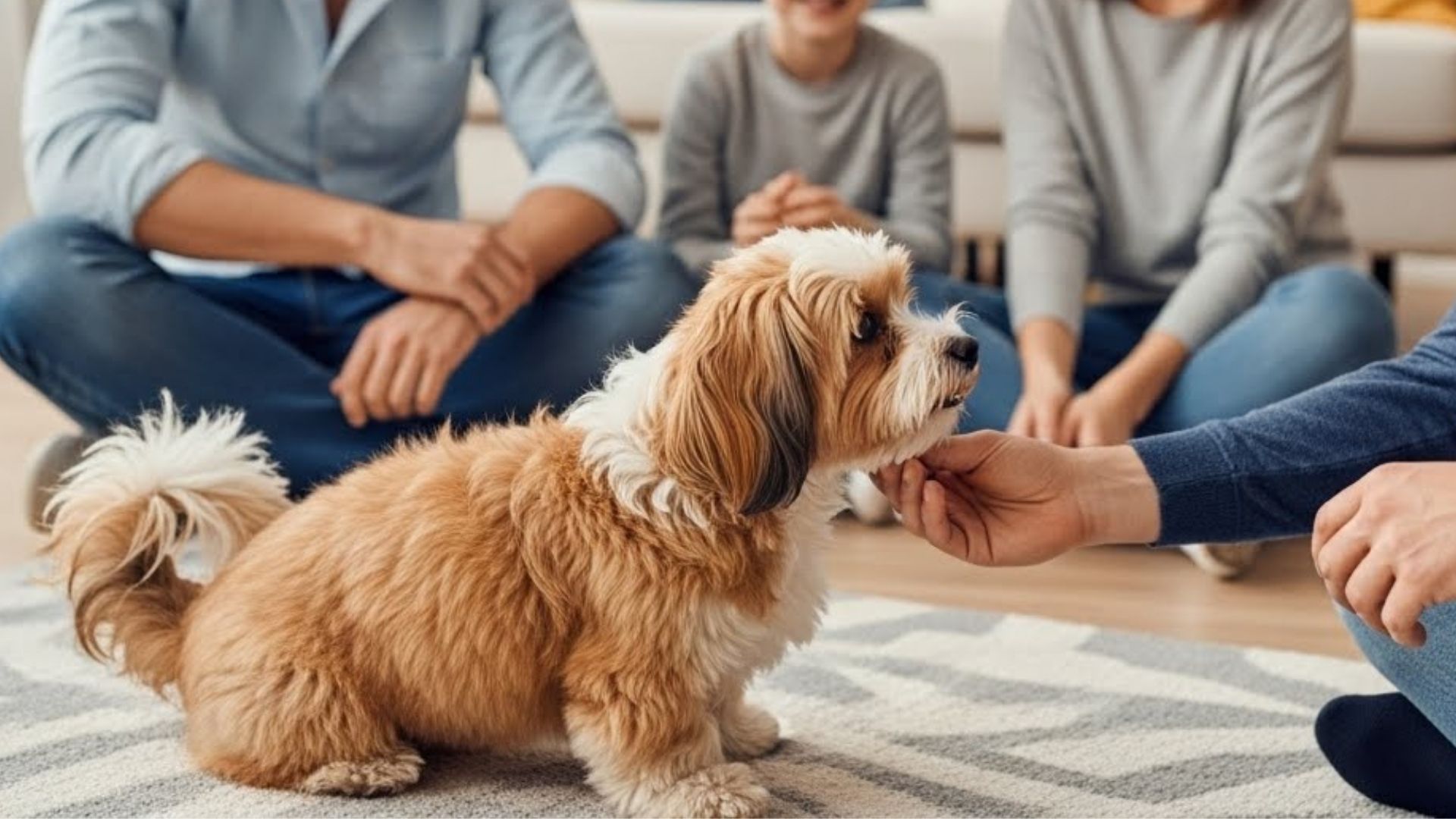
Imagine coming home to a cozy, fur-free space that requires no constant vacuuming or sweeping. For pet lovers who want companionship without the mess, low-shedding dogs are a total game-changer. They bring love, playfulness, and loyalty while keeping your home clean and comfortable.
The American Kennel Club explains that no dog is completely hypoallergenic. Some breeds shed less, which can reduce allergens at home, but all dogs still produce dander and saliva proteins, so reactions vary between people. Choosing a low-shedding breed and keeping up with grooming make living with allergies much easier.
This blog explores the best low-shedding dogs, tips for care, and how to enjoy a clean, happy home with a loving furry friend.
Dog Breeds With Little to No Shedding: Perfect For Families
1. Poodle
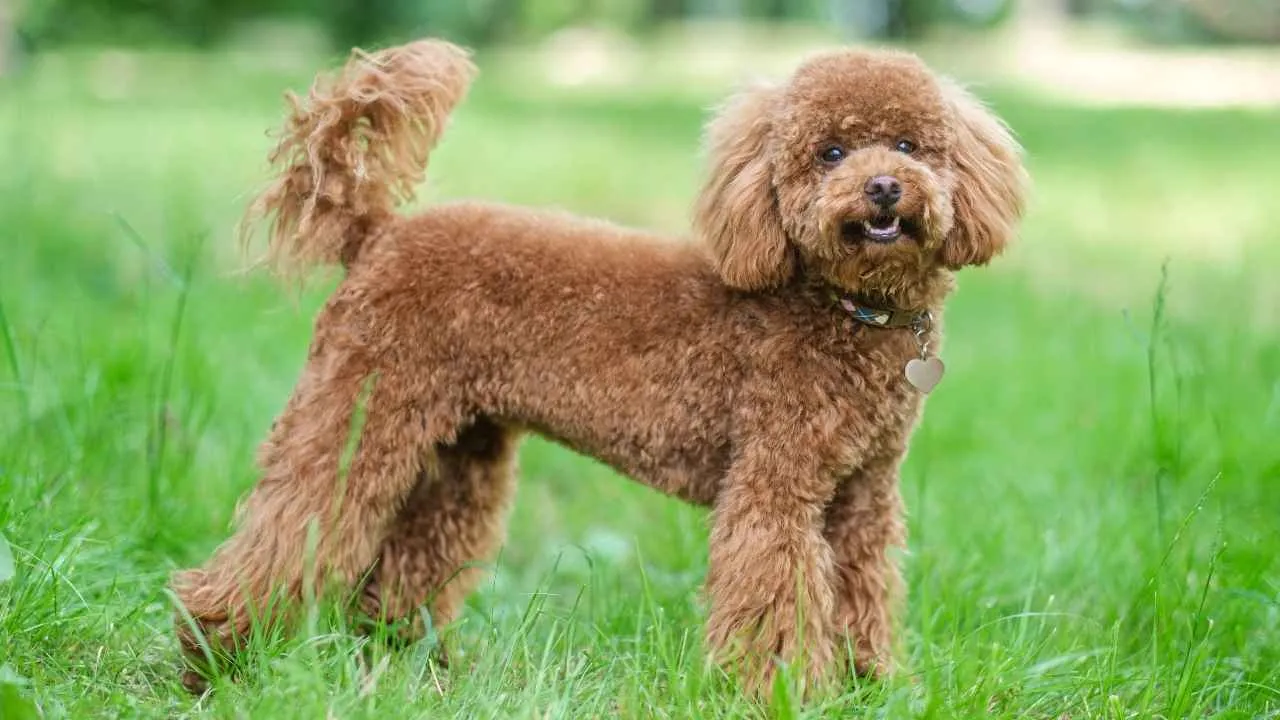
Poodles are brilliant, athletic companions that fit perfectly into active families. Their dense coats feature frizzy curls or long cords, which owners often style into manageable “puppy clips.” This versatility allows for both elegance and practical everyday comfort.
Unlike typical dogs, this breed has hair rather than fur, which makes it a low-maintenance dog breed. Since it grows continuously like human hair, individual strands only fall out occasionally, making them excellent for clean homes.
Even though Poodles are minimal-shedding dog breeds, their curly coats still require diligent upkeep. You should brush Poodles several times weekly to prevent painful mats while keeping their fast-growing hair at a reasonable length. Professional grooming is usually a necessity every six weeks.

Beyond looks, these dogs are playful and remarkably friendly. Poodles generally get along with other household pets and children, proving that intelligence and beauty coexist effortlessly. Their high trainability means they can learn complex tricks, which keeps their sharp minds engaged.
Fact: Poodles also shine as guide dogs, therapy companions, and helpers for people with physical disabilities.
2. Bichon Frise
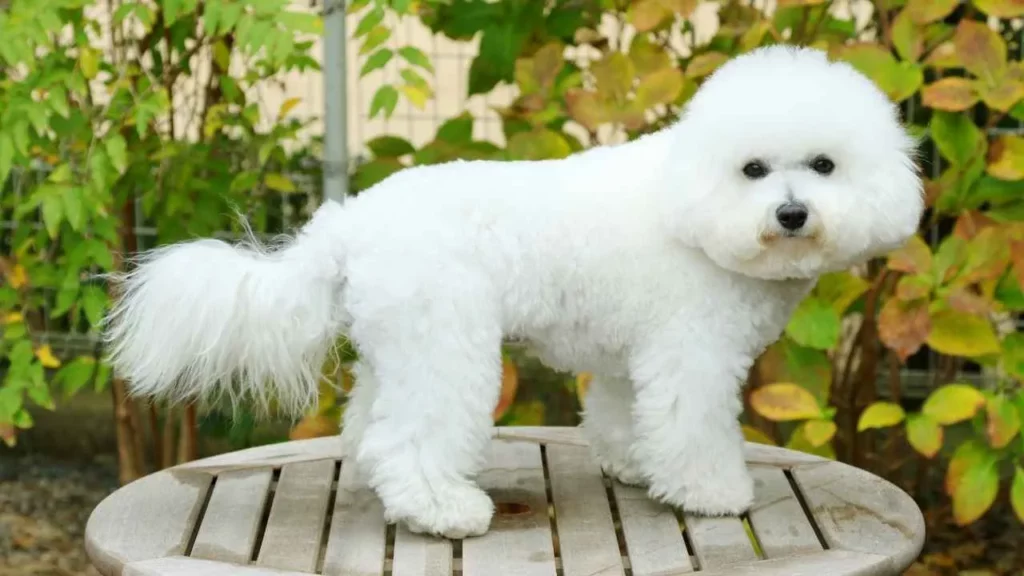
The vivacious Bichon Frise is a cheerful breed that approaches every day with immense joy. These amiable dogs are among the most outgoing companions you could find. They possess a natural ability to brighten any room, radiating pure, unadulterated happiness to everyone.
They make charming partners for people of all ages. Whether you want to play fetch or snuggle on the sofa, they are always ready for interaction. Bichon Frise’s gentle nature makes them particularly well-suited for seniors or young children needing a sturdy playmate.
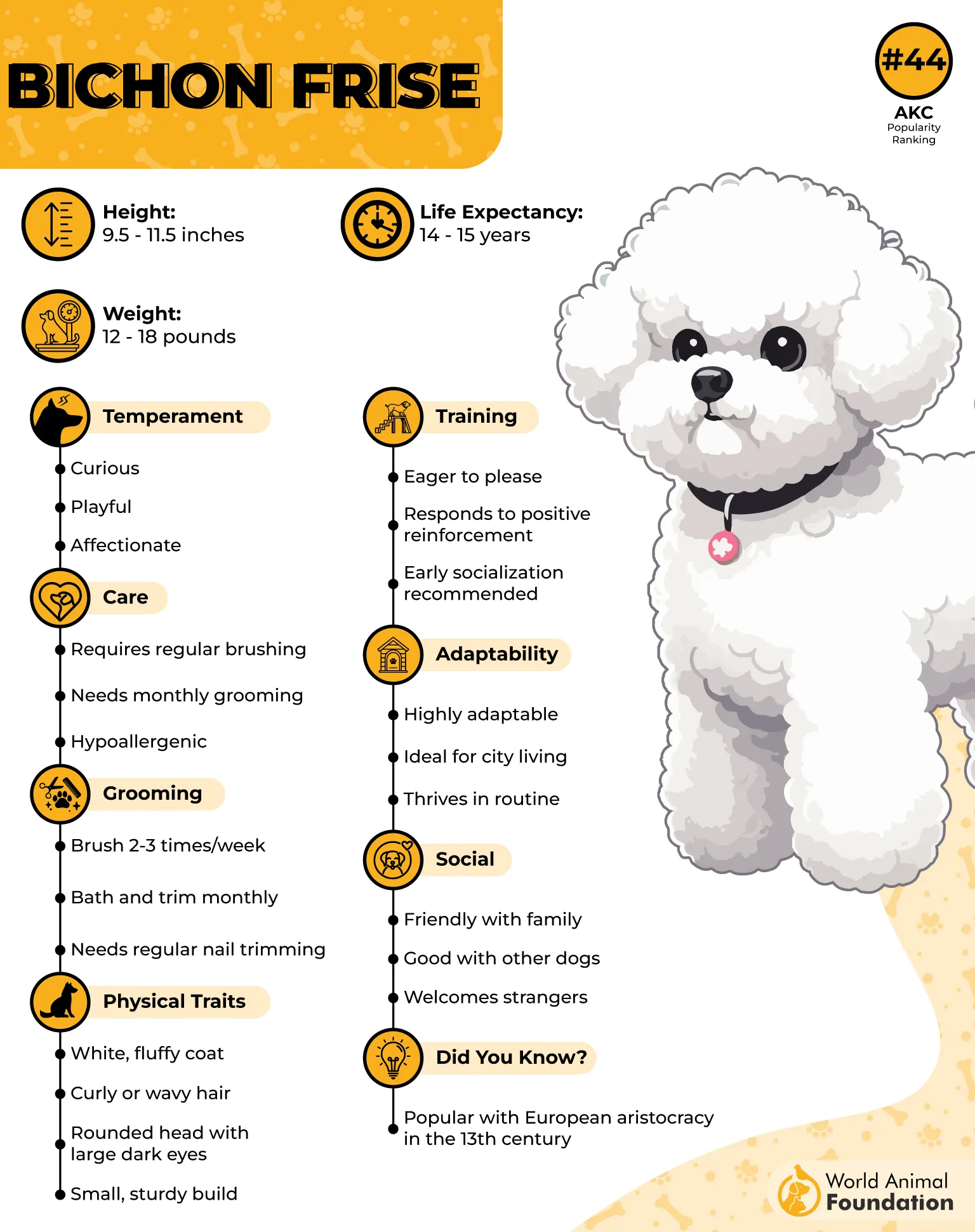
While Bichon Frises are relatively hypoallergenic dogs and shed very little, their white coats are not low-maintenance. They require a specific routine to stay looking their best. Without consistent attention, their beautiful hair can easily become stained or tangled, losing that pristine look.
In addition to daily brushing at home, plan on visiting a professional groomer monthly. Regular baths are essential for maintaining that iconic, soft powder-puff appearance everyone loves. This intensive care ensures that their skin remains healthy and their coat stays velvety soft.
Fact: From Albrecht Dürer to Auguste Renoir, famous artists often included these dogs in their masterpieces.
🎧 Dogcast
Episode 33 — If Dogs Could Talk — “How Dogs Say No”
If you don’t hear sound, tap the button above to enable audio.
3. Maltese
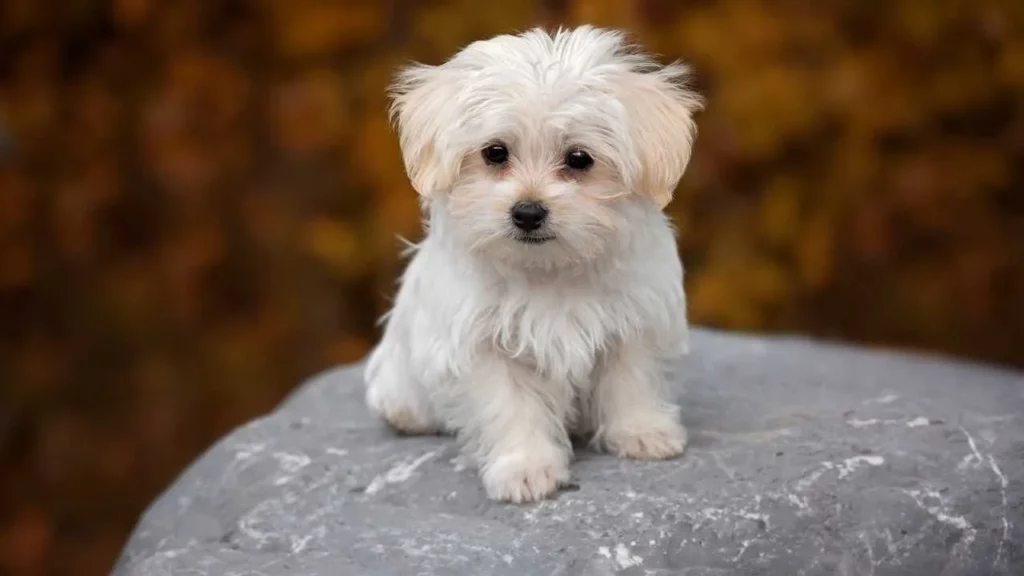
Playful and affectionate, the Maltese has been a prized lapdog for many centuries. Although they possess a high energy level, Maltese dogs don’t need regular exercise to stay healthy. They are content with short walks or indoor play, making them ideal for individuals in urban environments.
Known for being outgoing, these dogs make excellent family pets, as mentioned by PetMD. These family dogs thrive on human connection and bring a sense of elegance to any living room. Because Maltese are so small and portable, they often enjoy traveling with their owners, adapting quickly to new environments.
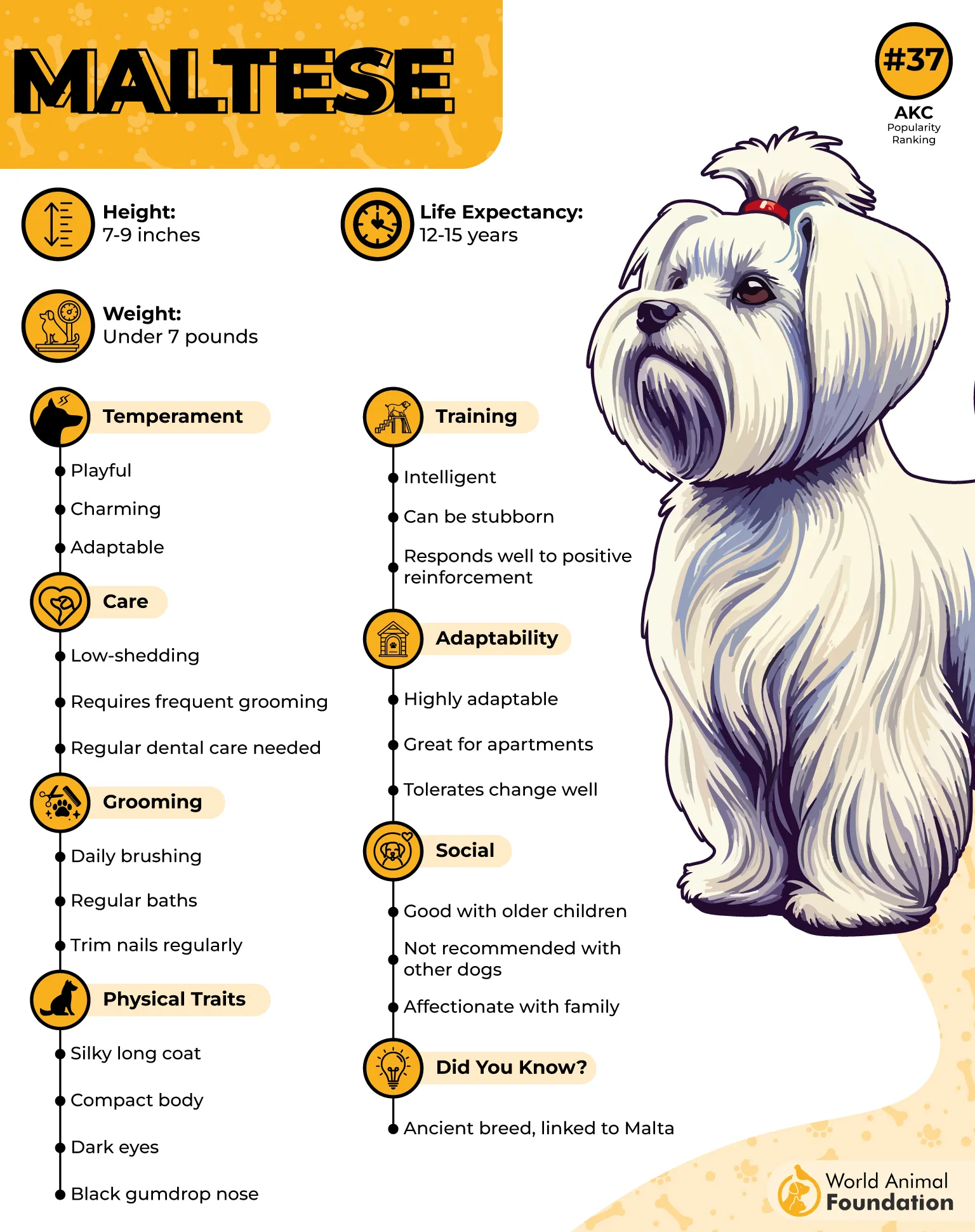
These beauties are famous for long, silky hair that reaches the ground. You will notice a total lack of curls or kinky textures, as their coat remains perfectly flat. This stunning mantle of white hair gives them a regal appearance that has captivated lovers.
Since they are low-shedding dogs, regular grooming is still mandatory. Furthermore, their fast-growing nails need frequent trimming to prevent cracking or discomfort while they run. Taking care of dental health is also important, as small breeds often require extra attention to stay bright.
Fact: Maltese dogs trace their roots back to a Spitz-type ancestor.
4. Yorkshire Terrier
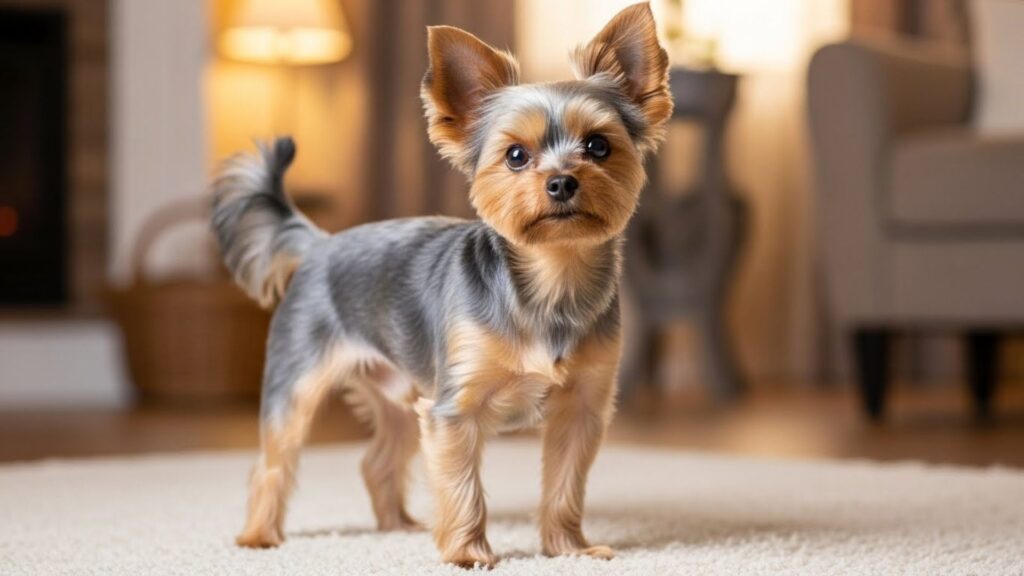
The tiny Yorkshire Terrier, or “Yorkie,” is a spunky and entertaining friend. Long ago, these brave dogs chased rodents in Scottish textile mills before becoming perfect lap dogs. Their transition from hardworking hunters to pampered companions hasn’t dampened their fiery spirit or keen alertness.
They are small but mighty creatures with massive attitudes. These terriers aren’t afraid to stand their ground against larger dogs if they feel the need to be assertive. This “big dog” personality is a hallmark of the breed, often leading them to act as fearless guardians.
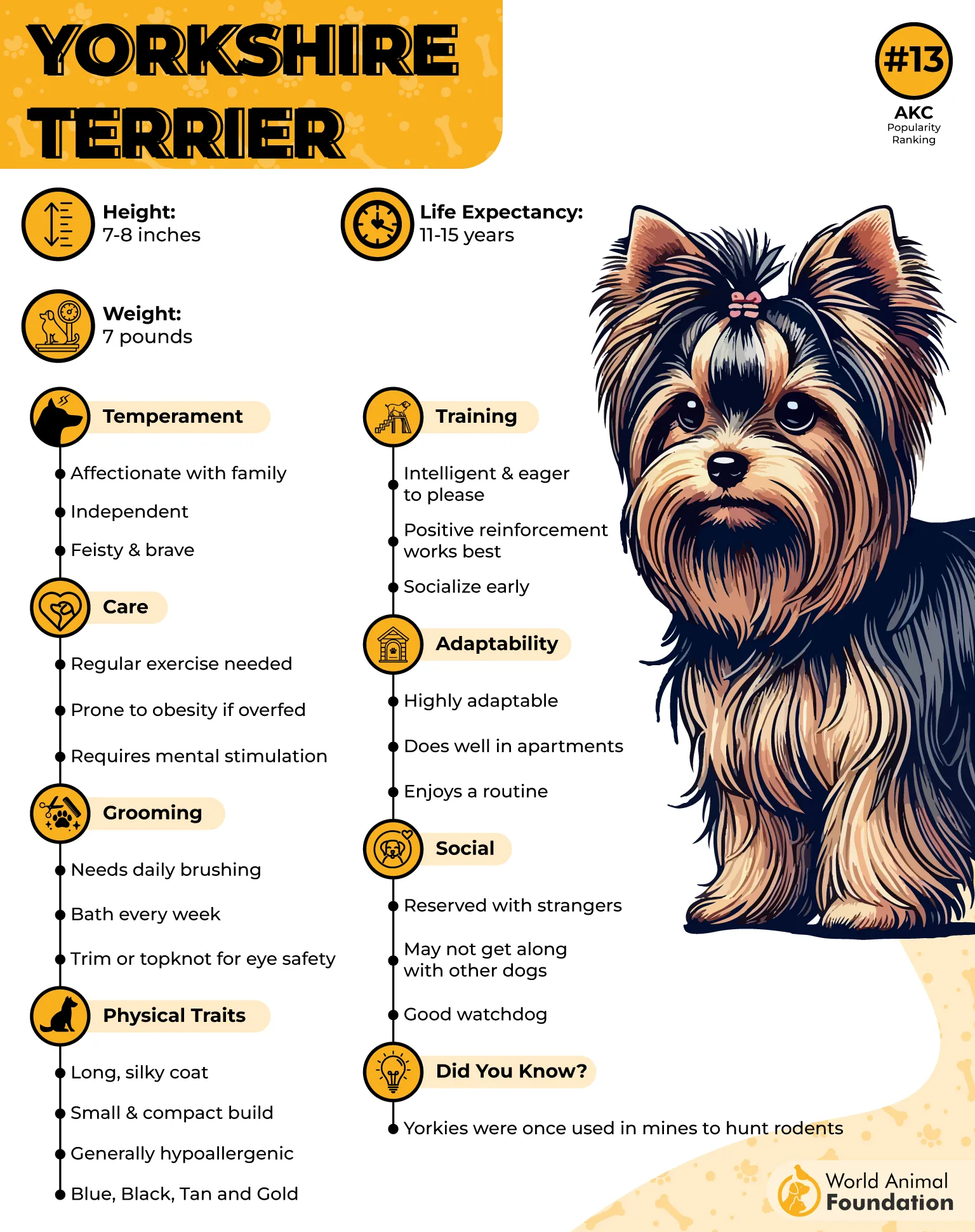
Training can be a challenge because Yorkies are famously stubborn. Consequently, you must use reward-based techniques and plenty of patience to teach them new rules. Consistent positive reinforcement works wonders, helping to channel their high intelligence into useful behaviors and impressive tricks for guests.
Yorkies are considered a low-shedding breed because they possess hair instead of fur. Since they lack an undercoat, hair loss is minimal, which is fantastic news for allergy sufferers. Their hair is similar to ours, requiring regular washing and conditioning to keep it shiny and healthy.
Fact: A Yorkie was among the most famous dogs of World War II.
5. Shih Tzu
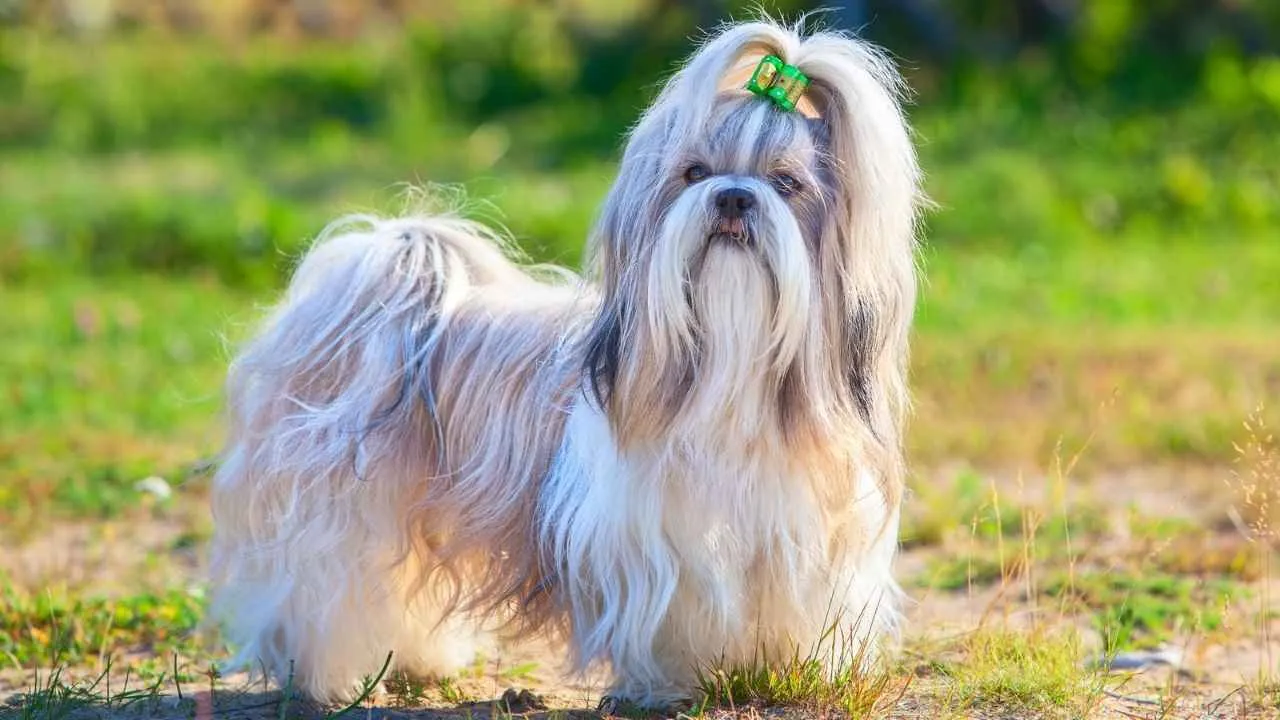
Despite a name meaning “little lion,” the playful Shih Tzu is a lover rather than a fighter. Originally bred for Chinese royalty, these small dogs live to be cherished. They carry themselves with noble dignity, yet they are always ready to drop the act for belly rubs.
They are remarkably friendly and usually bond well with children. Shih Tzu enjoy any activity, from hiking in local parks to simply lounging on a warm lap. Their adaptable nature also makes them a blessing for first-time dog owners.
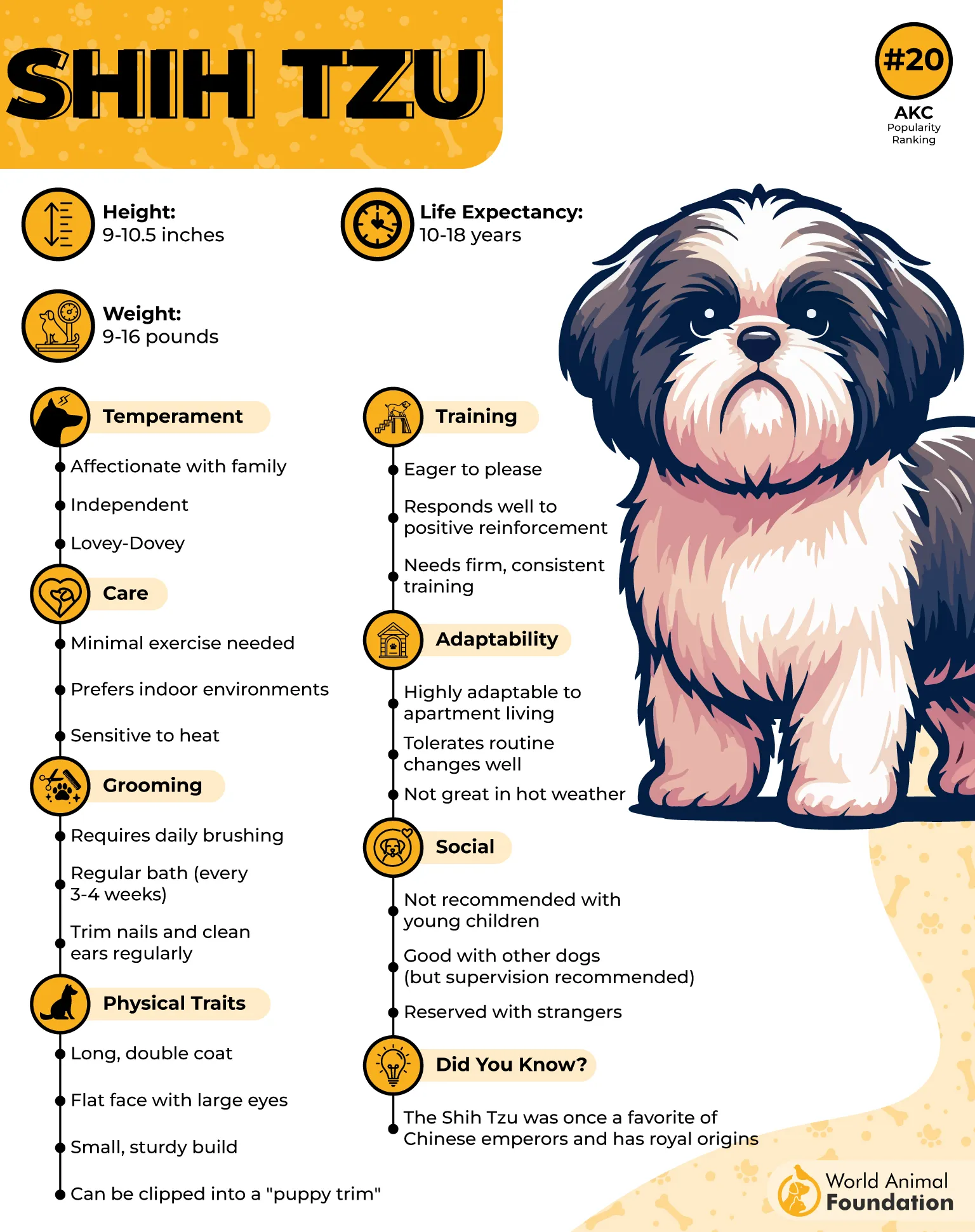
Shih Tzus possess a double coat that requires significant grooming effort. If you keep your hair long, you have to do regular brushing to prevent tangles or a messy disaster. Many families choose a “teddy bear cut” to keep things simple, emphasizing their cute facial features.
These dogs have human-like hair that sheds daily. However, the long strands get caught within the coat instead of falling on the floor, meaning they only come out during grooming. This makes the Shih Tzu a clean choice, though you must be diligent about removing trapped hair.
Fact: The Shih Tzu breed is over 1,000 years old, making it one of the world’s oldest recorded dog breeds.
6. Basenji
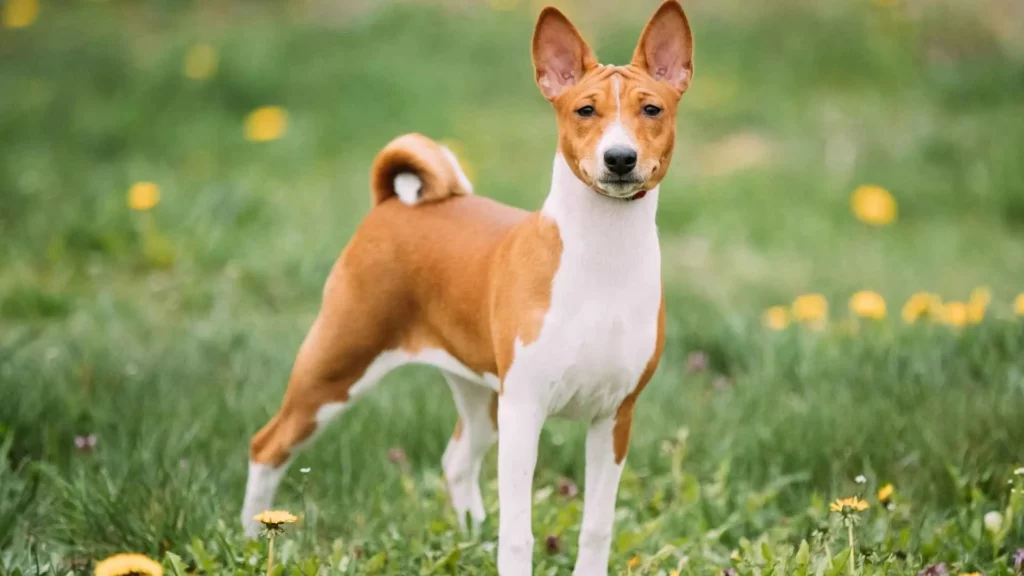
The Basenji is an ancient hunting dog from Central Africa that uses both sight and scent. This unique heritage makes them independent, alert, and fascinating to observe. They possess an adventurous spirit and a sharp intellect that requires regular mental stimulation to keep them from boredom.
Hills Pet writes that these dogs sport a short, fine, low-shedding coat that comes in striking colors. The hair feels sleek and adds to their elegant, athletic silhouette as they move. Because their coat is thin, they are sensitive to cold weather and often enjoy wearing stylish sweaters during winter.
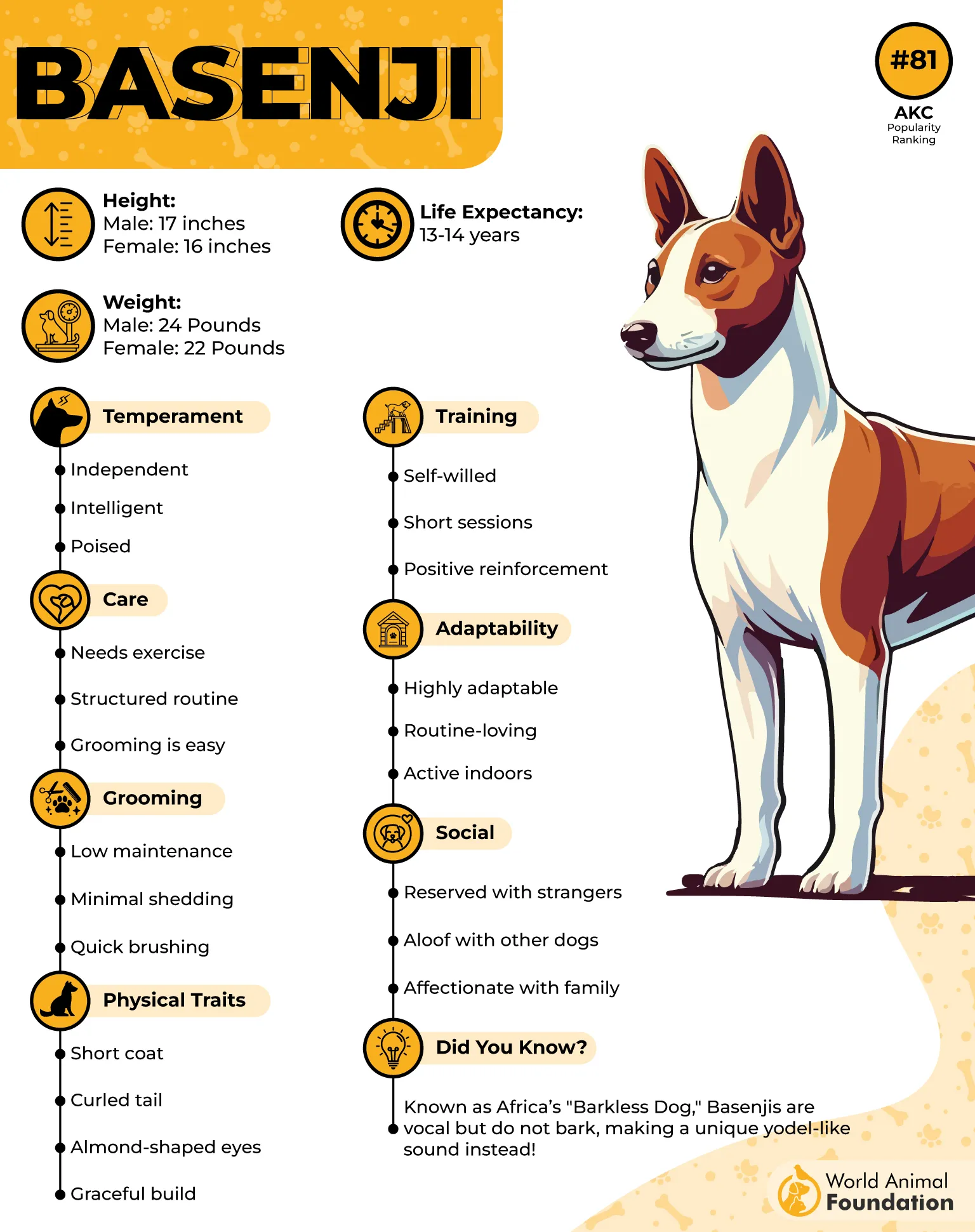
Similar to cats, Basenjis keep themselves incredibly clean. While they do shed a tiny bit, the hair is so fine that you will barely notice it compared to others. These low-maintenance dog breeds lack the typical “doggy odor,” making them pleasant-smelling breeds to share your couch or bed.
Finally, Bsenjis have a calm demeanor and are famous for being barkless. Instead of traditional barking, they produce unique yodels and musical vocalizations that are sure to start conversations. This unusual trait, combined with their quiet household demeanor, makes them a gentle companion for patient owners.
Fact: Basenjis arrived in England in the 1890s, but a distemper outbreak soon wiped out most of them.
7. Havanese
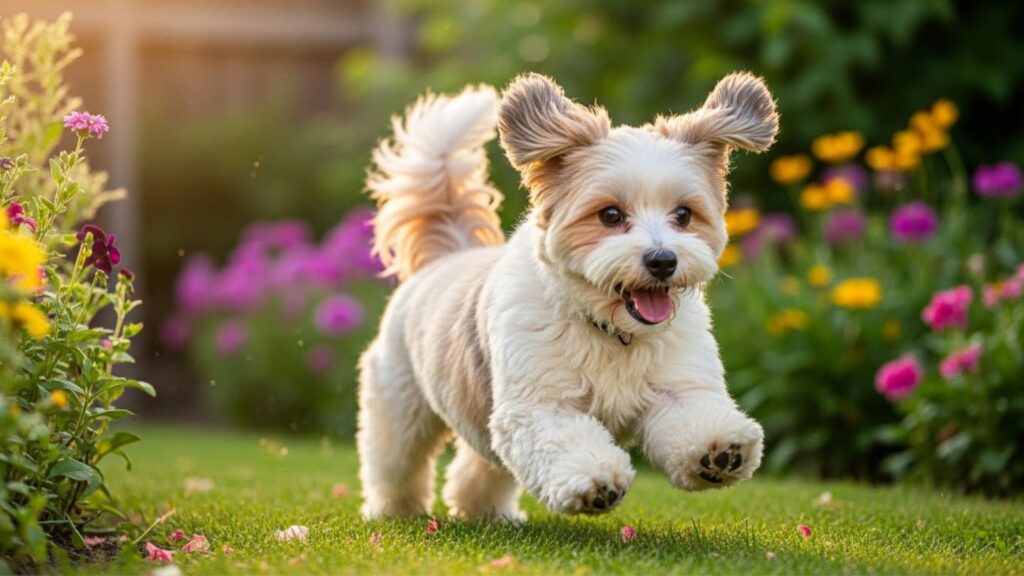
The Havanese is a small Cuban treasure with a rounded face and floppy ears. These intelligent dogs can be easily trained and possess a low drive for chasing prey. Their eager-to-please attitude makes them stand out in obedience training, as they truly enjoy the challenge.
These small dogs are exceptionally friendly and love being around people constantly. This affectionate temperament makes them wonderful companions for families with younger children who enjoy a playful pet. Havanese are often referred to as “velcro dogs” because they prefer to stay right by your side.
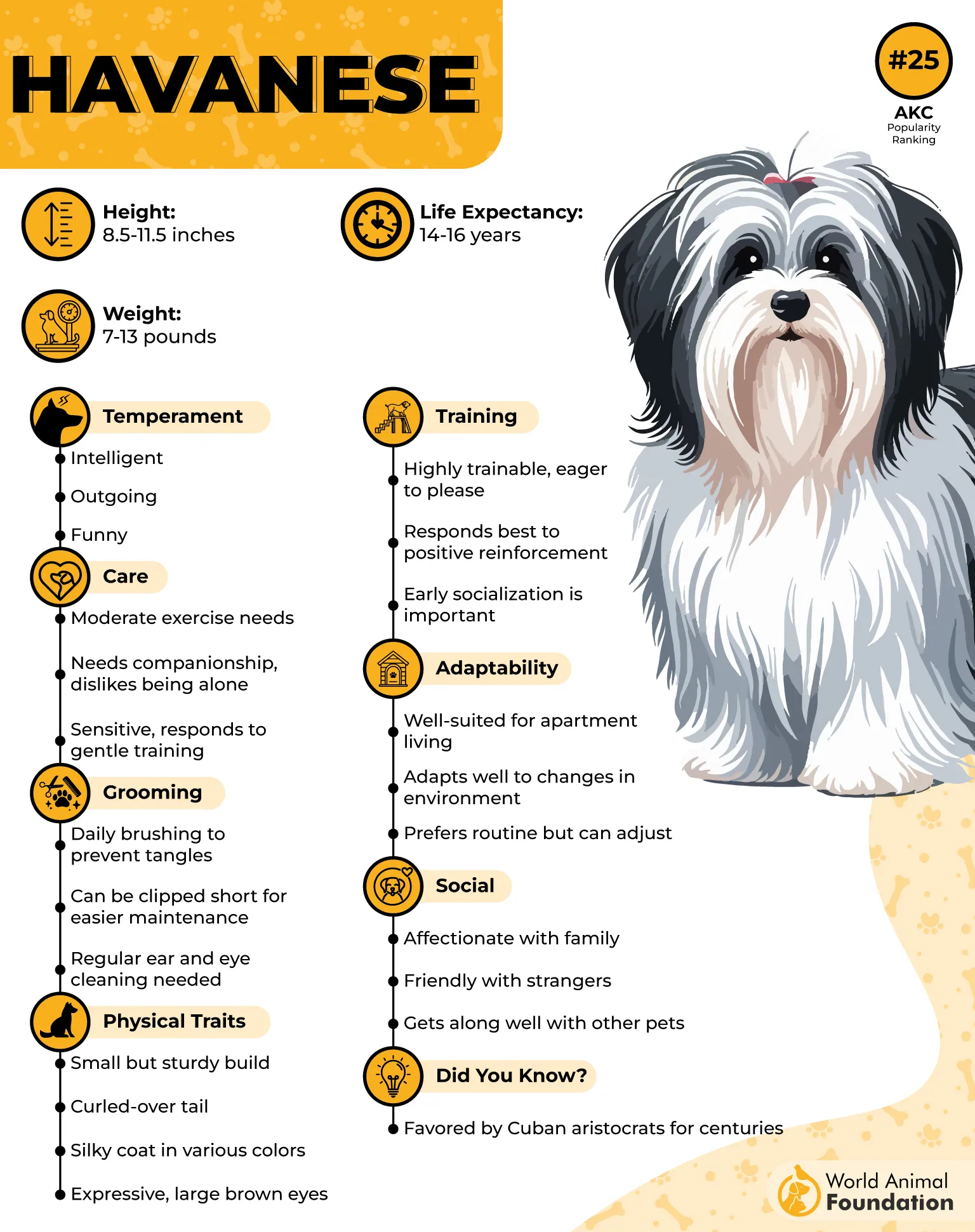
Their silky, long coat is beautiful but does require a consistent grooming schedule. Fortunately, many owners choose to clip the hair short to make daily maintenance easier to handle. Even with a shorter cut, their soft texture remains a delight, providing a comforting sensory experience.
Havanese are highly adaptable to various living situations. Whether you are an apartment dweller or living in a large house, they fit in perfectly regardless of activity level. Their resilient and sturdy nature means they are up for any adventure, making them the ultimate travel-sized companion.
Fact: One of the most remarkable traits of Havanese dogs is their distinctive “springy” gait.
Conclusion
Choosing a low-shedding dog breed can make everyday life feel lighter and more comfortable. Less hair around the house means easier cleaning, fresher air, and a home that stays welcoming with minimal grooming needs.
What truly stands out is how these great dogs balance cleanliness with personality. They are loving, playful, intelligent, and deeply connected to their people, proving you never have to sacrifice warmth or charm for a tidy space.
With proper grooming and a little consistency, these non-shedding dogs fit beautifully into modern lifestyles. If you value comfort, companionship, and a fur-free home, this kind of choice can be both practical and deeply rewarding.
🎉 Quiz Completed!
Low-Shedding Dogs: Can You Score 5/5? 🐶✨
Why are Poodles considered low-shedding dogs?
What is essential for keeping a Bichon Frise’s coat healthy?
What is a defining feature of the Maltese coat?
Why do Yorkshire Terriers shed very little?
What unique vocal trait are Basenjis known for?
