




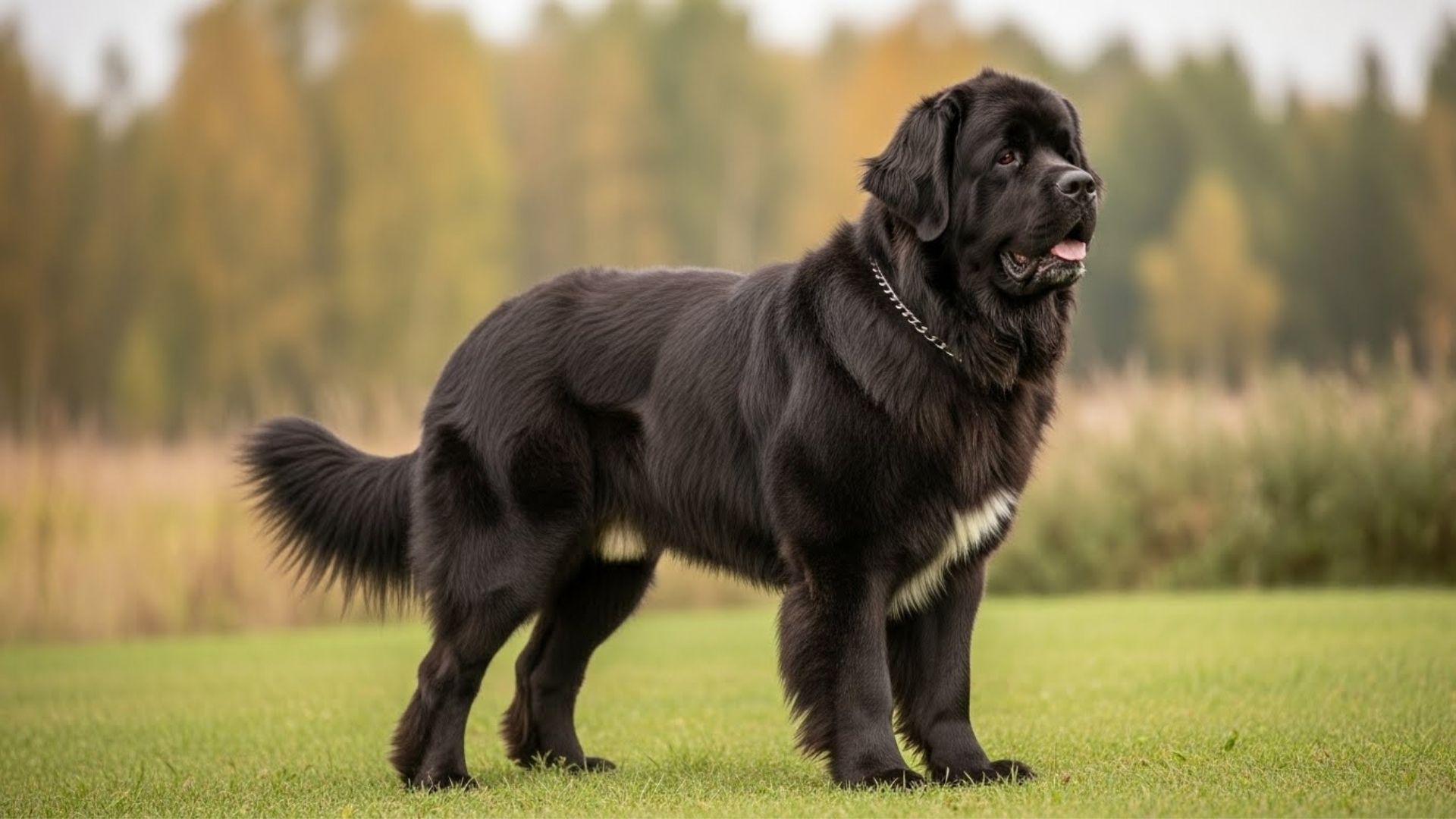
Adopting a dog is an emotional investment into unconditional love, joy and loyalty. But not every breed of dogs is so fortunate to have good health. Certain breeds have short lifespans especially large dogs, as they are genetically, rationally and health wise predisposed to shorter lives.
Knowledge of the short lives of dogs does not imply avoidance of them, but rather loving them even more consciously. Knowing what to expect makes you make better decisions, gives you a chance to provide better care and enjoy every moment you spend together.
This guide discusses 7 dog breeds that have shorter average lifespans, why they are likely to live shorter, and how they can be provided with a happy and fulfilling life regardless.
7 Dog Breeds that Have Limited Lifespans
1. Leonberger

Leonberger is a big lion-like dog and has a kind-hearted temperament alongside a sweet nature. The lifespan of Leonbergers is also short 7-9 years, even though they are very loving, unlike other medium-size breeds.
Their size causes joint problems and heart issues, and they are genetically susceptible to diseases such as osteosarcoma (bone cancer) and heart disease. High growth rates in puppy age also add to the long term health risks.
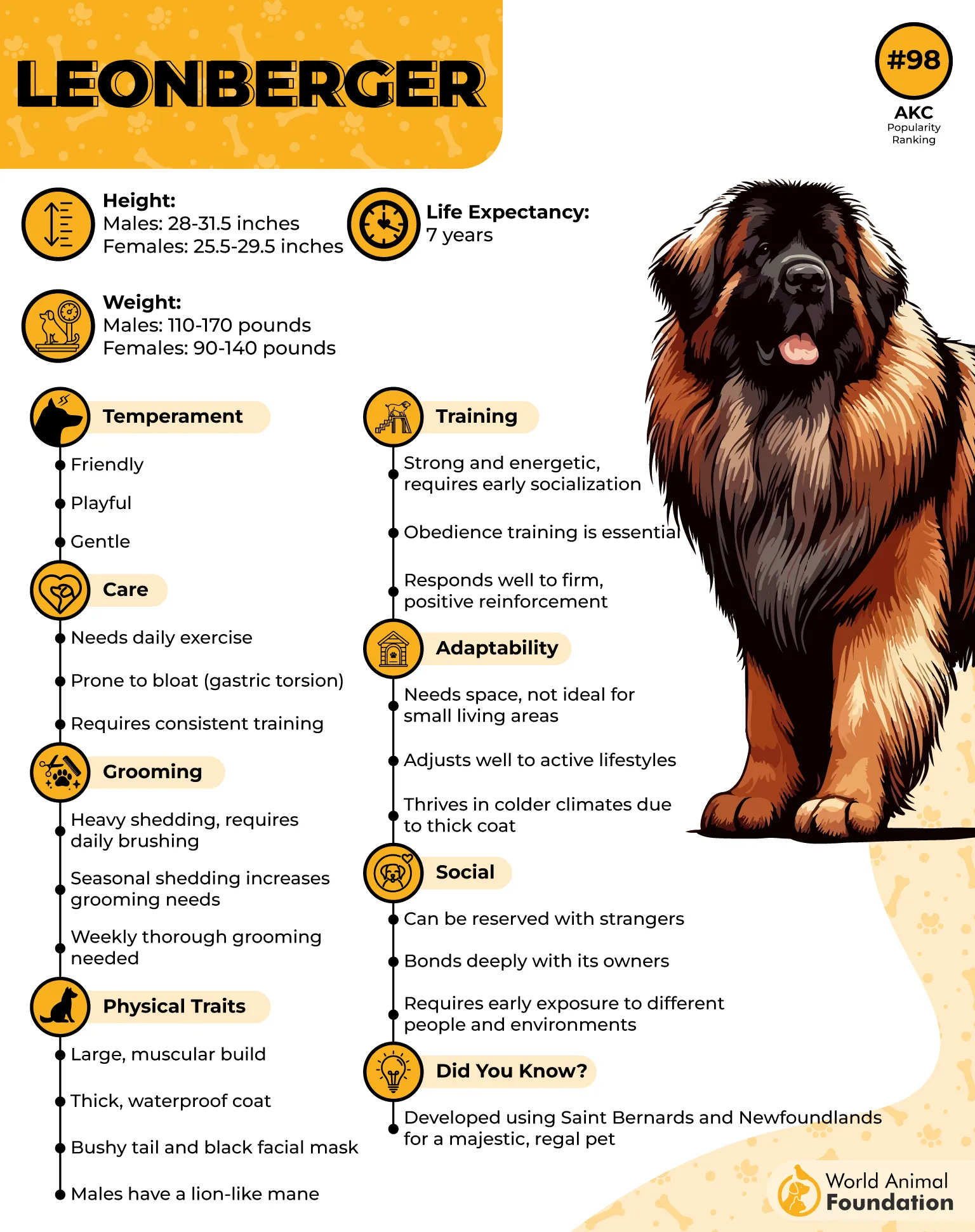
The American Kennel Club (AKC) has recognized that Leonbergers need close breeding and health screening to minimize any health problems that are inherited.
How to support longevity:
Rationed diets in puppy households.
Routine orthopedic and heart examinations.
Moderate physical activity required in order to prevent joint problems
2. Newfoundland

Newfoundlands are great dogs because they are known to have lifesaving instincts and a meek character. But, they do have a shorter lifespan with an average of 8-10 years.
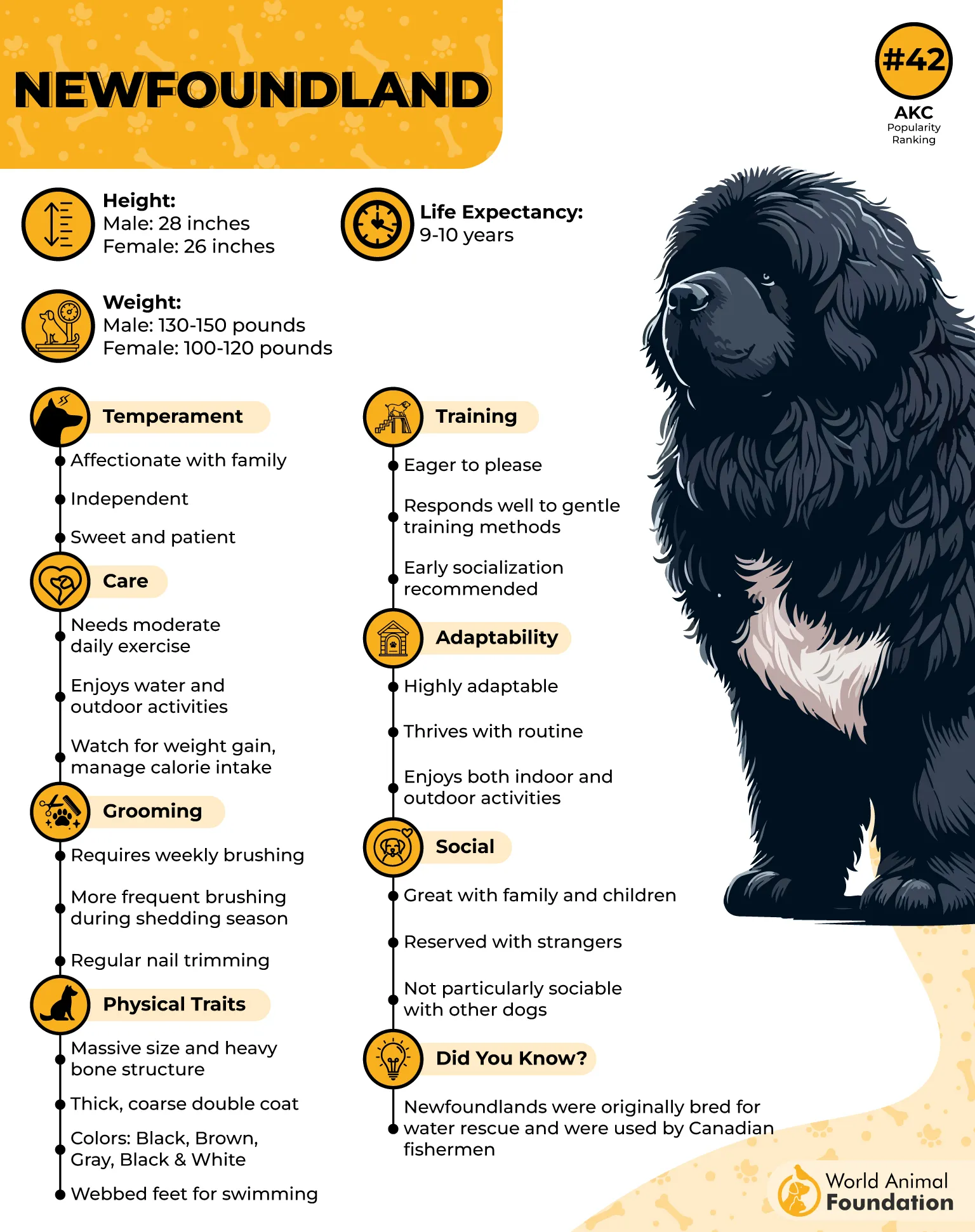
Their large size exposes them to the danger of cardiac diseases, particularly subaortic stenosis as well as joint disorders such as hip dysplasia. This also reduces their life when obesity is not taken care of through dietary practices and physical activity.

PetMD emphasizes weight management and prompt cardiac screening of Newfoundlands.
Care tips:
Proper diet and quality nutrition.
Routine heart monitoring.
Not using high risk exercises, focus on swimming.
3. Rottweiler

Rottweilers are strong, assertive and very loyal. Although they are not giant dogs, the life expectancy of Rottweilers is still very short about 8-10 years.
The most common health concerns among these dogs are cancer, osteosarcoma, and joint issues and heart disease. Poor breeding practices and genetics play a major role in determining their life expectancy.
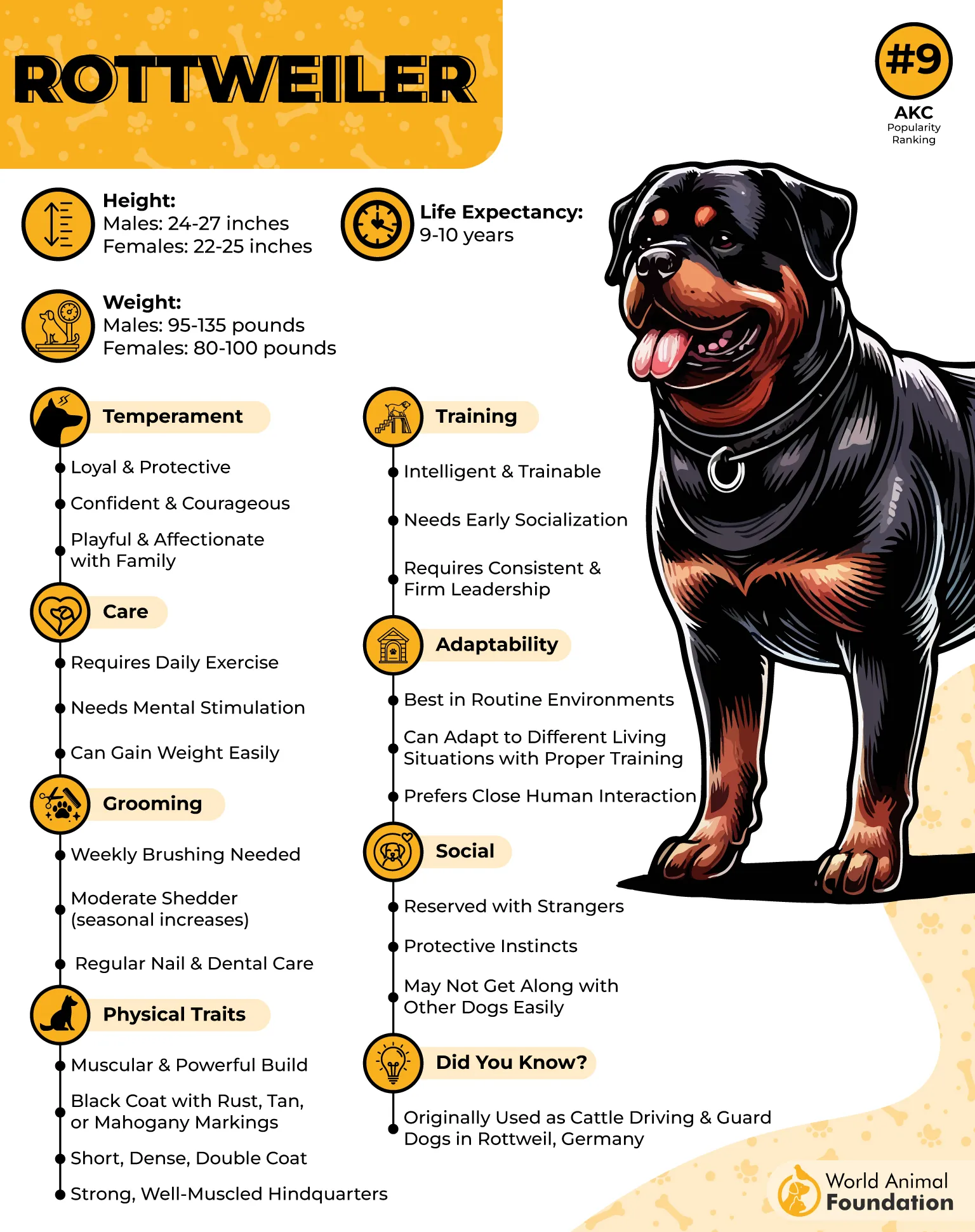
Many experts in dog training ask dog owners to emphasize on ethical breeding and early health screenings.
How owners can help:
Maintain lean body weight through daily exercise.
Frequent screening of cancer for middle-aged Rottweilers.
Mental stimulation to combat stress.
4. Bulldog

Bulldogs are loved and cherished due to their wrinkled faces and loveable personalities, however, they have the shortest lifespan among medium sized dogs which is 8-10 years.
As a Brachycephalic (flat faced) dog, they have chronic breathing problems, intolerance to heat and heart strains. Bulldogs are also likely to be affected by skin, spinal and joint infections.
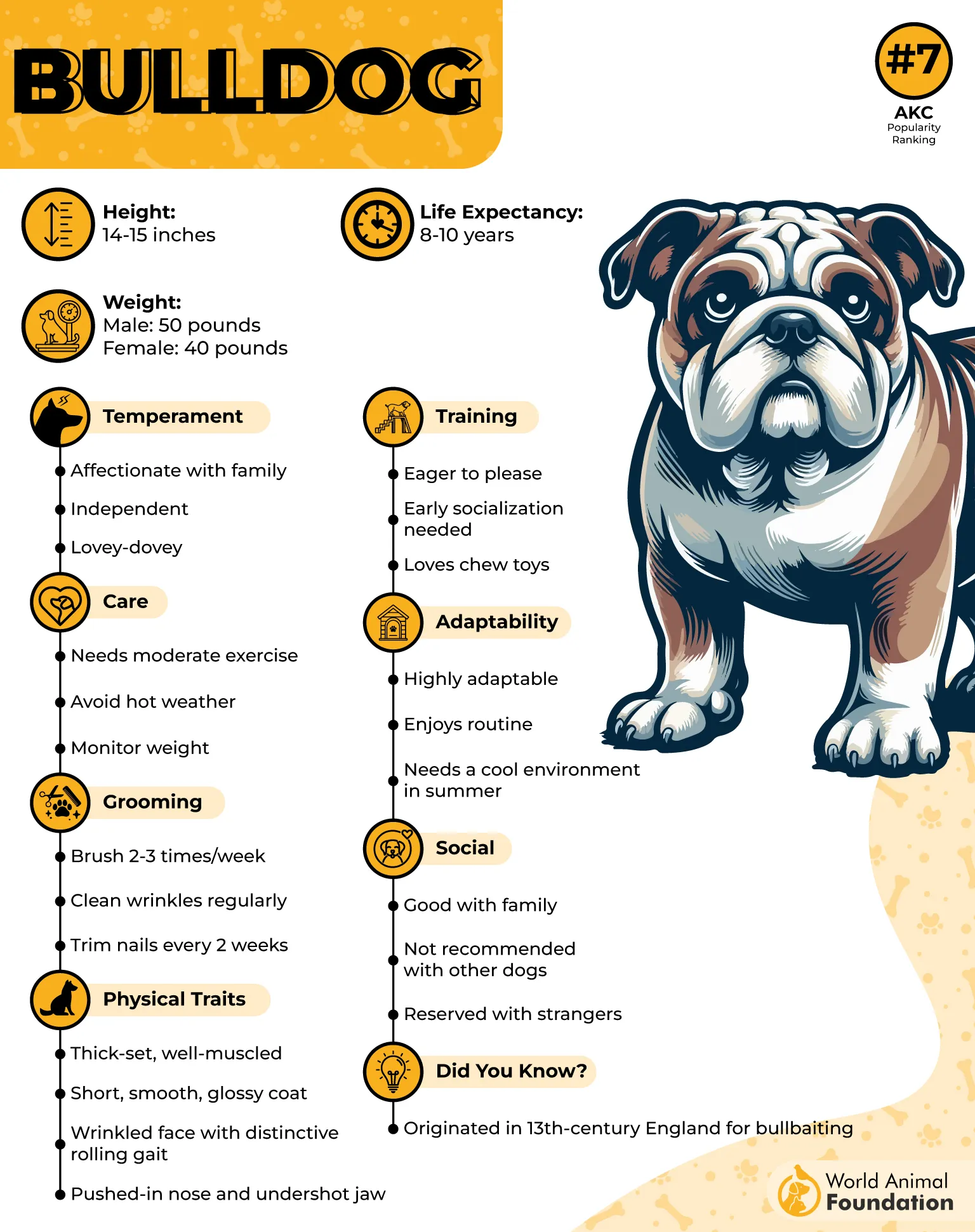
Veterinary experts such as VCA Hospitals emphasize the importance of preventive respiratory support and weight control.
Key care strategies:
Avoid overexertion and overheating.
Keep skin folds clean and dry.
Use harnesses instead of collars.
5. Saint Bernard
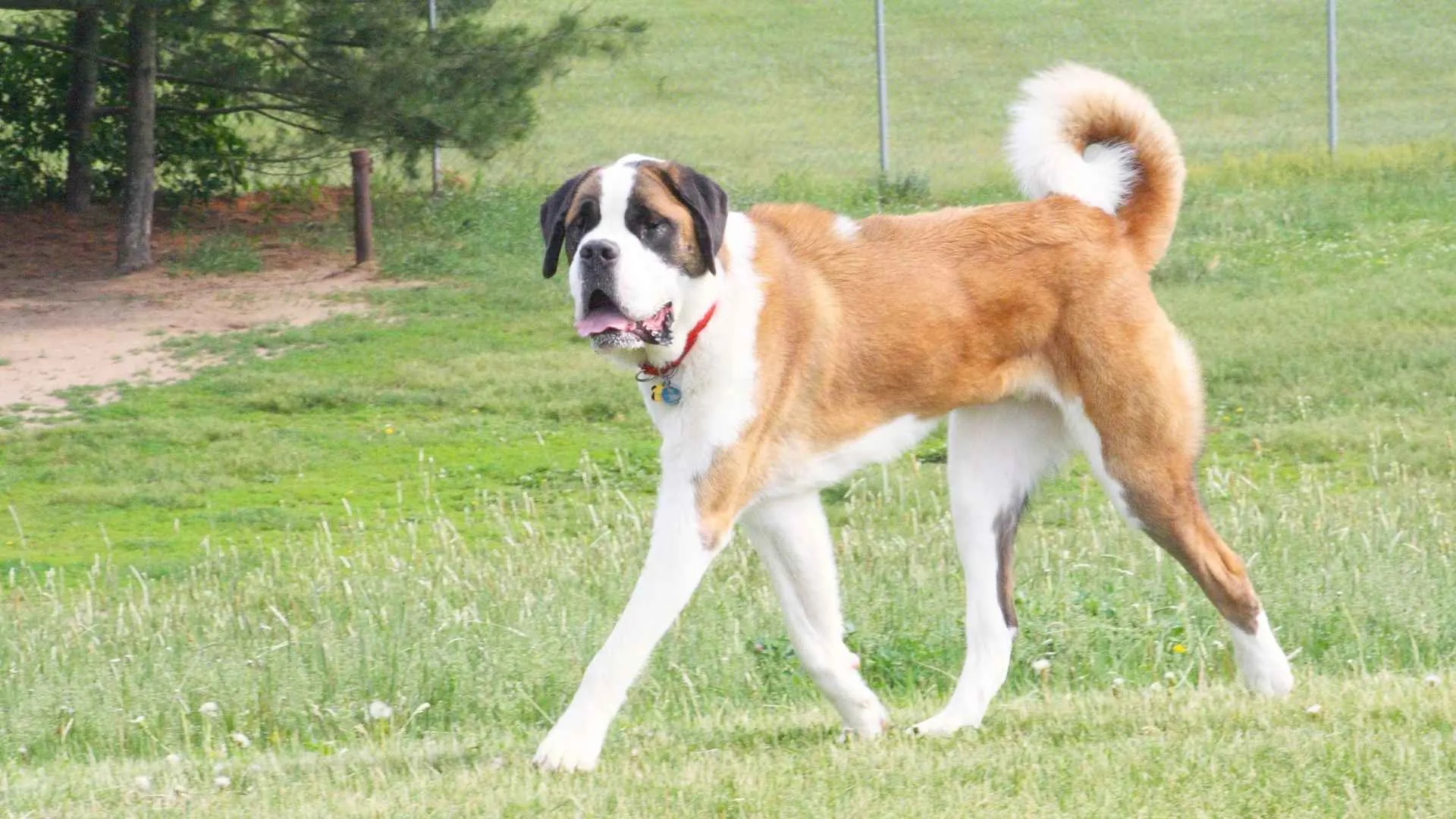
Saint Bernards are household companions who are known to have rescue history and gentle natures. They have an average life expectancy of 8-10 years.
They are prone to heart diseases, bloat (gastric torsion) as well as orthopedic problems due to their massive size. Giant dogs tend to age rapidly, that is, senior health issues are manifested sooner.
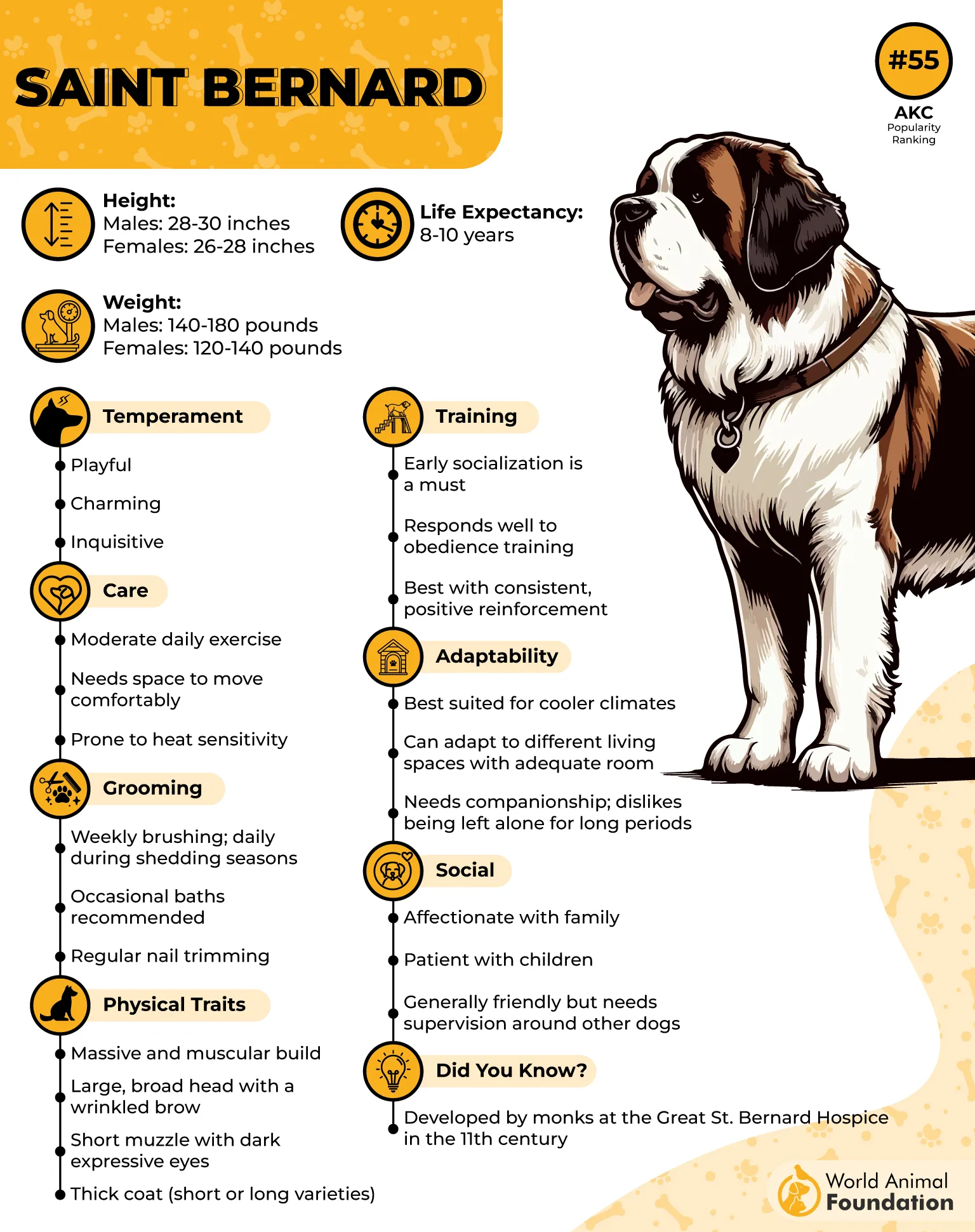
Britannica states that Saint Bernards need quality health care in their lifetime.
Enhancing quality of life:
Weekly small and frequent meals to avoid bloat.
Early joint supplements.
Relaxing accomodation to alleviate stress.
6. Great Dane
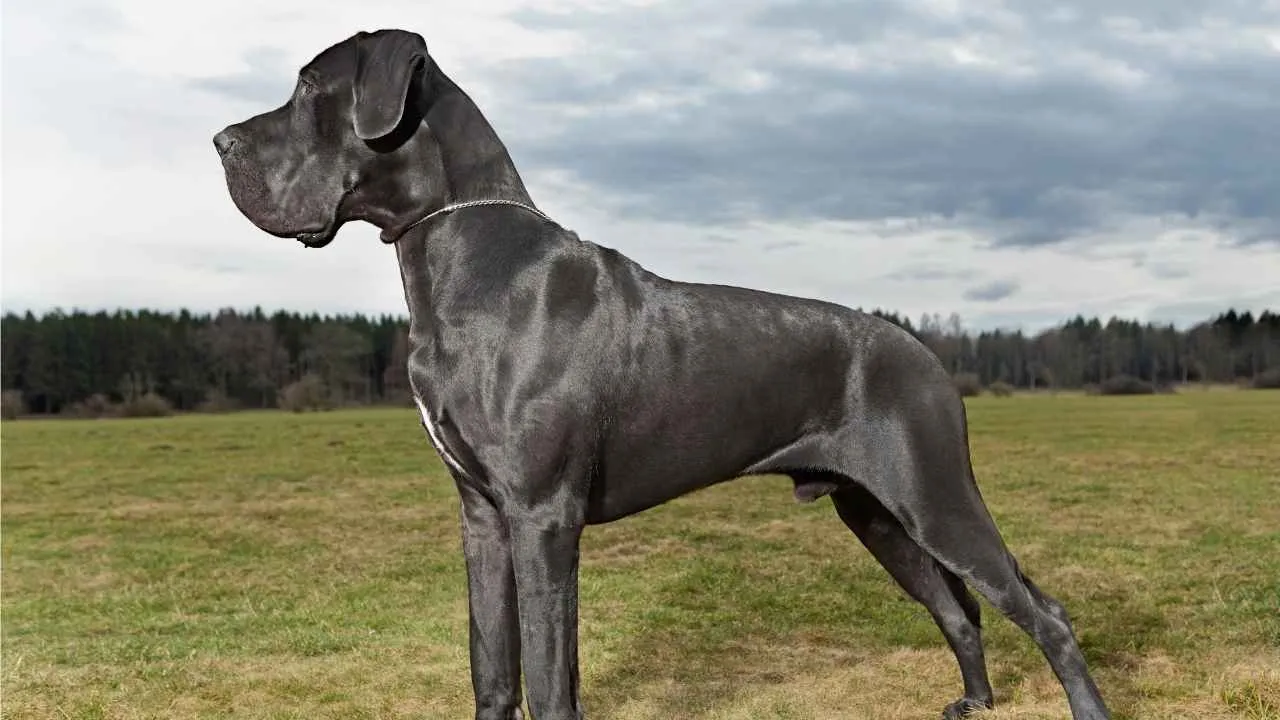
The Great Dane is also known as the gentle giant and is graceful, loving, and unfortunately one of the shortest lived dogs with an average lifespan of 7-9 years.
The rapid growth increase is the cause of cardiac disease, bloat, and deterioration of joints. Great Danes are very emotional and strongly attached to their owners.
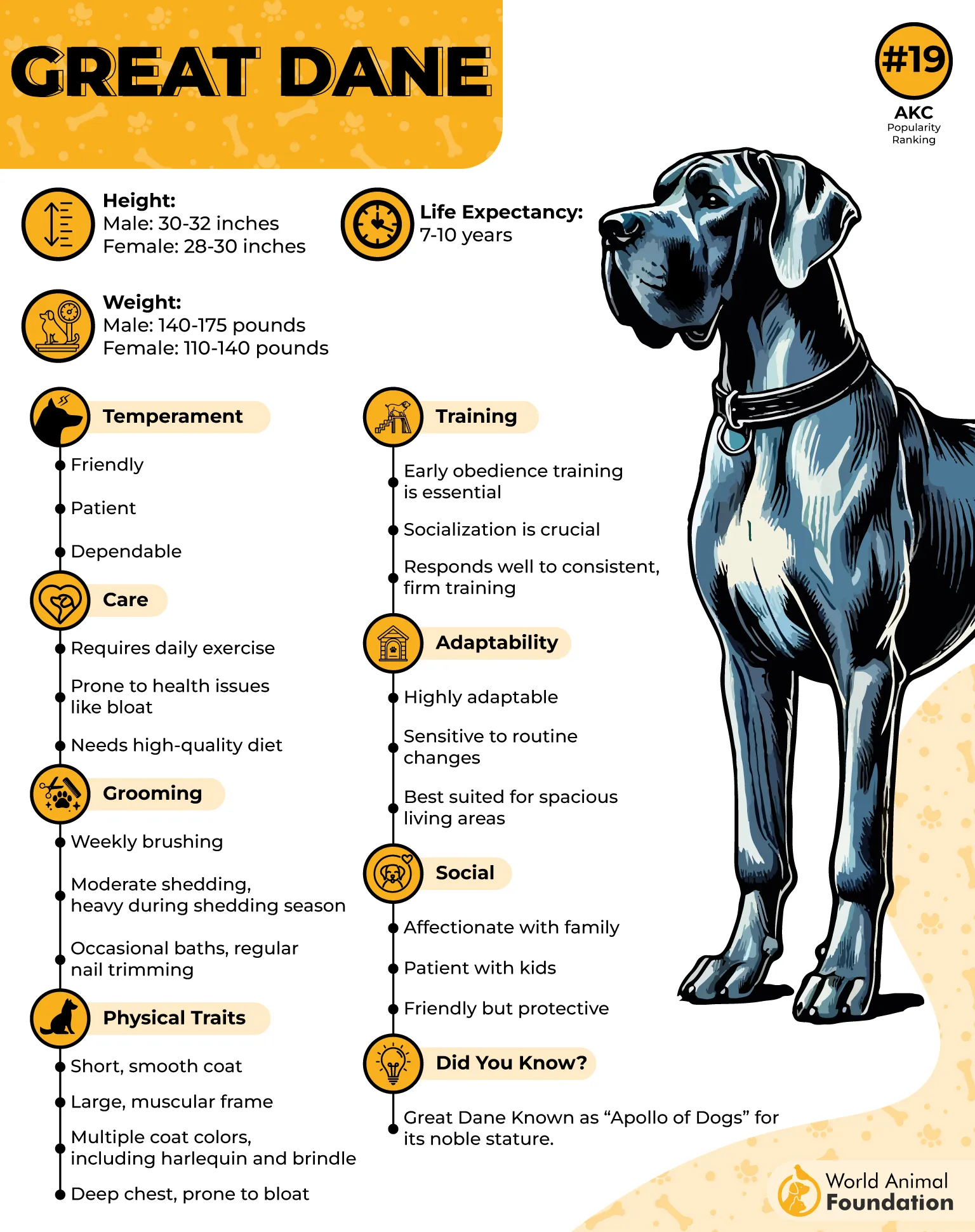
It is very crucial to keep a good focus on this breed’s low growth diets and bloat prevention to prevent it from having the shortest time to live.
Essential care tips:
Elevated food bowls due to vet recommendations.
Physical activity should not be done right after meals.
Periodic heart and intestinal examinations.
7. Bernese Mountain Dog

Bernese Mountain Dogs are loving, industrious and extremely family-oriented animals. They, unluckily, have one of the shortest lifespans when compared with large breeds as they only live 6-8 years.
They have a high predisposition to genetic cancer especially histiocytic sarcoma. Despite their high-quality care, the genetic factors contribute significantly to their short life expectancy.
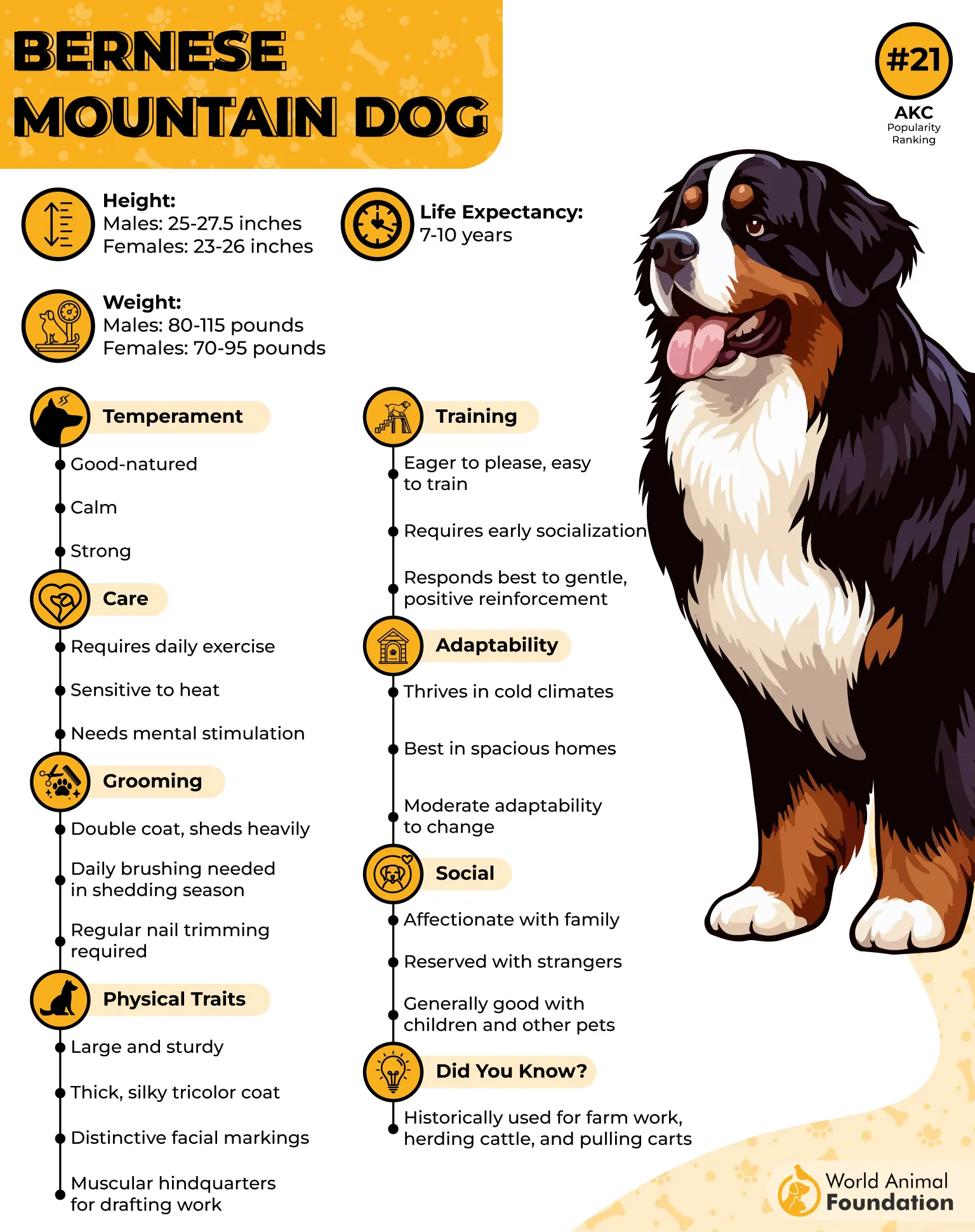
Cancer is constantly put in the limelight by many veterinary doctors throughout the world as the primary cause of death in this breed.
What owners can do:
Select animals with clear health records.
Get regular (after age 4) vet checkups.
Concentrate on quality of life and not length of life.
A short lifespan of a dog is not an inferior quality, but a bold decision. Such dogs might not be able to live as long but the love, devotion and the memory they provide is equally heartfelt, possibly even more so.
Knowing the health issues, genetic background, and care requirements of the dog breeds that live less than 10 years, the owners are able to offer them better support, early intervention and quality life.
Smaller dog breeds like the Cavalier King Charles Spaniel and Toy Poodles still face reduced longevity despite their small size. Pet parents need to research all relevant factors when searching for their canine companions as in the case of the Cavalier King Charles Spaniel.
These breeds with the shortest life expectancy will love you forever given they’re properly cared for. It is also important to remember that genetics play an important role in any inherited conditions that dogs encounter.
With a balanced diet tailored to their needs, physical activity and care, these breeds with the shortest life expectancy will care for their owners and love them even though they might not live as long as you expect.
