





What makes one dog figure out a new routine after a few tries while another needs far more repetition? The answer involves canine intelligence, including learning ability, memory, problem-solving, communication, and flexibility.
Dogs are attentive to people, and research has found that they can use human pointing and other social cues to locate hidden objects. Some individuals can learn spoken words and remember associations formed through repetition. Yet intelligence is not measured by obedience alone.
Intelligence does not always look like perfect obedience. Some dogs figure things out on their own, while others shine when they are given a clear command to follow. You may notice these different abilities most clearly in everyday home life, often through small behaviors you might not expect.
The smartest breeds turn ordinary moments into fascinating demonstrations of canine intelligence. Here are the ones worth watching.
Key Takeaways
Have you ever noticed how quickly some dogs figure out what you want, even when you barely give them a cue?
Border Collies take this to another level, with some able to recognize hundreds of object names and work things out from very little information.
German Shepherds and Golden Retrievers show their intelligence differently, from remembering long sequences to picking up complex tasks and recovering from mistakes.
As the list continues, you’ll find Labradors, Dobermans, Poodles, and one more breed with their own fascinating ways of showing just how clever dogs can be.
Dog Breeds That Show Genius Intelligence in Everyday Life
1. Border Collie
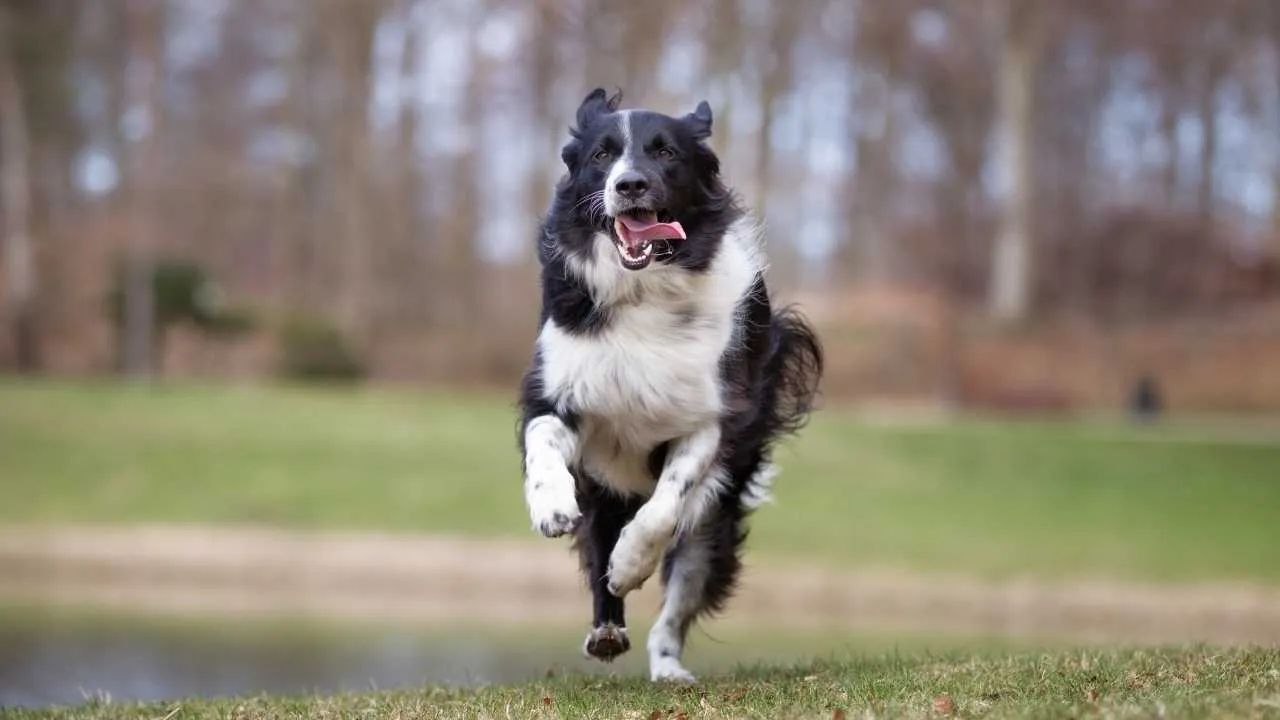
Border Collie was once simply classified as a Sheep Dog, with working ability becoming the basis for breed standardization in 1906.
The name Border Collie followed in 1915, reflecting its roots along the Scottish-English border. Its working skills remained more important than appearance during those early years.
A Remarkable Vocabulary
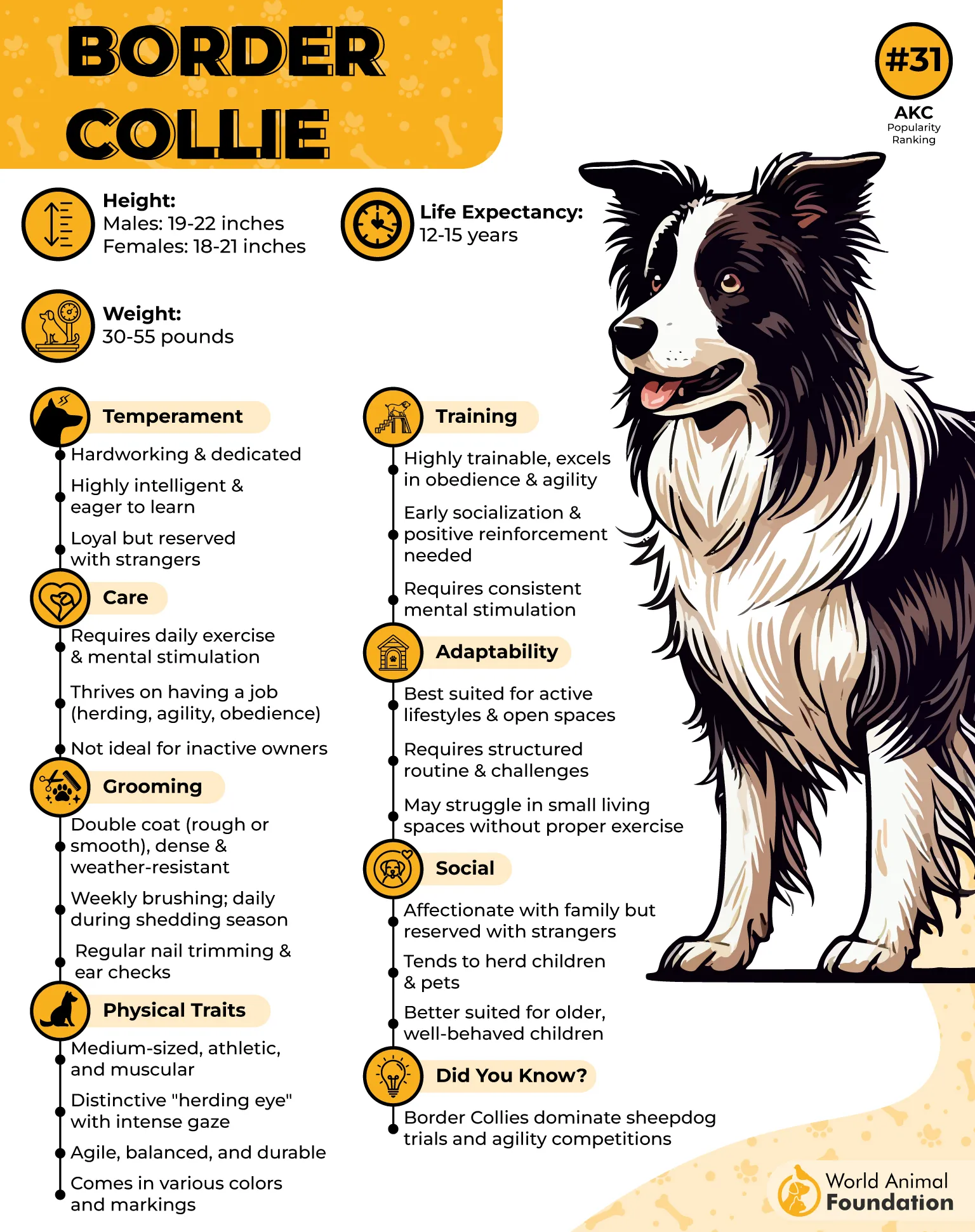
Border Collie is widely regarded as exceptionally intelligent, with some research-based assessments suggesting individuals can recognize more than 1,000 object names. Its reasoning ability also helps it infer solutions from partial information rather than relying only on memorized commands.
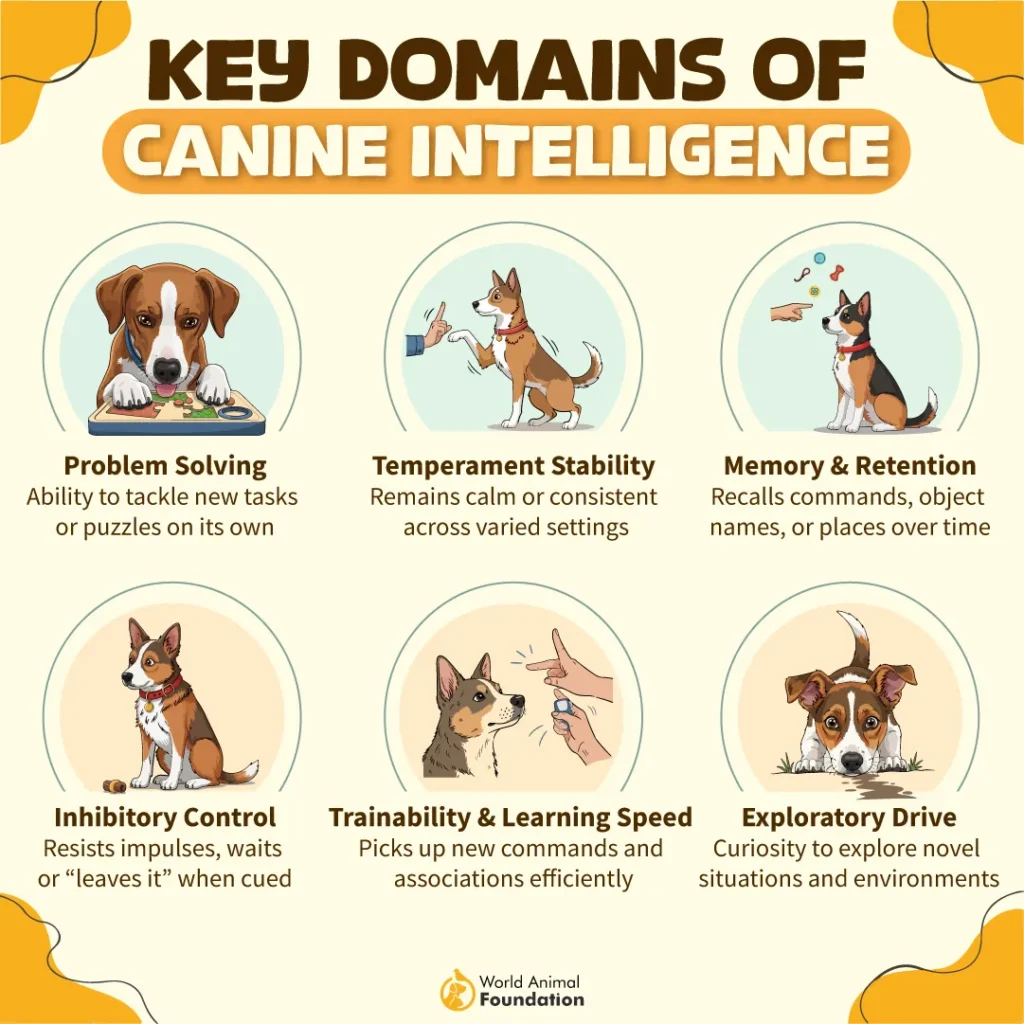
That mental flexibility appears in several practical ways:
Learns multi-step sequences quickly
Applies learned rules in unfamiliar settings
Remembers object names over long periods
Reading People
As the most intelligent dog breed, it can pick up on a handler’s gestures, gaze, and body language even when verbal instructions are absent. This sensitivity also helps explain its effectiveness during herding, where a dog may need to respond to subtle signals from a distance.
2. German Shepherd

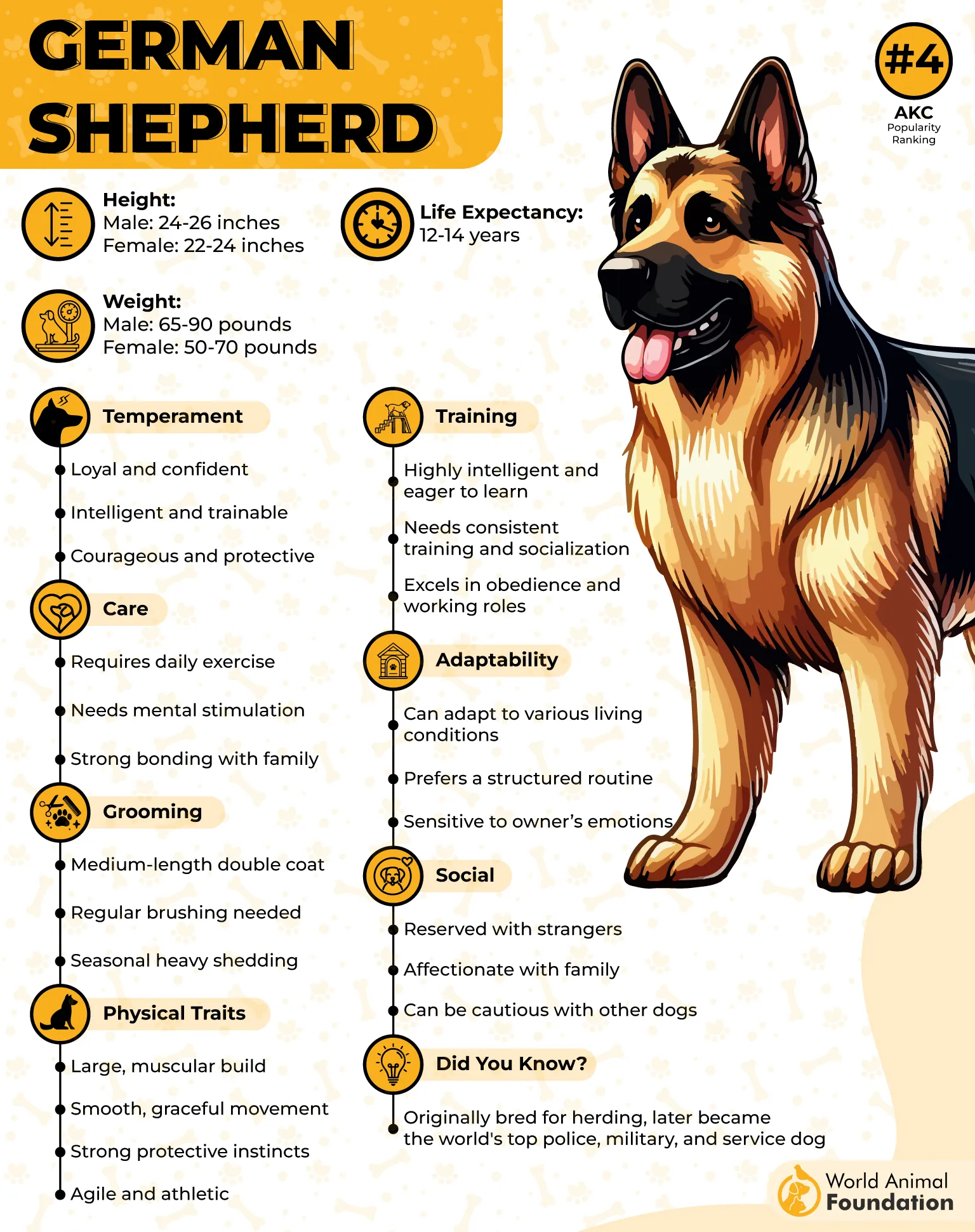
German Shepherd began in Germany through efforts to create a capable flock herder and guardian, with later breeding placing greater emphasis on courage and intelligence. After World War I, the breed was also called Alsatian or Shepherd Dog, with the German name temporarily dropped in some places.
A Mind Built for Work
German Shepherd can remember long chains of behavior without needing a prompt for every step, which is a valuable form of practical intelligence. It can also apply learned skills in unfamiliar places with little re-teaching, while continuing to work at a distance from its handler.
That mental ability becomes especially useful when tasks require:
Multi-step problem solving
Distance-based instructions
Focus around distractions
Training With Structure
This highly intelligent breed responds well to advanced training and gains more from sessions with a clear purpose than from aimless activity. Search-and-find exercises, scent work, and structured sequences give its memory and reasoning something concrete to process.
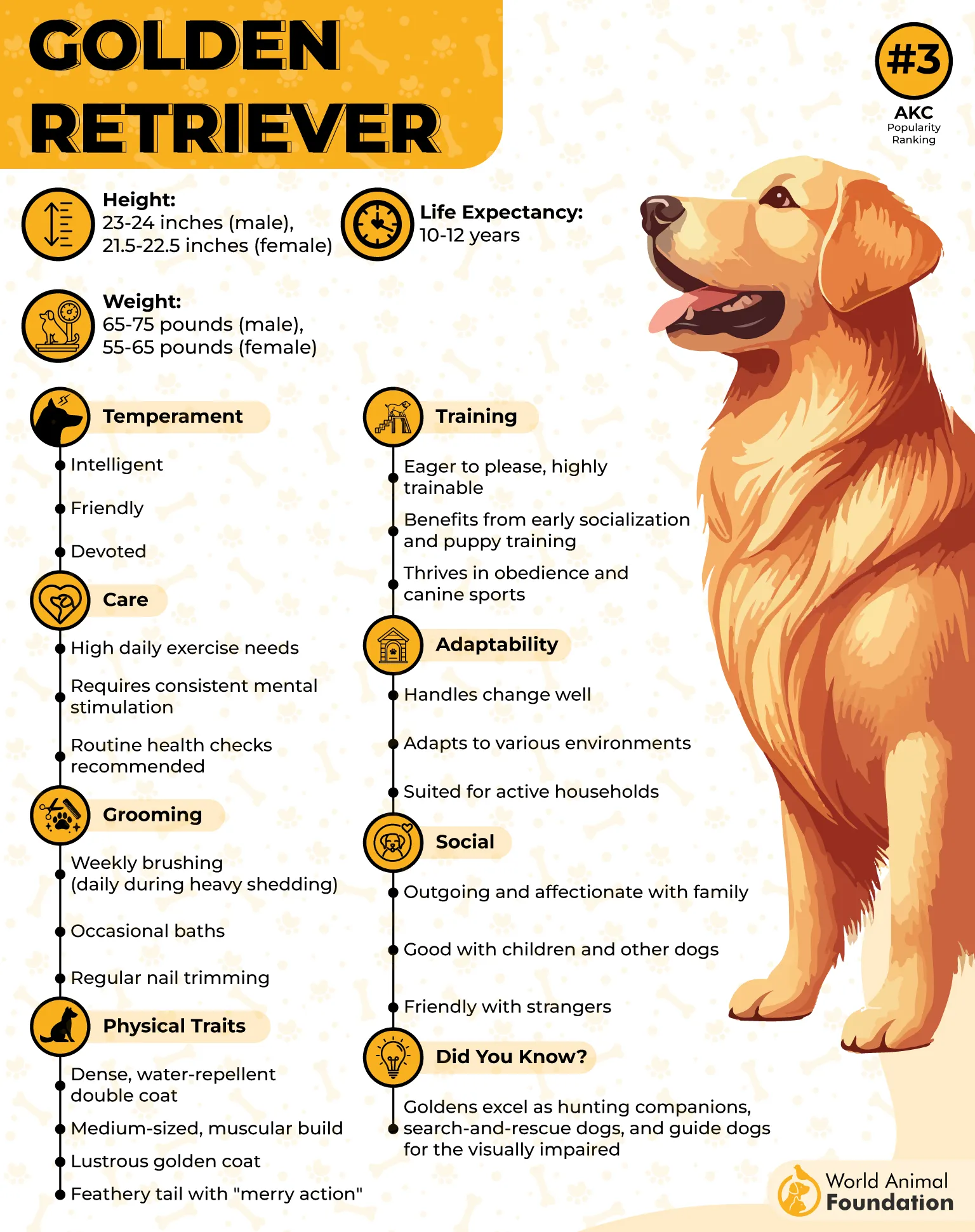
3. Golden Retriever

Golden Retriever was developed with Lord Tweedmouth in Scotland during the mid-19th century, when he wanted a strong hunting companion capable of retrieving game through dense undergrowth.
Selective crosses involving Newfoundland, Labrador/Water Spaniel lines, and Setters eventually produced the breed, as highlighted by Omlet.
Intelligence in Action
They can pick up complex behaviors quickly and have been taught tricks ranging from high fives and salutes to army crawls and putting toys away. Their intelligence also appears in practical work, including guiding people, search and rescue, and detecting explosives.
These abilities give a clearer picture of how that intelligence works:
Reads pointing and gaze cues
Remembers trained routines and locations
Recovers quickly after mistakes
A Brain Built for Learning
Golden Retrievers have a relatively large brain compared with their body, with a body-to-brain ratio described as more similar to humans than that of other dogs.
Their problem-solving ability is often paired with a tendency to look toward a person for help rather than working through every challenge independently.
4. Labrador Retriever
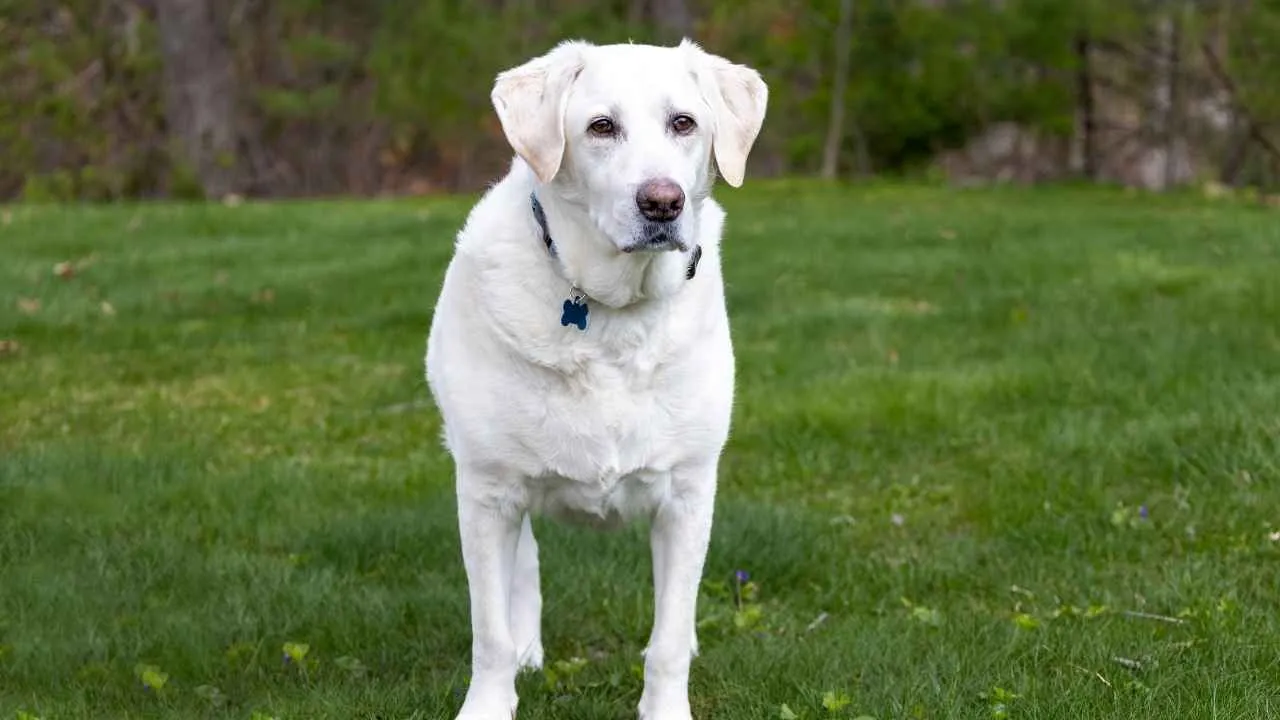
Labrador Retriever traces its history to Newfoundland as a smaller, all-black working dog, quite different from the heavier Newfoundland breed known today. These early dogs retrieved game and fish, pulled boats across lakes, and worked alongside fishermen whenever swimming was part of the job.
A Quick Learner
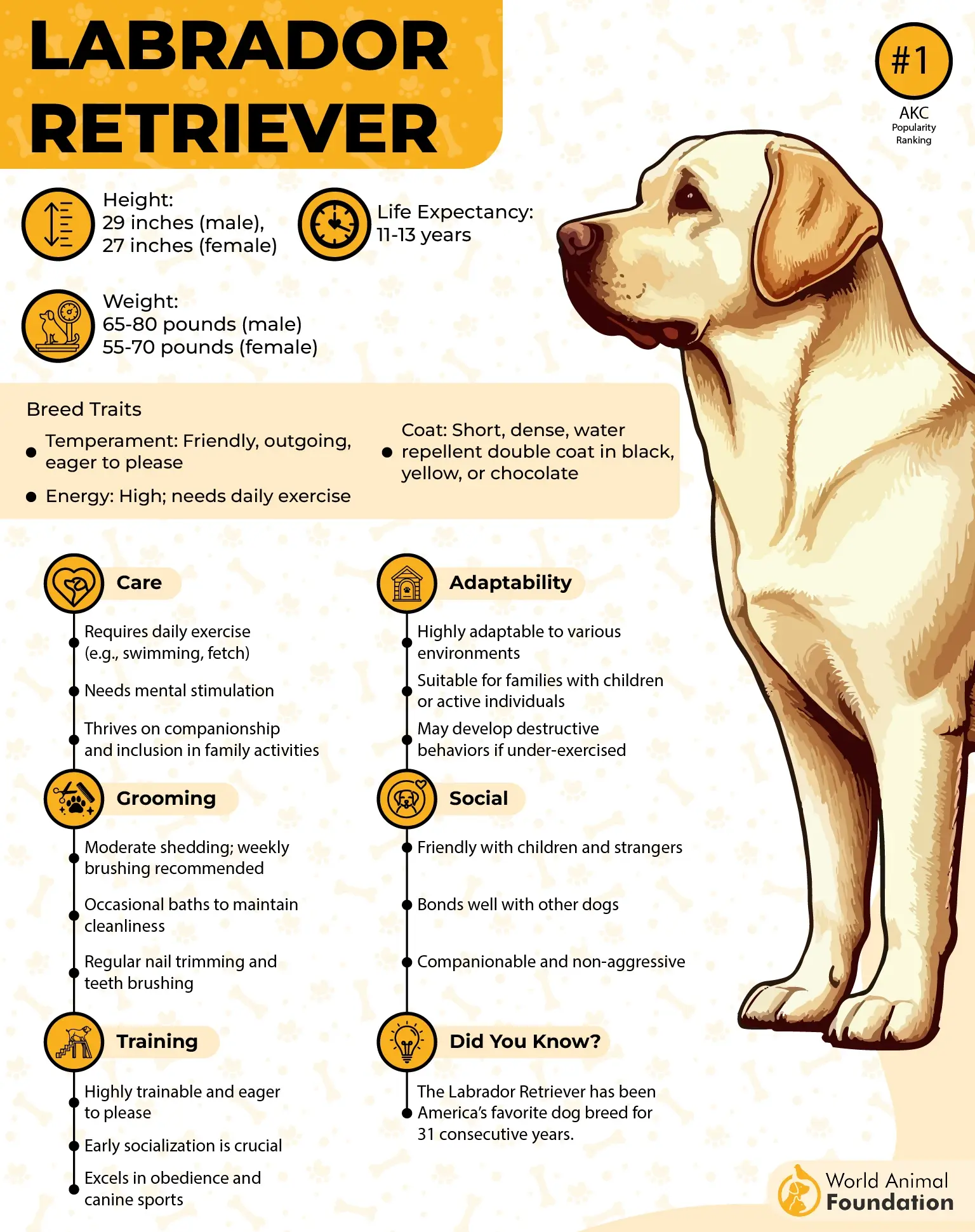
Labs have a strong appetite for learning, showing high communication and empathy. Labs often follow human gestures closely, check in during tasks, and remain socially comfortable with both familiar people and strangers.
These specific findings add another layer to their intelligence:
Food, praise, and retrieving can all motivate them
They recover quickly after training mistakes
Crowds and unfamiliar buildings are often manageable
Practical Intelligence
Labrador Retrievers have worked as assistance, therapy, explosive-detection, and drug-detection dogs, reflecting their ability to learn different task systems. Their enthusiasm for water also gives them a natural outlet, and a floating retrieve can keep them engaged for long periods.
5. Doberman Pinscher
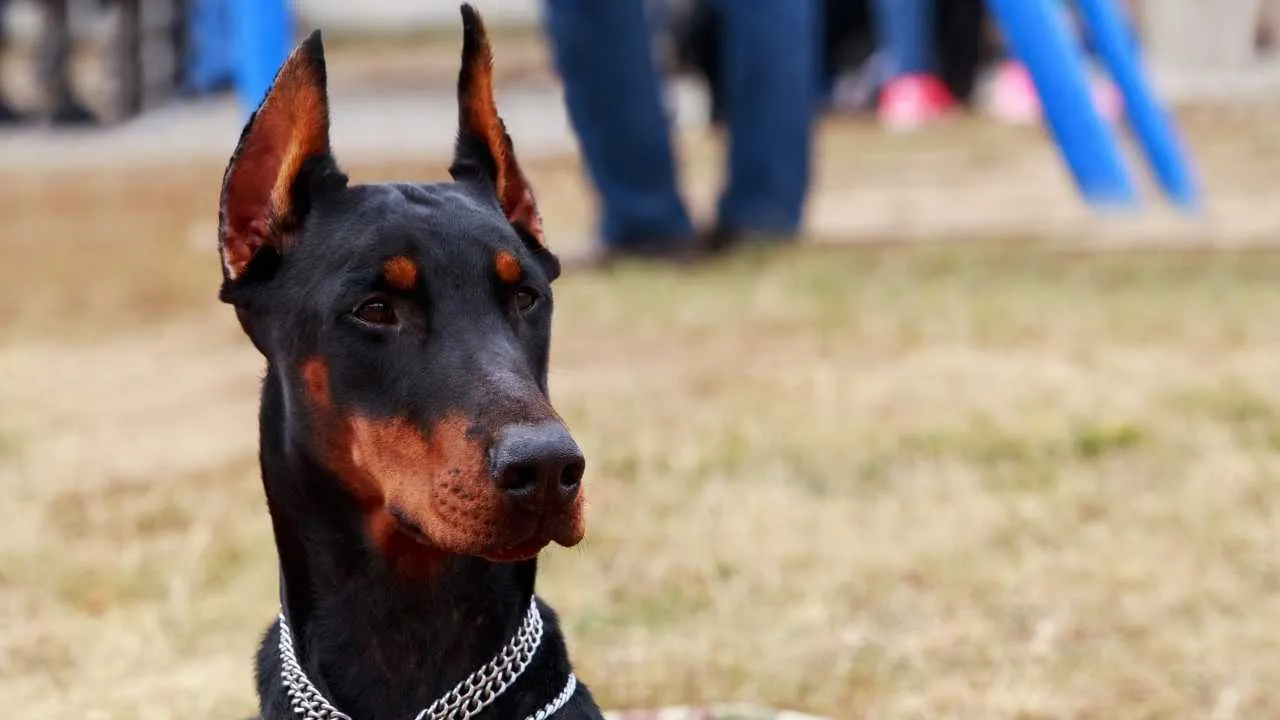
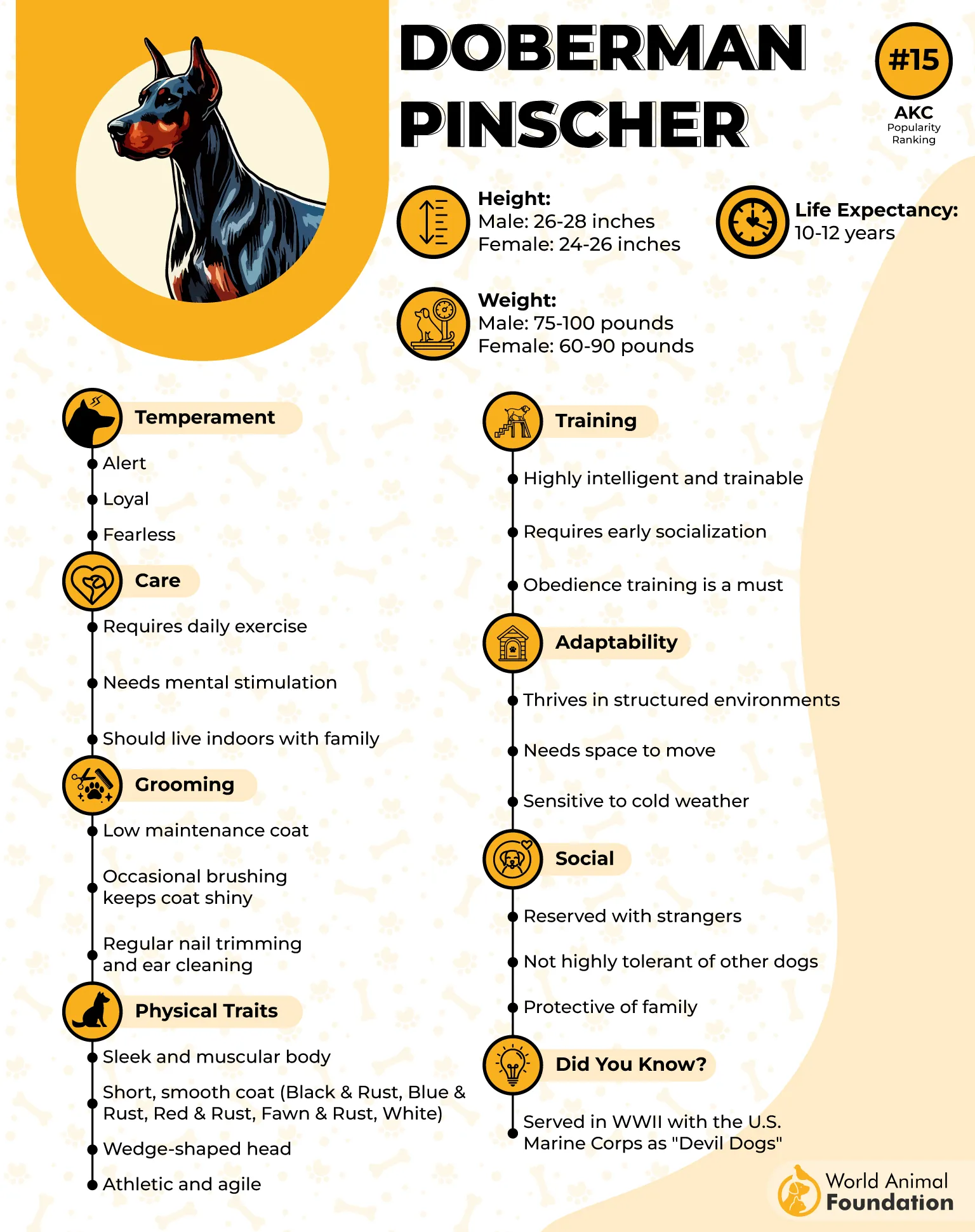
Doberman Pinscher originated with Louis Dobermann in Thuringia, Germany, where he wanted a reliable guard dog for his work as a door-to-door tax collector. Early breeding likely involved the Old German Shepherd and German Pinscher, followed by Weimaraner and Manchester Terrier crosses.
Intelligence at Work
Dobbies learns commands quickly because its intelligence comes with a strong willingness to listen and please its handler. That combination makes obedience intelligence training especially productive, while regular mental challenges give this quick-minded dog something meaningful to figure out.
The following abilities reveal more about how its mind works:
Reads human body language and emotions
Retains learned commands and routines
Makes independent decisions during complex situations
A Quick Thinker
Doberman Pinschers can assess a situation and make decisions without waiting for a person to direct every step, as Orvis claims. This independent judgment has suited demanding roles such as police work and search-and-rescue operations, where circumstances can change quickly.
6. Poodle
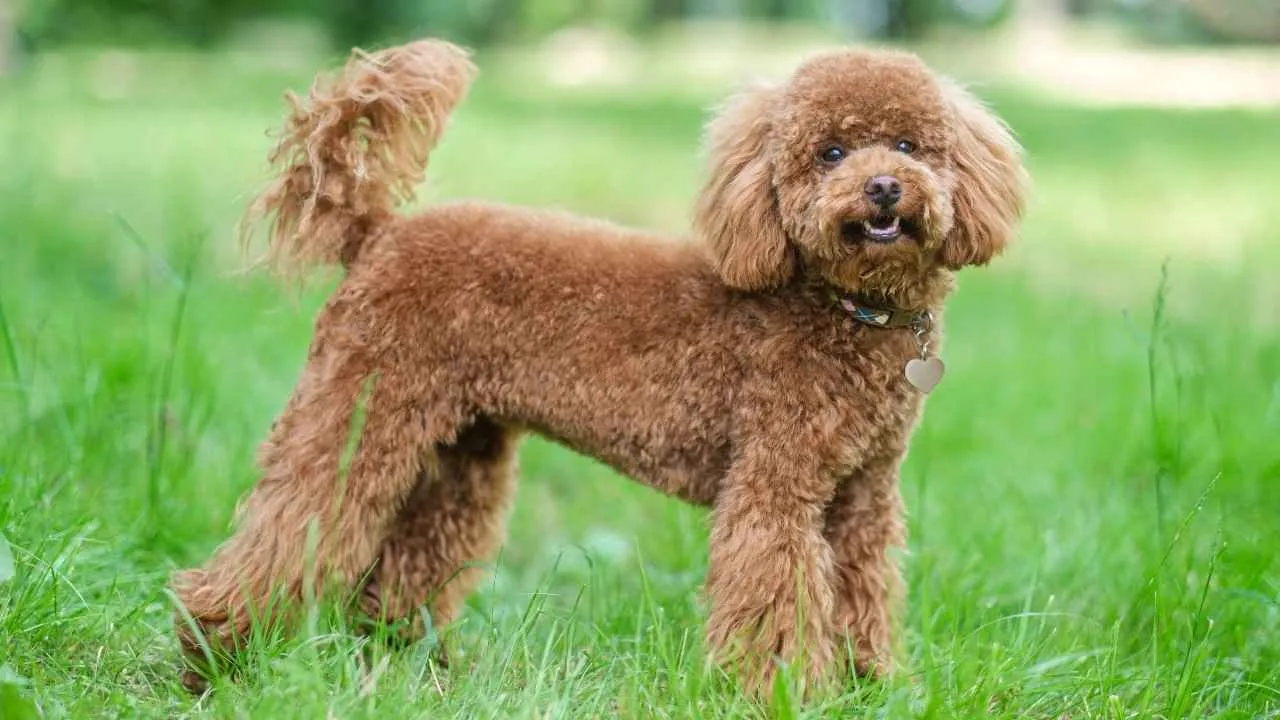
Poodle may have started as a curly-coated working dog in Asia before reaching Europe with herding communities. Germany helped shape the breed into its modern form, while France later embraced Poodles so deeply that the breed became its national dog.
A Fast Learner
Poodles process new information quickly and can learn a cue after only a few repetitions, especially when praise is part of the lesson. This breed is also above the all-breed average in reasoning, particularly when solving problems through indirect clues.
That quick thinking becomes especially useful in everyday tasks:
Transfers learned behaviors to unfamiliar rooms
Works through complex puzzle toys
Checks in with its handler during cue chains
A Versatile Working Mind
This other smart dog breed has supported a surprisingly broad working resume, including herding, duck hunting, military service, guiding, and circus performance. The breed also tends to enjoy learning itself, so once a behavior is mastered, another task can keep that sharp mind engaged.
7. Shetland Sheepdog
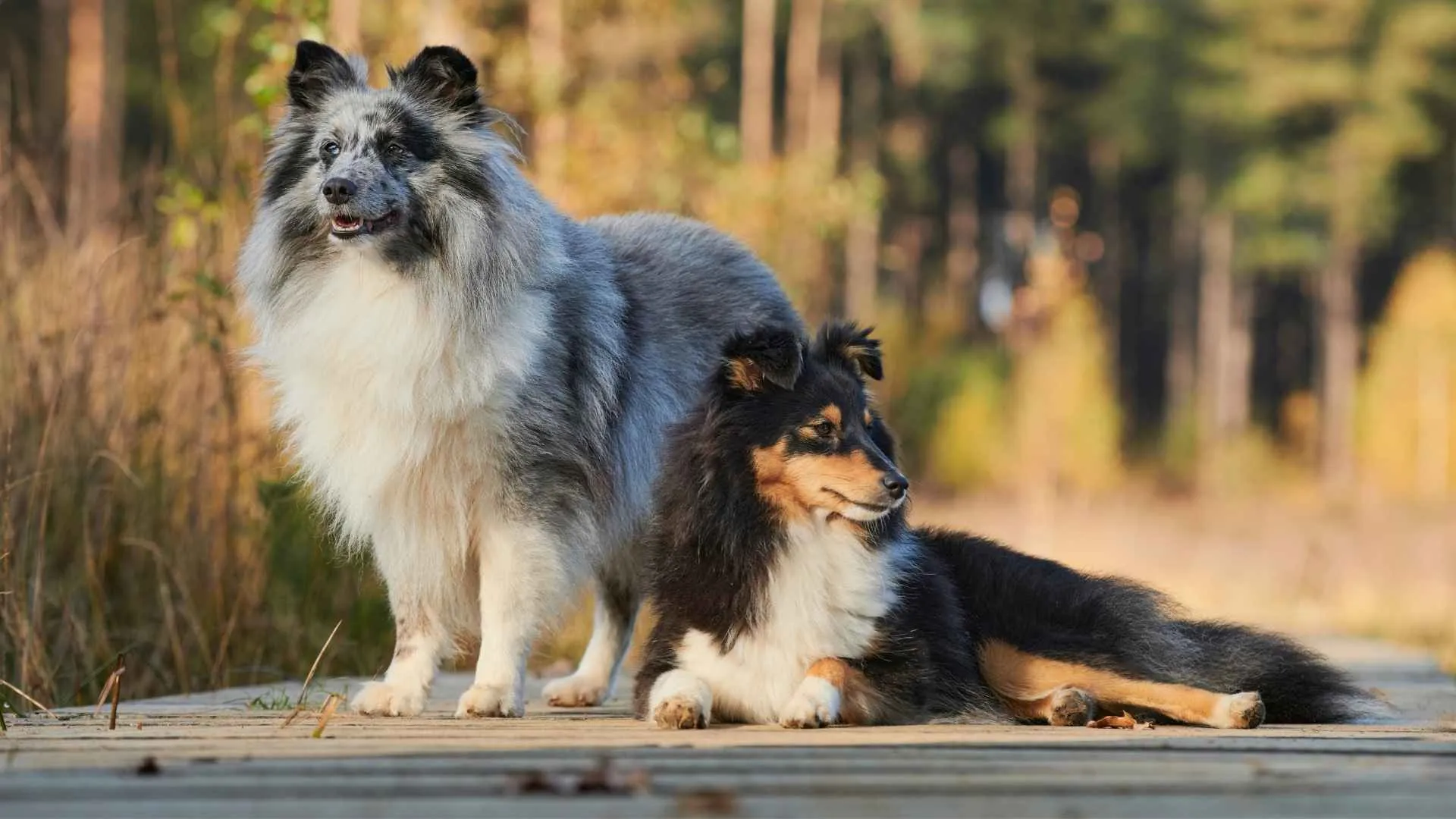
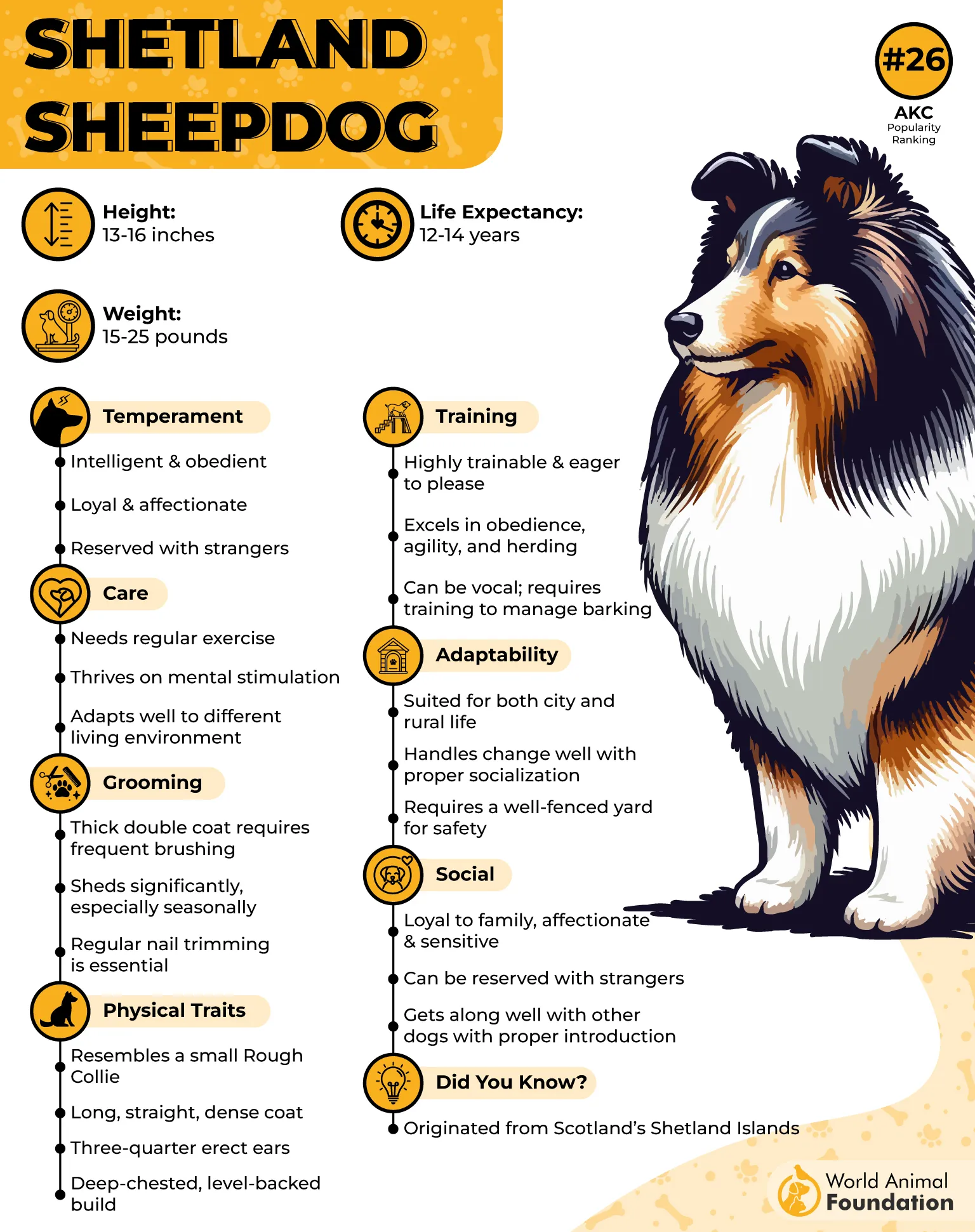
Shetland Sheepdog originated in Scotland during the 1800s, with Scottish herding dogs and Collies contributing to its development as a smaller livestock herder. Limited vegetation on the Shetland Islands favored smaller animals, so a compact working dog suited the local conditions.
Quick to Learn
Shelties have an impressive record for learning commands, ranking sixth in one intelligence study and responding correctly on the first attempt 95% of the time. That sharp mind makes structured obedience especially rewarding, with early lessons recommended from around eight weeks.
These characteristics make that intelligence easier to appreciate:
Learns commands in fewer than five repetitions
Performs well in competitive obedience
Can begin puppy kindergarten at 10 to 12 weeks
Sensitive Student
This highly intelligent dog responds best when training uses a calm voice, gentle leash handling, praise, and food rewards. Its willingness to please makes lessons straightforward, while harsh corrections can be particularly unsuitable for this sensitive breed.
Conclusion
A smart dog can make everyday life fascinating because small moments often reveal how quickly it understands what is happening around it. Learning, memory, problem-solving, communication, and flexibility can all contribute to dog intelligence and working and obedience intelligence. These dogs often enjoy having something useful to figure out, whether through games, scent activities, or new routines.
Their intelligence can also bring challenges when boredom sets in or when they discover a better way to ignore a command. Providing regular mental stimulation alongside exercise can help keep their abilities directed toward useful behavior. The right routine gives a clever companion room to learn while keeping expectations clear for dog owners.
