




Royal life appears grand from a distance, filled with jewels, ceremonies, and meticulously crafted moments meant for public admiration.
Yet beyond the formalities existed quieter realities that rarely found their way into historical accounts. In those private spaces, the most trusted companions were often dogs that offered comfort with a simplicity unavailable in court politics. There was no need for titles, etiquette, or calculated gestures.
Their companionship was pure. Their presence softened the edges of a life that demanded perfection at every turn. These dogs became symbols of emotional refuge in environments where authenticity rarely survived. They belonged not because of their appearance but because of the calm they brought to lives burdened by expectation.
As you move deeper into this article, you will discover how these dogs balanced opulence with sincerity and why their roles in royal families were more meaningful than most realize.
Key Takeaways
History shows that some dogs lived closer to power than most people ever could.
Great Pyrenees guarded French estates, while Cavalier King Charles Spaniels stayed close to monarchs during court life and public appearances.
Shih Tzus and Pekingese lived inside palace walls, protected, bred, and treated as symbols of favor rather than ordinary companions.
As the list unfolds, each breed reveals how power, history, and companionship quietly shaped their royal legacy.
Dog Breeds That Once Belonged to Royal Families
1. Great Pyrenees
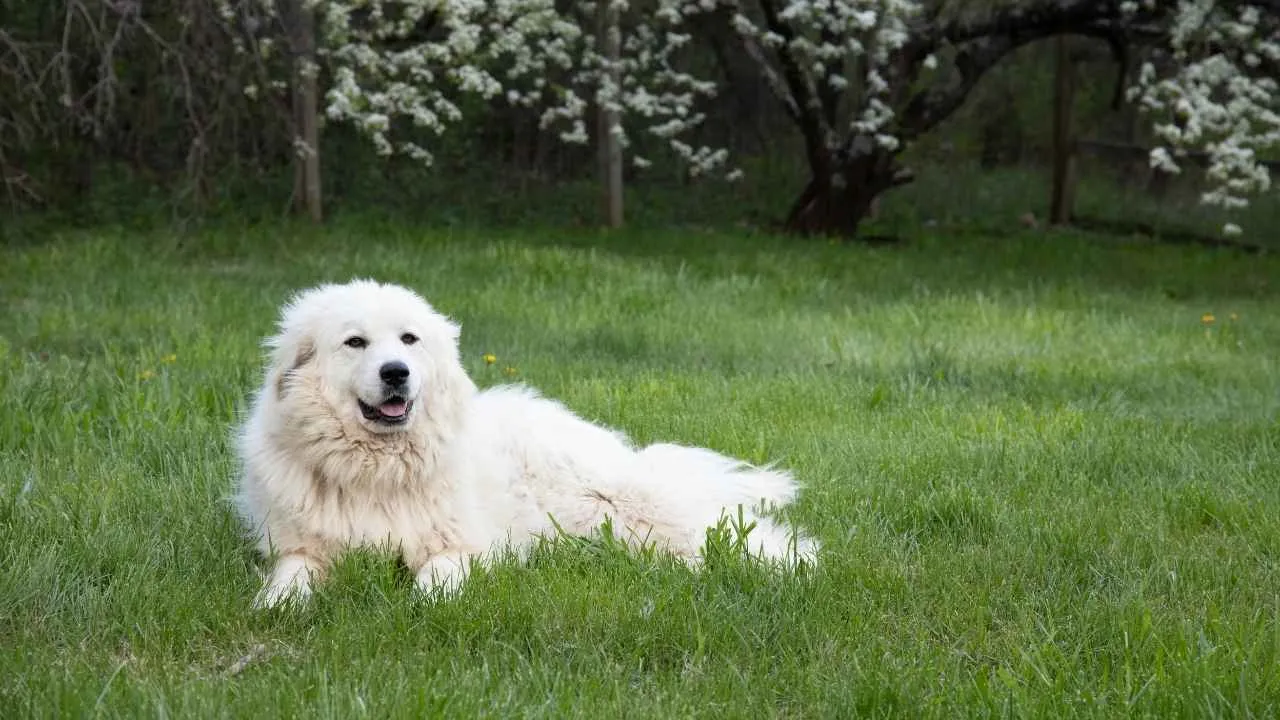
Great Pyrenees project quiet authority through their size and composed behavior. That steady confidence later drew the attention of royal households seeking dependable guardians. Their role went beyond appearance, as nobles valued dogs that could watch over estates without constant direction.
Trusted Guardians of Royal Grounds
Recognition from French nobility came in the seventeenth century, when these dogs were assigned to protect important chateaux, as the AKC highlighted. Records describe them as so effective that one dog matched the guarding ability of two men.
That reputation rested on a few clear strengths, seen daily in service:
Calm vigilance over large areas
Strong instinct to protect property
Ability to work independently
Dignified but Decisive
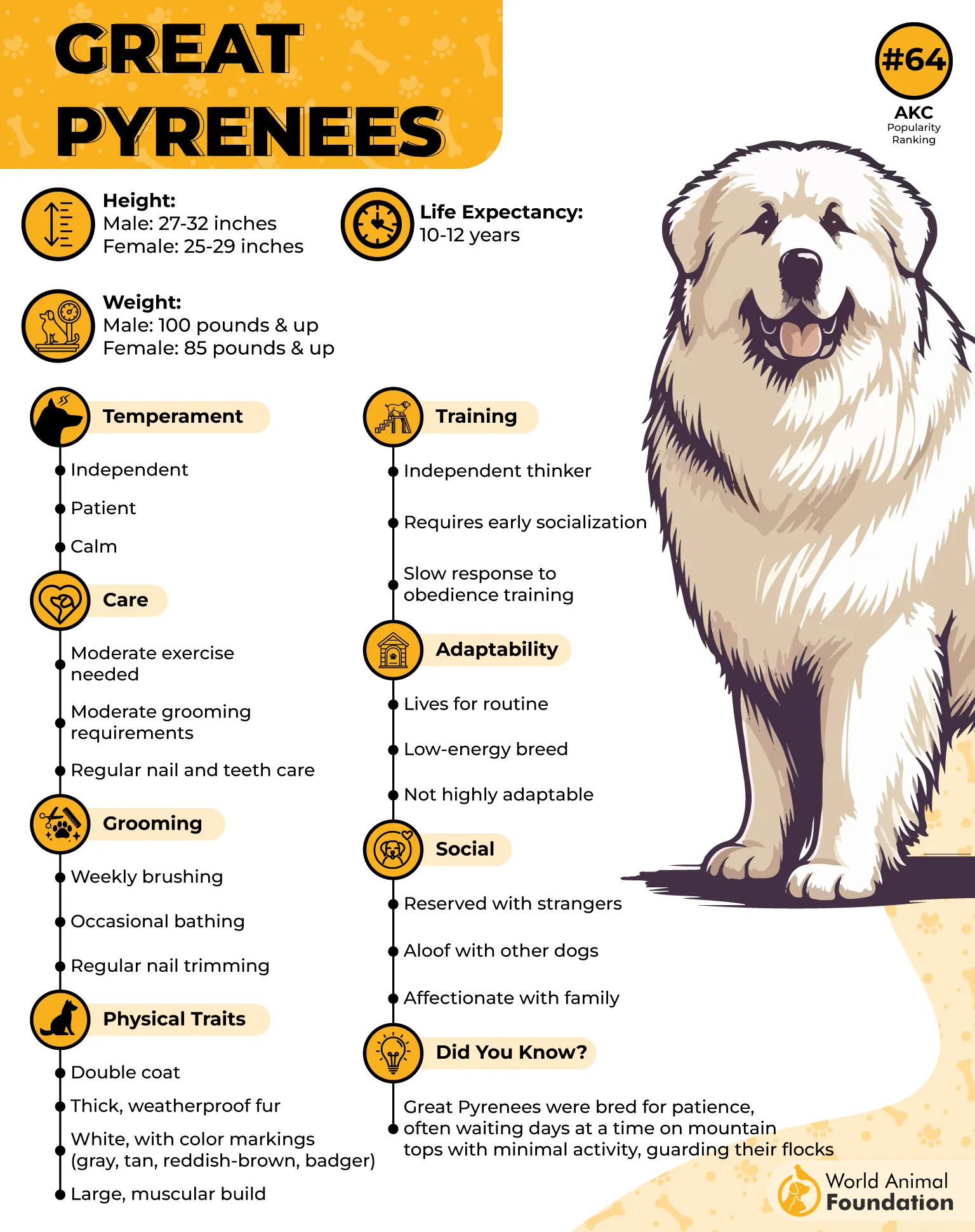
Great Pyrenees remain patient and gentle around familiar people while staying alert to unfamiliar movement. This balance made them suitable for royal environments where calm behavior mattered as much as security. Their independence allowed them to assess situations without waiting for commands.
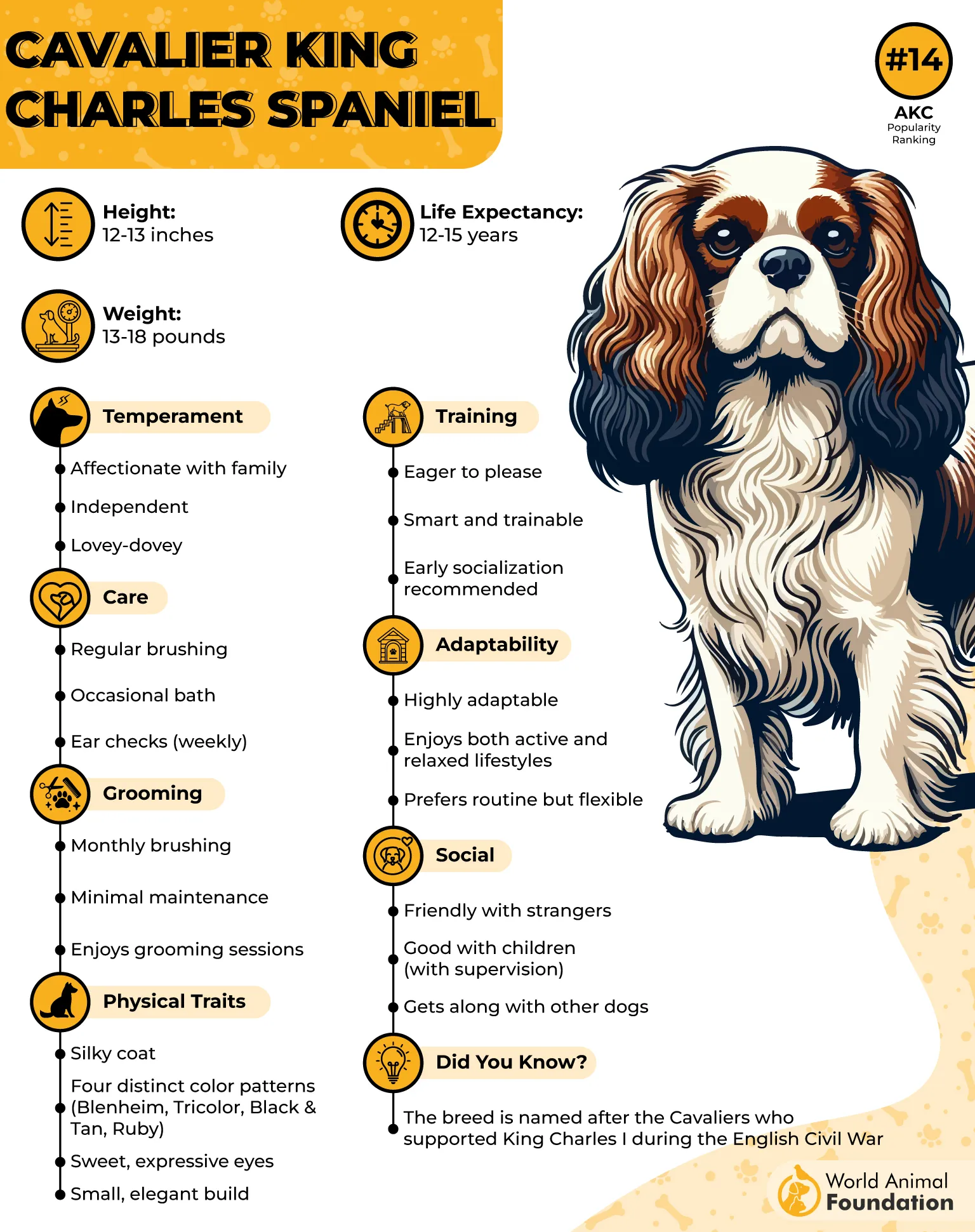
2. Cavalier King Charles Spaniel
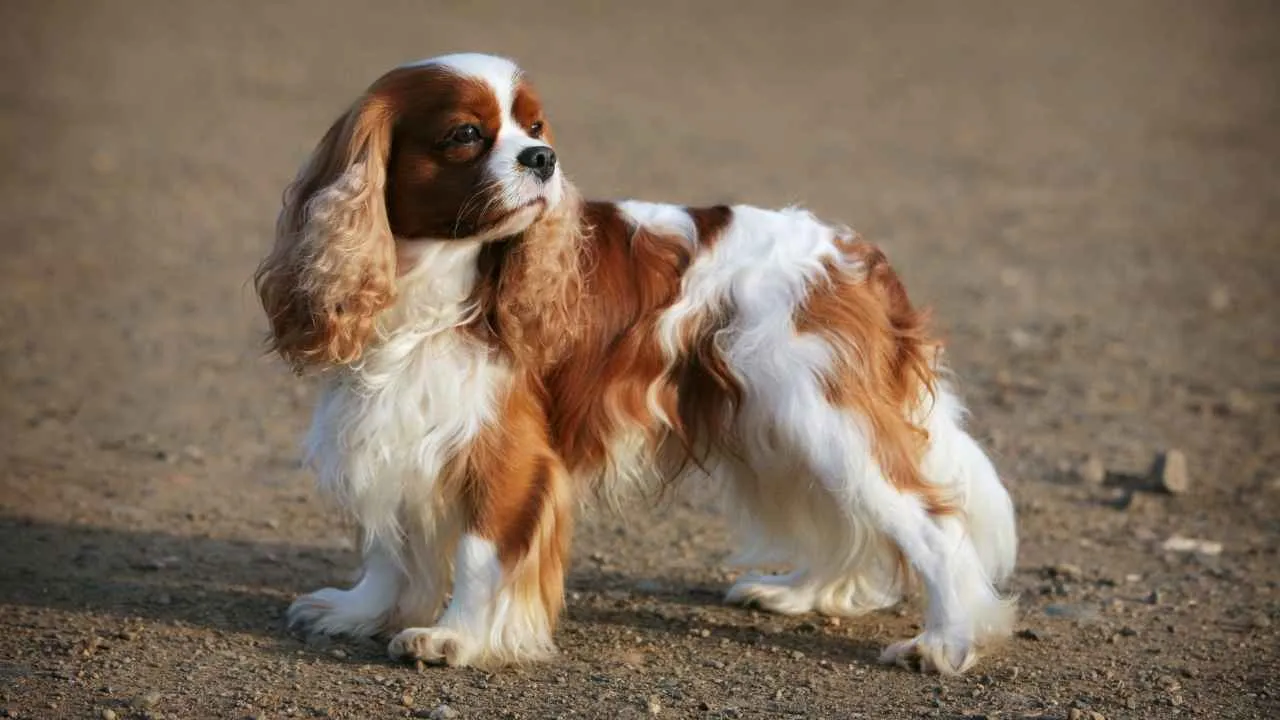
Cavalier King Charles Spaniel moves with an ease that once suited quiet chambers and formal halls. That calm charm placed the breed close to monarchs during long court sessions and public appearances. Its steady companionship fit naturally into royal routines rather than ceremonial display.
A Constant at the King’s Side
The Cavalier King Charles Spaniel became inseparable from King Charles II, appearing wherever he went. Paintings by artists such as Van Dyck and Gainsborough often depicted these dogs nestled beside nobility.
That closeness showed up in daily royal life as well:
Frequently present in royal portraits
Welcomed into official gatherings
Seen accompanying court figures
Status That Reached the Streets
Cavalier King Charles Spaniel gained rare public access through a royal decree tied to the breed. King Charles II allowed spaniels into public spaces, including Parliament, an unusual privilege at the time. That decision elevated the breed from court companion to a visible symbol of royal favor.
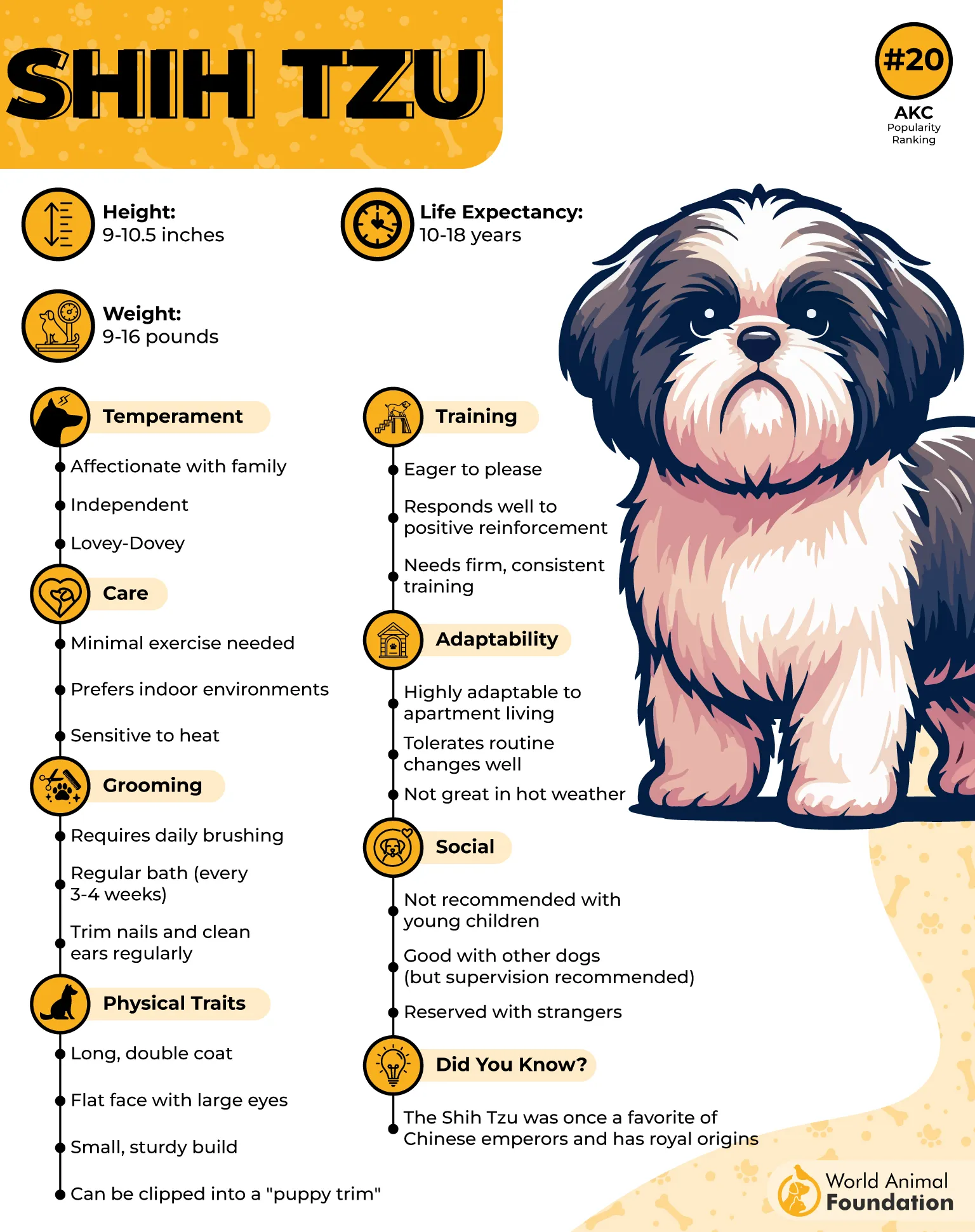
3. Shih Tzu
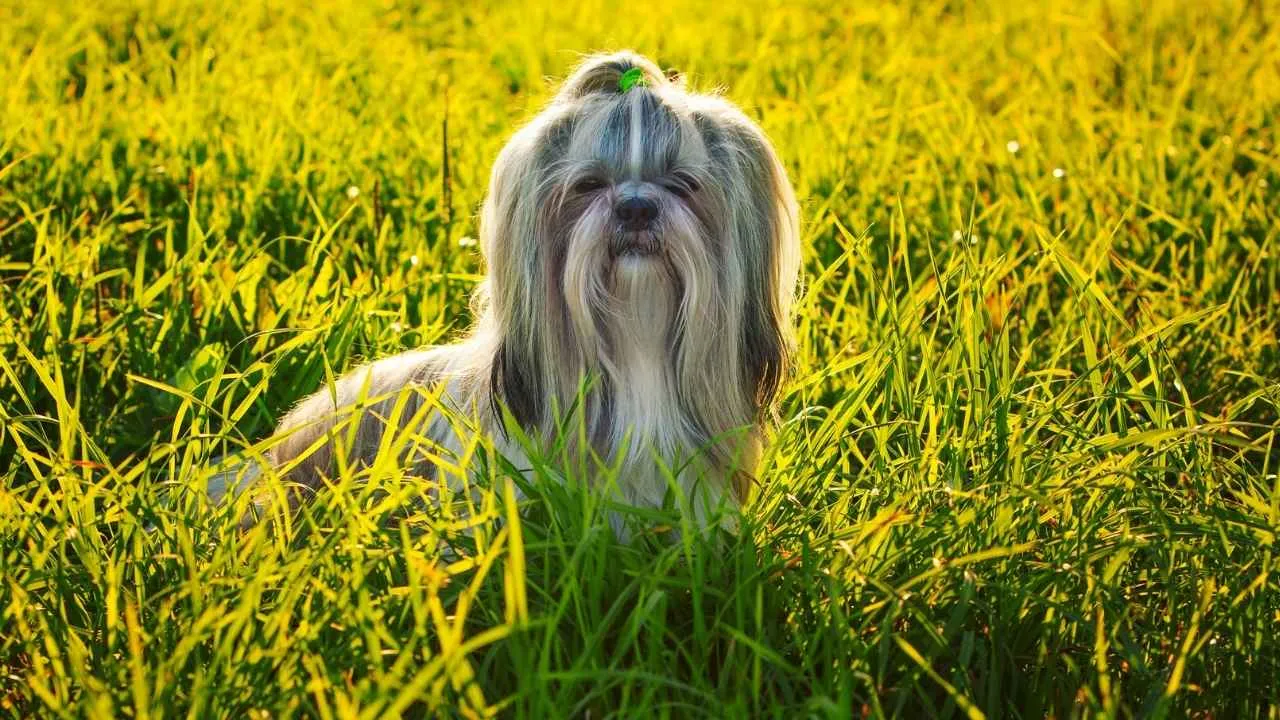
Shih Tzu presents a calm, composed presence that once fit seamlessly into palace life. This breed was valued for staying close to imperial circles without demanding attention or action. That quiet confidence helped secure its place among royal families rather than working courts.
Favored Inside the Palace
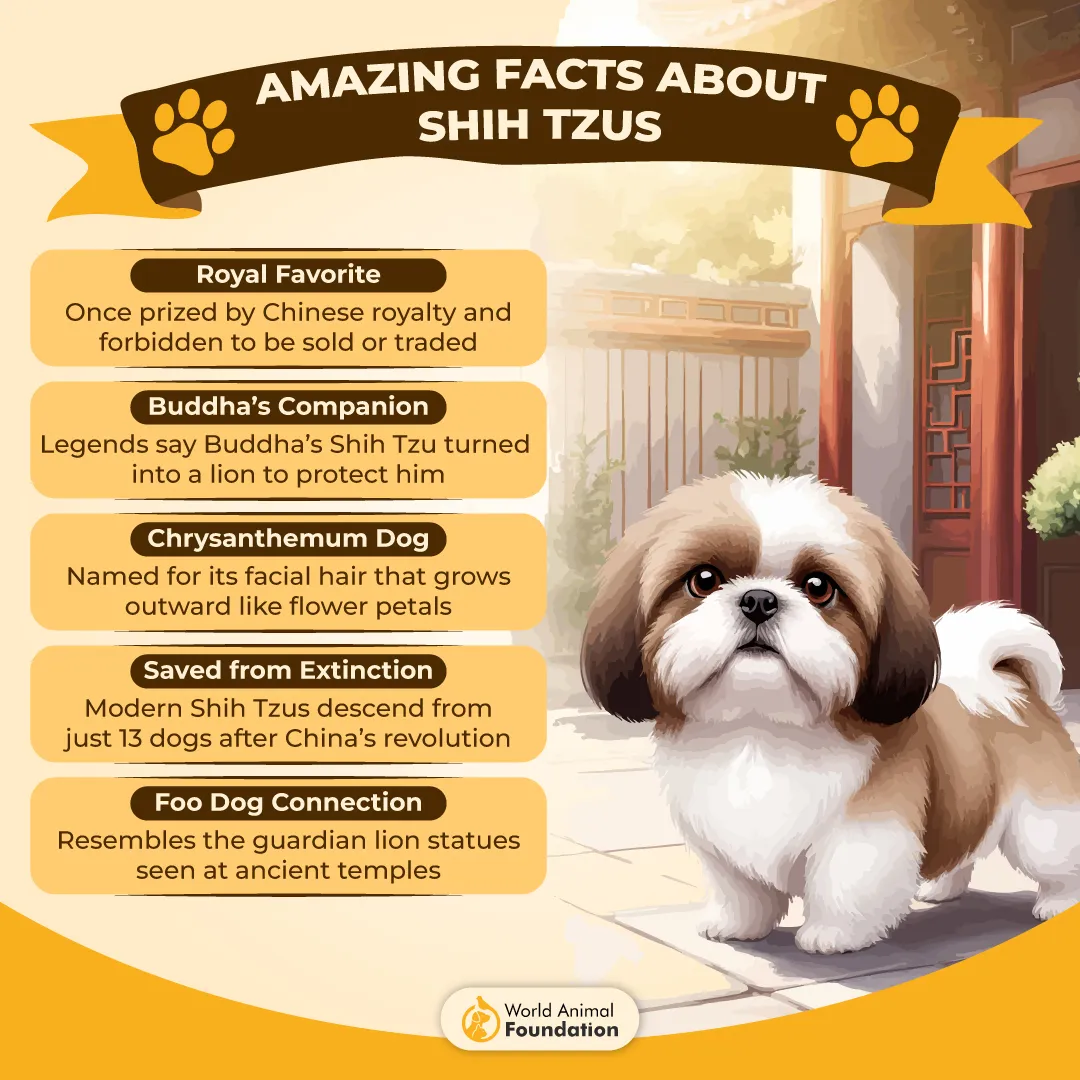
The Shih Tzu gained status through close association with emperors and their inner households. Palace records and artwork repeatedly placed them beside nobility rather than servants.
Their role stayed refined and intentional:
Bred within imperial palace walls
Exchanged as symbolic gifts to rulers
Closely protected by royal caretakers
Meaning Behind the Lion Image
Shih Tzu earned symbolic weight through its resemblance to the lion figures seen in imperial belief, as Royal Canin stated. Lions were linked to protection and spiritual strength in court tradition. This connection elevated the breed beyond companionship into a sign of fortune and favor.
Historical Note: Dowager Empress Cixi maintained a dedicated kennel for Shih Tzus and oversaw their breeding within the Forbidden City.
4. Pekingese
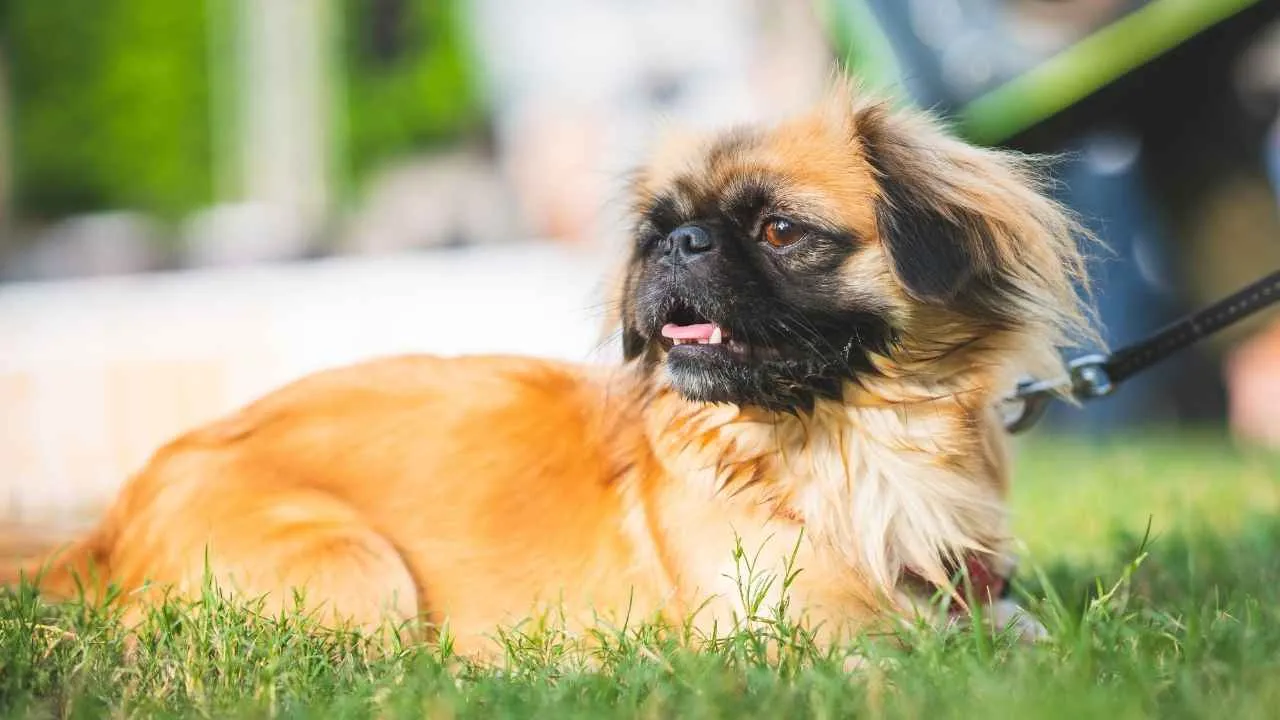
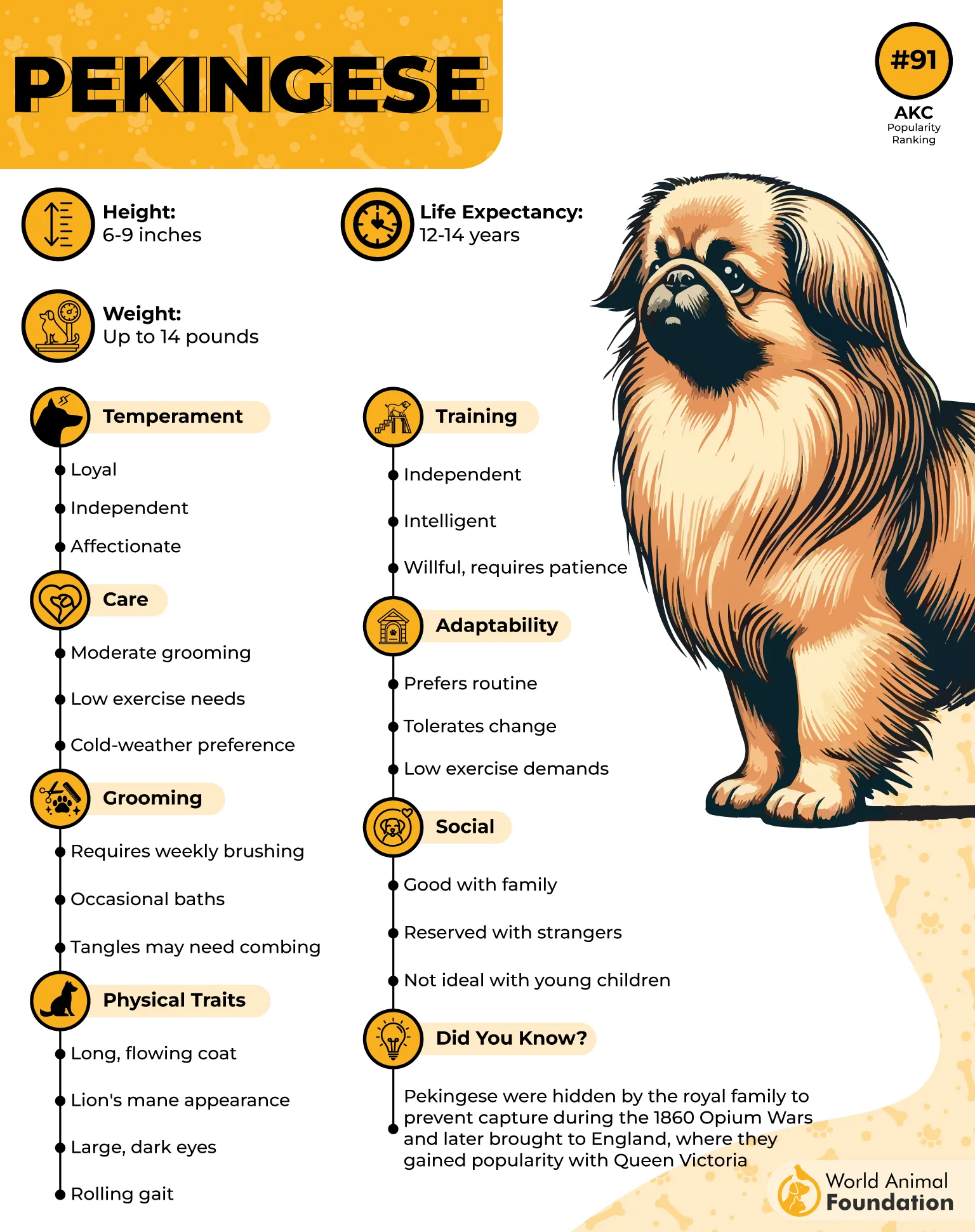
Pekingese developed a reputation for dignity long before modern companion dogs became common. This breed was treated as a living symbol of status, kept close to imperial circles and guarded with strict control. Their composed presence and self-assured behavior matched the expectations of royal households.
Sacred Status in Royal Life
Access to this dog was once limited by law, not preference, which shaped its image as a protected treasure. That history explains why the breed was linked with authority rather than everyday companionship.
These details highlight how tightly its place was controlled:
Reserved exclusively for imperial families
Protected by strict ownership rules
Regarded as sacred within court culture
From Palace Walls to Western Courts
As per Britannica, the breed entered British royal life during the 19th century after the Second Opium War. One dog named Looty became part of Queen Victoria’s household, reinforcing the breed’s noble image abroad. That moment shifted the Pekingese from guarded palace symbol to international royal companion.
5. Saluki
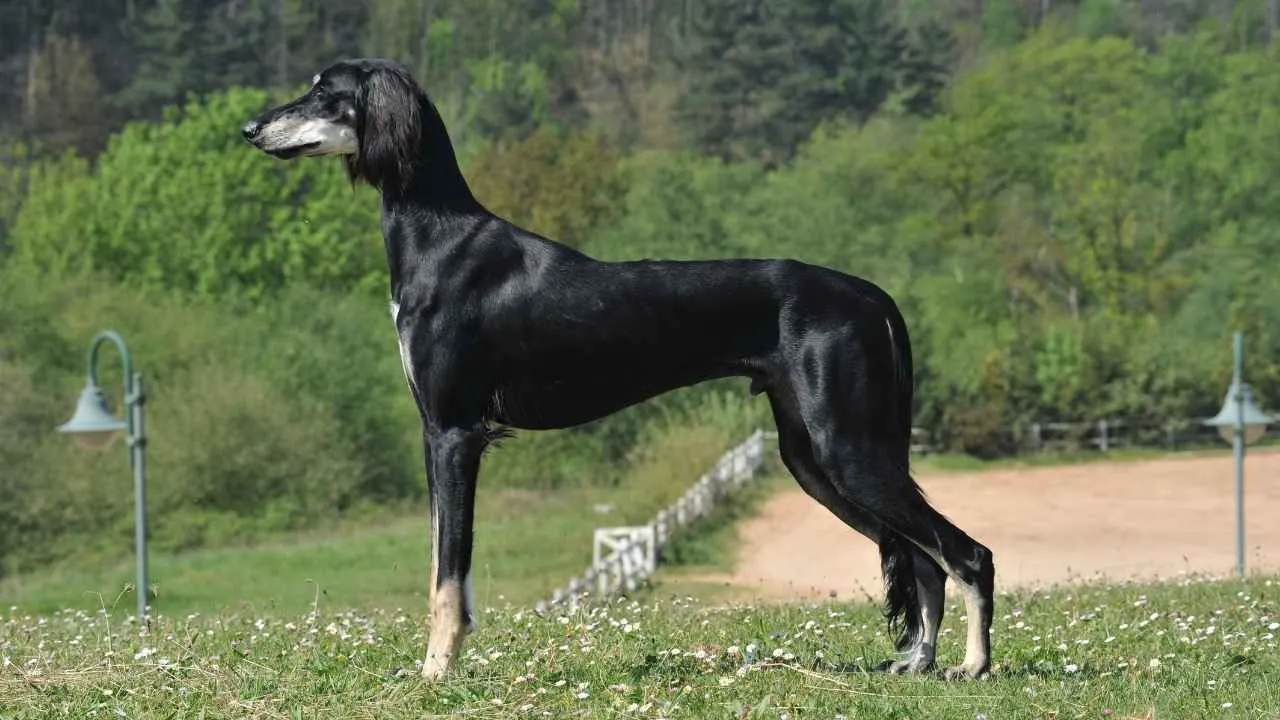
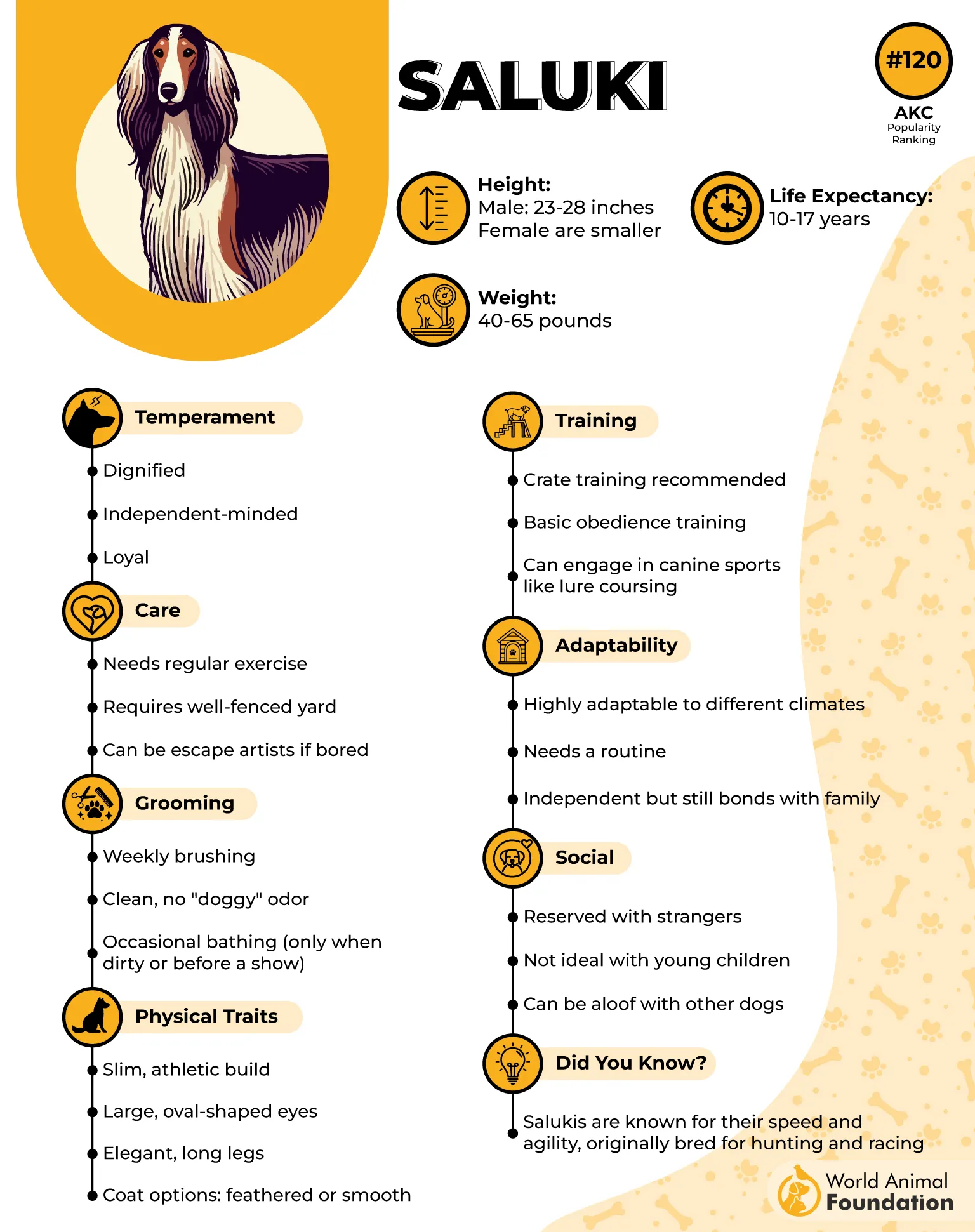
Saluki has a quiet elegance that once signaled rank and refinement in elite circles. This presence made the breed more than a companion, placing it close to rulers and nobles who valued symbolism as much as loyalty. That visual distinction helped elevate the Saluki into the royal households of ancient societies.
Esteem Beyond Companionship
Saluki held a position that blended reverence with purpose, especially among the ruling classes. That status shows up clearly in historical records and preserved art.
The respect took visible forms:
Depictions inside royal tombs
Inclusion in ceremonial artwork
Mummification alongside nobles
Symbol of Class and Authority
Saluki later became a marker of wealth and prestige among nobles and elite tribes. Ownership signaled access, lineage, and social standing rather than practicality alone. Artifacts dated as early as 7000 BCE continue to trace this breed’s long association with royalty and high status
6. Pembroke Welsh Corgi
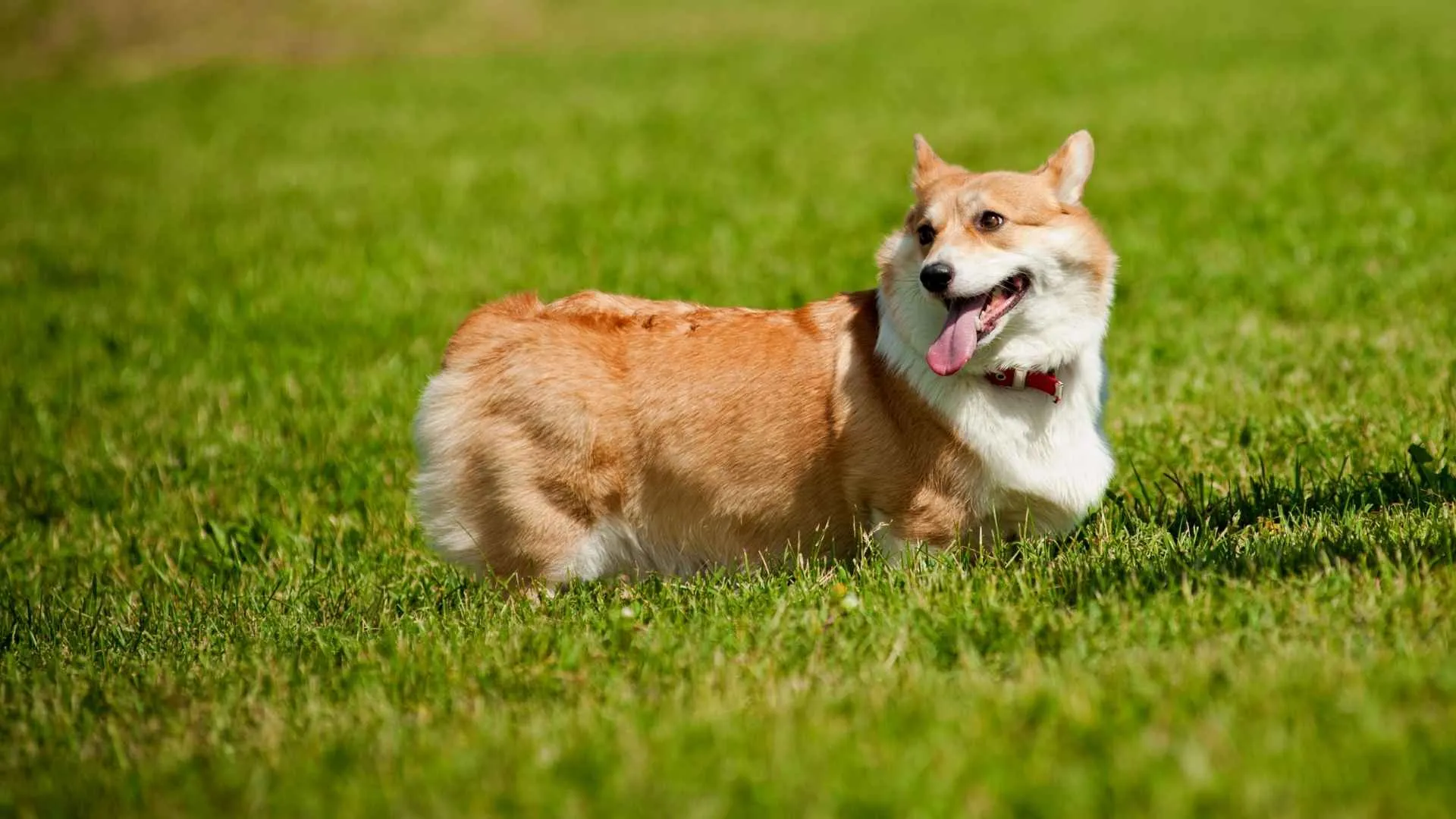
Pembroke Welsh Corgi walks with assurance that feels natural in formal settings and busy households alike. That self-possessed presence explains why the breed fit so easily into royal routines. Their alert posture and steady nerves made palace life feel familiar rather than overwhelming.
A Royal Pattern That Never Broke
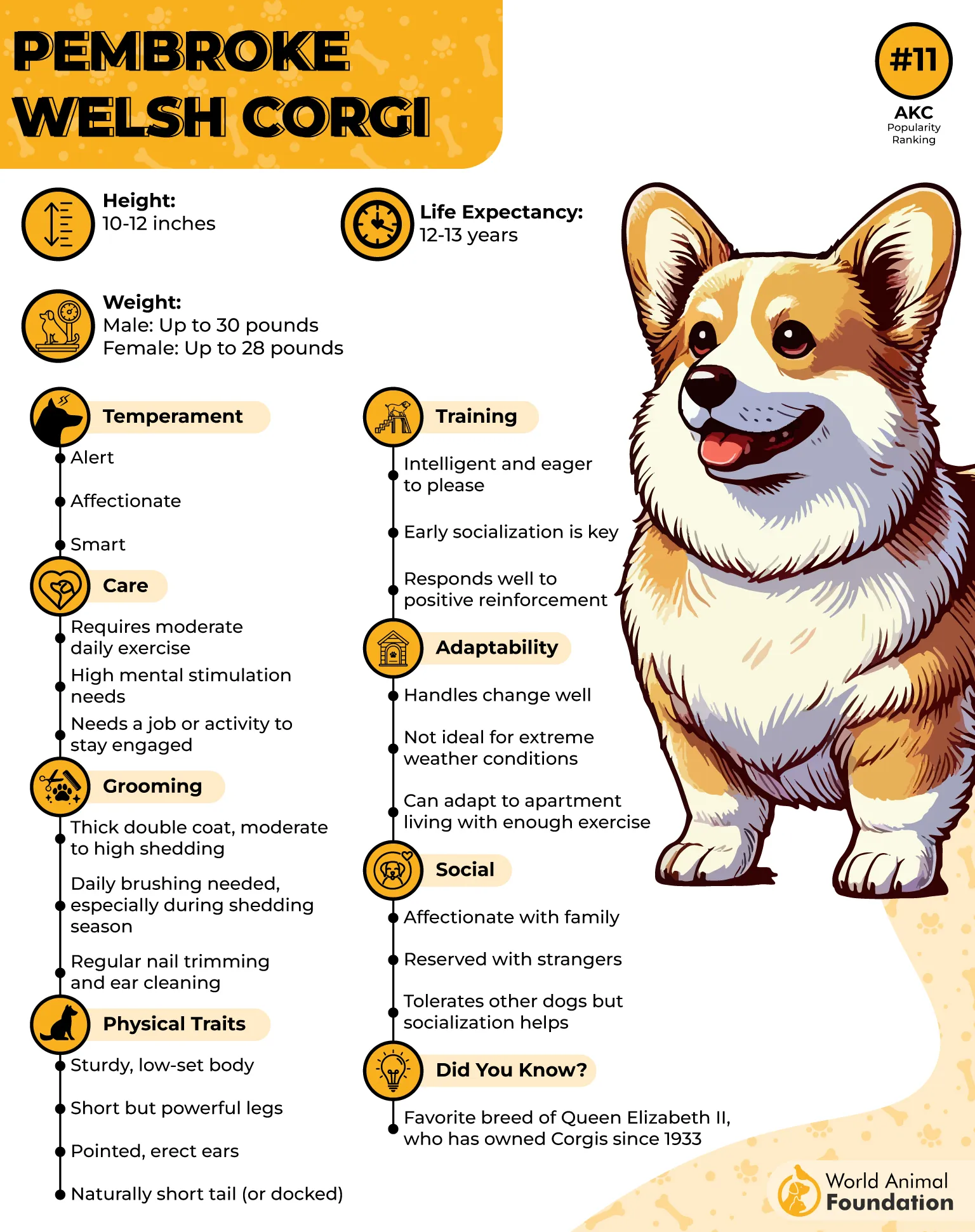
The Pembroke Welsh Corgi became closely linked to the British monarchy through Queen Elizabeth II, who received her first one in 1933 as a child. From Dookie onward, these dogs remained a constant presence at Buckingham Palace.
This loyalty showed up in everyday ways:
Consistent companionship in public and private spaces
Strong attachment to routine and surroundings
Comfort around large households and staff
Built To Hold Ground
The Pembroke Welsh Corgi was developed to move cattle, and that working past still shapes how the breed behaves today. Fearlessness shows up in posture, voice, and decision-making. Their deep bark and quick reactions gave them real value as watchdogs within royal residences.
7. Greyhound
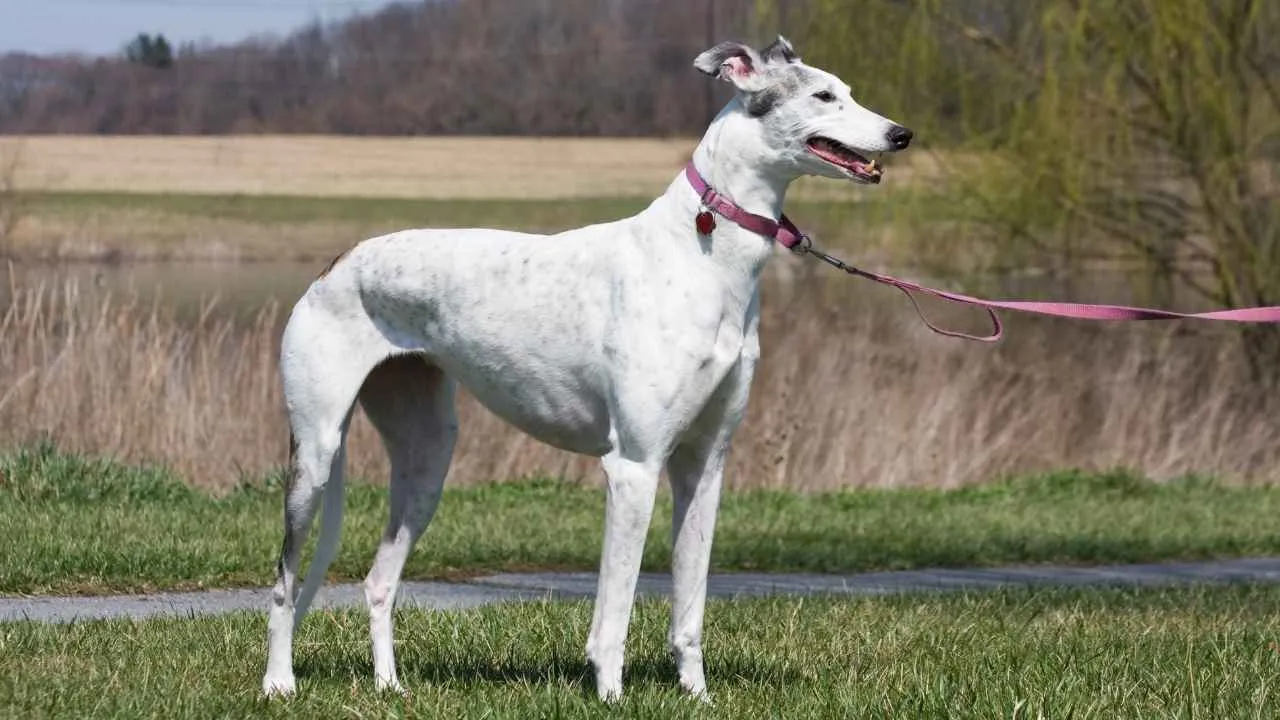
Greyhound elegance and quiet confidence made this breed a natural companion in royal settings. Their refined appearance matched courtly life, where animals often reflected status and power. This visual grace helped secure their place beside kings, nobles, and high-ranking leaders.
Revered Beyond Companionship
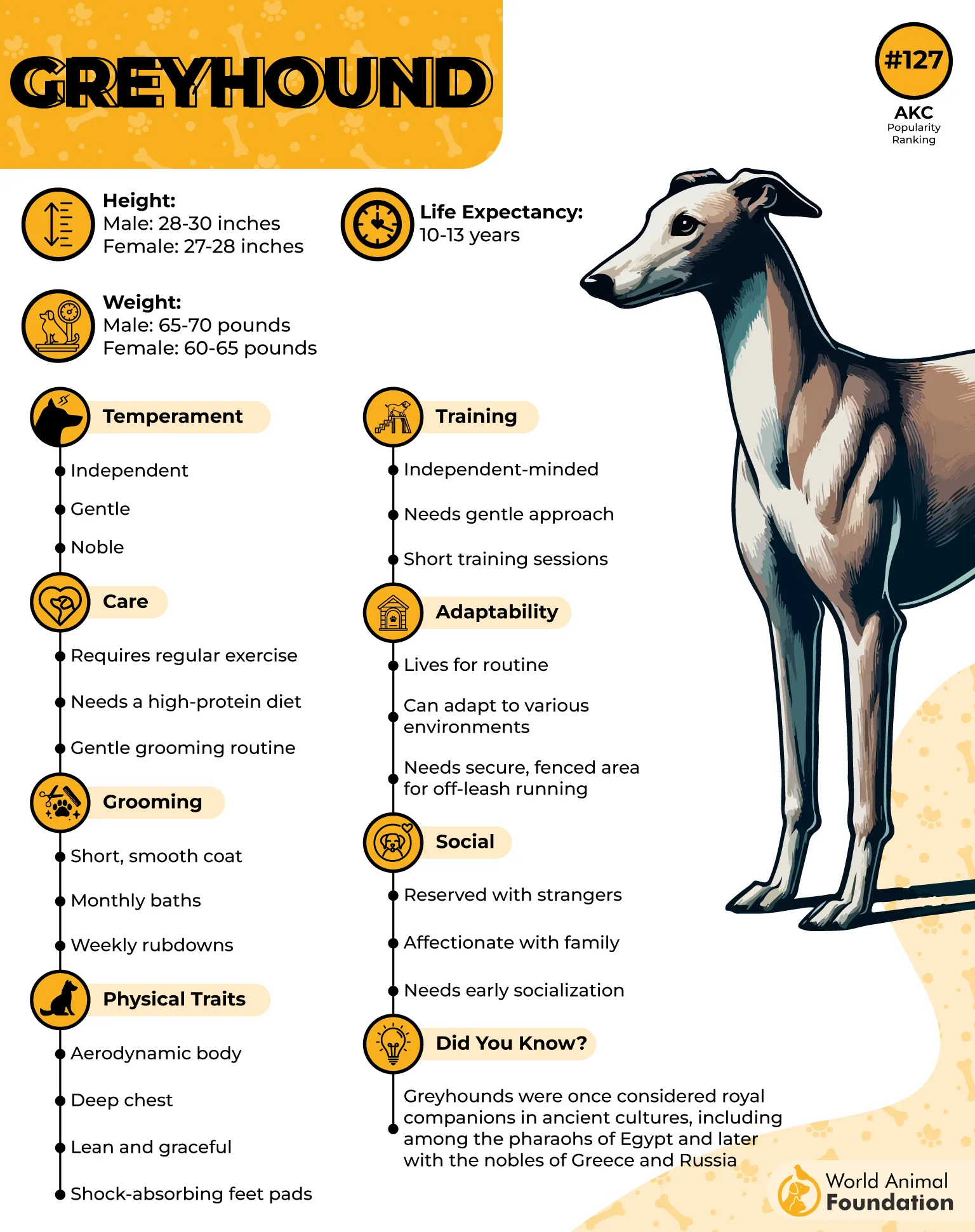
Greyhound status went far beyond admiration and entered the realm of reverence. In ancient Egypt, they were honored so deeply that royal families treated their loss with profound grief.
That level of respect is echoed through history in a few striking ways:
Reserved ownership among royalty
Depicted in Greek and Roman art
Linked to rulers like Alexander the Great
Symbols of Authority and Favor
Greyhound imagery appears repeatedly in royal art, mythology, and historical records. Their presence beside rulers was not decorative alone, but symbolic of loyalty and distinction. Being chosen as a favored companion marked exceptional standing within elite circles.
Conclusion
The stories behind these royal dog breeds reveal how quiet loyalty often mattered more than ceremony. Each one shaped its place beside rulers through presence rather than extravagance, and that history still colors the way people see them today.
Some found their way into British royalty, while others remained tied to ancient courts, yet all carried a gentle nature that softened demanding lives. Their past continues to influence the breed’s popularity, keeping their image connected to grace and lineage.
This long royal connection turns ordinary companionship into something that feels rooted in time, culture, and private moments of trust.
